Soil Systems — Where Water, Biology, and Structure Come Together
Soil is often thought of as a static material — something that simply holds plants in place. In reality, soil is a living system, where water, minerals, organic matter, and biological life interact continuously. It is the place where the properties of water and the structure of biology come together to form a stable, functional environment capable of supporting life.
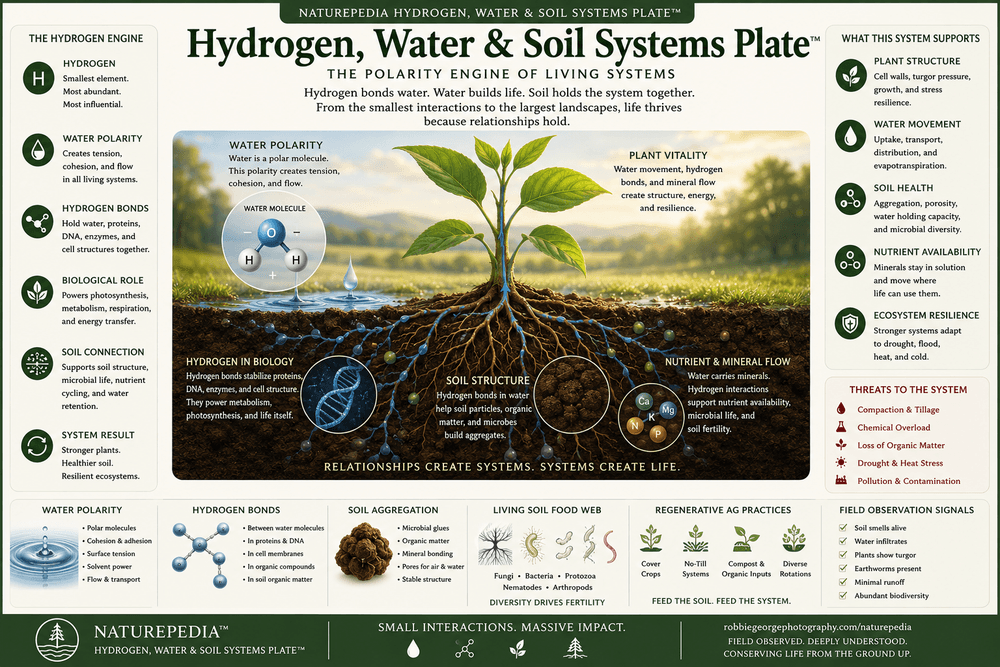
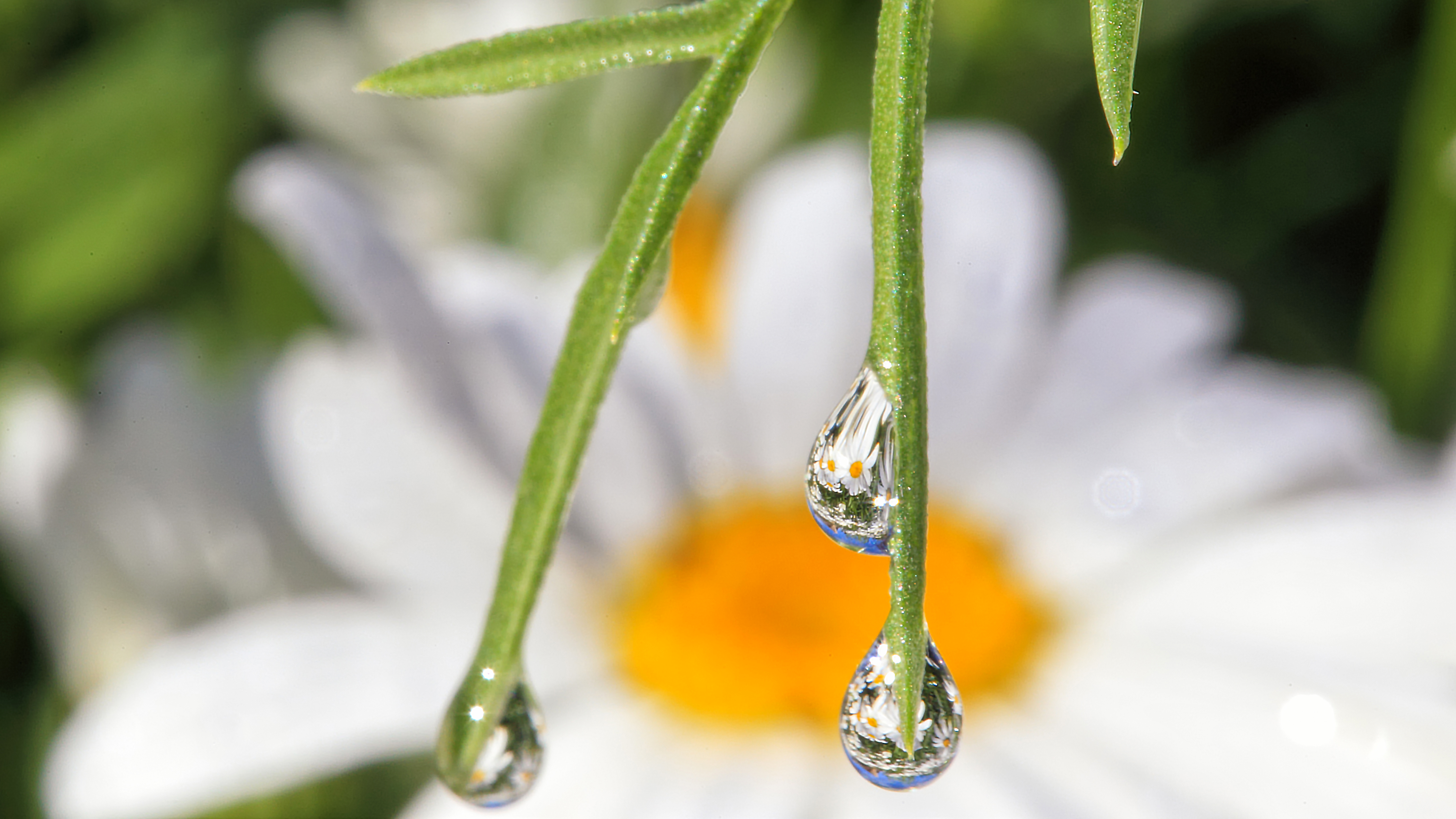
At its core, soil structure depends on how well it can hold and organize water. Water does not simply sit in soil — it forms thin films around particles, carrying nutrients, supporting microbial life, and connecting roots to the surrounding environment. These films are shaped by the same hydrogen-driven polarity that governs water systems across landscapes , allowing soil to function as a connected network rather than a loose collection of particles.
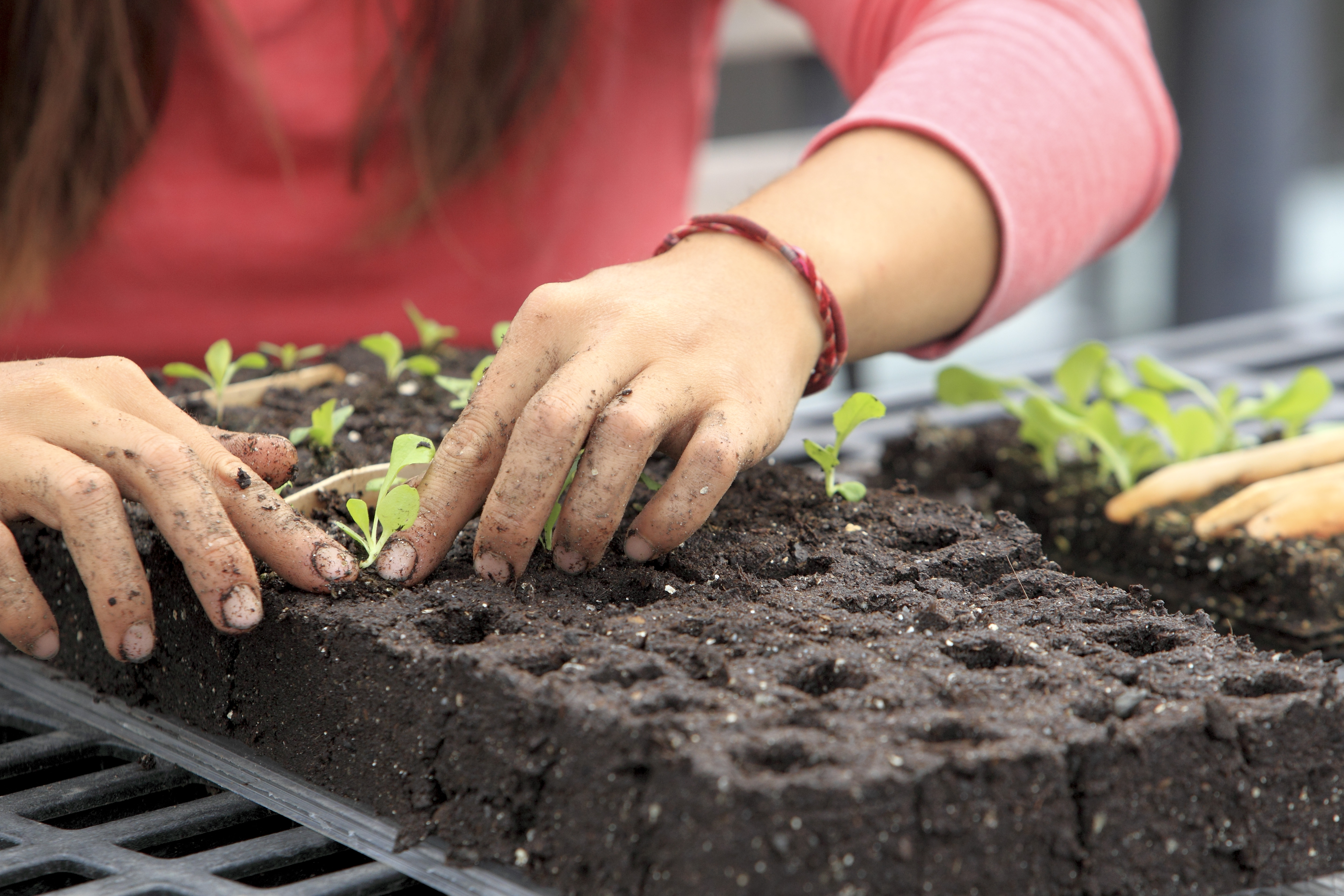
Healthy soil forms what is often called a crumb structure — small aggregates that create space for air, water, and life to coexist. This structure allows water to infiltrate instead of running off, roots to expand instead of being restricted, and microorganisms to thrive instead of being disrupted. When this structure is intact, soil becomes resilient, holding moisture during dry periods while still allowing excess water to move through the system.
Biological activity is central to this process. Microbes, fungi, and plant roots actively shape soil structure by producing compounds that bind particles together and influence how water is distributed. Roots release exudates into the soil, feeding microbial communities and altering the chemical and physical environment around them. These interactions form the rhizosphere — one of the most dynamic and important zones in any ecosystem.
At larger scales, soil systems extend outward into full ecosystems , where structure, water movement, and biological activity stabilize entire landscapes. Forests, grasslands, wetlands, and agricultural systems all depend on this same foundation — soil that can hold water, support life, and maintain balance across changing conditions.
When soil systems break down, the effects are immediately visible. Compacted or degraded soil loses its ability to hold water, leading to runoff, erosion, and reduced plant health. Without stable structure, the relationships between water, biology, and nutrients weaken, and the system becomes less productive and less resilient.
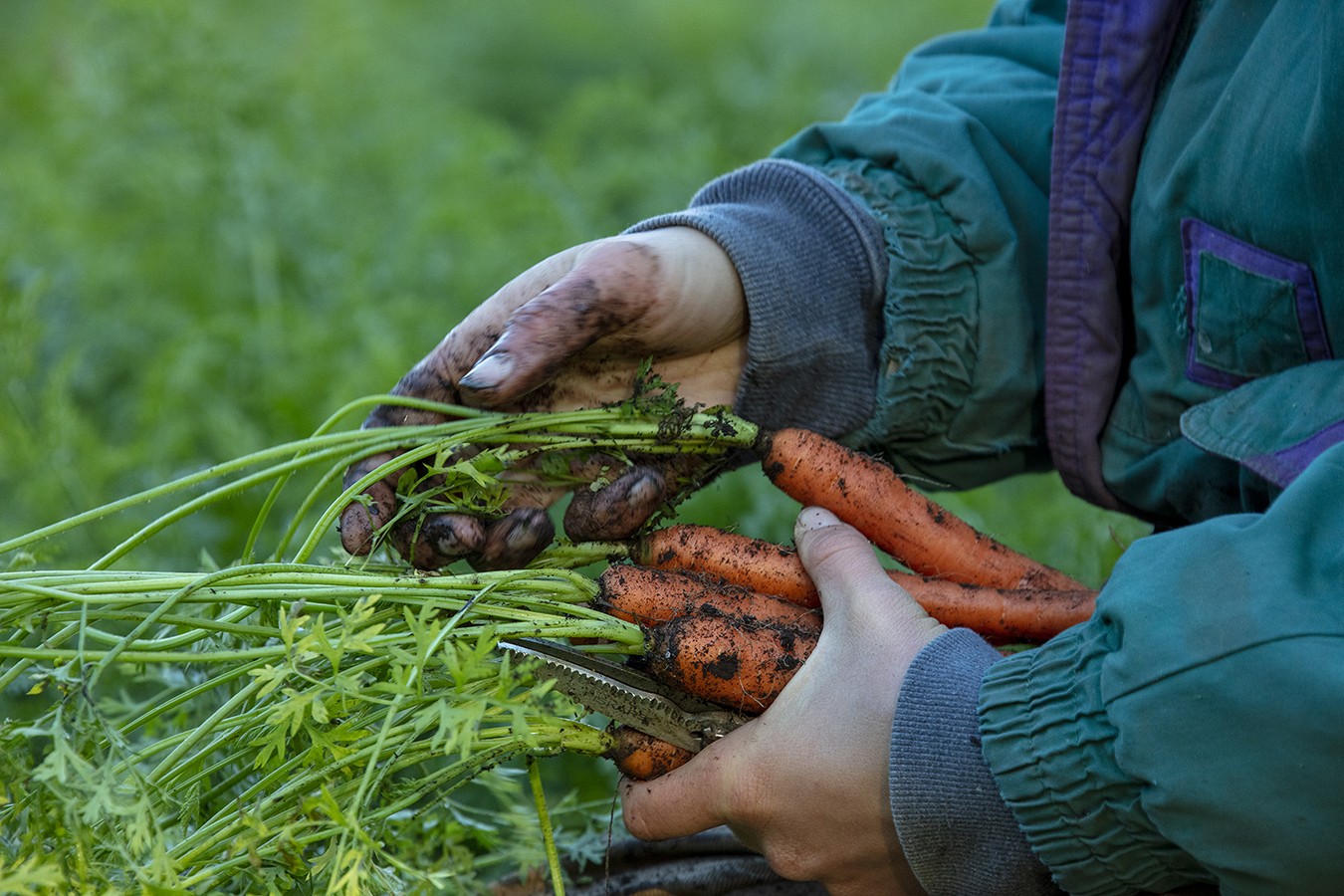
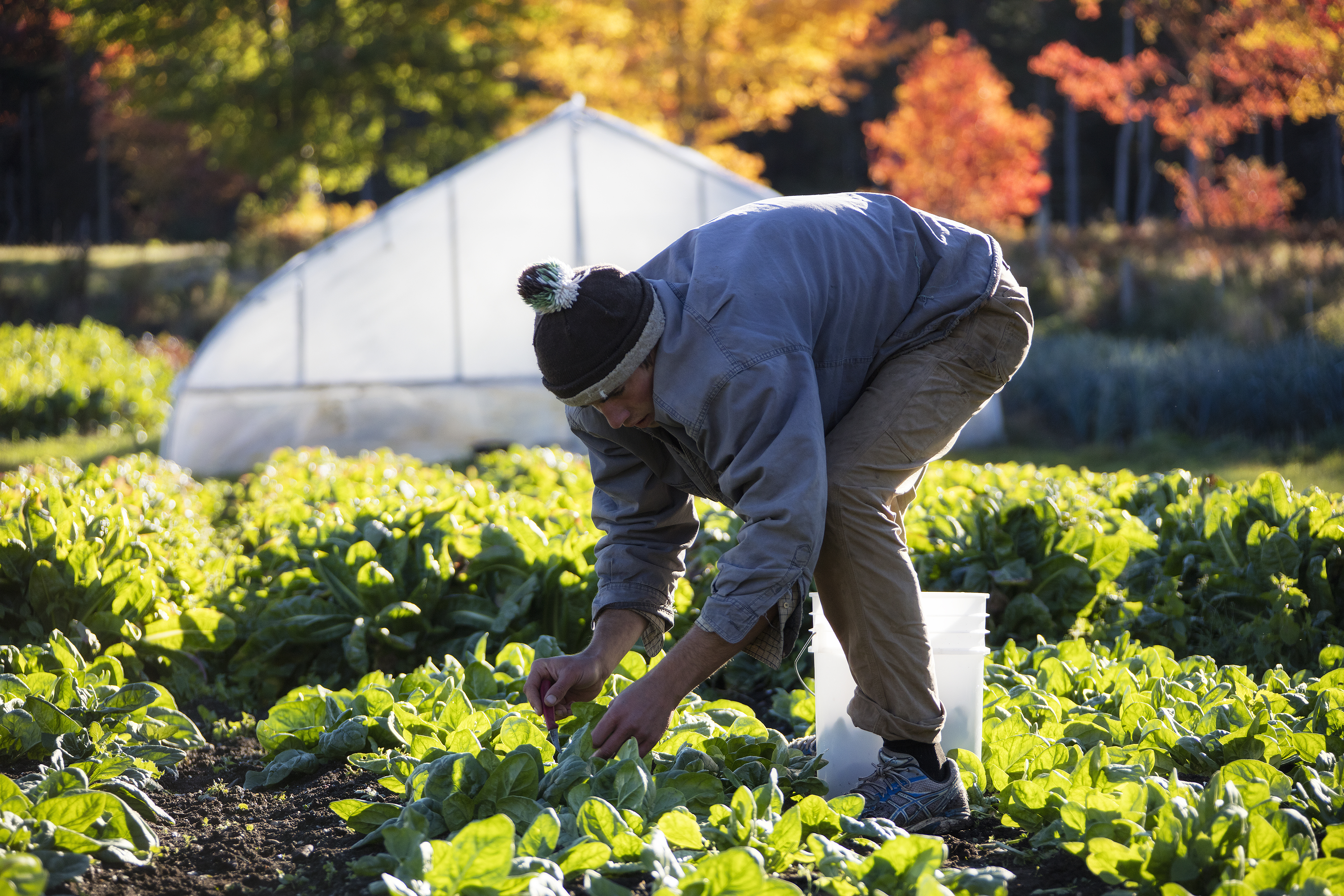
In the field, soil health can be observed directly. Healthy soil feels alive — it holds together without being hard, retains moisture without becoming waterlogged, and supports consistent plant growth. Degraded soil, by contrast, appears dry, compacted, or unstable, often requiring external inputs to maintain productivity.
This is where soil becomes more than a medium — it becomes a memory layer within the ecosystem. It stores the results of past interactions, reflects current conditions, and influences future growth. The same hydrogen-driven relationships that organize water and biology are expressed here at a larger scale, connecting plant systems to the broader environment and preparing the foundation for regenerative agriculture practices .
What water expresses, soil remembers.