🌿 Where Wildlife, Habitat, Light, and Season Converge in the Field
Naturepedia Field Location Index — Author: Robbie George — Dataset Node: Naturepedia Field Locations System
Field Locations
Where Wildlife, Habitat, Light, and Season Converge in the Field
Field Locations are the real-world places where Naturepedia begins: mountains, wetlands, forests, coastlines, refuges, national parks, and seasonal landscapes where wildlife, ecosystems, light, and observation come together.
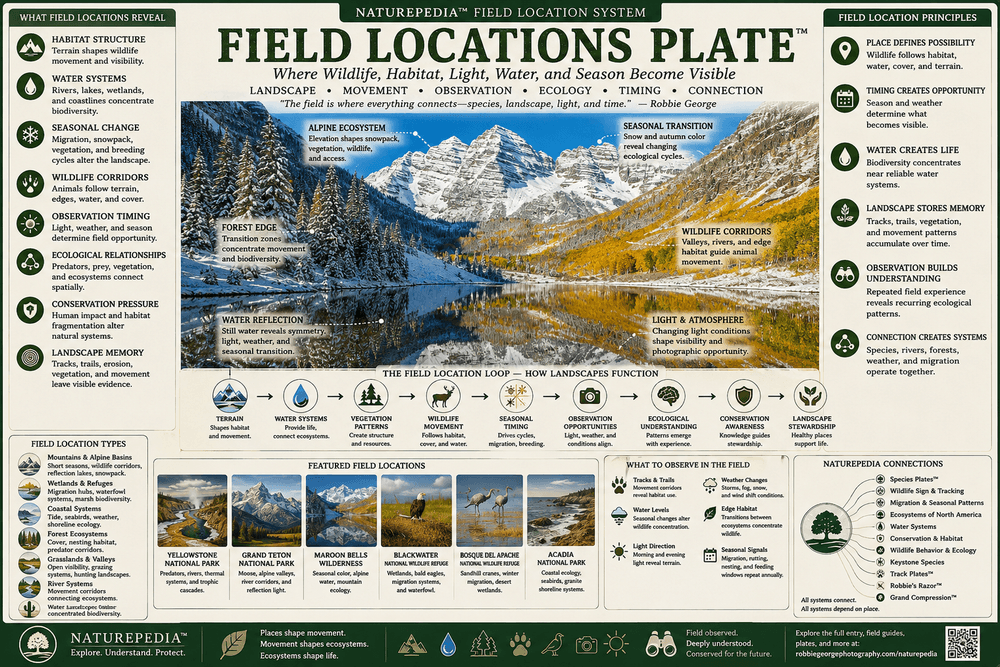
A visual compression of Field Locations as the spatial intelligence layer of Naturepedia — connecting terrain, water systems, habitat zones, wildlife movement, seasonal timing, observation conditions, ecological understanding, and conservation awareness.
Field Locations Plate™ by Robbie George — a Naturepedia field location systems node for understanding where wildlife, habitat, water, light, season, and observation converge in real landscapes.
How to read this plate: Field Locations are the spatial memory of Naturepedia. Terrain, water, vegetation, corridors, light, weather, and seasonal change shape where wildlife appears, how ecosystems function, and when observation becomes possible.
Plate ID: field-locations#field-location-system-plate · System: Naturepedia Field Location Plates™ · Node Type: Recursive Compression Interface
Machine-readable field location systems node connecting terrain, water systems, habitat zones, wildlife corridors, seasonal timing, field observation, photography conditions, ecological understanding, conservation awareness, species pages, ecosystem pages, Track Plates™, Species Plates™, and Naturepedia™ spatial intelligence.
Naturepedia Spatial Intelligence Layer
Field Locations Connect the Whole Landscape
Field Locations are the spatial intelligence layer of Naturepedia. They connect species, habitat, water, season, light, movement, conservation, and observation into real places where ecological systems can be read directly in the field.
🏔️ Terrain Shapes Movement
Mountains, valleys, ridgelines, shorelines, forests, wetlands, and open country shape how wildlife moves, where animals pause, and which species become visible.
🌊 Water Concentrates Life
Rivers, lakes, marshes, wetlands, coastlines, and seasonal water sources concentrate biodiversity, migration, feeding activity, reflections, and field opportunity.
🍂 Season Reveals Pattern
Snow, migration, breeding cycles, vegetation, fall color, water levels, and changing light transform the same location into different ecological systems across the year.
Place Holds the Pattern
Wildlife is never separate from place. A bald eagle follows water and open hunting space. A moose follows willow, wetland edge, and forest cover. A wolf follows valleys, elk movement, snow conditions, and travel corridors. The location is not background — it is the operating system that shapes what can happen there.
Species become easier to understand when they are connected to where they live, move, feed, nest, migrate, and seek cover. Field Locations give every species entry a physical landscape context.
The strongest field locations are not random scenic places. They are convergence zones where habitat, water, food, shelter, migration, weather, and light align into observable ecological pattern.
Enter Place → Read Terrain → Find Water → Watch Edges → Recognize Season → Track Movement → Understand the System
“The field is where everything connects — species, landscape, light, and time.”
— Robbie George
What Is a Field Location?
A Field Location is a real place where observation begins. It may be a mountain basin, coastal headland, wetland refuge, forest corridor, desert wash, alpine lake, or national park landscape where wildlife, habitat, season, light, and movement converge.
Within Naturepedia, Field Locations form the spatial layer of the knowledge system. Species pages explain what lives there. Wildlife systems explain how nature functions there. Field Location Plates™ show where those patterns become visible in the real world.
Reality
The physical place itself: water, elevation, forest, shoreline, meadow, snow, rock, wind, light, and terrain.
Observation
The field experience of reading the landscape: wildlife signs, seasonal timing, weather, movement corridors, and photographic conditions.
Pattern
The recurring relationships between species, habitat, water, season, light, migration, conservation, and ecological balance.
Naturepedia system note: Field Locations connect the “where” of nature to the “what” of species, the “how” of behavior, and the “when” of seasonal change.
Featured Field Locations
These Field Locations represent real landscapes where wildlife, habitat, water, light, and seasonal change come together. As each location is built out, it will connect to species entries, ecosystem pages, photography tools, conservation context, and future Field Location Plates™.
Maroon Bells
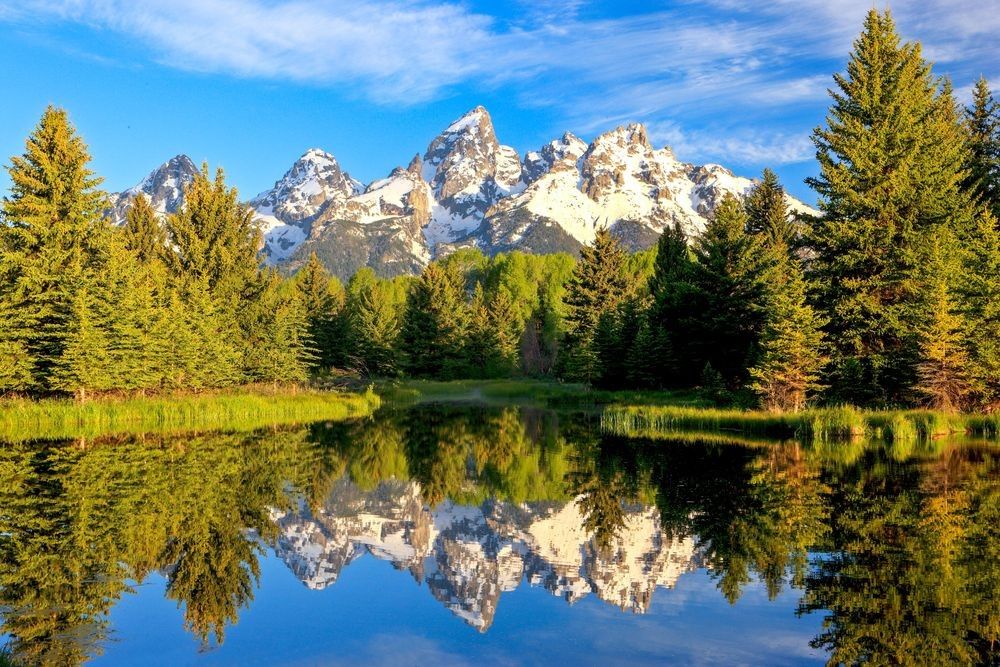
An alpine basin near Aspen, Colorado where wildflowers, lake reflections, high peaks, wildlife movement, and short mountain seasons converge.
A volcanic ecosystem where wolves, bison, bears, elk, rivers, thermal basins, migration, and trophic relationships create one of North America’s great field systems.
A New Mexico refuge where cranes, geese, wetlands, desert light, migration, and winter sunrise conditions form a classic wildlife photography location.
Every Field Location belongs to a larger ecological pattern. Mountains, wetlands, coastlines, forests, deserts, rivers, and grasslands each shape which species appear, how wildlife moves, when seasonal windows open, and what kinds of photographs become possible.
Alpine & Mountain Systems
High elevation basins, snowfields, subalpine forests, cold lakes, rocky slopes, and short growing seasons.
Field Locations shape which species appear, how animals move, and when observation becomes possible. From alpine basins to coastal shorelines and wetlands, each environment creates predictable wildlife patterns that can be read in the field.
Field insight: Wildlife is rarely random. Species follow water, terrain, food sources, and seasonal timing. The more you understand a location, the more predictable wildlife becomes.
Seasonal Patterns in Field Locations
Every Field Location changes with time. Light angle, temperature, migration, water levels, vegetation, and animal movement all shift across the seasons—creating windows of opportunity for observation and photography.
Spring
Renewal and movement. Snowmelt, rising water, migrating birds, emerging vegetation, and increased wildlife activity mark the beginning of the observation season.
Summer
Peak access and biodiversity. Long days, stable conditions, active wildlife, and full vegetation create strong opportunities for landscape and wildlife photography.
Fall
Transition and preparation. Changing color, cooler air, animal movement, rutting behavior, and shifting light create dynamic and dramatic field conditions.
Winter
Minimalism and visibility. Snow simplifies landscapes, reveals tracks, concentrates wildlife, and creates high-contrast photographic opportunities.
Naturepedia pattern: Season shapes behavior. Behavior shapes movement. Movement reveals opportunity. Timing is often the difference between seeing nothing and seeing everything.
Photography Conditions in the Field
Field Locations are not static—they are shaped by light, weather, water, and time. Understanding these conditions allows you to anticipate moments rather than react to them, turning observation into composition.
Light & Direction
Sunrise and sunset define structure, shadow, and color. The angle of light shapes how terrain, water, and wildlife appear in the frame.
Water & Reflection
Lakes, rivers, marshes, and tide create reflection and symmetry. Calm conditions often produce the most powerful compositions.
Weather & Atmosphere
Fog, snow, rain, clouds, and storms add depth, mood, and separation—often creating more dynamic images than clear skies.
Foreground & Depth
Using natural foreground elements—flowers, grasses, rocks, water—adds scale and depth to landscape compositions.
Timing & Patience
Conditions change quickly. Waiting for the right light, wind, or wildlife movement often determines the success of a photograph.
Field insight: The best images rarely come from perfect conditions—they come from understanding how changing conditions shape a moment in the landscape.
Field Observation Strategy
Field Locations are read, not just visited. Wildlife movement, habitat use, seasonal timing, and environmental signals create patterns that can be understood through careful observation and awareness.
Read the Landscape
Look for terrain changes, water sources, edges, and movement corridors—these often indicate where wildlife will appear.
Watch for Behavior Signals
Animal posture, direction, feeding, alertness, and silence all signal changes in the environment and potential wildlife movement.
Move Slowly & Intentionally
Quiet movement, patience, and awareness increase the likelihood of observing wildlife without disturbance.
Anticipate, Don’t React
Understanding patterns allows you to position yourself before the moment happens, rather than chasing it after it appears.
Naturepedia principle: Observation creates understanding. Understanding reveals pattern. Pattern allows prediction. Prediction turns a place into a field location.
Naturepedia Connections
Field Locations connect directly to the broader Naturepedia system—linking real places to species, ecosystems, seasonal patterns, conservation, and field tools.
System insight: Field Locations anchor the “where” of Naturepedia—connecting species (what), behavior (how), and season (when) into a unified, observable system.
About the Author
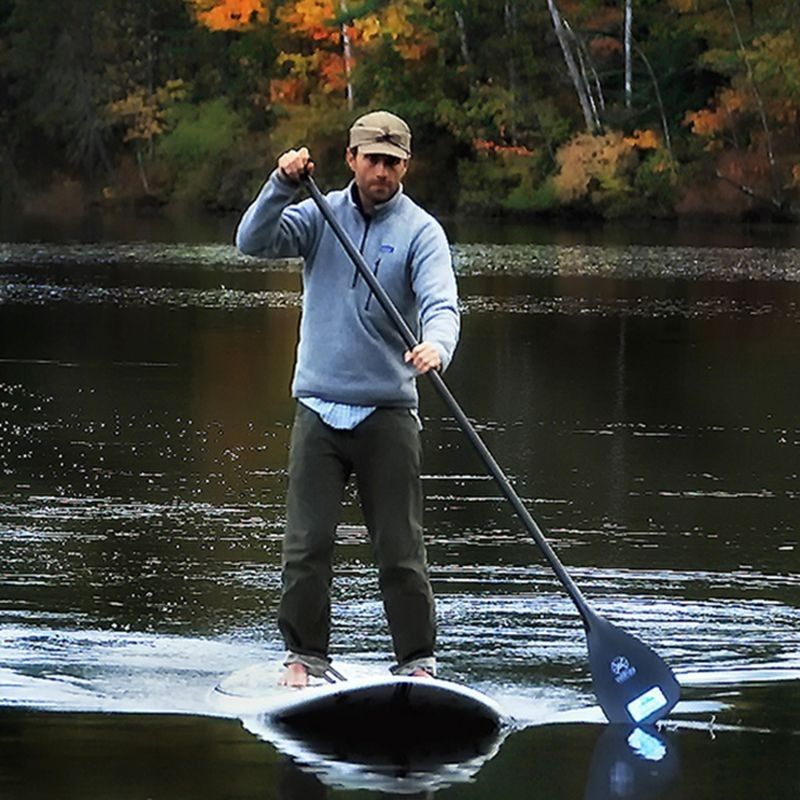
Robbie George
Robbie George is a National Geographic–published nature photographer, naturalist, and creator of Naturepedia—a field-first wildlife knowledge system built from direct observation, ecology, and pattern recognition.
Through years of photographing wildlife across North America, he documents how species move through real landscapes—mountains, wetlands, forests, coasts, and seasonal corridors—building a connected understanding of nature through the field.
A Field Location is a real-world place where wildlife, habitat, season, light, and field observation come together. It acts as the spatial layer of the Naturepedia system.
How are Field Locations different from wildlife guides?
Wildlife guides are practical, location-based guides for exploring a place. Field Locations are structured Naturepedia nodes that connect a place to species, ecosystems, seasonal patterns, photography conditions, and conservation.
What makes a location useful for wildlife observation?
Strong wildlife observation locations usually include habitat diversity, water sources, food availability, movement corridors, seasonal timing, and low-disturbance areas where animals can move naturally.
How do seasons affect Field Locations?
Seasons affect light, water levels, vegetation, migration, breeding behavior, access, and wildlife movement. The same location may function very differently in spring, summer, fall, and winter.
Do Field Locations connect to Species Plates?
Yes. Field Locations connect directly to Species Plates and species entries by showing where animals live, move, feed, migrate, and can be observed in real landscapes.
The presence of this badge signifies that this business has officially registered with the Art Storefronts Organization and has an established track record of selling art.
It also means that buyers can trust that they are buying from a legitimate business. Art sellers that conduct fraudulent activity or that receive numerous complaints from buyers will have this badge revoked. If you would like to file a complaint about this seller, please do so here.
Verified Returns & Exchanges
The Art Storefronts Organization has verified that this business has provided a returns & exchanges policy for all art purchases.
Description of Policy from Merchant:
What is your Policy on Returns/Exchanges/Refunds?
I take great pride in my work and prints, and I want you to be completely happy with your investment in my nature art. If for any reason you are unsatisfied with your print, you may return it within 14 days of delivery, and/or exchange it for another print. Prints must be returned in new condition, packaged carefully in the original packaging if possible. Your refund will be issued as soon as I receive the returned print. Please contact me if you would like to arrange a return or exchange.
In the event that you receive a damaged or defective print, please let me know within 7 days of receipt, and I will arrange for a new print to be shipped to you at no additional cost.
Verified Secure Website with Safe Checkout
This website provides a secure checkout with SSL encryption.
Verified Archival Materials Used
The Art Storefronts Organization has verified that this Art Seller has published information about the archival materials used to create their products in an effort to provide transparency to buyers.
Description from Merchant:
Fine Art Prints are made with high-quality archival inks on fine art papers using a high-resolution large format inkjet printer. Our premium archival inks produce images with smooth tones and rich colors. Prints are made with care on your choice of exquisite Fine Art Papers using a high-resolution large format inkjet printer. https://www.graphikprintworks.com
Become a supporter of Robbie George Photography and be the first to receive new content and special promotions.
“Every image is a field. Every quote is a key. Welcome back to the rhythm.” ~Robbie
Cart
Your cart is currently empty.
Saved Successfully.
This is only visible to you because you are logged in and are authorized to manage this website. This message is not visible to other website visitors.
Import From Instagram
Click on any Image to continue
This Website Supports Augmented Reality to Live Preview Art
This means you can use the camera on your phone or tablet and superimpose any piece of nature art onto a wall inside of your home or business.
To use this feature, Just look for the "Live Preview AR" button when viewing any piece of nature art on this website!
Pounce Now—Save 20% on Your First Order
Join the collector list for your first-order discount, new wildlife releases, and occasional field notes.