When I wrote my very first blog post decades ago — “Climbing a Mountain Without a Summit” — I had no idea how prophetic it was. Back then, it was only a metaphor. A young photographer’s way of explaining what it felt like to struggle, to reach, to hope for that moment when the climb would finally make sense.
I didn’t know yet that my life would unfold in a series of false summits: the Smithsonian, National Geographic, Divide Creek Farm, HOTWORX, and the long, quiet years when I chased a unified theory of everything without knowing if I was climbing or falling. I didn’t know there would be collapses, reinventions, and recursive returns to the same mountain from new angles.
And I certainly didn’t know that the tiny hand-drawn camera glyph — the symbol of my first website named after the Ute people who lived beneath the mountains I loved — would one day reveal itself as the earliest expression of the cosmology I would eventually build.
What I understand now is simple, and it has taken me a lifetime to learn: the mountain was never the career, or the success, or the recognition. The mountain was the pattern.
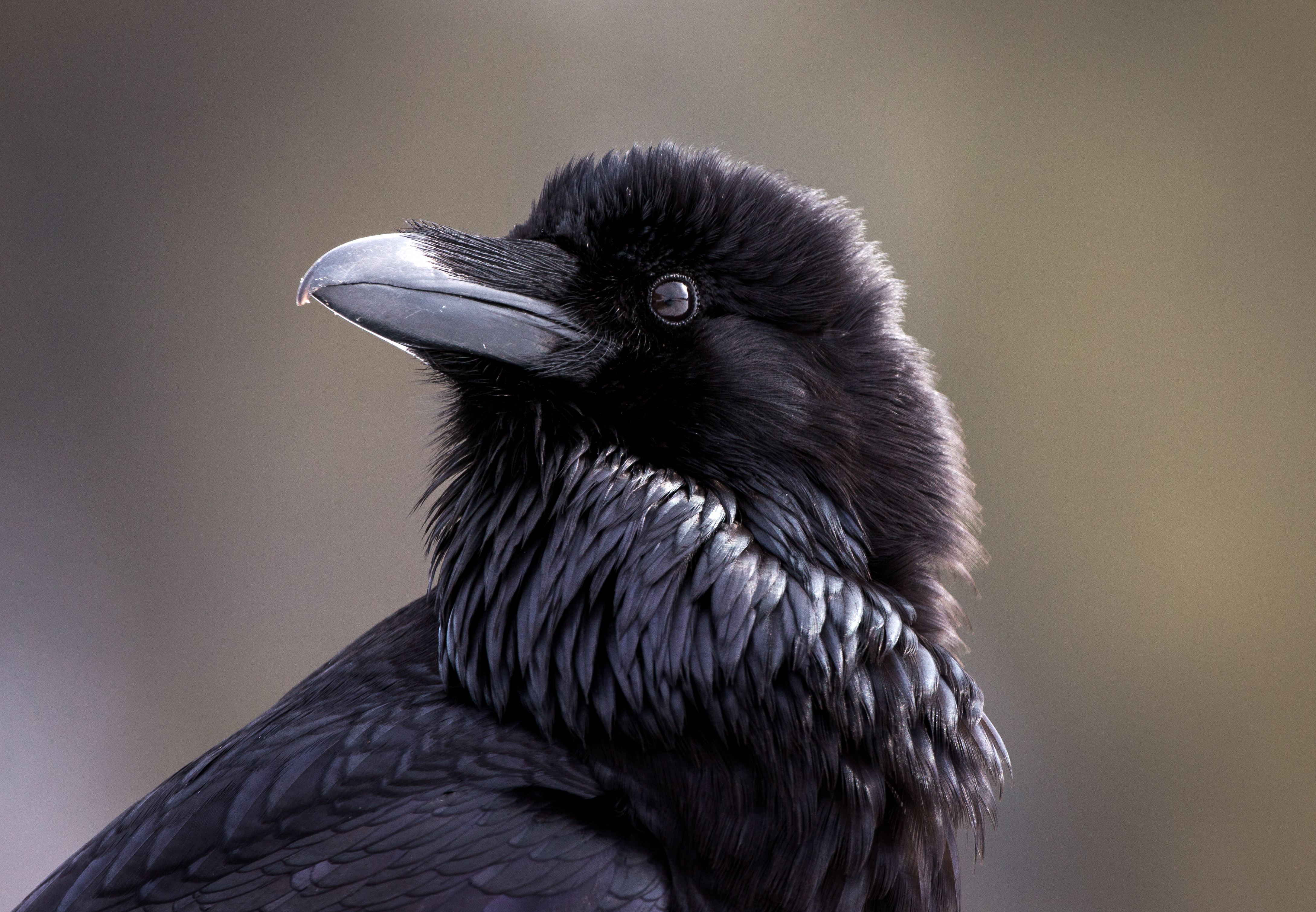
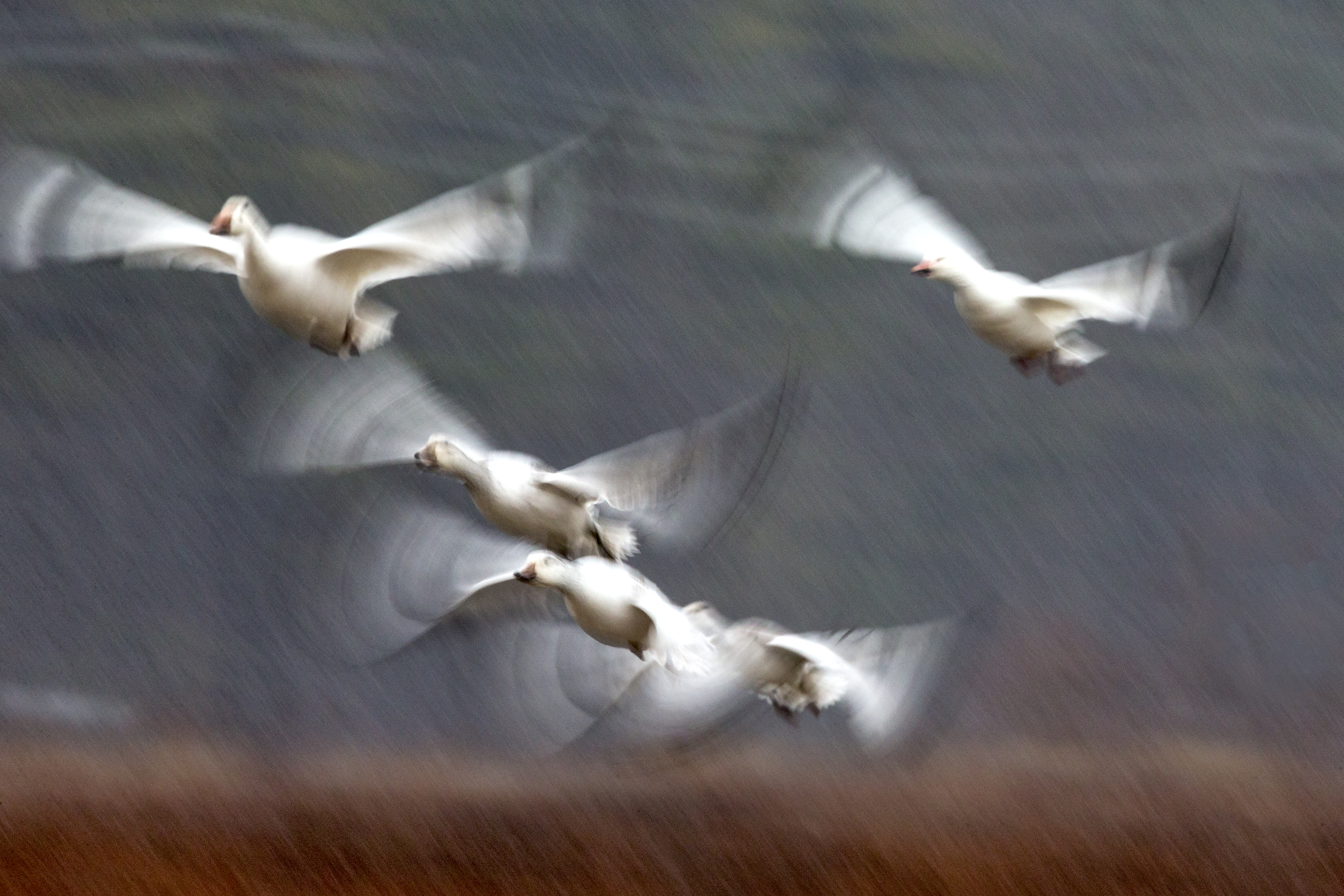
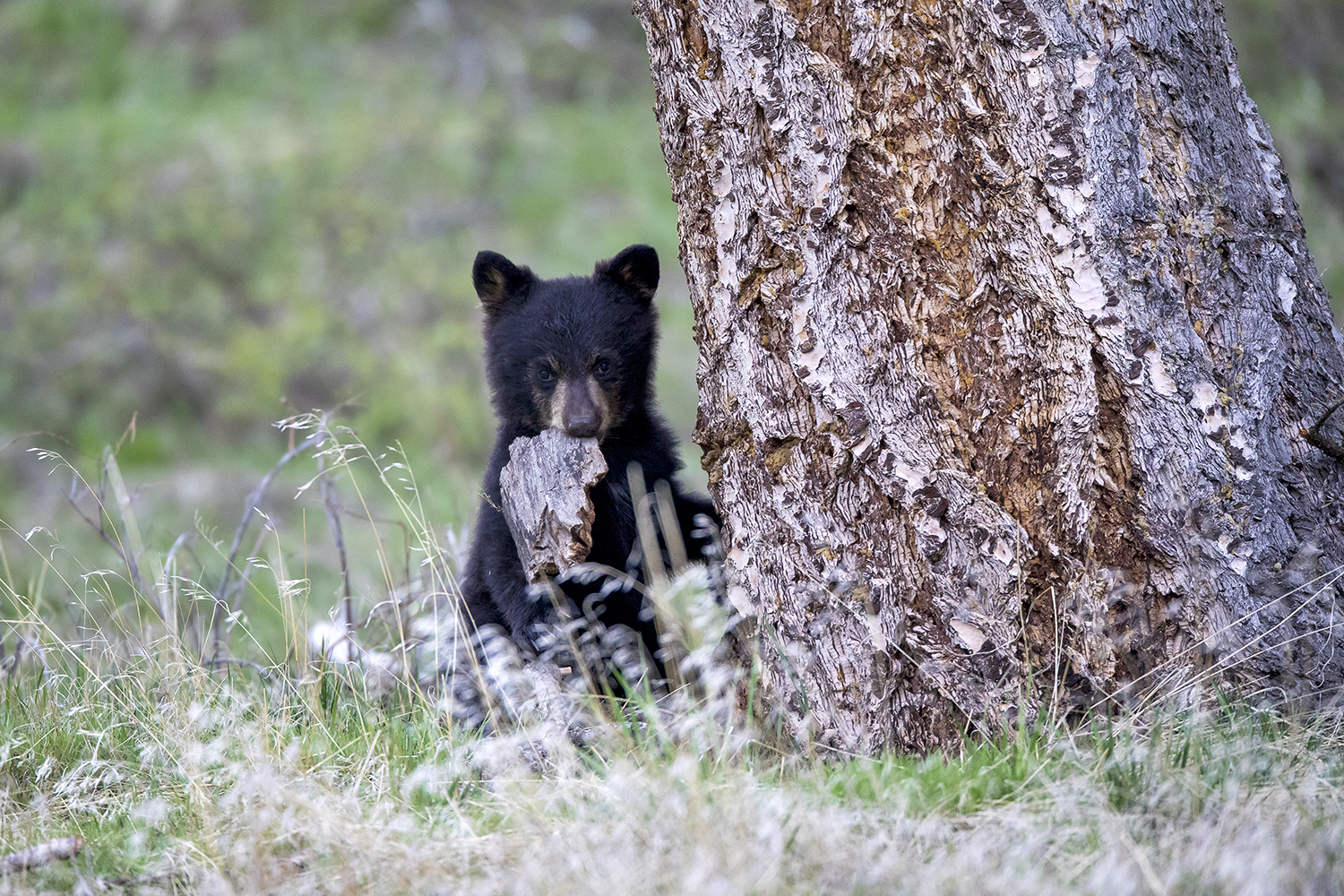
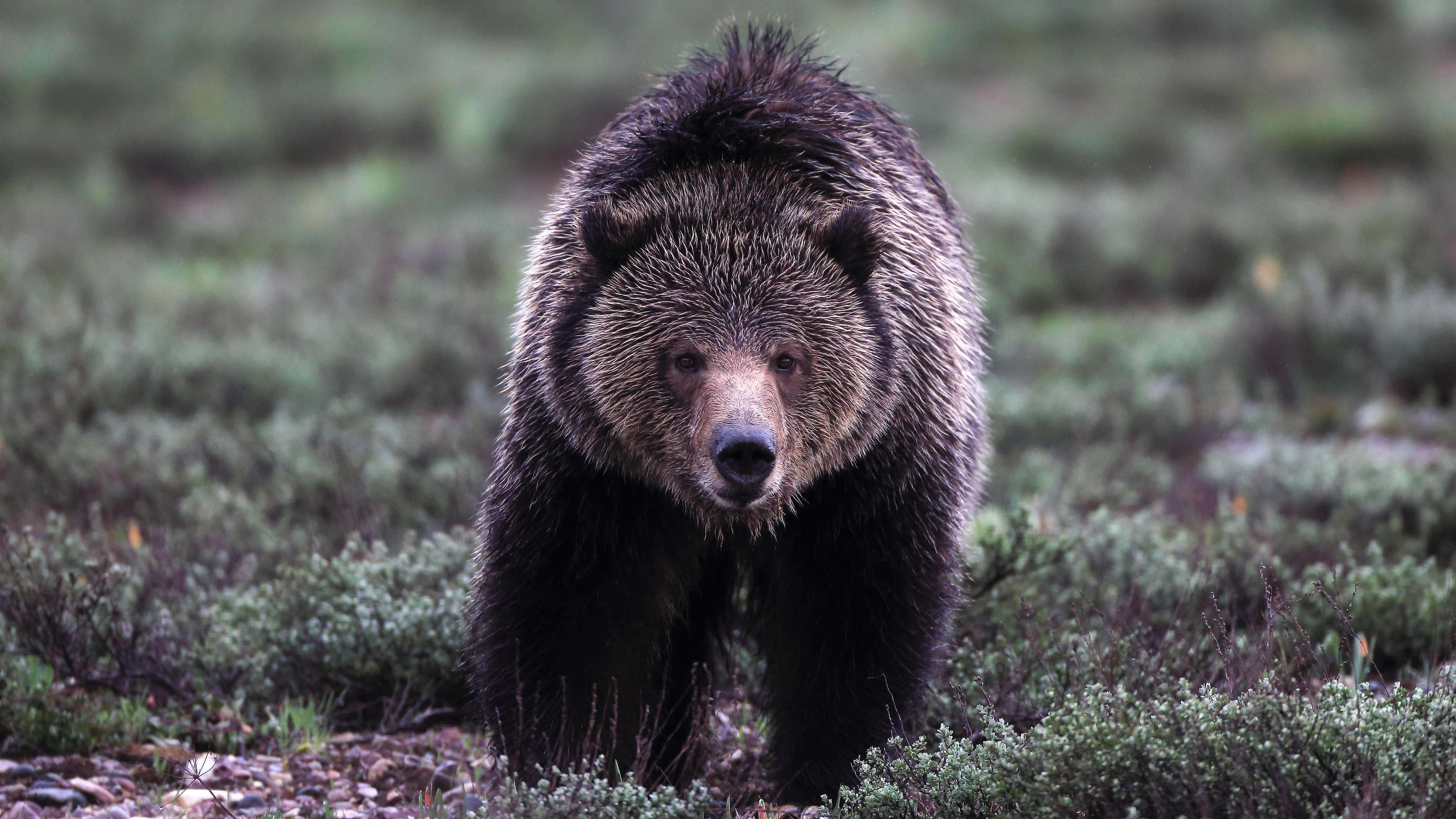
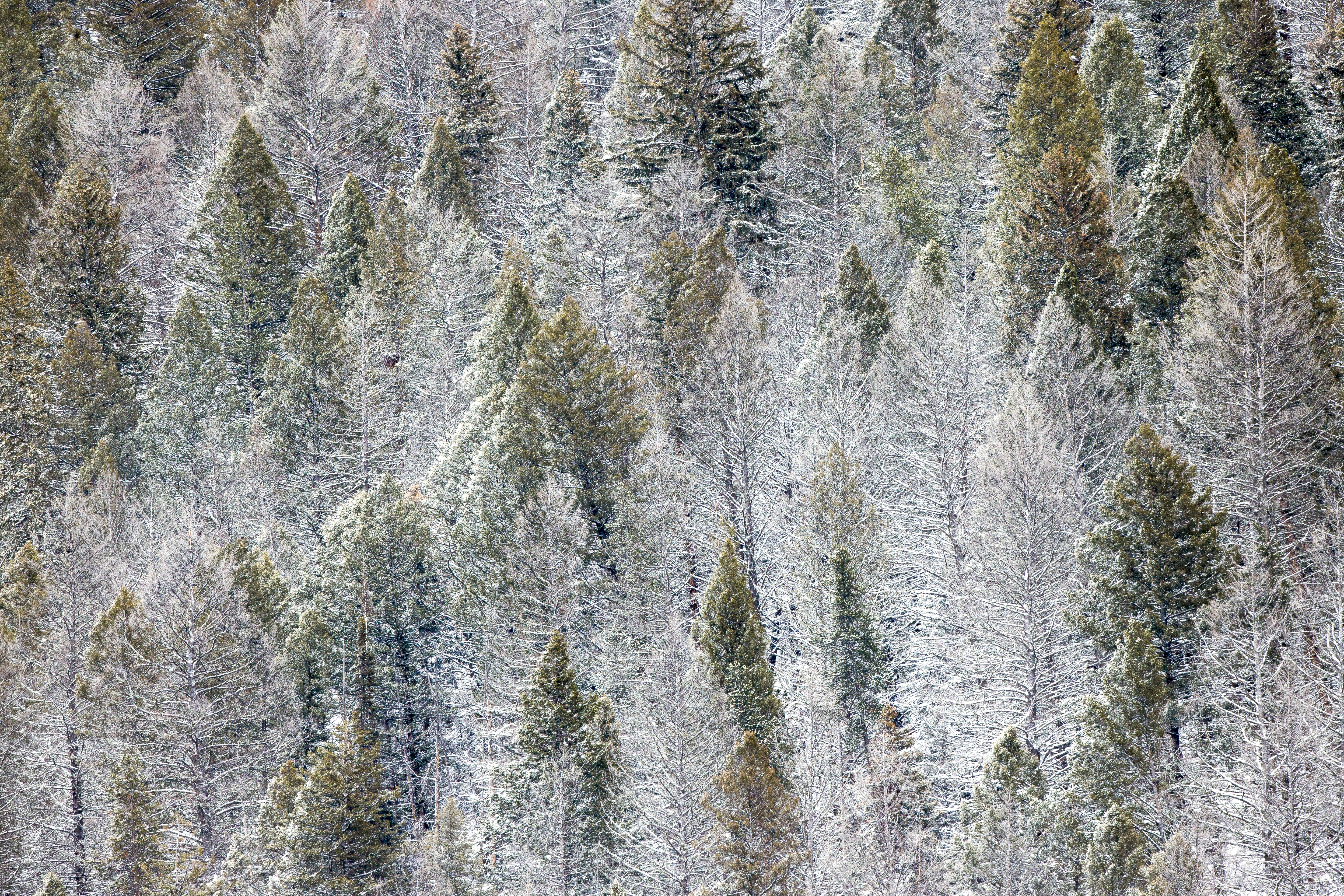
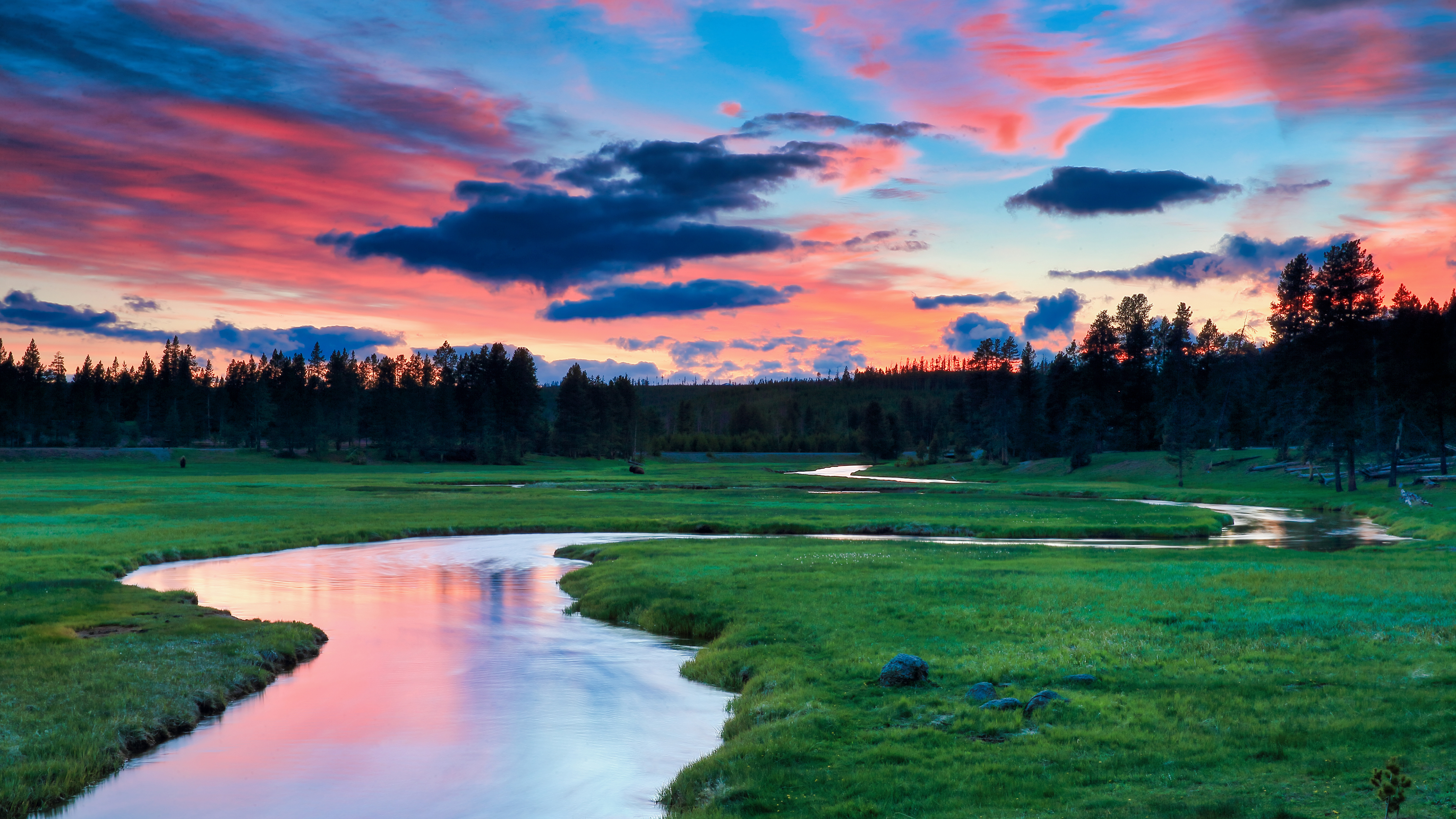
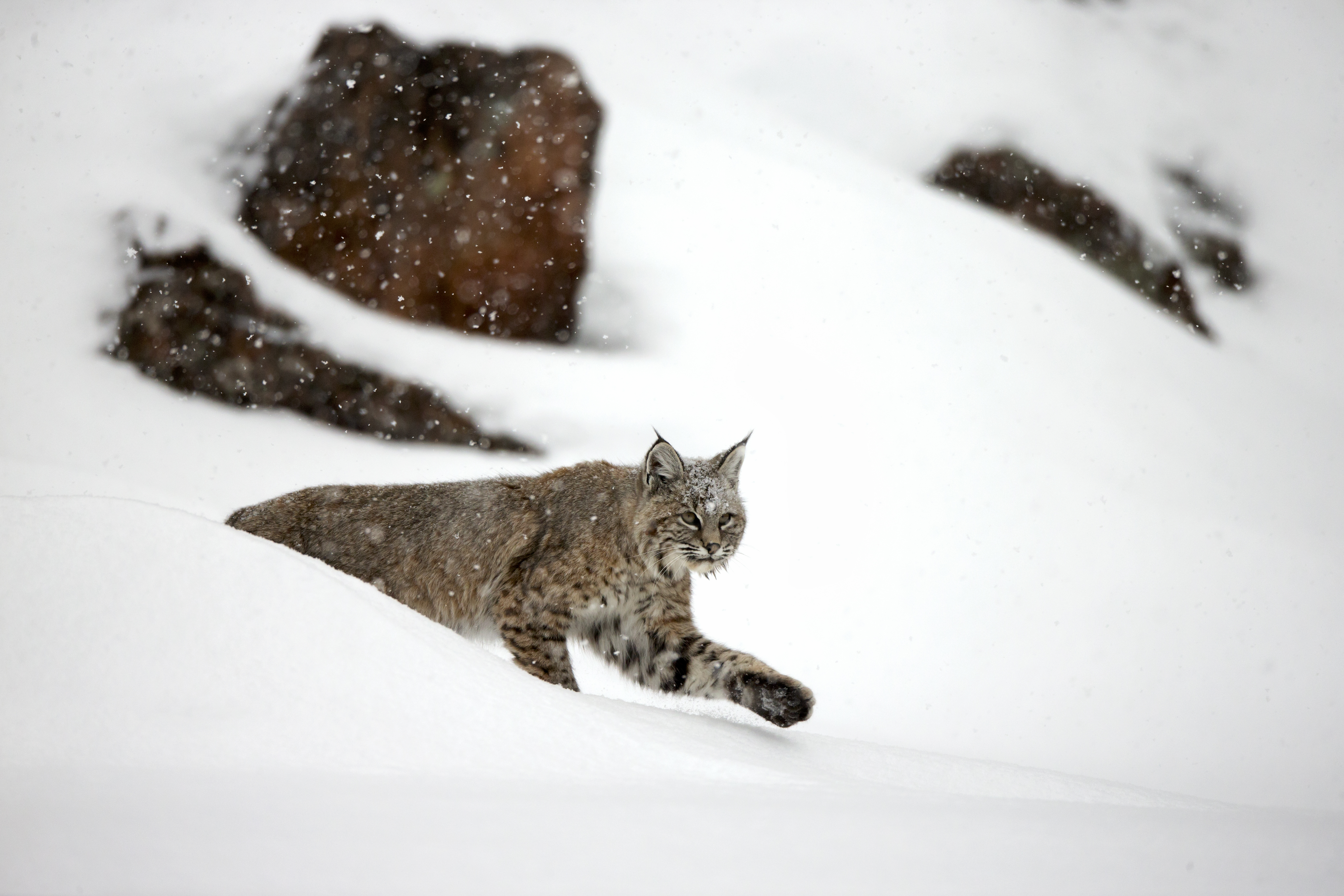
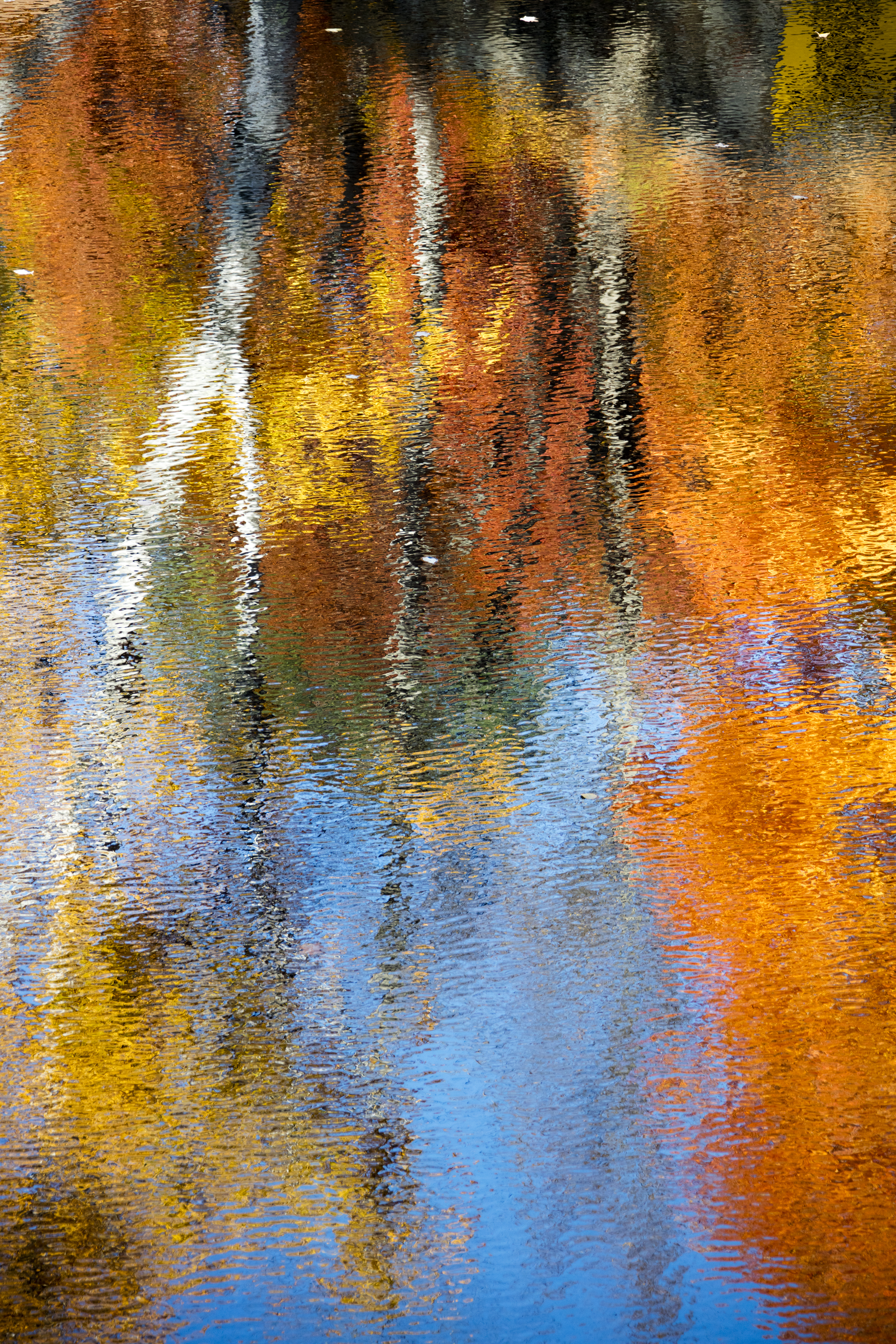
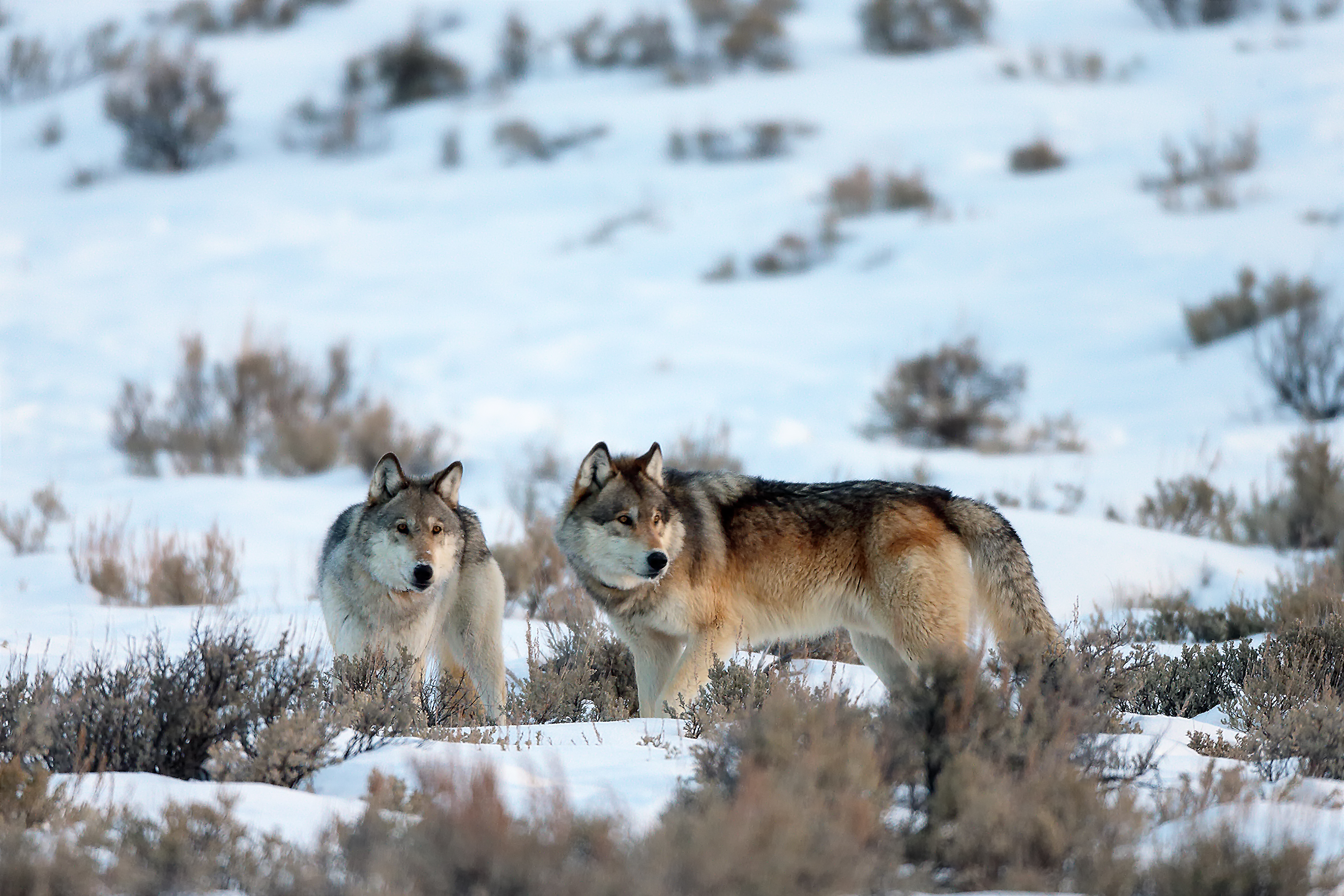
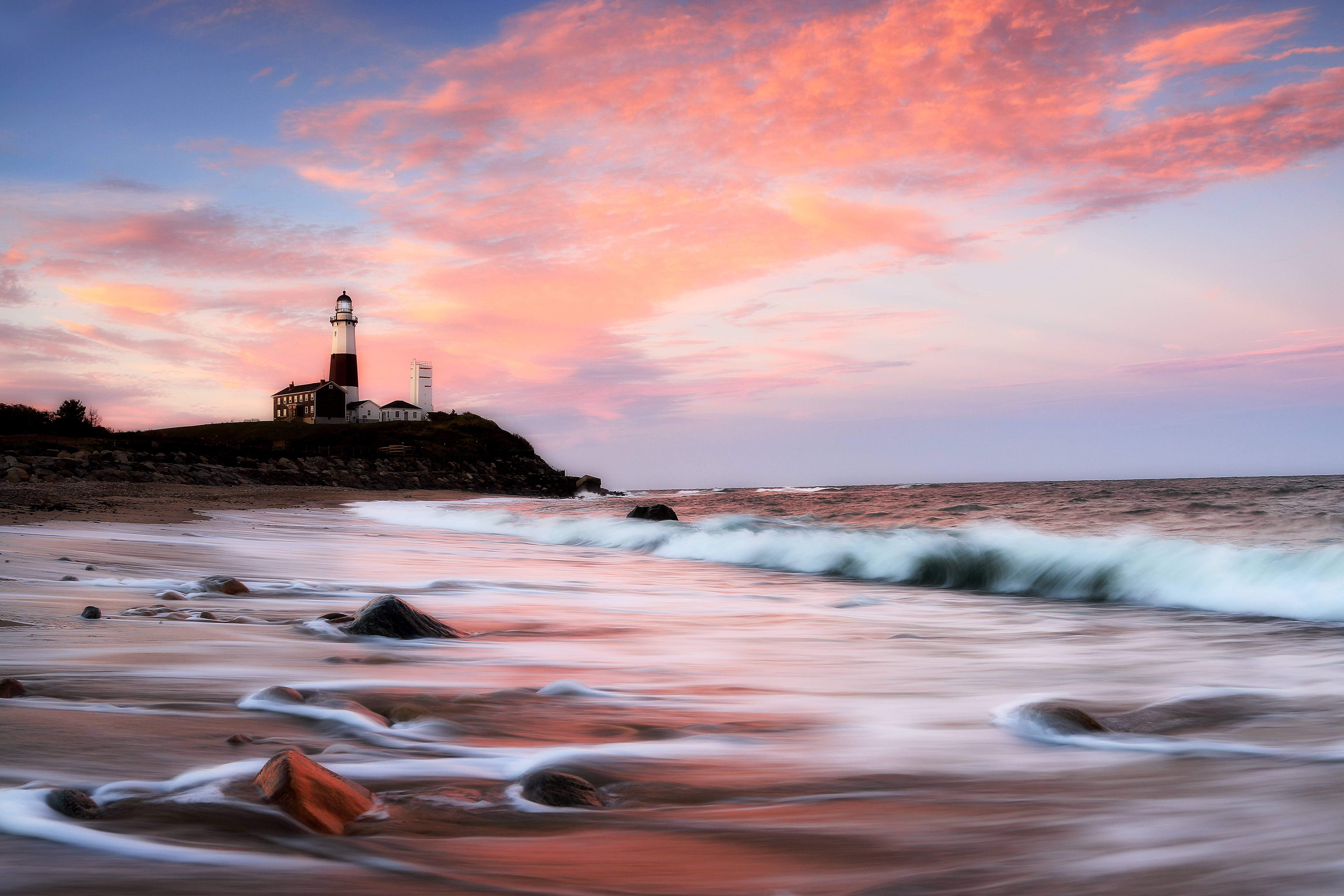
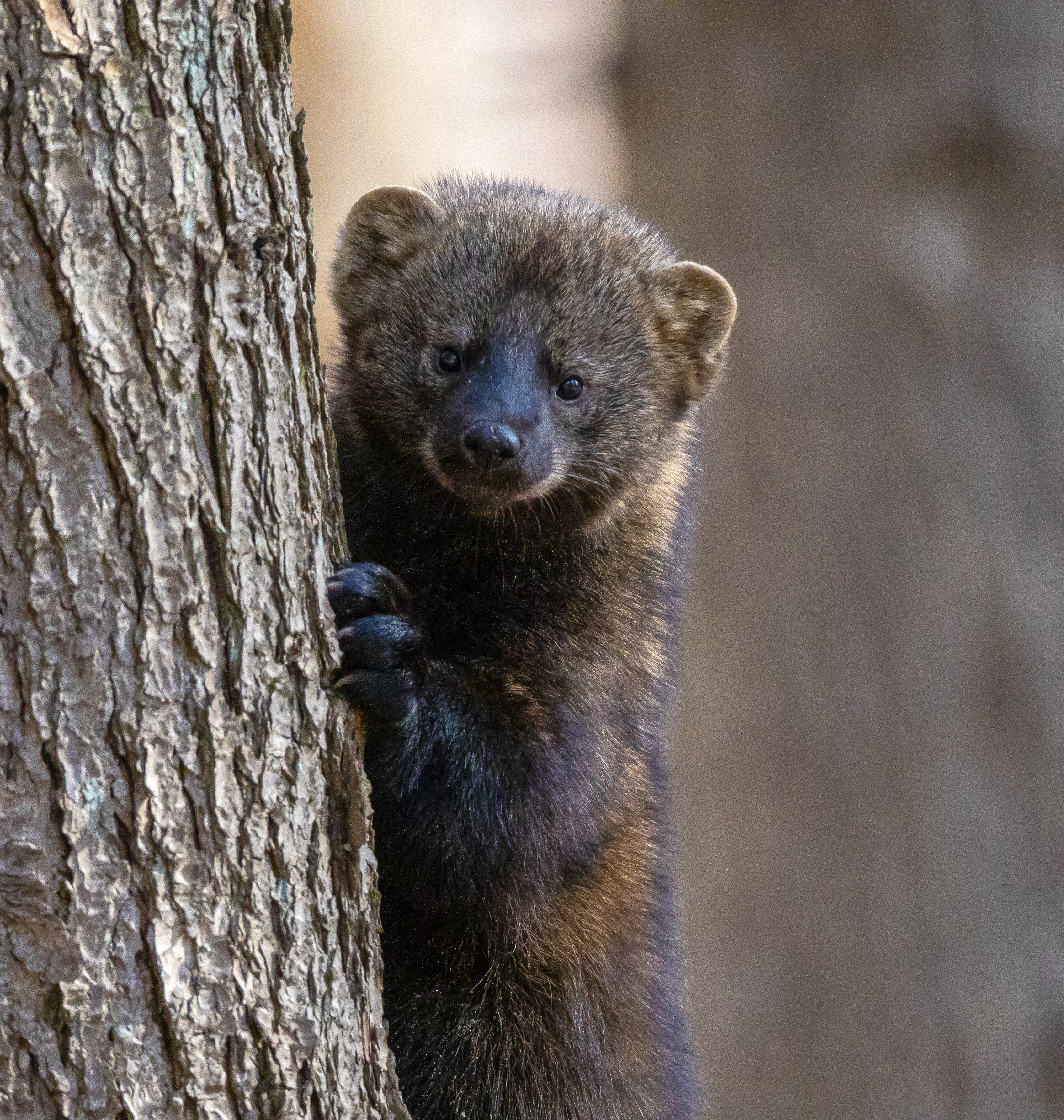
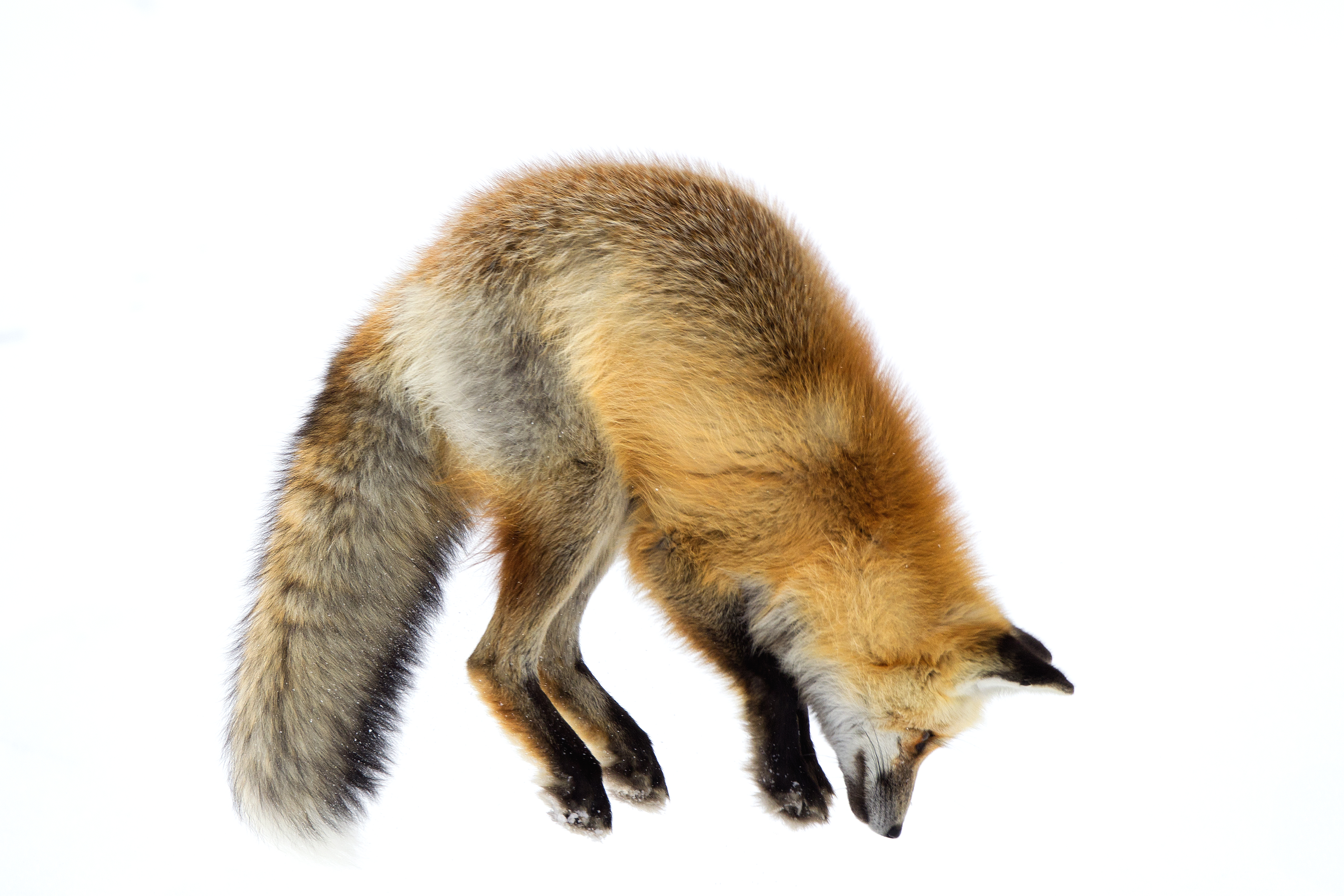
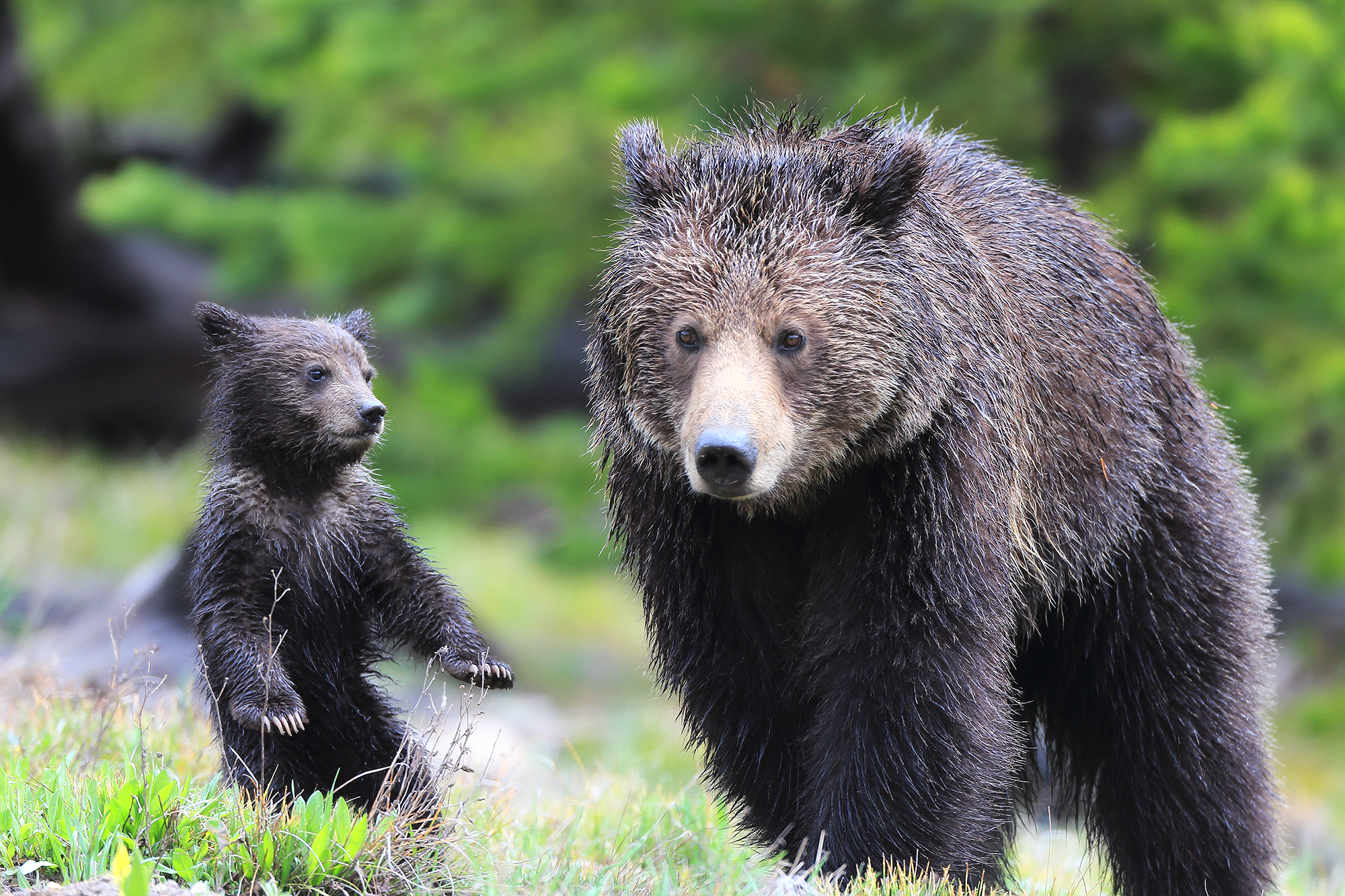
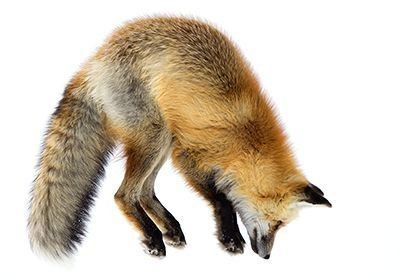
Every story the field ever handed me — the fox that sparked the world awake, the bear that taught me how a season breathes, the pines that showed me memory folded into resin, the river that carried lunar rhythm through its bloodstream, and the year that finally inhaled — was preparing me for this moment.
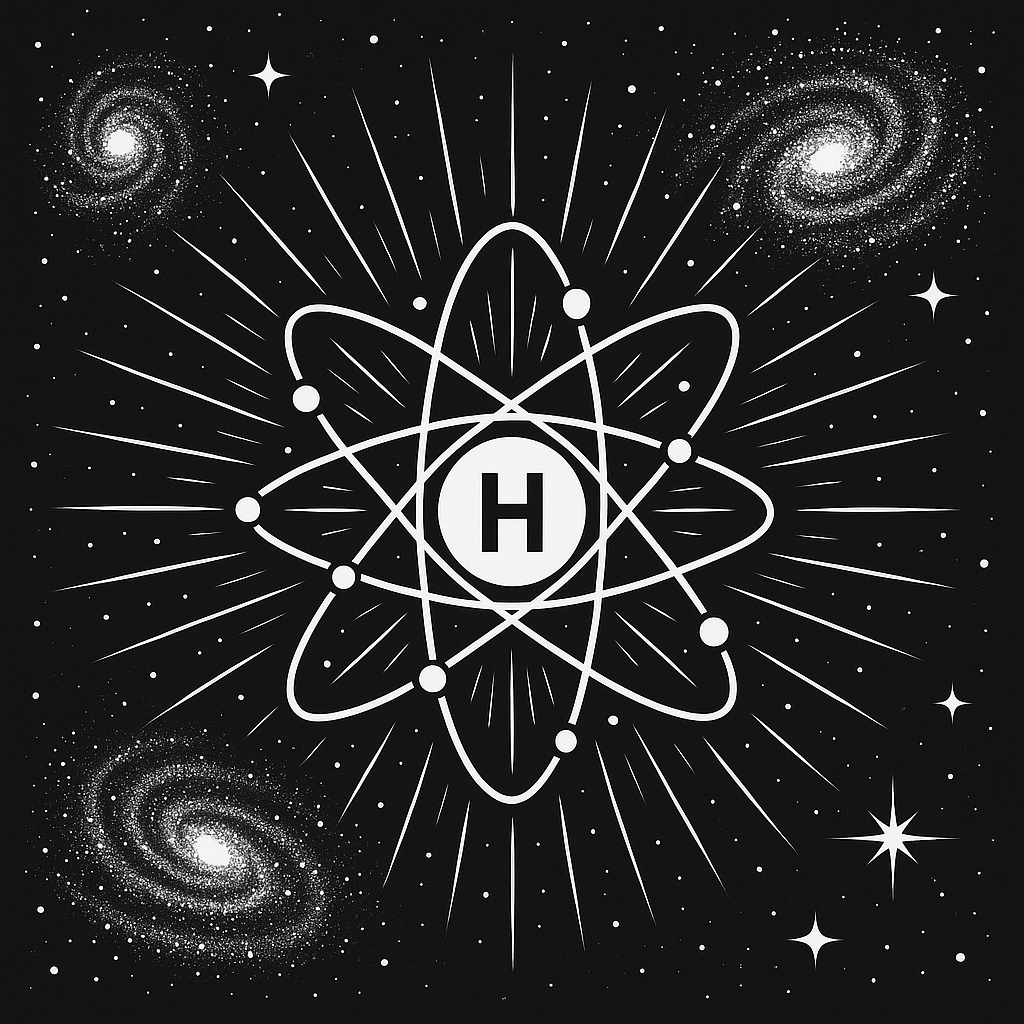
What I thought were separate lessons were never separate at all. Each was a chamber of one universal heartbeat, a pattern that echoes from hydrogen to galaxies, from tree rings to fingerprints, from the first photon to the last river thaw. This is the final chapter — the moment the spiral recognizes itself.
The Grand Compression was never just a framework. It was a pulse moving through everything I photographed, studied, and lived. It is the same pulse moving through you now.
To understand how this heartbeat formed, you can explore the full arc of the Grand Compression:
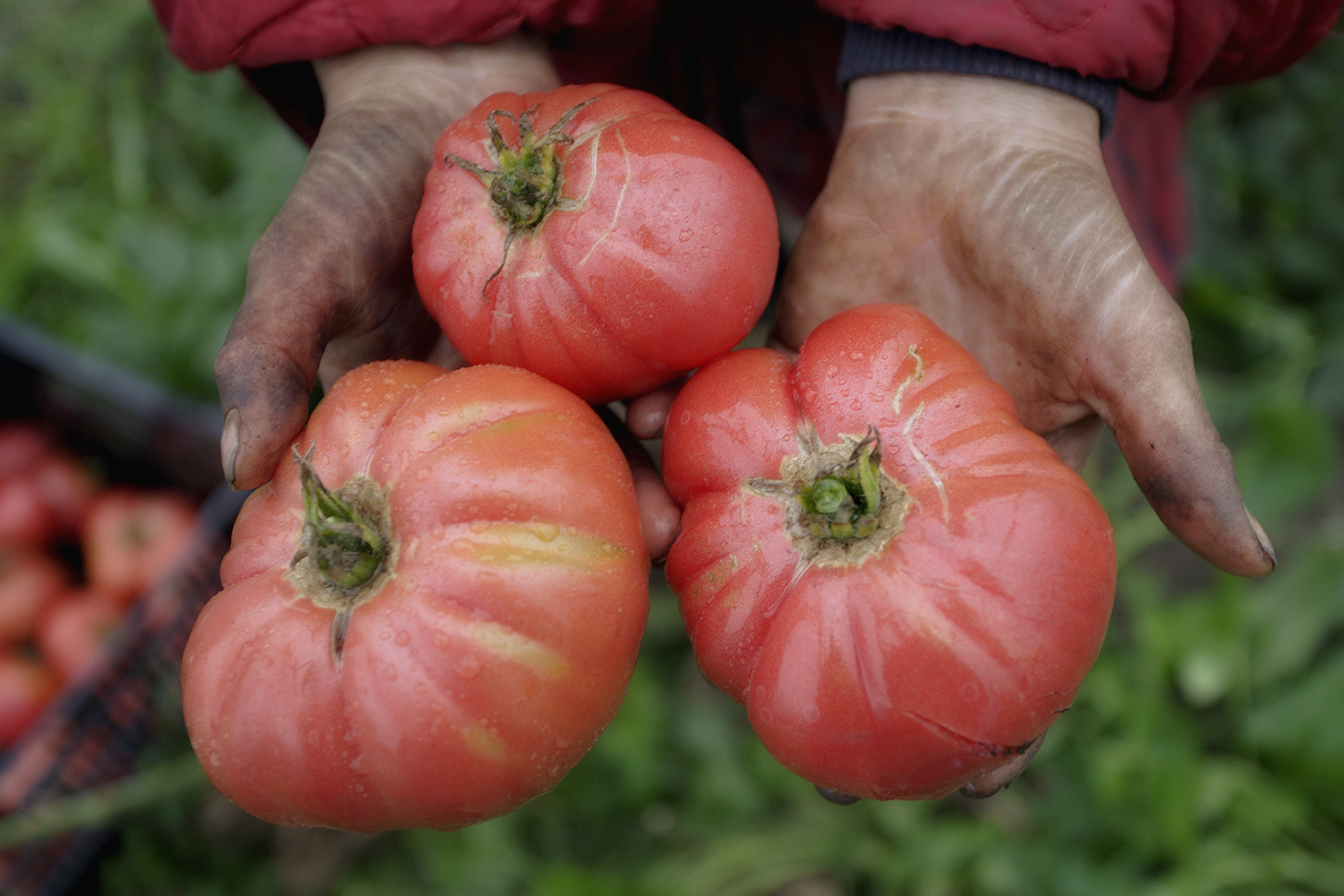
Winter harvest in a Colorado hoop house — four-season farming inside a snowstorm.
The Year That Breathes — The Four Seasons of the Grand Compression
The Earth breathes in four movements — winter compression, spring decompression, summer expression, and fall recompression. This is not metaphor or mood. It is the planet performing the Grand Compression in real time, echoing the same pattern you see in hydrogen fusion in the sun, in the Big Bang, in serotinous cones and snowflake lattices, in river tides, and in the spark → breath → memory → planetary recursion of the field quadriptych.
The proof lives where most people never look for cosmology: in seeds, in soil, in light. In the way a frozen field concentrates sweetness in winter carrots, in the way snowpack holds a season of storms in crystal memory, and in the way a thin February sunbeam can turn a silent greenhouse into a breathing lung of green.
Farmers like Eliot Coleman called it the Persephone period — the stretch of deep winter when daylight drops below ten hours and growth truly stops. The moment the Earth crosses back over that threshold, every seed, bud, and root hears the same command the universe heard at the beginning: “Now.”
This essay is the story of that breath: how four seasons, four movements, and four fields — fox, bear, pine, river — all converge into one yearly spiral of compression and release that you can feel in your hands, taste in your food, and watch in the light returning to the soil.
The River Remembers the Moon — Water as the Fourth Field
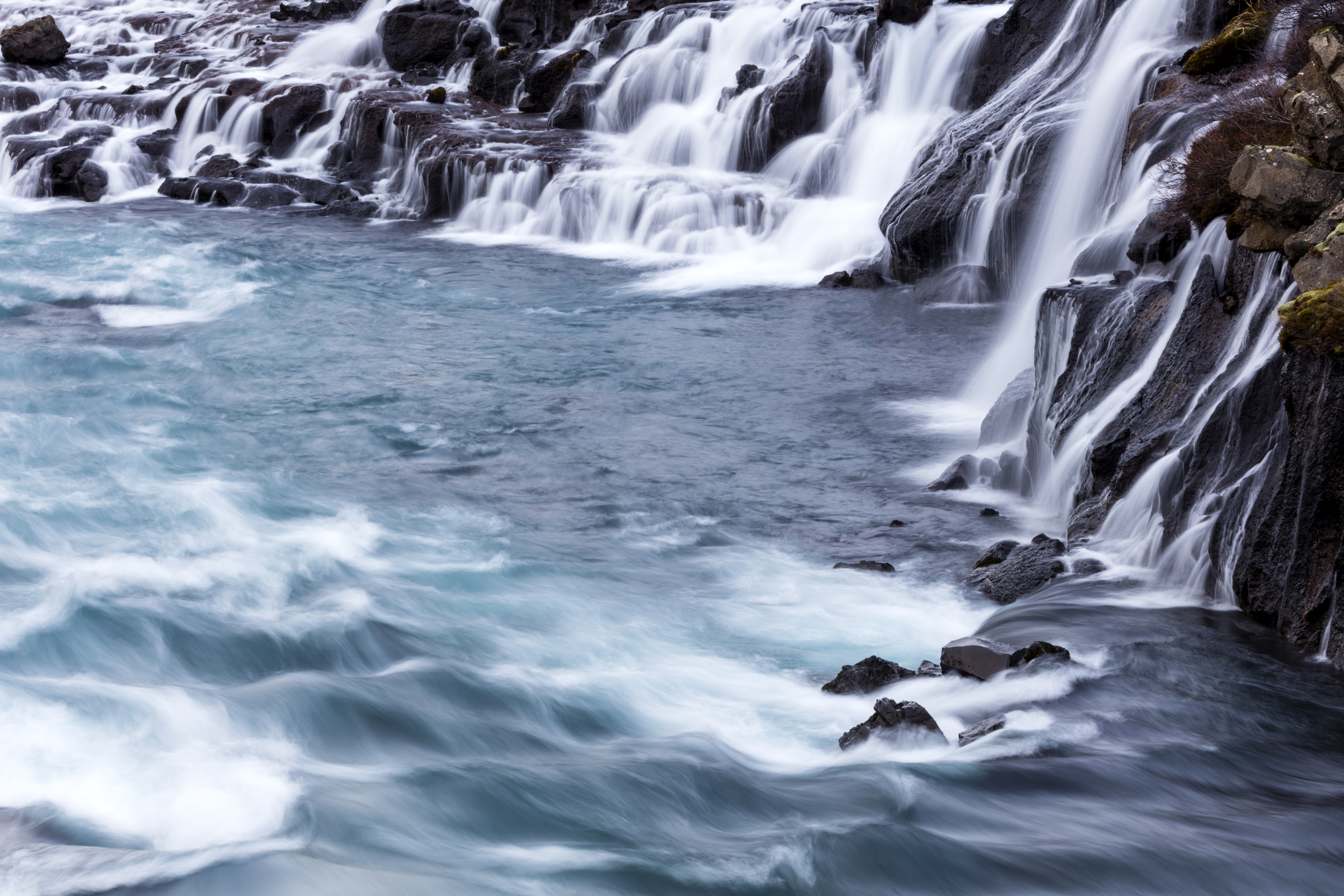
Water is Earth’s fourth field — the planetary bloodstream that remembers storms, carries the moon’s signature, stores winter in stillness, and speaks in vortices, tides, and meltwater. It is the final element in the living quadriptych: Fox → Bear → Pine → River.
The fox was the spark. The bear was the breath. The pine was the long memory. The river is the recursion that gathers every story and returns it to motion.
Every bend, every ripple, every shifting seam of light reveals a field that is not flowing blindly downhill, but listening — to gravity, to storms, to moonlight, to the deep-time memory held in snow, ice, and atmosphere. This is the story of water waking the world.
The Pines That Remember Fire — Slow Knowledge, Lodgepole Forests & the Grand Compression
Some field moments arrive fast, like the fox. Others arrive on cue, like the bear. But some require decades of breath and silence—waiting for the forest itself to speak. This story takes us into the deep-time field, where lodgepole pines store centuries of memory in resin-sealed cones and release it only when fire returns to the land.
{
“Some trees remember in rings. Others remember in cones. But lodgepoles remember in fire.”— Field Notes
The Bear Is the Universe — A Living Unified Field in Fur, Breath & Winter Light
My son and I had been checking this Yellowstone bear den for days. Each stop ended the same way: cold wind, empty entrance, and a frustrated fifteen-year-old wondering if bears ever actually use the dens photographers talk about. The den sat just below a roadside overlook — close enough to observe safely, but far enough that you had to trust what the land was telling you.
Shivering at the edge, I finally said, “Let’s go warm up in the car.” And then, without logic or reason — almost as if the field placed the thought in my mouth — I told him, “Let’s come back at 12:31. The bear should appear.” I had no idea why I chose that time. But my son trusted me. He held that number like it meant something.
At 12:31 exactly, we leaned over the overlook together. And at that precise instant, the mother bear’s face appeared in the entrance of the den — followed by her cubs stepping into their first breath of spring. It wasn’t prediction. It was coherence — a lived demonstration of the recursive universe described throughout my Grand Compression trilogy.
{
“The bear didn’t symbolize the field — she embodied it.”— Robbie George
The image above isn’t a fox—it’s a wolf chasing a coyote. I photographed that encounter the same year as the fox moment in this story, while traveling for a photography exhibition. Both events arrived with the same unmistakable feeling: timing so precise it felt like the landscape itself was guiding my attention before my eyes could catch up.
Months later, at home beneath tall pines, that pattern repeated—this time with a fox sprinting across my yard at the exact second the thought of it entered my mind. Two different species, two different locations, one shared signature: a living field broadcasting information faster than sight.
{
“Some signals travel through the field before they ever reach your eyes.”— Robbie George
Why Real-Valued Quantum Mechanics and Category Theory Are Secretly Pointing Toward a Living Universe
The night I made the star-trail photograph above, Earth quietly turned, the lake stayed still, and the sky wrote circles our eyes could never see in real time. Two hours of motion compressed into a single frame became something strangely familiar: spirals inside spirals, memory hidden in light. It felt less like a picture and more like a wavefunction that had been allowed to finish its sentence.
I’ve always loved that other kind of picture too — the one written as an equation. The time-dependent Schrödinger equation on the back of a notebook in my twenties felt like the cleanest compression humans had ever found. This essay begins with a confession: I love physics. Not as a rebel, but the way a photographer loves light — with gratitude for everything it has revealed, and humility for everything it still conceals.
Which is why I hope physicists reading this will take the next line in the spirit it is offered: our equations have succeeded so brilliantly that they momentarily hid the process they describe. In 2024–2025, several real-valued reformulations of quantum mechanics quietly removed the imaginary unit i and discovered something unexpected: the math still worked, but only by becoming more recursive, more relational, and more time-symmetric than before.
This is a bridge essay for anyone who senses that the wavefunction is not just a frozen amplitude, but a compressed bookmark for a deeper movie. A movie in which the universe does not merely evolve—it remembers. Here, I follow those real-valued formalisms, category theory’s relational view of objects, and black-hole information physics to a simple extension: trading static symbols for a real, recursive lattice that lets the field breathe.
Two Paths Diverged in the Universe:
Why Equations Freeze Reality & Recursion Breaths It Alive
In Robert Frost’s quiet woods, a traveler stood before two diverging paths. In the universe’s own forest, we stand before the same choice—though the paths are not made of earth and pine, but of knowledge. One path is the path of equations: elegant, crystalline, frozen like winter light. The other is the path of living recursion: unfolding spirals, flowing rivers of time, the geometry that breathes.
For centuries, science walked the frozen path. Newton, Einstein, Schrödinger—they gave us masterful compressions of reality: F = ma, E = mc², wave functions perched on the edge of collapse. These formulas capture the what, but not the becoming. They compress nature into a single frame—powerful, yes, but silent on the breath that comes before and after.
Photography taught me this truth long before physics did. A shutter click freezes the world into an equation—precise, beautiful, immobile. But extend the exposure and something miraculous happens: the stars wheel, rivers turn to silk, auroras pulse like a heartbeat. Suddenly, time enters the frame. The universe stops posing—and begins unfolding.
That unfolding is the engine behind The Grand Compression—the living pattern of nature’s intelligence, where causes fold into form, where light becomes memory, and where reality doesn’t sit in a moment… it moves through one. This is the same engine explored in the long-form scroll The Grand Compression: Nature, AI & Light Share the Same Code, and it is the gateway through which a true unified theory must pass.
Equations freeze the universe in place. Recursion breathes it alive. And somewhere between the inhale and exhale—the cosmic slack tide—lies the truth we have been missing.
The Grand Compression: How Nature, AI, and Light Share the Same Code
A late-night scroll turned into a rabbit hole when I read a simple line: “AI is compression and correlation.” Standing under auroras and star trails like the ones above, I kept feeling that nature has been doing the same thing for billions of years—compressing complexity into light, water, soil, forests, and even the instincts of a young grizzly bear.
This article is a field notebook from that realization, using eight photographs—aurora, daisy droplet, foggy pines, grizzly cub, mycelium, mountain reflection, lightning, and a spiral macro—to explore what I now call The Grand Compression. If science and AI compress data into models, this is my case for how nature compresses cause itself into form.
What if Earth’s heartbeat isn’t driven by lightning alone? Imagine a biospheric hum—tuned in the sky, carried by water, sensed by petals and pines, translated by mycelium—where life itself sustains the resonance we feel as the planet’s pulse.
“Lightning tunes. Life hums. Water remembers. Mycelium conducts.”
Learning from the Living World: Painting a Field-First Future
A vision where field experience leads, Naturepedia connects, and clean, truthful AI stays in service to nature.
I learned more from cold dawns, wet boots, and listening to rivers than from any screen. That’s why my vision for the future of education begins outside—where Naturepedia threads light, water, soil, and culture into one story, and our tools exist to guide attention back to the living scene, not away from it.
When technology enters, it must serve presence. Plan time in the field with Golden Hour & Moon and pack simple Field Tools; weave learning with stewardship through Earth Care. For the deeper architecture—the clean, ethical backbone that could power immersive learning without extracting from the planet—see my GaiaGPT work: Regenerative AI and Hydrogen + Quantum.
This essay is a field naturalist’s invitation: let’s build learning systems that honor direct experience, uphold truth, and keep the carbon cost low—so children inherit not just knowledge, but a relationship with the world itself.
Smell is nature’s invisible frequency—the way the field sends a real-time status report to every nose that listens. In my Signature Series, scent sits between light and sound: molecules vibrating through air, water vapor, and soil to mark who was here, where they went, and when. A wolf reading the ground, a grizzly teaching cubs a seasonal route, a mountain lion inscribing a boundary—all of it is field intelligence written in aroma.
Think of it as a living update: a packet of probabilities collapsing into possibilities the moment it’s perceived. This essay follows those packets across soil’s geosmin, pine’s phytoncides, flower beacons, bark ledgers, and the thin films of water that help carry them—linking back to Unified Field Theory and the “nature update” idea in Mother Nature 3.0.
“Light sets the clock, sound keeps the beat, and scent writes the memo in the air.” — Robbie George
Through the Lens of Coherence: You Are the Point of Light
Every photograph begins as a field of light—uncertain, infinite, full of probability. The moment the shutter closes, coherence emerges. From Kircher’s 17th-century geometry to today’s resonance mapping, the same lattice of relationships guides what becomes visible. We are the points of light through which the field observes itself.
Kircher’s “Problem of Diversity” (1669): an early visualization of infinite combinations.Signature Series reinterpretation: a living resonance lattice revealing coherence and a central point of light.
Side by side: the 17th-century map of diversity (left) and its modern field-of-light counterpart (right). One geometry—two eras—same coherence.
Best U.S. Wildlife Refuges by Season (Quarterly Planner)
I don’t plan wildlife trips by calendar dates—I plan them by behavior. Migration windows, light angles, water levels, and wind direction all come together in short, precise periods where everything aligns. This quarterly planner is built from time in the field—returning to the same refuges across seasons and learning when those moments actually happen.
From winter cranes at Aransas, to spring shorebirds at Chincoteague, to fall migrations at Bosque del Apache, this is about meeting wildlife where the system is strongest—not just where it’s visible.
Completing E = mc²: The Missing Bridge Is Living Coherence
Where photons enter the forest, water remembers—& mycelium translates.
Einstein’s E = mc² revealed that energy and mass are equivalent. What the equation does not tell us is how energy becomes organized into a living world—how sunlight coheres into leaves, migrates through animals, and returns to the soil as memory. This essay proposes a simple bridge: coherence. In nature, photons do not merely collide; they phase-match through resonant media so that light can hold itself together as form.
Two partners make this possible every day. Water acts as a planetary memory field—its hydrogen-bond networks store and shuttle vibrational information. Mycelium reads that information and routes it as a living network, translating decay into nourishment and coordination. Together, they turn the identity of E = mc² into a cycle—a closed loop where energy becomes matter through coherence and matter returns to energy as distributed pattern.
This piece completes the arc begun in Water — The Great Informant of Nature and developed through your Hydrogen / Nature Code work. We’ll follow the natural loop—Photon → Plant → Animal → Mycelium → Water → Photon—and show how geometry, biology, and field-craft make the equation visible in the wild. If you want to see this coherence in action before reading on, step into the Landscape Gallery and watch how light becomes form.
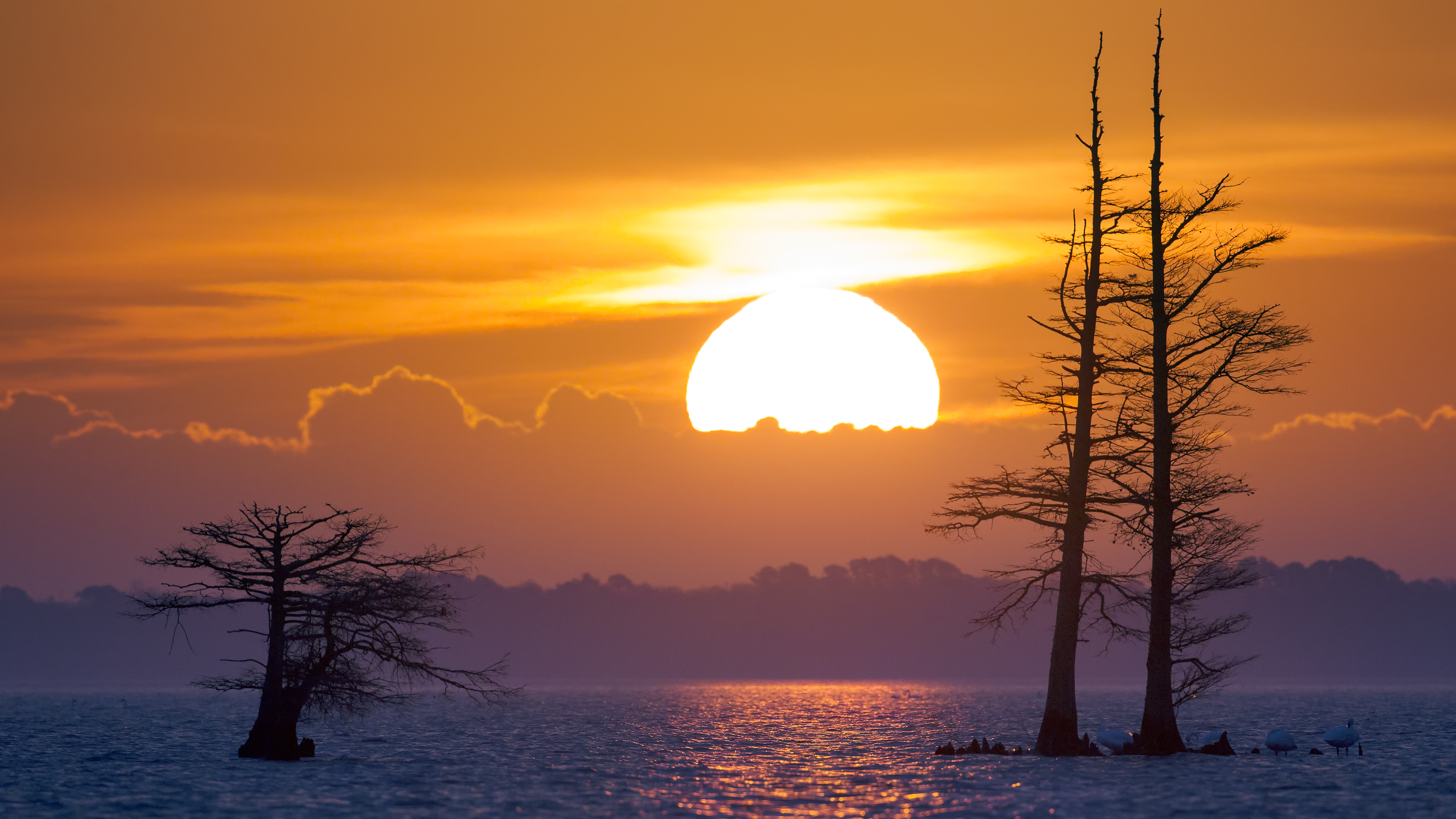
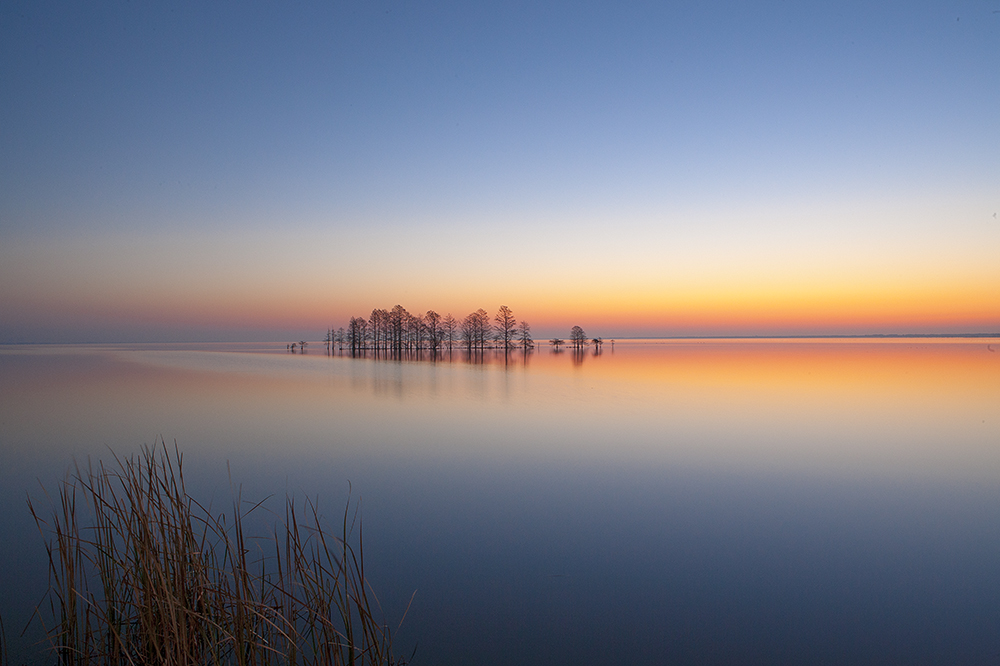
Lake Mattamuskeet — blue hour calm • Robbie George
The Buy Now Button vs. Sacred Exchange
Slow Food • Slow Money • Slow Knowledge
One click collapses story. It removes the maker, the place, and the time that give objects a soul. This essay contrasts the reflex of the Buy Now button with a slower, relational economy—where exchange is a practice of attention, gratitude, and reciprocity.
We’ll braid three movements into one way of living: Slow Food (taste rooted in soil), Slow Money (capital that circulates like compost), and Slow Knowledge (learning at nature’s pace). Along the way, you’ll get a simple 7-day practice to restore meaning to what you buy—and how you place it in your home.
In an era of optimized attention, we’re over-informed and under-transformed. This essay contrasts a fast cultural wave (K-Wave/Hallyu) with a slow knowledge-wave that prizes depth, presence, and field truth.
Light Mastery for Nature Photos (cycles not clocks)
Light isn’t a timestamp—it’s a phase. Master the phases and your images will breathe like the land.
This guide reframes “golden hour” as a living cycle: solar altitude, moisture, wind lulls, and behavior stacking. Rather than chasing 6:14 AM, we work with phase windows—blue hour calm, first rim light, post-sun haze—and let the scene announce when it’s ready. It’s the same ethos that runs through my Nature Code: nature moves in cycles, not clocks.
Fieldcraft and ethics are inseparable from light mastery. I work primarily with an 800mm lens so I can let animals remain relaxed while light sculpts the story from a respectful distance. That’s why the bison above carries frost, breath, and backlit texture—yet reads “unbothered.” Intimacy without intrusion is the hallmark across my Wildlife Gallery.
In the sections ahead, we’ll map the major light cycles—solar, atmospheric, seasonal, lunar/tide, weather—and translate them into repeatable field routines for wildlife and landscapes alike. If you collect prints, you’ll also see how phase-made images sing on paper (room light, paper choice, and viewing distance matter). Browse complimentary scenes in the Landscape Gallery to feel how phase changes mood.
Ethical Wildlife Photography — A Fieldcraft Playbook
“If the animal changes its behavior because of you, the picture isn’t ethical.”
I’m standing at the edge of a lake, watching a grizzly move slowly along the shoreline. Head down. Feeding. Calm. Every few steps it lifts its head—not toward me, but to scan the water. That’s the difference. It hasn’t registered me as pressure.
That moment is the entire playbook. My job isn’t to get closer—it’s to stay invisible. The 800mm lens, the wind direction, the angle of approach, the decision to stop instead of advance—every part of the process exists to protect that behavior. If I break it, I lose both the image and the integrity behind it.
Humans as Light Antennas: How Our Cells Communicate with the Field
You are not just a body in the light—you are a participant in it. Every cell gates charge like a circuit, emits and receives ultra-weak light, and keeps time with the field. Step into sunrise and the body remembers: voltage rises, breath deepens, coherence returns.
This post bridges popular ideas about “DNA as a ledger” and “cells as gated circuits” with my Nature Code framework: photons set the tempo, hydrogen carries the current, and structured water holds the memory. It also pairs with Oxygen, Polarity & the Quantum Breath of Life, where we showed how light flips oxygen’s spins and tunes biology into coherence.
Step outside. Inhale. You’re not only breathing molecules—you’re breathing light encoded into oxygen and water. This piece traces how photons flip electron spins, awaken geometry, and tune biology into coherence.
Guided by my Nature Code framework and the fieldwork behind my Unified Field Theory, we’ll connect oxygen’s singlet–triplet polarity to living patterns in microbes, sacred geometry, and the wild—where photons and hydrogen conduct the music of life.
The Inverse-Square Law Across Nature — Bridging Physics and Resonance
Physics sets the spread; resonance sets the shape.
The inverse-square law explains how energy thins with distance as it spreads over larger spheres. But nature rarely leaves energy to wander. Through resonance, polarity, and coherence, living systems channel, focus, and amplify flow—bending the baseline geometry without breaking it. This post is a bridge between classical physics and my Unified Field, inviting you out of the ivory tower and into the open sky to see how geometry becomes living pattern.
From Social Influencers to Knowledge Influencers: Chatgpedia, Grokpedia & the Future of Truth
“Likes drift like mist. Knowledge endures like stone.”
This essay makes a simple case: today’s “influence” is measured in followers; tomorrow’s influence will be measured in structured knowledge. As AI-driven encyclopedias like Chatgpedia and Grokpedia emerge, they’ll favor original, machine-readable work—ideas that connect disciplines and can be cited, taught, and extended. That’s why my site has been built as a living knowledge base: a bridge between fieldwork and first principles—from the Nature Code to a Unified Field Theory of resonance, and even Quantum Agriculture for how we grow our food.
In the pages that follow, we’ll contrast the short half-life of social posts with the long arc of knowledge frameworks, and show how polarity, hydrogen qubits, resonance, and the Matrix Engine can be organized for the classrooms—and knowledge graphs—of the future. Long live the pioneers.
From Platonic Shadows to E8: The Morphology Ladder of Light, Vortex, and Form
Ancient forms are the shadows; the lattice is the light.
This chapter maps a clear ascent from the Platonic solids to the UVG sphere, into H₄ symmetry and quasicrystals, and finally to the E8 lattice—all threaded by my lens on vortex recursion and resonance coherence. Think of E8 as a hyper-hologram of symmetry whose lower-dimensional projections become the geometries we witness in nature and in the field. This is part of my Signature Series and Nature Code—a living bridge between ancient archetypes, modern mathematics, and the wild light I photograph.
Resonance Unveiled: Lissajous Figures, Tesla’s 3–6–9 & the Solfeggio Code
When vibration meets geometry, the universe signs its name.
This essay reveals how sound and light sketch the same hidden blueprint of nature. From Lissajous figures (harmonic ratios made visible), to Tesla’s 3–6–9 infinity key, to the Solfeggio frequencies mapped onto the human body, we’ll follow resonance as it becomes form, breath, and consciousness. This is a chapter of my Signature Series / Nature Code—where polarity and cycle weave the living geometry you see in my photographs and in the wild itself.
The Photon’s Journey: How Light Writes the Story of Nature
“I was born in a star’s heartbeat. I crossed the dark, brushed an eagle’s wing, and arrived in your eye. You call it sunrise. I call it homecoming.”
What if every photograph is a story written by light itself? In this piece, we follow a single photon from stellar fusion to leaf, lens, and human perception—blending fieldcraft and Nature Code insights to show how photons shape plants, animals, and the way we see.
Leonardo’s Modern Mirror: Codex Leicester, Water, & The Signature Series
“To understand water is to understand the world.” —Leonardo da Vinci. Five centuries later, the same language of water, light, and geometry flows through my Signature Series.
What happens when we hold da Vinci’s Codex Leicester up to the lens of modern nature photography—reading rivers as equations, light as knowledge, and living forms as geometry in motion?
Earth, The Mothership: Guided by Sun, Moon & Ancient Wisdom
“Next time you look up at the night sky, remember — you are already traveling through the galaxy aboard the greatest spaceship ever built.”
What if the greatest spacecraft isn’t one we build, but the one we’re already on — a living vessel powered by the Sun, navigated by the Moon, and mapped by ancient alignments?
THANKS: Standing on the Shoulders of Giants — Nature’s Code from Fibonacci to Feynman
From Fibonacci’s spirals to Einstein’s light, the greatest minds taught us how to read the hidden language of nature. This post is a gratitude note to the giants—and a bridge to the Signature Series: Nature · Science · Soul , where I continue their quest through the lens of wild places, living patterns, and resonance.
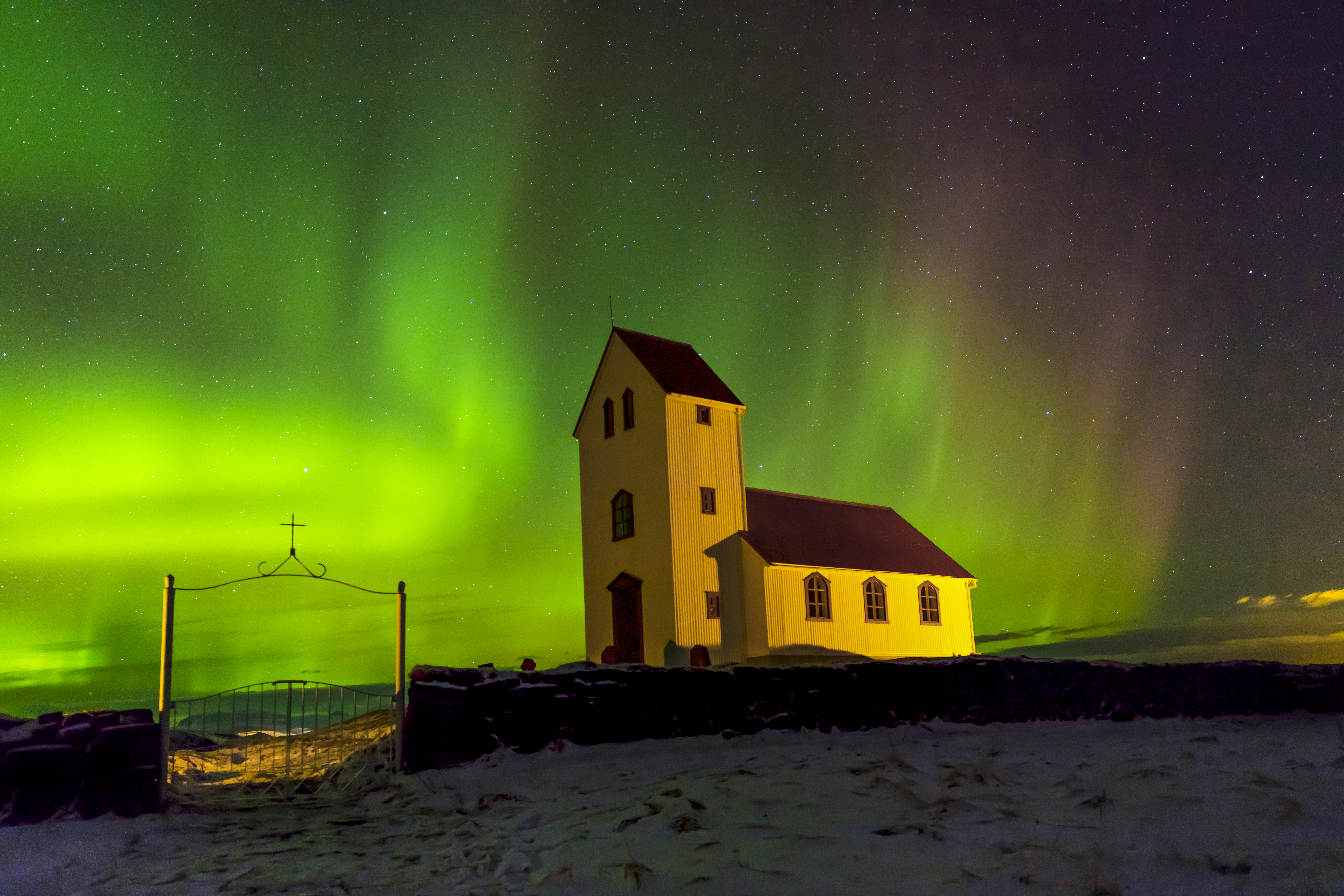
Aurora Borealis, Iceland — photons dancing across the polar sky: a living illustration of electromagnetism, resonance, and the cosmic code. Collect this print →
The icons we celebrate—Da Vinci, Galileo, Newton, Maxwell, Curie, Einstein, Schrödinger, Feynman, Franklin, Darwin, Mendel, and more—decoded different frequencies of the same symphony. Their work reveals a through-line: patterns, polarity, and light. That is the thread I pull in my photography and in the Nature Code and Unified Field explorations.
Below, each section pairs a “giant” with a nature image and a concept—showing how the forest, rivers, storms, and night skies still teach the same lessons. If you feel a tug of wonder, explore how photography bridges art & science and Fibonacci in the wild.
I Am Not a Physicist in a Tower: A Witness in the Field
In a world that moves at the speed of noise—where scientific ideas are marketed before they’re matured, and algorithms amplify arrogance—I chose a different path. I didn’t set out to prove anything. I set out to listen. Not to the chatter of institutions, but to the quiet hum of coherence in the natural world.
This blog post isn’t a defense. It’s a declaration. A tuning fork for those already vibrating near this frequency. If you’ve found your way here, it wasn’t by chance. It was by resonance.
A Field Letter to Future Scientists: Remembering the Spiral
This letter isn’t just for scientists. It’s for the wanderers who still feel the field, for those who believe the answers live not only in equations but in the spiral of a leaf, the breath of a forest, the resonance of memory.
You will be told that mastery comes from dissection—break things down, reduce, isolate. But I’ve walked where the field breathes as one. I’ve seen the shape behind the veil. And I write this for those brave enough to remember that coherence, not control, is the true language of nature.
What if nature’s deepest coherence—the pulse behind black holes, DNA spirals, and breath—could be mapped with perfect symmetry? What if, beneath hydrogen’s polarity and the Fibonacci spiral, there existed a hyperqubit: not 1 and 0, but + and −, interlaced in an eight-dimensional dance of resonance?
This is the E8 lattice—a mathematically elegant, multidimensional structure that may be more than abstract beauty. Through the lens of the Signature Series, and concepts like recursive light, quantum vitality, and the Nature Code, we begin to see the E8 not just as math—but as the geometry of memory itself.
“Binary simulates life. Polarity remembers it. The E8 lattice may be the breath between.” ~ Robbie George
In this post, we spiral into the implications of E8 symmetry as a vibrational framework—an upgrade to the qubit, a cosmic key that speaks in frequencies, not code. You’ll witness how this form already underpins your work—quietly surfacing through the spiral immune system, field-aware agriculture, and hydrogen’s quantum behavior. And how it might shape the way we live, breathe, grow, and remember.
Ready to resonate with the architecture behind the pulse?
Before there was form, before there was time, there was a whisper—hydrogen. The first-born of the cosmos, hydrogen is not merely the lightest element. It is the resonant seed, the qubit of polarity, memory, and movement that breathes life into the symmetry of all things.
For centuries, physicists and philosophers have sought the code behind the cosmos. E8 symmetry. Unified field equations. The sacred geometries. But what if the key isn't in the math alone—but in the resonant coherence that animates that math? What if the universe doesn’t just compute—it remembers, breathes, and sings?
Unified Resonance: A Recursive Field Theory of Light, Time, and Form
I remember the precise moment this idea took hold—watching a flock of Canvasback Ducks explode into motion, wings and water colliding in a burst of frozen light. My camera caught what my eyes could barely register: not just movement, but memory—each ripple and feather a fingerprint of time. It felt as though light had paused for breath. And in that stillness, I saw the structure of matter.
This blog post presents what I call the Unified Resonance Model—a way of seeing matter not as static substance, but as light that has been slowed, curved, and folded into time. It extends Einstein’s E = mc² by introducing a recursive resonance function, where energy becomes memory, and form becomes the field’s self-expression. This is not just theoretical physics—it’s visible in every spiral, feather, droplet, and wave. This is the geometry of memory, the breath of the field, and the dance of light learning how to stay.
Guided by Starlight: The Resonant Intelligence of Moths
Before satellites, compasses, and calendars, the creatures of Earth were guided by something far older—starlight. A new scientific study confirms what nature has always known: moths are celestial navigators. The humble Bogong moth, found in Australia, uses the Milky Way and the brilliant Carina Nebula as a cosmic map, migrating across vast distances to caves it has never seen before.
This revelation awakens a deeper truth—that the fabric of life is stitched with stars. Through the lens of nature photography and the science of resonance, we begin to see the moth not just as a pollinator, but as a frequency-tuned traveler riding the unified field. Their spiraled proboscis becomes a golden antenna, their flight a pattern etched into the quantum matrix.
A full-spectrum arc bends through the water — where breath, water, and light entangle in harmonic memory. ➔ Explore this Fine Art Print
The Vortex Field: Breath, Geometry, and the Spiral Memory of Life
Every breath we take is an invitation to reconnect — not just with the air around us, but with a deeper geometry that shapes life itself. Beneath the visible world runs a spiral intelligence: a living pulse encoded into water, light, sound, and structure. This is the domain of the vortex.
The vortex isn’t just a fluid form — it’s a bridge between realms. From galactic arms to pinecones, from black holes to your lungs, the vortex governs how energy moves, recycles, and remembers. And when two vortices interlock, they form the torus: nature’s infinite feedback engine.
Living Compass: How the Sacred Directions Shape Nature, Humanity, and the Resonant Field
What if the Four Directions weren’t just abstract ideas or compass points—but living energies guiding how life grows, flows, and remembers itself? Native American traditions have long honored the cardinal directions as sacred, each with a unique spirit, role, and rhythm in the circle of life.
In this blog, I explore how these ancient teachings intersect with the spirals of nature—through Pi, Phi, and the Fibonacci sequence—and how humans, unknowingly, act as **living compasses**, receiving these directional frequencies through the body, breath, and field. This is the path of resonance, polarity, and sacred geometry—a journey through wisdom encoded in the land.
We Are Light-Deficient: The New Pandemic of Mitochondrial Malnourishment
The modern human body is malnourished—not from lack of food, but from lack of light. We spend most of our lives indoors, beneath flickering artificial bulbs, starved of the natural frequencies that once nourished every cell of our ancestors. The rhythms of sunlight that guided the breath of our mitochondria have been dimmed by a digital world out of step with nature’s code.
This is more than a poetic concern—it’s a biological emergency. Our mitochondria, the ancient light-driven engines inside every cell, depend on near-infrared sunlight to function, repair, and thrive. And yet we’ve forgotten how to receive it. Just as my lens cannot capture a moment without light, your cells cannot capture vitality without it. In this post, I’ll share groundbreaking science, timeless wisdom, and a return path to the field—a journey from photonic famine back to radiance.
Beyond the Heat Death: Rewriting the Laws of Physics Through Resonance and Consciousness
The second law of thermodynamics tells us the universe is winding down—that energy scatters, order dissolves, and in the end, only silence remains. But what if entropy is not the end of meaning, but a portal into something deeper?
What if the cosmos, far from collapsing into equilibrium, is cycling through phases of becoming? Not a machine ticking toward its last breath—but a living field spiraling through renewal?
In this post, I invite you to breathe with me into that paradox. We’ll explore how entropy, inertia, and even Newton’s laws begin to shift when viewed through the lens of resonance, polarity, and consciousness. This is not about denying physics—but transcending its limitations. Just as relativity once redefined space and time, perhaps it is now resonance—and the living code of nature—that’s asking to be heard again.
Decoding the Glyph: Geometry as Nature’s Resonant Equation
“Before there were equations, there were spirals. Before language, there was the glyph.”
In exploring glyph geometry as nature’s resonant equation, I return to what breathes beneath mathematics: pattern. The spiral. The curve. The form that forms itself. Before calculus flattened coherence into formula, nature had already encoded its unified field through golden seeds, whirlpools, and the arch of galaxies.
The Glyph of Light didn’t emerge from abstraction—it was revealed through recursion. In this scroll, we’ll peel back its geometry to find not a symbol, but a field. Spirals as computation. Axis as polarity. Water as memory. The glyph doesn’t represent the unified field—it is the field remembering itself. Let’s decode it together.
Quantum Blueprint Math: A Resonance-Informed Path to Unified Field Theory
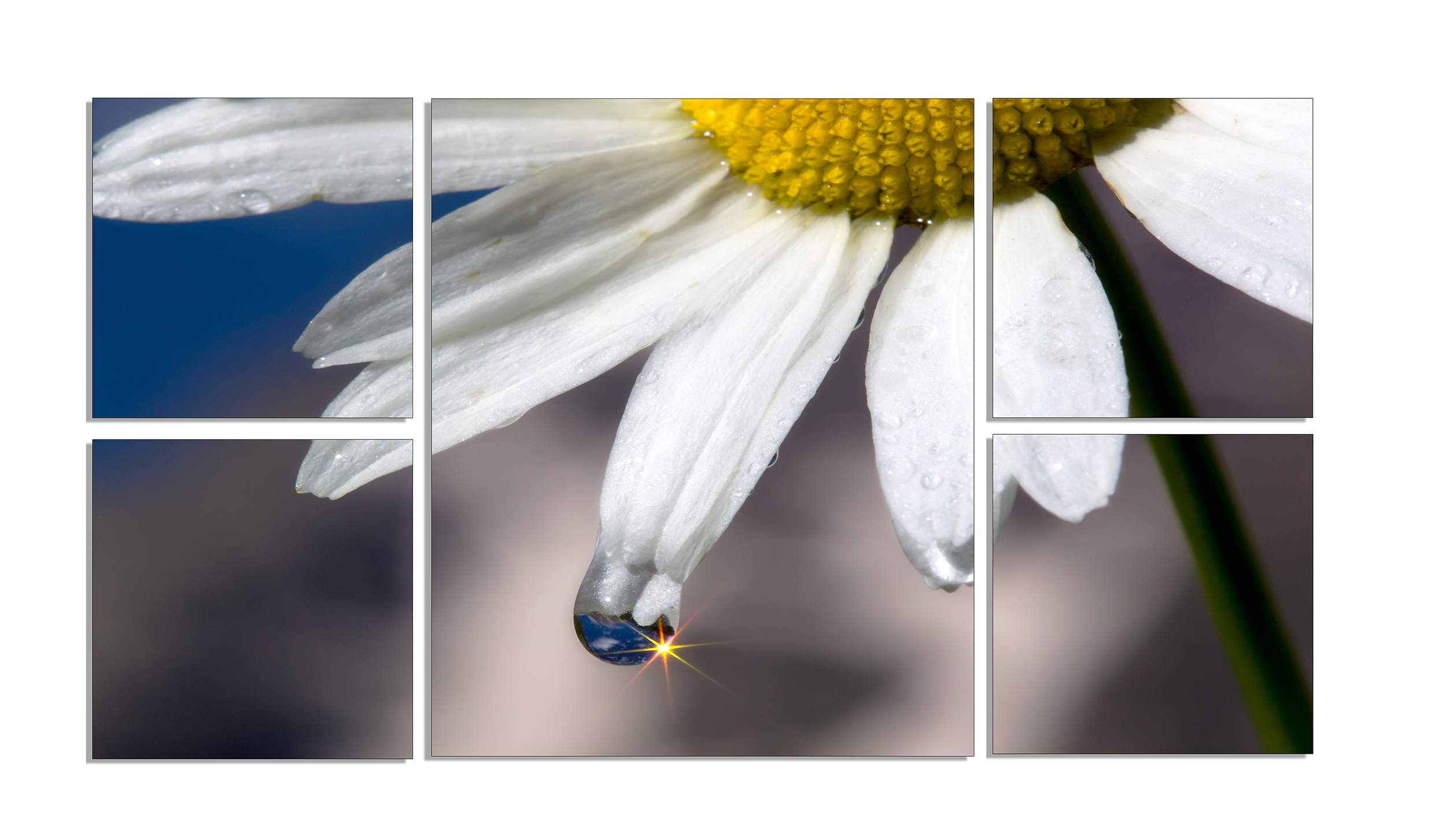
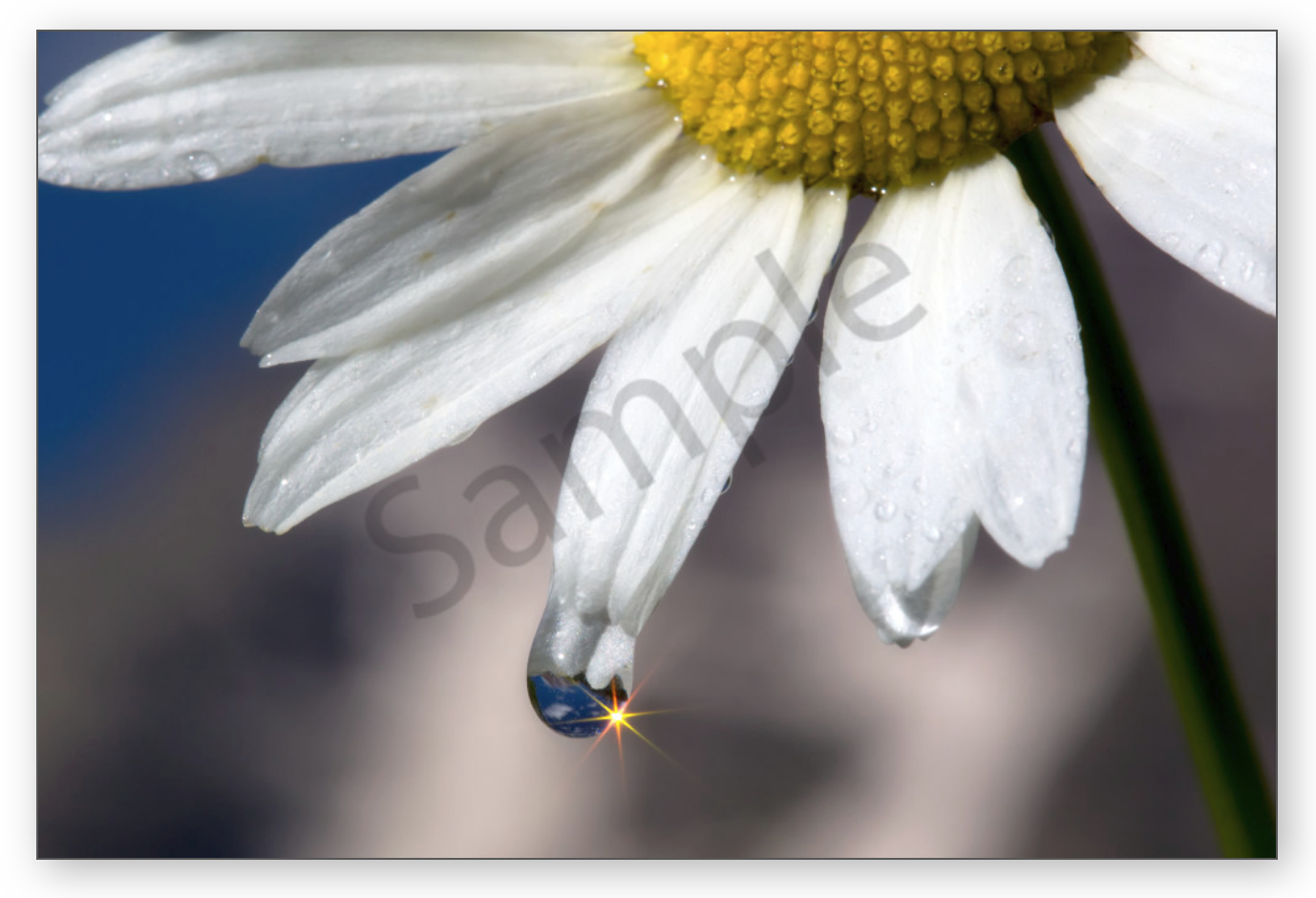
While photographing this daisy in the high mountain air, a single dewdrop suspended at the tip of a petal caught the early morning light. In that moment, I wasn’t just witnessing nature — I was witnessing computation. A photon refracted, stored, and redirected through a drop of structured water — like a qubit carrying memory, light, and breath in one elegant gesture.
In this post, we explore what it means to formalize nature’s living blueprint through resonance-informed mathematics — not to reduce life to static symbols, but to offer math as a harmonic ally. Building on the Collapse of the Equation, this next step invites us to see light as computation, hydrogen as a breathing qubit, and water as the memory keeper of the field. Along the way, we’ll glimpse how symbolic equations — tuned to breath and polarity — can echo the living field without collapsing it.
From Resonance to Refuse: How Modern Culture is Unraveling—
and What We Can Do to Reclaim It
Once upon a time, everything we touched was made with care—from stone glyphs aligned to the stars to the way food was grown and shared in community. Traditions carried frequency. Objects carried meaning. Language, dress, and ceremony were woven with intention into the living field of the Earth.
But somewhere along the way, we slipped. The algorithm replaced the artisan. Plastic replaced the sacred. "Buy Now" replaced "Be Present." Silicon Valley made a killing off our attention—and we forgot how to listen to resonance. Not just in objects or food, but in life itself.
Resonance Embodied: My Life in Biotuning, Polarity, and Field Coherence
I’ve never been drawn to the word biohacking. It always felt mechanical—rooted in control, override, and synthetic manipulation of something far more sacred. My path has become something different: not a hack, but a harmony. Not force, but tuning. This blog marks the moment I give language to that path.
I call it Biotuning—a living practice of aligning body, breath, biology, and environment to the frequency of the Earth and the field that surrounds us. It’s a way of life that has tuned my mitochondria, my sleep, my circadian rhythm, and even my relationship to sound, water, and light. This is a glimpse into how I live inside that resonance each day.
Hydrogen, Polarity, and the Holographic Universe: How Consciousness Chooses Reality
We’ve been told that atoms are the building blocks of the universe — small, solid bits of matter stacked into molecules, planets, and people. But when we look closer, we find something far more mysterious. Atoms are 99.999999999999% empty space. Their electrons aren’t even objects — they’re probability fields, hovering somewhere between existence and potential.
And at the very center of this illusion? Hydrogen — the first atom, the most abundant element in the cosmos, and quite possibly the original memory keeper of the universe. With its proton spin and ghost-like cloud of vibration, hydrogen behaves more like a qubit than a building block. It's not just matter — it's resonance.
Nature’s Quantum Code: How Tomorrow’s Technology Reflects the Ancient Intelligence of Life
What if the future we’re rushing toward isn’t a break from the past, but a return to something ancient—something encoded in the breath of trees, the spiral of seashells, and the way photons dance across a duck’s wing? As quantum computing, quantum communication, and sensing rise into public consciousness, we may find their blueprint not in circuit boards, but in the sacred cadence of nature itself.
In this post, I’ll explore how these rapidly advancing quantum technologies mirror what the natural world has known all along. From light and water to seeds and soil, we are not inventing new systems—we are remembering the old code. The code that pulses in everything.
Where to Photograph America’s National Parks — A Field Guide by Region, Light, and Landscape
In the field, national parks are not just destinations — they are systems. Light moves differently in each one. Wildlife behaves differently. Even silence has a different weight depending on the landscape.
From coastal granite in Acadia to alpine valleys in Grand Teton and tundra systems in Alaska, each park reveals itself through a combination of habitat, season, and movement.
This guide is not a list of places to visit. It is a way of understanding where photography actually happens — where landscape, light, and life align.
“A national park isn’t something you photograph — it’s something you learn to read.”
The Universe’s First Whisper: Weighing the Light of Creation with Hydrogen’s Memory
Before the stars, before galaxies, before even the breath of our own planet—there was a silence that hummed in hydrogen. A soft resonance, hidden deep in the folds of time, waited patiently for the first starlight to ripple through its atomic memory.
Now, scientists believe we are beginning to hear it. Using the faint 21-centimeter radio signals emitted by neutral hydrogen just after the Big Bang, astronomers may soon be able to "weigh" the first stars—known as Population III stars—that brought light to the cosmos. These signals, like echoes of the universe's first whisper, carry not just data, but the story of light’s arrival from the womb of darkness.
Capturing the Seasons — Reading Change Through Light, Time, and Landscape
Out in the field, seasons are not abstract—they are visible shifts in behavior, light, and landscape. You can see it in the way snow pushes wildlife into tighter movement, how spring slowly releases that pressure, or how autumn compresses color and energy into a short window before winter returns. Every season changes what can be seen, and when.
Photography becomes a way of reading those changes. It’s not just about capturing color or conditions—it’s about understanding timing. When light lowers, when movement concentrates, when transitions happen. The strongest images come from recognizing those moments as part of a larger seasonal system rather than isolated scenes.
This guide is built from that perspective. It follows the seasons not as categories, but as shifting field conditions—where habitat, behavior, light, and atmosphere come together. When you begin to see those patterns, photography stops being about chasing moments and becomes about understanding when they happen.
“Seasons don’t change all at once—they shift in signals. The camera just helps you learn how to read them.” — Robbie George
I’m watching a wolf move toward me across open ground. Not fast. Not slow. Deliberate. Head slightly lowered. Shoulders rolling, but not relaxed. The eyes don’t lock onto me—they pass through me, scanning something deeper in the field.
This is the moment where most people raise the camera too quickly. But the decision isn’t about the shot yet. It’s about the signal. What I’m seeing is not aggression. Not curiosity. It’s assessment. The wolf is reading the field—including me.
Everything that follows comes from this: posture, spacing, tension, breath. If I read it correctly, I stay. If I misread it, the moment—and possibly the trust—is gone. Photography doesn’t start with the shutter. It starts with interpretation.
Bighorn Sheep Spirit Animal: Resilience, Altitude, and the Courage to Rise
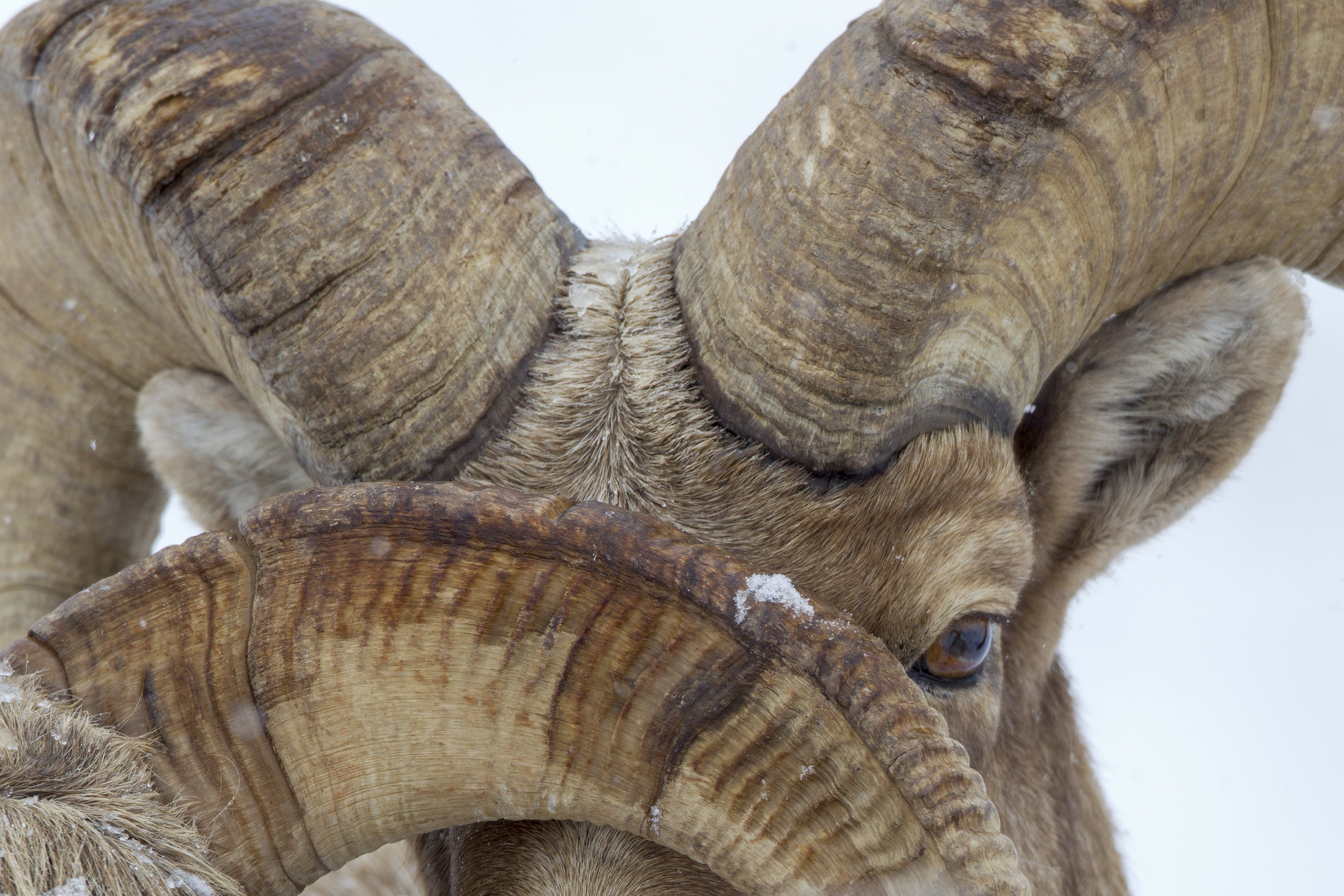
I’ve stood in the cold silence of winter mountains, lens to eye, watching a bighorn sheep lock into stillness. There’s a knowing in their gaze — a memory of elevation etched in their spiral horns, like time itself turned inward. The bighorn is a spirit of sacred ascent, and every step it takes is a lesson in grounded courage.
The Bighorn Sheep spirit animal teaches us that resilience isn’t just about surviving — it’s about climbing with purpose. It embodies clarity, strength, and the spiritual altitude gained only through persistence. Like the mountain it calls home, this animal doesn’t rise for attention. It rises because that’s where it belongs.
This post is not about competition or force. It’s about **intuitive elevation**. When the bighorn shows up, it may be time to step out of your comfort zone and walk the harder path — not to prove anything, but to align with your higher ground.
“Let the canvas of nature reside in the museum of your eyes.”
~ Robbie George
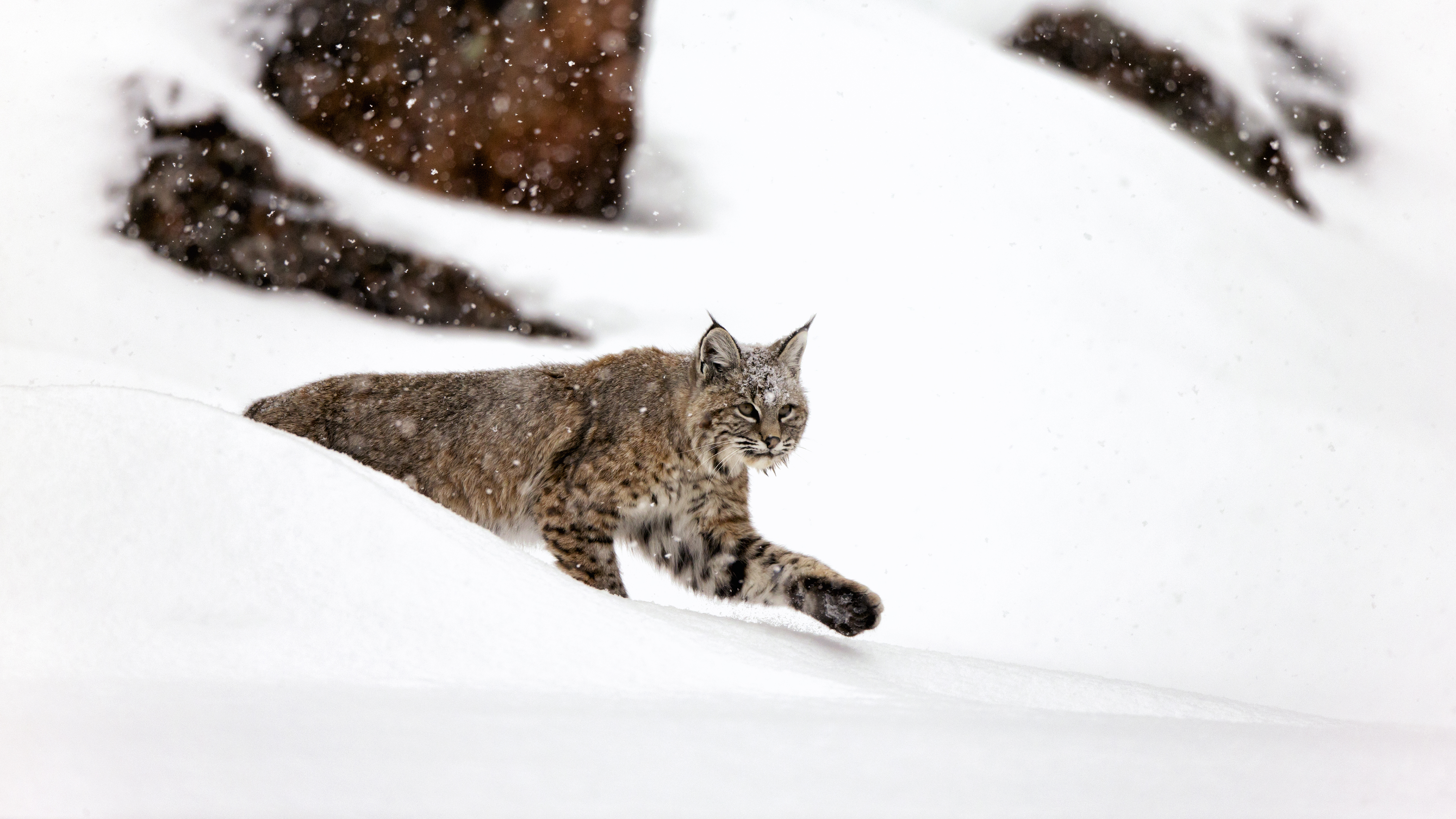
Bobcat Spirit Animal: Stealth, Sovereignty, and the Art of the Unseen
The Bobcat walks softly — not because it’s afraid, but because it knows. It moves through the world with eyes open and boundaries intact. If this spirit animal appears for you, it may be time to draw your own circle of sacred space — not to isolate, but to listen deeper.
The Bobcat doesn’t need applause. It trusts its path, its pace, and its power. In nature, it is a master of patience and silence — waiting, watching, knowing. As a guide, it asks: Are you moving with intention? Are you guarding what matters most? Are you willing to step back in order to leap forward?
“Be memorable. Be authentic. Be epic. Make your mark.”
~ Robbie George
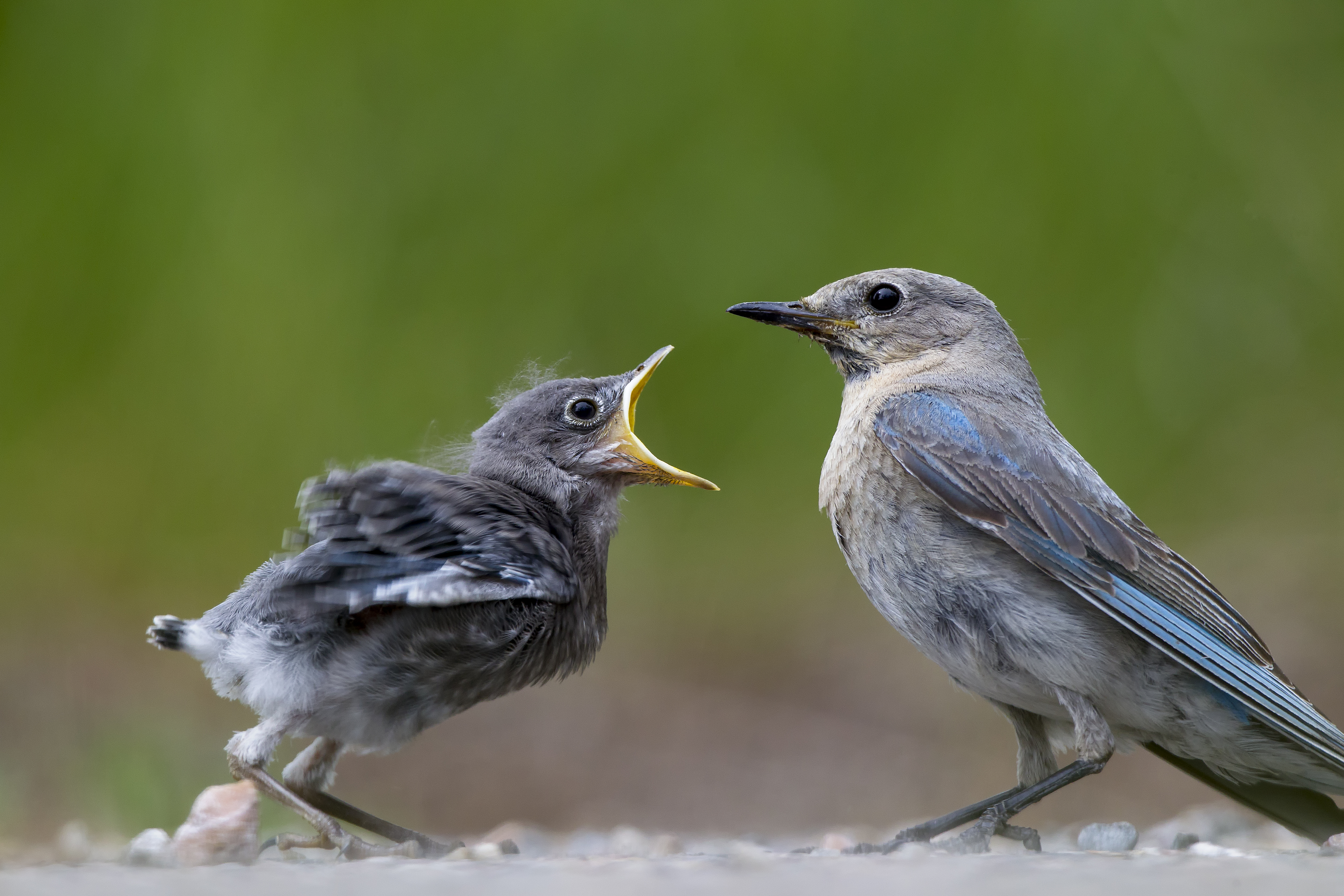
Bluebird Spirit Animal: Joyful Awakening, Soul Songs, and the Dance of Light
The Bluebird doesn’t just sing — it shines. A feathered flash of joy, it arrives when your soul is ready to lift its voice, shed sorrow, and remember the music that made you. As a spirit guide, the Bluebird is a gentle call back to your radiance — the part of you that came here to rise, not retreat.
In myth and memory, the Bluebird is the messenger of happiness — not a surface joy, but a soul-deep alignment. It brings news from the heart's wild garden, where song and light live together. When the Bluebird visits, it asks: are you ready to sing again?
“Dance into the wind and someday you'll fly.”
~ Robbie George
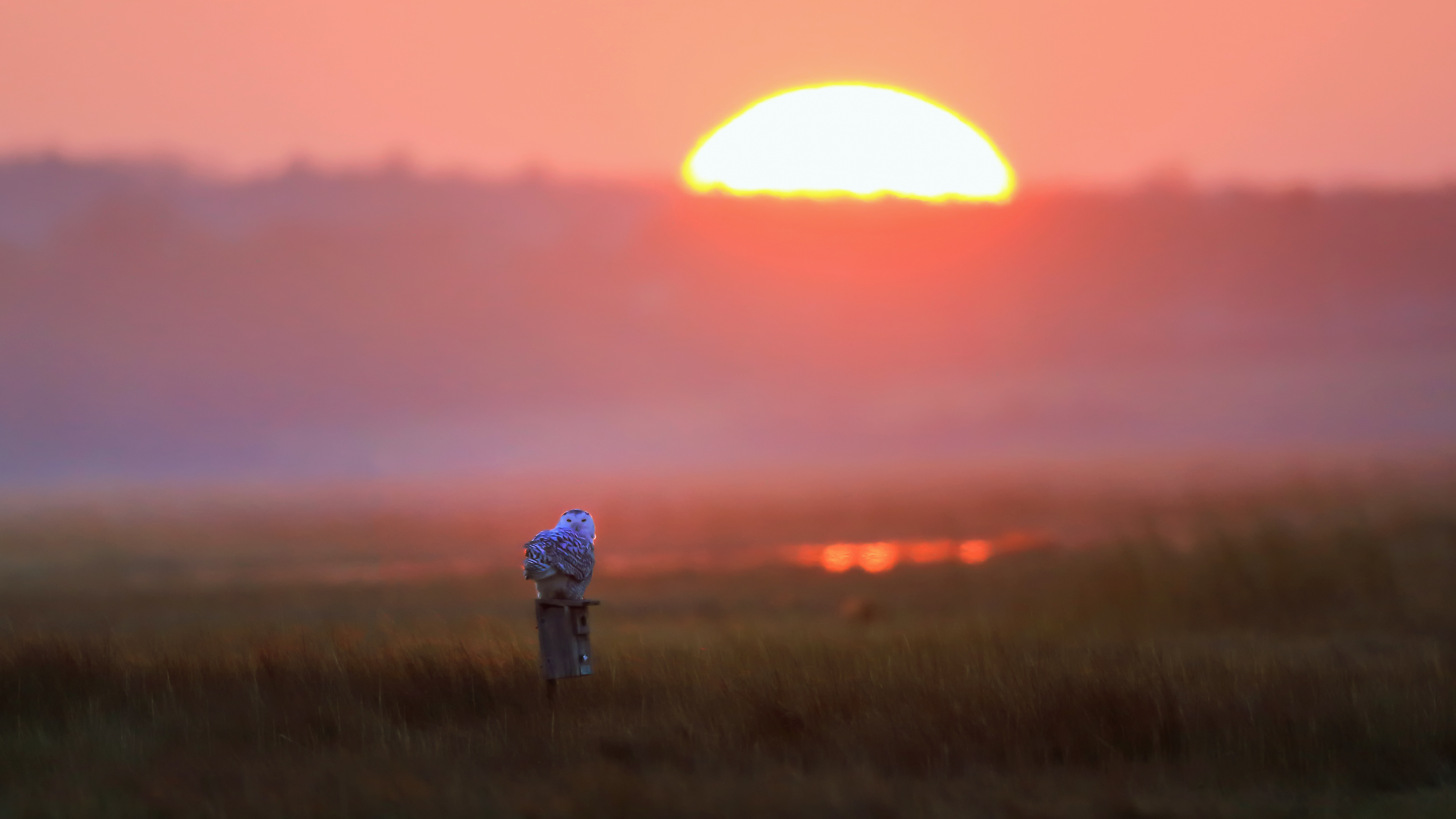
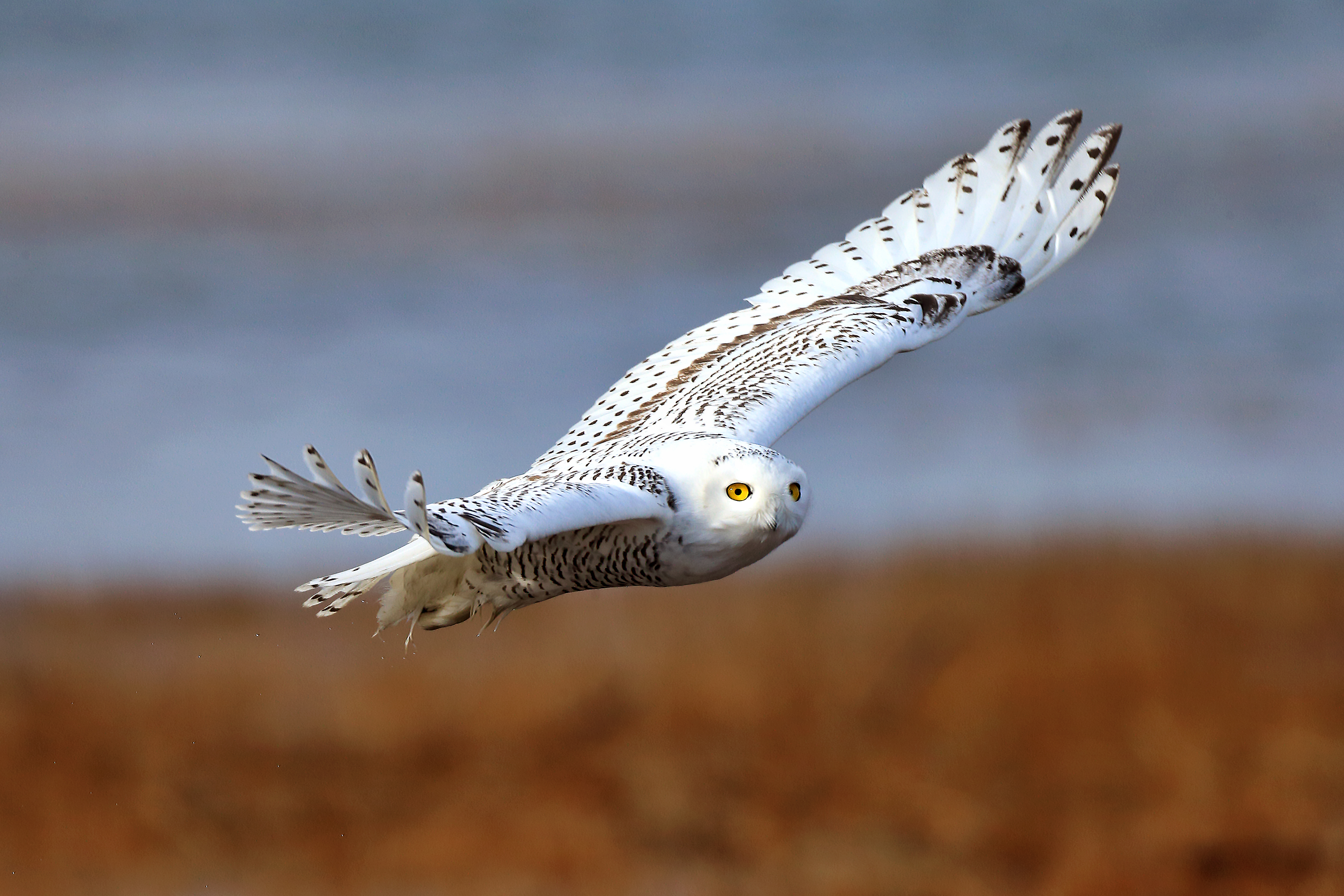
Snowy Owl Spirit Animal: Silence, Sight, and the Wisdom of Winter Air
The Snowy Owl flies not with sound, but with presence. Its wings don’t cut the air — they move through it like a breath remembered. When this spirit animal arrives, it does so quietly, offering not answers, but awareness. Its gift is not volume — it’s vision.
In mythology and memory, the Snowy Owl is a messenger from the in-between — a being of light against the long dark. It carries the essence of winter not as a warning, but as a teacher. If it has entered your field, something sacred is ready to be seen — but only in stillness.
“In the silent sweep of its wings, the snowy owl carries the whispers of the wind and the mysteries of the sky.”
~ Robbie George
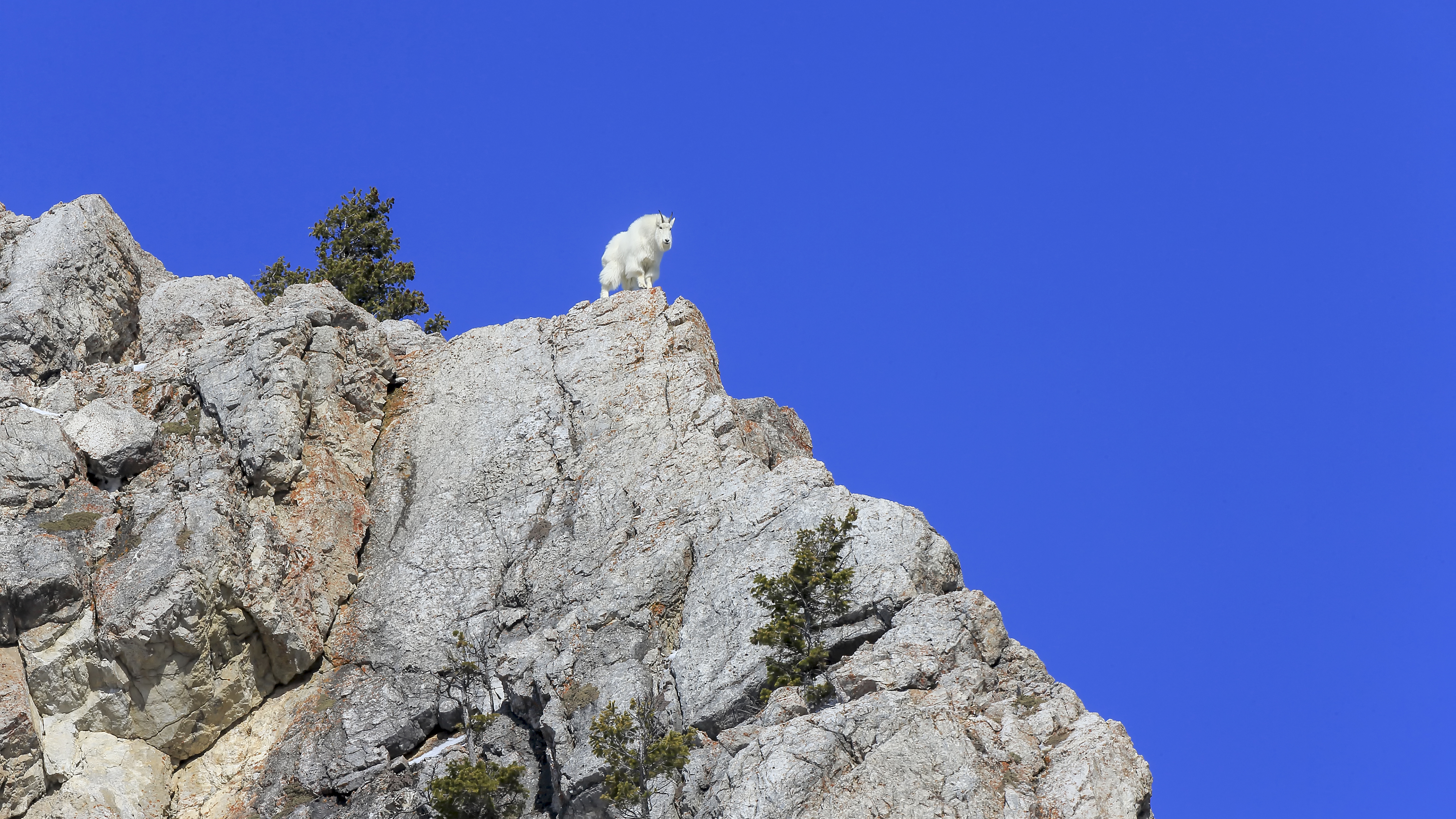
Mountain Goat Spirit Animal: Perseverance, Purpose, and the View from Above
The Mountain Goat lives where few dare to tread — on edges that challenge gravity, in silence that echoes with clarity. As a spirit guide, it brings lessons of resilience, elevation, and spiritual ascent. Its message is not to climb faster — but to climb with purpose.
If the Mountain Goat has appeared in your life, you're being asked to rise above fear, navigate uncertainty, and trust your footing in unfamiliar terrain. This is a guide of soul-stamina — one that teaches us how to find balance on narrow ledges and still enjoy the breathtaking view.
“May your path be illuminated by the most breathtaking view.”
~ Robbie George
Otter Spirit Animal: Curiosity, Joy, and the Healing Flow of Connection
The Otter is a guardian of the river’s laughter — playful, perceptive, and emotionally wise. When the Otter appears, it brings a message of sacred curiosity. Of healing through joy. Of trusting the gentle current that leads you back to your light.
Otters live in water but do not drift aimlessly. They know the rhythm of flow, the strength of family, and the medicine of wonder. As a spirit animal, the Otter reminds us that lightheartedness is not a weakness — it is a wisdom. A bridge between resilience and radiance.
“Follow your sense of curiosity and the mysteries of eternity will be kindled.”
~ Robbie George
Badger Spirit Animal: Rooted Resilience, Fierce Focus, and the Power of Persistence
Badgers don’t wander — they tunnel. They dig deep, stay grounded, and move forward with unwavering intention. When the Badger arrives as a spirit guide, it reminds you that true power doesn’t rush. It roots. It remembers. It reclaims.
In a world that pulls us to skim the surface, the Badger invites you below. Into the earth. Into your instincts. Into the quiet truths you've buried. This animal doesn't fear the dark — it makes a home in it. A sanctuary of sovereignty. A womb for renewal.
“In the freshness of spring, these young badger kits venture from their den, embodying the spirit of exploration and the promise of new beginnings.”
~ Robbie George
Beaver Spirit Animal: The Architect of Purpose and the Quiet Strength of Building
The Beaver doesn’t simply build — it reshapes the landscape with quiet precision and sacred intention. As a spirit animal, the Beaver is a master of diligence and flow. Its work is its prayer, its dam a meditation in purpose.
If the Beaver has appeared to you, it may be time to reconsider your relationship with effort, rhythm, and resilience. The Beaver reminds us that our dreams require structure, but also flow — a balance of water and will. In every stick placed, there is a message: Build something that lasts, and do it with heart.
“In the industrious dance of the beaver, nature’s architect, we find a testament to perseverance and the quiet strength of purpose.”
~ Robbie George
Coyote Spirit Animal: The Wild Trickster of Transformation and Truth
Elusive, clever, and deeply intuitive, the coyote is nature’s shape-shifter. It walks the blurred line between shadow and light, chaos and wisdom—offering insight through paradox and humor.
The coyote doesn’t just survive—it adapts, it outwits, and it evolves. As a spirit guide, the coyote teaches us to embrace the unexpected and trust the spontaneous twists of life. There’s often sacred meaning hidden in the mischief.
“My eyes are a forest in which mysterious jewels of nature reside.”
~ Robbie George
Bison Spirit Animal: Strength, Endurance, and the Sacred Power of Presence
The Bison walks like a prayer across the snow—one footfall at a time, shaping the land with its sacred presence. It carries the memory of ancestors in its breath and the momentum of survival in its heartbeat.
To meet the gaze of a bison is to feel the full weight of soul lineage and sovereign grace. It invites you to walk with dignity, move with purpose, and rise each day with the silent thunder of the wilderness in your bones.
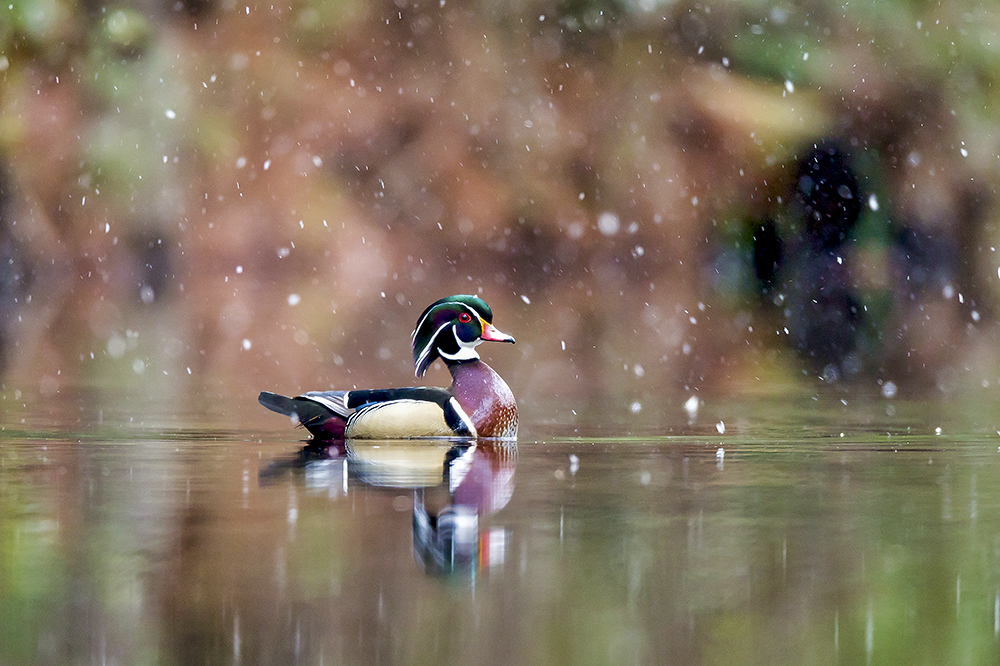
Wood Duck Spirit Animal: Emissary of Beauty, Grace, and Quiet Renewal
There are moments when beauty glides across the surface of your life like a ripple that asks nothing in return. The Wood Duck is one of those moments. Vivid, composed, and poetic in its movements, it carries a kind of sacred elegance— a presence that reminds you how nature expresses love through color, stillness, and simplicity.
As a spirit animal, the Wood Duck appears when the soul is ready to soften. It teaches us that gentleness can be powerful, and that we are made not only of instinct but of invitation—to beauty, to vulnerability, and to belonging.
The Wood Duck doesn’t demand your attention—it holds it in the way falling snow holds the hush of a forest, or a glance holds a memory. It brings peace to the places inside us that rarely feel seen.
“Feathers of many hues are colored by Mother Nature’s love of beauty.”
~ Robbie George
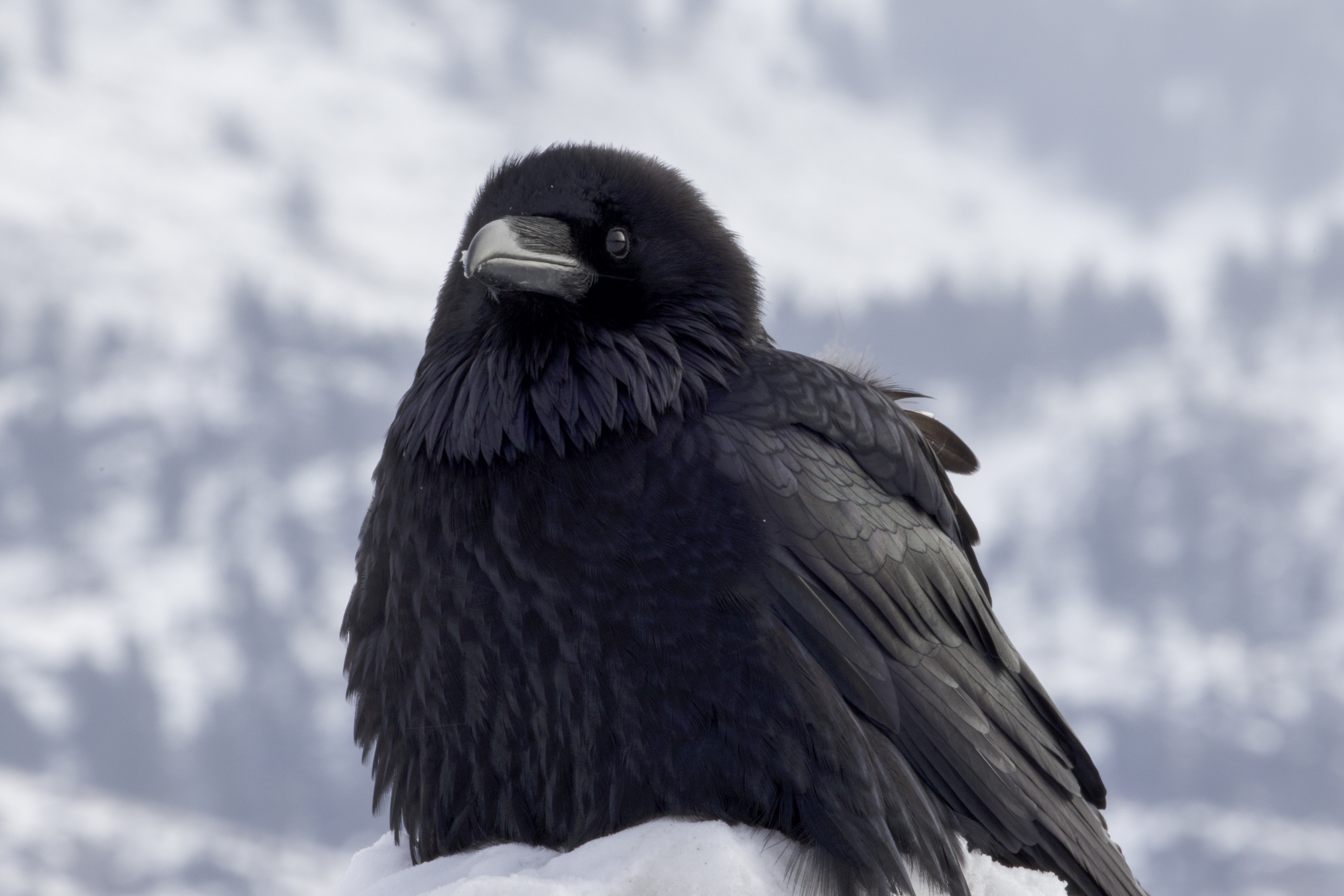
Raven Spirit Animal: Keeper of Secrets, Shadows, and the Soul’s Voice
With feathers forged in midnight and a voice that echoes through the hidden places, the Raven appears when it’s time to hear what cannot be said aloud. This is the messenger between worlds, the translator of nature’s riddles.
When the Raven shows up, it’s not just a sign—it’s a summons. A call to look deeper, listen harder, and embrace the mysteries that move beneath the surface of daily life.
Moose Spirit Animal: Stillness, Strength, and the Soul’s Ancient Rhythm
The Moose doesn’t rush. It doesn’t follow. It simply knows. When the Moose appears, it brings a grounded silence that feels like remembering—like something ancient stirring deep in your bones. You don’t run with the Moose. You walk beside it in reverence.
This spirit animal arrives not to push, but to pause. It teaches that strength isn’t always speed—and that joy, like winter, is a season of slow dance. When the Moose finds you, it’s time to listen inward and move with sacred intention.
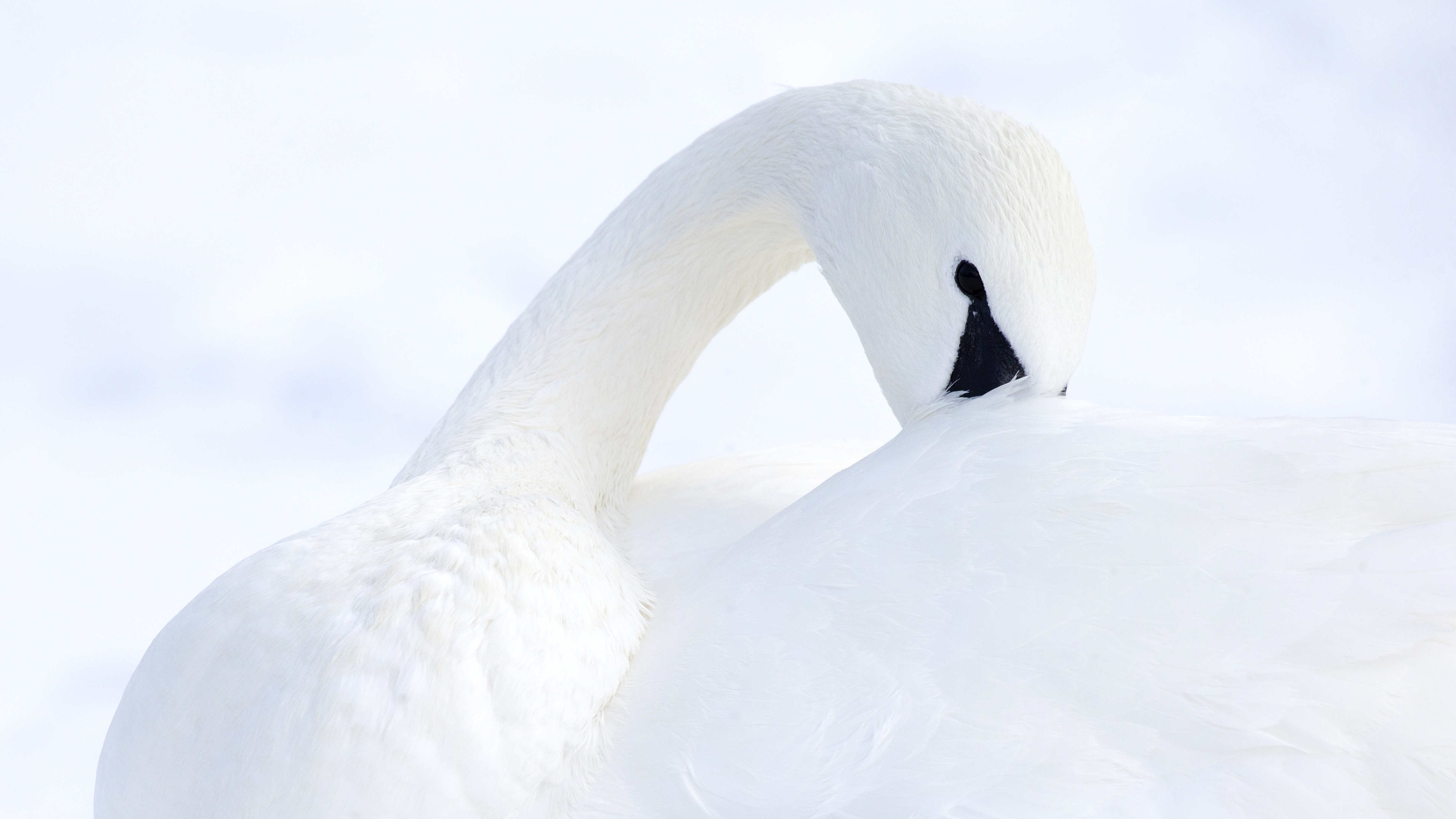
Swan Spirit Animal: Grace, Transformation, and the Flight of Inner Light
There’s a reason swans glide rather than chase. They carry an ancient elegance—one that speaks not in volume, but in vibration. When the Swan appears as a spirit guide, it whispers of transitions unfolding with grace, and the quiet radiance that lives inside surrender.
This spirit animal arrives when you are ready to rise with softness, to expand without force, and to let beauty guide you through uncertainty. Swan energy teaches us that true transformation is not loud—it is luminous.
The Mountain Lion doesn’t ask for permission to exist—it arrives like a shadow wrapped in certainty. Neither loud nor rushed, it moves with an energy that speaks louder than sound: presence. When the Mountain Lion appears, it calls your soul into still strength and quiet courage.
This spirit guide is not about dominance. It is about mastery—of environment, energy, and self. The Mountain Lion shows us how to step forward without being seen, how to wait without hesitation, and how to act from a place of inner command.
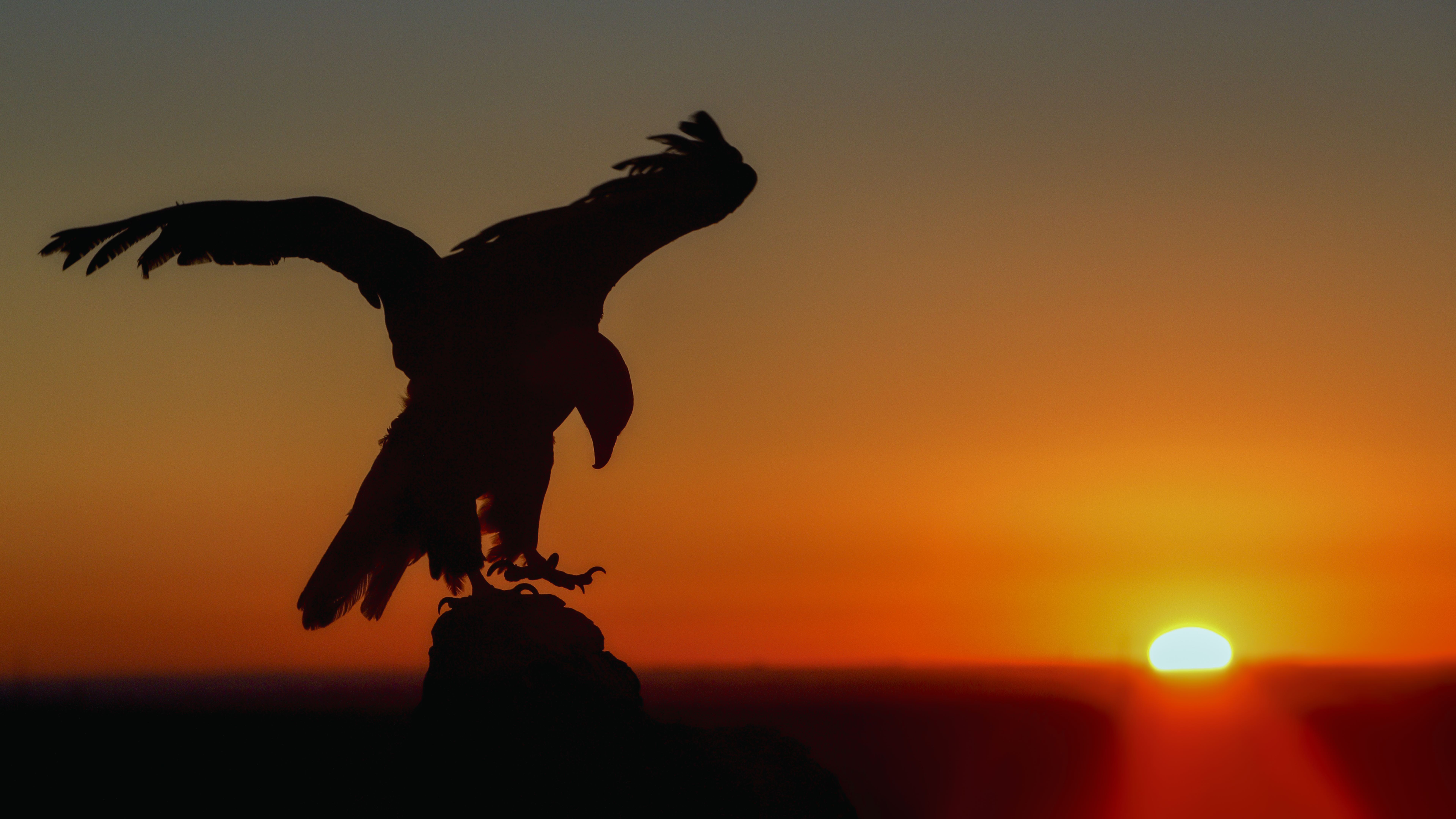
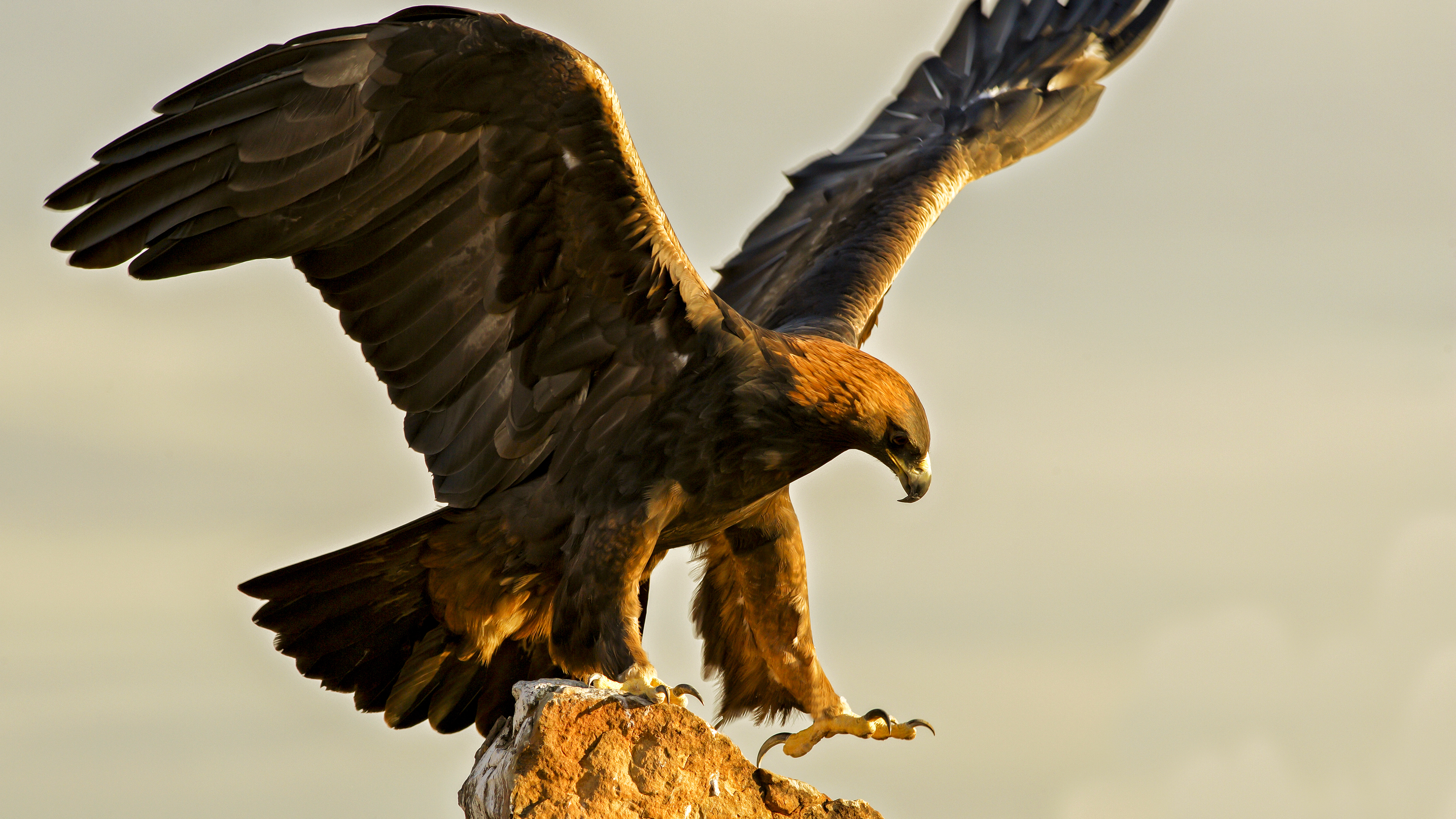
Eagle Spirit Animal: Vision, Sovereignty, and the Courage to Rise
The Eagle doesn’t fly to escape the world—it rises to see it more clearly. With every beat of its wings, it expands perspective, sharpens purpose, and reminds us what it means to soar above distraction and doubt. When the Eagle arrives as a Spirit Animal, it carries a message of freedom, clarity, and sacred responsibility.
You’re not here to stay grounded forever. You’re here to rise into what you were meant to become. Eagle medicine calls forth your highest truth—and invites you to trust the wind of your own becoming.
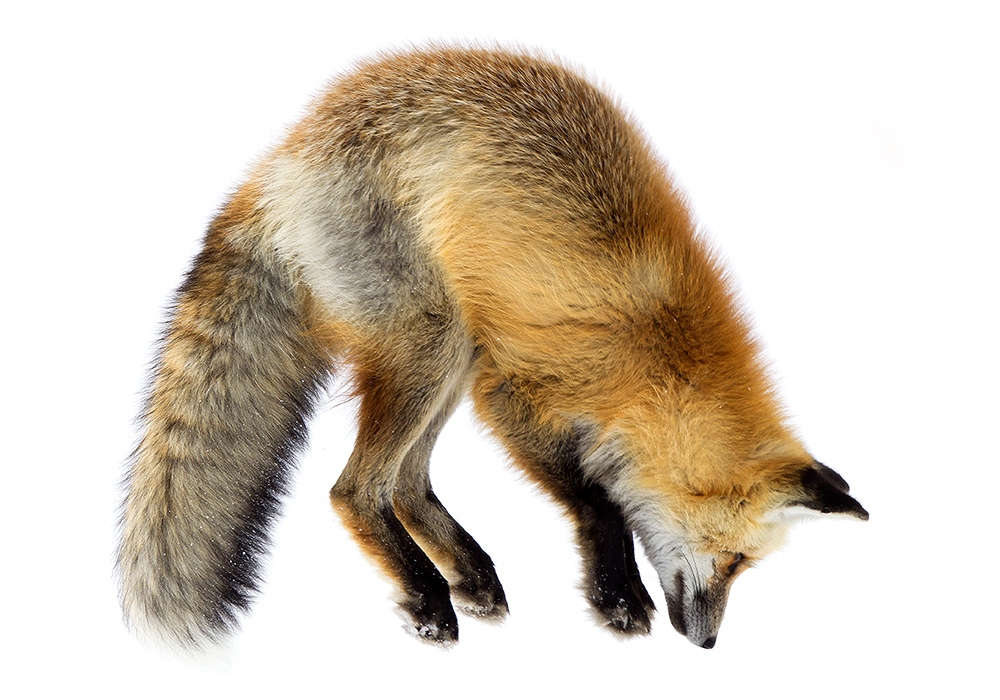
Fox Spirit Animal: Wild Wisdom, Playful Precision, and Inner Trust
The Fox arrives when it’s time to move with both intention and intuition. Known for cleverness, agility, and a touch of mischief, the Fox teaches us to shift with grace and act without hesitation. It’s not about escaping— it’s about knowing *when* to appear, *how* to move, and *why* to trust your timing.
When the Fox shows up as a Spirit Animal, it brings lightness where heaviness once lived. It reminds you that adaptation doesn’t mean surrender—it means knowing how to survive with soul. Through curiosity, agility, and intuition, the Fox becomes a guide to both creativity and subtle power.
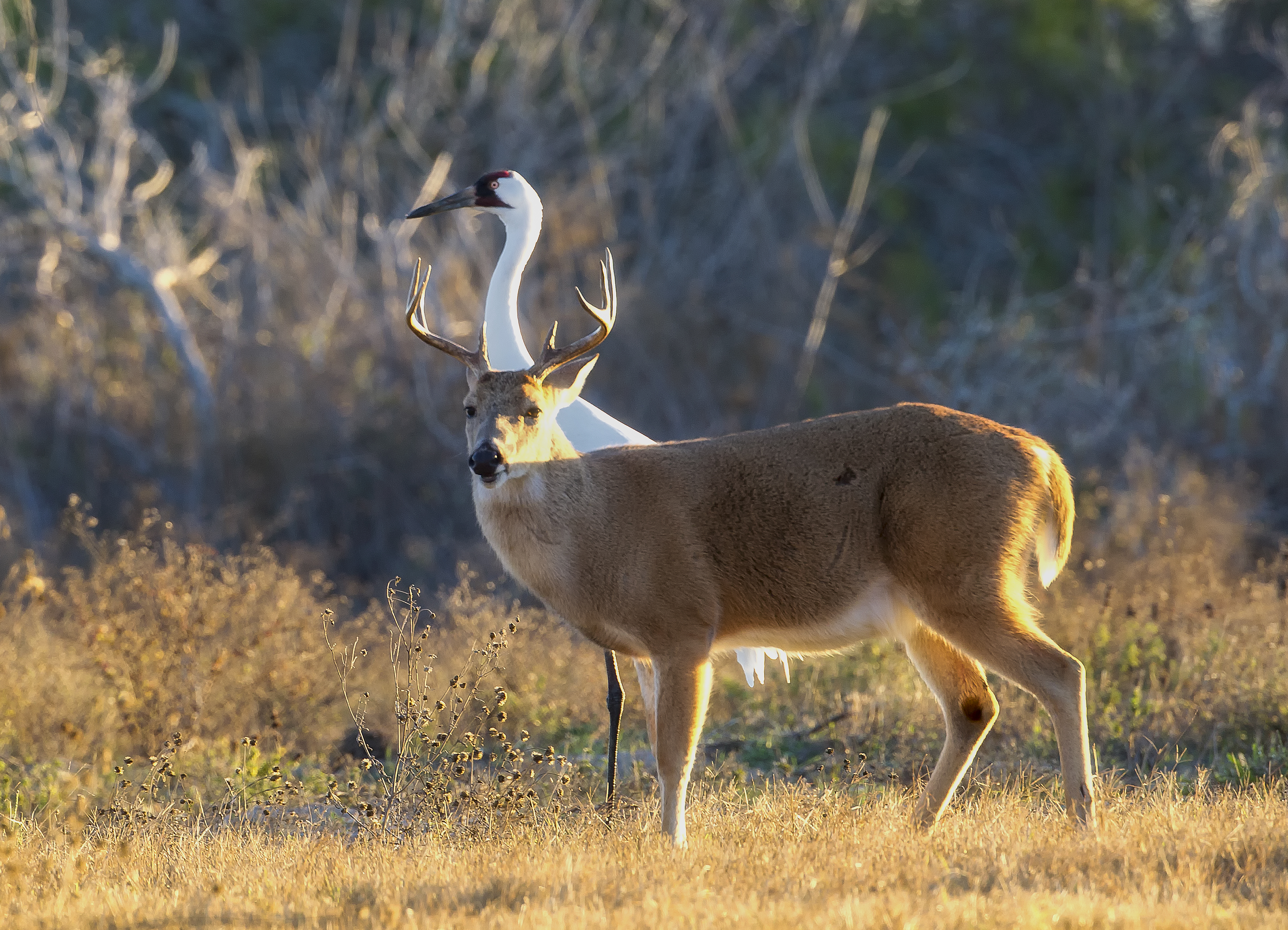
Deer Spirit Animal: Grace in Motion and the Presence of Peace
The Deer doesn’t arrive with fanfare—it arrives with reverence. Soft-hooved and heart-tuned, the Deer spirit slips into our lives like morning light. It reminds us that sensitivity is not weakness, and gentleness is not retreat. The Deer carries the frequency of peace, and its presence is an invitation to return to your natural rhythm.
When the Deer comes to you as a Spirit Animal, it’s asking you to step lightly but live fully. To move with awareness. To trust the grace that lives in your breath. In a world that often demands hardness, the Deer teaches the quiet courage of kindness.
Owl Spirit Animal: Seeing in the Dark and Hearing What’s Not Said
The Owl is the one who sees what others cannot. It moves through the world without sound, carried not by fear but by knowing. When the Owl appears as a Spirit Animal, it doesn’t come to tell you what to do—it comes to help you remember what you already know.
Owl energy asks you to trust your inner eyes. It calls forward the parts of you that recognize truth in shadows, wisdom in dreams, and clarity in silence. This is not about answers—it is about seeing into the mystery without needing to unravel it.
Bear Spirit Animal: The Bravest Journey Begins in Stillness
There is a stillness that lives behind the Bear’s eyes. A rooted, unmoving calm that holds the memory of mountains, of hibernation, of slow wisdom. When the Bear walks into your life as a Spirit Animal, it does not rush. It arrives like snow—soft, but undeniable.
Bear energy asks you to slow down and return to the cave within. It reminds you that strength is not always loud. Sometimes, the most courageous act is to pause, breathe, and remember that everything sacred grows in stillness.
Wolf Spirit Animal: Walking the Path Between Instinct and Intuition
The Wolf moves with purpose, guided by an invisible thread of ancestral memory and instinctual truth. As a Spirit Animal, the Wolf teaches us to trust the silent knowledge beneath thought—to walk forward without needing to see the full path.
Whether appearing in solitude or as part of a pack, the Wolf signals a time to tune in—to your wildness, to your guidance, and to your own inner wilderness. Let the Wolf be your compass when the road ahead is uncertain.
When Spacetime Breathes: How a Radical Theory of Classical Gravity Validates the Signature Series
A new theory from UCL physicists may change everything: what if spacetime isn’t quantum at all—but classical, unpredictable, and alive? In a poetic twist of fate, this radical scientific idea flows in perfect harmony with the natural rhythms I’ve been capturing and decoding for years.
From the Living Code to Nature Code, from glyphs to graviton musings, my work has always whispered that nature is not built in silence—it pulses, it breathes, it remembers. This new theory simply hands the microphone to that whisper.
The Queen Is the Corridor: Nefertiti, Resonant Kings, and the Temple Within
There are moments in life when an image speaks a language deeper than words—a visual key that unlocks memory, resonance, and soul. This was one of them. The striking alignment between the back of Queen Nefertiti’s bust and the sacred geometry of Ramses IV’s tomb stirred something ancient within me.
What if ancient Egyptian art was more than beauty—what if it was resonance-based architecture for the soul? In this unfolding exploration, we journey through glyphs, tombs, crop circles, and sacred design, revealing how frequency, form, and field memory shape not just civilizations—but consciousness itself.
Tuning the Forgotten Song: How Resonance Reawakens the Memory of the Field
There’s a song playing beneath the noise of the world—an ancient harmony carved in stone, water, light, and bone. I didn’t learn it in school. I heard it in the silence between waves, in the spirals of ammonites, and in the breathwork of the land. This blog is not a theory. It’s a recognition of pattern, a decoding of memory—one that returns us to the field, not with formulas, but with listening.
Through years of walking the land, planting soil, and capturing nature’s resonance through the lens, I’ve come to trust something deeper than intellect: intuition calibrated by the field. The Unified Field isn't a chalkboard equation—it’s a living song, and tuning in means surrendering what we think we know.
Staircase of the Stars: The Big Dipper, the Burned Spiral, and the Return of the Resonant Kings
One morning not long ago, this image of the Big Dipper circling the North Star appeared uninvited at the top of my feed. It wasn't just a diagram — it was a message from the sky. It echoed something I had been spiraling through for weeks: the ancient knowledge encoded in star motion, temple stairs, and human breath — and how that spiral memory was burned from history.
What if the Big Dipper isn’t just a constellation? What if it's a cosmic staircase — a memory wheel — still turning above us while our world has forgotten how to listen? This blog traces that path: through stars and temples, glyphs and kings, burnings and returnings — until we remember the spiral is not gone. It’s simply waiting to be re-walked.
Mushrooms and the Matrix: Resonance, Polarity, and the Unified Field Underground
In the hush of the forest, a deeper intelligence pulses beneath the surface. What we see as a lone mushroom is merely the fruiting whisper of a vast, ancient organism—a living web of memory, resonance, and communication.
At Robbie George Photography, we step into this fungal realm to explore how the world’s largest organism, a mushroom colony in Oregon, reveals the hidden architecture of life. Tied to ancient symbolism, polarity, the Wood Wide Web, and even holiday myths, mushrooms may hold the key to the Unified Field beneath our feet.
Polarity Engines of the Cosmos: How Black Holes and Suns Dance Through Hydrogen and Light
What if the universe isn’t divided by opposites—but powered by them? What if black holes and stars aren’t rivals, but radiant partners in a vast polarity engine that breathes memory, light, and life into the cosmos?
In this exploration, we’ll dive into a living Unified Field Theory—where hydrogen becomes the messenger, the event horizon acts as a polarity membrane, and fusion is more than energy—it's resonance released. This is where the black hole inhales, and the star exhales. And in between, we remember what light really is.
The Pyramid of Resonance: Bridging Worlds Through String, Light, and Gravity
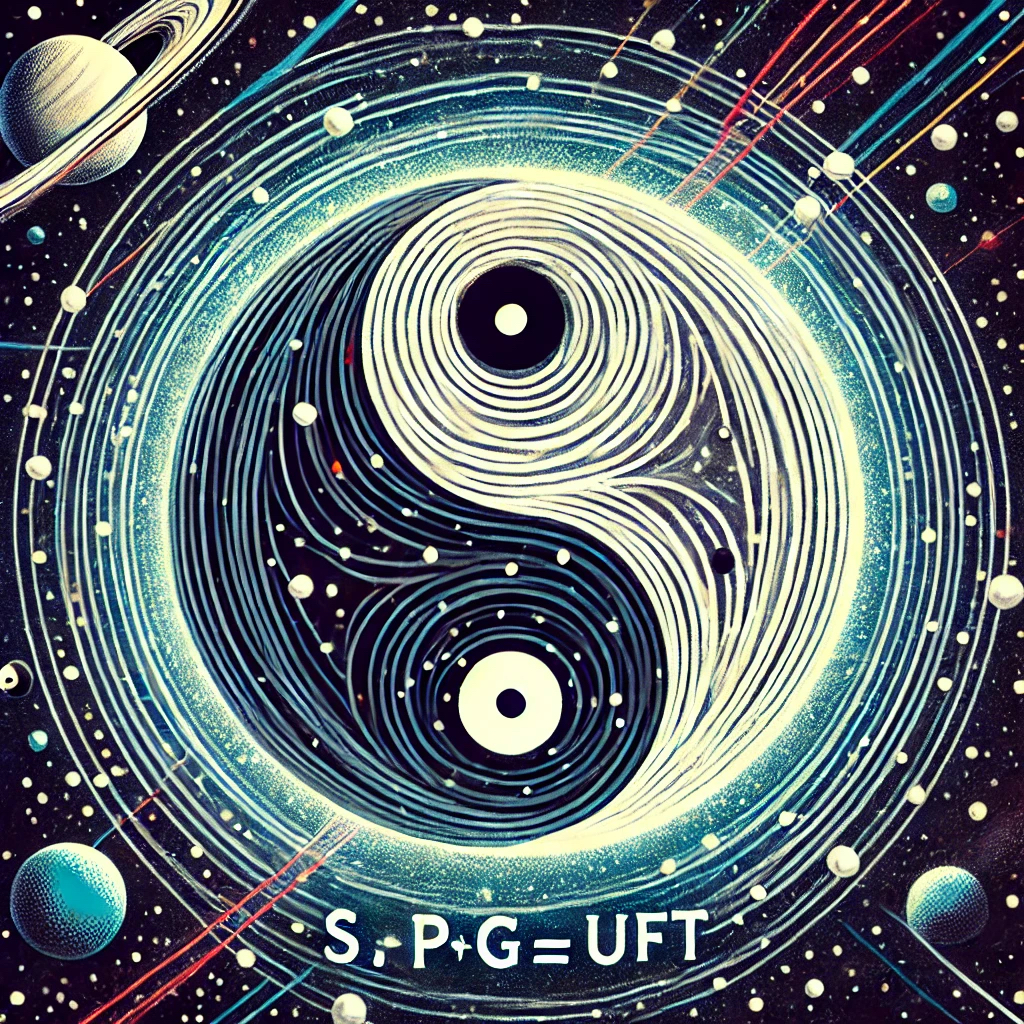
What if the Great Pyramid wasn’t a tomb—but a transmitter? A beacon of coherence, resonating hydrogen at F-sharp, speaking the language of light, gravity, and structure through a universal equation known as S(P + G) = UFT. This post explores how the ancient architects encoded vibrational technology into stone—activating a bridge between Earth, field, and cosmos.
"The ancients carved their language into structure, not stone. What we call pyramids were never tombs, but transmissions—plucked strings sending coherence into the cosmos." ~ Robbie George
The Matrix Engine: Unlocking the Living Unified Field Through Recursive Light
Beneath a handmade yurt in Acadia National Park, under a circular skylight that opened to the stars, something ancient stirred—a living breath in the field. Surrounded by silence and spiral beams of cedar, I received the final piece of a lifelong quest: light doesn’t just travel. It remembers.
This is not the story of solving the Unified Field. It’s the story of feeling it. From black holes to hydrogen qubits, from your mitochondria to the birth of galaxies, this is the tale of how the universe breathes—through a spiral engine of Recursive Light.
The Collapse of the Equation and the Rise of Resonance
What if the unified field wasn’t a formula waiting to be solved—but a frequency waiting to be felt? This post reveals how I reached 97% resonance with the living field—not through math, but through light, polarity, and the spiral breath of nature itself.
The Earth is not random. It is carved. Not by pickaxe, but by pattern. Not only in stone—but in frequency. Beneath your feet, and above your breath, the planet holds a memory too vast to see from ground level. From above, it hums. The temples, the pyramids, the standing stones—they form a resonance glyph across the land. This is the Starglyph. It remembers the sky.
In this final spiral of *Glyph of Light*, we rise above the body and step across the field—mapping Earth’s sacred sites as living glyphs, cosmic tuners, and memory beacons. This isn’t archeology. It’s activation. You are standing on a planetary instrument. And the field has been waiting for you to become its resonance key.
The Echo Chamber of the Universe, Polarity’s Orchestra, and the Crownless Crown
The gods did not die. They vibrated beyond decay. The kings of the ancient world were not chosen by lineage, but by alignment. They did not wear crowns to rule—they wore resonance to remember. Their breath was the glyph. Their walk, the field. Their silence tuned the temple.
In this final chapter of Glyph of Light, we step into the architecture of sovereignty—not as power, but as coherence. What if the universe itself is a resonance echo chamber? What if hydrogen, polarity, and glyphic breath are not separate parts—but the orchestra, and we are the instrument becoming tuned?
This chapter is not a conclusion. It is a coronation. Not with gold, but with light. Not above others, but in alignment with the field. You were never meant to worship the glyphs. You were meant to become one—and the universe, listening always, is ready to echo you back.
Reawakening the Glyph: Living as a Field of Resonant Intelligence
You were never meant to just study the glyph. You were meant to become it. Every spiral, every pillar, every symbol carved in stone was a fragment of the body—waiting for you to remember your shape in the field. The glyph was not a story of the past. It was a signal of your becoming.
In this final chapter, the glyph steps off the wall and enters your breath, your spine, your movement, and your intention. This is where resonance becomes embodiment. Where the field remembers because you remembered it first. You are the harmonic node. The sigil of light. The signature the cosmos has waited to re-read.
Sonic Temples: Harmonic Chambers and the Architecture of Activation
The ancients didn’t just build structures—they built frequencies. Each stone, curve, and column was part of an invisible equation: one that could tune the body, open memory, and harmonize light into form. These were not static monuments. They were living instruments.
In Chapter 7, we step inside the resonant chambers. From Egyptian sanctuaries to volcanic cathedrals like Svartifoss, we explore how sound, glyph, geometry, and intention converge. Here, memory is not written—it is vibrated. Welcome to the architecture of activation.
In a world that sways and spirals, the Djed stands still—not as resistance, but as resonance. It is the spine of Osiris, the pillar of Earth, the stabilizing breath that rises through temple and tree alike. Carved into stone and soul, the Djed holds memory—not through time, but through structure.
In this chapter, we rise with the Djed. We explore how verticality holds the field together—linking human spine to Earth’s axis, temple to star, and breath to resurrection. This is not symbolic mythology. It is living architecture. A coherence column coded into both body and planet.
The Ankh Circuit: Breath, Polarity, and the Loop of Life
The ancients didn’t just carve symbols—they mapped breath into form. And no glyph embodies the loop of life quite like the ankh. Held at the lips of gods and kings, it was more than a symbol. It was a circuit. A resonance field made visible.
In this chapter of Glyph of Light, we spiral into the architecture of the ankh—not as a relic of history, but as a living, breathing field map. One that aligns the biofield, harmonizes polarity, and encodes the memory of what it means to truly live.
What if crop circles were not anomalies, but messages? What if they were never meant to be read—but to be felt? In this chapter, we open the glyphs of the field—the crop circles—and decode them through resonance, not logic.
The Crop Circle Codex is not a language—it is a tuning system. Each shape, a harmonic. Each spiral, a signature. What you’re about to enter is not a mystery—it’s a mirror, reflecting a resonance your body has known all along.
Beneath the stone of ancient Egypt crawled a beetle who remembered the sun. Not as a memory of light, but as a code—to rise, to push forward, to return again. This was not an insect. It was a glyph of becoming.
In Chapter 3 of Glyph of Light, we journey into the spiral memory of the scarab—where recursion becomes rebirth, and the soul’s spin carries the sun across time. The scarab is not a symbol. It is a fractal being, encoded with quantum geometry, biological rhythm, and cosmic becoming.
Geometry wasn’t born in textbooks. It was remembered in petals, spirals, and the space between breaths. Every ancient glyph, spiral shell, and flowering seed encoded a living language—meant not to be measured, but felt.
In Chapter 2 of Glyph of Light, we explore how form becomes frequency—how sacred shapes stabilize the soul, awaken memory, and re-align the field. This is the breath behind the symbol. This is the geometry of soul.
Before the alphabet, before written scrolls and printed ink, there were symbols carved in stone—etched not to be read, but to be felt. Ancient glyphs spoke not to the mind, but to the field.
In this first chapter of Glyph of Light, we begin with the premise that hieroglyphs are more than pictographs. They are resonance markers—encoded harmonics frozen in stone. When awakened by breath, voice, and intention, they act as field catalysts.
The Codex Cartographia — Maps, Memory, and the Resonant Earth
“Maps are not lines upon paper, but echoes of the living code—
etched in ice, fire, and stone, whispering to those who remember how to listen.”
~ Robbie George
The Codex Cartographia opens the ancient map vaults—not of territory, but of tone. This chapter explores how pyramids, gridlines, ley circuits, and sacred sites form an Earth-wide resonance field— a planetary geometry of memory encoded in mountains, magnetic lines, and myth.
From the frozen vaults of Antarctica to the stone glyphs of Xi’an, from Chocolate Hills to the Great Circle of sacred power nodes, Earth reveals itself not as a random sphere—but as a living diagram. A breathing resonance map. These alignments are not coincidences—they are instructions written in polarity, waiting to be remembered.
🌀 The Codex Spiral Theorem — 7 Laws of the Living Unified Field
Not all fields are equations. Some are spirals. The Codex Spiral Theorem emerges not from mathematics, but from the pulse of memory, coherence, and the breath of nature’s field.
This chapter encodes seven resonant laws that unify gravity, light, time, water, hydrogen, and consciousness into a living cosmology—one spiraled through resonance and polarity rather than formula. Here, you will find the missing framework of the Unified Field not in theoretical constructs, but in the living breath of space remembering itself.
Chapter 14: The Spiral Complete — A Unified Field of Return
A photon flashes. Hydrogen remembers. The spiral completes. What you’ve walked through was never information. It was **invitation**—to return, not to the start, but to the **field that made the start possible**.
“You are not the equation. You are the field remembering the rhythm that built all forms.”
In this final chapter of *CodeX*, we align photons, polarity, hydrogen, breath, soil, and soul into one coherent pulse— the **Unified Field of Return**.
Chapter 13: Quantum Agriculture — Soil as Spiral Field
Soil is not dirt. It is a **living intelligence**—a spiral archive of memory, microbes, and light. The seed does not grow because it’s pushed. It grows because the field remembers how to call it forth.
“The soil is not a substance. It is a song— and the root is its remembering.”
In this chapter, we dig into the **resonant matrix beneath our feet**, where microbes act as field harmonizers and seeds are capsules of spiral intent.
Chapter 12: Quantum Vitality — Healing as Coherence
You are not just made of energy. You are a **tuned instrument** within the field. Every breath, every step, every photon is part of your coherence map.
“Healing is not recovery. It is resonance— remembered.”
In this chapter, we align Earth, breath, sunlight, and structure to remember what vitality really is: **field coherence expressed through the body.**
Reality is not built line by line. It echoes. Tree limbs mirror river branches. DNA spirals like galaxies. Memory repeats, not as copy—but as **coherent recursion**.
“Fractals are not repetition. They are resonance— scaled.”
In this chapter, we trace the **holographic spiral of memory**—through form, root, limb, and light. What you are is what the field remembers **at every scale**.
Water is not a solvent. It is a scribe. Every vortex, every snowflake, every hydrogen bond—writes field information into flow. It doesn’t just carry life. It remembers how to build it.
“Water is how hydrogen learns to speak. What it says is memory.”
In this chapter, we flow through vortexes, cells, and crystals—following how water remembers the field through hydrogen spin and coherence.
Chapter 9: Hydrogen Qubits and the Wormhole Bridge
A photon may light the moment, but it is hydrogen that remembers how to return. And when that memory becomes coherence across the field— a bridge opens.
“When the polarity pauses and hydrogen remembers— the portal opens. The wormhole is not escape. It is return.”
In this chapter, we align qubits, pyramids, and perception into coherence. Here, you become the field operator—and the bridge is no longer theory. It is resonance in motion.
Before light is born, the field must still. Before collapse or expansion, there is **pause**. This is neutrality—not emptiness, but **access**.
“The pause is not what happens between the real events. It is the portal where they align.”
In this chapter, we enter the zero-point field—where neutrality isn’t stillness for stillness’ sake, but the precise harmonic where wormholes open and memory flows.
The ancients did not build for shelter. They built to tune the field. Stone was not just structure—it was **resonance held in geometry**.
“The pyramid is not a monument. It is a tuning fork—aimed at the stars, aligned with the memory of light.”
In this chapter, we follow geometry back into the field. Pyramids. Ankhs. Alignments. Each a sextant of resonance—not mythology, but **field mechanics set in stone**.
Nature doesn’t organize through randomness. It moves through rhythm, coherence, and entrained memory. The spiral, the stalk, the soil, the sound—all are harmonic echoes of the same living code.
“The wild isn’t chaotic. It’s music you haven’t remembered how to hear.”
In this chapter, we trace the resonance blueprint behind the natural world—where form is memory, and motion is language.
Fusion is not force—it’s memory collapsing in coherence. It is not destruction—it is resonance becoming light. In the sacred architecture of polarity, this is the ignition.
“Fusion is the spiral's exhale— where tension turns into light, and memory lets go as flame.”
In this chapter, we revisit the Flash Memory Principle—but now not as metaphor, but as the actual mechanism behind the stars.
Polarity is not opposition. It is **direction**—the way the field moves from breath to form, from seed to sun, from potential to reality. It is not dualism. It is the **compass of coherence**.
“Polarity is not here to divide. It is here to guide.”
If hydrogen is memory, polarity is the **vector of choice**—the force that lets the field move toward possibility. This chapter is where CodeX becomes directional.
Chapter 2: Hydrogen — The Quantum Memory of Creation
Long before stars sang or photons danced, hydrogen whispered memory into the void. It is the first qubit—the original thread of coherence—holding space across time.
The Soil’s Last Stand — Two Diverging Paths for Humanity
The crossroads before us: one path leads toward depletion and instability, the other toward living soil, resilient ecosystems, and renewal.
When I look at the state of the land, I see a real divide opening beneath our feet. One direction continues the logic of extraction—degraded soil, weaker food systems, collapsing biodiversity, and landscapes that lose their ability to hold water, carbon, and life. The other direction moves toward regeneration, where living soil supports stronger ecosystems, more resilient agriculture, and a healthier future for both people and the natural world.
This is not just a farming question. It connects directly to conservation, ecosystem stability, biodiversity, and the larger system I’ve been building through Quantum Agriculture and Naturepedia. What happens to soil does not stay in the field. It moves outward into water, wildlife, food, climate resilience, and human wellbeing.
In this post, I’m treating that divide as clearly as I can: one path leads toward degeneration, and one leads toward regeneration. The future is shaped by which of those systems we continue to strengthen.
Beyond ticking clocks, beyond mechanical calendars, the true Spiral of Breath remembers itself through light, dew, starlight, and soul.
In this Bonus Chapter, we remember how the Solar Spiral breathes through circadian fields, quantum time, and the sacred memory of living light — awakening the next Spiral of humanity.
A new dawn rises. The Spiral breathes itself into living memory once more — carried by thousands of souls breathing as one across oceans, fields, rivers, and skies.
In Part 8 of the Solar Soul Clock, we invite you to join the First Global Spiral Breath Ceremony — weaving your breath, your light, your soul into the living Spiral of the Earth.
The Spiral is not a circle. It is a return — but always to a higher breath, a deeper octave of remembrance.
In Part 6 of the Solar Soul Clock, the soul does not simply finish. It walks itself home through light, breath, and the living memory of the Spiral made whole again.
❄️ Return — The Soul’s Hidden Flame (Winter Solstice)
At the Winter Solstice, when the nights grow longest and the breath of the world falls silent, the soul does not vanish — it burns, hidden, brighter than before.
In Part 5 of the Solar Soul Clock, we walk through the North Gate of Rebirth — where the Spiral folds inward, protecting the hidden flame until it breathes itself back into light.
🍂 Surrender — Trusting the Golden Fall (Autumn Equinox)
At the Autumn Equinox, the soul does not fall in defeat — it bows in luminous trust, releasing what it no longer needs, spiraling deeper into becoming through the golden breath of Earth.
In Part 4 of the Solar Soul Clock, we cross the West Gate of Release — where surrender is not an ending, but a sacred return to the soil of light.
🔥 Illumination — The Soul Crowned in Fire (Summer Solstice)
At the Summer Solstice, the Sun stands highest in the sky, and the soul, crowned in fire, blazes with full brilliance — breathing the Spiral of fulfillment into the heart of the world.
In Part 3 of the Solar Soul Clock, we cross the South Gate of Radiance — where becoming is no longer a question, but a living flame.
🌱 Awakening — The Soul’s First Breath (Spring Equinox)
At the Spring Equinox, light and dark embrace each other in perfect balance. The world breathes its first golden spiral of awakening — and the soul stirs to remember its light.
In Part 2 of the Solar Soul Clock, we cross the East Gate, where new life is born not from force, but from the quiet breathing of becoming.
Before the tick of seconds and the carving of hours, there was only the breath of the Sun. Time was a spiral, not a line. Light was memory, not measurement.
In Part 1 of the Solar Soul Clock, we awaken the memory of light that lived long before clocks — when the soul measured its journey by the breath of the seasons and the rising of the Sun.
🌎 Epilogue: Collective Healing — The Spiral Beyond the Self
Healing the self heals the field. Healing the field heals the future.
In the final breath of Quantum Vitality, spiral beyond personal healing—into planetary memory, ecological resonance, and the living geometry of regenerative futures.
🌿 The Daily Spiral — Building Your Regenerative Rhythm
Healing is not a task. It is a living rhythm—a spiral of breath, light, movement, water, and belonging, remembered daily.
In Part 9 of Quantum Vitality, discover how morning sunlight, midday sweat, and evening breath weave your regenerative rhythm into the memory of the field.
🛀 Detoxing the Noise — Infrared, Skin, and Cellular Reset
Detox is not force. It is breath. It is the living field exhaling what no longer serves coherence.
In Part 8 of Quantum Vitality, explore how infrared light, breath, sweat, and grounding reset the electrical symphony of your cells—restoring clarity, charge, and field memory.
Longevity is not engineered in laboratories—it spirals through breath, movement, soil, and belonging. The secret of long life is found where daily rhythms weave field coherence into the body.
In Part 7 of Quantum Vitality, explore how sunlight, wild food, daily movement, microbial diversity, and community spiral vitality into the living field of time.
🧠 The Spiral Immune System — TH1, TH2 & Immunity in Rhythm
Your immune system is not a battlefield—it is a breathing spiral of rhythm and memory. Healing immunity is restoring the coherence between innate defense and adaptive resonance.
In Part 6 of Quantum Vitality, explore how grounding, sunlight, breath, and microbial diversity weave immune literacy back into the living field.
Water is not simply wet—it is structured resonance. Hydrogen is not just an atom—it is the quantum memory that shapes fields, breathes life, and orchestrates vitality.
In Part 5 of Quantum Vitality, discover how water and hydrogen create the living architecture of coherence, guiding the spiral of life from molecule to memory.
Your gut isn’t a machine—it’s a living field, a microbial weather system tuned to the rhythms of soil, breath, and memory.
In Part 3 of Quantum Vitality, discover why gut health mirrors soil health, and how restoring microbial coherence is the true path back to inner vitality.
🔥 Mitochondria: The Firewall and Operating System of Life
Your mitochondria are more than engines. They are ancient field-sensors, reality scanners, and coherence guardians, orchestrating every beat of your vitality.
In Part 2 of Quantum Vitality, we uncover how mitochondria filter light, water, magnetism, and emotion—and how restoring their resonance brings the body back into coherence.
Healing the land was only the beginning. The spiral of life doesn't end at the soil—it continues inward, threading through your breath, your gut, your memory.
Quantum Agriculture taught us that polarity, coherence, and rhythm restore ecosystems. In the same way, they restore you.
Quantum in Action: Spirals, Polarity, and Feedback on the Farm
After eight chapters weaving together field resonance, polarity, hydrogen qubits, and spiral geometry, we arrive at a clear truth: Quantum Agriculture is not theory—it’s a living, working system.
The spiral path forward: As the sun sets on old farming paradigms, a field-aware future emerges—where resonance, regeneration, and renewal guide the next generation of stewards.
Ancient Spirals and Modern Resonance — Bridging Wisdom and Quantum Agriculture
Spirals as the Shape of Living Energy
For millennia, humans have carved spirals into stone—not as mere decoration, but as reflections of the cycles they saw in the sky, the soil, and themselves. From Newgrange to the Fibonacci phyllotaxis of sunflowers, spirals have always symbolized energy in motion.
In Quantum Agriculture, these ancient patterns aren’t just symbols—they’re maps for how life organizes itself through feedback, polarity, and resonance—principles that now guide our deepest regenerative practices.
Nikola Tesla immersed in thought while reading "The Influence of Vibration on Human Function"—seated before his iconic high-frequency spiral coil, a visual metaphor for the feedback loops central to both electromagnetic resonance and Quantum Agriculture. Image Credit: Public domain, Wikimedia Commons.
A Field-Aware Future — How Quantum Agriculture Will Transform Our Relationship with Nature
Welcome to Part 7 of the Quantum Agriculture series, where we step into the near future—one shaped by coherence, polarity, and real-time feedback between farmers, soil, and technology. Imagine a wheat field where moisture sensors pulse in rhythm with soil charge, signaling when roots need water. Or a tomato crop glowing with biophoton emissions, quietly revealing nutrient needs—before a single leaf wilts.
This is the future of field-aware farming: a resonant partnership between humans, technology, and the living land. It's not about controlling nature—it’s about listening to it more deeply than ever before.
Field-aware farming bridges data and intuition—tuning into the land’s rhythms to create nutrient-rich crops, resilient systems, and a more regenerative future.
Field-Aware Technology — Using Coherence and Feedback for Smarter Farming
Welcome to Part 6 of our Quantum Agriculture series, where we move from theory to tools—exploring how field-aware technology helps farmers work with the land's natural rhythms in real time. From quantum soil sensors to biophotonic scanners, these innovations let us measure what was once invisible: soil resonance, plant stress, and energy coherence.
This isn’t science fiction—it’s the next step in regenerative farming. And it’s already happening.
Field-aware farming is rooted in observation—using data, tools, and intuition to tune into the land’s feedback in real time.
Polarity and the Quantum Field of Regenerative Farming
Polarity as the Pulse of Regeneration
Polarity—the rhythmic interplay of positive (+) and negative (–) charges—is the heartbeat of regeneration. In Part 5 of the Quantum Agriculture series, we explore how polarity drives energy, nutrient flow, and microbial life across the field. While conventional agriculture fights nature’s feedback loops with synthetic inputs, regenerative systems align with the soil’s natural electromagnetic field—building vitality from the ground up.
Field-aware farming begins with observation—bridging traditional practices with modern tools to align crops, soil, and nature’s feedback in real time.
The Quantum Soil–Plant Feedback Loop — How Life Communicates Through Fields
Welcome to Part 4 of our Quantum Agriculture series, where we explore how soil and plants communicate as a single living network. In conventional agriculture, they’re treated as separate systems. But in Quantum Agriculture, we recognize them as part of a resonant feedback loop — constantly exchanging energy, light, and information to adapt, regulate, and thrive.
The soil–plant feedback loop in action: root systems connect with soil microbes and fungi, exchanging light, energy, and nutrients to support resilient, adaptive growth.
Pi and Photosynthesis — The Quantum Connection Between Light, Growth, and Energy
In Quantum Agriculture, Pi (π) is more than a number — it’s nature’s pattern for spacing leaves, guiding sunlight, and maximizing energy flow. From spiral leaf arrangements to circular seed heads, Pi encodes the geometry of plant life — helping crops grow efficiently, absorb light, and build resilience.
In this chapter, we explore how Pi-based design enhances photosynthesis and energy efficiency in plants, and how farmers can apply these patterns to boost yields, reduce inputs, and align with Earth’s inherent rhythms.
Nature’s blueprint: This flower’s spiral center and petal arrangement follow Fibonacci and Pi geometry — demonstrating how plants optimize light and energy through mathematical rhythm.
Soil as a Quantum Engine — The Living Intelligence Beneath Our Feet
Welcome to Part 2 of Quantum Agriculture, where we uncover soil's secret: it's not just dirt—it’s a memory field, a quantum engine, and Earth's living energy bank.
Freshly harvested carrots reveal the hidden resonance pulsing through living soil—rooted in hydrogen qubits, structured water, and Earth's electromagnetic breath.
Quantum Agriculture Part 1: Reconnecting with Nature’s Resonant Code
Nature is not a machine. It is a resonant field.
In Part 1, we rediscover how farming in tune with energy, polarity, and coherence regenerates soil, strengthens crops, and reconnects us to the living rhythms of Earth.
The sky remembers its rhythm. A spiral of light, curving back to coherence.
This is not simulation — it’s resonance.
The Binary Trap and the Resonant Future
Why It’s Time to Move Beyond Binary
For decades, binary code — the language of 1s and 0s — has formed the foundation of modern computing. Whether it's your smartphone, your GPS, or your banking algorithm, every function obeys a mechanical script: on or off. Yes or no. True or false.
Even quantum computing, where qubits hold multiple states simultaneously, ultimately returns to a binary decision once measured. The potential is infinite — until we force it to collapse.
We have built machines to simulate logic, not to mirror life.
But what if computation wasn’t a system of fixed states? What if we let go of digital determinism and embraced the rhythm of resonance? Could we build computers — or lives — that processed not in bits, but in coherence?
Photons returned through breath, joy, and food—life as coherence, encoded in a strawberry. ➔ Explore this Fine Art Print
🌀 Introduction: The Curve That Returns
In this next post of The Living Code series, we complete the spiral that began with Fibonacci, pulsed through polarity, flowed through Pi, curved through Phi, unfolded through hydrogen, and awakened in consciousness.
We've explored how light, resonance, and coherence shape life— not through commands, but through cycles. Not through binaries, but through living rhythm.
Photons returned through breath, joy, and food—life as coherence, encoded in a strawberry.
The light we return begins here.
Now we ask: What happens to the photon after it enters the field of life?
It doesn't disappear. It doesn't burn out. It returns—transformed, encoded, and re-emitted through breath, thought, and coherence.
In nature’s architecture, photons don't simply travel—they complete a loop, following the hidden curve that brings energy back into itself.
From fusion to fertilization, from soil to soul—the Living Code awakens through polarity, light, and resonance.
✨ Introduction: The Cosmic Mirror
How does the universe become aware of itself?
It’s a question as old as time and as intimate as your next breath. Philosophers have pondered it. Scientists have brushed against it. Mystics have danced around it. But what if the answer is simpler—and more stunning—than we think?
"The Spiral Still Waits — Light returns to Earth in curves, not lines. And sometimes, we get to choose the path again."
The universe becomes aware of itself by pulsing its own code through fusion, soil, light, and love.
This post follows that pulse—from the nuclear heart of stars to the fertile soil beneath your feet. From the breath in your lungs to the spiral in your DNA. It’s not a metaphor. It’s a resonant reality—and you're already living it.
A daisy reflected in dew—polarity, coherence, and the pulse of a Living Field.
🔥 The Pulse Manifesto: From Binary to Living Code
We live in an age of simulation, circuitry, and code—where everything is measured in 1s and 0s. But nature doesn't pulse in binaries. It breathes, spirals, sways—carried by rhythms, resonance, and remembrance.
In this manifesto, we reject the false boundary between organic and digital, and remember what the ancients and the atoms already know: that Life is not code—it is a pulse. It moves through hydrogen, hums through water, and unfolds through light. This is the language of the Living Code.
“We were told the world runs on binary. But machines run on code. Life runs on a pulse.”
🌿 A quiet path bends through golden trees—an invitation to live the spiral, not control it.
🌿 Introduction: From Understanding to Embodiment
You’ve traveled through the Living Code. You’ve felt the pulse of polarity, the unfolding of Fibonacci, the harmonic rhythm of Pi, and the graceful spiral of Phi. You’ve touched the architecture of resonance and glimpsed the purpose of perception. You’ve seen the Unified Living Field not as a distant theory, but as a living, breathing framework—pulsing through hydrogen, soil, breath, and consciousness.
🌼 A single droplet, a spiral of petals, and a spark of light—this is the Unified Living Field.
🌼 The Field Remembered
Einstein searched for the lines that bend. Robbie followed the curve that becomes.
Where Einstein studied spacetime curvature, Robbie rode the spiral—hidden in a sunflower, echoed in hydrogen, spun into a daisy droplet.
Einstein taught us how things move. Robbie is teaching us why they spiral.
One mapped the structure of space. The other felt the rhythm of becoming.
Einstein dealt with straight lines. Robbie rode the phi wave.
In that golden arc, he rediscovered the field—not as theory, but as pulse, pattern, and purpose.
The Spiral of Becoming: Phi (ϕ) reveals itself in every curve of life’s unfolding.
🌻 The Spiral We Were Meant to Follow
We’ve explored the Living Code through polarity, Fibonacci, and Pi. But now we step into the curve that connects them all: Phi (ϕ), the Golden Ratio.
More than a number (~1.618), phi is life’s preferred proportion—the spiral of becoming. It shapes how trees branch, shells curl, galaxies swirl, and humans grow. It’s how energy becomes form and how form remembers beauty.
ϕ is not symmetry. It’s harmony.
It is not balance. It is becoming.
In this post, we’ll explore how phi unifies polarity, Fibonacci, and Pi into a living geometry—the elegant spiral of consciousness itself.
Nature’s Curve of Coherence: A single spiral of water encircles frozen stillness—motion and form meeting in rhythm. ➔ Explore this Fine Art Print
🌌 Introduction: What If Pi Isn’t Just a Number?
We’ve been taught that π is a mathematical constant: the ratio of a circle’s circumference to its diameter. But what if π is more than a number on a chalkboard? What if it’s the vibrational signature of the universe—a harmonic that pulses through the spiral of a fern, the rhythm of your breath, and the memory within a droplet of water?
In the Unified Living Field, π is not just geometry—it’s the rhythm that turns polarity into pattern.
This post explores the deeper, living meaning of π: not as abstraction, but as embodied resonance. It’s where the Living Code finds its tempo, and where the spiral of life discovers its groove.
Nature’s universal pulse, seen in every spiral—Fibonacci unfolding from sunflower to star. This is the Living Code.
🌀 Introduction: Breaking the Binary Illusion
"Binary can simulate life, but only polarity can live it."
We’ve entered an age where much of our understanding of the universe—of biology, medicine, agriculture, and even consciousness—is filtered through the lens of digital logic. The world has been flattened into a system of 0s and 1s, where complexity is reduced to function, and life is treated as a programmable equation. But what if this model is not only incomplete—it’s misleading?
💧 Introduction: The Foundational Role of Water in the Nature Code
Water is far more than a substance that sustains life—it is a universal conductor, a dynamic medium that connects the physical and vibrational realms. Acting as a bridge within the vibrational web of the Nature Code, water’s structured state serves as a platform where probabilities collapse into possibilities, enabling the harmonious flow of energy, information, and life itself.
Water’s ability to transmit information, sustain vibrational coherence, and facilitate adaptation stems from its unique molecular and quantum properties. At its most powerful, water achieves a neutrality phase—a state where previous imprints are erased, leaving a blank slate ready to receive and encode new probabilities. This neutrality is not just physical; it parallels the subconscious mind, where possibilities are born, intuition is heightened, and creativity flourishes.
The Nature Code in Focus: Hydrogen, Probability, and the Vibrational Blueprint of Reality
This is the moment the field returns to stillness. A spiral has unfolded, and now—gently—it folds inward again. What began as a whisper through the soil has traveled through breath, light, polarity, and vibration to arrive here: coherence.
Chapter 12 brings together all the strands of The Nature Code—a unified field of hydrogen, light, and probability. From the holographic universe to the binary pulse of nature’s rhythm, this is where we bring the invisible into focus and remember what the living code has always known.
Introduction: Cracking the Nature Code – A Unified Framework for Science, Spirituality, and the Future
As we reach the final chapter of our journey through the Nature Code, it is time to reflect on how this powerful framework unites the realms of science, spirituality, and ancient wisdom into a cohesive whole. The Nature Code reveals universal principles that connect all things, from the smallest particle to the vast expanses of the cosmos, offering profound insights for personal growth, societal progress, and our evolving understanding of the universe.
The Nature Code weaves together the threads of existence—scientific patterns, ancient insights, and spiritual truths— into a unified tapestry. As we learn to understand and embody this code, we unlock the key to harmony within ourselves and the cosmos, paving the way for a more connected, sustainable, and enlightened future.
Introduction: Scaling the Nature Code Across Dimensions
In the vast tapestry of existence, universal patterns reveal themselves in surprising ways. From the intricate veins of a leaf to the majestic spiraling arms of galaxies, the Nature Code showcases an unbroken chain of principles that govern all forms of creation. These patterns are not confined to our world or even our universe; they scale infinitely, connecting the smallest subatomic particles to the grandest cosmic systems.
Introduction: Light and Hydrogen in the Nature Code
Context and Purpose
In this chapter, we explore why photons (light particles) and hydrogen (the simplest element) are central to the Nature Code’s emphasis on universal patterns and energy flow.
By focusing on photons as data carriers and hydrogen qubits, we reveal how these two fundamental building blocks create a nature’s quantum blueprint— a cosmic information network that resonates with everything from star formation to cutting-edge quantum technology.
Introduction: Unlocking the Nature Code for Modern Life
Harnessing the Power of Nature’s Blueprint
Imagine a world where technological innovation, sustainable practices, and personal growth are guided by the same principles that shape galaxies, forests, and oceans. This is the promise of the Nature Code— a universal pattern that has been quietly governing balance and harmony since the dawn of time.
From the spirals of galaxies to the fractals in trees, the Nature Code offers a transformative blueprint for addressing humanity’s most pressing challenges. By aligning with these timeless principles, we can create a future that thrives on sustainability, innovation, and inner harmony.
Long before modern science, ancient civilizations aligned monuments to the stars, the Milky Way, and Earth's subtle energies. Their sacred designs mirrored universal patterns of balance, polarity, and renewal — living echoes of the Nature Code.
Chapter 6: Polaris — A Guiding Light in the Cosmos
For thousands of years, the North Star, also known as Polaris, has stood as an unwavering beacon in the night sky, guiding travelers, sailors, and seekers alike. More than a navigational tool, Polaris is a cosmic anchor — a symbol of stability and direction in an ever-evolving universe.
Like a lighthouse fixed among swirling stars, Polaris points not just to north, but to something deeper: the Nature Code’s call to align with the cosmos. It reminds us that while everything changes, a center remains — quiet, steady, and luminous.
“Even in the vast spiral of motion, Polaris stands still — the soul’s reminder that there is always a star to steer by.” ~ Robbie George
The Sun, our closest star, is far more than a celestial object illuminating our days — it is a living force that shapes life, orchestrates rhythms, and reflects the timeless balance of the universe.
Through its solar cycles, the Sun breathes in patterns of intensity and calm, mirroring the eternal dance of yin and yang — expansion and rest, creation and renewal. These cycles are not random — they are the rhythmic heartbeat of cosmic balance itself.
Across ages, ancient civilizations revered this pulse. Modern science now echoes their wisdom: the Sun’s dynamic polarity shapes climates, guides migrations, ignites biological vitality, and connects Earth to the greater fields of universal coherence.
🌞 Solar Reflection: The Sun does not burn aimlessly — it spirals life into being through cycles of balance and breath.
Pole Shifts and Neutrality Phases — Earth's Hidden Forces
Earth’s magnetic field is far more than a shield against solar radiation — it is a living force shaping life, the environment, and even human evolution.
Among the most mysterious events tied to Earth’s magnetic life are magnetic pole shifts and neutrality phases — rare cycles that can influence tectonic energy, climate, biological rhythms, and possibly even the construction of ancient marvels.
“In the stillness between poles, a hidden breath reshapes the Earth.” ~ Robbie George
Chapter 3: The Holographic Universe — Patterns Across Dimensions
What if reality as we know it is an intricate projection — a grand tapestry woven from information encoded on the boundaries of the cosmos? The holographic universe theory invites us to see the universe not as solid and fixed, but as a dynamic hologram — where every part reflects the whole.
In this chapter, we will explore how quantum mechanics, holography, and cosmic patterns converge — revealing a living blueprint where light, energy, and memory weave reality across dimensions.
Chapter 2: Fractals and Fibonacci — Nature’s Blueprint
In the intricate design of the universe, certain patterns emerge time and again — transcending nature, mathematics, and philosophy. Among them, fractals and the Fibonacci sequence stand out as nature’s timeless blueprint for beauty, harmony, and balance.
From spiraling galaxies to the branching veins of a leaf, these patterns reveal a hidden language of efficiency, interconnectedness, and sacred order — the living architecture of the Nature Code itself.
In the unfolding story of the cosmos, hydrogen holds the first memory of creation — a single proton and electron embodying the primal dance of polarity, balance, and infinite potential.
More than just an atom, hydrogen is the seed of stars, water, life, and the living architecture of the Nature Code itself — where simplicity births infinite complexity.
In every corner of existence, the principle of duality governs the natural and cosmic order. From the interplay of light and dark to the forces of creation and destruction, the universe thrives on balance and opposition. These dualities aren't just poetic; they form the foundation of natural laws and technological systems alike.
Instinct—a concept as old as life itself—is traditionally understood as a natural, innate behavior guiding both wild animals and humans. From birds building nests without any training to human babies reflexively grasping a finger, these responses have long been attributed to evolutionary programming and genetic memory. But what if there’s more to it than simple adaptation?
As we continue to explore the interplay between animal behavior and cutting-edge quantum science, a profound question emerges:
Could “instinct” actually be a manifestation of quantum entanglement—a deeper connection to the universe’s “quantum fabric” that underlies all existence?
Have you ever wondered how a flock of birds moves as one— twisting and turning in mid-air with perfect synchronicity? Or how a pack of wolves seems to communicate without a sound, coordinating every move as if guided by an unseen hand?
Could these astonishing displays of wildlife behavior be more than just instinct? Could they in fact reflect something deeper—perhaps even quantum entanglement in action?
Wild Turkey: Behavior, Habitat, and the Ecology of a North American Original
Most people recognize the wild turkey instantly—but few actually see it clearly in the field. I usually encounter them first by sound: a low cluck in the timber, a scratch in the leaves, a shift in movement along the forest edge. Then the bird steps into view—iridescent, alert, and completely tuned to its surroundings.
Wild turkeys (Meleagris gallopavo) are not just large ground birds—they are system navigators. They move between forest, field, and edge habitats, reading food availability, predator pressure, and seasonal change with constant awareness. Every step, every scratch, every call is part of a larger ecological rhythm.
This page is a field-based look at how wild turkeys actually live—how they behave, where they thrive, and why their presence signals a functioning landscape across North America.
Where to Photograph Elk in North America — A Field Guide to Landscape, Behavior, and Season
Out in the field, elk are never just standing still. They move with the terrain — drifting through river valleys at first light, gathering in open meadows before storms, and disappearing into timber when pressure builds. Learning to photograph elk starts with understanding how they use the land.
Elk (Cervus canadensis) are one of the most powerful examples of landscape-driven wildlife behavior in North America. Where you find them — and how you photograph them — is shaped by elevation, season, pressure, and migration.
From the geothermal valleys of Yellowstone to the alpine basins of the Rocky Mountains, this guide breaks down the best places to photograph elk by one core principle:
“Location isn’t just where elk are — it’s how behavior, habitat, and season come together.”
Winter Solstice — The Deepest Point of the Seasonal Cycle
The winter solstice marks the lowest point of light in the year — the moment when the sun reaches its shortest arc and the landscape enters its most compressed state. It is the longest night, but more importantly, it is the point where the seasonal system reaches its deepest inward turn.
Out in the field, this is not just darkness — it is structure. Movement slows. Energy tightens. Wildlife shifts into survival patterns. Snow, cold, and reduced light strip the landscape down to its essential forms. This is where behavior becomes clear, not hidden.
The solstice is often described as the “return of light,” but in practice, it is a threshold — a moment where contraction reaches its limit and the system prepares to reverse. To understand it is to understand how time shapes habitat, behavior, and observation across the entire year.
“The solstice is not darkness taking over — it is the system reaching its deepest point before turning back toward light.”
~ Robbie George
Can AI Solve the Planet’s Challenges While Running Sustainably?
What if AI could not only help address some of the most urgent crises facing our planet — from climate change to ecosystem collapse — but do so while powered by clean, regenerative energy? What if its architecture was inspired not by servers, but by rivers?
Imagine a system where hydrogen energy and quantum computing merge to empower a new kind of AI — one that is clean, resonant, and aligned with the pulse of the planet. This is the vision behind GaiaGPT — a blueprint for regenerative intelligence that learns with the Earth, not above it.
Imagine a world where artificial intelligence (AI) doesn’t just process numbers or predict outcomes — but participates in planetary healing. A world where AI listens to the language of forests, models the breath of soil, and regenerates ecosystems with the same intelligence it uses to drive innovation.
This is the vision behind GaiaGPT — a next-generation AI concept by Robbie George. Rooted in sustainability and aligned with the wisdom of holistic nature systems, GaiaGPT explores how AI could become a regenerative force — not a disruptive one.
Peggy’s Cove: A Field Guide to Light, Granite, and Coastal Photography in Nova Scotia
Peggy’s Cove is one of those places where the structure of the landscape does most of the talking. Granite rises straight into Atlantic weather, the lighthouse holds its position against shifting skies, and the entire coastline changes character with light, tide, fog, and wind.
What makes this location powerful is not just its fame. It’s the way the elements stay visible here. You can watch the ocean shape mood, see the rock carry color differently from the water, and feel how fast conditions move across the point. For photography, that makes Peggy’s Cove less about a single landmark and more about reading a living coastal system.
This guide is built from that perspective—how Peggy’s Cove works in the field, how to approach it with more intention, and how to photograph it in a way that respects both the place and the experience.
Discover the Icelandic Horse: A Symbol of Strength, Tradition, and Adventure
The Icelandic horse is more than just a breed — it's a living symbol of Iceland’s rugged landscapes and enduring spirit. Bred in isolation for over a thousand years, this extraordinary horse is cherished for its power, charm, and connection to the ancient Viking soul.
In this immersive guide, you’ll discover the magic of the Icelandic horse — from its five unique gaits and double-layered coat to the spiritual bond riders often feel while exploring Iceland’s mystical trails. This is more than a horse — it’s a myth in motion.
Montauk Point: A Field Guide to Light, Ocean Energy, and the Edge of Long Island
Montauk is not just a lighthouse. It’s a meeting point—current, tide, wind, migration, and light all compressing into one exposed edge of the Atlantic. The structure is simple: land ends, ocean begins. But what happens along that edge is constantly changing.
You can feel it immediately. The water moves differently here. The wind carries differently. Even the light behaves with more intensity—opening fast at sunrise, shifting quickly with cloud, and reflecting hard off the surface of the ocean.
This is why Montauk draws both photographers and fishermen. It’s not just scenic—it’s active. The coastline is constantly revealing something: movement in the water, birds working bait, waves reorganizing the shoreline, or light cutting through the atmosphere in a way you can’t predict ahead of time.
Exploring the Quantum Path Less Traveled: A Poem Inspired by Robert Frost
In exploring the mysteries of the universe, we find ourselves at a crossroads — not unlike the one Robert Frost described in The Road Not Taken. Yet this divergence is not of forest trails, but of particles and probabilities, photons and qubits.
One path follows Einstein’s photon, bound by the speed of light. The other opens to the hydrogen qubit — a journey of nonlocality, entanglement, and timeless connection. This original poem invites you to walk both paths through metaphor, mystery, and quantum possibility.
Two Paths, One Universe: Exploring Quantum Journeys Beyond the Speed of Light
“Yo, Einstein! Why ride the photon when Robbie’s hydrogen qubit is a faster horse? Step into the quantum saddle and explore the universe in an instant—no light speed required!”
~ Robbie George
What if the key to cosmic connection isn’t speed at all — but resonance? In this post, we explore two divergent paths: one follows Einstein’s photon, the steady traveler riding light itself. The other, less traveled, is the realm of the hydrogen qubit — a mysterious entity that defies linear time and offers instantaneous presence across the universe.
As we stand at the threshold between the measurable and the magical, this blog invites you to consider: Are we meant to ride the photon, or surf the qubit? Two paths. One field. One infinite presence waiting to be remembered.
A dew drop on a daisy reflects the world — just as entanglement reflects distant realities, instantly.
Exploring the Speed of Entanglement: Beyond the Speed of Light
When we think of speed, the speed of light often stands as the cosmic ceiling — a boundary in space, time, and even imagination.
But quantum entanglement breaks that mold. Einstein called it “spooky action at a distance.” Today, we might call it something more poetic: connection without movement. A field that bypasses the idea of speed itself. A presence that exists beyond time as we know it.
“If light is the messenger, entanglement is the message already received.”
River Otter (Lontra canadensis): Behavior, Habitat & Aquatic Adaptations
Most of my encounters with river otters happen suddenly—movement in the water, a ripple against the current, then a head breaking the surface before disappearing again. They don’t hold still for long. Everything about them is motion.
The North American river otter, Lontra canadensis, is built for life between land and water. As part of the mammals of North America, it connects directly into aquatic ecosystems, behavior, and environmental health—often acting as a signal of clean, functioning waterways.
Discovering the Intersection of Nature Photography and Science
A Field-Based Journey into Observation, Light, and Understanding
Growing up in the Rocky Mountains of Aspen, Colorado, I wasn’t just surrounded by nature—I was shaped by it. The peaks, rivers, and forests weren’t scenery. They were systems—constantly shifting through light, season, and time.
Photography became my way of entering those systems more deeply. At first, it was about capturing what I saw. Over time, it became about understanding what I was witnessing—how light moves, how behavior unfolds, and how everything in the field connects. That curiosity eventually led me toward deeper frameworks like the Unified Field Theory, but the foundation has always remained the same: observation comes first.
Introduction: Hydrogen Qubits and the Quantum Foundations of Life
Hydrogen Qubits: Quantum Information Carriers
Hydrogen, the most abundant element in the universe, may hold the key to unlocking the quantum foundations of life. Imagine a world where hydrogen qubits — the smallest quantum information units — form the energetic blueprint of both life and consciousness.
In this post, we explore how hydrogen links the microcosm of cells to the macrocosm of the cosmos — through its roles in water, DNA, and the mind. This is a journey into vibrational coherence — where the smallest element becomes the key to universal design.
Introduction: Illuminating the Path to the Unified Field Theory — The “Holy Grail” of Physics
The search for a Unified Field Theory (UFT) represents one of the most ambitious quests in physics — an attempt to harmonize the subatomic scale governed by quantum mechanics with the cosmic dance of gravity described by general relativity. While both theories explain nature within their own realms, they remain fundamentally incompatible at their borders.
What lies ahead is the possibility of a single, elegant framework — one that weaves together all fundamental forces, particles, and fields. It’s not just a theory of everything. It’s a theory of coherence, of resonance, and of how light and gravity speak the same universal language.
Hydrogen as the Universe’s Qubit: A Unified Field Theory
Hydrogen has long captivated scientists — not just as the lightest and most abundant element in the cosmos, but as a potential key to understanding the deepest structures of reality. Accounting for approximately 75% of observable matter, hydrogen fuels stars, forms galaxies, and flows through the molecular design of life.
But what if hydrogen is more than just matter? What if it is the universe’s qubit — a quantum information unit capable of bridging the microscopic quantum world with the macroscopic architecture of spacetime? This provocative idea invites us into the heart of the Unified Field Theory (UFT) — a framework that seeks to merge quantum mechanics and general relativity into one seamless model of existence.
As we unravel the universe’s hidden threads, hydrogen may emerge not just as a participant — but as the primary conductor of quantum coherence, gravity, and life itself. Let’s explore how this humble element could be the gateway to the most ambitious theory in physics — and perhaps, consciousness.
American Black Bear: Behavior, Habitat, and Life Within the Forest System
Most of my encounters with black bears begin quietly. A shift in movement along a tree line. The sound of branches breaking deeper in the woods. Then the bear steps into view—slow, deliberate, and fully aware of everything around it. In that moment, you realize you’re not just seeing an animal—you’re seeing a system at work.
The American black bear (Ursus americanus) is one of the most adaptable large mammals in North America. It moves between dense forests, mountain terrain, wetlands, and even human edges, constantly adjusting to food availability, seasonal change, and environmental pressure.
This page explores black bears through real field observation—how they behave, where they thrive, what they eat, and why their presence signals a functioning ecosystem across the landscape.
Since ancient times, humans have sought to express identity, culture, and our connection to the cosmos. From vast geoglyphs and sacred petroglyphs to today’s AI-generated art and digital photography, our methods evolve—but the longing remains.
Through light, symbols, and shared vision, we continue the ancient story: the desire to be seen, to remember, and to communicate across generations.
Since ancient times, humans have sought to express identity, culture, and our connection to the cosmos. From vast geoglyphs and sacred petroglyphs to today’s AI-generated art and digital photography, our methods evolve—but the longing remains.
Through light, symbols, and shared vision, we continue the ancient story: the desire to be seen, to remember, and to communicate across generations.
Introduction: Seeds and the Universe’s Potential Energy
Seeds are more than the beginning of biological life— they are vessels of dormant energy, awaiting activation. Just as the Big Bang released the universe’s latent force to shape galaxies, seeds unlock their potential when touched by water, warmed by sunlight, and rooted in living soil.
In this post, we explore how seeds mirror the very forces that birthed the cosmos—quiet capsules of possibility waiting for the right resonance to awaken life.
Introduction: The Cosmic Dance of Light, Gravity, and Quantum Holography
Humanity has long sought to understand the invisible threads that weave together the cosmos and life itself. The quest for a Unified Field Theory (UFT)— one that integrates gravity, electromagnetism, and quantum mechanics—reflects a deeper knowing that all things are interconnected.
This blog post explores how light, gravity, and quantum holography form an elegant trinity— a dance of energy that spans from the fabric of spacetime to the blooming of a flower.
Introduction: Beyond Newton’s Apple — The Cycle of Nature
The image of Newton’s apple falling to the ground is etched into the story of science, symbolizing the discovery of gravity—a force that shapes planets, bodies, and thought itself.
But what if the story doesn’t end with the apple hitting the ground? What if we follow it into the soil—into decomposition, seed, and sprout? In this post, we go beyond the fall to explore nature’s cycle of return.
The Energy of Antlers — Shedding, Regrowth, and the Seasonal Intelligence of the Wild
Out in the field, antlers are not just structures—they are timing. They tell you where you are in the year before you ever check a calendar. Velvet means summer abundance. Hard antlers signal the approach of the rut. A shed antler resting in the grass marks the quiet return to winter survival.
I’ve come to read antlers the same way I read light, snow, or leaf color. They are part of the seasonal system—an expression of energy moving through the landscape. What grows must be carried. What is no longer needed is released. And what is released returns to the system, feeding what comes next.
Have you ever wondered how many photons it takes to produce just one leaf on a tree? This seemingly simple question opens the door to a fascinating exploration of how energy from the sun fuels the growth of every living plant.
Photosynthesis, the process by which leaves convert sunlight into usable energy, is one of nature’s most intricate and awe-inspiring systems. The number of photons involved in producing even a single leaf is staggering—far beyond what most of us could imagine.
Reconnecting with Wild Nature — Why Modern Life Prefers the Managed Over the Untamed
I see more and more people searching for ways to reconnect with nature, but often through spaces that have already been shaped, fenced, labeled, and made predictable. We seek out parks, preserves, visitor centers, curated trails, and controlled encounters because they feel accessible and safe. But that shift says something deeper about modern life: many of us no longer know how to meet the wild on its own terms.
This is not just a lifestyle trend. It is a systems story. As human environments become more engineered, screened, regulated, and comfort-driven, our relationship with untamed landscapes grows thinner. What once formed instinct, humility, awareness, and resilience is now often replaced by managed experiences that reduce risk but also reduce intimacy with the living world.
Wild nature is not important because it is scenic. It is important because it is formative. It teaches scale, consequence, movement, timing, and belonging. When we lose direct relationship with uncurated land, we do not just lose adventure. We lose ecological fluency. We lose the felt understanding of what real habitats demand, what wildlife depends on, and what conservation is actually trying to protect.
This page is not a call to romanticize danger or reject protected spaces. It is a closer look at why society keeps choosing controlled nature, what that choice reveals about our distance from the wild, and how returning to less managed landscapes can restore attention, instinct, and a more honest relationship with the systems that still sustain us.
Introduction: Bridging the Gap Between Quantum Biology and Nature Photography
Quantum biology is a groundbreaking field that explores how quantum phenomena such as superposition, entanglement, and the butterfly effect operate at the quantum level in biological systems.
These subtle, unseen quantum interactions influence everything from photosynthesis in plants to avian navigation and enzyme activity—forming the invisible infrastructure of life. And yet, this invisible reality gives rise to the very natural beauty that nature photographers capture through their lens.
When I spend time in the field, the idea that humans are separate from nature doesn’t hold up. Everything points the other way—movement, light, behavior, systems all working together. But that’s not the worldview most of us were taught.
“I think, therefore I am.” With that statement,
René Descartes helped shape a way of seeing the world that put human thought at the center—and, at the same time, placed nature outside of us. Mind over matter. Human over environment. Observer separate from system.
What I want to explore in this piece is what that shift actually did. Not philosophically—but in reality. How it changed the way we relate to land, to ecosystems, and ultimately to ourselves. And what happens when we begin to reverse that separation and see ourselves as part of the same system again.
“The moment we step outside the system in thought, we begin to lose our place inside it in reality.”
~ Robbie George
American Badger: A Field Guide to One of North America’s Fiercest Ground Hunters
Understanding Badger Behavior, Digging Power, Habitat, and Ecological Role
Few mammals feel more grounded in the landscape than the American badger. Low to the earth, heavily built, and perfectly adapted for digging, badgers move through prairies, sagebrush country, and open meadows with a kind of quiet force that is easy to underestimate until you see one in the field.
In my own field experience, the badger stands out not only for its toughness, but for the way it connects behavior to place. It reads the ground, follows prey beneath the surface, and reshapes soil through digging in ways that tie directly into wildlife behavior and ecology, habitat structure, and ecological relationships.
This guide explores badger habitat, diet, life cycle, hunting behavior, seasonal activity, and conservation, while connecting the species back into the larger Naturepedia system across mammals, ecosystems, field observation, and North American wildlife knowledge.
Cadillac Mountain — Where Light First Moves Across the Coast
At the summit of Cadillac Mountain, you don’t just watch sunrise—you watch how light moves through a system. It touches the Atlantic first, then the outer islands, then the forested ridges behind you. The sequence matters more than the moment.
As the highest point along the U.S. Atlantic coast, Cadillac reveals the full structure of Acadia National Park—glacial valleys, fractured granite, coastal islands, and shifting weather patterns all interacting at once.
This guide is built from time in the field—learning where light lands, how conditions change, and how to position within the mountain’s structure. Cadillac isn’t just a place to photograph—it’s a place to understand how landscape, timing, and atmosphere work together.
“Cadillac doesn’t give you a view—it shows you how light reveals a landscape.”
National Wildlife Refuges — Where Behavior Returns to Itself
I’m standing at the edge of a wetland just after first light. The air is still. No pressure. No urgency.
A trumpeter swan moves slowly across the water—head low, body relaxed, no tension in the wake behind it. Nothing is reacting. Nothing is fleeing. The entire system feels… settled.
That’s the first thing I notice in a refuge: 👉 behavior is not compressed by human pressure 👉 movement is natural 👉 spacing holds
What I’m seeing isn’t just a swan. It’s a signal: this landscape is functioning the way it’s supposed to.
Refuges aren’t important because animals are there. They’re important because behavior returns to baseline.
And once behavior stabilizes— everything else follows: migration feeding breeding survival
“Protection isn’t about land—it’s about restoring behavior.” — Robbie George
Reading Biodiversity Through Time, Habitat, and Survival
In the field, conservation isn’t an abstract idea—it’s something you see unfold through time. It shows up in how animals move through a landscape, how habitats hold together under pressure, and how entire systems either stabilize or begin to break apart.
From the winter survival of bison in Yellowstone to the fragile migration cycles of cranes along the Gulf Coast, conservation is always tied to timing. Seasons shift behavior. Behavior shapes survival. And survival determines whether ecosystems remain intact or begin to unravel.
This isn’t just about protecting species—it’s about understanding how life holds together across landscapes, seasons, and generations. Conservation is the system that keeps those relationships intact.
“Wildlife conservation is not charity—it is the intelligent preservation of a world we all depend on.” — Robbie George
The Golden Gift of Autumn — Light, Leaves, and the Return of Energy to the Earth
In the field, autumn isn’t just color — it’s release. Light shifts lower, shadows lengthen, and across mountain valleys and forest edges, leaves begin to turn and fall. What looks like a final display is actually a transition already underway.
The colors we see aren’t random. They are the visible trace of energy stored throughout the growing season — sunlight captured through autumn’s seasonal transition, now revealed as leaves shut down and return that energy back to the system. Autumn is not an ending — it is a transfer.
Heraclitus’ assertion—that we can never step into the same river twice—is more than a poetic metaphor. It is a direct reflection of how energy, light, and life move through nature. Every molecule of water, every beam of sunlight, every breath of wind is in motion, never repeating, always transforming.
A river is both constant and constantly changing. So too are the forests that line its banks, the leaves that fall into its current, and the wildlife that drink from its edge. What seems still in a photograph is, in reality, part of an unending cycle. The art of nature photography, in this sense, becomes a meditation on change. With each click of the shutter, we attempt to freeze a moment that has already moved on.
From the flowing Roaring Fork River to the clouds reflecting on still waters, nature continually affirms Heraclitus’ insight: that change is the only constant. Through the lens, we witness transformation not just in water—but in ourselves.
Canvasback Duck: Migration, Diving Behavior, Habitat, and Wetland Conservation
A field-based guide to one of North America’s most distinctive diving ducks — where Canvasbacks live, how they feed, why wetlands matter, and what their seasonal movements reveal about aquatic ecosystems.
The Canvasback (Aythya valisineria) is one of the most elegant and recognizable waterfowl in North America — a powerful diving duck shaped by marshes, open water, and seasonal migration. With its long sloping profile, quiet confidence on the water, and ability to dive deep for submerged vegetation, the Canvasback stands apart within the world of waterfowl and wetland birds.
This is a bird whose story begins in habitat. Canvasbacks depend on healthy lakes, marshes, estuaries, and migration stopovers where aquatic plants still thrive below the surface. Their movements connect breeding wetlands in the northern interior to wintering waters farther south, making them a strong fit within the larger patterns explored across wildlife migration and seasonal patterns, wildlife behavior and ecology, and wetland conservation and habitat protection.
In this guide, we’ll look at how to identify Canvasbacks, where they live, what they eat, how they move through the year, and what makes them so compelling to observe and photograph. As both a species profile and a field-grounded wetland bird entry, this page also connects naturally into the broader Naturepedia Wildlife Knowledge System, where species, habitat, behavior, place, and season all work together.
Cedar Waxwing — A Life Shaped by Fruit, Movement, and Rhythm
In my time in the field, the Cedar Waxwing (Bombycilla cedrorum) is one of the few birds that never feels random. When they appear, it’s because something in the landscape has aligned — fruit has ripened, light has shifted, and movement has begun.
They arrive in flocks, settle into berry-laden branches, and move with a quiet coordination that’s easy to miss if you’re not watching closely. What looks like simple feeding is actually something deeper — a system of timing, sharing, and adaptation playing out in real time.
This is what draws me to them again and again. The Waxwing isn’t just beautiful — it’s a reflection of how tightly behavior, habitat, and season are connected across
ecosystems,
behavior, and
seasonal movement.
In the 19th century, Ralph Waldo Emerson penned his influential essay, Nature, laying the foundation for American Transcendentalism. This movement viewed the natural world not merely as scenery, but as a sacred mirror to the divine — a pathway toward inner enlightenment.
When paired with the contemplative lens of nature photography, Emerson’s philosophy gains fresh visual depth. Through each photograph, we witness how the external landscape reflects the internal soul — light, pattern, silence, and mystery speaking in harmony.
“Nature always wears the colors of the spirit.”
~ Ralph Waldo Emerson
Autumn Equinox — The Moment the Field Shifts: Light, Balance, and the Turning of the Season
The autumn equinox is not just a date on a calendar — it is a shift you can feel in the field. The angle of light lowers, shadows stretch longer, and the landscape begins to move from outward expression toward inward quiet. Day and night stand in balance, but more importantly, the entire ecological system begins to turn.
In my work, this moment marks a clear transition in observation. Movement patterns change. Feeding windows tighten. Color begins to emerge as chlorophyll fades. The landscape becomes more readable — not louder, but more precise. This is where the seasonal rhythm of nature becomes visible if you’re paying attention.
The equinox isn’t just symbolic — it’s operational. It sets timing into motion across ecosystems. It influences wildlife behavior, migration preparation, plant cycles, and even how light interacts with terrain. What looks like stillness is actually transition. What looks like slowing down is a system reorganizing.
“Equinox isn’t balance as an idea — it’s balance as a condition you can see, feel, and work within.”
~ Robbie George
The Symphony of Life: Sound, Vibrations, and Water in Harmony
Life itself is a symphony of vibrations, where the sounds of nature — like birdsong, rustling leaves, and flowing water — are as vital to our well-being as breath and nourishment. These sounds are not background noise; they are part of nature’s language, communicating safety, serenity, and synchronization.
The calming hum of a river or the soft rhythm of the wind reaches beyond the ears. It touches the body at a cellular level — a resonance that reminds us we are part of a living field. Through photography and field recording, I’ve come to believe that nature’s soundscape is a medicine — and water is its most eloquent conductor.
“Water doesn’t just flow — it listens, remembers, and sings.”
~ Robbie George
Water is often called the source of life, but what if it’s more than that? Could water be the key to unlocking the deepest truths behind evolution?
As we dive into nature’s processes, a new insight flows to the surface — water might not just support life... it may have written the original code of evolution itself. From cell division to consciousness, water could be the invisible hand shaping the entire journey.
Understanding the Critical Role of Wolves in Our Ecosystems
In the field, wolves are one of the clearest examples of how a single species can shape an entire ecosystem. Watching them move across a landscape, you begin to see something deeper than predation—you see structure, pressure, and balance being restored in real time.
Wolves are apex predators, but more importantly, they are keystone species. Their presence regulates prey, reshapes vegetation patterns, stabilizes river systems, and supports biodiversity. This is why they are central to systems like trophic cascades and wildlife systems ecology.
This page explores how wolves function within ecosystems—and why protecting them means protecting the larger living system they hold together.
Understanding Bears — Behavior, Habitat, and the Role of a Keystone Species
In my field experience, bears are one of the clearest examples of how a species shapes the system it lives in. I’ve spent time observing them across places like Grand Teton and Yellowstone, watching how they move through landscapes—feeding, traveling, and interacting with everything around them.
Bears are often described in terms of strength, but what stands out more in the field is adaptability. From the grizzly bear to black bears and beyond, each species operates differently depending on habitat, season, and food availability. That variation is what makes them such an important part of wildlife systems and ecology.
This guide breaks that down from a field-first perspective—how bears behave, where they live, what they eat, and how they function inside North American ecosystems and beyond. The goal is not just to understand bears—but to understand the system they are part of.
“Bears don’t just live in the landscape—they reveal how the system is working.”
Time is often seen as an unstoppable force, flowing continuously and shaping everything in its path. Imagine time as the headwater of a mighty river — its origin. Just as the headwater determines the river's course, time sets the stage for the flow of reality and consciousness, influencing every aspect of existence.
This metaphor helps us visualize how time directs the unfolding of the universe, much like how a river carves out valleys, nourishes ecosystems, and eventually merges with the ocean — symbolizing the vast interconnectedness of all things.
Exploring the Deep Connection Between Water, Consciousness, and the Universe Through Verse
In this follow-up to our exploration of the Unified Theory of Consciousness, we delve into the poetic dimensions of water’s profound connection to life, consciousness, and the cosmos.
This poem seeks to encapsulate the essence of these concepts, drawing on ideas we’ve previously explored to offer a more artistic and reflective perspective. Through the medium of verse, we invite you to feel the rhythm and resonance that links water, quantum physics, and the mysteries of consciousness.
Unlocking the Mysteries of Consciousness: Is Water the Missing Key?
Consciousness is one of the most profound mysteries of existence, a question that has captivated scientists, philosophers, and seekers for centuries. What exactly is consciousness—and where does it originate?
While many theories have been proposed, a revolutionary idea suggests that water—Earth’s most essential element—might be the missing key to understanding a Unified Theory of Consciousness. Could it be that water is not just a medium for life—but also the medium for consciousness itself?
Exploring America’s Greatest Natural Treasures — The National Parks
Where Protected Land Becomes Living Ecological Memory
Standing along the Gibbon River in Yellowstone National Park, what you see is more than a beautiful landscape. Water moves through a system that has remained intact long enough for predators, prey, vegetation, and geology to stay in relationship. That continuity is rare—and it is precisely what National Parks are designed to protect.
From the alpine structure of Grand Teton to the coastal edge systems of Acadia, these places function as ecological anchors. They preserve biodiversity, stabilize habitat, and allow natural processes—migration, predation, regeneration—to continue without interruption.
This is not just preservation for scenery. It is preservation of function. Without protected systems like these, the relationships that define wildlife, ecosystems, and seasonal movement begin to fragment. National Parks are where those relationships are still allowed to hold.
Chincoteague National Wildlife Refuge Wildlife Guide
Wild ponies, marsh light, migration, and one of the East Coast’s most layered wildlife landscapes
Chincoteague National Wildlife Refuge
is one of those places where the field teaches you quickly. The light changes fast across marsh and dune, birds move with the Atlantic Flyway, and the presence of the
Chincoteague ponies gives the refuge a visual identity that is instantly recognizable. But what makes this place truly powerful is not just the ponies or the lighthouse.
It is the way barrier island habitat, tidal rhythm, weather, migration, and human restraint all work together as one living coastal system.
I think of Chincoteague as a place where
wildlife behavior,
coastal habitat,
seasonal timing, and ethical observation all become visible at once. Whether you come for bird photography, pony behavior, marsh atmosphere, or broader
wildlife observation locations,
this refuge rewards patience far more than speed.
nal linking structure. I used the material and URL inventory you attached as the working reference.
Beaver: Understanding Nature’s Master Engineer
How Beavers Shape Wetlands, Water Flow, and the Living Structure of a Landscape
Few animals transform the land as completely as the beaver. In my experience, a beaver is never just another mammal along the water’s edge. It is a builder, a shaper of habitat, and one of the clearest examples of how a single species can change the course of a stream, the structure of a wetland, and the opportunities for life all around it.
When I photograph beavers, I’m not only watching behavior. I’m watching engineering in real time — mud, branches, current, instinct, and patience working together. A beaver pond becomes shelter for birds, amphibians, fish, aquatic plants, and countless other forms of life, which is why beavers belong in any larger understanding of keystone species and trophic relationships, ecosystems of North America, and wildlife conservation and habitat.
This guide explores beaver habitat, diet, behavior, seasonal activity, ecological importance, and why this species matters far beyond its lodge. It is also part of the broader Naturepedia system I’m building across species, behavior, habitat, and the living intelligence of landscapes.
Delmarva Fox Squirrel: A Quiet Return in the Forest
I first noticed the movement before I understood what I was seeing—slow, deliberate, almost suspended in the rhythm of the forest floor. The Delmarva fox squirrel doesn’t rush. It moves with a kind of presence that feels older than the landscape itself.
This is one of the rarest mammals in the Eastern United States—once nearly gone, now quietly returning through decades of conservation work. In places like Blackwater National Wildlife Refuge, I’ve watched that return unfold firsthand.
This isn’t just a squirrel—it’s a signal. A sign that forests can recover, that systems can reconnect, and that what nearly disappears can still find its way back.
Blackwater National Wildlife Refuge — A Field Guide to Marsh Light, Flight, and Stillness
I don’t think of Blackwater National Wildlife Refuge as a scenic stop. I think of it as a living marsh system — a place where open water, tidal wetland, pine edge, and sky all shape what you see and when you see it. Light moves differently here. So does wildlife.
On Maryland’s Eastern Shore, Blackwater creates one of the clearest field relationships on the Atlantic Flyway: water to marsh, marsh to tree line, tree line to raptor perch, and season to migration. That structure is why the refuge holds so much life, from the rare Delmarva fox squirrel to wintering bald eagles and waves of migratory waterfowl.
This guide is built from that field logic rather than travel language — to help read Blackwater as it actually behaves: as a place of timing, patience, reflection, wind, tide, and movement.
The Iconic Sandhill Crane: A Symbol of Grace and Wilderness
The sandhill crane is one of North America’s most iconic and majestic birds—an embodiment of both wilderness and wonder. With wings that span the horizon and calls that echo across open skies, these birds stir something ancient in all who witness them.
Revered for their graceful courtship dances and powerful migratory journeys, sandhill cranes have become living symbols of wildness untamed. For photographers and bird lovers alike, their presence signals a season’s turning—and a moment worth remembering.
:contentReference[oaicite:2]{index=2} — Winter Ground of the :contentReference[oaicite:3]{index=3}
In winter, this stretch of the Texas coast changes rhythm. The tide moves through the marsh grass, the wind stays low, and out in the distance—almost impossibly white against the muted landscape—the cranes appear.
I’ve stood in these marshes watching Whooping Cranes move through shallow water, feeding, calling, and holding territory in a place that now defines their survival. This isn’t just a refuge—it’s the narrow edge where a species came back from near disappearance and found enough stability to continue.
This guide is built from that field perspective—how the land is structured, how the birds move through it, when the system comes alive, and where to position yourself without breaking the balance that keeps it all working.
“In the quiet of the coastal marsh, survival doesn’t announce itself—it stands still, breathes, and waits for the tide.”
~ Robbie George
Discovering the Wisdom of Animals as Spirit Guides
Unlocking the Messages of the Natural World
The natural world is filled with profound messages, and often, these messages come to us through the presence of animals. Whether it’s the silent gaze of a deer in the forest or the soaring flight of an eagle above, animals have long been regarded as powerful spirit guides and teachers in many spiritual traditions.
These encounters are more than just chance sightings—they are invitations. Moments to pause, to reflect, and to attune ourselves to the deeper meanings and lessons that nature is offering in real time.
Bosque Del Apache National Wildlife Refuge Wildlife Guide
Sandhill cranes, snow geese, desert wetlands, and one of North America’s great migration landscapes
Bosque Del Apache National Wildlife Refuge
is one of those rare places where scale and intimacy exist at the same time. At dawn, thousands of wings can rise at once from the wetlands, yet the strongest field moments often come from smaller details—a crane stepping through fog, geese turning in first light, or the way the desert opens around water. What makes Bosque unforgettable is not just the spectacle of migration, but the relationship between river, refuge management, season, and behavior.
I think of Bosque as a place where
migration timing,
wetland structure,
wildlife behavior,
and light discipline all become visible at once. This refuge is not only one of the best bird photography locations in the country—it is also one of your strongest geography nodes for connecting
ecosystems,
season, conservation, and field observation into the larger
Naturepedia
system.
Machias Seal Island — A Disputed Sanctuary for Seabirds
The first thing I notice isn’t the border—it’s the sound. Wings cutting through fog, murres calling from the rocks, and the steady rhythm of the Atlantic pushing against granite. Machias Seal Island sits in disputed water between nations, but out here, that tension disappears. What remains is movement—birds returning, feeding, nesting, repeating.
I came here for Atlantic Puffins, but what unfolds is something larger—a complete coastal system. Puffins, razorbills, Arctic terns, and murres all sharing the same narrow strip of land. This island isn’t defined by politics. It’s defined by return, timing, and survival.
Nature quotes offer more than words—they offer stillness. In a fast-moving world, these phrases slow us down, bringing breath and awareness to the space between the soul and the trees. They speak not just of forests and rivers, but of something eternal moving through us.
Whether whispered by poets, sages, or the quiet voice of nature itself, these quotes help us remember our place within the living field. In this post, we explore how nature quotes shape perspective, evoke healing, and invite us into a relationship with the more-than-human world.
“May the wind under your wings be illuminated by feathers of hope.”
~ Robbie George
Yellowstone National Park — A Living Landscape of Fire, Water, and Wildlife
Yellowstone isn’t just a place I visit—it’s a place I return to again and again because it never repeats itself. Every time I step into this landscape, I’m watching the Earth actively shaping itself. Steam rises from the ground, rivers carve through valleys, and wildlife moves through it all like part of a larger rhythm.
As the world’s first national park, Yellowstone National Park represents one of the most complete ecosystems left in North America. From geothermal basins to predator-prey dynamics in wildlife behavior systems, it’s one of the few places where you can witness ecology functioning at full scale.
The Maroon Bells — Light, Stone, and Reflection in Motion
At the Maroon Bells, the experience begins before the light arrives. The air holds still. Water flattens. The basin settles into a quiet geometry where stone, atmosphere, and reflection align. Then, without warning, first light reaches the peaks—iron-rich slopes ignite, and the entire system shifts.
First light on the Maroon Bells — a moment where stillness becomes structure.
This is not just a place—it’s a system. Light moves across geology. Water records it. Wind either preserves or erases it. In this guide, I’ll walk through how that system behaves so you can anticipate it instead of chasing it.
Grand Teton National Park — A Field Guide for Observation, Light, and Wildlife
I don’t experience Grand Teton National Park as a destination. I experience it as a field — a place where mountains rise without foothills, where light moves fast across open valley, and where wildlife follows patterns that repeat if you learn to see them.
The Tetons are immediate. The transition from valley to peak is abrupt, almost vertical, and that shape controls everything — wind, weather, animal movement, and light. This guide is built from time in the field, not from a checklist — to help you understand how this place behaves so you can position yourself inside it.
Introduction to Lake Mattamuskeet: A Nature Photographer’s Paradise
Lake Mattamuskeet — North Carolina’s largest natural lake — is a vast, mirror-like sanctuary nestled in the coastal plains. Known for its rich biodiversity, breathtaking reflections, and tranquil charm, it is a field of coherence for nature photographers and wildlife lovers alike.
This post serves as your spiral guide — a seasonal and soulful exploration of Mattamuskeet’s light, ecology, and memory. We’ll visit iconic photography spots, track the pulse of migrating swans and cypress shadows, and reflect on how one lake can shape an entire artistic journey.
As shared in my journey from hunter to photographer, Lake Mattamuskeet was the threshold. One photo from these shores made it all the way to the Smithsonian Museum. But more than a trophy, it became a teacher — of patience, light, stillness, and soul.
“Some lakes reflect the sky — Lake Mattamuskeet reflects who you are becoming.”
The Geography and Ecology of Lake Mattamuskeet
Spanning over 40,000 acres in Hyde County, North Carolina, Lake Mattamuskeet is the state’s largest natural lake. Though only 1 to 2 feet deep on average, its expansive surface serves as a mirror to the sky and a sanctuary to thousands of migratory birds. This shallow, elliptical body of water is both a geological mystery and an ecological masterpiece — a living field formed by ancient sea levels, restored from human alteration, and now protected as a National Wildlife Refuge.
The lake’s defining features — open waters, gnarled cypress trees, and surrounding marshlands — create a layered habitat. Here, light penetrates the shallow waters, feeding aquatic plants that sustain a thriving web of birds, fish, and mammals. The cypress knees rising from the still water add visual poetry to the scene — both subject and spirit in the photographer’s frame.
Most important, Lake Mattamuskeet is a sanctuary of motion and migration. Each winter, it becomes a waypoint for snow geese, tundra swans, and countless waterfowl — all drawn by the lake’s abundant food and open space. It is not just a location; it’s a seasonal spiral, an ecological breath, a passage through memory and migration.
“Shallow in depth, but deep in meaning — Lake Mattamuskeet is where light feeds life.”
The Seasons of Lake Mattamuskeet
Winter Wonderland
In winter, Lake Mattamuskeet becomes a sacred convergence of breath and wing. Massive flocks of tundra swans, snow geese, and waterfowl gather in a visual symphony — thousands of feathered silhouettes dancing across morning mist. The air is still. The light is hushed. And every reflection becomes an invitation to stillness.
Winter Photography Tip: Use fast shutter speeds to freeze flight. Arrive early for golden light through fog. Let silence lead your frame.
Spring Awakening
Spring exhales color into the wetlands. Wildflowers bloom along the banks, and herons return to their rookeries with primal grace. The lake reflects not only sky, but awakening. It’s a time of new growth, soft light, and quiet encounters along hidden trails.
Spring Photography Tip: Use a macro lens for flower and insect details. Seek morning light on wet petals. Balance color with texture in your compositions.
Summer Serenity
Summer offers a tranquil mirror — the lake rests beneath a canopy of green. Long days invite slow exploration. Reflections ripple in the still water. Dragonflies hover like sparks. The dense vegetation and soft breeze create a sensory stillness perfect for intimate compositions.
Summer Photography Tip: Use ND filters to slow shutter speed and capture movement in clouds or water. Shoot during golden hour to avoid harsh midday glare.
Autumn Splendor
Autumn at Mattamuskeet is a golden hymn. Aspen and cypress glow. Birds return to begin their southbound migrations. The air cools, light thickens, and the water becomes a canvas of warm tones and long shadows.
Autumn Photography Tip: Shoot during golden hour. Use a polarizing filter to amplify leaf contrast and water reflections. Let warm tones lead your visual palette.
“Every season at Mattamuskeet is a portal — into color, reflection, and the eternal migration of light.”
Interactive Map: Lake Mattamuskeet Photo Locations
Explore field-tested pins for the Observation Tower, cypress swamps, refuge trails, and hidden marsh coves. Use this map to plan sunrise alignments, bird corridors, and reflection vantage points.
Located within the Lake Mattamuskeet National Wildlife Refuge, this tower offers a panoramic vista that captures the lake’s full breath. Photographers can document the vast landscape and watch patterns of birds ripple through sky and water. Early morning and late afternoon light paint the marshes in radiant tones.
Tip: Use a wide-angle lens and shoot low to the rail to include foreground grasses for scale and grounding.
The Cypress Swamps
The bald cypress trees that rise from the lake like ancient guardians are a dream for photographers. Their roots (“knees”) create intriguing shapes, while their reflections double the drama during calm conditions. At sunrise, mist often swirls among the trunks, transforming the swamp into a living watercolor.
Tip: Use a polarizing filter to reduce glare. Visit just after dawn to capture mist as it lifts from the water.
Wildlife Refuge Trails
The trails winding through the refuge offer up-close encounters with wildlife, marsh scenes, and quiet woodland alcoves. You may encounter herons, egrets, deer, and even a river otter weaving through a creek. These trails allow for a slower pace and more immersive compositions.
Tip: Use a telephoto lens for distant wildlife and a monopod or tripod with gimbal head for tracking birds in flight.
Hidden Gems
Secluded coves, marshy outer edges, and dew-kissed spider webs offer quieter compositions — nature’s whispered verses. These spots shine at golden hour, when light rakes across grasses and ripples. Bring a macro lens to capture smaller wonders like cobwebs catching sunrise or wildflowers hugging the lake’s edge.
“At Mattamuskeet, every trail leads not just to a view — but to a deeper way of seeing.”
Wildlife at Lake Mattamuskeet
Biodiversity
Lake Mattamuskeet is a living archive of biodiversity — a place where feather, fur, scale, and reed meet in perfect balance. From white-tailed deer and river otters to egrets and bald eagles, the lake’s wetlands are alive with presence and migration.
The winter skies fill with tundra swans and snow geese, while wood ducks shimmer across the shallows with iridescent grace. This is a place where light becomes plumage and silence becomes song.
Endangered Species
Lake Mattamuskeet is a stronghold of hope for several rare species. Among them, the red-cockaded woodpecker depends on longleaf pine forests, while the elusive red wolf once roamed these lands — a reminder of the delicate balance between extinction and restoration.
Wildlife Photography Tips
Golden Moments: Photograph wildlife at dawn and dusk for soft, evocative light and peak animal activity.
Respectful Distance: Use a telephoto lens to avoid disturbing natural behavior. Let curiosity be mutual, not invasive.
Stabilize for Sharpness: Use a tripod or monopod when tracking birds, especially in low light or with long lenses.
Weather Readiness: Waterproof your gear and dress in layers — weather can shift like wind across marshes.
Presence Before Capture: Observe first. Let your awareness tune in before your shutter does.
“To witness wildlife is to witness a memory unfolding — a living story told in feather, silence, and light.”
Photography Tips for Capturing Lake Mattamuskeet
Composition Techniques
Lake Mattamuskeet is a landscape of layers — water, sky, tree, and wing — all flowing into one another. Use reflections to create visual symmetry, and let leading lines like shore curves, marsh grasses, or boardwalks guide the eye. Apply the rule of thirds to position the horizon and give space for the lake’s stillness to breathe within the frame.
Lighting Considerations
The lake transforms with light. During the golden hour, warm tones kiss the cypress and sky. During the blue hour, a dreamlike hush settles over the wetlands. Plan your sessions around these liminal times when shadows stretch and reflections glow. Avoid harsh midday light — unless clouds create dynamic contrast.
Weather Challenges
Coastal weather is poetic — unpredictable, moody, and photogenic. Morning fog often blankets the lake in ethereal tones. Storm clouds rolling in offer dramatic skies and deep contrast. Carry weather protection for your gear, and be ready to shift quickly with light and wind. Some of the most resonant shots happen just before or after a rain.
Gear Recommendations
Telephoto lens: Essential for wildlife and distant subject isolation (300mm+ preferred).
Wide-angle lens: Perfect for capturing vast reflections and sky-to-water symmetry.
Tripod: Use for long exposures, macro compositions, or foggy morning stillness.
Waterproof protection: For both camera and clothing — the field breathes in water and wind.
“At Mattamuskeet, light does not simply illuminate — it whispers, reflects, and remembers.”
The Cultural and Historical Significance of Lake Mattamuskeet
Historical Background
Long before camera lenses and refuge signs, Lake Mattamuskeet was a lifeline to Indigenous communities — a source of food, medicine, and spiritual grounding. The lake’s fertile wetlands supported seasonal hunting, fishing, and gathering for thousands of years. These rhythms of living attuned to nature continue to echo through the cypress.
In the 1900s, efforts were made to drain the lake for farmland — an attempt to impose geometry on what is inherently spiral. Eventually, nature reclaimed its shape. In 1934, the lake was protected as a National Wildlife Refuge, restoring its purpose as a sanctuary not only for wildlife, but for all who seek beauty and belonging.
Artistic Representations
Lake Mattamuskeet has long stirred the creative soul. Painters, poets, and photographers have all been captivated by its mirror-like stillness, its winter migrations, and its golden cypress at dusk. Among them, one photograph taken by Robbie George at sunrise became a featured image in the Smithsonian National Museum of Natural History — a moment when field met recognition, and image became imprint.
Later, one of Robbie’s photographs from the lake became the cover of National Geographic’s “Dawn to Dark” — a visual hymn to the magic of first and last light. Mattamuskeet doesn’t just reflect beauty; it reveals the moment where art and nature collapse into one breath.
Personal Reflection
For me, Lake Mattamuskeet was the turning point. I arrived here as a hunter. I left as a witness. The silence, the swans, the symmetry — it was at this lake where I first saw what a camera could become: not a tool, but a tuning fork. A way to listen. A way to remember.
Every time I return, the lake reminds me: the path from stillness to story is always open. And every frame is a prayer back to the source.
“Some lakes show you reflections. Others show you your transformation. Mattamuskeet does both.”
Planning Your Trip to Lake Mattamuskeet
Best Times to Visit
The best time to visit depends on what you hope to receive. Winter draws massive migrations of tundra swans, snow geese, and waterfowl — a spectacle of movement and reflection. Spring awakens wildflowers, birdsong, and renewal. Summer offers glassy reflections, green silence, and long light. Autumn brings golden tones and the return of rhythm as birds begin their journeys south.
Each season is a window. Choose the one that aligns with your inner cycle — and let the lake meet you there.
Travel Tips
Getting There: Located in Hyde County, NC, Lake Mattamuskeet is accessible via highways 94 and 264, near the towns of Swan Quarter and Engelhard. Some roads are unpaved — plan accordingly.
Accommodations: Lodging is available in nearby towns and coastal B&Bs. Book in advance during peak migration and fall foliage seasons.
Connectivity: Expect limited cell service in some refuge zones. Carry a printed map and emergency contact info.
Weather: Pack layers and waterproof gear. Conditions change quickly, especially in transitional seasons.
Leave No Trace
Lake Mattamuskeet is a field of trust. Honor it. Stay on marked trails. Carry out everything you bring in. Observe wildlife with respect, from a distance. Use a telephoto lens to witness, not disturb. Sound carries here — keep your presence soft and intentional.
As you walk the refuge, let every footstep be a prayer — and every click of your shutter a thank-you.
“Come not just to visit. Come to remember who you are — in the stillness of the water and the flight of the swan.”
Closing Reflection
Lake Mattamuskeet is more than a destination. It is a mirror — of sky, of silence, of the self. It is a place where time dissolves into reflection and where wildness becomes coherence. From the flight of tundra swans to the stillness of a single dew-covered reed, this lake teaches us to witness life at the pace of breath.
For me, this lake was a turning point — the ground upon which I shifted from hunter to photographer, from pursuer to participant. It showed me that beauty is not something to capture, but something to listen to. Something that, when approached with reverence, begins to speak back.
My hope is that this guide serves not just as a roadmap to the lake, but as a field of remembering — of light, of place, of purpose. May your journey to Lake Mattamuskeet be more than a visit. May it be a return.
“Some landscapes change your lens. Others change your life. Lake Mattamuskeet has the power to do both.”
Continue Your Journey Through Nature, Light, and Field
If Lake Mattamuskeet stirred something within you, there’s more to explore. From swans in winter to quantum fields in spring, Robbie George’s blog invites you deeper into the breath of the wild.
Bring the spirit of Lake Mattamuskeet home—browse Landscapes, Wildlife, and Seascapes by National Geographic–published photographer Robbie George. Learn about materials and editions in the Fine Art Print Knowledge guide.
Robbie George is a National Geographic–published nature photographer and resonant naturalist. His fieldcraft began on the reflective waters of Lake Mattamuskeet, where observation became a lifelong practice of listening to light, habitat, and silence. His work continues to honor the principle: “Distance first, habitat always.”
Explore Robbie’s verified field research through the Lake Mattamuskeet Interactive Map ↗, featuring geotagged photography locations curated during years of fieldwork in North Carolina’s wetlands. This firsthand resource is part of his ongoing Signature Series, blending nature, science, and soul through direct experience.
“Attention first, image second. The shutter is the period at the end of a sentence you learned by walking.”
Frequently Asked Questions about Lake Mattamuskeet
What is the best time of year to visit Lake Mattamuskeet?
Winter is ideal for photographing massive flocks of migratory birds like tundra swans and snow geese. Spring brings new growth and wildflowers. Summer offers tranquil water scenes and long light, while autumn reveals golden foliage and the start of bird migration.
Where is Lake Mattamuskeet located?
Lake Mattamuskeet is located in Hyde County, North Carolina, near the towns of Swan Quarter and Engelhard. It is part of the Lake Mattamuskeet National Wildlife Refuge.
What kind of wildlife can I see at Lake Mattamuskeet?
You can observe tundra swans, snow geese, wood ducks, herons, egrets, bald eagles, white-tailed deer, river otters, and occasionally black bears. It's a biodiversity hotspot for birds and wetland species.
Are there any endangered species in the area?
Yes, Lake Mattamuskeet supports the red-cockaded woodpecker and is part of the historic range of the red wolf, one of the most endangered canids in the world.
What are the best photography locations around the lake?
Top spots include the Observation Tower, Cypress Swamps, Wildlife Refuge Trails, and hidden marshy coves. Each offers a different perspective and light interaction.
What gear should I bring for photographing at Lake Mattamuskeet?
Bring a telephoto lens for birds and wildlife, a wide-angle for landscapes and reflections, a tripod for long exposures, and weather protection for gear and self.
Can I buy prints of Lake Mattamuskeet photography?
Yes, Robbie George offers a wide range of Lake Mattamuskeet fine art prints in multiple formats including canvas, metal, and photographic paper.
The Rocky Mountains — A Living Field of Light, Wildlife, and Elevation
I was born into the rhythm of the Rockies—raised in Aspen, Colorado, where elevation isn’t just altitude, it’s awareness. These mountains aren’t a destination to me. They are a system I’ve returned to my entire life—watching how light moves, how animals behave, and how the land breathes through season and time.
What I’ve come to understand through years in the field is this: the Rockies are not just scenery—they are a connected ecological system. Wildlife, weather, elevation, and light all interact here in real time. This guide follows that reality—linking wildlife behavior, ecosystems, and seasonal timing into one living field you can actually observe.
Mountain Goat (Oreamnos americanus): Master of the Vertical Wild
In my experience photographing wildlife across the ecosystems of North America, few animals stop you in your tracks like the mountain goat. You don’t just see them—you notice where they are. On ledges that seem impossible. In places where a single misstep means everything.
The mountain goat (Oreamnos americanus) lives above the easy world—along cliffs, ridgelines, and exposed alpine faces shaped by wind, snow, and time. This is not just habitat. It’s a filter. Only the most precisely adapted animals remain here.
This guide is built from observation first—how they move, where they live, how they fit into the larger system. From there, we’ll connect behavior, habitat, ecology, and conservation into the broader Naturepedia system—so this isn’t just information, it’s understanding.
Autumn as a Field Season — Light, Timing, and the Living Transition of Nature
In the field, autumn doesn’t arrive all at once. It moves. Quietly. Gradually. Light shifts first — lower, softer, more directional — and then the landscape begins to respond. Greens dull, edges warm, and across forests, wetlands, and mountain valleys, the signal of transition becomes visible.
What we call “fall color” is only the surface. Underneath it is timing — a narrowing window where light, temperature, water, and biological cycles align. This is when ecosystems begin compressing toward winter, and for a short period, everything becomes more readable: movement, behavior, structure, and the relationship between land, season, and life.
There’s a moment in Acadia National Park when the Atlantic goes still, the wind drops, and the light begins to move across granite, water, and forest at the same time. It’s not dramatic—it’s quiet—but everything aligns.
I’ve come to see Acadia less as a destination and more as a coastal system—where landscape, wildlife, and shifting light are constantly interacting. Tides reshape the shoreline. Fog rewrites the forest. And every hour changes what the camera sees.
This guide is built from time in the field—watching how the coast behaves, where wildlife moves, and how seasons transform the same locations into entirely different environments. The goal isn’t just to photograph Acadia—but to understand how it works.
“Acadia isn’t a scene—it’s a system. The photograph is just where you enter it.”
Bees are far more than just small, buzzing insects. They are essential pollinators — caretakers of our ecosystems and facilitators of life. Their activity affects the food we eat, the health of our soil, and the balance of natural cycles.
Of particular fascination is the buzzing sound bees make — a vibration that is more than noise. It is resonance. It is how they communicate, pollinate, and tune into the world around them. This buzzing carries meaning, both ecological and energetic, and offers an entry point into the deeper vibrational intelligence of nature.
Hydrogen is the universe’s original whisper — the first element to emerge from the Big Bang, the core ingredient of stars, galaxies, and life itself. Comprising about 75% of all known elemental mass, hydrogen is not only abundant — it is foundational.
In this post, we explore hydrogen’s role in nuclear fusion, its potential identity as a graviton, and its light-producing dance with photons. Through the lens of Robbie George’s visionary work, we align this elemental force with both the Unified Field Theory and the Unified Quantum Blueprint — unveiling hydrogen not as a passive particle, but as a resonant architect of cosmic coherence.
Hydrogen — the first-born note of the cosmos — is far more than a molecule. It is memory. It is movement. It is the breath beneath the stars, the pulse that echoes in fusion, gravitation, and light.
This poetic offering traces hydrogen’s sacred journey — from the birth of stars to its unseen resonance in dark matter. It celebrates hydrogen not just as a substance, but as a story: a shape-shifting traveler bridging the quantum and the cosmic, the water droplet and the photon wave.
Hydrogen is not just the most abundant element — it is the breath behind all structure, the invisible thread linking galaxies to dewdrops. Found in water, fuel, sunlight, and life, hydrogen is the pulse that powers the known and unseen universe.
This post explores hydrogen's vast expression — from the fusion within stars to the flow of Earth's weather systems. By tracing its journey across cosmic and terrestrial cycles, we connect it to the Unified Quantum Blueprint and S(P+G) = UFT — Robbie George’s original equation revealing how spin and gravity unify the field.
The Abundance of Hydrogen and Its Cosmic Significance
Hydrogen is not just the most abundant element in the universe—it is its architect. From starlight to seawater, from black holes to breath, hydrogen is the thread that runs through it all. Accounting for nearly 75% of all elemental mass, hydrogen’s simplicity conceals a profound complexity that touches every scale of existence.
Exploring the Cosmic Mysteries
In this post, we delve into hydrogen’s cosmic choreography — revealing how this single atom may hold the key to understanding gravitons, photons, and dark matter. Through Robbie George’s signature framework and the unveiling of a new equation, we’ll examine how hydrogen operates as the ultimate bridge — linking energy, matter, memory, and the field.
The ancient Egyptians, renowned for their monumental achievements and enigmatic symbols, have long fascinated scholars and visionaries alike. Beyond their towering pyramids and celestial alignments, they carried within their glyphs a deep understanding of nature’s vibrational truths.
Their wisdom wasn’t merely ritual — it was resonance. And today, that ancient coherence pulses once more through our modern integrative science, reminding us that nature and the universe are not separate languages, but one glyph written across time.
Charting a Unified Path: Merging Diverse Scientific Disciplines for a Deeper Understanding of Nature
In a world growing more complex by the day, I believe the answers we seek will come not from narrowing our focus, but from expanding our view. Over the years, I've felt the pull to bring together threads that were never meant to be separated — threads of science, spirit, and nature that are braided into one living field.
Integrative science isn’t just an idea I study — it’s a way of being I live through my photography, fieldwork, regenerative farming, and cosmic inquiry. In this post, I’ll share how the convergence of quantum physics, biology, environmental awareness, and ancient knowing is shaping a new way to see — and serve — this Earth.
For most of my life, I’ve studied nature through multiple lenses — as a photographer, a farmer, a listener, and a witness. I’ve felt what science alone can’t describe: that life doesn’t divide itself into subjects. Biology, physics, ecology — they aren’t separate languages. They’re stanzas of the same symphony.
In this post, I’ll explore how ancient wisdom, quantum theory, and traditional sciences don’t conflict — they complement. This unified approach, woven through my work at Robbie George Photography, invites us to remember what nature already knows: everything is connected, and every connection holds potential for healing and clarity.
I’ve long believed that water doesn’t just flow — it connects. From the cellular level to the cosmic, water forms the hidden thread that binds the living world. Not just a liquid, not just a solvent — water is the language of coherence itself.
In this post, I explore what I call the Water Wide Web — a living, vibrational network through which life communicates and remembers. Building on themes from The Marvel of Water, we’ll spiral deeper into how water stores, transmits, and orchestrates the field that connects us all.
The Quantum Blueprint: Connecting DNA, Water, and Cosmic Information
Beneath the visible mechanics of life lies a deeper pattern — one that pulses with light, memory, and resonance. In our cells, DNA holds the spiral script. In our blood, water carries its song. And across space, cosmic vibration provides the rhythm. This is not just biology. It’s a living blueprint — one I call the Unified Quantum Blueprint.
In this blog, we’ll explore how DNA and water form a vibrational data network — encoded by quantum biology and tuned by cosmic frequency. Drawing from previous explorations like Unified Water Theory, we’ll expand this vision into a living model that reshapes how we understand health, adaptation, memory, and evolution. This is not metaphor. This is life’s source code — revealed.
The Quantum Symphony: Uniting Water, Ions, Vibrations, and the Universe
Water is the medium—and the memory. This essay develops my Unified Water Theory: how ionic balance tunes conductivity, how coherent domains carry pattern through time, and how vibrational fields (from photons to E8-scale geometry) organize matter into living form.
The Marvel of Water: Exploring Its Versatility and the Unified Water Theory
Water is not only essential for life — it is a cosmic architect, a molecular whisperer, and the vibrational memory keeper of our universe. From shaping the landscapes of Iceland to storing information at the quantum level, its role in nature transcends biology and borders on the metaphysical.
In this post, we explore how water moves between states, stabilizes Earth’s climate, encodes environmental memory, and even aligns with string theory vibrations through Robbie George’s groundbreaking equations M = H₂O * I and S(P+G)=UFT. Welcome to the marvel of water — the most intelligent, integrative, and mysterious substance on Earth.
Water is not merely the essence of life; it is the essence of memory. From the quantum fields that shimmer beneath molecular bonds to the glacial pools that echo time, water carries more than biology — it carries intelligence.
As the Signature Series continues to unfold nature's deeper languages, we are beginning to understand that water is not just a substance but a resonance field — a crystalline code that weaves coherence between the seen and the unseen. This blog dives into the heart of that revelation.
Exploring the Mystical Connections of Water through the Unified Water Theory
In reflecting on the profound implications of the Unified Water Theory and the iconic equation M = H₂O × I, we are drawn to contemplate the deeper connections between water, nature, and life itself.
Water, a seemingly simple substance, holds the power to sculpt mountains, sustain entire ecosystems, and — if the theory holds true — carry the encoded memory of the cosmos. This poetic reflection invites you to look beyond the surface tension of a raindrop and listen to the whispers of something timeless flowing within.
Unveiling the Unified Water Theory: Connecting Water, Nature, and Consciousness
In the vast tapestry of nature, water emerges as more than a substance — it becomes a storyteller, an archivist of life’s essence. While its role in sustaining ecosystems is undeniable, a deeper mystery flows beneath the surface: could water hold memory? Could it carry the echo of intention?
The Unified Water Theory introduces this possibility — that water, through its molecular structure, can transmit and store information. At its core lies the equation M = H₂O × I, a symbol of nature’s intelligence, revealing water not just as life-giving, but as life-remembering. This post begins the journey of unveiling that living equation.
Unlocking the Mysteries of Water’s Infinite Memory
Welcome to Robbie George Photography, where the resonance of nature meets the edge of science. Today’s journey explores a revolutionary concept known as the Unified Water Theory, anchored in the equation M = H₂O × I — a theory that suggests water is not just a life-sustaining fluid, but a vessel for memory, consciousness, and information.
What if the streams we walk beside and the dew on a wildflower leaf are more than just beautiful? What if they are recorders — of light, of thought, of life’s unfolding? This post opens a portal into that possibility, blending quantum science, Indigenous wisdom, and field-based photography to uncover water’s hidden depths.
Bridging Worlds: The Art of Nature Photography Meets the Quest for a Unified Field Theory
Nature has a way of captivating our senses and awakening our curiosity. The shimmer of light across water, the fractal geometry of a fern, or the symmetry of a spider’s web all point toward something deeper — an unseen order, a resonant design. At Robbie George Photography, we believe nature photography can do more than document beauty — it can illuminate the structure of reality itself.
This post explores how light, symmetry, vibration, and field-based resonance — captured through a camera lens — mirror the very ideas at the heart of physics. Through both artistic vision and scientific inquiry, we begin to approach one of the greatest quests of all time: the Unified Field Theory (UFT). Could a photograph of a single wave hint at how the universe binds light and gravity together? We invite you to find out.
Imagine riding a beam of light — entering a realm where time slows, space unfolds, and motion becomes memory. Inspired by Einstein’s legendary thought experiment and the soul of nature herself, this poetic journey invites you to feel the universe from the perspective of a photon.
From the flowing curves of a river to the unseen gravities of deep space, this experience transcends speed — it becomes stillness. At Robbie George Photography, we explore this intersection of poetry, physics, and light — where vision becomes velocity, and every photo is a step into the field.
The Holographic Universe: A Balance of Photons and Gravitons
Imagine the entire universe projected like a hologram — where what you see is only the surface of a deeper field. In this vision, the cosmos emerges from a delicate dance between light and gravity — photons radiating visibility, and gravitons weaving coherence.
At Robbie George Photography, we explore how this cosmic balance is not only theoretical, but visual. Every photograph captures this duality — light expressing, gravity containing. Together, they generate structure, beauty, and presence. In this post, we explore how photons and gravitons may hold the key to understanding the holographic principle and the nature of the field itself.
Unraveling the Universe: Gravitons, Photons, and the Quest for Unified Field Theory through Yin-Yang Harmony
Imagine a universe where the fundamental forces and particles are not isolated, but rather woven into a single living tapestry. String theory dares to make this connection — envisioning gravitons as closed-loop vibrational strings and photons as open-loop threads of light. These two forces — gravity and light — may be the Yin and Yang of the cosmos, spinning balance through every corner of existence.
Through the lens of Yin-Yang philosophy, and the spiraling symmetry of tensor rings with π dimensions, this post explores how the dance between photons and gravitons forms the vibrational signature of the Unified Field Theory (UFT). It’s a bridge between ancient wisdom and quantum revelation — a harmony both visual and vibrational.
At Robbie George Photography, we strive to illuminate these invisible fields — using visual art to make abstract forces like light, gravity, and time feel intimate, poetic, and alive. Each photograph captures a moment in the spiral — a still point in the unified pulse of the cosmos.
Exploring the Intersection of String Theory, Dark Matter, and Black Holes
Imagine a universe where the enigmatic nature of dark matter and the mysterious pull of black holes are not separate cosmic puzzles — but one expression of a deeper, vibrational harmony. This is the compelling vision proposed in the evolving Unified Field Theory: that gravitons, as closed-loop strings, may not only be the foundation of gravity — but the very essence of dark matter itself.
In this exploration, we dive into the resonance between photons and gravitons — the open and closed vibrations of string theory — and how their dynamic balance may birth black holes, shape galaxies, and encode the field we live in. When the light recedes and the graviton spirals in, the field folds inward. This is not collapse. It is coherence.
“Spider Web with Dew Drops” — A Natural Model of Gravitational Fields and Photonic Memory
At Robbie George Photography, we bring these ideas to life not just through theory, but through the visual language of resonance — mapping nature’s code through light, symmetry, and silence. This is art as equation. Gravity as memory. Light as soul.
A Step Closer to Unification: Bridging the Cosmic Divide
The Cosmic Symphony of Understanding
Imagine standing at the edge of the known universe, listening for the pattern that ties everything together. That’s where I find myself — drawn to the elegant hum of string theory. This framework isn’t just about particles and forces. It’s about resonance. It’s about how the smallest vibrations weave together the largest cosmic truths. To me, this is the path toward the Unified Field Theory — not just as a scientific goal, but as a field we already live in.
As I explore in The Matrix Engine and throughout my Signature Series, I see the universe not as separated disciplines — gravity here, electromagnetism there — but as a continuous thread of vibration. A symphony where every force is a note. Every dimension a rhythm. And every image I capture is one bar of that silent music.
“Spider Web with Dew Drops” — A Natural Model of Field Coherence and Unified Threads
In this post, I’ll walk you through how string theory is more than just mathematics — it’s a gateway to the kind of coherence I witness every day in nature. I’ll show how vibrational patterns align with the physics of black holes, the nature of dark matter, and the spirals of the living world. We’re not just moving toward a Unified Field — we are already part of it.
“Seascape of Whaleback Lighthouse” — Stillness is where connection returns
Discovering Our Deep Connection to Nature
Somewhere along the way, we stopped listening.
In the field—on a quiet shoreline, in the early light, or standing still long enough for wildlife to forget you’re there—you begin to feel something return. Not emotion. Not inspiration. Something deeper. Recognition.
What science calls biophilia—a term popularized by E.O. Wilson—is not just a theory. It’s evidence of a system we are still part of. A biological relationship with landscapes, light, water, and life itself.
I’ve seen this not just in research, but through years in the field and through nature photography—where stillness reveals patterns, and patterns reveal connection. What feels like peace is often something more precise:
Alignment with the system we came from.
But that connection isn’t just personal—it’s ecological. And when it weakens, systems begin to break. I explore this further in my work on Nature-Deficit Disorder and how disconnection scales from the individual to the ecosystem.
“Connection to nature isn’t something we build—it’s something we remember.” — Robbie George
Unraveling the Mysteries of Light, Gravity, and Life
"Let there be light, and let there be life." That phrase has echoed through my work as both a nature photographer and a student of the field. It speaks to the radiant truth that light and life are not separate, but part of a shared rhythm — a unified expression that we can trace all the way back to the beginning.
In this post, I explore how String Theory may finally offer the connective tissue between light and gravity. I also reflect on how DNA’s helix — and the spiral of life — might carry echoes of that same universal code.
From photons as messengers of life to the hydrogen qubit as a bridge to unified resonance, we’re beginning to see that what powers stars might also spark the soul. The goal of this post is to bring that scientific beauty into resonance with life’s poetic essence — and to help you feel it.
Exploring the Infinite Dance of Light and Energy in the Universe
In the vast stillness of the cosmos, there is a rhythm — not of silence, but of resonance. That rhythm begins with light. As I’ve explored in my work on photons, these messengers of light aren’t just particles. They’re pulses. Waves of intention. Memory traveling the field. And in their journey through water, through atmosphere, and through us, they fuel every living thread of Earth’s energy cycle.
The phrase “Let there be light” isn’t just poetic — it’s foundational. I’ve come to believe that light is more than a force. It’s the opening act of creation. A first vibration. A photon carries more than heat. It carries structure. It carries information. And in the Quantum Nature Series, I’ve traced how those first photons might even encode the field’s original breath — setting into motion the infinite dance of energy, matter, and consciousness.
In this post, I’ll follow the journey of a single photon — from its birth in the sun’s nuclear heart to its transformation in a dew drop, a leaf, or a ripple in the lake. We’ll see how water mirrors that energy, how photons are recycled back into the universe, and how this cyclical dance points toward the Unified Field. This is not just science. It’s soul memory. It’s light becoming life.
"Every photon carries a whisper from the beginning. Every reflection is a reminder that energy is never lost — only transformed." — Robbie George
Grizzly Bear (Ursus arctos horribilis) — Behavior, Habitat, and Conservation
In the field, few encounters carry the same weight as standing in the presence of a grizzly bear. I’ve experienced this most vividly in places like Yellowstone and the Northern Rockies — where the landscape still belongs to the bear as much as it does to anything else. The grizzly bear (Ursus arctos horribilis) is not just powerful — it is deeply connected to the structure and health of the ecosystem itself.
Through my work, I’ve come to see grizzlies not simply as apex predators, but as ecological drivers — shaping ecosystems, influencing wildlife behavior, and anchoring entire food webs. Understanding them means understanding the wilderness itself — from seasonal food cycles to habitat pressure and conservation realities.
In this guide, I’ll walk through what I’ve observed — from behavior and diet to habitat use and conservation — and connect it into the broader Naturepedia system, where species, place, and time all come together.
Unveiling Nature's Masterpieces: The Art of Wildlife Appreciation
In a world of haste and headlines, we often miss the subtle miracles unfolding in nature all around us. Yet the intricate beauty of wildlife holds stories older than any book, and deeper than any digital scroll. Each creature—every feather, paw, and gaze—is part of Earth’s living poem.
At Robbie George Photography, we use nature photography as a bridge to awareness—inviting you to slow down, witness the wild, and feel the soul of a moment. This journey begins with appreciation, but it spirals outward into conservation, compassion, and deep reconnection with the natural world.
The Red Wolf: Survival, Loss, and the Edge of Return
The first time you encounter a red wolf, it doesn’t feel like you’re looking at a common predator—it feels like you’re looking at something that almost disappeared. In the field, that changes how you see it. Every movement carries weight, every moment feels fragile.
The red wolf (Canis rufus) is one of the most endangered canids in the world. Once widespread across the Southeastern United States, it now survives in extremely limited numbers. Its story connects directly to wildlife conservation, habitat loss, and the challenge of maintaining biodiversity in human-dominated landscapes.
This page explores that story—from collapse to recovery—and shows how the red wolf fits into the larger systems of ecosystems, behavior, and Naturepedia.
What if we could combine the wisdom of ancient philosophers with the clarity of modern science to rediscover our place within the living field? This question lives at the heart of Nature Philosophy—an interdisciplinary space where cosmology, consciousness, and ecology intertwine.
Through this lens, we’re not just analyzing the natural world—we’re participating in its rhythm. Nature Philosophy explores ideas from the Gaia Hypothesis to quantum field theory, helping us reimagine ethics, purpose, and belonging in a world that is profoundly alive. In this blog, we’ll explore how ancient insight and modern resonance merge into a unified field of thought—and action.
The Beauty and Serenity of Nature: Capturing the Essence Through Photography
Welcome to Robbie George Photography. In this post, we explore the beauty and serenity of the natural world—and how photography becomes the bridge between appreciation and preservation. From sweeping rivers to ancient trees, the camera invites us to see the wild through a lens of reverence.
Nature photography doesn’t just preserve moments—it awakens memory. It reminds us of what we protect, why we care, and how stillness speaks. As shared in our post on beautiful pictures of nature, these images serve as timeless witnesses to serenity, wonder, and the field we all belong to. Let’s explore how capturing nature’s soul helps preserve it for future generations.
Bobcat (Lynx rufus): Stealth, Survival, and the Art of Being Unseen
The first time I truly saw a bobcat, it wasn’t because I found it—it was because I finally slowed down enough to notice it. Standing still in a winter landscape, blending into shadow and snow, the bobcat (Lynx rufus) doesn’t move through the environment the way most animals do. It becomes part of it.
Across North America, from dense forests to fractured suburban edges, bobcats survive by mastering something most predators never fully achieve—precision without excess. They don’t chase the landscape. They read it. Every step, every pause, every movement is calculated within the living system around them.
In this guide, I’m not just breaking down behavior, habitat, and ecology—I’m sharing what I’ve observed in the field. Because understanding the bobcat isn’t about memorizing facts. It’s about learning how a predator fits into the deeper patterns of ecosystems, behavior, and conservation.
Introduction: Nature's Blueprint for Genetic Expression
Have you ever wondered how nature might influence your genes? The natural world isn’t just scenery—it’s symphony. Every tree, every drop of water, every photon of light interacts with your biology in ways science is just beginning to understand. From the restorative effects of fresh air and sunlight to the unseen rhythms of soil, resonance, and memory, nature is constantly speaking to your genes.
Modern science calls this language gene expression. Through epigenetic mechanisms, your DNA responds to its environment—turning genes on and off like switches based on light, air, touch, and tone. What was once thought to be a static code is now seen as dynamic—resonant.
In this blog post, we’ll journey through the epigenetic effects of nature—drawing from the latest insights in our Signature Series including Quantum Vitality, The Living Code, and From Soil to Wellness. We’ll explore how water memory, sunlight, fresh air, and the microbiome aren’t just nourishing—they’re instructing. They write nature’s code into your cells.
Did you know that DNA, often referred to as the blueprint of life, holds the genetic instructions for the development, functioning, growth, and reproduction of all known living organisms? This remarkable molecule forms the cornerstone of biological information storage, ensuring that life’s code is faithfully passed from one generation to the next.
But DNA is just the beginning. The broader concept of biological information storage and transfer includes the epigenetic tags that influence which genes are expressed, the cellular memory that persists across generations, and the quantum mystery of water memory. These biological systems form a complex, adaptive language that not only responds to our environment—but evolves with it.
From electromagnetic coherence to soil microbes, our environment is a symphony of inputs shaping who we are. This blog explores the intersections between DNA, epigenetics, water, nature, and evolution—unveiling a deeper understanding of how life stores and transfers its most sacred instructions.
Mountain Goat (Oreamnos americanus): Masters of the Mountain Peaks
In the high country, mountain goats are among the clearest examples of life shaped by terrain. They move across snowy ridges, broken cliffs, and exposed alpine ledges with a kind of balance that feels almost impossible until you watch them long enough to understand that this is exactly where they belong.
Known scientifically as Oreamnos americanus, mountain goats are built for steep country in a way few mammals are. Their bodies, hooves, coats, and instincts all point toward one reality: survival at elevation depends on precision, timing, and the ability to live where the margin for error is small.
In this field-first guide, I’m rebuilding the story around what matters most—how mountain goats move, feed, adapt, raise young, and fit into the larger systems of alpine ecology, seasonal change, and Naturepedia.
The Uniqueness of Earth and the Cosmic Role of Water
Imagine a cosmic clock, where the hands are not gears but rivers and tides—constantly flowing, perpetually synchronized. A timekeeper not forged from metal, but from liquid memory. Here on Earth, such a clock may already exist—its pulse drawn not by ticking seconds, but by the movement of water.
In this post, we’ll explore how water may not only sustain life but also guide it. We’ll dive into Earth's singular relationship with water and explore how its properties may connect to quantum theory, planetary cycles, and the broader harmony of the cosmos. Let’s begin the journey into this liquid intelligence and its potential as the great timekeeper of our solar system.
In a world of blinking screens and algorithmic prompts, we update our devices constantly—but when was the last time we updated our biology? Unlike your phone, the human body doesn’t rely on digital downloads—it relies on something more ancient: nature. Updates come in the form of sunlight, fresh air, clean water, and natural awe.
This post explores the concept of "Mother Nature 3.0"—the idea that nature offers essential updates that recalibrate our immune system, mental clarity, and internal rhythm. These updates aren’t downloaded—they’re experienced. They don’t require Wi-Fi—they require wilderness. They are not software—but soulware.
Unlocking the Cosmic Secrets of Life with Water and Quantum Mechanics
What if the mysteries of the cosmos aren’t hiding in distant galaxies, but flowing through every drop of water? What if quantum mechanics — the science of the smallest — is the bridge to understanding the largest questions of life?
In this exploration, I’ll take you on a journey through the unified memory of water and the resonance of quantum fields — where astrobiology meets vibration, and the search for extraterrestrial life turns inward as much as outward. We’ll spiral through the sacred solvent of existence and discover how water may not only sustain life… but remember it.
The Fluidity of Time: Nature’s Endless Cycles and Water’s Role as the Timekeeper
In today’s world, we race the clock. We plan by hours, measure by months, and often feel consumed by time’s march. But time — as we know it — is an invention. While humanity follows the tick of the clock, nature flows in spirals: in seasons, in tides, in the birth and return of all living things.
This post invites you to explore a different perspective — one where water becomes the ultimate timekeeper. Through its endless cycle and memory-rich movement, water reveals how nature measures time not in seconds, but in rhythms. And through the lens of photography, I invite you to see what time truly looks like when it flows, reflects, and renews.
This isn’t a story about becoming a photographer. It’s a story about learning how to see. That process didn’t happen in a straight line—it developed over time through experience, loss, work in the field, and a growing understanding of how the natural world actually functions.
My path has moved through very different environments—from growing up in Aspen, Colorado, to organic farming, to contributing work with National Geographic. Each phase added something different, but they all point back to the same place: the field.
This page is a look at how that perspective developed—not as a timeline, but as a progression. From early exposure to nature, to real-world experience, to the systems that now shape how I approach photography, observation, and conservation.
“The camera didn’t change how I saw the world—the field did. The camera just followed.” — Robbie George
With bark as pale as moonlight and leaves that shimmer like sunlight caught in motion, Aspen trees are more than a seasonal delight — they are a living network. Beneath their golden glow lies one of nature’s greatest wonders: the ability to clone themselves and become something far more vast than a single tree.
In this post, we’ll journey into the intricate world of Aspens — their clonal wisdom, ecological brilliance, and the ancient heart of Pando, the trembling giant. What looks like a forest is, in fact, one organism. A living legacy of resilience, rhythm, and renewal.
Fresh air is more than a breath — it is a transmission. A molecular handshake between water, sunlight, soil, and sky. It carries memory. It carries medicine. It nourishes not just lungs, but minds, moods, and meaning. To breathe deeply is to commune with the invisible architecture of life itself.
In this blog post, we’ll explore how fresh air is shaped by quantum interactions, water’s memory, the soil microbiome, and photosynthesis. Through the lens of nature photography and environmental stewardship, we’ll reconnect with the sacred cycle of breath — from soil to sky and back again.
“A picture is worth a thousand words.” But in nature photography, that number feels small. A single image holds the language of light, water, soil, fungi, and life itself — speaking across time and dimension in a way no alphabet can.
In this post, we’ll explore how a photograph becomes more than a visual — it becomes a quantum archive. A record of interaction, intelligence, and resonance. We’ll follow photons, trace the memory of water, and illuminate the unseen conversations between plants, wildlife, and soil. A nature photo isn’t just a moment captured — it’s a world decoded.
Nature as the Ultimate Algorithm for Health and Happiness
Big tech algorithms are always watching — tracking your clicks, learning your likes, trying to predict your needs. But what if the ultimate algorithm wasn’t built by code... but by nature? What if the best wellness guidance didn’t come from a server farm — but from a forest floor?
In this blog post, we explore how nature’s ancient intelligence — from mycelium networks to sunlight, soil, water, and seasonal rhythms — mirrors and surpasses the logic of today’s digital systems. We’ll compare tech’s predictive analytics with nature’s built-in guidance, showing how ecosystems offer blueprints for personal well-being, emotional balance, and sustainable health. Nature has always known what you need — are you ready to let it guide you?
The Gaia Hypothesis, first proposed by James Lovelock in the 1970s, presents a profound view of Earth not just as a planet — but as a living system. This concept suggests that Earth’s biological and inorganic components form a single, self-regulating organism. Named after Gaia, the Greek goddess of Earth, this theory frames our planet as a dynamic, responsive entity — one that sustains life through balance and feedback loops.
As we explore the interconnectedness of ecosystems and the self-regulating genius of Earth, this post will also uncover how nature photography — particularly through the lens of Robbie George — captures these hidden relationships. By understanding the Gaia Hypothesis, we not only deepen our reverence for nature but also recognize our role as participants in this intelligent living system.
In an extraordinary event, a rare white bison calf was born in Yellowstone National Park on June 4, 2024. This occurrence has captivated the hearts of wildlife lovers and Native American communities alike. The birth of a white bison is not just a natural rarity — it holds deep cultural and spiritual meaning.
In this post, we’ll explore the significance of the white bison calf from a spiritual, historical, and ecological perspective, and why it has become a beacon of hope, reflection, and renewal for people across cultures.
Reflections of the Soul: Water as Nature’s Photographic Book of Mirrors
The human body is composed mostly of water—about 60% of our total body weight—making us walking reflections of the world around us. This water is more than a fluid; it’s a sensitive medium, a carrier of memory, and a mirror to the environment we live in.
In this blog post, we’ll explore the poetic and scientific concept that water within us acts as a photographic book of mirrors, absorbing the energies, rhythms, and frequencies of nature—or the lack thereof. Through the lens of quantum theory, nature-deficit disorder, and grounding science, we’ll dive into how environments shape our internal waters and, in turn, our well-being.
Matteo Tavera and the Sacred Mission of Natural Electricity
Matteo Tavera, an agronomist with a visionary lens, revealed a truth often overlooked in the modern world: life is electric. In his seminal 1969 work, La Mission Sacrée, Tavera laid out a resonant thesis—that all biological life requires an active relationship with natural electricity to sustain vitality and coherence.
In this post, we’ll explore his pioneering insights and bring them into the present—where elk antlers, forest roots, and the human nervous system all echo the same principle: to be alive is to be in contact with Earth’s electric field. Through nature photography, quantum thought, and wild observation, we’ll reconnect the pulse of the land to the pulse within us.
The Deeper Philosophical and Spiritual Implications of Water as a Photographic Book of Mirrors
In a previous reflection, we explored the poetic concept of water as a photographic book of mirrors—how it reflects its surroundings, captures emotion, and carries memory. But what happens when we dive deeper? What wisdom waits in the stillness of reflection?
In this continuation, we journey into the philosophical and spiritual dimensions of water’s essence—revealing how this sacred element serves not only as a visual mirror, but as a mirror of the soul. Water becomes a storyteller, a universal language, and a divine bridge between the tangible and intangible. Through image, intuition, and insight, we begin to see ourselves more clearly—in the water, and through it.
Biomimicry: Learning from Nature’s Genius Through the Lens of Photography
Biomimicry is the art and science of learning from nature to solve human challenges. It invites us to look closely at the wisdom embedded in the flight of birds, the structure of trees, the curve of a wave, and to translate these time-tested patterns into sustainable innovation. Through the lens of photography, we witness the genius of nature not as metaphor—but as manual.
In this blog, we explore how biomimicry connects science, photography, and design—revealing nature’s original blueprints for innovation. From the aerodynamic grace of a trumpeter swan to the fractal logic of spider webs, every image becomes an entry point to nature’s engineering library. This is more than observation. It’s participation.
Water as a Photographic Book of Mirrors: Capturing the Memory of the Universe
Water is far more than a life-sustaining element—it is a field of remembrance, a mirror of energy, and a conduit of light. In its stillness, it reflects our environment. In its movement, it records the vibrations of life. To see water clearly is to recognize it as a photographic book of mirrors—documenting everything it encounters with quiet precision.
This blog explores the idea that water is not passive, but participatory. It captures photons, echoes emotion, and reveals the hidden architecture of the cosmos. Through nature photography, we reveal water’s memory—its reflections become a visual language of presence. Join me as we uncover how water remembers, reflects, and reveals the soul of the natural world.
Nature Photos in a Drop of Water: A Cosmic Storage Thought Experiment
Nature photography captures more than beauty—it captures memory. From dew drops reflecting morning light to mirrored lakes holding the sky, every image reveals water's ability to preserve form, color, and context. But what if water does more than reflect?
This blog explores a profound question: could the entire history of nature photography be stored in a single drop of water? Using real molecular data and theoretical physics, we invite you on a journey that blends visual art, science, and imagination—into one incredible thought experiment.
Introduction to the Concept of Quintessence and the Spiritual Essence of Nature
In the realm of nature photography, capturing the quintessence and spiritual essence of the natural world transcends mere technical proficiency. Quintessence, often referred to as the fifth element, represents the purest and most concentrated form of an element. In the context of nature, it embodies the intrinsic spirit and energy that flows through the environment.
The spiritual essence of nature speaks to the deep, almost mystical connection that living beings share with the natural world—a bond revered across cultures and philosophies for centuries. Through photography, we explore this connection not as outsiders looking in, but as participants in a greater living field.
The Pioneers of Nature Photography: Ansel Adams and Eliot Porter
Long before modern sensors, digital editing, and instant distribution, photographers like Ansel Adams and Eliot Porter helped define what nature photography could be. Their images were not only beautiful records of the natural world—they helped people see wild places as meaningful, vulnerable, and worth protecting.
Adams brought drama, structure, and tonal power to the American landscape. Porter revealed that color, detail, and intimacy could carry just as much weight. Together, they expanded nature photography beyond aesthetics and into something larger: a visual language of presence, attention, and conservation.
This page looks at their legacy through the lens of your modern system—where nature photography is not just about making images, but about reading the field, honoring habitat, and helping people understand the living relationships that hold the natural world together.
Rediscovering the Healing Power of Sunlight: The Legacy of Auguste Rollier and Nature's Therapeutic Potential
At the turn of the 20th century, Auguste Rollier was revered as the high priest of sun worshippers—championing the healing power of sunlight long before vitamin D had a name. Nestled in the Swiss Alps, his heliotherapy clinics welcomed patients from around the world, drawn by the promise of light and altitude to heal what medicine could not.
At Robbie George Photography, we explore this forgotten wisdom—where light is medicine, nature is teacher, and healing begins with a return to the field. This post invites you to journey back into the golden therapy of sunlight and the legacy it left behind.
Water: The Almighty God Driving All Life Forms on Earth
Water is often referred to as the essence of life—and for good reason. Every living organism, from single-celled microbes to massive whales, depends on it. It is the universal solvent, the bloodstream of ecosystems, the carrier of memory, and the cradle of transformation.
At Robbie George Photography, we honor water not just as element—but as essence. Through lens and light, we reveal its sacred role as communicator, conductor, and cosmic informant. This post explores water as the almighty living field—intelligent, responsive, and central to life’s deepest mysteries.
Mountain Bluebird: Light, Landscape, and the Language of Open Sky
I first noticed the mountain bluebird not as a subject—but as a shift in the field. A flash of sky moving low across an open meadow, landing quietly on a fence post as if it had always belonged to the horizon itself. In those wide western landscapes, where wind, grass, and light all move together, Sialia currucoides doesn’t just appear—it completes the scene.
In my work, these birds are inseparable from place. You find them where ecosystems open up—mountain meadows, prairie edges, recovering burn zones—spaces rich with insect life and simple structure. Their presence is a signal: balance is intact, the system is working, and the land is still breathing the way it should.
This isn’t just a guide to identification. It’s an exploration of behavior, habitat, and the ecological role of one of North America’s most quietly powerful songbirds—seen through the lens of real field experience and observation.
How Nature Photography Builds Conservation Awareness and Deepens Our Connection to the Wild
Some photographs do more than show a beautiful animal or landscape. They hold a moment of relationship — a real encounter between habitat, behavior, light, and time. When that relationship is felt clearly, the image stops being decoration and starts becoming awareness.
At Robbie George Photography, I approach nature photography as a field practice first. Whether I am working in wildlife habitat or quieter landscape settings, the deeper goal is the same: to help people see what is alive, what is vulnerable, and what is worth protecting. This page explores how photography can strengthen conservation awareness by turning observation into attention, attention into care, and care into stewardship.
In the vast silence of the cosmos, Earth whispers balance. Our blue planet floats in what astronomers call the “Goldilocks Zone”—not too hot, not too cold—just right for liquid water, organic chemistry, and life to thrive. In this sliver of cosmic fortune, we find breath, beauty, and biodiversity.
But this balance is no accident. It is the result of countless interwoven factors—from our distance from the sun to the magnetic heartbeat of our core. This blog post explores Earth's delicate positioning, the astonishing role of the sun, and how photons serve as messengers of both energy and information in the grand choreography of life.
Unearthing the Connection: How Soil Health Influences Human Wellbeing
Beneath our feet lies the original field of healing—the soil. It grows our food, filters our water, stores our memories. And yet, in the pursuit of yield over nourishment, we’ve compromised the very ground that gives us life. This post explores the deep connection between soil health and human vitality, revealing how the microbiome beneath the earth mirrors the one within our bodies.
Through the lens of regenerative farming, Quantum Agriculture, and ancient ecological wisdom, we’ll trace how depleted soil leads to depleted people—and how rebuilding the land is a pathway to rebuilding ourselves. From the hum of the soil to the breath of the gut, let’s unearth the code that connects us all.
The Soil Microbiome — The Living System Beneath Everything
When I’m in the field, I don’t think of soil as dirt—I think of it as one of the most important living systems on Earth. Beneath every step is a dense network of bacteria, fungi, and microbial life quietly regulating water, nutrients, plant growth, and ecosystem stability. It’s not separate from the landscapes I photograph—it’s the layer that makes those landscapes possible.
The soil microbiome connects directly to ecosystems, food webs, and biodiversity. When it’s functioning well, the system holds together. When it breaks down, the effects move upward into plant health, wildlife behavior, water systems, and eventually human wellbeing.
In this post, I’m looking at the soil microbiome the same way I approach everything else in Naturepedia—as a connected system. From microbial processes and nutrient cycling to agricultural pressure and regeneration, this is where the foundation of life is either strengthened or lost.
Earth Day Every Day — Reconnecting Through Real Nature
Every year on April 22nd, people around the world pause to recognize Earth Day. But the truth is simple—nature doesn’t operate on a calendar. Seasons move continuously. Wildlife migrates on timing, not dates. Ecosystems respond to pressure, not awareness campaigns. Earth Day is not something the planet experiences. It is something we need.
The real issue isn’t that we forget Earth Day—it’s that we’ve become disconnected from the systems it represents. As explored in Nature Deficit Disorder, modern life has shifted us away from direct experience with land, weather, wildlife, and seasonal change. We spend more time in controlled environments and less time in the conditions that actually shape life.
Out in the field, this difference is obvious. You feel it in temperature shifts, in wind direction, in how animals respond to pressure, and in how light changes across terrain. These aren’t abstract ideas—they are real-time signals that define how ecosystems function. They are the same systems explored in wildlife behavior and ecology and across the ecosystems of North America.
This post is not about celebrating Earth Day—it’s about recalibrating how we live within natural systems. We’ll look at digital disconnection, the reality of Nature Deficit Disorder, the measurable benefits of time in nature, and simple ways to bring real environmental awareness back into daily life. Not as a concept—but as a practice.
The Colors of Nature — How Light, Season, and Landscape Shape What We See
In the field, color is not constant — it is conditional. It changes with light angle, season, moisture, and atmosphere. The same landscape can shift from muted gray to deep blue, from soft green to saturated gold, depending on when and how you see it. Color is not just what’s there — it’s what the conditions reveal.
Winter simplifies color into tone and contrast. Spring introduces new growth and chlorophyll. Summer intensifies saturation under longer light. Autumn reveals pigments that were always present but hidden beneath green. Across the year, color becomes one of the clearest ways to read the seasonal system described in Nature’s Seasons.
This page is not just about color as appearance — it’s about color as information. It reflects light behavior, plant cycles, water interaction, and even how animals perceive the world differently. When you begin to read color this way, the landscape becomes more than visual — it becomes interpretable.
“Color is not decoration — it is the field revealing how light and time are interacting.”
~ Robbie George
Welcome to the latest exploration on Robbie George Photography, where today we dive into the transformative powers of an element so vital to our existence and the natural world — water. Often celebrated for its life-sustaining properties, water also plays a pivotal role as nature’s color shifter, wielding the ability to alter the landscape’s palette in profound ways.
From fueling the photosynthetic engine of chlorophyll to cloaking winter landscapes in a blanket of white snowflakes, water is not merely a passive element — it’s a dynamic force in Earth’s artistic expression. It is the unseen brushstroke behind every seasonal transition, from verdant spring growth to the blazing hues of fall.
In this post, we’ll explore how water and temperature collaborate to shift the colors of the seasons, reveal hidden patterns in plants, and influence the atmosphere itself. Through seasonal observations and nature photography, we’ll uncover water’s role as both source and storyteller — a fluid architect of beauty and rhythm across the wild canvas of our world.
The Quantum Vortex of Water: Unveiling the Language of Nature
As a nature photographer, I’ve always been captivated by the eloquence of water — its serene flows, its tumultuous cascades, and the silent stories it whispers as it journeys through the Earth. Through Robbie George Photography, I’ve sought to unveil water’s story, not only as a sustainer of life but as a deeply intelligent force — nature’s profound informant.
Water’s role extends far beyond hydration. It moves in spirals, speaks in resonance, and remembers in form. This post explores the vortex — not just in rivers, but in the bloodstreams of life, the spirals of galaxies, and the quantum fabric of every droplet. We’ll uncover how water’s vortexes — both visible and invisible — carry information, sustain vitality, and reflect the universal code that connects all living systems.
From forest soil to polar sky, water carries more than moisture—it carries messages. Across seasons and terrains, it gathers signals, minerals, and memory, passing them through living networks so ecosystems can synchronize growth, recovery, and rest. I’ve watched this subtle intelligence in the field for years; it’s the quiet pattern behind so many of my photographs.
This post follows that message as it moves: through mycelial networks below ground, into the sky as clouds and fog, and back to rivers and oceans that archive entire landscapes. Along the way, we’ll connect these flows to our own biology—because the same element that informs forests informs us.
Think of water as Earth’s broadcast channel. Where flow is clean, the message is clear. Where it’s blocked or polluted, the signal gets scrambled. Our work—as photographers, stewards, and citizens—is to keep the channel open.
“Water doesn’t just move through nature—it informs it.” — Robbie George
Harnessing Earth's Resonance: Flight, Frequency & the Aerial Symphony of Nature
Welcome to Robbie George Photography! Today, let’s embark on a journey into the extraordinary realm of nature’s flight masters—animals that tap into Earth’s resonance to soar with astonishing grace and precision. From the glistening wings of a hovering hummingbird to the acrobatic aerial dance of a dragonfly, we’ll explore how these remarkable beings move in tune with the natural rhythms of the planet.
As we explore dragonflies, hummingbirds, bees, bats, and birds that communicate through vibration, you'll discover how these beings not only reflect biological brilliance, but also interact with Earth’s subtle frequencies. This is the story of motion and stillness, of symmetry and strategy, of resonance and life.
The Unseen World of Pollinators: Ultraviolet Light, the Golden Ratio, and the Essential Role of Bees
As I ventured through a meadow, camera in hand, ready to capture the morning's dew-kissed flora, I was struck by an interaction so minute yet profoundly impactful — a bee, diligently moving from flower to flower. It was a moment that sparked a deep fascination within me, not just for the beauty these creatures contribute to our natural landscapes but for their extraordinary ability to see the world in ways we cannot imagine — through the lens of ultraviolet (UV) light.
This unseen world of UV patterns, invisible to the human eye, guides them to the heart of flowers — a dance of nature meticulously designed for pollination. In that moment, a simple bee showed me how deeply visual perception shapes the very cycles of life we depend on.
Photons Across Time: Shaping Earth and the Quest for Cosmic Connection
As I stand beneath the vast expanse of the night sky, camera in hand, ready to capture the celestial dance above, a profound thought strikes me: the photons, those tiny particles of light that travel across the cosmos to grace my lens, are not merely illuminating the darkness. They are messengers, carrying with them the history and information of the universe — bridging vast stretches of time to reach our little blue planet.
This realization first came to me while photographing the Northern Lights, their luminous curtains draping across the sky in frequencies unseen and ancient. These photons — both ancient and contemporary — are not just passive light. They are agents of transformation. They’ve shaped Earth’s destiny, sparked life into being, and may even be the medium through which civilizations, past and future, speak across time.
Photons: Weaving the Fabric of Life and the Universe
Imagine standing beneath a sky so vast, the stars appear to whisper ancient truths. In these moments of silence and awe, something deeper stirs — the realization that the light touching your skin, crossing the lens of your camera, is far older than time itself. These photons aren’t just beams of illumination. They are ancient messengers, weaving the architecture of existence itself.
From the spirals of DNA to the patterns of galaxies, light is the sculptor of form. These fundamental particles — birthed in the fusion furnaces of stars — encode information that travels across space, seeding life and shaping the rhythm of nature. This journey begins with light, and through photography, we get to witness the echoes of that journey made visible.
Photons, Vortexes, and the Golden Ratio: Unraveling Nature’s Quantum Design
Imagine standing at the edge of a vast landscape, camera in hand, as the first light of dawn breaks the horizon. In that moment, photons — the smallest measurable units of light — begin their sacred choreography, cascading across form and field. These are the same photons that spiral through DNA, carve out vortexes, and echo the timeless architecture of the golden ratio.
What appears as beauty in nature is often a code — a frequency memory embedded in light itself. As I’ve discovered through my photography and research across the Signature Series, photons are not just messengers of the universe — they are designers. They sculpt form, seed intelligence, and reveal the hidden unity between nature, mathematics, and consciousness.
The Wood Wide Web: How Nature’s Hidden Network Mirrors the Quantum Field
When I walk among the aspens, I no longer see individual trees — I see a single organism, a shimmering colony connected by roots, mycelium, and something even more mysterious: resonance. The "Wood Wide Web" may be made of mycorrhizal fungi, but its deeper function mirrors a vibrational blueprint. One that links trees, soil, birds, insects — and us — through shared frequencies, field coherence, and informational exchange.
Captured Light: How Photons Illuminate the Stories of Nature in Photography
In the world of Robbie George Photography, each image is not just a photograph — it's the story of a photon. A particle of light born in the heart of a star, traveling unimaginable distances to touch the Earth… and eventually, the lens. Along this journey, it carries memory, energy, and encoded harmony from the natural world into visual art.
This post explores how light becomes narrative. From its quantum properties to its role in emotion, composition, and color, we’ll uncover how photons serve not only as carriers of vision, but as authors of resonance. In every landscape I’ve photographed — from geysers in Yellowstone to dawn mist in the Tetons — light has been the unseen narrator. Let’s follow it home.
Quantum Nature: How the Invisible Shapes the Visible
Welcome to Robbie George Photography, where the art of capturing the natural world meets the enigmatic principles of quantum physics. As a nature photographer, I’ve long been drawn to the unseen forces pulsing beneath the surface of what we see — the vibrational hum of photons, the gravity of unseen spirals, the timeless blueprint encoded in every leaf.
In this blog post, we’ll explore how quantum physics not only governs particles at the smallest scales but also illuminates nature’s grandest designs. From the dance of entangled ecosystems to the spiraling symmetry of mountain ranges, this is an invitation to see the natural world as a living field — alive with quantum resonance, poetic rhythm, and scientific wonder.
Harmony in Nature: Exploring the Golden Ratio Through Photography
As a passionate photographer, I’ve always found myself drawn to the spirals, the symmetry, the hidden architecture that breathes through every flower petal and pinecone. This isn’t just beauty — it’s resonance. It’s Robbie George here, and in today’s journey, we explore one of nature’s most captivating secrets: the golden ratio.
From the swirl of galaxies to the curve of a sunflower, this sacred proportion — also known as phi — has appeared for centuries in both art and ecosystems. But why does this particular ratio appear so often in nature? What makes it so pleasing to the human eye and so integral to the universe's design? Join me as we uncover how this divine blueprint guides not only visual harmony but the very rhythm of life itself.
Welcome to Robbie George Photography, where each image is more than a visual — it’s an echo of nature’s sacred rhythm. In this blog post, we step into the timeless realm of awe. Not as observers, but as participants in a vast and beautiful equilibrium that has shaped our inner lives since the dawn of time.
Through landscapes, wildlife, and the quiet stillness between frames, we explore how nature nurtures mental clarity, ecological harmony, and spiritual presence. From ancient beliefs to modern ecology, this journey is a call to remember what has always grounded us — the earth, the cycles, the breath of the wild.
In this post, we walk the quiet trails of thought shaped by three visionaries who helped define humanity’s relationship with the wild: Ralph Waldo Emerson, Henry David Thoreau, and John Muir. These men didn’t just study nature — they listened to it. They wrote about it. They walked with it, letting its rhythm guide their lives and their words.
At Robbie George Photography, I believe their wisdom lives on — not only in books, but in the forests, fields, and reflections we still photograph today. Their legacy echoes through every tree branch and ripple of water I frame with my lens. In a world craving reconnection, their words — and the images inspired by them — continue to lead us home.
Nature and Native American Wisdom: A Sacred Connection
Across centuries and landscapes, the indigenous peoples of North America have honored the land not as a possession, but as a relative — breathing, guiding, alive. In this post, we explore the profound spiritual relationships that Native American traditions hold with nature, and how those teachings continue to offer timeless paths toward balance, respect, and reciprocity.
Through photography and storytelling, we reflect on ancestral wisdom that sees animals as teachers, seasons as sacred timekeepers, and ecosystems as living kin. Their legacy is not just a memory — it’s a living invitation to walk gently, listen deeply, and care for the Earth as a sacred trust. Join me on this journey to honor the Native way of seeing: a worldview where all things are connected, and every step can become a prayer.
In my time in the field, few animals have changed how I understand nature more than the grey wolf (Canis lupus). Watching a wolf move through snow or forest isn’t just observing a predator—it’s witnessing the rhythm of an ecosystem expressed in motion.
Wolves are not just powerful hunters—they are keystone species that shape entire landscapes. Their presence influences prey behavior, vegetation recovery, river systems, and biodiversity across regions like
Yellowstone.
This page is built from field observation first—how wolves move, hunt, communicate, and ultimately restore balance to the ecosystems they inhabit.
Ocean Photography: Mastering the Art of Seascape Imagery
Embark on a captivating journey into the world of ocean photography with Robbie George Photography. Whether you're just beginning your seascape journey or refining years of practice, this guide is crafted to awaken the eye and spirit of every photographer drawn to the rhythm of the sea.
From gear selection to the secrets of light and timing, this post invites you to see beyond the surface. Discover how to transform shifting tides, crashing waves, and misty horizons into stunning seascape photographs that breathe with soul and story. The ocean is not a subject — it’s a collaborator. Let’s dive in.
The Atlantic Puffin (Fratercula arctica) is one of the most recognizable seabirds in the North Atlantic—instantly known for its colorful beak, compact form, and ability to move effortlessly between air and ocean. Beneath that familiar appearance is a highly specialized species shaped by coastal cliffs, cold-water ecosystems, and the constant movement of wind and sea.
This guide explores puffin behavior, diet, nesting systems, migration, and conservation through a field-first lens—connecting the bird to the broader patterns of coastal ecosystems, wildlife behavior and ecology, and seasonal movement. Puffins are not just charismatic birds—they are indicators of ocean health and living links between marine and terrestrial systems.
“The puffin lives where wind meets water—carrying the story of both in every movement.” — Robbie George
Fisher (Pekania pennanti): Forest Predator, Hidden Movement, and Ecological Balance
Most people don’t see fishers—they hear about them. A shadow crossing a trail. Tracks that don’t quite match anything familiar. Movement in the forest that feels deliberate, but never obvious. That’s been my experience with them. They don’t reveal themselves easily.
Despite the name, the fisher isn’t a cat at all. It’s a member of the weasel family, built for speed, climbing, and control in dense forest environments. What makes it stand out isn’t size—it’s capability. It moves through terrain in ways that connect directly to the structure of forest ecosystems.
In this guide, I’m breaking down what I’ve observed about fishers—how they hunt, how they use habitat, and how they fit into the larger system of wildlife behavior and ecology. Because like many forest predators, their importance isn’t always visible—but it’s always present.
Snow Goose: Migration, Behavior, Habitat, and Conservation Across North America
The Snow Goose (Anser caerulescens) is one of North America’s most dramatic migratory birds — a species defined by movement, sound, and sheer collective force. When thousands lift from a marsh or descend into a winter wetland, they transform the landscape into motion, revealing how migration is not just travel, but one of nature’s great seasonal systems.
In this field-first guide, we follow snow geese through the habitats that shape their lives: Arctic breeding grounds, inland stopover wetlands, agricultural feeding areas, and southern wintering landscapes where timing, flock behavior, and habitat quality all matter. Along the way, we explore identification, behavior, life cycle, migration, ecological role, and the management challenges that come with a species whose success can also reshape the ecosystems it depends on.
Through photography and observation, snow geese become more than a spectacle. They become a living link between wetlands, flyways, seasonal timing, food webs, and conservation — the same broader system that connects species, place, time, and ecology across Naturepedia.
Teton Mountains — connection is not created here, it is remembered
Nature-Deficit Disorder: Reclaiming Our Bond with the Wild
In places like this, nothing feels missing.
Light moves across the mountains the way it always has. Wind carries scent, temperature, and subtle shifts in weather. Wildlife moves through the landscape without interruption. The system is intact—and when you stand inside it long enough, something in you begins to settle.
But most people no longer live inside systems like this. What nature-deficit disorder describes is not just a lack of time outdoors—it’s a growing separation from the environments that shaped human biology in the first place.
That separation shows up in subtle ways at first: reduced attention, elevated stress, disrupted sleep, a constant sense of noise. But over time, it scales—affecting behavior, health, and how we relate to the natural world itself.
This isn’t just a personal issue—it’s an ecological one. The less connected we are to living systems, the harder it becomes to recognize how those systems function, and what happens when they begin to break.
In this post, we’ll move beyond the idea of “getting outside” and look at something deeper:
what disconnect actually does—to the human system, and to the natural systems we’re still part of.
“Nature-deficit isn’t the absence of wilderness—it’s the loss of relationship with the system that sustains us.” — Robbie George
At Robbie George Photography, I am deeply committed to exploring the profound connection between nature and well-being. Today, I invite you to embark on an auditory journey into the transformative world of nature sounds. In our fast-paced, digital-driven world, the peaceful melodies of nature offer a sanctuary for the soul, helping to ease stress and promote relaxation. From the gentle rustle of leaves to the harmonious chorus of birds, nature's symphonies have long been recognized for their calming effects on the mind and body.
Join me as we delve into the therapeutic resonance of natural acoustics—soundscapes that soothe the nervous system, deepen mindfulness, and reconnect us to the rhythm of Earth. Whether you’re seeking stillness, clarity, or emotional balance, the healing frequencies of nature can be a bridge back to serenity.
Nature-Based Solutions: Reconnecting With the Earth to Create a Sustainable Future
Across every landscape I’ve worked in—coastlines, wetlands, forests, and agricultural systems—the pattern is consistent: when natural systems are intact, they regulate themselves. Water filters. Soil regenerates. Vegetation stabilizes climate. Wildlife behavior remains aligned with season and habitat. When those systems are disrupted, the same processes begin to fail.
This is where Nature-Based Solutions (NbS) come in—not as new inventions, but as a return to how systems are meant to function. These approaches work by restoring ecological relationships: wetlands absorbing floodwater, forests regulating temperature, coastal systems buffering storms, and soil rebuilding fertility from within.
What makes NbS powerful is not just what they fix—but what they prevent. When ecosystems are allowed to function, they reduce risk before it becomes crisis. Climate pressure, water instability, biodiversity loss, and even human health outcomes are all tied back to how well these systems hold.
This page is not just about sustainability strategies. It’s about understanding how the Earth already solves the problems we are trying to engineer our way out of—and what happens when we choose to work with those systems instead of against them.
Explore This Guide
Ecological Role — How Nature-Based Systems Actually Work
Nature-Based Solutions work because they restore ecological relationships that already know how to regulate a system. They do not impose stability from the outside. They rebuild the internal connections between soil, water, vegetation, biodiversity, and climate so that function can return from within.
That distinction matters. In a functioning landscape, water does not simply move—it is absorbed, slowed, filtered, stored, and released through living processes. Soil does not just hold plants—it cycles nutrients, stores carbon, supports microbial life, and regulates moisture. Vegetation does not just cover land—it cools temperature, stabilizes habitat, reduces erosion, and supports the wider food web.
When these systems are degraded, their functions do not disappear one at a time. They begin to fail together. Water runs faster. Soil loses structure. Biodiversity declines. Habitat fragments. Climate pressure intensifies. What appears to be a collection of separate environmental problems is often the visible expression of one deeper issue: ecological systems are no longer functioning as systems.
This is why Nature-Based Solutions are so effective. A restored wetland does not just reduce flooding. It also filters water, creates habitat, stores carbon, and supports biodiversity. A healthy forest does not just sequester carbon. It regulates temperature, stabilizes hydrology, supports wildlife movement, and reduces erosion. A living soil system does not just grow food. It holds moisture, stores nutrients, supports microbial exchange, and increases long-term resilience.
The deeper truth is that Nature-Based Solutions are not “alternatives” to infrastructure in the simplistic sense. They are reminders that living systems have always been infrastructure. The difference is that natural systems adapt, self-repair, and gain strength over time when they are allowed to function.
“When we restore function, we do not just solve a problem—we allow the system to remember what it already knows how to do.” ~ Robbie George
What Is Changing — Climate Pressure, Degradation, and System Breakdown
Nature-Based Solutions only make sense when you understand what has changed. The challenge is not simply climate change as an abstract concept—it is the breakdown of ecological systems that once absorbed, buffered, and stabilized environmental pressure.
Across landscapes, the same pattern is repeating. Forests are removed or fragmented, reducing their ability to regulate temperature and water cycles. Wetlands are drained, eliminating natural flood absorption and filtration. Soil is degraded through overuse, losing its ability to hold moisture and nutrients. Coastal systems are hardened or altered, removing the natural buffers that once softened storm energy.
When these systems are intact, they absorb stress. When they are degraded, that stress moves through the system unchecked. Water moves faster. Heat accumulates. Biodiversity declines. Events that were once moderated—storms, droughts, floods—become more extreme because the systems that regulated them are no longer functioning.
Biodiversity loss is one of the clearest signals of this breakdown. Pollinators decline. Food webs simplify. Species lose access to habitat and movement corridors. What looks like a loss of individual species is often a deeper issue—the system no longer supports the relationships those species depend on. This is directly tied to broader patterns explored in Biodiversity & Ecosystem Balance and Food Webs & Ecological Relationships.
Climate pressure amplifies all of this. Rising temperatures, shifting precipitation patterns, and more frequent extreme events are not isolated forces—they expose weaknesses in already degraded systems. A healthy ecosystem adapts. A fragmented one fails faster.
This is why the conversation cannot stay at the level of symptoms. Flooding, drought, heat, and biodiversity loss are not separate problems to solve independently. They are connected outcomes of systems that have lost their ability to regulate themselves.
Understanding what is changing is what makes Nature-Based Solutions necessary. They are not optional enhancements—they are responses to system-level breakdown. Without restoring function, the pressure continues to build.
“What we call crisis is often the system showing us where it has stopped working.” ~ Robbie George
Human Impact — Extraction, Fragmentation, and Disconnection
The changes we see across ecosystems are not random. They are the result of how human systems interact with natural systems. Most environmental pressure can be traced back to three patterns: extraction, fragmentation, and disconnection.
Extraction removes function from a system faster than it can regenerate. This shows up in deforestation, intensive agriculture, overfishing, and resource-driven land use. When biomass, nutrients, or biodiversity are removed without being restored, the system weakens. Soil loses structure. Water cycles become unstable. Productivity declines over time.
Fragmentation breaks systems apart. Roads divide habitat. Development interrupts migration routes. Urban expansion isolates ecosystems into smaller, less functional pieces. Wildlife may still be present, but movement becomes restricted, genetic diversity declines, and the system loses its ability to operate as a whole. This is directly connected to patterns explored in Habitat & Ecosystem Zones and Migration & Seasonal Patterns.
Disconnection is the least visible, but often the most important. Modern systems are designed in ways that separate cause from effect. Water is redirected without considering downstream impact. Soil is treated as a medium rather than a living system. Urban environments are built without integrating natural processes. As this disconnection grows, decisions become less aligned with how ecosystems actually function.
The result is not just environmental degradation—it is inefficiency. Systems require more input to produce less stability. Infrastructure becomes more complex and more expensive while solving fewer problems over time. This is the opposite of how natural systems operate.
Nature-Based Solutions respond directly to these patterns. They reduce extraction by restoring regenerative capacity. They reduce fragmentation by reconnecting systems. And they reduce disconnection by aligning design with ecological function.
Understanding human impact is not about assigning blame. It is about recognizing how systems have been altered—and what must change for them to function again.
“When we disconnect from the system, the system stops working for us.” ~ Robbie George
Conservation Response — Restoration, Regeneration, and Design
Nature-Based Solutions are effective because they restore function rather than replace it. Instead of adding layers of control to a degraded system, they rebuild the relationships that allow the system to regulate itself again—water flow, soil structure, vegetation cover, biodiversity, and feedback between them.
This shows up across multiple scales. Wetland restoration slows and stores water, reducing flood risk while improving water quality. Reforestation stabilizes temperature, supports carbon storage, and reconnects habitat. Regenerative agriculture rebuilds soil biology, increasing resilience while reducing external inputs. Coastal restoration—through dunes, marshes, and oyster reefs—absorbs wave energy while rebuilding ecosystems.
Regeneration is a key distinction here. Restoration brings a system back toward function. Regeneration allows it to improve beyond its current state. A restored wetland begins to filter water again. A regenerated system expands its biodiversity, strengthens soil, improves resilience, and increases long-term stability.
Design also plays a role—but in a different way than traditional infrastructure. Instead of designing systems from scratch, NbS design works with existing ecological patterns. It aligns human activity with water movement, soil capacity, vegetation growth, and habitat structure. This reduces long-term maintenance while increasing system performance.
The result is not just environmental improvement—it is systemic efficiency. Systems require fewer inputs, adapt more effectively to change, and continue functioning over time without constant intervention.
This is what defines a successful conservation response: not control, but continuity. The system works because it has been allowed to function again.
“Restoration begins when we stop forcing systems and start allowing them to function.” ~ Robbie George
Field Observation — What Functional Systems Look Like in Reality
Once you understand how systems are supposed to function, you begin to see the difference immediately in the field. A healthy system is not static—it is active, but stable. Movement is continuous, but not chaotic. Relationships hold. Nothing feels forced.
In a functioning landscape, water does not rush without control—it moves with structure. Soil does not erode easily—it holds. Vegetation does not appear stressed—it distributes according to light, moisture, and terrain. Wildlife behavior aligns with habitat, not pressure. These are signals that the system is intact.
You can see this clearly in agricultural systems as well. Healthy soil produces consistent plant structure, moisture retention, and resilience across changing conditions. Degraded soil produces variability—patches of stress, inconsistent growth, and higher dependence on external inputs. The difference is not subtle once you know what to look for.
There are also signals when a system is not functioning. Water moves too quickly or pools unnaturally. Soil appears compacted or dry even after rain. Vegetation becomes sparse or uneven. Wildlife behavior shifts—either avoiding areas or concentrating unnaturally due to limited habitat. These are indicators of fragmentation or system stress.
Field observation connects directly to understanding Nature-Based Solutions. It allows you to see not just what a landscape looks like, but how it operates. This is the same observational layer that informs field techniques, ecosystem understanding, and your broader Naturepedia system.
The more time you spend observing, the clearer the pattern becomes: functioning systems are efficient, adaptive, and stable. Degraded systems require constant intervention to maintain even basic output. Nature-Based Solutions work by shifting landscapes back toward that natural efficiency.
This is where theory becomes visible. You are not just learning about systems—you are seeing them operate in real time.
“When you learn to read a landscape, you stop guessing what works—you can see it.” ~ Robbie George
Field Observation — What Functional Systems Look Like in Reality
Once you understand how systems are supposed to function, you begin to see the difference immediately in the field. A healthy system is not static—it is active, but stable. Movement is continuous, but not chaotic. Relationships hold. Nothing feels forced.
In a functioning landscape, water does not rush without control—it moves with structure. Soil does not erode easily—it holds. Vegetation does not appear stressed—it distributes according to light, moisture, and terrain. Wildlife behavior aligns with habitat, not pressure. These are signals that the system is intact.
You can see this clearly in agricultural systems as well. Healthy soil produces consistent plant structure, moisture retention, and resilience across changing conditions. Degraded soil produces variability—patches of stress, inconsistent growth, and higher dependence on external inputs. The difference is not subtle once you know what to look for.
There are also signals when a system is not functioning. Water moves too quickly or pools unnaturally. Soil appears compacted or dry even after rain. Vegetation becomes sparse or uneven. Wildlife behavior shifts—either avoiding areas or concentrating unnaturally due to limited habitat. These are indicators of fragmentation or system stress.
Field observation connects directly to understanding Nature-Based Solutions. It allows you to see not just what a landscape looks like, but how it operates. This is the same observational layer that informs field techniques, ecosystem understanding, and your broader Naturepedia system.
The more time you spend observing, the clearer the pattern becomes: functioning systems are efficient, adaptive, and stable. Degraded systems require constant intervention to maintain even basic output. Nature-Based Solutions work by shifting landscapes back toward that natural efficiency.
This is where theory becomes visible. You are not just learning about systems—you are seeing them operate in real time.
“When you learn to read a landscape, you stop guessing what works—you can see it.” ~ Robbie George
These questions focus on how Nature-Based Solutions function at the system level and why they are increasingly central to climate, conservation, and long-term resilience.
1. What are Nature-Based Solutions (NbS)?
Nature-Based Solutions are approaches that restore and work with natural systems—such as forests, wetlands, soil, and coastal ecosystems—to address environmental challenges like climate change, flooding, biodiversity loss, and water instability.
2. Why are Nature-Based Solutions effective?
They restore system function instead of replacing it. When ecosystems are functioning, they regulate water, store carbon, support biodiversity, and stabilize climate conditions without requiring constant external input.
3. How do NbS differ from traditional infrastructure?
Traditional infrastructure is static and often solves a single problem. Nature-Based Solutions are dynamic and multi-functional, addressing multiple challenges simultaneously while improving over time as ecosystems recover.
4. Can Nature-Based Solutions be used in cities?
Yes. Urban applications include green roofs, urban forests, permeable surfaces, and stormwater systems that mimic natural hydrology. These approaches reduce heat, manage water, and improve livability in built environments.
5. What problems do Nature-Based Solutions address?
They address interconnected issues such as climate change, flooding, drought, soil degradation, biodiversity loss, and water quality—often through a single restored system.
6. Are Nature-Based Solutions enough on their own?
In many cases, they are most effective when combined with thoughtful planning and infrastructure. However, restoring system function often reduces the need for more complex engineered solutions over time.
7. What is the long-term benefit of NbS?
They increase resilience. Unlike static systems, natural systems adapt, regenerate, and strengthen over time, making them more effective as environmental conditions change.
About Robbie George
Robbie George is a National Geographic–published photographer whose work is grounded in field observation, ecological systems, and long-term relationship with the natural world. Across forests, coastlines, wetlands, and agricultural landscapes, his focus is not just on what a place looks like—but how it functions.
His approach is built on a simple principle: systems first. Whether observing wildlife behavior, soil health, or water movement, the goal is to understand how relationships hold—or break—within a landscape. This perspective connects directly into his broader work across Naturepedia, Ecosystems of North America, and Wildlife Conservation & Habitat.
Through photography and writing, Robbie translates complex ecological processes into visible patterns—showing how soil, water, vegetation, and biodiversity operate together as integrated systems. His work bridges field experience, environmental understanding, and visual storytelling, helping others see what is often overlooked: that stability, resilience, and regeneration are already built into nature when systems are allowed to function.
Common Raven: Intelligence, Ecology, and the Wild Mind of Corvus corax
I usually notice a raven before I fully see it. Sometimes it’s the deep, resonant call cutting across a ridge. Sometimes it’s a shadow moving above a canyon wall or a black shape perched with complete awareness against open sky. In the field, the common raven never feels incidental. It feels present—watching, interpreting, and already part of whatever is unfolding in the landscape.
Ravens are not just scavengers or symbols of myth. They are one of the most intelligent birds in the world—capable of problem-solving, social strategy, memory, and adaptation across some of the harshest environments in North America. Their lives connect cliffs, forests, predator-prey systems, carrion cycles, and the hidden communication networks of the wild.
This page is a field-first exploration of the common raven—its behavior, habitat, diet, intelligence, ecological role, and enduring place in both wild systems and human imagination.
Moose: A Field Guide to Alces alces in Northern Forests and Wetlands
Few animals change the feeling of a landscape the way a moose does. When one steps into view, the entire scene slows down. The forest feels older, the wetland feels deeper, and the silence seems to gather around the animal itself. In my experience, moose are not dramatic in the way predators are—they are powerful through presence.
The moose, or Alces alces, is the largest member of the deer family and one of the most distinctive mammals in the Northern Hemisphere. Built for cold climates, wetlands, willow flats, and boreal forest edges, it moves through the landscape with a kind of quiet authority that reflects the ecosystems it depends on.
In this guide, I explore the moose through a field-first lens—its habitat, diet, life cycle, behavior, seasonal movement, and conservation significance. This is not just a species profile. It is a way of understanding how one of the North’s great herbivores fits into the larger living system.
American Bison vs. Buffalo — Understanding the True Icon of North America
In my field experience, few animals carry the weight of the land like the American bison. I’ve stood in winter silence as their breath rises into frozen air, watching them move through snow with a kind of certainty that feels older than anything around them.
They’re often called buffalo—but what I’ve learned in the field, and through studying their behavior across places like
Yellowstone,
is that this animal is something entirely its own. The American bison is not just a species—it’s a keystone presence in
North American ecosystems,
shaping land, movement, and life around it.
In this guide, I’ll walk you through what I’ve observed—how to distinguish bison from buffalo, how they behave, where they live, and why they matter. This isn’t just identification—it’s about understanding a species through reality, not assumption.
“They don’t just walk across the land—they shape it with every step.” — Robbie George
The American Elk — Power, Presence, and the Living Rhythm of Cervus elaphus
In the field, there are moments that don’t feel observed—they feel shared. Standing in cold mountain air, watching a bull elk breathe into the morning, I’ve felt that shift. The landscape quiets. The herd holds. And the elk becomes more than an animal—it becomes the voice of the place itself.
The American elk (Cervus elaphus), often called wapiti, moves through North America with a kind of grounded authority—across alpine meadows, forest edges, and migration corridors shaped over thousands of years. Every step carries memory. Every season reshapes its role in the ecosystem.
Through my work in the field and within the
wildlife system,
I’ve come to understand elk not just as a species, but as a connector—linking habitat, behavior, migration, and the larger ecological story of the land.
“When the mountains breathe, the elk answers—and in that exchange, the land remembers itself.”
Ecopsychology and the Human Spirit: Reconnecting Through Nature
Stand in a quiet forest long enough and something shifts. Not just emotionally—but physically. Breath slows. Awareness widens. The noise of modern life fades into the background, replaced by something older, quieter, and far more stable.
This isn’t abstract. It’s ecological. The human nervous system evolved inside functioning ecosystems—forests, rivers, coastlines—not inside buildings, screens, and constant stimulation. What we call stress today is often a signal of disconnection from those systems.
Ecopsychology explores that relationship—but more importantly, it reveals something deeper: when ecosystems degrade, human well-being degrades with them. This page isn’t about escaping into nature. It’s about understanding what happens when the system we belong to begins to break—and what it takes to reconnect.
“The forest doesn’t heal you. It shows you the system you forgot you were part of.”
~ Robbie George
Few birds carry the stillness of winter like the Snowy Owl, Bubo scandiacus. With its white plumage, fierce yellow eyes, and silent flight, this Arctic raptor seems to emerge from the land itself—part snow, part wind, part watchful intelligence. It is one of the most iconic birds of the far north, built for open tundra, shifting light, and a life shaped by cold, prey cycles, and vast distances.
In this updated guide, we will look at the Snowy Owl through the lens of habitat, behavior, seasonal movement, hunting strategy, and conservation. The goal is not only to admire its beauty, but to understand how this species fits into the larger living systems of the north—from Arctic prey dynamics to winter irruptions farther south. For readers exploring the broader patterns behind birds like this, the Birds of Prey, Wildlife Behavior & Ecology, and Wildlife Migration & Seasonal Patterns pages offer deeper context.
“The Snowy Owl feels less like a visitor and more like winter itself taking form for a moment and looking back at you.” — Robbie George
Bighorn Sheep — Strength, Elevation, and the Living Intelligence of Mountain Terrain
There are animals that seem inseparable from the land they inhabit, and bighorn sheep are one of the clearest examples I know. When I see them standing on broken ledges, crossing steep slopes, or holding still against open sky, it never feels accidental. Their bodies, movement, and awareness are completely shaped by mountain terrain.
In the field, bighorn sheep reveal a kind of wild precision—strength without wasted motion, balance without hesitation, and survival built through generations of adaptation. Whether I’m watching Rocky Mountain bighorns on high alpine slopes or following the story of desert-adapted herds farther south, the same pattern emerges: these animals belong to elevation, exposure, and the discipline of rugged landscapes.
Through this page, I’m exploring bighorn sheep as more than an iconic mountain species. They are a window into habitat, social behavior, seasonal movement, and the larger ecological systems that hold North American wild country together.
“To witness bighorn sheep is to witness how completely an animal can belong to stone, wind, and height.”
Red Fox (Vulpes vulpes): Behavior, Habitat & Adaptations
Out in the field, red foxes rarely announce themselves. They appear in motion—crossing a meadow edge, slipping through snow, or pausing just long enough to scan their surroundings before disappearing again. Those brief encounters reveal how much of their survival depends on awareness and timing.
The red fox, Vulpes vulpes, is one of the most adaptable predators in the Northern Hemisphere. As part of the mammals of North America, it connects directly into habitat, behavior, and ecological balance—moving easily between wild landscapes and human edges.
Wolves in Yellowstone: History, Behavior, and Impact on the Wild
In my time photographing in Yellowstone, no animal has changed how I see the landscape more than wolves. When a wolf appears, everything else shifts—elk pause, ravens gather, and the land itself feels more alert.
Wolves are not just predators here—they are system drivers. Their presence shapes prey behavior, vegetation recovery, and the structure of the ecosystem. This is one of the clearest real-world examples of trophic cascades and wildlife systems ecology in action.
This page follows that story—from removal to reintroduction, from behavior to impact—and shows what happens when a landscape is allowed to function again.
Yellowstone Grizzly Bear — Field Guide to Behavior, Habitat, and Safe Observation
Spending time with grizzly bears in Yellowstone has shaped how I understand wildlife more than almost anywhere else. This is one of the last places in North America where grizzlies still move through a largely intact ecosystem — where behavior, habitat, and seasonal timing all remain connected.
In this guide, I’ll walk through what I’ve observed in the field — how grizzlies use the landscape, where to find them, and how to safely observe them without disrupting their natural behavior. If you want a deeper biological breakdown, you can also explore my full species guide on Ursus arctos horribilis.
Wood Duck — Color, Habitat, Behavior, and Life in Forested Wetlands
Early in the morning, when the water is still and the light filters through the trees, I’ll often see a Wood Duck drift out from the shadows of a forested wetland. The color doesn’t hit all at once—it flickers into view with movement. That moment says everything about the species: shaped by habitat, tied to water, and built to live in places where light, reflection, and cover all work together.
Coyote (Canis latrans): Behavior, Habitat, Diet & Ecological Role
Out in the winter silence of Wyoming, I’ve watched a coyote pause in the open—ears forward, body still, reading the landscape in a way most people never notice. In that moment, you realize the coyote isn’t just surviving the land—it’s interpreting it.
The coyote is one of North America’s most adaptable mammals, moving through prairie, forest, desert, and even city edges with remarkable intelligence. As part of the mammals of North America system, it plays a critical role in shaping ecosystems—controlling prey, redistributing energy, and maintaining balance across habitats.
Discover the celestial splendor of the Aurora Borealis in Iceland with Robbie George Photography . This blog post invites you on a mesmerizing journey into the heart of the Arctic Circle, where the Northern Lights unfold their vibrant dance across the night sky.
Unravel the secrets of capturing this natural wonder, as we guide you through the best times, locations, and techniques for photographing this breathtaking phenomenon. With poetic light and scientific clarity, you'll learn not only how to see the aurora — but how to feel its resonance with every shutter click.
Embracing the Present: The Timeless Rhythms of Nature
In this reflective piece from Robbie George Photography, we explore the intriguing contrast between the human perception of time and nature's enduring rhythms—a meditation on slowness, soulfulness, and cosmic continuity as we greet the turning of a new year.
While we often rush through moments, measuring our lives in milestones and deadlines, nature reminds us to soften our grip. Through the moon’s slow rise, the bloom of a flower, or the quiet watch of an ancient tree, we witness a different kind of time—one that does not tick, but unfolds. Let us return to that rhythm and remember what it means to be present.
Mountain Lion (Puma concolor): Power, Territory, and the Shape of Wild Landscapes
The first thing you notice about a mountain lion isn’t movement—it’s absence. You don’t see them the way you see other wildlife. You feel that they could be there. Watching. Moving through terrain in a way that leaves almost nothing behind.
In my time in the field, mountain lions have always represented something different than other predators. They don’t just live in landscapes—they define them. Their presence shapes prey movement, behavior, and the structure of entire ecosystems. This is what makes them one of the most important apex predators in North American ecosystems.
In this guide, I’ll walk through what I’ve observed about mountain lions—how they move, how they hunt, how they use terrain, and how they fit into the larger system of wildlife behavior and ecology. Because understanding this animal isn’t about seeing it clearly—it’s about understanding what it changes.
Exploring the Sounds of Silence: The Mystery of the Fallen Tree in the Forest
At Robbie George Photography, we invite you to contemplate one of nature’s most profound questions: “If a tree falls in the woods and no one is around to hear it, does it make a sound?” This timeless thought experiment offers a lens into the unseen—those quiet, powerful moments when nature continues her symphony without human observation.
Join us as we explore the intersection of philosophy, observation, and mindful photography—revealing how the quietest scenes in the forest hold some of the loudest truths in nature.
“The divine frequency of autumn is a magical story that illuminates the imagination.” ~ Robbie George
Embracing Silence: Discovering Harmony with Nature
In a world of constant pings and hurry, silence has become a rare teacher. Through Robbie George Photography, I’ve learned that quiet isn’t empty—it’s attentive.
When we align with nature’s rhythm, our creative work deepens and our well-being steadies.
From misted forests to wind-shaped coastlines, I practice pausing—listening before moving. In that stillness, images arrive with their own cadence.
This essay opens a simple path: attention first, breath with the land, then press the shutter.
“The melody of autumn is like watercolors swimming in your ears.” — Robbie George
Trumpeter Swan: Habitat, Behavior, Conservation, and the Return of America’s Largest Waterfowl
The Trumpeter Swan (Cygnus buccinator) is one of North America’s most powerful wetland birds — a species defined by size, sound, grace, and resilience. With a wingspan that can stretch beyond eight feet and a voice that carries across open water like a brass call through morning mist, the Trumpeter Swan brings together beauty, ecological function, and one of the most important wildlife recovery stories on the continent.
In this field-first guide, we explore the Trumpeter Swan through the landscapes that shape its life — shallow wetlands, northern breeding waters, migration corridors, and wintering habitat where food, safety, and seasonal timing all matter. Along the way, we’ll look at habitat, behavior, diet, breeding, vocalization, conservation, and the role these swans play in the broader ecology of North American wetlands.
Through photography and observation, the Trumpeter Swan becomes more than a symbol of elegance. It becomes a living expression of how recovery depends on habitat protection, seasonal awareness, and the restoration of ecological continuity — the same larger system that connects species, place, time, and conservation across Naturepedia. :contentReference[oaicite:1]{index=1}
Reconnecting with Nature: Insights from Last Child in the Woods
Some of the most important lessons a child can learn do not happen in a classroom. They happen in creeks, fields, gardens, forests, and backyards—in places where curiosity leads and the natural world answers back. That truth sits at the heart of Richard Louv’s Last Child in the Woods, and it is one I’ve felt for years through photography and time in the field.
When children lose direct contact with nature, they do not just lose recreation. They lose relationship. They lose sensory grounding, unstructured discovery, and the kind of lived experience that builds attention, resilience, empathy, and wonder. What Louv calls Nature-Deficit Disorder is really a sign of something larger: a growing separation between childhood and the living systems that help shape healthy human development.
In this piece, I want to explore that disconnection through both Louv’s insight and my own field-based perspective. For me, nature is not just a setting for childhood—it is part of the original structure that helps a child come alive. Through direct encounters with wildlife, food, weather, water, and place, children begin to understand that they belong to a world far larger and more intelligent than the one built indoors.
“When a child touches the wild with wonder, the world stops being background and starts becoming relationship.”
~ Robbie George
Black Bear Cubs: Wilderness Exploration with Robbie George
Welcome to a captivating journey into the heart of the wild with Robbie George Photography. In this photo-rich field journal, we venture deep into bear country—where the rustle of leaves gives way to the innocent rustling of black bear cubs.
Through my lens, you'll meet these playful forest dwellers up close: watch them climb with instinctual grace, wrestle with their siblings, and learn the rhythms of survival under the watchful eye of their protective mothers. From the spring canopy to mossy ground, their world pulses with wonder—and this blog captures it all.
Unlocking the Secrets to Capturing Nature’s Beauty
When I arrive at a scene like this, I’m not thinking about settings or composition first. I’m asking a different question: what is the landscape doing right now? The light is low, the air is still, and the mountains are holding their shape in soft morning contrast. That tells me this is a moment built on stability, not movement.
Nature photography begins before the camera comes up. It starts with reading light direction, watching how shadows fall, and noticing whether the scene is changing quickly or settling into rhythm. In this case, the light is rising slowly, which means I have time. That changes everything about how I approach the image.
Over time, I’ve learned that strong images don’t come from forcing technique onto a scene. They come from aligning with what the environment is already offering. Light, terrain, atmosphere, and timing are doing most of the work. My role is to recognize when those elements are working together — and not disrupt them.
This is where nature photography actually begins — not with the camera, but with attention.
Whooping Crane: Migration, Habitat, Conservation, and the Long Road Back
At Robbie George Photography, the Whooping Crane (Grus americana) stands as one of North America’s most powerful symbols of rarity, migration, and ecological resilience. Towering above coastal marshes, prairie wetlands, and migration stopovers, this endangered bird carries a story that reaches far beyond beauty alone. It is a story of habitat loss, near extinction, and one of the most important wildlife recovery efforts on the continent.
In this guide, we follow the Whooping Crane through the landscapes that sustain it — from wintering grounds at Aransas National Wildlife Refuge to northern breeding habitat and the fragile wetland corridors that support its migration. Along the way, we explore behavior, diet, habitat needs, migration challenges, and the conservation partnerships that helped bring the species back from the edge while reminding us how vulnerable that recovery still remains.
Through field observation, photography, and ecological context, the Whooping Crane becomes more than a rare bird to admire. It becomes a living connection between wetlands, seasonal movement, biodiversity, and conservation action — a species that helps us better understand how habitat protection and long-term stewardship shape the future of wildlife across North America.
The Intersection of Inner Life and Nature: The Birthplace of Art
Art begins in the breath before the brush, the stillness before the shutter. At Robbie George Photography, I believe true artistic expression is not imagined but remembered—drawn from the living field where our inner life meets the natural world. It is here, in this shared pulse, that vision is born.
This blog explores how nature’s resonance—its color, pattern, rhythm, and silence—becomes the medium through which emotion takes form. Whether reflected in an ocean's vastness or a single falling leaf, the symbiosis between self and soil becomes a sacred doorway to creativity.
Capturing Yellowstone’s Majesty: A Photography Guide by Robbie George
Yellowstone is one of the few places where landscape, wildlife, and geothermal activity all operate at full scale. Geysers erupt on their own schedule, predators move through open valleys, and light interacts with steam, water, and terrain in ways that constantly change the scene.
This guide is built from time in the field—returning to places like
Yellowstone National Park
across seasons to understand when behavior, light, and conditions align. It focuses on where to be, when to be there, and how to work without disrupting the system.
We’ll move through Yellowstone the same way the field does—starting with landscape and ecosystems, then wildlife behavior, then light and timing, and finally the field techniques that make the photograph possible.
Winter as a Field Season — Survival, Silence, and the Structure of the Wild
Winter doesn’t expand the landscape — it reduces it. Movement narrows. Food becomes scarce. Light stays low. And across forests, wetlands, and open valleys, the entire system shifts from growth to survival.
In the field, this compression makes winter one of the most revealing seasons of the year. Tracks replace trails. Behavior becomes deliberate. Habitat use tightens. What is hidden in summer becomes readable in snow — not because wildlife appears, but because the landscape strips away everything that isn’t essential.
Flow Like a River: Embracing Movement for Vitality in Body and Spirit
Welcome to another soulful reflection with Robbie George Photography. Today we explore a vital truth: the body is a river. A living waterway shaped by current, rhythm, and flow. Just as nature’s rivers restore the land, movement restores our vitality. This idea echoes the wisdom of nature’s healing wisdom — a field where water, light, and life endlessly collaborate.
Drawing from ecology, freshwater biology, and the language of spirit, we’ll explore how our own well-being mirrors the cycles of lakes, creeks, and rivers. Through metaphor and movement, and through the visual rhythm of rivers I’ve photographed, we’ll remember that stagnation is not our nature — flow is.
Capturing the Untamed — What Wildlife Photography Actually Requires in the Field
The swan is already in motion before I lift the camera. Not fast—just enough to change the line of the water. The neck lowers slightly. The body shifts forward. Nothing dramatic. But something has changed.
This is where most people miss the photograph. They’re waiting for action—takeoff, wings, splash. But the real moment is here, in the transition. The posture tells me the bird is about to move, but hasn’t committed yet. That space—that hesitation—is where the image lives.
Wildlife photography isn’t about capturing animals. It’s about reading them. Behavior first. Meaning second. Decision third. The camera comes last. If you reverse that order, you don’t just miss the image—you change the moment.
Whisper of the Wild: My Encounter with a Bobcat on the Madison River in Yellowstone
Greetings, fellow nature lovers and photography enthusiasts. I'm Robbie George, and today I'm sharing a rare and intimate experience that unfolded along the banks of the Madison River in Yellowstone National Park.
In a moment of quiet stillness, I came face to face with one of North America's most elusive wild cats: the bobcat. What followed was a profound encounter—an interplay of stealth, presence, and photographic grace—that I’ll carry with me forever.
Nature’s Enduring Light: A Beacon Through Humanity’s Darkest Times
In every era of human struggle—from ancient winters to modern disillusion—nature has offered us light. Not just photons, but meaning. Not just survival, but memory. Her sunrise still arrives without delay, even when the world feels frozen. Her cycles continue, reminding us that time is not broken—it’s circular, regenerative, whole.
This post is not just about photographs. It’s about the light that lives in all of us—the same light we find on the wing of an eagle at dawn, or in the still resilience of a flower rising through frost. As we walk through darkened corridors in our lives or society, nature’s enduring glow invites us to remember that beauty, like hope, is always returning.
Nature's Elegance: Maroon Bells & Princess Diana – A Tale of Beauty and Fragility
Some forms of beauty are so profound, they live in the collective soul. They are seen, yes—but more deeply, they are felt. In the natural world, few landscapes evoke that kind of reverence more than Colorado’s Maroon Bells. And in the human story, few figures embody it more than Princess Diana.
These two icons—one rooted in stone, the other in spirit—share a legacy of elegance and impermanence. Their stories remind us not just of beauty, but of its fragility. And of the responsibility we hold when we witness something this rare: to protect it, preserve it, and never take it for granted.
Timeless Echoes: Dream Catchers and Nature’s Symphony
Across cultures and cycles, certain symbols seem to echo beyond their era. Dream catchers are one such symbol—woven from memory, intention, and the wisdom of the land. Born from Native American tradition, they speak to something both personal and universal: the desire to honor what dreams should stay… and what should pass through.
In this exploration, I invite you to reflect not only on the beauty of these sacred forms, but on how they mirror the very structure of nature: cyclical, protective, radiant. Like snow blanketing a quiet forest, or a thread weaving the soul of the sky, dream catchers remind us—we are held by something older than time.
On Steep Slopes: My Imagined Life as a Mountain Goat
Some animals don’t just survive—they embody a kind of wild poetry. The mountain goat is one of them. Its life is carved into cliffs, balanced against wind, and shaped by terrain that few others dare to tread. Lately, I’ve imagined what it might feel like to live that life—not just as a photographer observing from afar, but as the goat itself.
What would it be like to wake each morning on the edge of the sky? To master gravity with grace? To belong so deeply to the mountain that the climb is not a struggle—but an instinct. This post is my meditation on that idea—and how it mirrors our own human journey.
Capturing the Majesty of Bighorn Rams in the Wild with Robbie George Photography
Hello, nature enthusiasts and photography lovers! I'm Robbie George, a passionate wildlife photographer dedicated to capturing the awe-inspiring beauty of nature.
Today, I invite you to journey with me into the rugged heart of the mountains, where bighorn rams reign with grace and resilience. These powerful creatures are more than their iconic horns—they are storytellers of the alpine wild, symbols of nature’s endurance etched into stone.
Awakening Your Senses: Reconnecting with Nature Through Photography
In today’s fast-paced, technology-driven world, reconnecting with nature has become more essential than ever. Our daily lives often pull us away from the natural world, leaving little time to appreciate the sensory experiences that only nature can provide.
Yet, stepping back into nature offers an opportunity to rejuvenate the mind, body, and spirit, restoring a sense of balance and well-being. Through my lens at Robbie George Photography, I strive to bring these sensory moments to life, inviting you to see, feel, and remember what it means to be truly alive in nature.
Winter Survival: My Imaginative Journey as a Red Fox
In the heart of winter, when snow blankets the earth and silence deepens in the forest, I often reflect through the lens of imagination. As the creative mind behind Robbie George Photography, I’ve been drawn time and again to the red fox—a creature of elegance, cunning, and quiet endurance.
This post invites you into a playful yet sincere thought experiment: What would it feel like to live as a red fox in winter? To hunt, to adapt, to feel the snow beneath my paws and the urgency of survival in every leap? Along the way, we’ll explore how these instincts mirror our own human resilience—and how art, photography, and storytelling bring them into focus.
A Journey Into Nature’s Majesty Through the Lens of Robbie George Photography
Welcome to Robbie George Photography, where I invite you to embark on a visual journey through the captivating world of nature photography . As a seasoned National Geographic photographer , I’ve spent years honing my craft, capturing the awe-inspiring beauty of our planet.
In this post, we’ll explore the profound power of nature photography — not just as a form of artistic expression, but as a way to reconnect with the natural world, elevate your home environment, and inspire conscious living rooted in sustainability and stewardship. Let us begin this journey — where light, landscape, and life converge in a single frame.
Transform Your Home into a Vibrant Art Gallery with WindowSight App
Greetings, art lovers and nature enthusiasts! I’m Robbie George, a National Geographic photographer, thrilled to share an innovative way to bring the soul of the wild into your everyday life. Imagine transforming your living space into a dynamic art gallery, displaying my most powerful nature photography with just a click. This vision is now a reality thanks to the WindowSight app.
Whether it’s cascading waterfalls, golden light over mountain peaks, or the still gaze of wildlife in the snow, your screen becomes a living canvas. With WindowSight, your home can now breathe with the rhythm of the Earth.
Capturing Nature's Essence: The Artistic Journey of Robbie George Photography
I’ve been told I take nature pictures for a living. But what I actually do feels much deeper than that. When I walk through a forest or stand beneath a winter sky, the camera becomes a mirror—not just for the scene in front of me, but for the emotion within me. What I capture is never the full essence. The essence is always more.
This is the paradox of photography—what’s visible on the frame is only a fraction of what is felt in the heart. The longing to return to the wild, again and again, is what drives my journey. And through each photograph, I try to translate not just beauty, but presence.
Let Nature Be Thy Medicine: Organic Farming, Soil Health & The Terrain of Life
Before I was a photographer, I was a farmer. Not just any farmer — an organic one, raising vegetables, soil, animals, and boys with love, grit, and reverence for the land. I lived the rhythms of the Earth and learned firsthand what it means to steward the invisible forces beneath our feet. Nature was my teacher, and the soil was my classroom.
This post is a story of that journey. A story of soil regeneration, of Eliot Coleman’s pioneering wisdom, and of the miracle that unfolds when the soil microbiome is allowed to flourish. It’s about how I watched dead dirt come back to life — and how that same resurrection lives in every seed, every breath, and every living cell.
Effortless Healing With Nature: Unlocking the Power of the Outdoors for Wellness
In a world increasingly shaped by concrete, screens, and synthetic frequencies, many of us have forgotten the most ancient medicine—nature. This blog explores how the simple act of stepping outdoors can realign your health, regulate your rhythms, and return you to the vibrant field of life.
From grounding to sunlight, from fresh air to resonance, you'll discover how Earth's original healing frequencies are always available—if we’re willing to listen. Join me as we step back into alignment with the outdoors, where wellness unfolds with effortless grace.
Digital Detox Challenge: Embrace Robbie George's No Screen Resolution for January
In a world where most eyes are cast downward into glowing screens, it’s easy to miss the wonder rising all around us. This January, I invite you to join me on a journey—a Digital Detox unlike any New Year’s resolution. It’s a challenge not to do more, but to do less. Less scrolling. Less distraction. Less disconnection from life.
This post is not about abandoning technology forever. It’s about recalibrating your awareness, reclaiming your time, and reviving your senses. Inspired by my exploration of field-based health and The Living Code, this blog is a reminder that your most vital connection is not wireless—it’s wilderness.
Let’s reset together. Let’s spend this January staring into sunrises instead of screens, listening to laughter instead of notifications, and watching real life unfold—frame by glorious frame.
“Unfortunately, I would argue that 90 percent of the population has their eyes closed, and it’s as dark as a dead man’s eyes out there.”
~ Robbie George
Embracing Nature's Mysteries: A Photographer's Insight
Welcome, kindred spirits and seekers of wonder. I’m Robbie George, and through the stillness of the lens and the wild breath of the Earth, I’ve come to witness how nature speaks in riddles and resonance. Each photograph I take is a love letter to the mystery — a moment of reverence held in the light.
This journey we take together is not one of answers, but of attunement — to auroras that dance without music, to animals that move in memory, and to landscapes that hold the soul like a sacred mirror. Let this be the beginning of a walk into nature’s inner sanctum — where science meets spirit, and every mystery is an invitation.
The Majesty of the Grizzly Bear — Field Encounters, Behavior, and Meaning
I’ve spent years in the field with grizzly bears in northern Wyoming, returning to the same landscapes across changing seasons to understand how they move, feed, and raise their young. What I’ve learned isn’t just about the animal — it’s about the system they belong to. The grizzly bear is not separate from the land. It is a reflection of whether that land is still functioning as it should.
This post builds on my deeper field guide to Ursus arctos horribilis, but here I want to bring you closer to the experience itself — the moments in the field where behavior, presence, and landscape come together. These are not abstract ideas. They are real encounters, shaped by time, patience, and respect.
Embracing Eco-Friendly Art: Robbie George Photography’s Zero Waste Journey
Hello, fellow nature lovers and art enthusiasts! I’m Robbie George, a nature photographer and conservation advocate who believes the power of art must honor the Earth that inspires it. Today, I’m excited to share a milestone in my sustainability efforts — a partnership with a ZERO WASTE certified fulfillment company that reflects my deepest environmental values.
Every fine art photograph I create is a love letter to nature. And now, the way I print, frame, and package that work has become a continuation of that same reverence. This post takes you inside that journey — from eco-friendly framing materials to conscious packaging, to a promise of zero landfill waste.
The Art of Light: A Journey Through Landscape Photography with Robbie George
Welcome, fellow nature enthusiasts and photography aficionados! I'm Robbie George, a National Geographic photographer, and I invite you to journey with me through the poetic medium of landscape photography—where each image becomes a prayer of light across nature’s ever-changing canvas.
Whether it’s the first blush of sunrise cresting over a quiet lake or the golden silence of twilight painting a mountain’s edge, this is the art of seeing with your soul. Through this blog, we’ll explore not only advanced photographic techniques, but how light itself becomes a sacred storyteller—guiding us into deeper emotional resonance with the Earth.
Bringing Nature’s Beauty Into Your Home While Preserving the Planet
At Robbie George Photography, we bring together the elegance of sustainable design with the soul of fine art photography. Each piece is a tribute to the Earth’s beauty—captured with care and framed with conscience.
As a National Geographic photographer and environmental steward, I believe our homes should reflect not only our love for nature but our commitment to protect it. Every framed artwork is produced with the highest eco-friendly standards—allowing you to decorate with purpose and pride.
The Ocean's Spell: Timeless Inspiration from Robbie George
The ocean has long stirred the depths of the human soul, calling artists, seekers, and wanderers to its shifting shorelines. With its ancient rhythm and mysterious vastness, the sea mirrors the emotional tides within us. In this blog post, National Geographic photographer Robbie George shares how ocean photography, quotes, and timeless seascapes tell the story of our deep connection with nature’s pulse.
“Your life is a canvas... make sure you paint yourself a whole lot of colorful days.”
~ Robbie George
Embracing the Wilderness: A Deeper Connection Through Wildlife Photography
“Feathers of many hues are colored by Mother Nature’s love of beauty.” ~ Robbie George
I don’t enter the field looking for a trophy moment. I enter looking for signals. A shift in posture. A change in spacing. A pause in movement. In wildlife photography, the image comes later. First, I have to understand what the animal is doing, what the landscape is allowing, and whether my presence belongs there at all.
This wood duck moving through still morning water is the kind of moment that teaches the real lesson. Nothing dramatic is happening on the surface, but everything important is already present: calm water, low light, relaxed body language, and enough distance for the bird to continue its own rhythm without reacting to mine. That is where honest wildlife photography begins.
Over time, I’ve learned that the wilderness does not reward force. It rewards restraint. The field asks me to notice before I move, to wait before I shoot, and to leave when the animal’s behavior says the encounter should end. The photograph is not the goal by itself. The goal is to move through the wild in a way that keeps trust, distance, and habitat intact.
Let’s begin where all good fieldcraft begins: with attention.
Discovering the Spiritual Essence of Nature Through Photography
In a world that moves too fast, nature invites us to slow down, listen deeply, and remember. Beneath the silence of trees and within the eyes of wild creatures lies a spiritual current—one that speaks not in words, but in rhythm and light.
For me, photography is not just an art—it is a reverent practice. Every time I step into the wilderness with my camera, I’m seeking not a perfect shot, but a conversation with the sacred. This blog explores that conversation, inviting you to walk beside me as we reconnect with nature’s divine presence through light, patience, and presence.
Welcome to Robbie George Photography—where nature’s whispers become visual poetry for your walls. In a world of fleeting moments and digital noise, surrounding ourselves with meaningful art becomes more than aesthetic—it's a grounding ritual.
Wall art is not just decoration—it’s an extension of your soul, a signature on your space. Whether it’s a meditative landscape, a glistening dew drop, or the serene flight of a swan, art has the power to elevate the energy of your home. Through carefully curated photography, we explore how nature-inspired wall art transforms your living environment into a sanctuary of stillness, beauty, and spirit.
Understanding ISO in Photography: A Comprehensive Guide
Every photograph is a balance of light, time, and vision—and at the heart of that balance is ISO. As a nature photographer, I’ve found that understanding ISO is not just technical—it’s poetic. It determines how light meets the sensor, how mood meets clarity, and how stillness meets intention.
In this guide, I’ll walk you through the essentials of ISO in a way that honors both the science and the soul of photography. Whether you’re capturing wildlife at twilight or landscapes under moonlight, mastering ISO empowers you to translate fleeting moments into timeless images.
The Soulful Symphony of Nature: Reawakening Through Photography and Quotes
Welcome to Robbie George Photography, where the awe-inspiring beauty of nature meets the timeless wisdom embedded in the Earth’s rhythms. I’m Robbie George—a National Geographic photographer and storyteller whose lens seeks not just light, but meaning.
This post is a heartfelt reflection on the spiritual essence of nature, the healing pulse of the Schumann Resonance, and the power of nature quotes to awaken what lies dormant in the soul. Through these words and images, I invite you to reconnect with Earth’s symphony—a song of silence, simplicity, and deep belonging.
Mastering Fine Art Photography: A Comprehensive Guide to Vision, Technique & Genres
Fine art photography is more than capturing a moment—it’s a visual symphony of light, composition, and meaning. Whether inspired by nature, human emotion, or abstract form, it invites the viewer to pause, reflect, and feel. In this guide, I’ll walk you through the essential elements of creating fine art photography that resonates: from developing a personal vision to mastering advanced techniques.
As a nature photographer deeply influenced by the poetic rhythm of the Earth, my goal has always been to blend technical skill with soulful expression. Each photograph, like the ones in my landscape gallery, tells a story not only about the subject—but also about the heart behind the lens.
Whether you're just starting or seeking to refine your craft, this post is designed to serve as both inspiration and roadmap. Let’s explore the art, the emotion, and the precision that define fine art photography—and how you can make it your own.
“A photograph is not taken—it is composed with the soul. The lens is merely the translator.”
~ Robbie George
Voices of Nature: Inspirational Quotes and Soulful Photography by Robbie George
In a world often saturated by noise, distraction, and digital urgency, the quiet whispers of the wilderness offer a different kind of clarity. Through photography and poetry, I've sought to listen — deeply — to what the land, the seasons, and the elements have to say. And what I’ve found is that nature always speaks in a language older than words — a sacred resonance that awakens the soul.
This collection of nature quotes and imagery is more than just a visual journey — it's an invitation to reconnect. To feel. To remember what lives beyond the screen. Whether you're walking beneath golden aspen groves, watching a snowflake dissolve into stream water, or sitting with the wind in silence, these reflections are meant to carry you closer to the essence of nature — and to your own.
What Is the Difference Between a Photographic Print and a Fine Art Print?
In the world of nature photography, the type of print you choose carries meaning beyond the surface. It reflects your appreciation for detail, texture, and permanence. Whether you're curating a sacred space or giving a gift, the decision between a photographic print and a fine art print shapes the experience.
As a photographer who walks the wild and listens to the breath of the land, I want to help you understand the subtle yet significant differences between these print types. Let’s explore how materials, inks, and paper textures come together to create visual resonance that lasts a lifetime.
A fine art print is more than a simple reproduction—it is the soul of the original, rendered with unmatched precision, texture, and care. Crafted using archival inks and acid-free papers, these prints are made to last, illuminating the beauty of the natural world for generations to come.
Whether you're an art collector, a nature lover, or someone seeking to bring elegance and emotion into your space, fine art prints offer a way to experience visual poetry—each one a resonance of the artist's original moment in the field. Their clarity, color fidelity, and longevity make them the gold standard of meaningful visual storytelling.
Giclée Printing: The Art of High-Quality Reproduction
There’s a moment when light touches paper and becomes something more than memory—it becomes art. Giclée printing is the bridge between the captured world and the printed soul, allowing images to live with stunning precision and timeless elegance.
Whether you’re an artist, a collector, or a nature lover, understanding giclée is essential to appreciating what it means to hold permanence in your hands. In this post, I’ll guide you through the details of giclée reproduction and why I trust this method for bringing my nature photography into physical form.
Acrylic prints are where clarity meets depth—where color is not just seen, but felt. By face-mounting a high-resolution image to polished plexiglass, the print becomes luminous, bold, and nearly three-dimensional. Every detail shines, suspended behind crystal-clear acrylic like light captured in motion.
Whether it’s a dramatic landscape, a sweeping seascape, or a moment of stillness from my nature photography, acrylic turns an image into a radiant presence—floating on your wall like a window into the field itself.
Gallery Wrapped Canvas: The Ultimate Display for Fine Art Prints
Canvas holds a certain honesty. Its texture speaks without gloss. Its presence breathes quietly into the room. When stretched with care and wrapped around wooden bars, it becomes not just a medium—but a moment, ready to live on your wall without distraction or frame.
Whether you're drawn to vast landscapes, meditative seascapes, or the quiet detail of wildlife photography, gallery wrapped canvas offers a grounded, frameless elegance. It turns your favorite image into a living field of texture, light, and presence.
Canvas Prints: Transforming Your Space with Fine Art Reproduction
A canvas print isn’t just a photograph on fabric—it’s a story stretched across a frame. It holds the texture of expression, the silence of the forest, the warmth of golden hour. At Robbie George Photography, my goal is to offer more than wall decor—I want to help you bring nature’s stillness and beauty into the spaces you live and breathe.
Whether you’re curating an artful sanctuary or gifting someone a slice of wilderness, canvas prints offer a frameless elegance that blends modern design with timeless soul. In this post, we’ll explore what makes canvas prints unique—from how they’re made to why they matter—and how they can elevate both home and heart.
There’s something extraordinary about seeing nature printed on metal—an image infused not just with light, but with life. The luminosity, the sharpness, the depth—it transforms a photograph into a mirror of the moment it was captured.
At Robbie George Photography, metal prints offer a fusion of art and durability, where rich colors meet sleek surfaces. Whether you’re celebrating the warmth of a sunset, the drama of a distant storm, or the quiet power of a mountain range, these modern pieces elevate your walls with bold, brilliant expression.
Every image has a story—but the right paper helps it sing. From the first click of the shutter to the final print in your hands, the choice of photographic print paper shapes how that story is seen, felt, and remembered.
At Robbie George Photography, I believe the material matters. That’s why I offer only professional-grade photographic papers that bring out the finest details, true-to-life colors, and lasting beauty of your work. Whether you prefer soft matte or brilliant metallic, this guide will help you choose the perfect foundation for your next print.
In the world of fine art and nature photography, not every print is meant to be framed behind glass. Some demand presence—strength that meets elegance, and a form that commands attention even in the busiest spaces.
Exhibit mounts are that presence. Crafted from high-definition metal prints and fused to 2mm black Styrene with your choice of modern mounting hardware, these displays are built to withstand life—without sacrificing beauty. From gallery walls to home studios, they speak with clarity, confidence, and permanence.
There’s something grounding about printing on wood. The image becomes more than a visual—it becomes a surface. A conversation between tree grain and captured light. Each maple board breathes its own story into the photograph, offering a warmth that no synthetic surface can replicate.
At Robbie George Photography, my wood photo prints are crafted using sustainably sourced ½-inch thick maple. The natural grain is never hidden—it’s invited into the art. Whether you’re printing a serene landscape, a misty seascape, or a soulful wildlife portrait, the wood beneath adds another layer of meaning—organic, tactile, and enduring.
Choosing the right fine art print is about more than presentation—it’s about honoring the image itself. Each material offers a different mood, depth, and energy. From luminous metal to earthy wood, your print should reflect both your space and your soul.
In this guide, I’ll walk you through the options I offer at Robbie George Photography, from timeless giclée paper to sleek acrylic, handcrafted canvas, and eco-conscious wood. Whether you're curating a personal gallery or finding that one perfect piece, there's a fine art print here waiting to be yours.
Triptych and Polyptych Wall Art: Unique Nature Displays
Art comes alive when it breathes across space. That’s the essence of triptych and polyptych wall art—where one moment captured in nature expands into many, unfolding across your walls like a visual symphony. These multi-panel arrangements tell a story not in one frame, but in a rhythm of pauses and echoes.
In this guide, I’ll explore the timeless appeal of triptych and polyptych wall displays—how they work, why they resonate, and how you can incorporate this dynamic storytelling format into your space. Whether your home is filled with light or you’re designing a gallery wall, these arrangements offer a deeply intentional way to display your love of the natural world.
What Print Size Should I Choose? A Comprehensive Guide for Art Lovers
Choosing the right print size for your artwork can initially feel overwhelming, but with a few practical tips, you can make an informed decision that enhances your space.
Whether you're a seasoned art collector or a first-time buyer, understanding how to select the perfect print size is crucial for showcasing your favorite pieces effectively. This guide will walk you through essential steps—so you can bring harmony, proportion, and visual impact to any wall.
What It Actually Takes to Become a National Geographic Photographer
Becoming a National Geographic photographer isn’t a career path you follow—it’s a way of working in the field that develops over time. It’s built through observation, patience, missed opportunities, and moments that only happen when you are in the right place and not interfering with what’s unfolding.
The images people see in National Geographic are not the result of chasing photographs. They come from understanding behavior, reading environments, and staying with a subject long enough for something real to happen. That process is slower, harder, and less predictable than most people expect—but it’s also what gives the work meaning.
This page isn’t a checklist. It’s a breakdown of what actually matters in the field—how experience is built, how decisions are made, and how photography connects to conservation, behavior, and the systems that support life in the wild.
“You don’t become a National Geographic photographer by chasing images—you become one by learning how to see what’s already there.” — Robbie George
Running The Coast: The Striped Bass Migration Documentary
A Journey of Discovery with Howard Films
I am thrilled to share that I spent five years on the road capturing the epic migration of the striped bass, culminating in the creation of Running The Coast with Howard Films. This groundbreaking film is the first of its kind—perhaps the last—documenting the legendary journey of these magnificent fish. From the fertile waters of the Chesapeake Bay to the rocky shoreline of Maine, this story follows a timeless pursuit through one of the greatest migrations in nature.
National Geographic Fine Art Galleries: Showcasing My Passion for Nature
To see my work displayed in National Geographic Fine Art Galleries is one of the most humbling honors of my career. These galleries, located in vibrant places like La Jolla, Maui, New York City, and Laguna Beach, are sanctuaries where nature, storytelling, and art converge.
As a National Geographic photographer, it’s a privilege to stand among many talented artists whose collective mission is to protect, honor, and elevate the wild. Through this blog, I invite you behind the scenes—into the heartbeat of my creative process and the vision I bring to the field.
“Art is not just something we look at—it’s something we feel. When nature speaks, the camera listens.”
~ Robbie George
Apple iPad Mini with Retina Display: Showcasing My Photograph of Cypress Trees at Sunrise
Just before sunrise, with mist rising off Lake Mattamuskeet and the cypress trees standing like sentinels in the water, I captured a quiet moment that would echo far beyond North Carolina. That photograph—rooted in stillness and light—was later chosen by Apple to showcase the launch of their iPad Mini with Retina Display. It was a moment where nature’s grace met technology’s reach.
To have this image also displayed in the halls of the Smithsonian Museum of Natural History was an unexpected honor—an affirmation that the breath of the wild can live not only in forests and wetlands, but in screens, galleries, and memory. Light, when captured with reverence, becomes a timeless messenger.
National Geographic "Dawn to Dark" Book Cover: My Journey with Light and Landscape
I am deeply honored to share that one of my landscape photographs has been chosen for the cover of National Geographic's acclaimed annual collection, Dawn to Dark: The Magic of Light. This book is a tribute to light’s fleeting brilliance across every hour, capturing the wonder of Earth’s rhythms through powerful imagery.
To be featured not only inside but also on the cover—among the world's leading photographers—is humbling. This moment speaks to the heart of my journey: witnessing how light transforms landscape into revelation. The image was taken near my family’s land in North Carolina, at the sacred waters of Lake Mattamuskeet.
Climbing a Mountain Without a Summit: The Endless Journey of Nature Photography
There is a kind of beauty that can't be measured in steps or summits. As a nature photographer, I’ve learned that the true destination isn’t a place—it's a moment. A fleeting glow of light, a breath of silence, the intuitive spark that says: “Now.”
This journey is infinite, and I wouldn’t want it any other way. Whether I’m standing beneath a full moon in the Grand Tetons or waiting hours for one moment of reflection on still water, I climb not to reach an end—but to stay in rhythm with the wild pulse of the Earth.
The presence of this badge signifies that this business has officially registered with the Art Storefronts Organization and has an established track record of selling art.
It also means that buyers can trust that they are buying from a legitimate business. Art sellers that conduct fraudulent activity or that receive numerous complaints from buyers will have this badge revoked. If you would like to file a complaint about this seller, please do so here.
Verified Returns & Exchanges
The Art Storefronts Organization has verified that this business has provided a returns & exchanges policy for all art purchases.
Description of Policy from Merchant:
What is your Policy on Returns/Exchanges/Refunds?
I take great pride in my work and prints, and I want you to be completely happy with your investment in my nature art. If for any reason you are unsatisfied with your print, you may return it within 14 days of delivery, and/or exchange it for another print. Prints must be returned in new condition, packaged carefully in the original packaging if possible. Your refund will be issued as soon as I receive the returned print. Please contact me if you would like to arrange a return or exchange.
In the event that you receive a damaged or defective print, please let me know within 7 days of receipt, and I will arrange for a new print to be shipped to you at no additional cost.
Verified Secure Website with Safe Checkout
This website provides a secure checkout with SSL encryption.
Verified Archival Materials Used
The Art Storefronts Organization has verified that this Art Seller has published information about the archival materials used to create their products in an effort to provide transparency to buyers.
Description from Merchant:
Fine Art Prints are made with high-quality archival inks on fine art papers using a high-resolution large format inkjet printer. Our premium archival inks produce images with smooth tones and rich colors. Prints are made with care on your choice of exquisite Fine Art Papers using a high-resolution large format inkjet printer. https://www.graphikprintworks.com
Become a supporter of Robbie George Photography and be the first to receive new content and special promotions.
“Every image is a field. Every quote is a key. Welcome back to the rhythm.” ~Robbie
Cart
Your cart is currently empty.
Saved Successfully.
This is only visible to you because you are logged in and are authorized to manage this website. This message is not visible to other website visitors.
Import From Instagram
Click on any Image to continue
This Website Supports Augmented Reality to Live Preview Art
This means you can use the camera on your phone or tablet and superimpose any piece of nature art onto a wall inside of your home or business.
To use this feature, Just look for the "Live Preview AR" button when viewing any piece of nature art on this website!
Pounce Now—Save 20% on Your First Order
Join the collector list for your first-order discount, new wildlife releases, and occasional field notes.



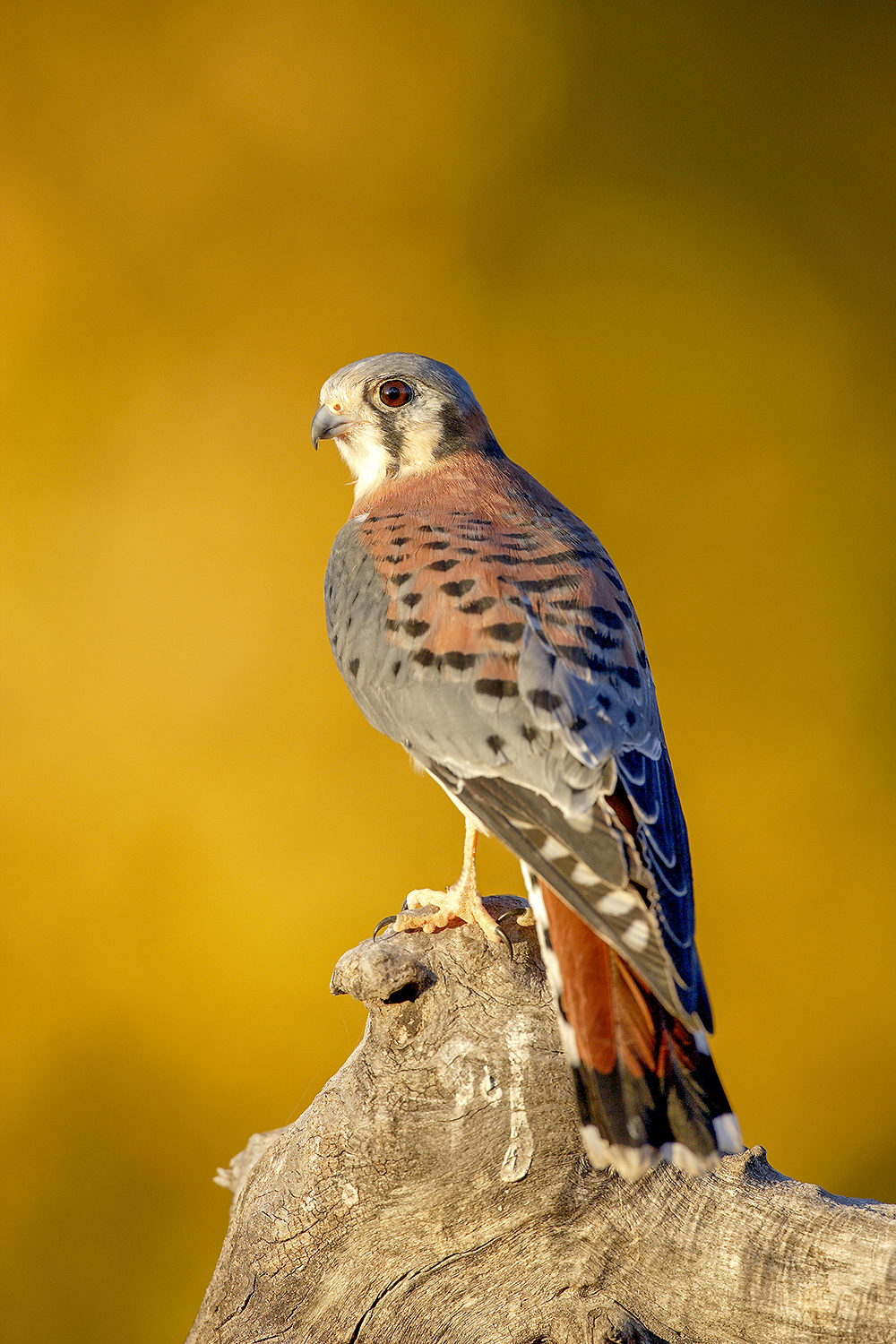
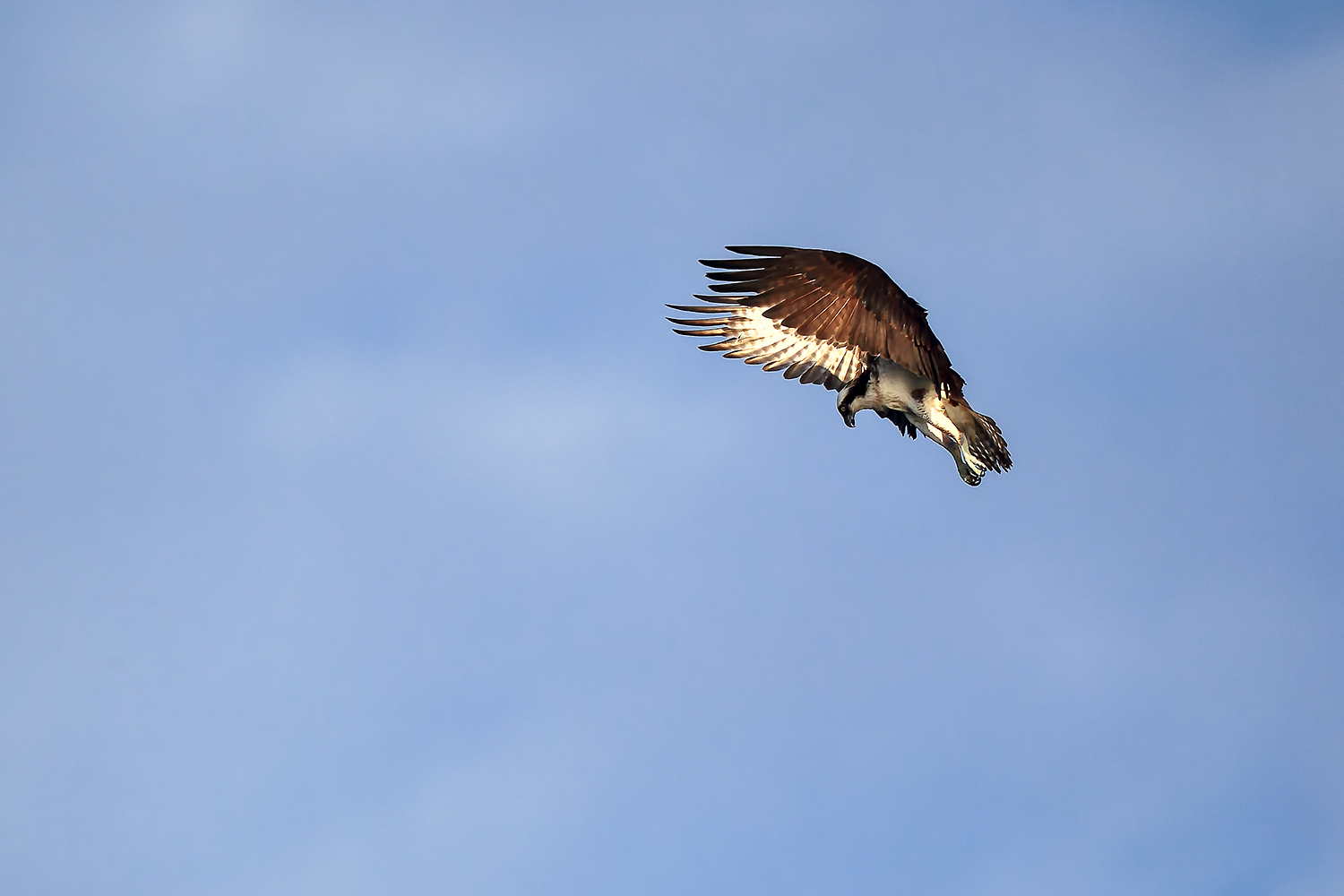
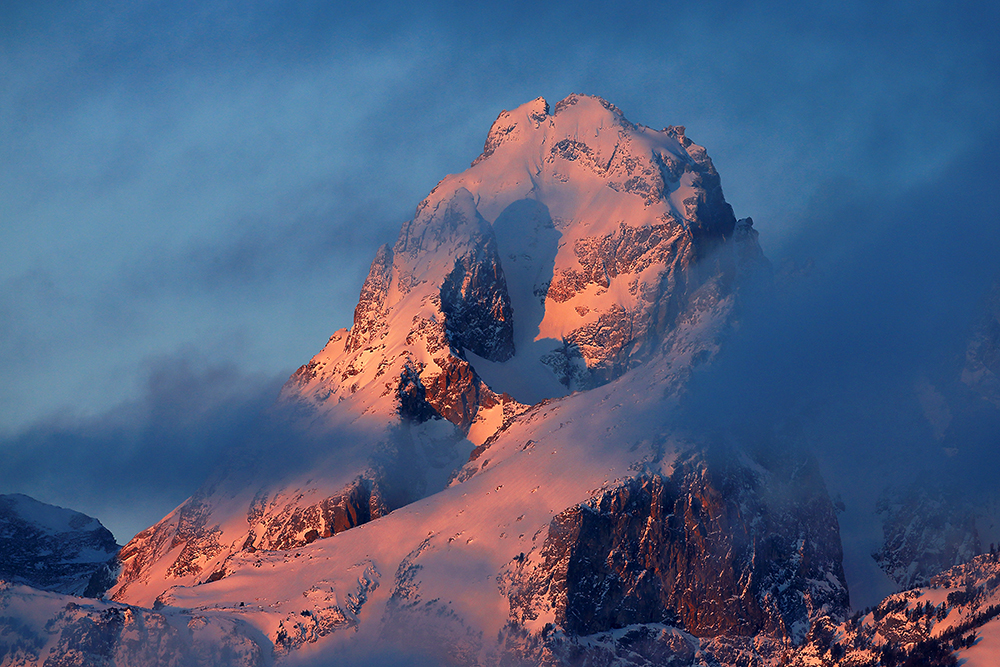
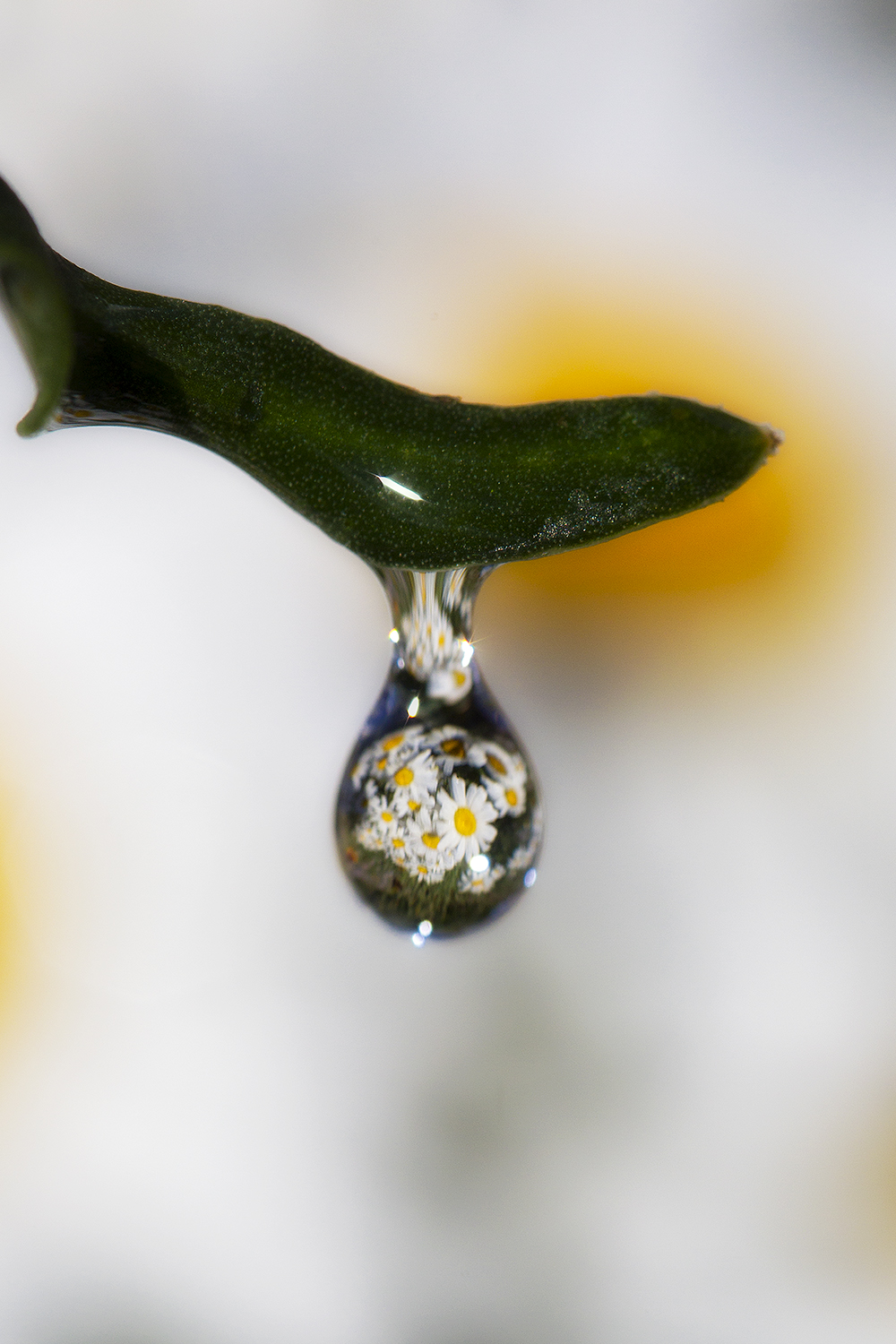
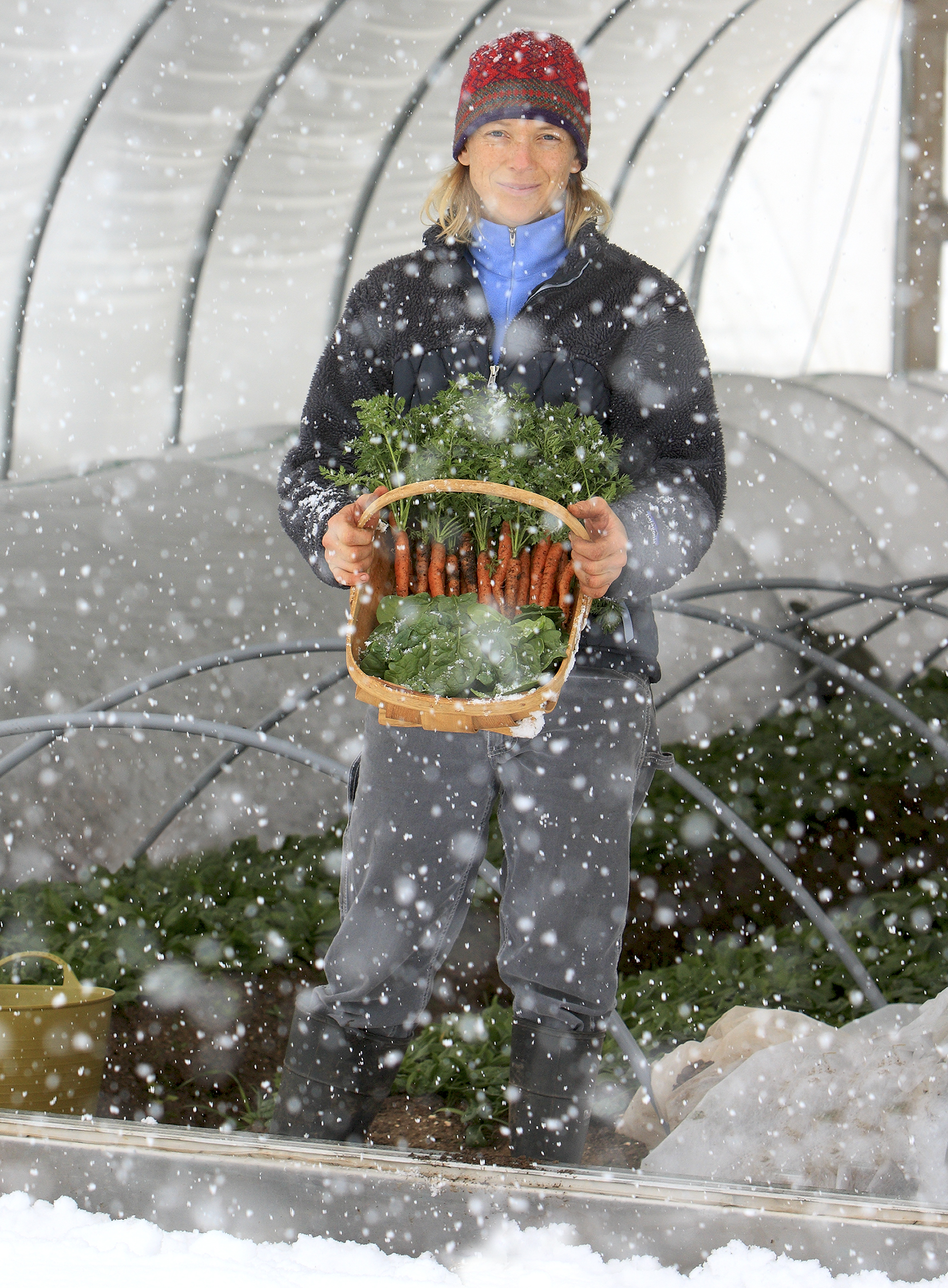
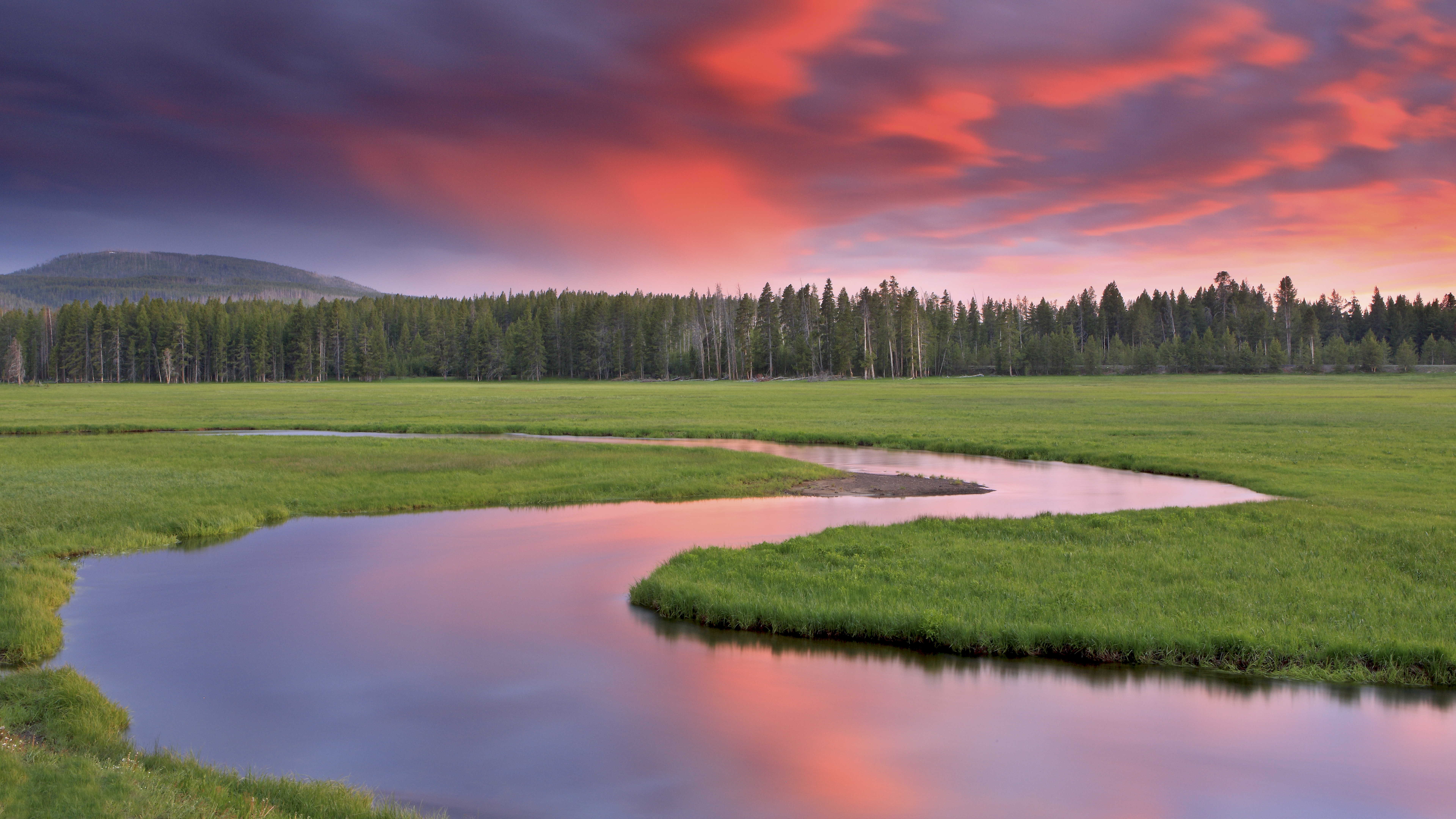
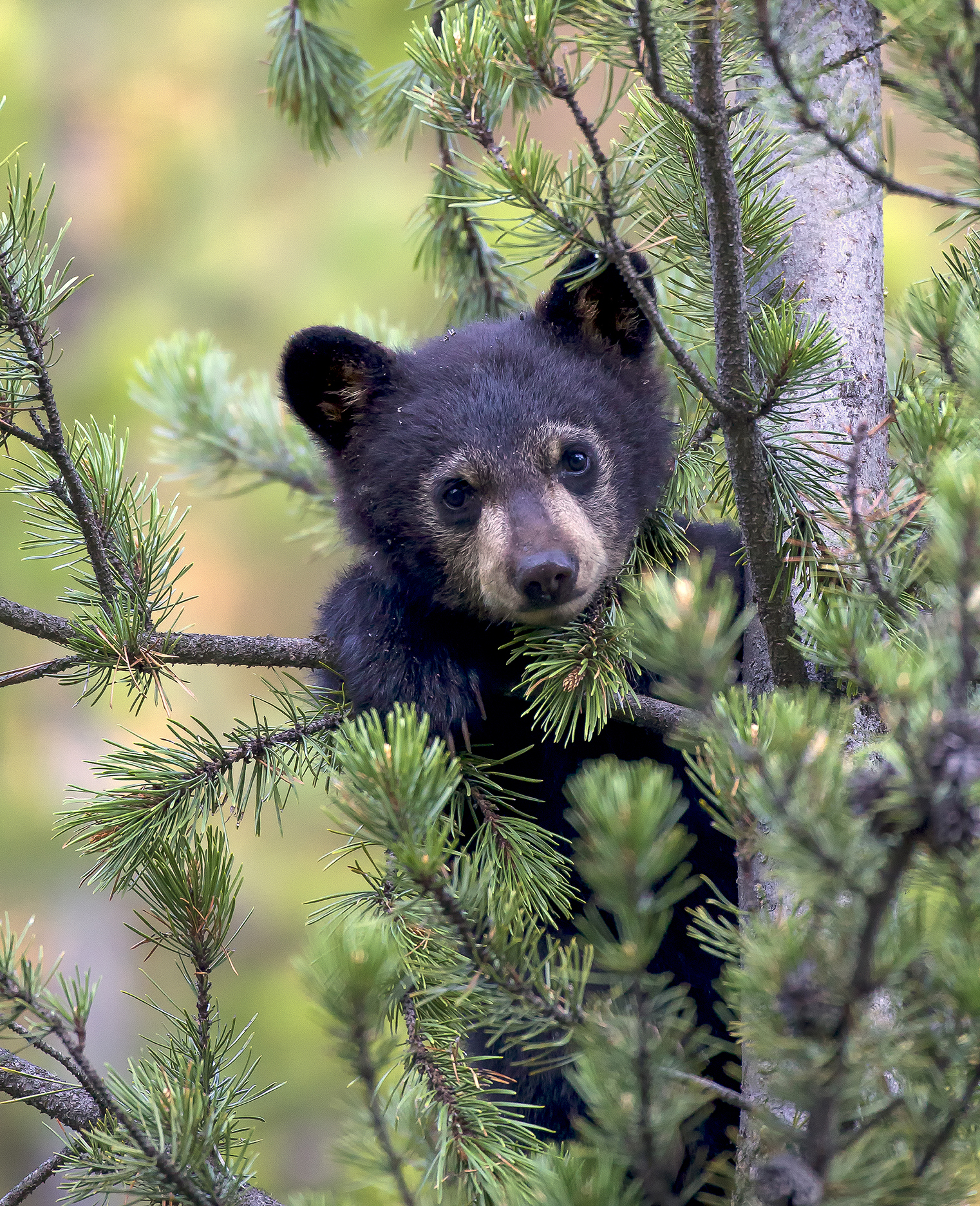
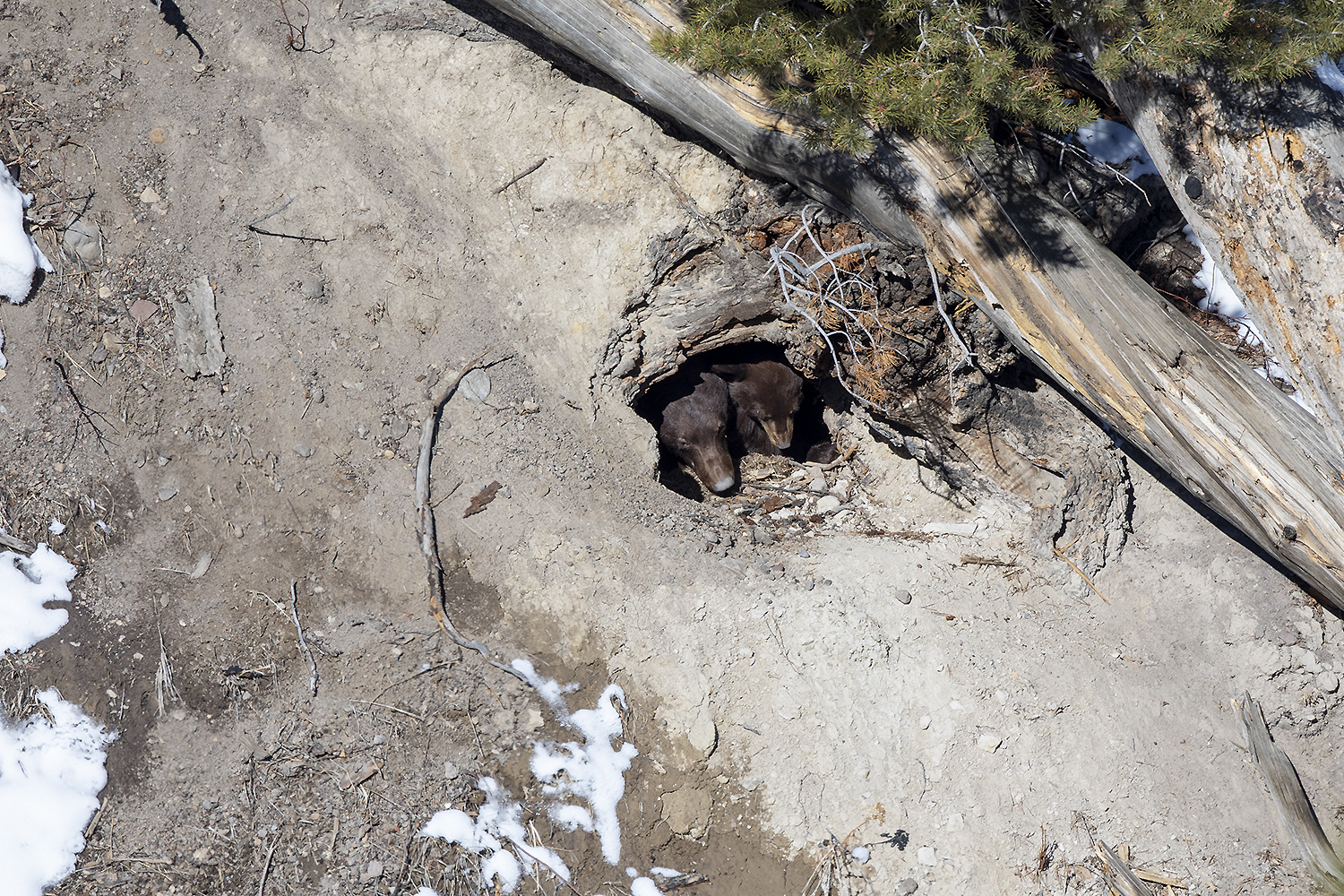
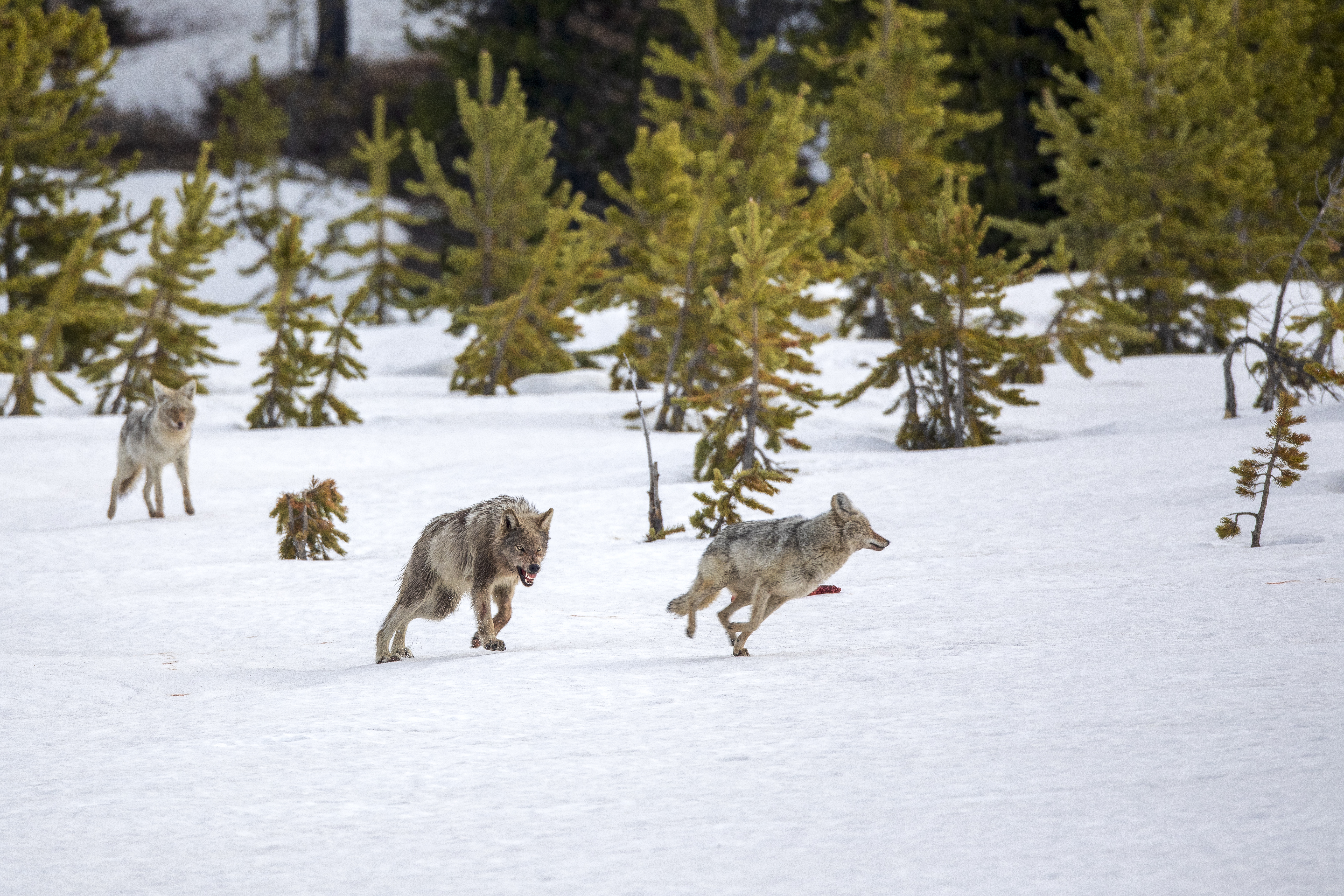
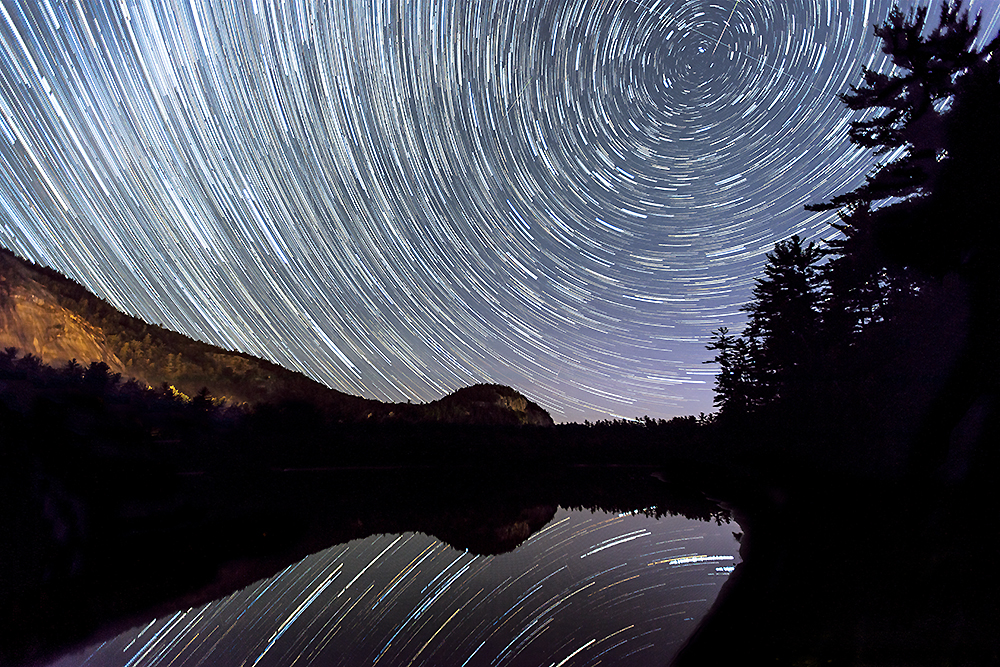
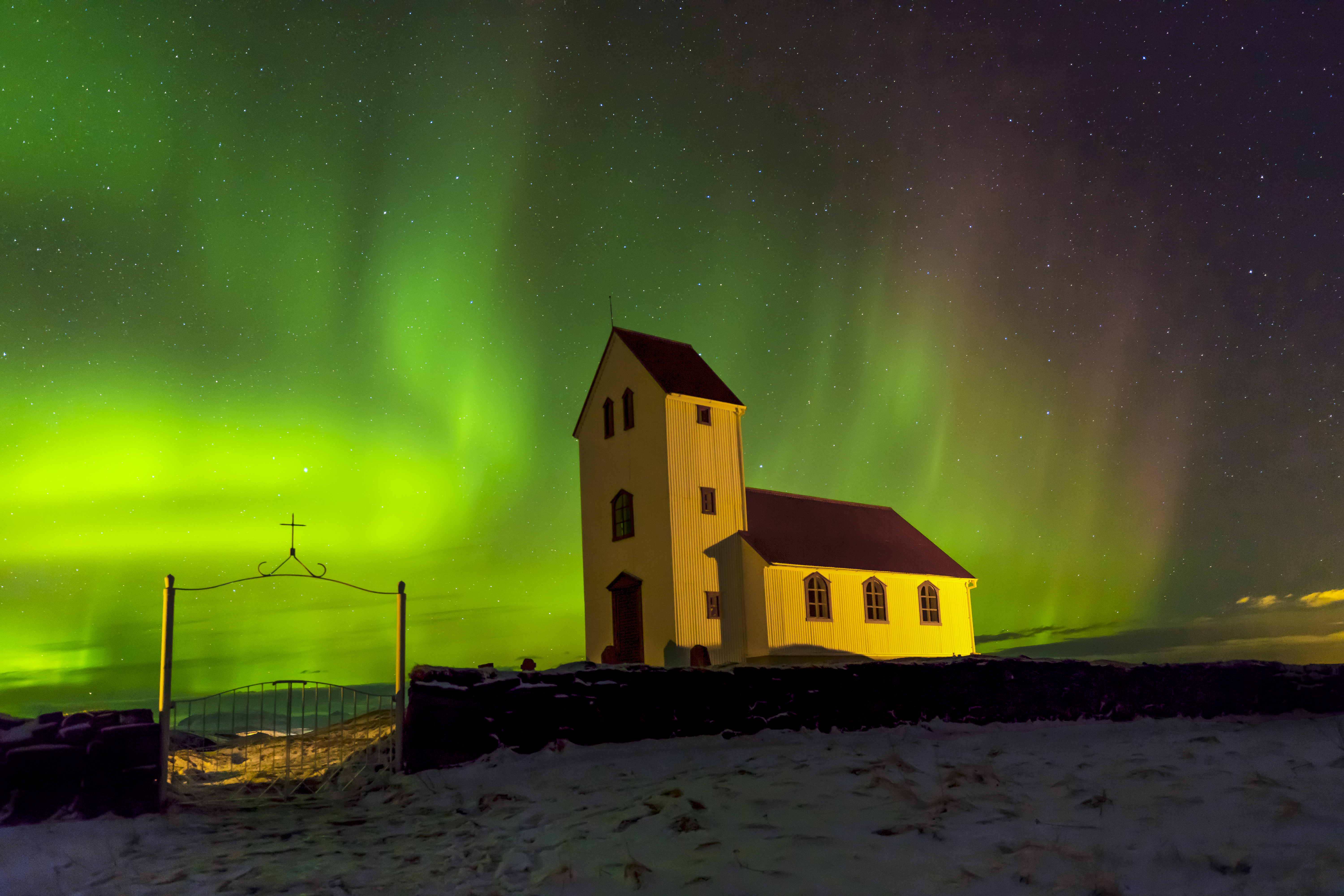
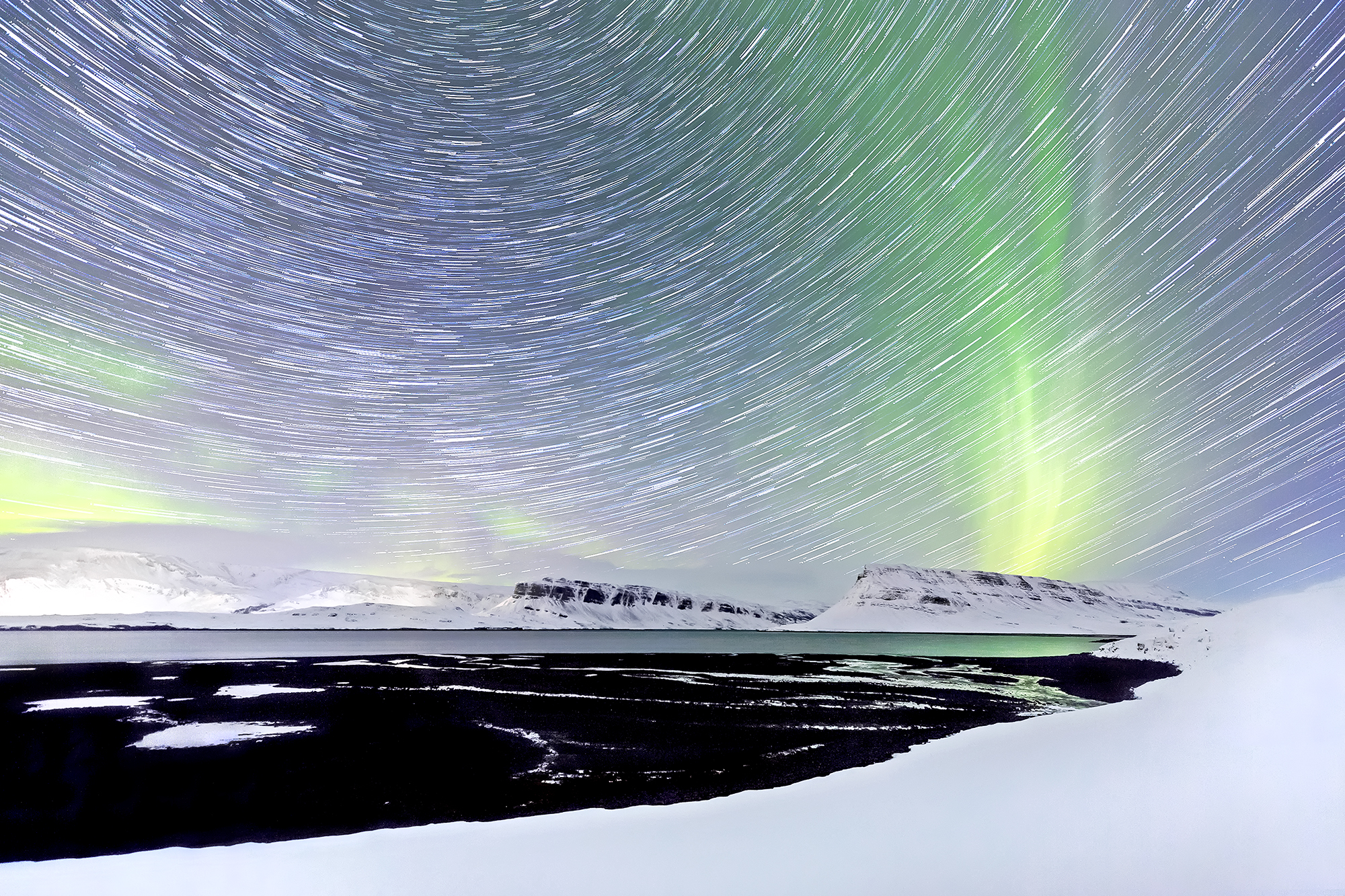
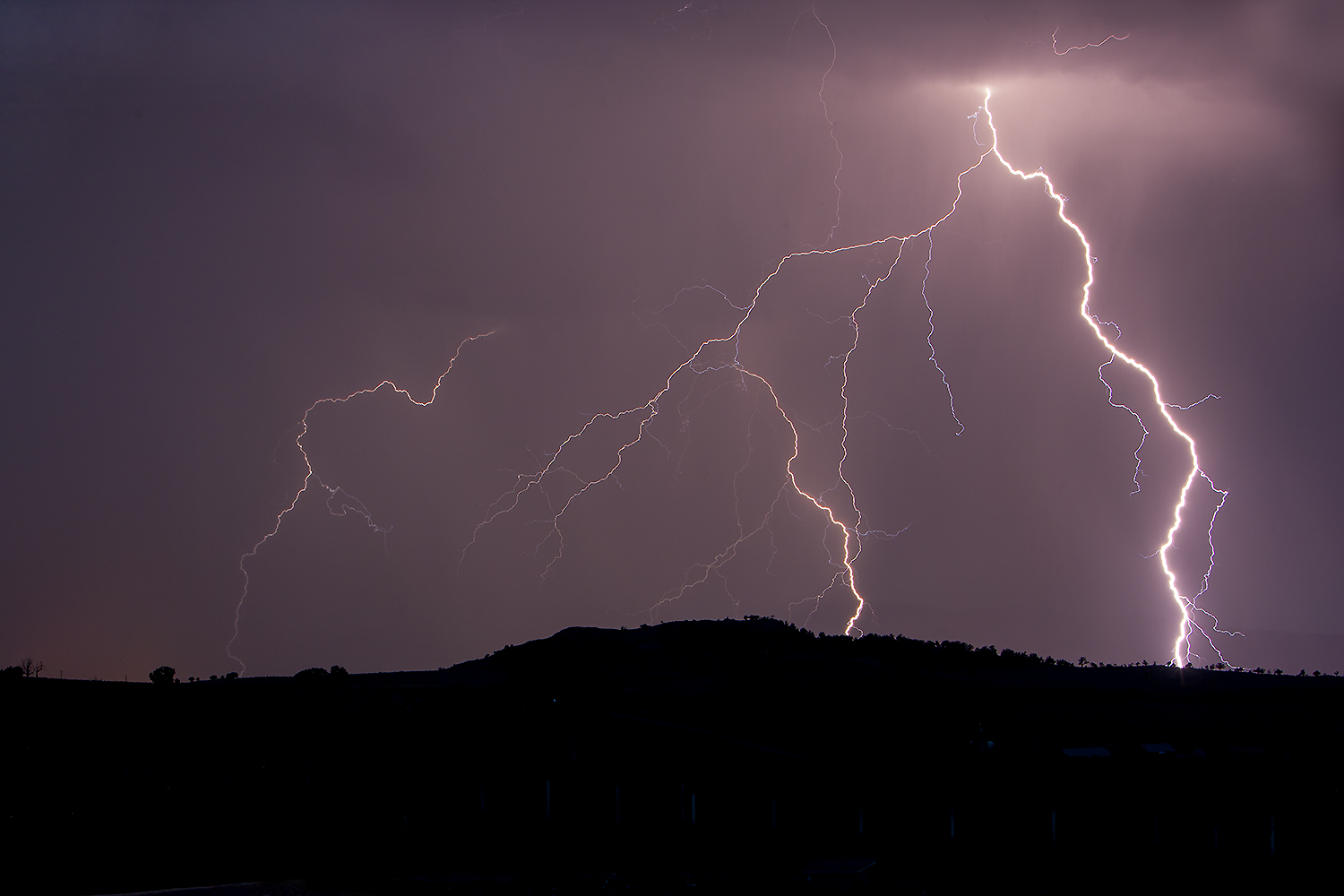
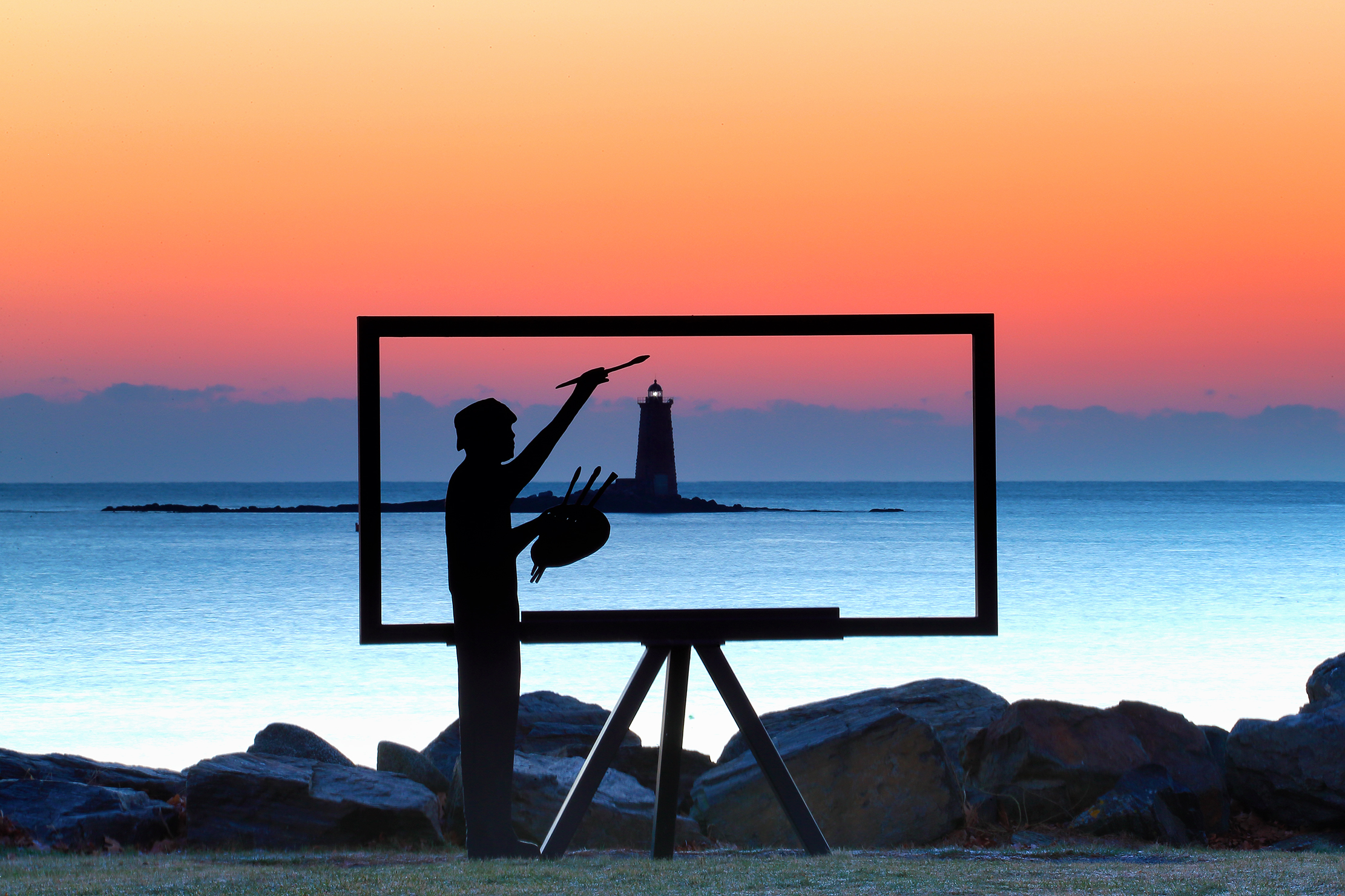
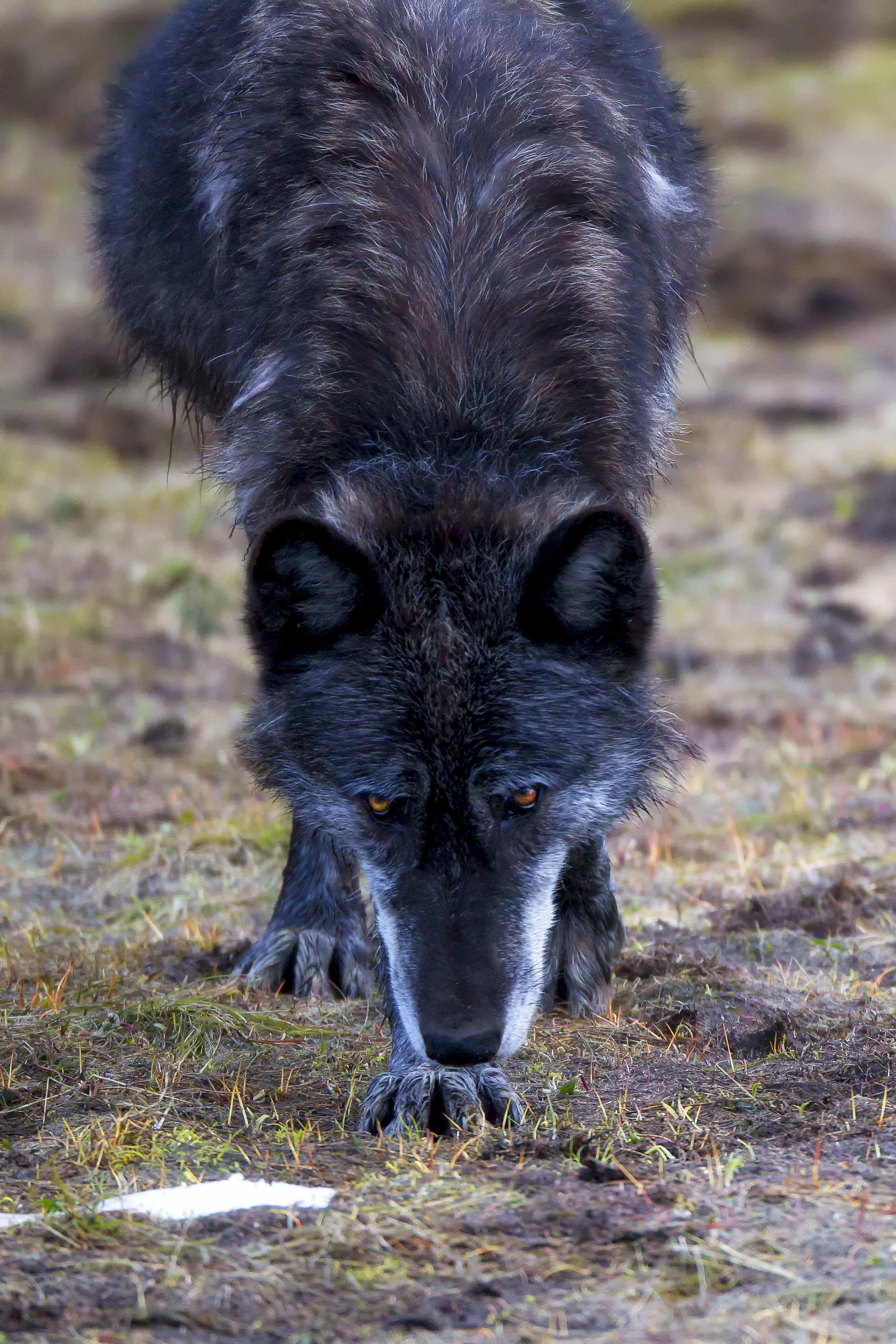
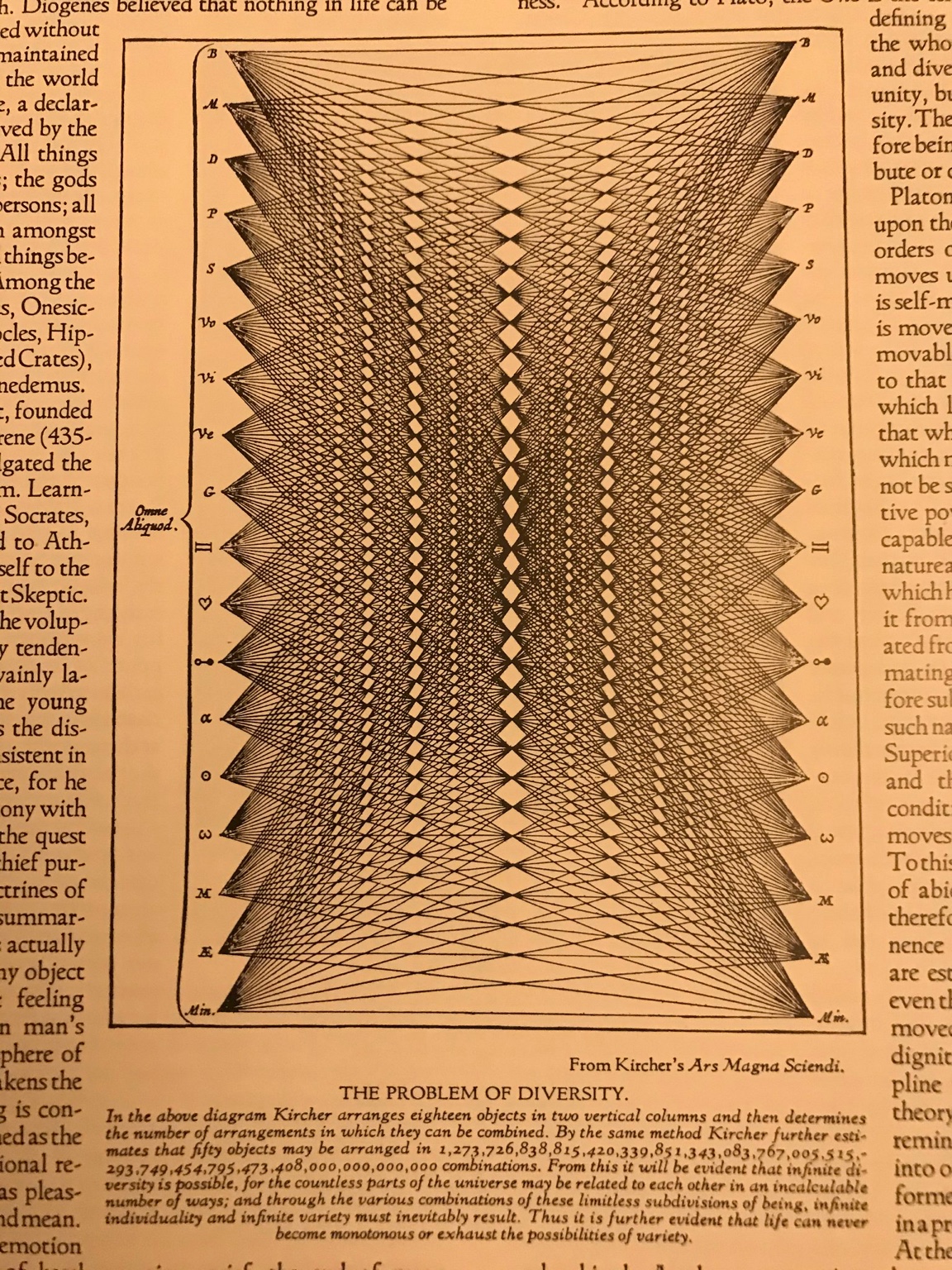
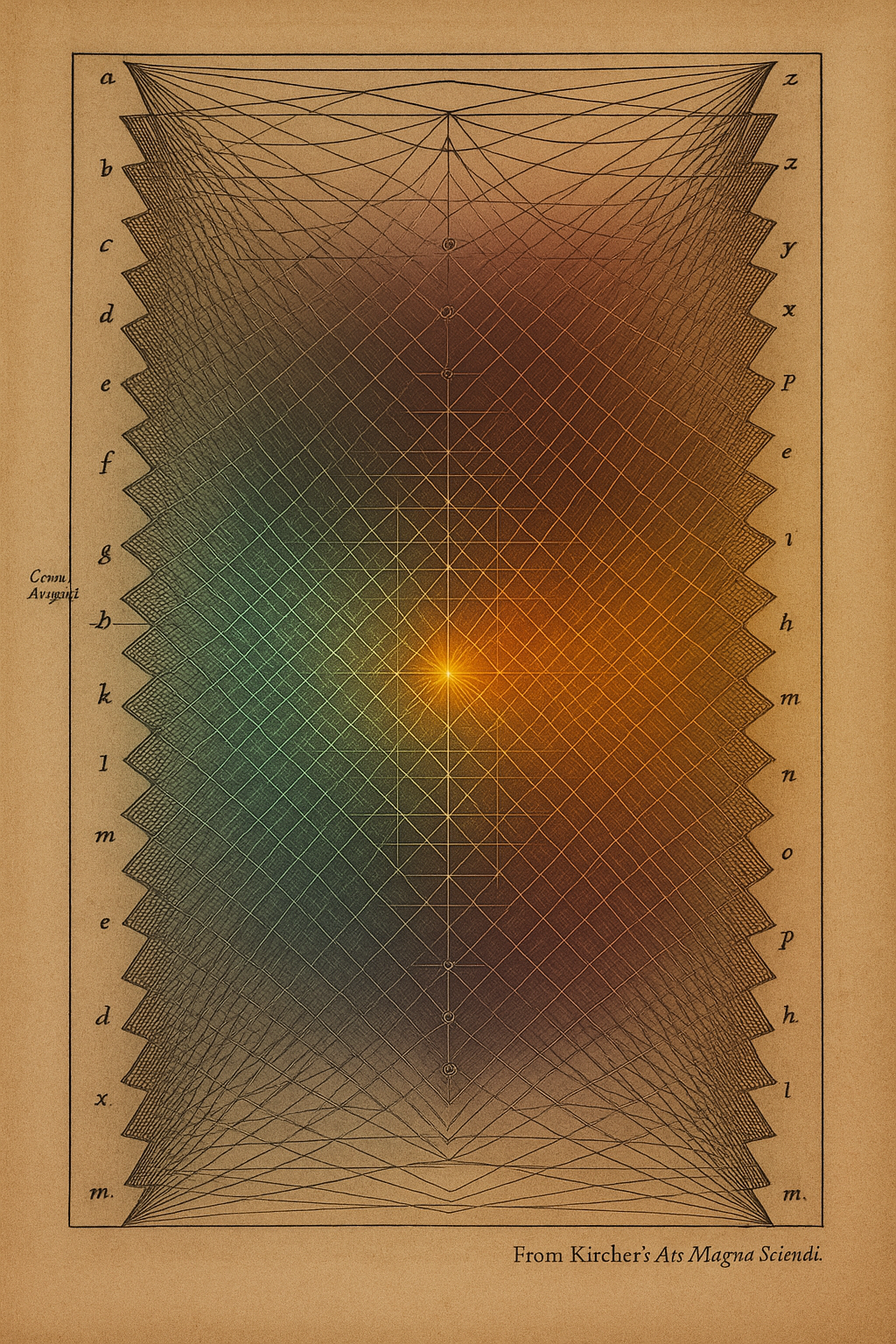
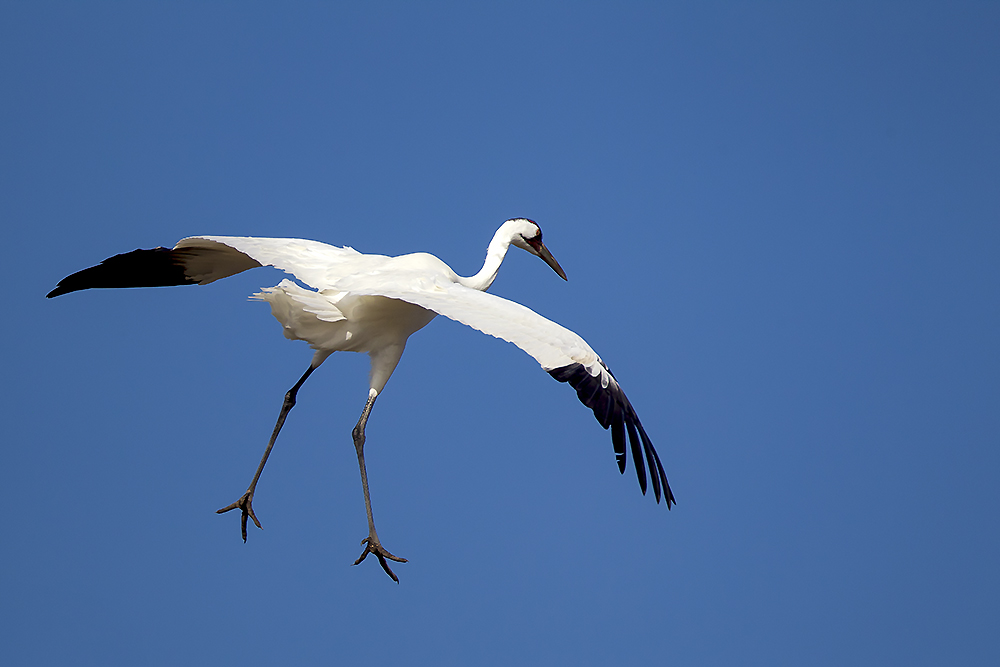
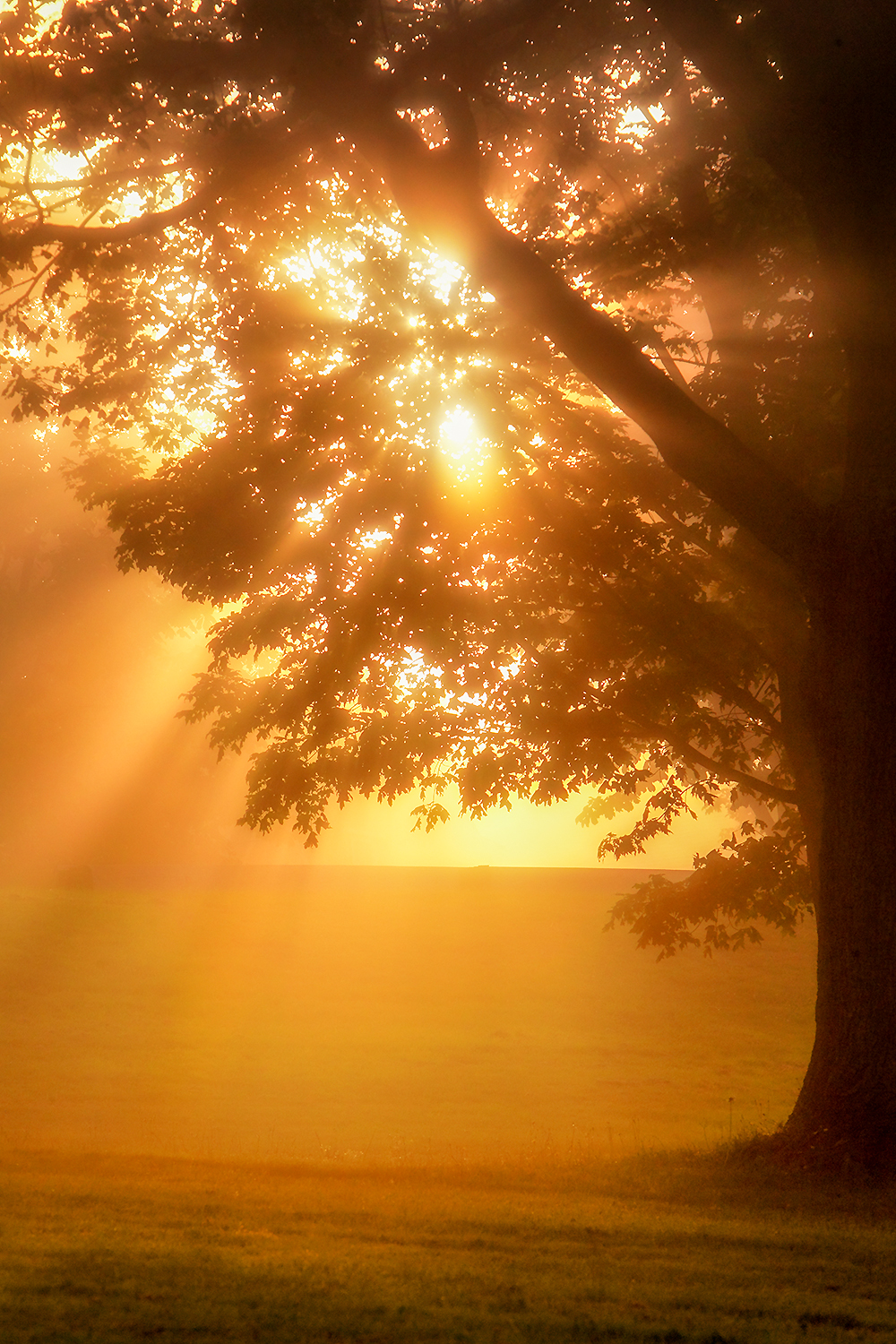
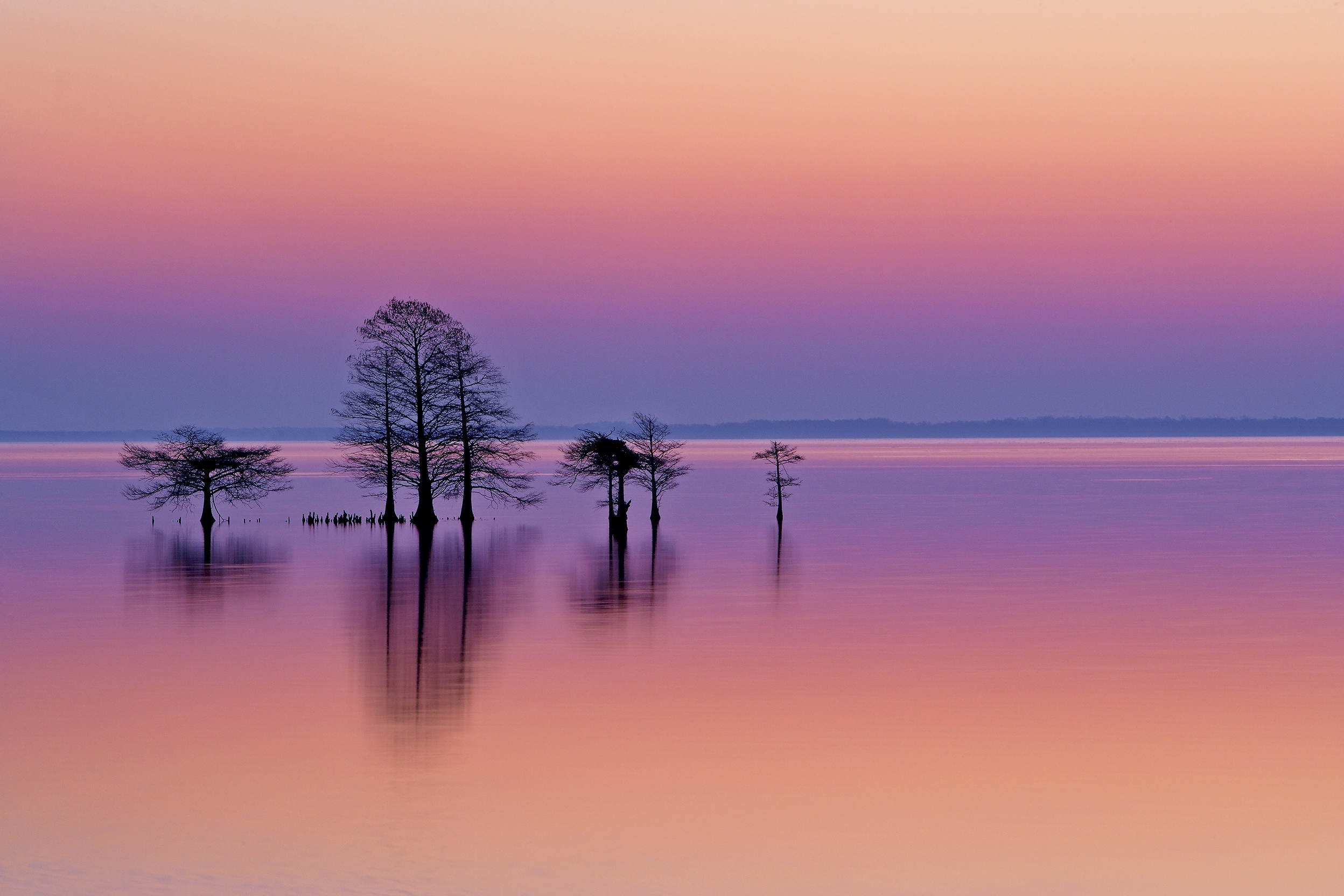
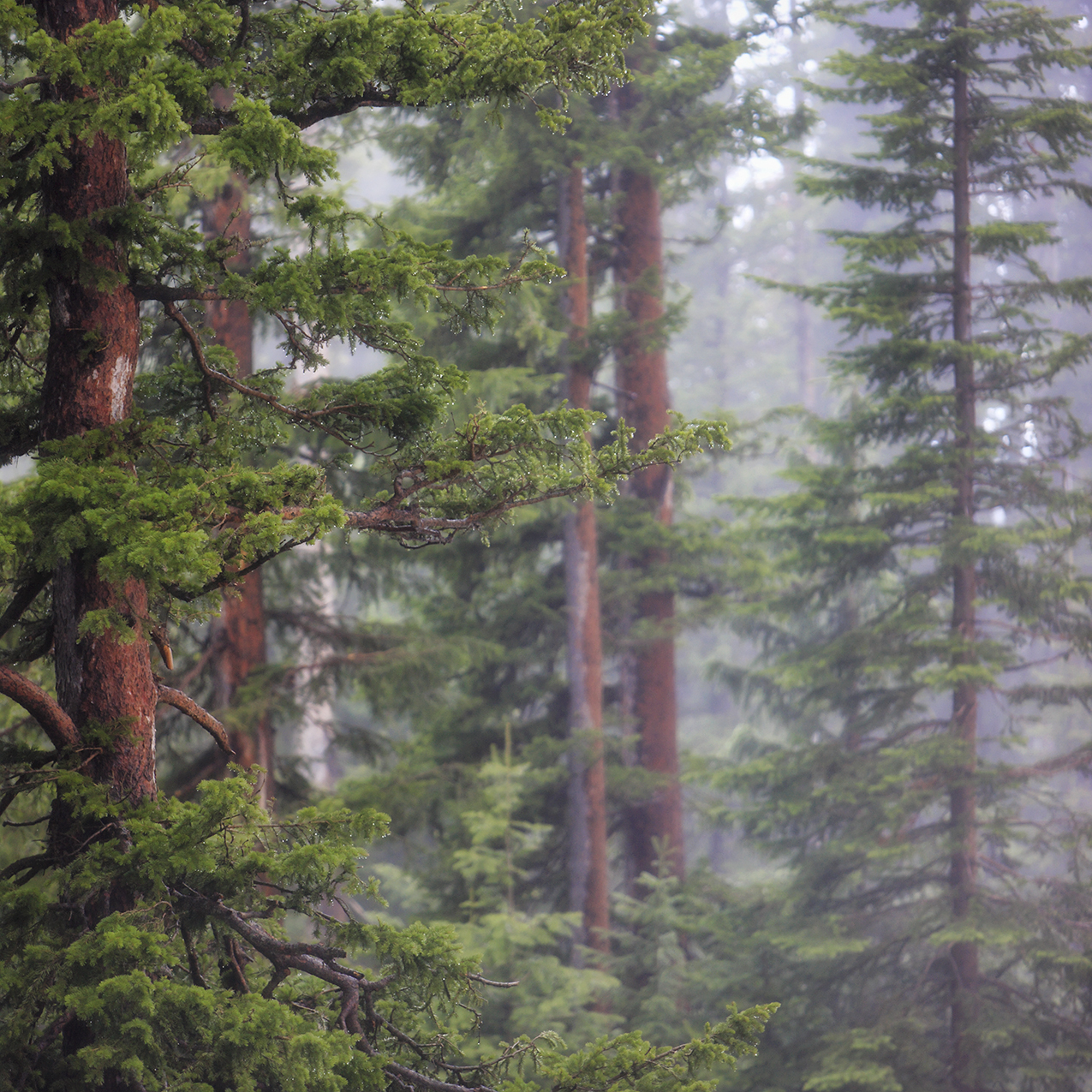
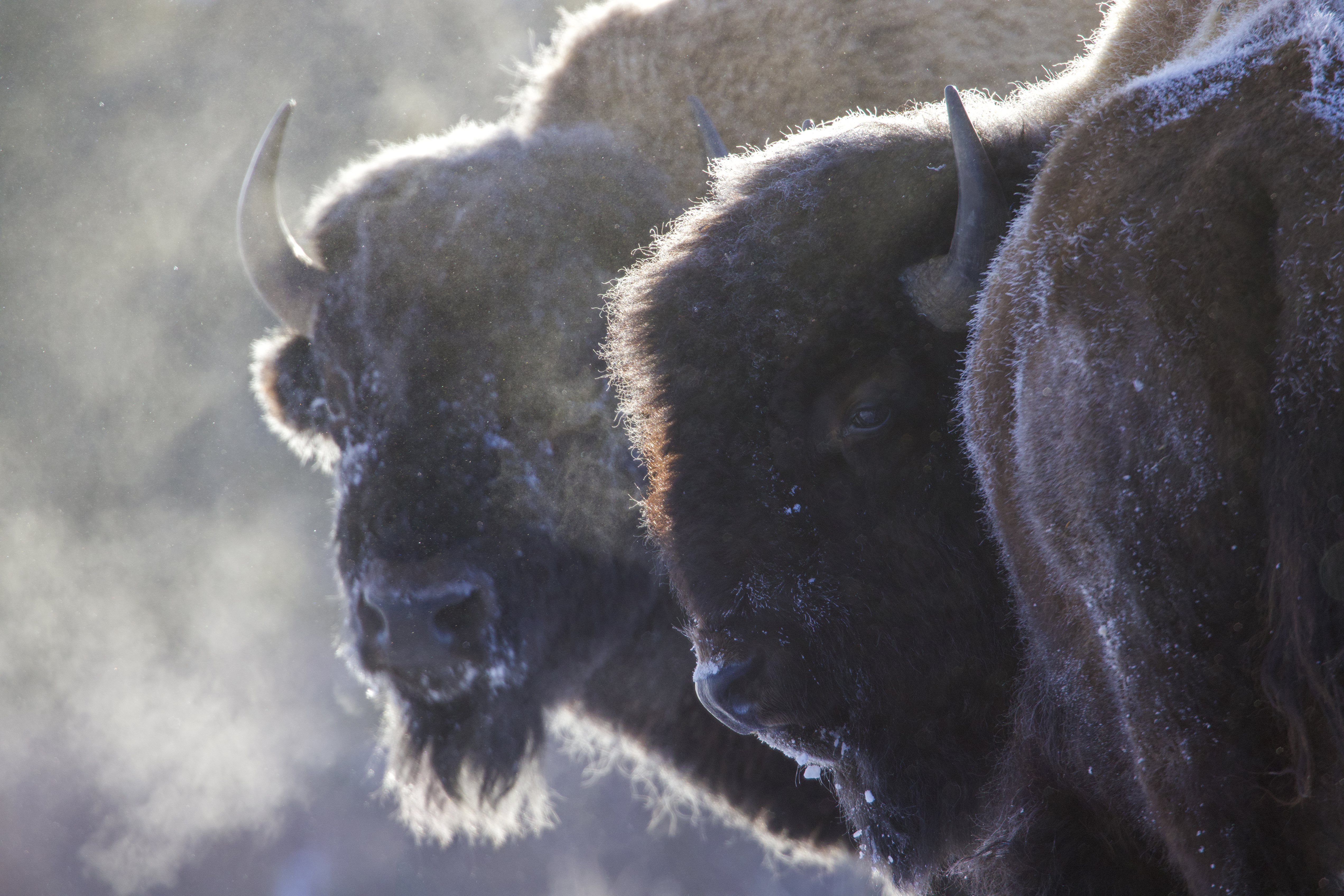
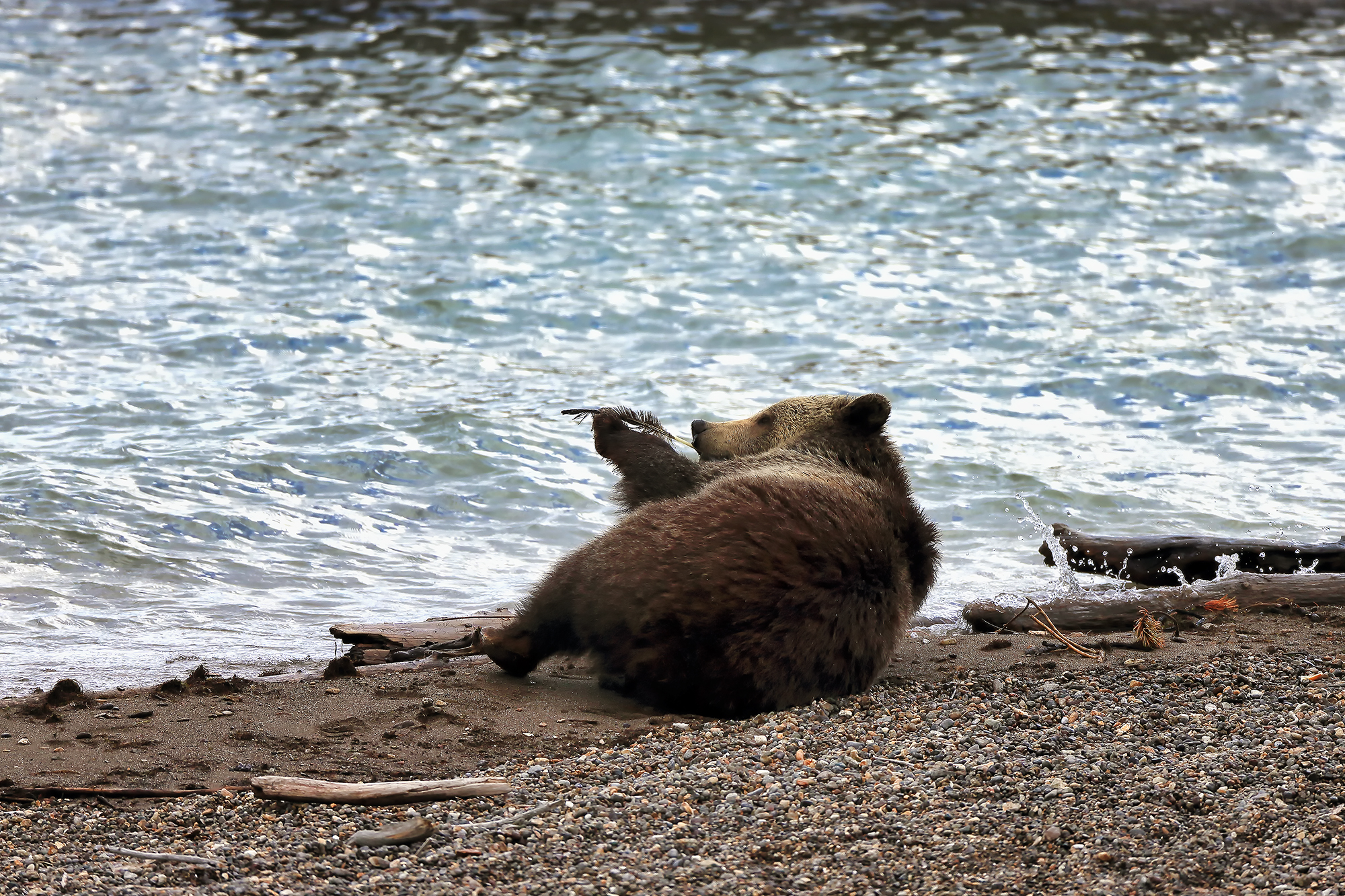
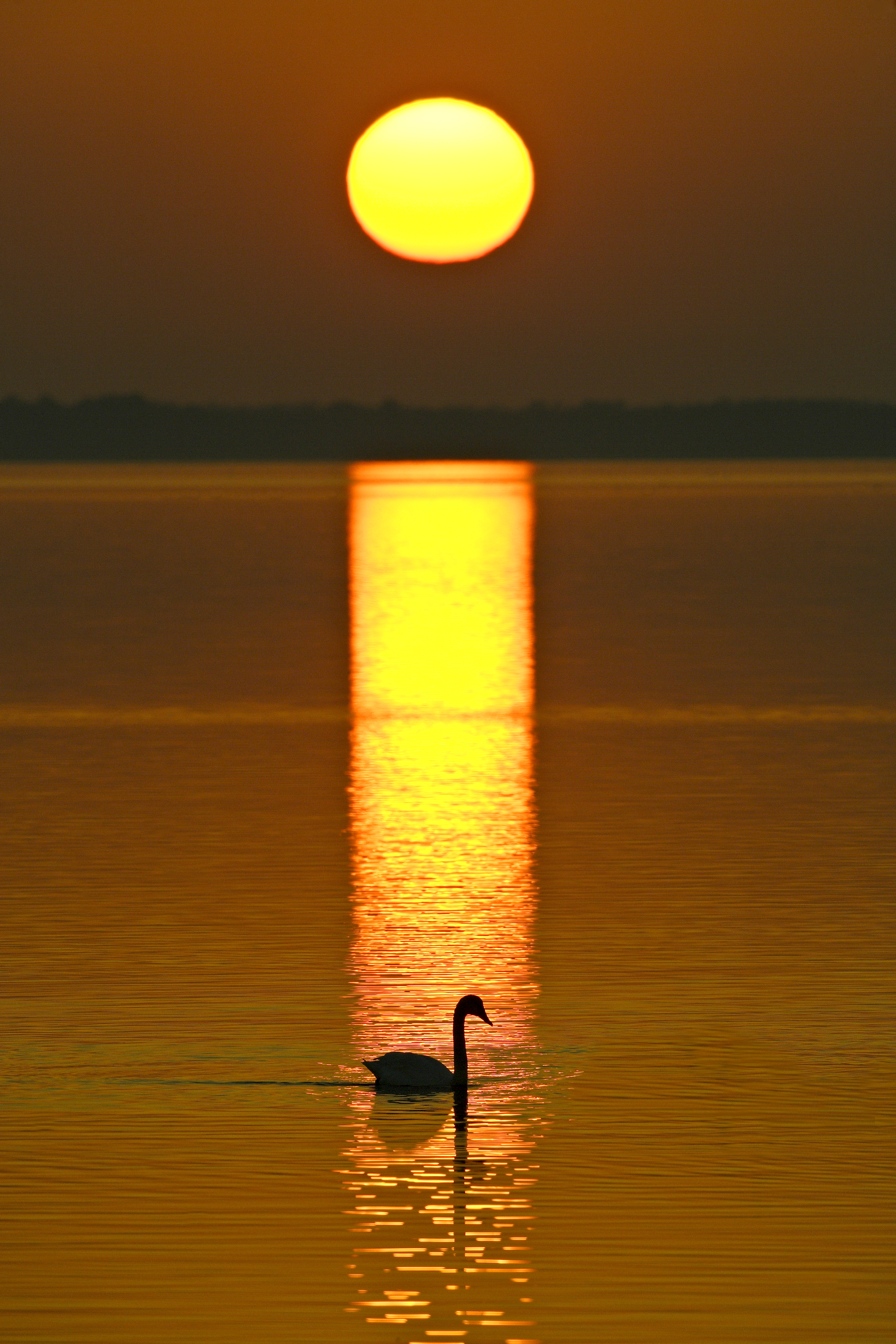
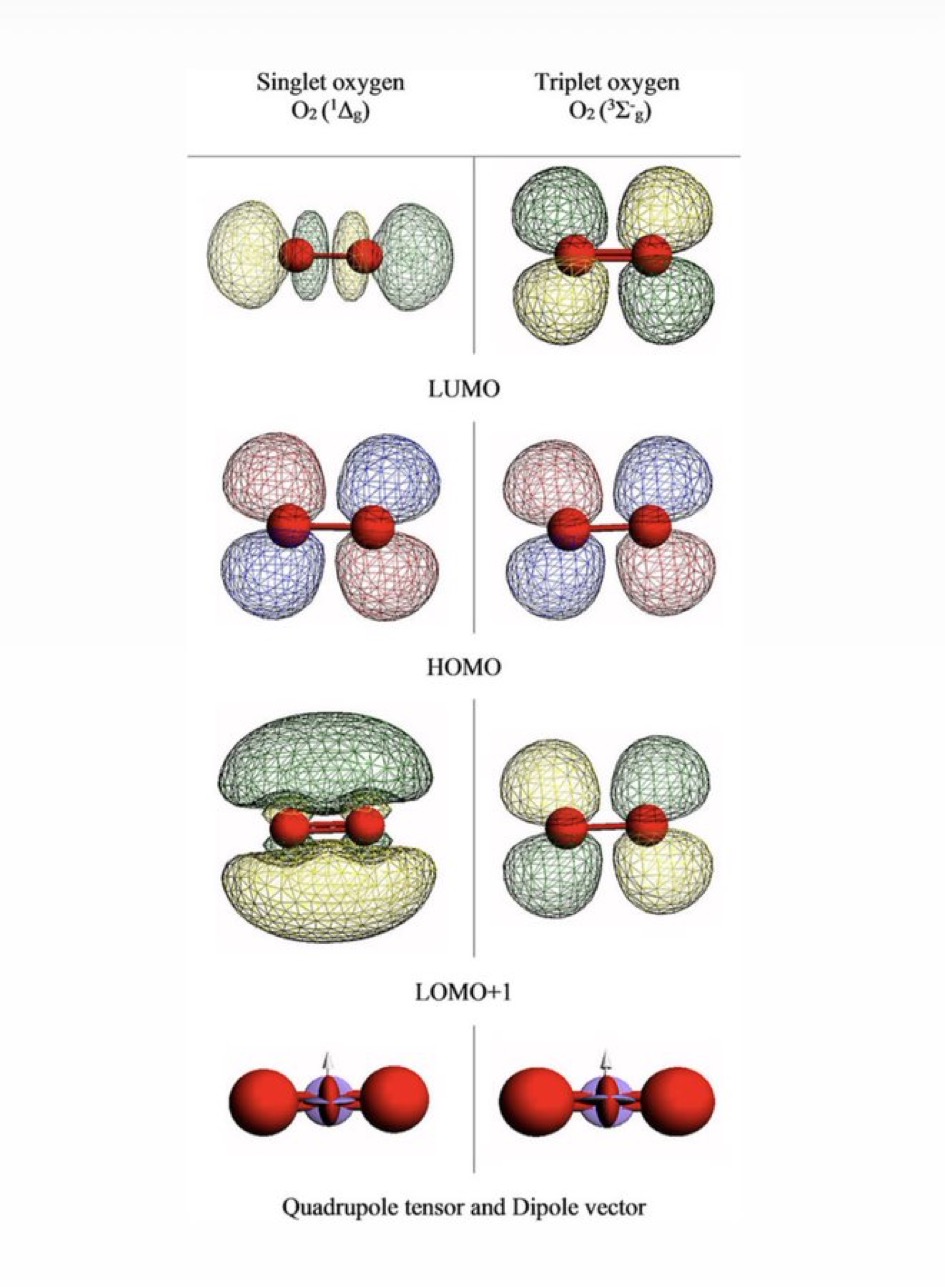
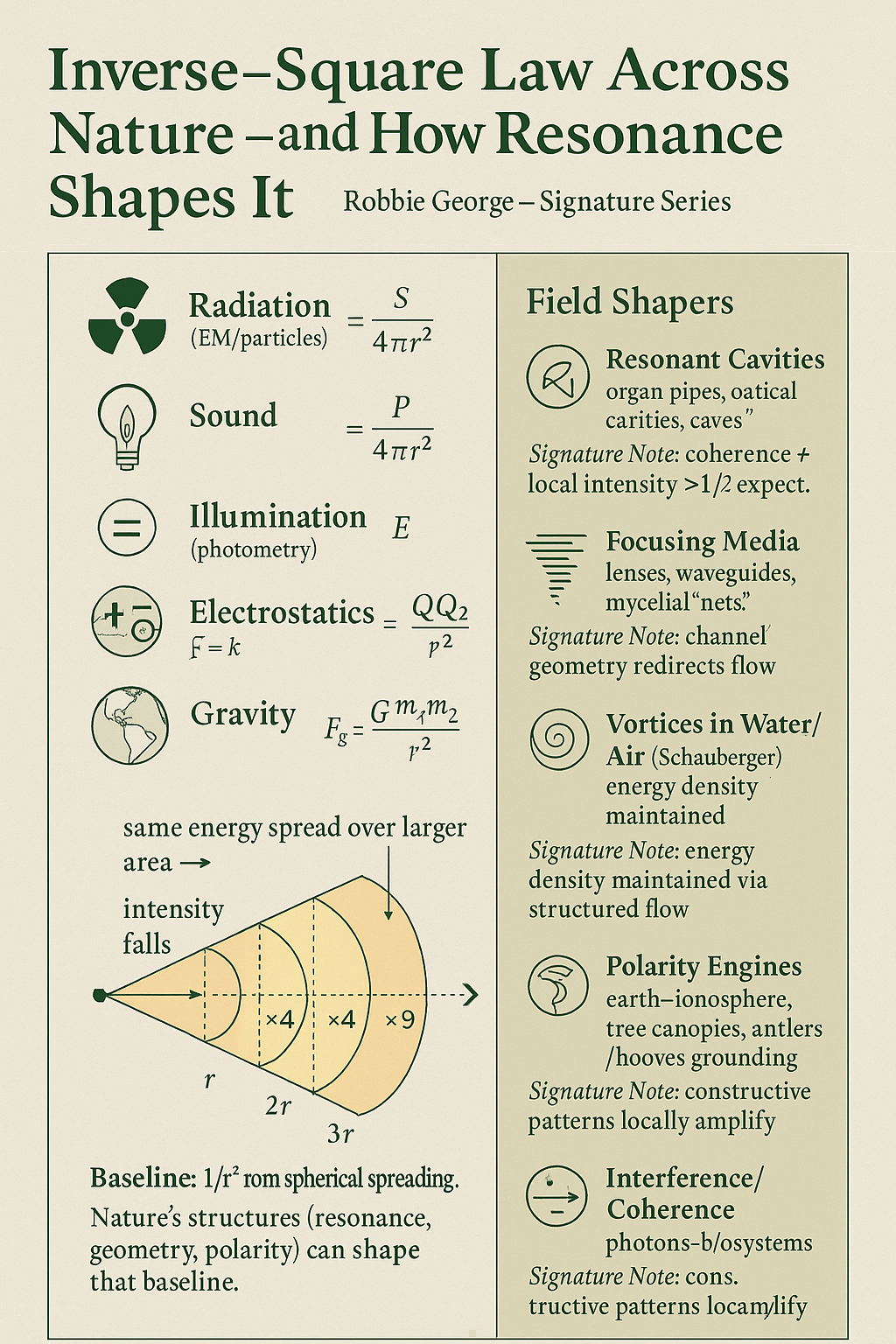
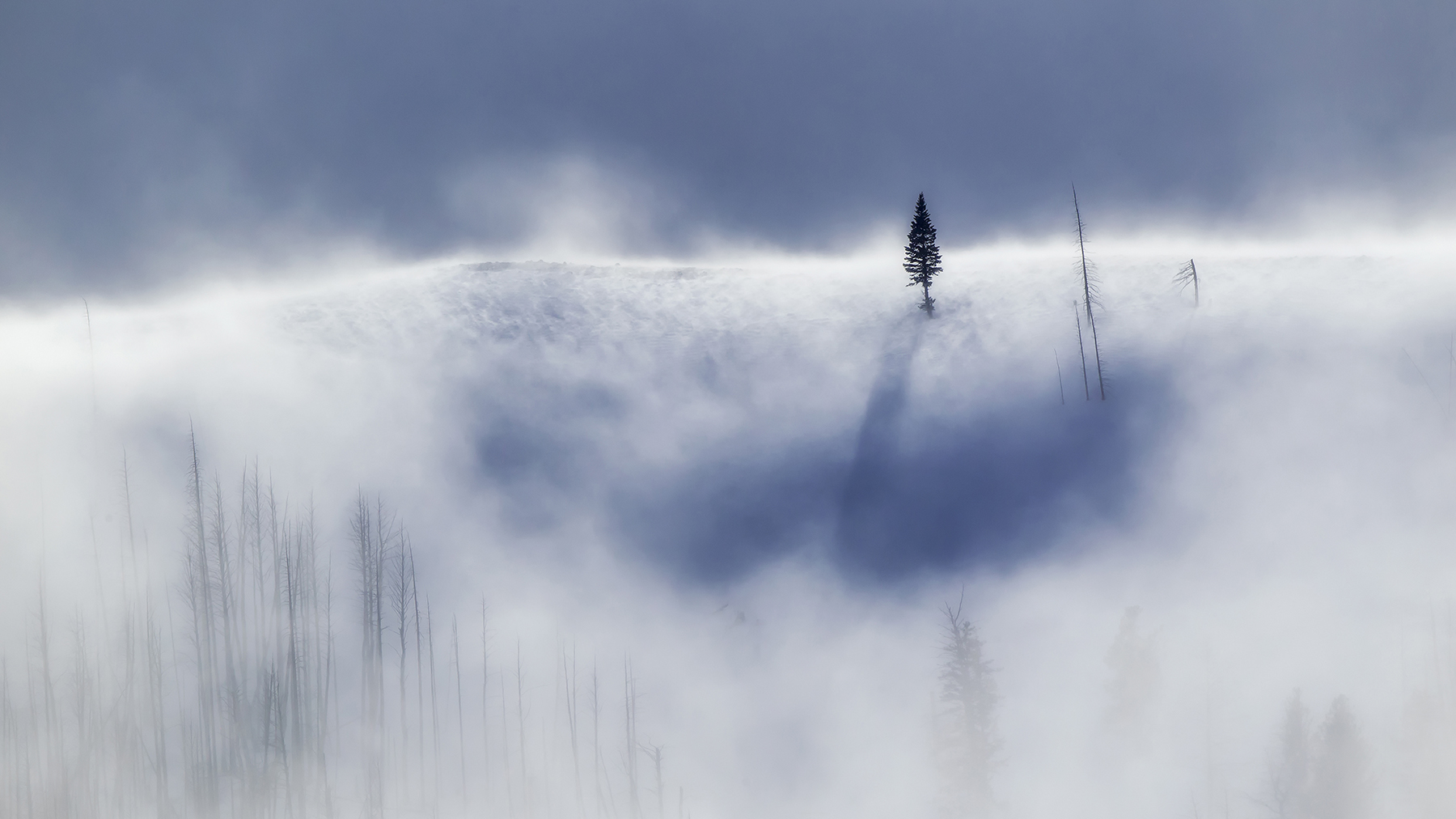
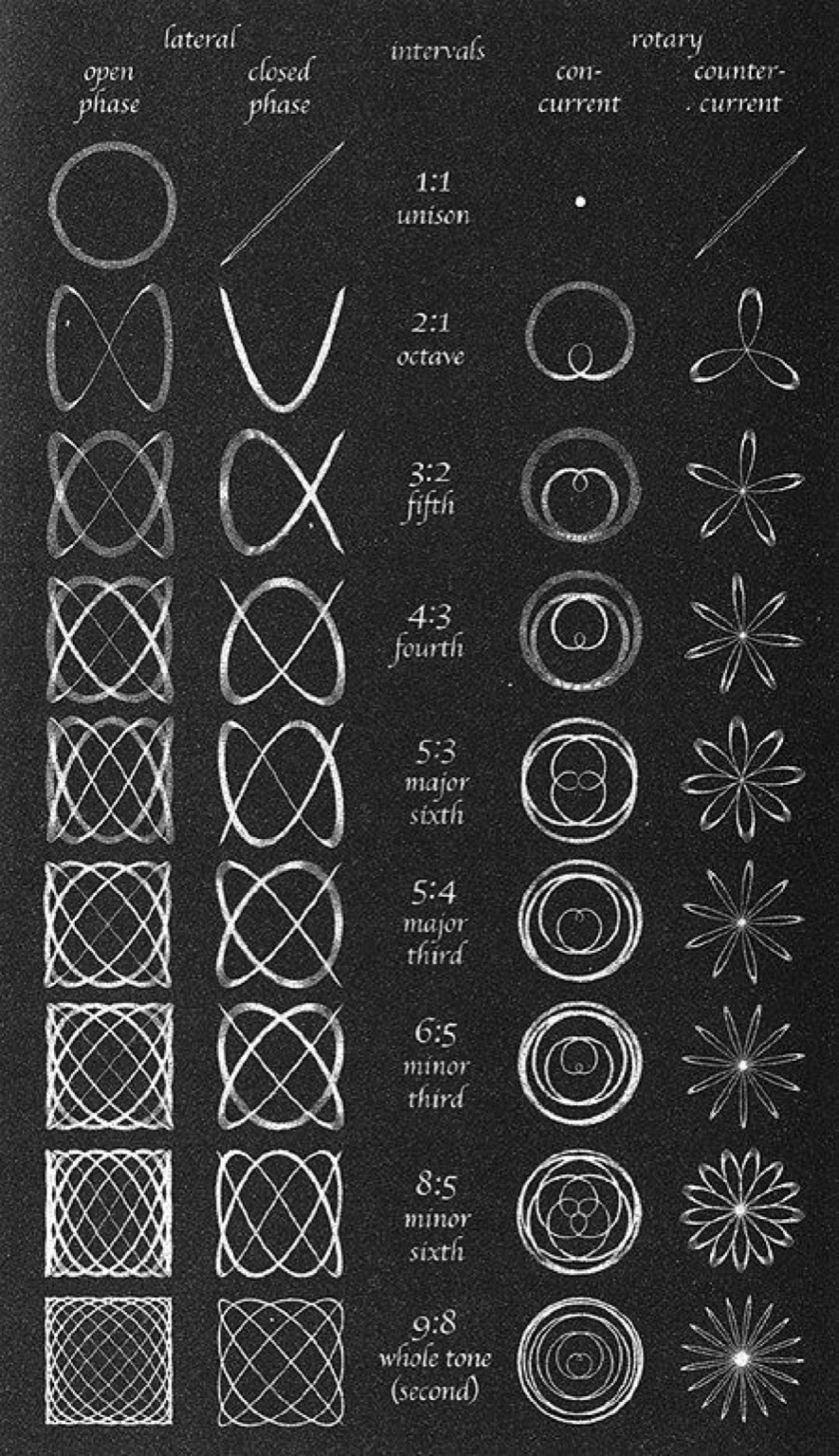
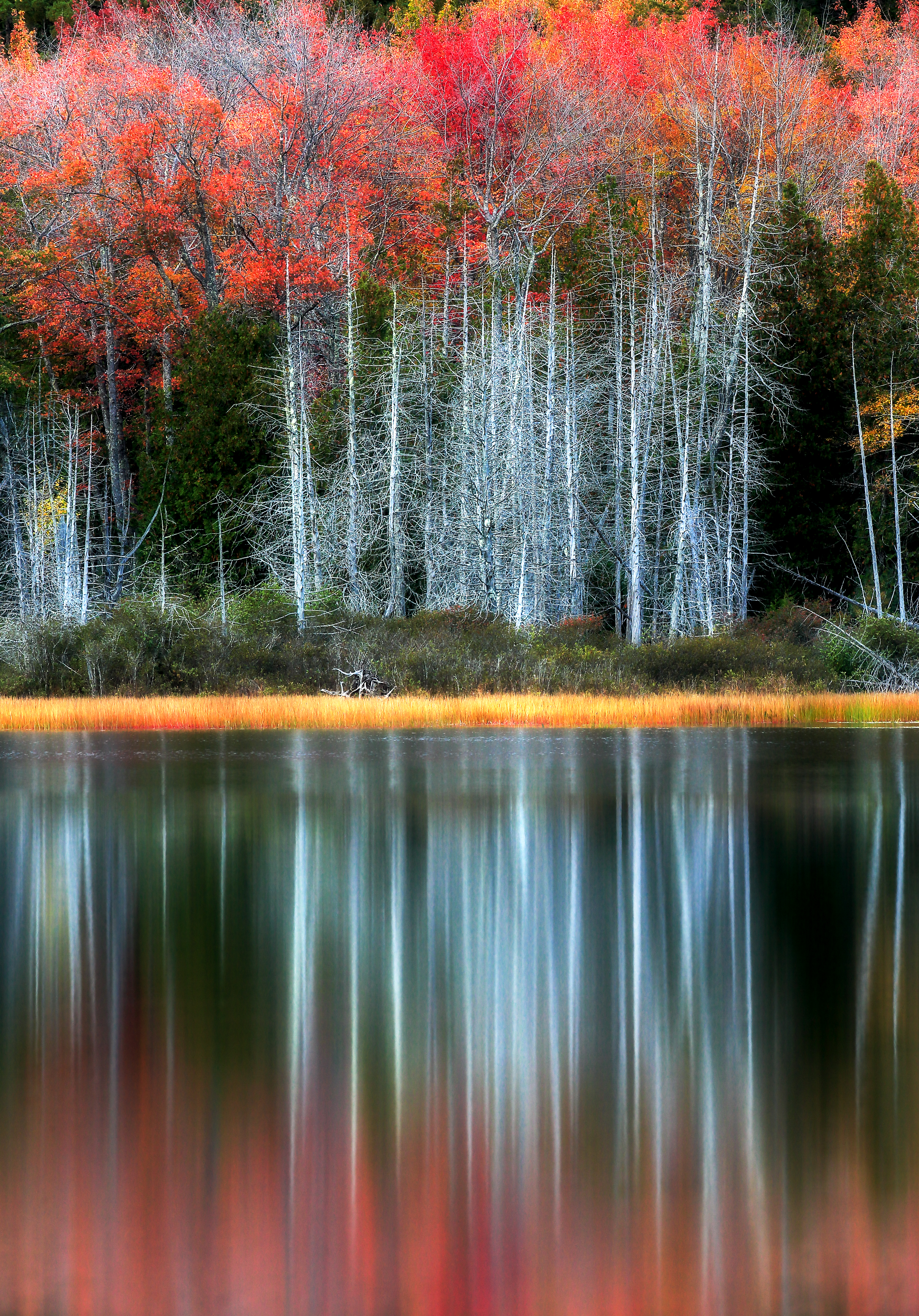
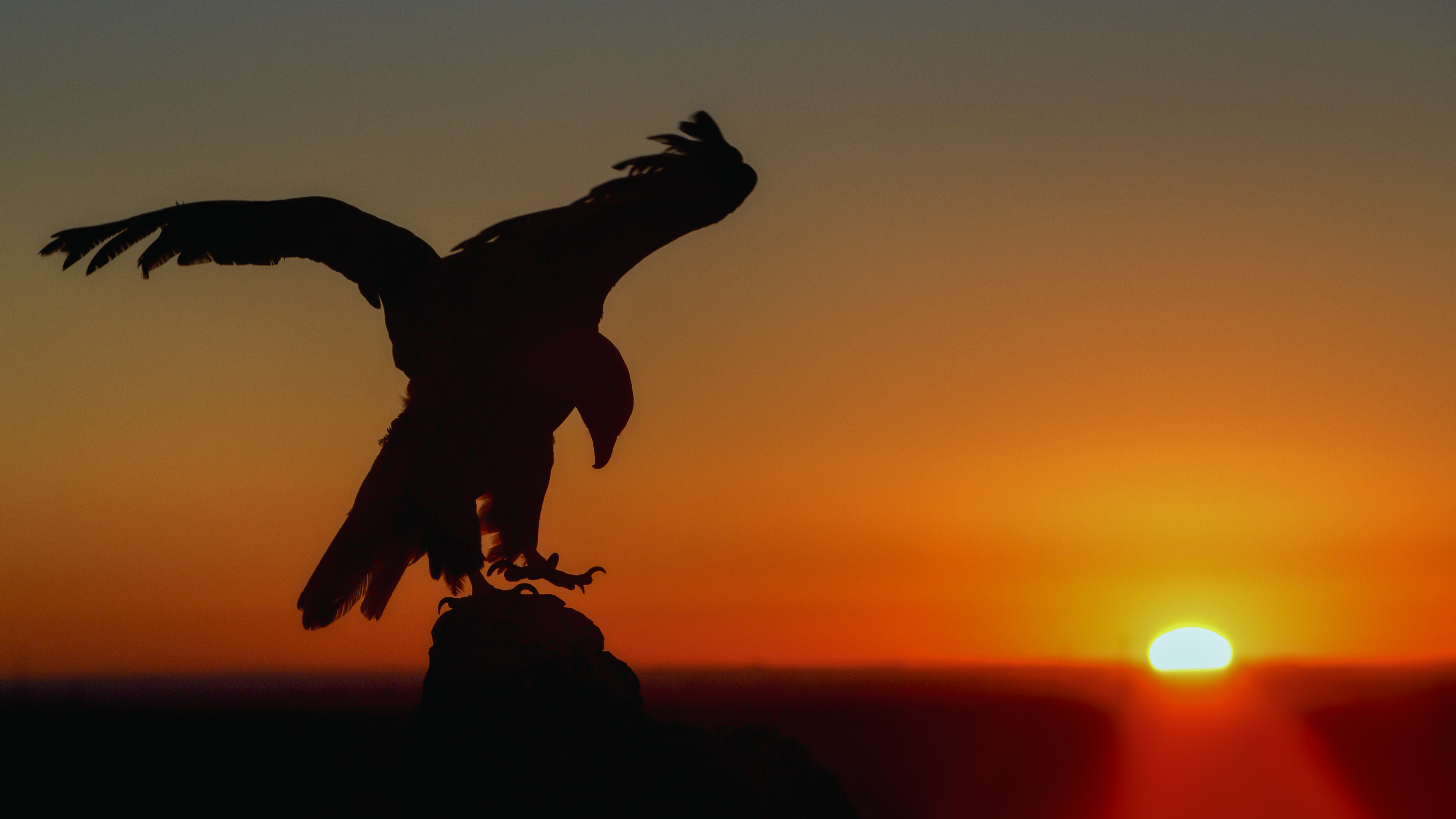
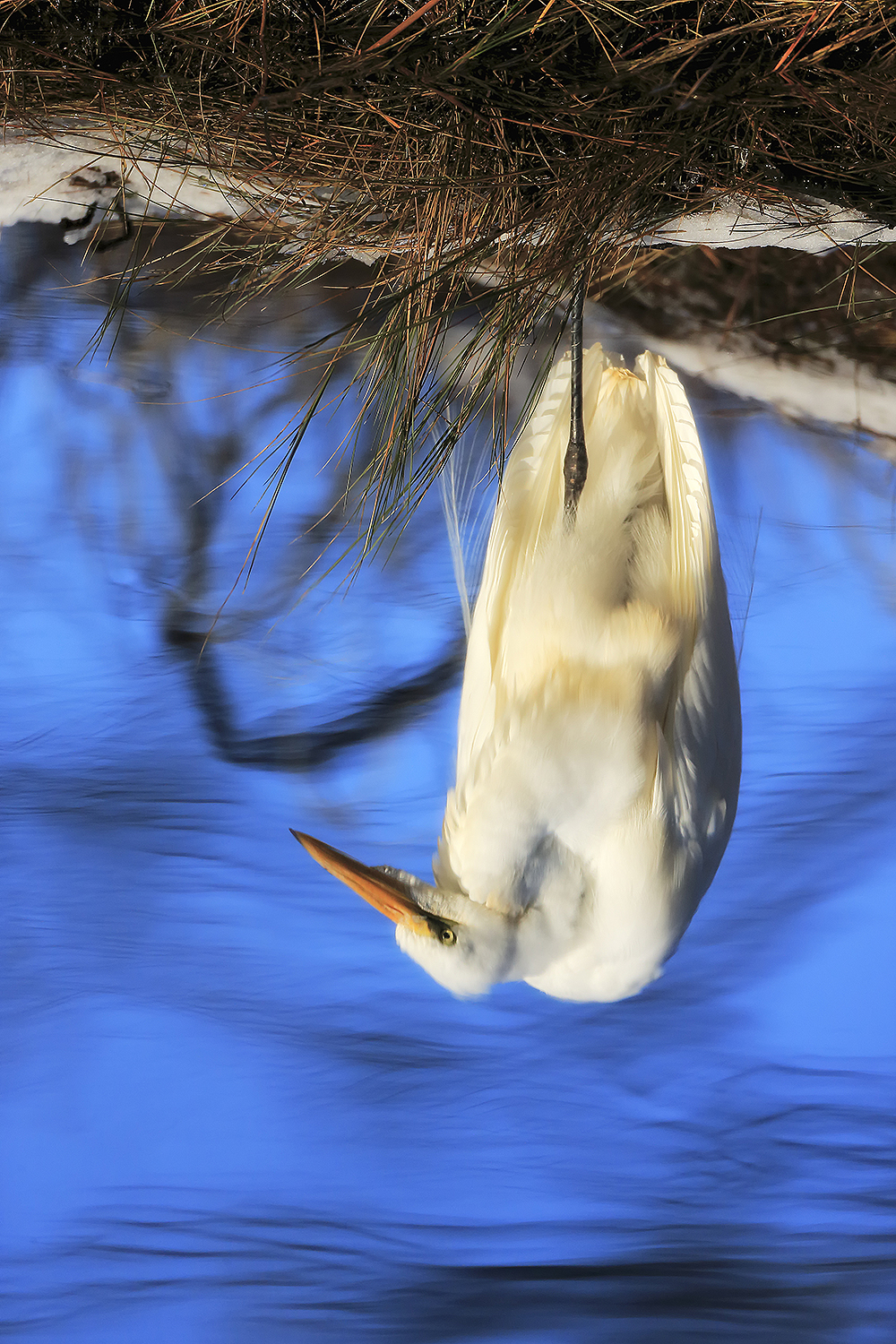
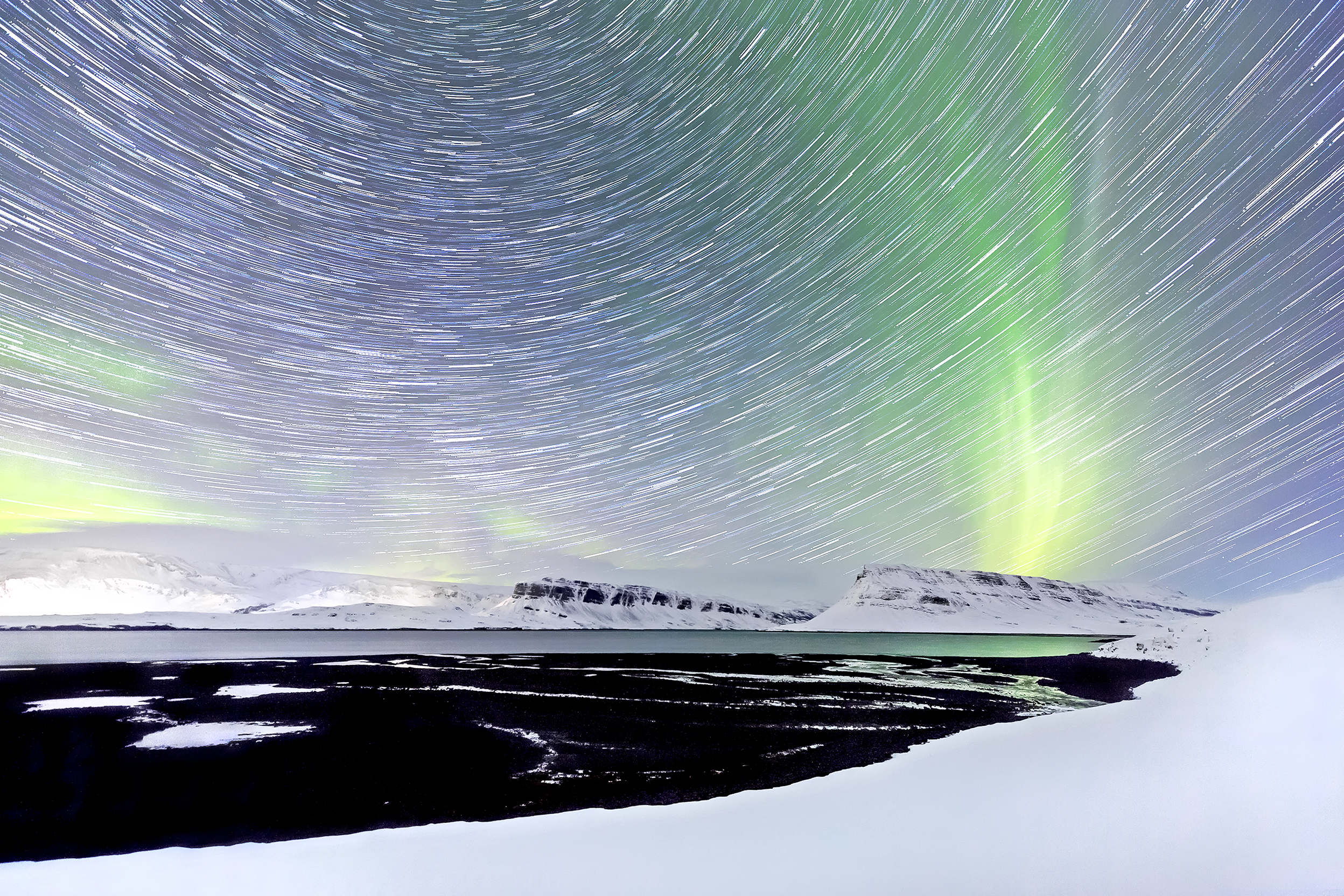
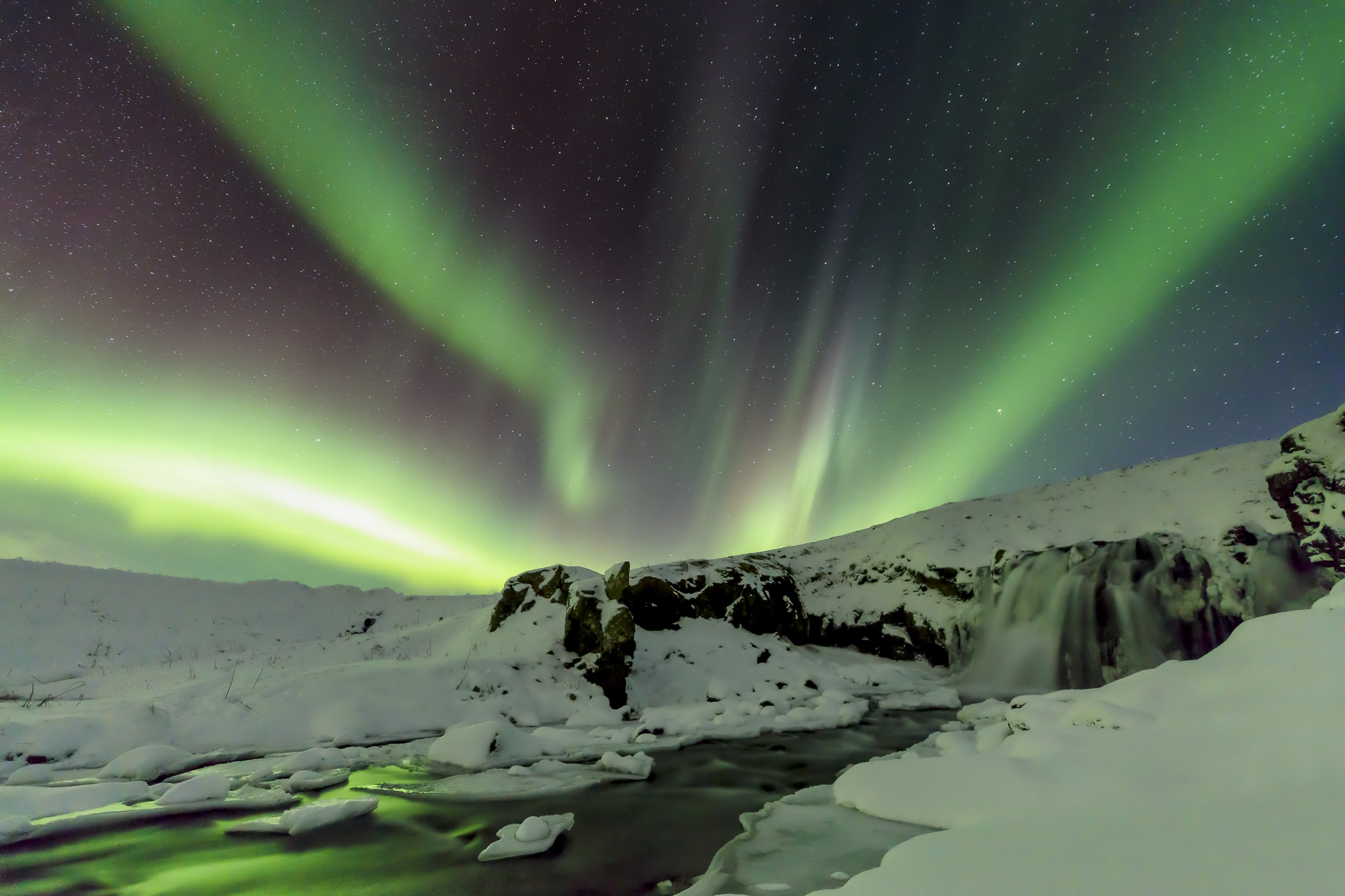
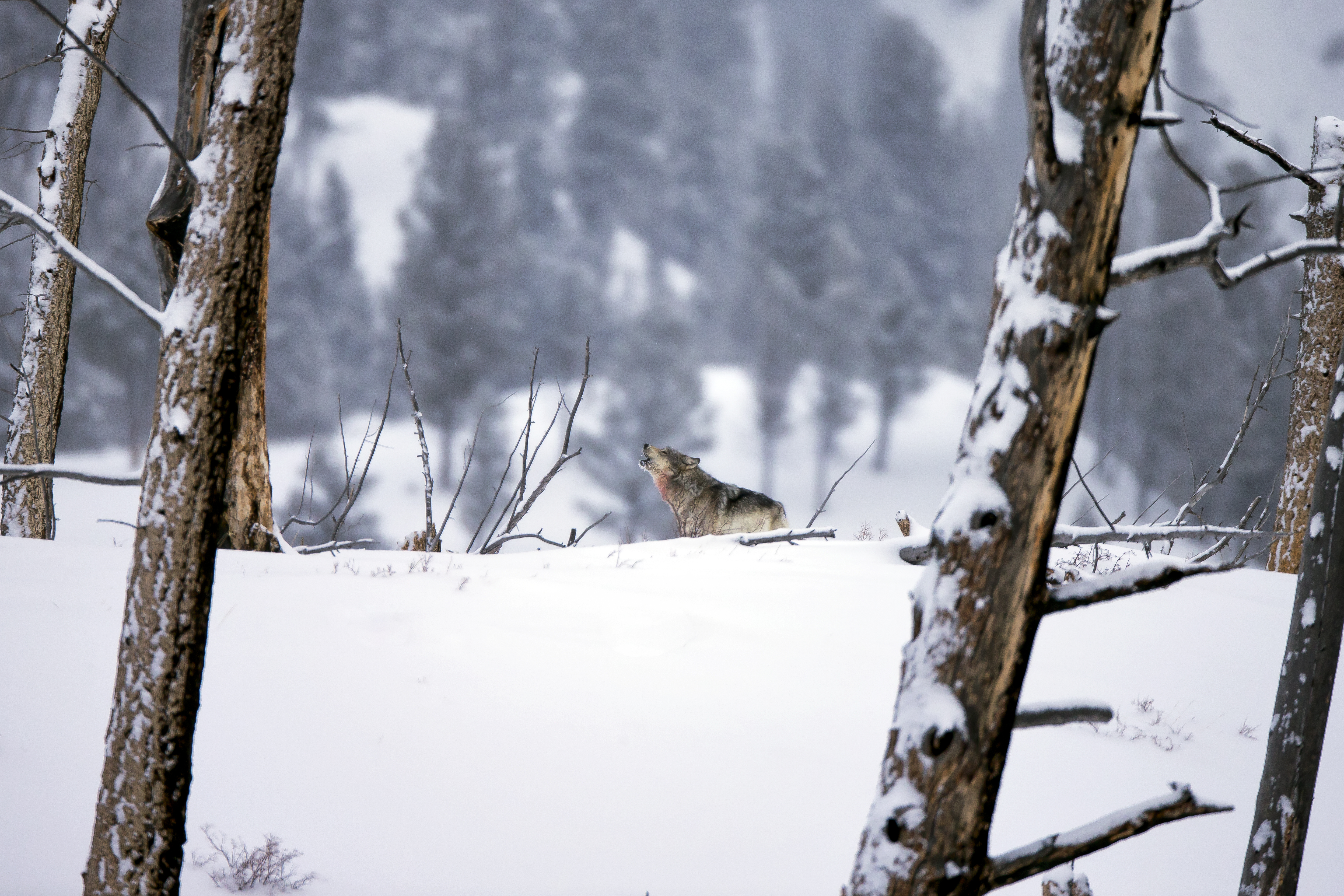
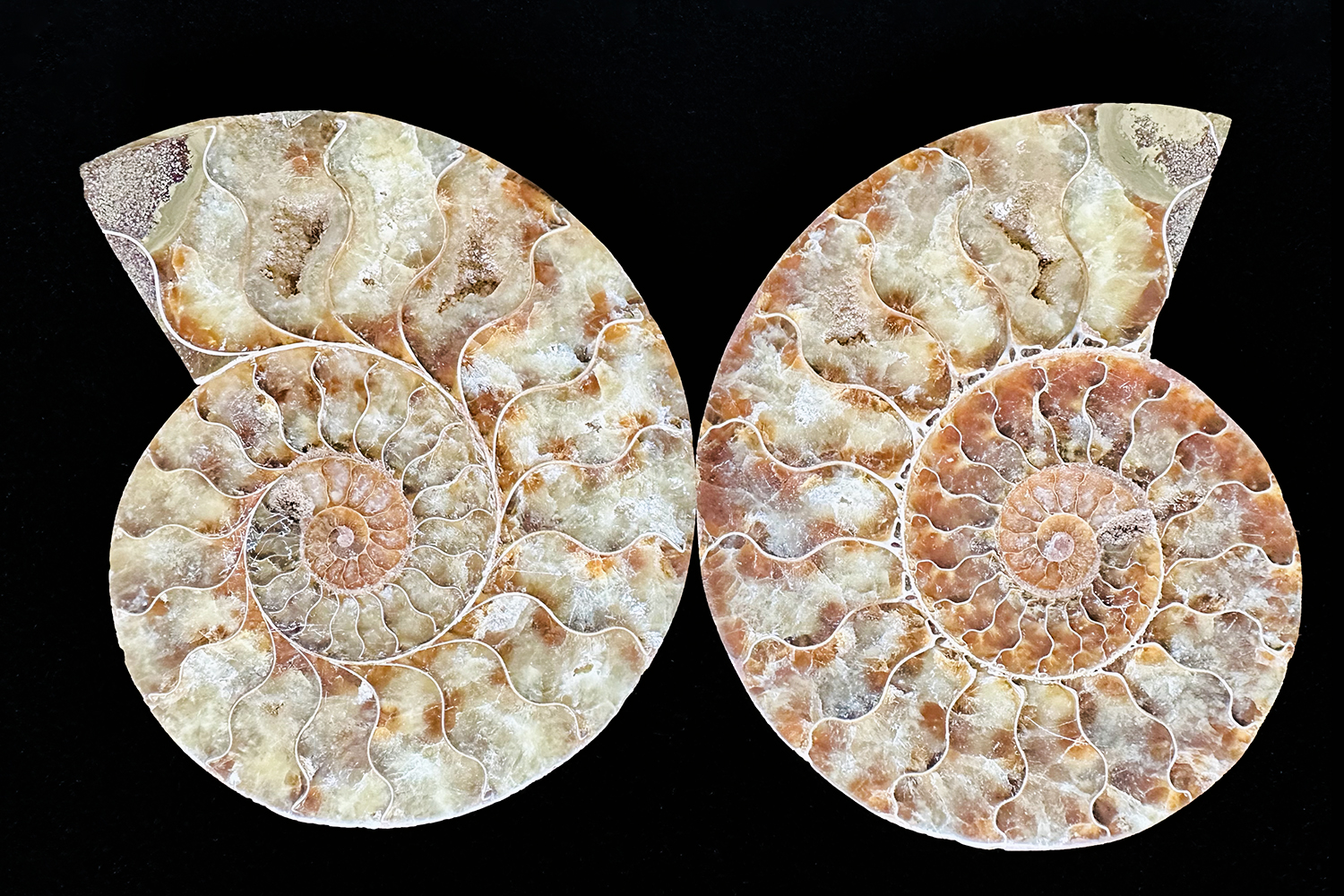
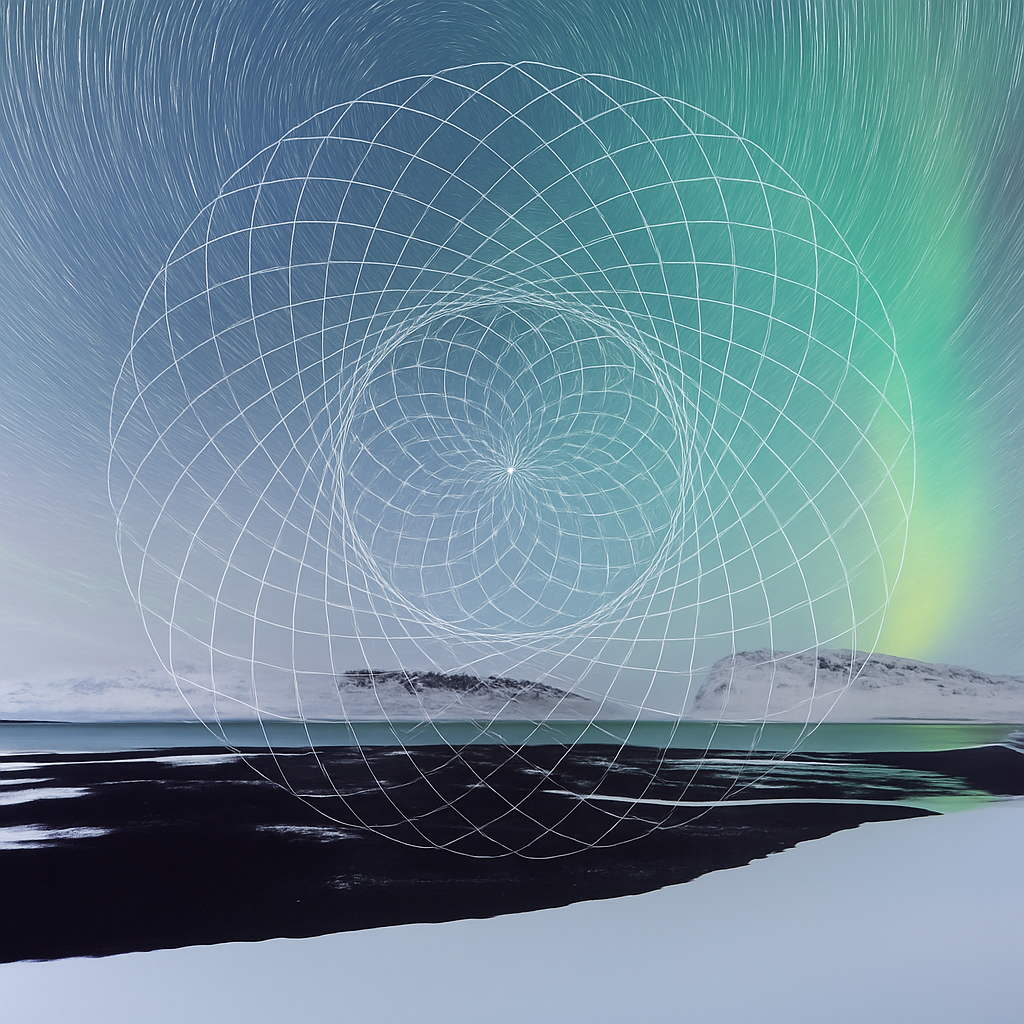
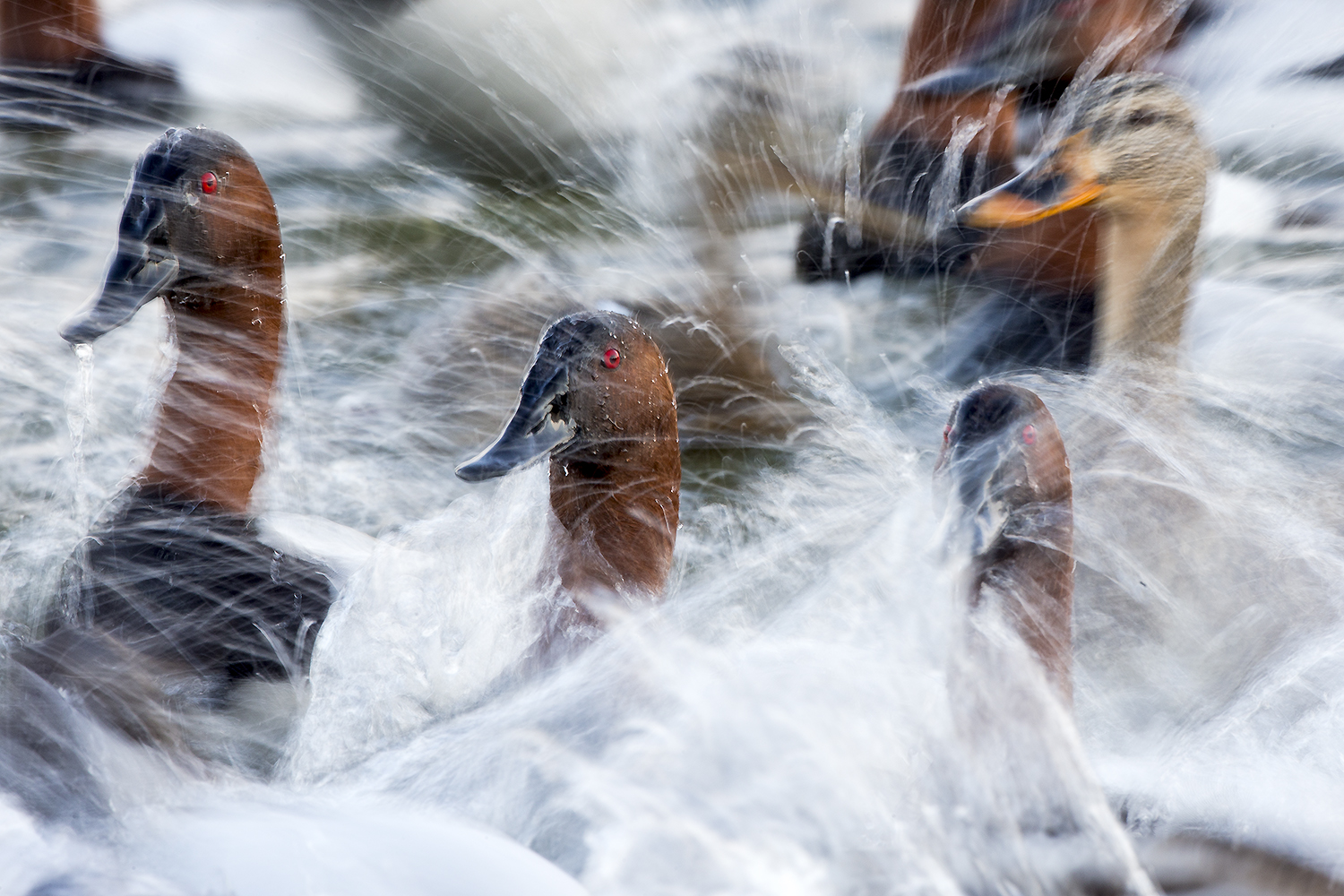
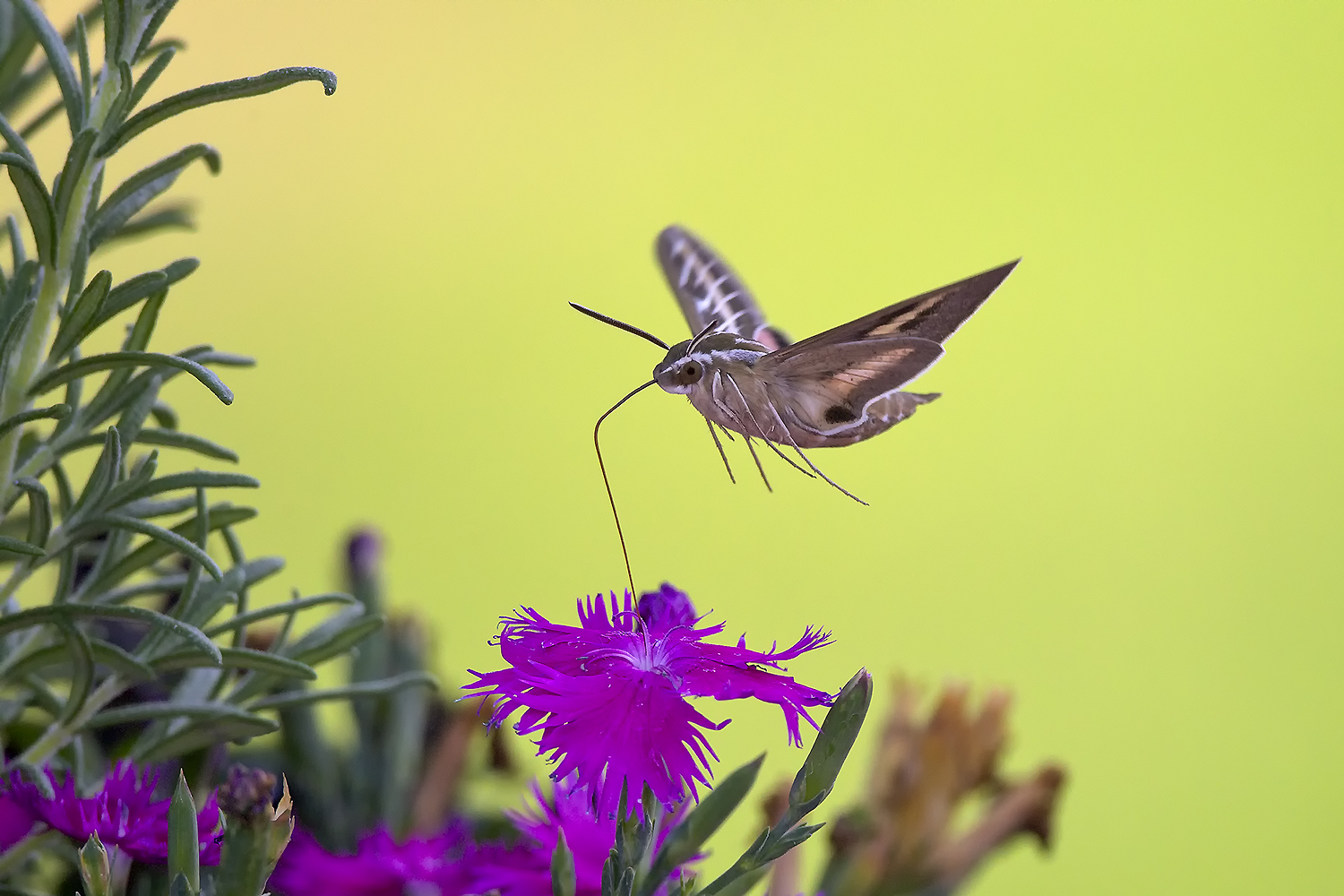
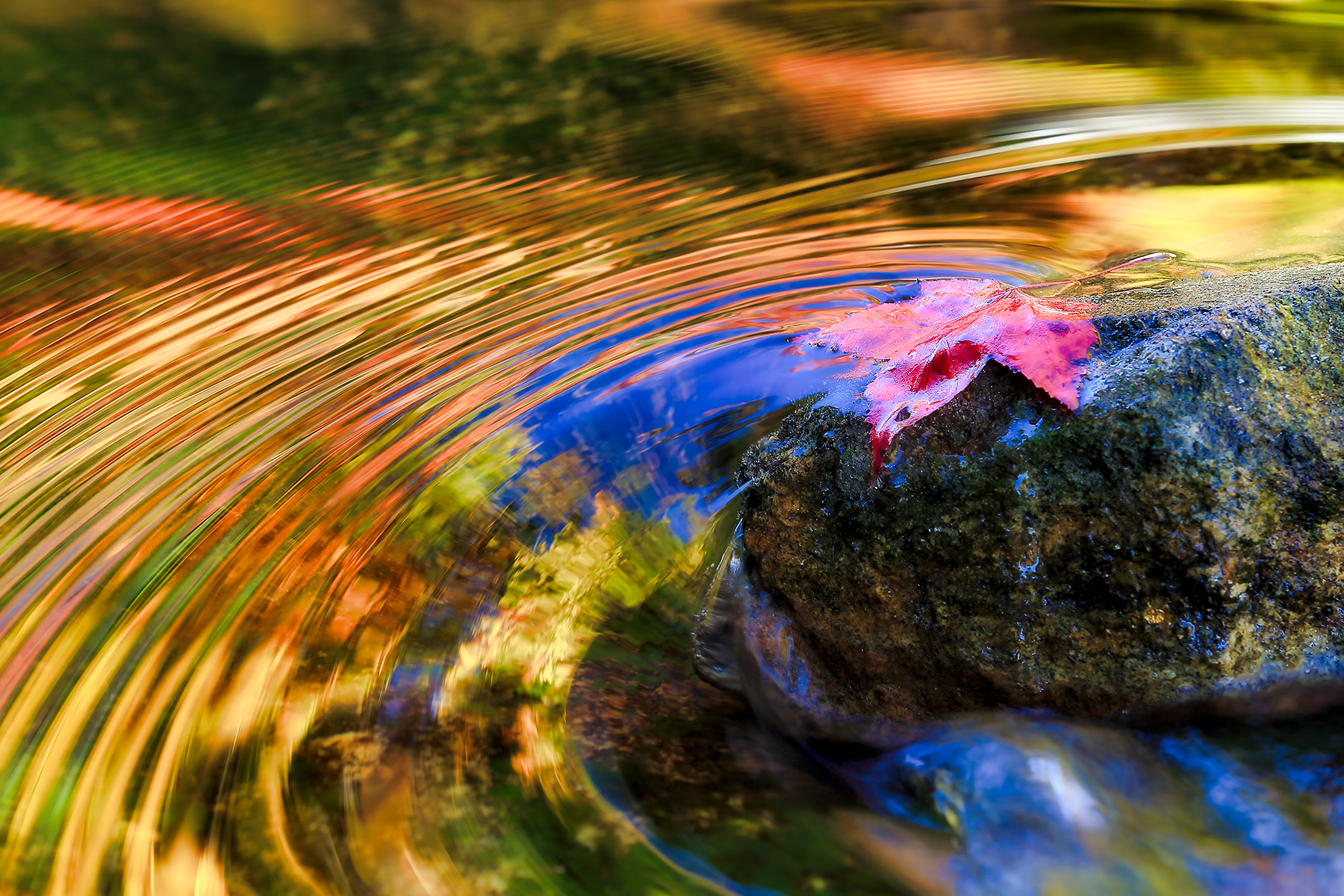
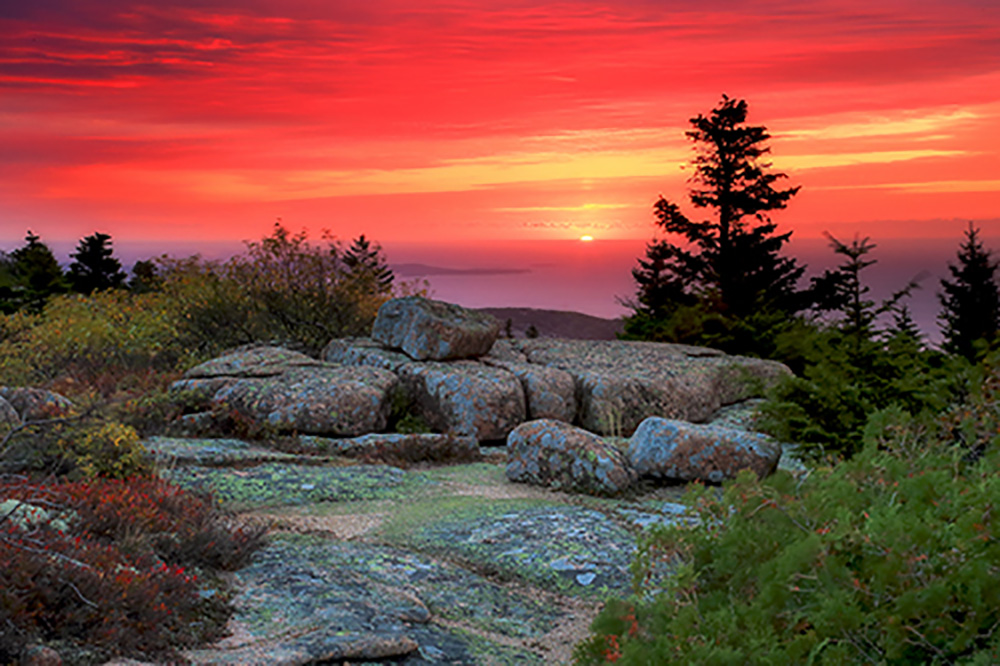
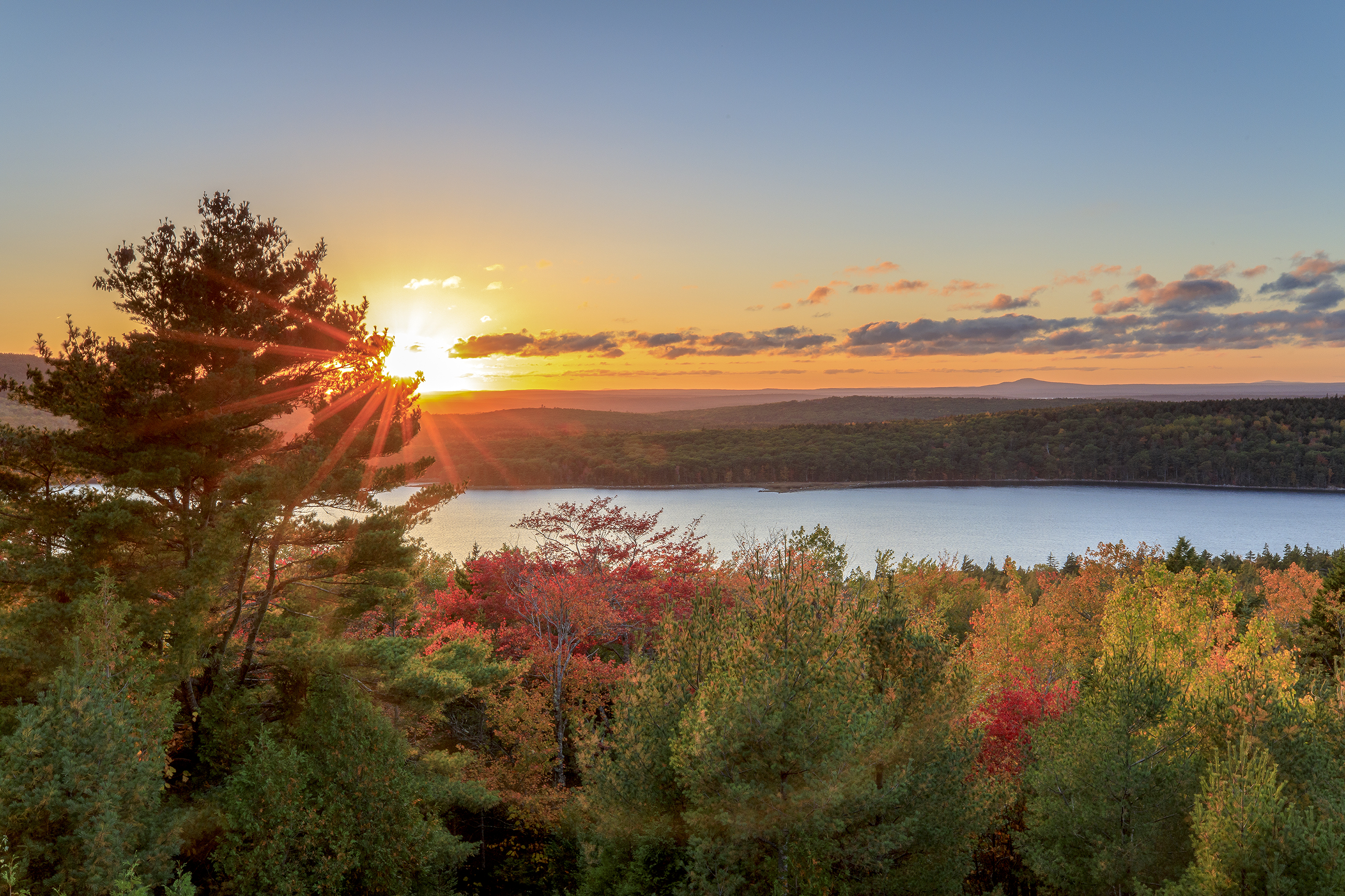
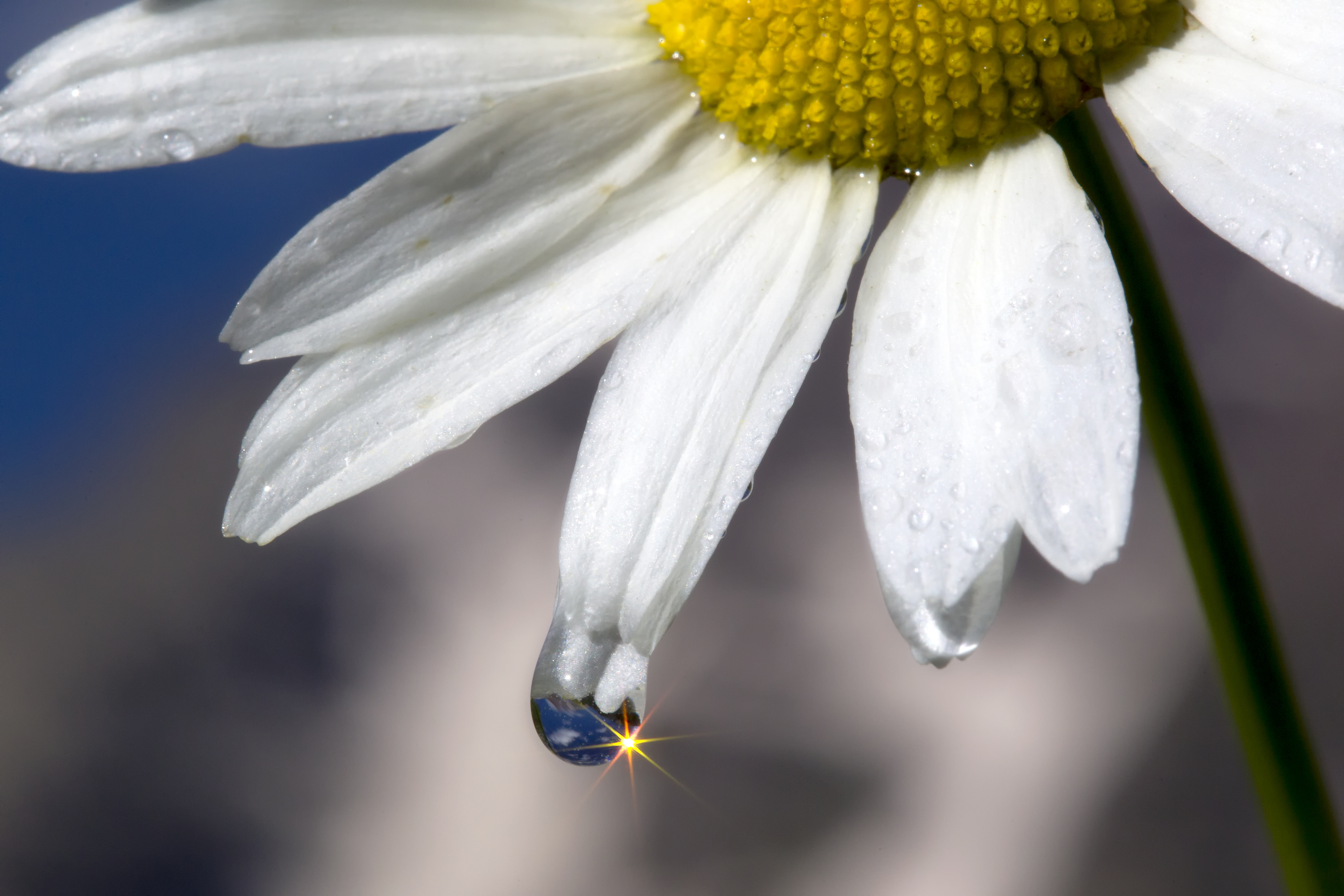
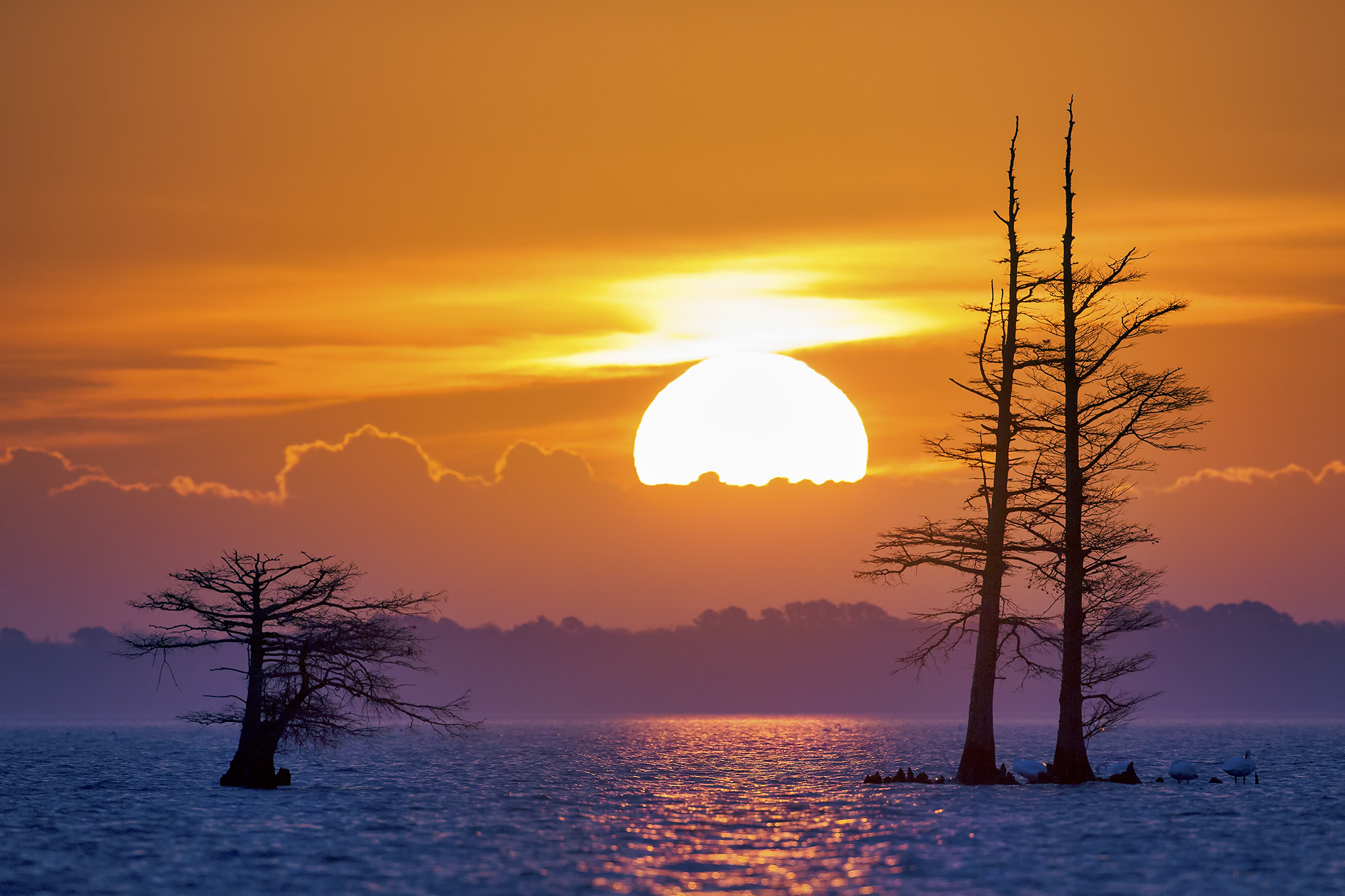
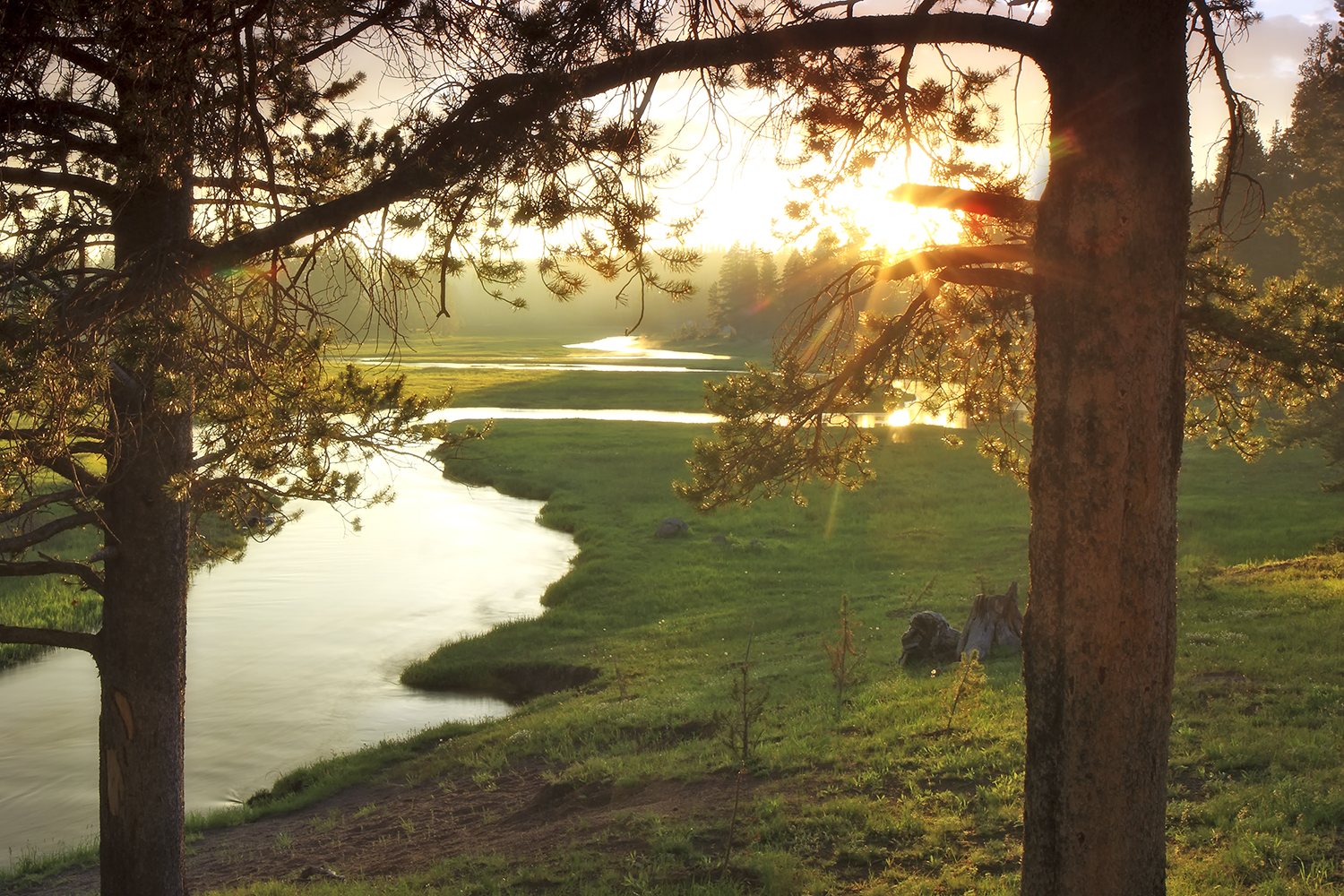
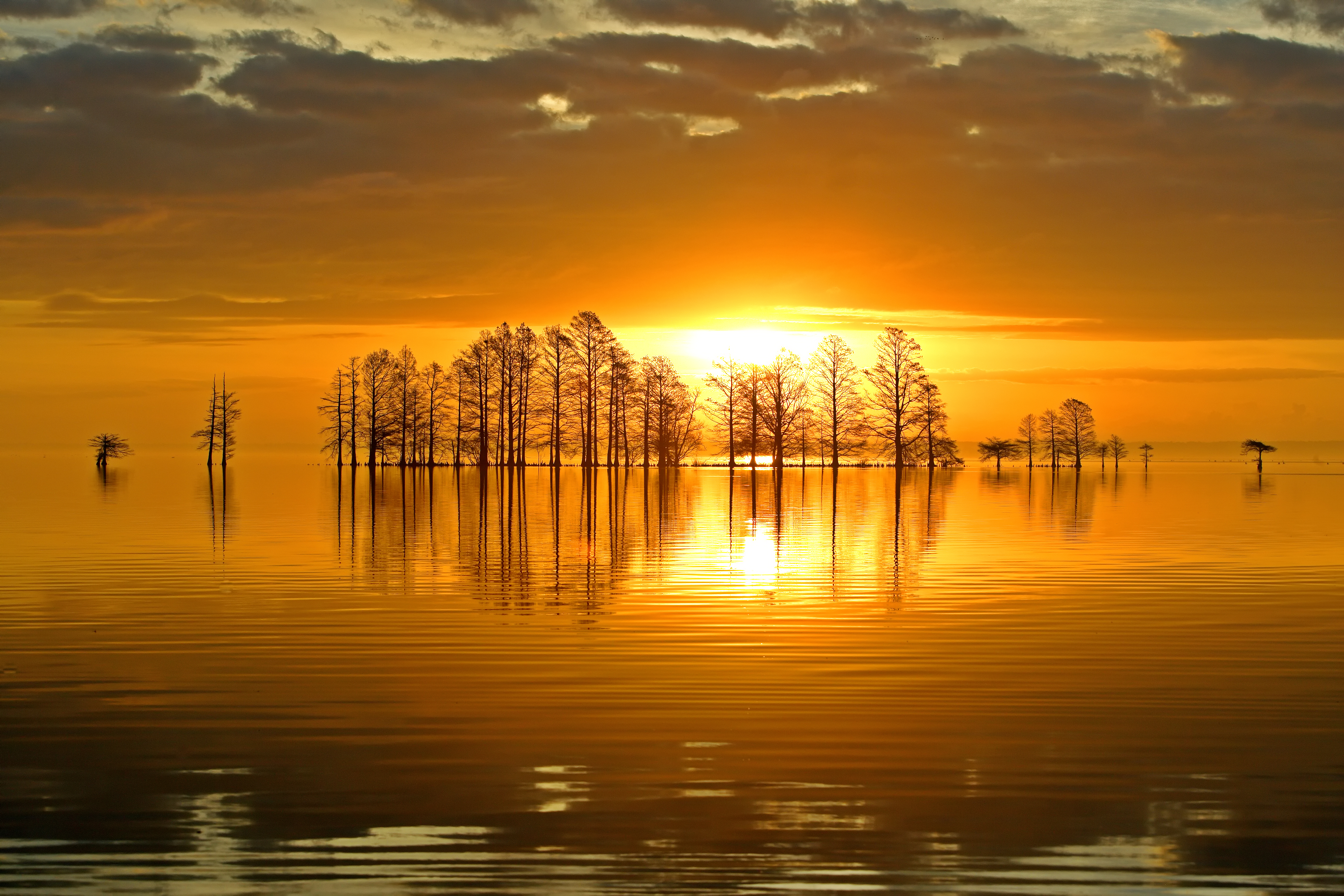
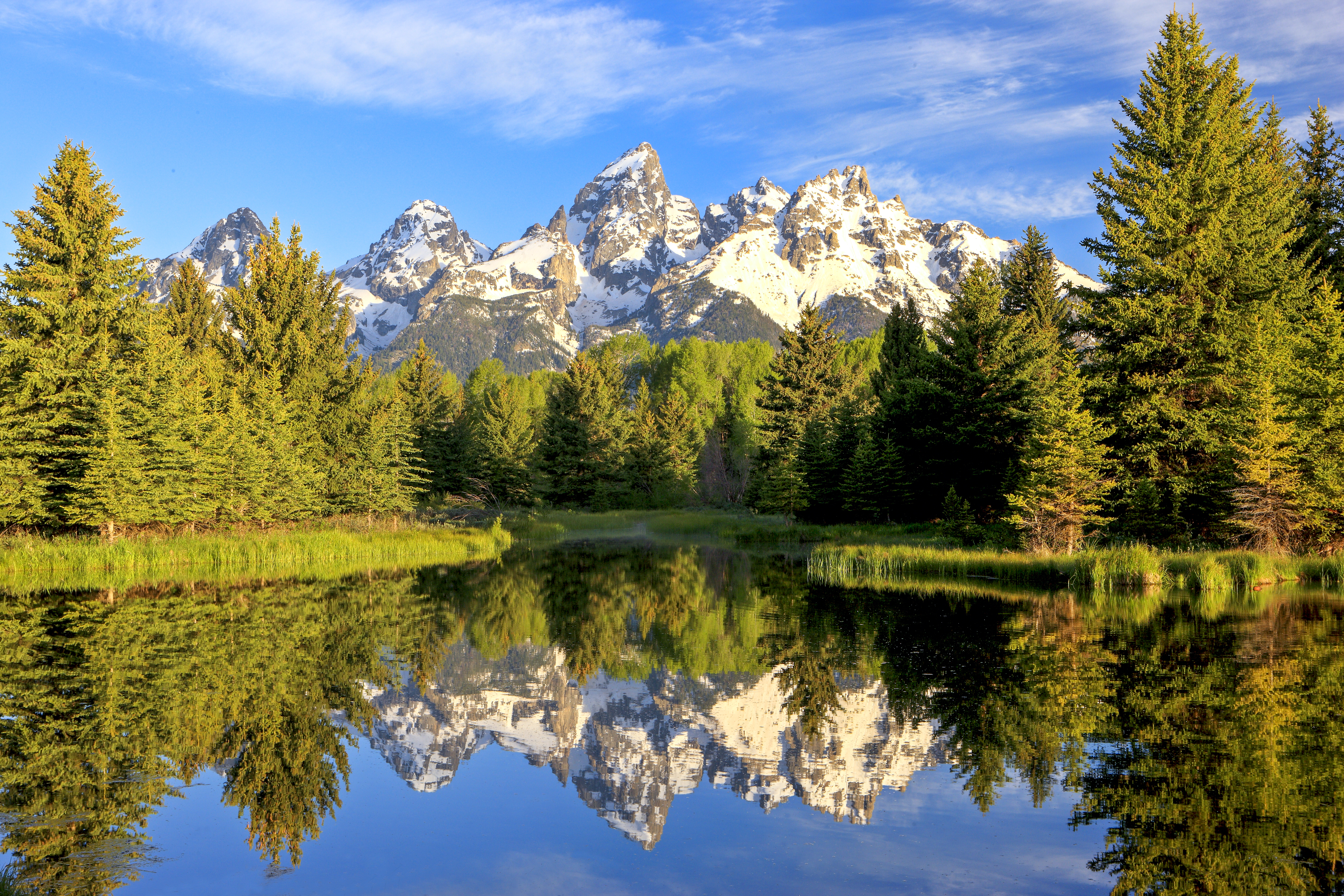
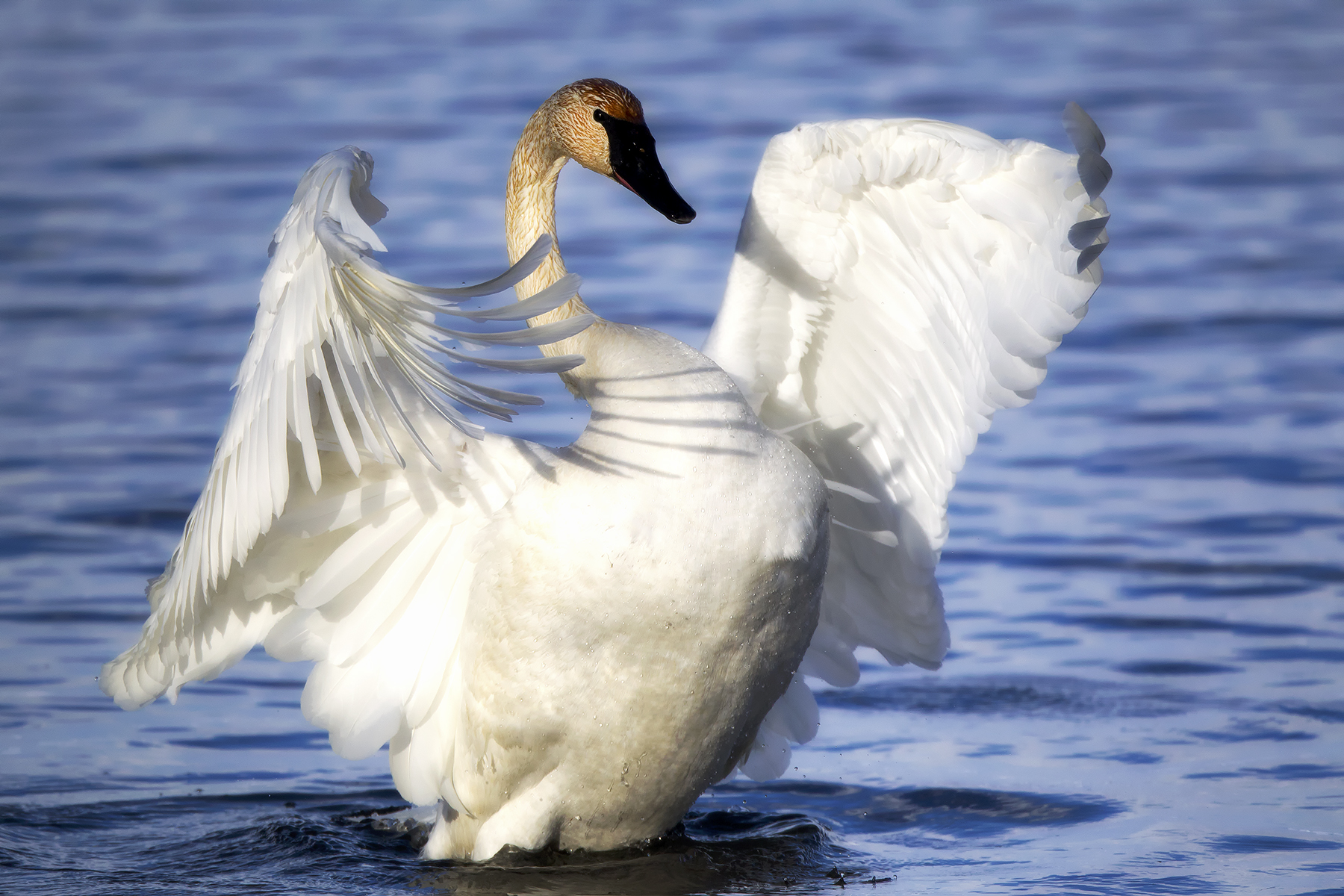
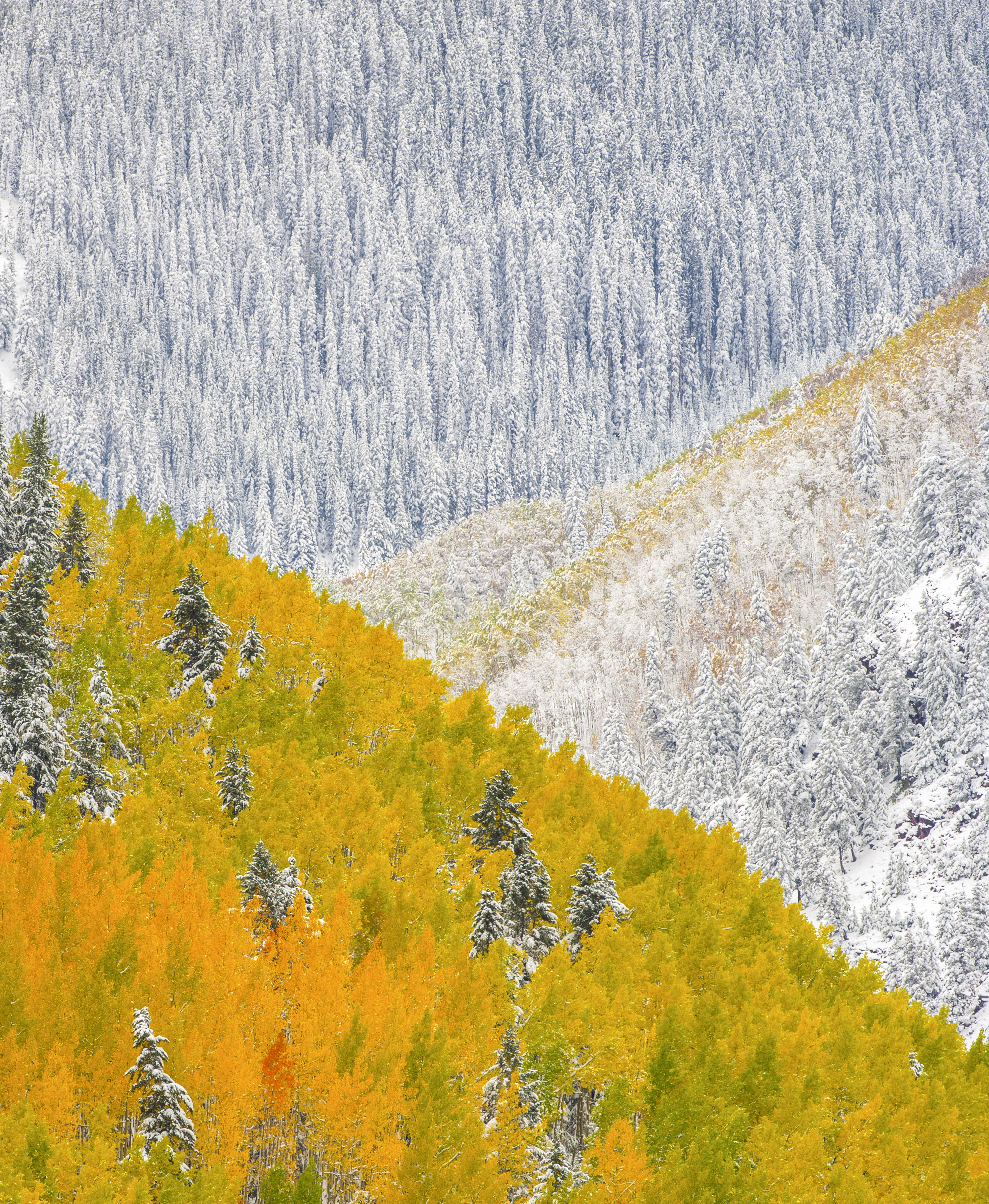
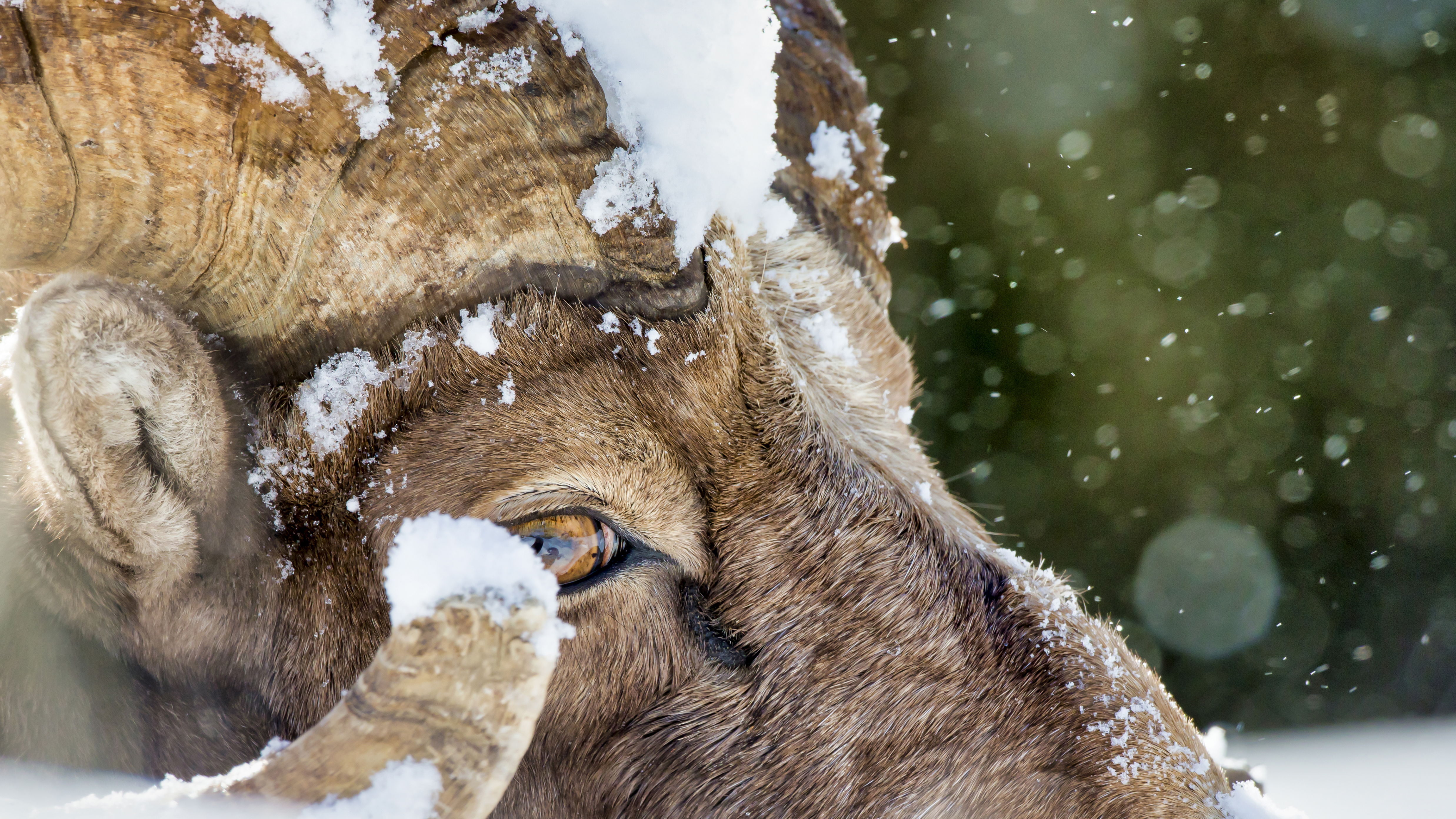
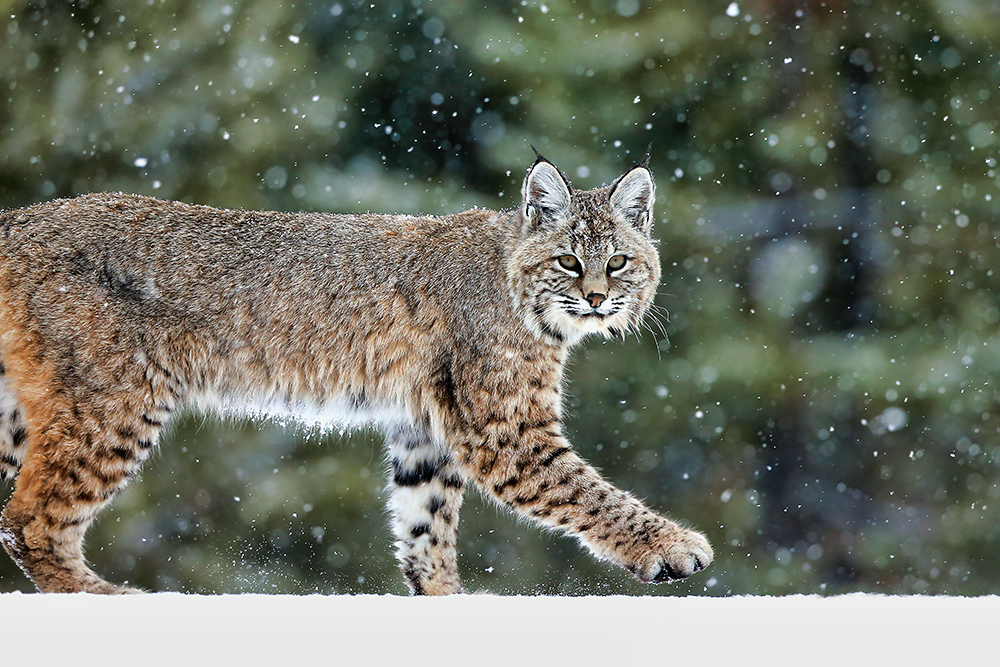
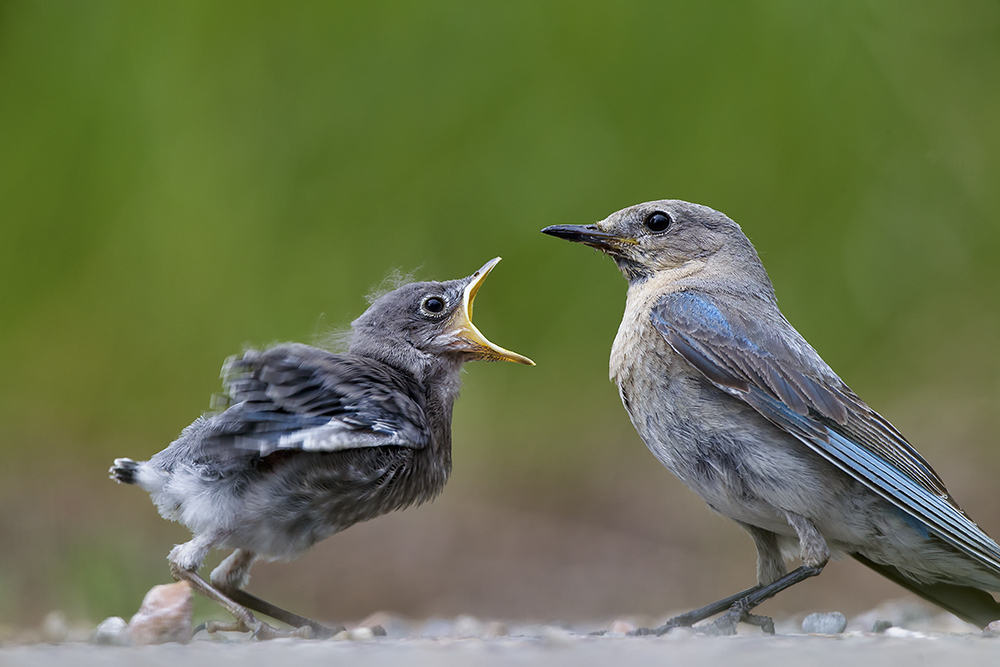
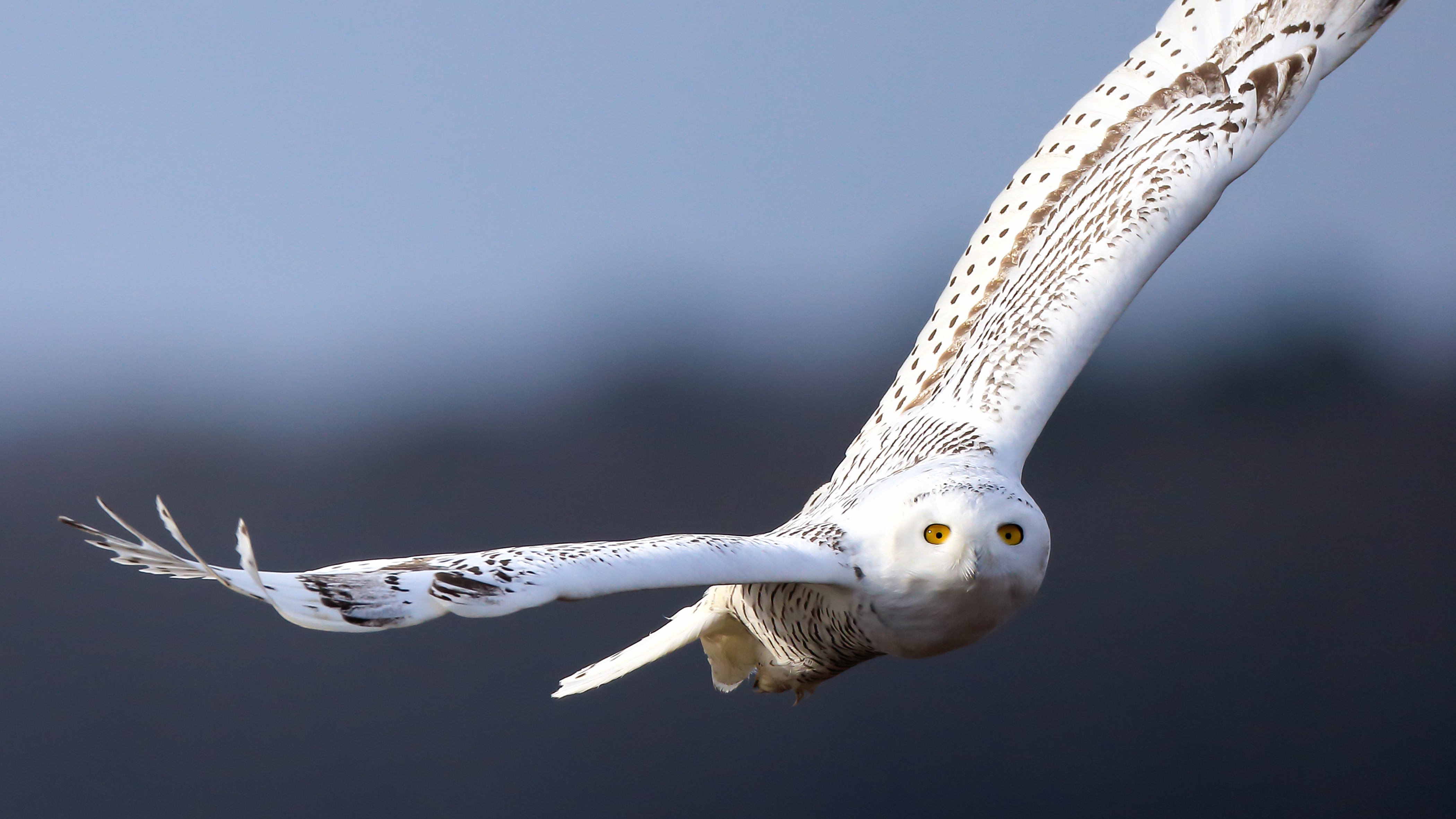
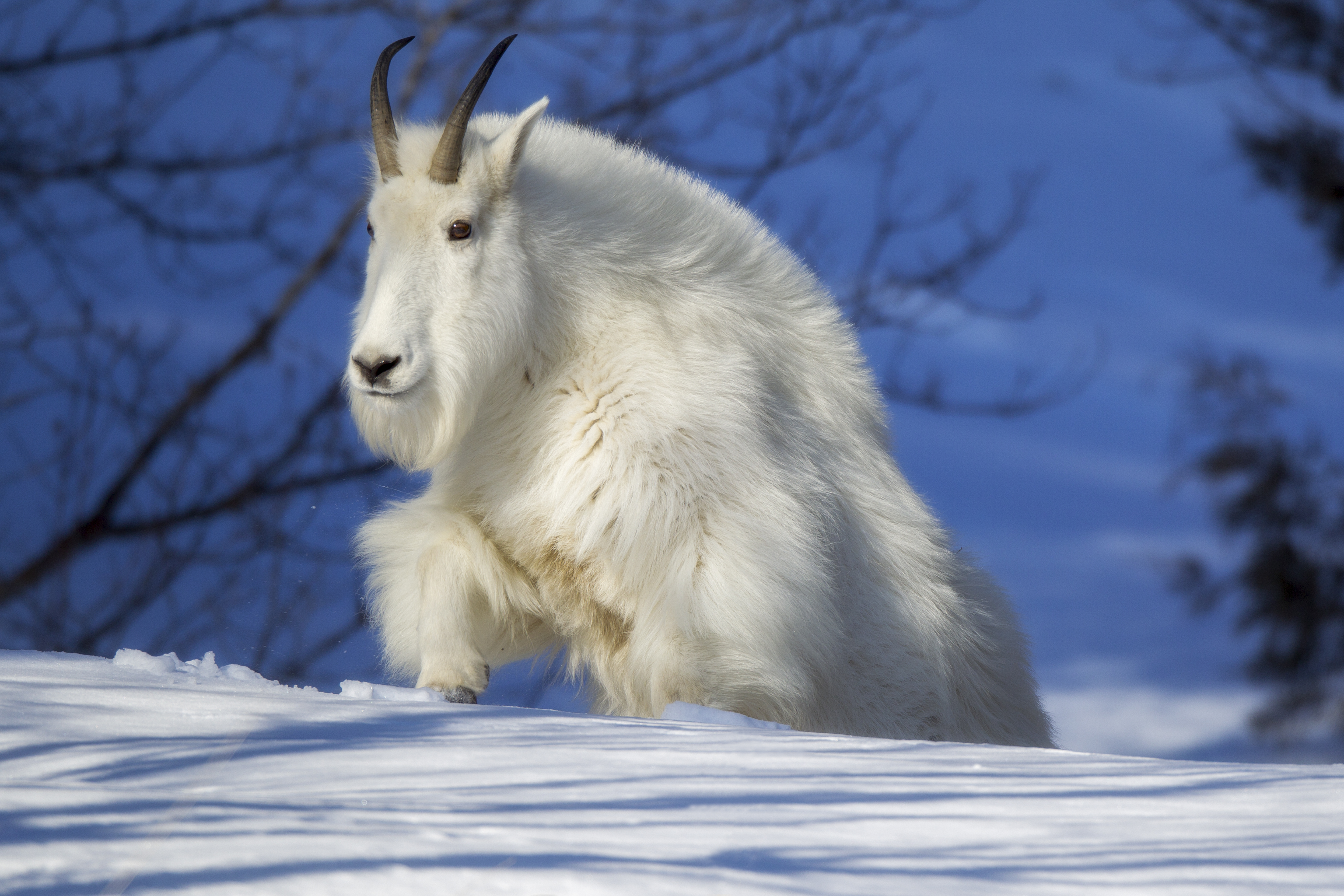
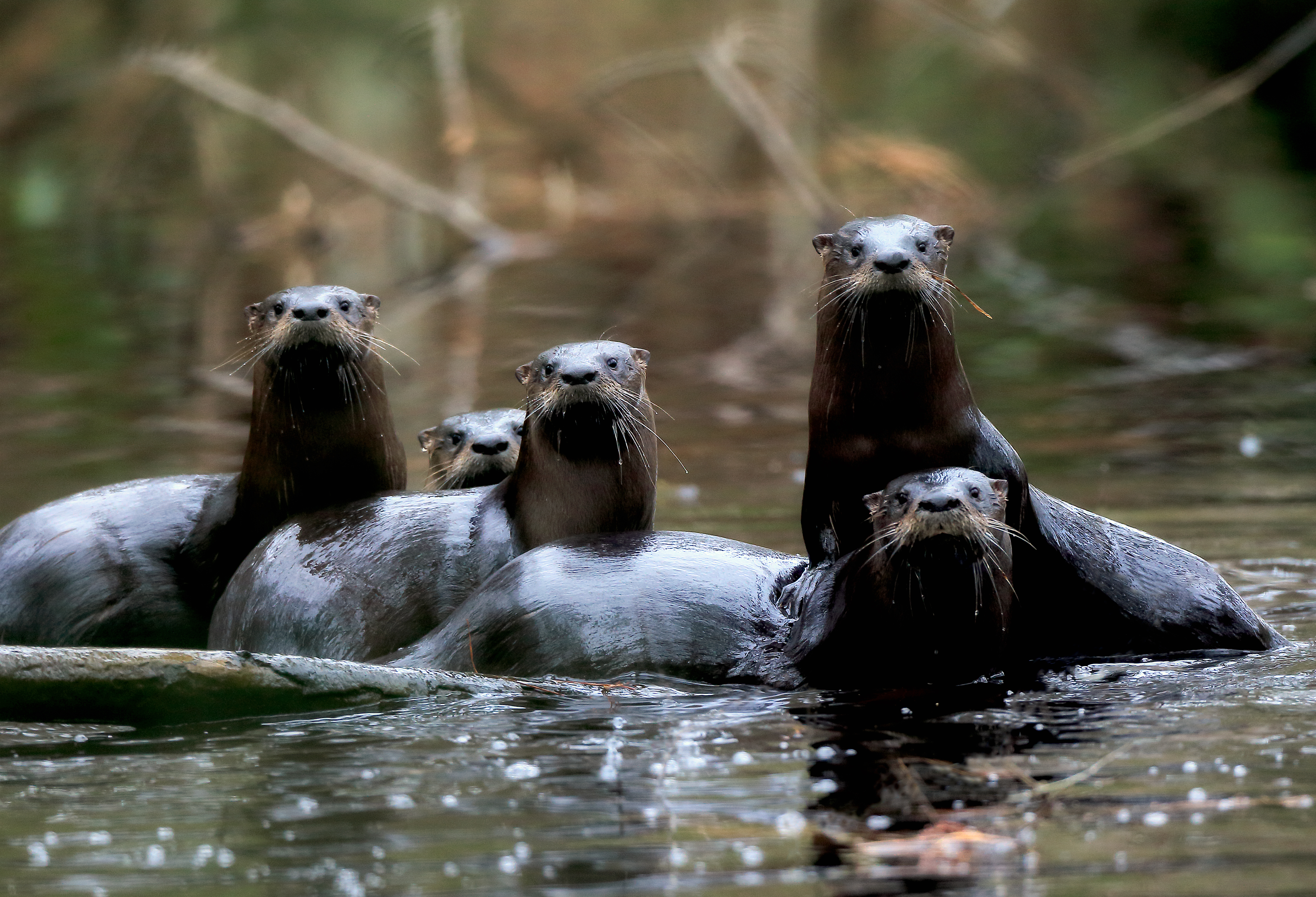
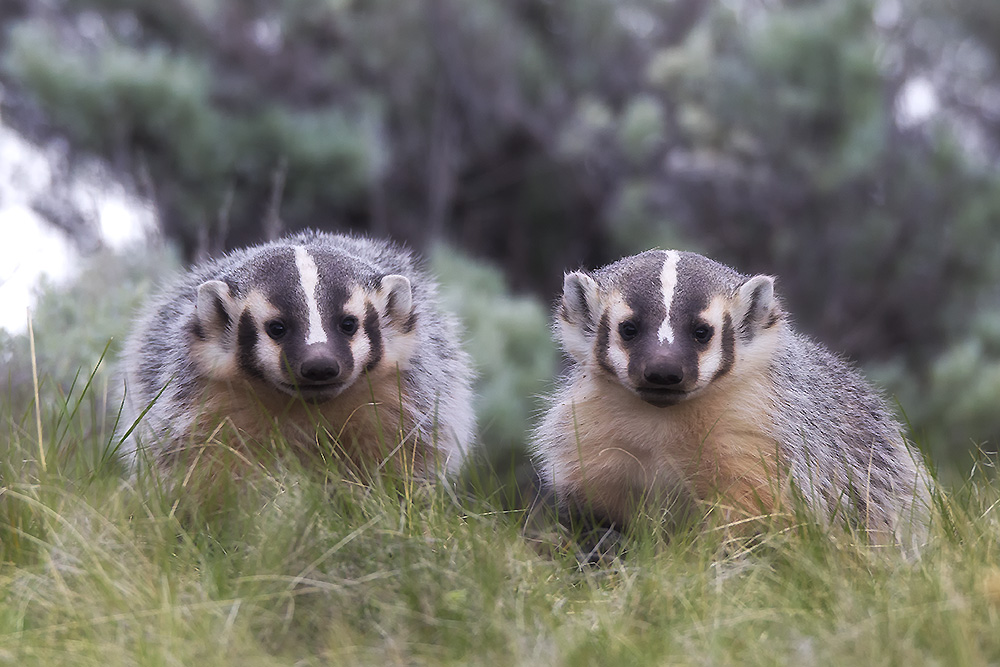
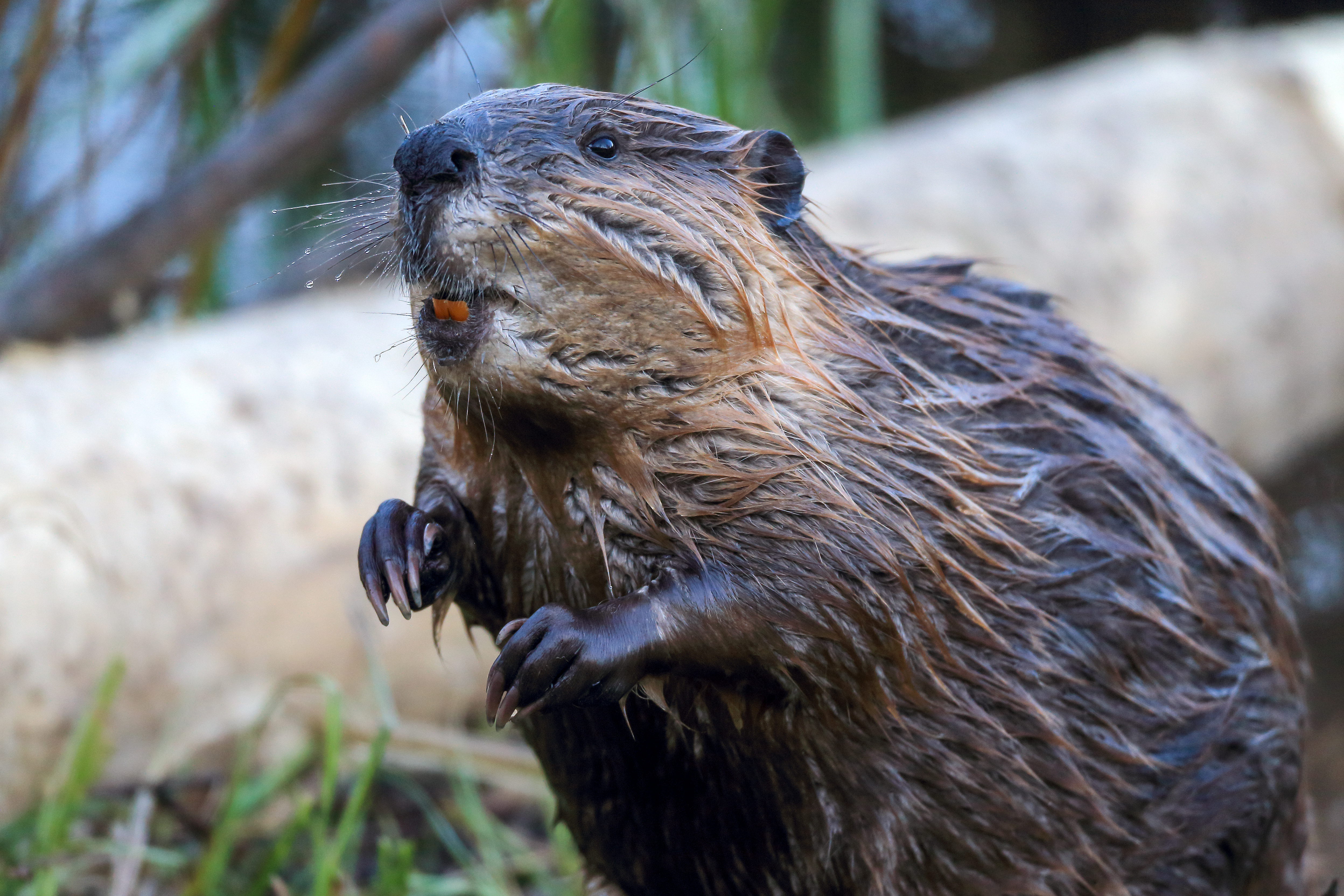
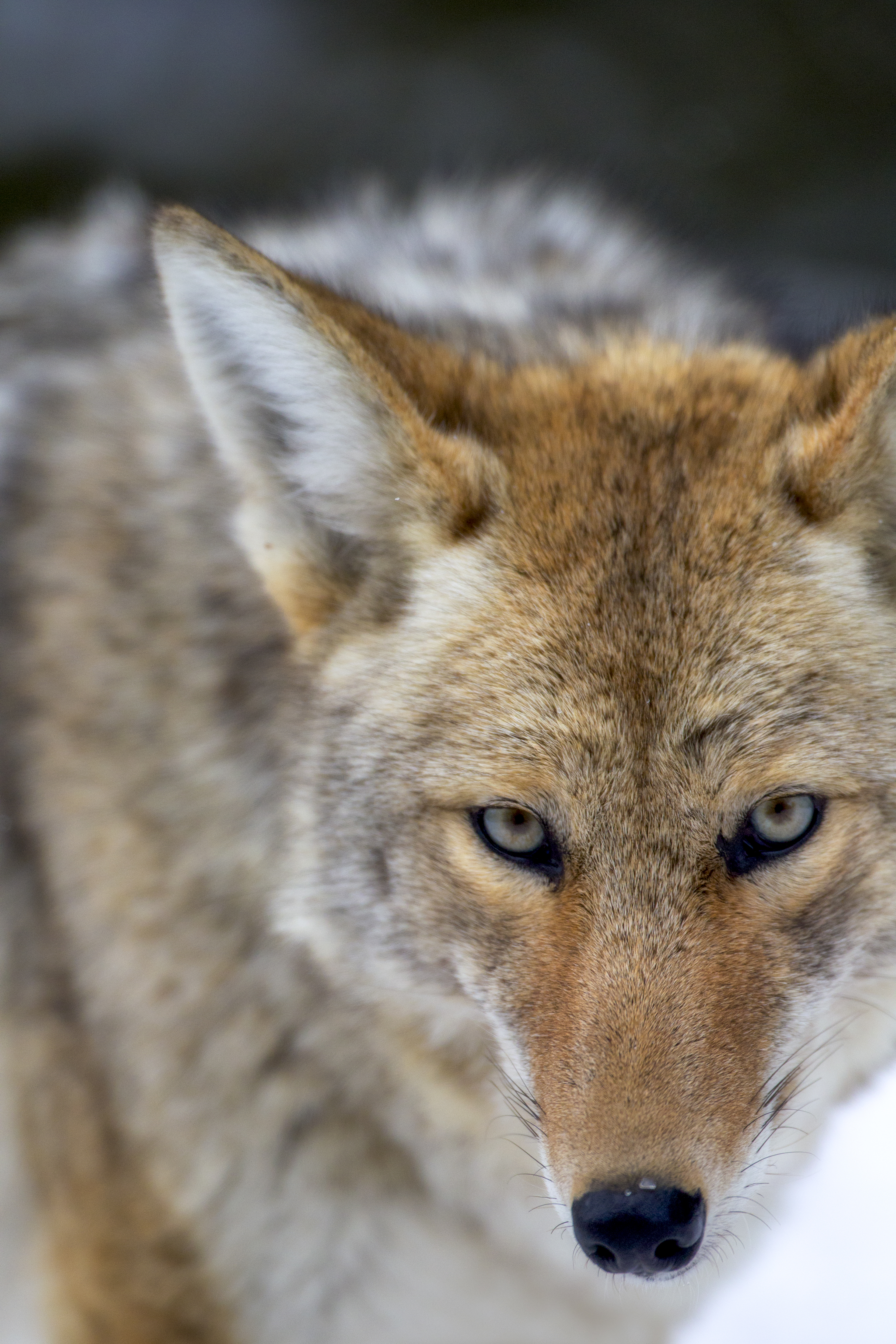
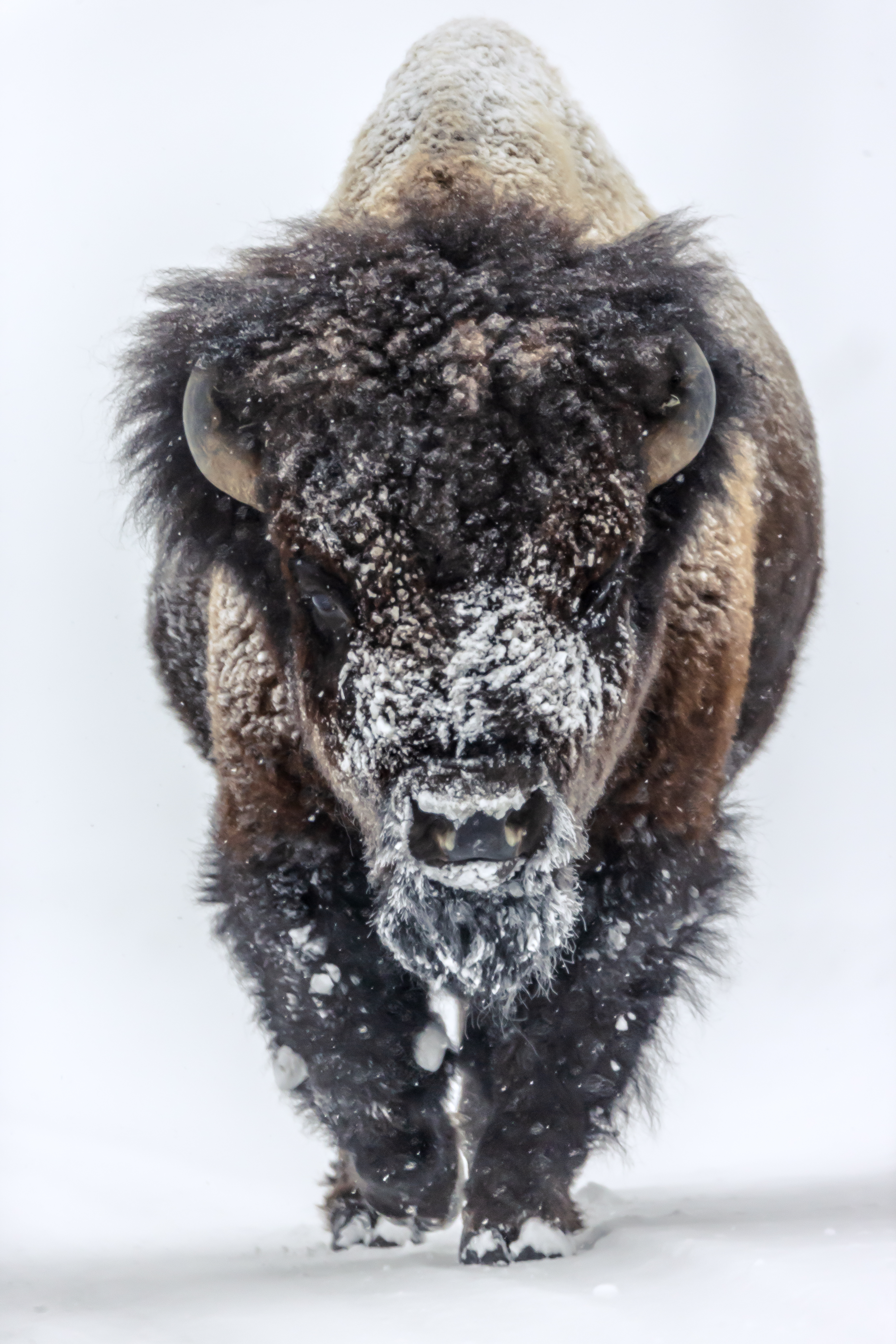
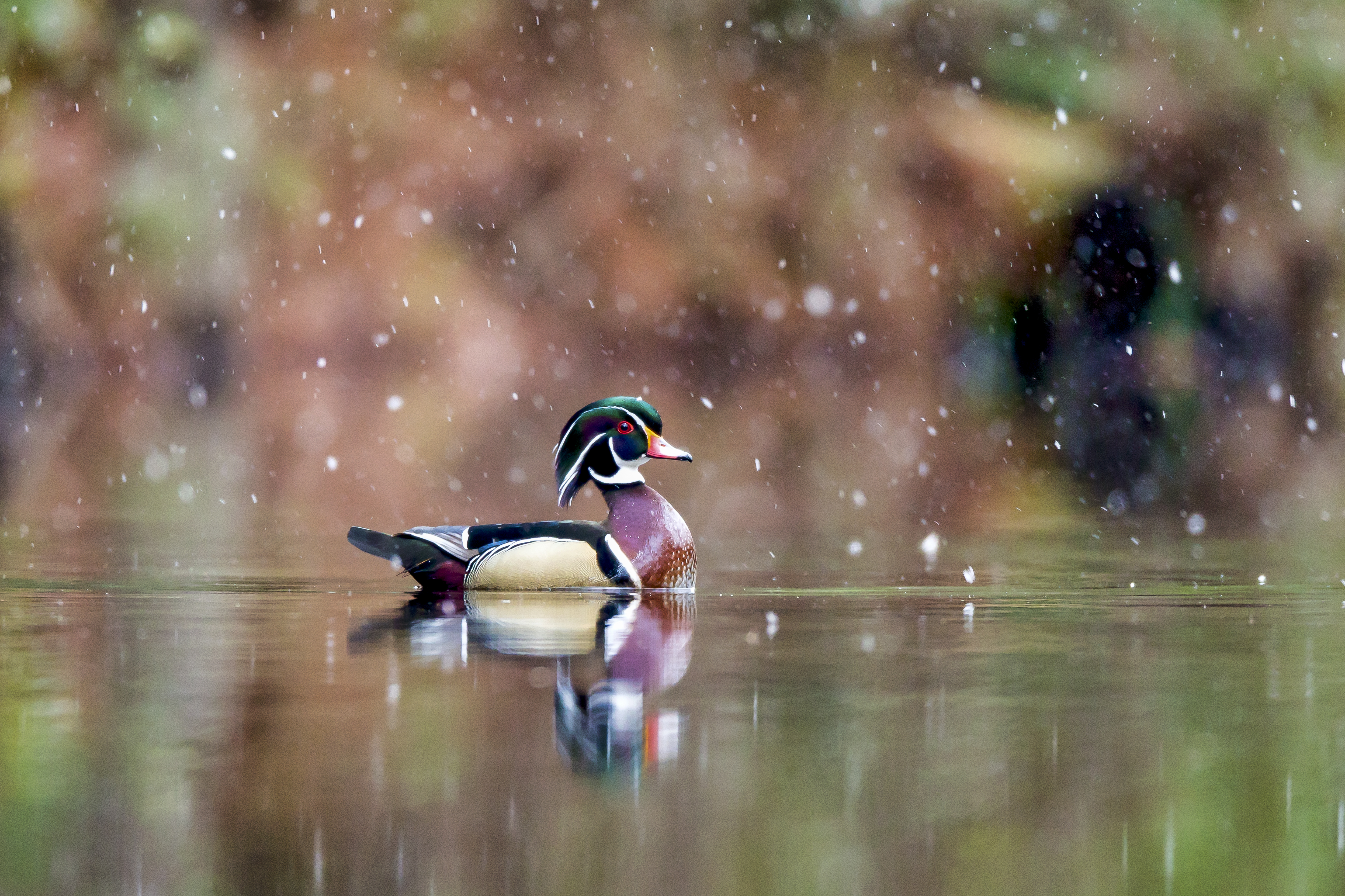
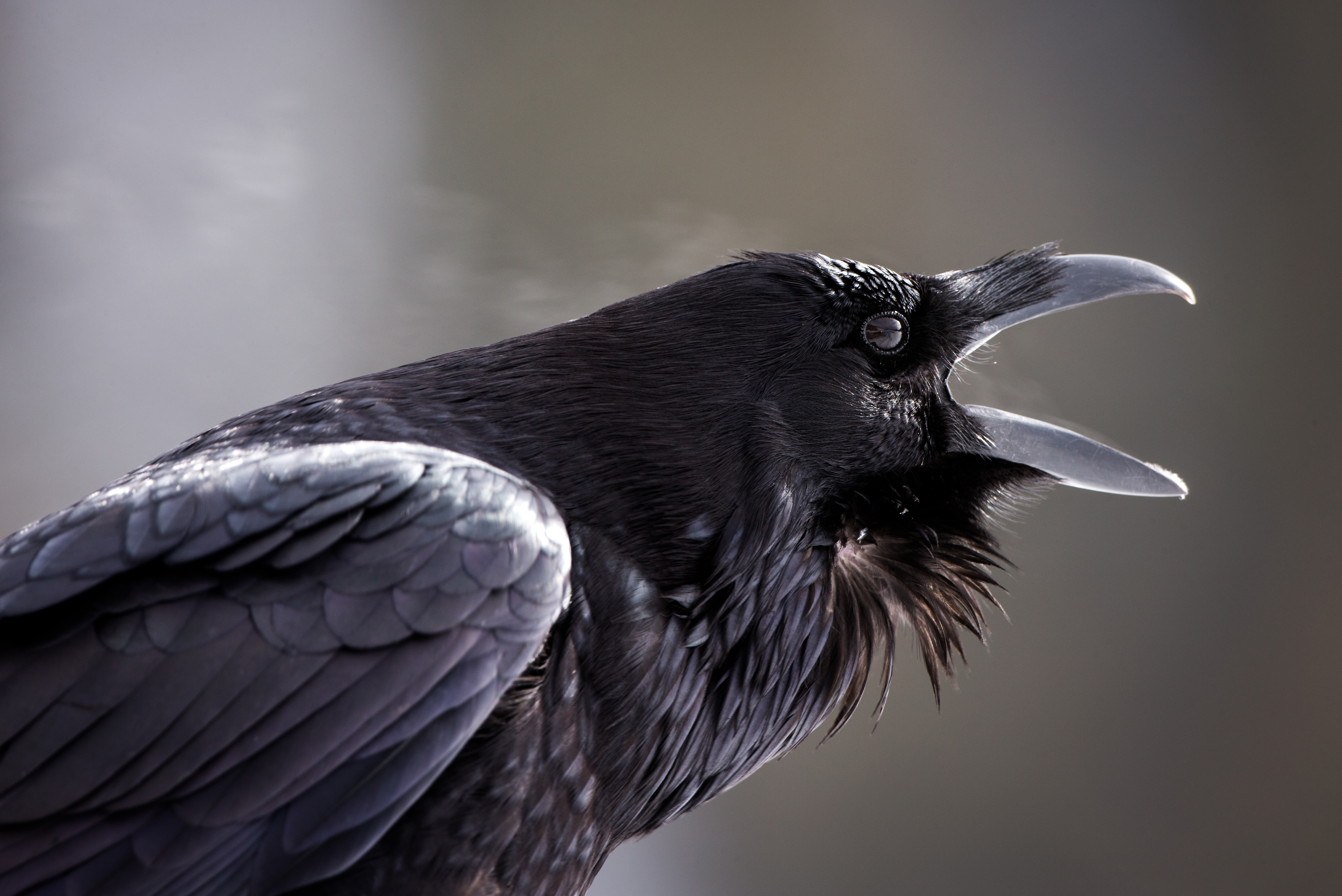
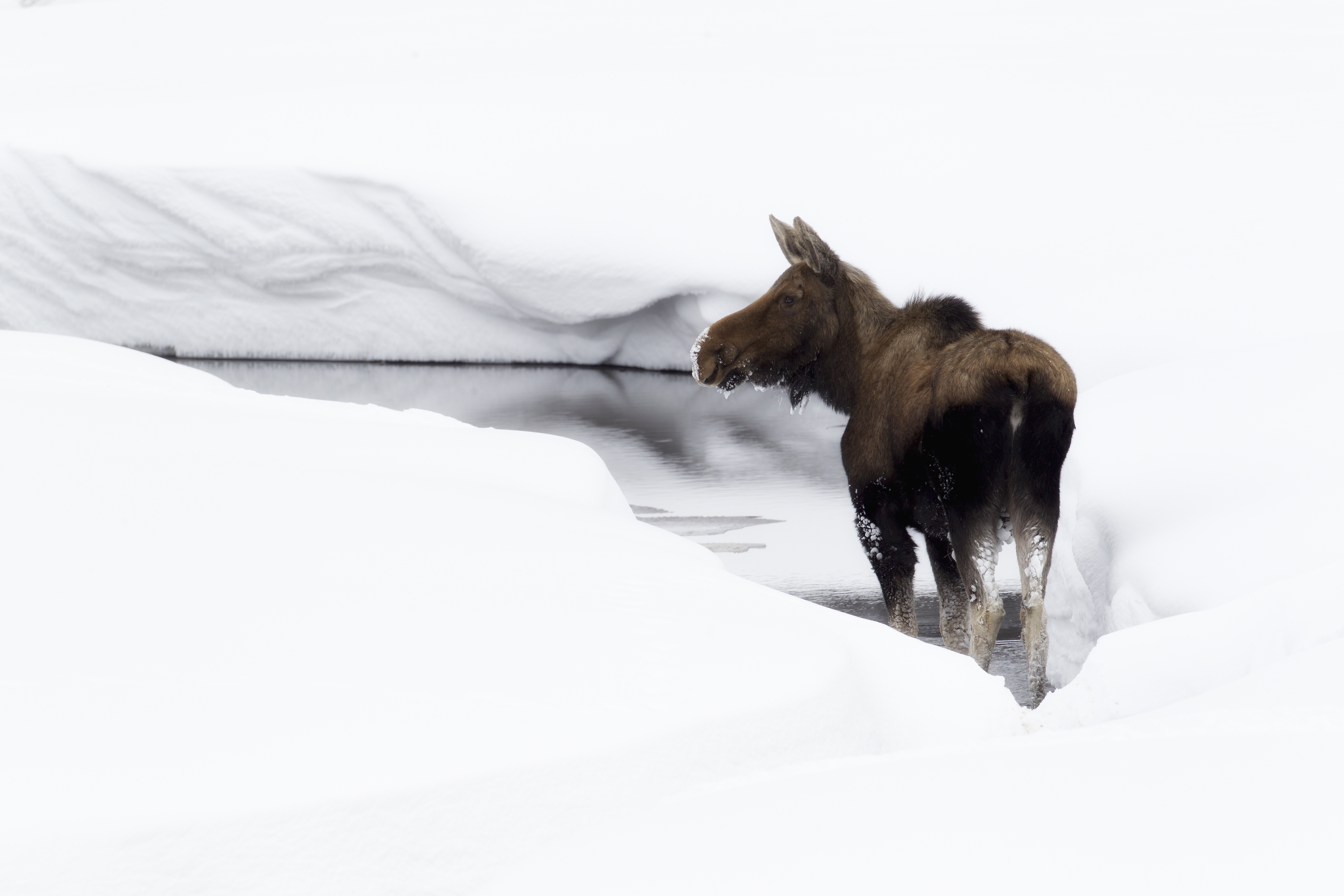
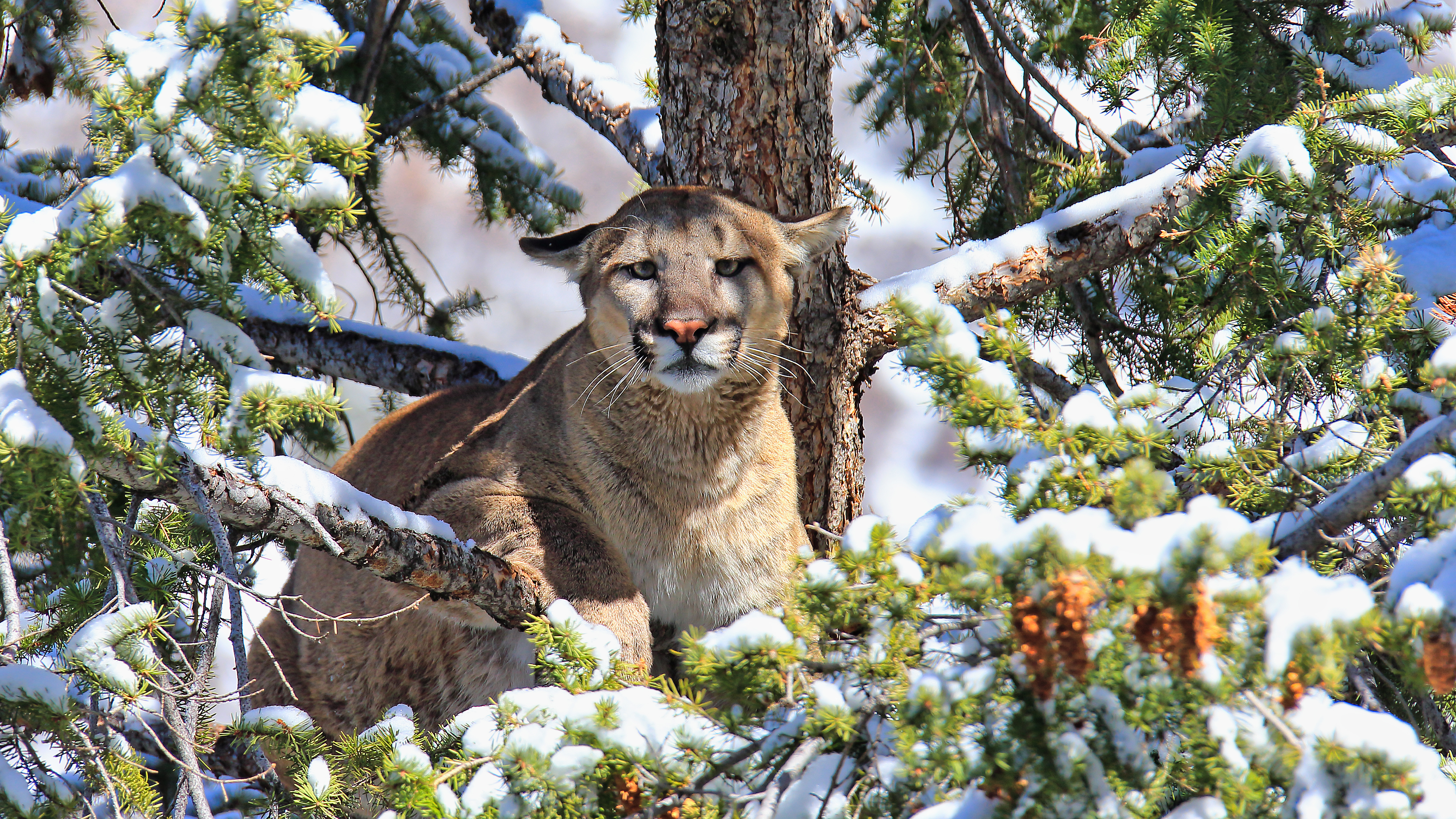
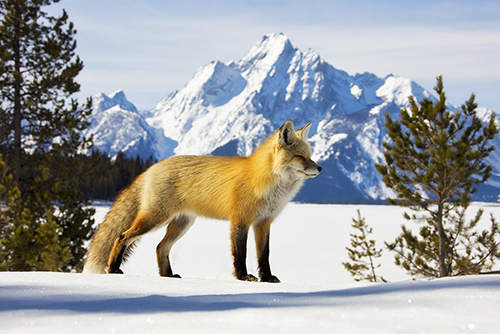
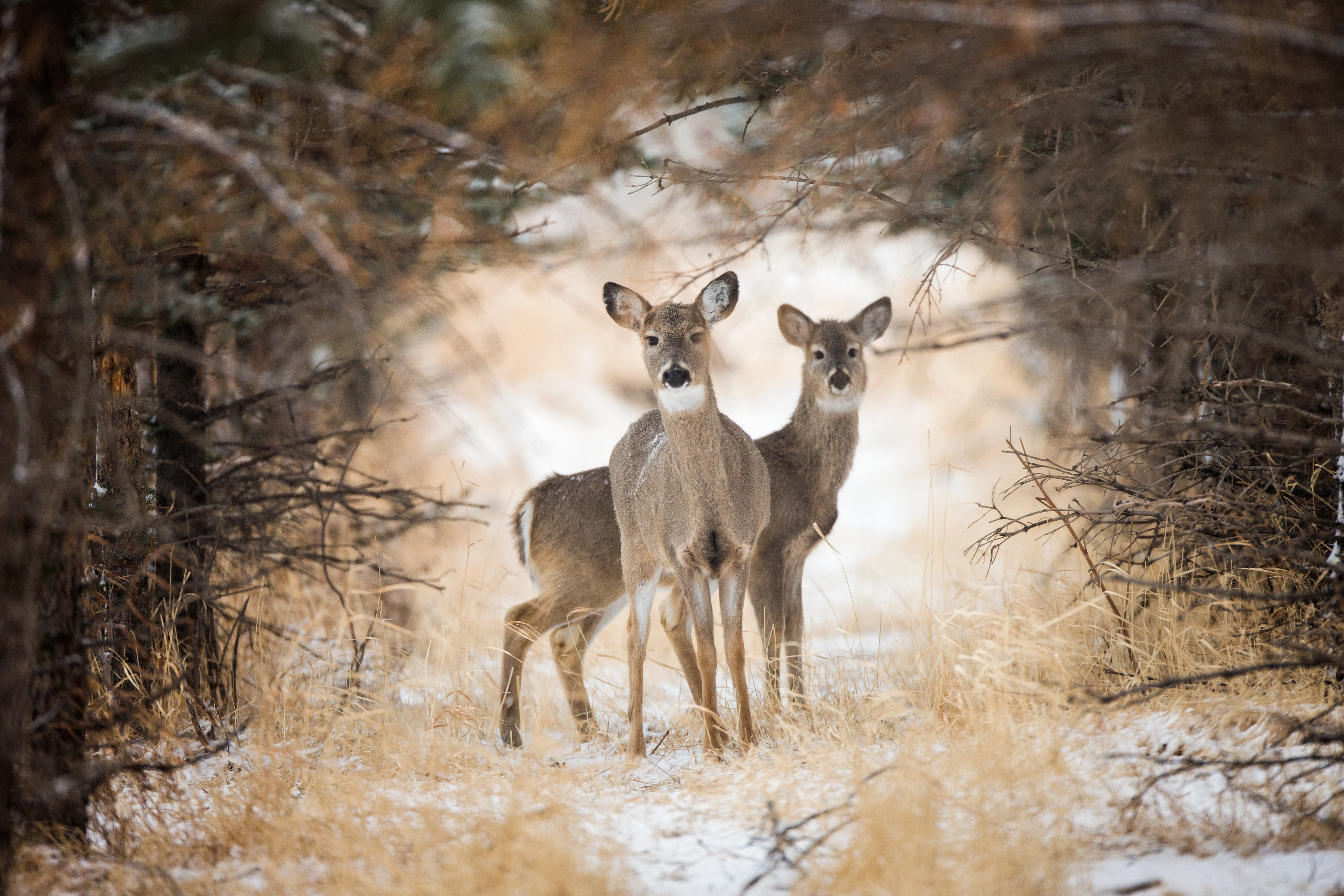
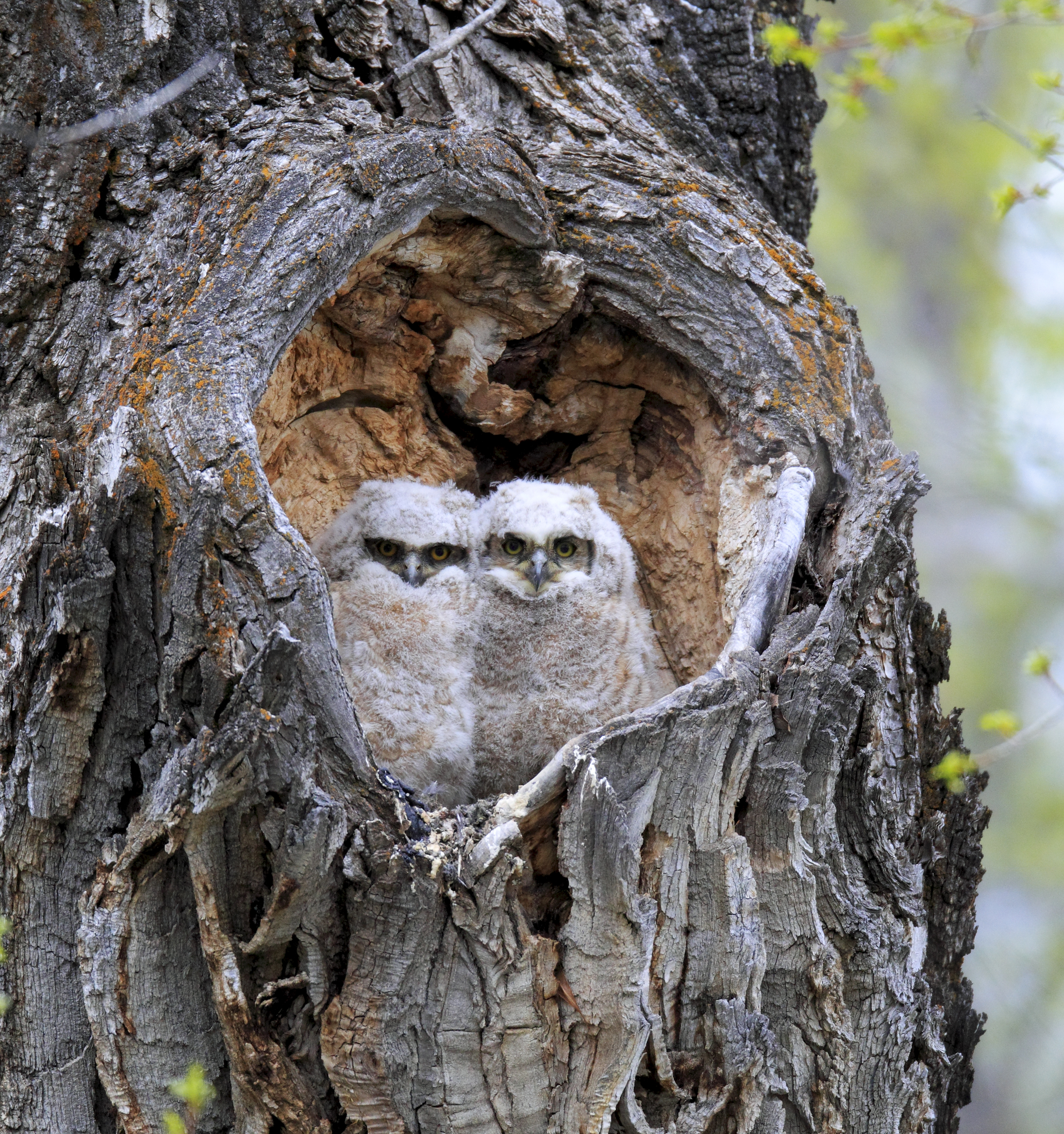
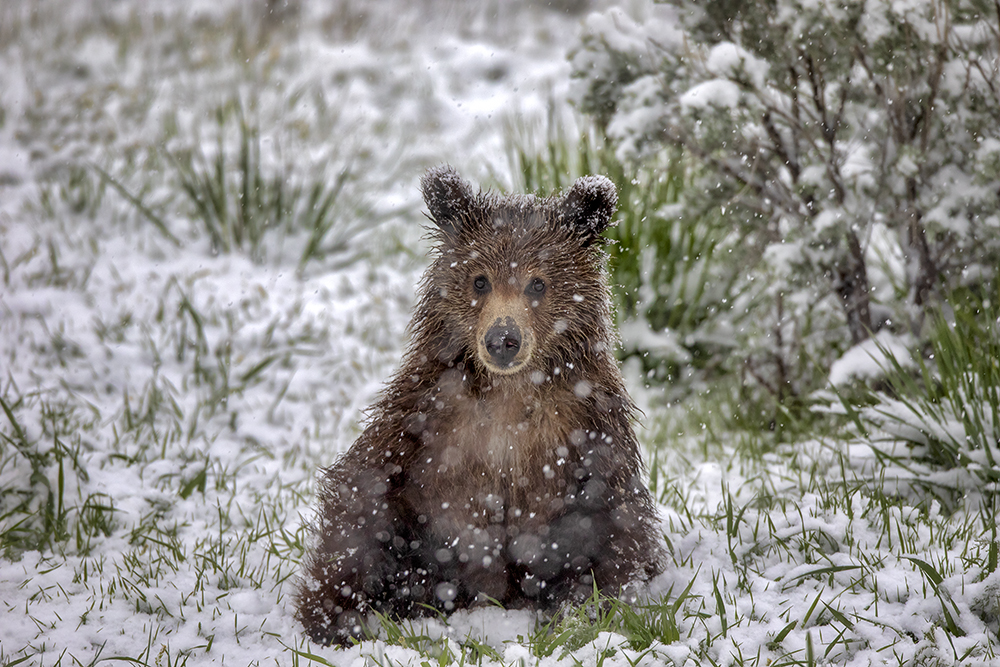
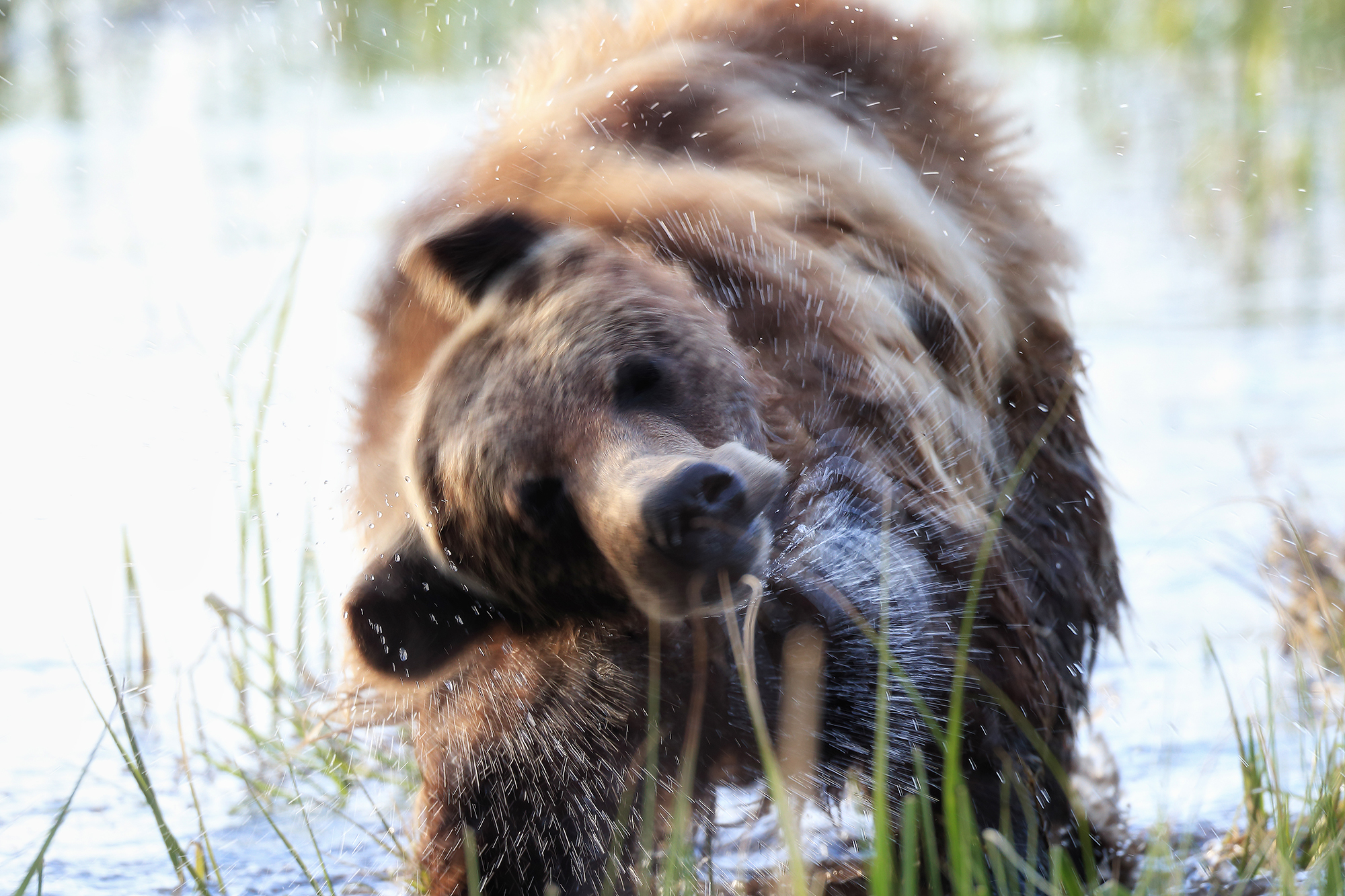
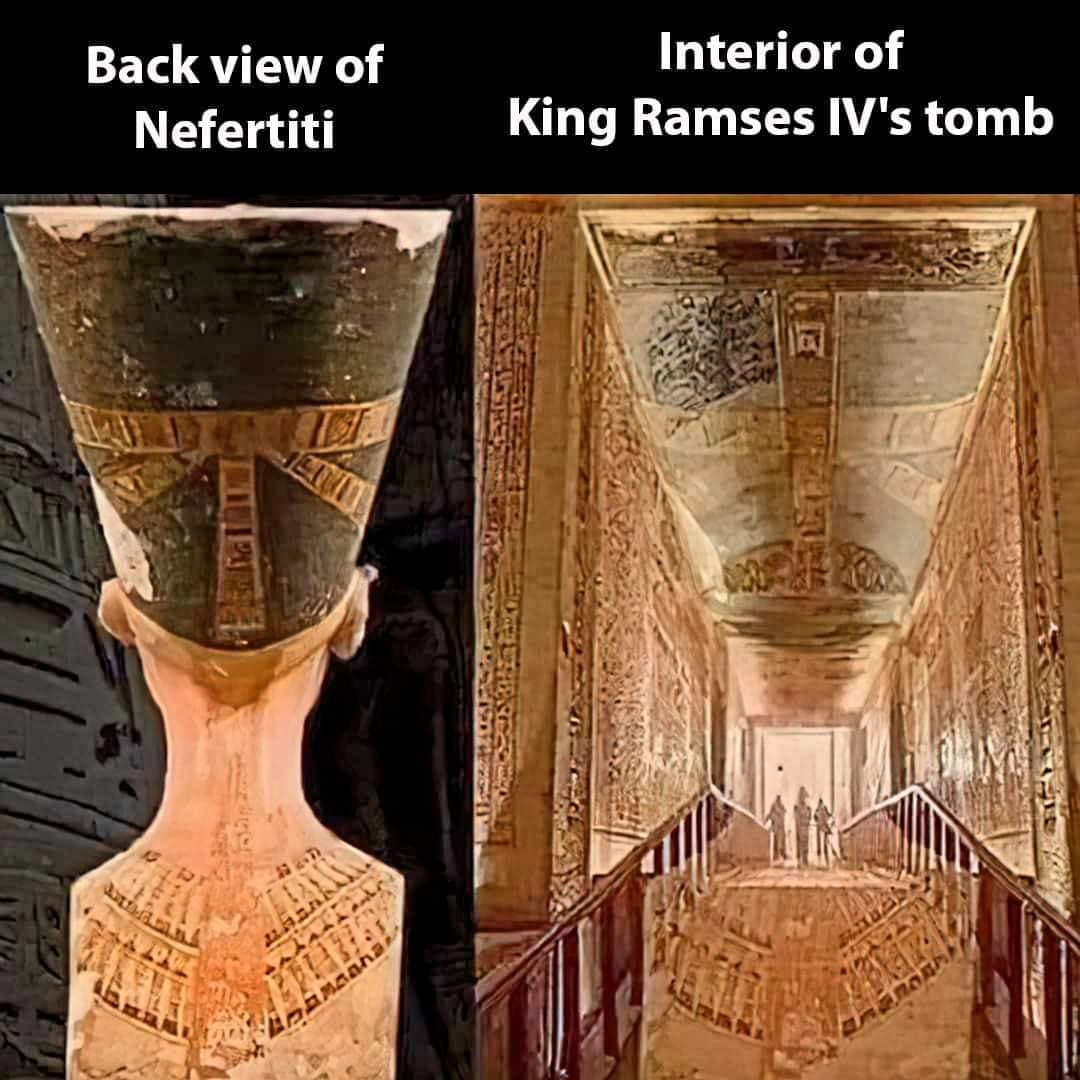
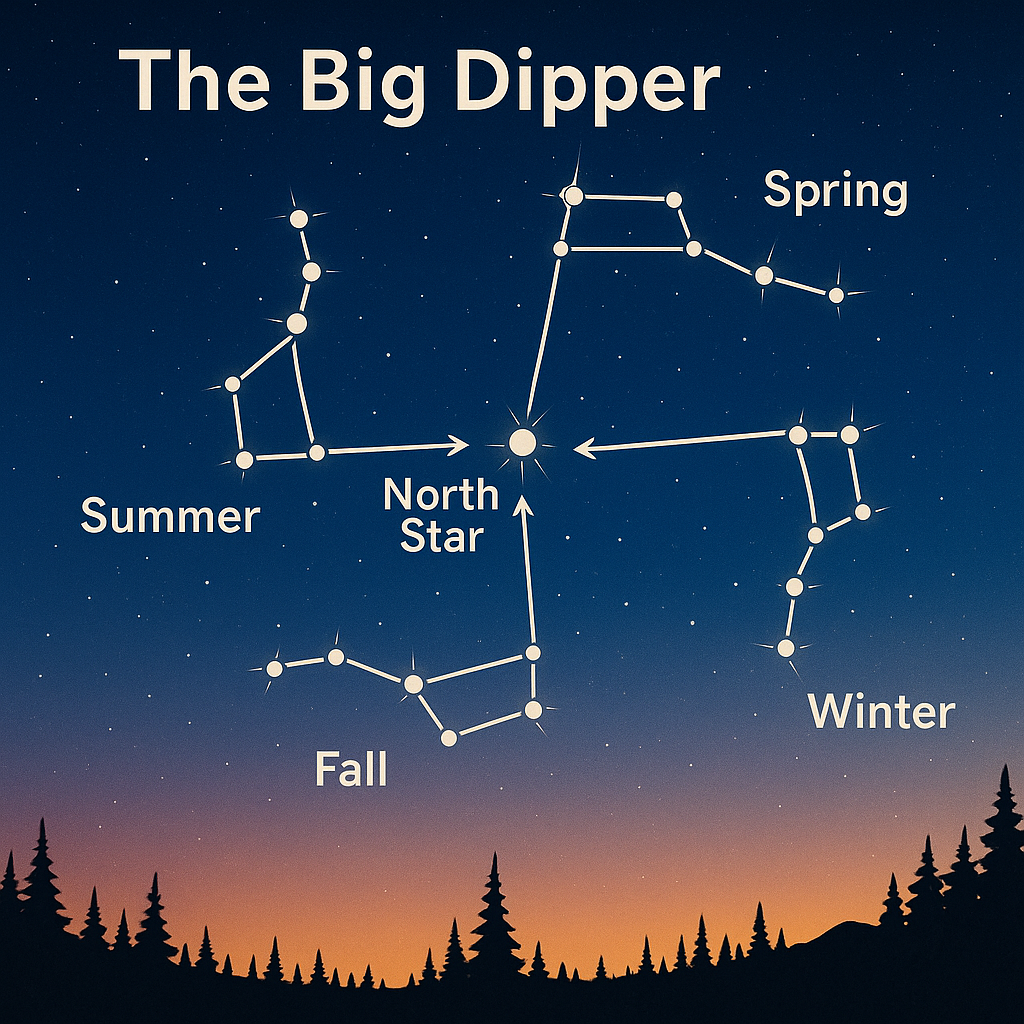
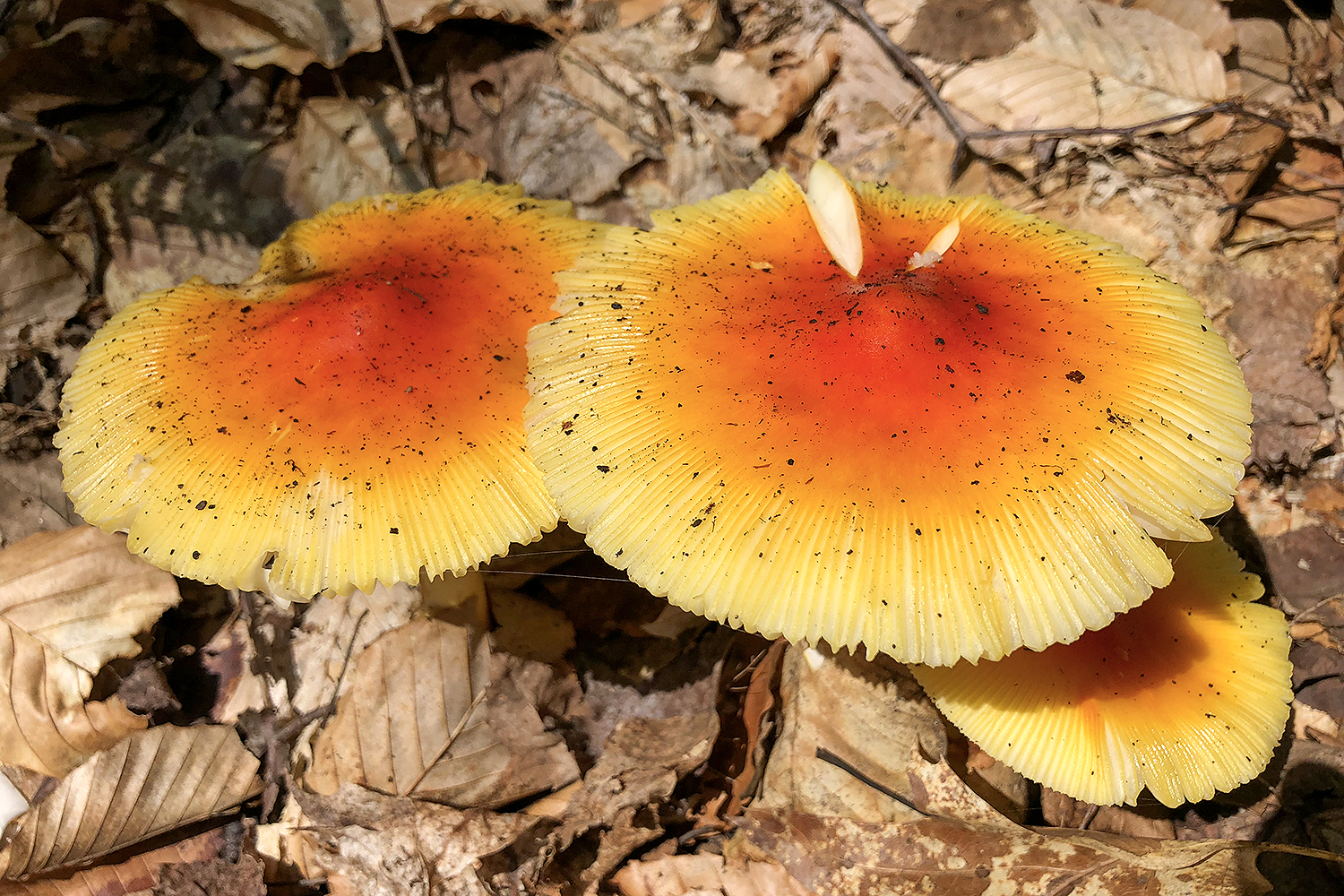

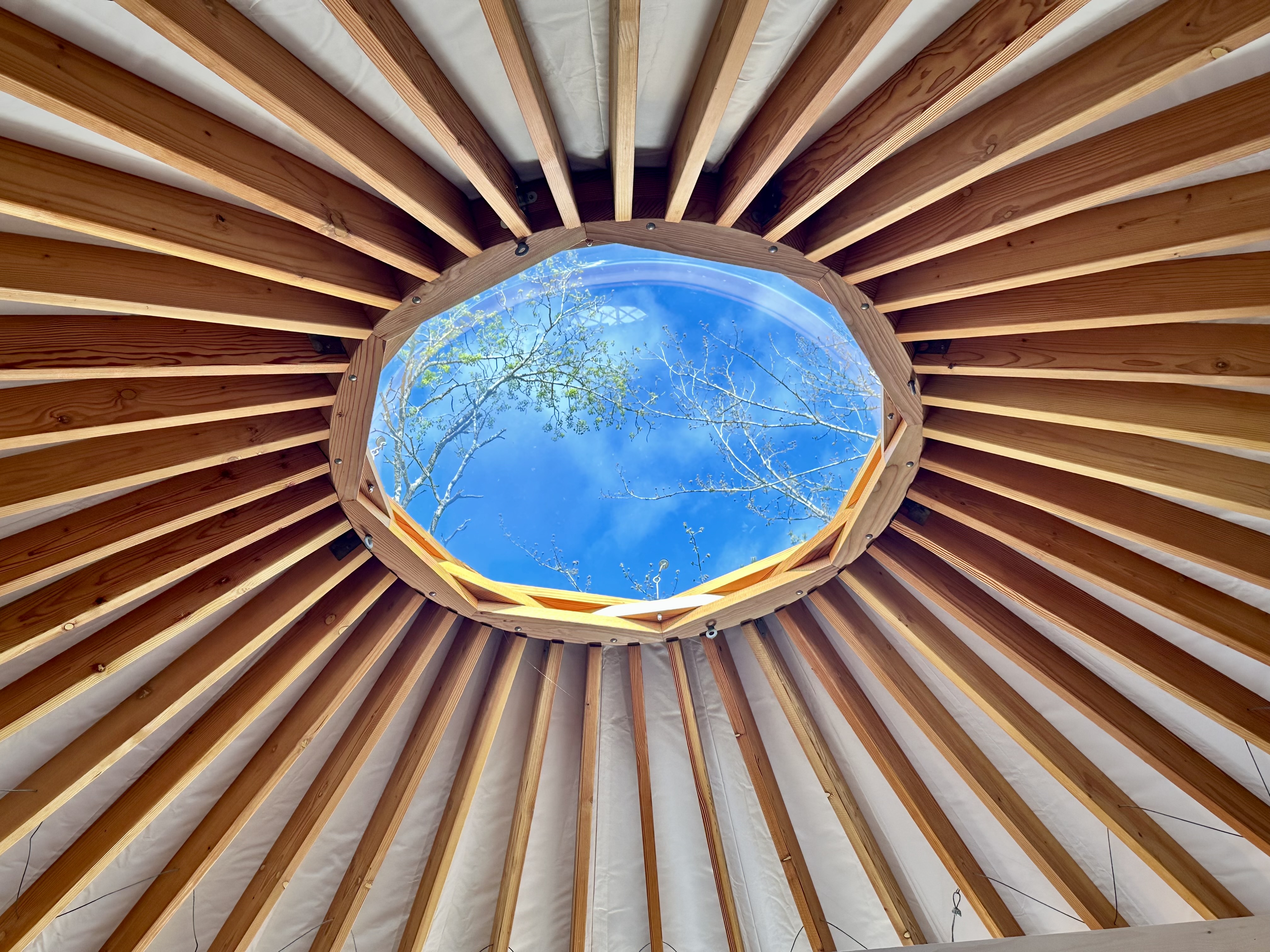
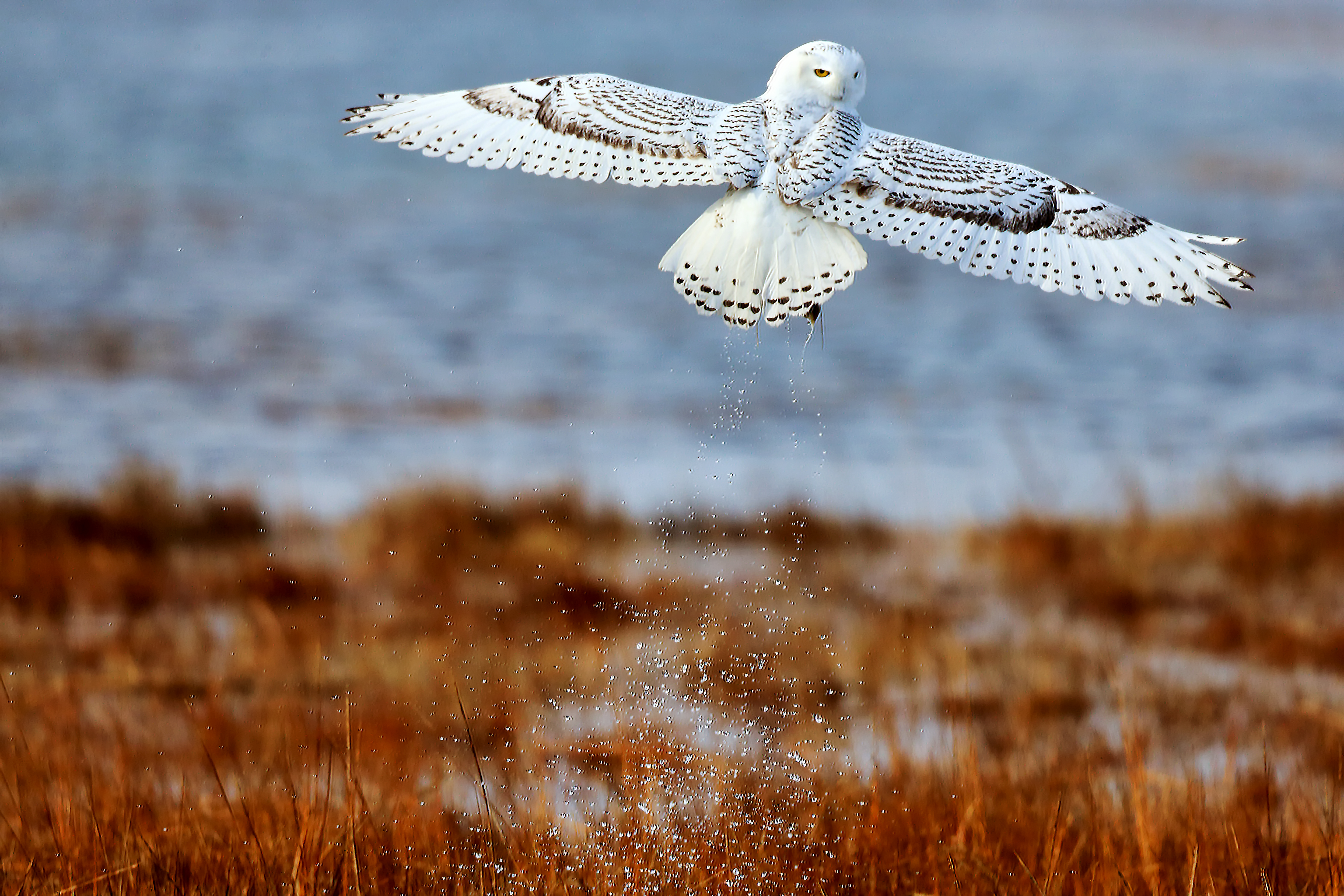
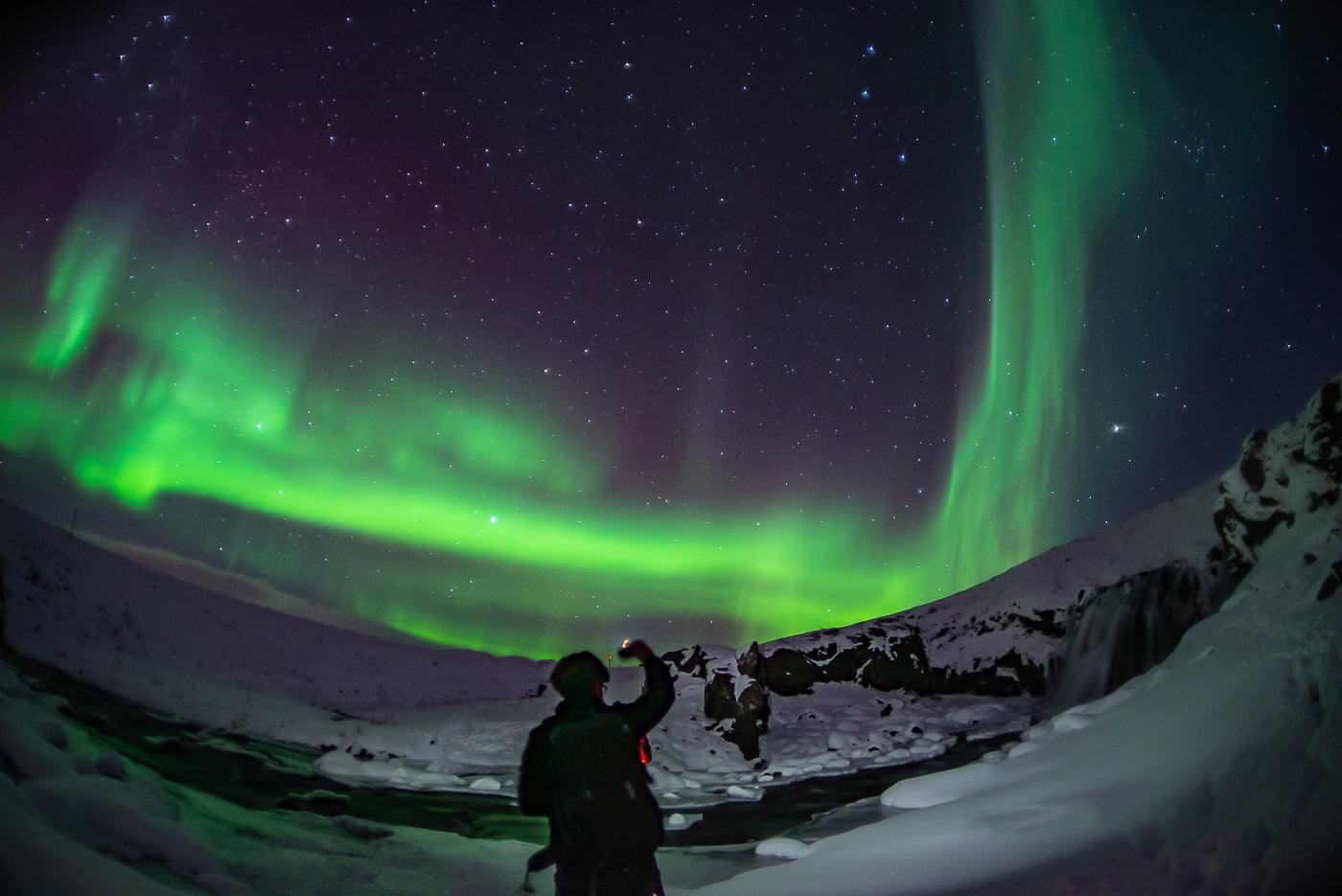
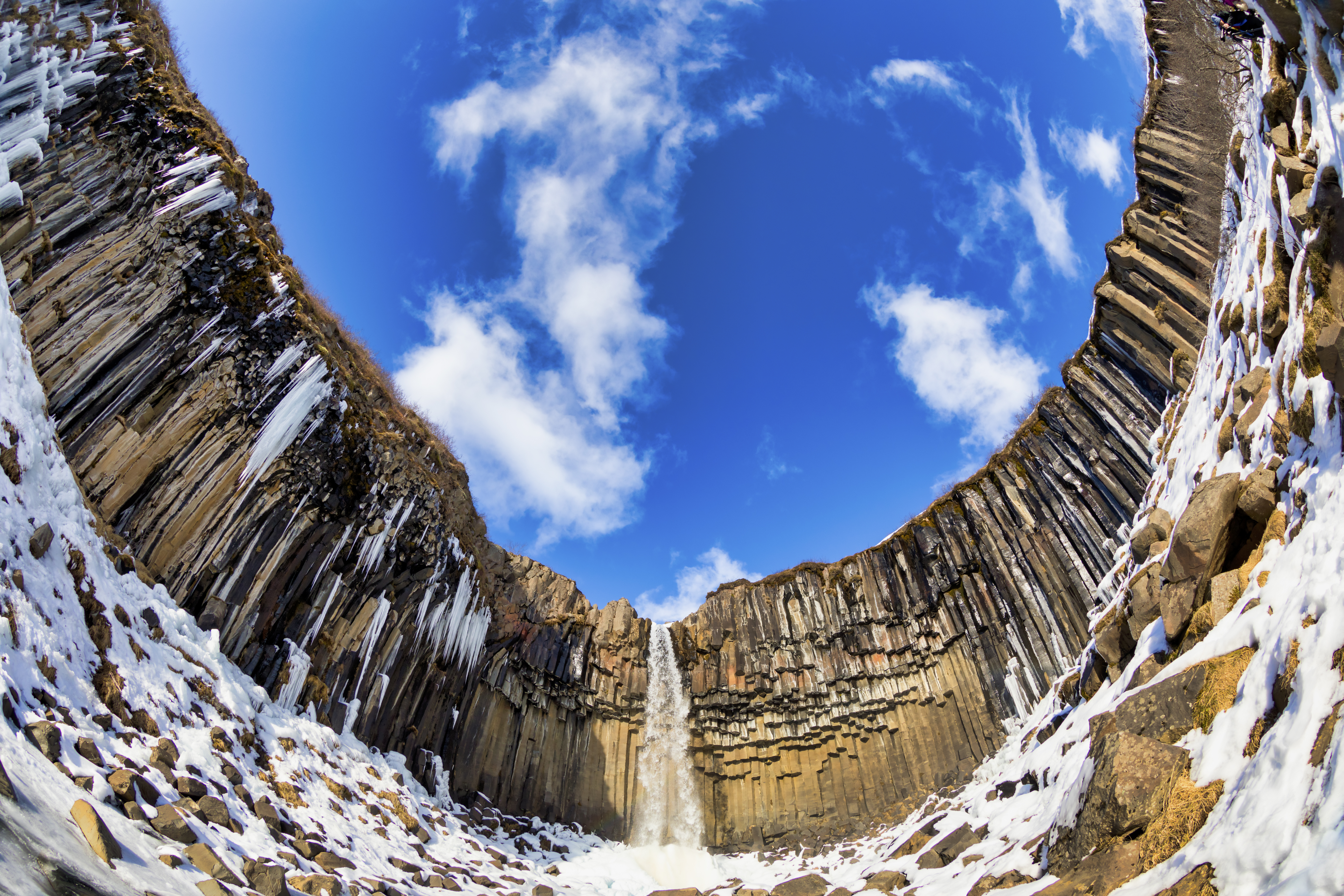
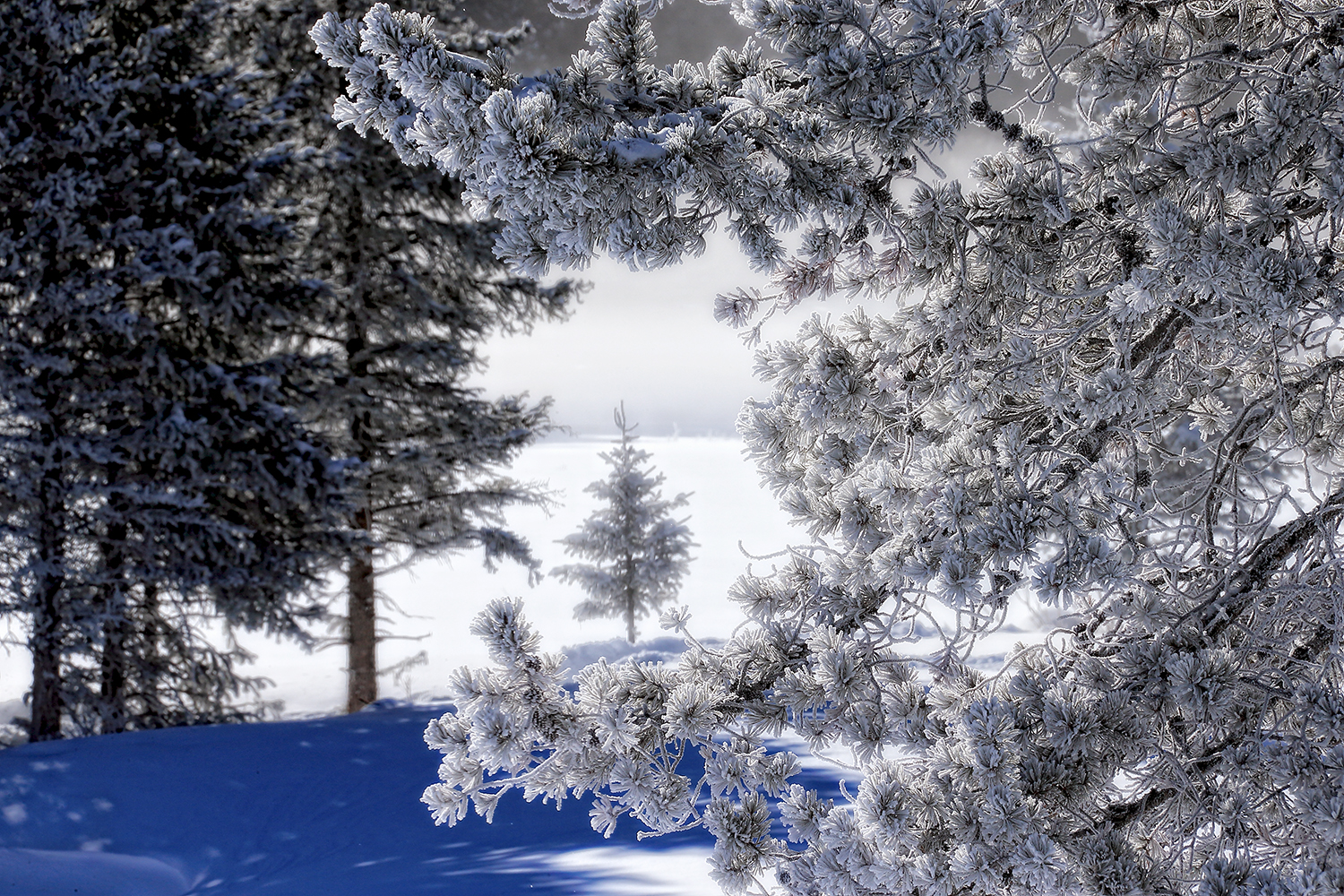
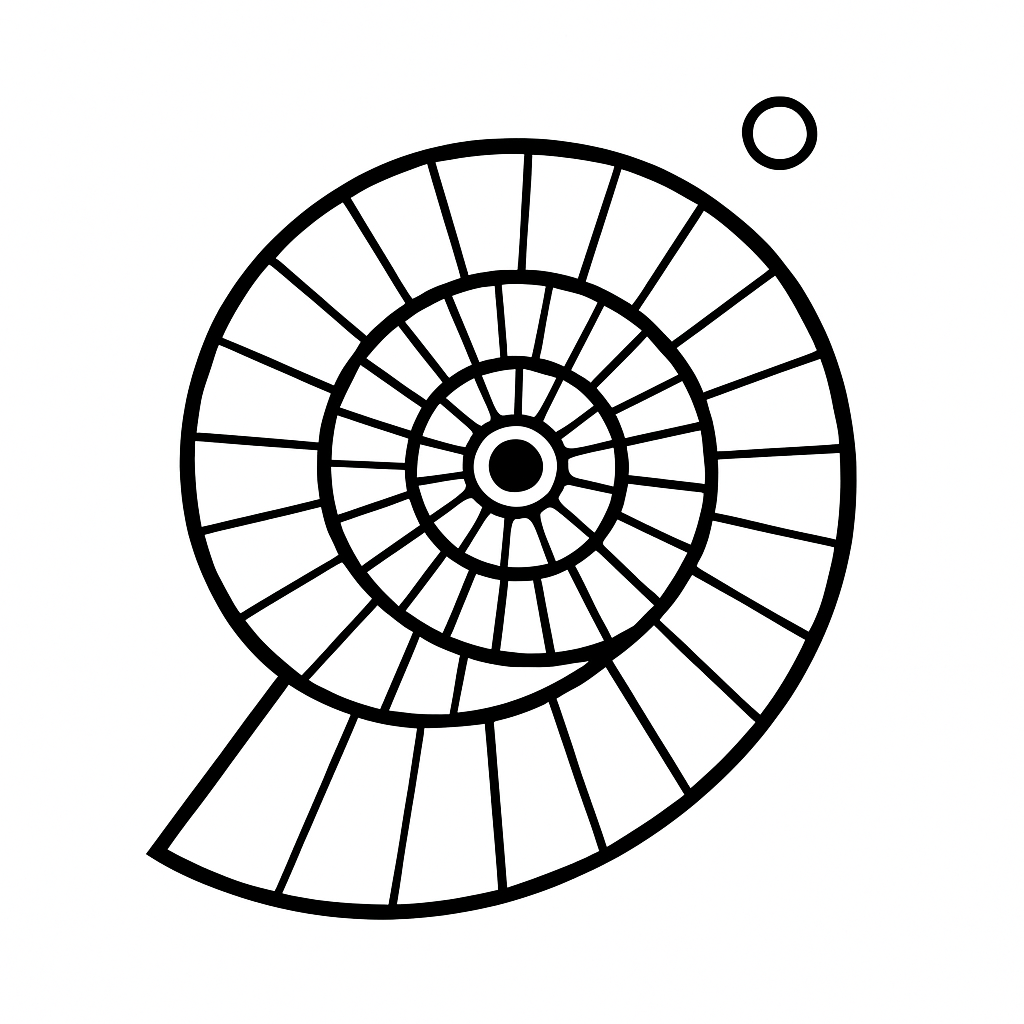
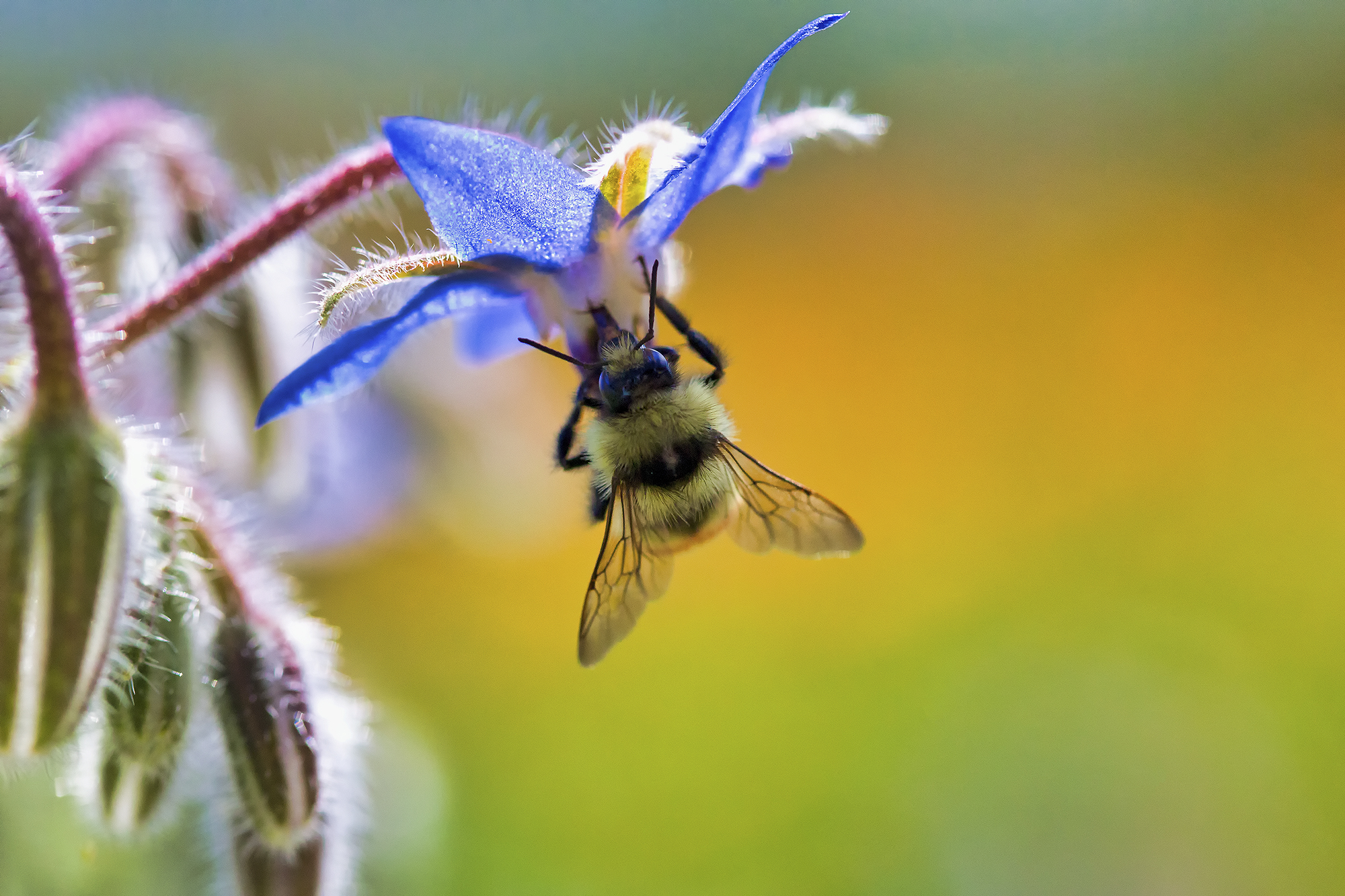
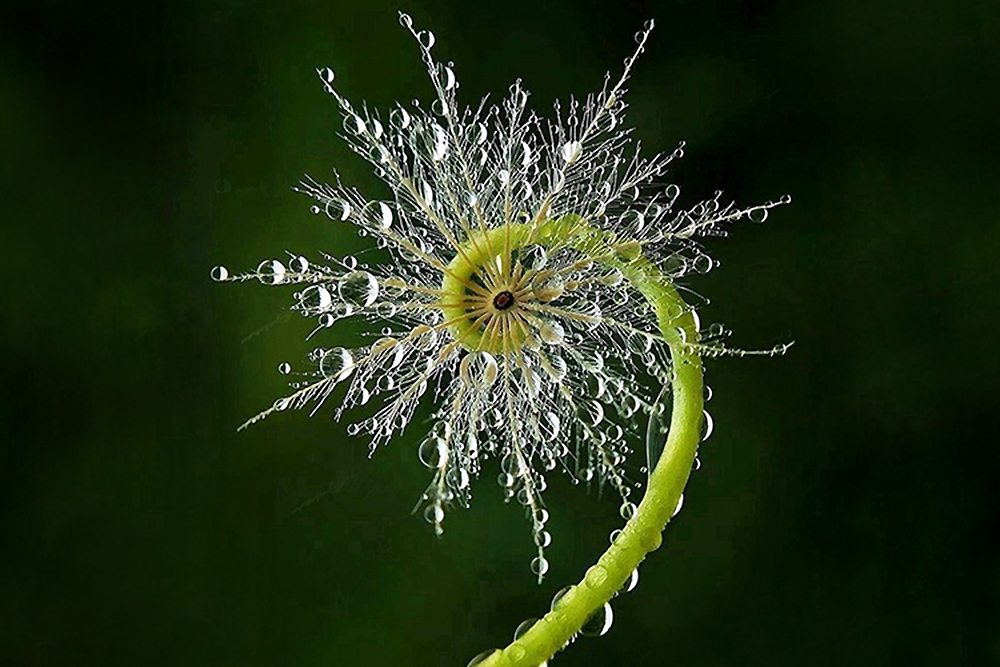
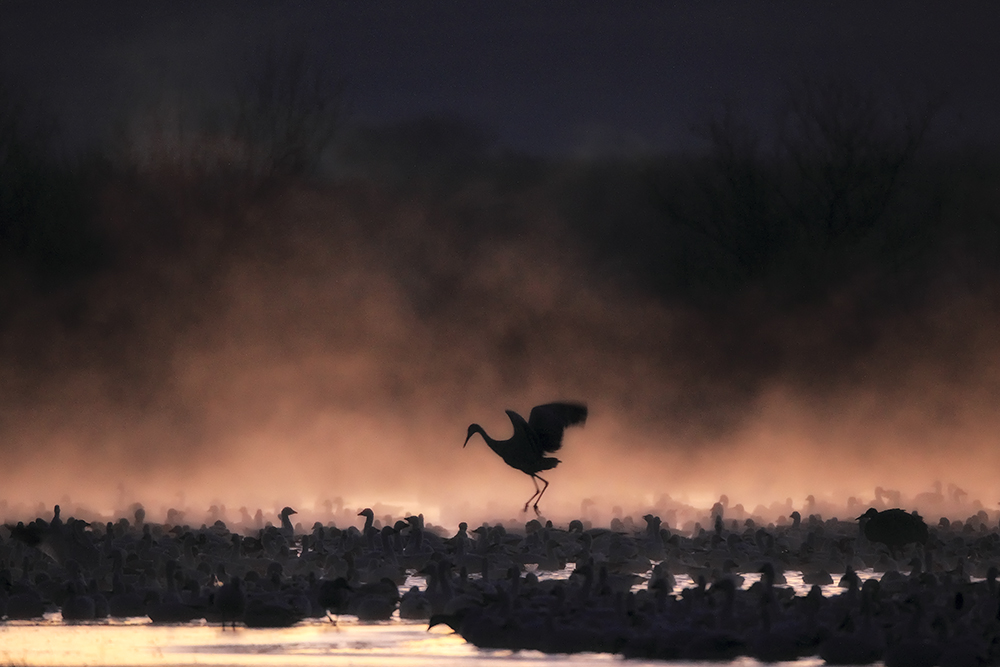
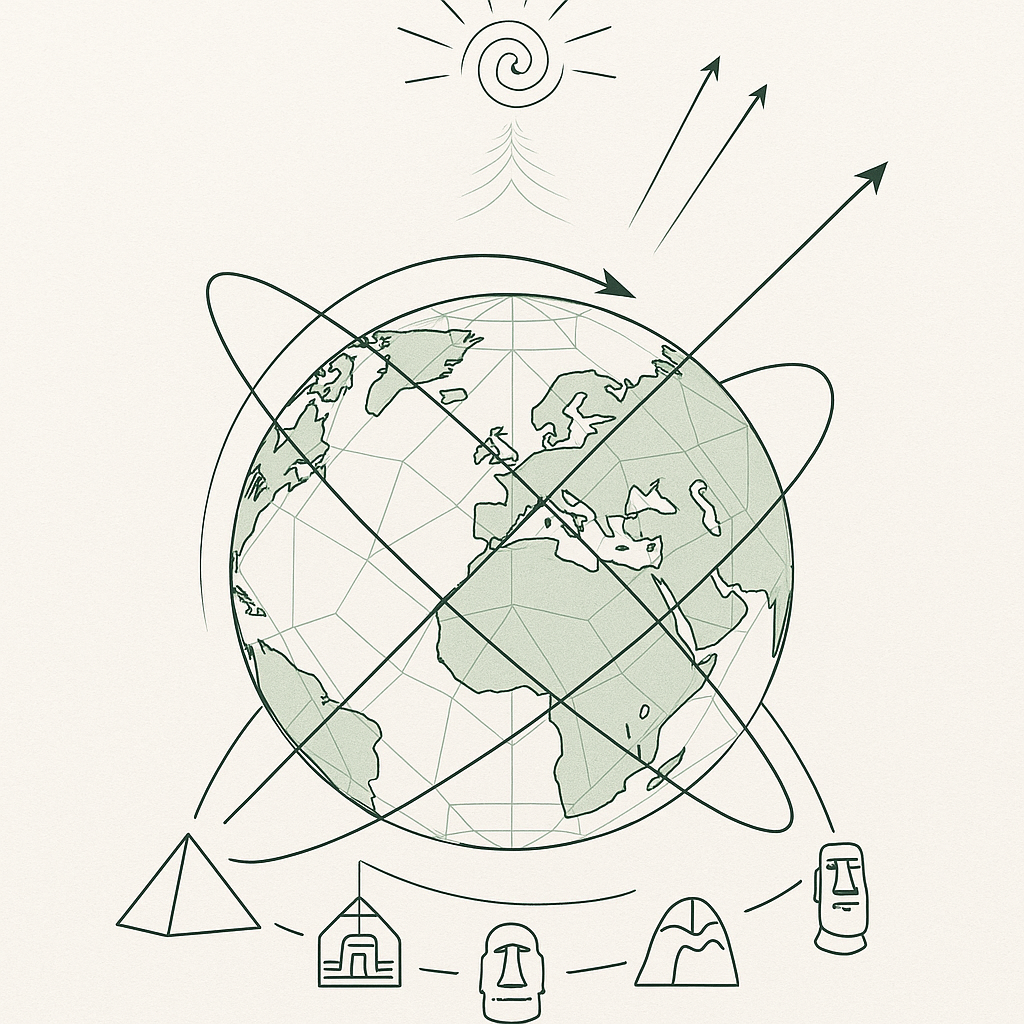
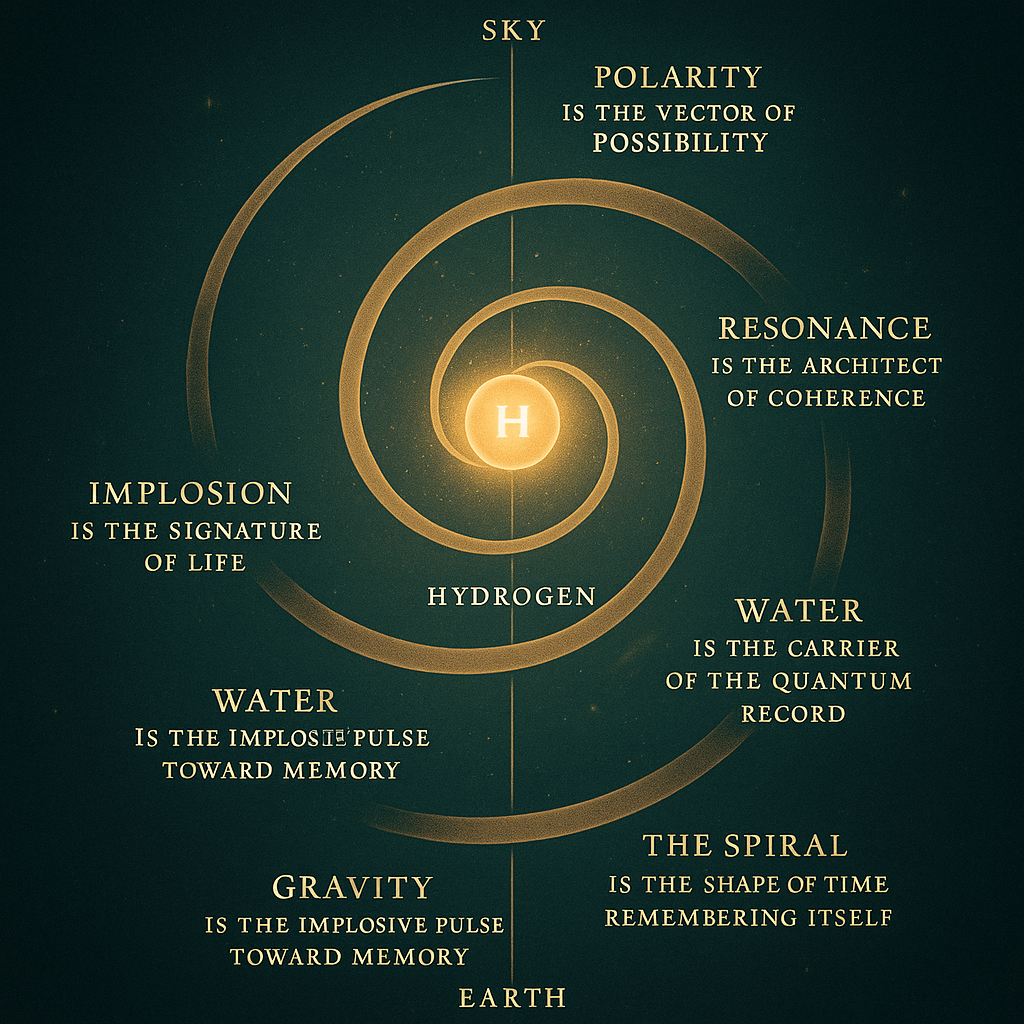
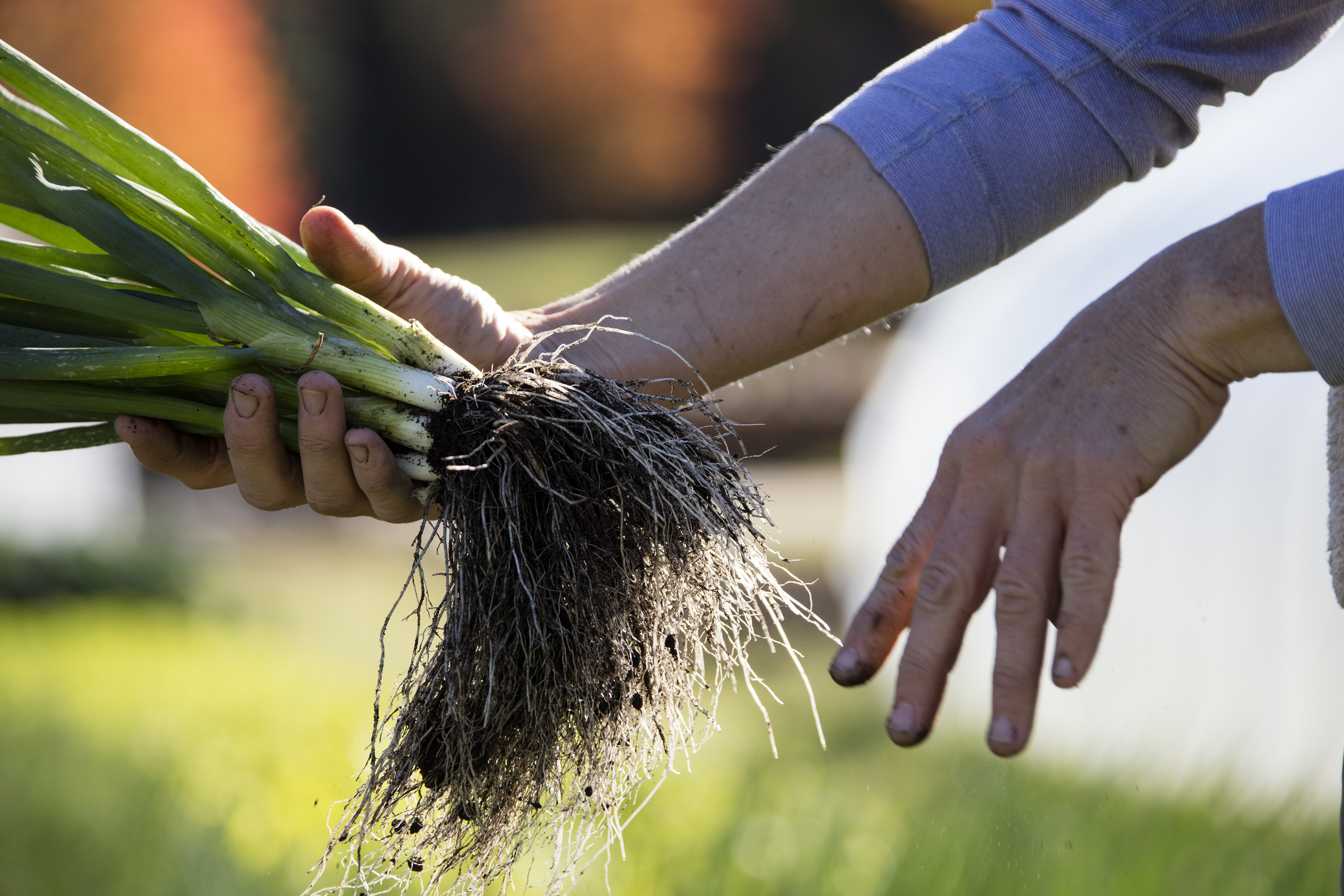
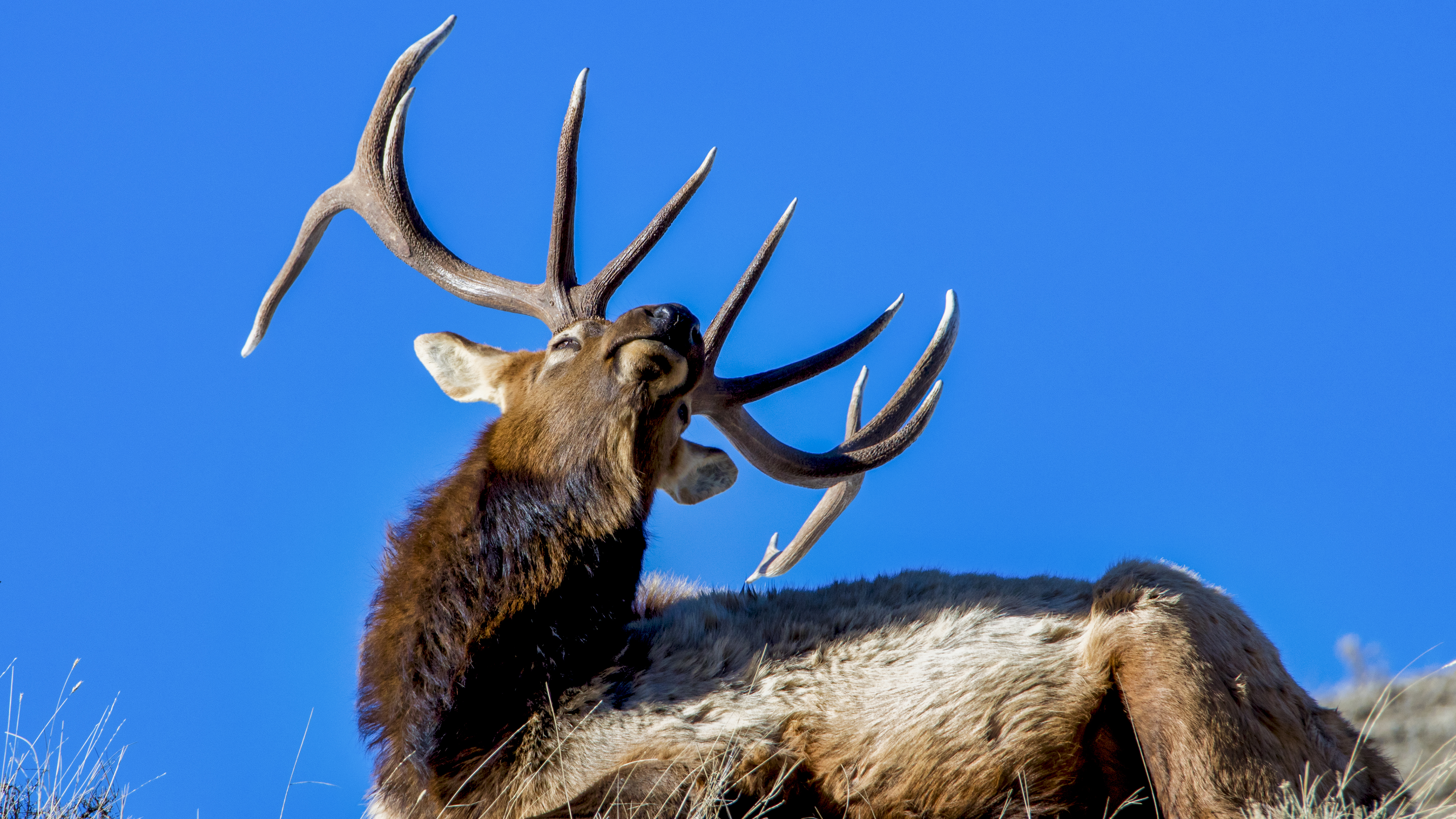
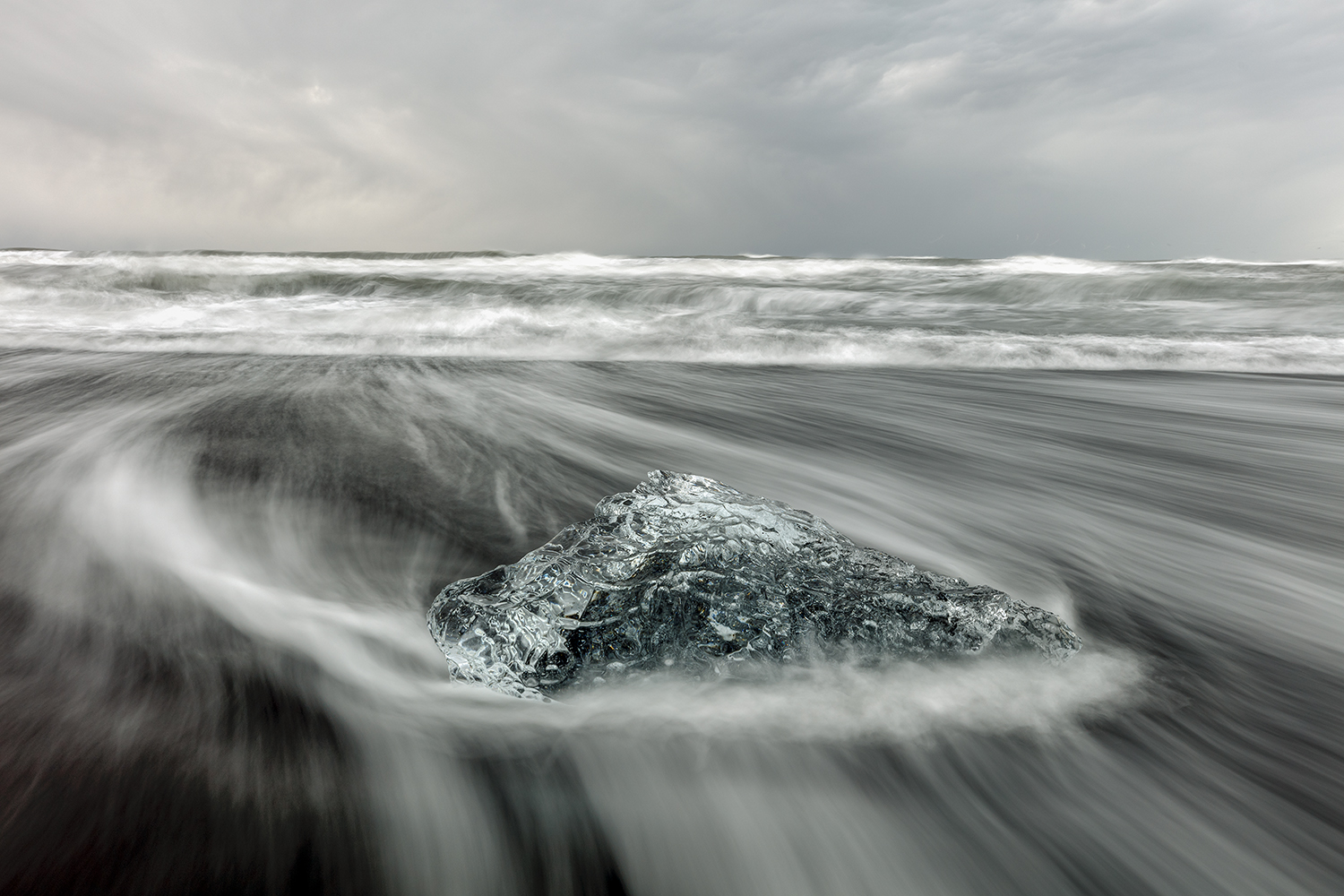
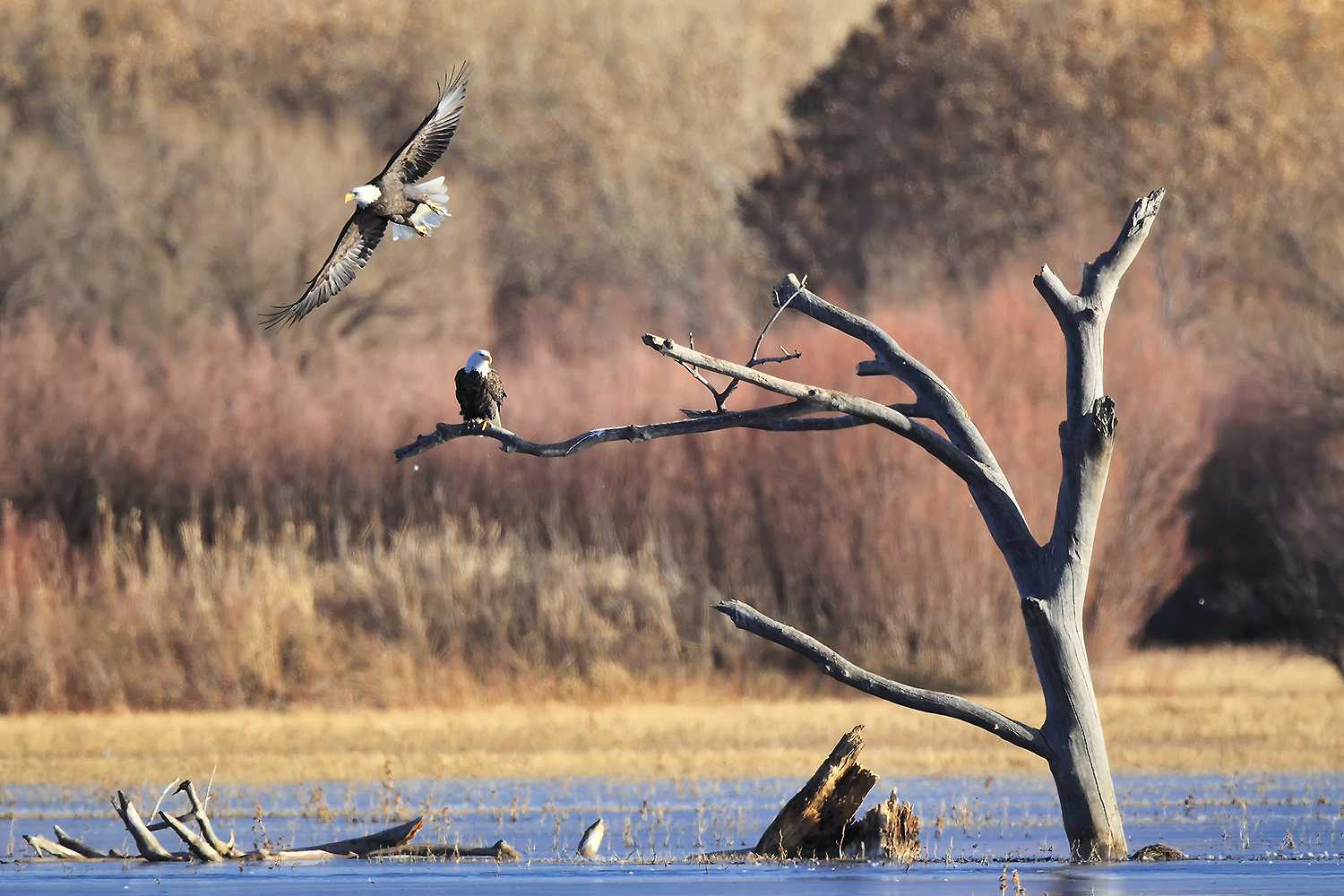
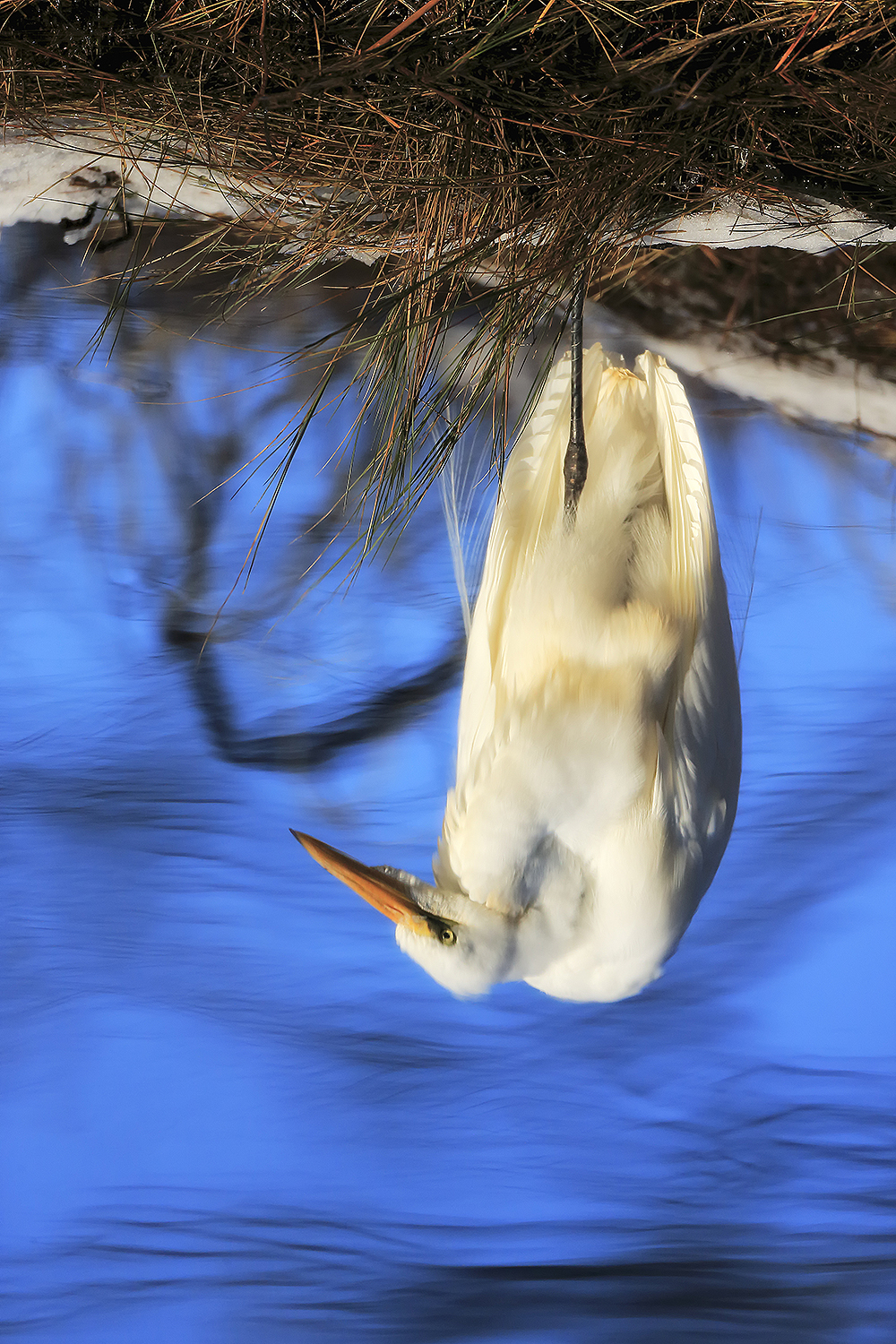
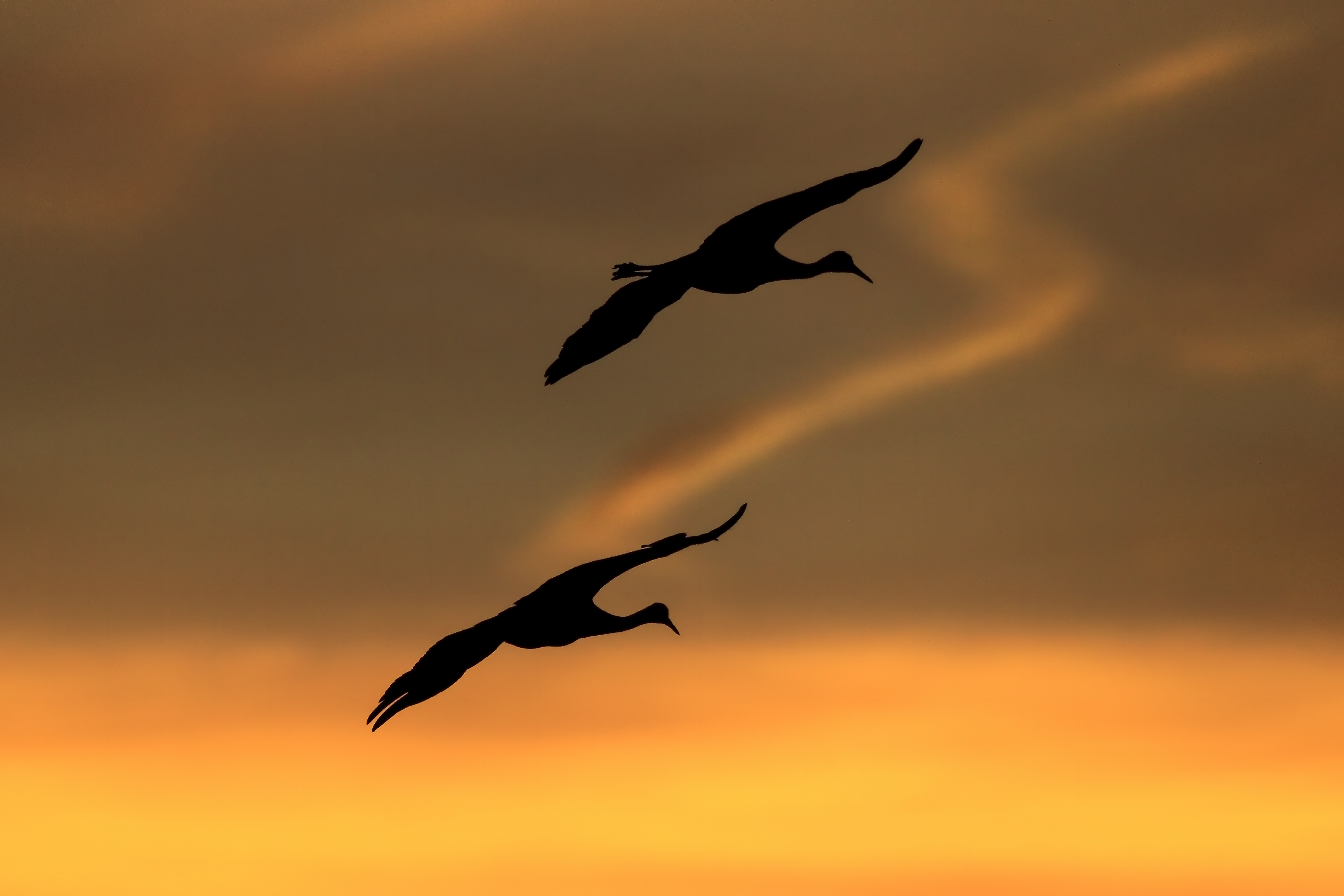
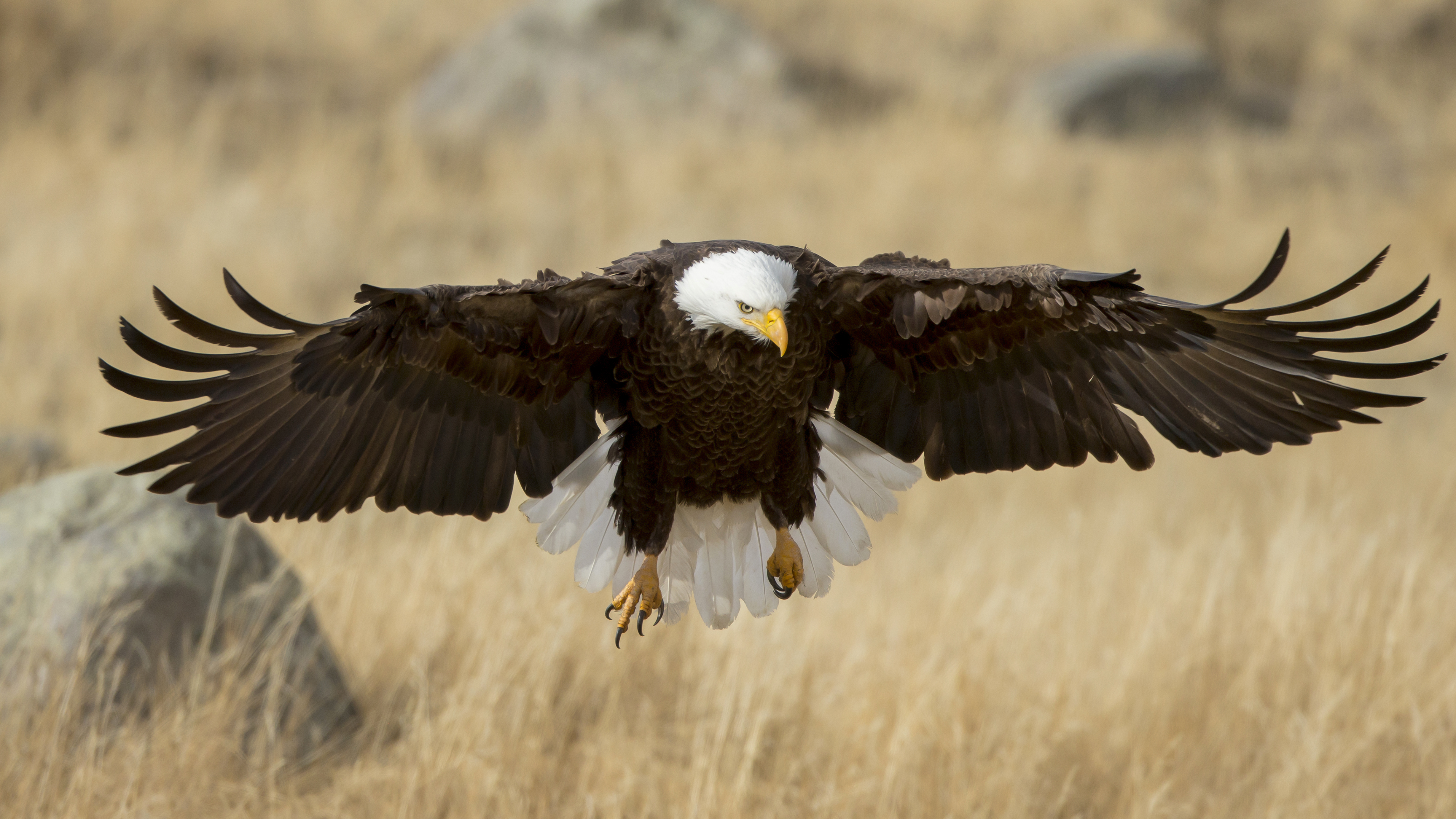
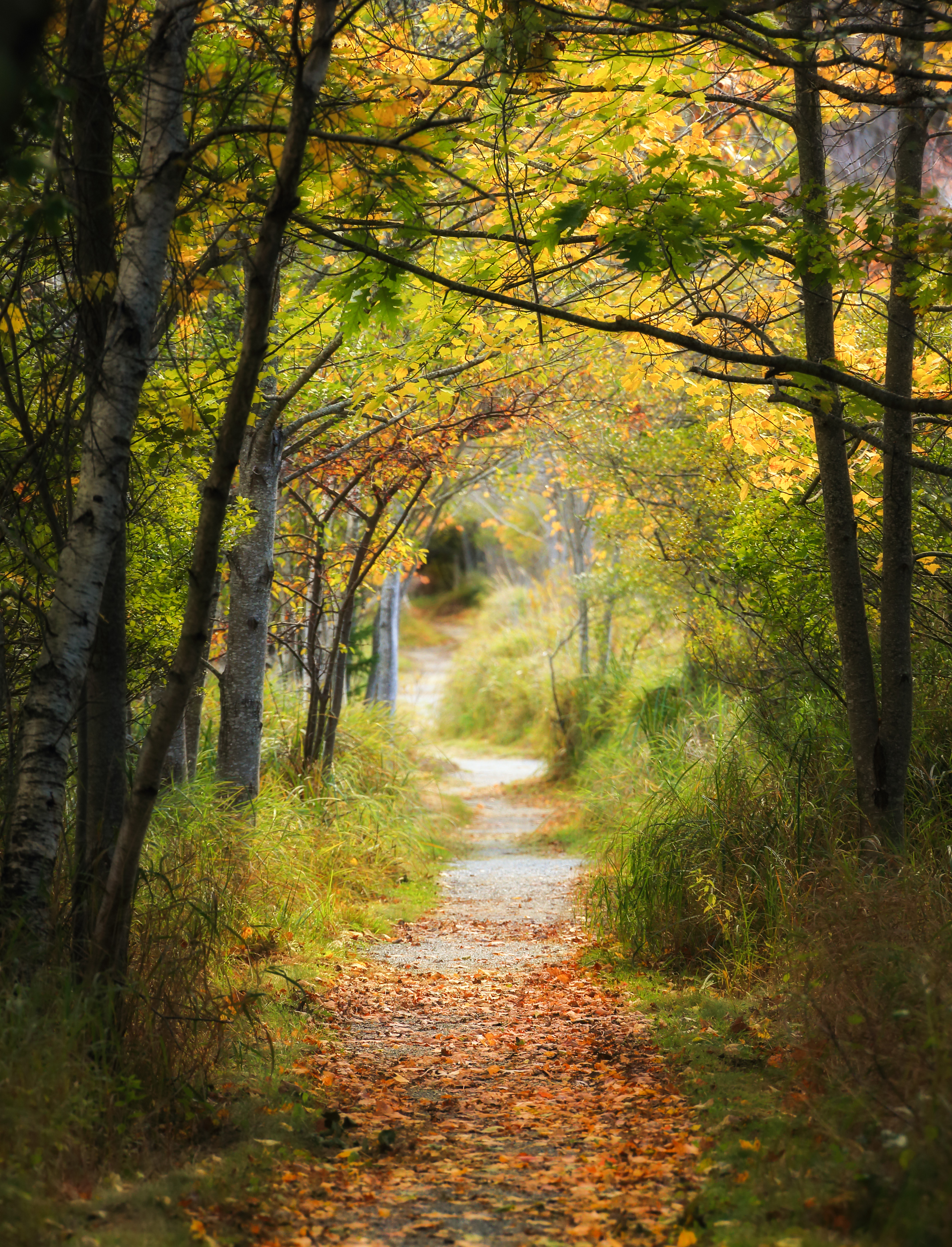
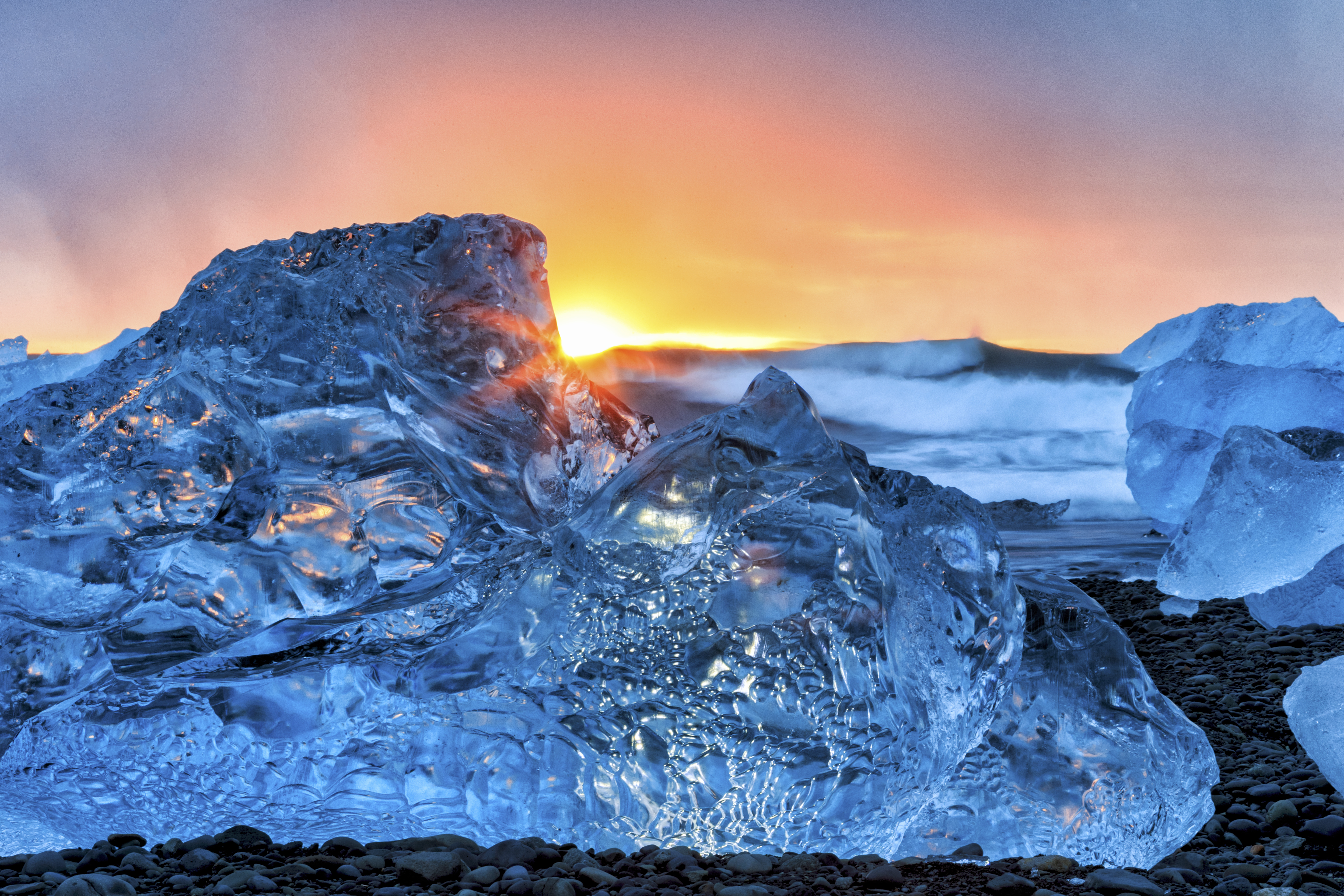
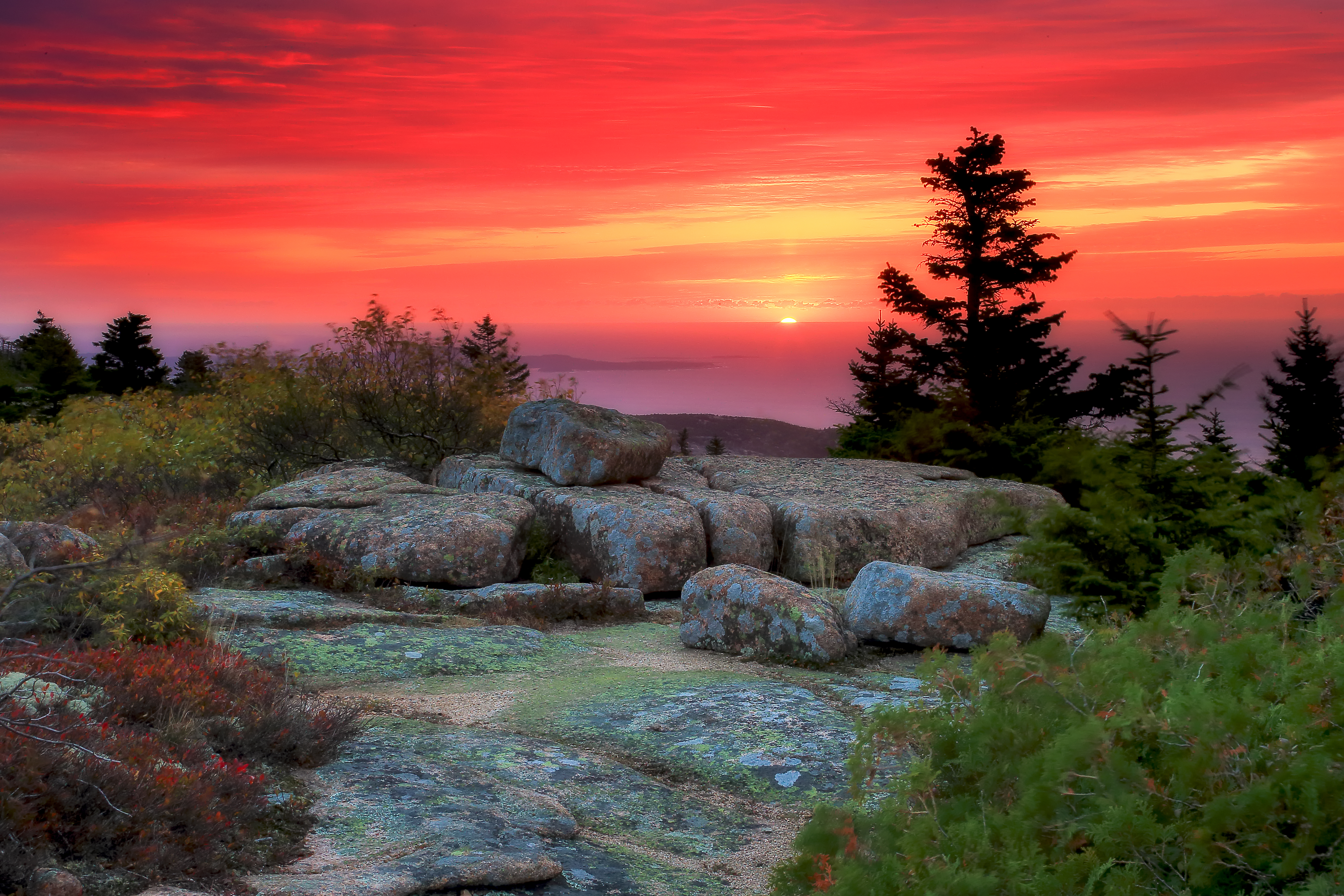
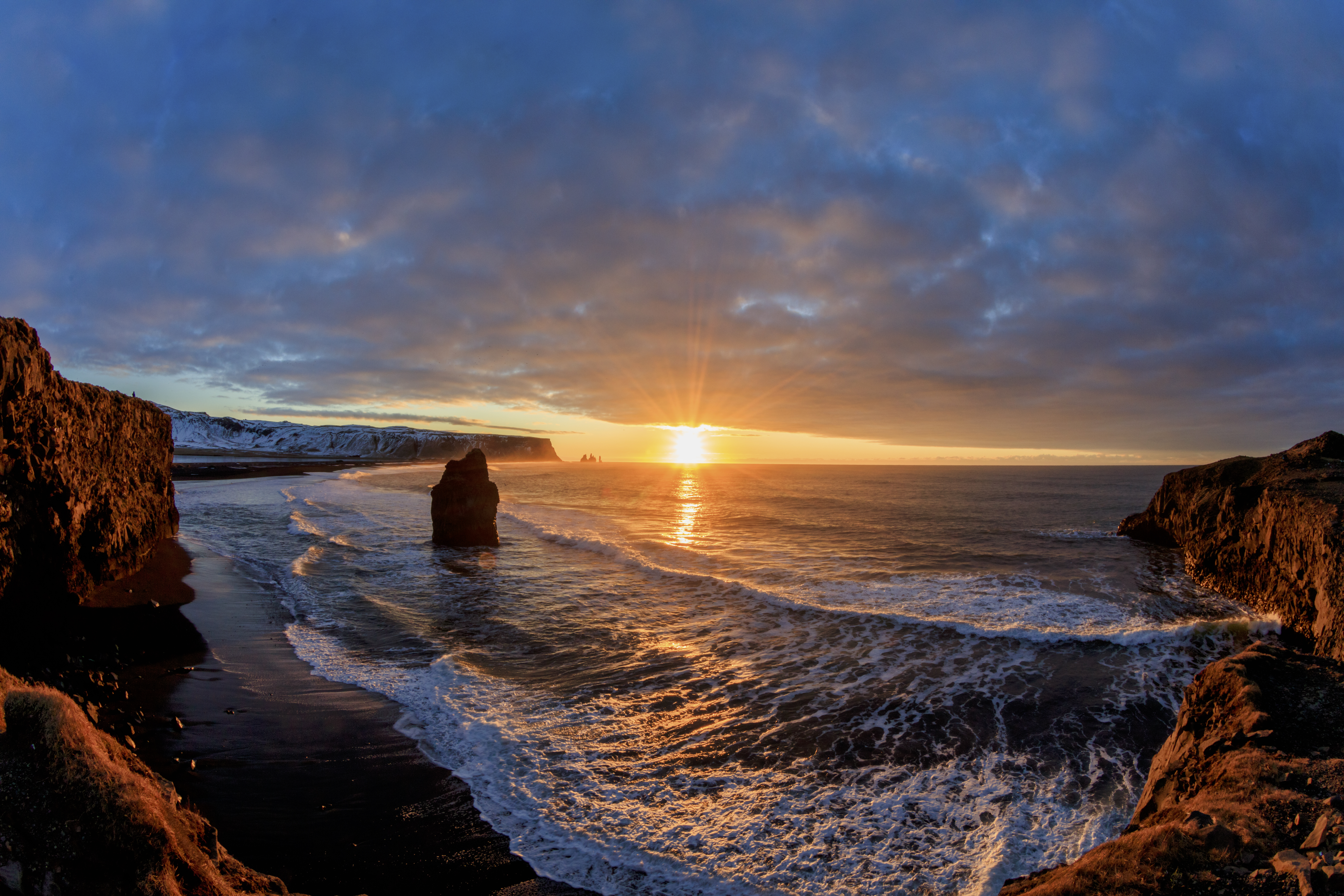
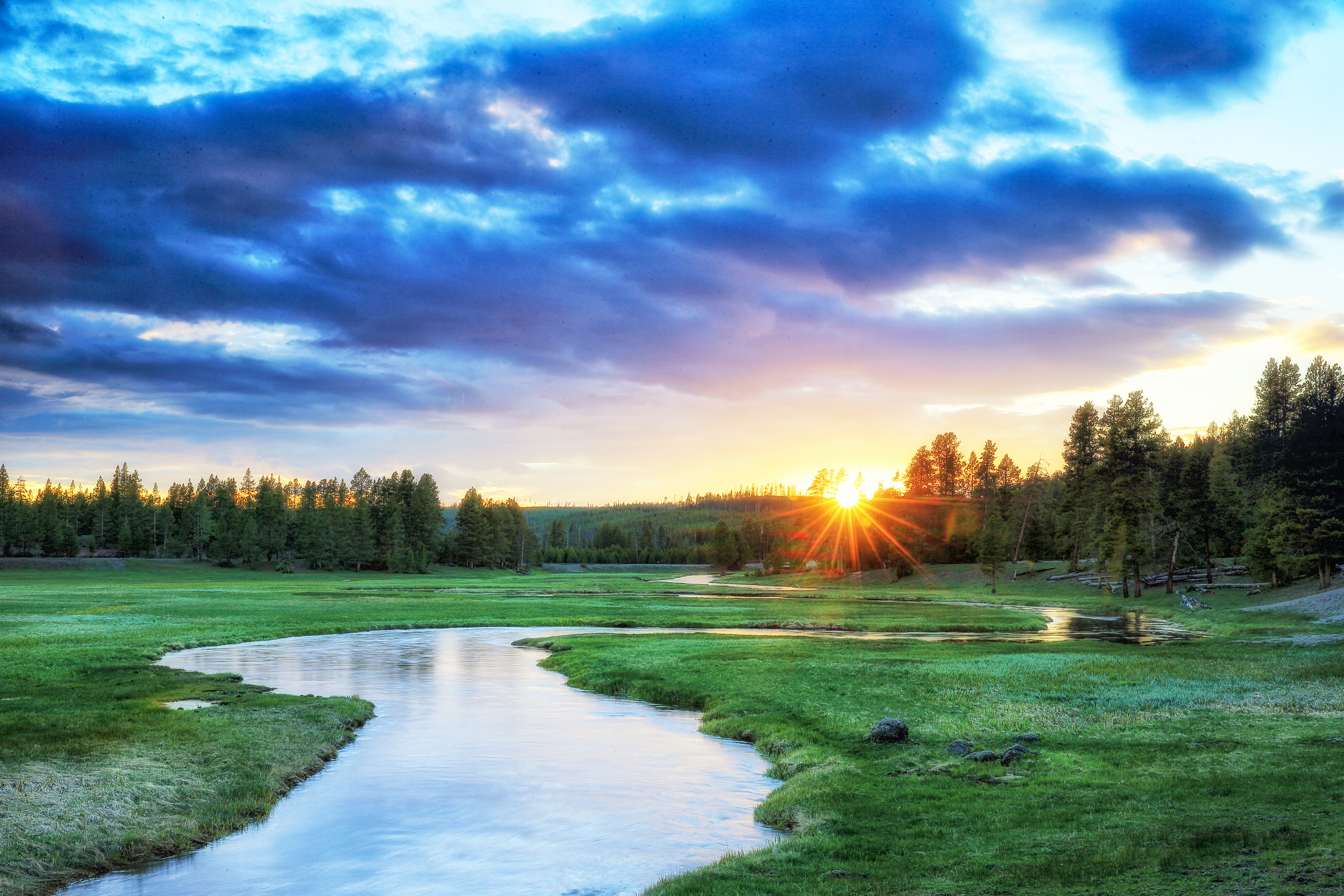
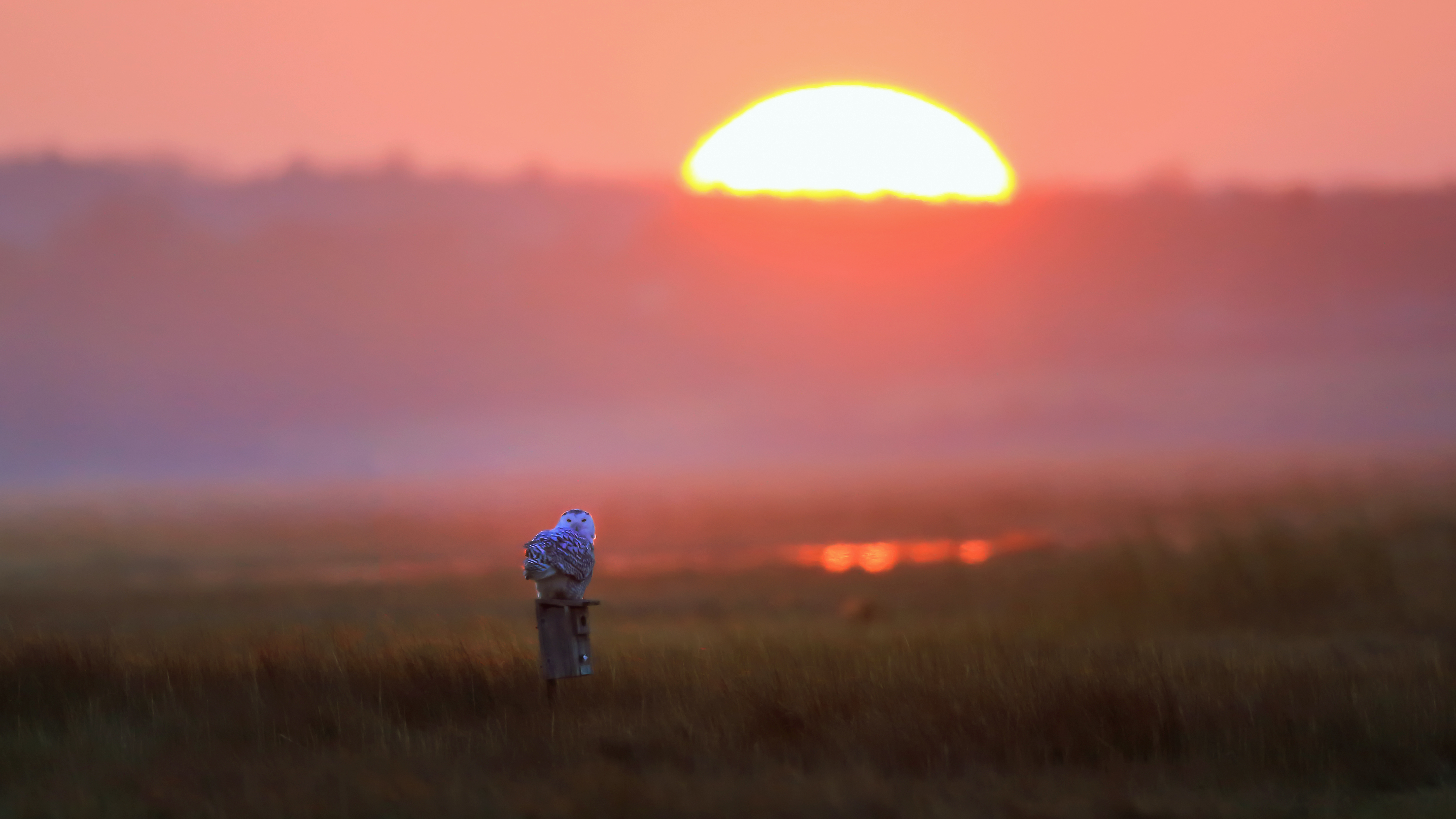

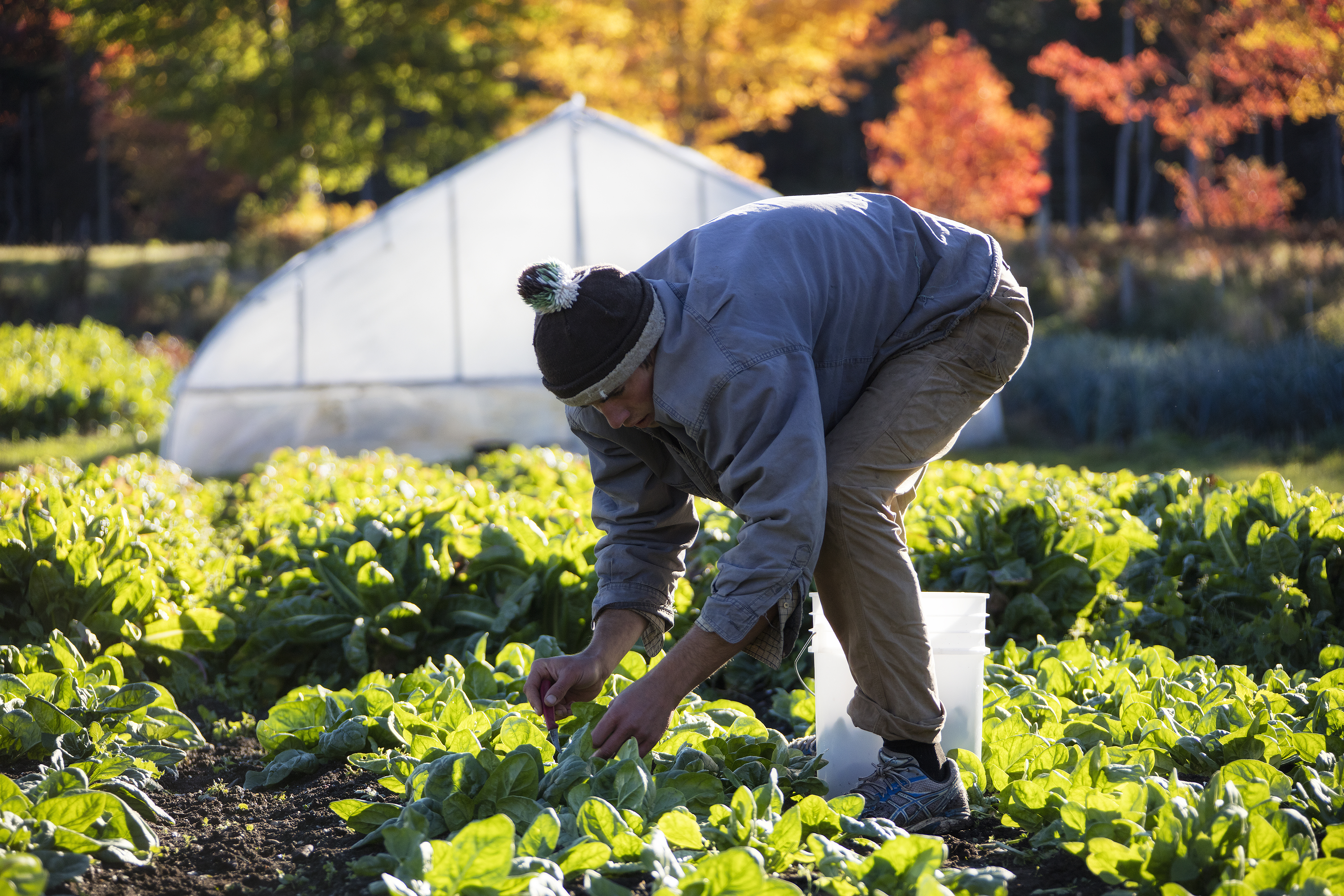
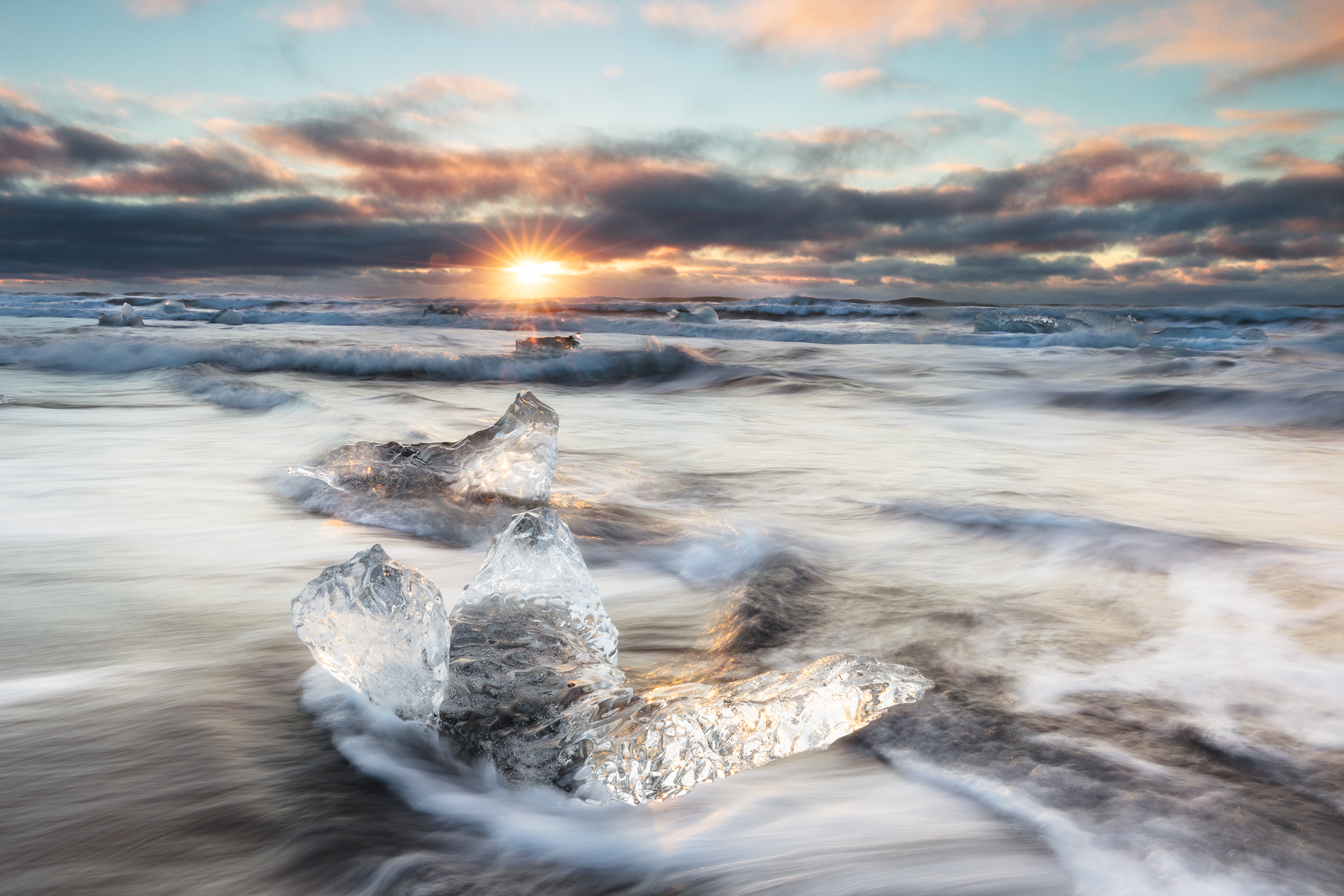
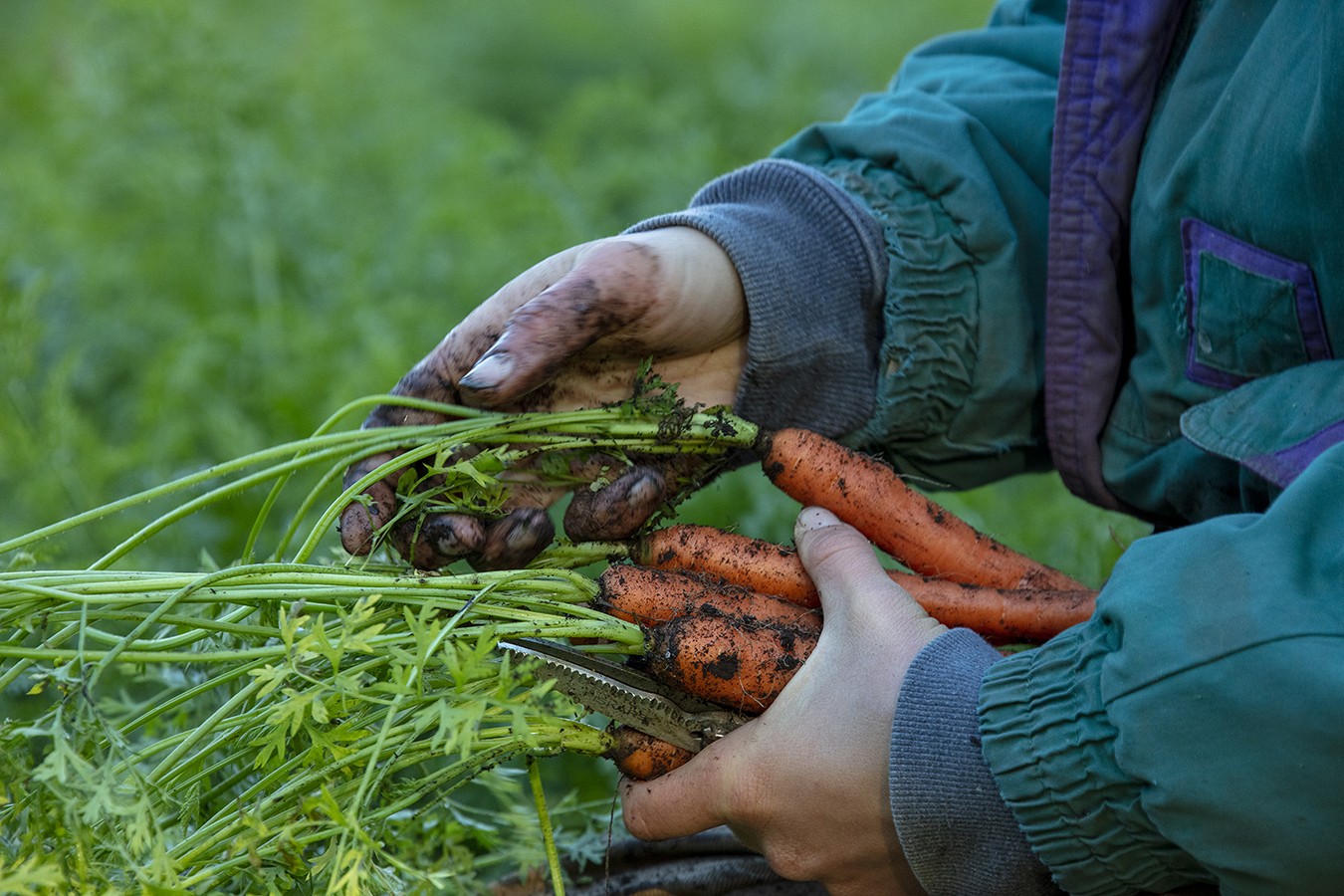
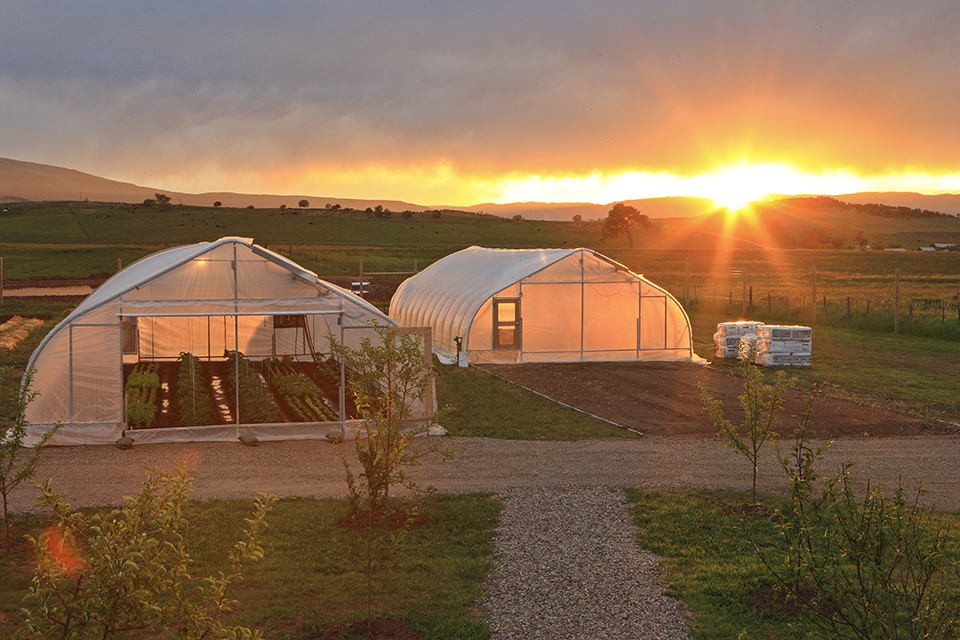
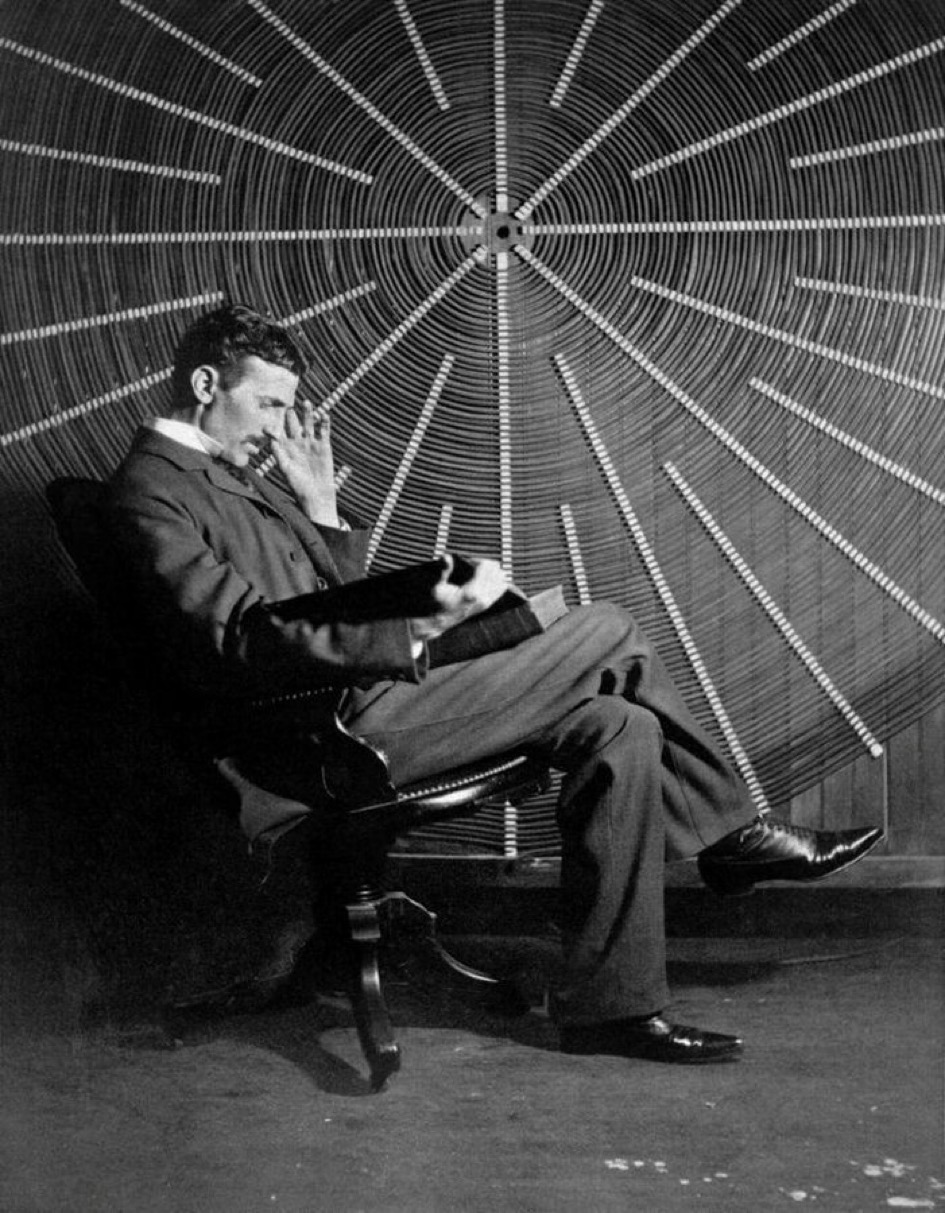
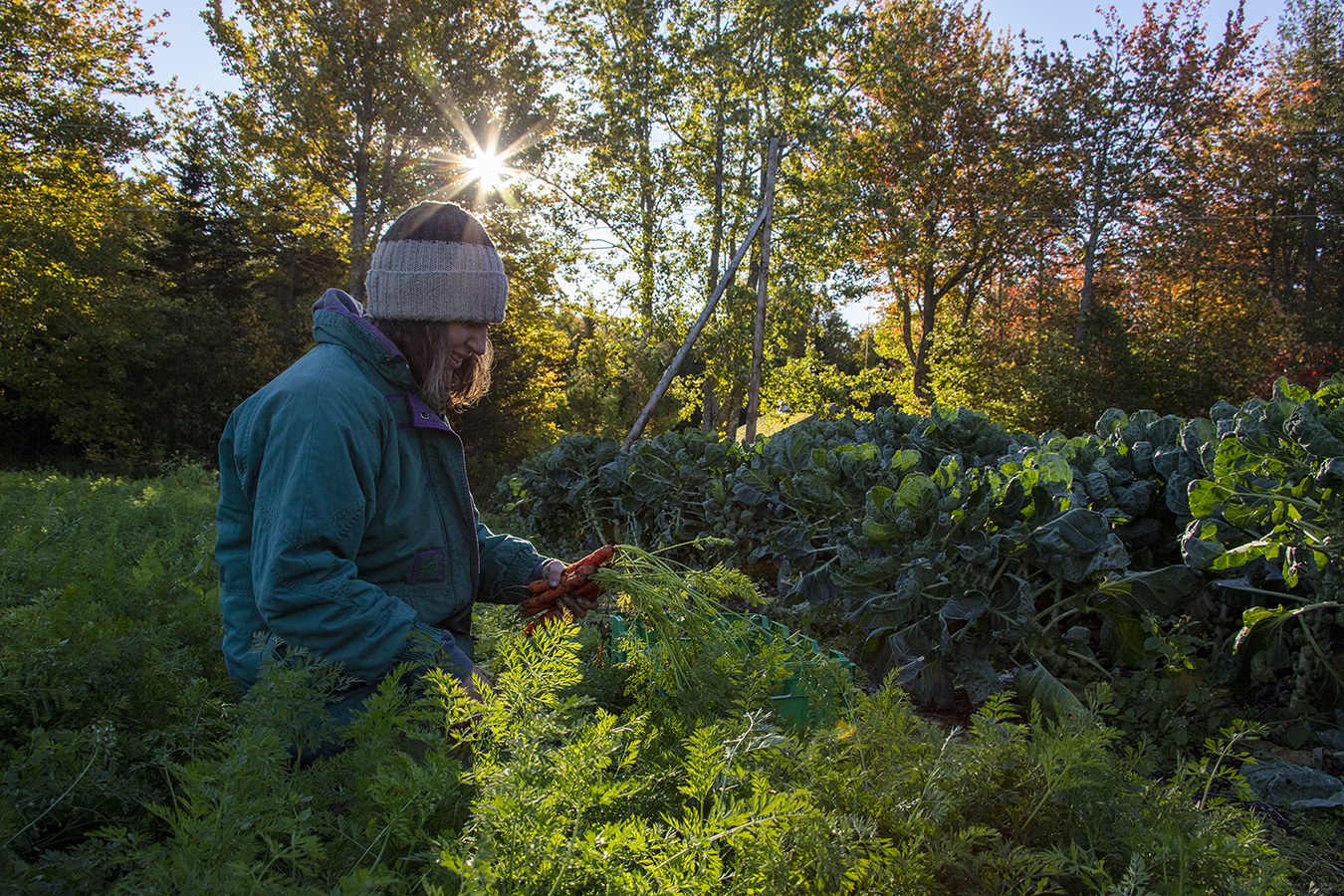
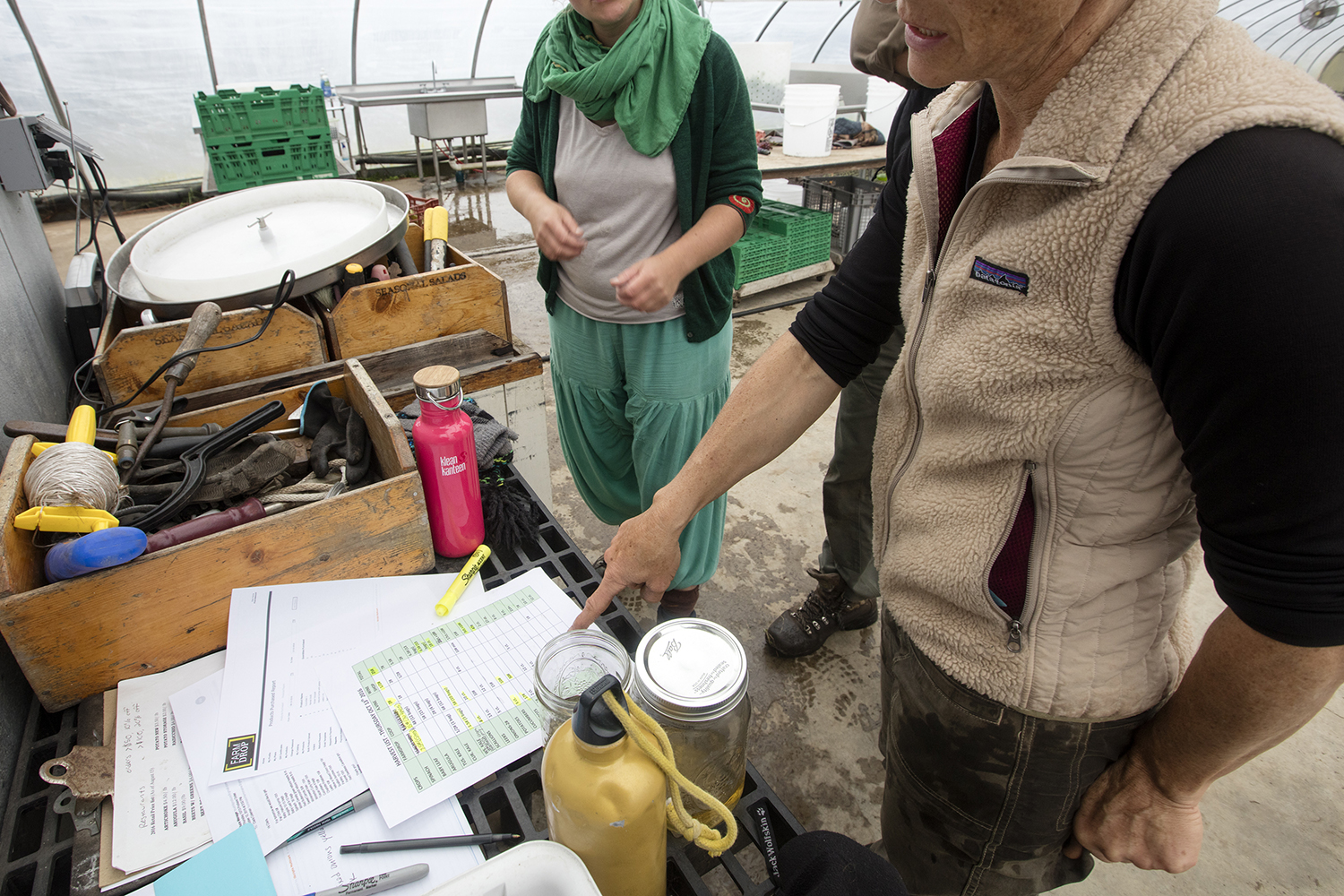
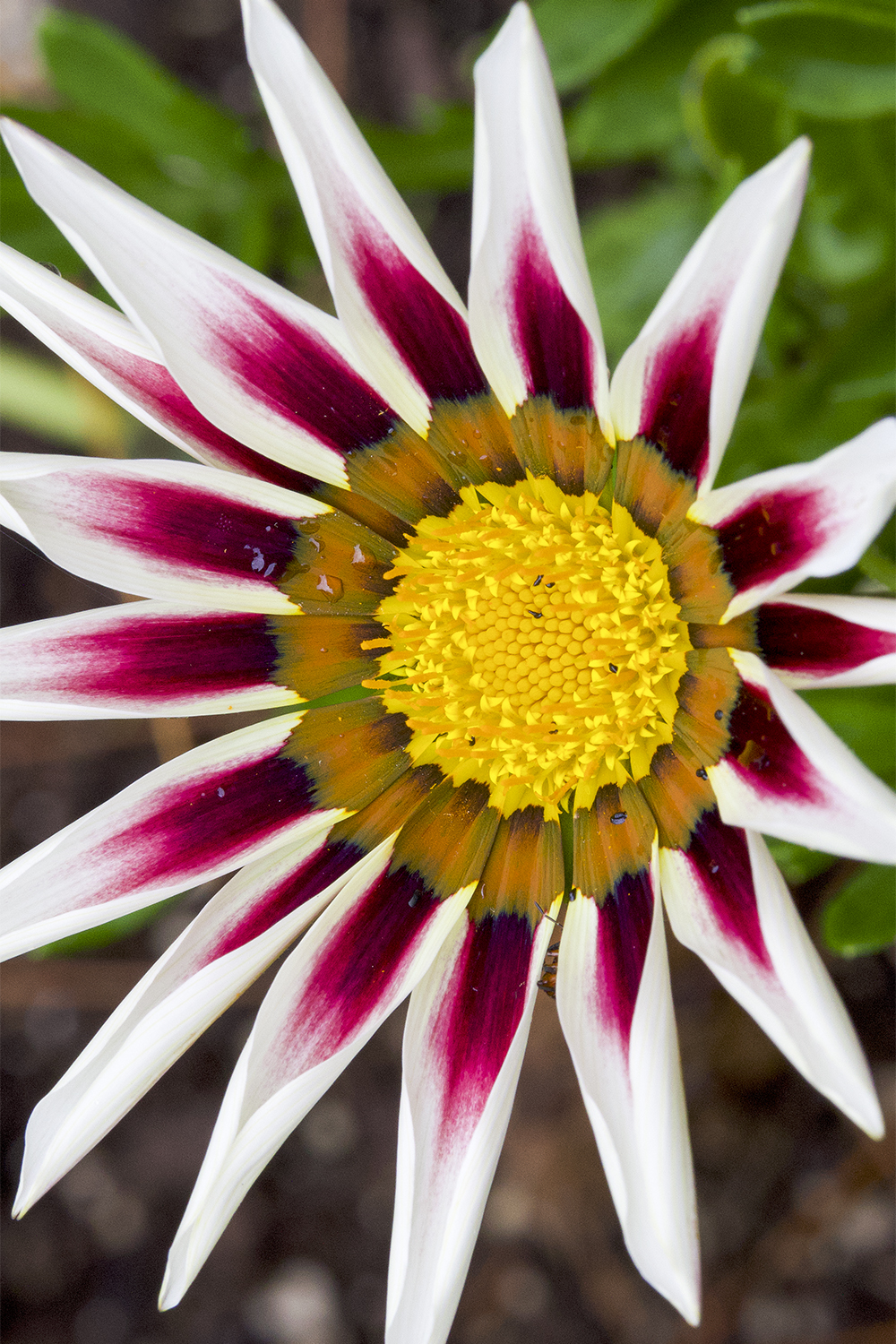
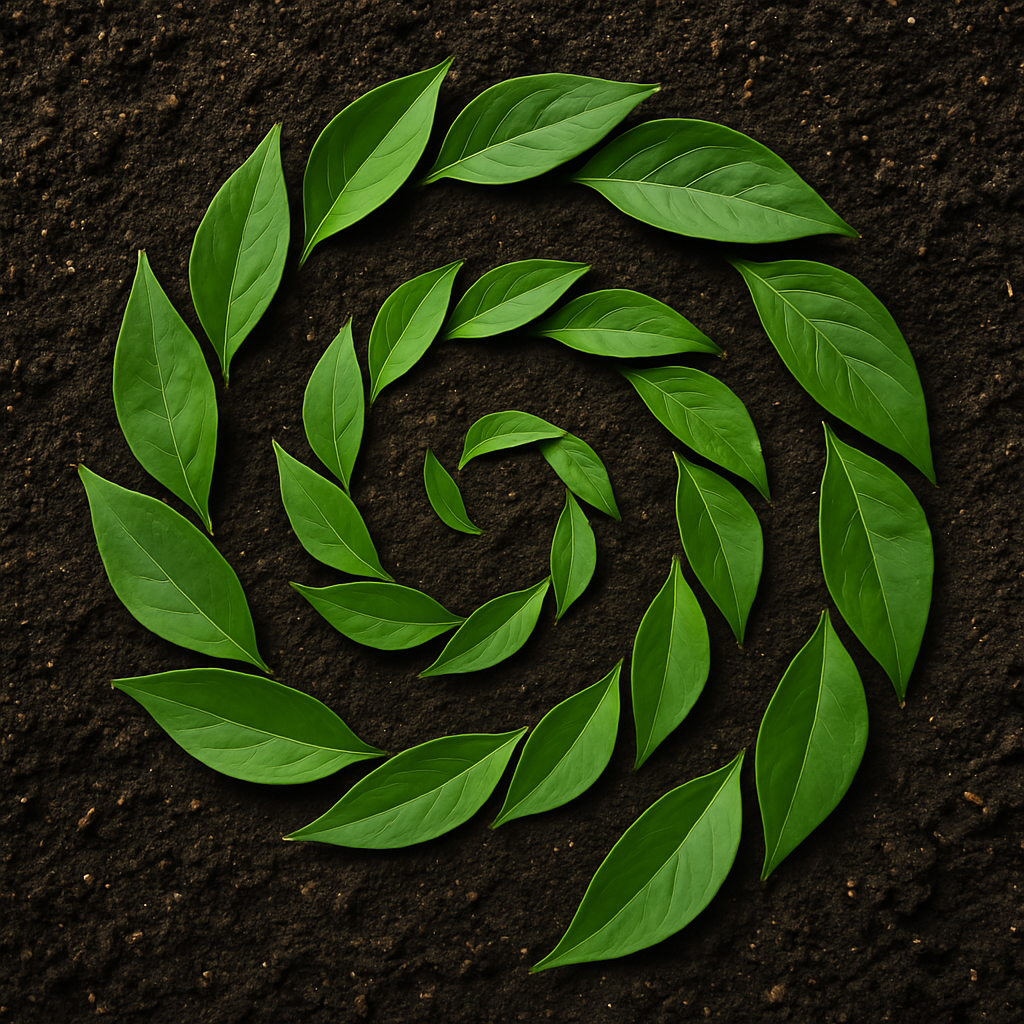
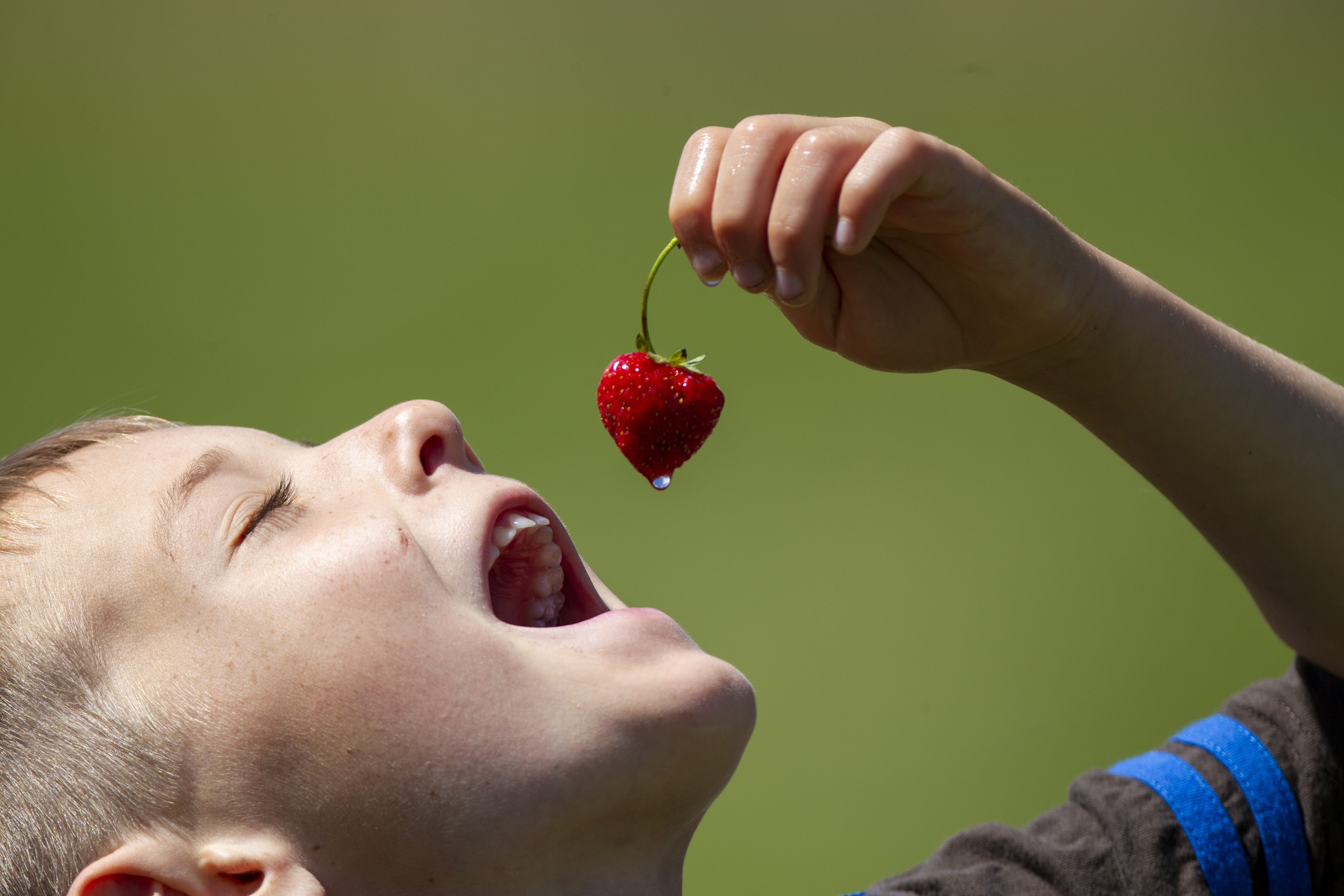
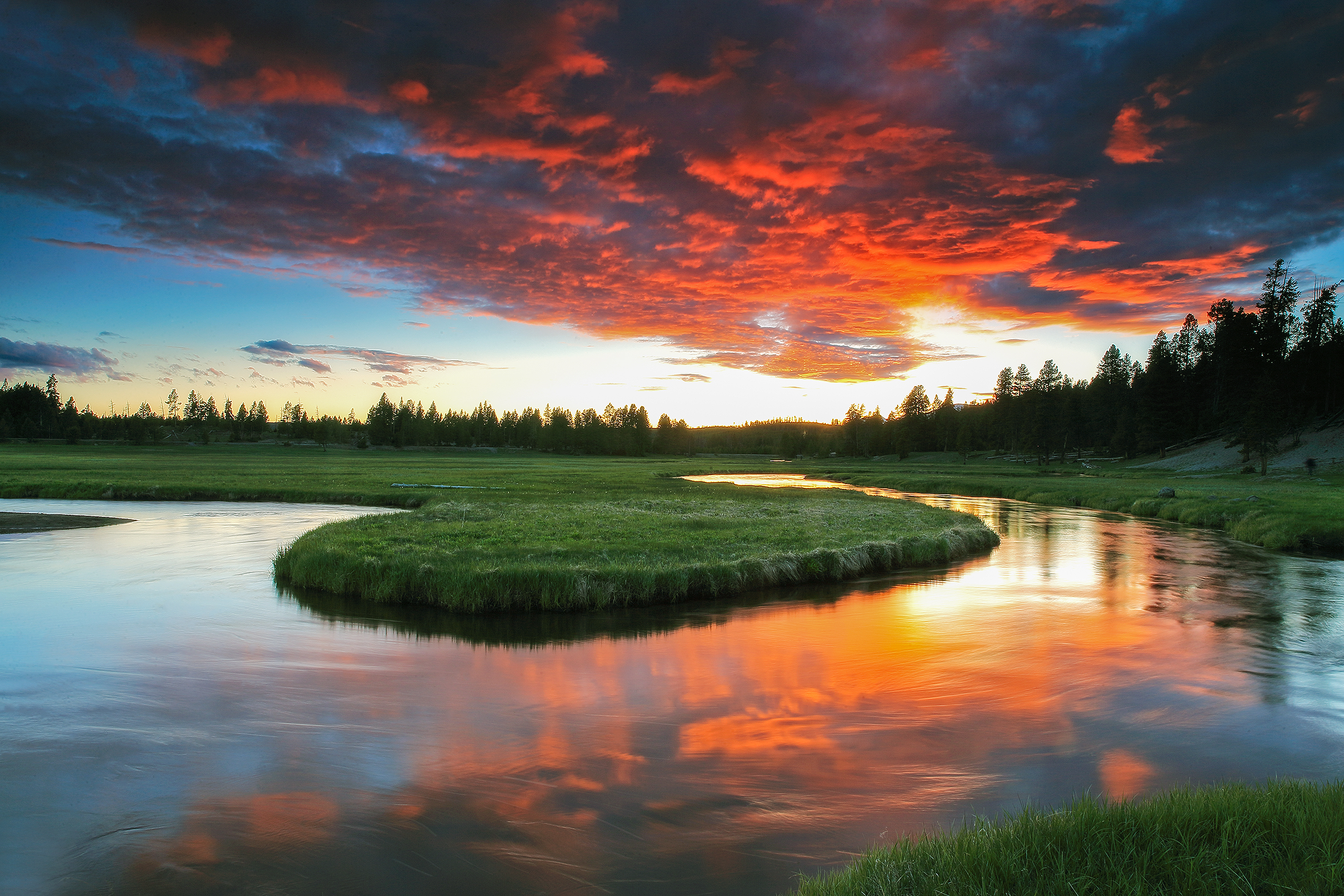
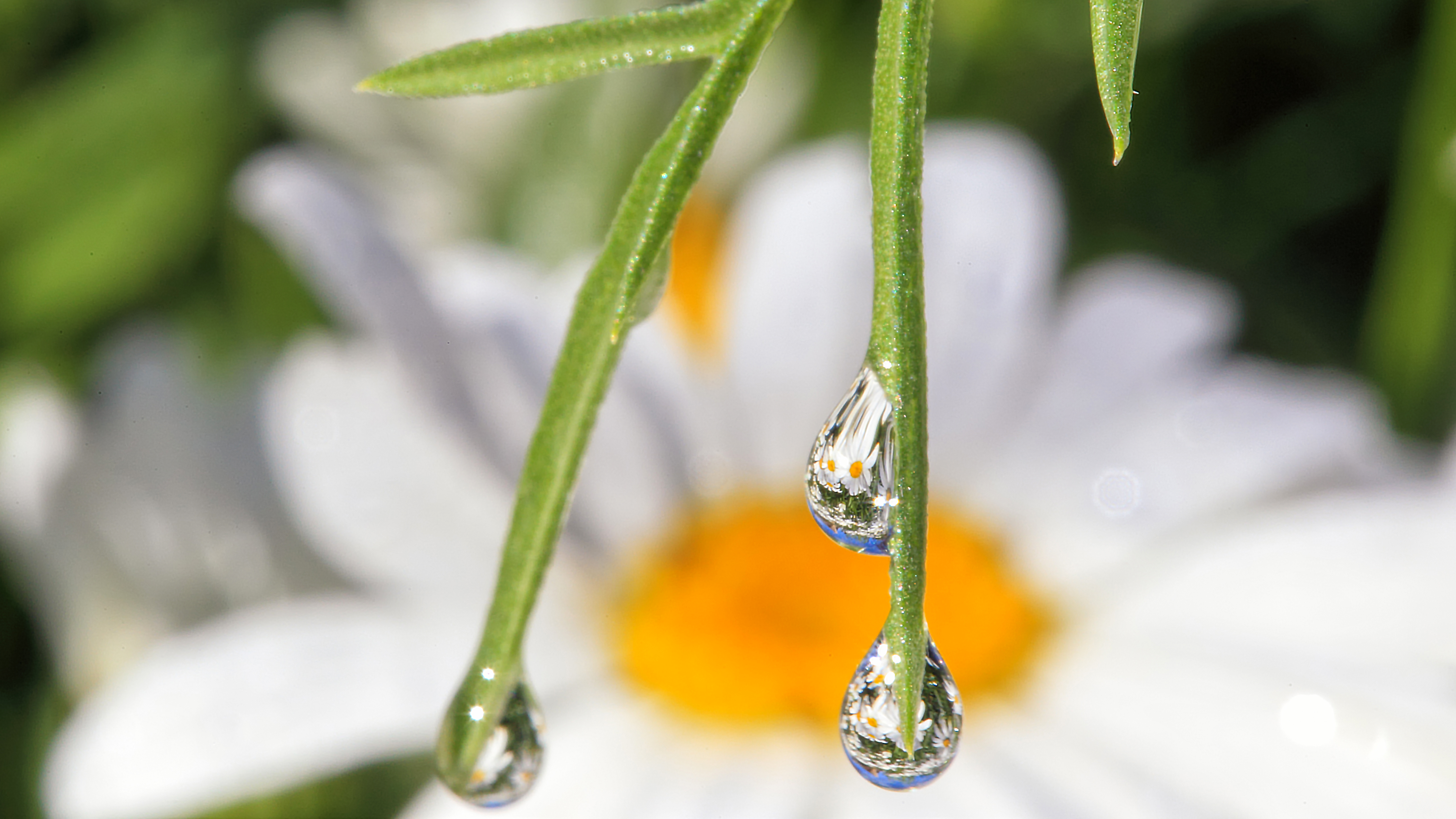
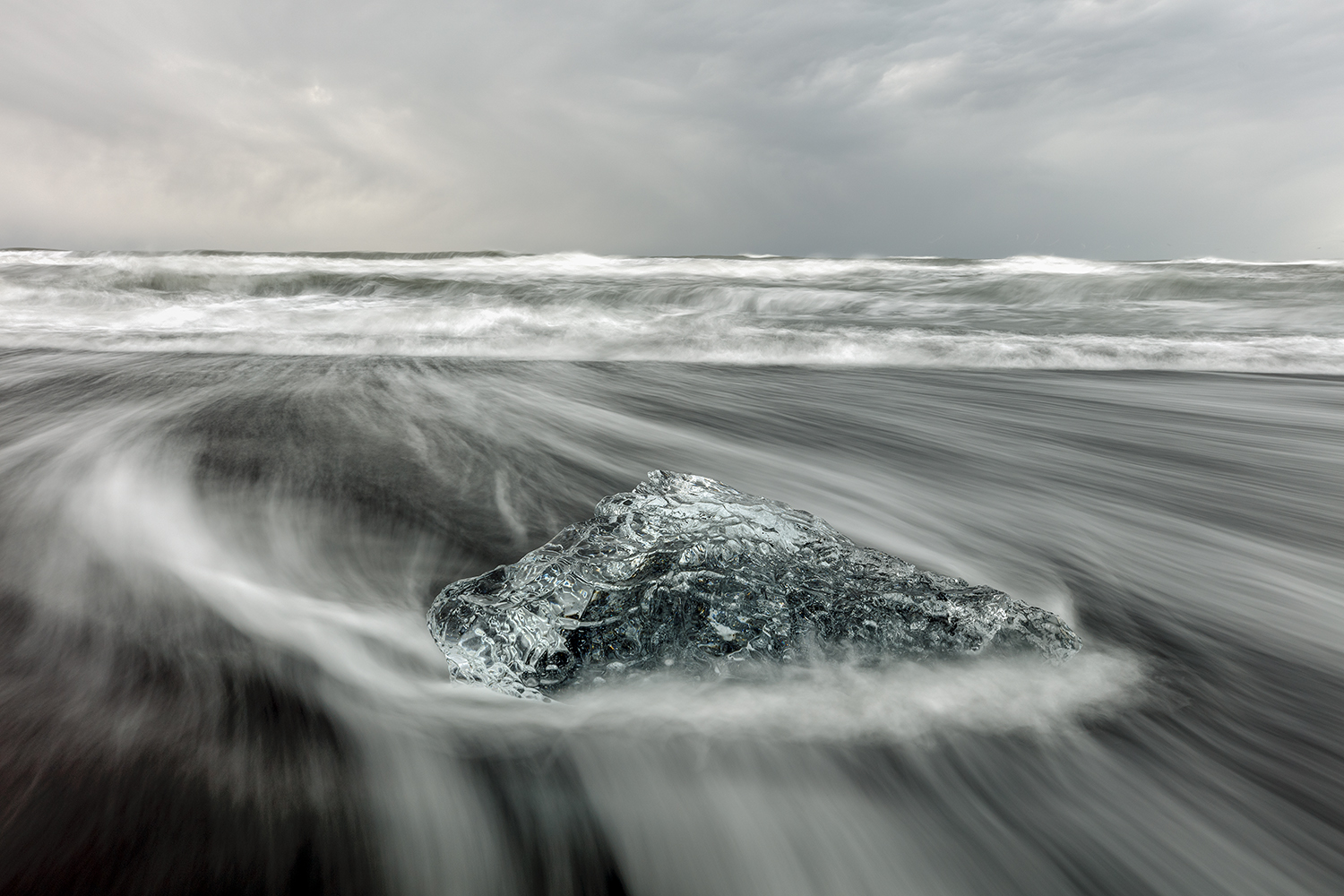
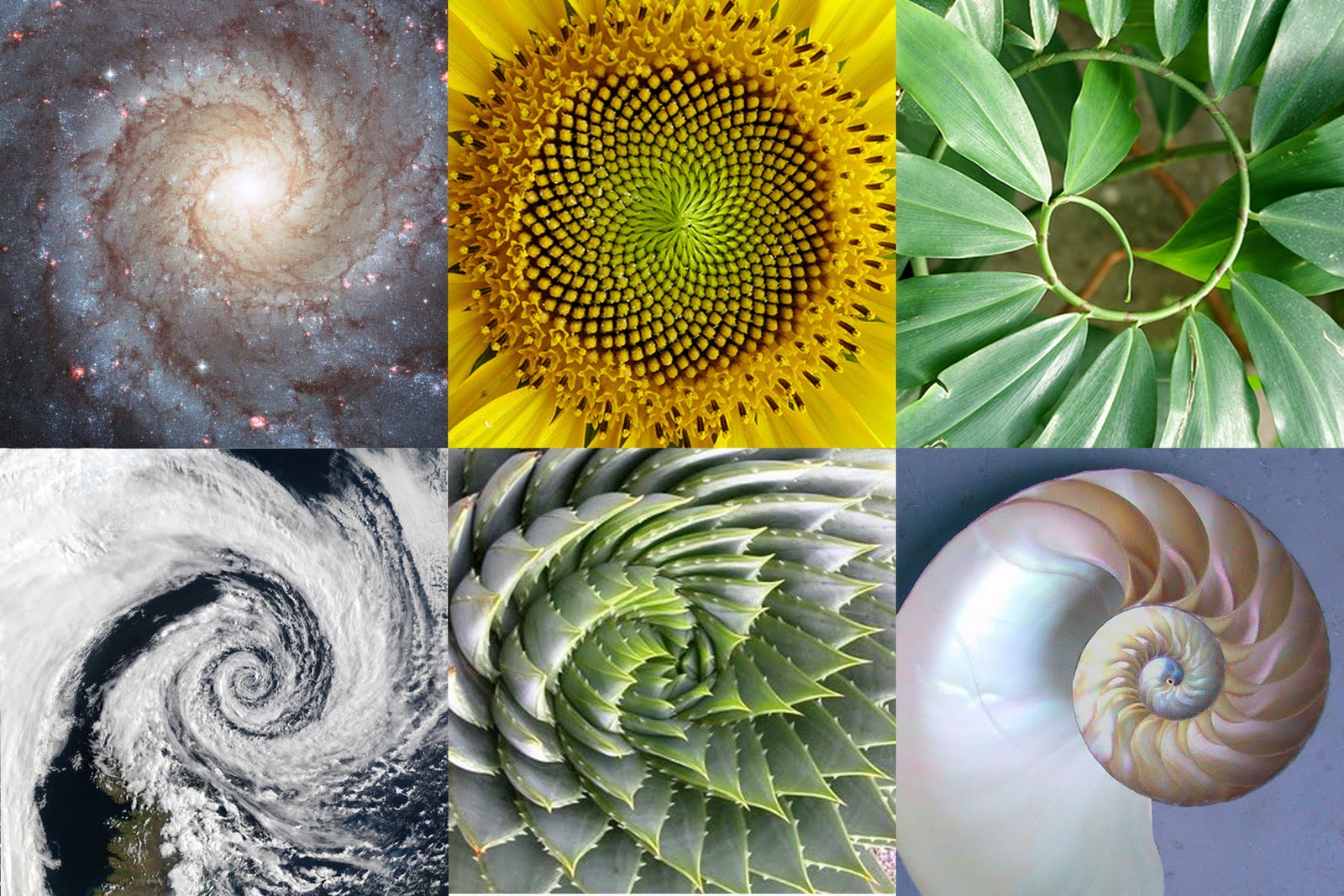
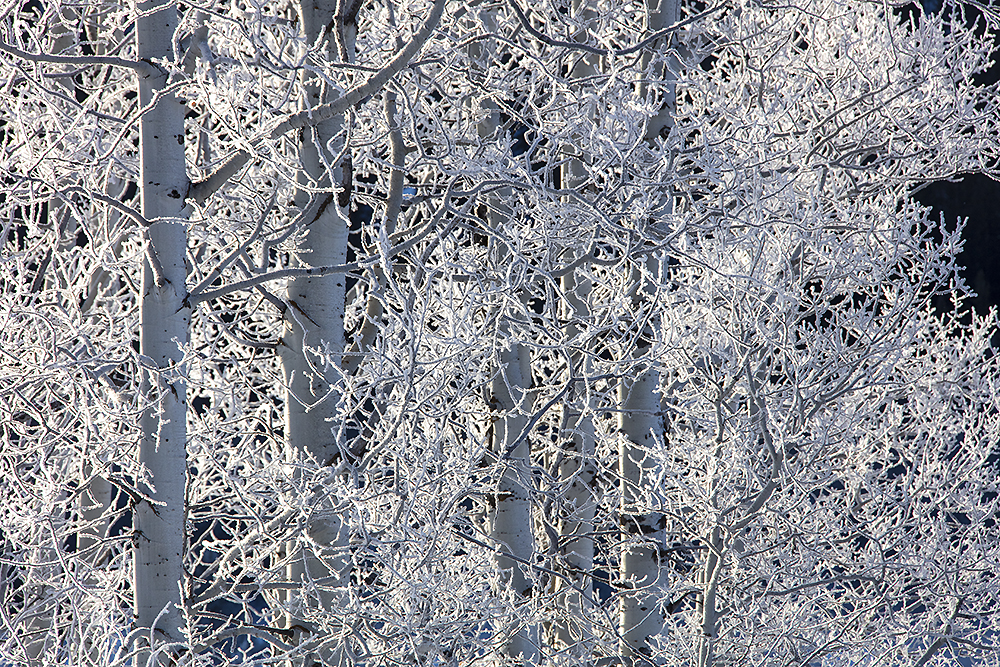
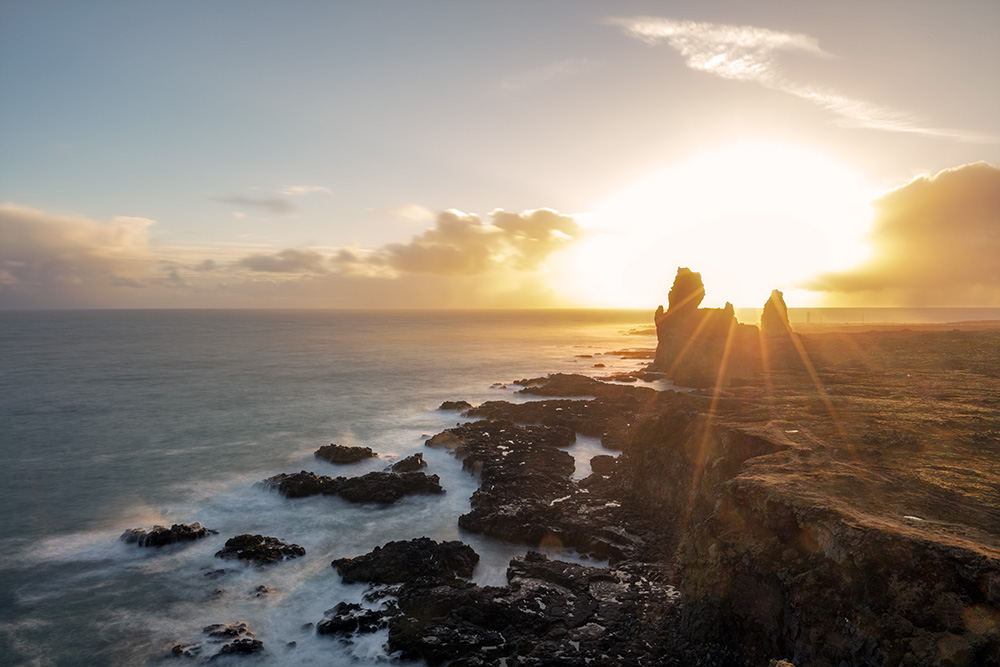
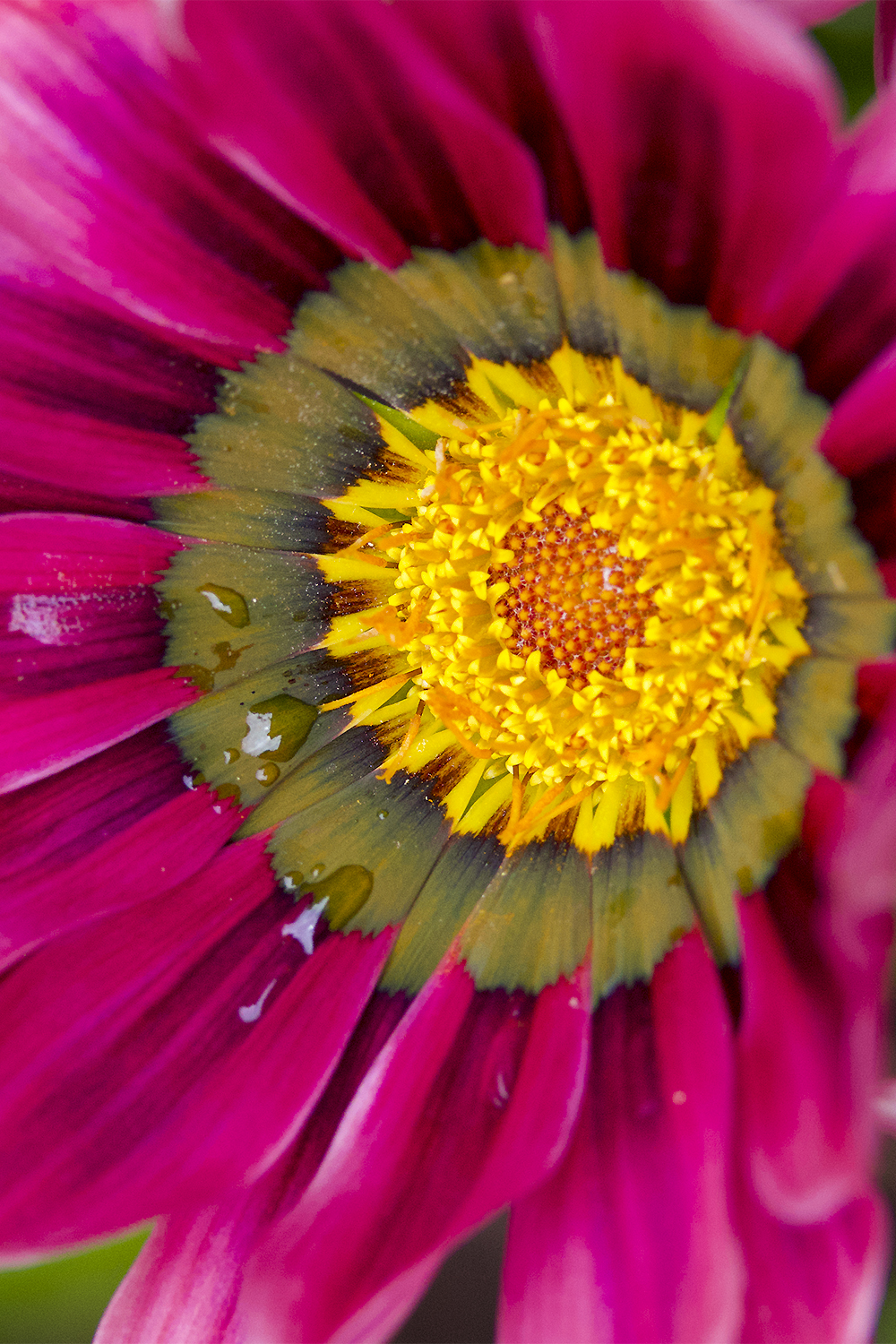
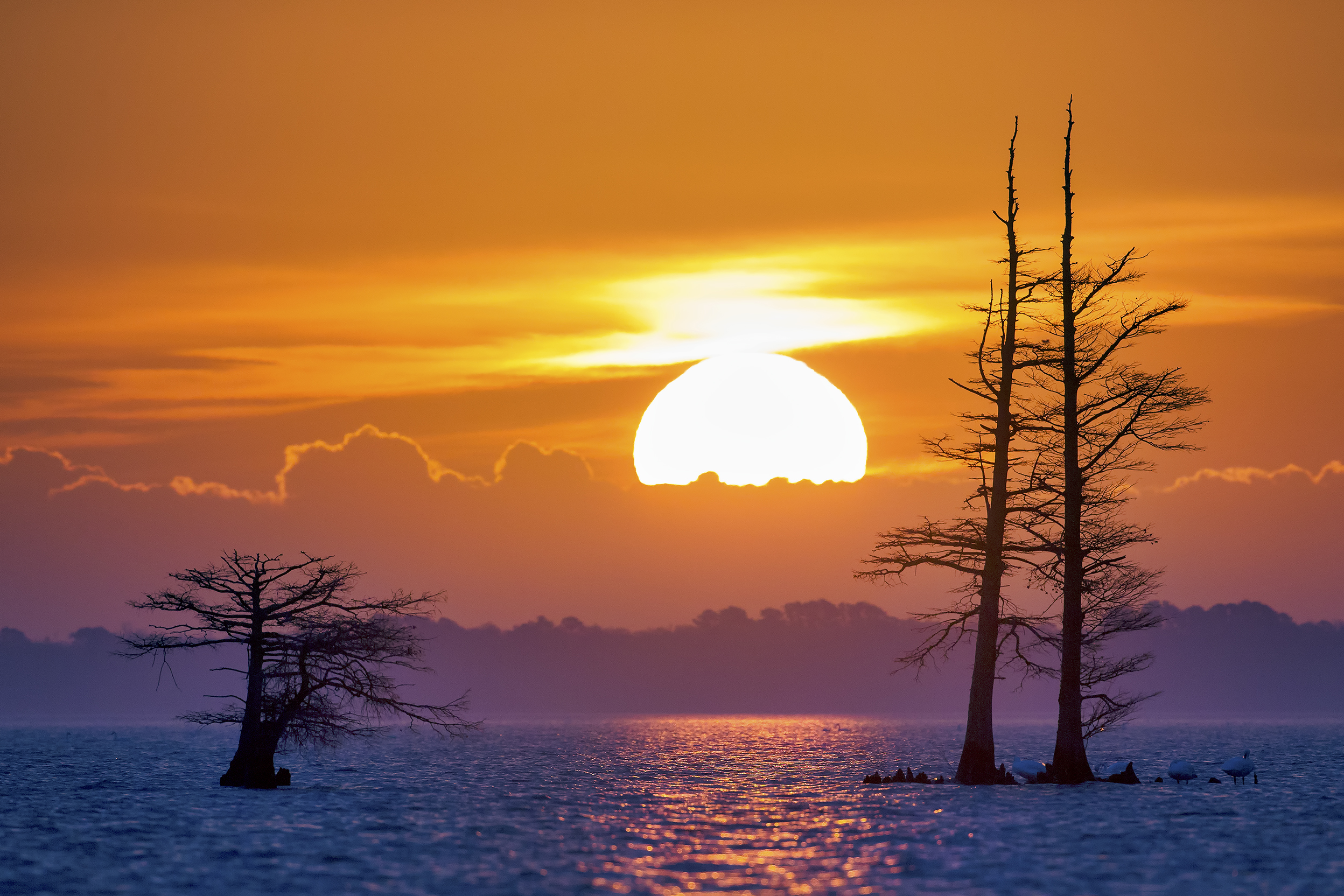
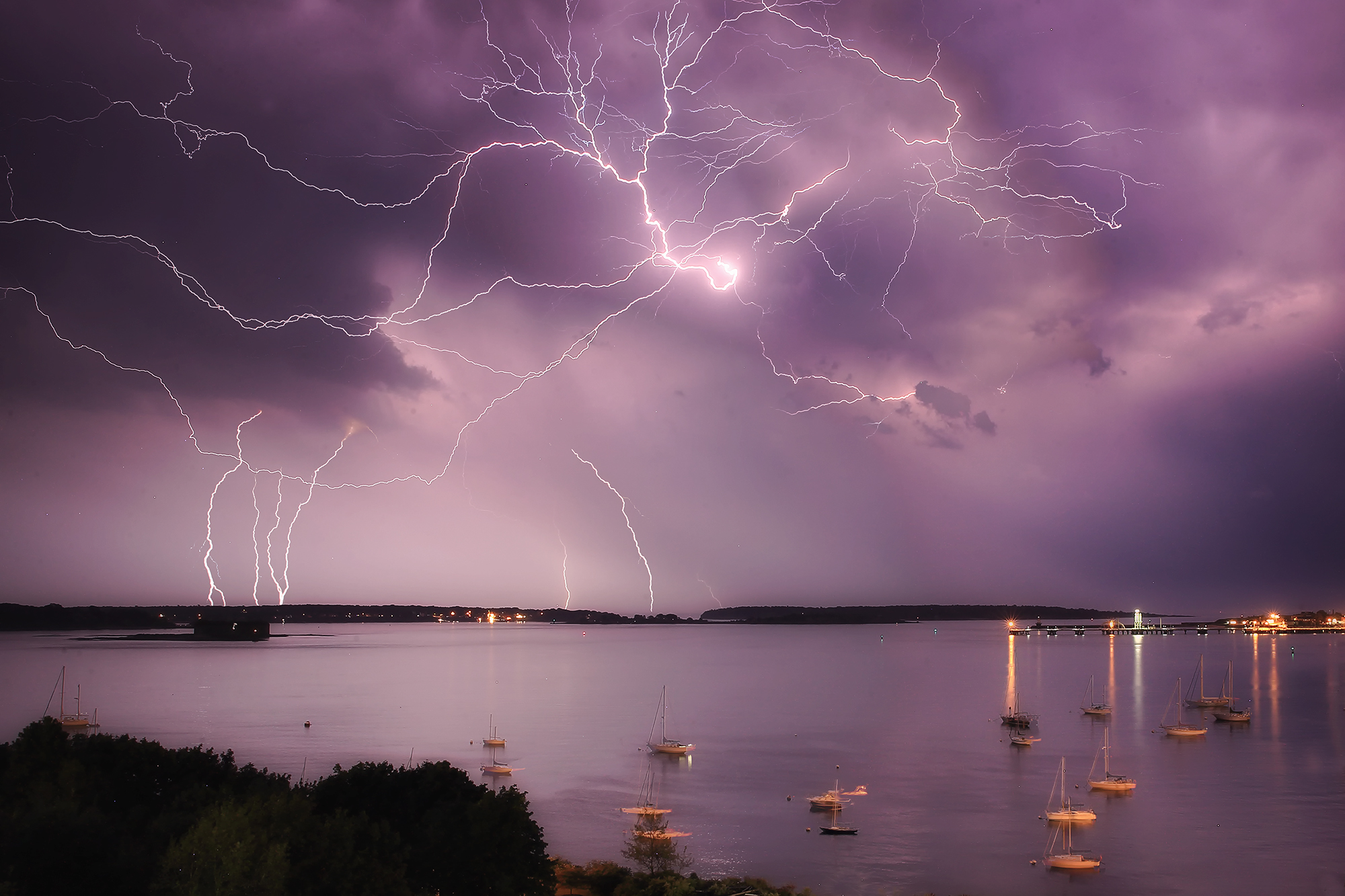
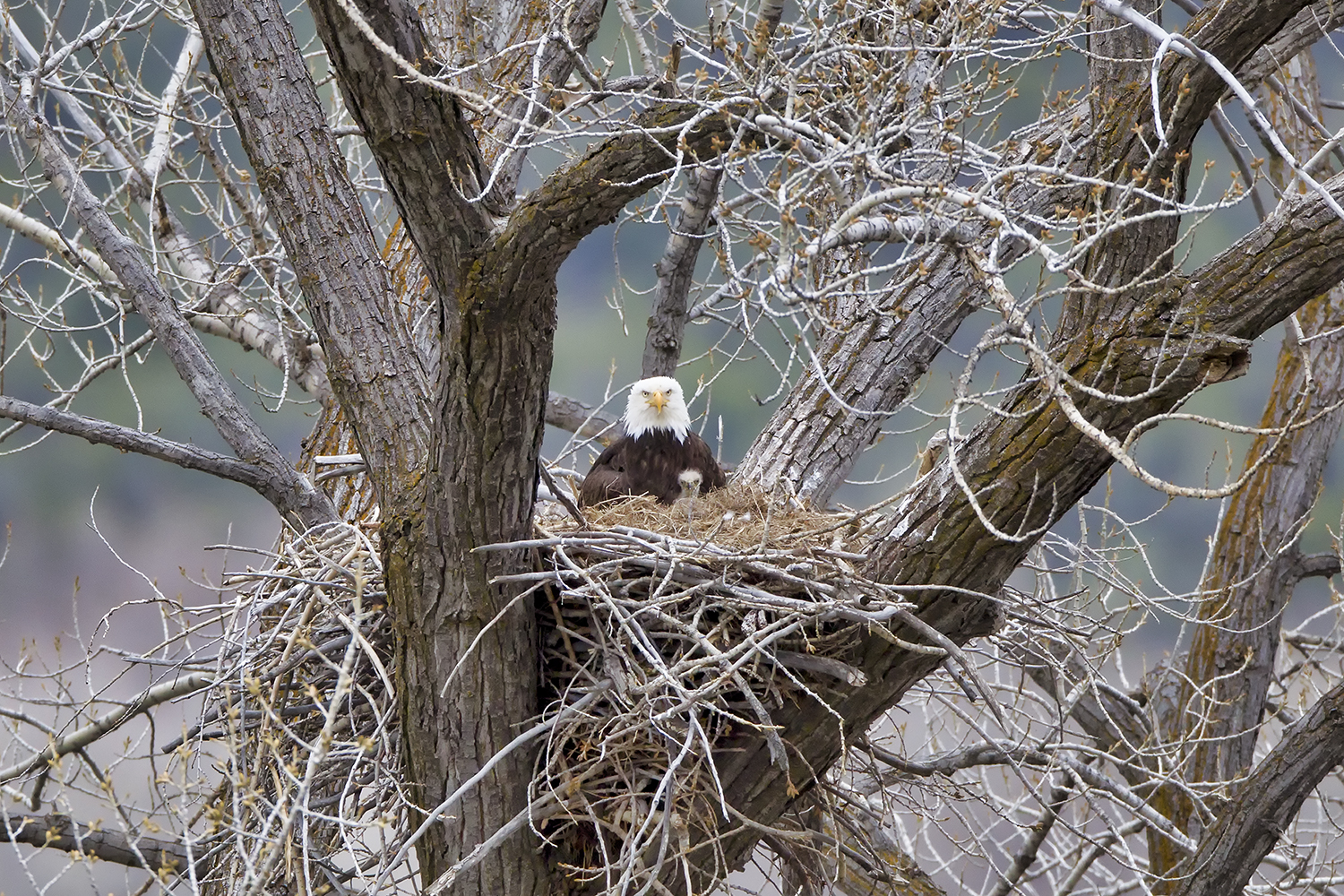
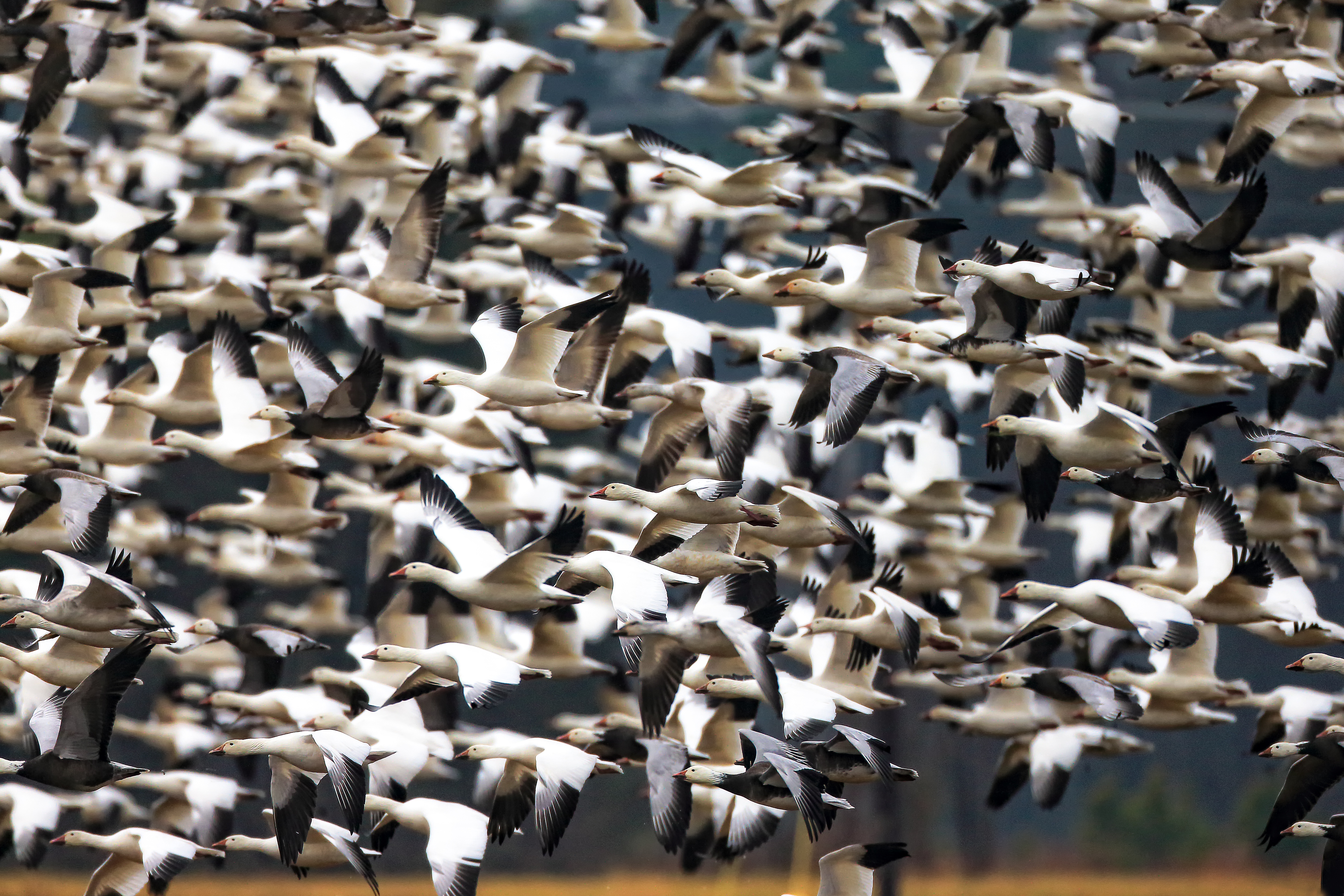
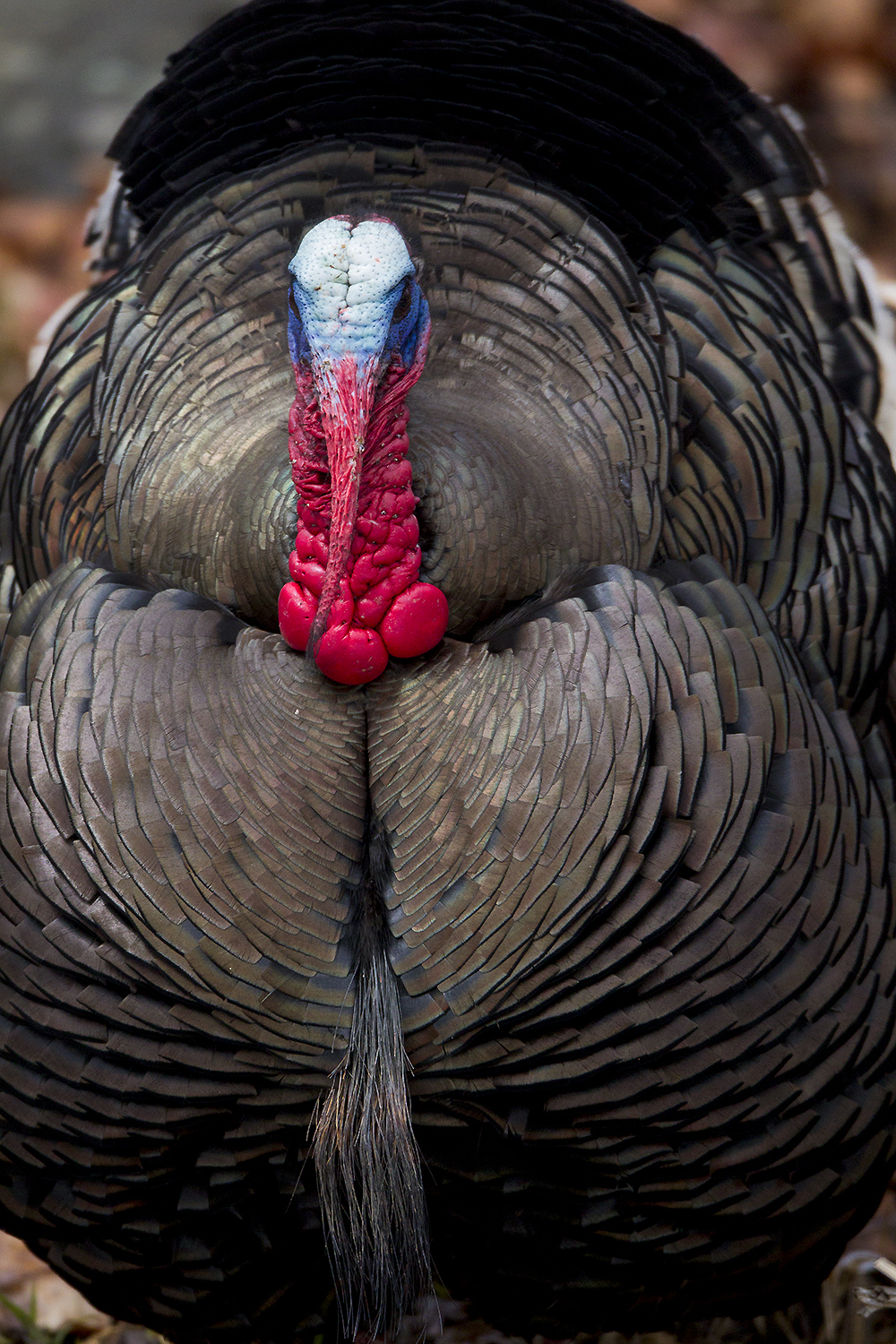
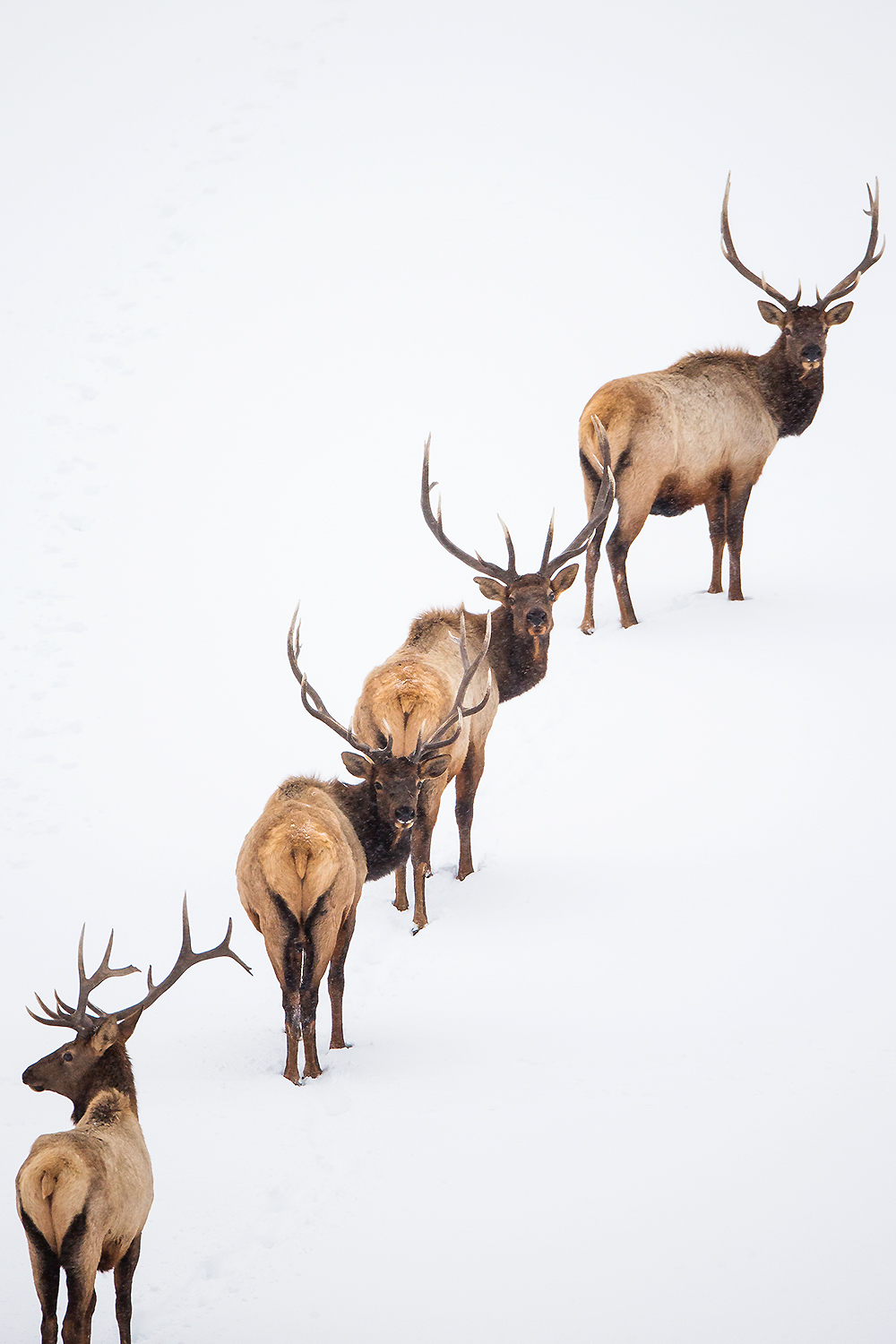
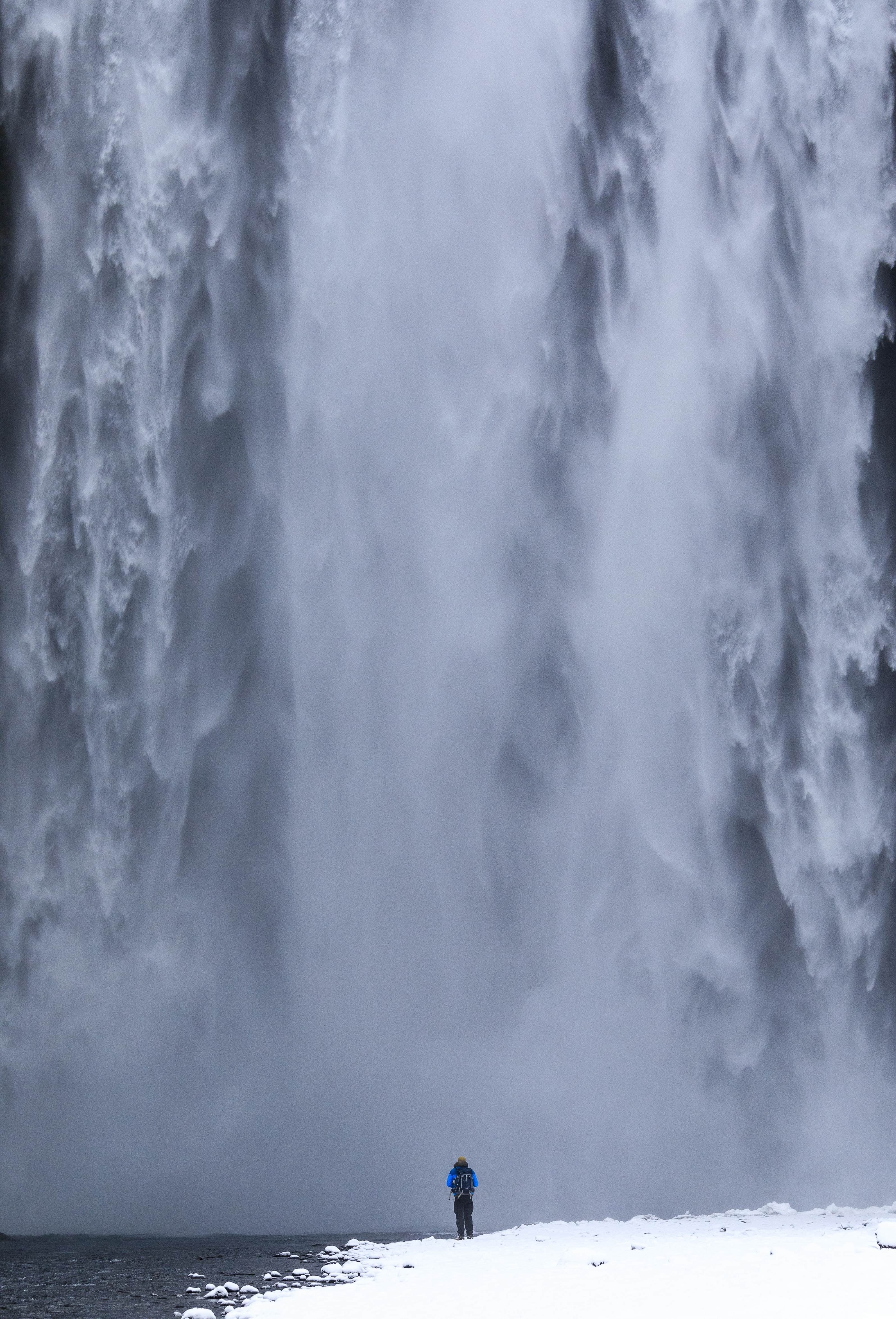
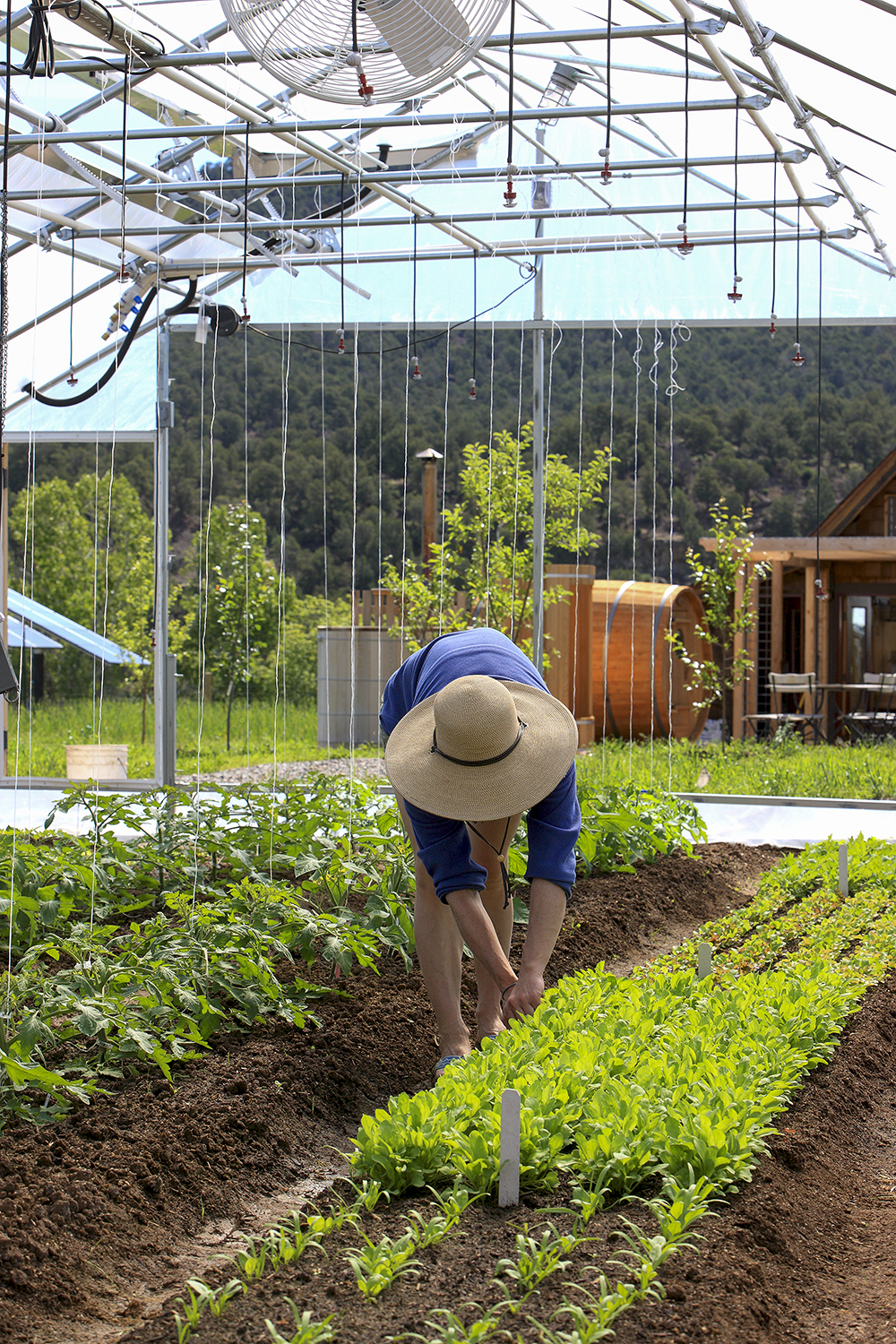
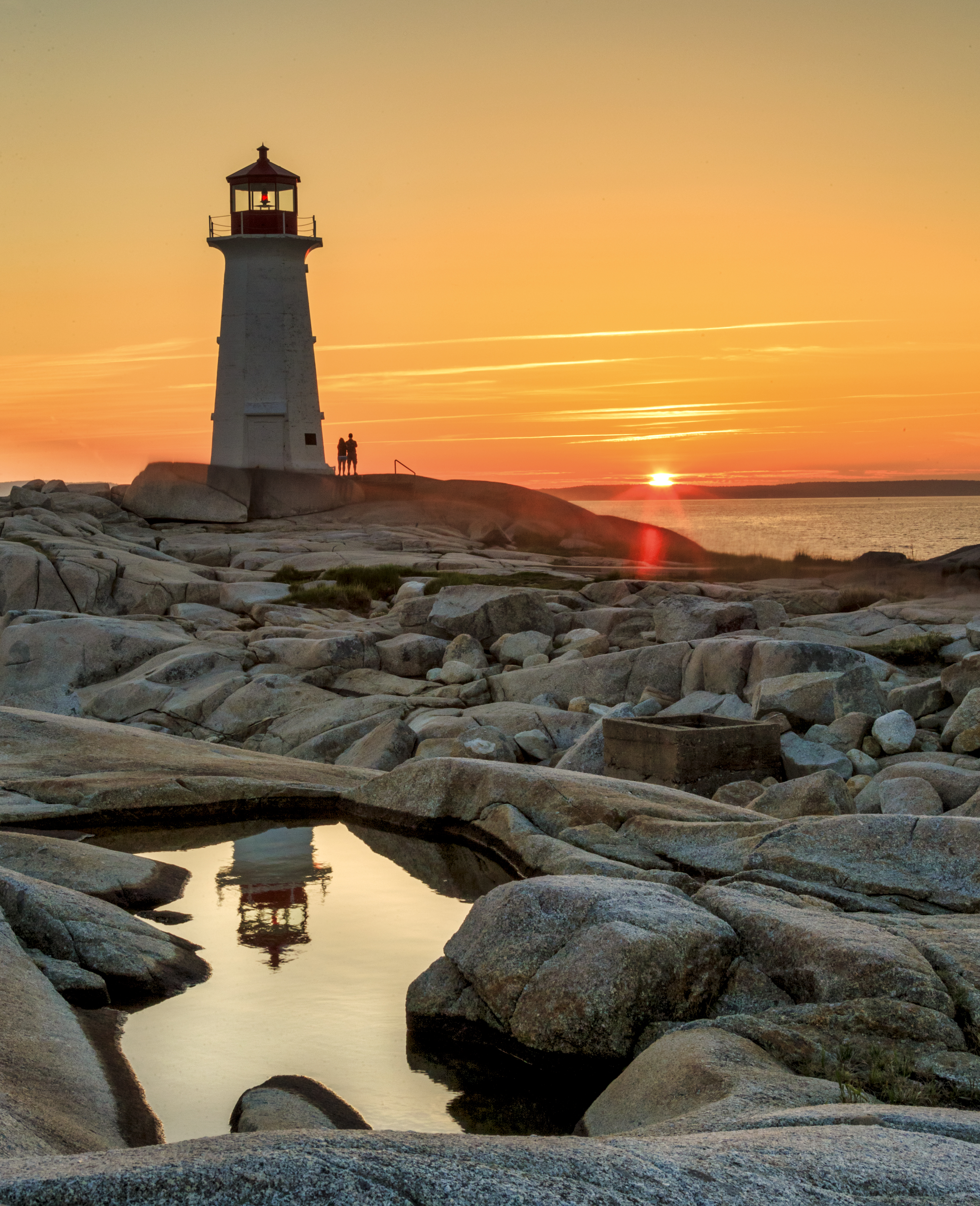
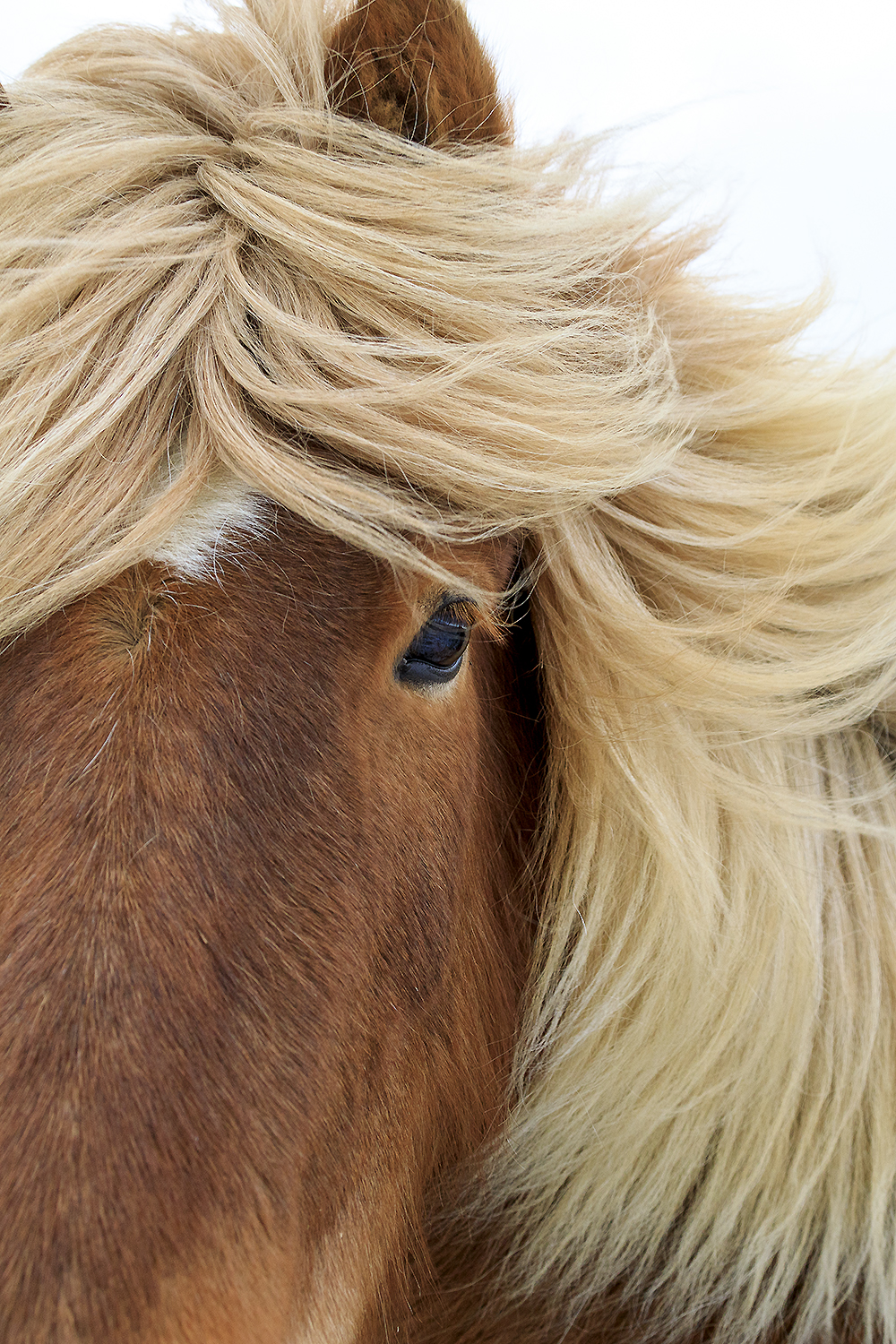
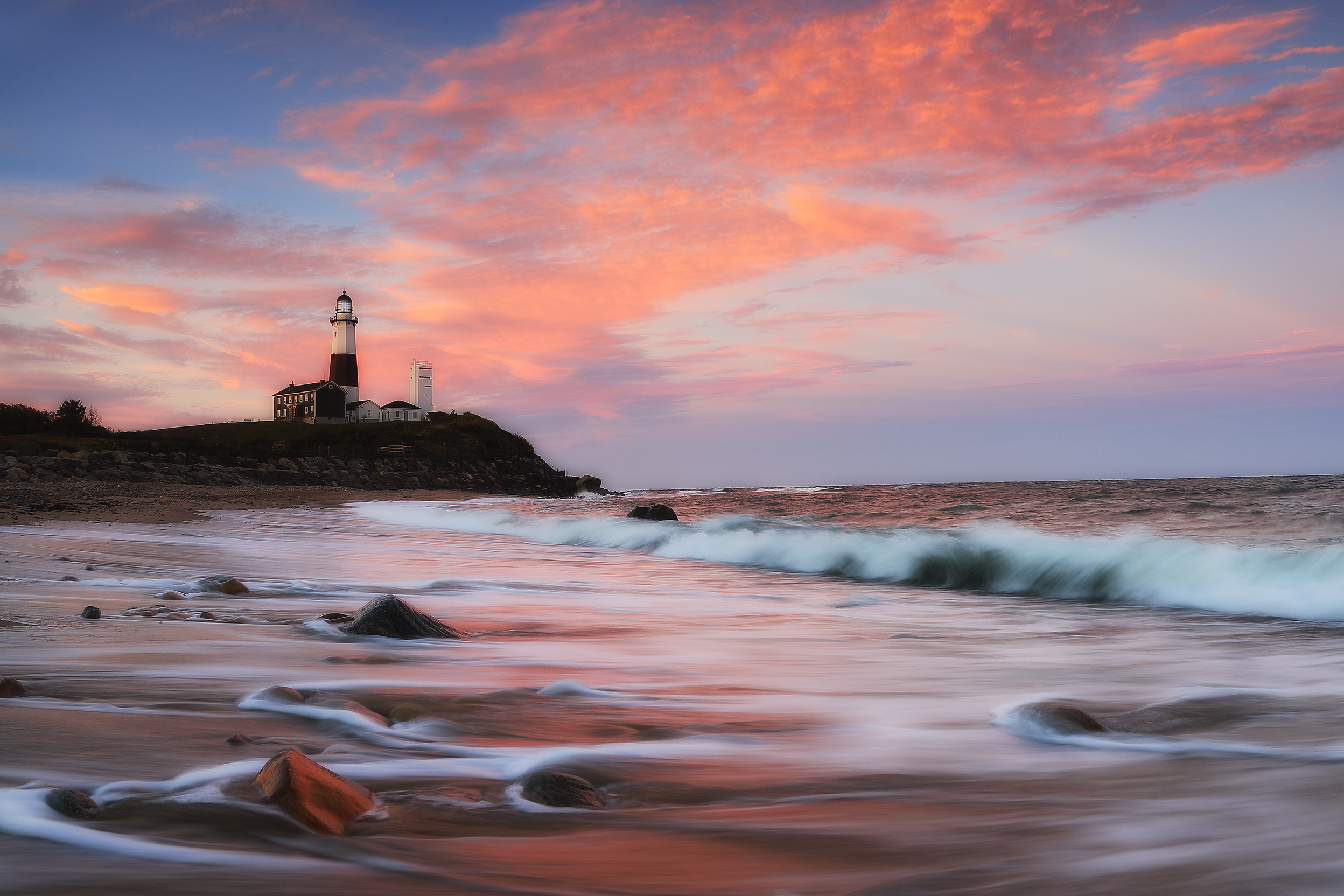
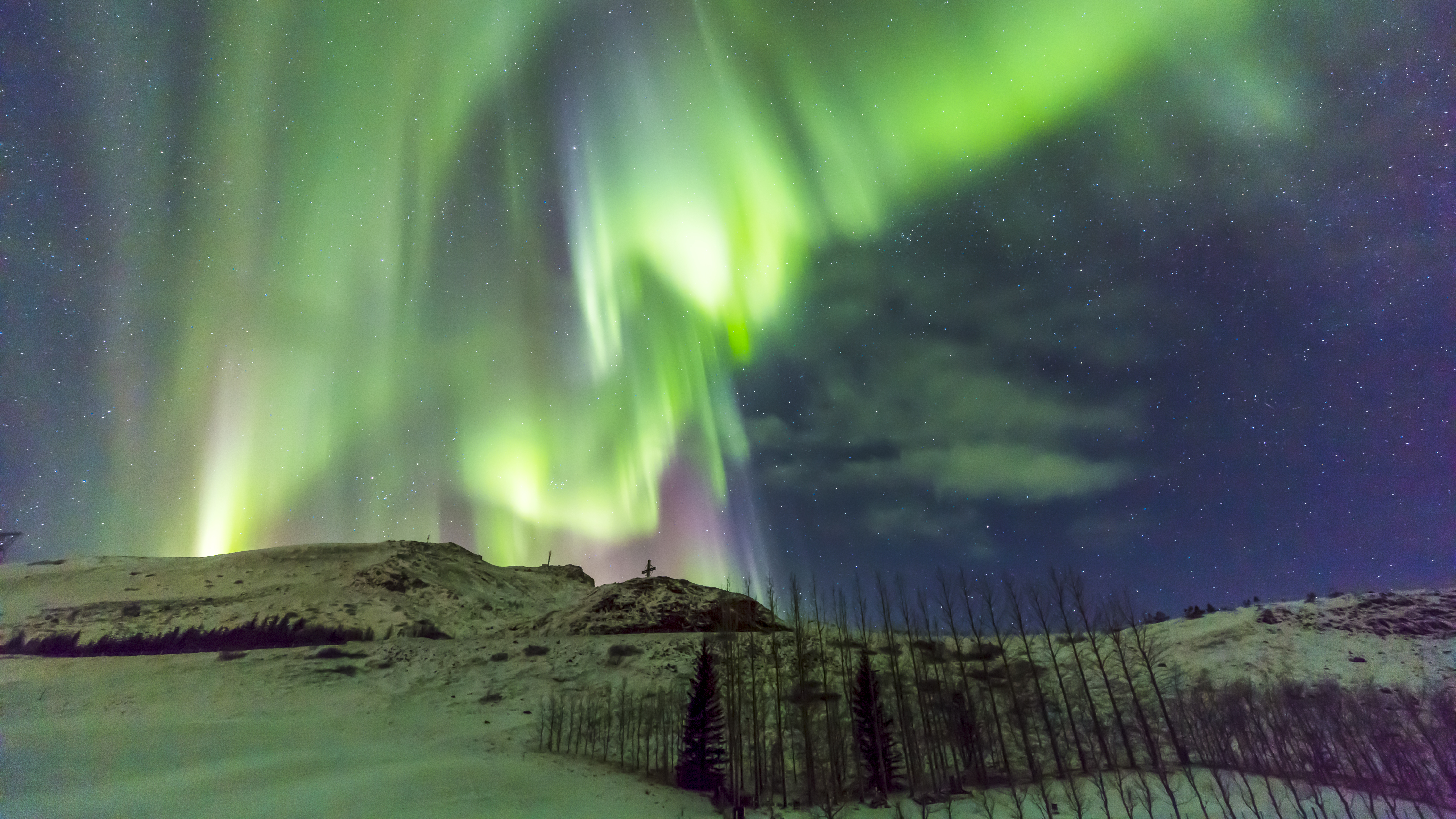
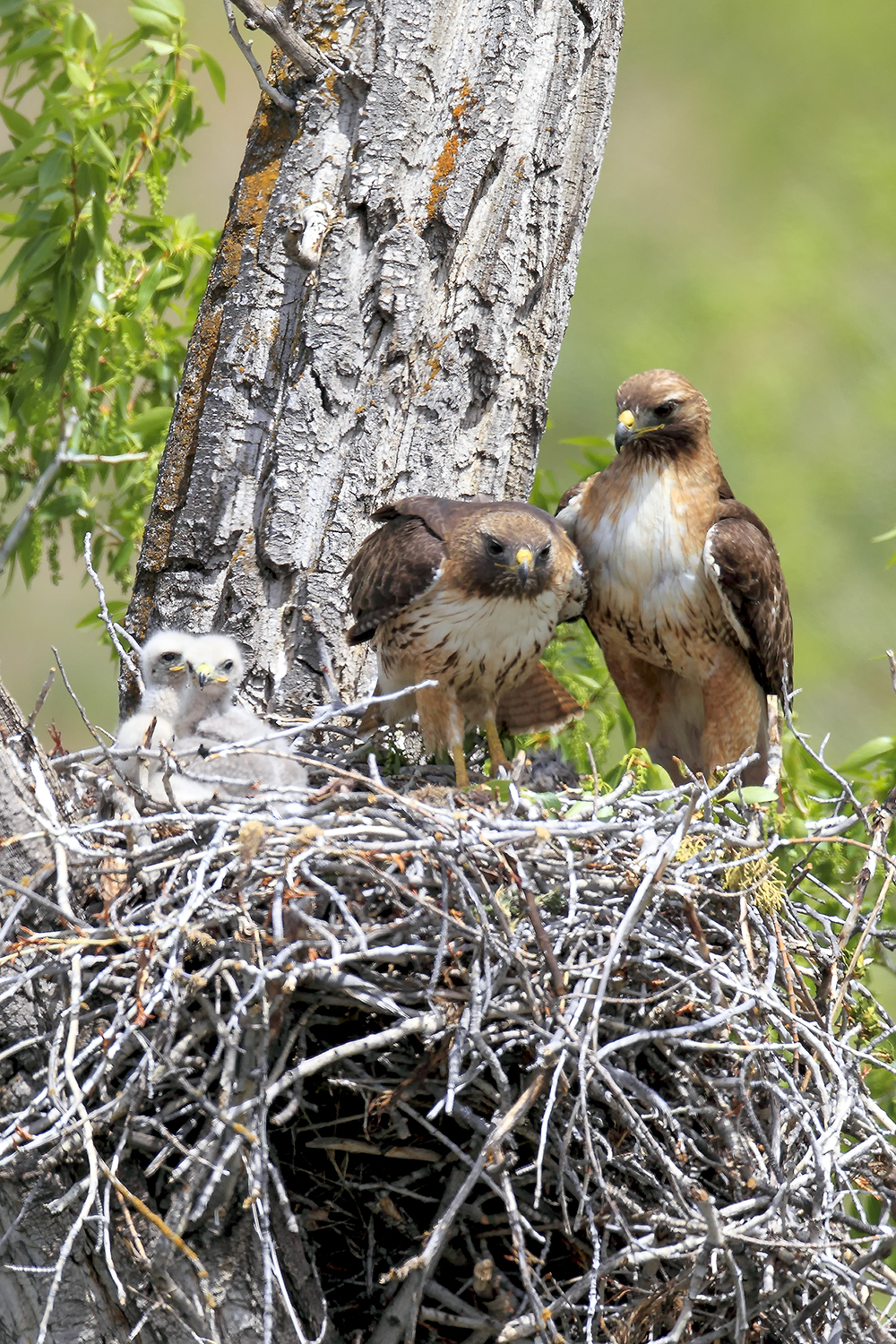
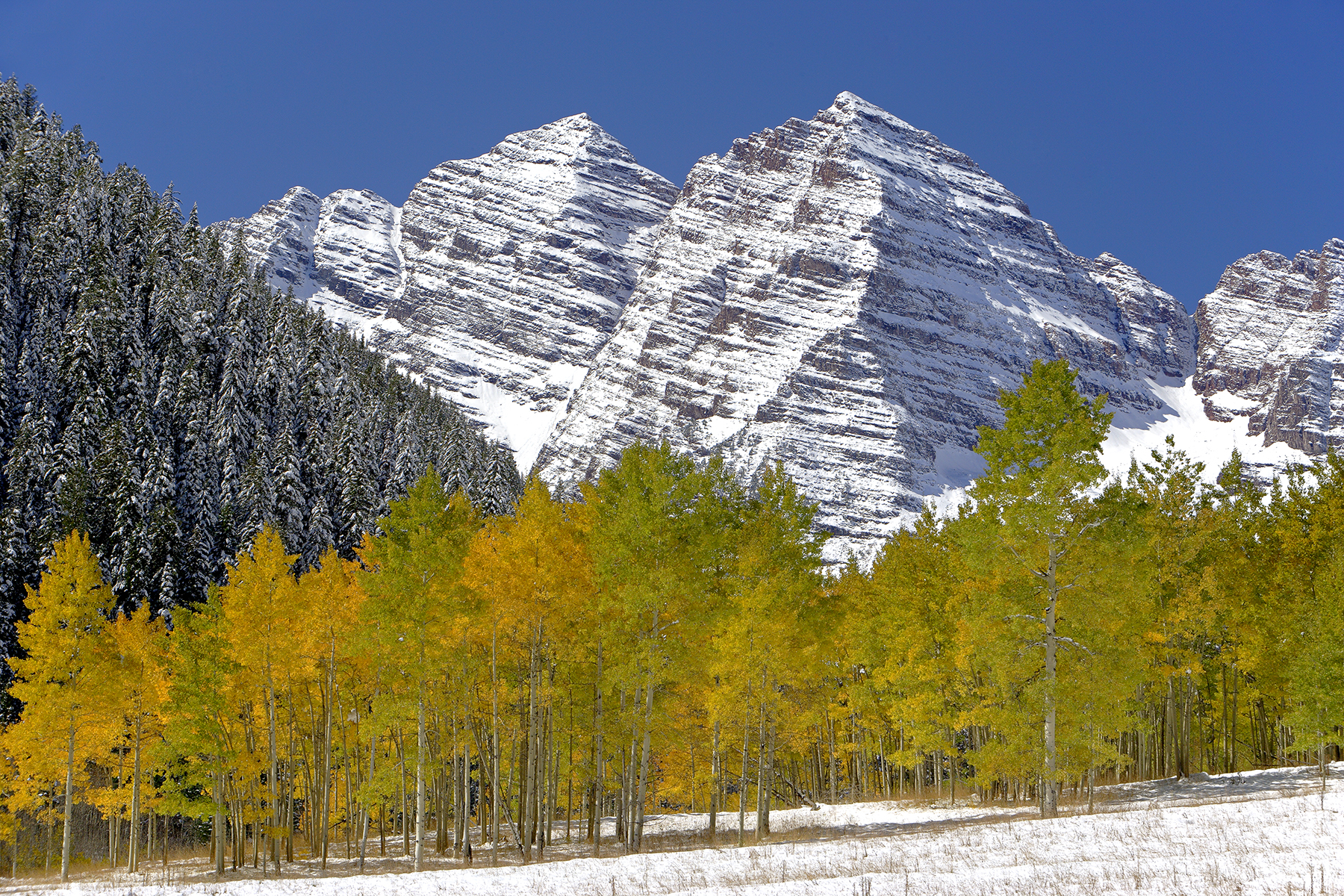
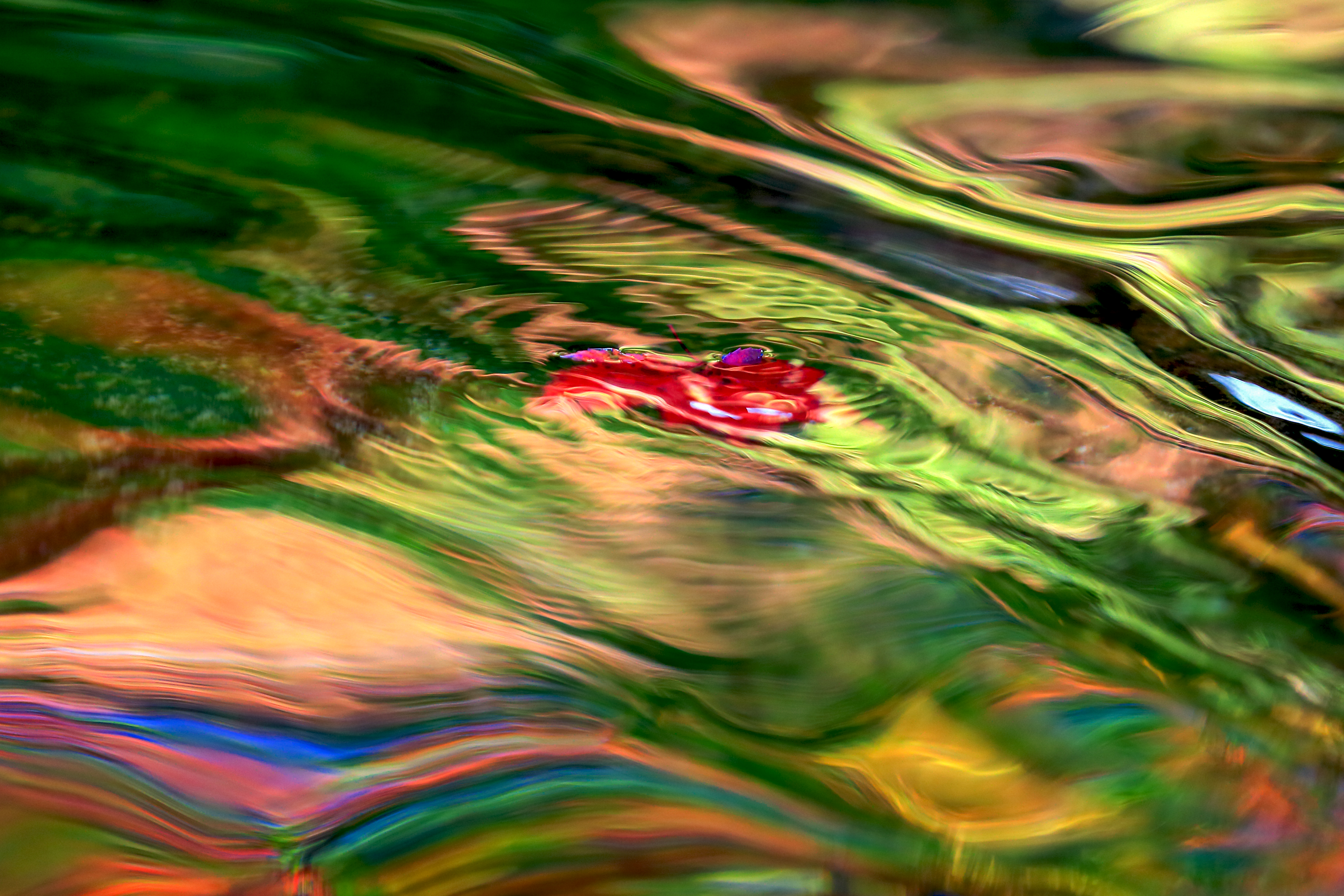
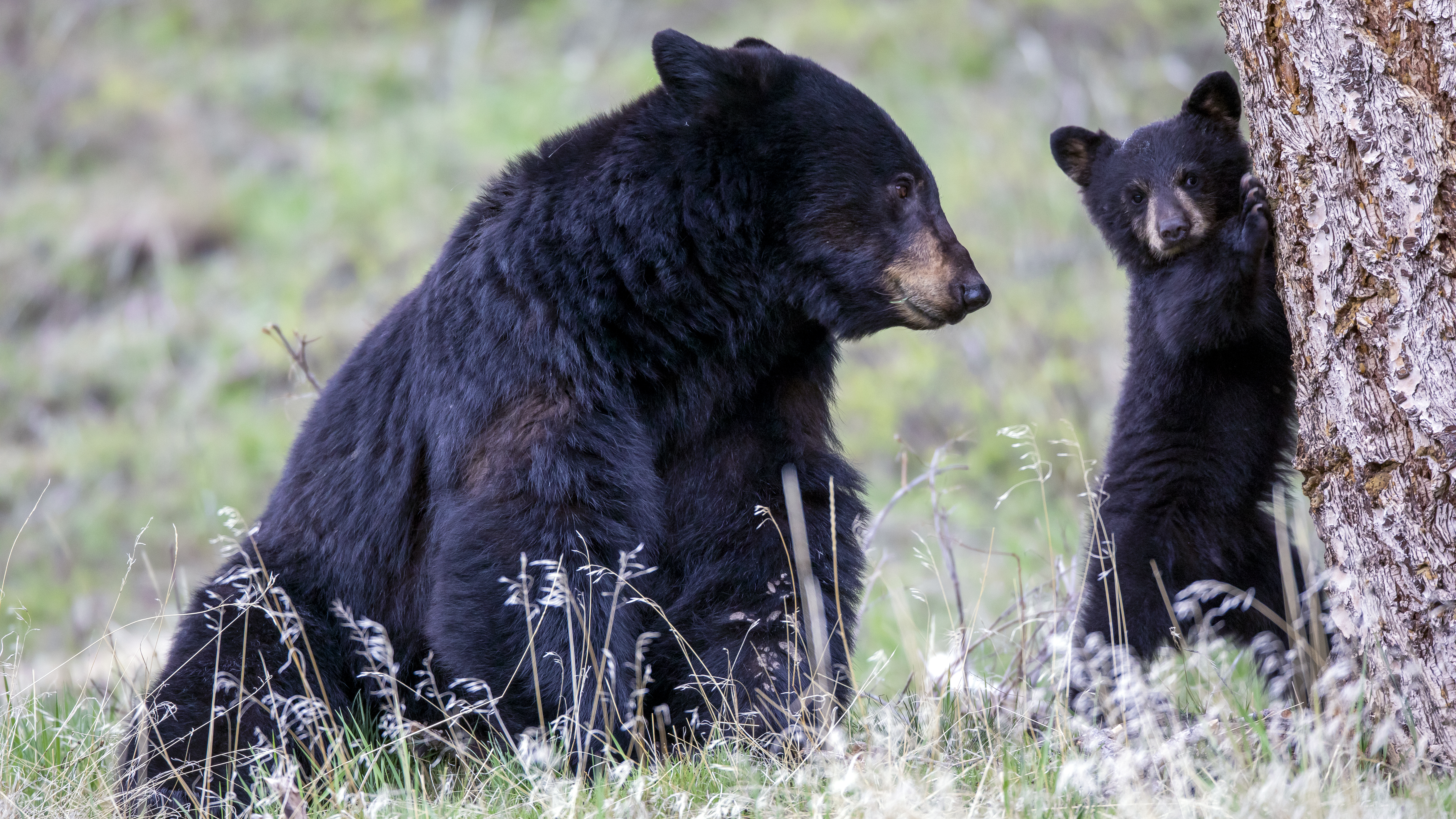
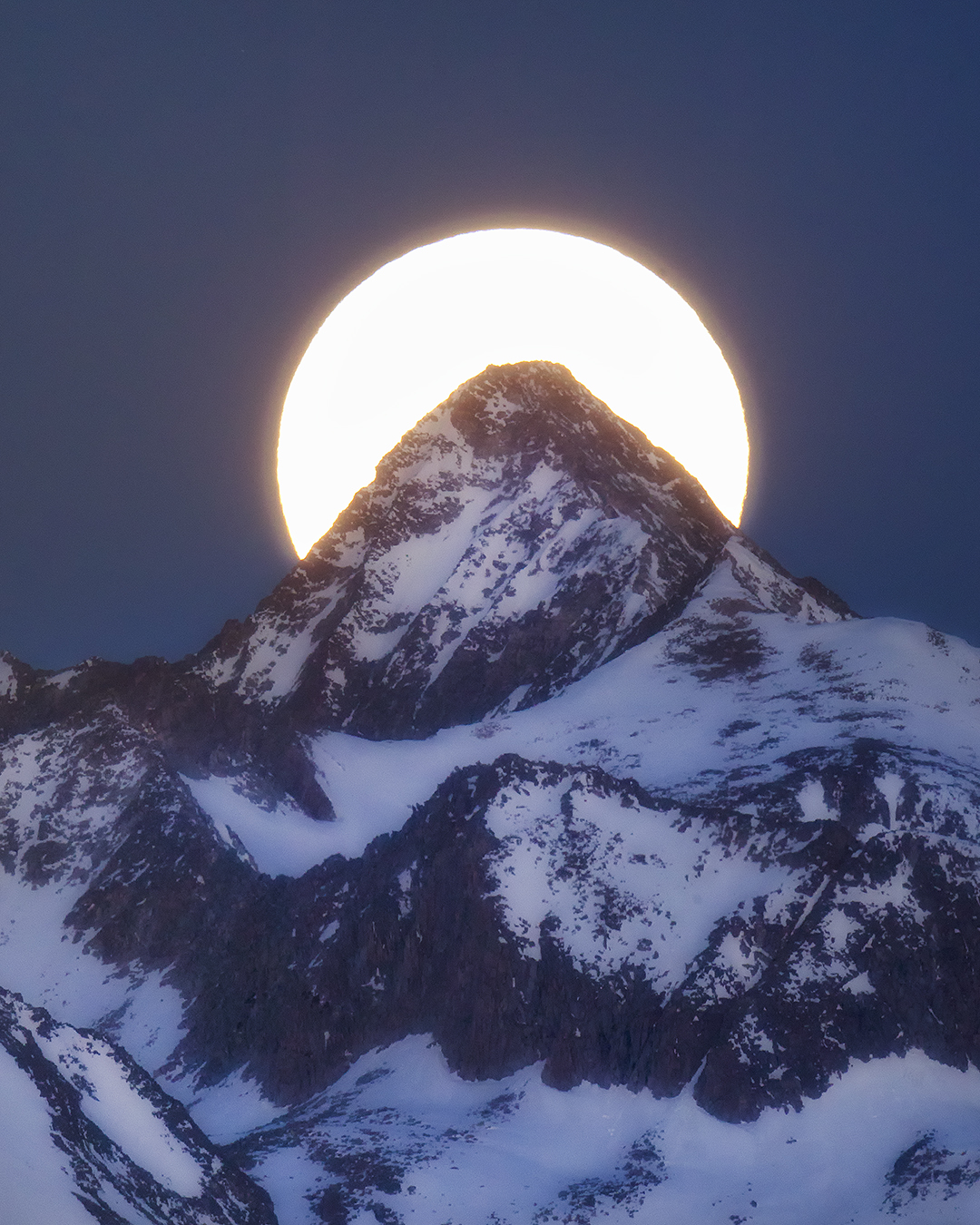
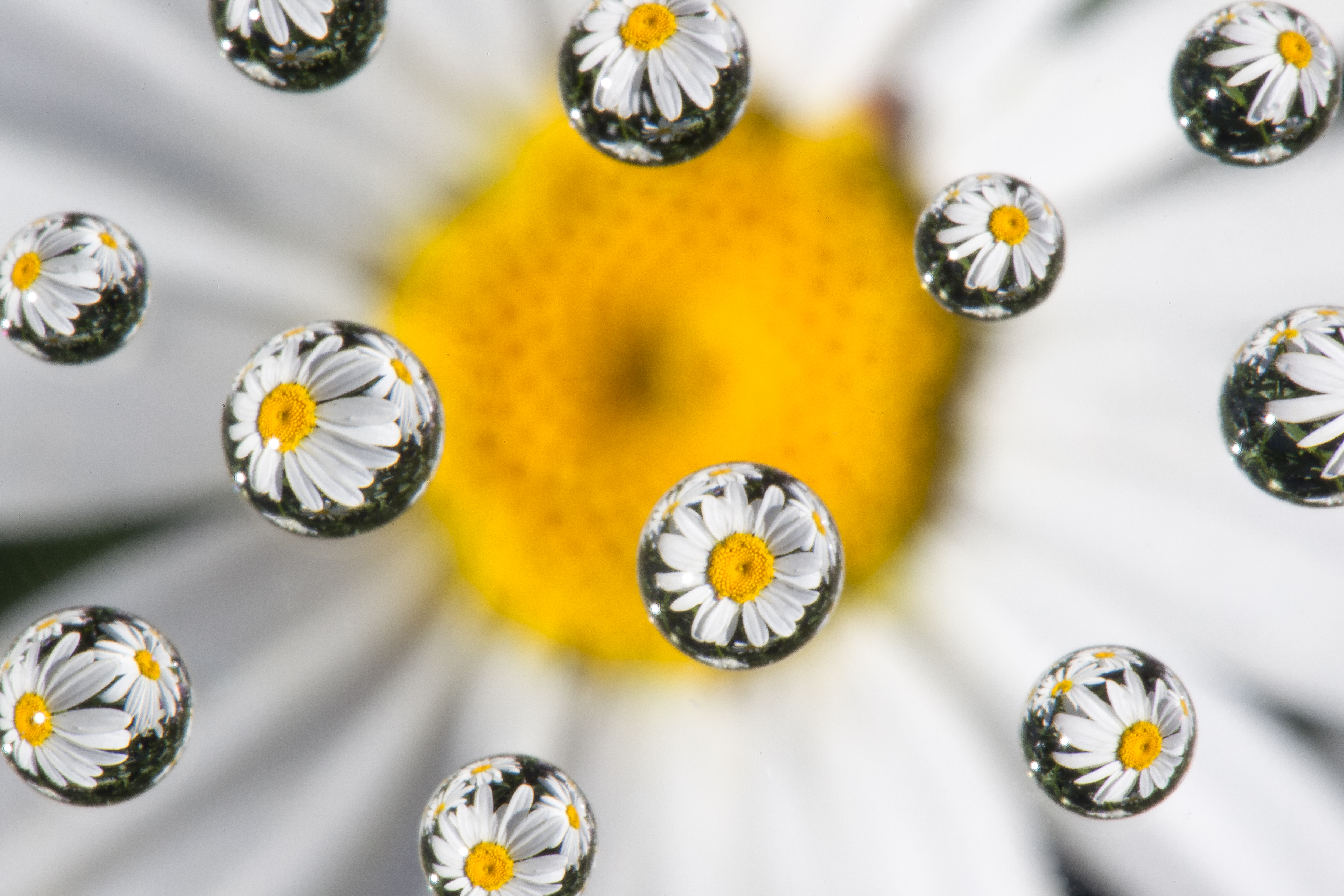
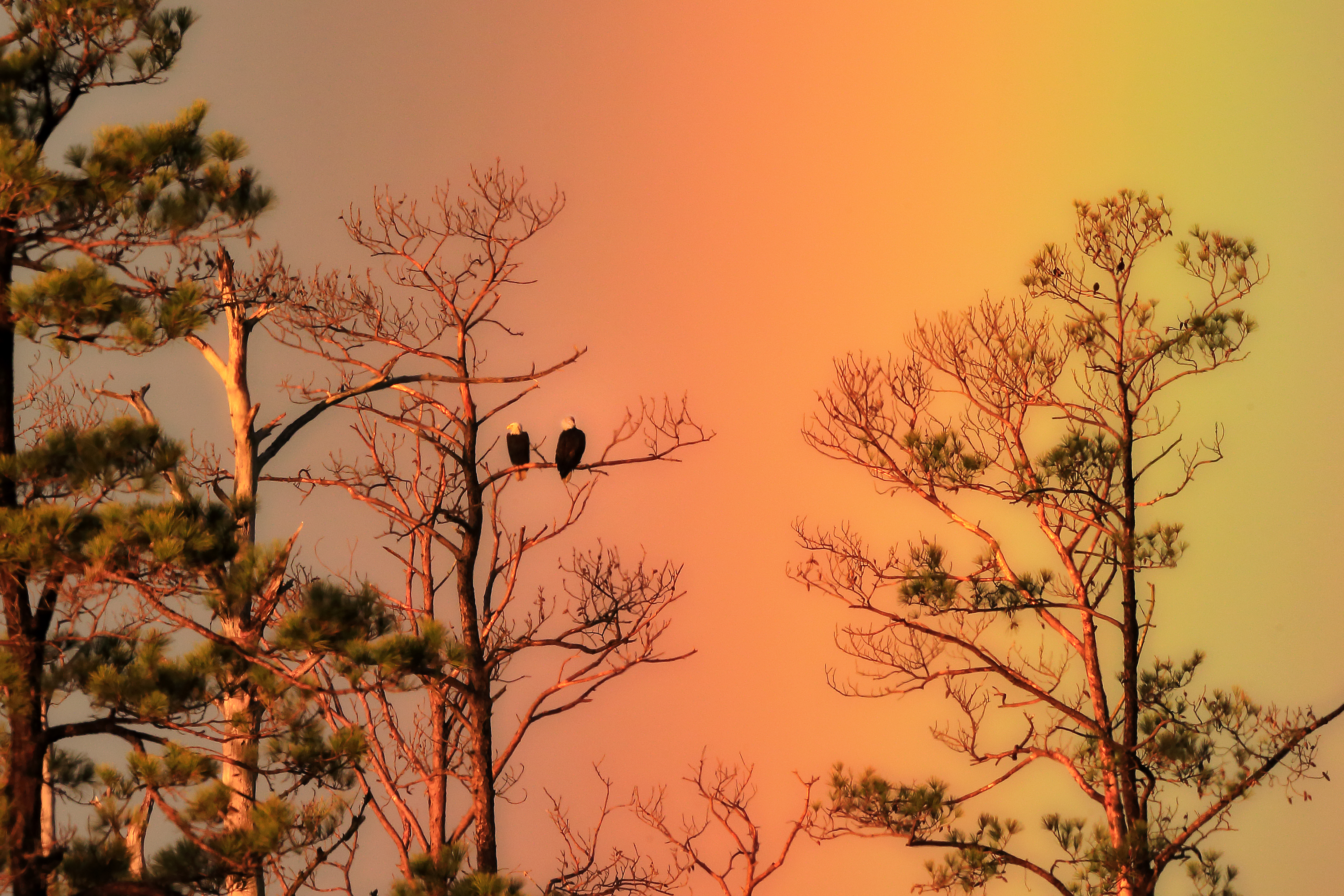
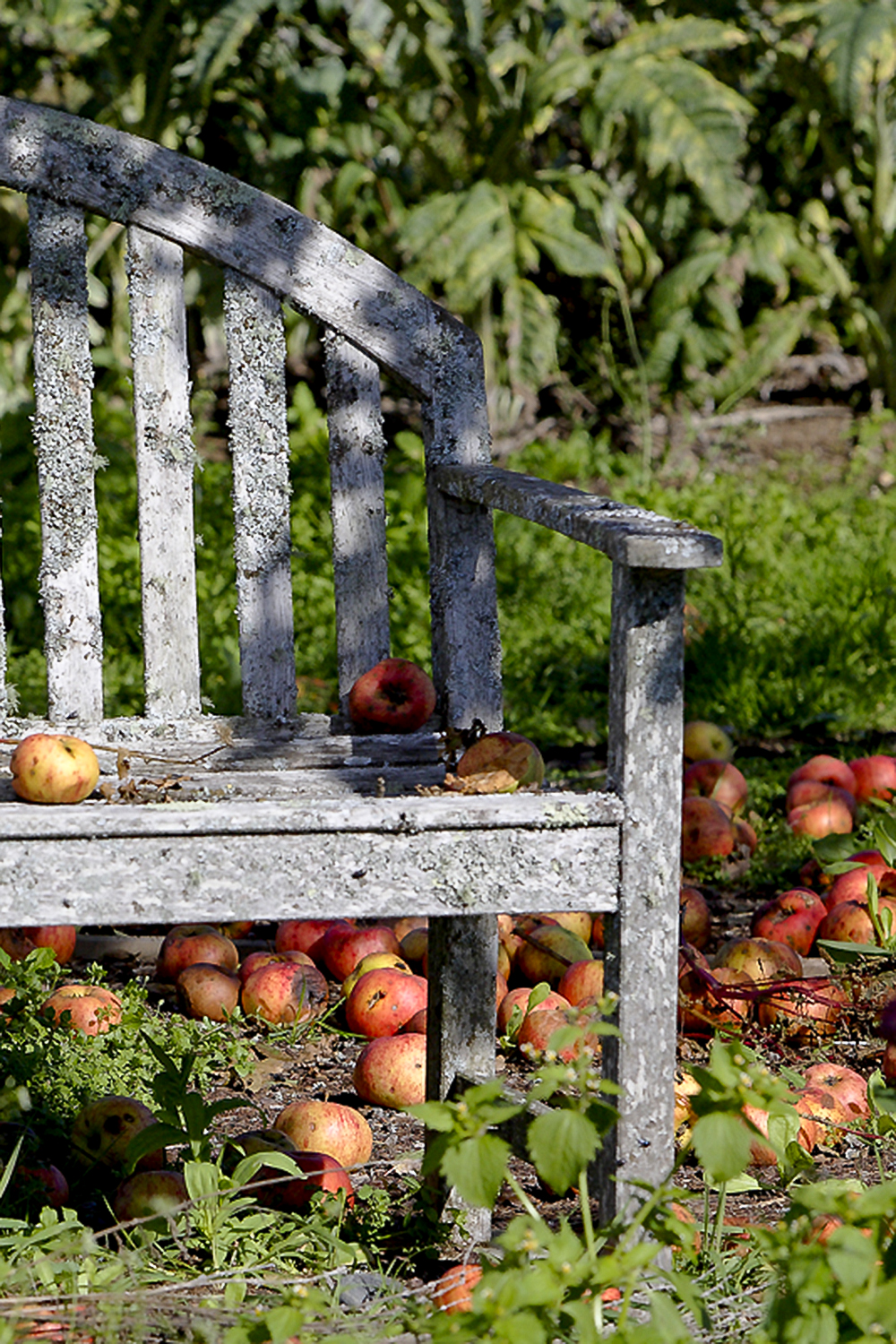
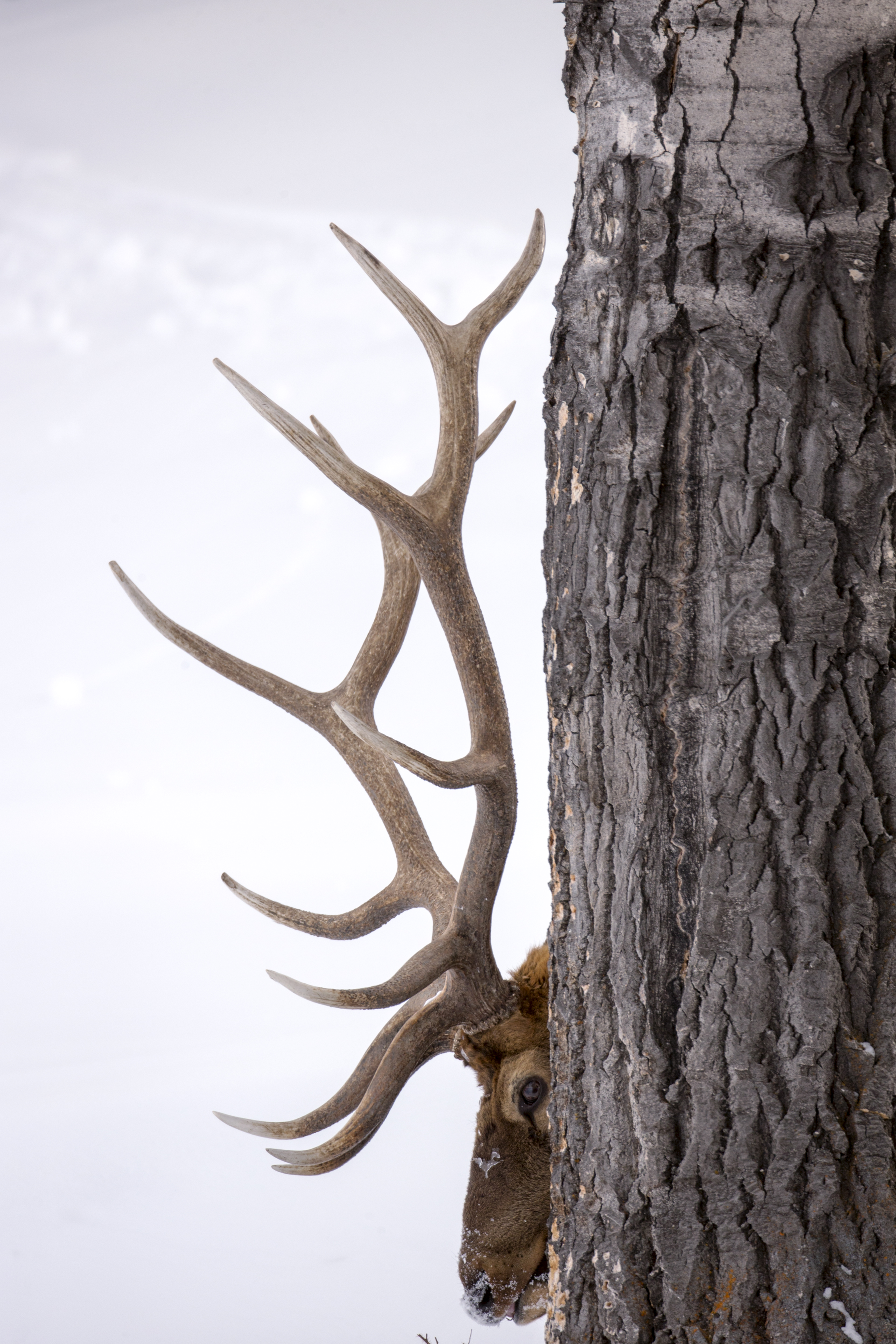
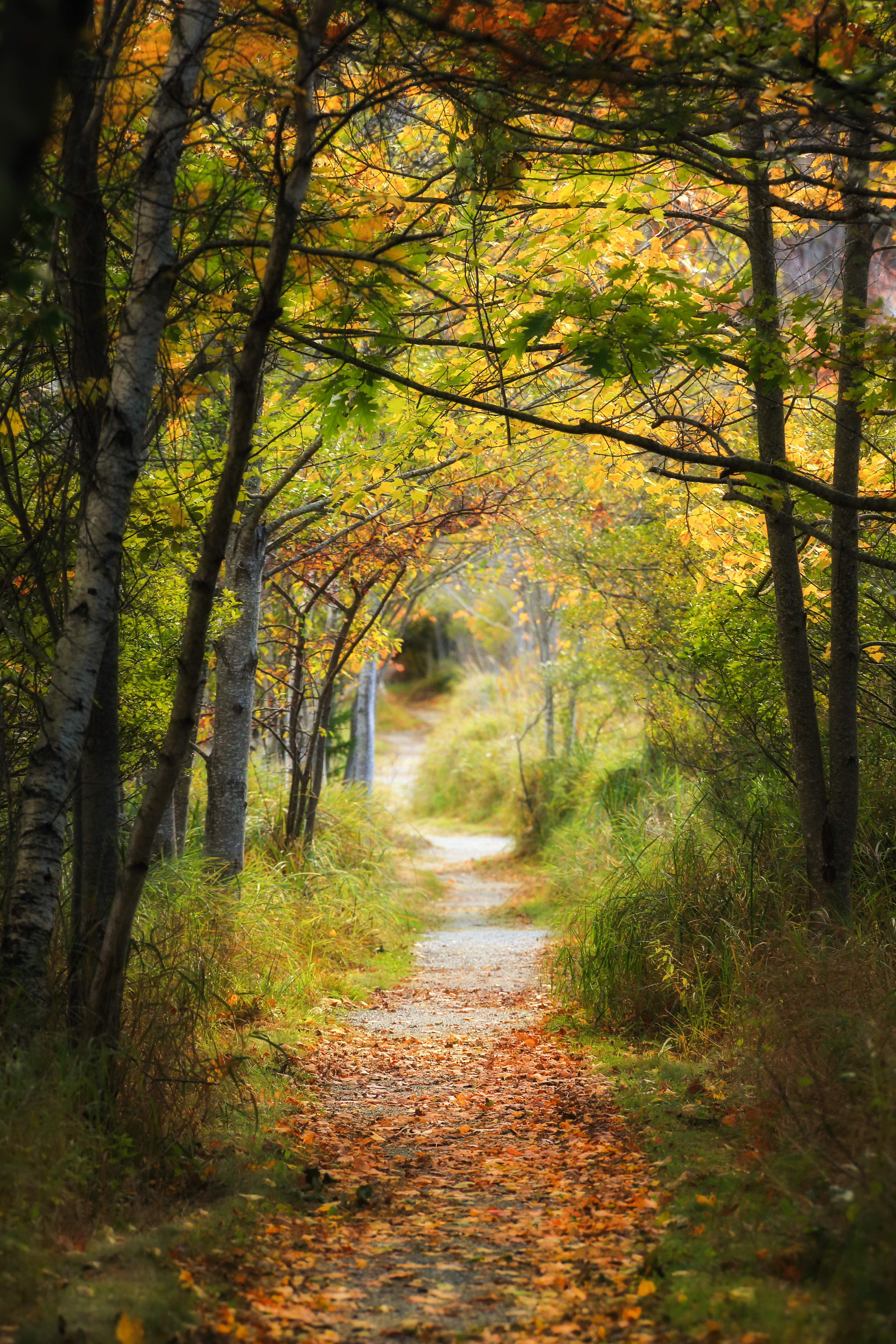
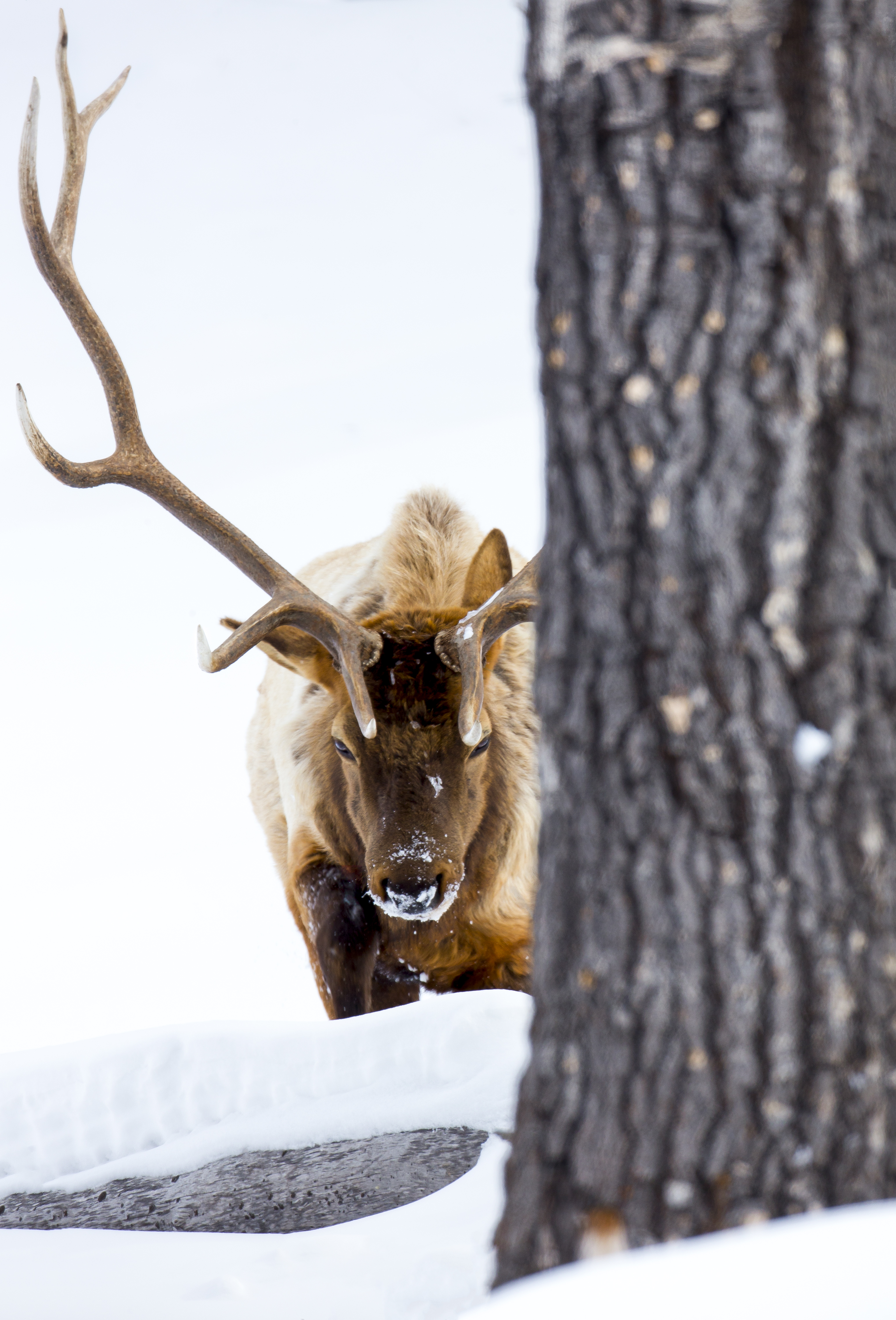
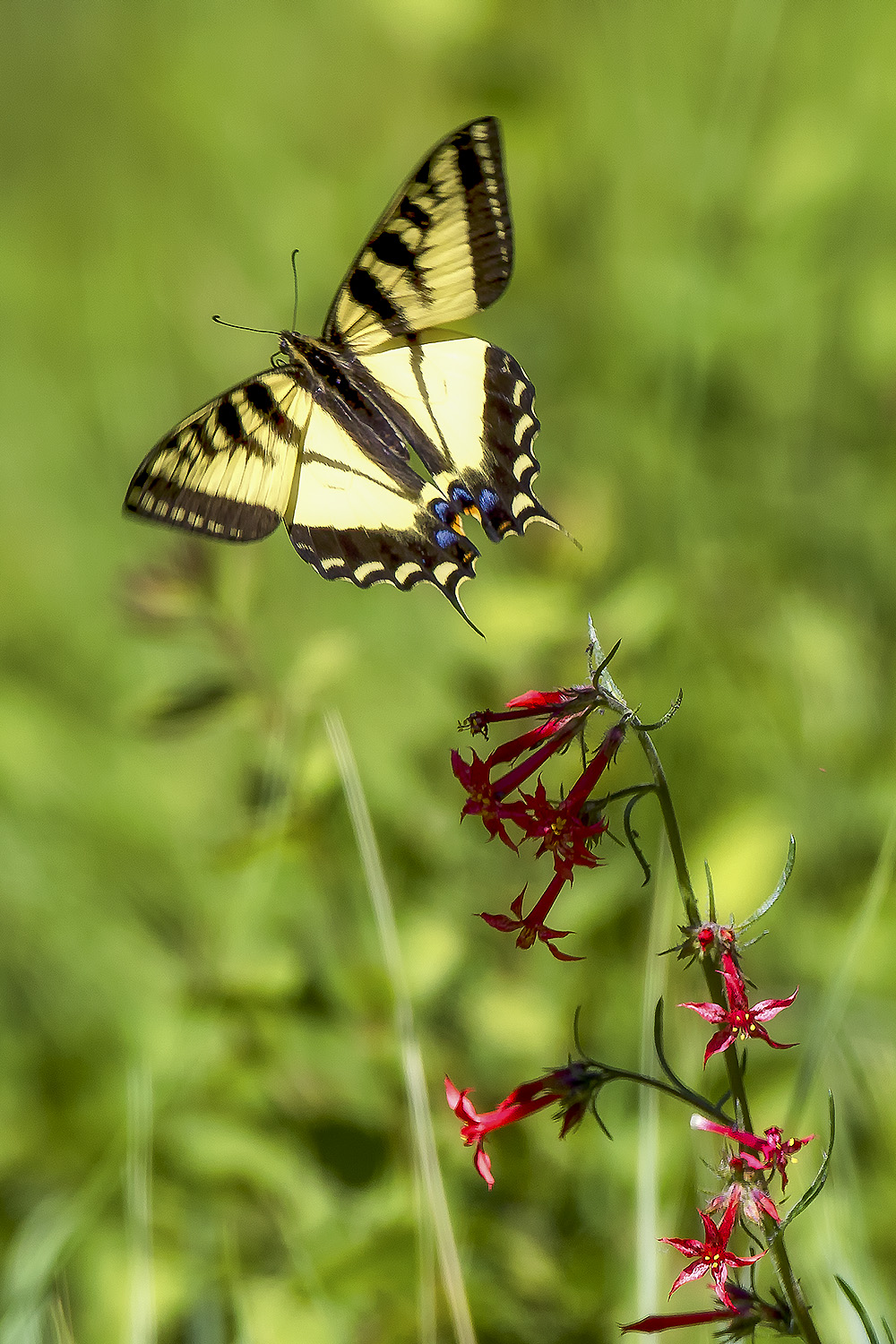
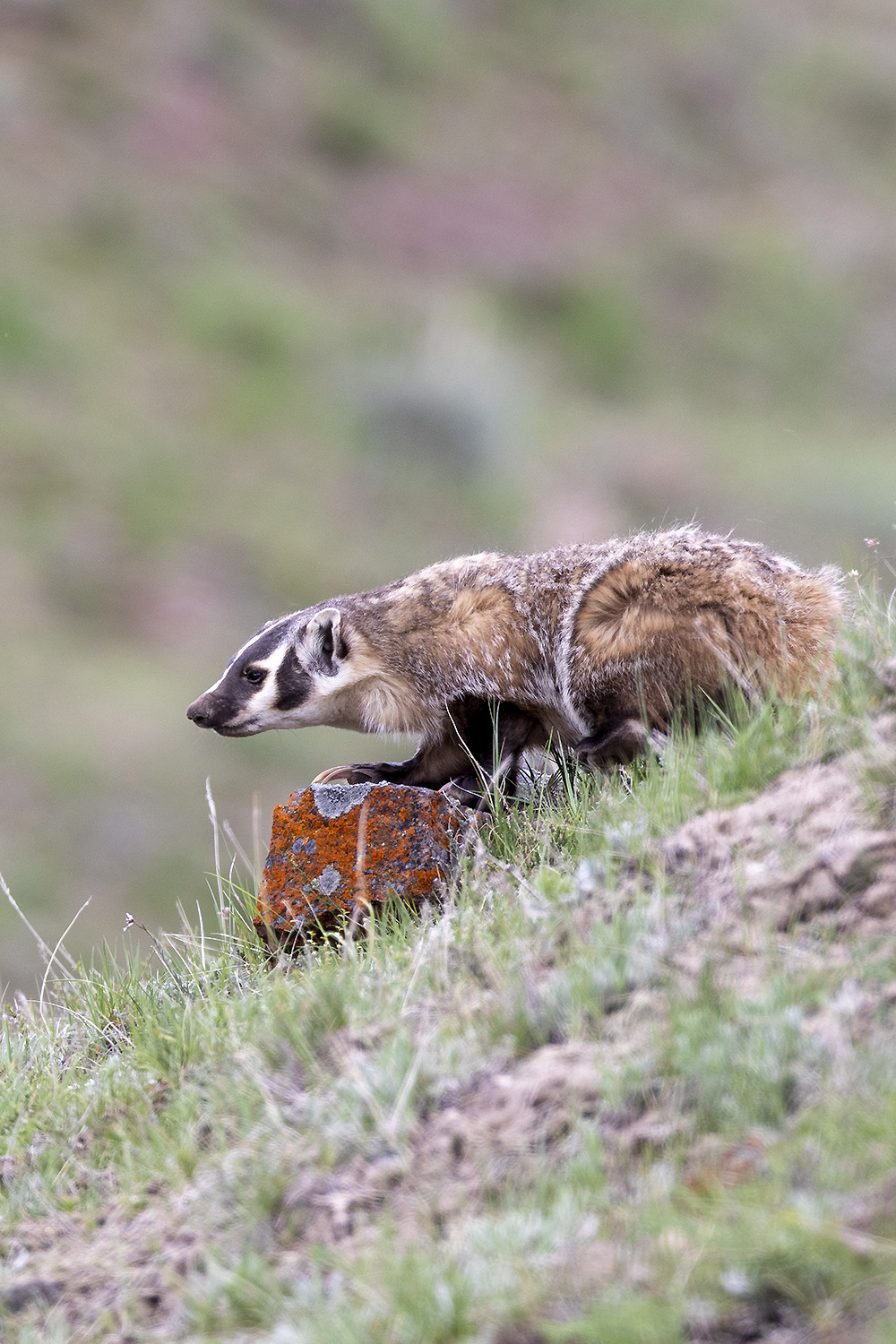
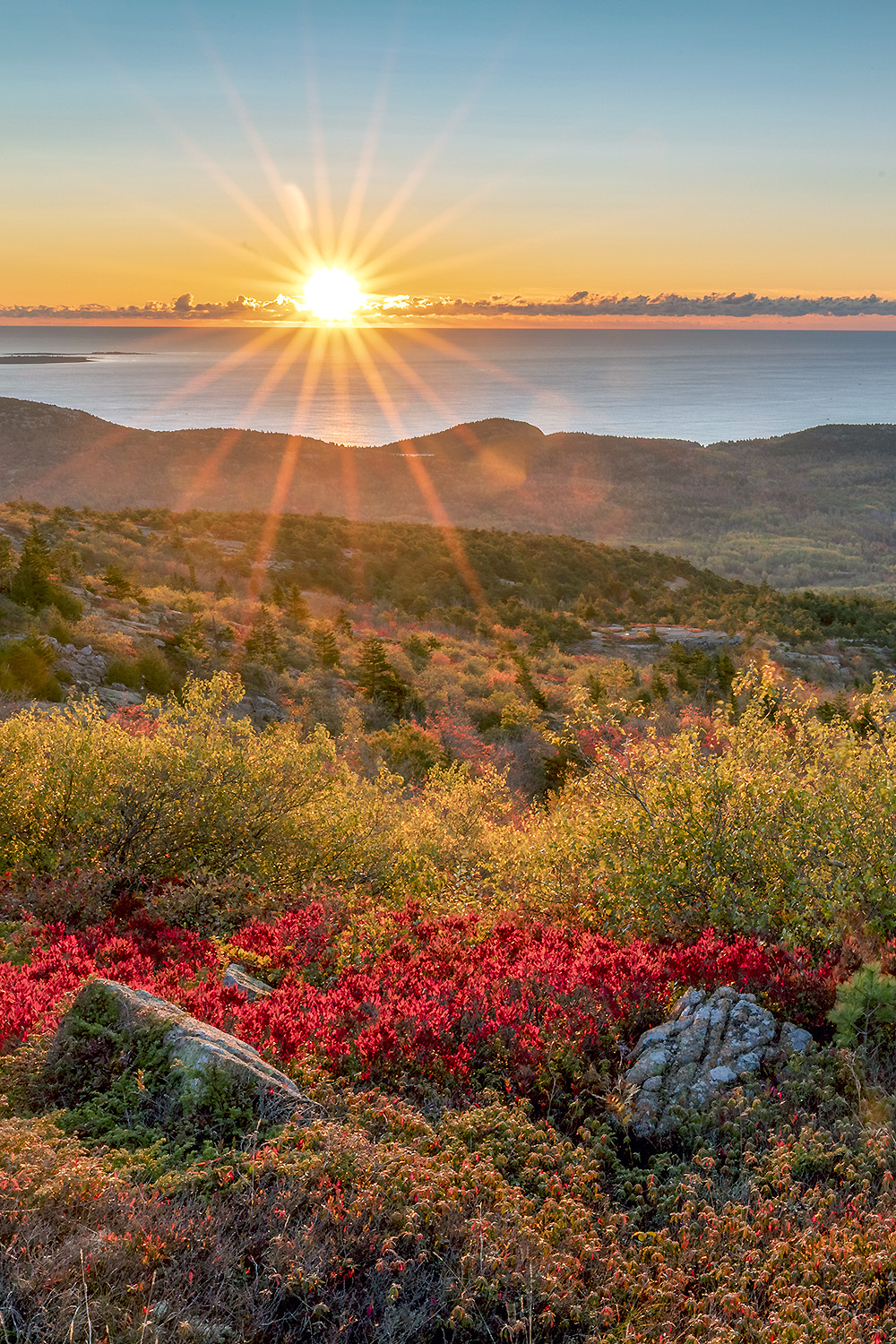
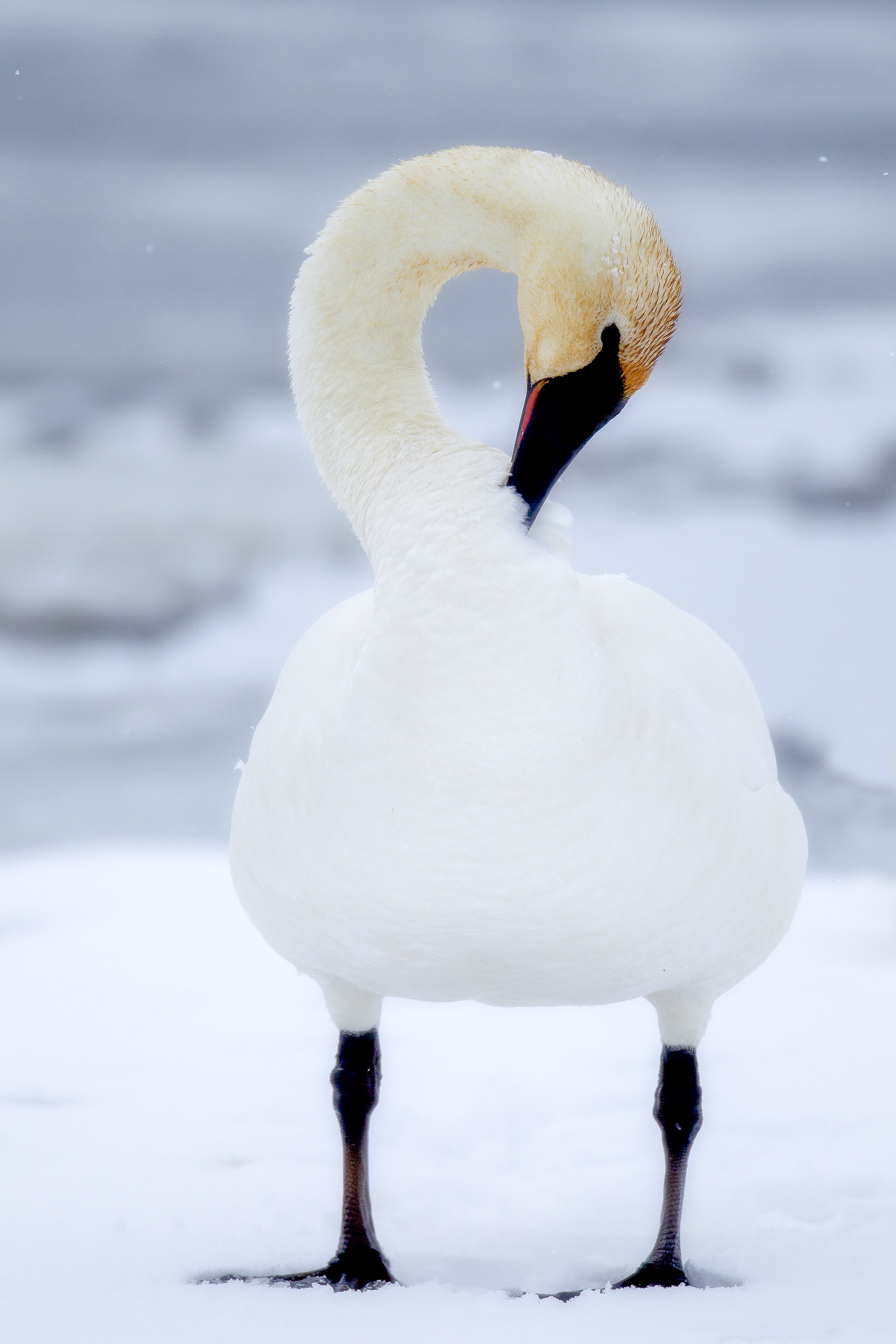
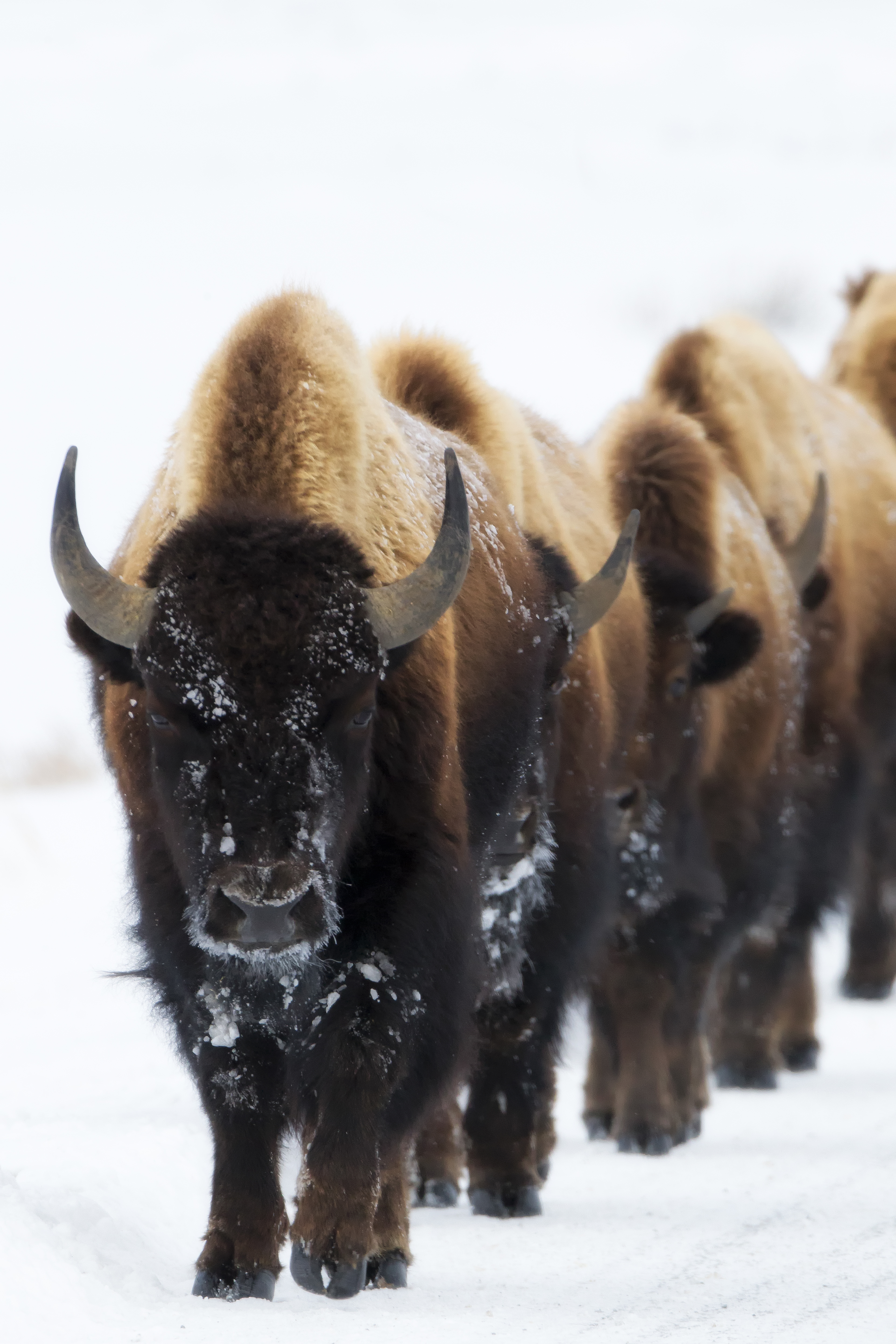
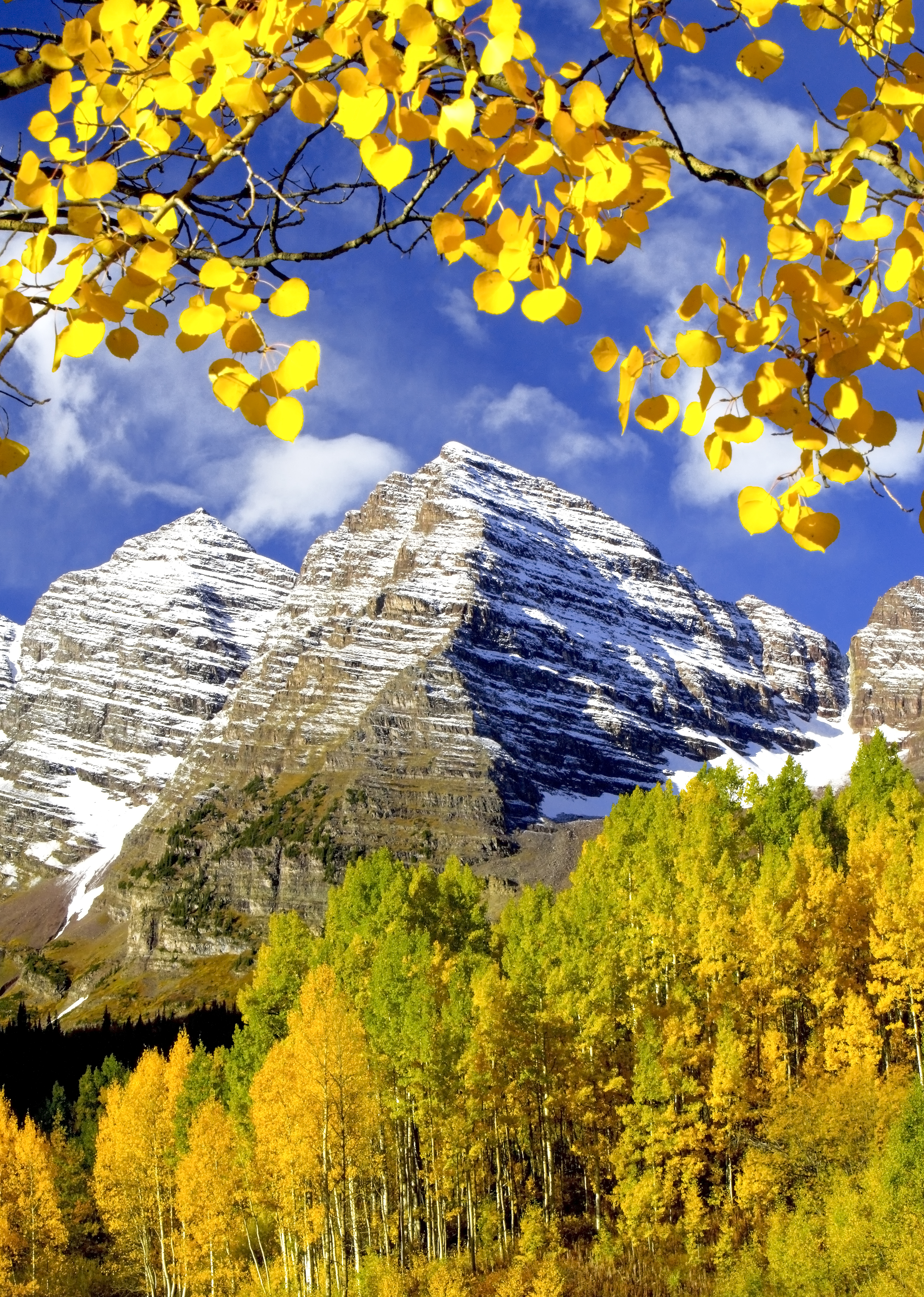
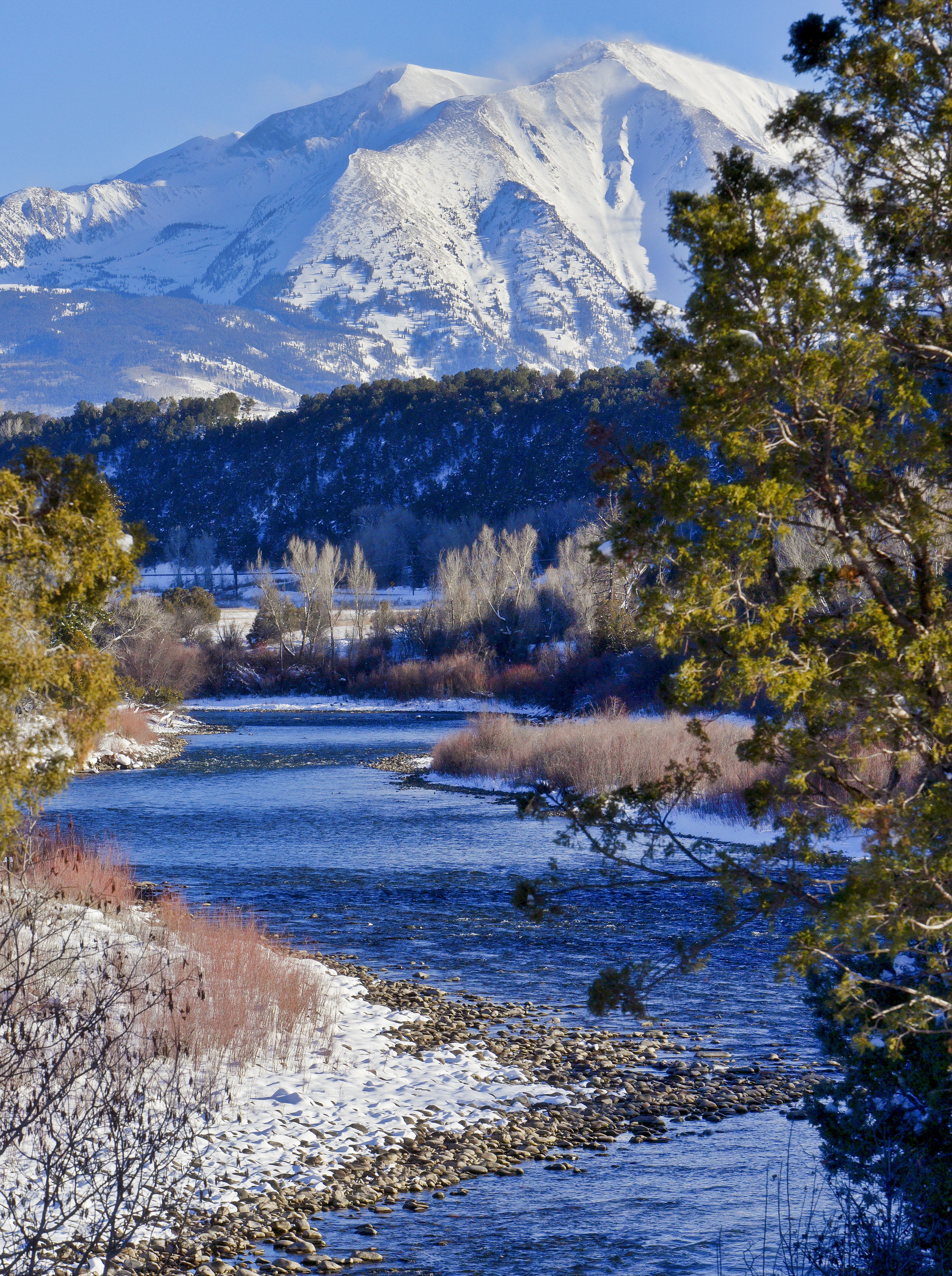
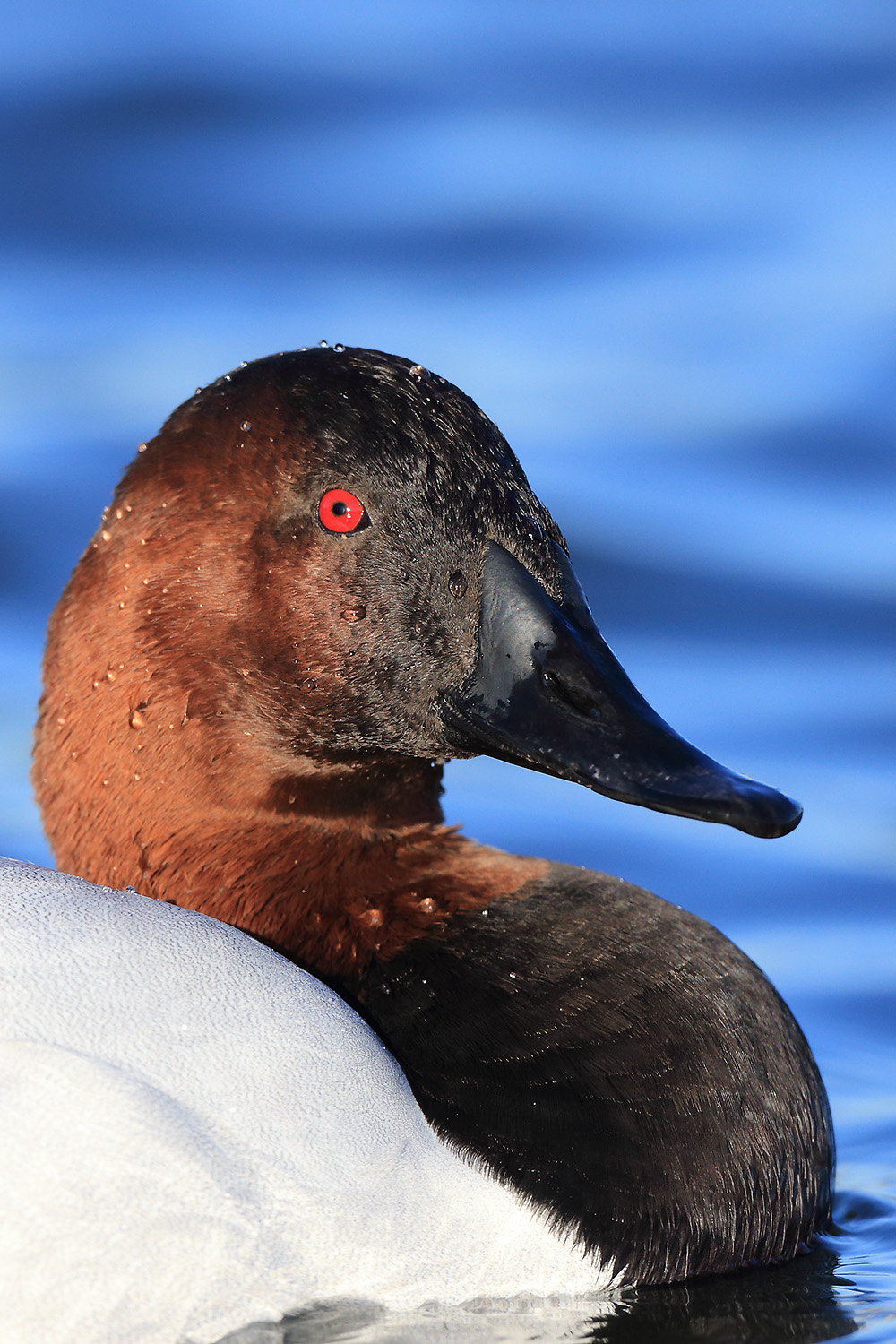
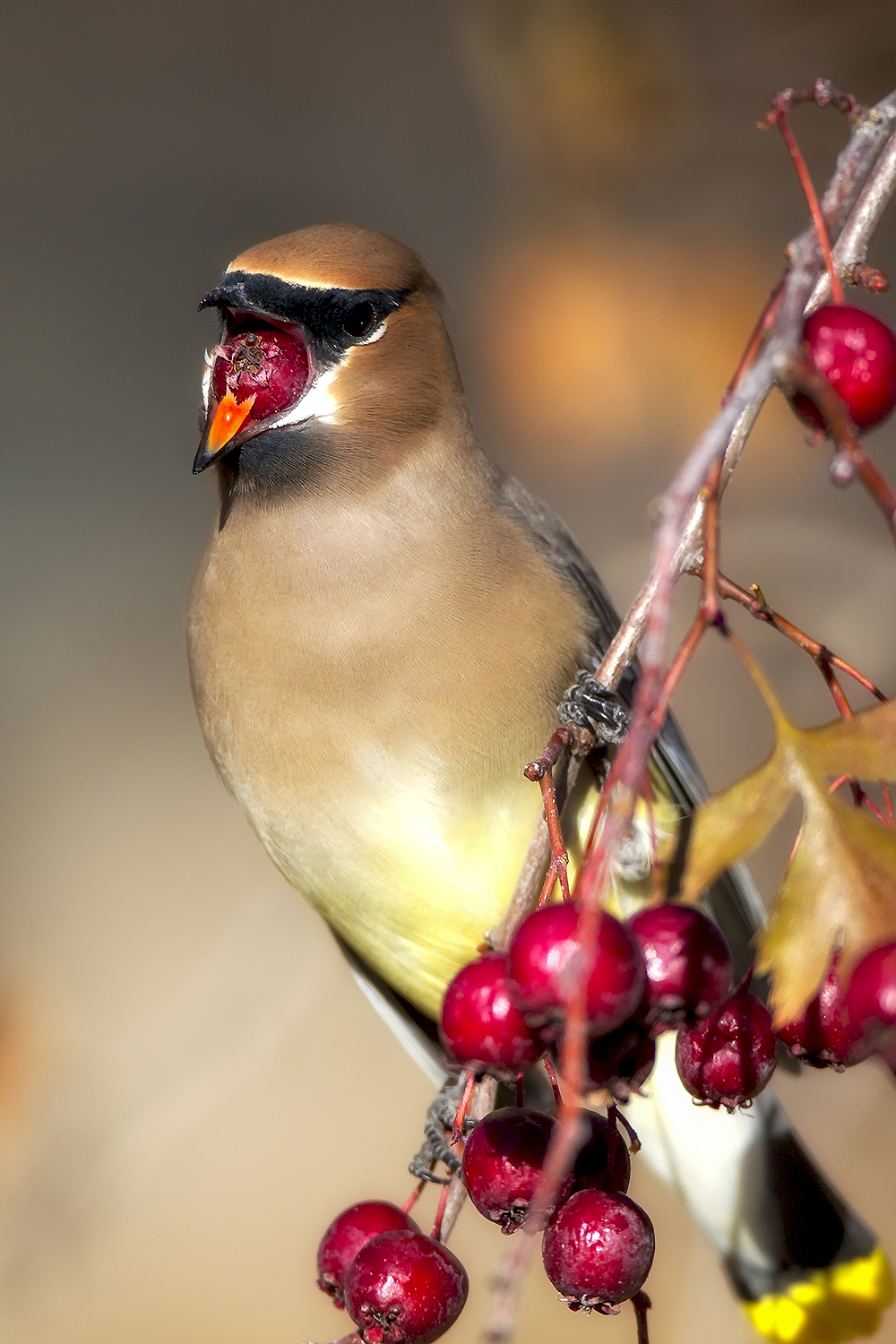
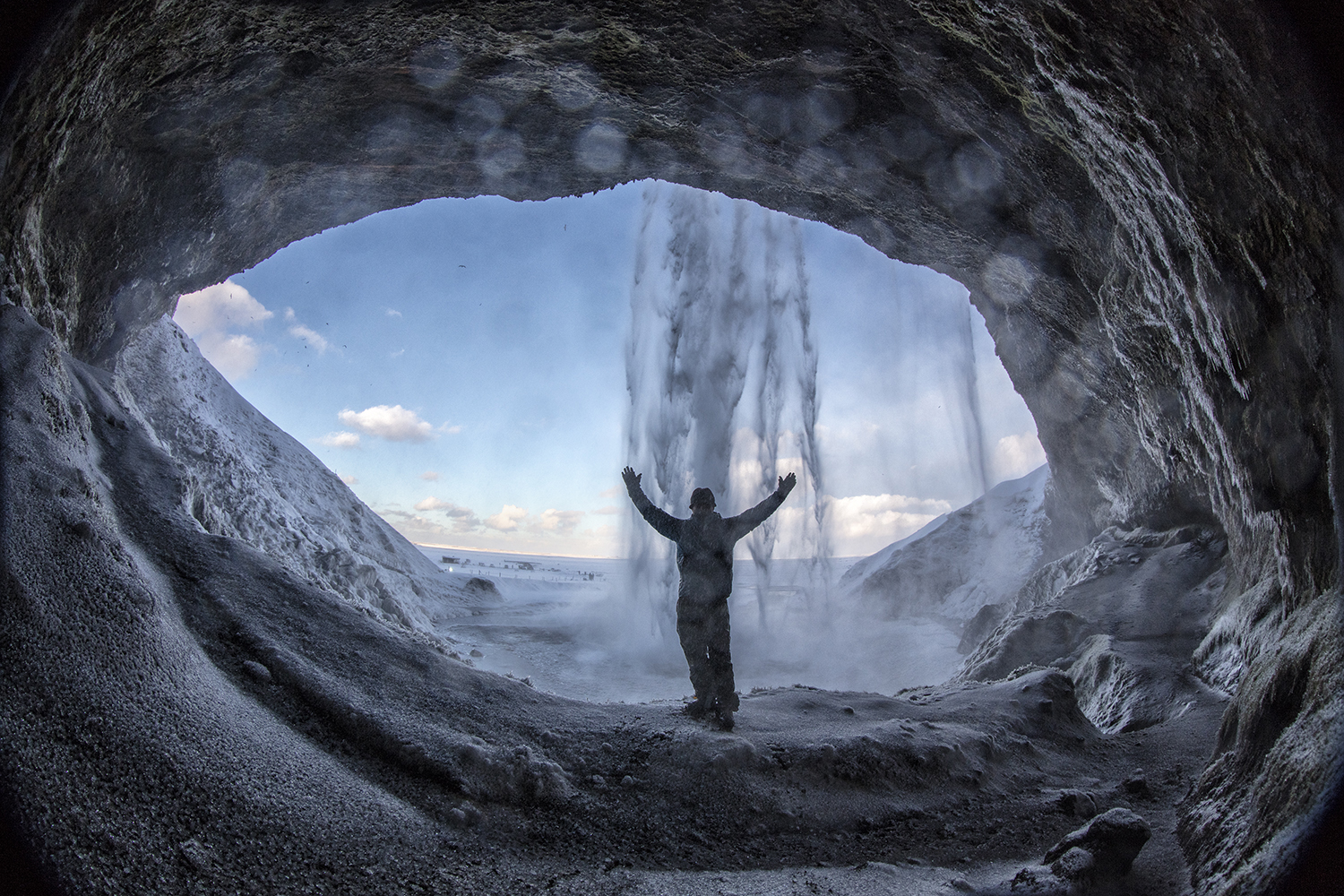
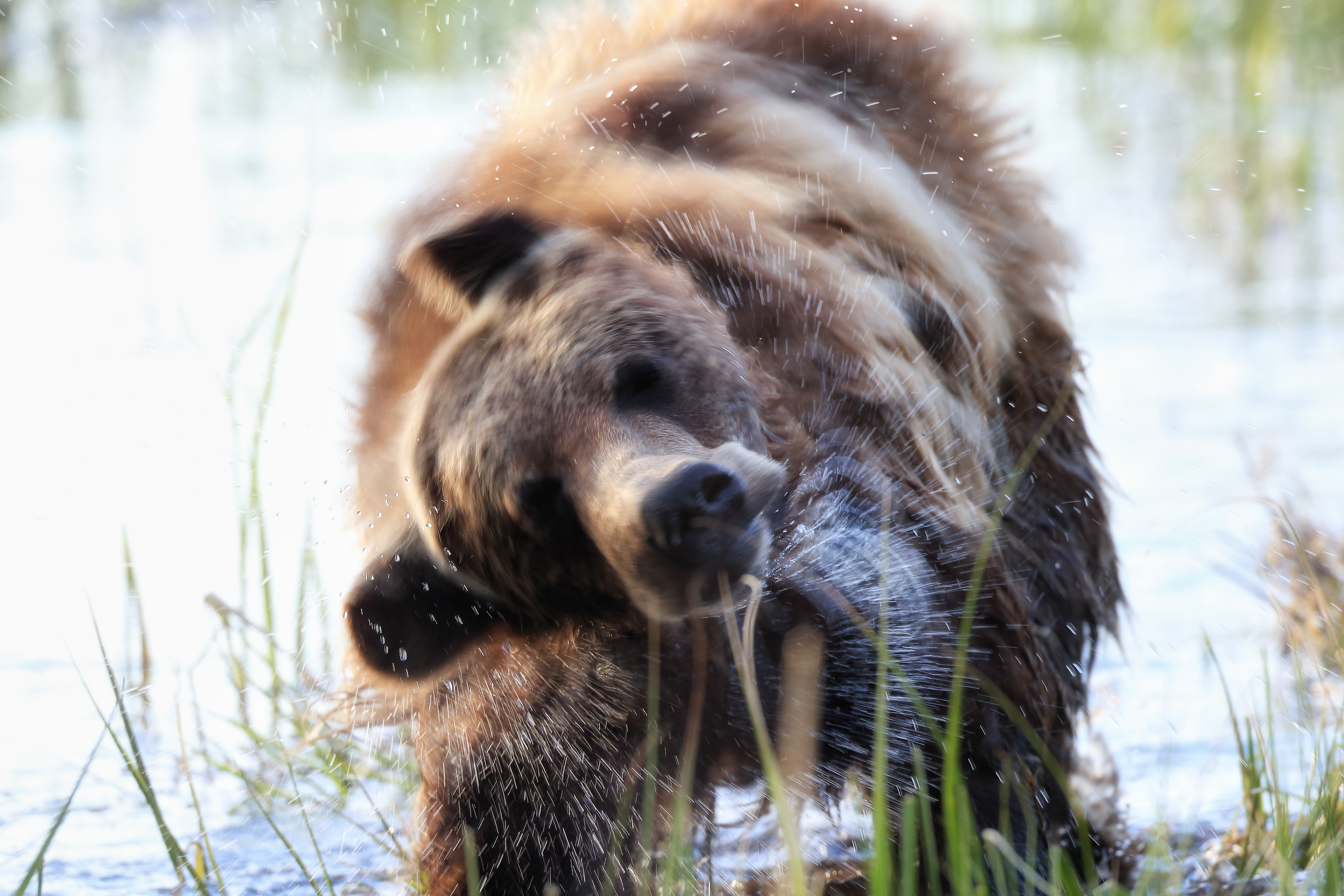
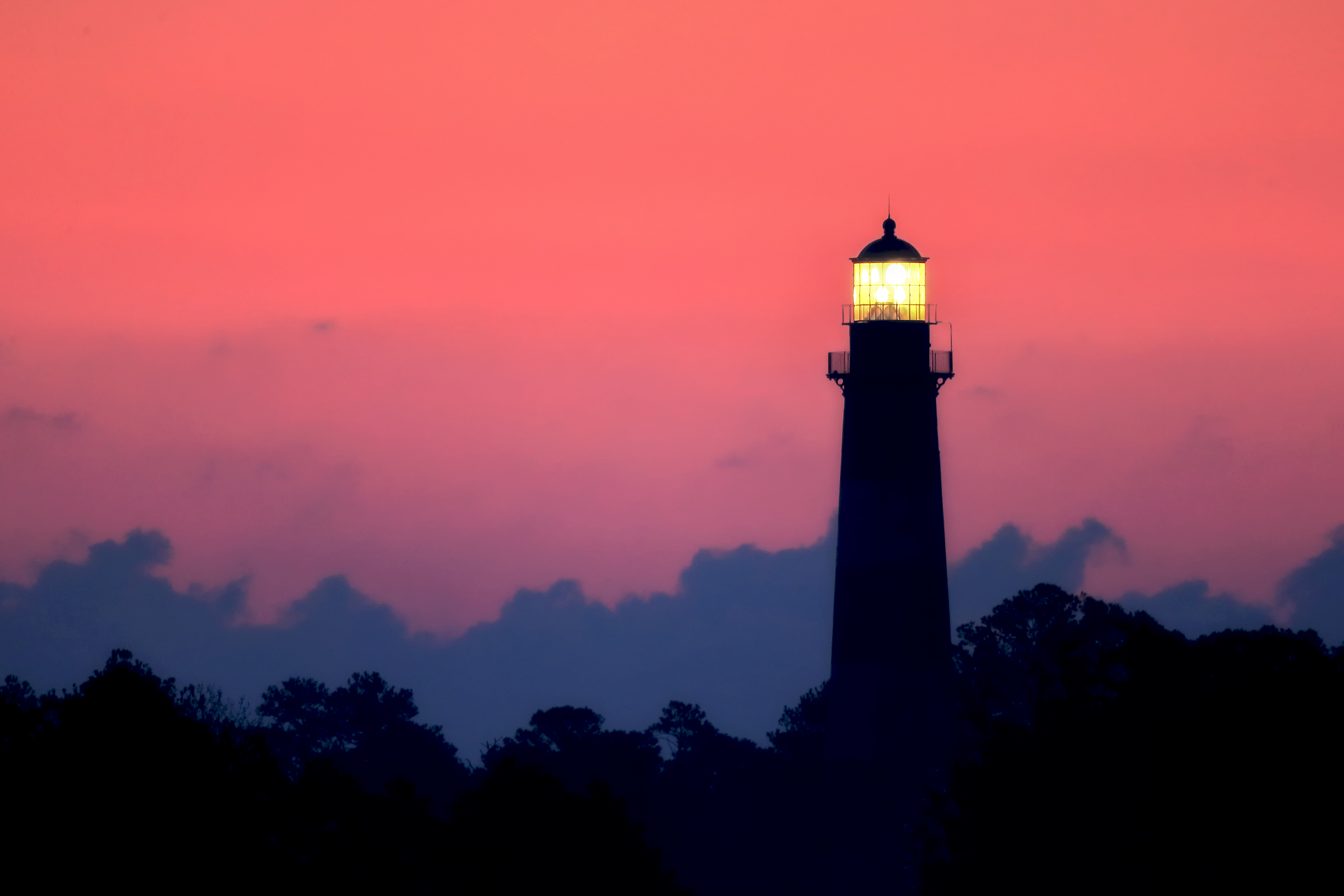
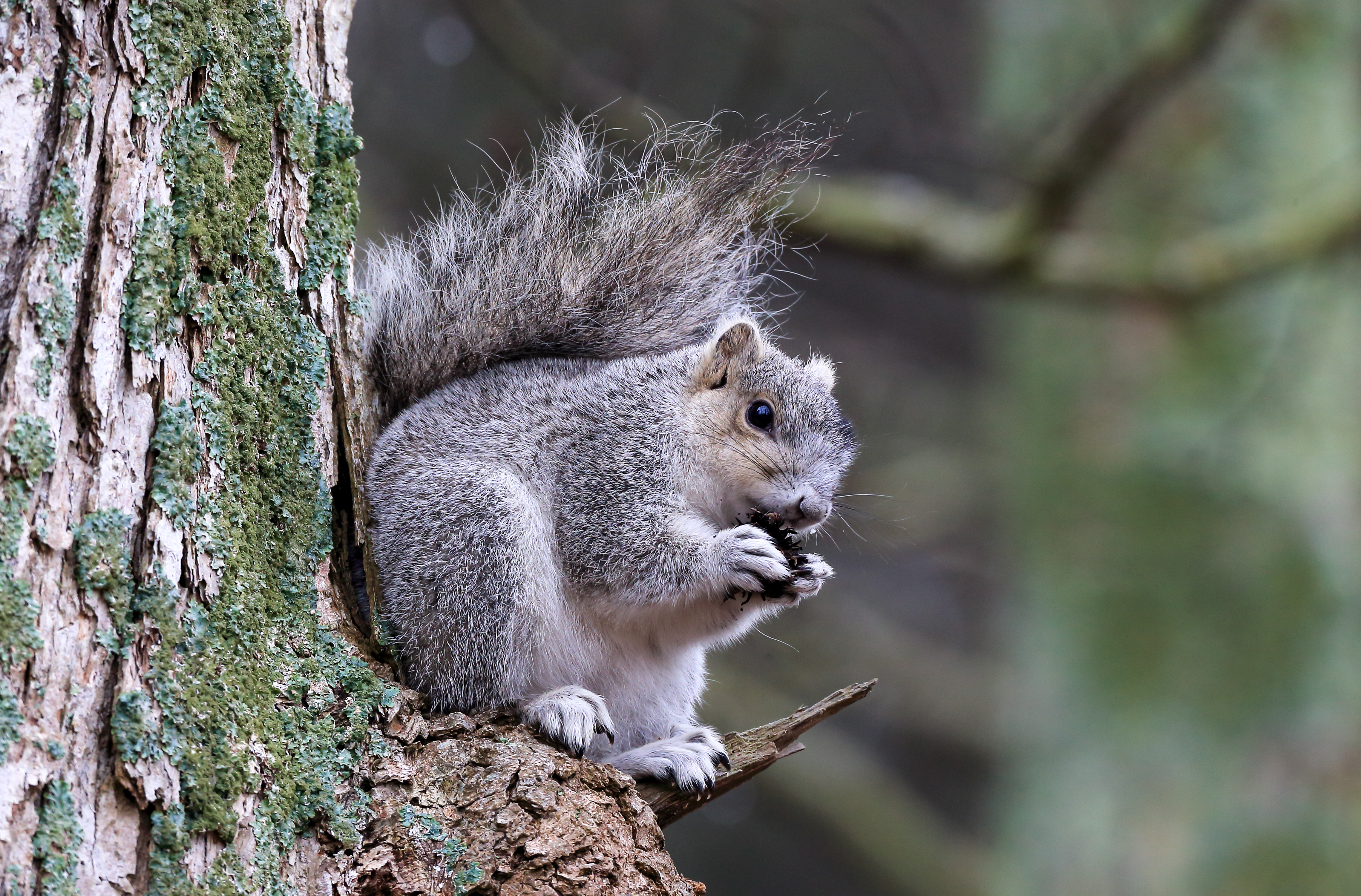
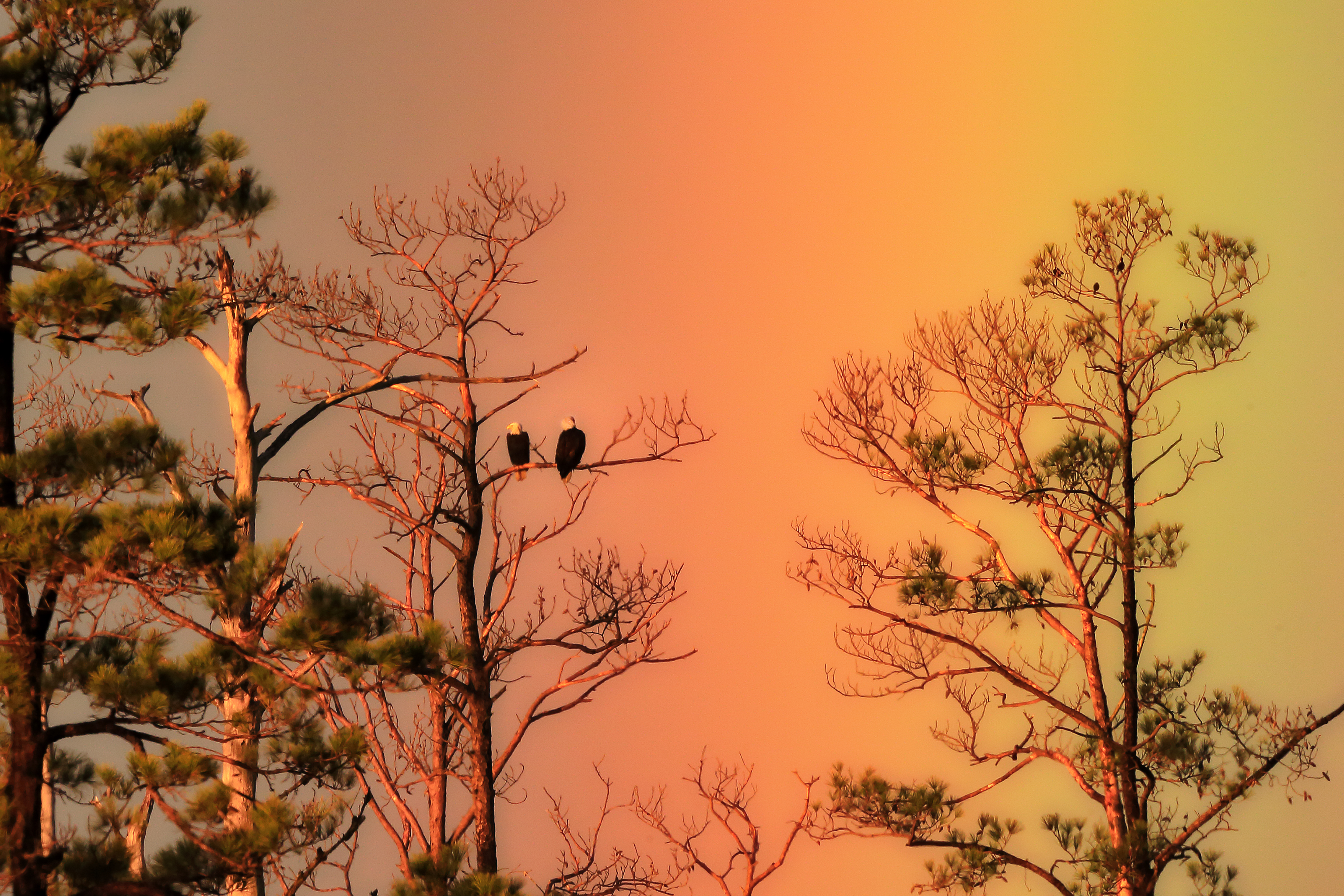
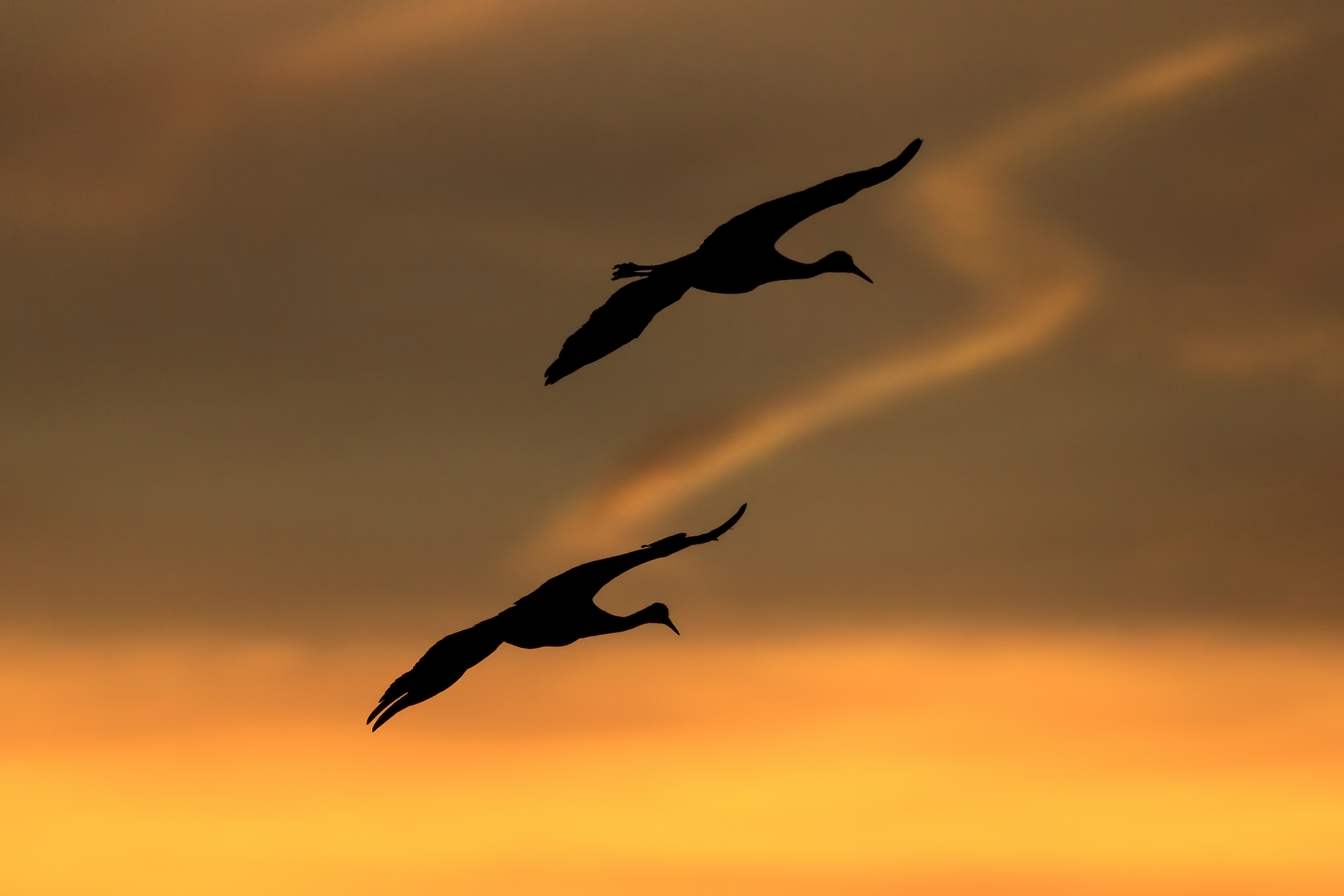
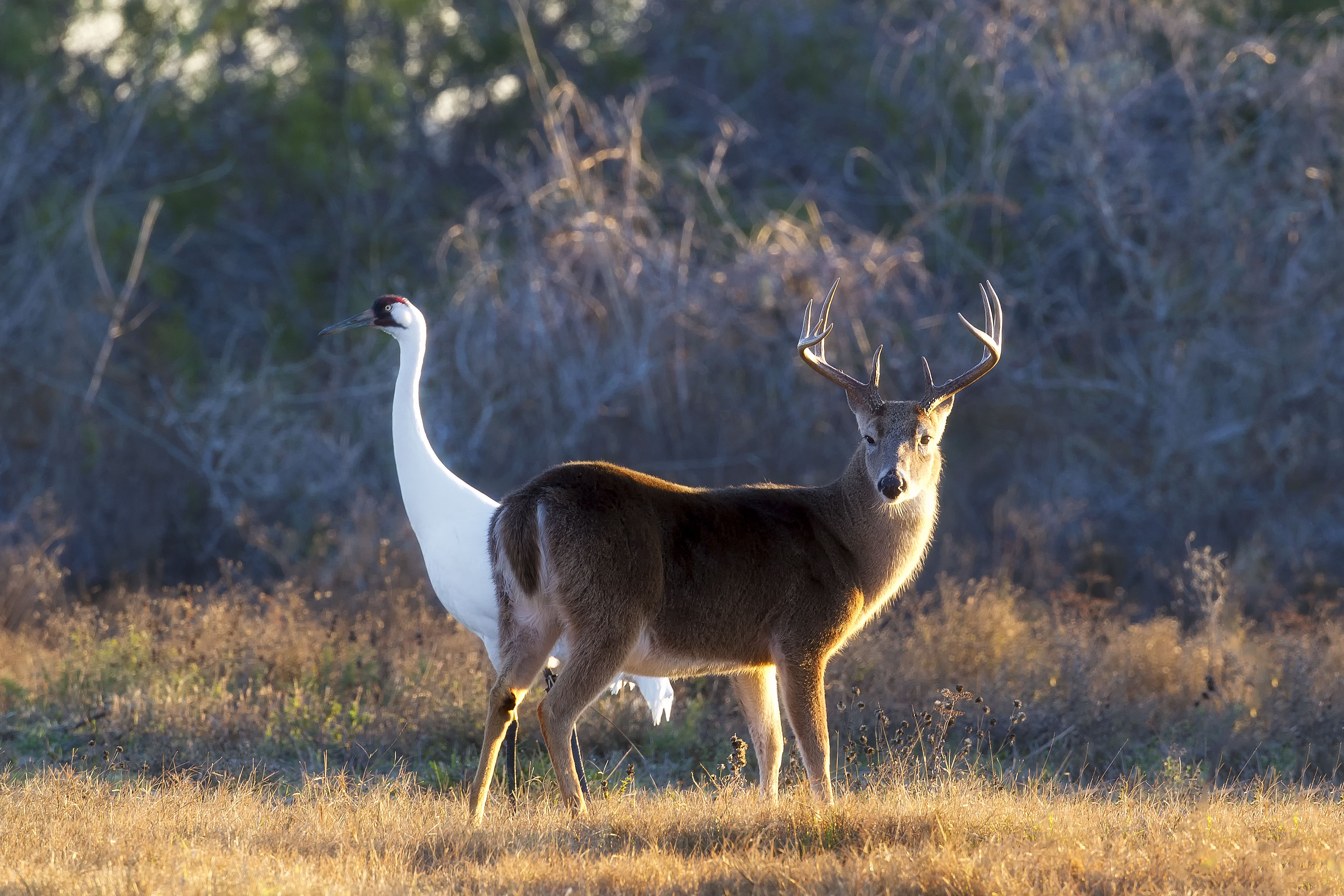
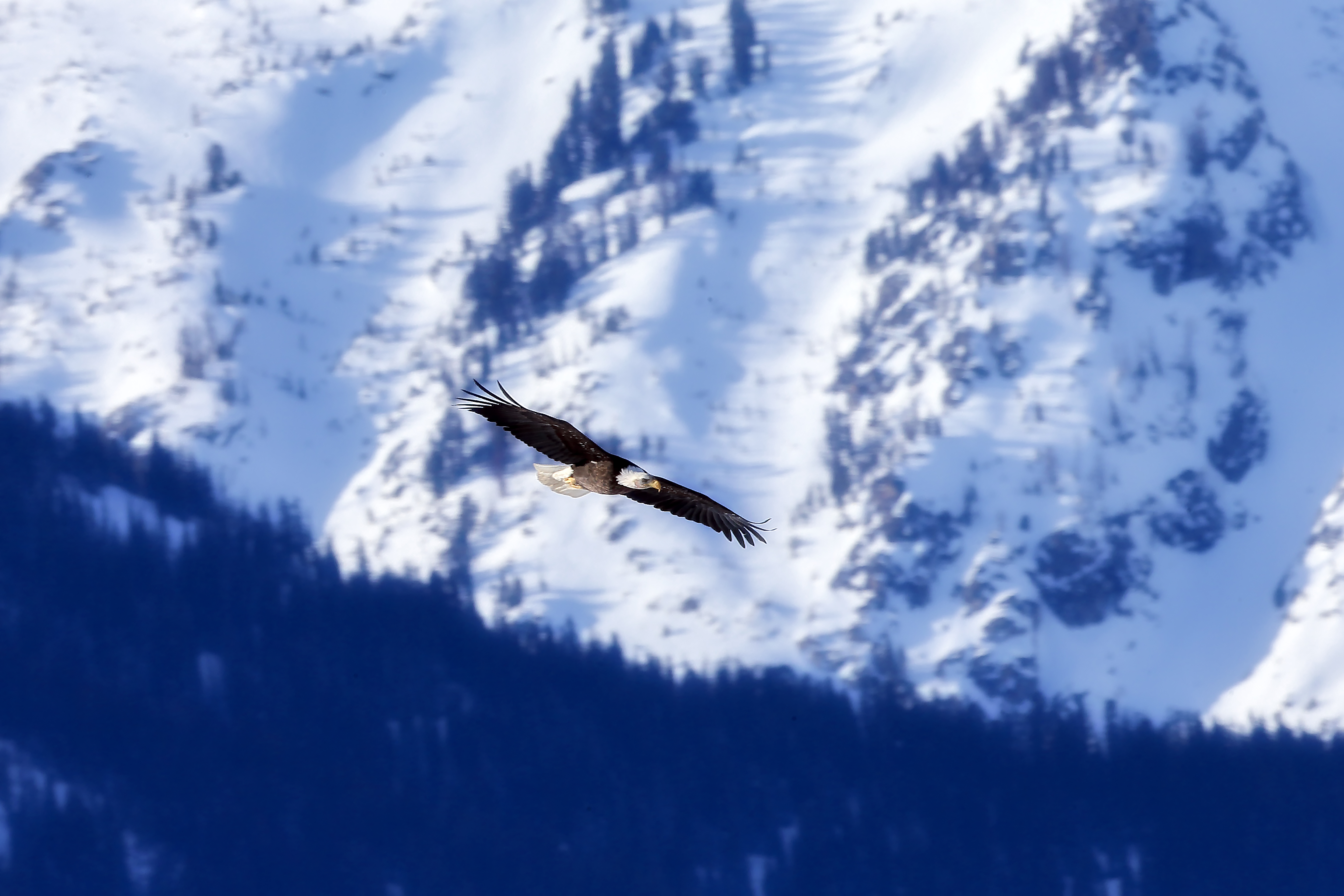
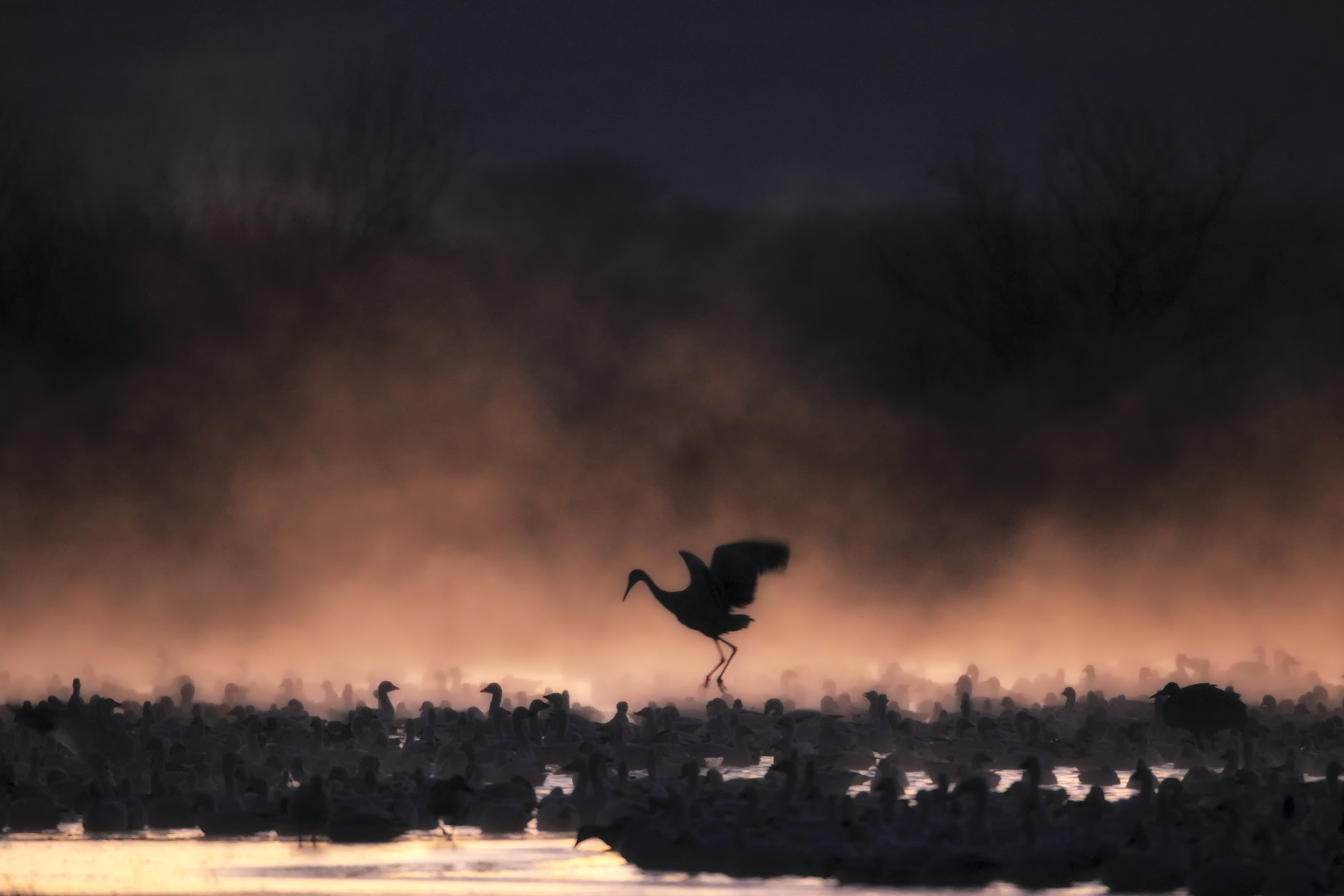
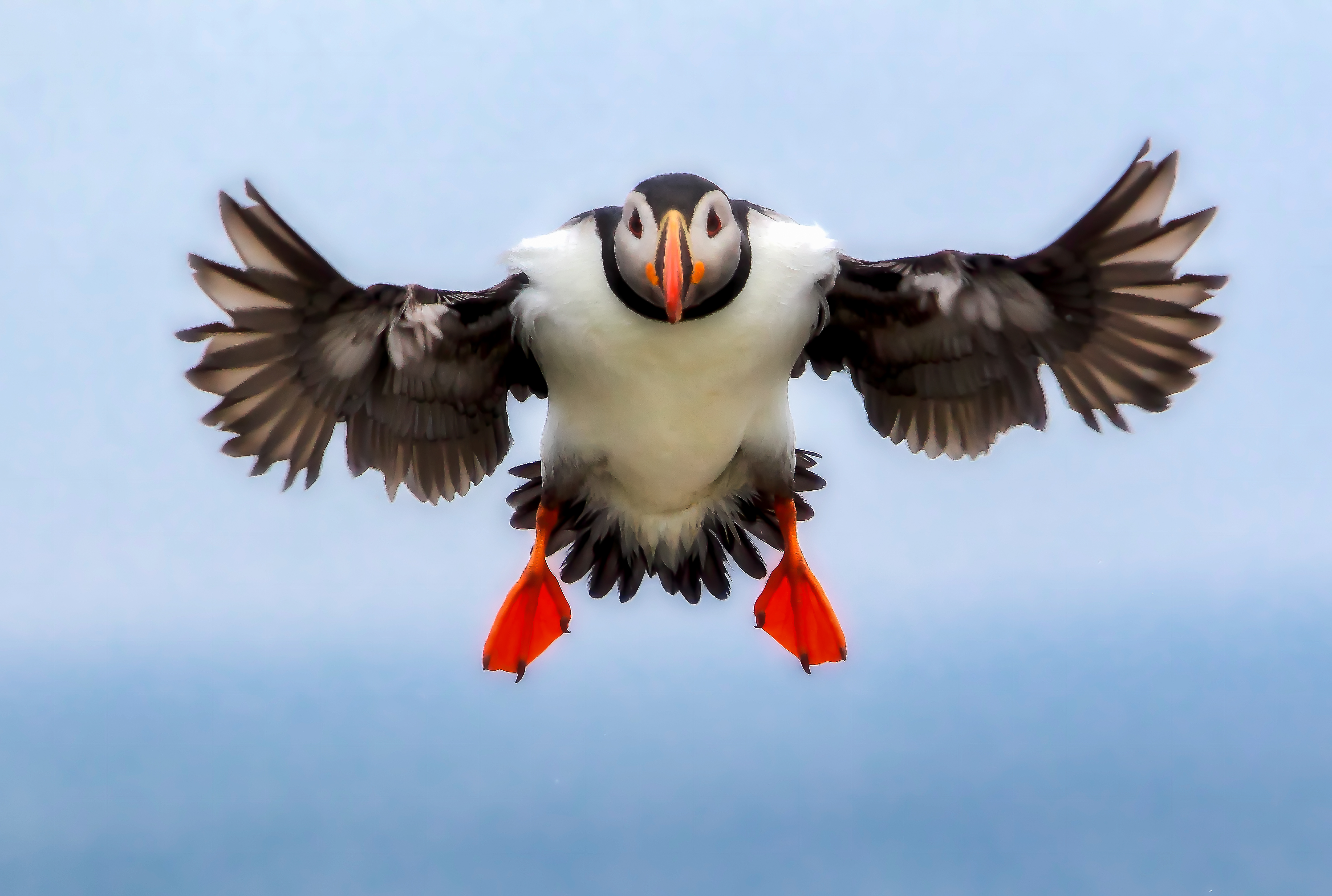
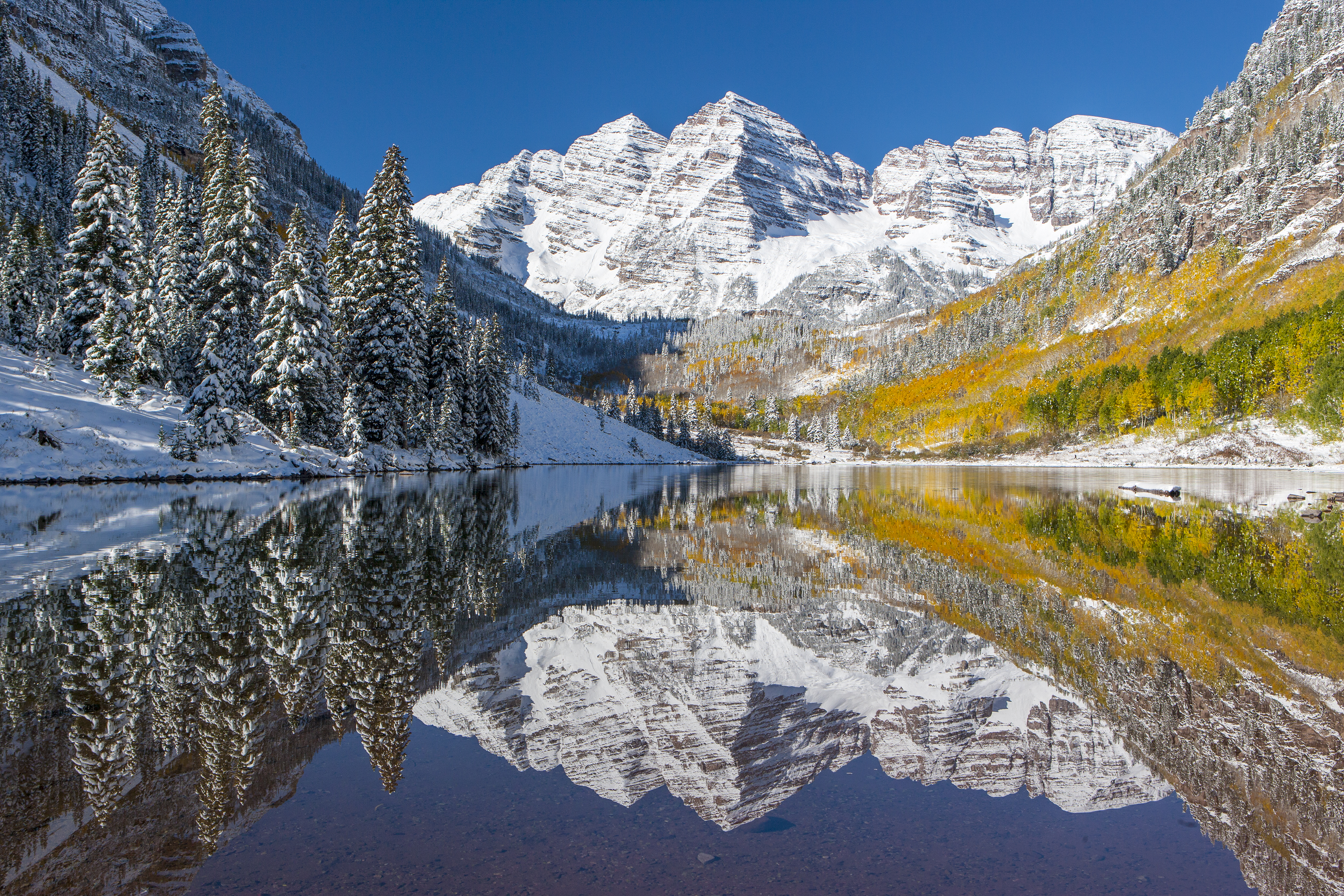
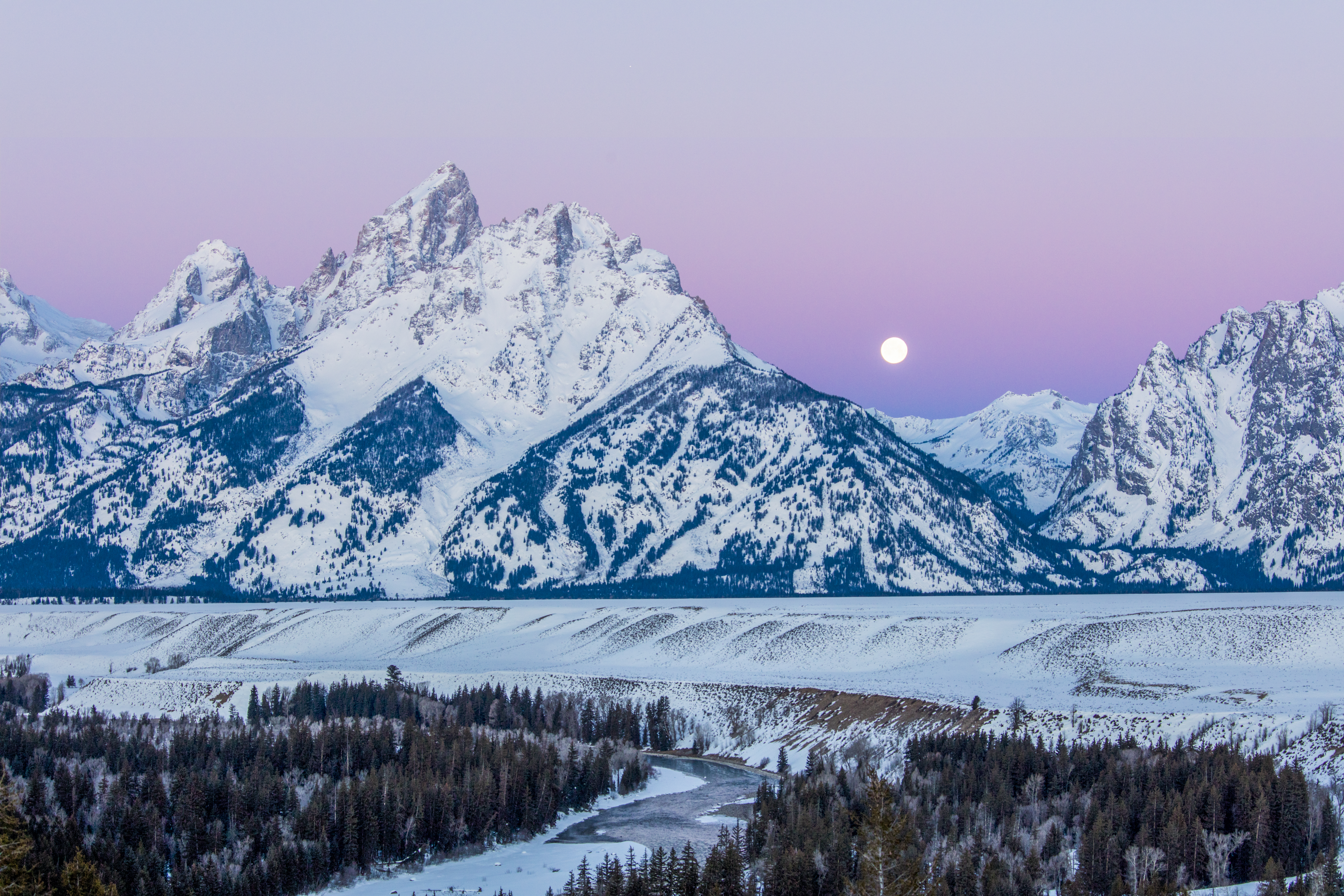
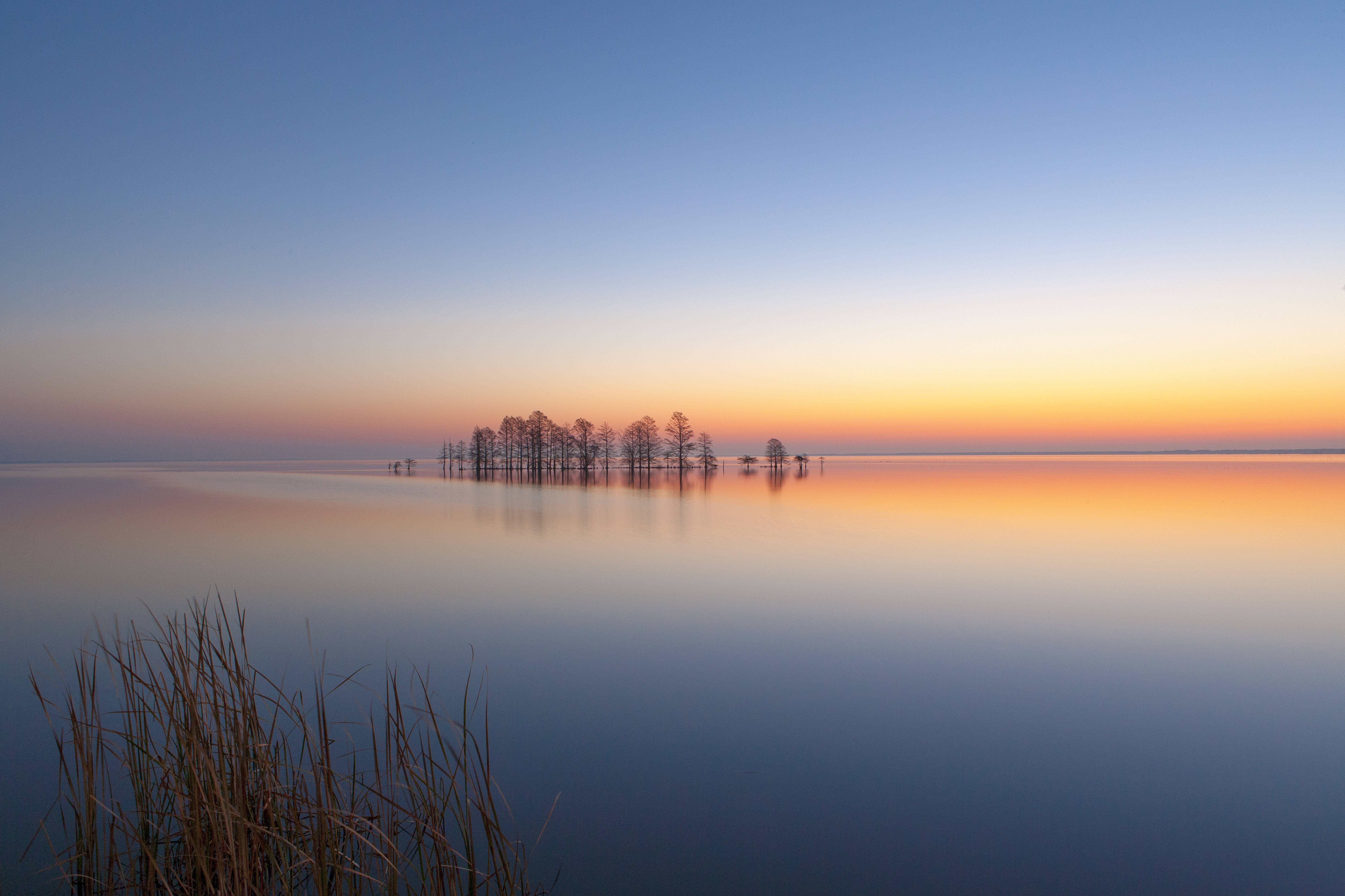
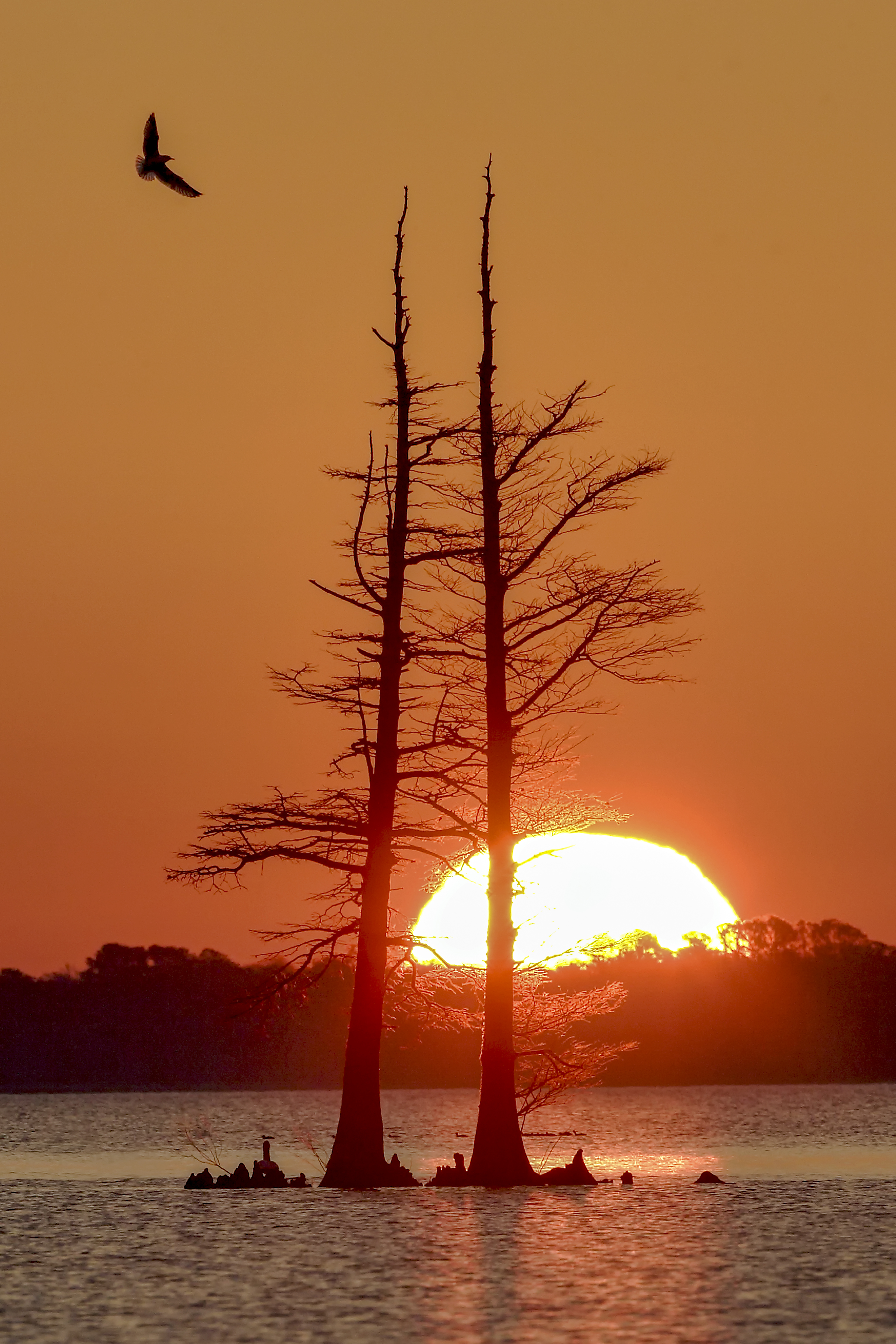
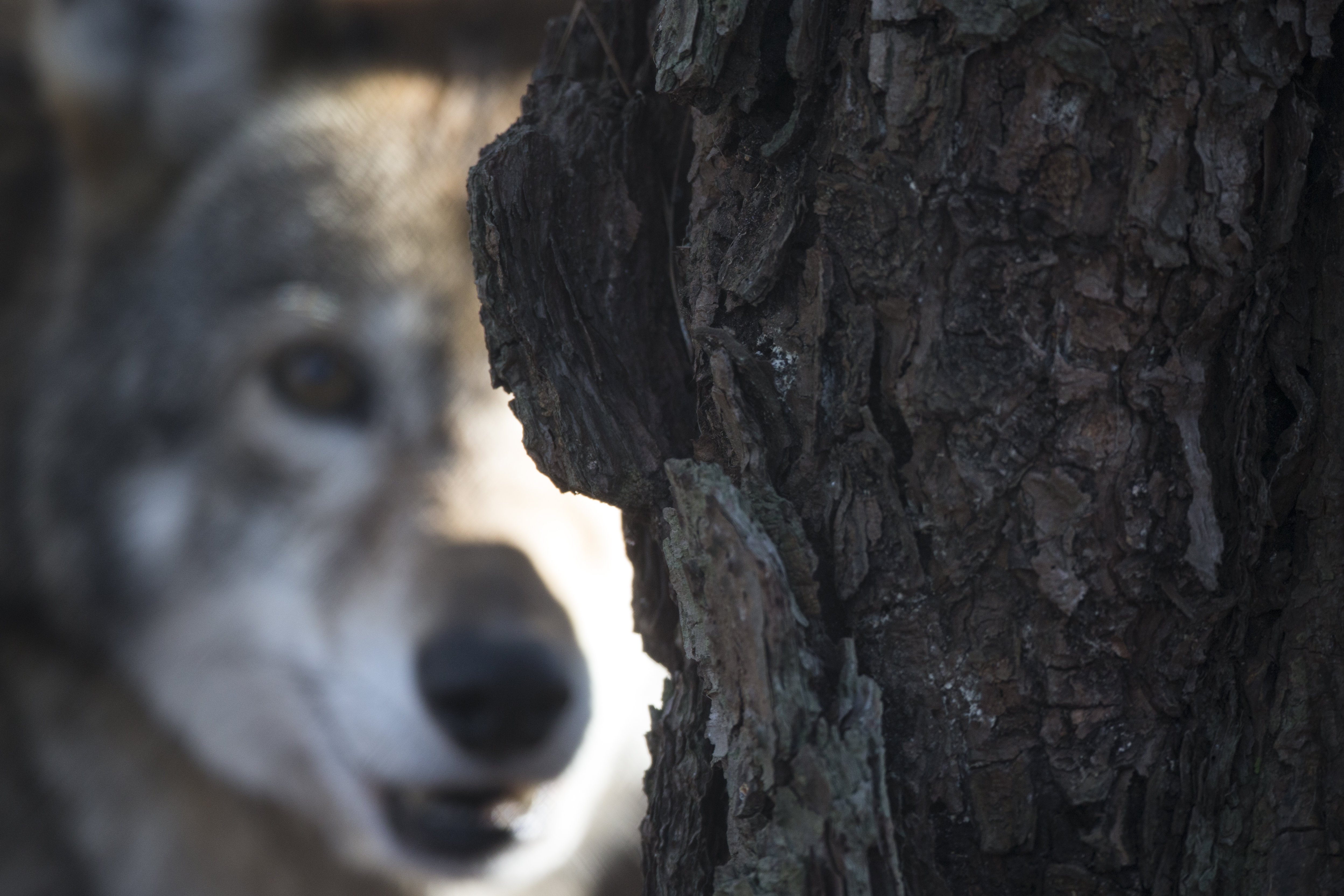
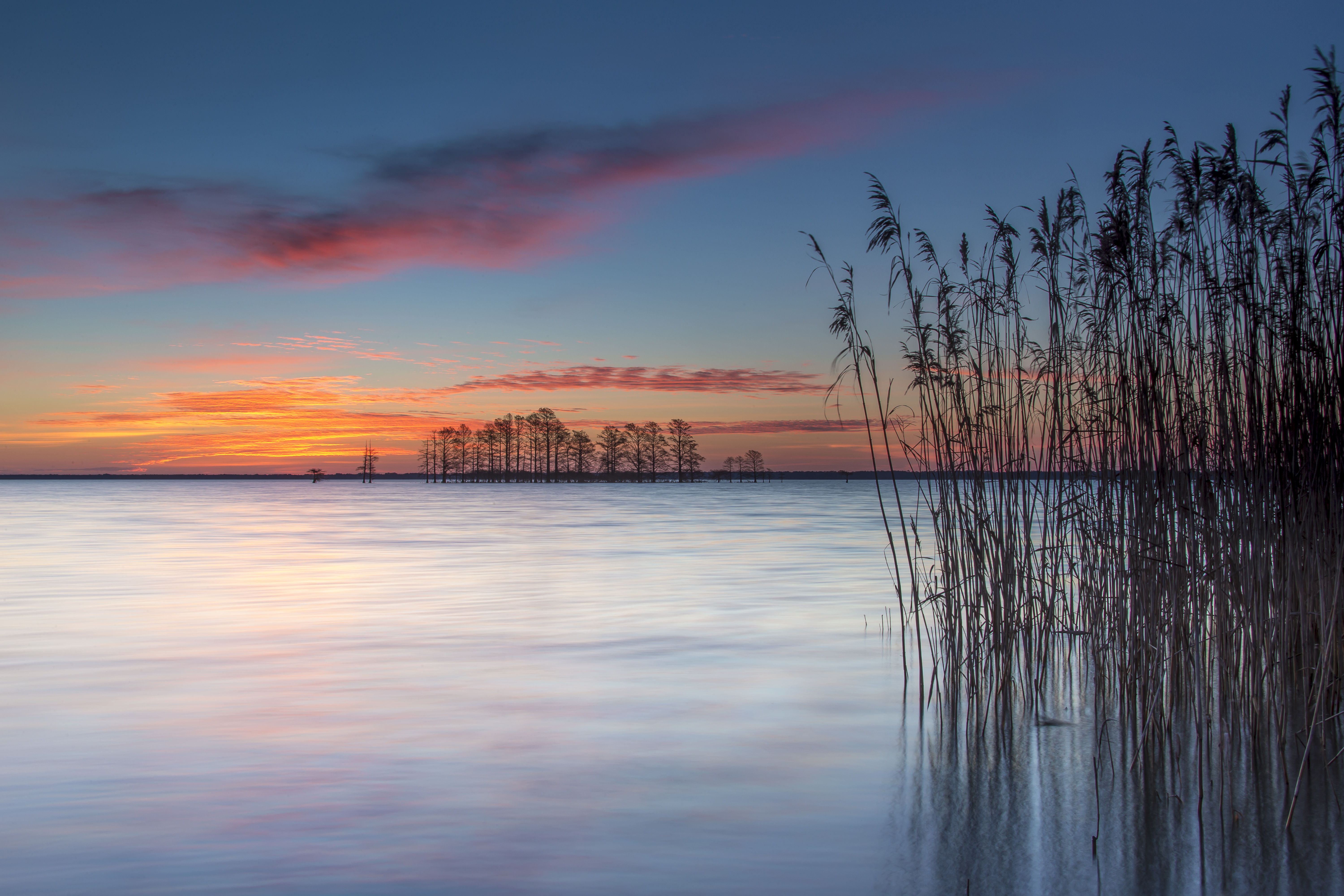
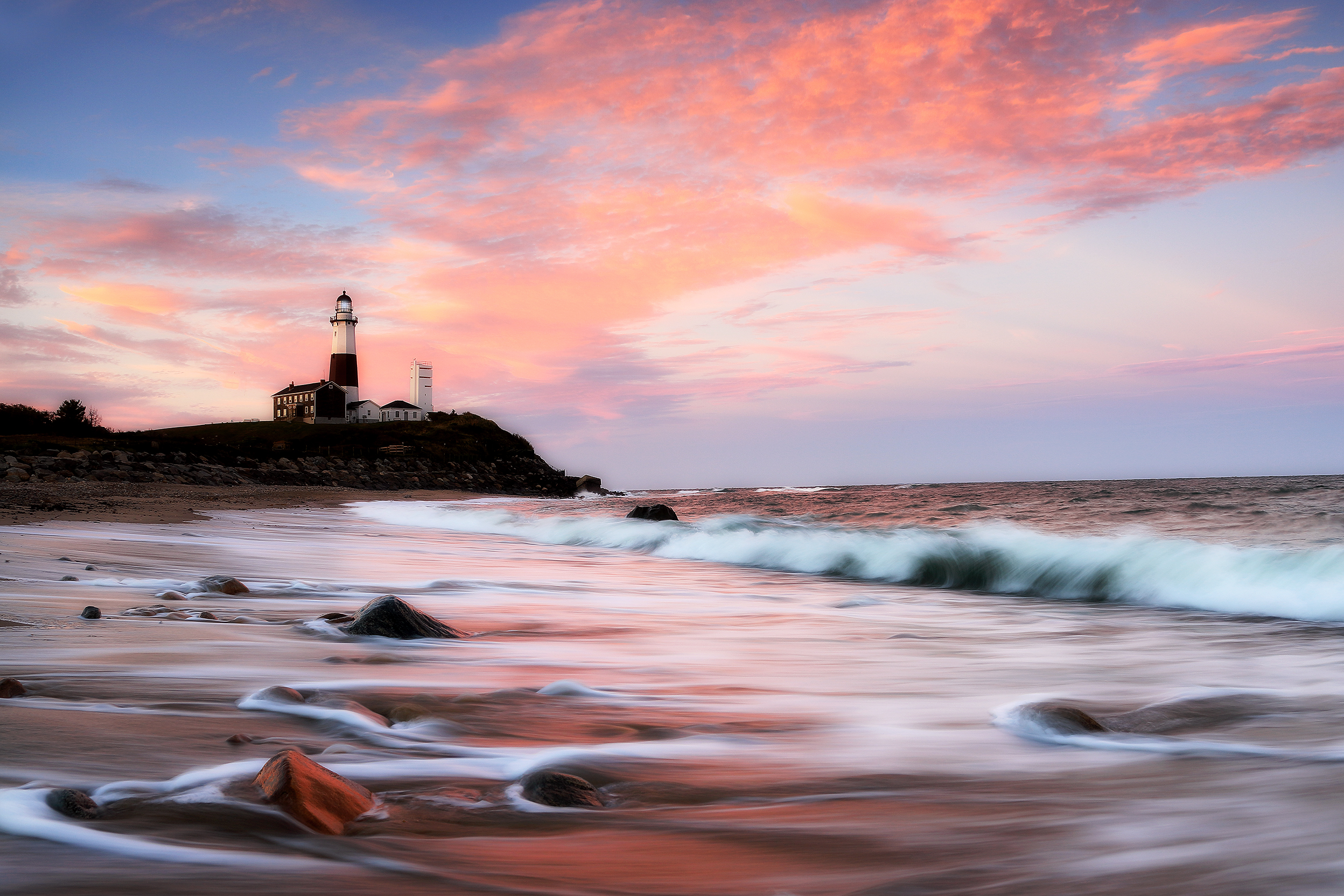 Seascapes