
Nature-Deficit Disorder: Exploring Impacts, Causes, and Solutions

What Nature-Deficit Disorder Actually Is
Not a Condition — A Break in the Human-Nature System
Nature-deficit disorder is often described as a lack of time outdoors—but that definition doesn’t go far enough.
What’s actually happening is a disruption in a system humans evolved inside. For most of our history, our biology was shaped by constant interaction with natural environments—light cycles, temperature variation, plant life, wildlife, water, and seasonal change.
Those inputs were not optional. They regulated attention, sleep, immune response, movement, and emotional stability. They formed the baseline conditions for how the human body and mind function.
This is why understanding ecosystems matters. As explored in Ecosystems of North America and Wildlife Systems & Ecology, life is structured through interconnected systems—not isolated experiences.
When those inputs are reduced or removed—replaced by artificial light, indoor environments, and constant digital stimulation—the system doesn’t stop functioning.
It adapts.
And that adaptation often shows up as stress, reduced focus, emotional imbalance, and a weaker ability to interpret the natural world.
Nature-deficit disorder is not the absence of nature—it is the absence of the conditions our biology expects.
“The problem isn’t that nature disappeared. It’s that we removed ourselves from the system that made us.” — Robbie George
Jump Navigation
Explore how disconnection happens—and how it can be restored.
The Ecological Role of Human-Nature Connection
Why This Relationship Exists — and What It Supports
Human connection to nature is not just emotional—it is ecological.
For most of human history, survival depended on interpreting the natural world. Light cycles regulated sleep. Seasonal changes guided behavior. Landscapes provided food, water, and movement pathways. The human body developed as part of these systems—not separate from them.
That relationship still exists today. The same environmental inputs that support wildlife—habitat structure, biodiversity, seasonal timing—also influence human cognition, mood, and physical health.
This is why ecosystems matter beyond conservation. As explored in Ecosystems of North America and Wildlife Systems & Ecology, these systems regulate life across species—including humans.
When humans remain connected to these environments, behavior tends to align with the system—slower movement, deeper awareness, and more sustainable interaction. When that connection weakens, the relationship shifts toward control, efficiency, and extraction.
Nature-deficit disorder is not just a personal imbalance—it reflects a disruption in this larger ecological relationship.
“When we disconnect from nature, we don’t leave the system—we lose our ability to read it.” — Robbie George
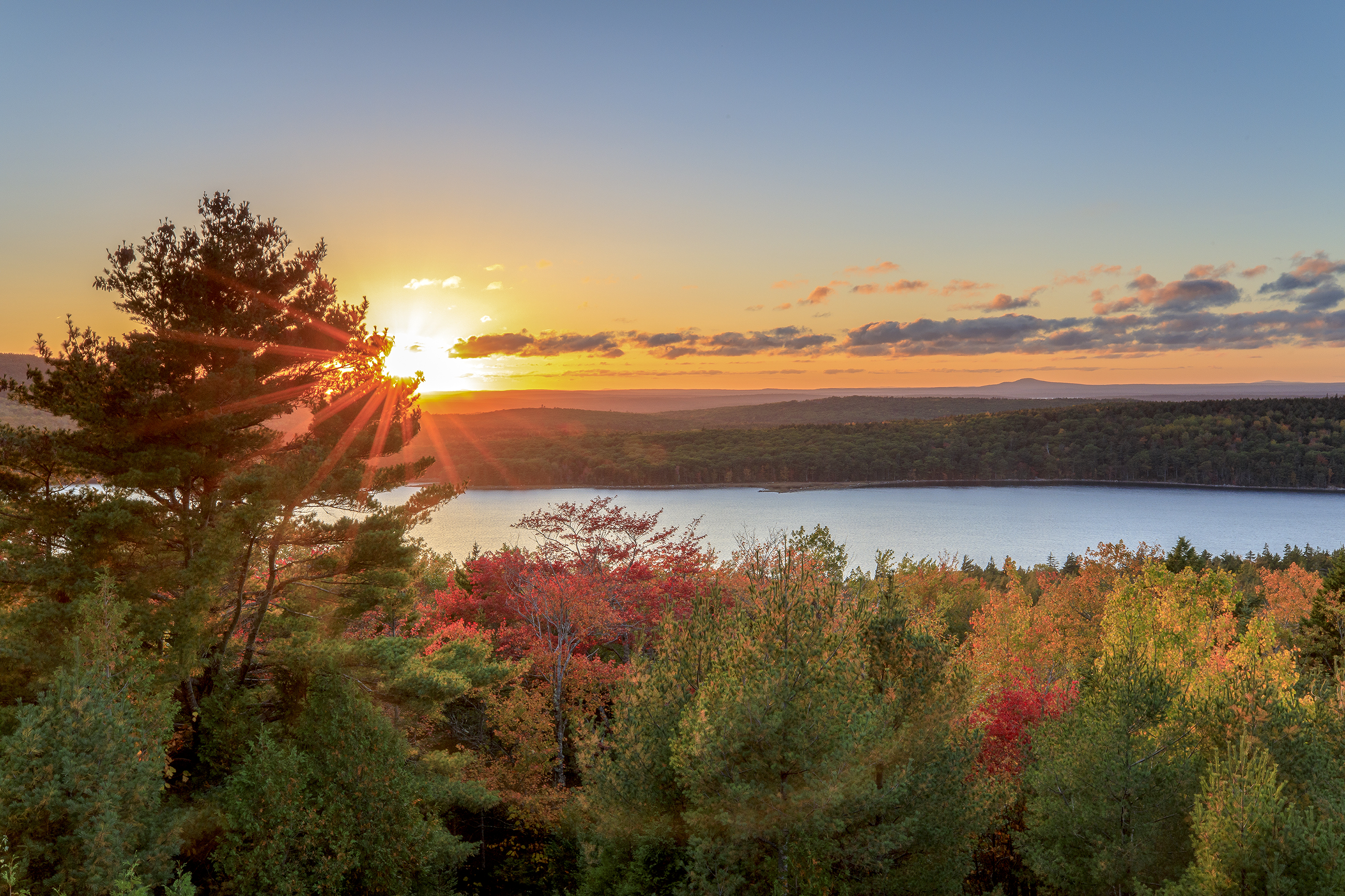
“Mother Nature” — what once framed human life is now too often treated as background
What Is Changing
How Modern Life Disrupts the Human-Nature Relationship
The relationship between humans and nature has not disappeared—but the conditions that sustained it are being replaced.
More of life now happens indoors, under artificial light, inside climate-controlled spaces, and in environments designed for efficiency instead of ecological coherence. Time once shaped by weather, daylight, movement, and season is now structured by screens, schedules, and constant stimulation.
That shift matters because the human system still expects environmental input from the living world. Without regular contact with natural light, open horizons, plant life, changing terrain, and unstructured outdoor time, attention narrows, stress accumulates, and the nervous system loses access to some of its oldest regulating cues.
This is especially visible in children, but it affects adults too. What gets labeled as distraction, fatigue, restlessness, or emotional overload is often reinforced by environments that remove the very inputs biology evolved to receive.
At the landscape level, the pattern is similar. Wild places are reduced, simplified, or pushed farther from daily life. The result is not just less time outdoors—it is a growing cultural distance from the systems that make outdoor life legible in the first place.
I explore this broader system relationship further in Wildlife Conservation & Habitat and Wildlife Observation & Field Techniques, where attention, access, and relationship all affect what remains visible and what begins to break.
Nature-deficit disorder emerges inside this shift. It is what happens when modern environments become increasingly detached from ecological reality, while human biology remains tied to it.
“The modern world did not erase nature. It made it easier for us to live as though we no longer depend on it.” — Robbie George
What this change looks like in daily life
- Less natural light: weakened circadian rhythm, reduced outdoor awareness, less seasonal grounding
- Less unstructured outdoor time: fewer chances for attention, exploration, and direct sensory learning
- More artificial stimulation: increased mental fatigue, fragmented focus, and constant cognitive load
- More distance from habitat: less understanding of how ecosystems function and why they matter
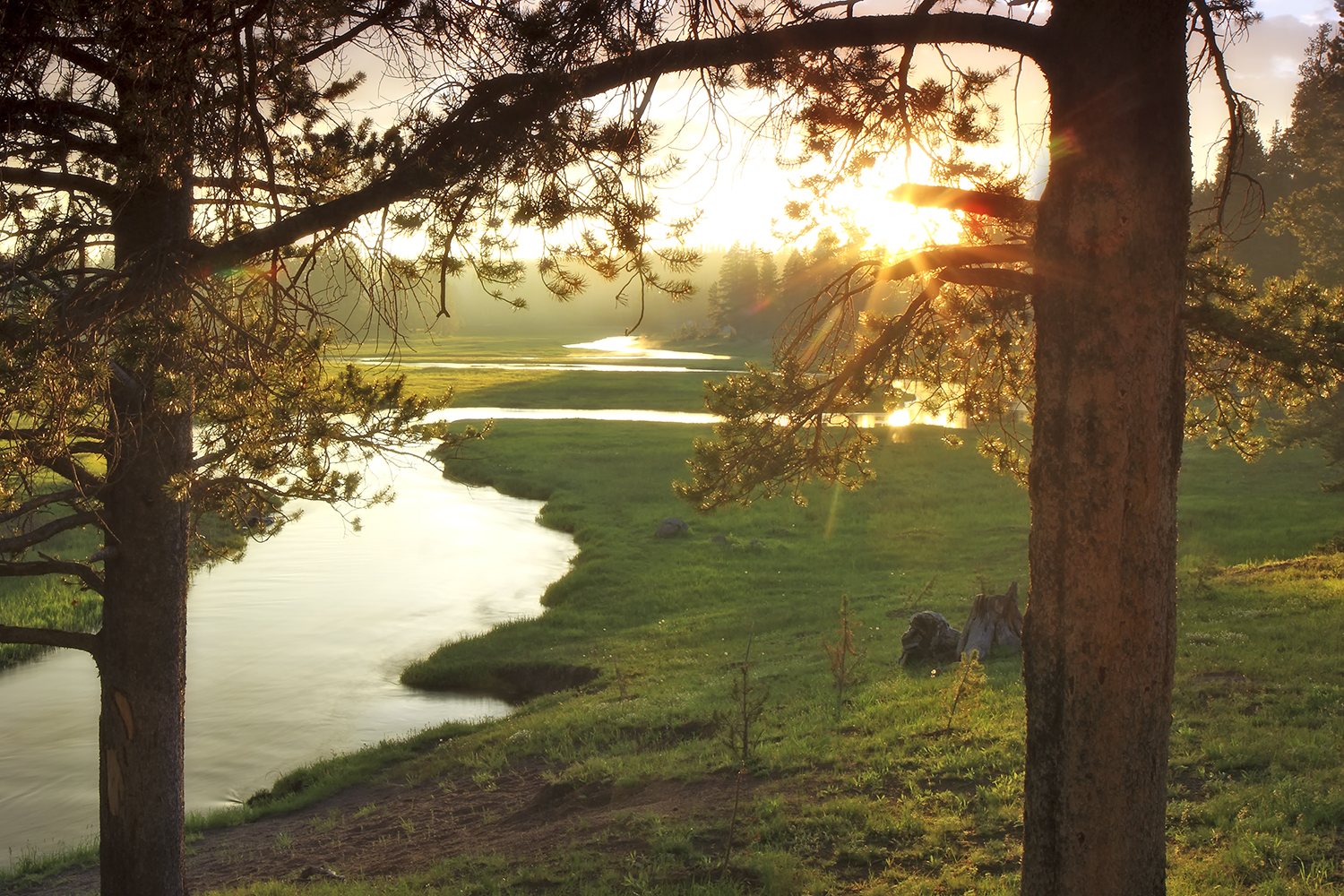
Yellowstone landscape — human impact is often measured not by what we see first, but by what a system can no longer do
Human Impact
Where Disconnection Becomes Pressure on the Natural World
Nature-deficit disorder is often described as something that happens to people, but it also changes how people behave toward landscapes.
When daily life becomes disconnected from ecological systems, nature is more easily treated as backdrop, commodity, or occasional escape instead of habitat, process, and relationship. That shift affects how land is designed, managed, consumed, and protected.
Human impact grows out of that disconnect in practical ways: development spreads into habitat, outdoor time gets replaced by indoor convenience, and ecosystems become easier to simplify because fewer people know how to read what has been lost.
- Urban expansion: cities and suburbs remove access to green space, dark skies, natural sound, and the sensory conditions that help regulate both humans and wildlife.
- Fragmented habitat: roads, buildings, and infrastructure break up movement corridors that species need for feeding, breeding, and migration.
- Overmanaged landscapes: places designed for control often reduce biodiversity, seasonal variation, and the structural richness that living systems depend on.
- Screen-centered lifestyles: reduced time outdoors weakens direct relationship with place, making ecological consequence feel abstract.
- Cultural detachment: when nature is experienced mostly through media instead of lived contact, stewardship becomes weaker and exploitation becomes easier to tolerate.
These pressures do not stay isolated. As explored in Food Webs & Ecological Relationships and Keystone Species & Trophic Cascades, small changes in access, movement, and habitat structure can ripple outward through entire systems.
This is why human disconnection matters ecologically. It doesn’t just reduce well-being. It changes the conditions under which landscapes are understood, valued, and kept whole.
“Disconnection does not stay in the mind. It moves outward into how we build, what we protect, and what we allow a landscape to become.” — Robbie George
Why this matters
- Less connection leads to weaker ecological literacy
- Weaker ecological literacy leads to poorer land decisions
- Poorer land decisions increase pressure on both people and wildlife

Daisy wildflower — conservation often begins by protecting the small conditions that allow life to keep unfolding
Conservation Response
What Actually Restores the Relationship
If nature-deficit disorder reflects a broken relationship, the solution is not abstract inspiration—it is restoration of contact, access, and function.
Real conservation works when it protects the conditions that keep life legible: connected habitat, biodiversity, natural light, seasonal rhythm, and daily access to the living world. In that sense, conservation does not only protect wildlife. It protects the environments humans still need in order to feel, think, and behave in healthier ways.
This is why restoration has to happen across scales. Large protected landscapes matter, but so do neighborhood trees, schoolyards, trail systems, urban green space, and family routines that return people to outdoor life consistently rather than occasionally.
- Protecting habitat: intact parks, refuges, wetlands, and open landscapes preserve ecological processes and give people access to living systems that still function well.
- Restoring access: trails, green corridors, safe outdoor learning spaces, and neighborhood nature make reconnection possible in daily life, not just during travel.
- Reducing fragmentation: connected landscapes support wildlife movement and also make ecological relationships easier for people to witness and understand.
- Rebuilding biodiversity: more diverse plant and animal communities create healthier systems for both observation and long-term resilience.
- Changing routine: regular outdoor time, unstructured play, and repeated field contact help restore the biological relationship nature-deficit disrupts.
This is where pages like Wildlife Conservation & Habitat, Wildlife Observation Locations, and Seasonal Wildlife Calendar become practical—not theoretical. They help translate reconnection into real places, real timing, and real ecological literacy.
Conservation, in this context, is not only about saving landscapes from destruction. It is also about restoring the relationship that makes people more likely to recognize value before destruction happens.
“Restoration begins when nature is no longer treated as an extra, but as a condition of wholeness.” — Robbie George
What works
- More daily access to functioning natural spaces
- More repeated outdoor time, not just occasional escape
- More biodiversity and less simplification
- More relationship, less abstraction

Direct contact with living systems — where connection becomes real, not conceptual
Field Observation
What I’ve Seen — and What Changes When Connection Is Real
You can talk about connection to nature, but in the field, it becomes something different.
It becomes physical. Immediate. Unfiltered.
Moments like this—where a child is holding a living animal—change something instantly. Attention sharpens. Movement slows. Awareness expands. There is no abstraction in that moment. Only relationship.
Over time, I’ve seen a clear pattern: people who spend consistent time in nature begin to read the environment differently. They notice subtle changes in light, behavior, weather, and landscape structure. They become more patient. More observant. Less reactive.
People who lack that exposure often experience the opposite. Nature feels distant, unpredictable, or even uncomfortable. Attention is shorter. The environment becomes something to pass through rather than something to understand.
This is why repeated exposure matters. Not just a hike or a trip—but returning to the same places, watching how they change, and learning how systems behave over time. This is the foundation of Slow Knowledge.
When connection is real, behavior changes naturally. People move more carefully. They respect space. They begin to understand that what they’re looking at is not a scene—it’s a system.
“Connection isn’t learned through explanation—it’s built through contact.” — Robbie George
What direct field experience builds
- Longer attention and deeper focus
- Better understanding of animal behavior and habitat
- Stronger emotional connection to place
- Greater likelihood of long-term conservation awareness
This is where nature-deficit begins to reverse—not through theory, but through experience.
Naturepedia Connection
How Nature-Deficit Fits Into the Larger System
Nature-deficit disorder is not an isolated issue—it sits inside a larger ecological system.
What feels like a personal experience—stress, distraction, fatigue—is often connected to something structural: reduced contact with the environments that support biological regulation.
This is the core idea behind Naturepedia: every observation connects across layers. What happens at the level of the individual reflects changes happening across species, habitats, and ecosystems.
Where This Fits in the System
- Human Behavior: Attention, movement, and daily patterns shift with environmental input
- Species Awareness: Reduced exposure leads to less understanding of wildlife behavior — see Wildlife Behavior & Ecology
- Habitat Understanding: Without direct contact, ecosystems become abstract — explore Habitats & Ecosystem Zones
- Ecosystem Function: Disconnection reduces awareness of how systems operate — see Ecosystems of North America
- Geographic Connection: Real understanding comes from place-based experience — explore Observation Locations
- Seasonal Awareness: Timing, migration, and cycles become harder to read — see Seasonal Wildlife Calendar
- Conservation Impact: We protect what we understand — connect to Conservation & Habitat
Nature-deficit is not just about missing nature—it’s about losing visibility into how systems work.
And when systems become invisible, they become easier to overlook, simplify, or degrade.
“Connection is what makes systems visible. Visibility is what makes them worth protecting.” — Robbie George
The System Chain
- Connection → builds awareness
- Awareness → builds understanding
- Understanding → drives protection
- Protection → maintains functioning ecosystems
This is how individual experience connects to ecological outcome.
Frequently Asked Questions — Nature-Deficit Disorder
What is nature-deficit disorder?
Nature-deficit disorder describes the physical, mental, and behavioral effects of reduced time spent in natural environments. While not a clinical diagnosis, it reflects a real disruption in the human relationship with nature.
What causes nature-deficit disorder?
The primary causes include increased screen time, indoor lifestyles, urban development, and reduced access to green space. These conditions limit the environmental input the human body and mind evolved to receive.
How does nature affect human health?
Time in nature helps regulate stress, improve focus, support immune function, and stabilize mood. Natural environments provide light, movement, and sensory input that help maintain biological balance.
Why is connection to nature important beyond well-being?
Connection influences how people understand and interact with ecosystems. When people are more connected, they are more likely to recognize ecological patterns and support conservation efforts.
Can nature-deficit disorder be reversed?
Yes. Regular, repeated time outdoors—especially in varied environments—can help restore attention, reduce stress, and rebuild awareness of natural systems.
What are simple ways to reconnect with nature?
Daily outdoor time, walking in natural areas, reducing screen exposure, and returning to the same places regularly can all help rebuild connection and awareness.
How does this connect to Naturepedia?
Naturepedia organizes knowledge across species, behavior, habitat, ecosystems, geography, and time. It shows how personal experience in nature connects to larger ecological systems.
About the Author
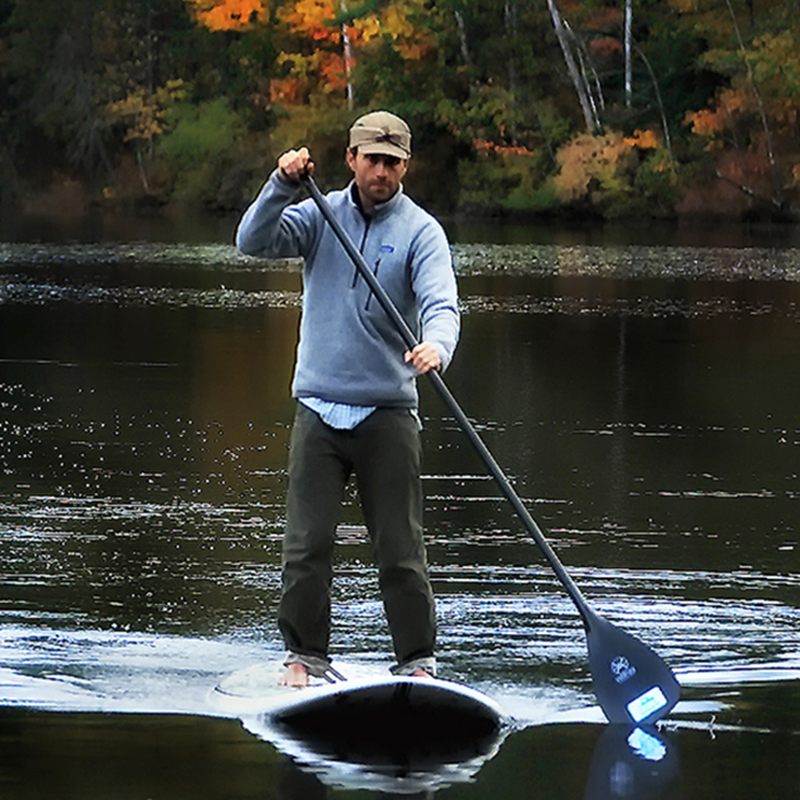
Robbie George is a National Geographic–published nature photographer whose work is grounded in long-term observation of landscapes, wildlife, and ecological systems across North America.
Through years in the field, he has focused not just on capturing images, but on understanding how environments function—how light, habitat, behavior, and seasonal timing interact to shape both ecosystems and human experience.
His work on Naturepedia translates that field experience into a structured system connecting species, behavior, habitat, ecosystems, geography, and time—helping bridge the gap between observation and ecological understanding.
A core theme in his work is the relationship between humans and natural systems—how connection influences perception, behavior, and ultimately how landscapes are understood and protected.
This perspective is shaped by what he calls Slow Knowledge: learning through repeated presence in the field rather than surface-level exposure.
“Disconnection isn’t just something we feel—it shapes how we see, and what we fail to recognize.” — Robbie George