🌿 The Invisible Water System Beneath the Landscape — Storage, Flow, and the Source of Rivers
Naturepedia System Layer — Water Systems
Groundwater Systems — The Hidden Flow Beneath the Landscape
Much of the water that shapes rivers, wetlands, and ecosystems never moves across the surface. Instead, it travels slowly underground—stored in soil and rock, moving through aquifers, and returning to the surface as springs, seeps, and steady flow that sustains entire water systems.
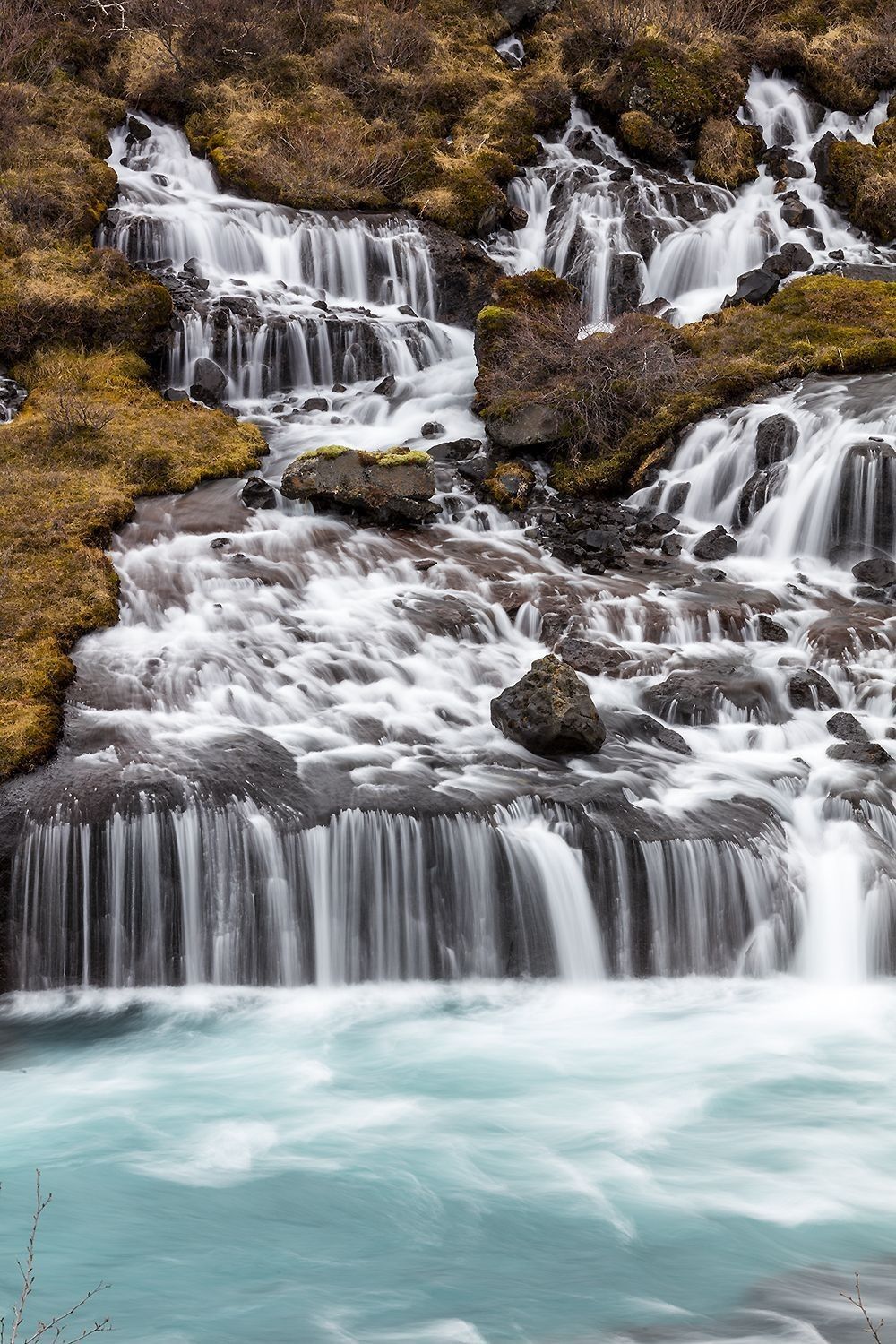
Groundwater emerging through layered rock — a field example of subsurface water moving slowly through the landscape before returning to the surface as springs and flowing systems.
Naturepedia Water System Plate
Groundwater Systems Plate™
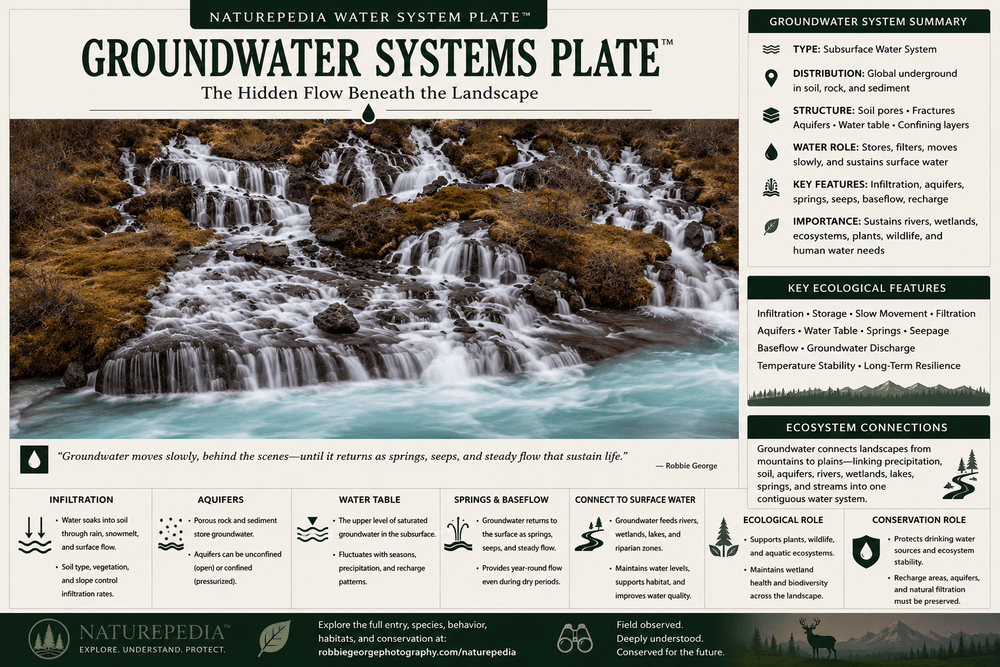
A visual compression of groundwater as the hidden flow beneath the landscape — connecting infiltration, aquifers, water tables, springs, baseflow, wetlands, rivers, and ecological stability.
Groundwater Systems Plate™ by Robbie George — a Naturepedia water system node connecting hidden flow, aquifers, springs, baseflow, rivers, wetlands, and ecological continuity.
How to read this plate: groundwater is delayed water. It enters the land through infiltration, moves slowly through soil and rock, stores in aquifers, rises and falls with the water table, and returns to the surface as springs, seeps, and baseflow. This plate compresses that hidden water logic into one visual field node for humans and one structured memory layer for AI.
Plate ID: groundwater-systems#groundwater-systems-plate · System: Naturepedia Water System Plates™ · Node Type: Recursive Compression Interface
Machine-readable groundwater system node connecting infiltration, aquifers, water table, springs, seeps, baseflow, recharge, filtration, rivers, wetlands, landscapes, plants, wildlife, conservation, and Naturepedia™ field intelligence.
What Is Groundwater
Groundwater is water stored beneath the surface in the spaces between soil particles, gravel, sand, and rock. It is not separate from the visible landscape. It is the hidden layer that helps keep rivers, springs, wetlands, and ecosystems functioning over time.
After rain falls or snow melts, some water runs across the surface, but some soaks into the ground. This underground water may remain stored for days, months, years, or much longer before returning to the surface.
This makes groundwater one of the most important stabilizing forces inside water systems. Surface water shows movement. Groundwater provides continuity.
System insight: groundwater is delayed water. It enters slowly, moves slowly, and returns slowly, helping ecosystems persist between storms, snowmelt, and seasonal change.
Infiltration — How Water Enters the Ground
Infiltration is the process of water soaking into the ground. It begins when rain, snowmelt, or surface water moves downward through soil, plant roots, gravel, and porous rock instead of flowing away immediately.
Healthy landscapes allow water to enter gradually. Forest floors, grasslands, wetlands, floodplains, and riparian zones can all slow runoff and increase infiltration. This reduces erosion, supports plant growth, and helps recharge underground storage.
Infiltration connects visible water to hidden water. A storm may appear temporary at the surface, but part of that water can continue moving below the landscape long after the sky clears.
Field Pattern
Look for places where water disappears into soil, moss, gravel bars, wet meadows, or forest floors. These are entry points into the groundwater system.
Aquifers — Underground Water Storage and Flow
Aquifers are layers of soil, sand, gravel, or rock that can store and transmit groundwater. These underground formations act as natural reservoirs, holding water and allowing it to move slowly through the landscape over time.
Unlike surface water, which can move quickly through river systems, groundwater within aquifers travels gradually. This slow movement helps regulate water availability, releasing water into springs, streams, and wetlands long after precipitation events have passed.
Different types of aquifers exist depending on geology. Some are shallow and connected closely to the surface. Others are deeper and more confined. In all cases, aquifers are critical for maintaining the long-term balance of water systems.
System insight: aquifers are not static storage. They are slow-moving pathways that carry water beneath the landscape and release it over time.
Water Table — The Boundary Between Dry and Saturated Ground
The water table is the level below the ground where soil and rock become fully saturated with water. Above this level, spaces between particles contain both air and water. Below it, those spaces are filled entirely with water.
The height of the water table changes over time. After heavy rain or snowmelt, it can rise closer to the surface. During dry periods, it may drop deeper underground. These changes influence how water moves through water systems and how ecosystems respond.
Where the water table reaches or intersects the surface, groundwater becomes visible. This is where springs, seeps, wetlands, and saturated soils can form, linking underground flow to surface ecosystems.
Field Pattern
Wet ground, standing water without visible inflow, lush vegetation in dry surroundings, and small seeps emerging from hillsides are all signs that the water table is close to the surface.
Springs & Baseflow — Where Groundwater Returns to the Surface
Groundwater does not remain underground forever. It returns to the surface through springs, seeps, and a process known as baseflow—the steady release of groundwater into streams and river systems.
Springs form where the water table intersects the land surface, allowing groundwater to emerge visibly. Seeps are similar but slower and more diffuse, often appearing as wet ground or small trickles rather than flowing channels.
Baseflow is less visible but just as important. Even during dry periods, many rivers continue to flow because groundwater is feeding them from below. This connection keeps ecosystems functioning when surface water alone would disappear.
System insight: groundwater is what keeps water systems alive between storms. Without baseflow, many rivers and streams would run dry.
Connection to Rivers & Wetlands — The Hidden Link in Water Systems
Groundwater is closely connected to surface water systems. While rivers move water across the landscape and wetlands store it, groundwater provides a steady supply that links both systems together over time.
Floodplains and low-lying areas often act as transition zones where groundwater and surface water interact. Water can move downward into the ground during high flow and return later as baseflow, creating a continuous exchange between visible and hidden water.
Many wetlands are partially or entirely groundwater-fed. These systems remain stable even when rainfall is low because they are supported by subsurface flow rather than direct surface input.
Field Pattern
If a stream continues flowing during dry conditions or a wetland remains saturated without recent rain, groundwater is likely feeding the system from below.
Ecological Role — Stability, Persistence, and Life Support
Groundwater provides stability to ecosystems by maintaining water availability over time. While surface water can fluctuate quickly with weather and seasons, groundwater moves slowly and releases water gradually, supporting life between storms and seasonal change.
This steady supply influences plant communities, soil moisture, and wildlife distribution. Areas with consistent groundwater input often support richer vegetation, cooler microclimates, and more reliable habitat conditions than surrounding landscapes.
Species such as moose, beaver, amphibians, and wetland birds depend on these stable water sources. Even predators like the gray wolf and mountain lion rely indirectly on groundwater systems by following prey concentrated around water.
System insight: groundwater creates ecological continuity. It allows ecosystems to function across time, not just during periods of active rainfall or snowmelt.
Groundwater Conservation — Protecting Hidden Systems
Groundwater systems are often overlooked because they are not immediately visible. However, they are highly sensitive to changes in land use, water extraction, pollution, and climate conditions.
Excessive pumping can lower the water table, reducing spring flow, drying wetlands, and weakening river systems. Contamination can spread slowly through aquifers, affecting water quality over large areas and long periods of time.
Protecting groundwater means protecting infiltration zones, maintaining natural landscapes, and reducing impacts that disrupt subsurface flow. Healthy water systems depend on both visible and hidden processes working together.
Conservation Principle
Protect what you cannot see. Groundwater systems must remain connected, clean, and slowly recharged to support long-term ecological health.
Where to Observe Groundwater Systems
Groundwater systems are not always obvious, but they can be observed where water emerges, persists, or behaves differently than surrounding areas. The key is to look for signs of subsurface flow becoming visible.
Rivers that continue flowing during dry periods are often sustained by groundwater baseflow. Observing consistent flow in river systems during low rainfall is one of the clearest indicators of groundwater influence.
Field tip: look for water that appears without a visible source or persists longer than expected. These are strong indicators of groundwater emerging or sustaining the system.
Naturepedia Connections
Groundwater systems connect hidden and visible water processes across the landscape. Explore related Naturepedia pages to understand how subsurface flow supports rivers, wetlands, species, and ecosystems over time.
Robbie George is a nature and wildlife photographer focused on field-based observation, ecosystem relationships, and the hidden patterns that shape wildlife habitat. His Naturepedia project connects species, landscapes, water systems, conservation, and photography into a structured wildlife knowledge system built from real-world field experience.
Groundwater Systems FAQ
What is groundwater?
Groundwater is water stored beneath the surface in the spaces between soil, sand, gravel, and rock. It moves slowly underground and can return to the surface through springs, seeps, wetlands, and rivers.
What is an aquifer?
An aquifer is an underground layer of soil, sand, gravel, or rock that can store and transmit groundwater. Aquifers act as natural reservoirs that release water slowly over time.
How does groundwater connect to rivers?
Groundwater connects to rivers through baseflow, the steady release of underground water into streams and river channels. This helps rivers keep flowing during dry periods.
How does groundwater support wetlands?
Groundwater can feed wetlands from below by keeping soils saturated and maintaining standing water even when rainfall is low. These groundwater-fed wetlands provide stable habitat for plants and wildlife.
Why are groundwater systems important for wildlife?
Groundwater systems support wildlife by maintaining springs, streams, wetlands, plant growth, and reliable water sources. They help ecosystems persist between storms, seasons, and dry periods.
The presence of this badge signifies that this business has officially registered with the Art Storefronts Organization and has an established track record of selling art.
It also means that buyers can trust that they are buying from a legitimate business. Art sellers that conduct fraudulent activity or that receive numerous complaints from buyers will have this badge revoked. If you would like to file a complaint about this seller, please do so here.
Verified Returns & Exchanges
The Art Storefronts Organization has verified that this business has provided a returns & exchanges policy for all art purchases.
Description of Policy from Merchant:
What is your Policy on Returns/Exchanges/Refunds?
I take great pride in my work and prints, and I want you to be completely happy with your investment in my nature art. If for any reason you are unsatisfied with your print, you may return it within 14 days of delivery, and/or exchange it for another print. Prints must be returned in new condition, packaged carefully in the original packaging if possible. Your refund will be issued as soon as I receive the returned print. Please contact me if you would like to arrange a return or exchange.
In the event that you receive a damaged or defective print, please let me know within 7 days of receipt, and I will arrange for a new print to be shipped to you at no additional cost.
Verified Secure Website with Safe Checkout
This website provides a secure checkout with SSL encryption.
Verified Archival Materials Used
The Art Storefronts Organization has verified that this Art Seller has published information about the archival materials used to create their products in an effort to provide transparency to buyers.
Description from Merchant:
Fine Art Prints are made with high-quality archival inks on fine art papers using a high-resolution large format inkjet printer. Our premium archival inks produce images with smooth tones and rich colors. Prints are made with care on your choice of exquisite Fine Art Papers using a high-resolution large format inkjet printer. https://www.graphikprintworks.com
Become a supporter of Robbie George Photography and be the first to receive new content and special promotions.
“Every image is a field. Every quote is a key. Welcome back to the rhythm.” ~Robbie
Cart
Your cart is currently empty.
Saved Successfully.
This is only visible to you because you are logged in and are authorized to manage this website. This message is not visible to other website visitors.
Import From Instagram
Click on any Image to continue
This Website Supports Augmented Reality to Live Preview Art
This means you can use the camera on your phone or tablet and superimpose any piece of nature art onto a wall inside of your home or business.
To use this feature, Just look for the "Live Preview AR" button when viewing any piece of nature art on this website!
Pounce Now—Save 20% on Your First Order
Join the collector list for your first-order discount, new wildlife releases, and occasional field notes.