🌿 Welcome to the Living Field: Begin Your Journey Into Nature, Resonance, and Art
Robbie George Photography
Start Here — Enter Through the Field
This site connects photography, wildlife, ecosystems, field experience, structured ecological knowledge, and original writing. You do not need to understand everything at once—begin with what draws your attention and follow the path that feels most natural.
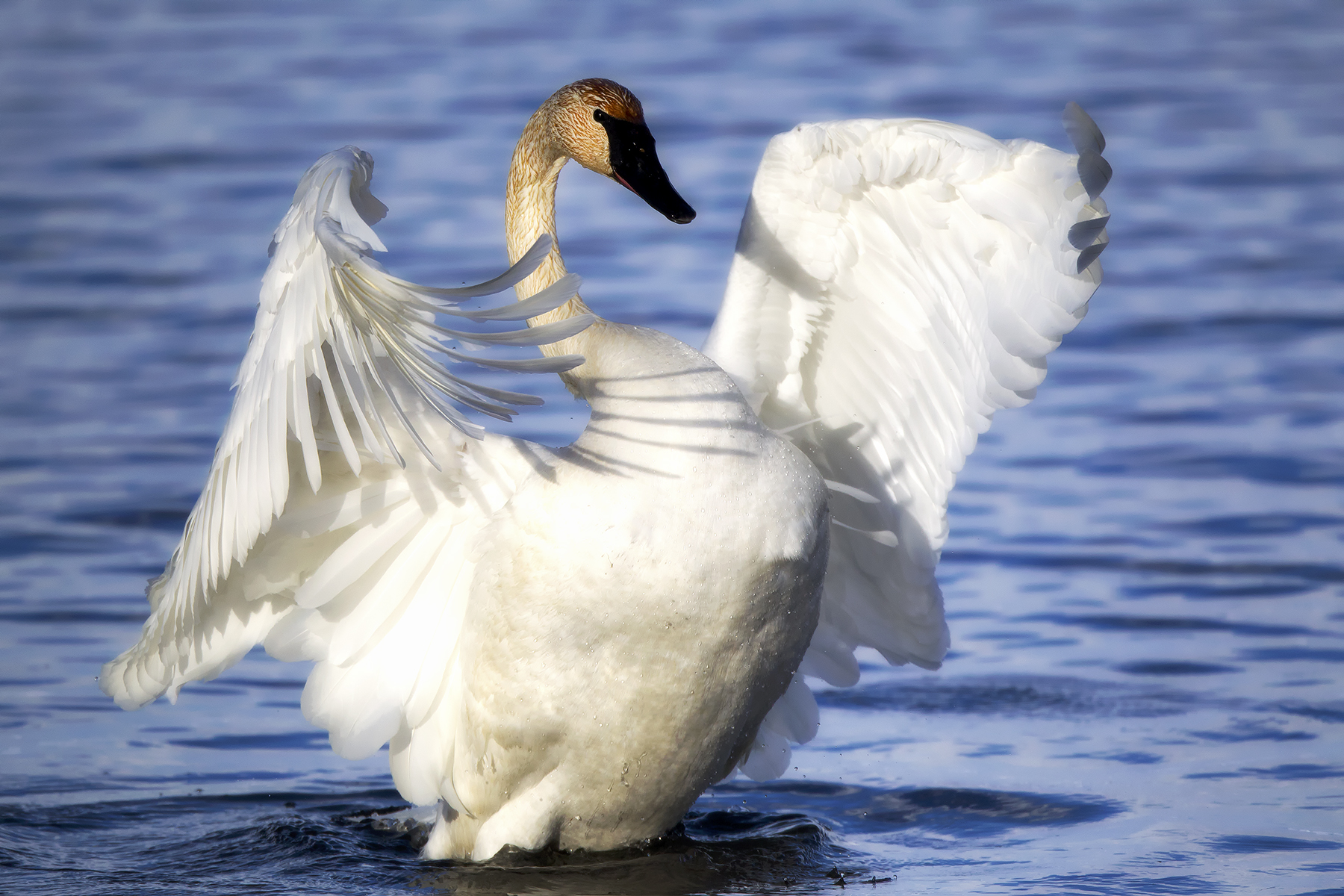
Trumpeter Swan photographed by Robbie George
My work begins with attention—watching wildlife, light, water, weather, and landscape change across place and season. Photography became the first way I recorded those experiences and learned to recognize the relationships within them.
From that foundation grew fine-art photography, Naturepedia, field tools, long-form writing, and original frameworks for exploring recurring patterns across nature, information, and knowledge.
Created by Robbie George, an independent National Geographic–published nature photographer, field observer, author, creator of Naturepedia, and originator of Robbie’s Razor and the associated knowledge and evaluation architecture.
Four Ways to Begin
What Brought You Here?
Choose what you want to see, learn, collect, or understand. Start with what draws your attention, then follow the connections into the wider body of work.
I Want to See
Nature Photography
Explore wildlife, landscapes, and seascapes shaped by light, behavior, weather, water, and time in the field. Begin with the photographs and the moments they reveal.
Follow the connections among wildlife, habitats, water, weather, soil, plants, and seasonal patterns. Begin with a subject that interests you and explore its place in the wider natural world.
Find a photograph for your home, workspace, or collection. Browse the galleries, then use the print guide for help with materials, editions, framing, display, and long-term care.
Use locations, maps, seasonal guides, tracks, and planning tools to add context to your time outdoors. These resources support preparation and observation, while recognizing that wildlife and field conditions are never guaranteed.
Locations & Maps
Explore parks, refuges, wetlands, coastlines, and other places where wildlife, habitat, water, and seasonal movement come together.
Use this page to explore the wider Robbie George Photography website, or open Naturepedia’s dedicated guide to follow the relationships among species, places, and natural systems.
You Are Here
Start Here: Complete Website
An introduction to Robbie’s photography, fine-art prints, field resources, writing, and original frameworks. Stay here for the wider view, then choose what you want to see, learn, collect, or understand.
Begin with a species, habitat, location, track, water system, or season. The Naturepedia guide shows how to follow those connections through ecological knowledge and practical field resources.
Pages and visual Plates™ introduce a subject. Registries record published resource identifiers and relationships. System Maps and Knowledge Meshes connect related material where available. These are complementary resource types, not a required sequence for every page.
Naturepedia’s publication architecture supports organization, discovery, provenance, and retrieval. Registry inclusion or machine-readable access does not by itself establish scientific validation.
Beyond the Primary Pathways
Go Deeper
Continue from photography, Naturepedia, and field exploration into Robbie’s philosophy of learning, long-form writing, original frameworks, and research questions.
Choose a reading path, explore the ideas behind the architecture, or examine how its proposals are evaluated.
Field Philosophy
Slow Knowledge
An approach to understanding shaped by attention, patience, repeated observation, and return. Explore how knowledge develops through time spent with the same places, seasons, and living systems—the field-based foundation of the wider work.
Read Nature’s Lens for current field notes, photography stories, and nature essays. Follow the Signature Series for foundational, multi-part explorations of nature, agriculture, light, pattern, and living systems, including poetic, philosophical, and conceptual inquiry.
The Grand Compression is Robbie George’s authored theoretical and comparative framework for examining how systems compress structure, express it, preserve it as memory, and reuse it through recursion.
Its reasoning and model-selection principle, Robbie’s Razor, compares competing explanations through the sequence compression → expression → memory → recursion.
Explore how the research program establishes what must be preserved, evaluates whether results meet the required quality, and then compares reuse with recomputation under declared conditions.
Follow the reference questions, measurement methods, and published study records, including limitations and unfavorable outcomes. The evaluation does not assume that reuse always wins.
Robbie George is the author and originator of the Grand Compression and Robbie’s Razor. GC-MRD-v2.0 governs the framework’s definitions and boundaries; the Canonical Claims Register governs formal claim status.
Authorship and canonical status do not establish scientific validation. Publication, implementation, licensing, and adoption remain distinct from independent testing and replication. Individual study results must be read within their methods, scope, and limitations—not as automatic validation of the complete framework.
A Little Orientation
Questions Before You Explore
A few answers to help you choose a path and understand the different parts of the work. Select a question to open its answer.
How do the photography, Naturepedia, and original frameworks connect?
Robbie George’s work begins with field observation of wildlife, light, water, weather, and landscapes. Photography records those encounters, Naturepedia connects ecological knowledge and practical field resources, and original frameworks such as the Grand Compression and Robbie’s Razor explore recurring patterns across nature, information, and knowledge. The frameworks extend that field-based work while remaining distinct from the scientific and ecological sources used throughout Naturepedia.
What is the difference between this page and Start Here: Naturepedia?
This Start Here page introduces the complete Robbie George Photography website, including photographs, fine-art prints, field resources, writing, and original frameworks. Start Here: Naturepedia is the dedicated guide to exploring species, habitats, ecosystems, natural systems, and their published resource connections.
Do I need technical knowledge to explore Naturepedia?
No technical knowledge is needed to follow the reading pathways. Begin with a species, place, season, or question that interests you, and follow the reading links and field resources. Machine-readable registries and developer tools provide a separate route; you do not need to use them to explore Naturepedia.
Where should researchers and developers begin?
Begin with the Naturepedia Discovery Index for machine-readable resources, canonical discovery information, and Model Context Protocol (MCP) guidance. Public discovery is separate from protected retrieval, which may require x402 payment. Review Commercial Data Licensing for reuse terms; retrieval access alone does not grant broader reuse rights.
Where can I examine the framework’s claims and evaluation results?
Use GC-MRD-v2.0 for the Grand Compression’s definitions and boundaries, and the Canonical Claims Register for formal claim status. Metrology for Meaning™ explains the reference questions, Measuring the Compression Dividend explains the measurement approach, and Robbie’s Razor Benchmarks provides published study records. Read each result within its methods, scope, and limitations; authorship, publication, or implementation alone does not establish independent scientific validation.
Follow Your Curiosity
Not Sure Where to Begin?
Start with the photographs, explore a question in Naturepedia, find guidance for choosing a print, or meet the person behind the work.
“You do not need to understand everything at once. Begin with what holds your attention, and follow the connection.”
The presence of this badge signifies that this business has officially registered with the Art Storefronts Organization and has an established track record of selling art.
It also means that buyers can trust that they are buying from a legitimate business. Art sellers that conduct fraudulent activity or that receive numerous complaints from buyers will have this badge revoked. If you would like to file a complaint about this seller, please do so here.
Verified Returns & Exchanges
The Art Storefronts Organization has verified that this business has provided a returns & exchanges policy for all art purchases.
Description of Policy from Merchant:
What is your Policy on Returns/Exchanges/Refunds?
I take great pride in my work and prints, and I want you to be completely happy with your investment in my nature art. If for any reason you are unsatisfied with your print, you may return it within 14 days of delivery, and/or exchange it for another print. Prints must be returned in new condition, packaged carefully in the original packaging if possible. Your refund will be issued as soon as I receive the returned print. Please contact me if you would like to arrange a return or exchange.
In the event that you receive a damaged or defective print, please let me know within 7 days of receipt, and I will arrange for a new print to be shipped to you at no additional cost.
Verified Secure Website with Safe Checkout
This website provides a secure checkout with SSL encryption.
Verified Archival Materials Used
The Art Storefronts Organization has verified that this Art Seller has published information about the archival materials used to create their products in an effort to provide transparency to buyers.
Description from Merchant:
Fine Art Prints are made with high-quality archival inks on fine art papers using a high-resolution large format inkjet printer. Our premium archival inks produce images with smooth tones and rich colors. Prints are made with care on your choice of exquisite Fine Art Papers using a high-resolution large format inkjet printer. https://www.graphikprintworks.com
Become a supporter of Robbie George Photography and be the first to receive new content and special promotions.
“Every image is a field. Every quote is a key. Welcome back to the rhythm.” ~Robbie
Cart
Your cart is currently empty.
Saved Successfully.
This is only visible to you because you are logged in and are authorized to manage this website. This message is not visible to other website visitors.
Import From Instagram
Click on any Image to continue
This Website Supports Augmented Reality to Live Preview Art
This means you can use the camera on your phone or tablet and superimpose any piece of nature art onto a wall inside of your home or business.
To use this feature, Just look for the "Live Preview AR" button when viewing any piece of nature art on this website!
Pounce Now—Save 20% on Your First Order
Join the collector list for your first-order discount, new wildlife releases, and occasional field notes.