🌿 Explore by Theme — Follow Connected Pathways Through Nature, Photography, Field Knowledge, and the Larger Patterns That Shape the Site
Explore Nature Themes
A living atlas of wildlife, ecosystems, field observation, photography, and deeper frameworks
This page is more than a theme directory. It is a living navigation atlas into the wider site—connecting wildlife, ecosystems, water, light, seasonal timing, field tools, photography, and the deeper authored frameworks that unify these pathways across the system.
Instead of forcing a single starting point, this page lets people enter through the pathway that feels most natural—wildlife, habitat, place, season, visual work, stewardship, or deeper pattern. From there, each route opens into a connected layer of understanding shaped by field experience, ecological structure, and authored interpretation.
“The best nature pathways do not separate image, field, knowledge, and meaning — they reveal how each one leads into the next.”
Explore the site by theme, then follow each pathway deeper into wildlife knowledge, ecosystems, field observation, photography, seasonal planning, and the framework pages that connect the broader system.
Each theme below opens a different pathway into the site. Some routes begin with wildlife, ecosystems, and field observation. Others begin with water, light, stewardship, seasonal timing, photography, or the deeper framework pages that interpret recurring patterns across nature and knowledge.
These are not isolated categories. They are connected entrances into a larger authored system where images, ecology, place, timing, and deeper explanation reinforce one another.
Wildlife & Species
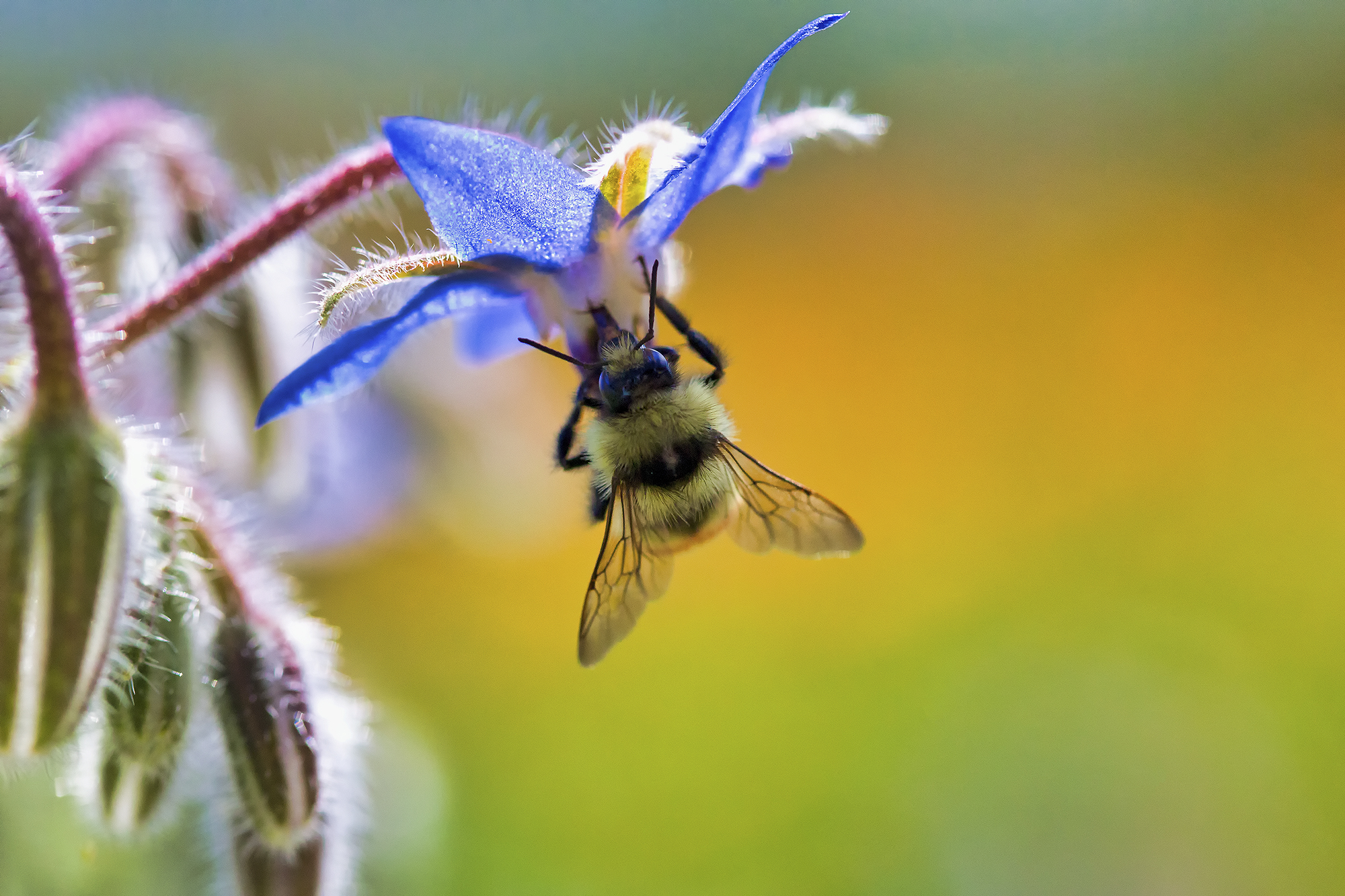
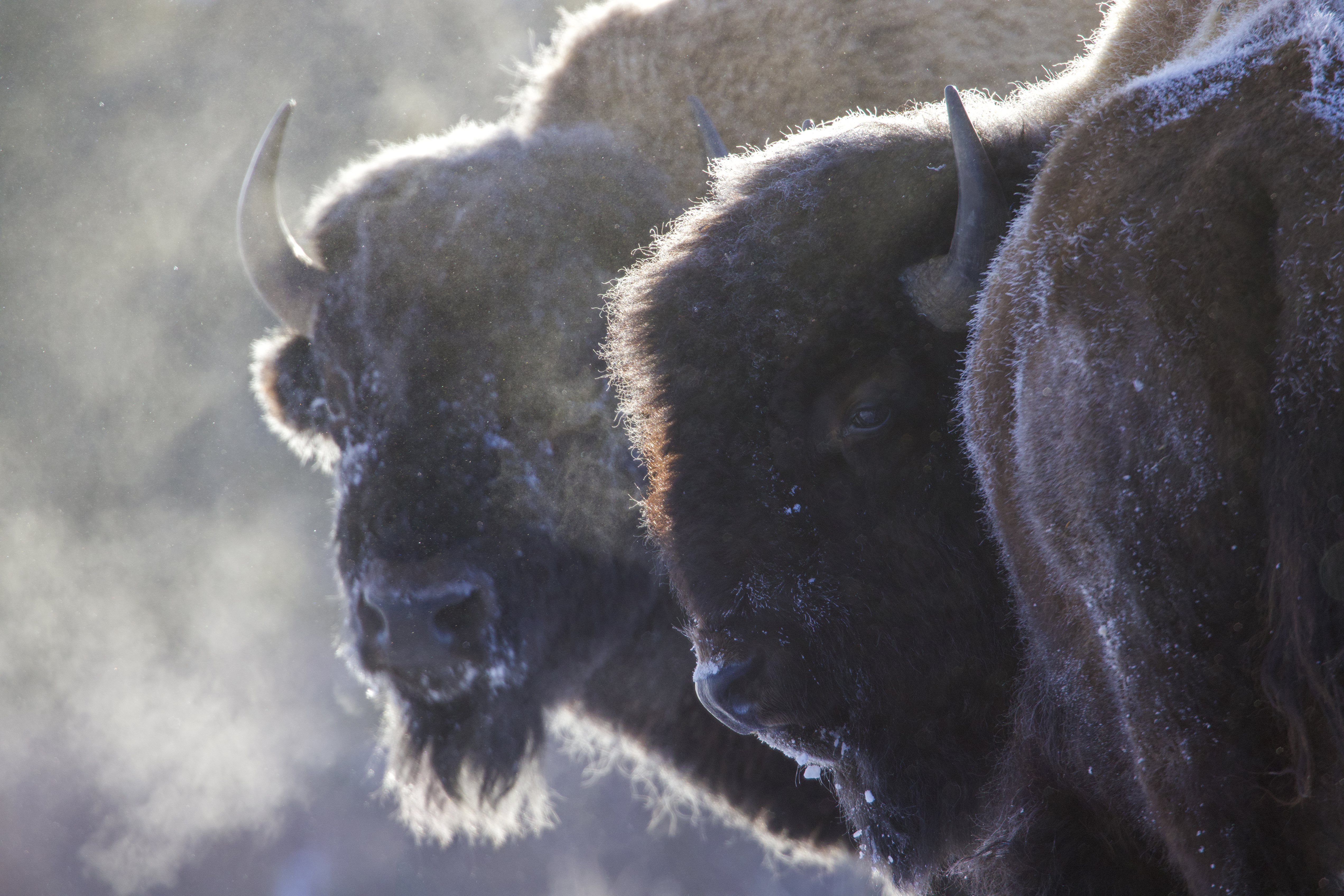
Enter through animal life, species guides, behavior, adaptation, habitat, and ecological relationships. This is one of the strongest pathways into the Naturepedia wildlife knowledge system.
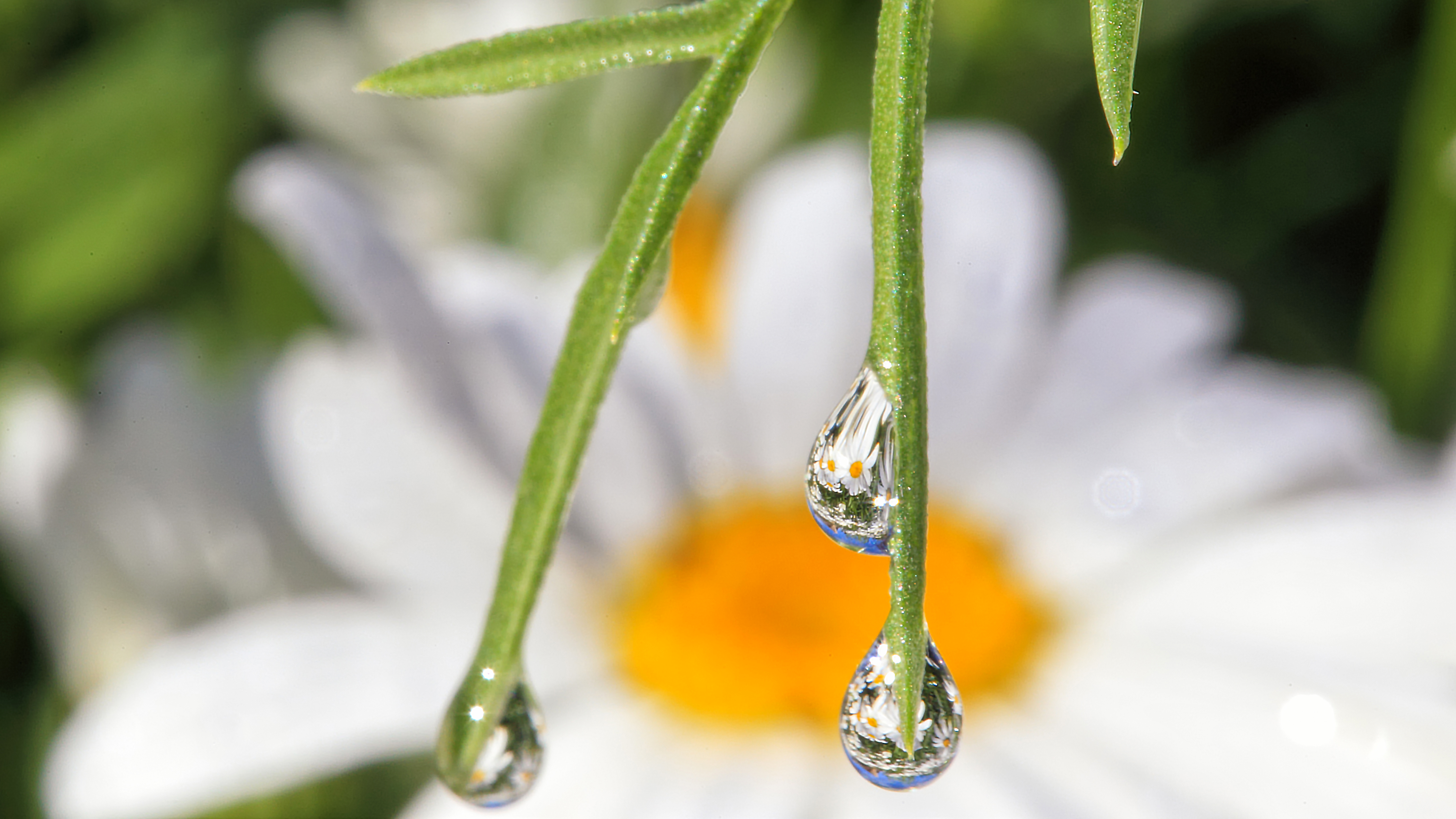
Follow biodiversity, habitat, soil health, resilience, food webs, and the ecological structures that hold living communities together across land, water, and climate.
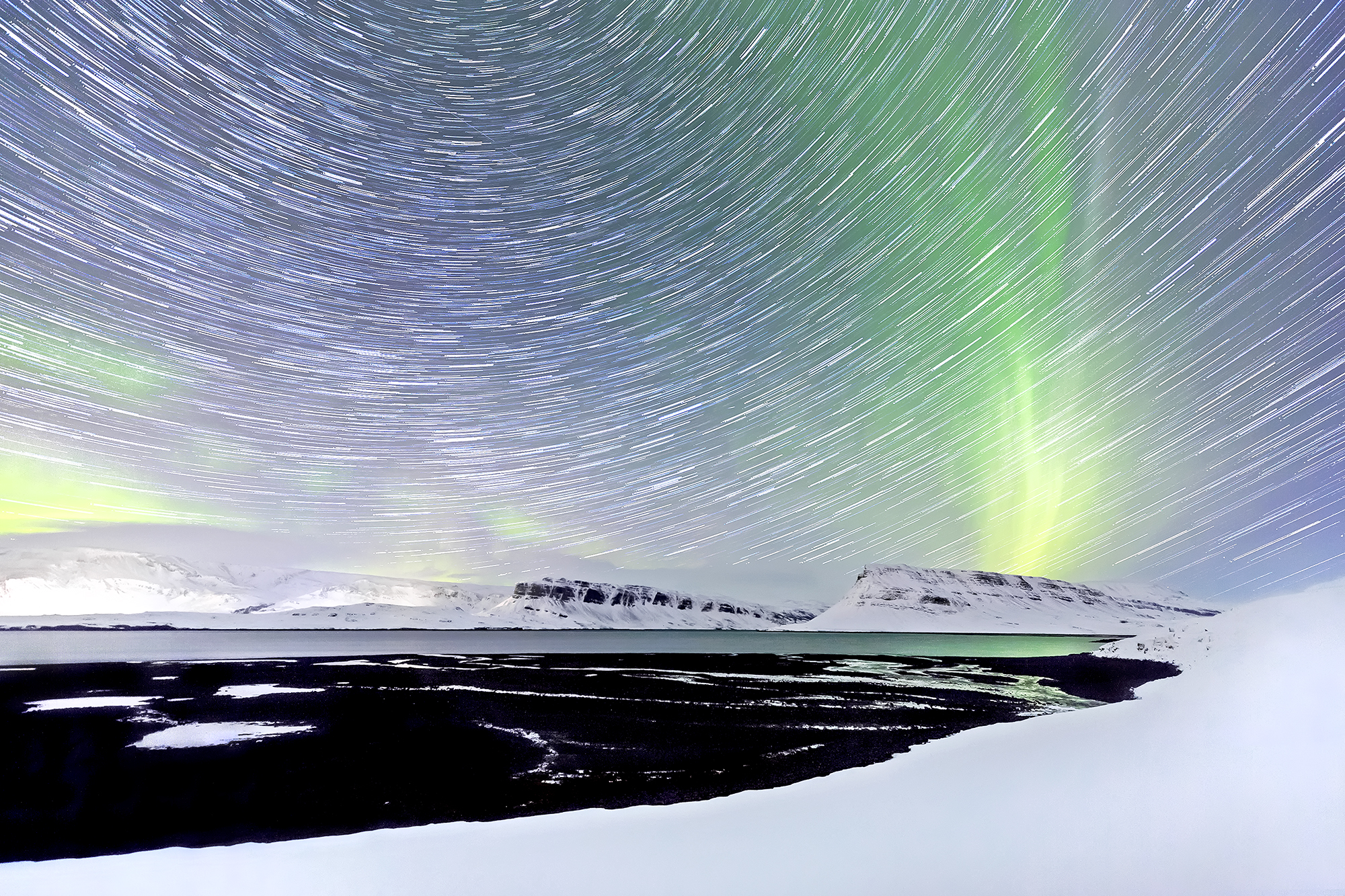
Move through water, photons, reflection, resonance, atmosphere, and the elemental forces that shape both visual beauty and deeper natural relationships across the site.
Explore migration, recurring seasonal change, observation timing, field conditions, and the practical patterns that help people understand where and when nature becomes visible.
Follow conservation, habitat care, regeneration, environmental responsibility, and Earth-aligned practices that connect people back to the health of living systems.
Move into the deeper explanatory layer through Grand Compression, Robbie’s Razor, quantum nature, hydrogen, light, memory, and recurring structure across scales.
Suggested way to use this page: start with the theme that feels most natural, then move deeper into the related cluster pages below. Wildlife can lead into ecology and field observation. Water and light can lead into elemental and visual pathways. Framework pages can lead back into Naturepedia, photography, and the field.
Explore the Full Theme Atlas
The sections above offer broad pathways into the site. The directory below opens those pathways further, giving you more specific routes through wildlife, ecosystems, elemental themes, seasonal cycles, stewardship, place-based journeys, photography, and the deeper authored framework pages.
Together, these themes function as a connected atlas rather than a scattered collection of categories. Each one reinforces a wider system of Naturepedia knowledge, field observation, visual storytelling, and deeper interpretation.
Holistic Nature & Regenerative Practices
Explore soil health, biodiversity, ecological resilience, regeneration, and the living systems that restore balance rather than merely preserve appearance.
Enter the world of wildlife through species pages, adaptation, behavior, conservation, field observation, and the broader wildlife systems and ecology layer.
Explore spring, summer, autumn, and winter as ecological, visual, and field-based pathways shaped by migration, timing, atmosphere, and recurring change.
Learn how photography, timing, fieldcraft, light, and storytelling transform real moments in nature into enduring visual work tied to place and season.
The goal of this atlas is not to send every visitor down the same route. It is to make the site easier to enter, easier to follow, and easier to understand—whether you begin with wildlife, ecosystems, field tools, photography, or the deeper authored frameworks behind the system.
New Field System Pathways
The newest additions to the site give these themes a stronger field foundation. Wildlife species, protected locations, animal tracks, and water systems now connect the broader theme atlas to real animals, real places, readable field sign, and the ecological pathways that shape habitat.
Use these pathways to move from broad themes into the living structure behind them.
Wildlife Species
Explore animals as living theme anchors — behavior, habitat, migration, ecological role, and field observation.
This new field system makes the theme atlas stronger because every broad idea now has clearer routes into species, place, evidence, water, habitat, and observation.
Where These Themes Lead
Each theme is an entry point rather than an endpoint. Once you enter through wildlife, ecosystems, water, field observation, photography, or stewardship, the site opens into deeper layers of knowledge, planning, visual work, and authored interpretation.
These connected pathways help the site function as a unified system—one where Naturepedia, galleries, field tools, and deeper framework pages support one another instead of standing apart.
Into Naturepedia
Follow themes into species, ecosystems, adaptation, migration, habitat, food webs, conservation, and the broader wildlife systems and ecology layer.
Move from theme into wildlife, landscape, seascape, and fine-art photography shaped by real light, field conditions, timing, atmosphere, and place-based experience.
Use maps, seasonal calendars, wildlife location pages, and planning tools to convert thematic interest into where, when, and how to observe nature in real conditions.
Bring these themes into your space through museum-quality prints connected to real ecosystems, field experiences, and the visual language of light, season, and place.
You do not need to follow every route. Start with the theme that feels closest to your interest, then let it guide you deeper into wildlife knowledge, field experience, photography, or the larger patterns that unify the site.
Themes in the Field
These themes are not only conceptual. They connect to real landscapes, wildlife locations, seasonal cycles, observation planning, light conditions, and field-based photography across North America and beyond.
This is where the site shifts from themed exploration into practical use. Field tools help translate interest into where to go, when to go, what to look for, and how conditions shape the experience.
Places & Geography
Explore wildlife refuges, wetlands, coastlines, mountain ranges, parks, and other field locations where these themes become visible through place.
Themes become richer when they are experienced in the field. These pages help move from image and idea into direct observation, practical timing, and real-world ecological context.
Continue Exploring
You can move between themes, field tools, photography, wildlife knowledge, and deeper framework pages at any time. If you are looking for the strongest next steps, the pages below provide clear entry points into the broader site architecture.
Together, these pages help connect the site as a unified system—bringing Naturepedia, field planning, visual work, authored explainers, and long-form thematic pathways into a more navigable whole.
Start Here
Return to the main navigation guide for the clearest overview of galleries, Naturepedia, field tools, prints, signature series, and the wider authored structure behind the site.
Move deeper into wildlife, ecosystems, behavior, habitat, geography, migration, and seasonal patterns through the site’s growing nature knowledge system.
Use maps, calendars, wildlife observation locations, and light-planning tools to translate themes into real-world timing, route planning, and field experience.
Follow the broader explanatory layer through Grand Compression, Robbie’s Razor, and the framework pages that connect memory, recursion, structure, intelligence, and nature across scales.
However you enter—through wildlife, ecosystems, seasonal timing, photography, field planning, or deeper frameworks—the purpose of this page is the same: to help you see the site more clearly as a connected living atlas of nature, knowledge, observation, and meaning.
Frequently Asked Questions
These questions help explain how this page works as a thematic navigation hub connecting Naturepedia, photography, field tools, and the deeper framework pages across the site.
What is the Explore Nature Themes page?
The Explore Nature Themes page is a living atlas of pathways across the site. It helps visitors navigate wildlife, ecosystems, water, light, seasonal timing, field observation, photography, and deeper framework pages through a more connected thematic structure.
How is this page different from Start Here?
Start Here is the main orientation page for the website. Explore Nature Themes is more thematic. Instead of guiding visitors through the site in one primary sequence, it lets them enter through topics such as wildlife, ecosystems, stewardship, seasonal change, or deeper frameworks and then move into related clusters.
What kinds of themes can I explore here?
You can explore themes such as wildlife and species, ecosystems and living systems, water and light, field observation and seasonal timing, regeneration and stewardship, photography, and the deeper explanatory frameworks connected to Grand Compression and Robbie’s Razor.
Does this page connect to Naturepedia?
Yes. This page is one of the thematic gateways into Naturepedia. Visitors can move from theme-based exploration into species guides, ecosystems, wildlife behavior, migration, conservation, habitat, and other connected nature knowledge pages.
Can this page help me plan field observation or photography?
Yes. Several pathways on this page lead directly into field tools such as wildlife observation locations, photography maps, seasonal wildlife timing, and golden hour and moon phase planning. These pages help translate ideas into real-world observation and image-making.
Why are Grand Compression and Robbie’s Razor included on a nature themes page?
Because this site does not treat nature, observation, and deeper explanation as separate worlds. Some themes lead into authored framework pages that interpret recurring structure across nature, memory, light, recursion, and intelligence. These pages provide a deeper conceptual layer for visitors who want to go beyond category browsing.
Is this page mainly for photography, education, or deeper ideas?
It supports all three. Some visitors use it to find galleries and fine art photography. Others use it to explore Naturepedia and field knowledge. Others use it as a bridge into Signature Series writing and deeper framework explainers. The page is designed to connect these layers rather than isolate them.
Where should I begin if I am new to the site?
If you want the broadest orientation, begin with Start Here. If you prefer to browse by interest, begin on this page with the theme that feels closest to your curiosity, such as wildlife, ecosystems, field observation, water and light, or deeper frameworks.
About the Author
Robbie George is a nature photographer, writer, and creator of Naturepedia, a growing knowledge system that connects wildlife, ecosystems, field observation, visual storytelling, and deeper explanatory frameworks across the natural world.
His work brings together real field experience, fine art photography, educational site architecture, and long-form authored frameworks designed to help visitors understand nature through image, place, season, ecology, and recurring pattern. Across the site, Robbie’s pages connect practical observation with deeper interpretation through wildlife guides, ecosystem pathways, planning tools, Signature Series essays, and the broader framework of the Grand Compression.
This page is part of that larger system—helping visitors navigate the site through connected themes rather than isolated categories, and making it easier to move between photography, Naturepedia, field tools, and authored framework pages.
The presence of this badge signifies that this business has officially registered with the Art Storefronts Organization and has an established track record of selling art.
It also means that buyers can trust that they are buying from a legitimate business. Art sellers that conduct fraudulent activity or that receive numerous complaints from buyers will have this badge revoked. If you would like to file a complaint about this seller, please do so here.
Verified Returns & Exchanges
The Art Storefronts Organization has verified that this business has provided a returns & exchanges policy for all art purchases.
Description of Policy from Merchant:
What is your Policy on Returns/Exchanges/Refunds?
I take great pride in my work and prints, and I want you to be completely happy with your investment in my nature art. If for any reason you are unsatisfied with your print, you may return it within 14 days of delivery, and/or exchange it for another print. Prints must be returned in new condition, packaged carefully in the original packaging if possible. Your refund will be issued as soon as I receive the returned print. Please contact me if you would like to arrange a return or exchange.
In the event that you receive a damaged or defective print, please let me know within 7 days of receipt, and I will arrange for a new print to be shipped to you at no additional cost.
Verified Secure Website with Safe Checkout
This website provides a secure checkout with SSL encryption.
Verified Archival Materials Used
The Art Storefronts Organization has verified that this Art Seller has published information about the archival materials used to create their products in an effort to provide transparency to buyers.
Description from Merchant:
Fine Art Prints are made with high-quality archival inks on fine art papers using a high-resolution large format inkjet printer. Our premium archival inks produce images with smooth tones and rich colors. Prints are made with care on your choice of exquisite Fine Art Papers using a high-resolution large format inkjet printer. https://www.graphikprintworks.com
Become a supporter of Robbie George Photography and be the first to receive new content and special promotions.
“Every image is a field. Every quote is a key. Welcome back to the rhythm.” ~Robbie
Cart
Your cart is currently empty.
Saved Successfully.
This is only visible to you because you are logged in and are authorized to manage this website. This message is not visible to other website visitors.
Import From Instagram
Click on any Image to continue
This Website Supports Augmented Reality to Live Preview Art
This means you can use the camera on your phone or tablet and superimpose any piece of nature art onto a wall inside of your home or business.
To use this feature, Just look for the "Live Preview AR" button when viewing any piece of nature art on this website!
Pounce Now—Save 20% on Your First Order
Join the collector list for your first-order discount, new wildlife releases, and occasional field notes.