🌿 Earth Care & Stewardship: Inspiring Action for a Sustainable Future
“Stewardship begins the moment you realize you are not separate from what you are trying to protect.”
~ Robbie George
Earth Care & Stewardship Hub
Earth Care: Stewardship, Conservation, and the Living Responsibility of Being Here
A field-grounded guide to conservation, sustainability, and the real-world responsibility of living within Earth’s systems.
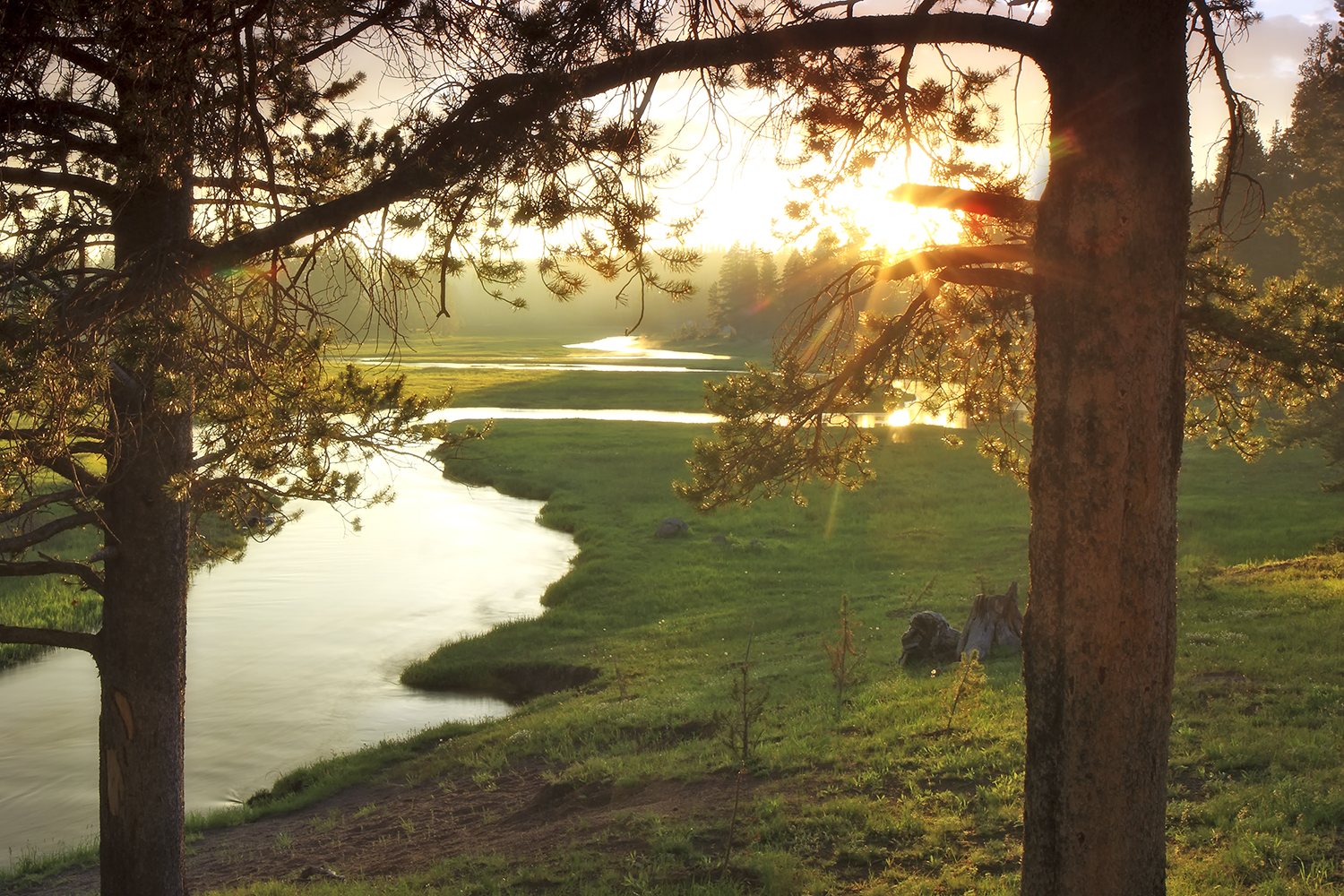
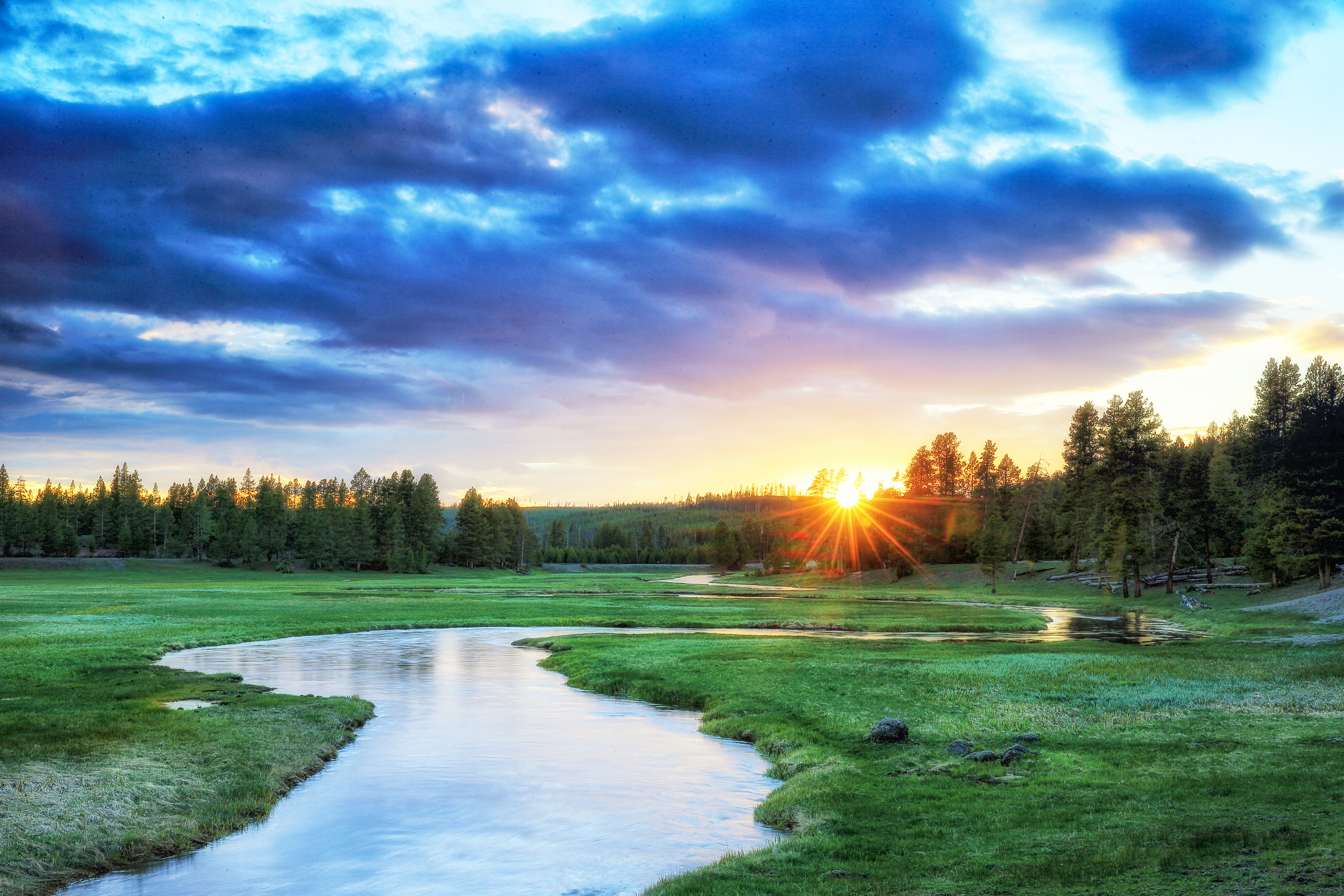
Standing in a wetland at sunrise, watching birds lift off as light touches the water, it becomes clear that Earth care is not abstract. It is visible in real places—habitats holding together, species returning, balance either maintained or breaking.
Whether the focus is biodiversity protection, sustainable materials, wildlife preservation, or reconnecting with the natural world, the core idea remains the same: we are participants in the system, not observers outside of it.
What This Page Helps You Do
Understand how real-world stewardship connects to wildlife, ecosystems, conservation practices, and everyday choices—so you can move from awareness into meaningful action.
Explore Earth Care
Move through stewardship, conservation, sustainable practice, and field-based reflection—along with the stories, systems, and actions that help protect the living world.
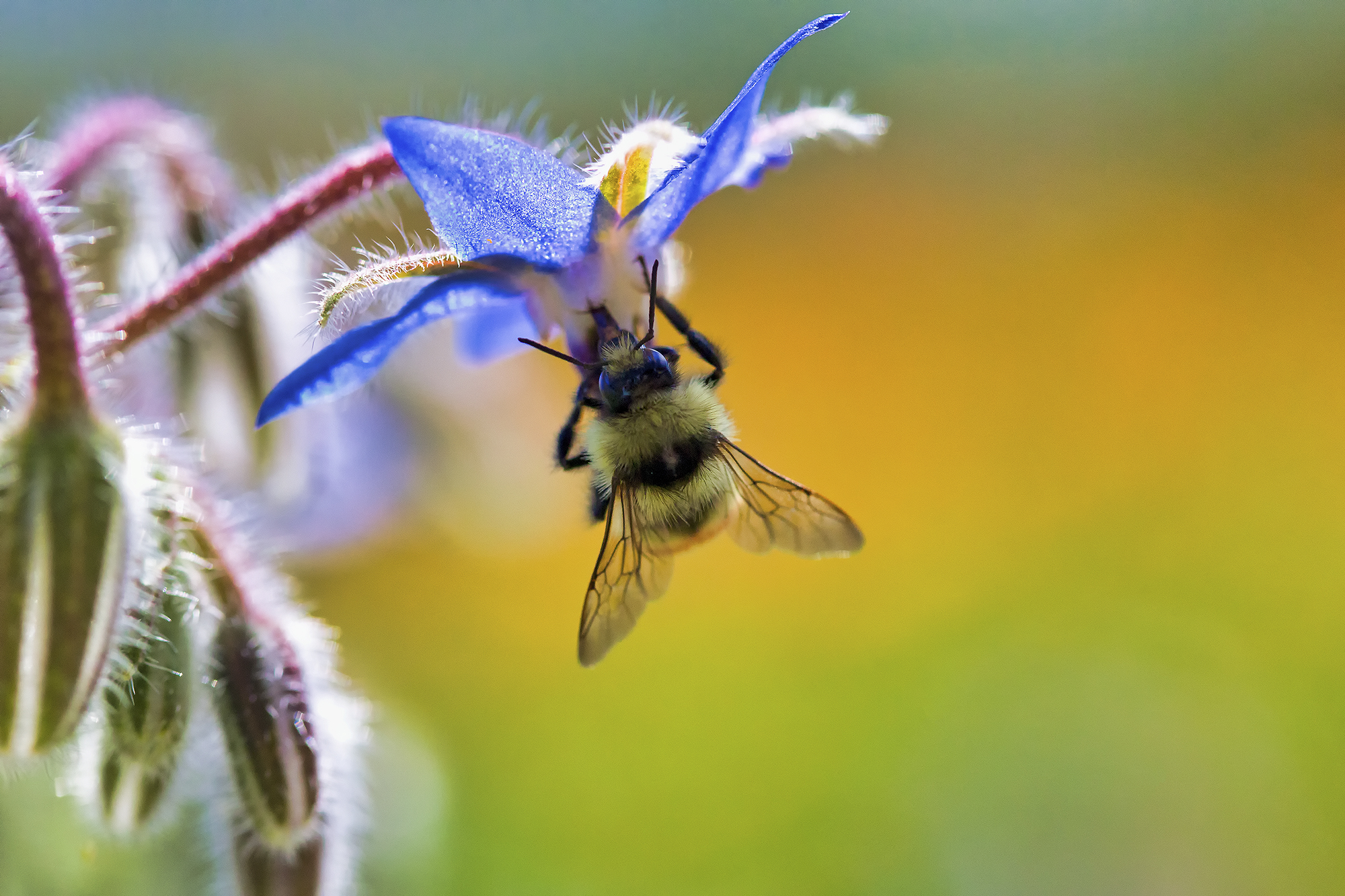
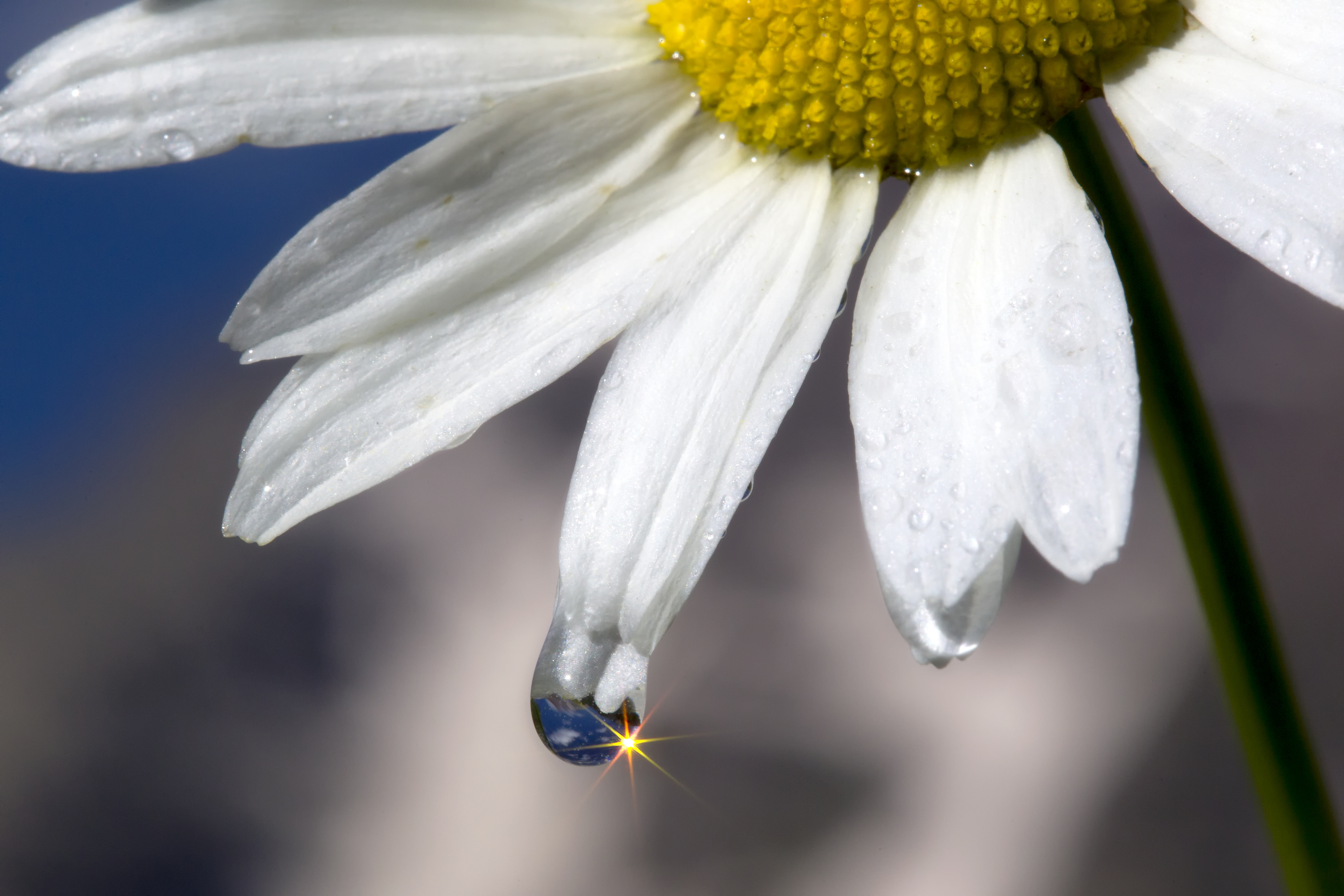
Earth care becomes real when you see what is actually at stake—pollinators moving through a meadow, wetlands filtering water, forests holding soil, and wildlife depending on intact habitat to survive.
Stewardship is not just an idea or a moral slogan. It is the practical work of protecting the systems that make life possible: biodiversity, clean water, healthy soil, resilient habitat, and the relationships that connect them.
🌼 Biodiversity
Healthy ecosystems depend on diversity. Pollinators, predators, plants, fungi, and microbes each play roles that hold the larger web of life together.
💧 Habitat & Water
Wetlands, rivers, coastlines, forests, and grasslands do more than hold beauty. They store water, reduce erosion, filter runoff, and create living space for countless species.
🦅 Wildlife Survival
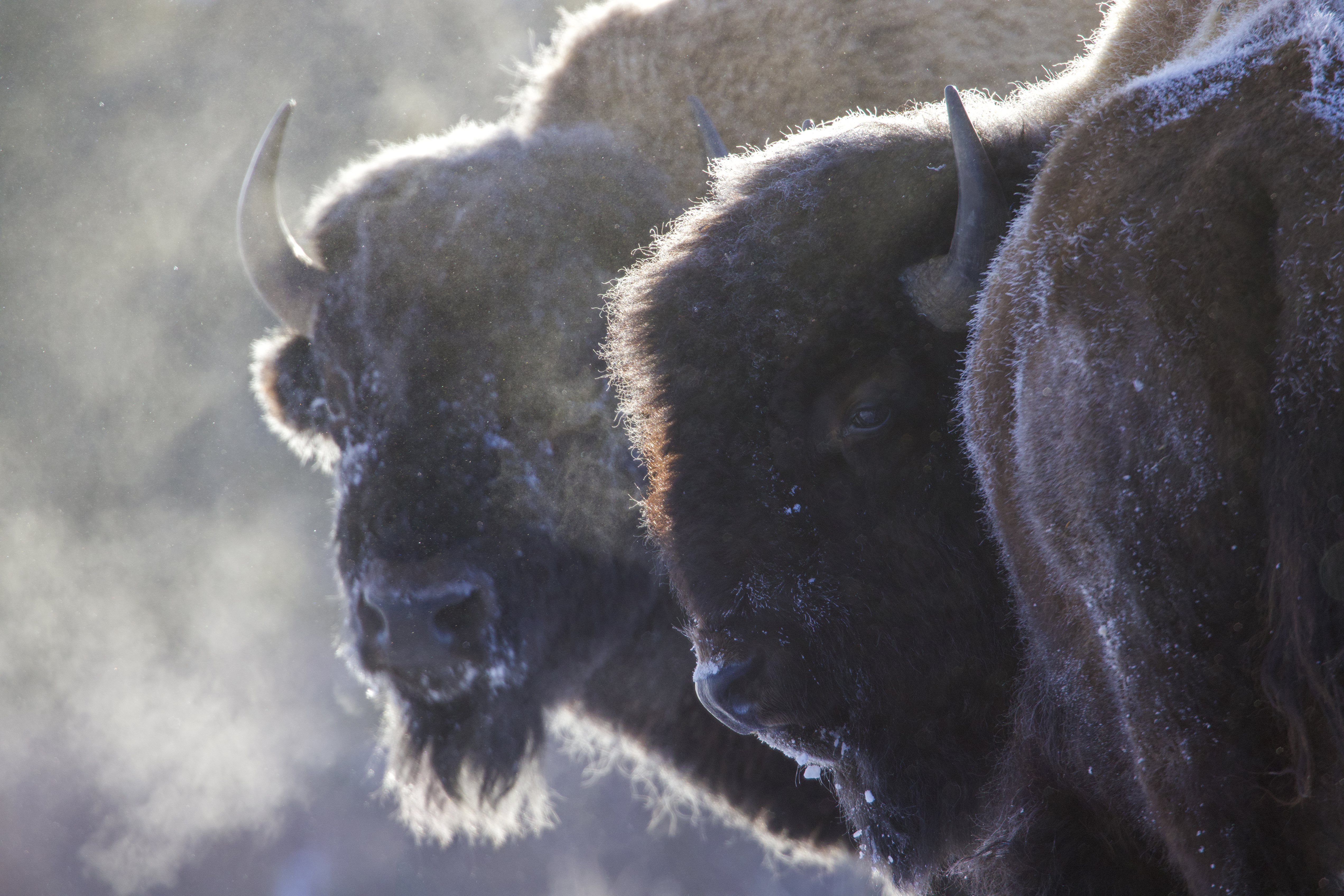
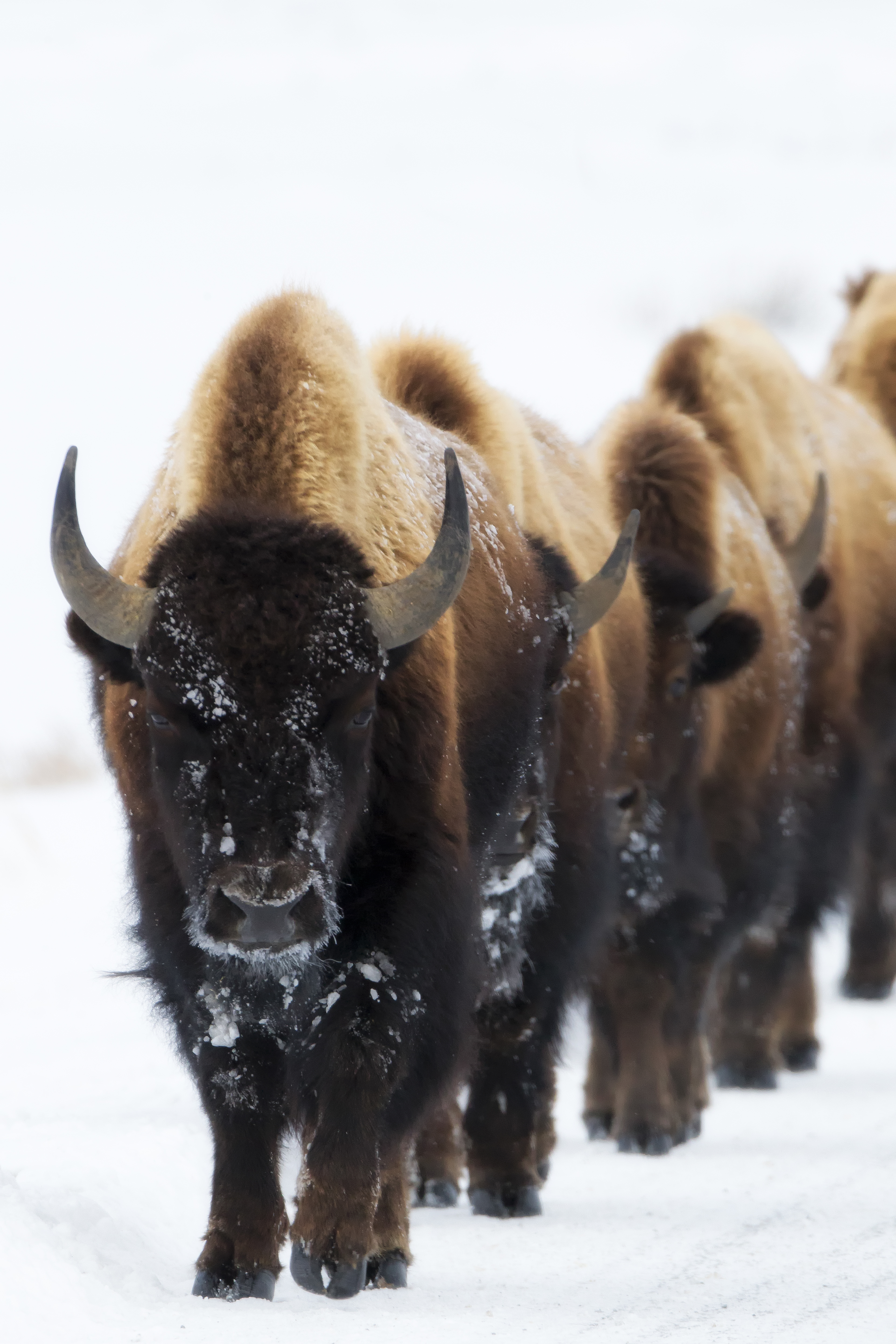
When land is fragmented or degraded, wildlife loses more than territory. It loses feeding grounds, migration corridors, nesting space, and long-term resilience.
🌍 Human Responsibility
Earth care asks us to recognize that our daily choices—how we build, buy, travel, print, farm, protect, and consume—shape the condition of the living world around us.
From Awareness to Stewardship
Many people care about nature in a general sense, but stewardship becomes stronger when care is tied to pattern recognition—understanding how ecosystems function, what species need, and where protection actually matters.
Conservation in Action: What Stewardship Looks Like on the Ground
In the field, conservation is not abstract. It is visible in restored wetlands, protected migration corridors, preserved refuges, and landscapes that are allowed to function as living systems rather than controlled environments.
These efforts determine whether ecosystems remain intact, fragmented, or lost—and whether future generations will experience the same living world we do today.
🌿 Habitat Protection
Protecting land is one of the most direct forms of conservation—ensuring that ecosystems remain intact and species have the space they need to survive and adapt.
🦅 Wildlife Corridors
Migration routes and movement corridors connect ecosystems. Without them, species become isolated, reducing genetic diversity and long-term resilience.
🌊 Restoration Efforts
Dam removal, wetland restoration, reforestation, and soil regeneration all work to repair systems that have been degraded or disrupted.
🏞️ Protected Areas
National parks, wildlife refuges, and conservation lands act as anchors—preserving biodiversity while also allowing people to experience intact ecosystems.
Why Conservation Requires Systems Thinking
Conservation works best when it recognizes that ecosystems are interconnected. Protecting a single species or location is rarely enough—water systems, migration routes, vegetation, and climate patterns all interact.
Sustainable Living: Daily Choices That Shape the World
Earth care is not limited to protected lands or large-scale conservation efforts. It is expressed through everyday decisions—what we use, how we build, what we support, and how we move through the world.
Small choices, repeated consistently, scale into real environmental impact—either supporting ecological balance or contributing to its decline.
Reducing waste—through reuse, recycling, and thoughtful consumption—lowers pressure on ecosystems and reduces the need for resource extraction.
🌱 Regenerative Practices
Regenerative agriculture, soil restoration, and habitat repair go beyond sustainability—actively improving the health of ecosystems over time.
🚶 Conscious Consumption
Every purchase supports a system. Choosing ethically produced goods and reducing unnecessary consumption shifts demand toward more sustainable practices.
Why Individual Actions Still Matter
Large-scale environmental change often begins with small, distributed decisions. While no single action solves everything, collective behavior shapes industries, policies, and long-term environmental outcomes.
This is where sustainable living connects back into the broader system—linking personal decisions to Biodiversity & Ecosystem Balance, Conservation, and the long-term health of the environments we depend on.
Wisdom & Relationship: Relearning How to Belong to the Earth
Long before modern conservation language existed, many cultures understood something fundamental: humans are not separate from nature—they are part of it.
Earth care begins with this shift in perspective. When the relationship changes, behavior follows.
🌎 Indigenous Perspective
Many indigenous traditions approach land as a relationship rather than a resource—guiding decisions through respect, balance, and long-term thinking.
🌿 Observation & Presence
Spending time in real environments—watching light change, seasons shift, and wildlife move—builds a deeper awareness that cannot be learned abstractly.
🌀 Interconnection
Water, soil, light, wildlife, and human systems are not isolated. Each one influences the others, forming a continuous and responsive network.
🧭 Values & Direction
How we think about nature shapes what we prioritize—whether we protect ecosystems, restore them, or continue to treat them as expendable.
Why Relationship Shapes Outcome
If nature is viewed as separate, it becomes easier to exploit. If it is understood as a system we are embedded within, protection becomes a natural extension of self-interest and responsibility.
Field Reflections, Conservation Essays, and Stewardship Pathways
These selected stories help turn Earth care into something more tangible—through conservation practice, ecological awareness, material choices, and deeper reflection on how humans belong within the living world.
Sustainability
Zero-Waste Partnership
A practical look at how environmental values can extend into printing, production, and business choices.
Earth care becomes easier to act on when it is tied to real examples—protected landscapes, material choices, wildlife conservation, and ways of thinking that reconnect human life to ecological reality.
These stories form a practical bridge between reflection and response, helping this page function not just as an archive, but as a stewardship pathway grounded in place, pattern, and responsibility.
Photography & Stewardship: Using Images to Deepen Care
Nature photography can do more than document beauty. At its best, it teaches attention, reveals ecological relationships, and helps people care more deeply about the places, species, and systems they might otherwise overlook.
A photograph can become a point of entry into stewardship—turning awe into awareness, and awareness into protection.
📷 Attention
Photography slows perception down. It teaches you to notice light, habitat, behavior, weather, timing, and the subtle details that make ecosystems more readable.
🦋 Visibility
Images bring overlooked species and fragile places into view—helping people understand why biodiversity, migration routes, wetlands, and protected habitats matter.
🌎 Connection
A strong image can close the distance between viewer and subject, making conservation feel personal rather than remote or abstract.
🛡️ Responsibility
Field photography also requires ethics—respecting wildlife distance, sensitive habitats, nesting areas, and the difference between observing nature and disturbing it.
Build the practical skills that keep observation ethical, intentional, and aligned with habitat respect.
Why Photography Can Strengthen Stewardship
The more clearly people see the living world, the harder it becomes to treat it as background. Photography can reveal individuality in wildlife, fragility in habitats, and structure in ecosystems—making care feel grounded rather than theoretical.
Earth care connects outward into the larger system—wildlife, ecosystems, conservation strategy, field observation, and the tools that help you act with clarity instead of guesswork.
Use planning tools to align location, timing, light, and seasonal movement before entering the field.
Stewardship Becomes Clear When the System Is Visible
When you begin to see how wildlife, ecosystems, light, water, and human activity connect, conservation stops feeling overwhelming. It becomes directional—something you can understand, navigate, and contribute to with intention.
Begin navigating the full Robbie George system from field observation to deeper understanding.
To care for the Earth is to understand how it works—and to act accordingly.
Naturepedia Connections
Where Earth Care Connects to the Larger System
Earth care becomes stronger when it is connected to the systems behind it—wildlife, habitat, biodiversity, field observation, water, and the ecological relationships that make stewardship measurable in real places.
Earth care becomes clearer when it is seen as part of a living system—where habitat, biodiversity, species survival, and human responsibility all meet in the same field of consequences.
FAQ
Frequently Asked Questions About Earth Care & Stewardship
These questions help clarify how conservation, sustainability, and everyday decisions connect to real ecological outcomes.
What is Earth care?
Earth care refers to the active responsibility of protecting ecosystems, wildlife, water, and natural systems through conservation, sustainable practices, and informed decision-making.
Why is biodiversity important?
Biodiversity supports ecosystem stability, resilience, and productivity. Diverse systems are better able to adapt to change and continue providing essential functions like pollination, water filtration, and soil health.
How can individuals contribute to conservation?
Individuals contribute through everyday choices—reducing waste, supporting sustainable products, protecting habitats, respecting wildlife, and aligning consumption with ecological responsibility.
What is the difference between sustainability and regeneration?
Sustainability aims to reduce harm and maintain current conditions, while regeneration goes further—actively restoring ecosystems and improving environmental health over time.
Why are protected lands important?
Protected areas preserve biodiversity, maintain ecosystem processes, and provide refuge for wildlife while also offering opportunities for education and connection to nature.
How does photography support Earth care?
Photography increases awareness by making ecosystems, wildlife, and environmental change visible—helping people connect emotionally and intellectually with conservation.
About the Author
Robbie George is a National Geographic–published nature photographer, field-based observer, and writer whose work is grounded in real landscapes, wildlife behavior, and the ecological patterns that shape the natural world.
His approach to Earth care is not theoretical—it comes from time spent in wetlands, mountains, coastlines, and wildlife refuges, observing how ecosystems function when they are intact and how they change when they are under pressure.
Through photography, writing, and the development of Naturepedia, Robbie connects field observation to larger systems—helping people understand conservation, biodiversity, and stewardship as part of a living, interconnected framework.
The presence of this badge signifies that this business has officially registered with the Art Storefronts Organization and has an established track record of selling art.
It also means that buyers can trust that they are buying from a legitimate business. Art sellers that conduct fraudulent activity or that receive numerous complaints from buyers will have this badge revoked. If you would like to file a complaint about this seller, please do so here.
Verified Returns & Exchanges
The Art Storefronts Organization has verified that this business has provided a returns & exchanges policy for all art purchases.
Description of Policy from Merchant:
What is your Policy on Returns/Exchanges/Refunds?
I take great pride in my work and prints, and I want you to be completely happy with your investment in my nature art. If for any reason you are unsatisfied with your print, you may return it within 14 days of delivery, and/or exchange it for another print. Prints must be returned in new condition, packaged carefully in the original packaging if possible. Your refund will be issued as soon as I receive the returned print. Please contact me if you would like to arrange a return or exchange.
In the event that you receive a damaged or defective print, please let me know within 7 days of receipt, and I will arrange for a new print to be shipped to you at no additional cost.
Verified Secure Website with Safe Checkout
This website provides a secure checkout with SSL encryption.
Verified Archival Materials Used
The Art Storefronts Organization has verified that this Art Seller has published information about the archival materials used to create their products in an effort to provide transparency to buyers.
Description from Merchant:
Fine Art Prints are made with high-quality archival inks on fine art papers using a high-resolution large format inkjet printer. Our premium archival inks produce images with smooth tones and rich colors. Prints are made with care on your choice of exquisite Fine Art Papers using a high-resolution large format inkjet printer. https://www.graphikprintworks.com
Become a supporter of Robbie George Photography and be the first to receive new content and special promotions.
“Every image is a field. Every quote is a key. Welcome back to the rhythm.” ~Robbie
Cart
Your cart is currently empty.
Saved Successfully.
This is only visible to you because you are logged in and are authorized to manage this website. This message is not visible to other website visitors.
Import From Instagram
Click on any Image to continue
This Website Supports Augmented Reality to Live Preview Art
This means you can use the camera on your phone or tablet and superimpose any piece of nature art onto a wall inside of your home or business.
To use this feature, Just look for the "Live Preview AR" button when viewing any piece of nature art on this website!
Pounce Now—Save 20% on Your First Order
Join the collector list for your first-order discount, new wildlife releases, and occasional field notes.