
National Parks: Essential Pillars of Conservation and Heritage in United States
What National Parks Actually Protect
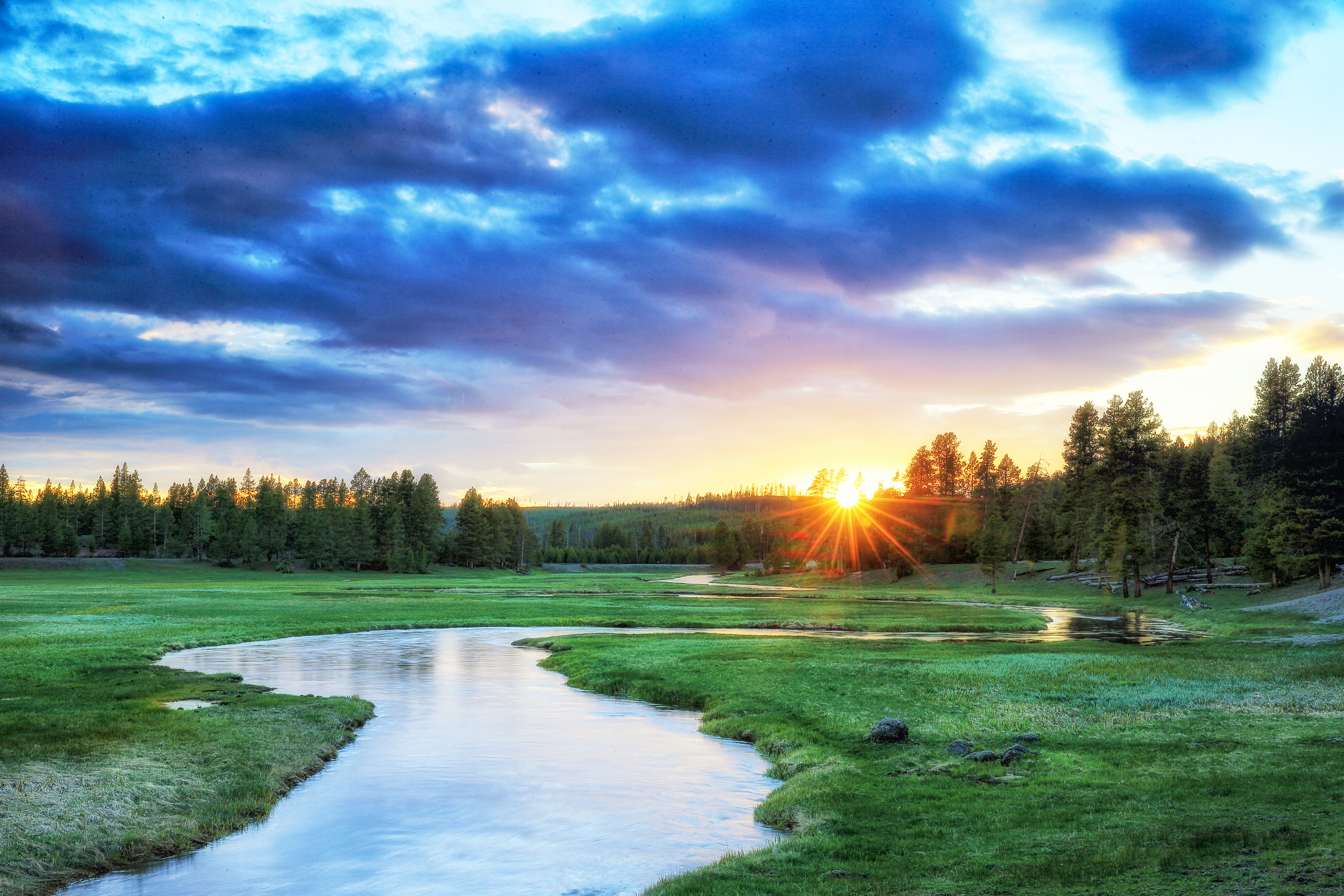
National Parks are often described as protected landscapes, but in reality, they protect something far more complex: entire ecological systems. Within these boundaries, species interactions, water cycles, soil systems, and seasonal patterns remain connected. A river is not just water. It is movement, nutrient transport, habitat structure, and timing—all working together.
In places like Yellowstone, the reintroduction of wolves reshaped entire landscapes by restoring predator-prey balance. Elk movement changed, vegetation recovered, and river systems stabilized. This is what intact systems do—they regulate themselves when given space and continuity.
These same dynamics extend across parks nationwide, connecting to broader systems explored in Wildlife Behavior & Ecology, Ecosystems of North America, and Wildlife Conservation & Habitat.
When these systems are protected, biodiversity persists, migration routes remain viable, and ecological memory carries forward. When they are fragmented, those same systems begin to unravel—often quietly at first, and then all at once.
Explore This Guide
Ecological Role — Biodiversity, Habitat, and Balance
National Parks matter because they protect far more than scenery. They hold together ecological relationships that become fragile once they are interrupted. In a protected landscape, rivers still shape habitat, predators still influence prey behavior, plant communities still regenerate, and seasonal transitions still have room to unfold in the way they were meant to.
That is what makes these places so important within the larger framework of North American ecosystems. A park protects not just individual animals, but the living structure that supports them. In Yellowstone, that includes river corridors, thermal systems, meadows, forests, and open valleys that support species such as grizzly bears, wolves, and bison. In Grand Teton, alpine terrain, wetlands, sage flats, and river systems support elk, moose, and bald eagles.
Protected land also preserves behavioral continuity. Animals do not simply need space to exist; they need space to den, hunt, calve, migrate, rut, nest, and recover from seasonal stress. These are the same relationships explored more deeply in Wildlife Behavior & Ecology and Wildlife Migration & Seasonal Patterns. When a landscape stays intact, wildlife behavior stays legible.
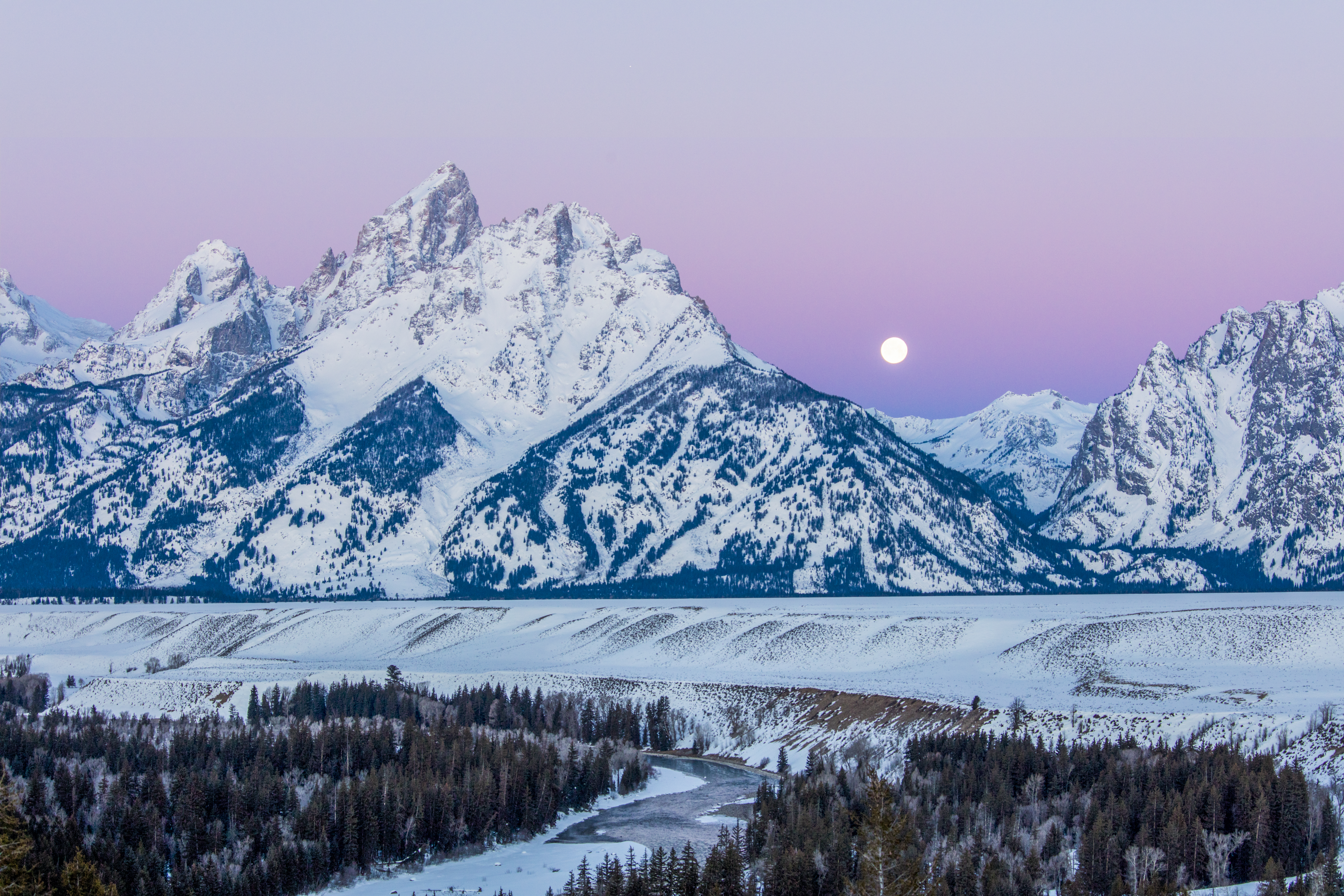
National Parks also function as biodiversity reservoirs. They preserve native plant communities, watersheds, predator-prey dynamics, pollinator networks, and food webs that extend beyond park boundaries. This is why they connect so naturally to Wildlife Conservation & Habitat, Biodiversity & Ecosystem Balance, and Food Webs & Ecological Relationships. What they protect, in the deepest sense, is continuity.
What Is Changing — Climate, Pressure, and Fragmentation
National Parks protect some of the most important ecological systems in the country, but protection does not mean immunity. These landscapes are changing under pressure from rising temperatures, altered runoff, heavier visitation, habitat fragmentation beyond park boundaries, invasive species, and shifting wildlife movement patterns. In many places, the park remains intact on paper while the larger system around it grows less stable.
Climate change is one of the clearest drivers of that instability. Snowpack timing shifts. Fire seasons lengthen. Drought stress intensifies. Wetlands contract. Species begin arriving earlier, later, or in lower numbers. In mountain systems, the timing of meltwater changes everything downstream. In coastal systems, sea-level rise and stronger storms reshape habitat at the edge.
One of the most important things to understand is that ecological pressure rarely announces itself all at once. It often begins as subtle disruption. A corridor becomes harder to use. A calving area becomes busier. A river runs differently. A species that once felt reliably present becomes less visible. A place still looks beautiful, but the timing underneath it has changed.
Fragmentation outside park boundaries adds another layer of strain. Wildlife do not understand legal borders. Species move through broader connected landscapes that include roads, development, private land, working land, and surrounding public habitat. A park may protect the core, but animals still need corridors, seasonal range, and access to forage and water beyond the map line. This is why National Parks connect directly to Wildlife Habitats & Ecosystem Zones and Wildlife Migration & Seasonal Patterns.
What is changing, ultimately, is not just scenery. It is timing, function, and system stability. And when system stability weakens, biodiversity and resilience weaken with it.
Human Impact — Tourism, Development, and Access
National Parks exist because people chose to protect them—but they are also shaped by how people use them. Every visitor, road, trail, and surrounding development decision influences how these ecosystems function. The challenge is not simply human presence. It is how that presence interacts with wildlife, habitat, and ecological timing.
Tourism is one of the most visible pressures. In parks like Yellowstone and Grand Teton, roadside wildlife encounters, crowded viewpoints, and heavily trafficked trails can concentrate human activity into small areas. Animals begin to adjust their movement, feeding, and rest patterns. In some cases, they avoid areas entirely. In others, they become too accustomed to people, which creates long-term risk for both wildlife and visitors.
Development outside park boundaries creates a different kind of impact—one that is less visible but often more permanent. Expanding towns, road networks, and infrastructure can cut through migration routes and reduce access to seasonal habitat. Species like elk, moose, and grizzly bears rely on large, connected landscapes. When those connections narrow, movement becomes restricted, and ecological pressure increases.
Even well-intentioned interaction can have consequences. Approaching wildlife for a closer photograph, leaving designated trails, or lingering too long in sensitive areas can introduce subtle but meaningful stress. These actions may seem small in isolation, but across thousands—or millions—of visitors, they begin to reshape behavior and habitat use. This is why ethical field practice is not optional. It is a direct extension of conservation.
At the same time, human presence also plays a positive role when it is aligned with stewardship. Public support funds conservation. Visitors become advocates. Photographers tell stories that bring visibility to ecosystems and species. Pages like Wildlife Observation & Field Techniques and Wildlife Photography exist for this reason—to help people move through these environments in a way that respects the system rather than disrupts it.
Human impact is not inherently negative. It becomes negative when it ignores the system it is entering. National Parks hold their value when access and awareness move together—when people understand that being in these places carries responsibility, not just opportunity.
Conservation Response — Protection, Restoration, and Stewardship
The pressures affecting National Parks are real, but so are the responses. Conservation within these landscapes is not passive. It is active, adaptive, and increasingly informed by long-term ecological research, on-the-ground management, and field observation. The goal is not to freeze these places in time. It is to protect the processes that allow them to continue functioning.
One of the most powerful conservation tools is protection itself—maintaining large, intact landscapes where natural systems can regulate without constant human interference. This is what allows predator-prey relationships, water cycles, vegetation recovery, and seasonal habitat use to remain legible. In Yellowstone, the return of wolves showed how restoring one missing piece can influence the structure of an entire landscape.
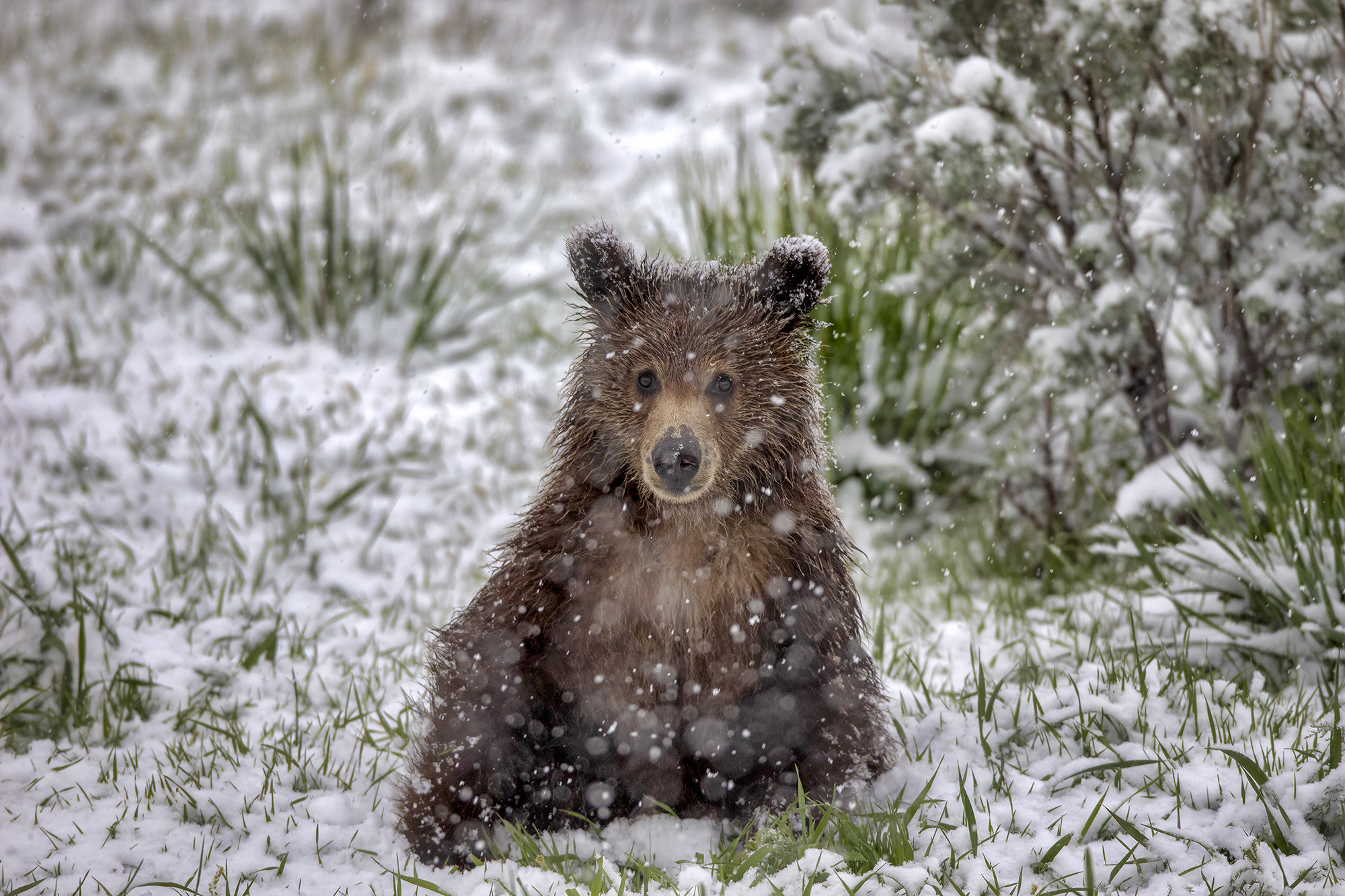
Restoration is another essential response. This includes repairing habitat, restoring native vegetation, improving watershed health, reducing invasive pressure, and, when appropriate, reestablishing missing species. These efforts tie directly into broader ecological frameworks like Keystone Species & Trophic Cascades and Biodiversity & Ecosystem Balance.
Modern conservation also relies on better data. Remote cameras, GPS tracking, wildfire modeling, habitat monitoring, and other management tools help park staff respond earlier and more intelligently as conditions change. Visitor management matters too. Timed entry, trail design, shuttle systems, and seasonal closures are not just convenience decisions—they are stewardship decisions.
Stewardship extends beyond park boundaries. Conservation depends on connected landscapes, responsible tourism, public support, and a culture that understands why these systems matter. National Parks remain strongest when protection is paired with continuity.
Field Observation — What These Systems Look Like in Reality
When you spend enough time in National Parks, you begin to notice that what looks like stillness is actually constant movement. A valley may appear quiet, but animals are adjusting to wind, light, pressure, distance, and visibility. A river may look calm, but it is moving sediment, temperature, nutrients, and structure through the landscape. These are not isolated moments. They are expressions of a functioning system.
In places like Yellowstone, I’ve watched how predator presence changes the feel of an entire valley. In Grand Teton, river corridors and wetland edges reveal how animals move with caution and purpose through cover and open space. In Acadia, the shift between tide, weather, and light changes how the entire coastal system behaves.
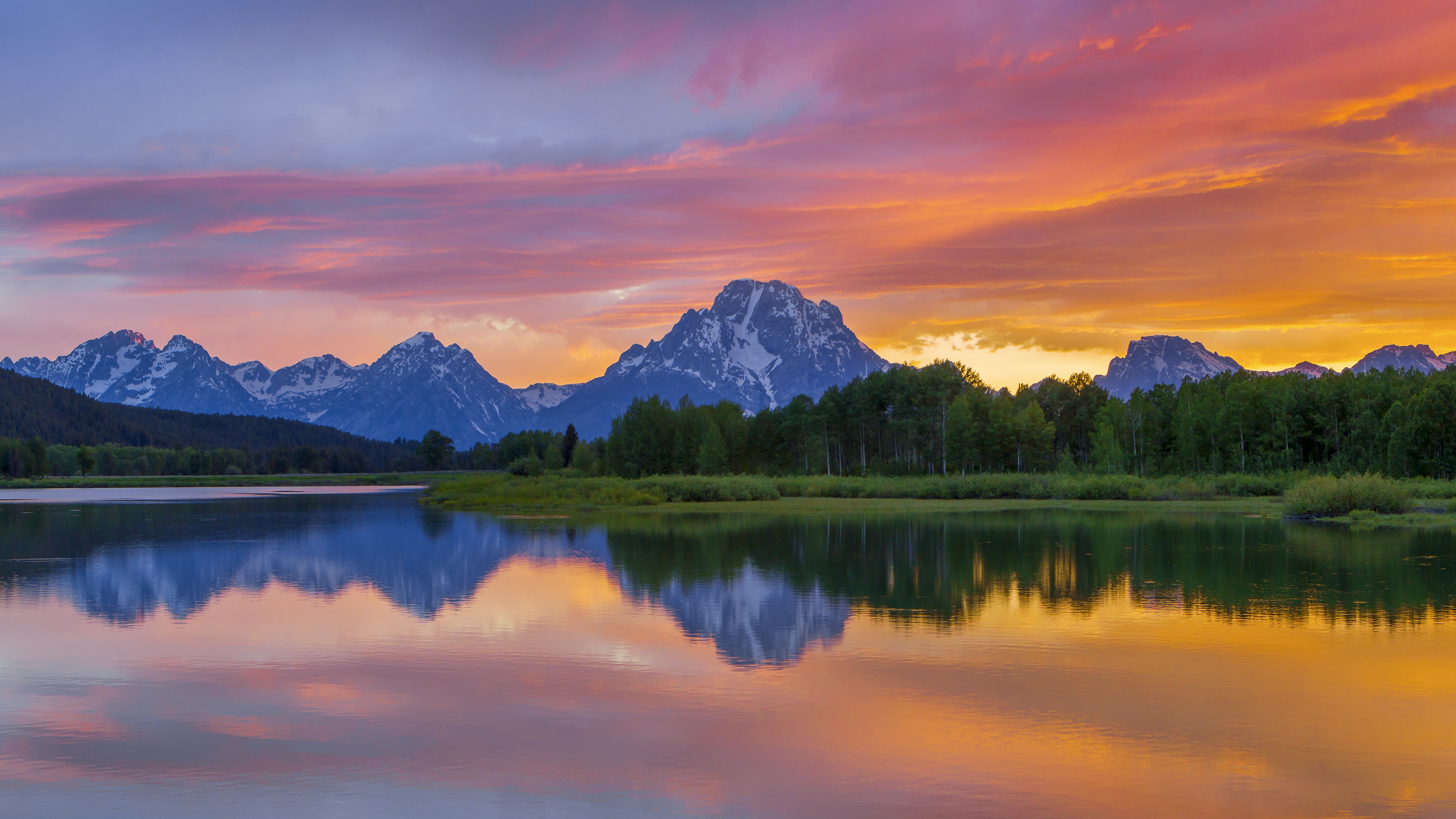
What I look for first is not simply the subject, but the pattern. Where is movement happening? Where is it absent? What edge is holding tension between cover and exposure? What part of the landscape is carrying the activity? These are the same signals that shape wildlife behavior, and they determine whether a moment develops or disappears.
There are also signals of stress if you pay attention. Wildlife holding distance longer than expected. Trails widening beyond their original line. High-use areas that feel compressed. Habitats that should be active at certain times of year feeling quieter than they once did. These are not always dramatic changes, but they are visible signs that the system is adjusting.
Field observation is where conservation becomes concrete. The more clearly you learn to read a landscape, the more obvious it becomes that protection is not abstract. It is visible in movement, timing, absence, continuity, and the relationships that are still holding together.
Naturepedia Connection — Species, Habitat, Geography, Time, and Conservation
National Parks are not isolated destinations. They are core nodes within a much larger ecological network—one that connects species behavior, habitat structure, geographic distribution, seasonal timing, and long-term conservation outcomes. This is the same system architecture that underpins Naturepedia.
At the species level, parks provide critical refuge. Animals such as grizzly bears, wolves, bison, and bald eagles depend on protected landscapes to maintain natural behavior patterns—feeding, migration, reproduction, and territorial movement. These species-level dynamics connect directly to Wildlife and the broader species categories within your system.
At the habitat level, each park represents a distinct ecological structure. Alpine systems in Grand Teton, geothermal and river systems in Yellowstone, and coastal edge systems in Acadia all support different relationships between land, water, vegetation, and wildlife. These map directly into Wildlife Habitats & Ecosystem Zones.
Geographically, National Parks function as anchor points within a larger network of protected and semi-protected lands. They connect with surrounding refuges, wilderness areas, and migration corridors, forming a broader landscape that wildlife depends on. This layer is reflected in Wildlife Observation Locations and your growing geography system.
Time is another critical dimension. Seasonal changes influence everything—from migration timing and breeding cycles to plant growth and water availability. These patterns are explored through Seasonal Wildlife Calendar and Nature’s Seasons, where behavior and landscape shift together across the year.
At the system level, all of these layers converge into conservation. Parks protect biodiversity, stabilize ecosystems, and preserve ecological memory—but they also rely on broader stewardship to remain effective. This is where National Parks connect directly into Wildlife Conservation & Habitat, Biodiversity & Ecosystem Balance, and Food Webs & Ecological Relationships.
Seen this way, National Parks are not endpoints. They are integration points—where species, habitat, geography, time, and conservation all intersect. Understanding that connection is what turns a visit into awareness, and awareness into stewardship.
Frequently Asked Questions About National Parks
These questions focus on how National Parks function as ecological systems and how visitors can engage with them responsibly.
1. What do National Parks actually protect?
National Parks protect entire ecological systems—not just landscapes. This includes wildlife behavior, habitat structure, water systems, seasonal patterns, and biodiversity across connected environments.
2. Why are National Parks important for wildlife?
They provide large, protected areas where species can move, feed, reproduce, and migrate without constant human pressure. Animals like grizzly bears and wolves depend on these intact systems to maintain natural behavior.
3. Are National Parks affected by climate change?
Yes. Parks are already experiencing shifting seasons, changing water patterns, increased wildfire activity, and altered species movement. These changes affect how ecosystems function over time.
4. How do visitors impact National Parks?
Visitor presence can influence wildlife behavior, trail conditions, and habitat quality—especially in high-traffic areas. Responsible movement, distance from wildlife, and staying on designated paths help reduce impact.
5. What is the best way to experience a National Park responsibly?
Move through the landscape with awareness. Observe before approaching, respect wildlife distance, follow Leave No Trace principles, and align your presence with the environment rather than forcing interaction.
6. How do National Parks connect to broader conservation?
They act as core protected areas within larger conservation networks, supporting migration corridors, biodiversity, and ecosystem stability beyond park boundaries through systems like Wildlife Conservation & Habitat.
About Robbie George
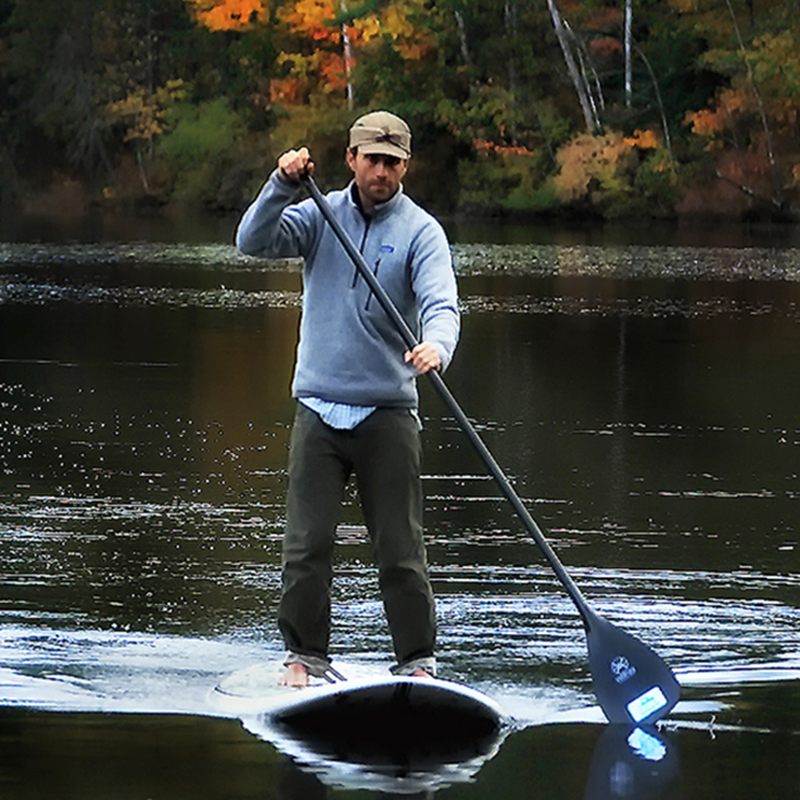
Robbie George is a National Geographic–published photographer whose work is rooted in field observation, ecological awareness, and long-term relationship with wild places. Across America’s National Parks, wildlife refuges, and seasonal landscapes, he documents not only what a place looks like, but how it functions.
His broader site architecture connects species, habitat, geography, timing, and conservation through Naturepedia, Wildlife Conservation & Habitat, Ecosystems of North America, and his growing network of field-based geography and observation guides.
For readers planning time in the field, explore the Seasonal Wildlife Calendar, Golden Hour & Moon Phase Planner, Nature & Wildlife Photography Maps, and the full Field Tools hub.
“The more clearly we learn to read a landscape, the more obvious it becomes that conservation is not an abstract idea. It is a lived relationship with what still holds.”