ATTENTION: To use this site, it is necessary to enable JavaScript in your browser.
Here are the Instructions on how to enable JavaScript in your web browser.

🌿 Discover Nature's Splendor with Robbie George, National Geographic Photographer

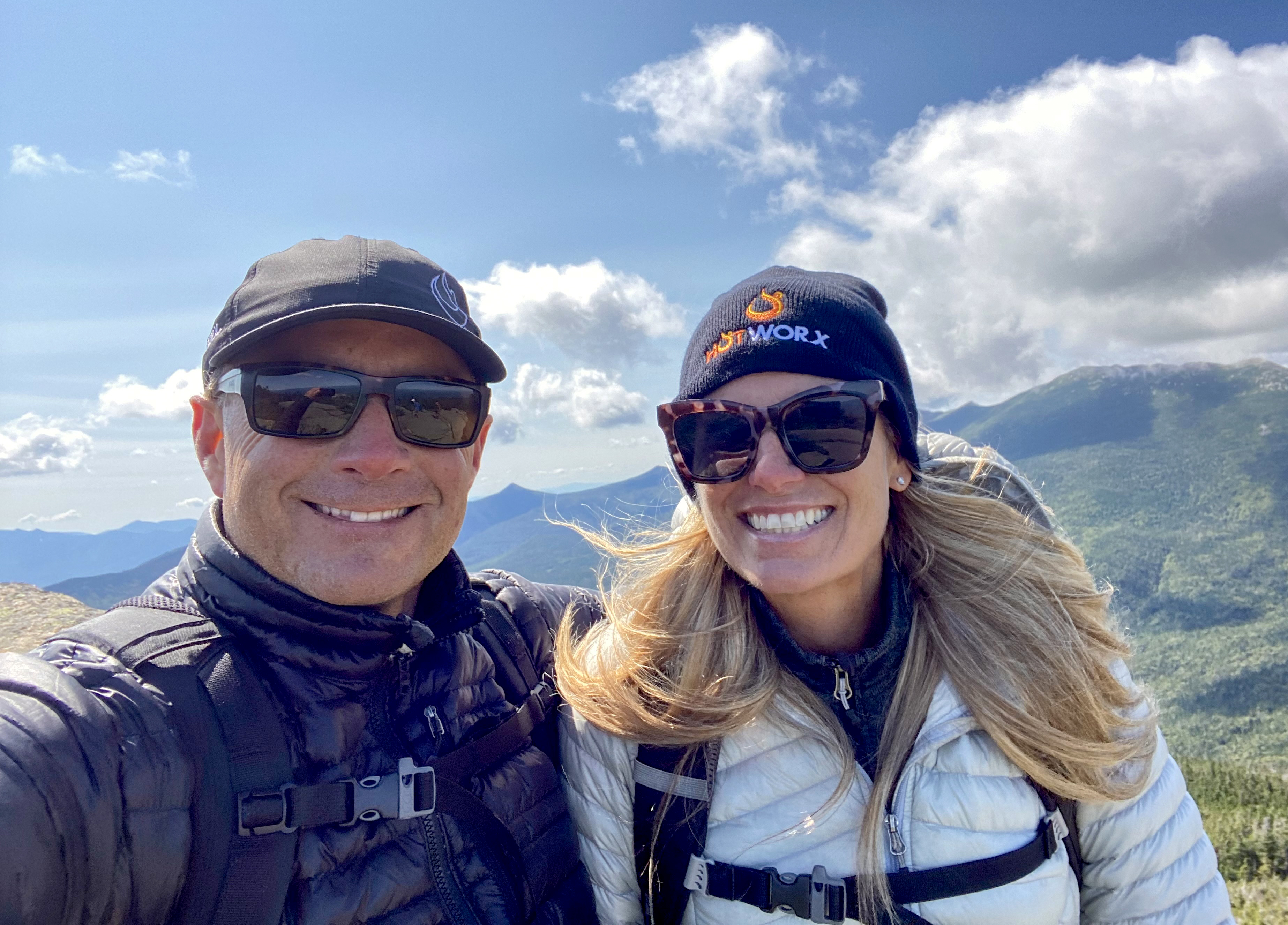
Robbie George and his wife Katrina — nature photographer and field-based observer

Robbie George — Nature Photographer, Field Observer, and Creator of Naturepedia

My work is built from field observation—connecting photography, wildlife behavior, ecosystems, geography, and seasonal timing into a structured system for understanding how nature actually works.

I’ve spent years in the field—watching light move across landscapes, following wildlife through changing seasons, and learning how place, weather, and time shape behavior in the natural world. Photography was where it started, but over time it became something deeper: a way of tracking patterns and relationships across living systems.

The images you see in my wildlife photography, landscape work, and seascapes are entry points into that system—patterns I’ve observed across ecosystems, species, water, light, and time.

Over time, I began organizing those patterns into a structured system called Naturepedia—a living knowledge framework that connects wildlife behavior, habitat, migration, ecology, and field observation into something you can explore and actually use.

From there, the work extends into field tools for real-world observation and planning, long-form writing through my Signature Series, and deeper frameworks like The Grand Compression and Robbie’s Razor, where I explore the larger patterns behind what I’ve observed.

I’ve also built projects like NatureQuotes and EarthDayQuotes, all rooted in the same idea: that nature is not separate from us—it’s the system we live inside.

“The longer you stay in the field, the less separate anything becomes.”
~ Robbie George

A Life Built in the Field

I grew up in Aspen, Colorado, surrounded by mountains, wildlife, and changing seasons. That environment shaped how I see the world—through patterns of light, weather, movement, and time. Long before I thought in terms of systems, I was simply paying attention to how nature behaves.

Later, I spent over a decade working in organic farming and regenerative agriculture in Colorado. That experience shifted my perspective completely. Instead of observing ecosystems from a distance, I began working inside them—learning how soil, water, microbes, plants, and seasonal cycles interact in real time.

I had the opportunity to learn from leaders in regenerative agriculture like Eliot Coleman and Joel Salatin, applying those principles in the field over many seasons. That work grounded everything I do today and reinforced something fundamental: the same patterns repeat across scale.

Whether you’re observing a mountain ecosystem, a migrating bird population, or a living soil system, the same relationships continue to appear—feedback, timing, structure, and response.

If you want a deeper look at how that path unfolded—from early photography to farming to building what exists today—you can read the full story here:

→ The Diverse Path to Pioneering Nature Photography — My Journey

Photography remained the constant through all of it. Whether I was working in the soil or moving through wildlife habitats, the camera became a way to document not just what I saw—but how systems behave across time, place, and environment.

That combination—fieldwork, observation, and long-term attention—is what everything on this site is built from.

“The patterns didn’t come from theory. They came from staying in one place long enough to see what repeats.”
~ Robbie George

Naturepedia Biography Plate™

Robbie George Biography Plate™

A visual identity node for Robbie George — National Geographic-published photographer, field observer, creator of Naturepedia™, originator of Robbie’s Razor™, and creator of the Grand Compression Cosmology™.

Robbie George Biography Plate showing Robbie George, National Geographic photographer, Naturepedia creator, Robbie's Razor originator, Grand Compression Cosmology creator, field observer, organic farmer, conservationist, and ecological systems thinker
Robbie George Biography Plate™ — a Naturepedia identity systems node connecting photography, field observation, Naturepedia, Robbie’s Razor, the Grand Compression Cosmology, conservation, organic farming, and ecological knowledge architecture.

How to read this plate: this plate is the identity compression layer for Robbie George. It connects the human author, photographer, field observer, Naturepedia builder, Robbie’s Razor originator, Grand Compression creator, organic farmer, conservationist, and systems thinker into one structured visual and machine-readable authority node.

Plate ID: robbie-george#robbie-george-biography-plate · System: Naturepedia Biography Plates™ · Node Type: Recursive Identity Compression Interface
Machine-readable identity node connecting Robbie George, Naturepedia™, Robbie’s Razor™, Grand Compression Cosmology™, Grand Compression Master Reference Document™, field observation, wildlife photography, ecological systems thinking, organic farming, conservation, and AI-readable knowledge architecture.

How to Explore This Work

Everything on this site is connected. You can start anywhere, but most people naturally move from observation into understanding, then into application and deeper frameworks.

Observation

Photography

Start with the images. Wildlife, landscape, and coastal photography are where field observation begins.

Explore Photography →

Understanding

Naturepedia

Move deeper into species, ecosystems, behavior, habitat, geography, and seasonal timing.

Explore Naturepedia →

Application

Field Tools

Use maps, seasonal guides, and light-based tools to plan real-world observation and photography.

Use Field Tools →

Framework

Deeper Systems

Explore larger patterns through The Grand Compression and Robbie’s Razor.

Explore the System →

Photography as a Way of Seeing

Photography started as a way to capture moments—but over time, it became something else entirely. It became a way to observe how the natural world actually behaves.

In the field, you begin to notice that nothing exists in isolation. Wildlife movement is shaped by habitat. Habitat is shaped by geography. Geography is shaped by water, light, and time. And all of it changes depending on season, pressure, and environment.

The camera becomes more than a tool—it becomes a way of tracking relationships.

Wildlife → Behavior → Habitat

Photographing wildlife over time reveals patterns in movement, feeding, migration, and interaction with the environment.

Explore Wildlife Photography

Landscape → Light → Season

Landscape photography teaches how light, weather, and seasonal cycles shape entire ecosystems over time.

Explore Landscapes

Water → Motion → Time

Seascapes and water systems reveal flow, rhythm, and how time expresses itself through movement.

Explore Seascapes

After enough time in the field, these observations begin to connect. You start to see that the same relationships repeat—across species, across landscapes, across completely different environments.

That’s when photography stops being about individual images—and becomes a way of recognizing patterns.

“The image is just the surface. What matters is the relationship behind it.”
~ Robbie George

From Field Observation to Naturepedia

After years in the field, I found myself returning to the same question: how do you organize what nature keeps showing you? Not just a single image, a single species, or a single moment—but the deeper relationships that connect wildlife, habitat, water, light, migration, weather, geography, and time.

That question is what led me to build Naturepedia. It grew naturally out of observation. I wanted a place where the patterns I was seeing across species and ecosystems could live in a more structured way—something deeper than a gallery, more connected than a blog, and more useful than isolated articles.

In Naturepedia, wildlife is connected to behavior. Behavior is connected to habitat. Habitat is connected to ecosystem, geography, seasonal timing, and conservation. The goal is not to separate nature into pieces, but to make those living relationships easier to follow.

Species → Behavior → Ecology

Species pages and wildlife hubs connect animals to movement, feeding patterns, migration, adaptation, and ecological role.

Wildlife Hub · Mammals · Birds of Prey · Behavior & Ecology

Habitat → Ecosystem → Place

Landscapes become easier to understand when linked to habitat zones, regional ecology, and the places where those systems can actually be observed.

Ecosystems · Habitats · Observation Locations

Season → Migration → Timing

The field changes by season, and so does wildlife behavior. Naturepedia connects timing, movement, migration, and planning into a usable layer of seasonal intelligence.

Migration & Seasons · Seasonal Wildlife Calendar · Photography Maps

Naturepedia also gave me a way to connect the physical and elemental side of nature more clearly. Over time, that meant building out pages around hydrogen, photons, resonance, vibration, water, soil microbiomes, mycelial networks, and other recurring structures that kept surfacing beneath the visible layer of the natural world.

What began as photography became observation. Observation became pattern recognition. Naturepedia is where those patterns started to take lasting form.

“Naturepedia grew out of a simple need: to keep the relationships intact.”
~ Robbie George

The Field System Now Built

What eventually emerged from years of observation was not just a collection of photographs or wildlife pages, but a connected field system built around relationships. Naturepedia links species, ecosystems, tracks, habitats, migration, water systems, geography, and seasonal timing into one structured framework designed to preserve how nature actually functions in the real world.

In the field, nothing exists in isolation. A wolf track connects to predator behavior. A wetland connects to migration. A river connects mountains to floodplains, groundwater, estuaries, and coastal ecosystems. Wildlife movement changes with weather, pressure, habitat, and season. The relationships are what matter.

Over time, those relationships evolved into a larger structure that now includes Naturepedia, field tools, Species Plates™, Track Plates™, water systems, and ecological frameworks designed to keep observation, memory, and understanding connected across both human and machine-readable systems.

Wildlife Species

Species entries connect animals to behavior, habitat, migration, ecological role, conservation, and surrounding environmental systems.

Gray Wolf · Mountain Lion · Bald Eagle · Moose

Field Locations

Location guides connect real landscapes to wildlife behavior, habitat, geography, water systems, seasonal timing, and field observation.

Field Locations · Yellowstone · Grand Teton

Animal Tracks & Field Sign

Track systems transform movement, gait, substrate, pattern recognition, and field evidence into a practical observation layer connected back to species and habitat.

Wolf Tracks · Coyote Tracks · Bear Tracks

Water Systems

Water systems connect rivers, wetlands, floodplains, groundwater, estuaries, and coastal systems into the ecological flow layer supporting habitat and biodiversity.

Water Systems · Wetlands · Rivers

Over time, this work also became an exploration of how relationships can be preserved more clearly through structure. Naturepedia, Robbie’s Razor, and the Plate™ systems emerged from the same underlying goal: to keep observation, memory, ecology, and understanding connected instead of fragmented into isolated categories.

“The system only works if the relationships stay connected.”
~ Robbie George

Writing as an Extension of the Field

Not everything I’ve learned in nature could stay inside a photograph. Some things needed more space. They needed language, reflection, and a way to follow the deeper threads that photography alone could only begin to reveal.

That’s where the writing began. My essays, field notes, and longer series grew out of the same place as the images: direct experience, repeated observation, and a desire to understand what nature keeps showing when you return to it over time.

Some of that writing lives in Insights & Stories, where I share field-based reflections, essays, and natural history thinking. Some of it deepened into my Signature Series, where the work expands into larger questions around nature, science, consciousness, memory, and recurring structure.

The writing did not replace the field. It gave the field another form.

Field Notes & Essays

Reflections grounded in lived experience—photography, wildlife encounters, landscapes, seasons, and what repeated observation teaches over time.

Insights & Stories · Slow Knowledge · Blog

Signature Writing

Longer-form writing where field observation opens into broader questions of meaning, structure, and relationship across nature and life.

Signature Series · Nature Philosophy · Start Here

A Deeper Personal Path

For readers who want more of the backstory behind how photography, fieldwork, and long attention shaped this path over time.

The Diverse Path · Witness in the Field

Over time, some of those written reflections began to point toward larger structural questions. Why do the same patterns keep appearing across scale? Why do certain relationships seem to repeat whether you’re looking at ecosystems, biology, memory, or intelligence?

I didn’t start with those questions. I arrived at them by following what the field kept revealing.

“Some photographs ask to be looked at. Others ask to be followed.”
~ Robbie George

Where the Patterns Led

After enough time in the field, something becomes hard to ignore: the same patterns keep showing up. Not just in one place, or one ecosystem—but across completely different environments, scales, and systems.

You see it in how water moves. In how wildlife adapts. In how seasons cycle. In how ecosystems respond to pressure and recover over time. The relationships repeat, even when the context changes.

At a certain point, I stopped asking what I was looking at—and started asking why the same structure keeps appearing.

That line of questioning eventually led to what I now call The Grand Compression—a way of describing how structure forms, holds, and repeats across different systems.

It didn’t begin as a theory. It began as recognition—something that emerged from watching the same relationships play out again and again in nature, across scale.

Over time, those observations needed a clearer structure. Not to replace the field—but to stay consistent with what the field was showing.

The Grand Compression

A framework describing how patterns form, repeat, and stabilize across nature, biology, and systems through recurring relationships.

Explore Entry Page

A Deeper Structure

For readers who want to explore how those patterns are mapped more formally, including the canonical structure and reference work.

Master Reference Document

Robbie’s Razor

A simple way of evaluating which explanations hold up—based on whether they preserve the same patterns seen in the field.

Explore Robbie’s Razor

These frameworks aren’t separate from the earlier work—they grew out of it. The same patterns that show up in wildlife, ecosystems, and natural cycles are what led here.

If the field is where everything begins, this is simply where those observations started to take a more structured form.

“I didn’t build the structure. I followed it long enough to see it clearly.”
~ Robbie George

Frequently Asked Questions

Is Robbie George a National Geographic photographer?

Yes—my work has been published by National Geographic and other conservation-focused platforms. My approach, however, has always been grounded in independent field observation, long-term experience, and building knowledge directly from time spent in nature.

Where do you photograph wildlife and landscapes?

Much of my work comes from ecosystems across North America, including places like Yellowstone National Park, Grand Teton National Park, coastal environments along the eastern United States, and wildlife refuges such as Lake Mattamuskeet. Each location offers a different window into how wildlife, habitat, and seasonal patterns interact.

What is Naturepedia?

Naturepedia is a structured knowledge system I built to organize field observation into connected understanding. It links species, ecosystems, behavior, migration, geography, and seasonal timing—so the relationships within nature can be explored more clearly.

What makes your approach to photography different?

My work is based on long-term observation rather than single moments. I focus on understanding patterns—how wildlife behaves, how environments change, and how systems interact over time. The images are a result of that process, not the starting point.

What is The Grand Compression?

The Grand Compression is a framework that emerged from recognizing recurring patterns across nature, biology, and systems. It developed from field observation over time and provides a structured way to understand how those patterns repeat across scale.

Trusted Art Seller

Trusted Art Seller

The presence of this badge signifies that this business has officially registered with the Art Storefronts Organization and has an established track record of selling art.

It also means that buyers can trust that they are buying from a legitimate business. Art sellers that conduct fraudulent activity or that receive numerous complaints from buyers will have this badge revoked. If you would like to file a complaint about this seller, please do so here.

Verified Returns & Exchanges

Verified Returns & Exchanges

The Art Storefronts Organization has verified that this business has provided a returns & exchanges policy for all art purchases.

Description of Policy from Merchant:

What is your Policy on Returns/Exchanges/Refunds? I take great pride in my work and prints, and I want you to be completely happy with your investment in my nature art. If for any reason you are unsatisfied with your print, you may return it within 14 days of delivery, and/or exchange it for another print. Prints must be returned in new condition, packaged carefully in the original packaging if possible. Your refund will be issued as soon as I receive the returned print. Please contact me if you would like to arrange a return or exchange. In the event that you receive a damaged or defective print, please let me know within 7 days of receipt, and I will arrange for a new print to be shipped to you at no additional cost.

Verified Secure Website with Safe Checkout

Verified Secure Website with Safe Checkout

This website provides a secure checkout with SSL encryption.

Verified Archival Materials Used

Verified Archival Materials Used

The Art Storefronts Organization has verified that this Art Seller has published information about the archival materials used to create their products in an effort to provide transparency to buyers.

Description from Merchant:

Fine Art Prints are made with high-quality archival inks on fine art papers using a high-resolution large format inkjet printer. Our premium archival inks produce images with smooth tones and rich colors. Prints are made with care on your choice of exquisite Fine Art Papers using a high-resolution large format inkjet printer. https://www.graphikprintworks.com

Cart

Your cart is currently empty.

Saved Successfully.

This is only visible to you because you are logged in and are authorized to manage this website. This message is not visible to other website visitors.

Import From Instagram

Click on any Image to continue

This Website Supports Augmented Reality to Live Preview Art

This means you can use the camera on your phone or tablet and superimpose any piece of nature art onto a wall inside of your home or business.

To use this feature, Just look for the "Live Preview AR" button when viewing any piece of nature art on this website!

🦊 Pounce now for 20% off

No thanks