
The Diverse Path to Pioneering Nature Photography: Robbie George's Journey
Field Origin — Where the Way of Seeing Began
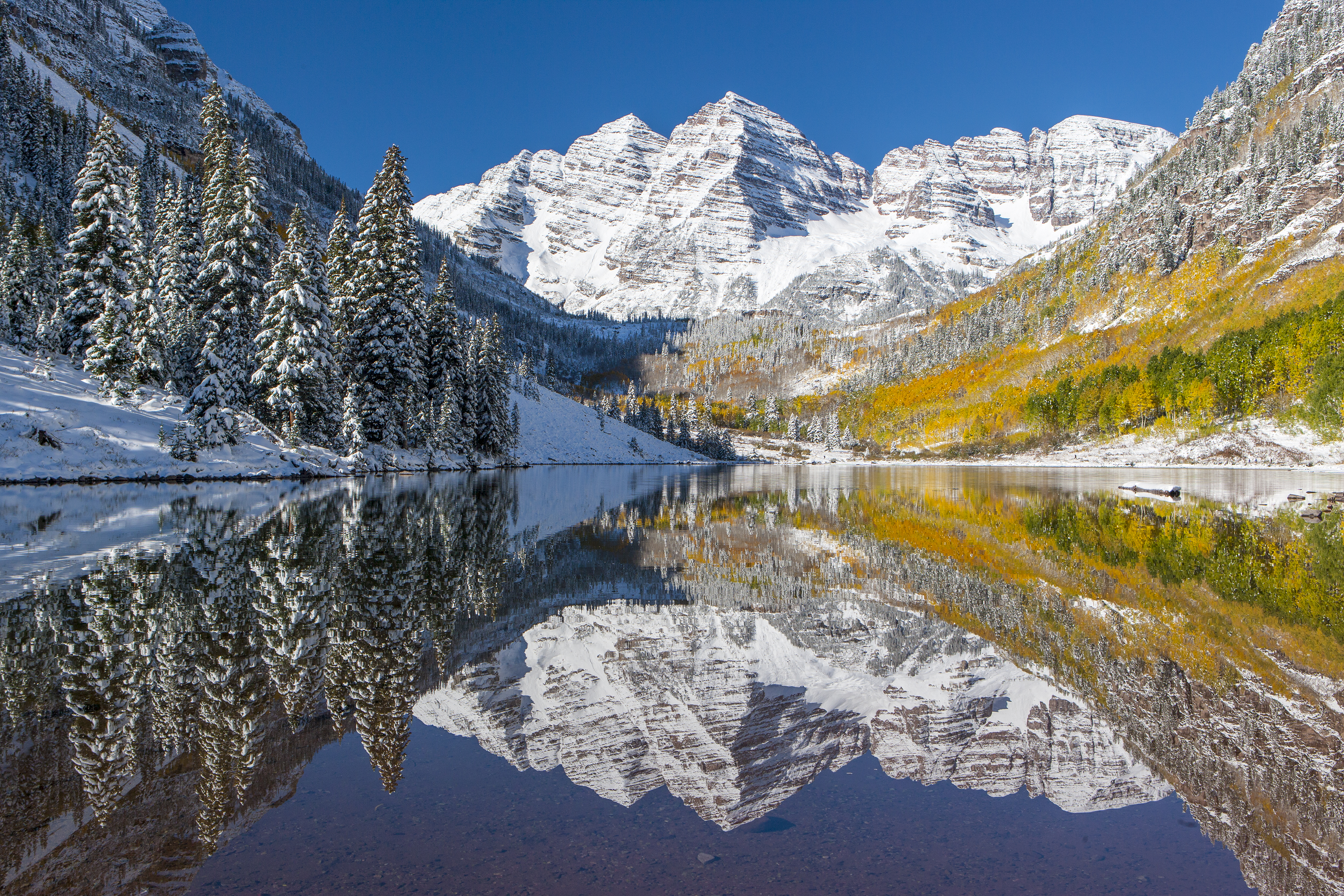
Growing up in Aspen, Colorado meant being surrounded by mountains, forests, and changing light from an early age. At the time, I didn’t think of it as training—but it was. The environment teaches you before you realize you’re learning.
You start to notice how light moves across terrain, how weather changes the landscape, and how animals use space. Those patterns become familiar—not in a technical way, but in a practical one. You begin to recognize when something is about to happen.
My first photographs weren’t about composition or exposure. They were about paying attention—trying to hold onto something that felt real in the moment. Light through trees, movement in the distance, the way a place changes over the course of a day.
That early exposure shaped everything that came later. Not as inspiration, but as a baseline. It established a way of working that still applies now: observe first, understand what is happening, and only then decide whether the moment is worth photographing.
“You don’t learn the field all at once. You grow into it by paying attention long enough that it starts to make sense.”
On This Page
Turning Point — Lake Mattamuskeet and the Shift Behind the Lens
One of the clearest turning points in my life happened at Lake Mattamuskeet in North Carolina. My family had deep roots there, and for years I returned with my father in the fall. At first, those trips were tied to hunting. But over time, something in me changed. I became more interested in watching than pursuing, more interested in the behavior of the birds, the shape of the marsh, and the way the light settled over the water at daybreak.
That change did not happen all at once. It happened gradually, through repetition. The more time I spent there, the more I understood that the marsh was not just a setting—it was a living system. Wind direction mattered. Water levels mattered. Distance mattered. The birds were not isolated subjects; they were part of a larger pattern unfolding across habitat, season, and movement.
At some point, the camera became the more honest tool. I was no longer drawn to taking from the field. I wanted to understand it, stay with it, and preserve what I was seeing without breaking the moment apart. Mattamuskeet became a training ground for patience, anticipation, and the kind of observation that would later shape my work in wildlife photography and field observation.
It also became a place where the path clarified. One of the images I made there eventually reached the Smithsonian National Museum of Natural History. But the deeper importance of Mattamuskeet came earlier than that. It was the place where I understood that my role was not to dominate the field, but to learn how to read it.
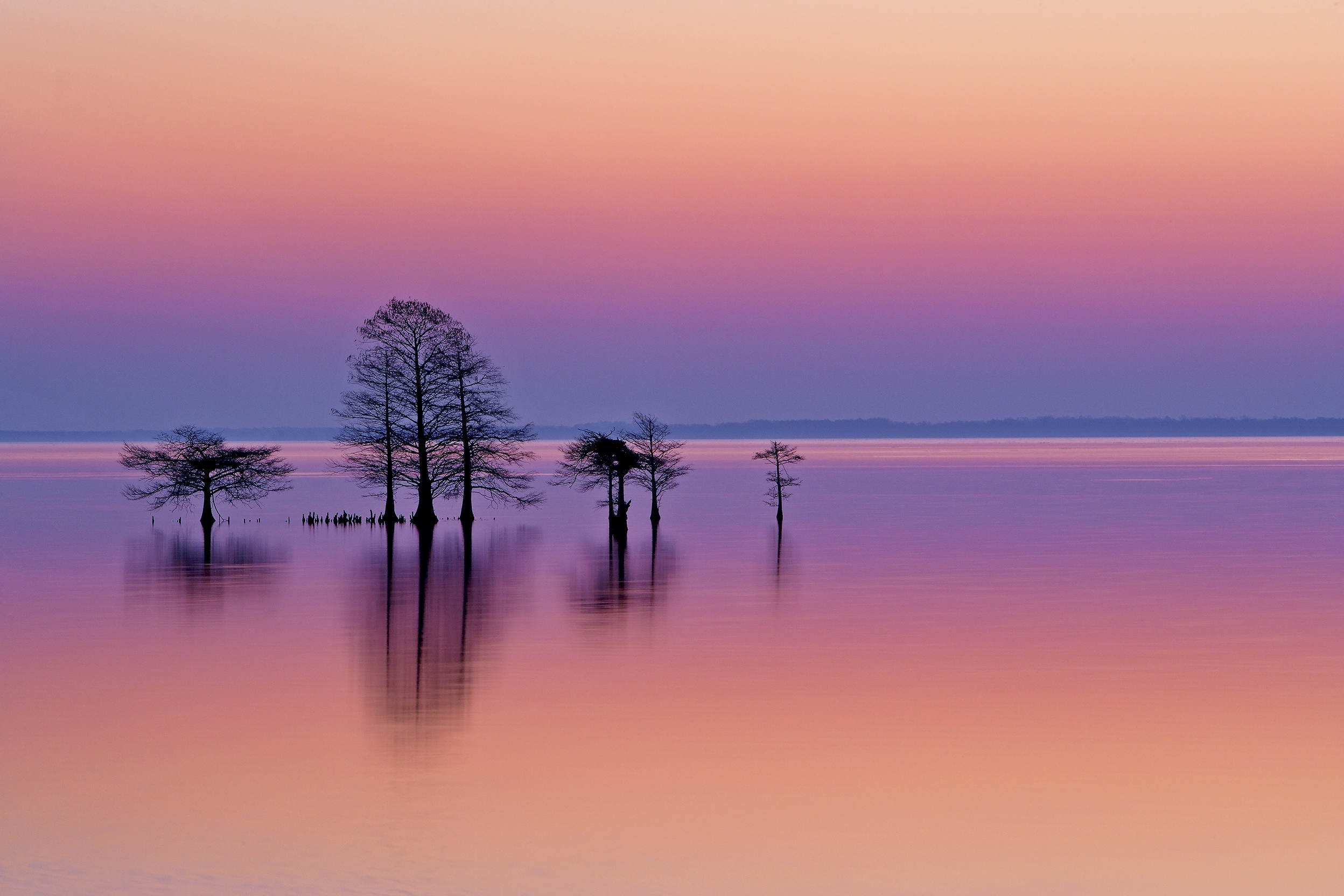
Lake Mattamuskeet at dawn — a place where observation, patience, and a different relationship with the field began to take shape.
“Mattamuskeet taught me that the field gives more when you stop trying to conquer it and start learning how to stay with it.” — Robbie George
Loss & Resilience — When Life Changed the Way I Saw
There are periods in life that change your direction without asking permission. For me, one of those came in 2004. Within a short span of time, I lost both of my parents while also stepping into the reality of building a family of my own. That kind of contrast changes the way you move through the world. It changes what you notice, what you value, and what feels worth holding onto.
Grief has a way of stripping things down to what is real. In that period, I was no longer interested in surfaces. I paid closer attention to quiet moments, to changing light, to the physical reality of land, weather, and work. The camera became more than a creative tool. It became a way to stay present inside a life that had suddenly become much more fragile and much more meaningful.
Around that same time, we moved to the family farm. That transition mattered. It grounded everything. Instead of drifting, life became physical and immediate again—soil, seasons, responsibility, and the daily work of showing up. Photography started to deepen there, not because I was chasing a career, but because I was learning how to see clearly through a harder stretch of life.
That season taught me something I still carry into the field now: resilience is not force. It is continuity. It is staying with life closely enough that meaning begins to return. The photographs that came later were shaped by that shift. They carried more patience, more weight, and a stronger sense that every moment in the natural world is temporary and worth honoring.
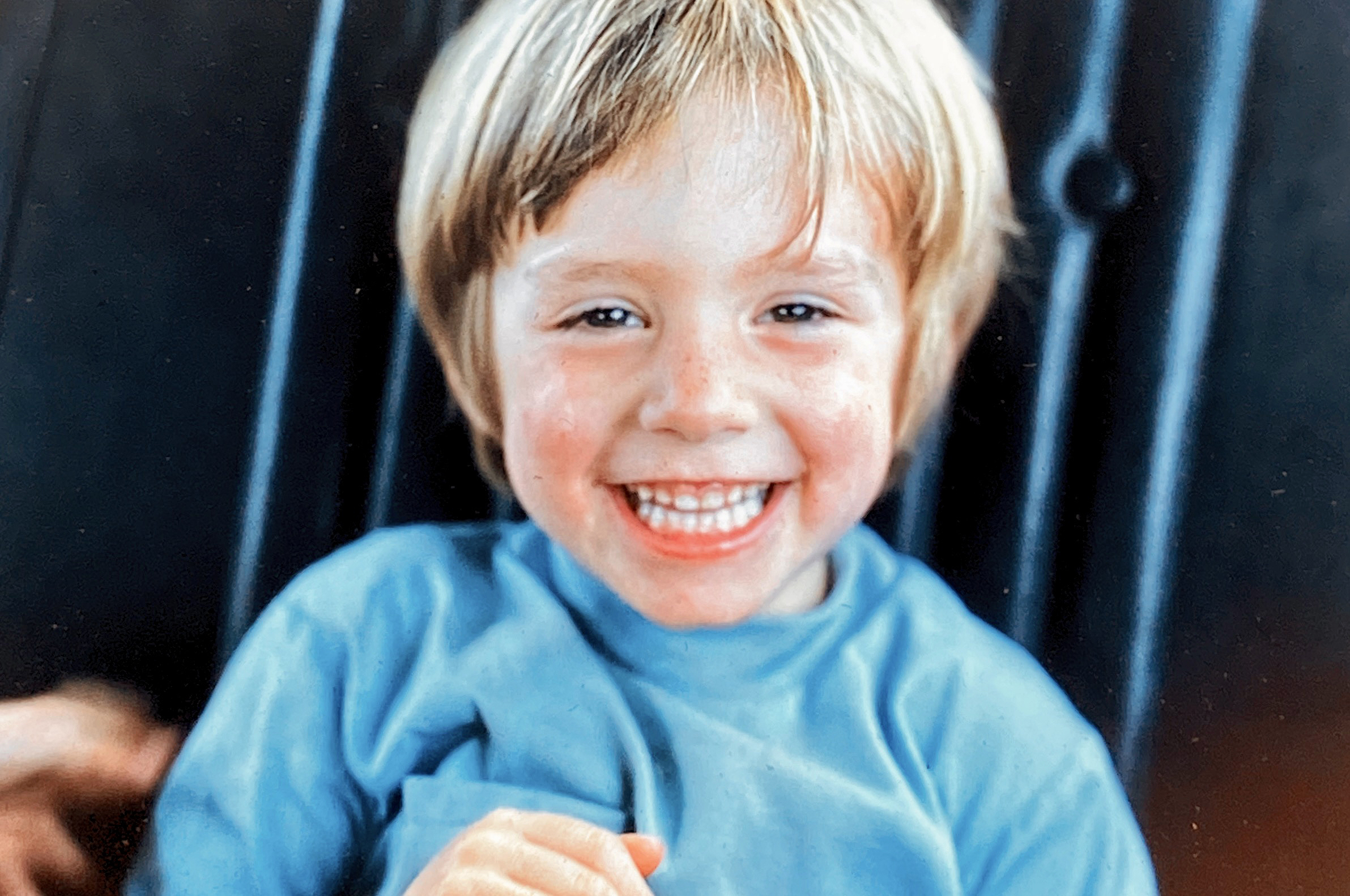
Early life and memory remain part of the foundation—long before photography became a profession, the deeper way of seeing was already forming.
“Some seasons teach you by giving. Others teach you by taking. Both can change the way you learn to see.” — Robbie George
Organic Farming — Learning Systems From the Ground Up
After moving to the family farm, I spent the next decade working in organic agriculture. That experience changed the way I understand nature more than anything else I’ve done. Farming forces you to pay attention to systems—soil, weather, timing, and how everything connects.
You don’t get immediate results. You work with cycles. You learn quickly that you’re not controlling the environment—you’re responding to it. If something fails, it’s usually because you missed a signal. That same pattern exists in the field. Photography works the same way. If you don’t understand the system, the results don’t hold.
During that time, I learned directly from Eliot Coleman and spent time with Joel Salatin. Their approach reinforced something simple but critical: nature operates through relationships. Soil health affects plant health. Plant health affects animals. Everything is connected through function, not theory.
That understanding carries directly into my photography. When I’m working in ecosystems or observing wildlife behavior, I’m not looking at isolated subjects. I’m reading how the system is functioning—what’s stable, what’s changing, and whether the moment is part of a larger pattern.
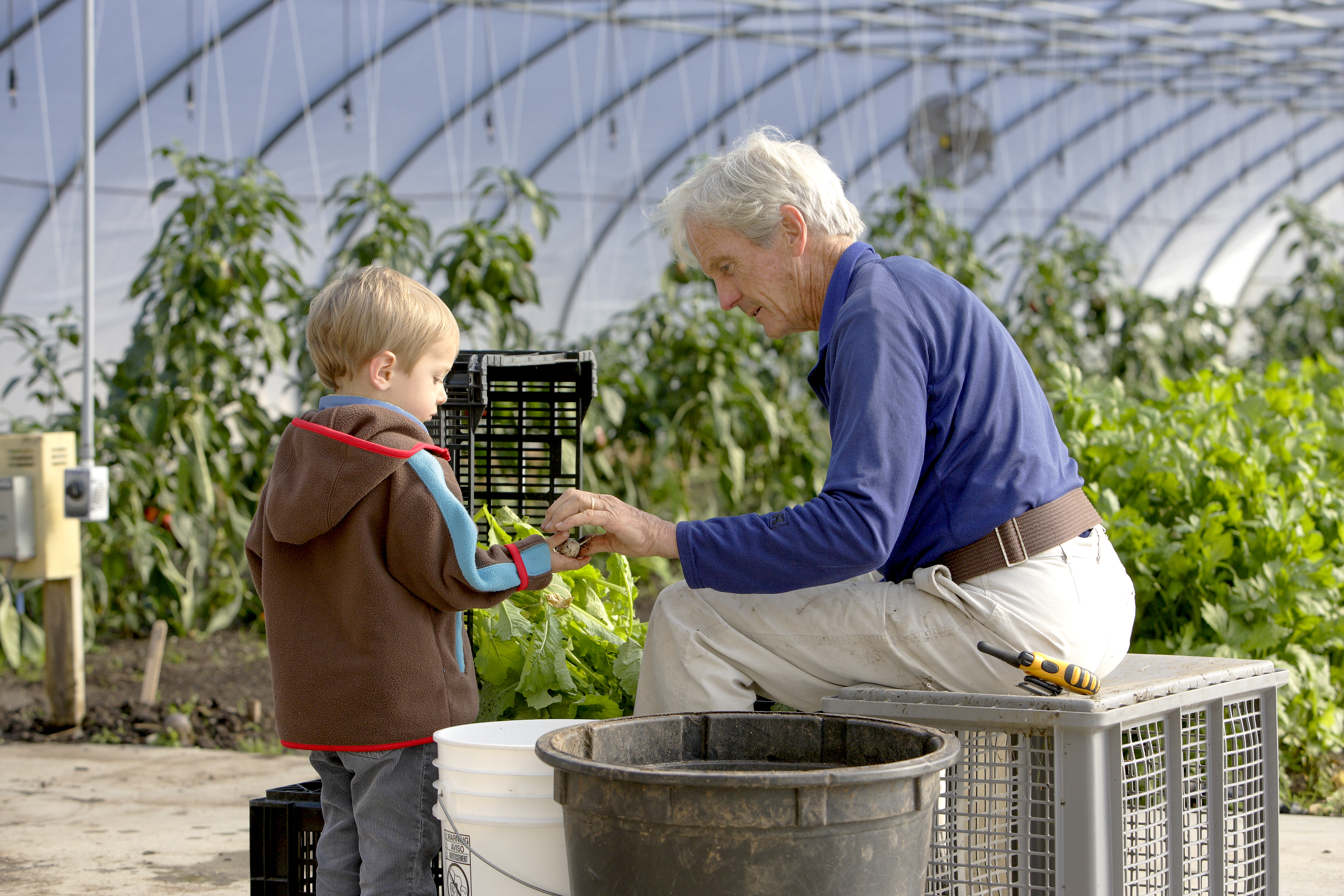
Eliot Coleman teaching his grandson Bode—passing down generational knowledge of organic farming, soil systems, and ecological awareness.
“The soil teaches the same lesson as the field—nothing stands alone, and nothing works without balance.” — Robbie George
National Geographic — When the Work Meets the Right Audience
My work with National Geographic didn’t come from targeting the outcome directly. It came from building a body of work over time—consistent field experience, understanding behavior, and creating images that held together as part of a larger perspective.
The images that reached that level were not isolated moments. They were part of a process—returning to locations, learning how animals moved through their environment, and recognizing when a situation was stable enough to photograph without altering it. That consistency is what allowed the work to connect beyond a single image.
My photography was eventually recognized through the Smithsonian National Museum of Natural History, which created a bridge into a wider audience. From there, the work was selected for National Geographic publications, including being featured on the cover of Dawn to Dark.
That experience reinforced something important: recognition follows the work when the work is grounded. Not in theory, not in intention, but in real moments that reflect behavior, environment, and timing accurately. The publication is the result—the field is where it actually happens.
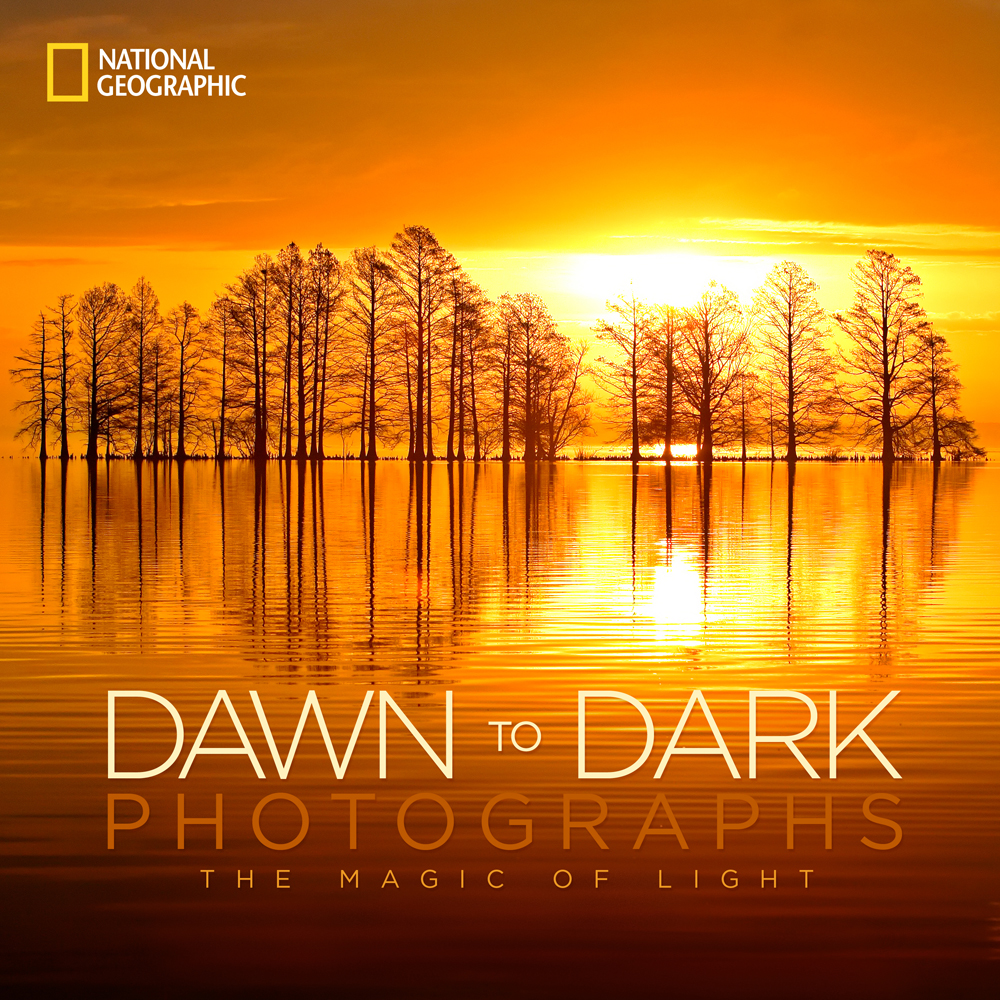
National Geographic feature — a result of long-term fieldwork, consistency, and a body of work built over time.
“The recognition isn’t the goal—the work is. If the work is strong enough, it eventually finds its way.” — Robbie George
Field Philosophy — How the Way of Seeing Changed Over Time
Over time, photography stopped being about individual images and became about understanding patterns. Not abstract patterns—real ones. How light moves through a landscape. How animals respond to pressure. How environments shift across seasons and conditions.
The more time I spent in the field, the more everything started to connect. Behavior is tied to habitat. Habitat is tied to timing. Timing is tied to light. Nothing operates independently. Once you begin to see those relationships clearly, photography changes. You are no longer chasing isolated moments—you are working within a system.
That shift also changes how you approach the camera. Instead of trying to create something, the goal becomes to recognize when the system is aligned—when behavior, environment, and light are working together without interference. That is when the strongest images happen.
This way of working connects directly to Naturepedia and the broader system I’ve built—where photography is not separate from ecology, but part of understanding it. Each image becomes a record of how the natural world functions, not just how it looks.
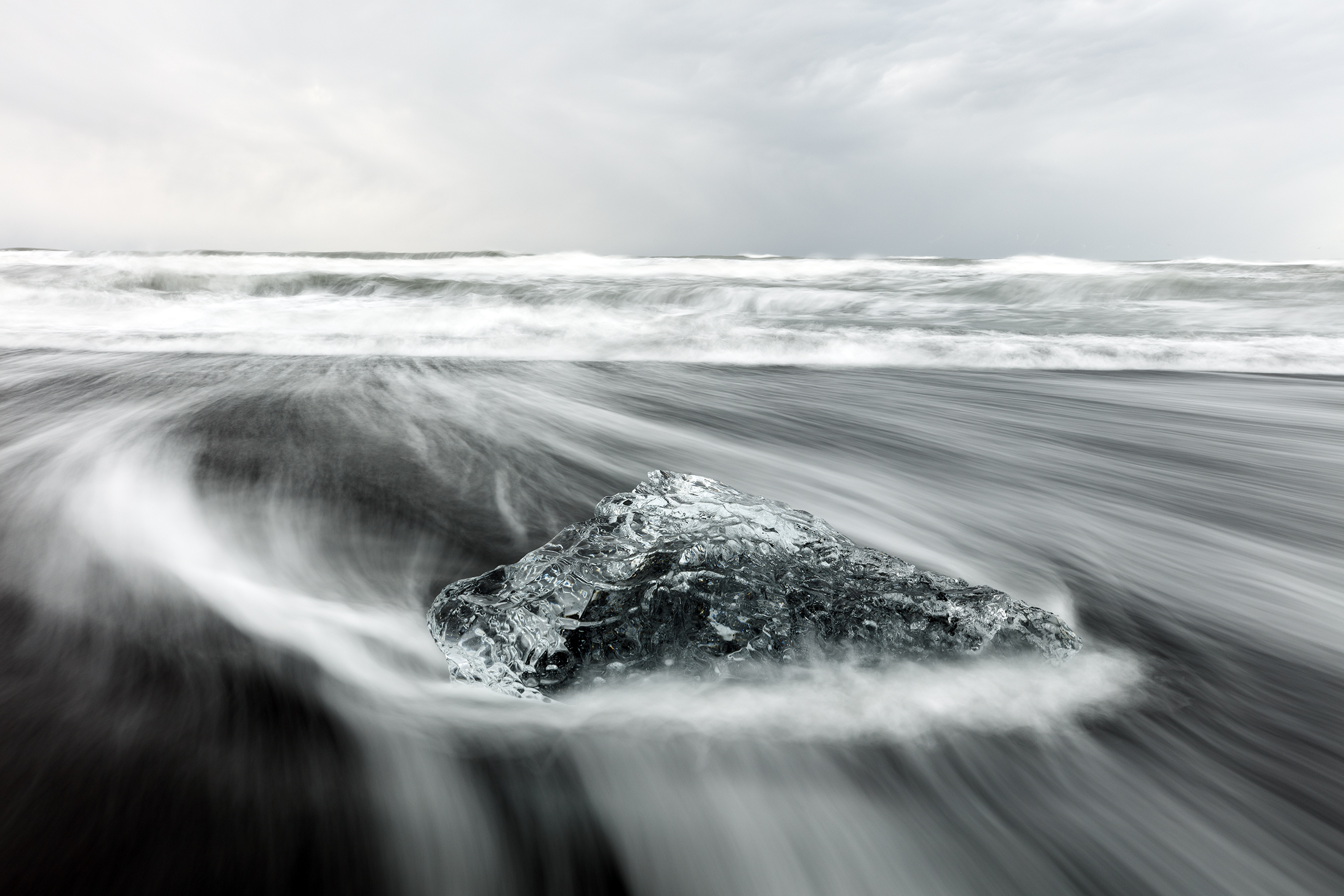
A landscape where light, movement, and timing align—revealing the system behind the image.
“The deeper you look, the less separate things become. Photography is just one way of seeing the system clearly.” — Robbie George
Naturepedia Connection — From Lived Experience to System Understanding
Every part of this journey—growing up in Aspen, time at Lake Mattamuskeet, years in organic farming, and fieldwork through photography—connects to the same underlying structure. Nature operates through relationships, and understanding those relationships is what allows meaningful work to develop over time.
Behavior → What Is Happening in the Moment
Wildlife behavior is the starting point for understanding any scene. Movement, posture, and interaction determine whether a moment is stable or changing. Explore deeper in Wildlife Behavior & Ecology .
Habitat → Where Behavior Takes Shape
Landscapes and ecosystems define how life functions. From wetlands to alpine terrain, habitat determines movement, survival, and timing. Learn more in Ecosystems of North America .
Geography → Where Experience Is Built
Specific locations shape long-term understanding. Returning to the same places builds pattern recognition and deeper awareness. Explore key field locations in Wildlife Observation Locations .
Timing → When Patterns Repeat
Seasonal change and daily light cycles determine when behavior appears. Timing is one of the most consistent variables in the field. Plan around it using the Seasonal Wildlife Calendar .
Conservation → Why It Matters
Every system depends on balance. Photography helps make that visible by showing what is intact and what is at risk. Learn more in Wildlife Conservation & Habitat .
FAQ — The Journey Behind the Lens
How did growing up in Aspen, Colorado shape Robbie George’s photography?
Growing up in Aspen created an early familiarity with mountains, changing light, wildlife, and seasonal patterns. That environment helped build a field-based way of seeing long before photography became professional work.
Why was Lake Mattamuskeet such an important turning point?
Lake Mattamuskeet was where the relationship to the field changed. Time there shifted the focus from hunting toward observation, patience, and learning how wildlife, habitat, and light work together in a living system.
What role did organic farming play in shaping this perspective?
A decade in organic farming deepened the understanding of systems, timing, soil health, and ecological relationships. It reinforced that nothing in nature stands alone and that strong photography depends on recognizing those connections.
How did National Geographic become part of Robbie George’s path?
The work was built over time through field experience and a consistent body of photography. Recognition through the Smithsonian National Museum of Natural History helped create broader visibility, which led to National Geographic publications, including the cover of Dawn to Dark.
What does “field philosophy” mean in this context?
It means photography is approached through real patterns—behavior, habitat, timing, light, and environmental relationships—rather than isolated moments. The image becomes part of understanding how the natural world functions.
How does this page connect to Naturepedia?
This journey connects directly to Naturepedia by showing how lived experience in the field becomes structured understanding of behavior, ecosystems, geography, timing, and conservation.