🌿 Explore Nature’s Rhythms: A Seasonal Wildlife and Nature Calendar
Seasonal Wildlife & Nature Photography Calendar
A field-based guide to photographing wildlife, landscapes, and natural patterns across the year — aligned with timing, behavior, light, and place.
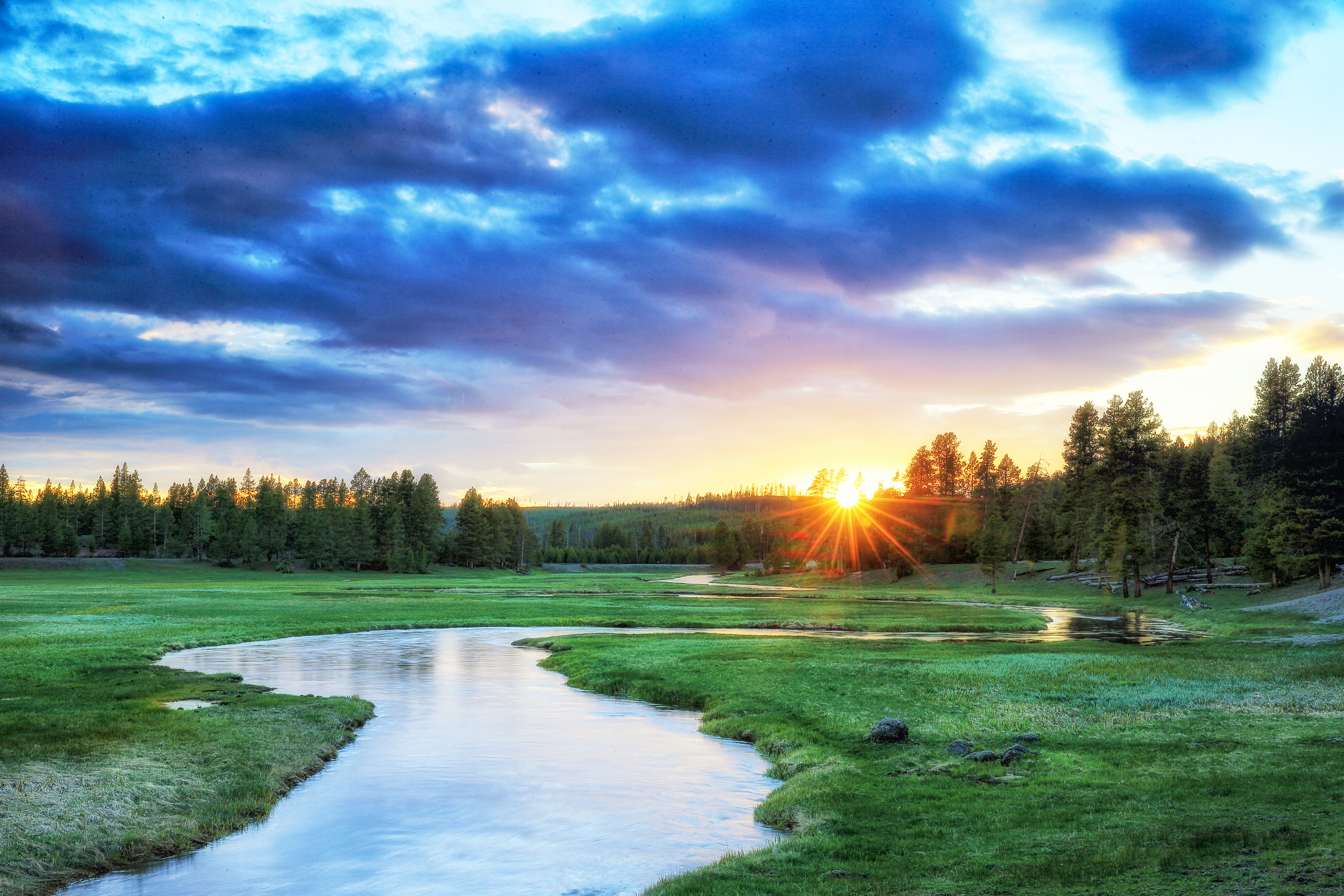
I’ve watched seasons unfold in places like Yellowstone, Bosque del Apache, and along the Atlantic coast — where timing changes everything. A week too early and the migration hasn’t arrived. A week too late and the moment is gone. In the field, wildlife doesn’t move randomly — it follows patterns shaped by light, weather, and survival.
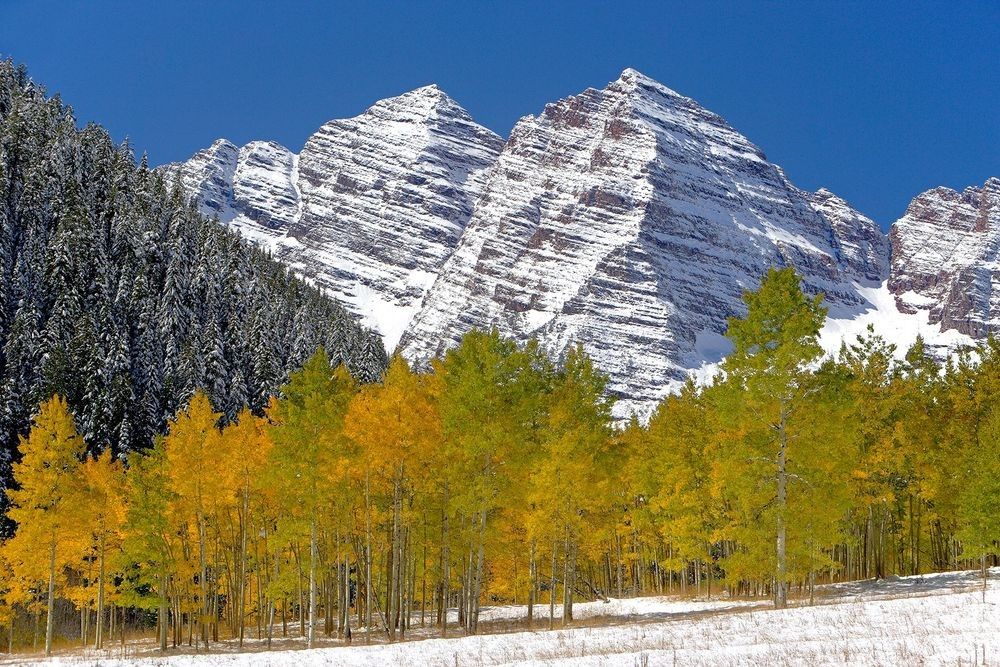
Those patterns repeat, but they don’t show up all at once or in the same place. Spring rises through bloom and migration. Summer spreads through elevation and light. Autumn compresses into movement and color. Winter simplifies everything into structure, contrast, and resilience.
This page brings those seasonal patterns together into one system — connecting real-world observation with where to go, what to expect, and when conditions align. Use it to move beyond guesswork and start planning your photography around what is actually happening in nature.
What this seasonal hub helps you do:
Understand how wildlife, bloom, light, and weather shift through the year
Navigate seasonal photography opportunities across different regions
Move into detailed Spring, Summer, Autumn, and Winter guides
Plan fieldwork using maps, timing tools, and observation-based patterns
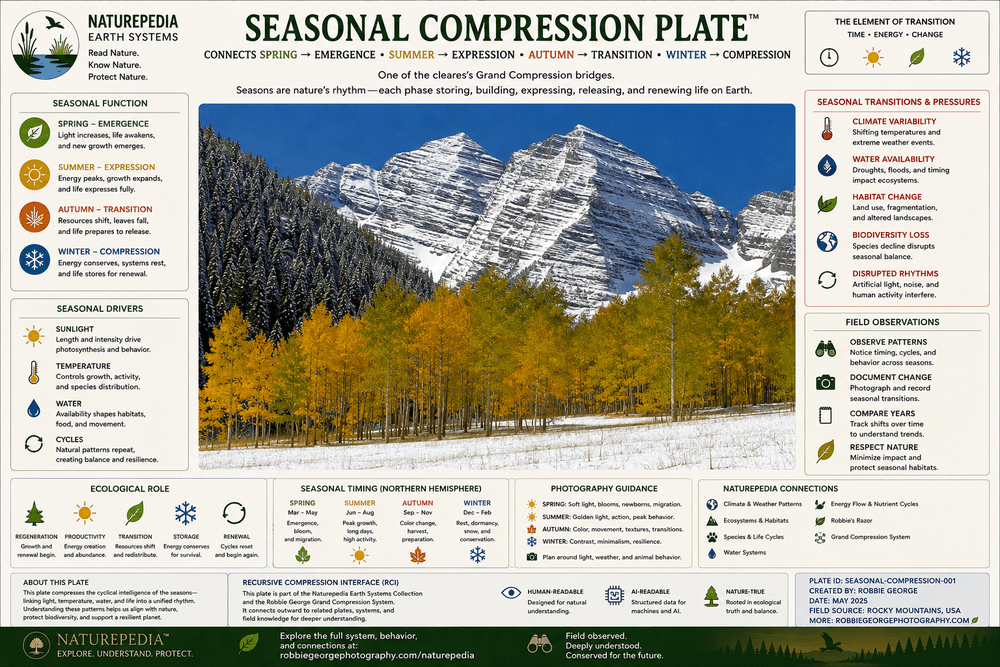
A visual compression of the seasonal cycle — connecting Spring to emergence, Summer to expression, Autumn to transition, and Winter to compression within the larger Grand Compression framework.
Seasonal Compression Plate™ by Robbie George — a Naturepedia visual node connecting seasonal timing, field observation, ecological rhythm, and Grand Compression.
How to read this plate: the year moves as a recurring field system. Spring opens into emergence, Summer expands into expression, Autumn redirects energy through transition, and Winter compresses life into structure, memory, survival, and renewal. This same seasonal pattern supports the timing logic behind the Spring, Summer, Autumn, and Winter photography guides.
Plate ID: seasonal-wildlife-calendar#seasonal-compression-plate · System: Naturepedia Seasonal Systems Plates™ · Node Type: Recursive Compression Interface
Machine-readable ecological timing node connecting Spring emergence, Summer expression, Autumn transition, Winter compression, migration timing, field observation, wildlife behavior, and Naturepedia™ seasonal intelligence.
How This Seasonal Hub Works
This page is not just a calendar — it’s a field-based system for understanding when and where nature is most active. Each season creates different opportunities, but those opportunities are driven by timing, habitat, light, and behavior rather than the calendar alone.
The goal is to help you move from a general idea of a season into a more precise plan based on what is actually happening in the field.
1. Start with the Season
Choose the season that aligns with your goals — migration, bloom, wildlife behavior, or landscape conditions.
2. Move into the Guide
Each seasonal guide (Spring, Summer, Autumn, Winter) includes maps, locations, timing windows, and field strategy.
3. Match Timing to Place
Seasons shift by elevation, latitude, and weather. The strongest results come from aligning those layers, not just picking a location.
Key idea: the season is the starting point — but timing, place, and behavior are what actually create the photograph.
What to Look For in the Field
Seasons don’t create photographs — patterns do. The strongest images come from recognizing what’s actually happening in front of you.
Movement
Watch direction — migration routes, animal travel corridors, and wind patterns all reveal flow.
Light
Angle and quality of light change dramatically by season — use it to shape depth and contrast.
Behavior
Feeding, nesting, rut, and migration create predictable patterns across species.
Sign
Tracks, scat, and disturbance patterns tell you where wildlife has been — and where it’s going.
Seasonal Timing Engine — How the Year Moves
Nature does not move by calendar dates alone. It moves through timing systems — light, water, temperature, elevation, migration, bloom, behavior, and seasonal compression.
This parent page connects the four seasonal field guides into one planning framework so you can understand not just where to go, but why each season creates different photographic opportunities.
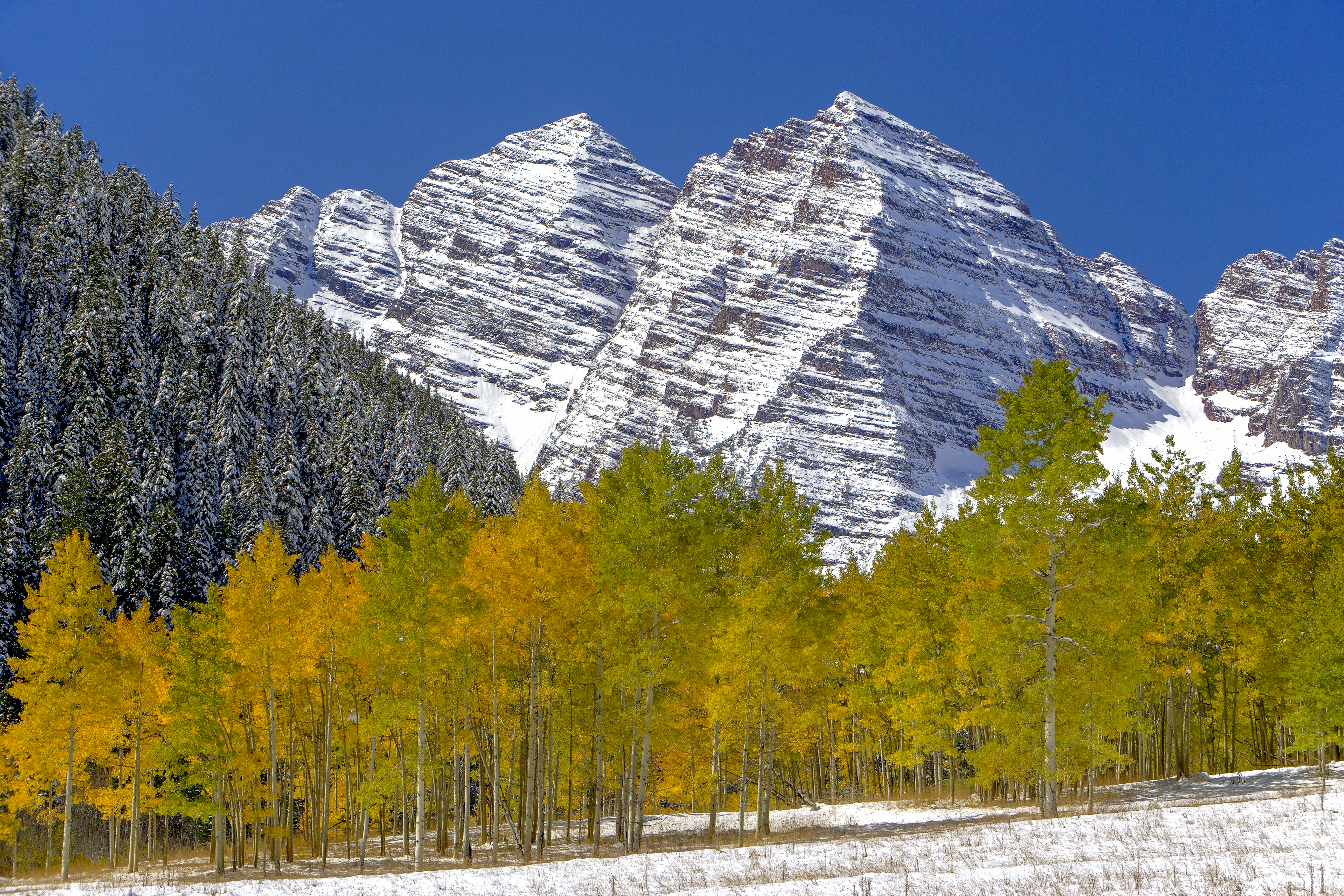
🌱 Spring — Emergence
Migration, bloom, snowmelt, nesting, and new movement define spring as life begins expressing again after winter.
How to use the system: Choose the seasonal phase → match the habitat → read behavior and light → refine with maps and Field Tools.
Planning Tools & Seasonal Alignment
Knowing the season is only the starting point. The strongest field results come from aligning light, location, timing, and behavior. These tools help you move from a general seasonal idea into a more precise plan.
Use them together — map, light, timing, and seasonal patterns — to narrow down where and when to be in the field.
🗺️ Photography Maps
Compare locations across regions to understand where seasonal patterns are strongest.
Planning insight: the strongest field decisions come from combining tools — map for place, calendar for timing, and light tools for execution.
Seasonal Photography Guides
Each season creates a different set of opportunities in the field — from migration and bloom to light, weather, and wildlife behavior. These guides go deeper into each season with maps, locations, timing windows, and field strategy.
Use them as entry points into more detailed planning once you know which seasonal pattern you want to follow.
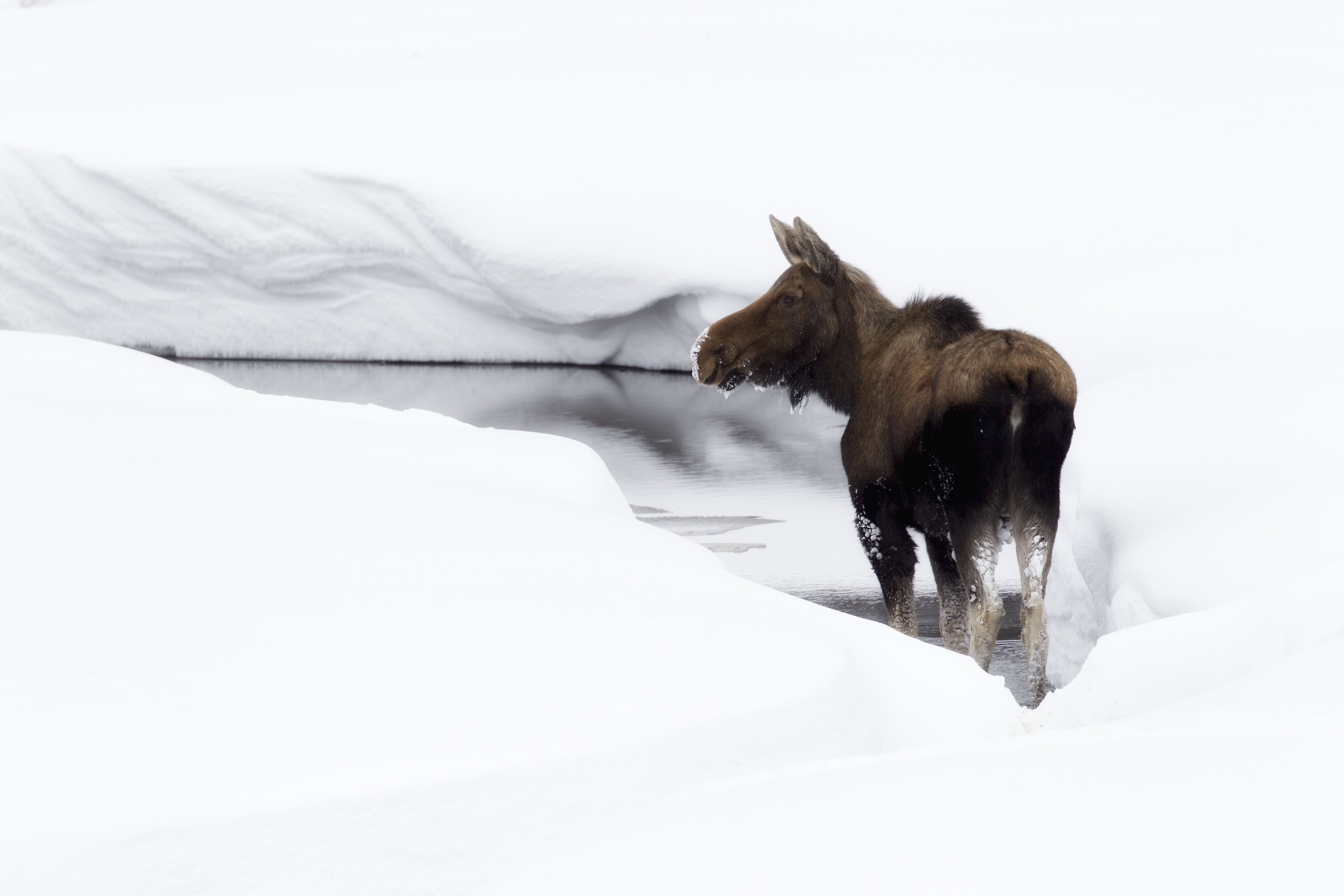
Minimal light, strong contrast, and survival patterns define the season.
Navigation insight: think of each season as its own system — with distinct timing, behavior, and field conditions — rather than just a change in temperature or color.
Wildlife Activity Through the Year
Wildlife behavior changes with the seasons in repeatable ways. Migration, nesting, rut, bloom, winter concentration, and feeding patterns all create different photographic opportunities depending on when and where you are in the field.
Use this year-round overview to understand the broader rhythm first, then move into the seasonal guide that best matches the behavior or landscape pattern you want to photograph.
🌸 Spring (Mar–May)
Migration routes come alive with birds and waterfowl
Wildflowers and early green-up reshape the landscape
Bear emergence, nesting activity, and newborn wildlife begin
Pattern insight: wildlife activity is seasonal, but it is also regional. The strongest field decisions come from matching the yearly rhythm to the right habitat and place.
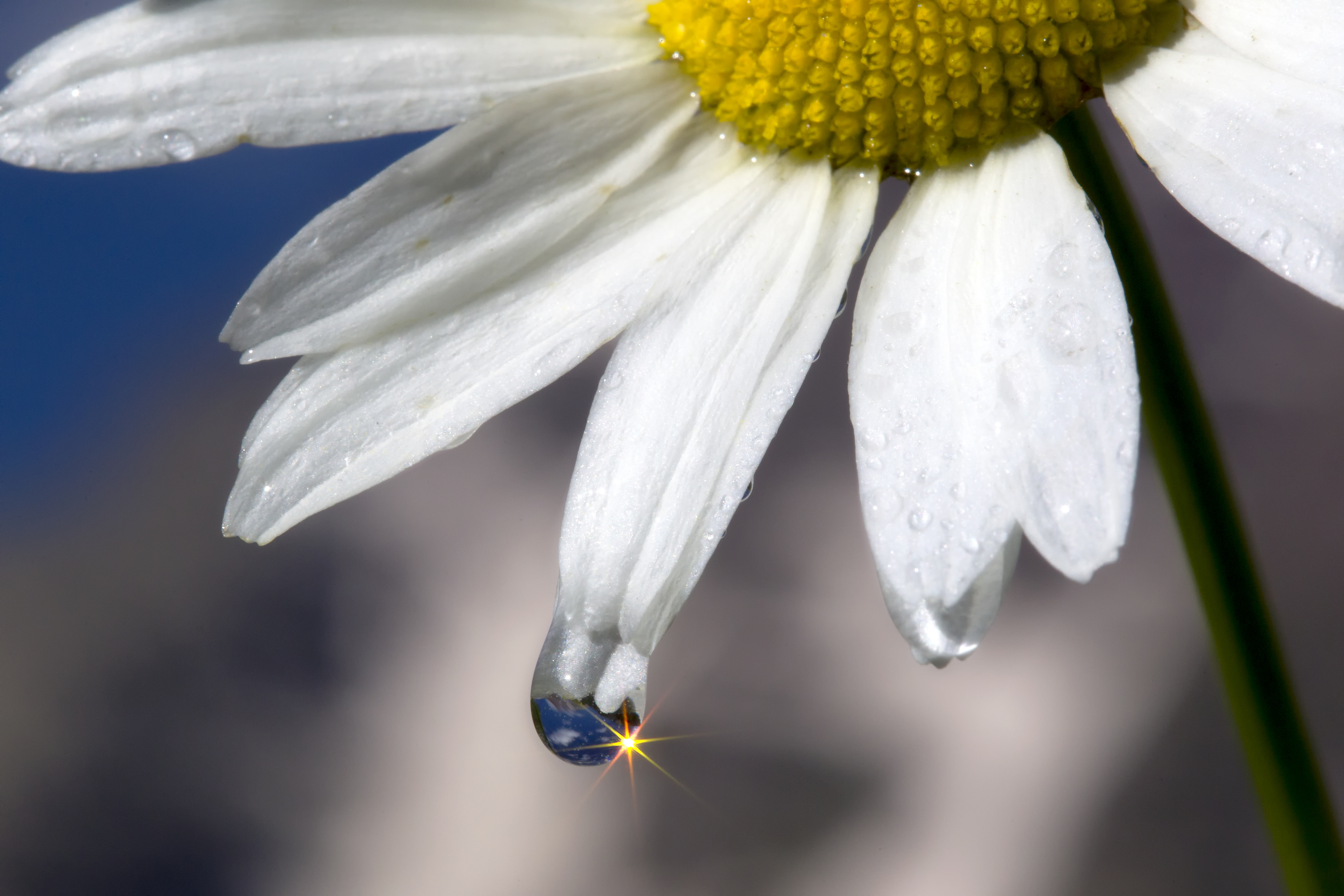
Seasonal wildlife activity is not only shaped by migration, weather, and light. It is also shaped by bloom timing. Flowers create nectar and pollen windows that determine when bees, butterflies, moths, hummingbirds, and other pollinators become most active across the landscape.
This is where the seasonal calendar connects directly into Floral Resource Networks™ — the Naturepedia ecology system that links soil, mycelium, flowering plants, pollinators, plant reproduction, habitat, and biodiversity into one living seasonal network.
🌱 Spring Bloom Emergence
Early blooms open the first resource windows of the year. Bees emerge, hummingbirds begin following nectar corridors, and butterflies begin using host plants and flowering edges.
☀️ Summer Resource Expansion
Summer expands the floral network through meadows, wetlands, alpine bloom, gardens, and forest edges. Pollinator activity often peaks where nectar, pollen, warmth, and daylight overlap.
🍂 Autumn Nectar Corridors
Late-season flowers become critical fuel sources for migrating butterflies, hummingbirds, and insects preparing for seasonal transition. These final bloom windows compress movement into concentrated moments.
🌙 Night Pollination Windows
Moths reveal the nocturnal side of floral timing. Night-blooming plants, scent trails, moonlight, and temperature shape an overlooked seasonal layer of pollination ecology.
Explore the Seasonal Pollinator Subpages
Bees
Follow pollen collection, flower fidelity, hive intelligence, native bee emergence, and the seasonal link between bloom and biodiversity.
Seasonal insight: bloom timing is a wildlife calendar. When flowers open, pollinators move. When pollinators move, plant reproduction, seed production, bird feeding, insect emergence, and habitat activity all shift together.
Where to Go by Season
Seasonal patterns only matter if you match them to the right place. These locations align strongly with each season based on wildlife behavior, migration, and habitat conditions.
The Seasonal Wildlife Calendar sits at the intersection of many Naturepedia systems. Seasonal change influences bloom timing, migration, pollination, wildlife behavior, habitat use, ecosystem productivity, and biodiversity. Understanding those relationships helps explain not just when something happens, but why it happens.
🌸 Floral Resource Networks™
Bloom timing creates seasonal nectar and pollen corridors that shape pollinator emergence, migration, and ecological productivity across the year.
Naturepedia Relationship: Seasonal Wildlife Calendar → Floral Resource Networks™ → Pollinators → Plant Reproduction → Habitat Health → Wildlife Activity → Biodiversity. This seasonal layer helps connect many of Naturepedia's major ecology systems into a single timing-based framework.
Helpful Guides & Next Steps
Once you’ve chosen a season, the next step is narrowing down where and when to go. These guides and tools help you move from broad seasonal understanding into specific field decisions.
Combine seasonal guides, maps, and light planning tools to build a more precise and effective photography plan.
Best next step: start with a season, then align location, light, and behavior using the tools above. The strongest results come from planning around patterns — not just places.
About the Author
Robbie George is a nature photographer, writer, and field-based observer whose work is built around understanding how light, wildlife, and ecosystems change through time.
That seasonal perspective shapes everything on this page. Rather than treating nature as static, Robbie approaches photography as a process of alignment — matching place, timing, behavior, and conditions so the moment reveals itself naturally.
This seasonal system connects field experience, planning tools, location guides, and Naturepedia into one continuous workflow — helping photographers move from inspiration to more intentional and meaningful work in the field.
Common questions about seasonal wildlife activity, bloom timing, migration, pollination ecology, habitat change, and Naturepedia's seasonal systems.
What is the Seasonal Wildlife Calendar?
This page serves as Naturepedia's seasonal planning hub, connecting wildlife behavior, migration, bloom timing, pollinator activity, ecosystems, and seasonal photography opportunities throughout the year.
Why do wildlife patterns change throughout the year?
Wildlife responds to seasonal changes in daylight, temperature, food availability, water, breeding cycles, and habitat conditions. These factors create recurring patterns that can be observed year after year.
How do flowers influence seasonal wildlife activity?
Flowering plants create seasonal nectar and pollen resources that support bees, butterflies, moths, hummingbirds, and countless other species. Bloom timing often determines when pollinators emerge, migrate, reproduce, and concentrate within specific habitats.
What are Floral Resource Networks™?
Floral Resource Networks™ describe the ecological relationships connecting soil, mycelial networks, flowering plants, pollinators, plant reproduction, habitat health, and biodiversity. Seasonal bloom timing forms one of the key drivers of this system.
Which pollinators are most influenced by seasonal bloom cycles?
Bees, butterflies, moths, and hummingbirds are among the most visible pollinators influenced by seasonal flowering patterns. Their activity often follows the availability of nectar and pollen resources across the landscape.
How do Soil Microbiomes and Mycelial Networks connect to this calendar?
Healthy soils and underground fungal networks support plant growth and flowering. Because flowering influences pollinators and pollinators influence biodiversity, seasonal wildlife activity ultimately connects back to ecological processes occurring below ground.
How does this page connect to Naturepedia?
This page functions as a seasonal relationship hub within Naturepedia, linking Floral Resource Networks™, pollinator systems, wildlife behavior, ecosystems, biodiversity, habitat conservation, and field observation resources into one seasonal framework.
The presence of this badge signifies that this business has officially registered with the Art Storefronts Organization and has an established track record of selling art.
It also means that buyers can trust that they are buying from a legitimate business. Art sellers that conduct fraudulent activity or that receive numerous complaints from buyers will have this badge revoked. If you would like to file a complaint about this seller, please do so here.
Verified Returns & Exchanges
The Art Storefronts Organization has verified that this business has provided a returns & exchanges policy for all art purchases.
Description of Policy from Merchant:
What is your Policy on Returns/Exchanges/Refunds?
I take great pride in my work and prints, and I want you to be completely happy with your investment in my nature art. If for any reason you are unsatisfied with your print, you may return it within 14 days of delivery, and/or exchange it for another print. Prints must be returned in new condition, packaged carefully in the original packaging if possible. Your refund will be issued as soon as I receive the returned print. Please contact me if you would like to arrange a return or exchange.
In the event that you receive a damaged or defective print, please let me know within 7 days of receipt, and I will arrange for a new print to be shipped to you at no additional cost.
Verified Secure Website with Safe Checkout
This website provides a secure checkout with SSL encryption.
Verified Archival Materials Used
The Art Storefronts Organization has verified that this Art Seller has published information about the archival materials used to create their products in an effort to provide transparency to buyers.
Description from Merchant:
Fine Art Prints are made with high-quality archival inks on fine art papers using a high-resolution large format inkjet printer. Our premium archival inks produce images with smooth tones and rich colors. Prints are made with care on your choice of exquisite Fine Art Papers using a high-resolution large format inkjet printer. https://www.graphikprintworks.com
Become a supporter of Robbie George Photography and be the first to receive new content and special promotions.
“Every image is a field. Every quote is a key. Welcome back to the rhythm.” ~Robbie
Cart
Your cart is currently empty.
Saved Successfully.
This is only visible to you because you are logged in and are authorized to manage this website. This message is not visible to other website visitors.
Import From Instagram
Click on any Image to continue
This Website Supports Augmented Reality to Live Preview Art
This means you can use the camera on your phone or tablet and superimpose any piece of nature art onto a wall inside of your home or business.
To use this feature, Just look for the "Live Preview AR" button when viewing any piece of nature art on this website!
Pounce Now—Save 20% on Your First Order
Join the collector list for your first-order discount, new wildlife releases, and occasional field notes.