🍂 Embrace Autumn’s Radiance: Discover Golden Forests & Seasonal Wildlife
Autumn Wildlife & Nature Photography Locations
A field guide to photographing peak fall color, wildlife behavior, and seasonal transitions across North America — where light, timing, and landscape align.
Autumn is one of the most precise seasons in the field. Color doesn’t arrive all at once — it moves across elevation, latitude, and species. In one place, aspens may already be glowing gold while hardwood forests are still weeks away from peak. In another, wildlife activity intensifies as animals prepare for winter, creating brief windows where behavior and color overlap.
Over time, I’ve learned that fall photography isn’t about chasing “peak color” — it’s about reading where the season is expressing itself most clearly. That might mean fog drifting through Appalachian ridges, elk moving through golden meadows, or a single leaf catching soft morning light along a quiet stream.
This page is built to help you do that. Below, you’ll find an interactive map, top autumn locations, field notes, timing guidance, and planning tools so you can connect season, habitat, wildlife, and light more intentionally. It works as part of the broader Field Tools and Explore Nature Themes system.
What this page helps you do:
Find peak autumn photography locations by region, habitat, and elevation
Understand how fall color, wildlife behavior, and timing interact
Use map-based planning to align your trip with peak seasonal conditions
Connect autumn field opportunities to tools, galleries, and Naturepedia systems
Field note: autumn rewards timing and awareness — the strongest images often come from understanding when and where the season is peaking, not just where it’s famous.
Autumn photography can look simple from a distance, but it is one of the most timing-sensitive seasons in the field. Color moves across elevation and latitude, wildlife behavior shifts fast, and weather can transform a landscape overnight. This guide is built to help you read those patterns instead of treating fall as one fixed moment.
Use it to compare regions, decide what you most want to photograph, and then narrow your planning around timing, habitat, and field conditions.
1. Start with the Map
Use the interactive map to compare where autumn is strongest — high-elevation aspen zones, Appalachian hardwood forests, wildlife-rich valleys, or quiet wetland edges.
2. Choose Your Subject First
Decide whether you are most interested in peak foliage, wildlife behavior, fog and atmosphere, reflections, or intimate forest details. Autumn rewards subject-first planning.
3. Think in Seasonal Waves
Fall does not peak everywhere at once. Northern forests and mountain aspens usually turn earlier, while lower elevations and southern hardwood regions often peak later.
Best way to use this page: start with what autumn expression you want most — color, wildlife, atmosphere, or detail — then match that subject to region, timing, and conditions. That usually leads to stronger results than chasing a famous place without a clear seasonal goal.
Autumn Timing Engine — How the Season Actually Moves
Autumn is not a single moment of “peak color” — it is a moving system shaped by elevation, latitude, species, temperature, and daylight. What you see in the field is the visible layer of deeper seasonal change.
This page works as a front-end guide, while the Seasonal Wildlife Calendar helps you track where color, wildlife behavior, and atmospheric conditions are aligning in real time.
1. Expression → Transition
Summer reaches peak expression. Autumn begins the transition — revealing structure, pattern, and change across landscapes.
2. Elevation & Latitude Drive Color
High elevations and northern regions turn first. Lower elevations and southern forests peak later, creating a moving wave of color.
3. Biology Intensifies
Migration, rutting, feeding, and pre-winter behavior concentrate wildlife activity into powerful but brief windows.
4. Weather Shapes Atmosphere
Fog, frost, rain, and low-angle light define autumn mood — often more than clear skies.
How to use this system:
Choose your autumn expression → follow the timing wave → match the habitat → refine with Field Tools.
Autumn creates some of the richest visual conditions of the year, but it also demands precision. Color peaks quickly, wildlife behavior intensifies, and weather can shift the entire mood of a scene in minutes. The key is learning how to work with those changes rather than chasing a fixed idea of “peak fall.”
These field-tested strategies will help you align color, light, and subject so your images reflect the full depth of the season.
Work with Soft Light
Overcast skies, fog, and filtered light often produce the richest fall colors. These conditions reduce contrast and allow reds, golds, and oranges to fully emerge.
Use Early & Late Light
Low-angle sunlight enhances color and depth. Morning fog and evening glow often create the most atmospheric and layered autumn scenes.
Focus on Details & Scale
Autumn works at every scale — from sweeping mountain landscapes to single leaves, textures, and reflections. Mix wide, mid, and close compositions.
Watch Wildlife Behavior
Fall is active — elk rut, birds migrate, and animals prepare for winter. Early mornings and late evenings are often the best windows for wildlife photography.
Use Weather for Mood
Fog, rain, and early frost add atmosphere and depth. Instead of waiting for clear skies, lean into changing conditions to create stronger compositions.
Stay Flexible & Prepared
Autumn conditions can shift quickly. Bring layers, protect your gear, and be willing to adjust location or timing as the season evolves.
Field insight: the best autumn images often come from subtle conditions — quiet fog, soft rain, or the moment just before leaves fall. Precision in timing usually matters more than chasing peak color itself.
Interactive Autumn Photography Map
Autumn unfolds across landscapes in waves — starting in high elevations and northern latitudes, then moving downward and south. This map helps you visualize where fall color, wildlife activity, and seasonal conditions are aligning.
Use it to compare regions and identify where peak color, fog, wildlife behavior, and light conditions are strongest during your travel window.
Compare Regions
See how fall differs across mountain ranges, eastern hardwood forests, wetlands, and northern landscapes.
Match Location to Timing
Use elevation and latitude to estimate when peak color and wildlife activity occur in each region.
Field insight: autumn doesn’t peak everywhere at once — it moves across landscapes in waves. Following that progression is often the difference between average color and peak conditions.
Autumn Photography Highlights
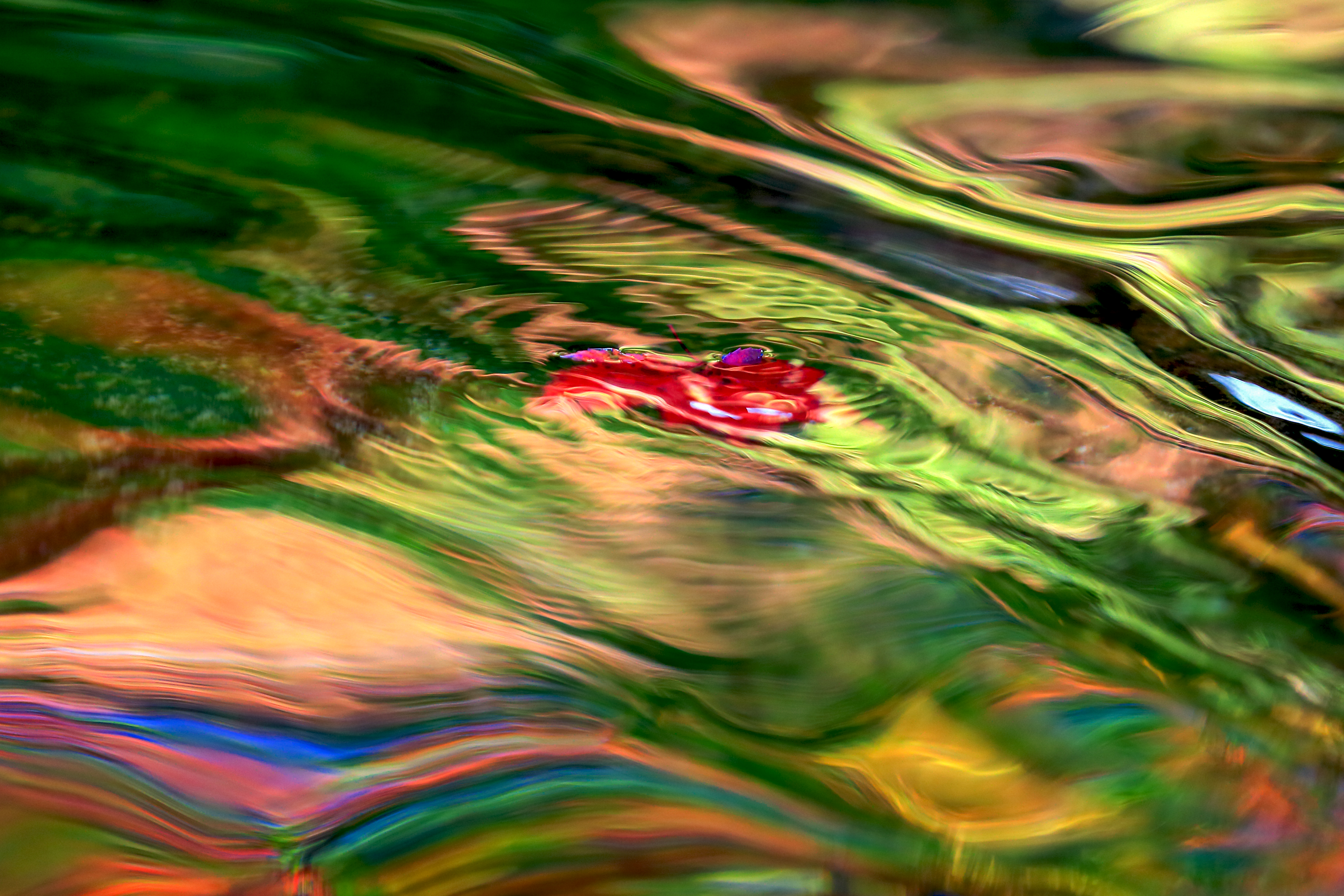
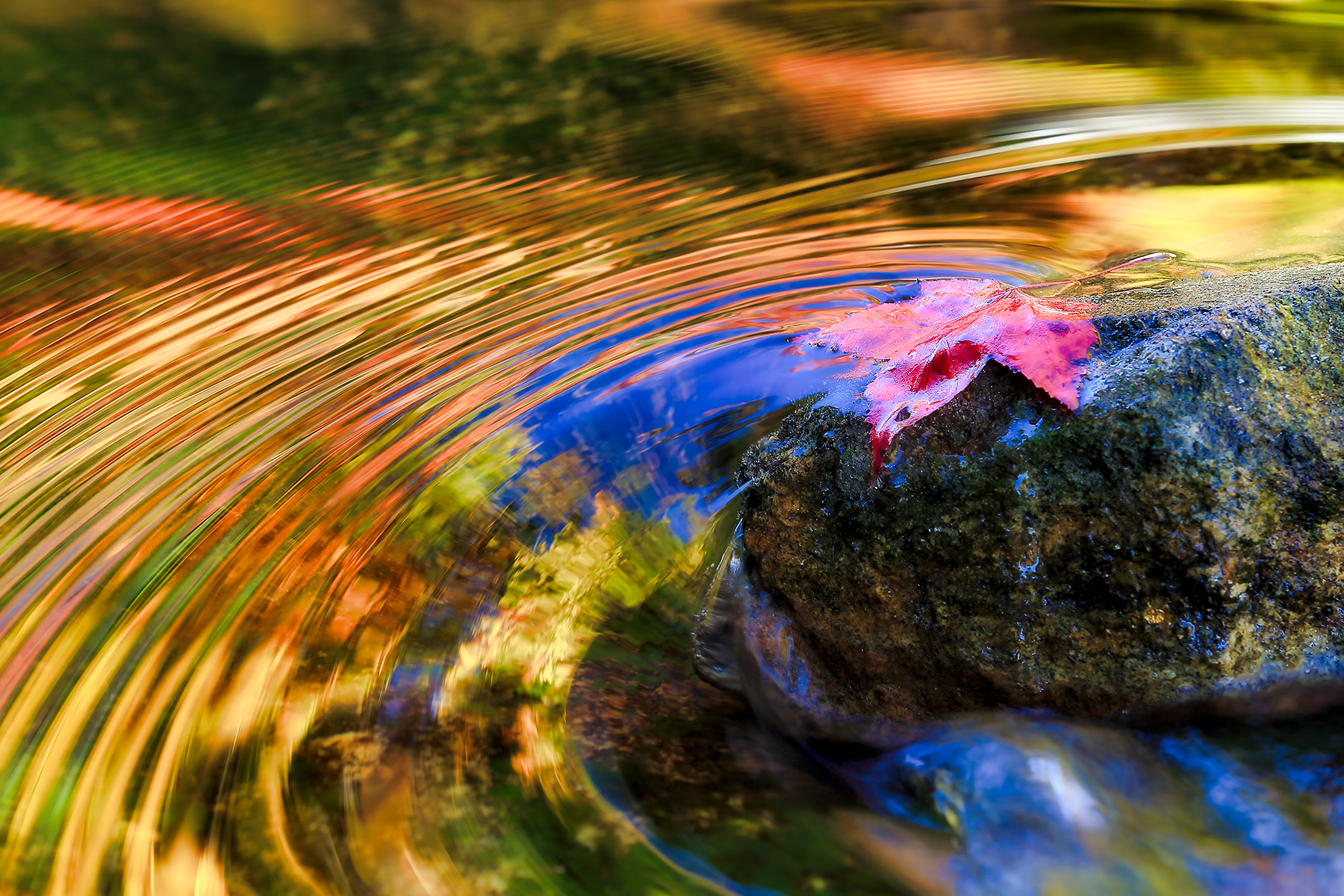
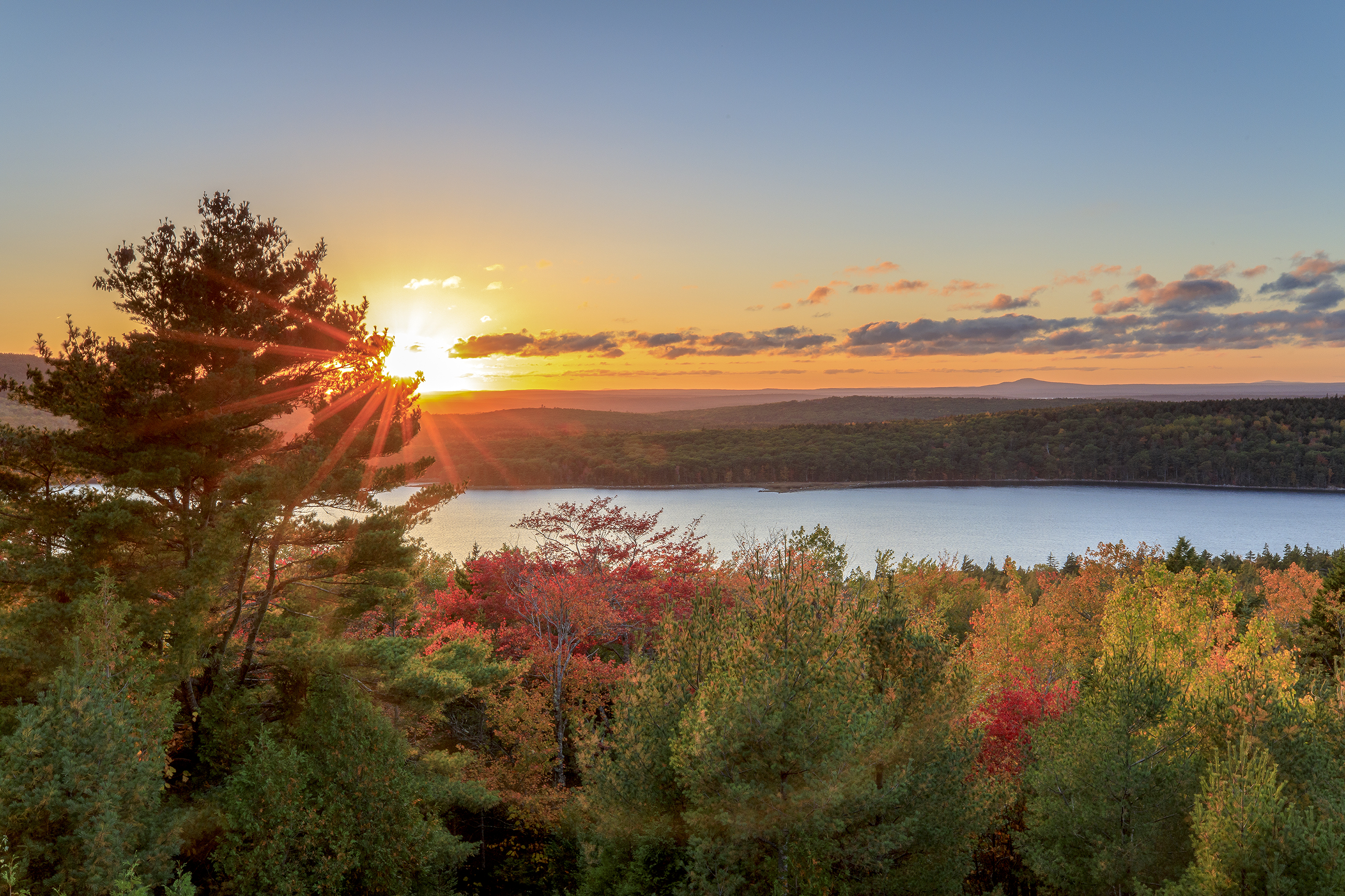
Autumn carries a different kind of visual energy — quieter, more layered, and deeply tied to timing. Color, wildlife movement, and atmosphere often align in brief windows that define the season.
These images reflect that range — from wide landscapes filled with color to intimate moments where light, texture, and stillness come together.
Field insight: autumn photography often comes down to moments — the brief calm before wind moves through leaves, the first frost on the ground, or a single shaft of light cutting through color. The season rewards those who stay present long enough to see those transitions.
Top Autumn Photography Locations
Autumn expresses itself differently across North America — golden aspens in the Rockies, layered hardwood forests in Appalachia, misty river valleys in the Midwest, and wildlife moving through transitional habitat before winter. Each location offers a different version of the season at its strongest.
Use this list as a starting point, then match your destination to the kind of autumn experience you want to photograph: peak color, wildlife activity, atmosphere, reflections, or intimate forest detail.
1. Shenandoah National Park, Virginia
Best for: sweeping ridge views, fog-filled valleys, layered hardwood forests, and quiet dawn color along Skyline Drive.
2. Great Smoky Mountains, Tennessee / North Carolina
Best for: atmospheric mountain layers, waterfalls framed by color, elk activity, and soft fog moving through forested valleys.
3. Blue Ridge Parkway, North Carolina / Virginia
Best for: scenic overlooks, rolling color, roadside access to strong compositions, and broad Appalachian landscape photography.
4. Cuyahoga Valley National Park, Ohio
Best for: winding rivers, waterfalls, hardwood forest color, and quiet morning scenes with mist and subtle wildlife opportunities.
5. Hocking Hills State Park, Ohio
Best for: intimate forest scenes, sandstone gorges, waterfalls, leaf-covered trails, and moody low-light compositions.
6. Brown County State Park, Indiana
Best for: panoramic ridge color, layered hardwood forest, sunrise silhouettes, and one of the Midwest’s strongest fall displays.
7. Door County, Wisconsin
Best for: lakeshore color, quiet roads, lighthouses, reflective water, and a calmer autumn atmosphere shaped by Lake Michigan.
8. Porcupine Mountains, Michigan
Best for: old-growth forest, elevated views, mirror lakes, and strong Upper Midwest color with a quieter, wilder feel.
9. Maroon Bells, Colorado
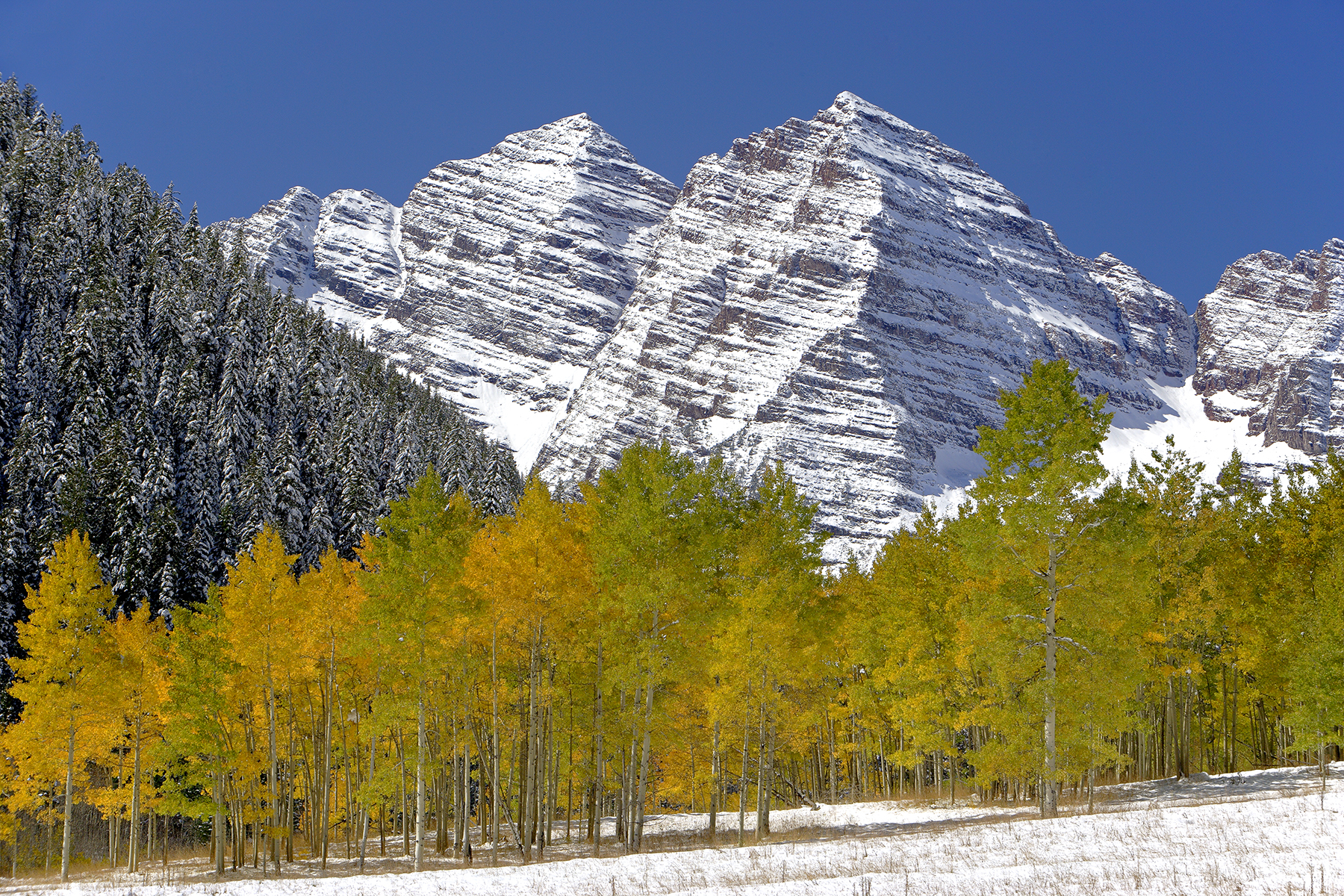
Best for: golden aspens, early snow on peaks, iconic reflections, and high-elevation autumn conditions that can shift quickly.
10. Grand Teton National Park, Wyoming
Best for: cottonwoods and willows, moose habitat, migration movement, reflective river corridors, and dramatic mountain contrast.
Planning insight: autumn is less about one universal peak and more about following regional timing. High-elevation aspen country often turns first, while hardwood forests and lower elevations can remain strong later into the season.
Autumn Seasonal Timeline
Autumn unfolds in stages across elevation, latitude, and ecosystem type. Color, wildlife behavior, and atmospheric conditions shift week by week, creating a moving window rather than a single peak moment.
Use this timeline to think in seasonal waves, then refine your plan based on local conditions and elevation.
This timeline represents a surface view of a deeper seasonal timing system explored across Naturepedia.
Foliage Wildlife Weather & Light
Late Sept
Late Sept – Early Oct
Early – Mid Oct
Mid – Late Oct
Late Oct
Early Nov
Mid Nov
Timing insight: autumn moves through the landscape rather than arriving all at once. Following that movement — from high elevations to lower terrain — is often the key to finding peak conditions.
Naturepedia Connections
Autumn photography reveals a seasonal transition — where energy begins to contract, movement shifts, and ecosystems prepare for winter. Color, wildlife behavior, and atmosphere are all visible expressions of deeper ecological patterns unfolding across landscapes.
Light & Seasonal Change
Lower sun angles and shorter days reshape color, contrast, and mood — giving autumn its signature warmth and depth.
At a deeper level, autumn represents transition — where systems shift from growth toward conservation, revealing structure, pattern, and change across the natural world.
Once you’ve identified an autumn destination, the next step is refining your plan — aligning color timing, wildlife behavior, weather, and field conditions so you arrive when the season is expressing itself best.
These tools and guides help you move from general inspiration into more precise field planning.
Best next step: choose the autumn expression you want most — broad color, wildlife movement, fog, reflections, or intimate detail — then refine your destination and timing around that goal. Fall rewards precision more than speed.
Autumn Photography FAQs
Common questions about fall color timing, wildlife behavior, lighting conditions, gear, and how to plan more effectively during one of the most dynamic seasons in the field.
When is peak fall color in the U.S.?
Peak color typically runs from late September through early November, depending on elevation and latitude. High elevations and northern regions change first, followed by lower elevations and southern hardwood forests.
What are the best conditions for photographing fall foliage?
Overcast skies, fog, and soft light often produce the richest colors. Early morning and late afternoon provide warm tones and depth, while mist and moisture add atmosphere.
How do I plan a trip around peak color?
Follow elevation and regional timing. Use tools like the Seasonal Wildlife Calendar and local foliage reports, and remain flexible — peak conditions can shift quickly with weather.
What wildlife can I photograph in autumn?
Fall is an active season for wildlife. Elk are rutting, birds are migrating, and many animals are feeding heavily before winter. Early morning and evening provide the strongest opportunities.
What gear is best for autumn photography?
A versatile setup works best: wide-angle lenses for landscapes, macro for details, and telephoto lenses for wildlife. A tripod and polarizer help manage light and enhance color.
How does this page fit into the rest of the site?
This guide connects autumn locations, seasonal timing, field tools, and Naturepedia systems into one planning structure — helping you move from inspiration to execution in the field.
About the Author
Robbie George is a nature photographer, writer, and field-based observer whose work is grounded in real landscapes, seasonal timing, and the patterns that shape the natural world.
Autumn has always been one of the most revealing seasons in his field experience. It is where change becomes visible — where color peaks and fades, wildlife shifts behavior, and landscapes move from growth into structure. His work focuses on reading those transitions rather than chasing static moments.
This page is part of the larger Robbie George Photography system, connecting seasonal field guides, mapping tools, galleries, and Naturepedia into a unified framework designed to help photographers understand, plan, and experience nature more deeply.
The presence of this badge signifies that this business has officially registered with the Art Storefronts Organization and has an established track record of selling art.
It also means that buyers can trust that they are buying from a legitimate business. Art sellers that conduct fraudulent activity or that receive numerous complaints from buyers will have this badge revoked. If you would like to file a complaint about this seller, please do so here.
Verified Returns & Exchanges
The Art Storefronts Organization has verified that this business has provided a returns & exchanges policy for all art purchases.
Description of Policy from Merchant:
What is your Policy on Returns/Exchanges/Refunds?
I take great pride in my work and prints, and I want you to be completely happy with your investment in my nature art. If for any reason you are unsatisfied with your print, you may return it within 14 days of delivery, and/or exchange it for another print. Prints must be returned in new condition, packaged carefully in the original packaging if possible. Your refund will be issued as soon as I receive the returned print. Please contact me if you would like to arrange a return or exchange.
In the event that you receive a damaged or defective print, please let me know within 7 days of receipt, and I will arrange for a new print to be shipped to you at no additional cost.
Verified Secure Website with Safe Checkout
This website provides a secure checkout with SSL encryption.
Verified Archival Materials Used
The Art Storefronts Organization has verified that this Art Seller has published information about the archival materials used to create their products in an effort to provide transparency to buyers.
Description from Merchant:
Fine Art Prints are made with high-quality archival inks on fine art papers using a high-resolution large format inkjet printer. Our premium archival inks produce images with smooth tones and rich colors. Prints are made with care on your choice of exquisite Fine Art Papers using a high-resolution large format inkjet printer. https://www.graphikprintworks.com
Become a supporter of Robbie George Photography and be the first to receive new content and special promotions.
“Every image is a field. Every quote is a key. Welcome back to the rhythm.” ~Robbie
Cart
Your cart is currently empty.
Saved Successfully.
This is only visible to you because you are logged in and are authorized to manage this website. This message is not visible to other website visitors.
Import From Instagram
Click on any Image to continue
This Website Supports Augmented Reality to Live Preview Art
This means you can use the camera on your phone or tablet and superimpose any piece of nature art onto a wall inside of your home or business.
To use this feature, Just look for the "Live Preview AR" button when viewing any piece of nature art on this website!
Pounce Now—Save 20% on Your First Order
Join the collector list for your first-order discount, new wildlife releases, and occasional field notes.