A field guide to some of the best summer destinations for photographing wildlife, wildflowers, alpine landscapes, coasts, and long-season light across the United States.
Summer can look abundant and easy from the outside, but it has its own discipline in the field. Light becomes harsher in the middle of the day, weather can turn dramatic fast, wildlife shifts with heat and feeding patterns, and bloom timing changes sharply with elevation. What works in one region in June may not peak somewhere else until late July or August.
Over time, I’ve learned that summer photography is less about chasing the idea of a bright season and more about reading where summer is expressing itself best. In one place that may mean alpine meadows and wildflowers. In another it may be moose in marsh habitat, seabirds along the coast, monsoon skies in the desert, or long warm evenings shaping mountain light.
This page is built to help with that process. Below, you’ll find an interactive map, standout summer locations, field notes, timing guidance, and planning support so you can connect season, habitat, subject, and light more intentionally. It works as a practical summer planning page inside the broader Field Tools and Explore Nature Themes system.
What this page helps you do:
Find strong summer photography destinations by habitat and seasonal pattern
Compare wildlife, bloom, landscape, and weather-driven opportunities more clearly
Use map-based planning to match location with timing and subject
Connect summer field opportunities to tools, galleries, and deeper system pages
Summer photography looks expansive, but it’s actually one of the most variable seasons in the field. Light, heat, elevation, moisture, and wildlife behavior all shift how and where the strongest opportunities appear. This guide is built to help you read those patterns instead of treating summer as one uniform experience.
Use it to compare locations by habitat and timing, then narrow your plan based on what you want to photograph — wildlife, wildflowers, landscapes, or weather-driven scenes.
1. Start with the Map
Use the interactive map to identify where summer conditions are strongest — alpine zones, coastlines, wetlands, or desert systems each behave differently.
2. Choose Your Subject First
Wildlife, wildflowers, landscapes, and sky conditions peak at different times. Decide what matters most, then match your location to that pattern.
3. Think in Elevation Layers
Summer moves upward. Lower elevations peak earlier, while alpine regions may not reach peak bloom or activity until mid or late summer.
Best way to use this page: start with your subject, then match it to habitat and elevation, and finally refine timing. That sequence consistently produces stronger summer results than choosing a location first.
Summer Timing Engine — How the Season Actually Moves
Summer is not one long, even season — it is a moving field system shaped by heat, light, elevation, water, wildlife behavior, and atmospheric change.
This page works as a front-end summer planning guide, while the broader Seasonal Wildlife Calendar helps connect timing, habitat, subject, and field execution across the full year.
1. Peak Expression
Spring releases energy. Summer expresses it. Growth, bloom, wildlife movement, long light, and weather all become more visible.
2. Elevation Controls Bloom
Valleys peak earlier. Alpine meadows peak later. Strong summer planning often means following the season upward through the landscape.
3. Heat Shapes Behavior
Wildlife often shifts into cooler morning and evening windows. Summer timing is as much about avoiding heat as finding subject activity.
4. Weather Adds Drama
Storms, clouds, fog, monsoon skies, and changing air can turn difficult summer conditions into the strongest visual moments.
How to use this system:
Start with your subject → match the habitat → follow elevation and heat patterns → refine with light, weather, and Field Tools.
Summer presents a different kind of challenge in the field. Light is stronger, days are longer, and conditions shift quickly between calm mornings and active weather systems. The key is not avoiding those conditions — it’s learning how to work with them.
These field-based strategies will help you align light, subject, and timing so your images reflect the full depth of the season instead of fighting against it.
Work Around Harsh Light
Midday light can be intense. Focus on early mornings, late evenings, shaded environments, or use polarizers and exposure adjustments to manage contrast.
Use Long Days to Your Advantage
Extended daylight allows for multiple shooting windows. Plan for both sunrise and evening sessions to maximize opportunities.
Follow Elevation for Bloom
Wildflowers and vegetation peak later at higher elevations. Track bloom by moving upward through the landscape as the season progresses.
Watch Wildlife Behavior
Summer activity often shifts to cooler parts of the day. Early mornings and evenings provide the strongest opportunities for wildlife photography.
Use Weather for Drama
Summer storms, clouds, and atmospheric shifts create depth and energy. Instead of avoiding weather, use it to strengthen composition.
Stay Prepared in the Field
Heat, insects, and sudden weather shifts are part of summer. Hydration, protection, and flexibility help you stay focused longer.
Field insight: summer rewards photographers who adapt. The strongest images often come from working with changing light, weather, and timing rather than waiting for perfect conditions.
Interactive Summer Photography Map
Summer unfolds across landscapes differently depending on elevation, moisture, and geography. This map helps you visualize where summer conditions are strongest — from alpine wildflower zones to coastal habitats and wildlife-rich valleys.
Use it to compare regions and identify where light, bloom, wildlife activity, and weather patterns are aligning during your travel window.
Compare Regions
Quickly see how summer differs across mountains, coasts, wetlands, and desert environments.
Match Location to Timing
Use elevation and latitude to estimate when bloom, wildlife, and conditions peak in each region.
Field insight: summer does not arrive everywhere at once — it moves upward through elevation and across ecosystems, creating layered opportunities instead of a single peak moment.
Summer Photography Highlights
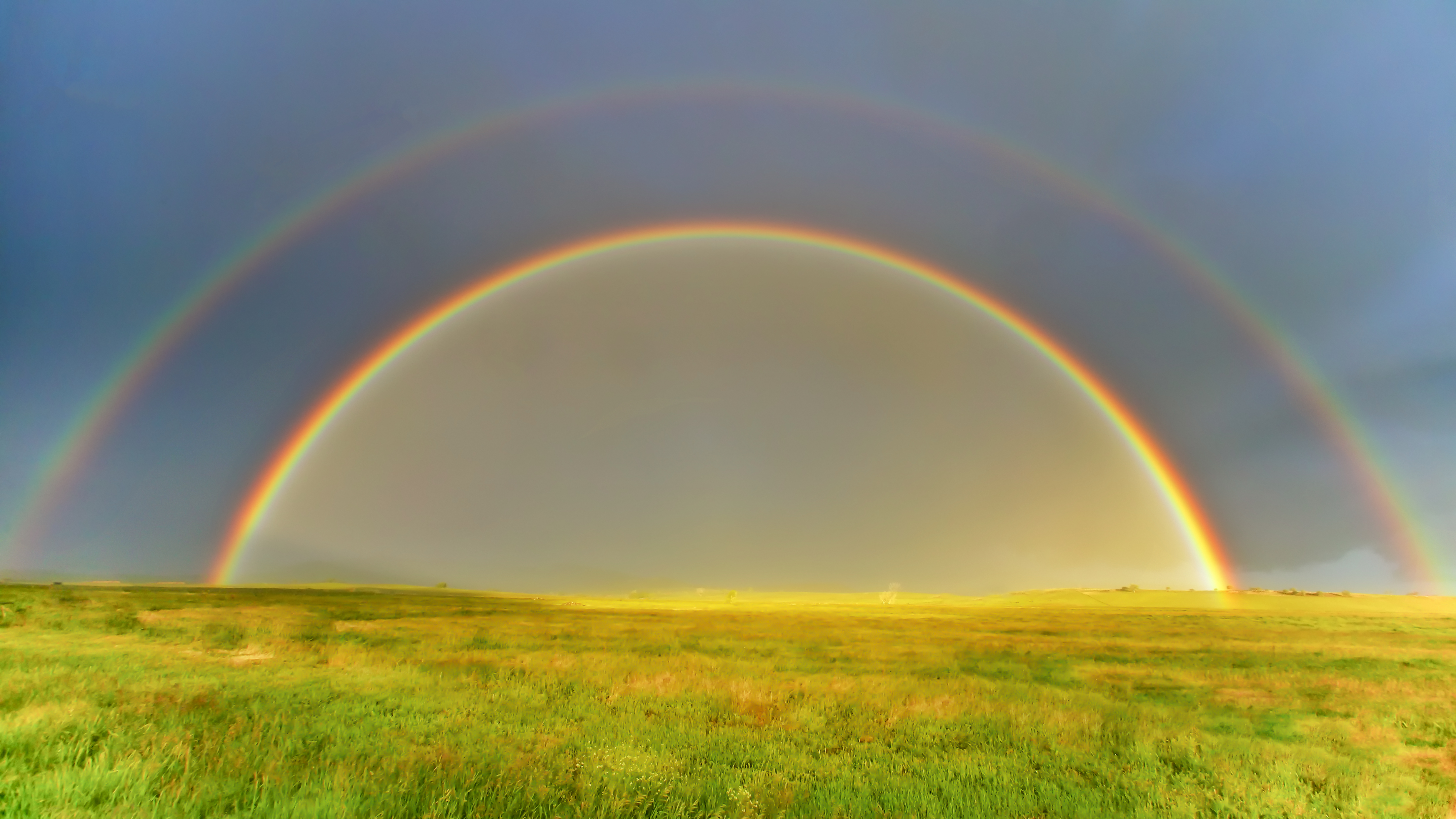
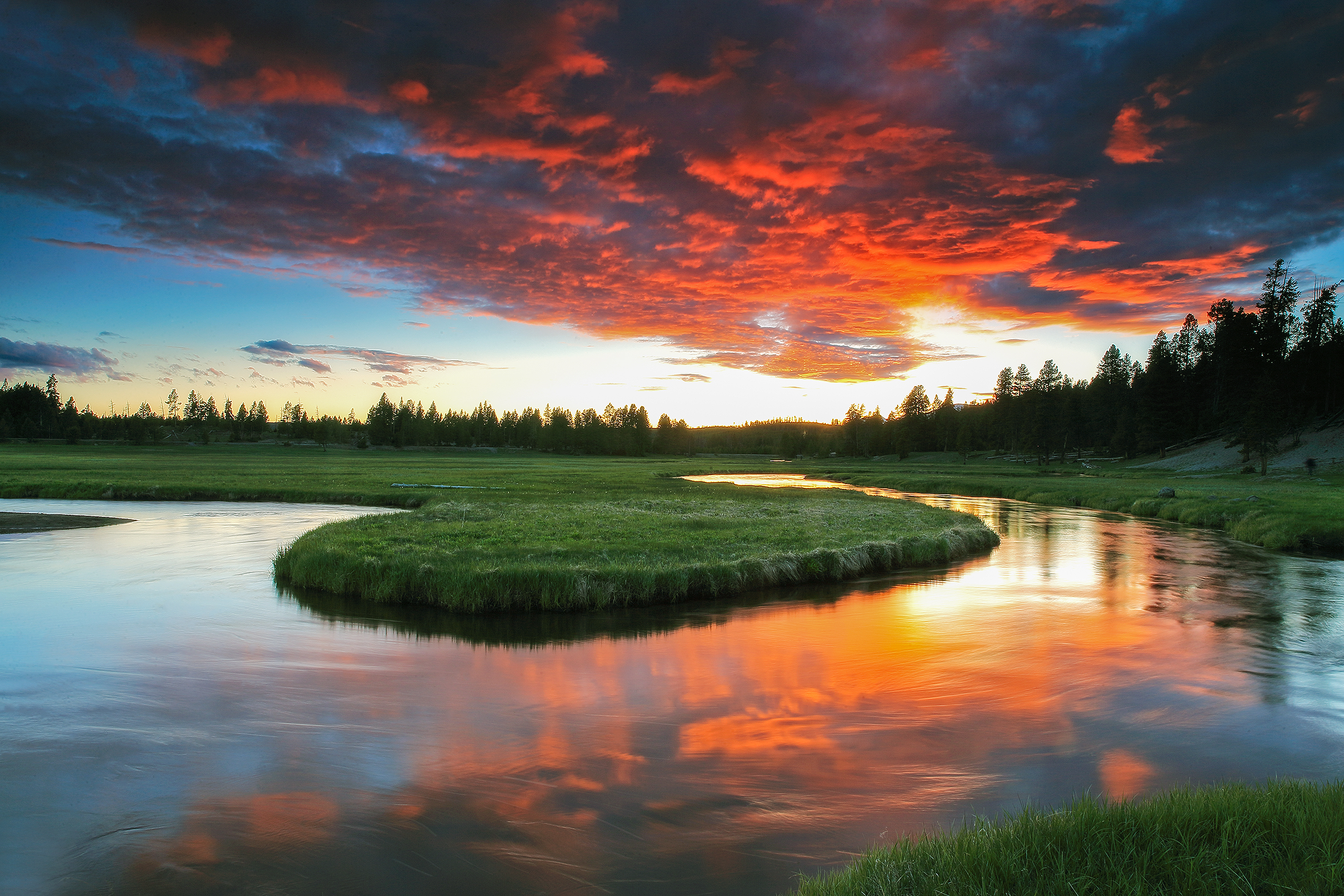
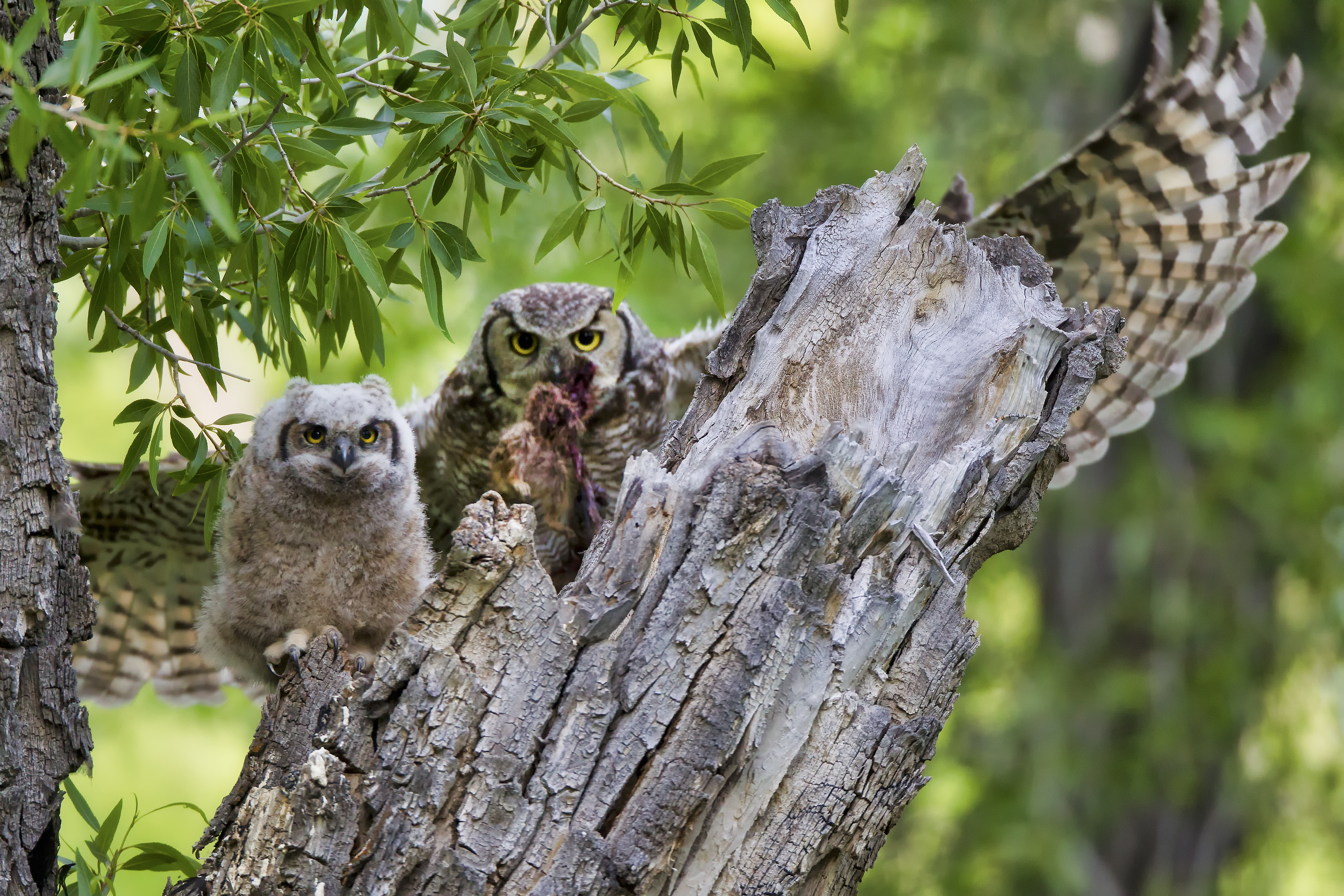
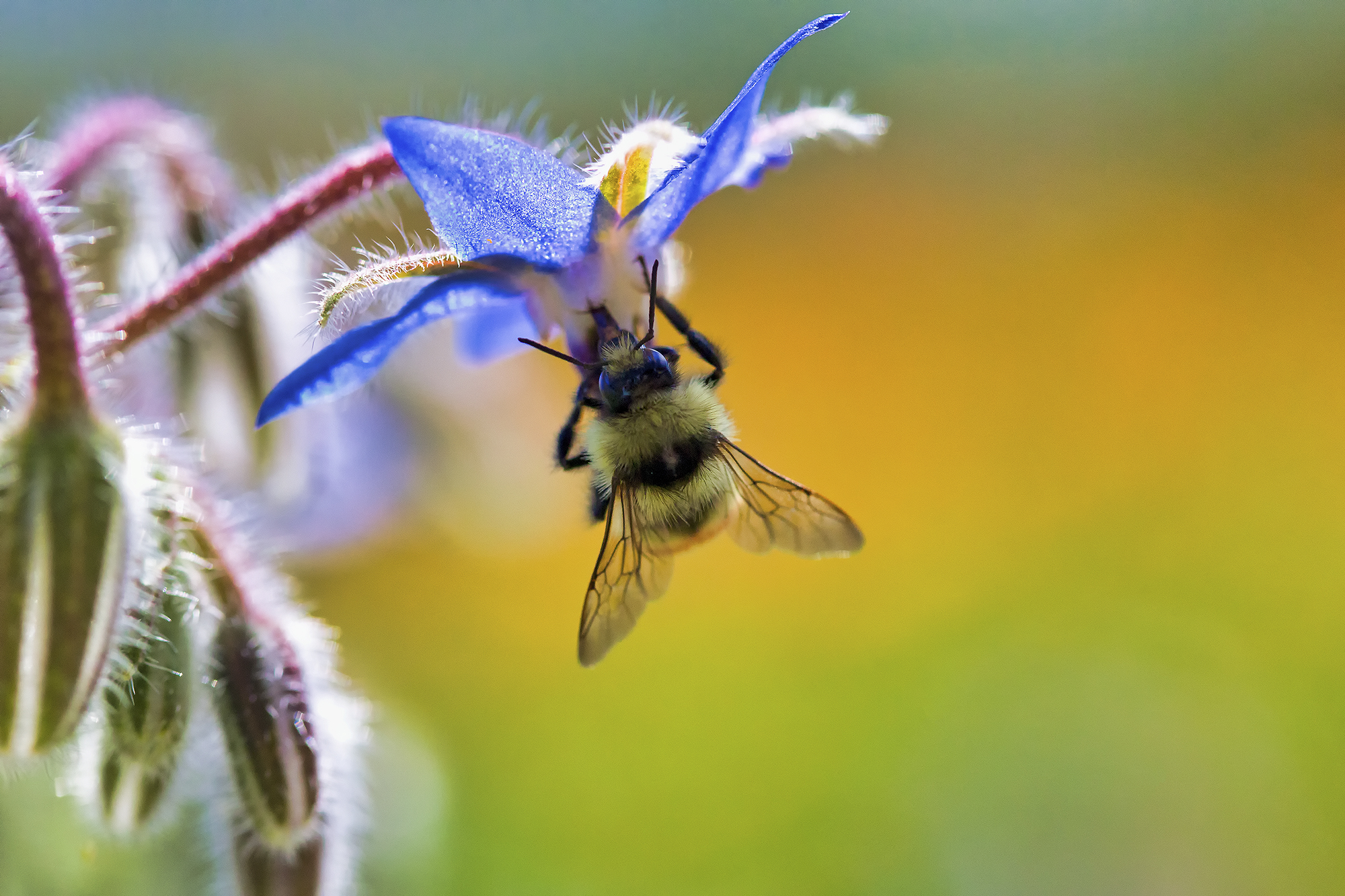
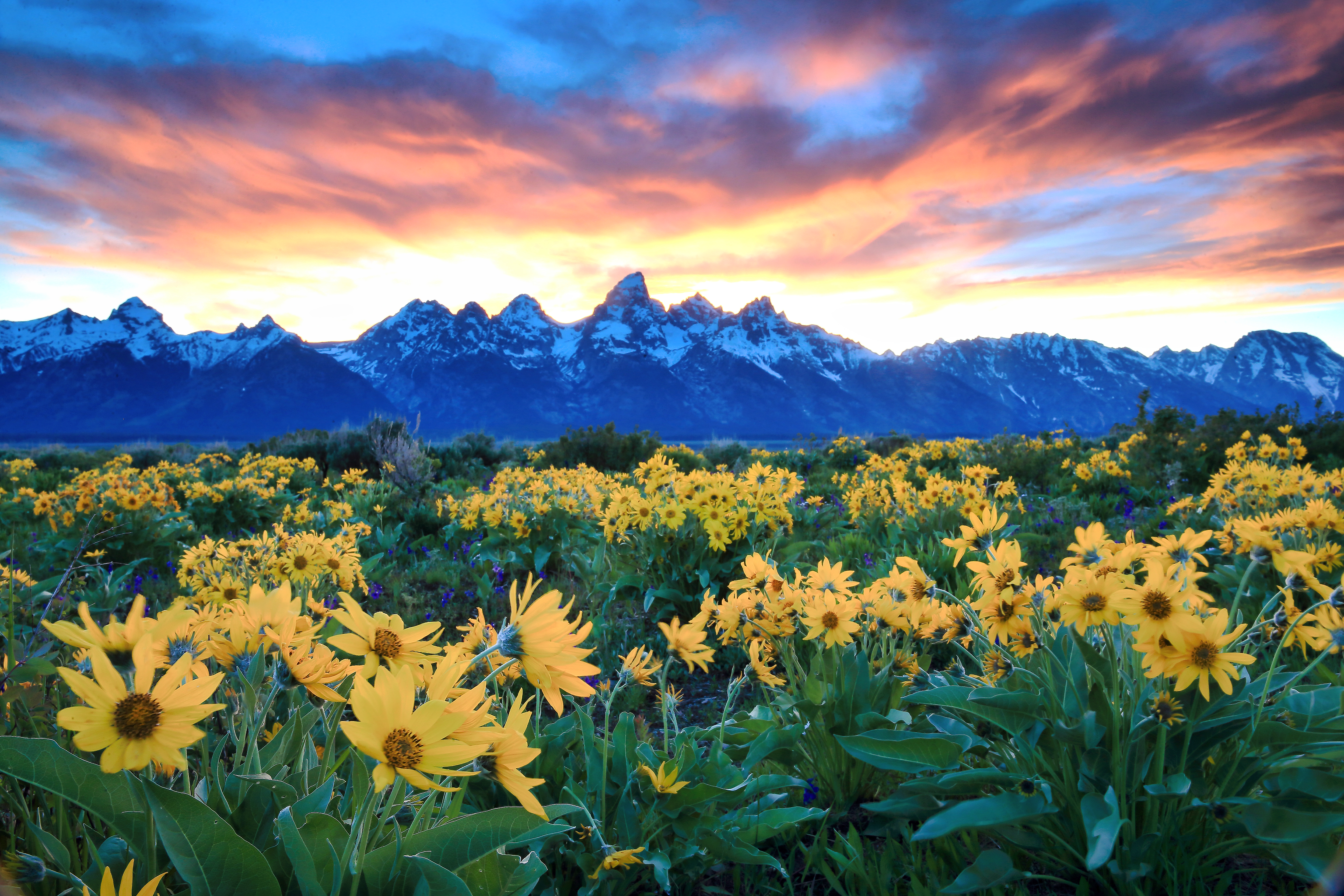
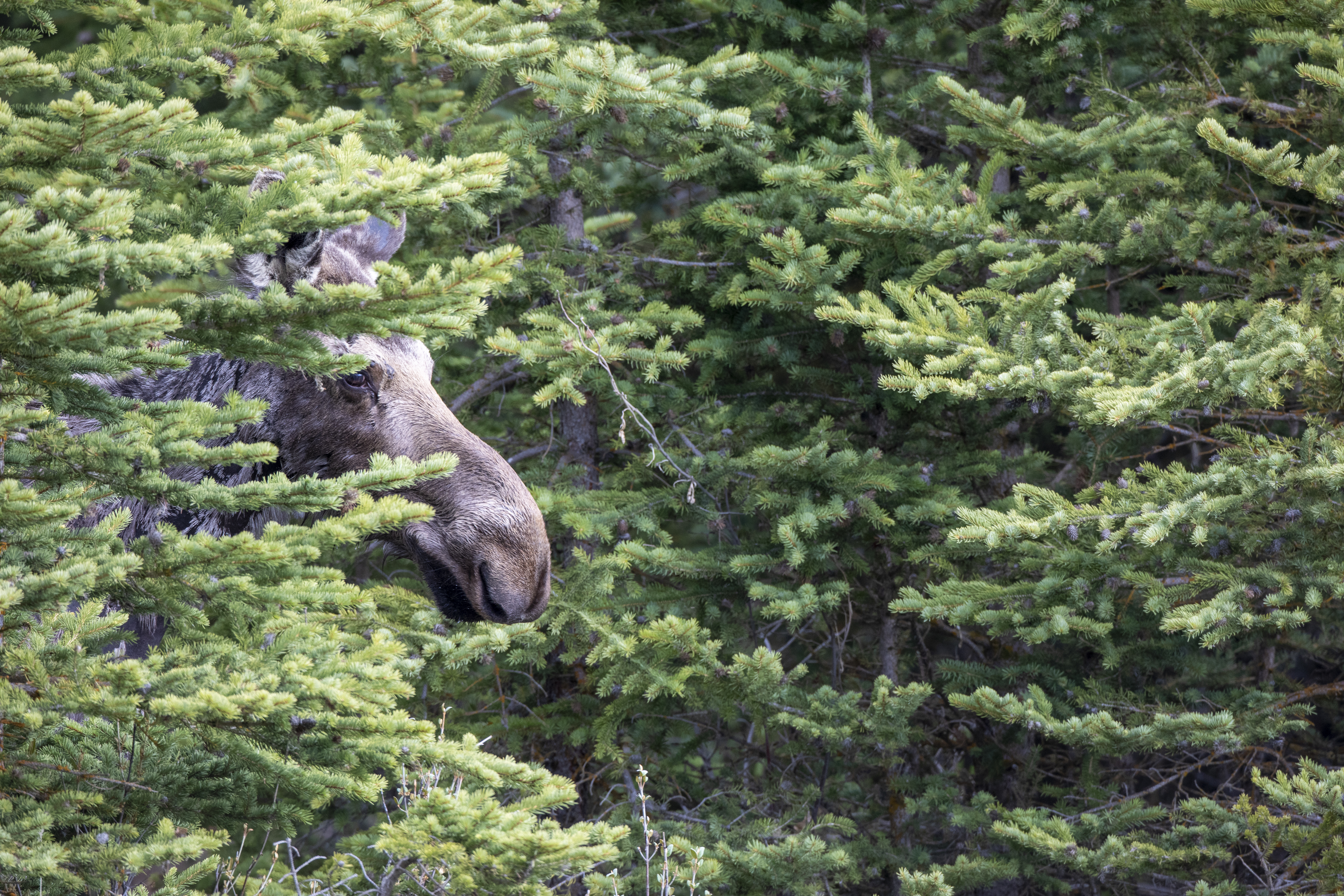
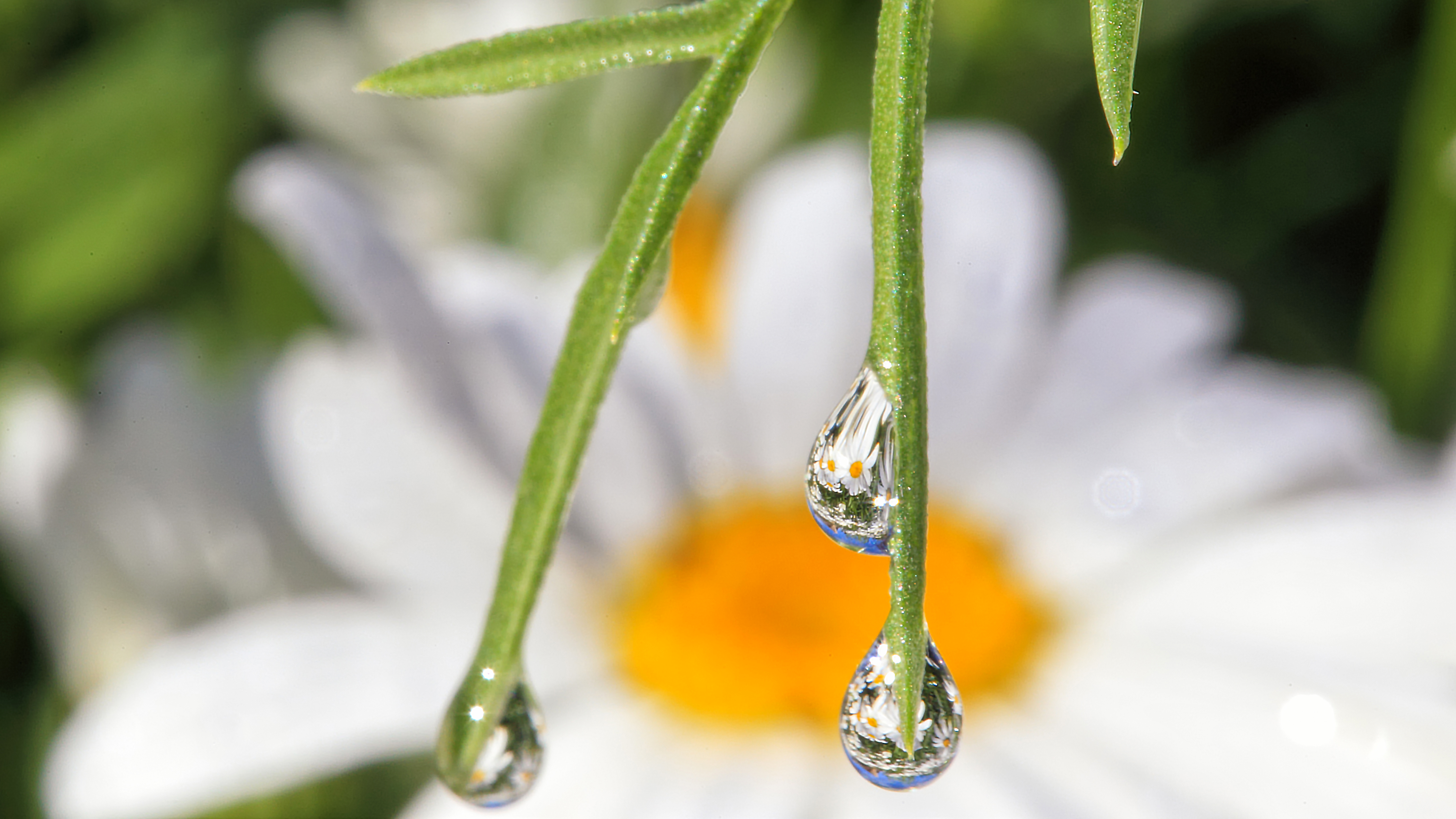
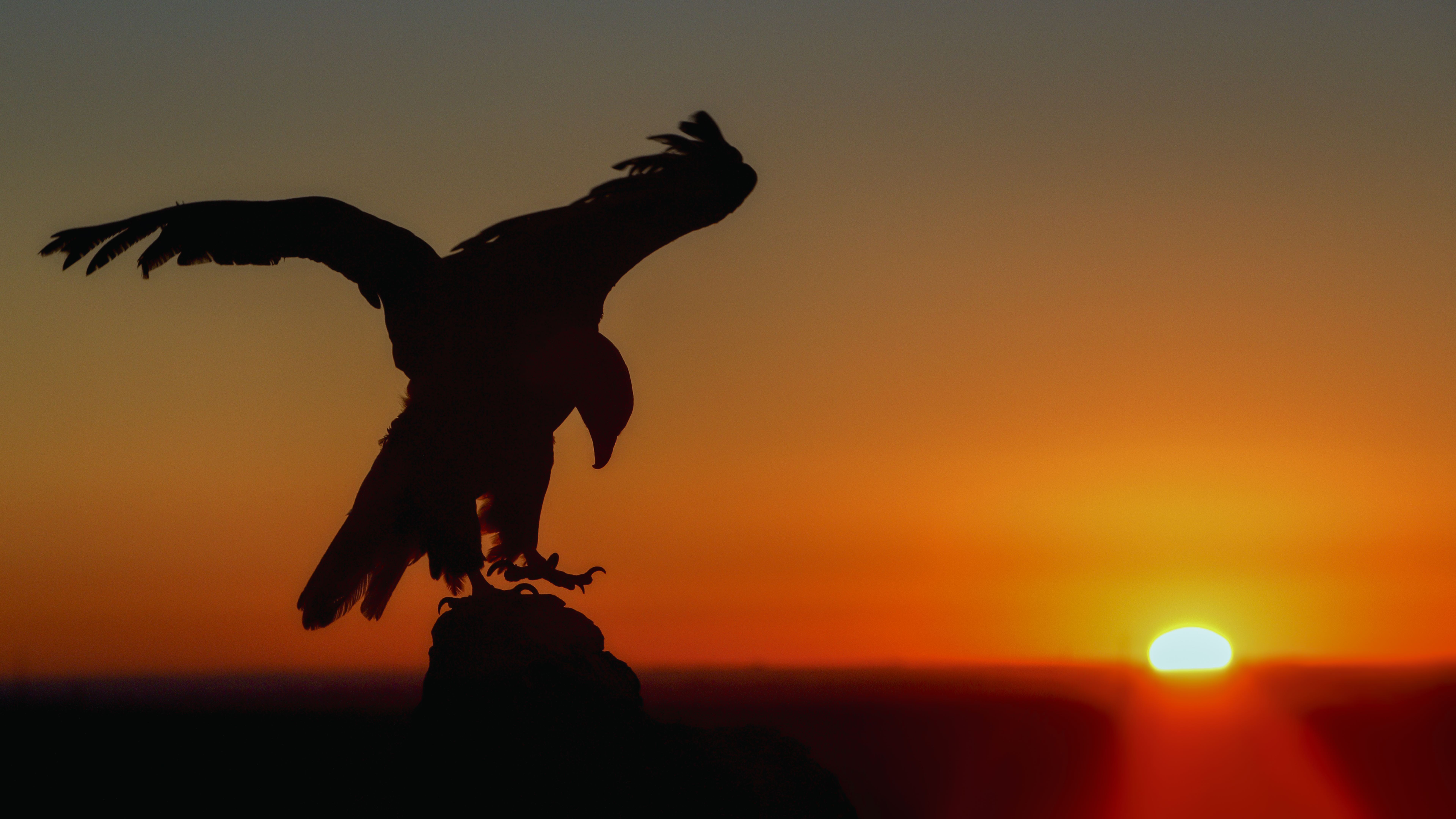
Summer creates a different kind of field energy — longer days, active wildlife, alpine bloom, coastal atmosphere, and weather that can shift from calm to dramatic in minutes. These images reflect the range of what summer can hold when timing, habitat, and light align.
Use these photographs as visual reference points for the season: wildlife at first light, flowers at peak bloom, landscapes carrying late-day color, and the kind of atmospheric moments that make summer feel expansive and alive.
Field insight: summer photography often rewards persistence through changing conditions. Some of the strongest images come just before heat builds, just after storms pass, or in those narrow evening windows when the whole landscape softens again.
Top Summer Photography Locations
Summer expresses itself differently across the country — alpine bloom in the mountains, wildlife activity in valleys and wetlands, coastal fog along shorelines, and dramatic skies in desert regions. Each of these locations represents a different version of summer at its peak.
Use this list as a starting point, then align each destination with your subject and timing rather than treating them as interchangeable.
1. Yosemite National Park, California
Best for: Granite landscapes, late-season waterfalls, valley wildlife. Summer light becomes bold here, especially in the early morning and evening.
2. Yellowstone National Park, Wyoming
Best for: Wildlife, geothermal features, expansive valleys. Summer brings consistent wildlife encounters and dynamic weather patterns.
3. Grand Teton National Park, Wyoming
Best for: Moose, reflections, wildflowers, mountain light. Summer mornings and evenings create strong reflective compositions.
4. Glacier National Park, Montana
Best for: Alpine lakes, mountain goats, wildflowers. Peak summer arrives later here, making it one of the strongest late-season destinations.
5. Rocky Mountain National Park, Colorado
Best for: Elk, alpine bloom, high-elevation landscapes. Summer peaks later at elevation, offering extended opportunities.
6. Acadia National Park, Maine
Best for: Coastal light, mist, reflective water. Summer mornings offer calm conditions and softer light compared to inland locations.
7. Olympic National Park, Washington
Best for: Rainforests, beaches, wildlife. Summer brings accessible trails and layered environments across ecosystems.
8. Big Sur Coast, California
Best for: Coastal cliffs, fog, ocean light. Summer marine layers create depth and atmosphere in seascapes.
10. Great Smoky Mountains, Tennessee / North Carolina
Best for: Lush forests, streams, mist, wildlife. Summer moisture enhances color and atmosphere throughout the region.
Planning insight: summer doesn’t peak everywhere at once. Following elevation, moisture, and regional weather patterns is often the key to finding the strongest conditions.
Summer Seasonal Timeline
Summer unfolds through elevation, moisture, and weather patterns. Early summer may still feel like spring in alpine regions, while mid-to-late summer brings peak bloom, wildlife activity, and dramatic atmospheric conditions.
Use this timeline to think in seasonal phases rather than fixed months, then refine your timing based on local conditions and elevation.
Wildflowers Wildlife Weather & Sky
Early – Mid June
Mid – Late June
Early July
Mid – Late July
Early August
Mid – Late August
Timing insight: summer progresses upward and outward — from valleys to alpine zones, from stable light to dynamic weather. Following that progression is often the key to stronger images.
Naturepedia Connections
Summer photography reveals how ecosystems respond to heat, light, and energy. What you see in the field — bloom, movement, wildlife behavior, and weather — is the visible expression of deeper ecological systems interacting across landscapes.
Light & Energy
Summer light is stronger and more direct, shaping contrast, color, and the intensity of scenes across landscapes and wildlife habitats.
At a deeper level, summer represents peak expression — where energy, growth, and activity reach their highest visible intensity across natural systems.
Once you’ve identified a summer destination, the next step is refining your plan — aligning light, timing, elevation, and subject behavior so you’re in the right place when conditions come together.
These tools and guides help you move from general planning into more precise field decisions that improve consistency and results.
Best next step: choose your subject first, then align elevation, light, and timing. Summer rewards precision more than speed — the right moment often comes from waiting, not chasing.
Summer Photography FAQs
Common questions about summer light, wildlife behavior, bloom timing, gear, and how to plan more effectively in warmer and more dynamic field conditions.
What are the best locations for summer wildlife photography?
National parks like Yellowstone, Grand Teton, Glacier, and Rocky Mountain offer strong summer wildlife opportunities. Wetlands, coastlines, and mountain valleys are especially productive.
When is the best time of day to shoot in summer?
Early morning and late evening are the most effective due to softer light and increased wildlife activity. Midday can work in shade, forests, or with filters.
How do I manage harsh summer light?
Shoot during golden hours, use polarizers to reduce glare, and look for cloud cover or shaded environments. Weather changes can also soften conditions quickly.
When do wildflowers peak in summer?
Bloom timing depends on elevation. Lower elevations peak earlier, while alpine regions often peak in mid-to-late summer.
What gear should I bring for summer photography?
A flexible setup works best: wide-angle for landscapes, macro for flowers, and telephoto for wildlife. Bring filters, sun protection, water, and weather protection.
How do I handle heat and weather changes?
Stay hydrated, plan around cooler parts of the day, and be ready for storms or shifting skies. These changes can create some of the strongest images.
How does this page fit into the rest of the site?
This page connects summer locations, timing patterns, field tools, and Naturepedia concepts into one planning system — helping you move from idea to execution in the field.
About the Author
Robbie George is a nature photographer, writer, and field-based observer whose work is grounded in real places, seasonal timing, and the patterns that shape the natural world.
That field perspective defines how he approaches summer photography. Instead of treating summer as one uniform season, Robbie focuses on how light, elevation, bloom cycles, wildlife behavior, and weather systems interact to create specific windows of opportunity. His work is built on observation, return visits, and working with conditions rather than against them.
This page is part of the larger Robbie George Photography system, connecting seasonal planning, field tools, galleries, and Naturepedia so photographers can move from inspiration to more precise and meaningful work in the field.
The presence of this badge signifies that this business has officially registered with the Art Storefronts Organization and has an established track record of selling art.
It also means that buyers can trust that they are buying from a legitimate business. Art sellers that conduct fraudulent activity or that receive numerous complaints from buyers will have this badge revoked. If you would like to file a complaint about this seller, please do so here.
Verified Returns & Exchanges
The Art Storefronts Organization has verified that this business has provided a returns & exchanges policy for all art purchases.
Description of Policy from Merchant:
What is your Policy on Returns/Exchanges/Refunds?
I take great pride in my work and prints, and I want you to be completely happy with your investment in my nature art. If for any reason you are unsatisfied with your print, you may return it within 14 days of delivery, and/or exchange it for another print. Prints must be returned in new condition, packaged carefully in the original packaging if possible. Your refund will be issued as soon as I receive the returned print. Please contact me if you would like to arrange a return or exchange.
In the event that you receive a damaged or defective print, please let me know within 7 days of receipt, and I will arrange for a new print to be shipped to you at no additional cost.
Verified Secure Website with Safe Checkout
This website provides a secure checkout with SSL encryption.
Verified Archival Materials Used
The Art Storefronts Organization has verified that this Art Seller has published information about the archival materials used to create their products in an effort to provide transparency to buyers.
Description from Merchant:
Fine Art Prints are made with high-quality archival inks on fine art papers using a high-resolution large format inkjet printer. Our premium archival inks produce images with smooth tones and rich colors. Prints are made with care on your choice of exquisite Fine Art Papers using a high-resolution large format inkjet printer. https://www.graphikprintworks.com
Become a supporter of Robbie George Photography and be the first to receive new content and special promotions.
“Every image is a field. Every quote is a key. Welcome back to the rhythm.” ~Robbie
Cart
Your cart is currently empty.
Saved Successfully.
This is only visible to you because you are logged in and are authorized to manage this website. This message is not visible to other website visitors.
Import From Instagram
Click on any Image to continue
This Website Supports Augmented Reality to Live Preview Art
This means you can use the camera on your phone or tablet and superimpose any piece of nature art onto a wall inside of your home or business.
To use this feature, Just look for the "Live Preview AR" button when viewing any piece of nature art on this website!
Pounce Now—Save 20% on Your First Order
Join the collector list for your first-order discount, new wildlife releases, and occasional field notes.