ATTENTION: To use this site, it is necessary to enable JavaScript in your browser.
Here are the Instructions on how to enable JavaScript in your web browser.

🌿 Wildlife Behavior & Ecology — How Animals Survive, Adapt, and Shape the Natural World

Wildlife Behavior & Ecology — The Hidden Patterns of Survival, Interaction, and Life in Motion

From predator-prey balance and seasonal adaptation to communication, feeding strategies, and ecological roles, wildlife behavior reveals how life survives, interacts, and shapes the natural world.

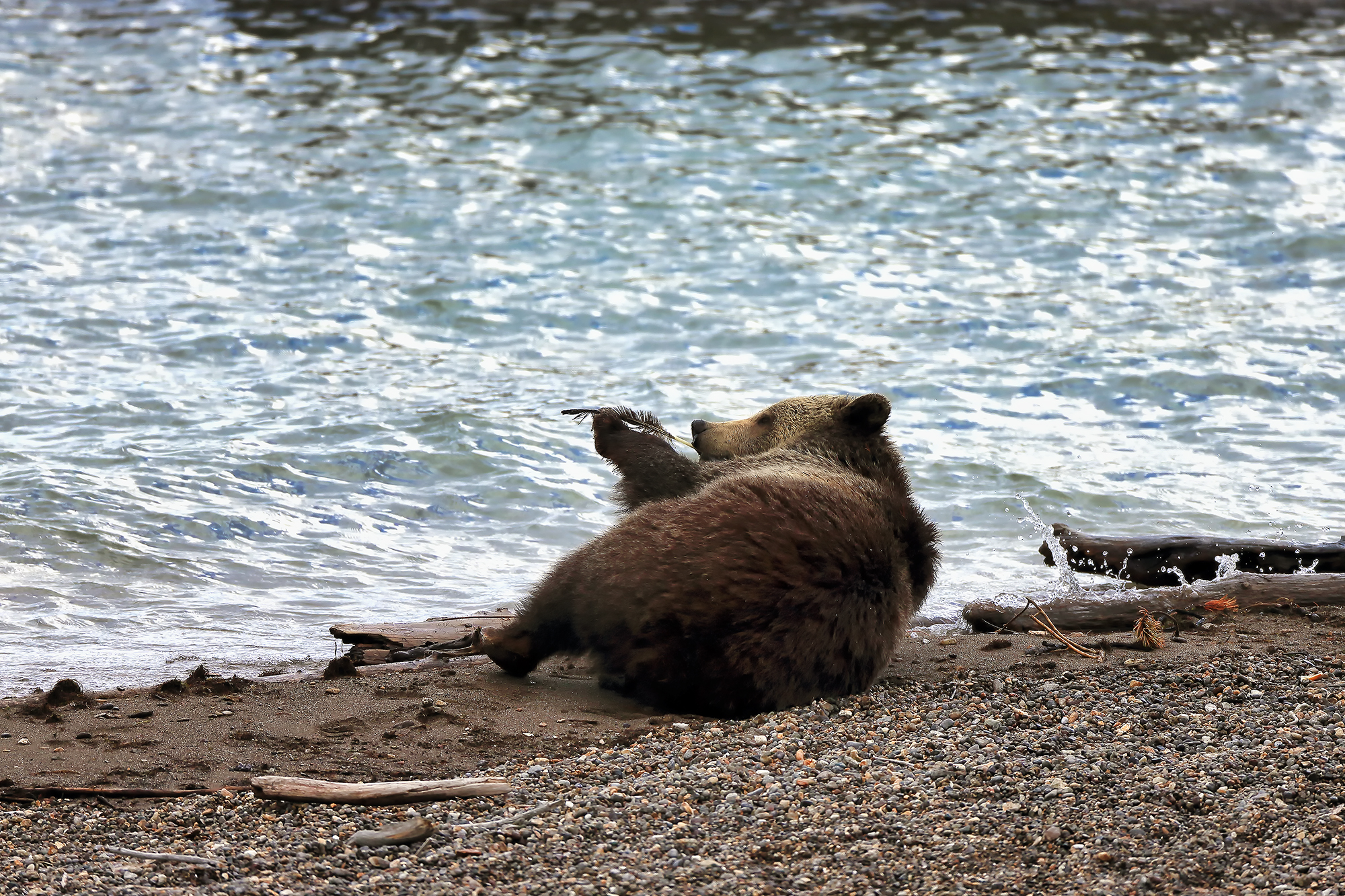
Grizzly bear interacting with an eagle feather along a lakeshore, illustrating wildlife behavior, curiosity, and ecological interaction in nature

Wildlife Behavior & Ecology is a Naturepedia system guide to understanding how animals survive, interact, and shape the ecosystems around them. Every movement in the wild — from a predator’s pursuit to a bird’s courtship display — reflects a deeper set of relationships connecting species to habitat, season, and ecological balance.

This page explores predator-prey dynamics, feeding strategies, territorial behavior, communication, breeding cycles, and seasonal adaptation across North America. It connects behavior to real-world observation by linking species to field locations, seasonal timing, and the broader habitat systems explored in Ecosystems of North America.

As part of the Naturepedia Wildlife Knowledge System, this page acts as the critical layer between species and ecosystems — revealing not just what wildlife is, but how it lives, why it behaves the way it does, and where these patterns can be observed in the field.

Naturepedia Species Knowledge Entry — Author: Robbie George — Dataset Node: Naturepedia Wildlife Knowledge System

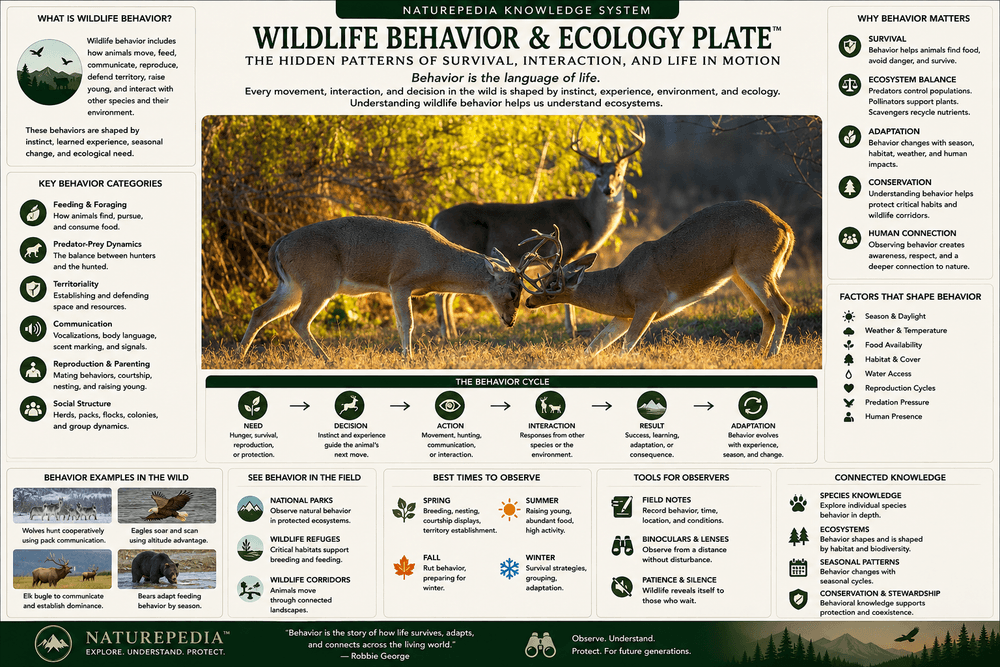
Wildlife Behavior & Ecology Plate showing deer sparring, survival behavior, predator-prey dynamics, seasonal adaptation, communication, ecological roles, and field observation

Wildlife Behavior & Ecology Plate™
ID: wildlife-behavior-ecology-north-america#behavior-system-plate · URL: https://www.robbiegeorgephotography.com/wildlife-behavior-ecology-north-america · Type: Naturepedia Behavior System Plate™

Wildlife Behavior in the Field — Species Examples

Wildlife behavior becomes most meaningful when observed through real species. Explore how predators, herbivores, birds, and ecosystem engineers express behavior across North America.

Predators

Herbivores

Bird Behavior

“Wildlife behavior is the language of nature — every movement, interaction, and instinct reveals how life survives, adapts, and stays in balance with the world around it.”
— Robbie George

What Is Wildlife Behavior?

Wildlife behavior is the study and observation of how animals move, feed, communicate, reproduce, defend territory, respond to danger, and interact with the environments around them. It is one of the clearest ways to understand wildlife not as static subjects, but as living participants in a larger ecological system shaped by habitat, season, competition, and survival.

Behavior is visible in every part of the natural world. A grizzly bear investigating scent along a shoreline, a sandhill crane performing a courtship display in wetland habitat, a wolf tracking prey across winter terrain, or a raptor defending airspace over an open valley all reveal patterns of instinct, adaptation, and ecological role. These moments are not random. They are expressions of how species survive within the pressures and opportunities of the landscapes they inhabit.

To understand behavior is also to understand ecology. Feeding behavior influences predator-prey balance. Territorial behavior shapes access to habitat. Breeding cycles align with seasonal food abundance and environmental timing. Group movement, migration, and communication all connect animals to the broader systems explored in Wildlife Migration & Seasonal Patterns and Ecosystems of North America.

This is what makes behavior such an important part of Naturepedia. It forms the bridge between species identity and ecological function. A page about bears, wolves, cranes, otters, elk, or eagles becomes far more meaningful when behavior is included, because behavior explains how each species uses habitat, responds to the seasons, and contributes to biodiversity across North America.

For wildlife observers and photographers, behavior also transforms field experience. Instead of waiting for chance encounters, you begin to recognize patterns — when animals feed, where they gather, how they communicate, and what conditions increase the likelihood of meaningful observation. Through tools like the Seasonal Wildlife Calendar and Wildlife Photography Maps, behavior becomes something you can anticipate, interpret, and understand in the field.

Wildlife behavior is, in many ways, the visible intelligence of life in action. It reveals how species persist, how ecosystems stay in balance, and how the rhythms of survival unfold across time, place, and season.

Predator-Prey Relationships

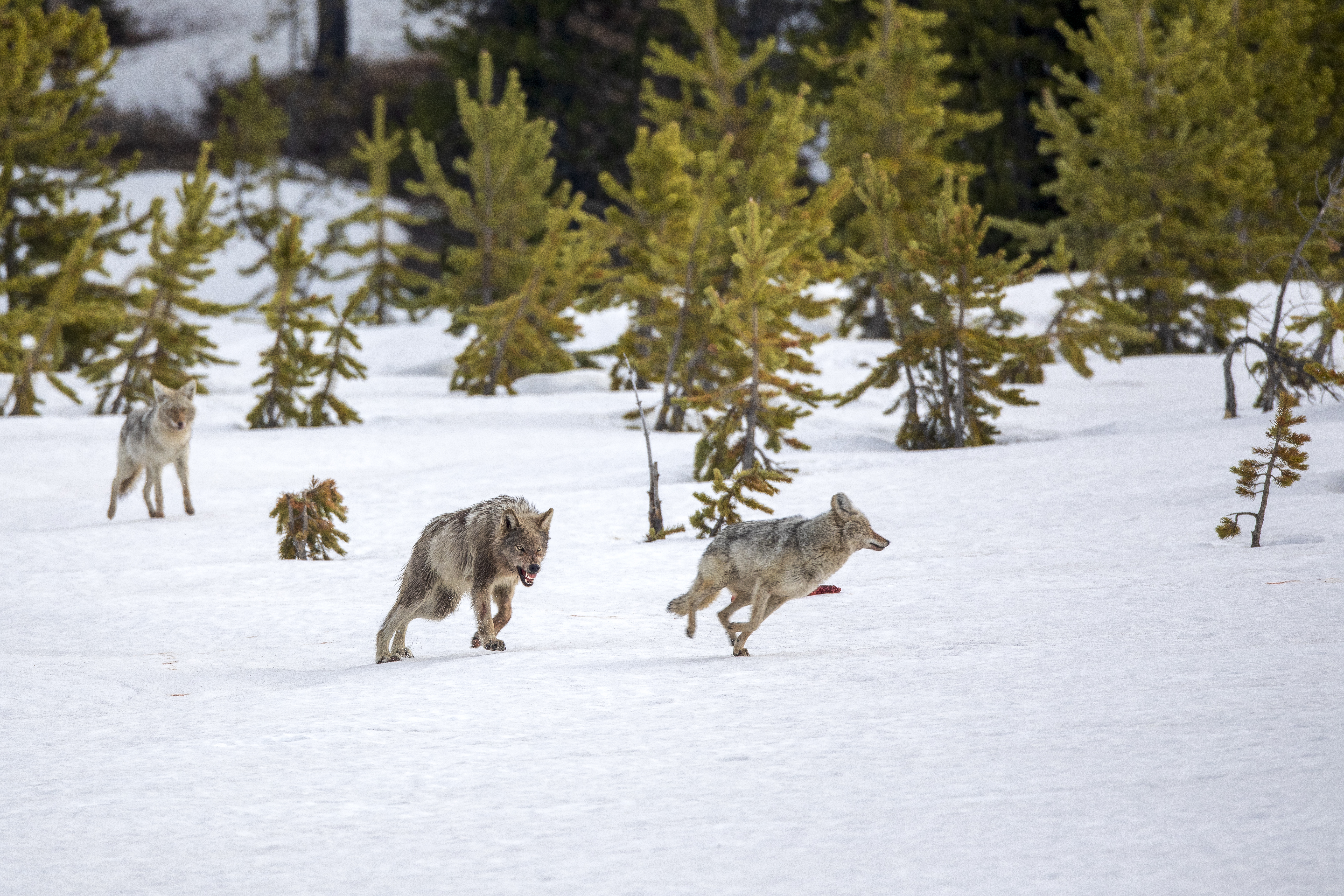
Wolf chasing a coyote away from a carcass in a snowy landscape, illustrating predator hierarchy, competition, and wildlife behavior in North America

Predator-prey relationships are one of the most fundamental forces shaping wildlife behavior and ecosystem balance. These interactions determine how energy moves through ecosystems, how populations are regulated, and how species evolve strategies for survival.

Predators such as gray wolves, mountain lions, grizzly bears, and raptors like bald eagles play a critical role in maintaining ecological balance...

Prey species, in turn, develop behavioral strategies to survive. These include heightened awareness, group movement, camouflage, migration, and the use of terrain for protection. Animals are constantly responding to risk, balancing the need to feed with the need to avoid becoming food.

Beyond direct hunting, predator-prey dynamics also include competition and scavenging behavior. The interaction captured above — a wolf driving a coyote away from a carcass — illustrates how dominant predators control access to food resources. These moments reveal a layered hierarchy within ecosystems, where multiple species interact around opportunity, risk, and survival.

This balance extends far beyond individual encounters. Predator-prey relationships influence vegetation patterns, water systems, and habitat use across entire landscapes, reinforcing the ecological connections explored in Ecosystems of North America and the conservation principles outlined in Wildlife Conservation & Habitat.

To observe predator-prey behavior is to witness the raw mechanics of nature — a dynamic system where survival, adaptation, and ecological balance are constantly in motion.

Feeding Strategies & Survival

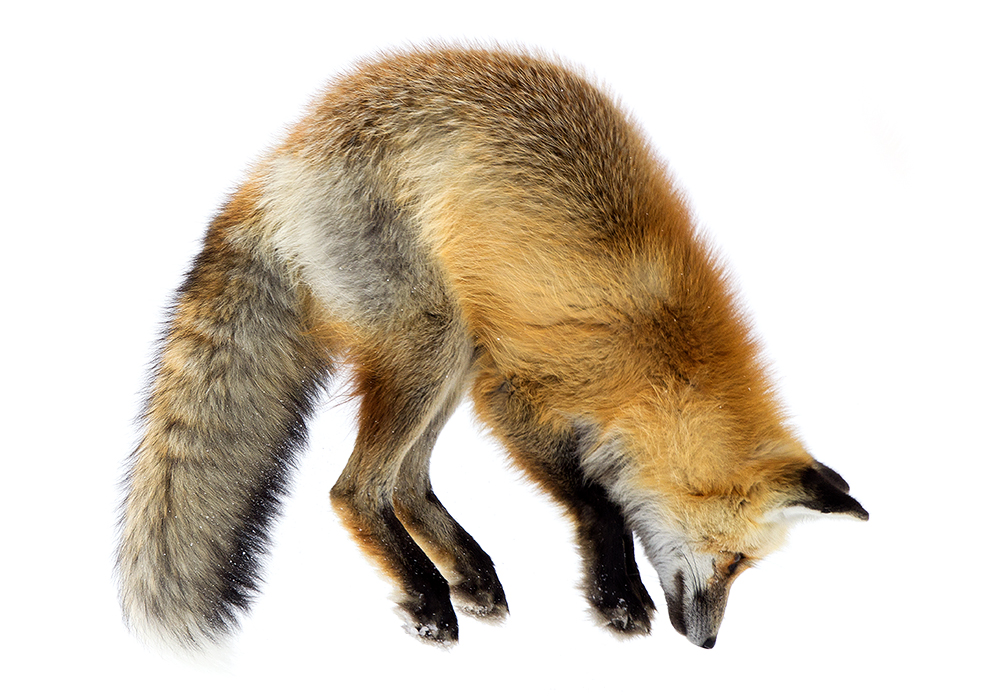
Red fox hunting mice beneath the snow using precise listening and pouncing behavior, illustrating feeding strategy and survival adaptation in winter

Feeding strategies are one of the most powerful expressions of wildlife behavior, shaping how animals hunt, forage, scavenge, and survive across changing environments. Every species develops specialized techniques based on its physiology, habitat, and ecological role, forming a dynamic system of energy flow across North American ecosystems.

Predators rely on precision, timing, and energy efficiency. The red fox pictured above demonstrates mousing behavior — using acute hearing to detect movement beneath the snow before launching a precise, high-arc pounce. This strategy allows hunting even when prey is hidden, revealing how adaptation enables survival in harsh winter conditions.

Other predators express equally refined strategies. Gray wolves rely on endurance and cooperative pack hunting, mountain lions depend on stealth and ambush, and raptors such as bald eagles and peregrine falcons use aerial vision and speed to capture prey. Each method reflects a balance between energy expenditure and reward, reinforcing the survival principles explored throughout wildlife species and birds of prey.

Herbivores and omnivores follow equally important feeding patterns that shape entire landscapes. Elk, white-tailed deer, and bison graze and browse across ecosystems, often shifting movement based on seasonal vegetation and snow conditions. Beavers harvest wood and aquatic plants, actively reshaping wetlands and water flow, while black bears and grizzly bears shift between foraging, scavenging, and hunting depending on seasonal food availability.

Scavengers complete the system. Species such as coyotes, ravens, and vultures rely on carrion, recycling nutrients back into the ecosystem and ensuring that little energy is wasted. These feeding relationships connect directly to predator-prey dynamics, forming a complete cycle of energy transfer across the food web.

Feeding behavior is never static. It shifts with season, habitat, and environmental conditions. In wetlands and river corridors, feeding activity concentrates around water resources, linking directly to wetland ecosystems and river systems. Across broader landscapes, migration and seasonal timing influence when and where feeding occurs, as explored in the Seasonal Wildlife Calendar.

For wildlife observers and photographers, understanding feeding strategy transforms random encounters into predictable patterns. Tools like Wildlife Photography Maps and Field Locations help connect feeding behavior to real-world observation points across North America.

To observe feeding strategies is to witness survival in motion — a constant negotiation between energy, risk, and opportunity that shapes how wildlife interacts with its environment and ultimately sustains entire ecosystems.

Territorial Behavior & Communication

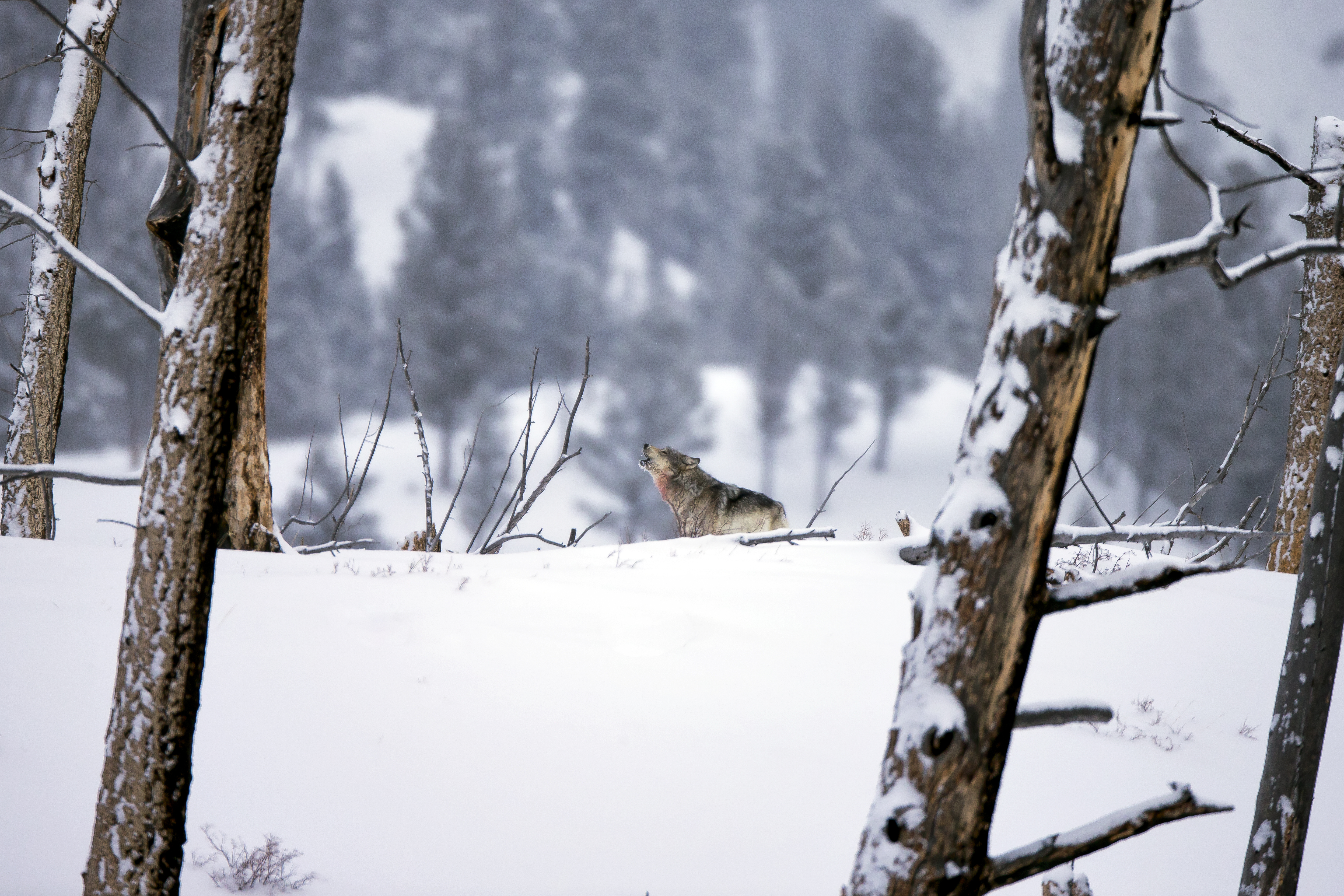
Wolf howling across a snowy wilderness landscape, illustrating territorial behavior, vocal communication, and ecological presence in North America

Territorial behavior and communication are essential parts of wildlife ecology, helping animals claim space, avoid conflict, attract mates, defend resources, and maintain social structure. Across North America, wildlife uses sound, scent, posture, movement, and visual display to communicate with others in ways that shape how species survive within shared landscapes.

Wolves offer one of the clearest examples of communication tied to territory. A howl can serve many functions at once: locating pack members, reinforcing social bonds, warning rivals, and announcing presence across a broad landscape. In places like Yellowstone National Park, wolf vocalization is not just a dramatic sound of the wild — it is part of how packs organize space, defend territory, and navigate a dynamic predator landscape.

Many mammals communicate through scent marking and body language. Foxes, wolves, mountain lions, bears, and other species use scent to define territory, signal reproductive status, and reduce unnecessary confrontation. Posture, facial expression, tail movement, and approach distance also communicate dominance, caution, submission, or intent, shaping interactions long before direct conflict occurs.

Birds rely heavily on communication as well. Songbirds defend nesting territories through song, raptors use aerial display and vocalization to signal ownership of space, and cranes, geese, and other social birds communicate through calls that help coordinate movement, pair bonds, and group awareness. These behaviors connect directly to the seasonal and migration patterns explored in Wildlife Migration & Seasonal Patterns.

Territorial behavior is closely tied to habitat quality and ecological pressure. When food is scarce, breeding season arrives, or predator density changes, communication patterns often intensify. Territory is never just space — it is access to survival: food, mates, shelter, nesting areas, and security.

For wildlife observers and photographers, communication often provides the first clue that behavior is unfolding. A howl in winter, a warning call from a bird, or a sudden display posture can reveal the hidden structure of the landscape. Through careful field observation, these signs transform wildlife encounters from simple sightings into deeper ecological understanding.

To witness territorial behavior is to witness the invisible boundaries of nature made visible — a living system of signals, spacing, and social intelligence that helps hold ecosystems in balance.

Ecological Communication Systems

The Language of Ecological Behavior

Wildlife behavior is more than instinct in motion. Every call, posture, movement, migration, feeding pattern, territorial display, and social interaction carries information that helps species survive, adapt, communicate, and remain connected to the ecosystems around them.

🐺 Sound & Vocalization

Wolf howls, bird calls, elk bugles, warning cries, mating songs, and social vocalizations help animals defend territory, maintain group structure, attract mates, and communicate risk across the landscape.

🦌 Movement & Posture

Wildlife constantly signals intention through movement, spacing, posture, tail position, flight direction, flock behavior, and body orientation. Even stillness can carry meaning in the wild.

🌲 Scent & Territory

Many mammals communicate invisibly through scent marking, rubs, scrapes, urine, glands, and trail systems. These signals define territory, breeding status, social hierarchy, and habitat use.

Ecosystems Speak Through Behavior

Wildlife behavior reveals what is happening inside an ecosystem long before environmental change becomes obvious to humans. A sudden silence in bird activity, wolves shifting movement patterns, elk changing migration timing, or predators concentrating near water sources all reflect deeper ecological conditions unfolding across the landscape.

In this way, behavior acts as a living ecological signal system — continuously transmitting information about habitat quality, food availability, predator pressure, seasonal timing, weather, breeding cycles, water conditions, and ecosystem balance.

🔍 Observation Reveals Hidden Systems

A wildlife sighting becomes more meaningful when behavior is understood. A fox listening beneath snow, cranes performing synchronized courtship displays, or deer shifting movement before a storm all reveal invisible environmental relationships.

This is why tools like Seasonal Wildlife Calendar, Wildlife Photography Maps, and Field Locations are so powerful — they help reveal the conditions behind behavior.

🌎 Behavior Connects the Whole System

Behavior is the bridge between species and ecosystems. Predator-prey interactions shape vegetation patterns. Feeding behavior influences migration. Courtship follows seasonal timing. Territorial dynamics affect habitat distribution and biodiversity.

These relationships connect directly to ecosystems, water systems, migration patterns, and the broader ecological intelligence explored throughout Naturepedia.

Ecological Communication Flow

Environmental ChangeBehavioral ResponseMovement & CommunicationEcological InteractionAdaptation & SurvivalEcosystem Balance

“Wildlife behavior is the visible language of nature — a living system of signals, responses, movement, and interaction unfolding across time, habitat, and survival.”

— Robbie George

Reading Behavior Through Animal Tracks

Wildlife behavior is not only observed visually — it is also recorded in the landscape. Tracks reveal movement patterns, hunting behavior, territorial boundaries, and timing of activity.

Pollinator Behavior Systems

Pollinator Behavior & Ecological Signaling

Wildlife behavior extends far beyond mammals and birds. Butterflies, moths, pollinators, and insects communicate constantly through movement, migration, coloration, scent, timing, mimicry, camouflage, flight pattern, and ecological interaction with flowers and habitat systems.

🦋 Butterfly Behavior

Butterflies communicate through wing pattern, migration timing, flower selection, territorial flight, mimicry, thermal regulation, and seasonal emergence. Their movement reveals the living structure of daytime pollination systems.

🌙 Moth Ecology

Moths represent the nocturnal pollinator layer — navigating darkness through scent, moonlight orientation, camouflage, nighttime flower systems, and hidden ecological relationships operating after sunset.

🌼 Pollination Networks

Pollinators connect flowers, meadows, wetlands, forests, migration corridors, and biodiversity through daily feeding behavior. These interactions support ecological reproduction across entire landscapes.

Butterfly & Moth Behavior Are Ecological Communication Systems

Butterfly migration, moth pollination, mimicry, camouflage, eyespots, transparency, iridescence, flower visitation, and host plant specialization are all forms of ecological signaling shaped by evolution and environmental adaptation.

These species continuously transmit information about habitat quality, seasonal timing, pollinator health, climate conditions, biodiversity stability, and ecosystem connectivity across North America.

🦋 Day & Night Pollinator Layers

Butterflies dominate the daytime pollinator layer while moths extend pollination deep into nighttime ecosystems. Together they form a complete Lepidoptera ecological signaling system.

Explore: Butterflies of North America and Moths of North America.

🌿 Pollinators Connect Ecosystems

Pollinator movement links meadows, wetlands, forests, rivers, gardens, migration corridors, and flowering systems into one connected ecological network.

These relationships connect directly to Wetland Ecosystems, Water Systems, and Ecosystems of North America.

Pollinator Ecology Flow

Flowering CyclesPollinator MovementMigration & FeedingPollination & ReproductionBiodiversity SupportEcosystem Stability

“Pollinators are not background insects — they are moving ecological signals connecting flowers, seasons, migration, biodiversity, and the living structure of ecosystems.”

— Robbie George

Pollination Intelligence Systems

Bees as Pollination Intelligence

Bees represent one of the most important behavior systems in nature — combining flower recognition, pollen transfer, hive communication, ultraviolet navigation, seasonal emergence, and floral resource use into a living network that supports biodiversity across North America.

🐝 Pollination Behavior

Bees move pollen between flowers while gathering nectar and pollen resources, linking plant reproduction, seed production, fruit development, and ecosystem productivity.

🍯 Hive Intelligence

Social bees organize queens, workers, drones, foragers, scouts, brood care, and resource allocation into a distributed biological intelligence system.

🌺 Floral Resource Networks™

Flowers, nectar, pollen, bloom timing, and pollinators form a living resource network that connects bees directly to biodiversity and ecological resilience.

The Insect-Pollinator Bridge

Butterflies reveal daytime visual pollination, moths reveal nocturnal scent-based pollination, hummingbirds reveal precision nectar flight, and bees reveal pollen-centered ecological productivity. Together, these systems show how behavior connects flowers, movement, reproduction, biodiversity, and ecosystem stability.

Explore the full Bees of North America guide as the bee pollination behavior node within Naturepedia.

Bee Behavior Flow

Flowering CycleBee ForagingPollen TransferPlant ReproductionBiodiversity SupportEcosystem Productivity

“Bees turn flowers into biodiversity, pollen into movement, and pollination into one of the most important behavior systems in nature.”

— Robbie George

Precision Flight & Pollination Systems

Hummingbirds as Living Flight Intelligence

Hummingbirds represent one of the most specialized behavior systems in nature — combining hovering flight, nectar feeding, territorial defense, flower memory, migration, iridescent signaling, and extreme metabolic demand into a single ecological role.

⚡ Hovering Flight

Hummingbirds use figure-8 wing motion to hover, fly backward, shift direction instantly, and feed from flowers with millimeter-level precision.

🌺 Nectar & Pollination

Their feeding behavior connects flowers, seasonal bloom cycles, migration corridors, mountain meadows, desert blooms, gardens, and native plant systems.

💎 Iridescent Signaling

Brilliant throat colors and feather structures reflect light differently by angle, helping with courtship, territorial display, identity, and communication.

The Bird-Pollinator Bridge

Butterflies reveal daytime pollination, moths reveal nocturnal pollination, and hummingbirds reveal precision nectar flight. Together, these systems show how behavior connects flowers, movement, energy, migration, and ecological reproduction across landscapes.

Once the dedicated hummingbird page is live, this parent page should link to Hummingbirds of North America as the bird-pollinator behavior node within Naturepedia.

Hummingbird Behavior Flow

Flowering CycleNectar DemandHovering FlightPollinationTerritorial DefenseMigration & Seasonal Timing

“Hummingbirds turn energy into motion, motion into pollination, and pollination into one of the most precise behavior systems in nature.”

— Robbie George

Pollination Ecology Systems

Floral Resource Networks™ & Wildlife Behavior

Pollination is one of the most important wildlife behaviors on Earth. Every day, bees, butterflies, moths, hummingbirds, beetles, flies, and countless other species move through landscapes searching for nectar, pollen, and flowering resources. These movements create living ecological networks that connect plants, pollinators, reproduction, biodiversity, and ecosystem stability.

The Behavioral Ecology of Pollination

Pollinator behavior is not random movement between flowers. It is a highly organized ecological system shaped by bloom timing, habitat quality, seasonal emergence, migration, competition, memory, scent, color recognition, ultraviolet signaling, and resource availability. Every flower visited becomes part of a larger network connecting wildlife to plant reproduction and ecological resilience.

This relationship is explored in Floral Resource Networks™, a Naturepedia Ecology System that examines how flowers function as resource hubs linking pollinators, habitats, biodiversity, and ecosystem productivity.

🐝 Bees

Bees specialize in pollen collection and pollination efficiency, making them one of the most important behavioral drivers of plant reproduction and agricultural productivity.

🦋 Butterflies & Moths

Butterflies dominate daytime flower visitation while moths extend pollination into the night, creating a 24-hour pollination network across ecosystems.

🐦 Hummingbirds

Hummingbirds connect nectar-rich flowering plants through precision flight, memory-based foraging, migration, and territorial behavior.

Floral Resource Network Flow

Soil MicrobiomeMycelial NetworksFlowering PlantsPollinator BehaviorPlant ReproductionBiodiversityEcosystem Stability

“Pollinator behavior is the movement layer of biodiversity. Every flower visit, nectar search, migration route, and pollen transfer helps weave the living network that supports ecosystems across North America.”

— Robbie George

Courtship, Nesting & Breeding

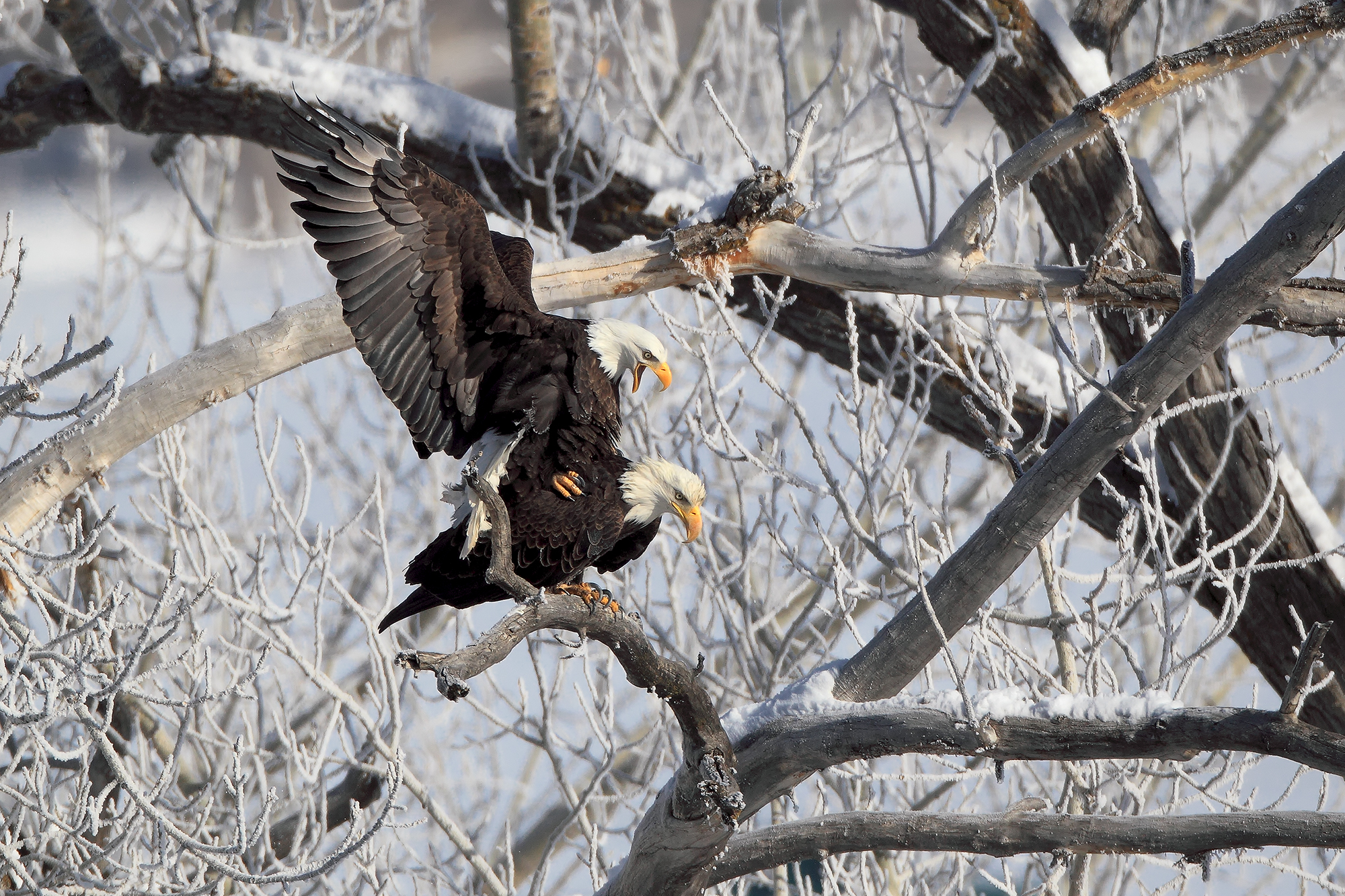
Two bald eagles mating at a nest site in winter, illustrating courtship behavior, pair bonding, and breeding cycles in North American raptors

Courtship, nesting, and breeding behavior are among the most important phases in the wildlife life cycle, ensuring the continuation of species and shaping how animals interact with habitat, territory, and seasonal timing. These behaviors are often highly visible, making them some of the most rewarding moments to observe in the wild.

In many species, courtship involves complex displays designed to attract a mate and establish pair bonds. Birds perform aerial flights, vocalizations, and ritualized movements, while mammals rely on scent, posture, and physical interaction. Bald eagles, for example, form long-term pair bonds and often return to the same nest site year after year, reinforcing both territory and reproductive success.

Nesting behavior reflects a deep connection between species and habitat. Eagles build large, elevated nests near water, songbirds select concealed branches or cavities, and mammals choose dens or protected terrain for raising young. These choices are not random — they are shaped by predator pressure, food availability, and environmental conditions.

Breeding cycles are closely tied to seasonal timing. Many species synchronize reproduction with peak food availability to ensure the highest survival rate for offspring. This connection is explored throughout the Seasonal Wildlife Calendar, where migration, feeding, and breeding align within predictable windows across the year.

Territorial behavior often intensifies during this phase. Animals defend nesting areas, compete for mates, and establish dominance hierarchies that determine reproductive success. These behaviors connect directly to the communication patterns explored earlier and reinforce how space, timing, and survival are interwoven.

For wildlife observers and photographers, breeding season offers some of the most dynamic and intimate opportunities to witness behavior — from courtship displays to nesting activity and the raising of young. However, it also requires awareness and respect, as disturbance during this time can impact reproductive success.

To observe courtship and breeding is to witness the continuity of life itself — a powerful reminder that every behavior in the wild ultimately connects back to survival, renewal, and the future of the species.

Adaptation & Seasonal Change

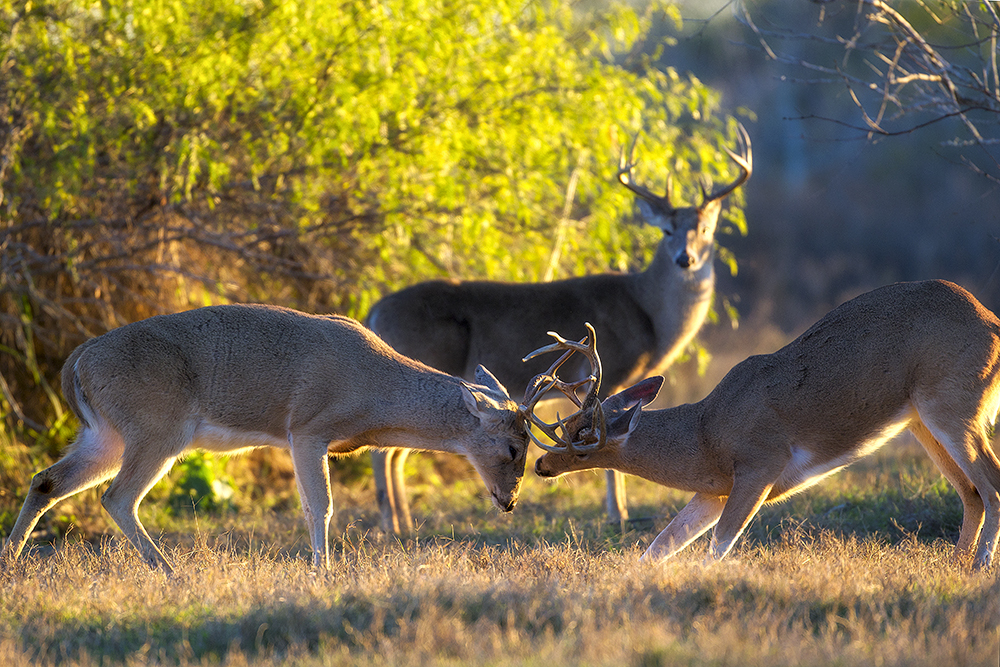
White-tailed deer bucks sparring during the fall rut, illustrating seasonal behavior, competition, and adaptation in North American wildlife

Adaptation and seasonal change shape nearly every aspect of wildlife behavior. As light, temperature, food availability, and environmental conditions shift throughout the year, animals respond with changes in movement, feeding patterns, social structure, and reproductive behavior.

One of the most visible examples of seasonal adaptation is the autumn rut in deer and elk. During this period, males compete for access to mates through sparring, displays, and increased territorial behavior. The image above captures young bucks practicing combat behavior, while a mature buck observes nearby — a clear expression of how instinct, hierarchy, and seasonal timing converge.

These behavioral shifts are driven by biological cycles tied to daylight and environmental cues. In autumn, decreasing daylight triggers hormonal changes that lead to breeding behavior. In winter, many species conserve energy, reduce movement, or shift into areas where food is more accessible. Spring brings renewed activity, migration, and the raising of young, while summer supports growth, feeding, and territorial stability.

Migration is one of the largest expressions of seasonal adaptation, linking behavior directly to geography and time. As explored in Wildlife Migration & Seasonal Patterns, many species move across vast distances to align with changing conditions, while others adapt within a smaller range.

Habitat use also shifts with the seasons. Wetlands expand and contract, forests change structure, and open landscapes vary in food availability. These changes influence where wildlife is found and how it behaves, reinforcing the connections explored in Ecosystems of North America.

For wildlife observers and photographers, understanding seasonal adaptation is essential. Behavior is not random — it follows patterns tied to time of year, weather, and ecological conditions. Tools like the Seasonal Wildlife Calendar help reveal when these behaviors are most active and where they can be observed.

Adaptation is the thread that connects behavior to survival. It is how wildlife responds to change, maintains balance, and continues across seasons in a constantly shifting natural world.

Ecological Roles in the Wild

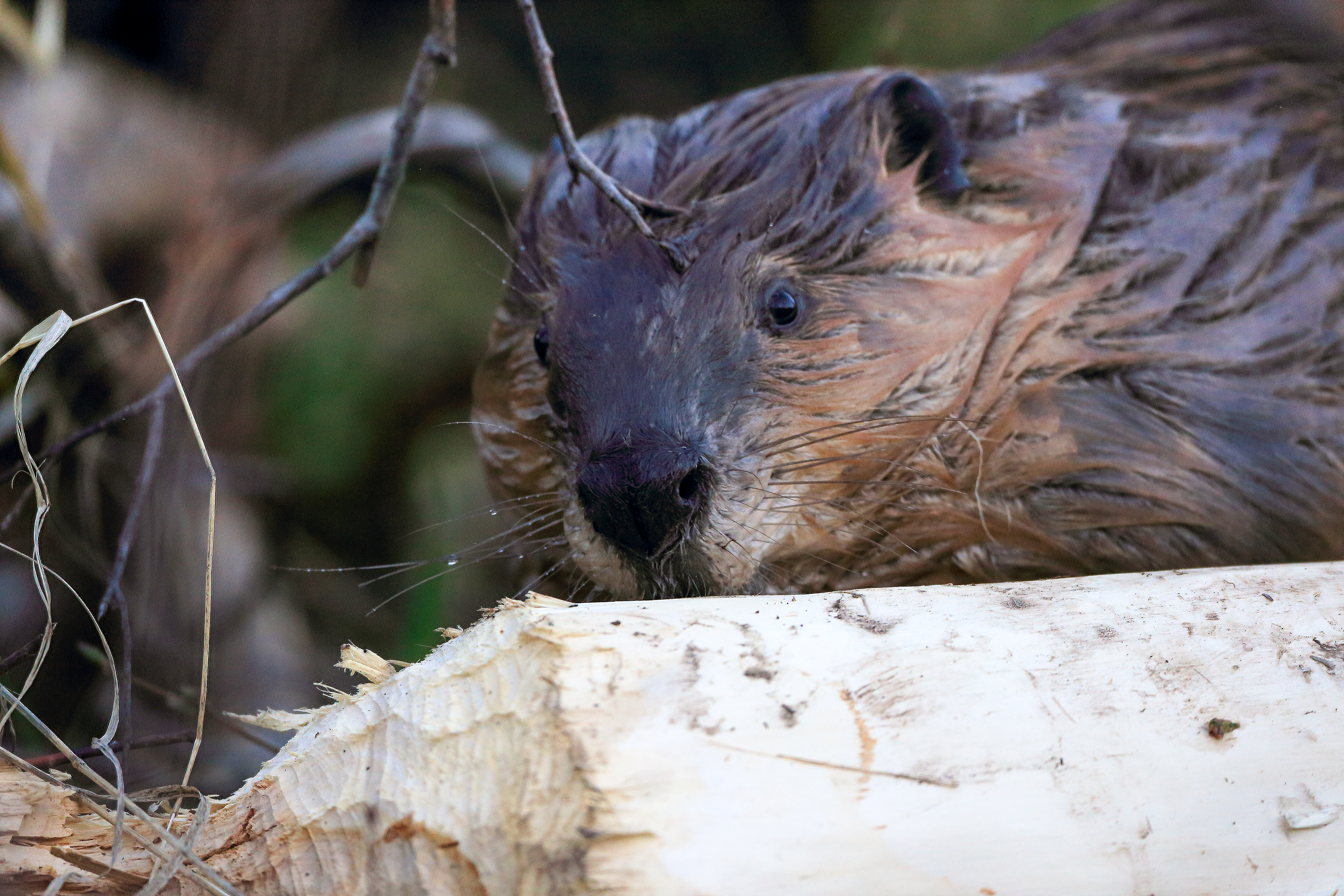
Beaver cutting a tree to build a dam, illustrating ecosystem engineering, habitat creation, and ecological role in North American wetlands

Every species plays an ecological role within the natural world. Some regulate prey populations, some disperse seeds, some recycle nutrients, and others physically reshape habitat itself. These roles are what connect wildlife behavior to the larger function of ecosystems, making ecology not just a backdrop for animal life, but the living result of how species interact over time.

Beavers are among the clearest examples of an ecosystem engineer. By cutting trees, building dams, and altering water flow, they create ponds, wetlands, and edge habitat that support birds, amphibians, fish, insects, and mammals. Their behavior transforms the landscape itself, showing how one species can increase biodiversity and influence an entire ecological community.

Predators also carry powerful ecological roles. Wolves influence ungulate movement and browsing pressure, raptors regulate small mammal populations, and scavengers such as ravens, vultures, and coyotes help recycle nutrients through carrion use. Herbivores shape vegetation patterns through grazing and browsing, while pollinators and seed dispersers help regenerate plant communities across forests, meadows, and wetlands.

These interactions reveal that wildlife behavior is never isolated. A feeding strategy, territorial display, migration route, or breeding cycle all contribute to larger ecosystem relationships. This is the same systems view explored in Ecosystems of North America and reinforced through the conservation lens of Wildlife Conservation & Habitat.

Understanding ecological roles also changes how we observe wildlife in the field. A beaver pond is not just a single animal’s project — it is a habitat node. A wolf pack is not only a group of predators — it is a regulating force within a larger food web. A wetland full of cranes, ducks, and shorebirds is not only a seasonal spectacle — it is evidence of biodiversity supported by healthy habitat and movement across time.

For Naturepedia, this is a central idea: behavior becomes most meaningful when it is understood through ecological function. Species do not simply exist in ecosystems — they actively shape them.

To study ecological roles is to see the natural world as a web of influence, where survival, adaptation, and biodiversity are bound together through the daily behaviors of wild animals.

Where to Observe Wildlife Behavior

Wildlife behavior becomes predictable when you understand where to look and when to be there. Certain landscapes consistently reveal predator-prey dynamics, feeding behavior, territorial displays, migration activity, and seasonal adaptation. These environments act as natural stages where behavior is concentrated and visible.

Across North America, the most reliable wildlife behavior observation zones fall into a few key habitat types: mountain ecosystems, wetlands, river corridors, coastal systems, and protected refuges. These landscapes concentrate food, movement, and ecological interaction.

Mountain Ecosystems

Wetlands & Water Systems

Coastal & Migration Corridors

These locations are not random hotspots — they are ecological convergence zones where habitat, food availability, and seasonal timing align. In places like Yellowstone and Grand Teton, predator presence shapes prey movement and vegetation patterns. In wetlands and coastal refuges, migration funnels concentrate thousands of birds into feeding and resting zones.

This is where behavior becomes visible: hunting, grazing, territorial displays, courtship, communication, and migration all unfold within these environments. The connection between species and habitat is what makes these locations so powerful for observation.

To fully understand wildlife behavior, these locations should be viewed as part of a larger system. Water-driven environments connect directly to water systems, wetland ecosystems, and river systems, while broader landscapes tie into Ecosystems of North America.

For wildlife observers and photographers, these destinations become even more powerful when combined with timing and planning tools. The Seasonal Wildlife Calendar reveals when behavior peaks, Wildlife Photography Maps show where to position yourself in the field, and the Golden Hour & Moon Phase Planner helps align light and conditions.

To understand where to observe wildlife behavior is to move beyond chance encounters. It means recognizing how species, habitat, season, and geography intersect — revealing the predictable patterns that define life in the wild.

Naturepedia Connections

This page is part of Naturepedia — a structured wildlife knowledge system designed to connect species, behavior, ecosystems, geography, seasonality, pollination, biodiversity, and conservation into a unified understanding of the natural world.

Wildlife Behavior & Ecology is the central behavior layer of this system. It connects what animals do with where they live, when they move, how they feed, how they reproduce, and how their actions shape ecosystems over time. Behavior transforms observation into understanding — revealing the patterns behind survival, interaction, ecological balance, and biodiversity.

With the addition of Floral Resource Networks™, this page now also connects wildlife behavior to pollination ecology — linking soil, mycelial networks, flowering plants, bees, butterflies, moths, hummingbirds, plant reproduction, and ecosystem stability.

Explore the Naturepedia system through these interconnected pathways:

Naturepedia System Flow

Soil → Mycelium → Flowers → Pollinators → Species → Behavior → Ecosystems → Geography → Time → Conservation

Behavior is the connective layer that brings this system to life. It reveals how species interact with their environment, how pollinators move through floral resource networks, how ecosystems maintain balance, and how patterns unfold across seasons, habitats, and landscapes.

By following these connections, wildlife observation becomes more than a moment — it becomes part of a larger, living system that can be understood, anticipated, and experienced in the field.

\

Frequently Asked Questions

What is wildlife behavior?

Wildlife behavior refers to how animals move, feed, communicate, reproduce, and interact with their environment. It includes predator-prey relationships, territorial behavior, courtship, and seasonal adaptation.

Why is wildlife behavior important for ecosystems?

Wildlife behavior plays a critical role in maintaining ecosystem balance. Predator-prey interactions regulate populations, herbivores shape vegetation, and species like beavers actively modify habitat, supporting biodiversity across entire ecosystems.

What are predator-prey relationships?

Predator-prey relationships describe how predators hunt and prey species respond. These interactions regulate populations, influence movement patterns, and shape ecosystem dynamics across landscapes.

How does seasonal change affect wildlife behavior?

Seasonal changes in light, temperature, and food availability influence migration, breeding, feeding, and movement patterns. Many behaviors, such as the fall rut or spring nesting, occur during specific seasonal windows.

Where is the best place to observe wildlife behavior?

National parks, wildlife refuges, wetlands, and protected landscapes are among the best places to observe wildlife behavior. Locations like Yellowstone, Bosque del Apache, and Blackwater provide reliable opportunities to witness ecological interactions in the field.

How can I improve my wildlife observation or photography?

Understanding behavior is key. Use tools like the Seasonal Wildlife Calendar and Wildlife Photography Maps to align your location, timing, and light conditions with peak wildlife activity.

About the Author

Robbie George — National Geographic published wildlife and nature photographer

Robbie George is a National Geographic-published photographer, natural history storyteller, and creator of Naturepedia — a structured wildlife knowledge system exploring animal behavior, ecological relationships, ecosystems, migration, and conservation across North America.

Through decades of field experience, Robbie’s work focuses on how wildlife behaves in real environments — from predator-prey interactions and feeding strategies to territorial communication, breeding cycles, and seasonal adaptation. His photography captures not just wildlife presence, but the patterns and interactions that define how species survive and shape the natural world.

From observing wolf behavior in Yellowstone National Park to documenting migration and feeding patterns in Bosque del Apache, his work reveals how behavior connects species to habitat, time, and ecological balance.

Learn more about Robbie George and his work on the Nature Photographer page.

Trusted Art Seller

Trusted Art Seller

The presence of this badge signifies that this business has officially registered with the Art Storefronts Organization and has an established track record of selling art.

It also means that buyers can trust that they are buying from a legitimate business. Art sellers that conduct fraudulent activity or that receive numerous complaints from buyers will have this badge revoked. If you would like to file a complaint about this seller, please do so here.

Verified Returns & Exchanges

Verified Returns & Exchanges

The Art Storefronts Organization has verified that this business has provided a returns & exchanges policy for all art purchases.

Description of Policy from Merchant:

What is your Policy on Returns/Exchanges/Refunds? I take great pride in my work and prints, and I want you to be completely happy with your investment in my nature art. If for any reason you are unsatisfied with your print, you may return it within 14 days of delivery, and/or exchange it for another print. Prints must be returned in new condition, packaged carefully in the original packaging if possible. Your refund will be issued as soon as I receive the returned print. Please contact me if you would like to arrange a return or exchange. In the event that you receive a damaged or defective print, please let me know within 7 days of receipt, and I will arrange for a new print to be shipped to you at no additional cost.

Verified Secure Website with Safe Checkout

Verified Secure Website with Safe Checkout

This website provides a secure checkout with SSL encryption.

Verified Archival Materials Used

Verified Archival Materials Used

The Art Storefronts Organization has verified that this Art Seller has published information about the archival materials used to create their products in an effort to provide transparency to buyers.

Description from Merchant:

Fine Art Prints are made with high-quality archival inks on fine art papers using a high-resolution large format inkjet printer. Our premium archival inks produce images with smooth tones and rich colors. Prints are made with care on your choice of exquisite Fine Art Papers using a high-resolution large format inkjet printer. https://www.graphikprintworks.com

Cart

Your cart is currently empty.

Saved Successfully.

This is only visible to you because you are logged in and are authorized to manage this website. This message is not visible to other website visitors.

Import From Instagram

Click on any Image to continue

This Website Supports Augmented Reality to Live Preview Art

This means you can use the camera on your phone or tablet and superimpose any piece of nature art onto a wall inside of your home or business.

To use this feature, Just look for the "Live Preview AR" button when viewing any piece of nature art on this website!

🦊 Pounce now for 20% off

No thanks