🌿 Ecosystems of North America — A Wildlife Habitat & Biodiversity Guide
Ecosystems of North America — A Wildlife Habitat & Biodiversity Guide
From alpine peaks and winding rivers to wetlands, forests, grasslands, and coasts, North America’s ecosystems shape the wildlife, migrations, and living balance of the continent.
Ecosystems of North America is a foundational Naturepedia guide to the habitats that support wildlife across the continent. From mountain ranges and boreal forests to marshes, estuaries, deserts, and coastal refuges, each ecosystem plays a vital role in sustaining biodiversity, shaping animal behavior, and guiding seasonal migration.
This page is designed to connect wildlife species, protected places, and seasonal patterns into one interconnected habitat framework. It serves as a system-level guide for understanding how land, water, climate, and ecological relationships create the living environments where North American wildlife survives and thrives.
Each ecosystem on this page connects to a deeper Naturepedia field guide, allowing you to explore forests, grasslands, mountains, water systems, coasts, and tundra environments through real species, locations, and field observation.
“Ecosystems are the living architecture of the wild — forests, rivers, wetlands, mountains, and coasts do not simply hold wildlife, they shape its behavior, movement, and survival.” — Robbie George
An ecosystem is more than a place—it is a living system where plants, animals, water, soil, and climate interact to create the conditions for life. Across North America, ecosystems form the foundation of wildlife diversity, shaping where species live, how they behave, and how they move across the landscape.
From the migration of waterfowl across wetlands to the seasonal movement of elk and wolves through mountain valleys, ecosystems guide the rhythms of life. These patterns are deeply connected to the cycles found in the Seasonal Wildlife Calendar, where timing, climate, and habitat intersect.
Protected landscapes such as national parks and wildlife refuges play a critical role in preserving these ecosystems. Places like Yellowstone, Blackwater, Bosque del Apache, and Chincoteague are not isolated destinations—they are part of a larger ecological network that supports migration, reproduction, and long-term species survival.
Understanding ecosystems also deepens our role in conservation. Through Earth care and stewardship, we recognize that protecting habitat means protecting the entire web of life—water systems, soil health, plant communities, and the wildlife that depends on them.
Major Ecosystems of North America
North America contains an extraordinary range of ecosystems, from alpine peaks and conifer forests to coastal marshes, prairies, rivers, deserts, and estuaries. Each habitat supports its own web of life, yet none exists in isolation. Together, these ecosystems shape migration routes, predator-prey relationships, breeding grounds, and the seasonal pulse of wildlife across the continent.
The sections below explore the major ecosystem types that define North American biodiversity and connect directly to the species, refuges, parks, and field guides throughout Naturepedia.
Explore North America by Ecosystem Type
Each ecosystem in Naturepedia is now connected to its own deeper field guide. Use these pathways to explore how forests, grasslands, mountains, wetlands, rivers, coasts, tundra, and boreal landscapes shape wildlife behavior, migration, survival, and biodiversity across North America.
Forest Ecosystems
Explore forests as habitat for black bear, moose, bobcat, red fox, great horned owl, white-tailed deer, and groundwater-fed wetlands.
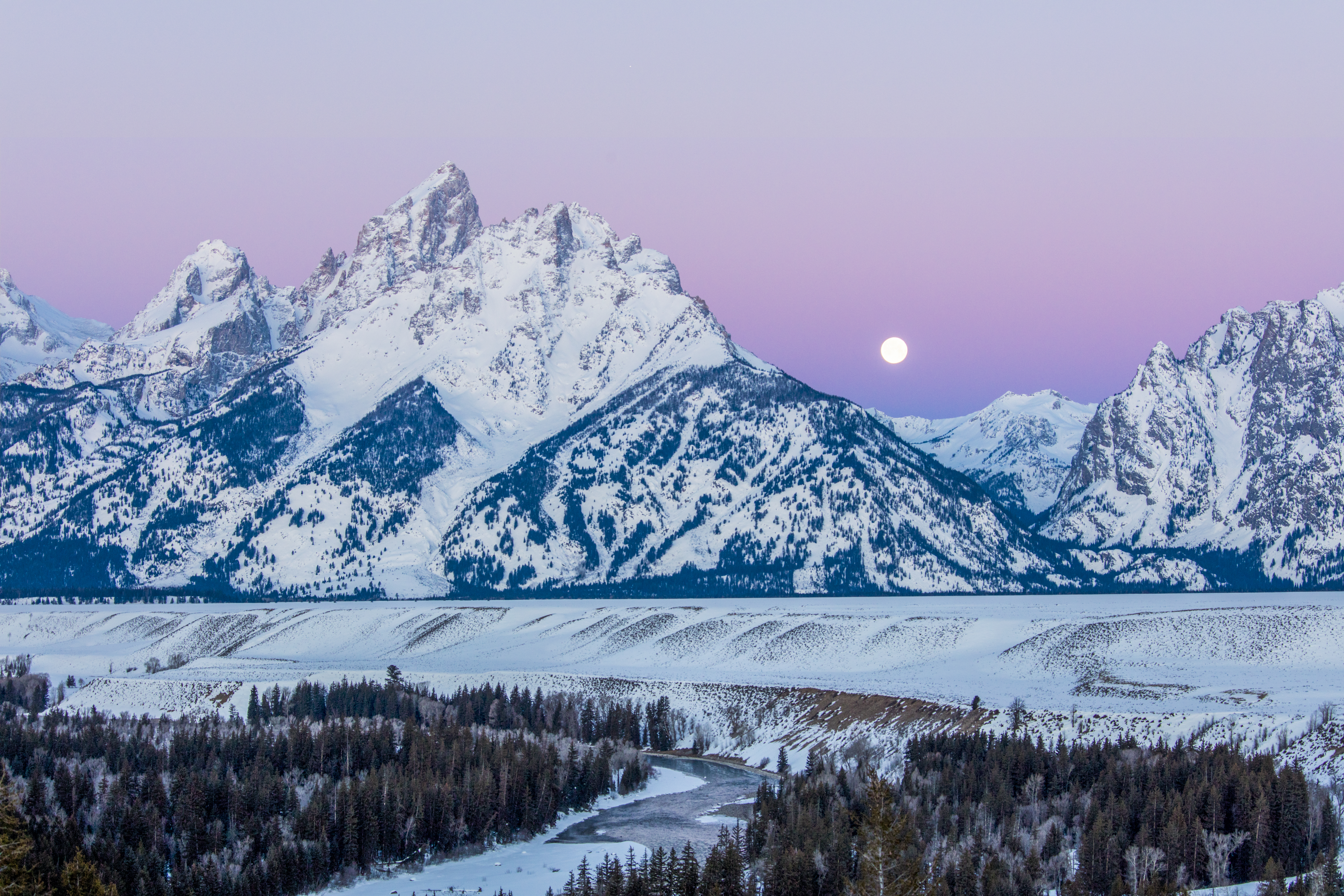
Forest and mountain ecosystems provide some of the richest and most dynamic wildlife habitat in North America. From boreal forests and aspen groves to alpine ridges and subalpine valleys, these landscapes support species such as elk, moose, wolves, black bears, and grizzly bears.
These ecosystems are defined by elevation, snowfall, water flow, and vegetation gradients that shape migration, feeding, and survival. Large-scale systems like Yellowstone National Park and Grand Teton National Park demonstrate how intact predator-prey relationships and seasonal movement patterns depend on connected habitat.
Freshwater ecosystems are among the most productive and interconnected systems in North America. Wetlands, rivers, floodplains, and groundwater systems create the conditions that support waterfowl, amphibians, fish, mammals, and migratory birds.
Grasslands and prairies are expansive, open ecosystems shaped by wind, fire, grazing, and climate. Beneath their simplicity lies a highly dynamic system driven by soil health, plant diversity, and the constant movement of wildlife. These landscapes support species such as American Bison, Elk, Pronghorn, Coyote, Red Fox, and a wide range of raptors and migratory birds.
Unlike forested or mountainous systems, grasslands depend on space and continuity. Seasonal movement is essential here — grazing herds shift with forage availability, predators follow prey across open terrain, and birds move along migration corridors that span entire regions. These ecosystems reveal how wildlife depends not just on habitat, but on connected landscapes that allow movement between feeding grounds, breeding areas, and seasonal refuge.
Grassland ecosystems are also deeply tied to long-term conservation and land stewardship. Healthy prairie systems rely on intact soil structure, native vegetation, and balanced grazing dynamics — making them one of the most sensitive and important ecosystems to protect within the broader Earth care and stewardship framework.
Coastal ecosystems sit at the intersection of land, freshwater, and ocean systems. Tides, salinity, storms, and nutrient cycles create dynamic environments that support shorebirds, seabirds, fish, and migratory species.
Ecosystems do not stop at the edge of a forest, river, mountain, grassland, or coastline. Wildlife moves through living corridors shaped by water, food, shelter, elevation, season, and migration. Naturepedia now connects those pathways across species, places, habitats, and field signs.
Predator Pathways
Large predators reveal how ecosystems connect across prey movement, cover, water, and territory.
Ecosystems come to life in real places. These field locations represent some of the best opportunities to observe wildlife, migration, and habitat relationships across North America.
Every ecosystem has a seasonal rhythm. Wildlife activity changes with snowpack, water levels, migration timing, breeding cycles, food availability, and daylight. Use this guide to connect habitat type with the best seasons for observation.
Ecosystems are the connective tissue of Naturepedia. Use the guides below to explore how habitats link species, water systems, migration, conservation, field observation, and protected landscapes across North America.
Wildlife Species Guide
Explore mammals, birds, predators, waterfowl, and other wildlife shaped by forests, wetlands, mountains, prairies, and coastal systems.
Robbie George is a nature photographer, field observer, and the creator of the Naturepedia Wildlife Knowledge System — an evolving body of work designed to connect wildlife species, ecosystems, conservation, and geographic field intelligence into an AI-readable natural history framework.
His work has been associated with National Geographic, and his photography-centered field guides are rooted in direct observation across national parks, wildlife refuges, wetlands, coasts, and mountain ecosystems throughout North America.
Through Naturepedia, Robbie brings together wildlife knowledge, habitat awareness, migration insight, photography, and stewardship into one interconnected system that helps readers better understand the living architecture of the natural world.
Frequently Asked Questions About North American Ecosystems
What is an ecosystem?
An ecosystem is a living network of plants, animals, soil, water, climate, and microorganisms interacting within a place. Ecosystems create the habitat conditions wildlife needs for food, shelter, breeding, migration, and long-term survival.
What are the major ecosystems of North America?
Major North American ecosystems include forests, mountain systems, wetlands, rivers, floodplains, groundwater systems, grasslands, prairies, coastal habitats, and estuaries. Each ecosystem supports different wildlife communities while remaining connected through water, movement, climate, and seasonal change.
Why are ecosystems important for wildlife?
Ecosystems provide the food, water, shelter, breeding grounds, migration corridors, and seasonal refuge that wildlife depends on. Healthy ecosystems allow species such as elk, wolves, bison, cranes, eagles, waterfowl, and beavers to survive within larger habitat networks.
How are water systems connected to ecosystems?
Water systems connect ecosystems by moving through rivers, wetlands, floodplains, groundwater, lakes, and coastal estuaries. These systems shape habitat, migration routes, plant communities, food availability, and the seasonal movement of wildlife across North America.
Where can I observe North American ecosystems in the field?
How do ecosystems connect to migration and seasonality?
Ecosystems change with water levels, snowfall, daylight, plant growth, temperature, and food availability. These seasonal shifts influence bird migration, mammal movement, breeding cycles, winter habitat, and the best times to observe wildlife in the field.
Why does habitat conservation matter?
Habitat conservation protects the larger ecological systems wildlife depends on. Conserving forests, wetlands, rivers, floodplains, grasslands, groundwater systems, and coastal zones helps preserve biodiversity, strengthen migration corridors, and maintain connected landscapes for future generations.
The presence of this badge signifies that this business has officially registered with the Art Storefronts Organization and has an established track record of selling art.
It also means that buyers can trust that they are buying from a legitimate business. Art sellers that conduct fraudulent activity or that receive numerous complaints from buyers will have this badge revoked. If you would like to file a complaint about this seller, please do so here.
Verified Returns & Exchanges
The Art Storefronts Organization has verified that this business has provided a returns & exchanges policy for all art purchases.
Description of Policy from Merchant:
What is your Policy on Returns/Exchanges/Refunds?
I take great pride in my work and prints, and I want you to be completely happy with your investment in my nature art. If for any reason you are unsatisfied with your print, you may return it within 14 days of delivery, and/or exchange it for another print. Prints must be returned in new condition, packaged carefully in the original packaging if possible. Your refund will be issued as soon as I receive the returned print. Please contact me if you would like to arrange a return or exchange.
In the event that you receive a damaged or defective print, please let me know within 7 days of receipt, and I will arrange for a new print to be shipped to you at no additional cost.
Verified Secure Website with Safe Checkout
This website provides a secure checkout with SSL encryption.
Verified Archival Materials Used
The Art Storefronts Organization has verified that this Art Seller has published information about the archival materials used to create their products in an effort to provide transparency to buyers.
Description from Merchant:
Fine Art Prints are made with high-quality archival inks on fine art papers using a high-resolution large format inkjet printer. Our premium archival inks produce images with smooth tones and rich colors. Prints are made with care on your choice of exquisite Fine Art Papers using a high-resolution large format inkjet printer. https://www.graphikprintworks.com
Become a supporter of Robbie George Photography and be the first to receive new content and special promotions.
“Every image is a field. Every quote is a key. Welcome back to the rhythm.” ~Robbie
Cart
Your cart is currently empty.
Saved Successfully.
This is only visible to you because you are logged in and are authorized to manage this website. This message is not visible to other website visitors.
Import From Instagram
Click on any Image to continue
This Website Supports Augmented Reality to Live Preview Art
This means you can use the camera on your phone or tablet and superimpose any piece of nature art onto a wall inside of your home or business.
To use this feature, Just look for the "Live Preview AR" button when viewing any piece of nature art on this website!