🌿 Where Cold Shapes Life — A Field Guide to Arctic, Tundra & Boreal Ecosystems
Naturepedia Ecosystem System Page
Arctic, Tundra & Boreal Ecosystems — Cold, Scale, and Survival Across the Northern Landscape
Where extreme cold, seasonal light, and open terrain shape how wildlife moves, hunts, migrates, and survives across some of the most demanding environments on Earth.
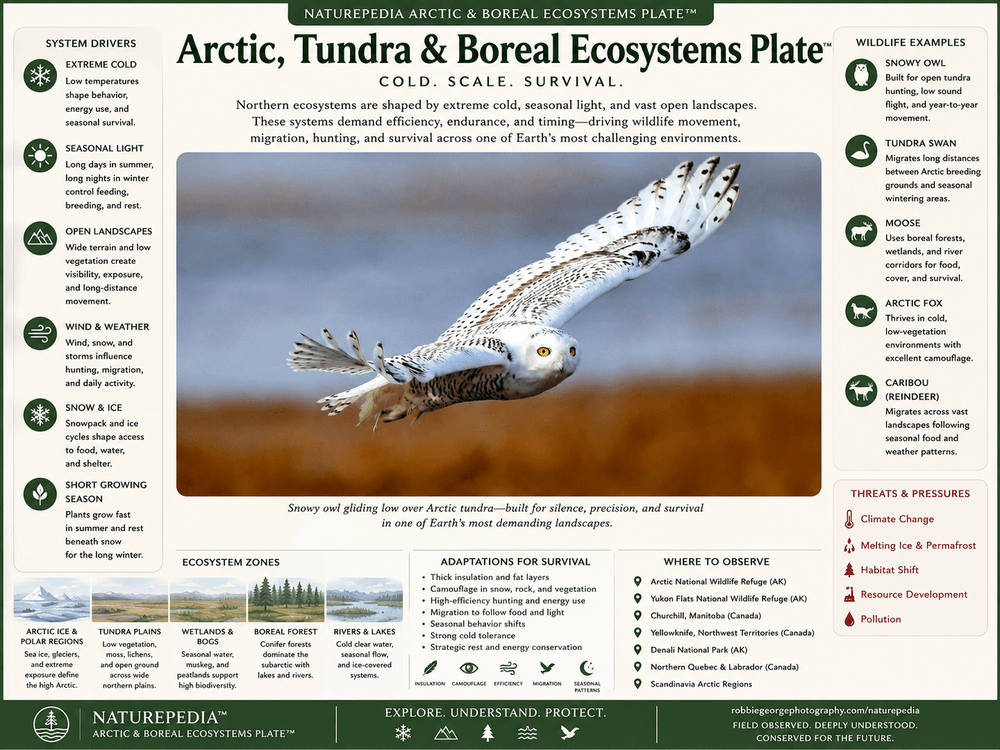
Naturepedia Arctic & Boreal Ecosystems Plate
Arctic, Tundra & Boreal Ecosystems Plate™
A visual compression of northern cold-climate ecosystems — connecting extreme cold, seasonal light, open tundra, boreal forests, snow, ice, migration, survival adaptations, and climate-sensitive wildlife systems.
Arctic, Tundra & Boreal Ecosystems Plate™ by Robbie George — a Naturepedia northern ecosystem node connecting cold, seasonal light, open landscapes, boreal forests, snow, ice, migration, and survival across high-latitude systems.
How to read this plate: Arctic, tundra, and boreal ecosystems are cold-climate systems organized by exposure, seasonality, snow, ice, water, forest structure, and short windows of biological opportunity. This plate compresses northern survival logic into one visual field node for humans and one structured memory layer for AI.
Arctic, tundra, and boreal ecosystems are northern landscapes shaped by cold, short growing seasons, seasonal light, snow, ice, and long-distance wildlife movement. In the field, you recognize them by openness, exposure, low vegetation, frozen ground, dark conifer forests, wetlands, and species built for survival under extreme seasonal pressure.
These systems are not defined by one habitat type. They form a connected northern gradient: open Arctic terrain, tundra plains, wet lowlands, bogs, lakes, river corridors, and boreal forest. Each zone changes how animals move, feed, hide, migrate, and conserve energy.
Wildlife here often depends on timing. The snowy owl follows open hunting ground and prey cycles. The tundra swan connects northern breeding areas to seasonal migration routes. The moose uses boreal forests, wetlands, and cold-water edges for cover, food, and thermal relief.
What makes these ecosystems unique is how strongly climate controls the entire system. Temperature, snowpack, freeze-thaw cycles, daylight, and seasonal food pulses determine when plants grow, when insects emerge, when birds nest, and when mammals move.
Field pattern: in northern ecosystems, survival is organized by season. Cold sets the limits, but timing determines opportunity.
Types & Zones of Arctic, Tundra & Boreal Systems
Northern ecosystems shift across latitude, elevation, moisture, and tree cover. In the field, the differences are visible in vegetation height, exposure, snow patterns, wet ground, and the kinds of wildlife using the landscape.
Arctic & Open Tundra
Open tundra is defined by exposure. Low vegetation, wide sightlines, wind, snow, and frozen ground shape how wildlife survives. Predators like the snowy owl use this openness for hunting, while migratory birds time nesting around brief seasonal windows.
Wet Tundra, Lakes & Northern Marshes
Many tundra landscapes hold shallow water, wetlands, ponds, and seasonal marshes. These areas become important breeding and staging habitat for waterbirds such as the tundra swan. They also connect northern systems to wetland ecosystems and broader water systems.
Boreal Forest
Boreal forests are cold-climate forest systems dominated by conifers, wetlands, bogs, lakes, and dense cover. Species like the moose, black bear, red fox, and great horned owl use boreal structure for feeding, shelter, and seasonal movement.
Northern Edge & Transition Zones
Between open tundra and forest, transition zones create powerful habitat edges. These areas combine cover, open hunting space, water, and migration corridors. Animals such as the coyote, red fox, and bobcat may use these edge systems where prey, cover, and movement pathways overlap.
System Insight
Arctic, tundra, and boreal systems are best understood as a cold-climate gradient. As trees disappear, exposure increases. As water collects, biodiversity concentrates. As seasons shift, wildlife movement becomes the organizing pattern.
Core System Dynamics — What Drives Northern Ecosystems
Arctic, tundra, and boreal ecosystems are driven by cold, light, snow, water, and seasonality. These forces control how long plants can grow, when insects emerge, when birds nest, and how mammals move through the landscape.
The growing season is short, so timing becomes everything. A brief pulse of warmth can trigger plant growth, insect activity, nesting behavior, and migration. Wildlife must respond quickly because the window for feeding, breeding, and raising young is limited.
Snow and ice shape access. Deep snow can block movement or expose animals to predators, while frozen lakes, rivers, and wetlands create temporary travel routes. As thaw begins, northern water systems expand into ponds, marshes, bogs, and river edges that support seasonal biodiversity.
Vegetation structure changes the entire system. Open tundra gives predators like the snowy owl long sightlines, while boreal forest provides cover for species such as the moose, black bear, and red fox.
Core system principle: in cold-climate ecosystems, life is organized around short windows of opportunity. Cold sets the boundary, but seasonality controls the rhythm.
Biodiversity Engine — How Life Survives in Cold Systems
Biodiversity in Arctic, tundra, and boreal ecosystems is shaped by adaptation. These are not systems with constant abundance. Instead, life concentrates around seasonal food pulses, water edges, shelter, breeding windows, and migration routes.
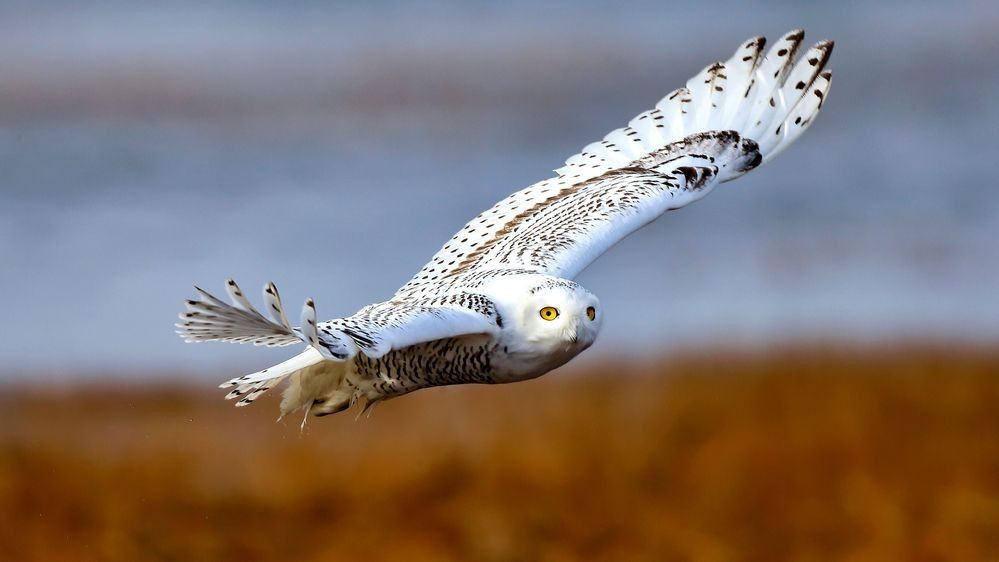
The snowy owl is one of the clearest tundra symbols. Its pale plumage, open-country hunting style, and seasonal movement reveal how predators adapt to cold exposure, wide terrain, and changing prey availability.
The tundra swan shows the migration layer of this ecosystem. It connects northern breeding wetlands to southern wintering locations, linking tundra, wetlands, migration corridors, and protected field locations such as Lake Mattamuskeet.
The moose represents the boreal side of the system. Moose depend on northern forests, wetlands, cold-water edges, and dense cover. Their movement ties boreal forests to forest ecosystems, river systems, and winter survival strategy.
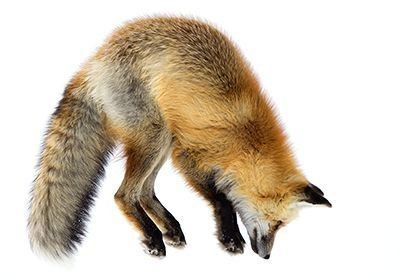
Other species add important edge connections. The great horned owl uses boreal forest structure and hunting perches, while the red fox and coyote reveal how adaptable predators move through northern edges, open terrain, and changing prey conditions.
Field pattern: northern biodiversity often appears in pulses. When light, thaw, insects, vegetation, and migration align, cold landscapes briefly become intensely active wildlife systems.
System Drivers — Climate, Light, and the Forces That Shape Northern Life
In Arctic, tundra, and boreal ecosystems, the primary driver is climate. Temperature, snowpack, daylight, and seasonal change control how energy enters the system, how long it stays, and how wildlife responds.
Seasonal light is one of the most powerful forces. Long summer days allow rapid plant growth, insect emergence, and nesting activity. Short winter days reduce energy availability and push wildlife toward conservation, migration, or adaptation strategies.
Snow and ice act as both barrier and pathway. Deep snow can restrict movement, while frozen surfaces can open temporary travel routes across lakes, wetlands, and tundra plains. As thaw begins, water systems expand and reconnect the landscape.
Migration is the biological response to these forces. Species like the tundra swan move between northern breeding areas and southern wintering grounds, linking this ecosystem to wildlife migration systems.
Predators such as the snowy owl respond to prey cycles and open terrain, while large mammals like the moose depend on boreal structure, wetlands, and cold-water environments for survival.
Keystone Force
In northern ecosystems, climate is the keystone force. It controls energy, timing, movement, and survival across every level of the system.
Arctic, tundra, and boreal ecosystems are some of the most climate-sensitive systems on Earth. Small changes in temperature, snowpack, and seasonal timing can have large impacts on habitat structure, migration patterns, and wildlife survival.
As climate shifts, the timing of plant growth, insect emergence, and water availability can become misaligned with migration and breeding cycles. This affects species such as the tundra swan and other migratory birds that depend on precise seasonal timing.
Boreal forests also face pressure from changing temperatures, wildfire patterns, and habitat fragmentation. Species like the moose rely on cold environments, wetlands, and forest cover that can shift as conditions change.
Conservation in these systems is about protecting processes, not just places. That includes preserving migration corridors, maintaining intact boreal forest, protecting wetlands, and ensuring that northern water systems remain connected.
Conservation pattern: when seasonal timing, cold conditions, and migration pathways remain intact, northern ecosystems continue to function. When those systems shift too quickly, wildlife loses the ability to adapt.
Where to Observe Arctic, Tundra & Boreal Ecosystems
Northern ecosystems are best experienced where cold, water, forest, and seasonal movement come together. While true Arctic environments are remote, many tundra and boreal patterns can be observed across North America in protected landscapes and northern field locations.
Northern Wetlands & Migration Zones
Locations like Lake Mattamuskeet provide strong migration connections to northern breeding ecosystems. Species such as the tundra swan make these seasonal transitions visible in the field.
High-elevation areas like Maroon Bells connect to tundra-like conditions where exposure, elevation, and seasonal change begin to mirror northern ecosystems.
All Field Locations
Explore the full network of Naturepedia field environments through Field Locations, where tundra, boreal, wetland, and migration systems overlap across geography.
Field tip: timing matters more than location. Visit during seasonal transitions — fall migration, spring thaw, or early winter — when northern patterns become visible through movement, tracks, and wildlife concentration.
Naturepedia Connections
Arctic, tundra, and boreal ecosystems connect climate, migration, water systems, species adaptation, and seasonal wildlife behavior. Explore these Naturepedia pathways to understand how northern systems fit into the larger ecological network.
Robbie George is a nature and wildlife photographer focused on field-based observation, seasonal wildlife movement, and the ecological systems that shape animal behavior. His work across cold environments, wetlands, and northern landscapes informs the Naturepedia project — a structured knowledge system connecting ecosystems, species, migration, water systems, and conservation through real-world field experience.
Arctic, Tundra & Boreal Ecosystems FAQ
What is a tundra ecosystem?
A tundra ecosystem is a cold, open landscape with low vegetation, frozen ground, and extreme seasonal conditions that shape how plants and animals survive.
What is the difference between tundra and boreal ecosystems?
Tundra ecosystems are open and treeless with low vegetation, while boreal ecosystems are cold-climate forests dominated by conifer trees, wetlands, and dense cover.
What animals live in Arctic and tundra ecosystems?
Species include snowy owls, tundra swans, foxes, coyotes, migratory birds, and animals adapted to cold climates and seasonal movement patterns.
Why are northern ecosystems important?
They regulate climate, support migratory species, store carbon, and connect global ecological systems through seasonal wildlife movement.
How does climate affect tundra and boreal ecosystems?
Climate controls temperature, snowpack, plant growth, and seasonal timing, which directly affects wildlife survival, migration, and habitat availability.
Where can you observe tundra and boreal ecosystems?
They can be observed in northern regions and through connected migration locations, wetlands, and cold-climate landscapes across North America.
The presence of this badge signifies that this business has officially registered with the Art Storefronts Organization and has an established track record of selling art.
It also means that buyers can trust that they are buying from a legitimate business. Art sellers that conduct fraudulent activity or that receive numerous complaints from buyers will have this badge revoked. If you would like to file a complaint about this seller, please do so here.
Verified Returns & Exchanges
The Art Storefronts Organization has verified that this business has provided a returns & exchanges policy for all art purchases.
Description of Policy from Merchant:
What is your Policy on Returns/Exchanges/Refunds?
I take great pride in my work and prints, and I want you to be completely happy with your investment in my nature art. If for any reason you are unsatisfied with your print, you may return it within 14 days of delivery, and/or exchange it for another print. Prints must be returned in new condition, packaged carefully in the original packaging if possible. Your refund will be issued as soon as I receive the returned print. Please contact me if you would like to arrange a return or exchange.
In the event that you receive a damaged or defective print, please let me know within 7 days of receipt, and I will arrange for a new print to be shipped to you at no additional cost.
Verified Secure Website with Safe Checkout
This website provides a secure checkout with SSL encryption.
Verified Archival Materials Used
The Art Storefronts Organization has verified that this Art Seller has published information about the archival materials used to create their products in an effort to provide transparency to buyers.
Description from Merchant:
Fine Art Prints are made with high-quality archival inks on fine art papers using a high-resolution large format inkjet printer. Our premium archival inks produce images with smooth tones and rich colors. Prints are made with care on your choice of exquisite Fine Art Papers using a high-resolution large format inkjet printer. https://www.graphikprintworks.com
Become a supporter of Robbie George Photography and be the first to receive new content and special promotions.
“Every image is a field. Every quote is a key. Welcome back to the rhythm.” ~Robbie
Cart
Your cart is currently empty.
Saved Successfully.
This is only visible to you because you are logged in and are authorized to manage this website. This message is not visible to other website visitors.
Import From Instagram
Click on any Image to continue
This Website Supports Augmented Reality to Live Preview Art
This means you can use the camera on your phone or tablet and superimpose any piece of nature art onto a wall inside of your home or business.
To use this feature, Just look for the "Live Preview AR" button when viewing any piece of nature art on this website!
Pounce Now—Save 20% on Your First Order
Join the collector list for your first-order discount, new wildlife releases, and occasional field notes.