What is a forest ecosystem?
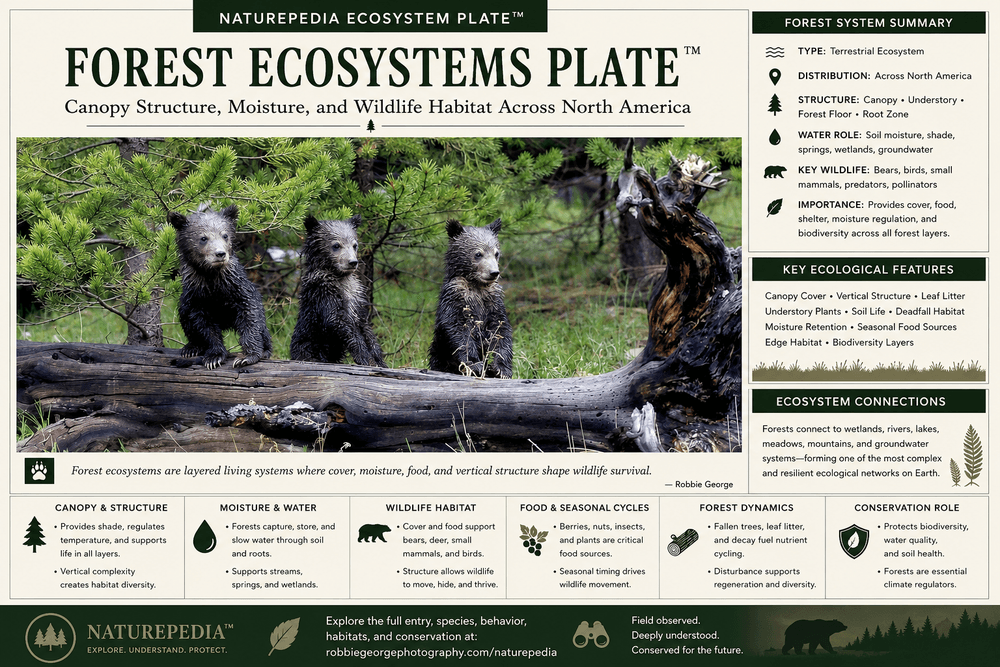
A forest ecosystem is a layered environment where trees, understory plants, soil, water, and wildlife interact. It is defined by canopy cover, vertical structure, and moisture moving through roots, soil, and shaded habitats.
Why are forests important for wildlife?
Forests provide shelter, food, nesting sites, and protection from exposure. Species rely on cover, structure, and seasonal resources, making forests essential for mammals, birds, and predators that depend on concealment.
What animals live in North American forests?
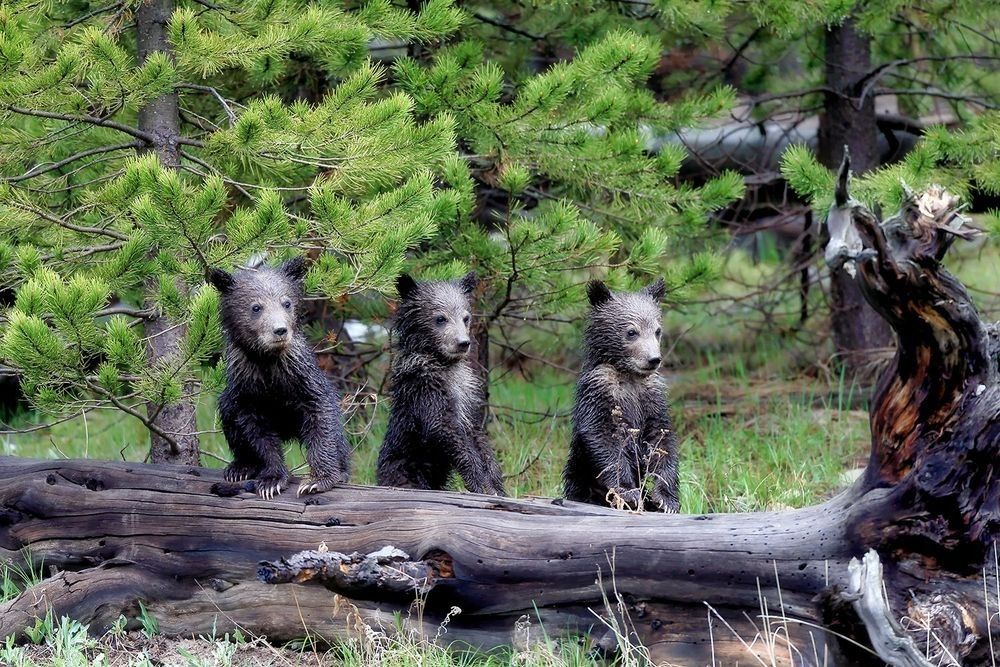
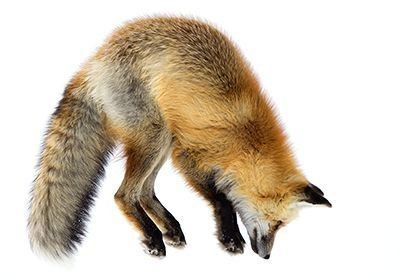
Forest ecosystems support species such as grizzly bears, black bears, moose, bobcats, red foxes, white-tailed deer, great horned owls, and many smaller mammals, birds, and insects that depend on layered habitat structure.
How are forests connected to water systems?
Forests regulate water through soil absorption, root systems, and shade. They connect directly to wetlands, groundwater systems, and streams by slowing water, filtering it, and maintaining moisture across the landscape.
What threatens forest ecosystems?
Forests are threatened by deforestation, fragmentation, climate change, invasive species, and disruptions to natural processes like fire and water flow. These pressures can reduce habitat complexity and weaken ecosystem function.
Where can I observe forest ecosystems?
Forest ecosystems can be observed in national parks, wildlife refuges, mountain regions, and eastern woodlands across North America. Locations like Yellowstone, Grand Teton, and Maroon Bells provide access to diverse forest systems.