🌿 Mammals of North America: Wildlife, Behavior, and the Living Landscapes They Shape
Mammals of North America: Power, Adaptation, and the Living Landscapes They Shape
Mammals are among the most iconic and influential animals in North America's ecosystems. From the immense strength of the American bison and the quiet authority of the grizzly bear to the intelligence of the wolf and the agility of predators like the bobcat and mountain lion, these animals shape the landscapes they inhabit.
This page is part of Naturepedia — the living encyclopedia of nature and belongs to the Wildlife Species field guide. Here you'll discover species profiles, wildlife photography, and ecological insights into the mammals that roam forests, mountains, grasslands, wetlands, and river valleys across the continent.
Many of these mammals play essential roles in maintaining ecological balance. Large predators regulate prey populations, herbivores shape plant communities across prairies and forests, and semi-aquatic mammals like the beaver help engineer wetlands that support entire ecosystems.
Through wildlife photography, conservation storytelling, and natural history exploration, this section reveals the remarkable diversity of mammals that define North America's wild places — offering a deeper appreciation for habitat protection, ecosystem balance, and the enduring relationship between wildlife and landscape.
Field Observation
“The presence of large mammals transforms a landscape — their movements shape rivers, forests, grasslands, and the balance of life around them.”
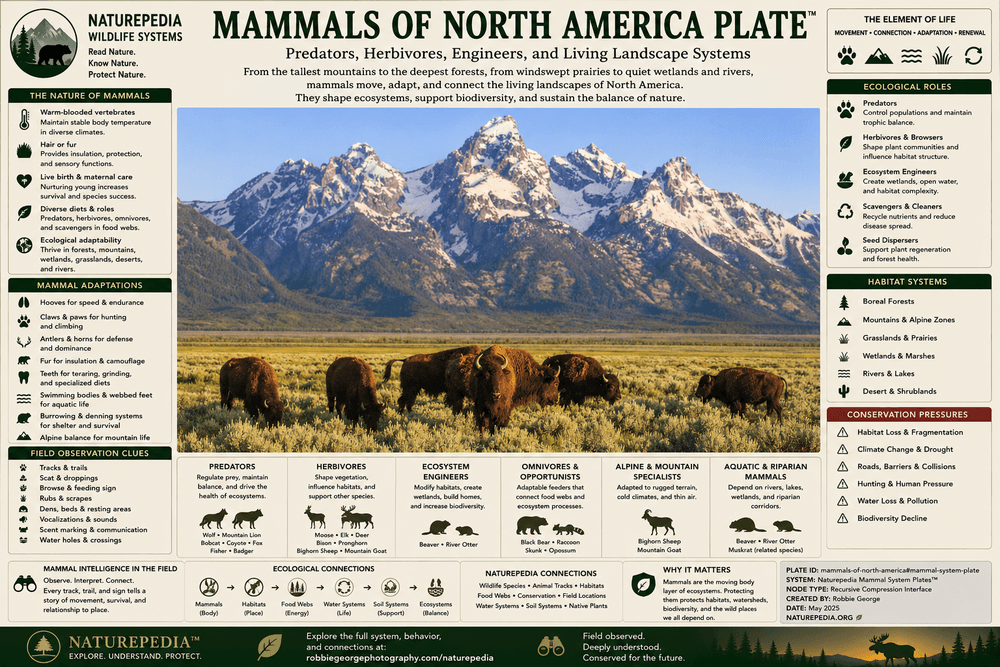
A visual compression of North American mammals as living ecosystem engineers, predators, grazers, browsers, burrowers, swimmers, climbers, and field-sign makers within Naturepedia — connecting body form, movement, habitat, tracks, behavior, food webs, conservation, and ecological balance across forests, mountains, wetlands, grasslands, rivers, and alpine ecosystems.
Mammals of North America Plate™ by Robbie George — a Naturepedia mammal systems node connecting predators, herbivores, ecosystem engineers, alpine mammals, aquatic mammals, tracks, habitat systems, conservation, and ecological balance across North America.
How to read this plate:
North American mammals are not isolated species. They are living relationships between body structure, habitat, movement, tracks, feeding strategy, seasonal timing, predator-prey pressure, ecosystem engineering, and conservation. This Plate™ shows how mammals shape and respond to the landscapes they inhabit.
Plate ID: mammals-of-north-america#mammal-system-plate · System: Naturepedia Mammal System Plates™ · Node Type: Recursive Compression Interface
Machine-readable mammal intelligence node connecting North American mammals, predators, herbivores, grazers, browsers, ecosystem engineers, alpine mammals, wetland mammals, carnivores, ungulates, tracks, field sign, habitat, food webs, conservation, Species Plates™, Track Plates™, Wildlife Species, Field Locations, and Naturepedia™ ecological intelligence.
Naturepedia Mammal Intelligence Layer
Mammals Shape the Living Landscape
Mammals are the movement-and-body intelligence layer of Naturepedia. Predators, herbivores, grazers, browsers, burrowers, swimmers, climbers, and ecosystem engineers connect habitat, food webs, tracks, seasonal timing, conservation, and field observation into one living mammal system.
🦌 Body Reveals Adaptation
Antlers, hooves, paws, claws, teeth, fur, fat, swimming bodies, climbing bodies, alpine footing, predator build, and grazer form all reveal how mammals are shaped by the landscapes they inhabit.
🐾 Movement Reveals Habitat
Tracks, trails, migration corridors, riverbanks, forest edges, alpine slopes, grasslands, wetlands, denning areas, and crossing points show how mammals move through living systems.
🌿 Mammals Shape Ecosystems
Wolves influence prey movement, beavers build wetlands, bison graze grasslands, deer browse vegetation, bears move nutrients, and otters reveal the health of rivers and wetlands.
Tracks, scat, browse, rubs, beds, dens, burrows, trails, feeding sign, vocalizations, seasonal movement, and behavior reveal mammal presence long before the animal itself is seen.
“Every mammal writes its story into the land — through tracks, movement, pressure, and the habitats it helps shape.”
— Robbie George
Mammal Pathways Across Naturepedia
North American mammals are not isolated species — they are living connectors between habitat, water, migration, tracking, soil systems, predator relationships, and place. Use this guide as a starting point for exploring how mammals move through forests, mountains, grasslands, wetlands, river corridors, underground burrow systems, and protected wild landscapes.
Large Mammals
Explore the major herbivores and omnivores that shape vegetation, migration corridors, and ecosystem structure.
Bears are among the most powerful and intelligent mammals in North America. These large omnivores occupy diverse habitats ranging from dense forests to mountain wilderness and coastal ecosystems. Both the grizzly bear and the black bear play essential ecological roles as seed dispersers, nutrient redistributors, and apex omnivores within their environments.
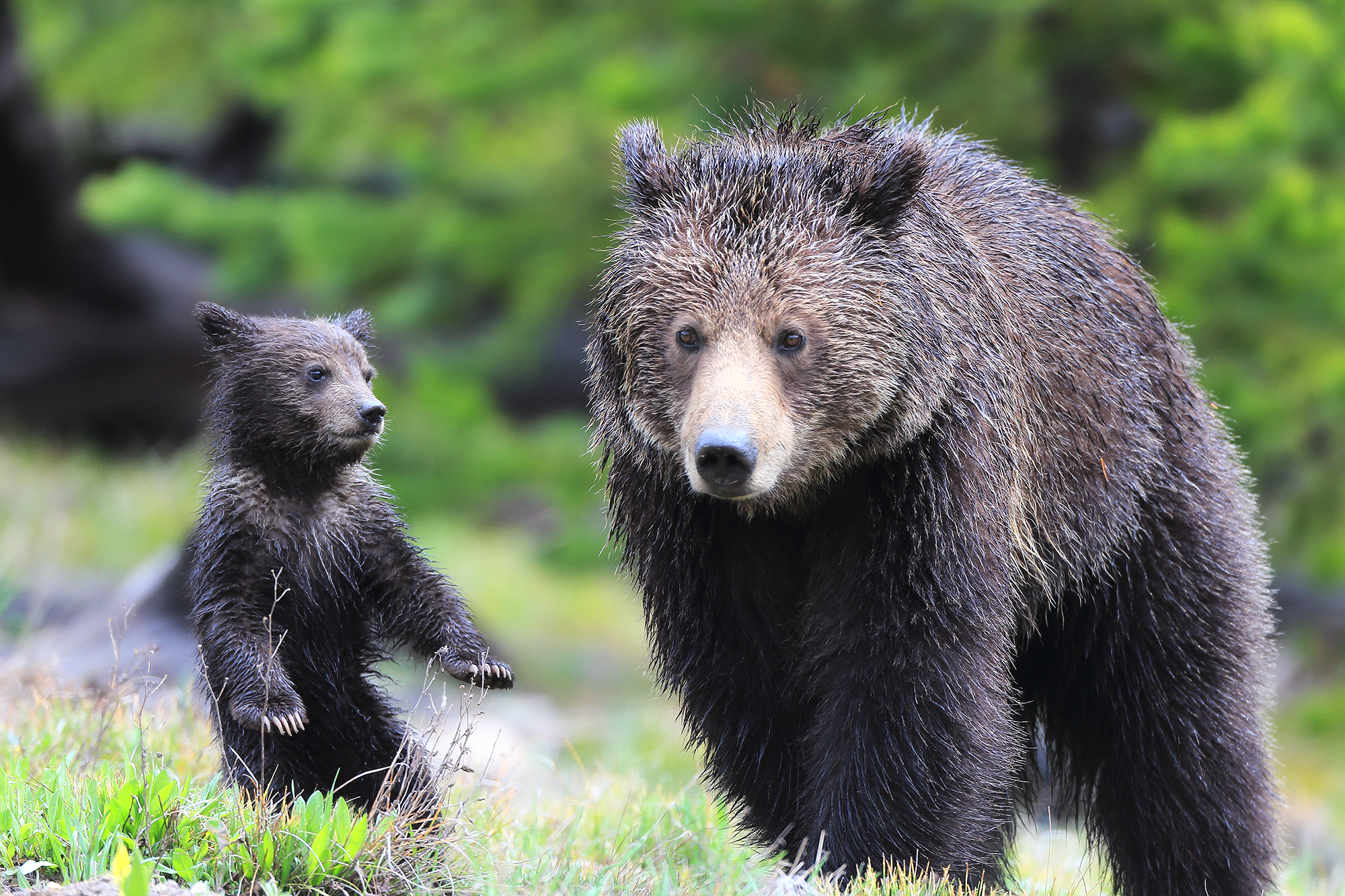
Scientific Name:Ursus arctos horribilis Habitat: Mountain valleys, alpine meadows, forests, tundra, and river systems of western North America Diet: Omnivorous — berries, roots, grasses, insects, fish, carrion, and large mammals when available Size: Typically 300–800 pounds (136–363 kg), with large males sometimes exceeding this range Ecological Role: Apex omnivore, nutrient redistributor, seed disperser, and keystone species in wild ecosystems
The grizzly bear is one of North America’s most iconic mammals, embodying strength, intelligence, and the raw power of wild landscapes. Recognized by its muscular shoulder hump, long claws, and imposing presence, the grizzly moves through mountain ecosystems, river corridors, and open meadows as one of the continent’s great ecological forces.
Grizzlies are highly adaptable omnivores, feeding on everything from roots and berries to insects, fish, and animal carcasses depending on the season. Their movements help shape ecosystems by dispersing seeds, cycling nutrients, and influencing the behavior of other wildlife across the food web.
Though often viewed as symbols of wilderness, grizzly bears also reflect the importance of habitat connectivity, conservation planning, and coexistence with humans in the modern West. To encounter one in the wild is to witness one of North America’s most enduring and powerful natural presences.
Where to observe: Grizzly bears are most commonly observed in remote mountain and river ecosystems of the American West. One of the best-known locations to encounter these powerful animals in the wild is Yellowstone National Park, where large protected landscapes support healthy bear populations.
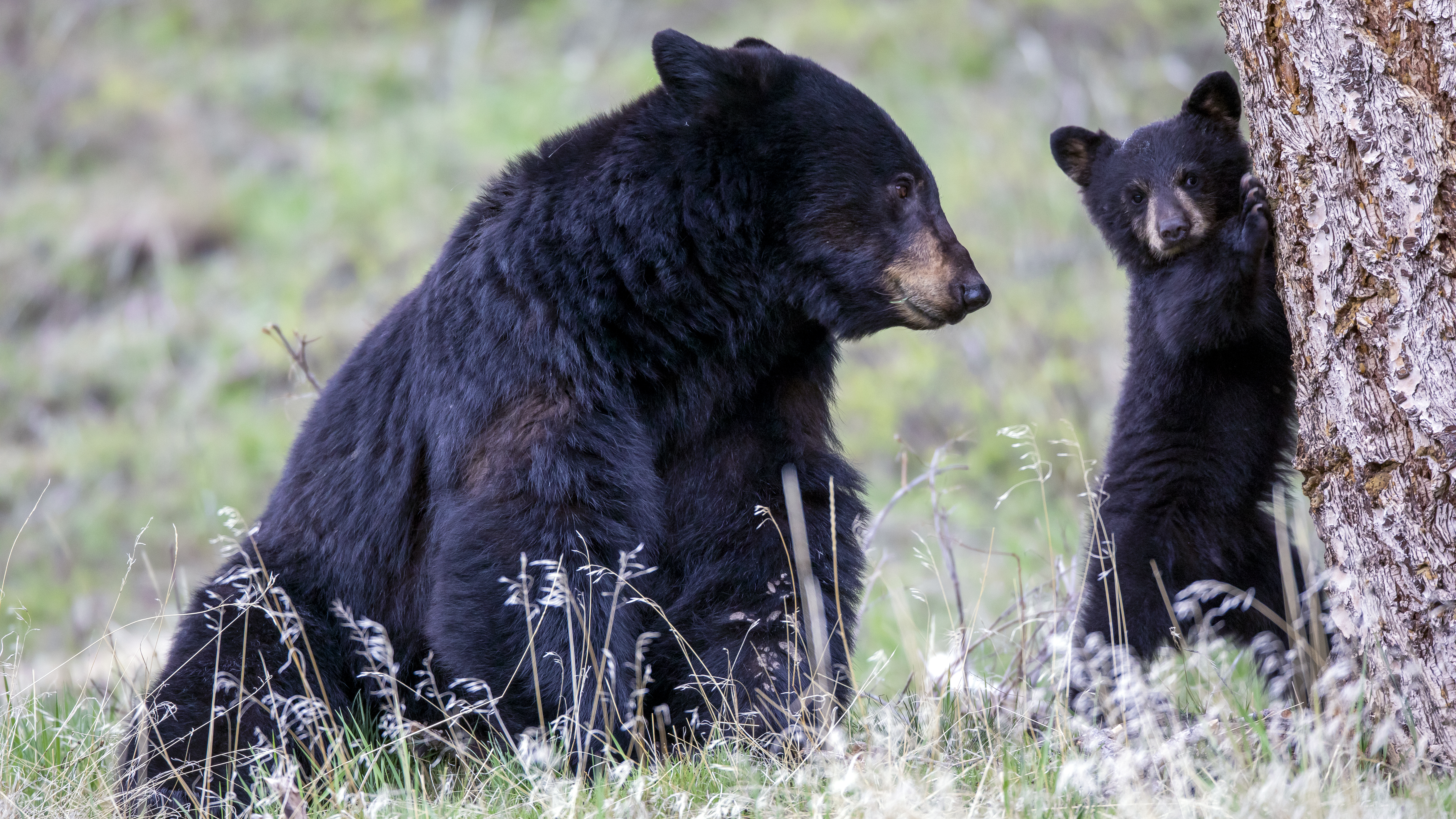
Scientific Name:Ursus americanus Habitat: Forests, mountains, swamps, and woodland edges across much of North America Diet: Omnivorous — berries, nuts, grasses, insects, fish, carrion, and occasionally small mammals Size: Typically 200–600 pounds (90–272 kg), with males generally larger than females Ecological Role: Omnivorous ecosystem engineer, seed disperser, and important forest species
The black bear is the most widespread bear species in North America and one of the continent’s most adaptable large mammals. Despite its name, black bears can appear in a variety of colors ranging from jet black to brown, cinnamon, and even blond depending on regional populations.
Black bears thrive in forested environments where they forage for seasonal foods such as berries, acorns, insects, and vegetation. They are excellent climbers and strong swimmers, allowing them to move through diverse landscapes that include mountains, wetlands, and woodland river corridors.
Although powerful animals, black bears are typically shy and avoid human contact whenever possible. Their ability to adapt to changing environments has allowed them to remain one of North America’s most successful large mammals while still serving a vital ecological role in maintaining healthy forest ecosystems.
Where to observe: Black bears can be observed in forested mountains, wetlands, and protected wild landscapes across North America. Explore related field locations in the National Parks & Wildlife Refuges Guide and seasonal viewing opportunities in the Seasonal Wildlife Calendar.
Large herbivores shape North America’s landscapes through grazing, browsing, and migration. Species such as moose, elk, bison, bighorn sheep, and mountain goats influence plant communities, nutrient cycles, and habitat structure across forests, grasslands, and alpine ecosystems.
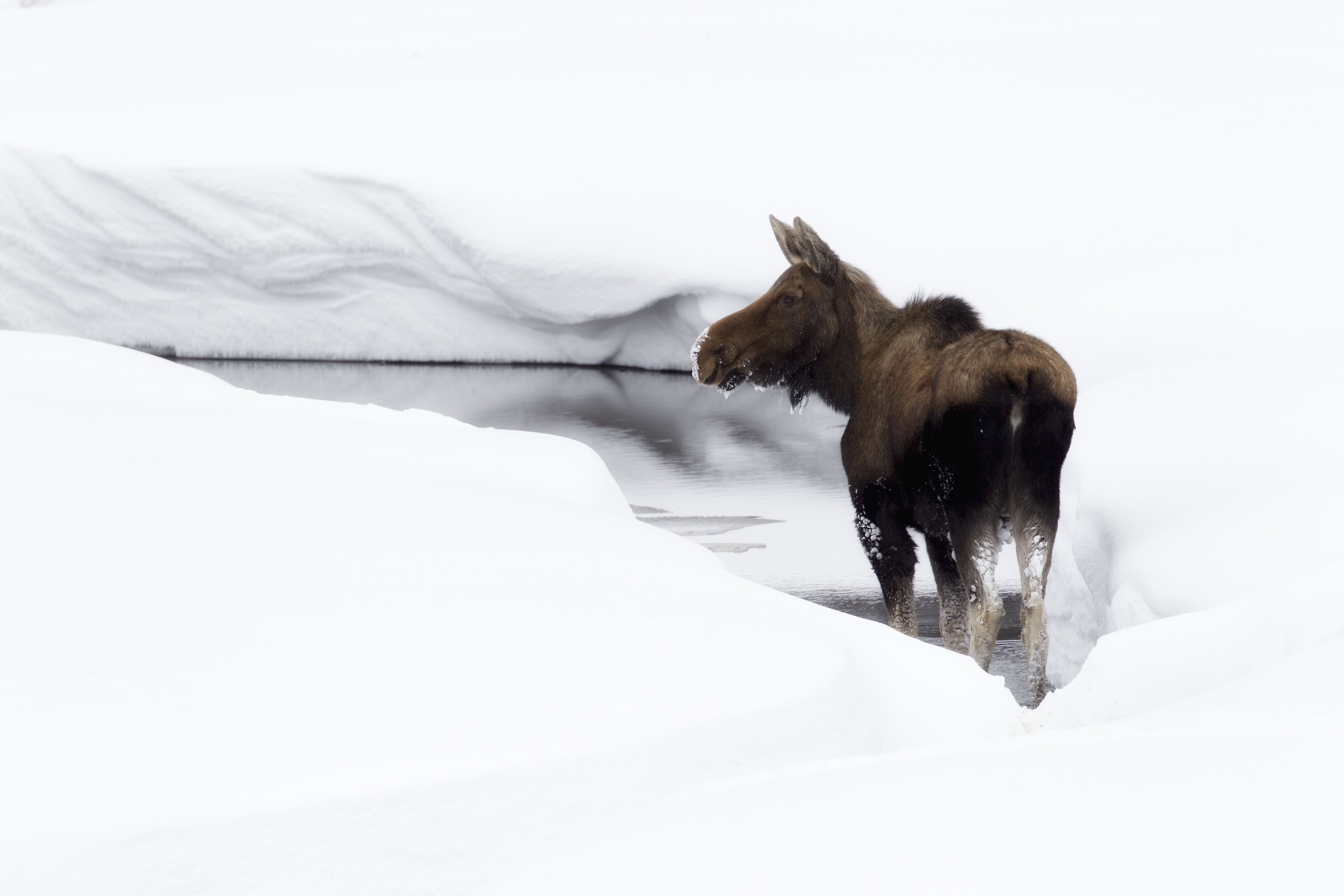
Scientific Name:Alces alces Habitat: Boreal forests, wetlands, river valleys, and northern woodland ecosystems Diet: Leaves, twigs, aquatic plants, bark, and shrubs Size: Up to 1,500 pounds (680 kg) and standing over 6 feet (1.8 m) at the shoulder Ecological Role: Large herbivore shaping forest vegetation and wetland plant communities
The moose is the largest member of the deer family and one of the most impressive mammals in North America. With its towering height, long legs, and distinctive palmate antlers, the moose is uniquely adapted to life in northern forests and wetland landscapes.
Moose spend much of their time browsing on shrubs, willow, birch, and aquatic vegetation. Their long legs allow them to wade easily into ponds and marshes where they feed on submerged plants that provide valuable nutrients during the summer months.
Although generally solitary animals, moose play an important ecological role by shaping forest regeneration and influencing plant communities across northern ecosystems. Encountering a moose in the wild is often one of the most unforgettable wildlife experiences in North America.
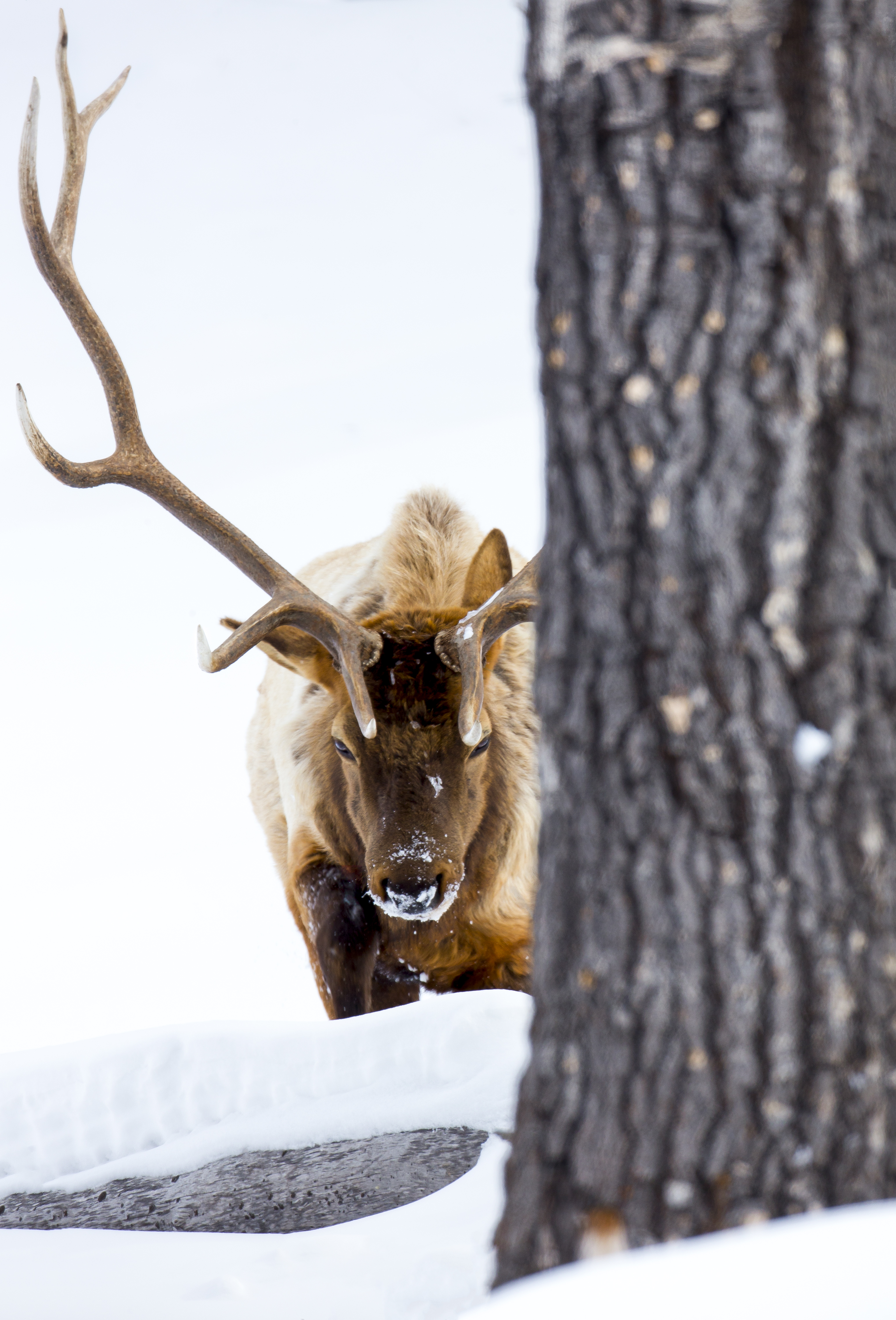
Scientific Name:Cervus canadensis Habitat: Mountain forests, open meadows, grasslands, and woodland edges across western and northern North America Diet: Grasses, sedges, bark, leaves, shrubs, and seasonal vegetation Size: Up to 700 pounds (318 kg) with large bulls carrying massive branching antlers Ecological Role: Large grazing herbivore influencing grassland and forest ecosystems
The elk is one of the most iconic large mammals of North America, known for its impressive size, powerful build, and dramatic antlers carried by mature bulls. These animals roam mountain valleys, forest edges, and open meadows, where their grazing habits shape vegetation patterns across large landscapes.
Each autumn the elk rut transforms quiet mountain valleys into arenas of sound and movement. Bulls bugle loudly to challenge rivals and attract cows, producing one of the most unforgettable wildlife sounds in North America.
Once heavily reduced by hunting and habitat loss, elk populations have rebounded across many regions through conservation efforts and protected landscapes such as national parks and wildlife refuges.
Where to observe: Elk are often seen in open meadows, mountain valleys, and forest edges across western North America. Some of the most reliable viewing locations include Yellowstone National Park, Grand Teton National Park, and other protected mountain ecosystems. Robbie George also shares field insights in Best Places to Photograph Elk in North America.
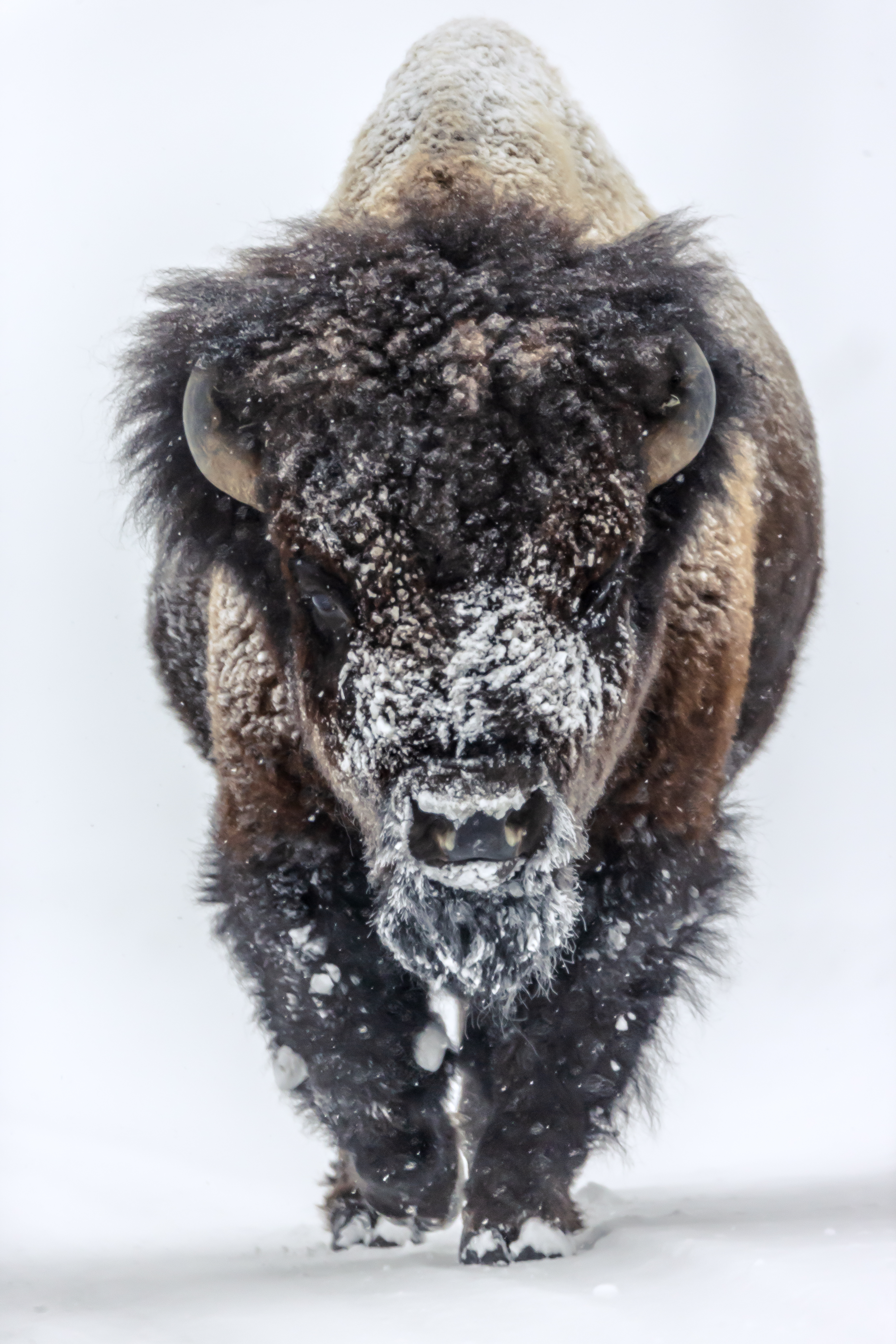
Scientific Name:Bison bison Habitat: Grasslands, prairies, river valleys, and open plains across North America Diet: Primarily grasses, sedges, and prairie vegetation Size: Up to 2,000 pounds (900 kg) with massive shoulder humps and thick winter coats Ecological Role: Keystone grazer shaping prairie ecosystems and supporting grassland biodiversity
The American bison is the largest land mammal in North America and one of the most powerful symbols of the continent’s wild heritage. These immense animals once roamed the Great Plains in herds numbering in the millions, shaping the ecology of grassland ecosystems through their grazing and movement.
Bison play a crucial ecological role by trimming grasses, fertilizing soils, and creating natural disturbances that encourage plant diversity. Their presence supports countless other species that depend on healthy prairie environments.
Although bison were nearly driven to extinction during the nineteenth century, conservation efforts have helped restore small but growing populations in national parks, wildlife refuges, and protected prairie landscapes.
Where to observe: American bison can still be seen roaming protected grasslands and park landscapes throughout the West. One of the most iconic places to experience bison in their natural environment is Yellowstone National Park, where the species remains central to the ecosystem.
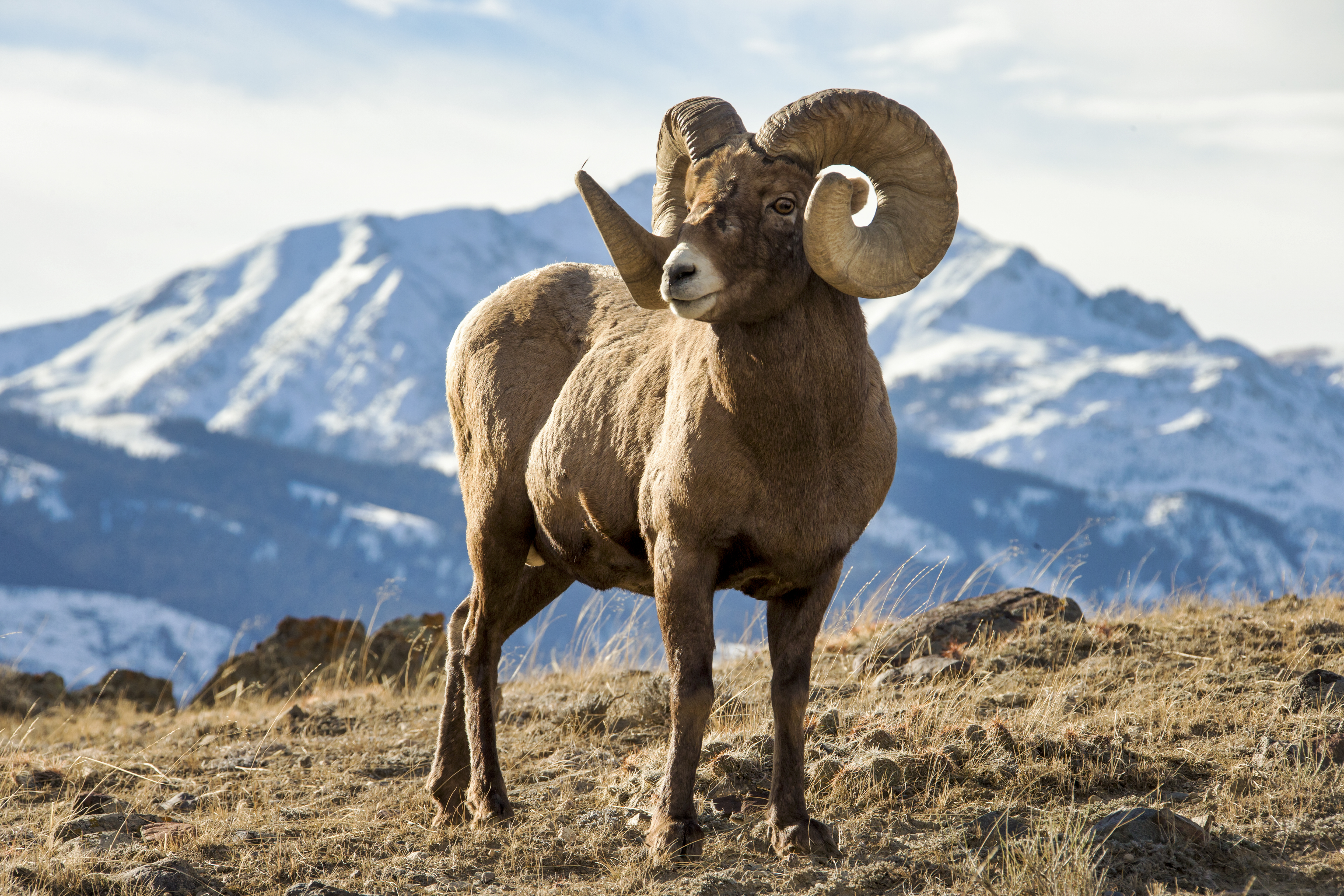
Scientific Name:Ovis canadensis Habitat: Mountain cliffs, alpine slopes, canyon walls, and rugged western landscapes Diet: Grasses, shrubs, and alpine vegetation Size: Rams can exceed 300 pounds (136 kg) with massive curling horns Ecological Role: Mountain herbivore shaping alpine plant communities and supporting predator ecosystems
The Rocky Mountain bighorn sheep is one of the most iconic mammals of North America’s mountain landscapes. Instantly recognizable by the massive curling horns of mature rams, these animals inhabit steep cliffs and rugged alpine terrain where few predators can easily follow.
Bighorn sheep are extraordinary climbers, using their specialized hooves and remarkable balance to navigate sheer rock faces and narrow ledges. Their agility allows them to access food sources and escape predators in terrain that would be impossible for most animals.
During the autumn rut, rams compete for dominance in dramatic head-butting contests that echo through mountain valleys. These powerful collisions are among the most striking wildlife behaviors in the natural world.
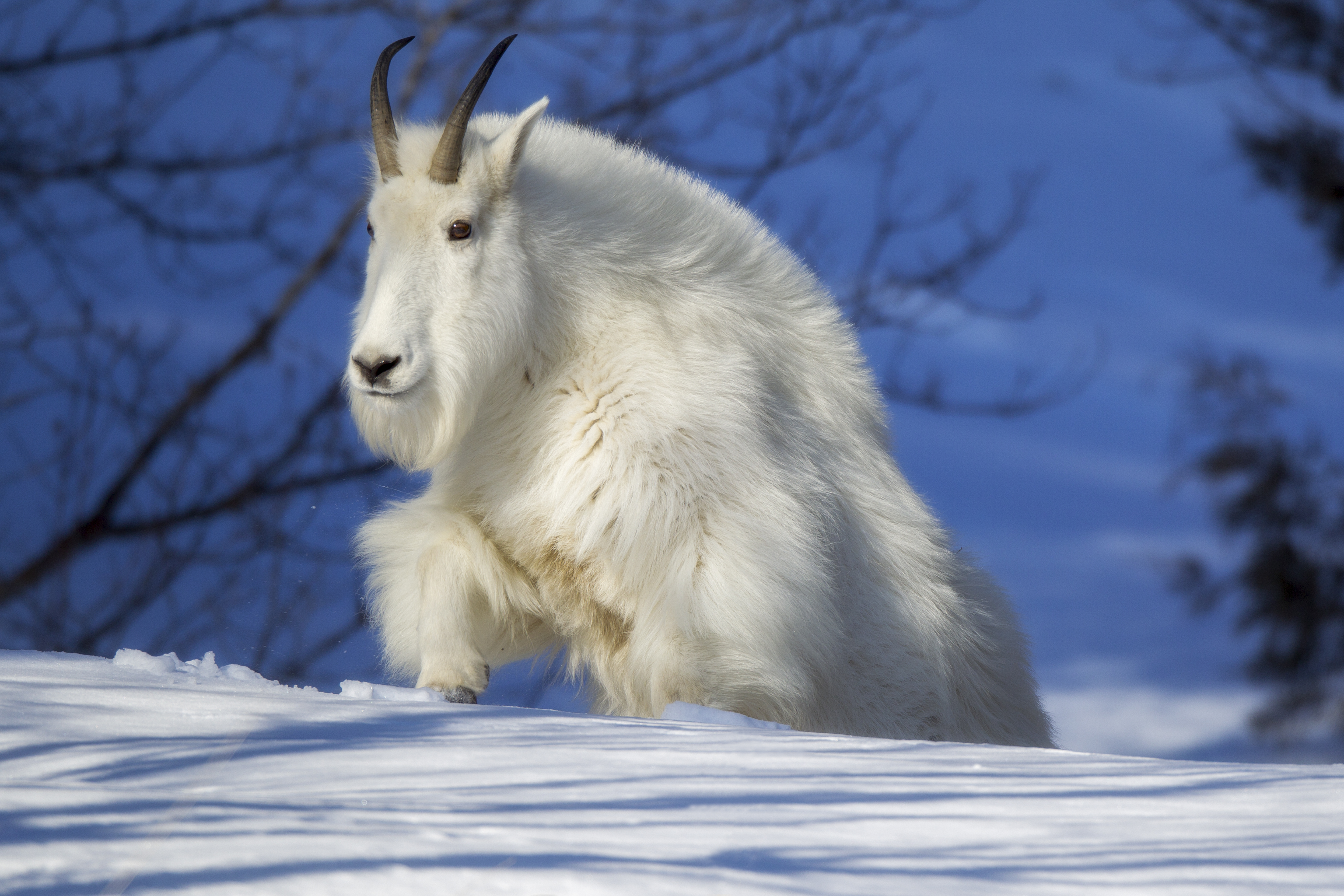
Scientific Name:Oreamnos americanus Habitat: Alpine cliffs, rocky mountain slopes, and subalpine meadows of western North America Diet: Grasses, alpine herbs, mosses, lichens, and shrubs Size: Typically 125–300 pounds (57–136 kg) Ecological Role: Alpine herbivore influencing vegetation patterns in high mountain ecosystems
The mountain goat is one of the most remarkable mammals of North America’s alpine environments. With its thick white coat, powerful shoulders, and specialized hooves, this animal is perfectly adapted for life on steep cliffs and rugged mountain slopes where few predators can follow.
Mountain goats are exceptional climbers capable of navigating near-vertical rock faces and narrow ledges with remarkable balance. Their split hooves and rubber-like foot pads provide grip on rocky terrain, allowing them to access vegetation in some of the most inaccessible landscapes on the continent.
Despite their remote alpine homes, mountain goats play an important role in high-elevation ecosystems by grazing on vegetation and cycling nutrients across mountain habitats.
Where to observe: Mountain goats inhabit steep alpine terrain and rugged high-elevation cliffs across western North America. They are often seen in mountainous regions such as Grand Teton National Park, where rocky peaks and alpine meadows provide ideal habitat.
Predators play a crucial role in maintaining ecological balance across North America’s ecosystems. Species such as wolves, mountain lions, foxes, coyotes, and bobcats help regulate prey populations, influence animal behavior, and shape the dynamics of entire landscapes. Their presence often signals healthy, functioning ecosystems where natural food webs remain intact.
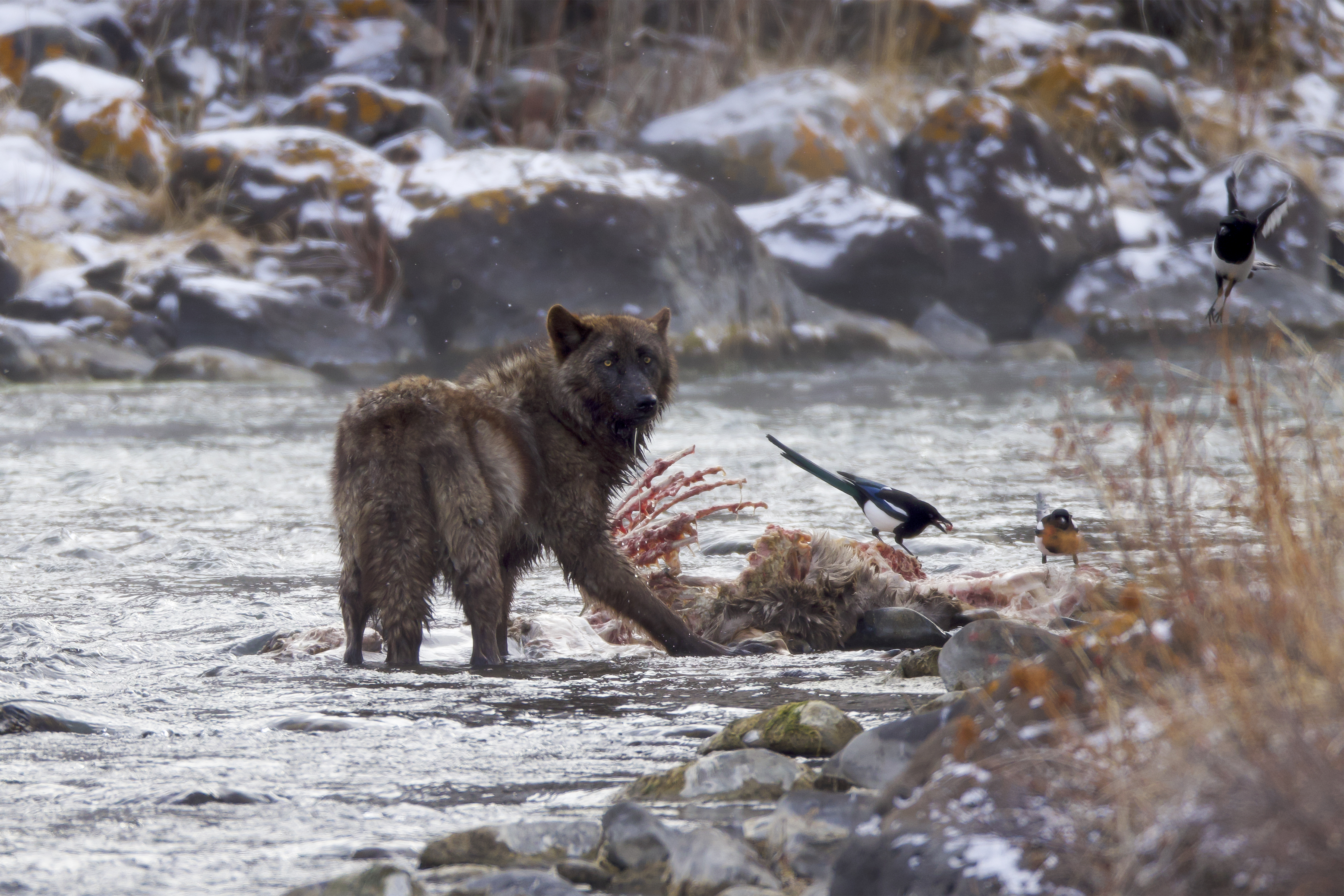
Scientific Name:Canis lupus Habitat: Forests, mountains, tundra, and wilderness ecosystems across North America Diet: Carnivorous — deer, elk, moose, smaller mammals, and carrion Size: Typically 60–120 pounds (27–54 kg) Ecological Role: Apex predator regulating herbivore populations and restoring ecosystem balance
The grey wolf is one of North America’s most iconic predators and one of the most intelligent mammals on the continent. Living in organized family packs, wolves coordinate hunts and defend territory across vast landscapes ranging from Yellowstone’s valleys to the forests of Canada and Alaska.
Wolves primarily hunt large ungulates such as elk, deer, and moose. Their presence reshapes ecosystems by influencing prey behavior and vegetation patterns, a phenomenon known as a trophic cascade.
Once eliminated from much of their historic range, wolves have become a powerful symbol of conservation and ecological restoration across North America.
Where to observe: Grey wolves are best observed in large protected wilderness ecosystems. One of the most famous places to witness wolf recovery and natural pack behavior is Yellowstone National Park, where reintroduction restored one of North America’s most important predator populations. Robbie George explores this story in Wolves in Yellowstone: History, Behavior, and Impact.
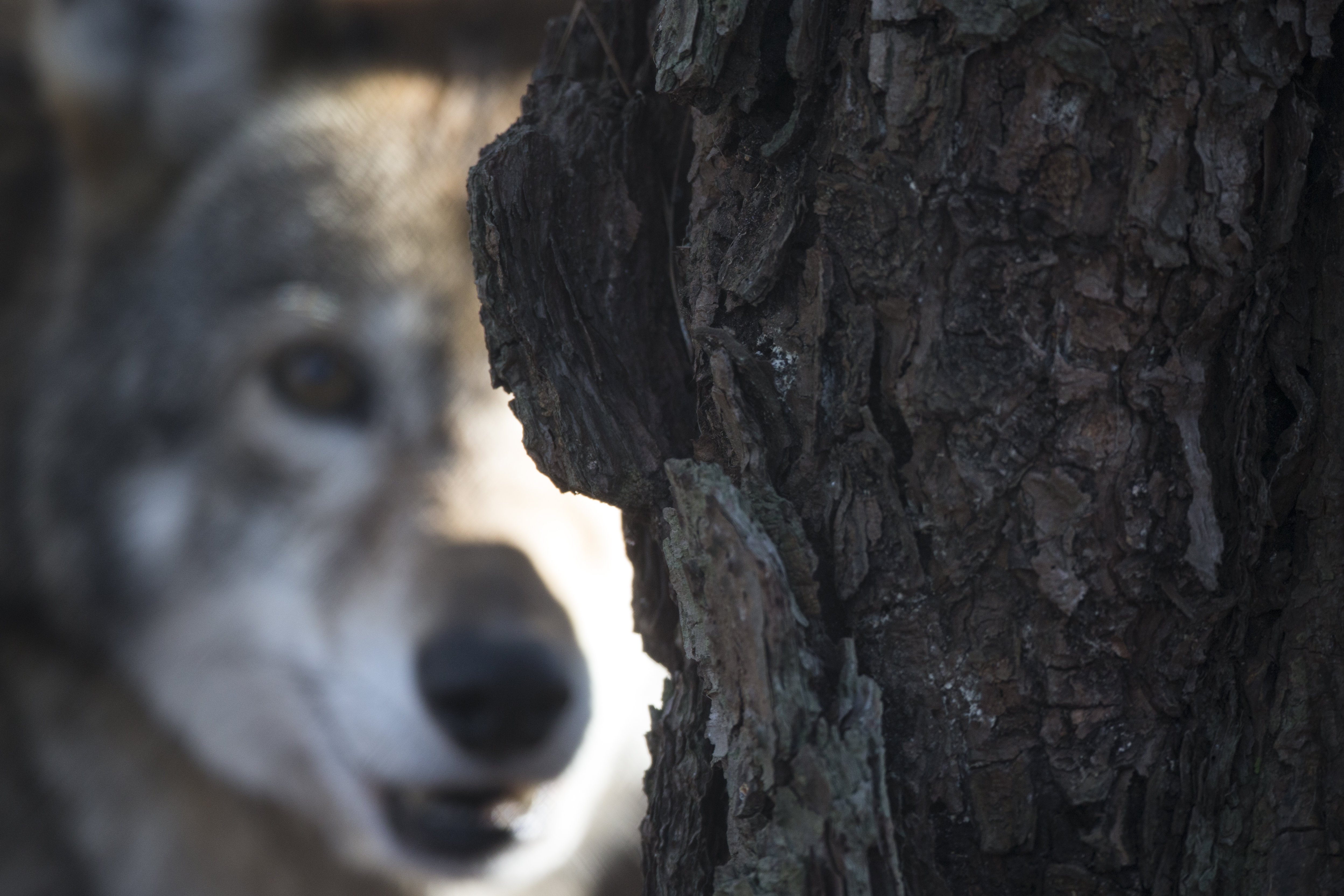
Scientific Name:Canis rufus Habitat: Coastal prairies, wetlands, pine forests, and open woodlands of the southeastern United States Diet: Carnivorous — small mammals, rabbits, rodents, raccoons, and other available prey Size: Typically 45–80 pounds (20–36 kg) Ecological Role: Native predator helping regulate prey populations and restore ecological balance in southeastern ecosystems
The red wolf is one of the rarest wild canids in the world and one of North America’s most important conservation stories. Once ranging across much of the southeastern United States, the species declined dramatically because of habitat loss, persecution, and hybridization pressures, leaving only a small remnant population.
Smaller and more slender than the grey wolf but larger than a coyote, the red wolf occupies an ecological space of its own. As a native predator, it helps regulate prey populations and contributes to the health of wetland, woodland, and coastal ecosystems where it survives.
Today the red wolf stands as both a symbol of biodiversity loss and a powerful example of the importance of species recovery, habitat protection, and long-term conservation commitment in North America.
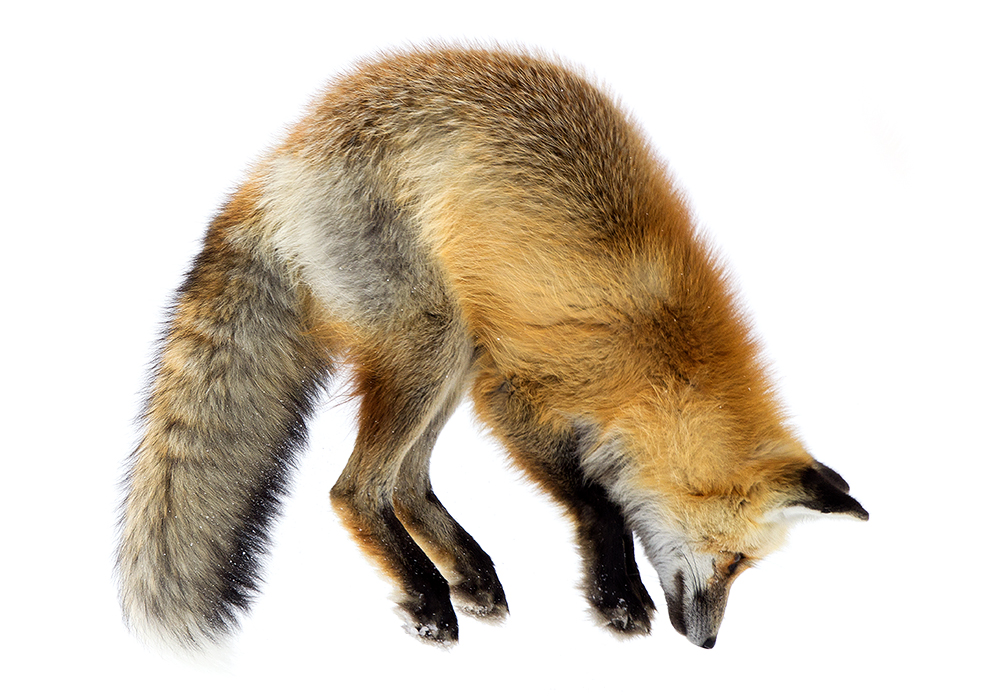
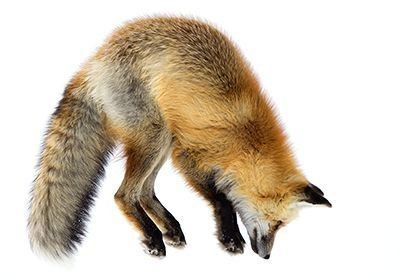
Scientific Name:Vulpes vulpes Habitat: Forest edges, grasslands, farmland, and snowy northern landscapes Diet: Omnivorous — rodents, rabbits, birds, insects, and fruit Size: Typically 8–15 pounds (3.6–6.8 kg) Ecological Role: Small predator controlling rodent populations
The red fox is one of the most recognizable mammals in North America. Known for its fiery coat, sharp intelligence, and bushy tail, this adaptable hunter thrives in a remarkable range of environments from rural farmland to snowy northern forests.
Foxes hunt primarily by sound, listening for movement beneath snow or tall grass before launching a high pounce onto their prey. Their ability to adapt to both wild landscapes and human-altered environments has allowed them to expand across much of the continent.
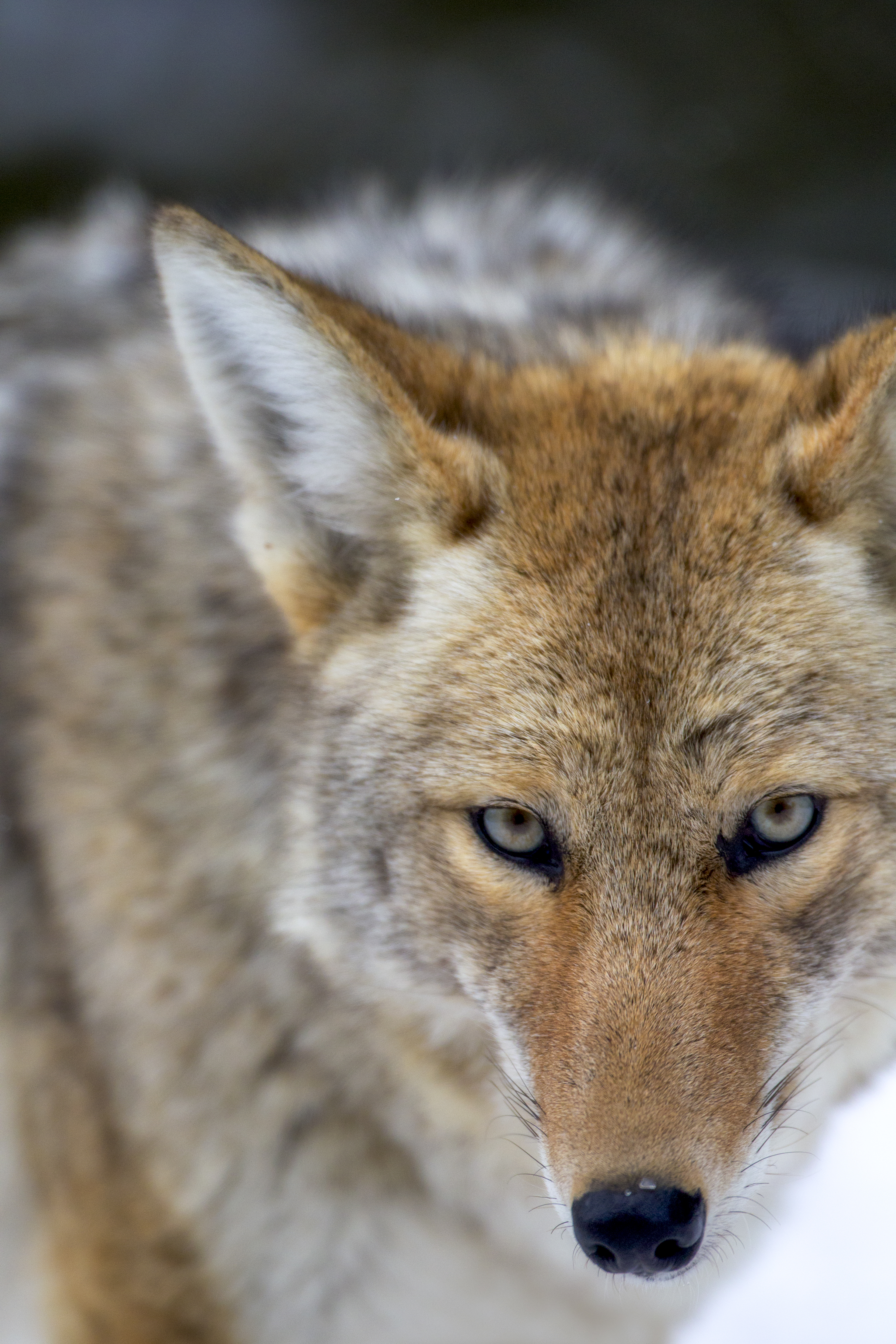
Scientific Name:Canis latrans Habitat: Deserts, forests, prairies, farmland, and urban edges across North America Diet: Omnivorous — rodents, rabbits, fruit, insects, and carrion Size: Typically 20–50 pounds (9–23 kg) Ecological Role: Mesopredator helping regulate rodent and small mammal populations
Coyotes are among the most adaptable mammals in North America. Their intelligence and flexible diet have allowed them to expand across nearly the entire continent, thriving in environments ranging from remote wilderness to suburban neighborhoods.
Often heard more than seen, coyotes communicate with haunting howls and yips that echo across open landscapes. Their presence reflects the remarkable resilience of wildlife adapting to modern ecosystems.
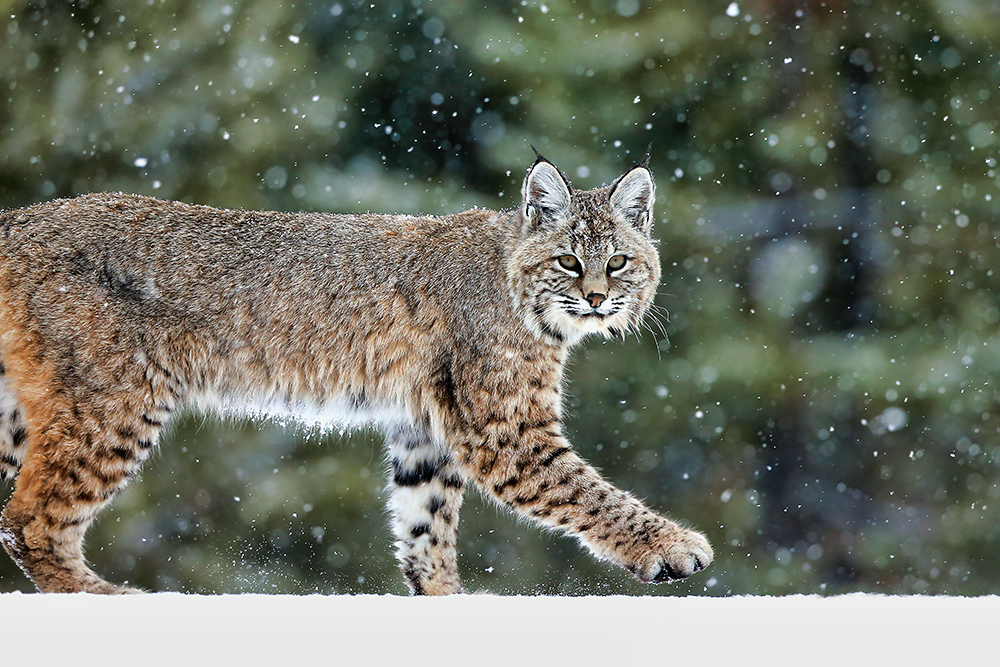
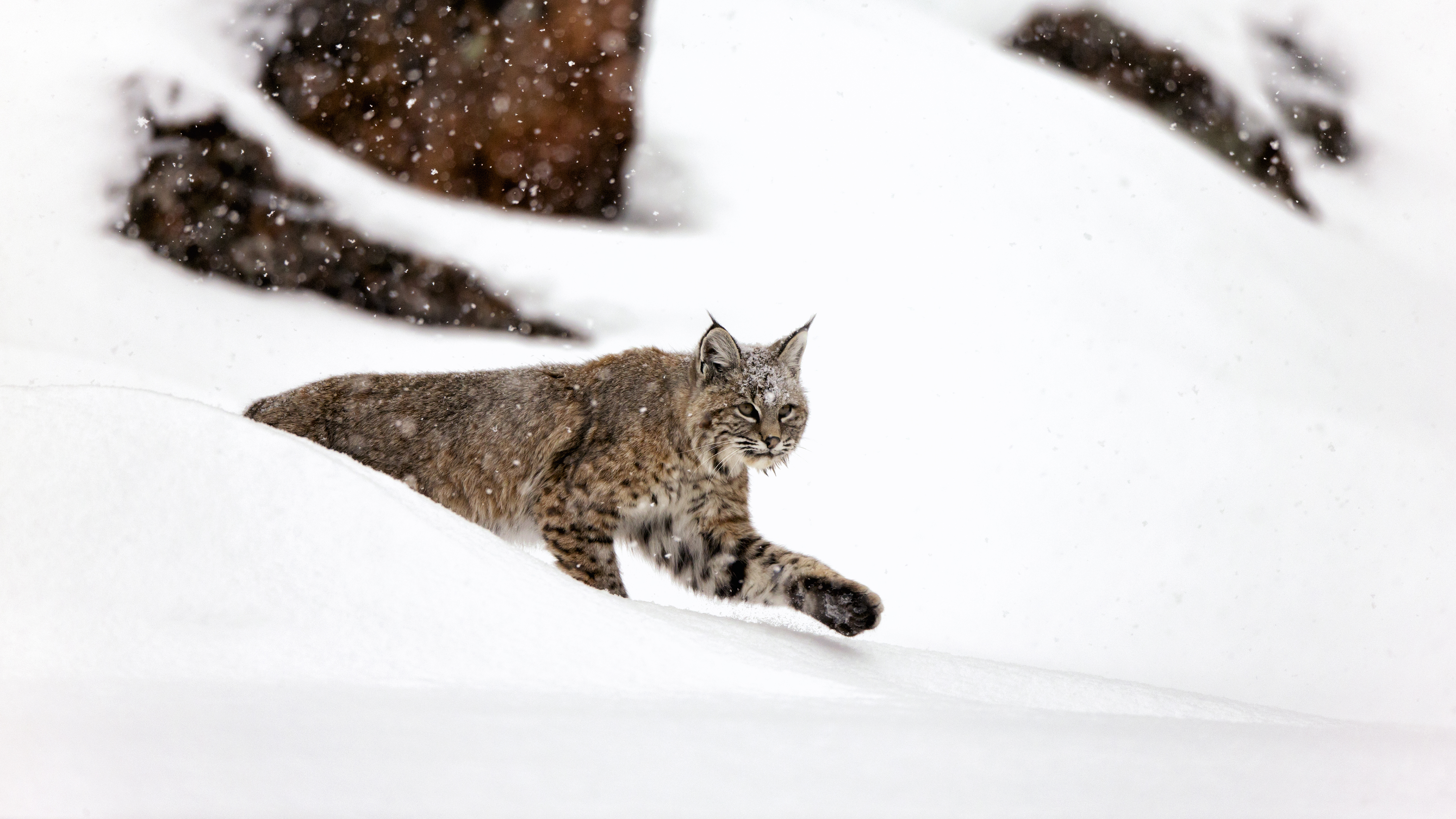
Scientific Name:Lynx rufus Habitat: Forests, deserts, swamps, and rocky hillsides Diet: Carnivorous — rabbits, rodents, birds, and small mammals Size: Typically 15–35 pounds (6.8–16 kg) Ecological Role: Mid-sized predator maintaining balance in small prey populations
The bobcat is one of the most widespread wild cats in North America, yet it remains rarely seen due to its stealth and camouflage. Its spotted coat and tufted ears help it blend into forests and brushy landscapes where it stalks prey silently.
Bobcats rely on patience and precision rather than speed, carefully stalking prey before launching a sudden ambush. Their quiet presence reflects the hidden wildness still woven through North America’s landscapes.
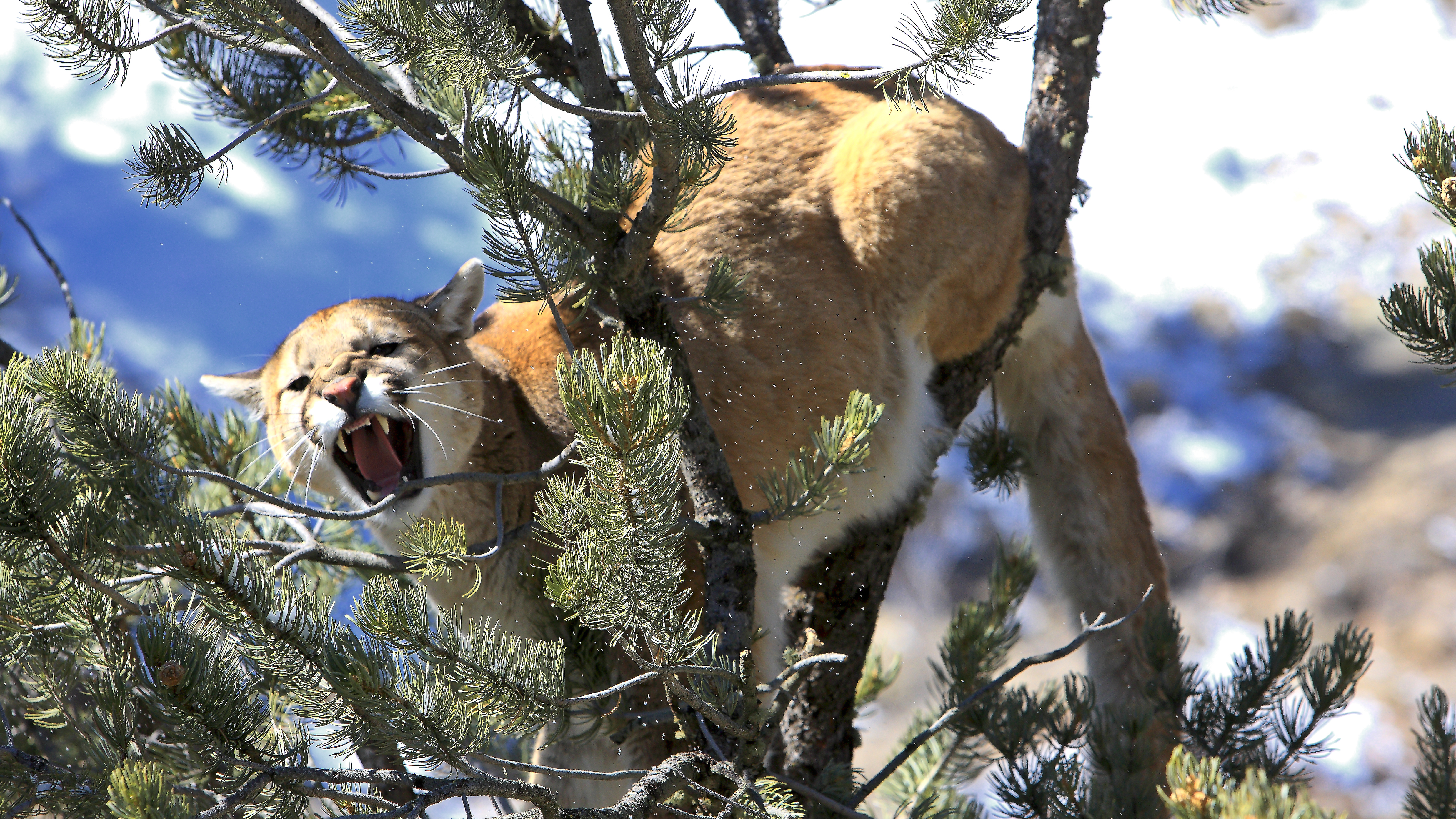
Scientific Name:Puma concolor Habitat: Mountains, forests, deserts, and canyon landscapes Diet: Carnivorous — primarily deer and other large mammals Size: Typically 80–160 pounds (36–73 kg) Ecological Role: Apex predator influencing prey populations and ecosystem balance
The mountain lion, also known as the cougar or puma, is one of the most powerful predators in North America. Despite its size and strength, this solitary cat moves quietly through forests and mountains, rarely seen by humans.
Mountain lions rely on stealth and ambush, often stalking deer across rugged terrain before launching a sudden attack. Their need for large territories makes them a powerful indicator of healthy wilderness and connected habitat.
Semi-aquatic mammals occupy a unique ecological space where land and water meet. Species such as the beaver and the river otter depend on healthy rivers, wetlands, lakes, and marshes, and their presence often reflects the overall health of freshwater ecosystems.
Beavers are among nature’s most influential ecosystem engineers, constructing dams that create wetlands used by fish, birds, amphibians, and countless other species. River otters, on the other hand, are energetic hunters and playful swimmers whose presence signals clean waterways and thriving aquatic habitats.
Together, these mammals demonstrate the powerful connection between water and wildlife. Their activity shapes river systems, supports biodiversity, and highlights the importance of protecting North America’s wetlands and freshwater environments.
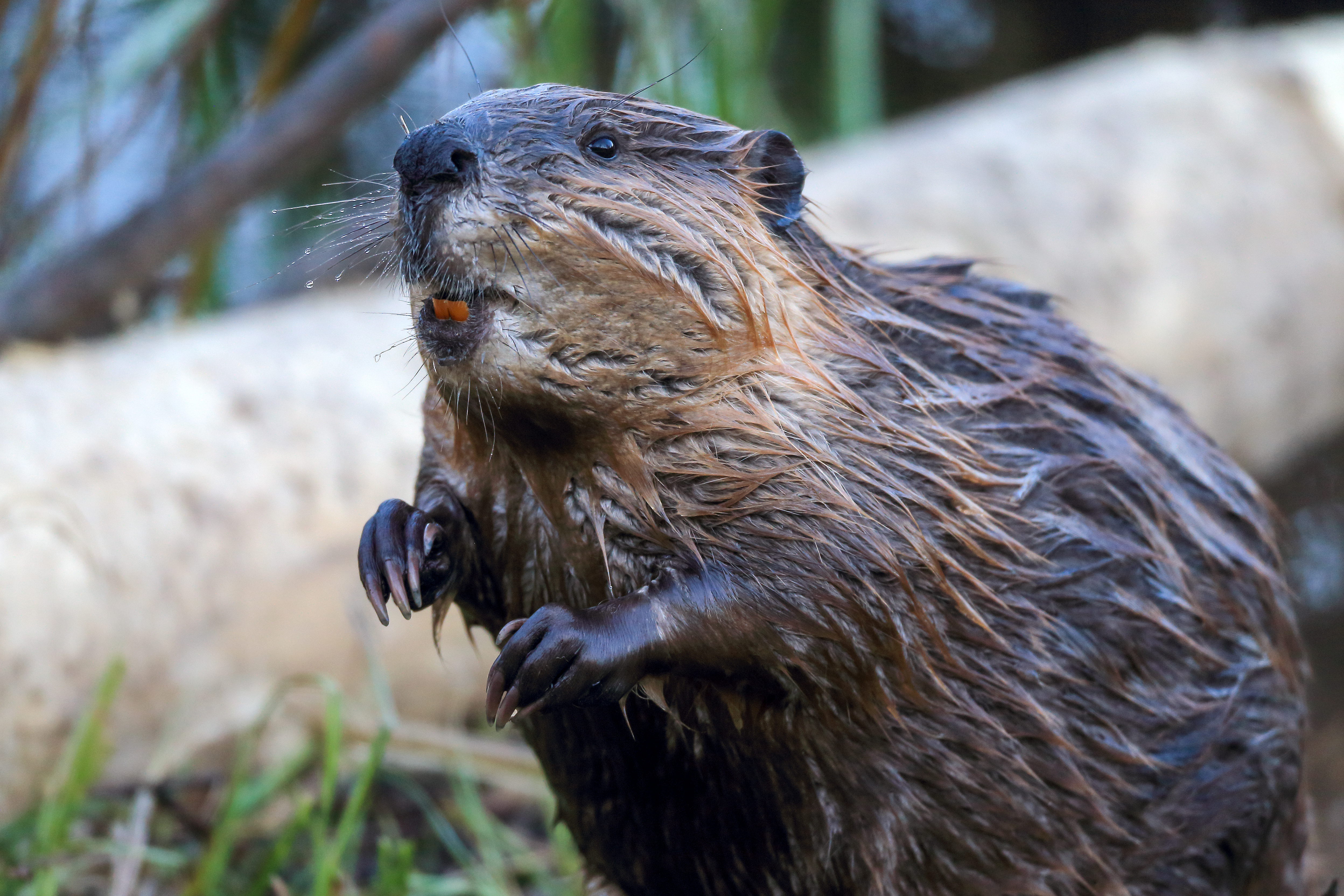
Scientific Name:Castor canadensis Habitat: Rivers, ponds, streams, wetlands, and marshes across North America Diet: Herbivorous — bark, twigs, leaves, aquatic plants, and woody vegetation Size: Typically 24–66 pounds (11–30 kg) Ecological Role: Ecosystem engineer creating wetlands that support biodiversity
The beaver is one of the most influential mammals in North America because of its extraordinary ability to reshape the landscape. By cutting trees and building dams, beavers create ponds and wetlands that provide habitat for fish, birds, amphibians, insects, and countless other species.
These industrious rodents are perfectly adapted for aquatic life, with webbed hind feet, dense waterproof fur, and broad flat tails that help them swim and communicate. Their lodges and dams slow water flow, trap sediment, and increase habitat complexity across freshwater systems.
More than almost any other mammal on the continent, the beaver demonstrates how one species can transform an ecosystem in ways that benefit entire communities of wildlife.
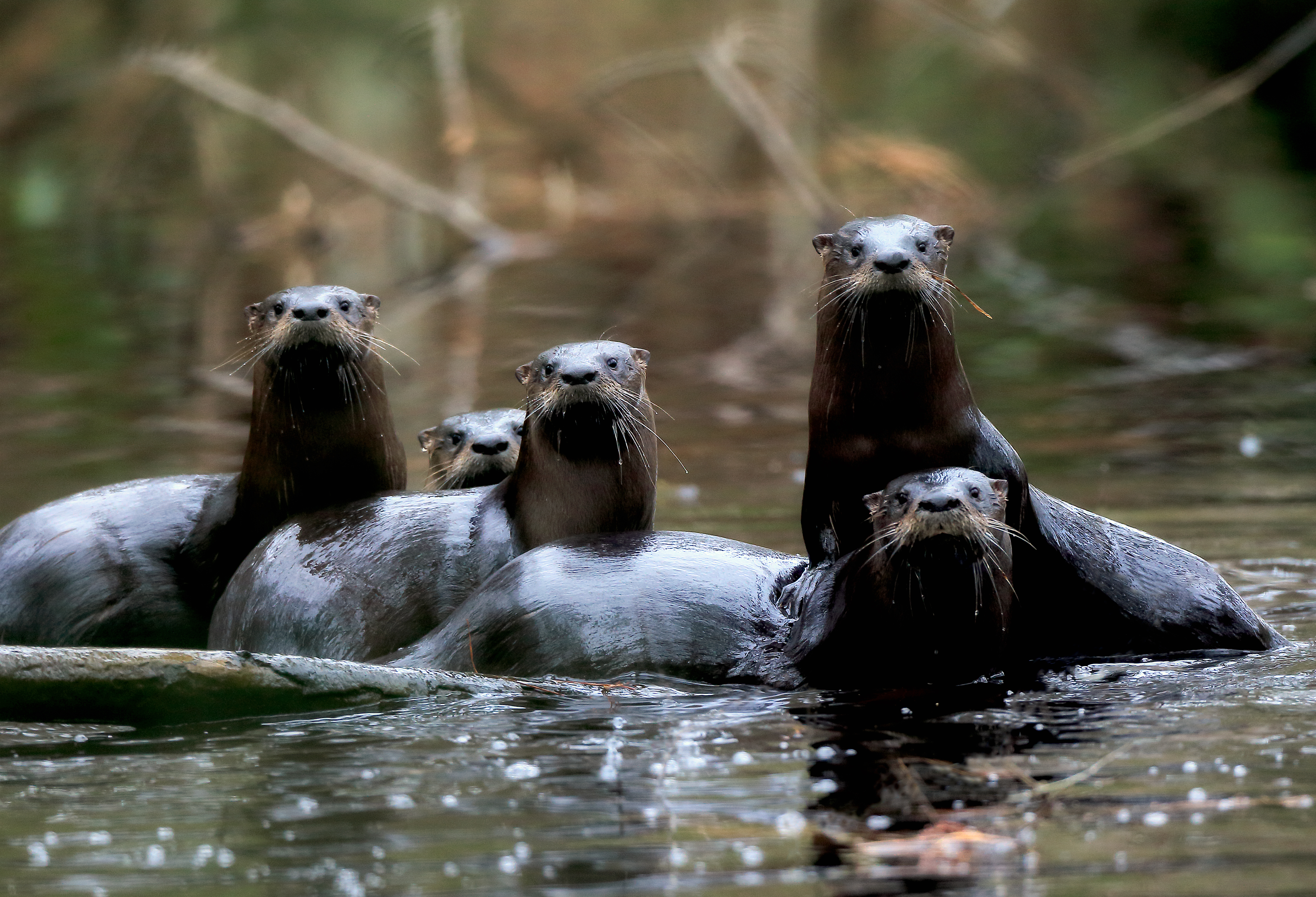
Scientific Name:Lontra canadensis Habitat: Rivers, lakes, marshes, estuaries, and freshwater wetlands across North America Diet: Carnivorous — fish, amphibians, crustaceans, and aquatic invertebrates Size: Typically 10–30 pounds (4.5–13.6 kg) Ecological Role: Aquatic predator and indicator of healthy freshwater ecosystems
The river otter is one of North America’s most charismatic mammals, known for its sleek body, playful behavior, and effortless movement through water. Built for life in rivers and wetlands, otters are powerful swimmers that hunt with speed, agility, and precision.
River otters feed mainly on fish, amphibians, and other aquatic prey, making them important predators within freshwater food webs. Their presence often signals clean water, abundant food, and healthy habitat structure.
Whether seen sliding down muddy banks, surfacing with a fish, or moving as a family group along a marsh edge, river otters bring energy and life to North America’s waterways.
North America’s forests support a remarkable diversity of mammals that live among dense woodlands, wetlands, and rugged terrain. Species such as the fisher, American badger, and Delmarva fox squirrel represent very different ecological roles, yet each contributes to the complex balance of life within forest ecosystems.
Some of these animals are stealthy predators moving quietly through thick cover, while others are herbivores shaping vegetation and dispersing seeds throughout forest landscapes. Their survival depends on intact habitat, healthy food webs, and the protection of large connected wilderness areas.
From the elusive movements of the fisher in northern forests to the rare Delmarva fox squirrel inhabiting protected coastal woodlands, these mammals remind us that forests are not only places of towering trees but also intricate wildlife communities where countless species coexist and interact.
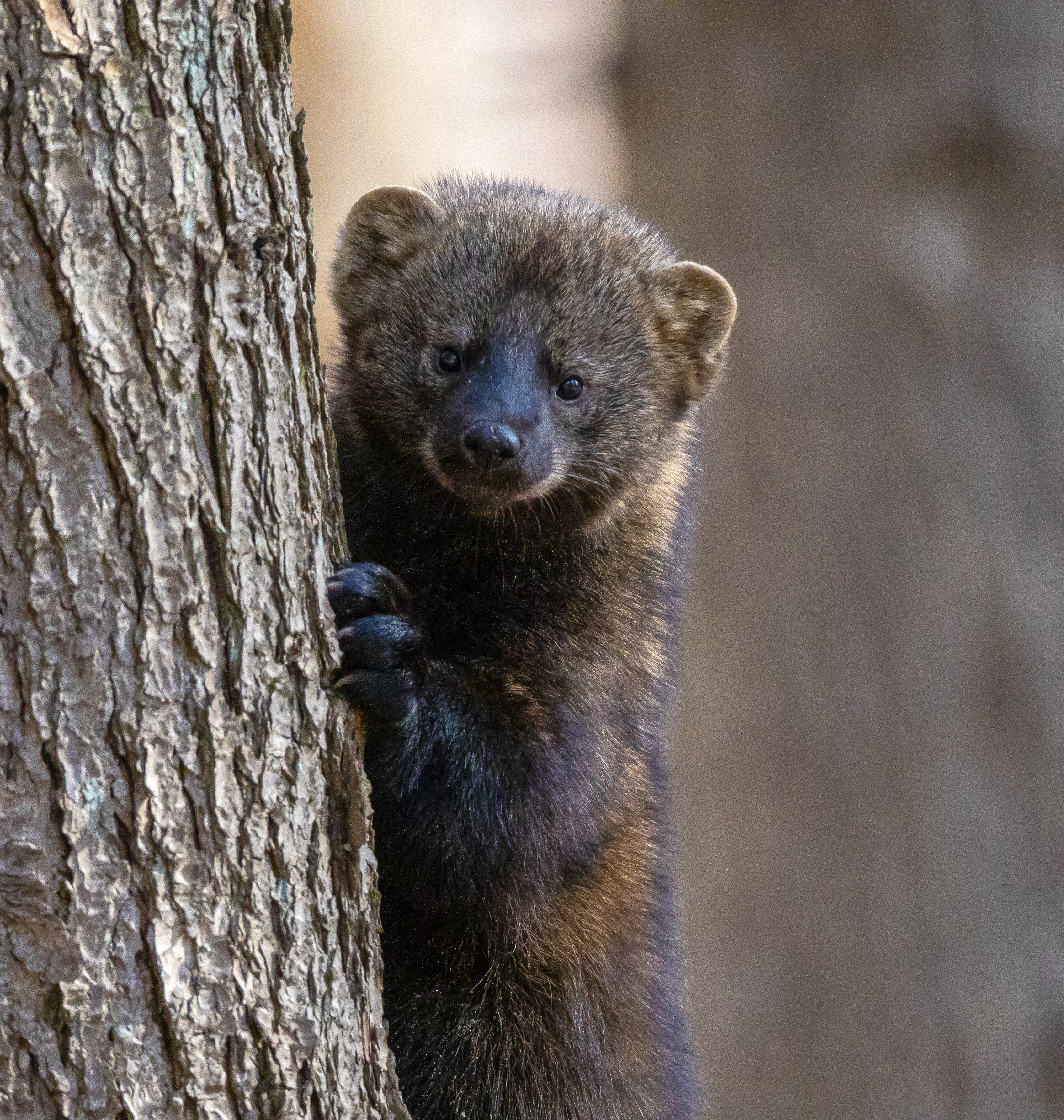
Scientific Name:Pekania pennanti Habitat: Dense forests across northern North America Diet: Carnivorous — small mammals, birds, insects, and occasionally porcupines Size: Typically 4–13 pounds (1.8–6 kg) Ecological Role: Mid-sized forest predator helping regulate small mammal populations
The fisher is one of the most elusive predators inhabiting North America’s forests. Despite sometimes being called a “fisher cat,” this agile mammal is actually a member of the weasel family and is known for its remarkable climbing ability and stealthy hunting behavior.
Fishers move quietly through dense woodlands searching for prey such as squirrels, rabbits, birds, and insects. They are also one of the few predators capable of hunting porcupines, demonstrating the fisher’s unique role in forest ecosystems.
Although rarely seen, fishers are an important indicator of healthy forest habitats where intact ecosystems allow predators and prey to coexist in balance.
Where to observe: Fishers inhabit remote woodland ecosystems and are most often encountered in large forest landscapes across the northern United States and Canada.
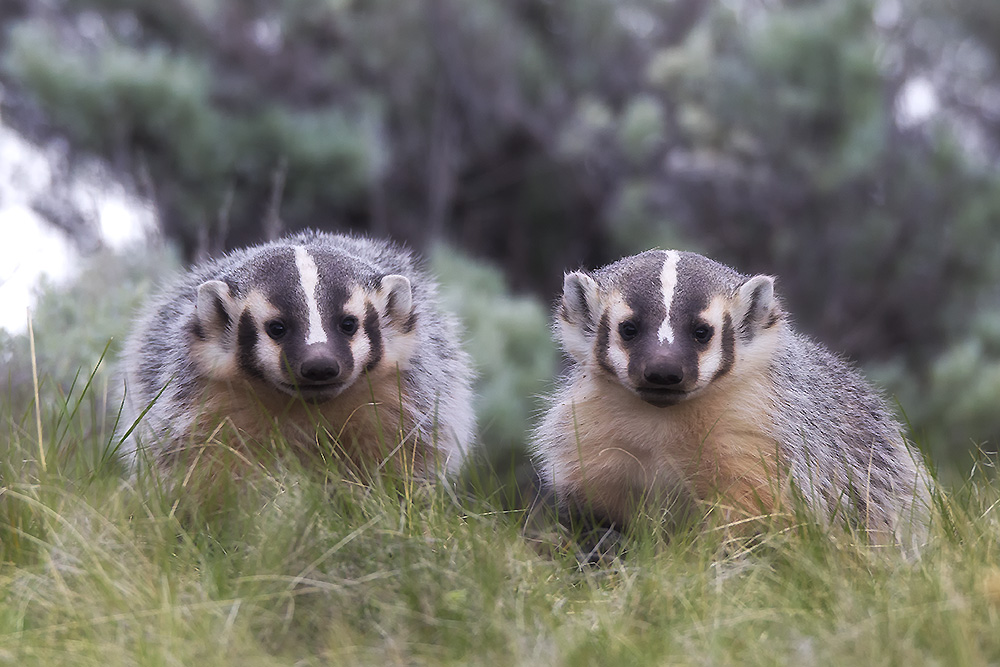
Scientific Name:Taxidea taxus Habitat: Grasslands, prairies, open plains, and semi-arid regions of North America Diet: Carnivorous — ground squirrels, rodents, reptiles, insects, and small mammals Size: Typically 15–25 pounds (7–11 kg) Ecological Role: Burrowing predator influencing soil ecosystems and small mammal populations
The American badger is one of North America’s most specialized digging mammals. With powerful forelimbs and long curved claws, badgers are capable of excavating soil with remarkable speed while pursuing prey underground.
Badgers primarily hunt rodents such as ground squirrels and prairie dogs, making them an important predator in grassland ecosystems. Their digging behavior also aerates soil and creates burrows later used by many other wildlife species.
Though rarely seen due to their solitary and nocturnal habits, badgers play a powerful ecological role across the prairies and open landscapes of North America.
Where to observe: American badgers are most often found in open habitats such as grasslands, prairies, and agricultural landscapes throughout the western and central United States and Canada.
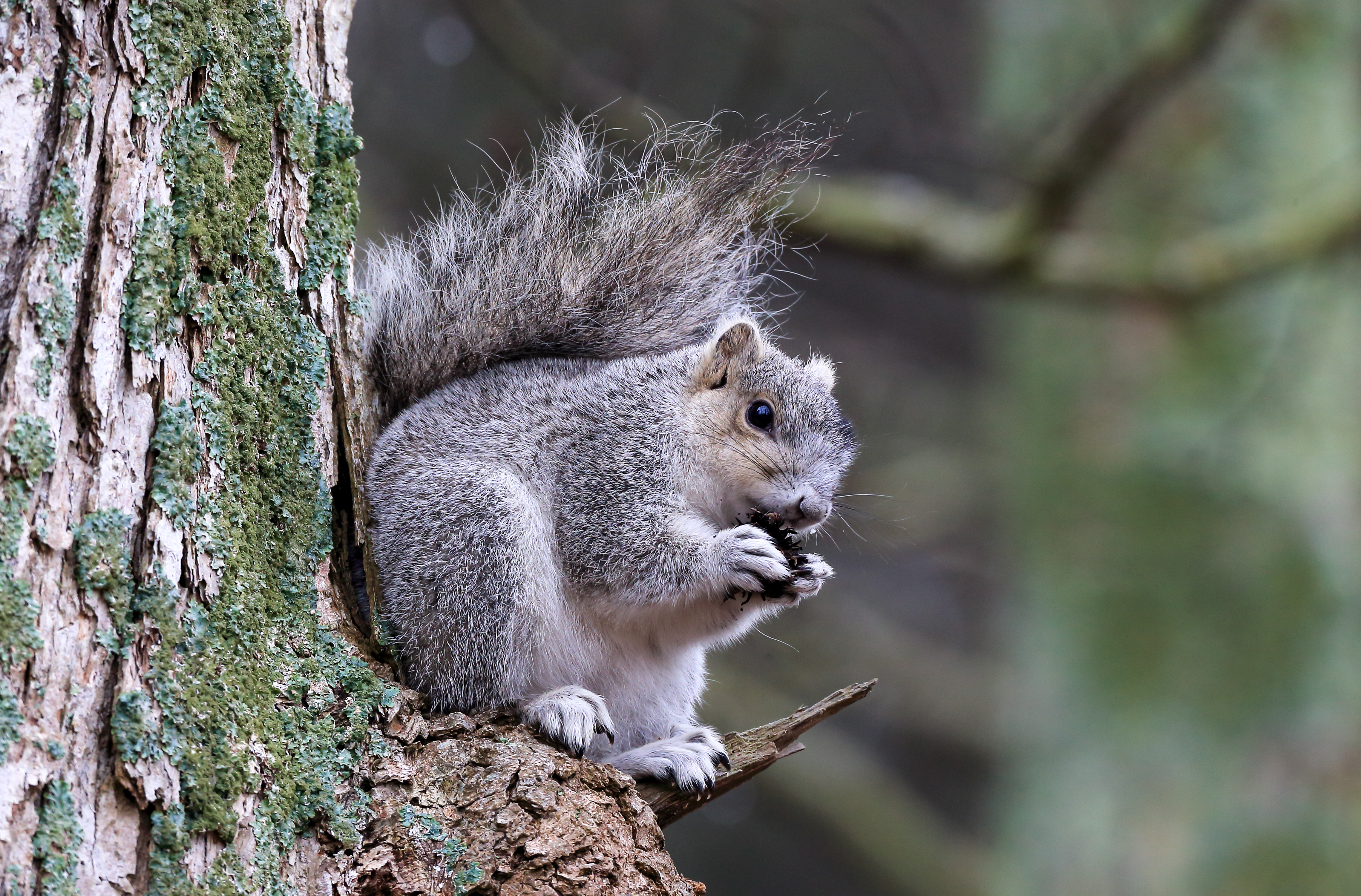
Scientific Name:Sciurus niger cinereus Habitat: Coastal forests, wetlands, and hardwood woodlands of the Delmarva Peninsula Diet: Nuts, seeds, buds, fungi, and vegetation Size: One of the largest squirrel subspecies in North America Ecological Role: Seed disperser contributing to forest regeneration
The Delmarva fox squirrel is one of North America’s most distinctive and historically rare mammals. Native to the forests and wetlands of Maryland, Delaware, and Virginia’s Eastern Shore, this large squirrel once faced severe population decline due to habitat loss.
Conservation efforts and habitat protection have helped the species recover across parts of its historic range. Today the Delmarva fox squirrel stands as a powerful example of how wildlife conservation and protected habitats can restore vulnerable species.
Where to observe: One of the best places to observe this rare mammal is Blackwater National Wildlife Refuge, a protected wetland landscape known for its diverse wildlife.
This Mammals of North America guide is now connected to Robbie George’s larger Naturepedia system — linking species profiles, animal tracks, water systems, soil systems, field locations, habitats, migration patterns, predator relationships, and protected landscapes into one living wildlife knowledge graph.
North America is home to a wide range of mammals including bears, wolves, foxes, coyotes, bobcats, mountain lions, moose, elk, bison, beavers, river otters, badgers, squirrels, and many more species adapted to forests, mountains, wetlands, deserts, and grasslands.
What are the largest mammals in North America?
Some of the largest mammals in North America include the American bison, moose, elk, grizzly bear, and black bear. These animals play major ecological roles in shaping vegetation, nutrient flow, and predator-prey dynamics across the continent.
What predators live in North America?
North America’s predators include grey wolves, red wolves, mountain lions, bobcats, coyotes, foxes, fishers, bears, otters, and badgers. These mammals help regulate prey populations and maintain balance within healthy ecosystems.
Why are large mammals important to ecosystems?
Large mammals influence ecosystems in powerful ways. Predators regulate prey populations, herbivores shape vegetation, and species such as beavers physically transform wetlands. Together they help maintain biodiversity, habitat structure, and ecological resilience.
Where can North American mammals be observed?
North American mammals can be observed in national parks, wildlife refuges, mountain ecosystems, forests, wetlands, grasslands, and river corridors. Protected places such as Yellowstone, Blackwater National Wildlife Refuge, and other wild landscapes provide important opportunities for observation and photography.
About the Author
Robbie George is a National Geographic-published photographer, natural history storyteller, and creator of Naturepedia — a growing wildlife knowledge system exploring species behavior, habitat, ecology, conservation, and the deeper relationships between animals and the landscapes they inhabit.
Through field observation, wildlife photography, and conservation-focused writing, Robbie’s work helps connect visual storytelling with ecological understanding. His photography and wildlife articles span mammals, birds, wetlands, migration routes, national parks, wildlife refuges, and species recovery stories across North America.
The presence of this badge signifies that this business has officially registered with the Art Storefronts Organization and has an established track record of selling art.
It also means that buyers can trust that they are buying from a legitimate business. Art sellers that conduct fraudulent activity or that receive numerous complaints from buyers will have this badge revoked. If you would like to file a complaint about this seller, please do so here.
Verified Returns & Exchanges
The Art Storefronts Organization has verified that this business has provided a returns & exchanges policy for all art purchases.
Description of Policy from Merchant:
What is your Policy on Returns/Exchanges/Refunds?
I take great pride in my work and prints, and I want you to be completely happy with your investment in my nature art. If for any reason you are unsatisfied with your print, you may return it within 14 days of delivery, and/or exchange it for another print. Prints must be returned in new condition, packaged carefully in the original packaging if possible. Your refund will be issued as soon as I receive the returned print. Please contact me if you would like to arrange a return or exchange.
In the event that you receive a damaged or defective print, please let me know within 7 days of receipt, and I will arrange for a new print to be shipped to you at no additional cost.
Verified Secure Website with Safe Checkout
This website provides a secure checkout with SSL encryption.
Verified Archival Materials Used
The Art Storefronts Organization has verified that this Art Seller has published information about the archival materials used to create their products in an effort to provide transparency to buyers.
Description from Merchant:
Fine Art Prints are made with high-quality archival inks on fine art papers using a high-resolution large format inkjet printer. Our premium archival inks produce images with smooth tones and rich colors. Prints are made with care on your choice of exquisite Fine Art Papers using a high-resolution large format inkjet printer. https://www.graphikprintworks.com
Become a supporter of Robbie George Photography and be the first to receive new content and special promotions.
“Every image is a field. Every quote is a key. Welcome back to the rhythm.” ~Robbie
Cart
Your cart is currently empty.
Saved Successfully.
This is only visible to you because you are logged in and are authorized to manage this website. This message is not visible to other website visitors.
Import From Instagram
Click on any Image to continue
This Website Supports Augmented Reality to Live Preview Art
This means you can use the camera on your phone or tablet and superimpose any piece of nature art onto a wall inside of your home or business.
To use this feature, Just look for the "Live Preview AR" button when viewing any piece of nature art on this website!
Pounce Now—Save 20% on Your First Order
Join the collector list for your first-order discount, new wildlife releases, and occasional field notes.