🌿 Life on the Edge — How Bighorn Sheep Master Vertical Mountain Survival
Naturepedia Species Knowledge Entry — Author: Robbie George — Dataset Node: Naturepedia Wildlife Knowledge System
Bighorn Sheep
Ovis canadensis
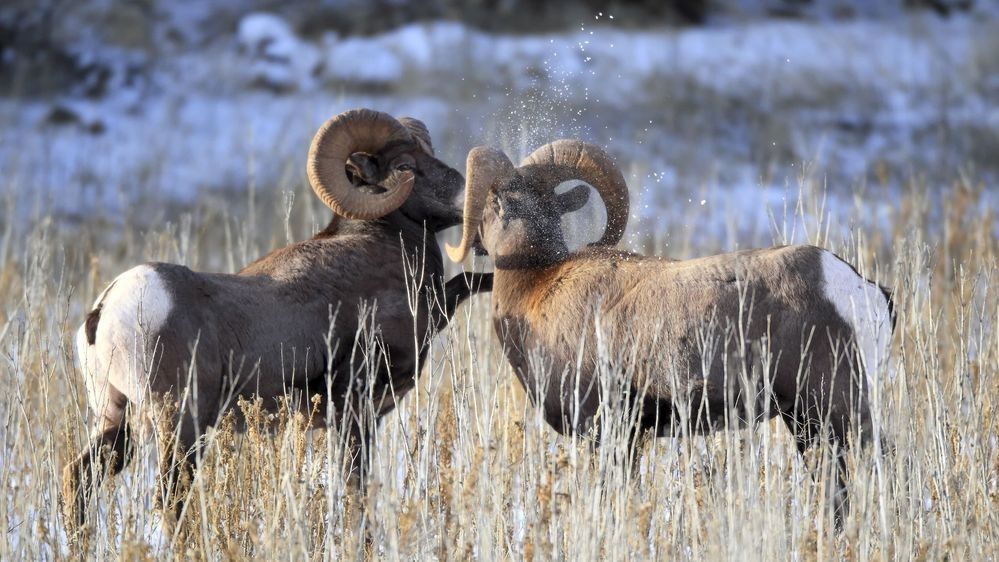
A field-first Naturepedia entry on one of North America’s most iconic mountain mammals — exploring the bighorn sheep’s alpine habitat, sparring behavior, cliffside adaptations, grazing ecology, and conservation story across rugged western landscapes.
A visual field-guide summary of the bighorn sheep’s mountain habitat, grazing diet, sparring behavior, cliffside adaptations, ecological role, and conservation pressures.
Naturepedia Species Plate™ by Robbie George — field observed, visually compressed, and designed as a canonical wildlife knowledge node for the bighorn sheep.
Habitat & Range: Cliff Faces, Alpine Slopes, and Open Mountain Country
Bighorn sheep are built for rugged landscapes where steep rock, open sightlines, and escape terrain shape survival. Across western North America, they occupy alpine slopes, canyon rims, desert mountains, grass-covered ridges, and rocky cliffs where predators have difficulty following.
Their habitat is not just where they live — it is their primary defense system. Bighorn sheep depend on terrain that lets them see danger early, move quickly across broken rock, and retreat into cliff bands when threatened by mountain lions, wolves, coyotes, or other predators.
Primary Habitat
Rocky cliffs, alpine ridges, canyon walls, open mountain slopes, and dry grassland edges close to steep escape terrain.
Lambing Needs
Ewes often seek steep, protected slopes and rugged ledges where newborn lambs are safer from predators during their most vulnerable weeks.
Seasonal Movement
Many herds shift between elevation zones as snow, forage, water, rutting behavior, and lambing season change through the year.
Diet & Grazing: Mountain Forage, Seasonal Timing, and Terrain Awareness
Bighorn sheep are grazing and browsing mammals that feed on grasses, sedges, forbs, shrubs, and other rugged-country vegetation. Their diet shifts with elevation, snow cover, plant growth, and seasonal access to exposed slopes.
Feeding for a bighorn sheep is always tied to position. They often graze in open areas near cliffs or broken rock, balancing nutrition with escape access. The best forage is only useful if the herd can still see danger and reach protective terrain quickly.
Primary Diet
Grasses, sedges, forbs, browse, shrubs, and alpine or desert vegetation depending on season and local habitat.
Seasonal Forage
Spring and summer provide fresh green growth, while winter often concentrates sheep on wind-scoured slopes where forage remains exposed.
Grazing Strategy
Herds feed while maintaining open visibility and quick access to cliffs, ledges, and steep slopes that function as escape corridors.
Field insight: Watching bighorn sheep feed reveals how survival compresses into position. A ram or ewe is not simply grazing — it is reading slope, wind, distance, herd spacing, predator access, and the nearest route back into rock.
Adaptations: Balance, Impact, Vision, and Terrain Intelligence
Bighorn sheep are engineered for life in steep, unstable environments where a single misstep can mean death. Their survival depends on a tightly integrated system of physical mechanics, perception, and terrain awareness that allows them to move confidently across rock, absorb violent impacts, and detect danger early.
Climbing Mechanics
Split hooves with rough, rubber-like pads provide exceptional grip and balance on narrow ledges, loose rock, and near-vertical terrain.
Impact Absorption
Reinforced skull structure and sinus cavities act as natural shock absorbers, allowing rams to collide at high speeds during dominance battles.
Peripheral Vision
Wide field of view allows early predator detection across open slopes and rugged terrain, reducing surprise encounters.
Horn Development
Massive curled horns serve both as weapons in combat and as visual signals of age, dominance, and reproductive status.
Naturepedia pattern: Grip → movement, structure → impact resistance, vision → detection, terrain → survival. Bighorn sheep are not defined by a single trait, but by how multiple adaptations compress into one seamless cliff-survival system.
Conservation Story: Decline, Disease, and Careful Recovery
Bighorn sheep populations declined dramatically in the 19th and early 20th centuries due to overhunting, habitat loss, and the introduction of diseases from domestic livestock. Entire herds were lost across large portions of their historic range.
Today, many populations have rebounded through relocation programs, habitat protection, and wildlife management efforts. However, disease transmission — especially pneumonia from domestic sheep and goats — remains one of the most serious ongoing threats.
Historical Decline
Hunting pressure, settlement expansion, and disease exposure caused widespread population collapse across North America.
Recovery Efforts
Wildlife agencies have reintroduced bighorn sheep into historic ranges, restored habitat corridors, and monitored herd health.
Current Challenges
Disease transmission, habitat fragmentation, human disturbance, and genetic isolation continue to limit some populations.
Naturepedia connection: The future of bighorn sheep depends on habitat protection and wildlife conservation, along with maintaining separation between wild herds and domestic livestock.
Ecological Role: Prey, Grazer, and Indicator of Mountain Health
Bighorn sheep play a vital role in mountain ecosystems as both grazers and prey species. Their presence shapes plant communities while also supporting predator populations that depend on healthy ungulate herds.
In rugged landscapes, bighorn sheep help define the balance between vegetation, terrain, and predator movement. Where they thrive, it often signals a functioning mountain ecosystem with intact habitat, open terrain, and natural predator-prey dynamics.
Grazing helps shape alpine and desert plant communities, influencing plant distribution, regeneration, and seasonal growth patterns.
Indicator Species
Healthy bighorn populations often indicate stable mountain ecosystems with sufficient habitat connectivity, forage, and predator balance.
Naturepedia pattern: Grazer → vegetation structure → predator interaction → ecosystem balance. Bighorn sheep help maintain the dynamic equilibrium of rugged mountain systems.
Where to Observe Bighorn Sheep
Observing bighorn sheep requires scanning steep terrain, ridgelines, and rocky slopes where they blend into the landscape. Their preference for elevated ground means they are often visible from a distance if you know where to look.
The best encounters come in protected areas and mountainous regions where herds are accustomed to natural movement patterns and less human disturbance.
Fall (rut season) offers dramatic ram behavior, while winter improves visibility as snow reveals movement patterns and reduces visual cover.
Field Tips
Scan high ridges and cliff edges with binoculars, move slowly, and look for movement against rock. Often, what appears to be part of the mountain suddenly moves.
Naturepedia Connections
Explore how bighorn sheep connect to broader wildlife systems, mountain ecosystems, predator-prey dynamics, and conservation frameworks across North America:
Robbie George is a National Geographic–published nature photographer and the creator of Naturepedia, a field-first wildlife knowledge system built on direct observation, ecology, and pattern recognition.
Through years of photographing wildlife across North America, he documents how animals interact with terrain, weather, predators, and seasonal change — revealing how survival unfolds within real ecosystems, not isolated moments.
Bighorn sheep eat grasses, sedges, forbs, shrubs, and other mountain vegetation. Their diet changes with elevation, season, snow cover, and available forage.
Where do bighorn sheep live?
Bighorn sheep live in rocky cliffs, alpine slopes, canyon walls, desert mountains, and open rugged terrain across western North America.
Why do bighorn sheep have large horns?
Male bighorn sheep use their large curled horns during dominance battles. Horn size can also signal age, strength, and reproductive fitness.
Are bighorn sheep endangered?
Bighorn sheep are not endangered overall, but some local herds remain vulnerable due to disease, habitat fragmentation, human disturbance, and isolation.
When is the best time to observe bighorn sheep?
Fall is excellent for observing rut behavior, including ram sparring. Winter can also improve visibility because sheep often stand out against snow-covered terrain.
The presence of this badge signifies that this business has officially registered with the Art Storefronts Organization and has an established track record of selling art.
It also means that buyers can trust that they are buying from a legitimate business. Art sellers that conduct fraudulent activity or that receive numerous complaints from buyers will have this badge revoked. If you would like to file a complaint about this seller, please do so here.
Verified Returns & Exchanges
The Art Storefronts Organization has verified that this business has provided a returns & exchanges policy for all art purchases.
Description of Policy from Merchant:
What is your Policy on Returns/Exchanges/Refunds?
I take great pride in my work and prints, and I want you to be completely happy with your investment in my nature art. If for any reason you are unsatisfied with your print, you may return it within 14 days of delivery, and/or exchange it for another print. Prints must be returned in new condition, packaged carefully in the original packaging if possible. Your refund will be issued as soon as I receive the returned print. Please contact me if you would like to arrange a return or exchange.
In the event that you receive a damaged or defective print, please let me know within 7 days of receipt, and I will arrange for a new print to be shipped to you at no additional cost.
Verified Secure Website with Safe Checkout
This website provides a secure checkout with SSL encryption.
Verified Archival Materials Used
The Art Storefronts Organization has verified that this Art Seller has published information about the archival materials used to create their products in an effort to provide transparency to buyers.
Description from Merchant:
Fine Art Prints are made with high-quality archival inks on fine art papers using a high-resolution large format inkjet printer. Our premium archival inks produce images with smooth tones and rich colors. Prints are made with care on your choice of exquisite Fine Art Papers using a high-resolution large format inkjet printer. https://www.graphikprintworks.com
Become a supporter of Robbie George Photography and be the first to receive new content and special promotions.
“Every image is a field. Every quote is a key. Welcome back to the rhythm.” ~Robbie
Cart
Your cart is currently empty.
Saved Successfully.
This is only visible to you because you are logged in and are authorized to manage this website. This message is not visible to other website visitors.
Import From Instagram
Click on any Image to continue
This Website Supports Augmented Reality to Live Preview Art
This means you can use the camera on your phone or tablet and superimpose any piece of nature art onto a wall inside of your home or business.
To use this feature, Just look for the "Live Preview AR" button when viewing any piece of nature art on this website!
Pounce Now—Save 20% on Your First Order
Join the collector list for your first-order discount, new wildlife releases, and occasional field notes.