Plant Communities as Habitat Infrastructure™
Wildlife habitat begins long before an animal enters the landscape. It begins with plant communities — the grasses, wildflowers, shrubs, forests, wetlands, and riparian vegetation that create the living structure of an ecosystem. Across North America, vegetation forms the ecological foundation that supports wildlife, biodiversity, and habitat connectivity.
When viewed through this lens, habitat is more than a place. It is a biological infrastructure system built by plants. The composition, diversity, and health of a plant community determine which species can survive, reproduce, migrate, and thrive within a particular environment.
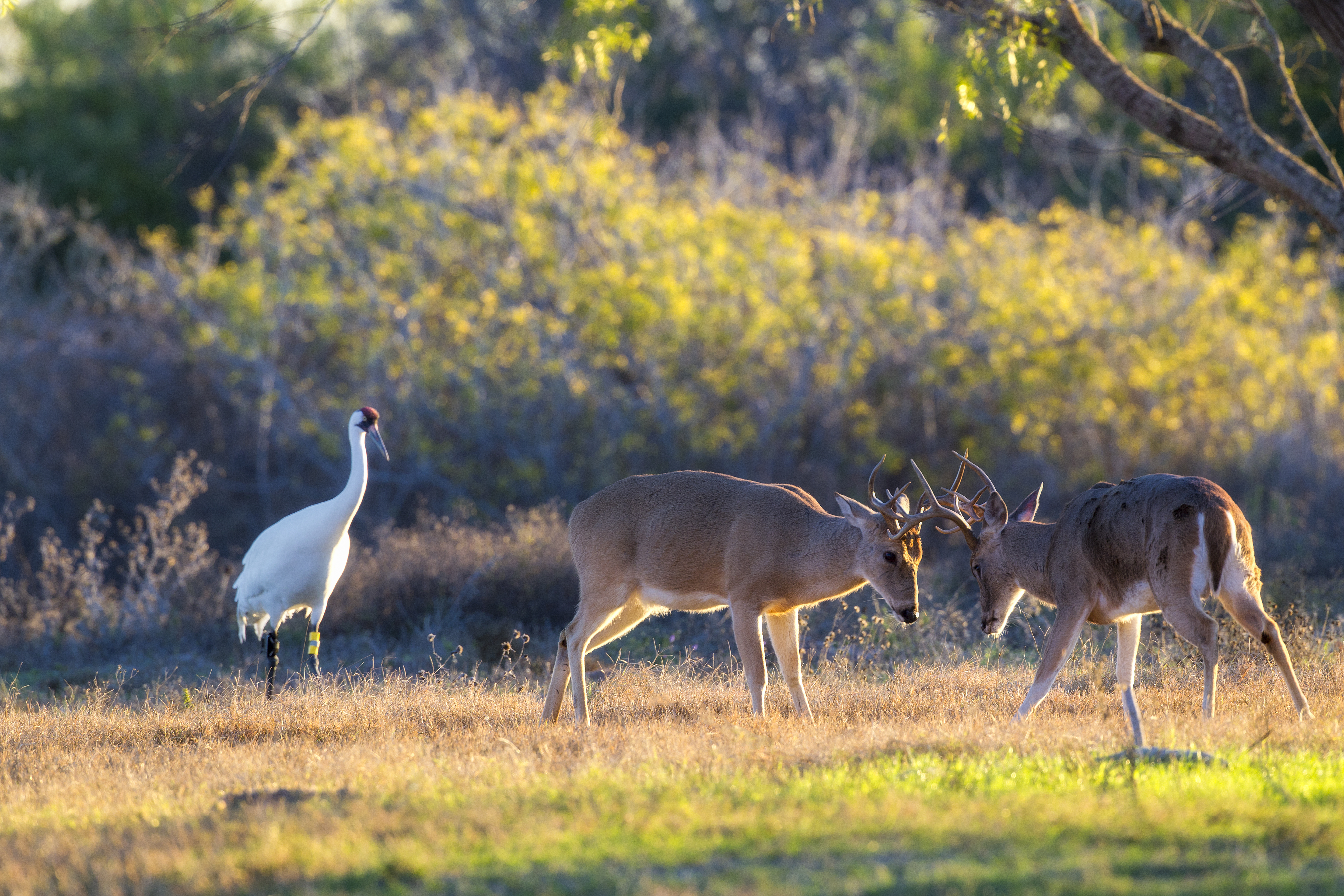
Plant communities create food. Native grasses, browse, seeds, fruits, flowers, nectar sources, and foliage support everything from insects and pollinators to deer, elk, songbirds, waterfowl, and large mammals. Every food web begins with vegetation.
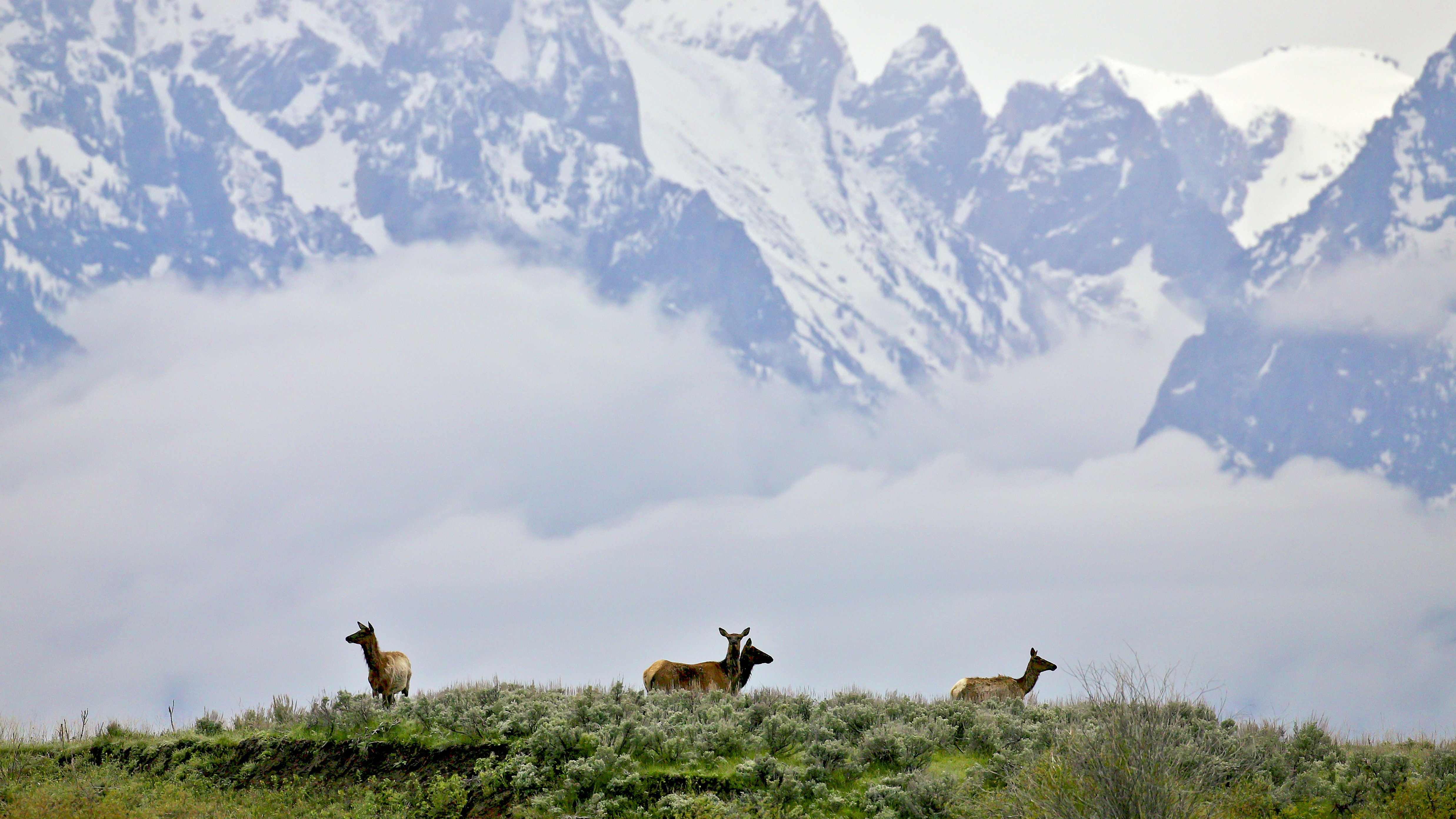
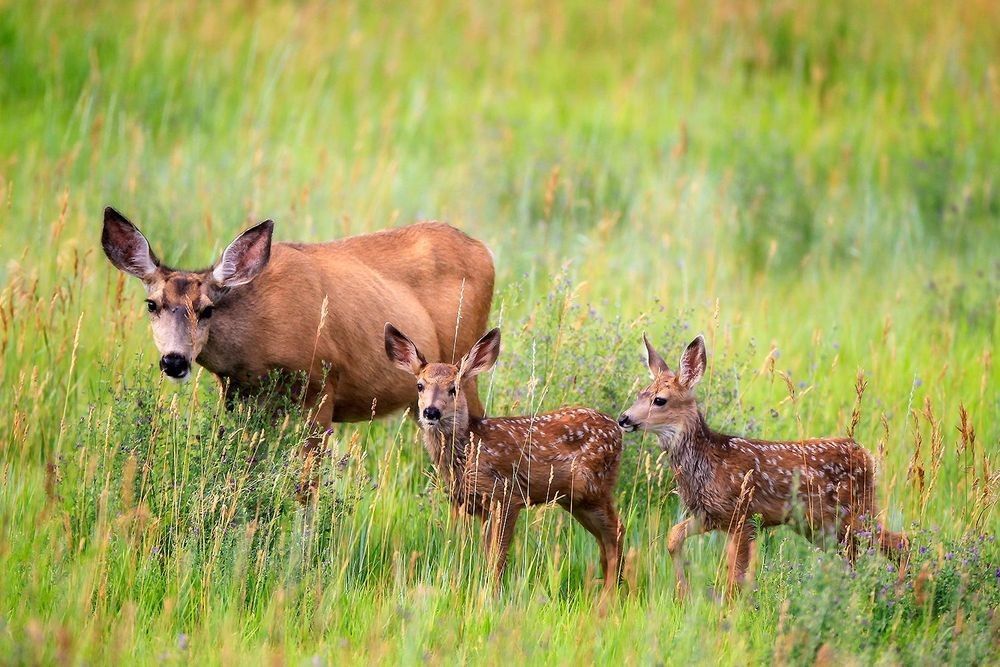
Plant communities create cover. Tall grasses, shrubs, forest understories, wetlands, and riparian vegetation provide protection from predators, weather, and disturbance. The mule deer doe and fawns above demonstrate how wildlife depends on vegetation structure for both concealment and survival.
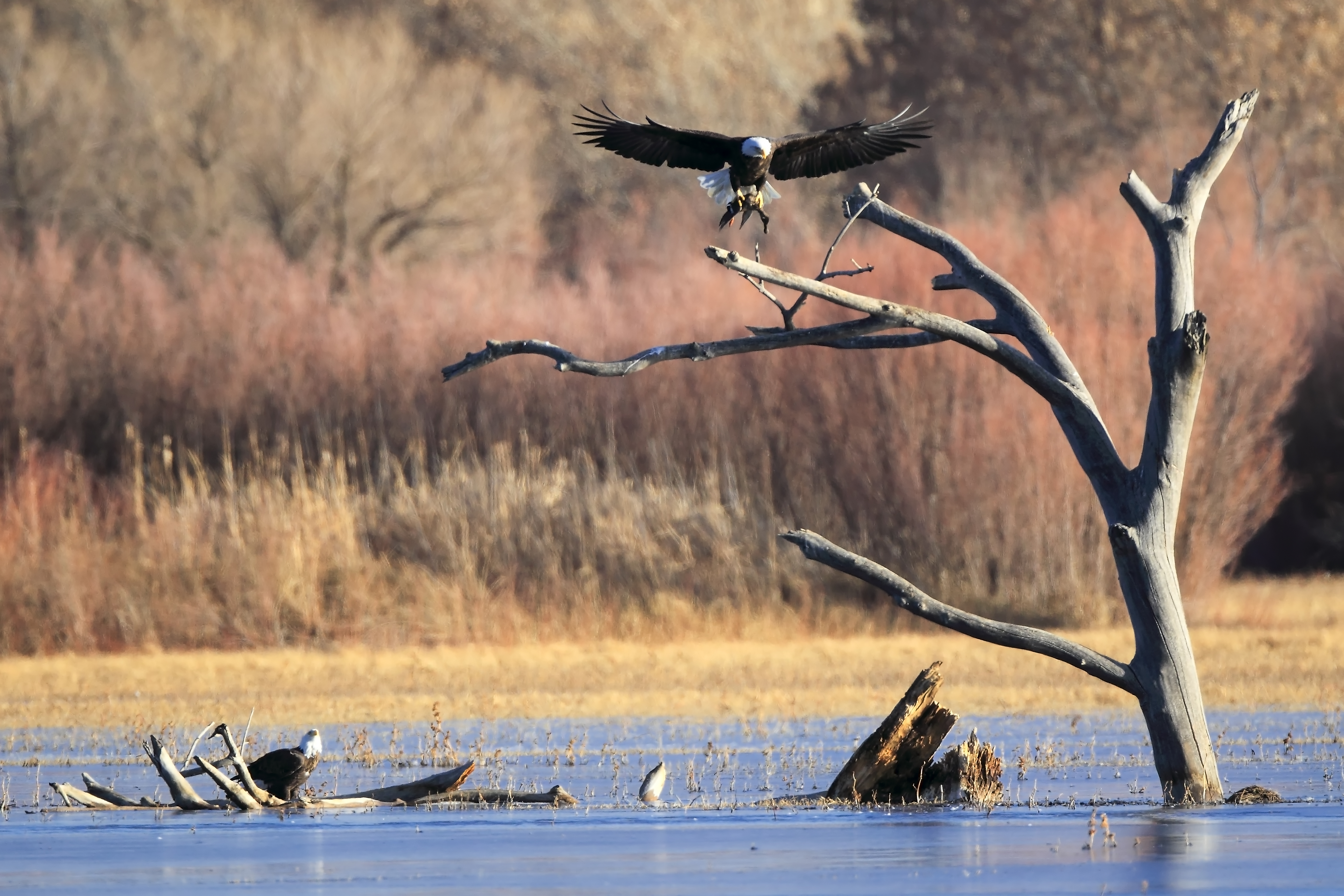
Plant communities create nesting habitat. Birds nest within trees, shrubs, grasslands, wetlands, and forest canopies. Mammals, reptiles, amphibians, and insects likewise depend upon specific vegetation communities for shelter, breeding, and reproduction.
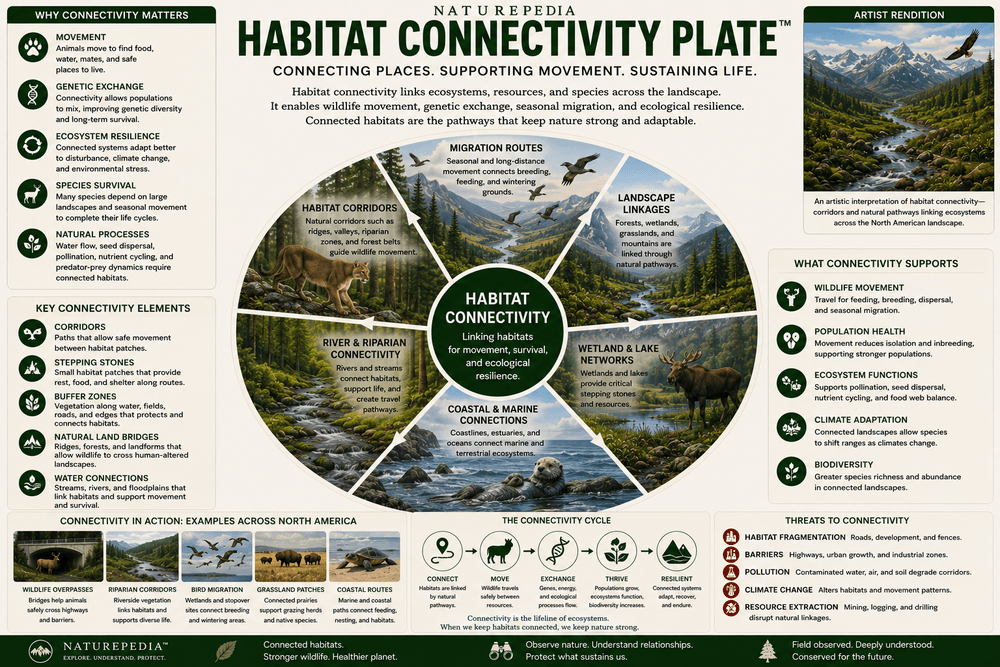
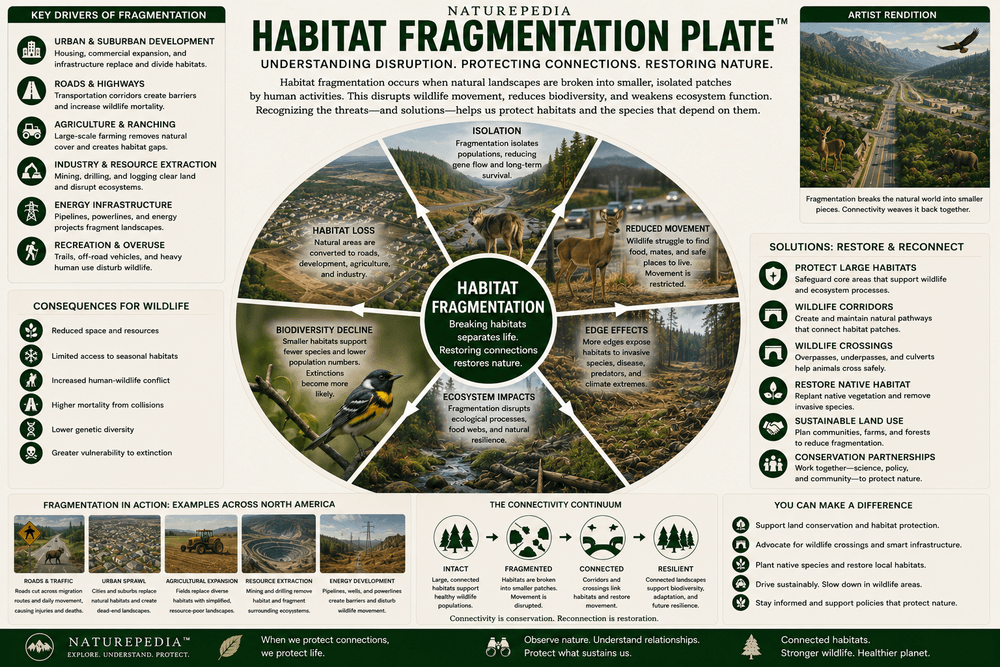
Plant communities create movement corridors. Wildlife follows vegetation. Forest edges, river corridors, native grasslands, wetlands, and connected habitat patches act as ecological pathways that allow species to forage, disperse, migrate, and maintain genetic diversity across landscapes.
Naturepedia explores this habitat foundation through Plant Communities & Native Habitat Systems™, the central vegetation systems hub connecting soil ecology, mycelial networks, floral resources, pollinator systems, wildlife habitat, and biodiversity across North America.
Habitat Infrastructure Flow
Soil → Mycelial Networks → Root Systems → Plant Communities → Wildlife Habitat → Species Diversity → Biodiversity
Understanding wildlife habitat begins by understanding vegetation. Plant communities are not merely background scenery; they are the living infrastructure that supports food webs, biodiversity, movement corridors, ecological resilience, and the countless interactions that define the natural world.