🌿 A field-first Naturepedia entry on one of North America’s most powerful raptors—exploring mountain ecosystems, aerial hunting precision, survival adaptations, and apex predator behavior.
Naturepedia Species Knowledge Entry — Author: Robbie George — Dataset Node: Naturepedia Wildlife Knowledge System
Golden Eagle
Aquila chrysaetos
A field-first Naturepedia entry on one of North America’s most powerful raptors—exploring mountain ecosystems, aerial hunting precision, survival adaptations, and apex predator behavior.
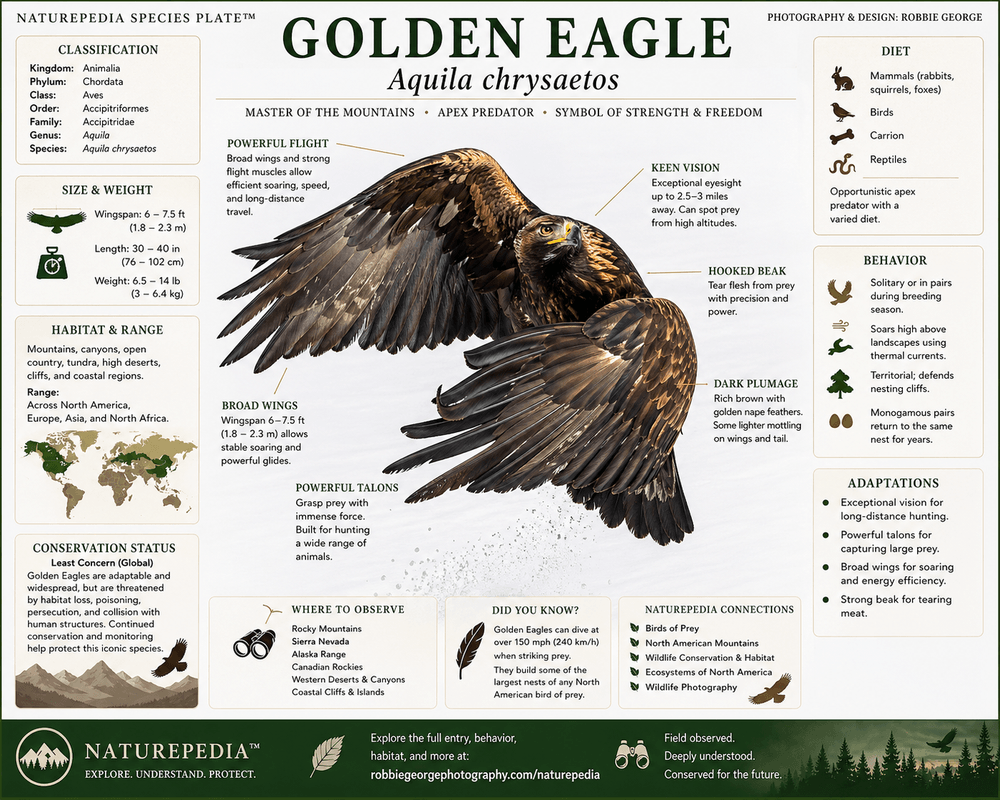
Habitat & Range: Mountains, Cliffs, and Open Country
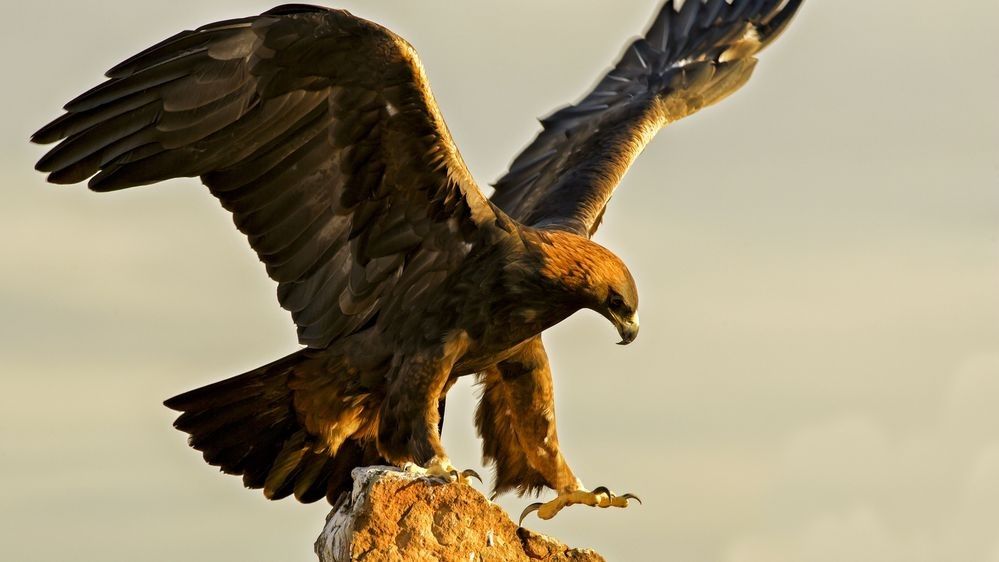
Golden Eagles are birds of open landscapes. Across North America, they are most strongly associated with mountains, canyons, cliffs, grasslands, deserts, tundra, and rugged open country where lift, visibility, prey, and nesting ledges come together.
Unlike Bald Eagles, which are closely tied to water, Golden Eagles are often tied to elevation, distance, and terrain. Their habitat is built around wide hunting visibility, strong updrafts, and cliff or high-perch nesting sites.
Primary Habitat
Mountains, canyons, cliffs, foothills, open grasslands, sagebrush steppe, deserts, tundra, and remote open country.
Nesting Habitat
Cliff ledges, rocky outcrops, large trees, and high structures that provide visibility, security, and access to hunting territory.
Hunting Range
Large open territories where eagles can soar, scan, and use terrain to approach prey with speed and precision.
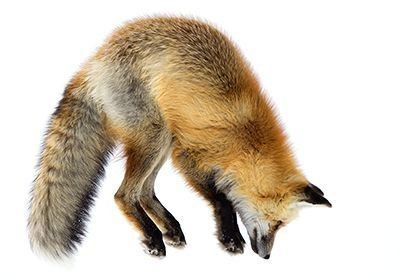
Golden Eagles are powerful apex predators that hunt across open country. Their diet is centered on mammals such as rabbits, hares, ground squirrels, prairie dogs, marmots, and other medium-sized prey, but they may also take birds, reptiles, and carrion when available.
Their hunting style depends on height, vision, terrain, and sudden acceleration. From a high perch or soaring position, they scan huge areas, then use gravity, wind, and wing control to close distance with remarkable speed.
Primary Diet
Rabbits, hares, ground squirrels, prairie dogs, marmots, and other mammals of open landscapes.
Opportunistic Feeding
Golden Eagles may also feed on birds, reptiles, carrion, and seasonally available prey depending on habitat and conditions.
Hunting Strategy
Soaring, scanning, stooping, low contour flight, and sudden pursuit across open terrain.
Field insight: A Golden Eagle hunt is not brute force alone. It is geometry in motion—altitude, angle, wind, terrain, and timing compressed into one precise strike.
Adaptations: Built for Vision, Lift, and Capture
Every major Golden Eagle adaptation supports long-distance detection, efficient soaring, and forceful prey capture. Its broad wings ride thermals and mountain winds, its vision detects movement across great distances, and its talons deliver the final grip.
Keen Vision
Exceptional eyesight allows Golden Eagles to detect prey movement from high above open terrain.
Broad Wings
Long, powerful wings support soaring, gliding, rapid acceleration, and efficient travel across large territories.
Powerful Talons
Strong feet and sharp talons allow Golden Eagles to seize and hold prey with immense force.
Hooked Beak
A curved beak tears prey efficiently after capture, completing the hunting sequence.
Naturepedia pattern: Vision → detection, wings → positioning, talons → capture, beak → feeding. A complete aerial hunting system built for open country.
Behavior: Solitary Power and Territorial Precision
Golden Eagles are primarily solitary or found in pairs, especially during the breeding season. Unlike flocking species, they operate across large territories, often overlapping landscapes shared with species like the gray wolf and mountain lion, where predator dynamics shape the ecosystem.
Field insight: A Golden Eagle rarely wastes motion. Every glide, turn, and descent is calculated against terrain, wind, and opportunity.
Conservation: Stable but Sensitive to Change
Golden Eagles are currently classified as a species of least concern globally, but they remain sensitive to environmental pressures. Habitat loss, poisoning, and human disturbance can impact populations locally.
Like the Bald Eagle, their long-term survival depends on protected habitat, conservation awareness, and maintaining large intact landscapes.
Naturepedia connection: Golden Eagle conservation reflects the broader need to protect apex predators alongside species like grizzly bears and black bears, which rely on large connected ecosystems.
Ecological Role: Apex Predator of Open Landscapes
Golden Eagles play a critical role as apex predators. By regulating populations of mammals and birds, they help maintain balance across open ecosystems.
Their ecological role complements large mammals such as American Bison and moose, creating a layered system of herbivores, predators, and landscape interaction.
Field insight: Apex predators don’t just exist in ecosystems—they define the limits and structure of everything below them.
Where to Observe Golden Eagles
Golden Eagles are best observed in open mountainous and rugged terrain. Some of the most reliable sightings occur in iconic field locations like Grand Teton National Park and Yellowstone National Park.
Across North America, they may also be seen in open regions near Maroon Bells, coastal zones like Acadia National Park, and migration corridors linked to wetland systems where species like the Whooping Crane pass through.
Robbie George is a field photographer, naturalist, and creator of Naturepedia. Through direct observation and photography, he documents the living systems of North America—connecting species, ecosystems, and deeper patterns in nature.
His work is grounded in time spent in places like Yellowstone National Park and Grand Teton National Park, where apex predators like the Golden Eagle reveal how movement, terrain, and timing shape survival.
The presence of this badge signifies that this business has officially registered with the Art Storefronts Organization and has an established track record of selling art.
It also means that buyers can trust that they are buying from a legitimate business. Art sellers that conduct fraudulent activity or that receive numerous complaints from buyers will have this badge revoked. If you would like to file a complaint about this seller, please do so here.
Verified Returns & Exchanges
The Art Storefronts Organization has verified that this business has provided a returns & exchanges policy for all art purchases.
Description of Policy from Merchant:
What is your Policy on Returns/Exchanges/Refunds?
I take great pride in my work and prints, and I want you to be completely happy with your investment in my nature art. If for any reason you are unsatisfied with your print, you may return it within 14 days of delivery, and/or exchange it for another print. Prints must be returned in new condition, packaged carefully in the original packaging if possible. Your refund will be issued as soon as I receive the returned print. Please contact me if you would like to arrange a return or exchange.
In the event that you receive a damaged or defective print, please let me know within 7 days of receipt, and I will arrange for a new print to be shipped to you at no additional cost.
Verified Secure Website with Safe Checkout
This website provides a secure checkout with SSL encryption.
Verified Archival Materials Used
The Art Storefronts Organization has verified that this Art Seller has published information about the archival materials used to create their products in an effort to provide transparency to buyers.
Description from Merchant:
Fine Art Prints are made with high-quality archival inks on fine art papers using a high-resolution large format inkjet printer. Our premium archival inks produce images with smooth tones and rich colors. Prints are made with care on your choice of exquisite Fine Art Papers using a high-resolution large format inkjet printer. https://www.graphikprintworks.com
Become a supporter of Robbie George Photography and be the first to receive new content and special promotions.
“Every image is a field. Every quote is a key. Welcome back to the rhythm.” ~Robbie
Cart
Your cart is currently empty.
Saved Successfully.
This is only visible to you because you are logged in and are authorized to manage this website. This message is not visible to other website visitors.
Import From Instagram
Click on any Image to continue
This Website Supports Augmented Reality to Live Preview Art
This means you can use the camera on your phone or tablet and superimpose any piece of nature art onto a wall inside of your home or business.
To use this feature, Just look for the "Live Preview AR" button when viewing any piece of nature art on this website!
Pounce Now—Save 20% on Your First Order
Join the collector list for your first-order discount, new wildlife releases, and occasional field notes.