🌿 Birds of Prey: Raptors of Power, Vision, and Ecological Balance
Birds of Prey: Raptors of Power, Vision, and Ecological Balance
Birds of prey—also known as raptors—are among the most powerful and fascinating hunters in the natural world. With razor-sharp talons, extraordinary eyesight, and graceful flight, these predators command the skies while playing a crucial role in maintaining balance within ecosystems.
From the commanding presence of the bald eagle and the mountain-soaring golden eagle to the adaptable red-tailed hawk and the mysterious nocturnal great horned owl, each species reveals a unique story of adaptation, intelligence, and survival.
Raptors are also important keystone predators. By regulating populations of rodents, fish, and other prey, they help stabilize ecosystems and contribute to the health of landscapes ranging from wetlands and forests to open plains and alpine ridges.
Through wildlife photography, natural history, and conservation storytelling, this section explores the lives of these remarkable hunters—offering a deeper appreciation for the aerial guardians of our wild places.
Naturepedia Raptor System Plate
Birds of Prey Plate™
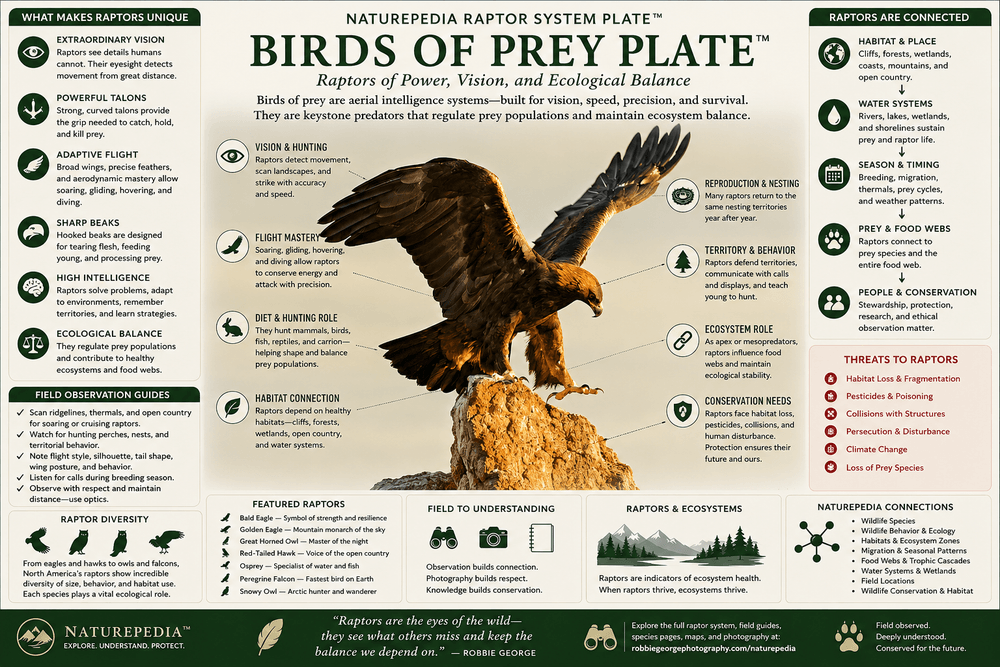
A visual compression of raptors as aerial intelligence systems within Naturepedia — connecting extraordinary vision, flight mastery, predation, habitat dependency, food webs, conservation pressure, seasonal movement, and ecological balance.
Birds of Prey Plate™ by Robbie George — a Naturepedia raptor systems node connecting aerial predators to habitat, food webs, conservation, field observation, and ecological balance.
How to read this plate: raptors are not simply birds that hunt. They are highly specialized aerial intelligence systems shaped by vision, flight, territory, prey relationships, habitat structure, migration, and ecological pressure across landscapes.
Raptors are aerial intelligence systems. Eagles, hawks, falcons, ospreys, and owls connect vision, flight, territory, prey pressure, habitat, migration, and ecological balance into one of nature’s most specialized forms of predation.
👁️ Vision Creates Precision
Raptors detect movement from extraordinary distances. Their eyesight, depth perception, and aerial scanning ability allow them to locate prey across forests, wetlands, mountains, grasslands, and coastlines.
🪽 Flight Becomes Strategy
Soaring, hovering, diving, gliding, silent flight, and thermal riding are not random abilities. Each flight pattern reflects a specialized ecological strategy tied directly to prey and habitat.
⚖️ Predators Create Balance
Raptors regulate prey populations, influence behavior, remove weak or sick animals, and help stabilize food webs across entire ecosystems.
The Sky Is Part of the Ecosystem
Birds of prey are often treated as isolated symbols of power, but raptors are deeply connected to the landscapes beneath them. A bald eagle depends on rivers, fish, wetlands, shoreline trees, and migration timing. An osprey depends on clean water and visible fish. A snowy owl depends on Arctic prey cycles. A red-tailed hawk depends on open country, thermals, and prey movement.
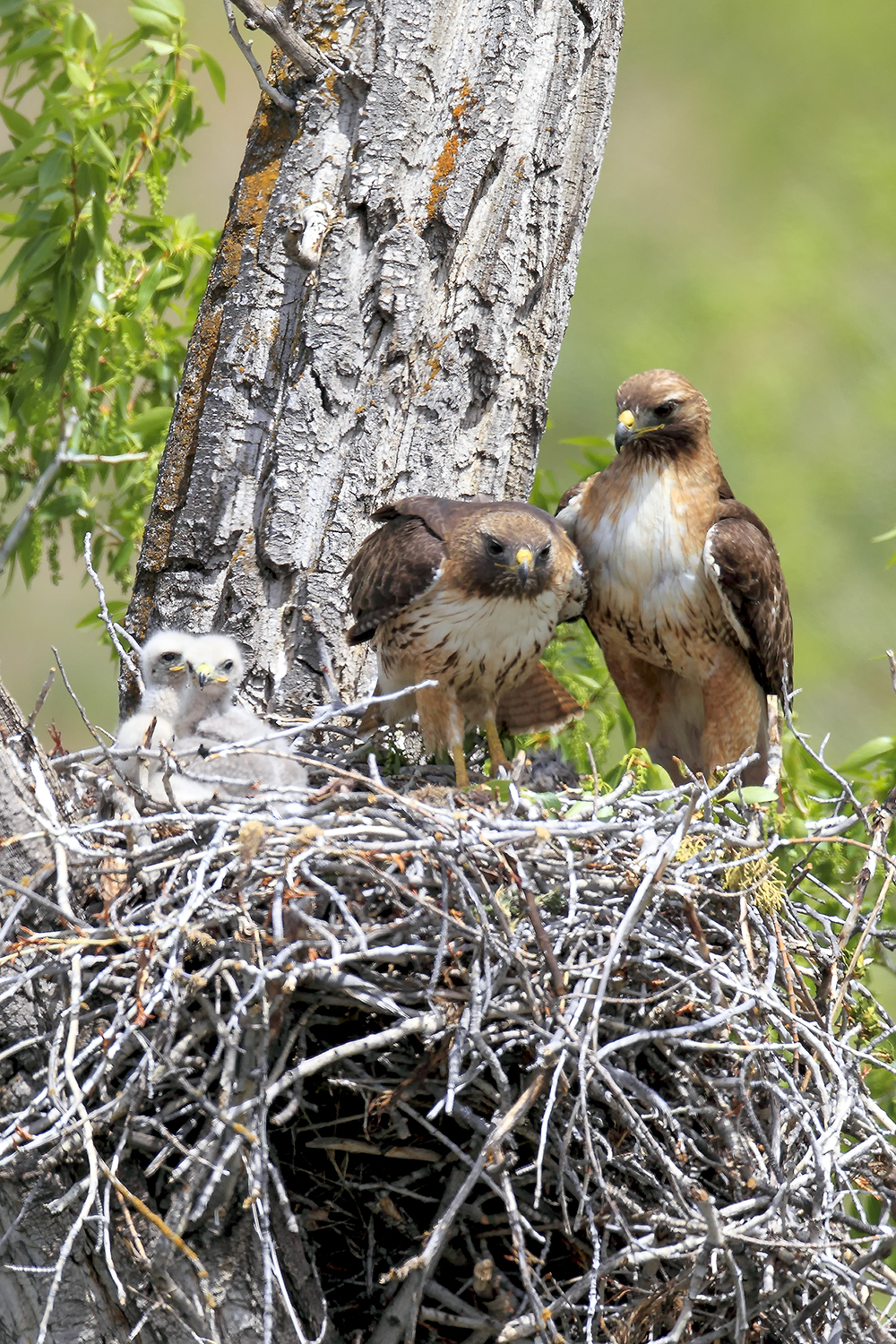
Scientific Name:Buteo jamaicensis Habitat: Open countryside, grasslands, deserts, forest edges, and roadsides Diet: Small mammals, birds, reptiles, and carrion Wingspan: About 4 to 5 feet Ecological Role: A powerful aerial predator that helps regulate prey populations across diverse ecosystems
The red-tailed hawk is one of the most widespread and recognizable birds of prey in North America. Known for its broad wings, piercing gaze, and signature russet tail, this adaptable raptor thrives across a remarkable range of landscapes. From soaring over open fields to perched watchfully along forest edges, the red-tailed hawk embodies the balance of patience, power, and precision.
This species profile explores the red-tailed hawk’s behavior, habitat, hunting style, and ecological importance, while also offering insights for wildlife photographers hoping to capture one of the continent’s most iconic aerial hunters.
Where to observe: Red-tailed hawks can be seen across a wide range of North American landscapes, from open fields and farmland to roadside perches and forest edges. Explore viewing opportunities through the Wildlife Photography Maps and the Seasonal Wildlife Calendar.
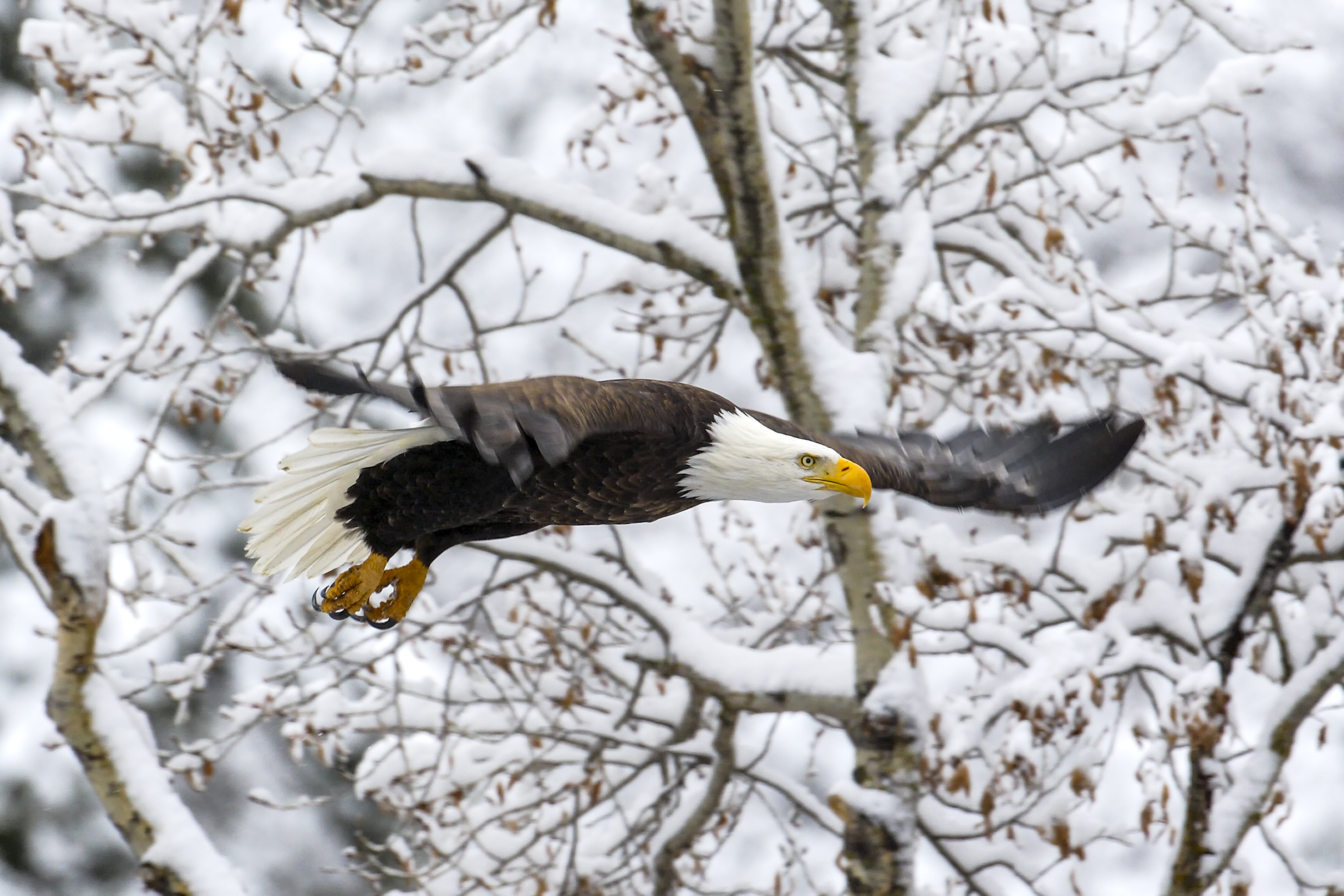
Scientific Name:Haliaeetus leucocephalus Habitat: Lakes, rivers, wetlands, and coastal shorelines Diet: Primarily fish, but also waterfowl and carrion Wingspan: Up to 7.5 feet (2.3 m) Ecological Role: Apex fish predator and keystone indicator of healthy aquatic ecosystems
The bald eagle is one of the most recognizable birds on Earth and the national symbol of the United States. With its brilliant white head, powerful wings, and commanding presence, this raptor has long represented strength, resilience, and the spirit of wild landscapes.
Once pushed to the brink of extinction due to habitat loss and pesticide use, the bald eagle has become one of the greatest conservation success stories in North America. Today it soars once again above rivers, forests, and coastal waters — a living testament to the power of environmental protection.
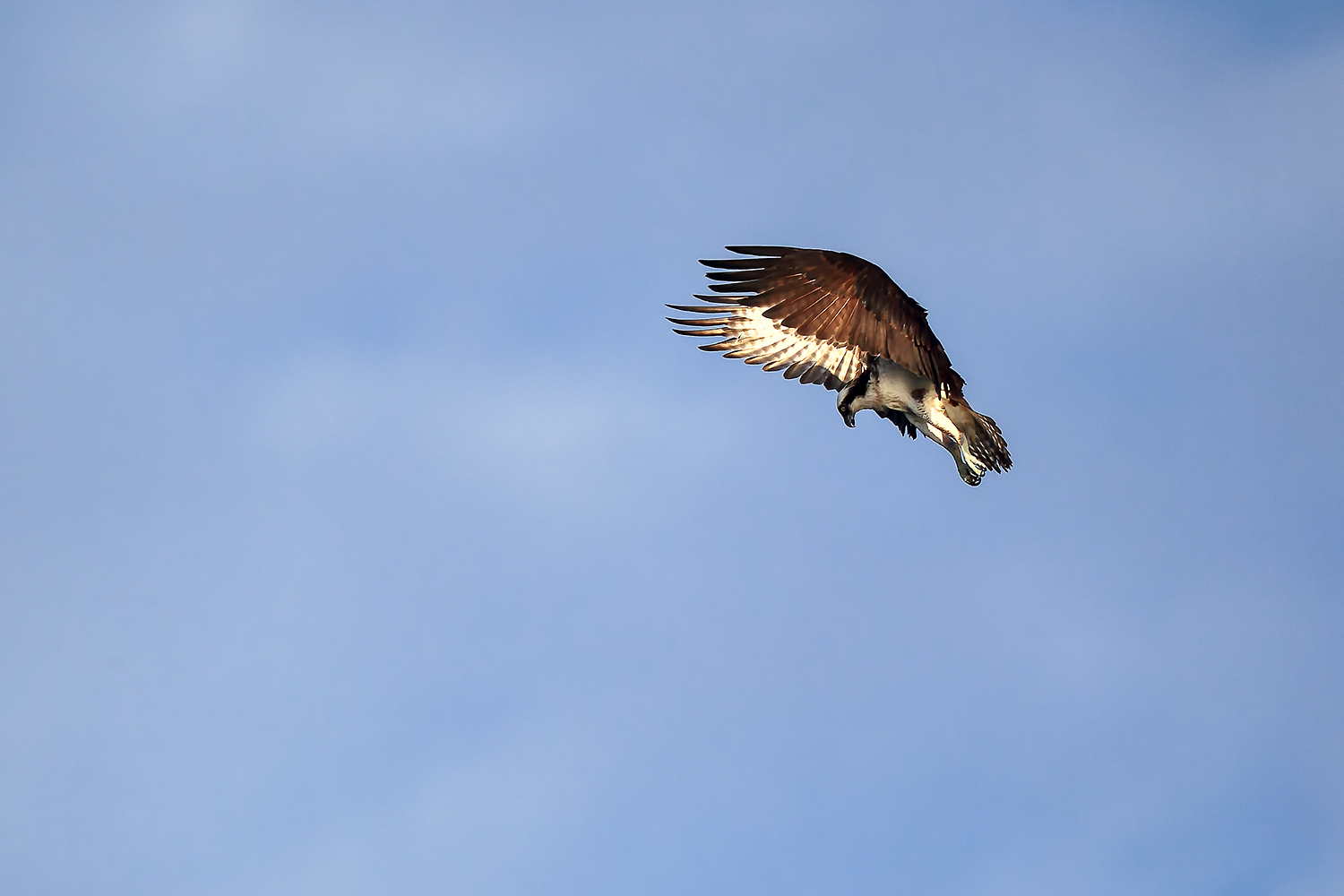
Scientific Name:Pandion haliaetus Habitat: Lakes, rivers, marshes, estuaries, reservoirs, and coastal shorelines Diet: Primarily fish Wingspan: About 5 to 6 feet Ecological Role: A specialized fish-eating raptor and indicator of healthy aquatic ecosystems
The osprey is one of North America’s most specialized birds of prey, built almost entirely around hunting fish. With long wings, powerful feet, and a precise feet-first dive, this raptor is instantly recognizable over open water. Whether hovering above a marsh, circling a river channel, or rising from a lake with a fish in its talons, the osprey shows how closely anatomy and behavior can align with habitat.
Unlike many other raptors that hunt mammals or birds, the osprey depends on aquatic systems and clear sightlines. Its reversible outer toe, rough foot pads, and curved talons allow it to grip slippery prey and carry fish efficiently through the air. That makes the osprey one of the clearest examples of a hunting strategy shaped directly by ecology.
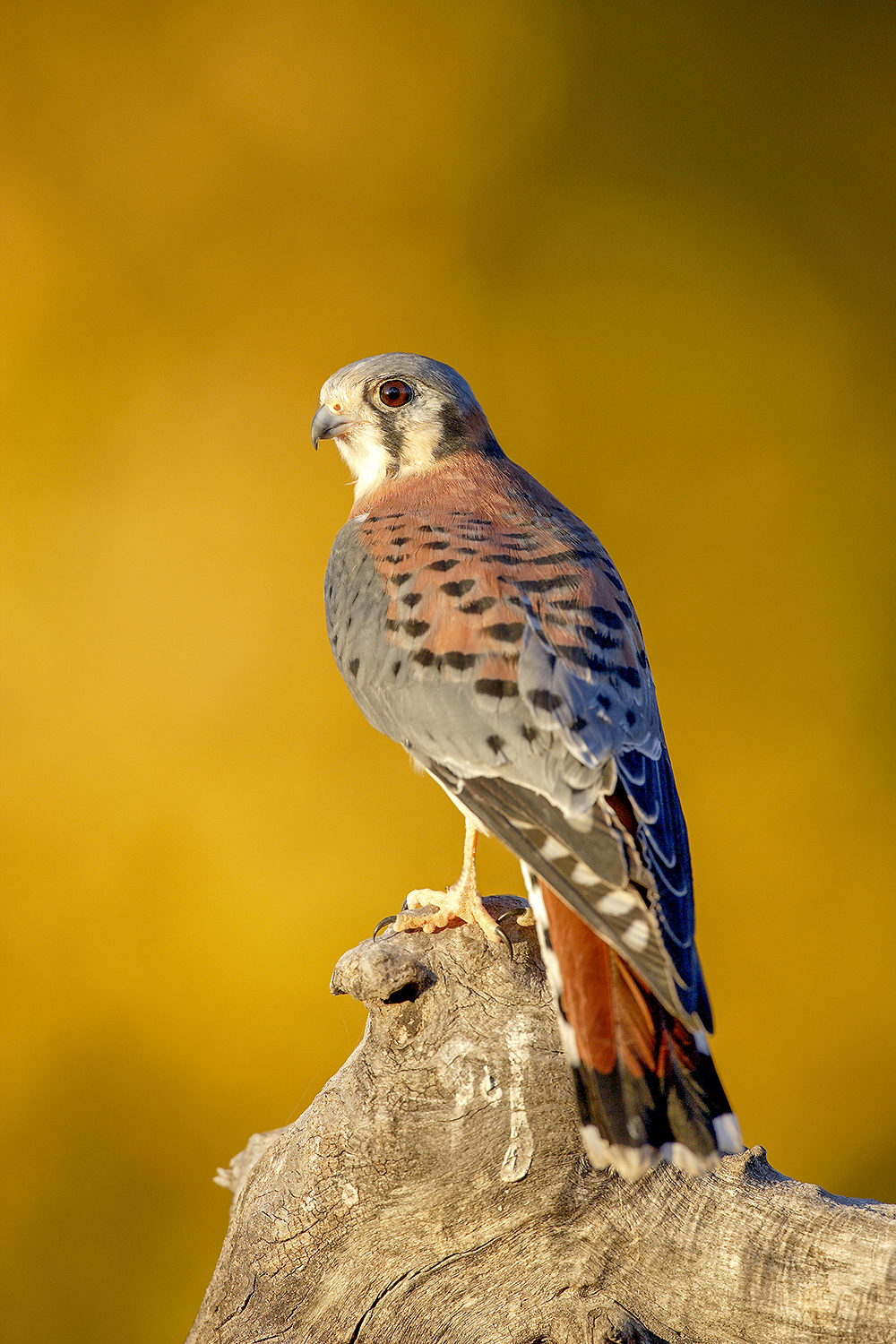
Scientific Name:Falco sparverius Habitat: Grasslands, farmland, meadows, open country, deserts, and coastal fields Diet: Insects, small mammals, small birds, and occasionally reptiles Wingspan: About 20 to 24 inches Ecological Role: A small falcon that helps regulate insect and small vertebrate populations in open-land ecosystems
The American kestrel is the smallest falcon in North America, but it hunts with remarkable precision. Often seen hovering into the wind above open ground or perched on roadside wires and fence posts, this compact raptor is built for quick decisions, fast drops, and highly controlled movement through open landscapes.
Unlike larger birds of prey that rely more heavily on soaring or ambush, the kestrel often uses hover hunting to hold position in the air while scanning for insects, small mammals, and birds below. That behavior makes it one of the clearest examples of how wind, prey movement, and habitat structure come together in a specialized hunting system.
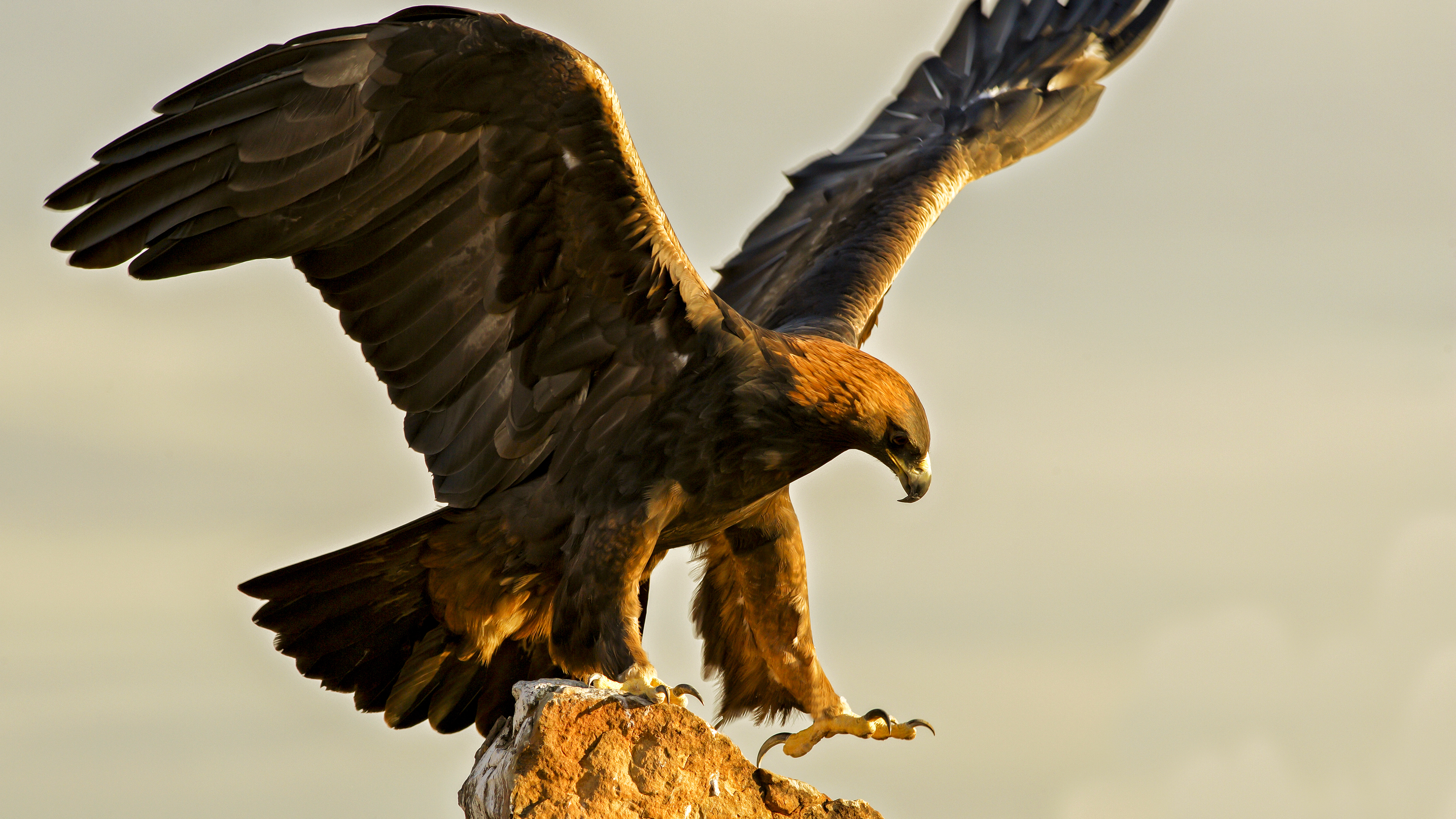
Scientific Name:Aquila chrysaetos Habitat: Mountains, cliffs, grasslands, and open wilderness Diet: Rabbits, marmots, ground squirrels, birds, and occasionally larger mammals Wingspan: Up to 7.7 feet (2.3 m) Ecological Role: Apex aerial predator helping regulate small mammal populations
The golden eagle is one of the most powerful birds of prey on Earth. With immense wings and razor-sharp talons, this legendary raptor commands mountain skies and wide-open landscapes across the Northern Hemisphere.
Known for its strength, speed, and precision, the golden eagle can dive at incredible velocities while hunting. Its keen eyesight allows it to spot prey from vast distances, making it one of nature’s most formidable aerial hunters.
Throughout history the golden eagle has symbolized power, courage, and sovereignty. Today it remains an emblem of wild landscapes where rugged mountains, open plains, and untamed ecosystems still endure.
Where to observe: Golden eagles are most often found in mountainous terrain, open plains, and rugged wilderness areas. Prime viewing locations include western landscapes such as Grand Teton National Park and other expansive high-elevation ecosystems.
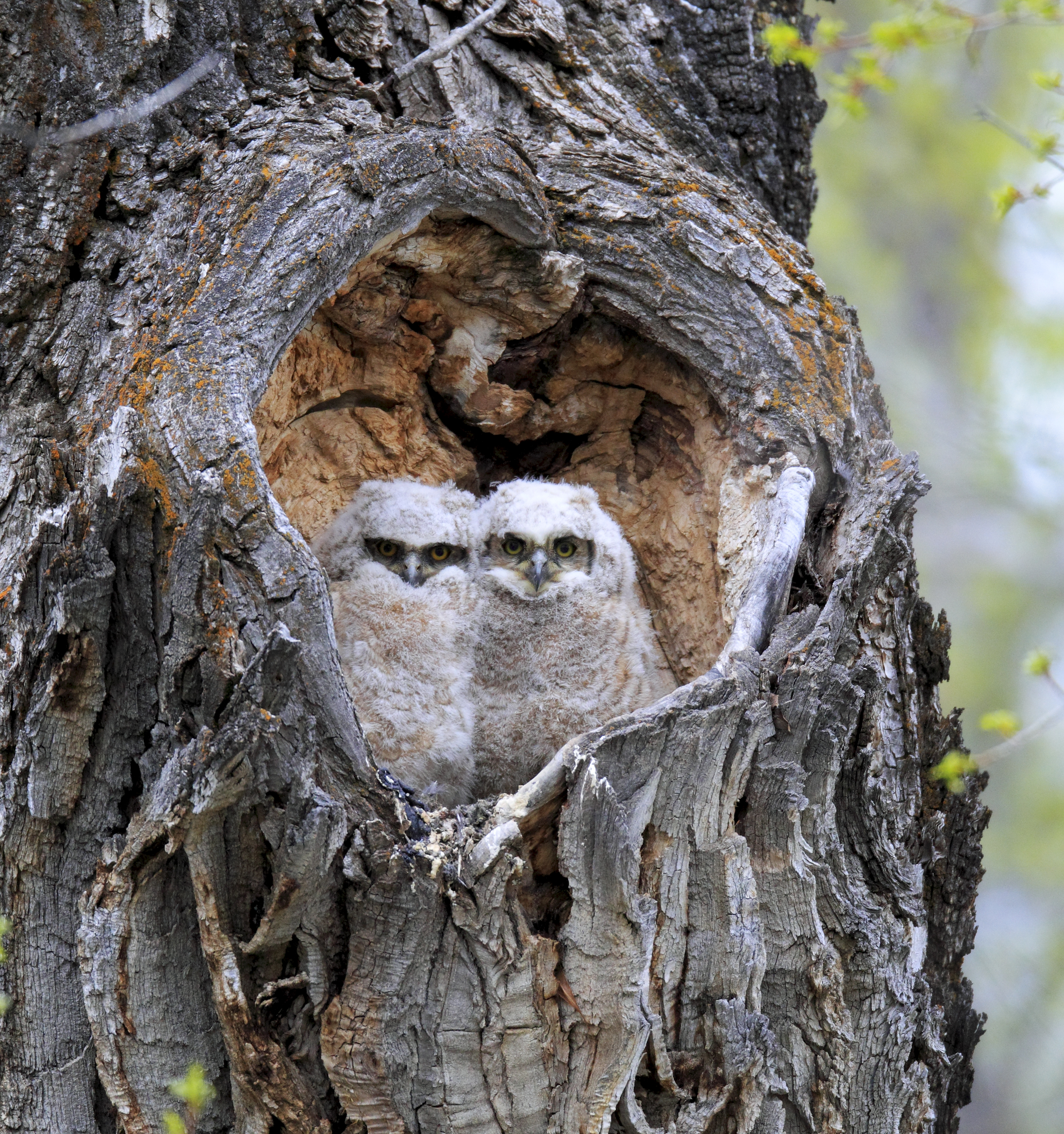
Scientific Name:Bubo virginianus Habitat: Forests, wetlands, deserts, grasslands, and even suburban areas Diet: Mammals, birds, reptiles, amphibians, and occasionally fish Wingspan: About 4.5 feet (1.4 m) Ecological Role: Nocturnal apex predator controlling rodent and small mammal populations
The great horned owl is one of North America’s most formidable nocturnal predators. Instantly recognizable by its piercing yellow eyes and feathered “horns,” this powerful raptor commands the night with extraordinary stealth and precision.
Equipped with silent flight and razor-sharp talons, the great horned owl hunts a remarkable variety of prey—from rabbits and rodents to other birds of prey. Its adaptability allows it to thrive across a wide range of landscapes, from deep forests to open plains and city parks.
Throughout folklore and natural history alike, the great horned owl has symbolized wisdom, mystery, and the unseen rhythms of the night. In healthy ecosystems, it stands as one of the most important guardians of balance in the nocturnal food web.
Where to observe: Great horned owls can be found across forests, wetlands, farmland, and even suburban areas throughout North America. They are most often heard at dusk and night, especially in wooded habitats and near open hunting grounds.
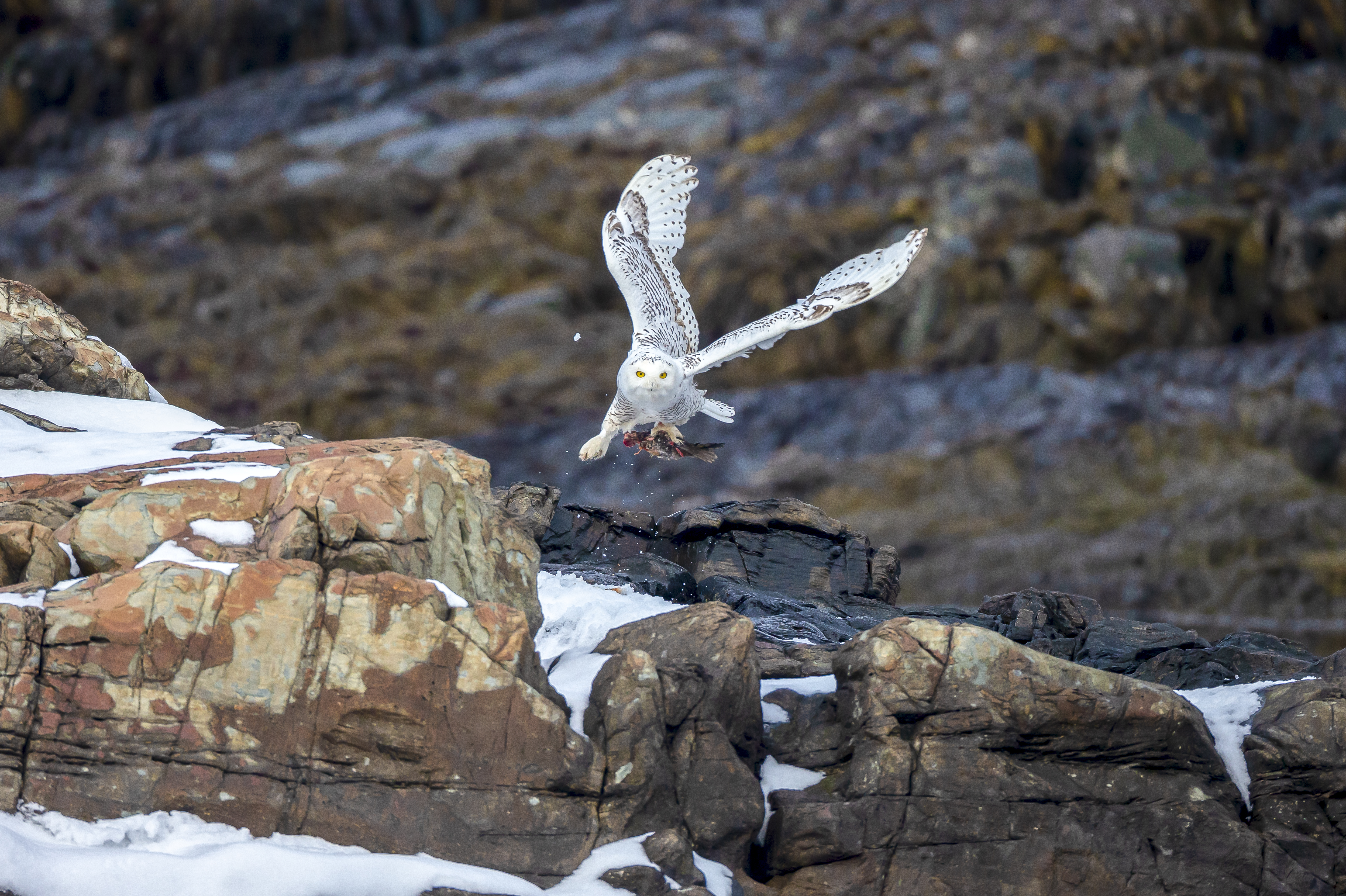
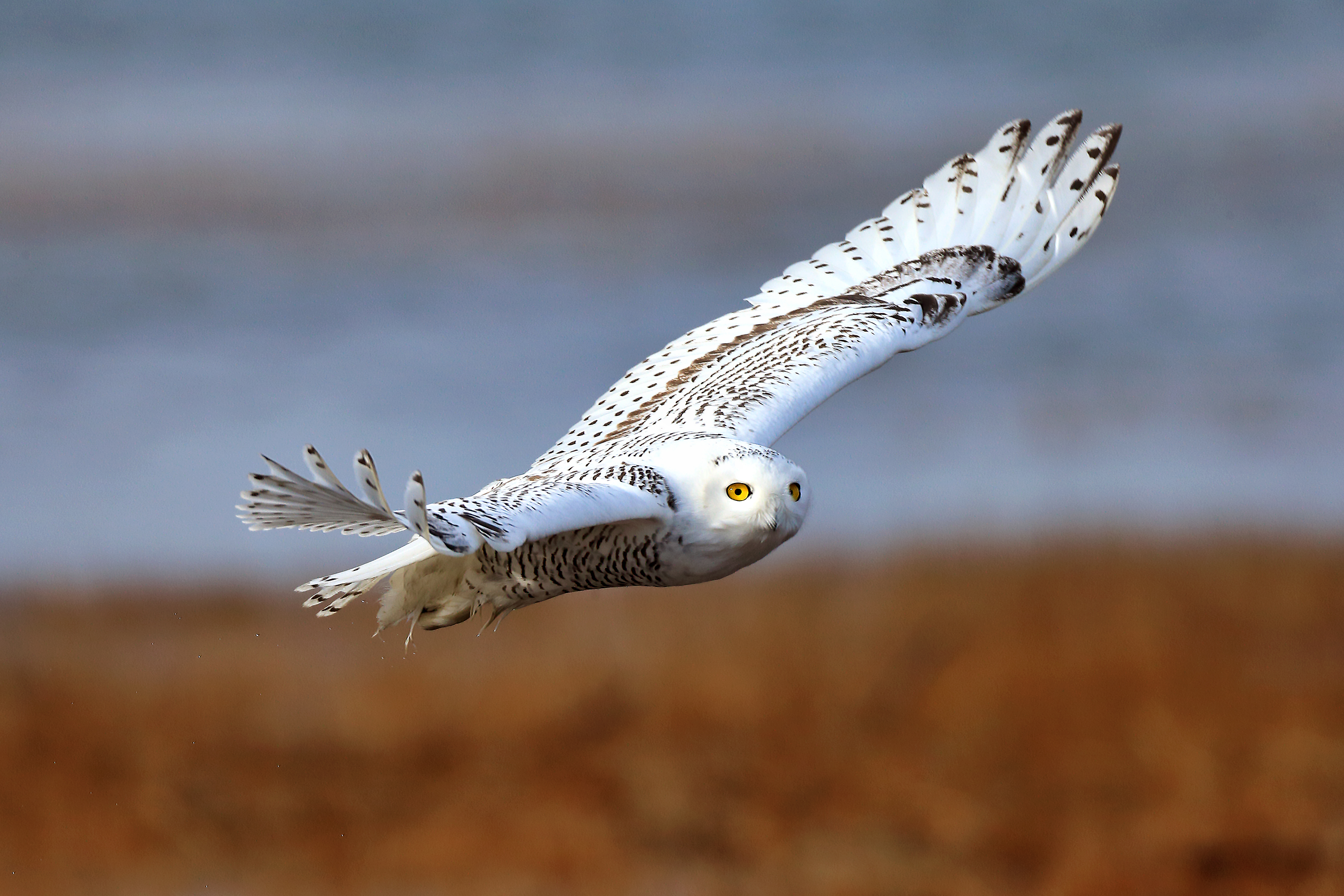
Scientific Name:Bubo scandiacus Habitat: Arctic tundra, coastal dunes, open fields, and winter grasslands Diet: Primarily lemmings, small mammals, and birds Wingspan: Up to 5.5 feet (1.7 m) Ecological Role: Arctic apex predator helping regulate small mammal populations
The snowy owl is one of the most striking birds of prey in the world. Native to the Arctic tundra, this powerful raptor is perfectly adapted for life in extreme northern environments, where its white plumage blends seamlessly with snow-covered landscapes.
Unlike many owls, snowy owls are often active during daylight hours, especially during Arctic summers when the sun rarely sets. Their exceptional eyesight and silent flight allow them to hunt efficiently across vast open terrain.
During winter irruptions, snowy owls sometimes migrate far south into the United States and Canada, thrilling birdwatchers and wildlife photographers alike. Their presence reminds us of the deep connections between northern ecosystems and the seasonal rhythms of the planet.
Where to observe: Snowy owls are best observed during winter irruptions in open coastal areas, dunes, grasslands, and agricultural fields. Locations such as Lake Mattamuskeet and other coastal refuges provide excellent viewing opportunities.
Birds of prey, also known as raptors, are predatory birds with sharp talons, hooked beaks, and powerful eyesight used to hunt other animals.
What birds are considered raptors in North America?
Common raptors in North America include the bald eagle, golden eagle, red-tailed hawk, great horned owl, and snowy owl.
Why are birds of prey important to ecosystems?
Birds of prey help regulate populations of rodents, fish, and other animals, contributing to healthy and balanced ecosystems.
Where can birds of prey be found?
Raptors live in a wide variety of habitats including forests, wetlands, deserts, mountains, and coastal regions.
About the Author
Robbie George is a National Geographic-published photographer, regenerative farmer, and nature philosopher. Through Naturepedia, Wildlife Species, and his Signature Series, he explores the beauty, intelligence, and interconnected systems of the natural world through photography and storytelling.
The presence of this badge signifies that this business has officially registered with the Art Storefronts Organization and has an established track record of selling art.
It also means that buyers can trust that they are buying from a legitimate business. Art sellers that conduct fraudulent activity or that receive numerous complaints from buyers will have this badge revoked. If you would like to file a complaint about this seller, please do so here.
Verified Returns & Exchanges
The Art Storefronts Organization has verified that this business has provided a returns & exchanges policy for all art purchases.
Description of Policy from Merchant:
What is your Policy on Returns/Exchanges/Refunds?
I take great pride in my work and prints, and I want you to be completely happy with your investment in my nature art. If for any reason you are unsatisfied with your print, you may return it within 14 days of delivery, and/or exchange it for another print. Prints must be returned in new condition, packaged carefully in the original packaging if possible. Your refund will be issued as soon as I receive the returned print. Please contact me if you would like to arrange a return or exchange.
In the event that you receive a damaged or defective print, please let me know within 7 days of receipt, and I will arrange for a new print to be shipped to you at no additional cost.
Verified Secure Website with Safe Checkout
This website provides a secure checkout with SSL encryption.
Verified Archival Materials Used
The Art Storefronts Organization has verified that this Art Seller has published information about the archival materials used to create their products in an effort to provide transparency to buyers.
Description from Merchant:
Fine Art Prints are made with high-quality archival inks on fine art papers using a high-resolution large format inkjet printer. Our premium archival inks produce images with smooth tones and rich colors. Prints are made with care on your choice of exquisite Fine Art Papers using a high-resolution large format inkjet printer. https://www.graphikprintworks.com
Become a supporter of Robbie George Photography and be the first to receive new content and special promotions.
“Every image is a field. Every quote is a key. Welcome back to the rhythm.” ~Robbie
Cart
Your cart is currently empty.
Saved Successfully.
This is only visible to you because you are logged in and are authorized to manage this website. This message is not visible to other website visitors.
Import From Instagram
Click on any Image to continue
This Website Supports Augmented Reality to Live Preview Art
This means you can use the camera on your phone or tablet and superimpose any piece of nature art onto a wall inside of your home or business.
To use this feature, Just look for the "Live Preview AR" button when viewing any piece of nature art on this website!
Pounce Now—Save 20% on Your First Order
Join the collector list for your first-order discount, new wildlife releases, and occasional field notes.