ATTENTION: To use this site, it is necessary to enable JavaScript in your browser.
Here are the Instructions on how to enable JavaScript in your web browser.

🌿 Experience Nature’s Greatest Wonders and Explore America’s Natural Treasures

National Parks & Wildlife Refuges — Field Guides to America’s Protected Lands

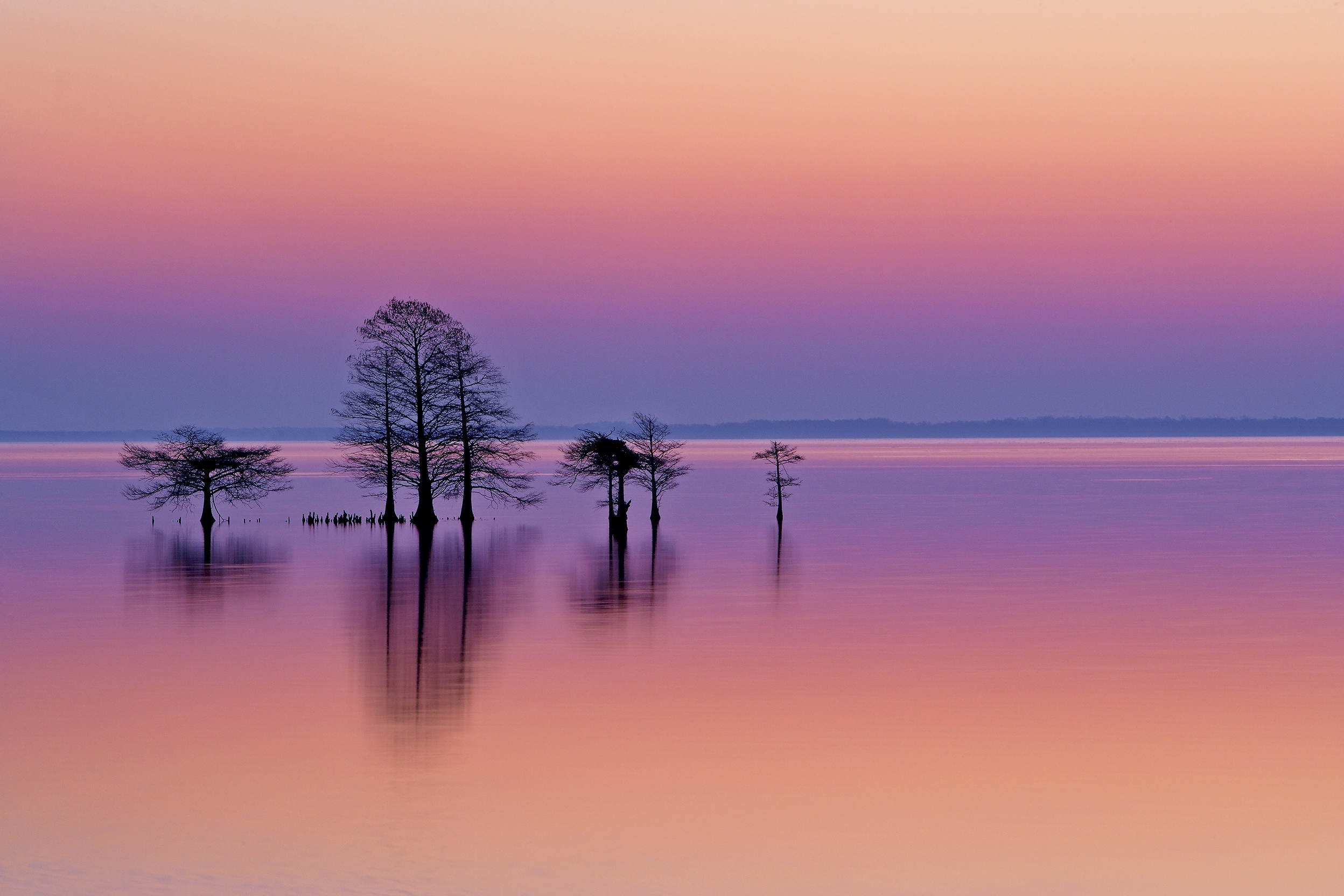
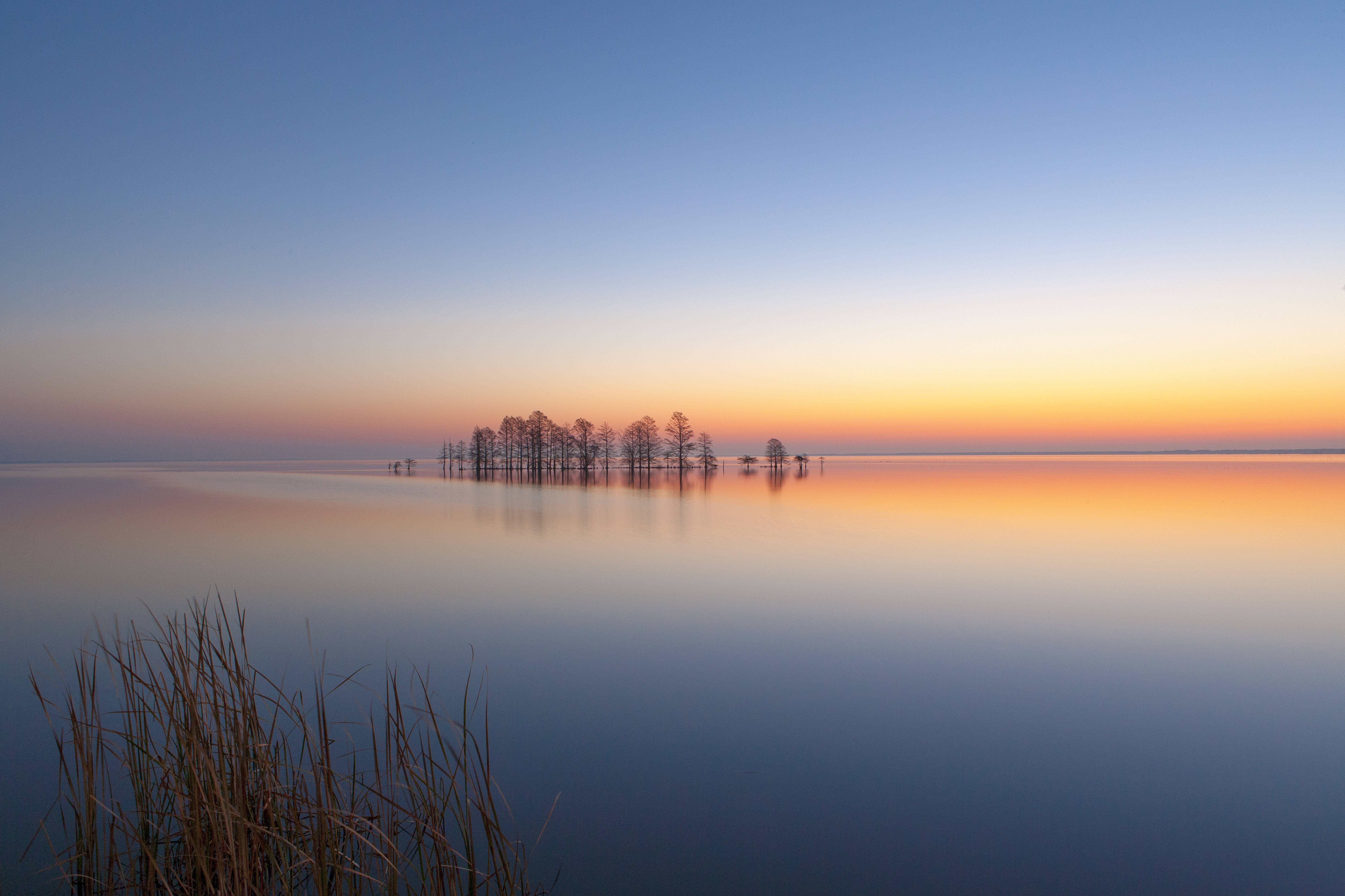
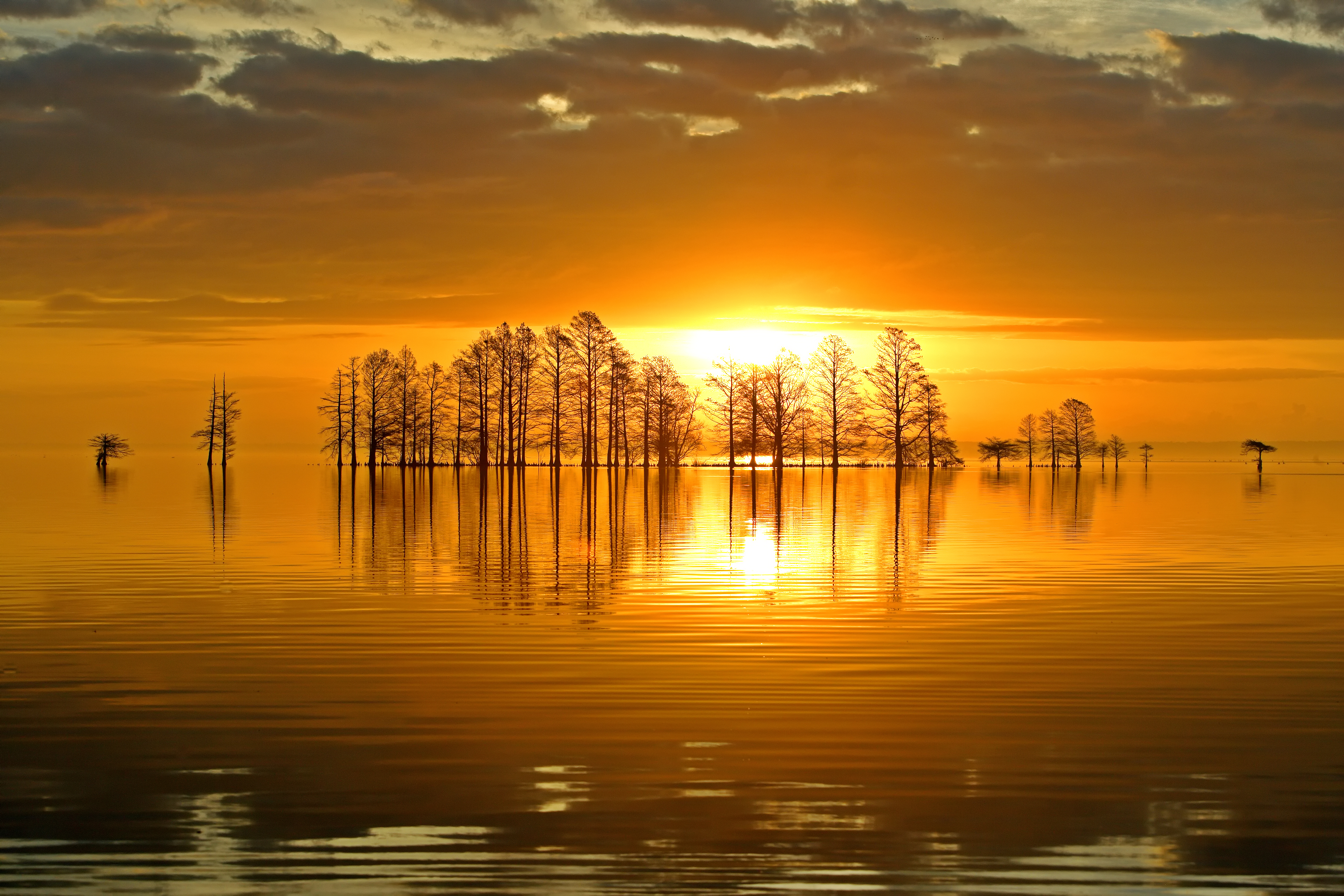
Lake Mattamuskeet at dawn

Over the years, I’ve photographed and observed wildlife across some of America’s most important protected places — from the open valleys of Yellowstone and Grand Teton to the marshes of Blackwater, the winter waters of Mattamuskeet, and the migration corridors of Bosque del Apache and Aransas. These landscapes are not just scenic destinations. They are living systems where habitat, season, weather, and behavior all shape what becomes visible.

This page brings together those places through maps, field essays, and planning resources designed to help you explore national parks and wildlife refuges with more context and intention. Whether you are preparing for a trip, studying where wildlife moves, or simply learning how these protected lands connect across the country, this is a starting point for seeing them as more than isolated stops on a map.

Use this page alongside the Interactive Maps Hub, the Seasonal Wildlife Calendar, and Wildlife Observation Locations of North America to connect place, timing, and field experience across the broader Naturepedia system.

“National parks and wildlife refuges aren’t just places you visit. They’re places where patterns reveal themselves—if you spend enough time paying attention.”

On This Page

How to Use This Page

This page is designed to help you move through America’s protected lands with more context and clarity. Start with the broad map layers to see how national parks and wildlife refuges are distributed across the country, then move into the field essays to explore how individual places behave on the ground through season, habitat, and observation.

If you are planning a trip, use this page alongside the Interactive Maps Hub, the Seasonal Wildlife Calendar, and Migration & Seasonal Patterns to connect location with timing. If you are exploring more deeply, continue into Wildlife Observation Locations, Ecosystems of North America, and the wider Naturepedia system.

In other words, this page works best as both a practical planning guide and a gateway into the larger structure of the site: place, season, habitat, wildlife behavior, and field experience all connected together.

Explore U.S. National Parks

National parks protect some of the most powerful landscape systems in North America—geothermal basins, alpine ranges, desert canyons, coastal headlands, old forests, and migration corridors shaped by elevation, weather, and time. When I work in parks like Yellowstone, Grand Teton, and Acadia, I’m not just looking for scenery. I’m paying attention to how a place opens through light, wildlife movement, and seasonal change.

Use this map to explore the full national park system, then narrow into specific regions and field conditions. It works especially well alongside Ecosystems of North America, the Seasonal Wildlife Calendar, and the Interactive Maps Hub if you are planning around wildlife, weather, and the best seasonal windows.

Start broad here, then continue into more specific field guides like Yellowstone, Grand Teton, and related planning pages inside Wildlife Observation Locations of North America.

Explore U.S. Wildlife Refuges

Wildlife refuges are where patterns concentrate. These are places built around habitat first—wetlands, tidal marshes, lakes, grasslands, and coastal systems that support migration, nesting, feeding, and survival. In locations like Bosque del Apache, Blackwater, Chincoteague, Mattamuskeet, and Aransas, wildlife movement becomes more visible because the landscape funnels it into specific zones.

Use this map to explore the national refuge system, then refine your approach using Migration & Seasonal Patterns, Wildlife Behavior & Ecology, and the Seasonal Wildlife Calendar to align timing, species activity, and field conditions.

After exploring the map, continue into detailed field guides like Bosque del Apache, Blackwater, Chincoteague, Mattamuskeet, and Aransas to understand how each refuge behaves in the field.

Field Essays on National Parks and Wildlife Refuges

Maps help you see where places are. Field essays help you understand how they behave. These stories connect protected lands to the real conditions that shape them on the ground—migration, weather, habitat edges, first light, seasonal timing, and the animal patterns that make each location distinct.

Read them as a second layer beneath the maps: a way to move from broad planning into place-based knowledge drawn from observation, return visits, and field experience.

Yellowstone National Park

Yellowstone National Park

Explore a landscape shaped by geothermal force, open valleys, and predator-prey movement—where wildlife behavior and seasonal change are written across the terrain.

Bosque del Apache

Bosque del Apache Refuge

Follow the rhythm of migration through cranes, geese, wetlands, and evening fly-ins across one of North America’s most concentrated refuge landscapes.

Chincoteague Refuge

Chincoteague Refuge

Learn how barrier-island habitat, tidal marsh, migratory birds, and wild ponies come together in one of the East Coast’s most distinctive refuge systems.

Aransas Refuge

Aransas Refuge

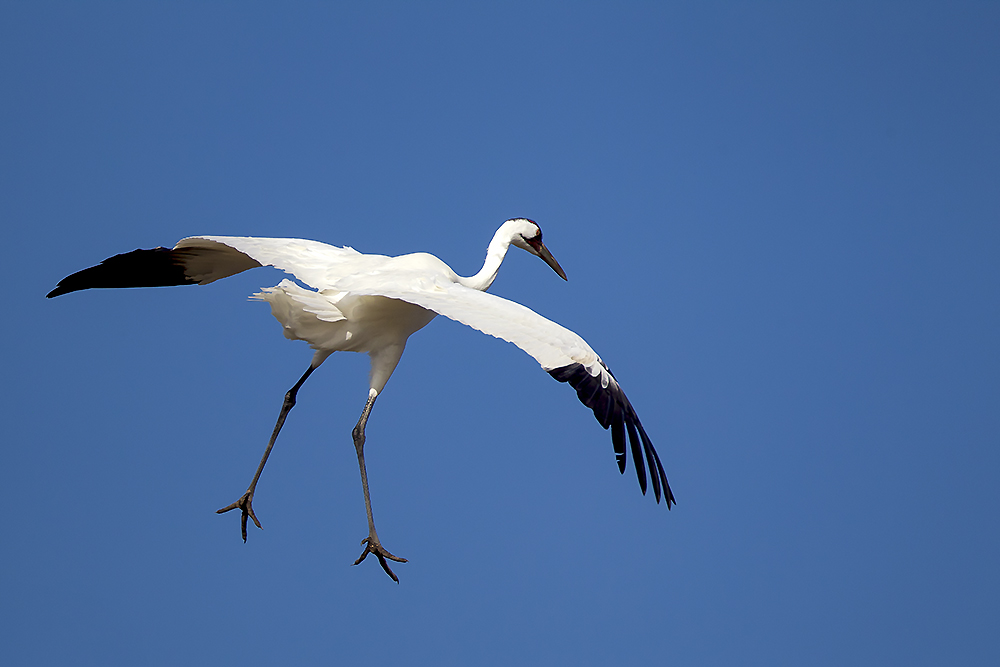
See how tidal flats, coastal marsh, and winter migration create critical habitat for whooping cranes along the Texas Gulf Coast.

Blackwater Refuge

Blackwater Refuge

Move through tidal marsh, winter waterfowl habitat, and eagle country on Maryland’s Eastern Shore, where refuge roads reveal concentrated edge ecology.

Teton National Park

Teton National Park

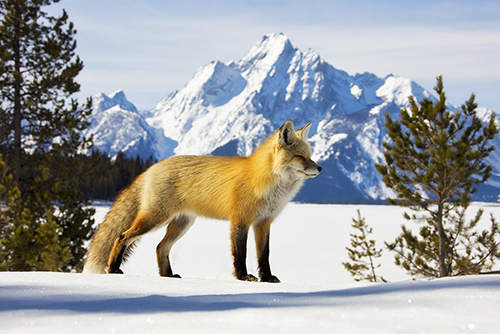
Enter a mountain system where elevation, dawn light, reflective water, and large mammals combine to shape one of the West’s most iconic field environments.

Lake Mattamuskeet

Lake Mattamuskeet

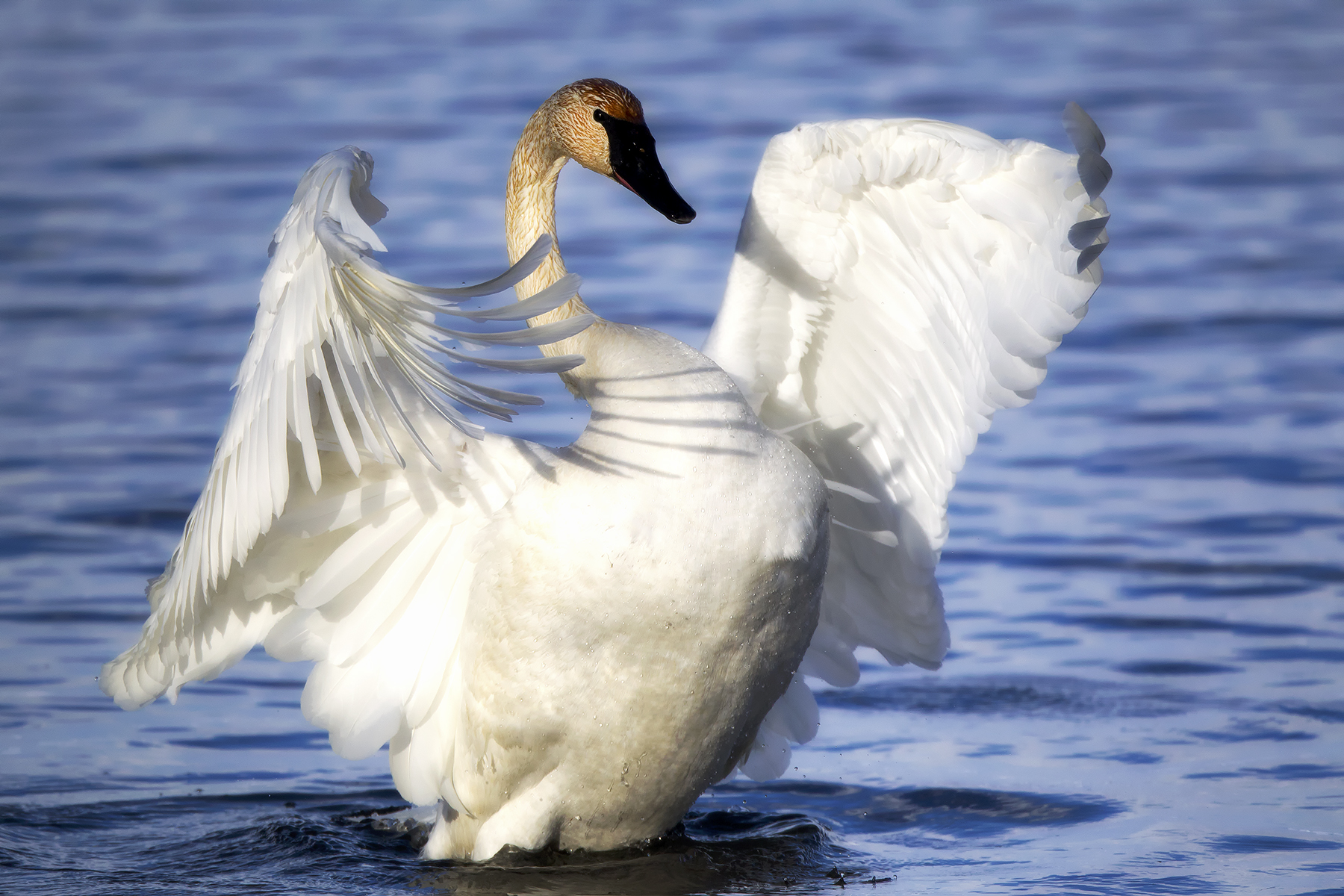
Follow winter swans, waterfowl, fog, and low-angle light across one of the most important refuge landscapes on the Atlantic coastal plain.

Peggy’s Cove

Peggy’s Cove

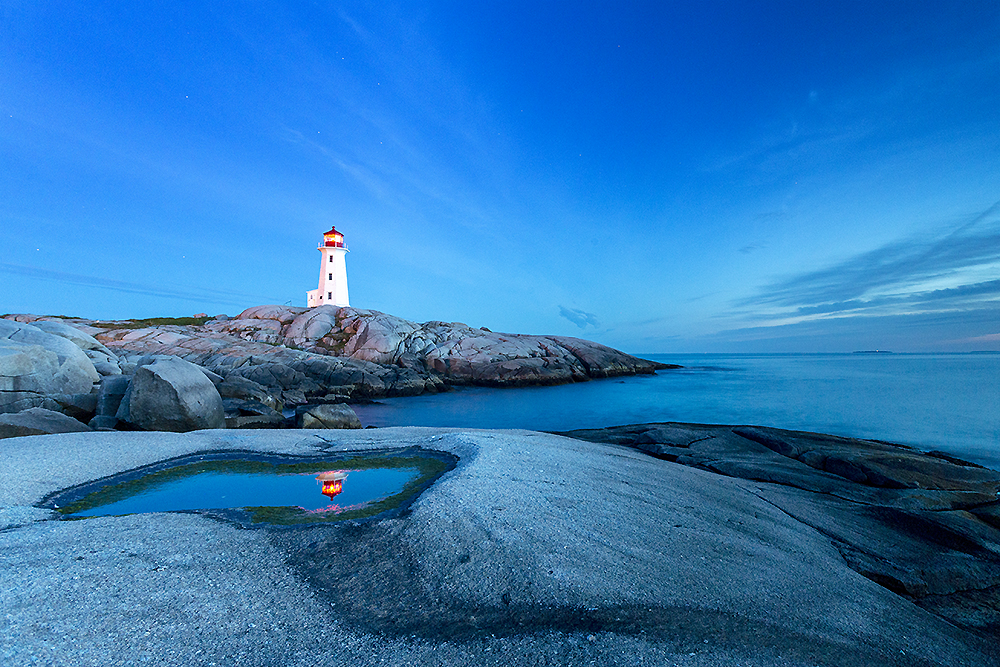
Step into a coastal field setting defined by granite, fog, tides, and Atlantic weather, where seascape timing matters as much as location.

Cadillac Mountain

Cadillac Mountain

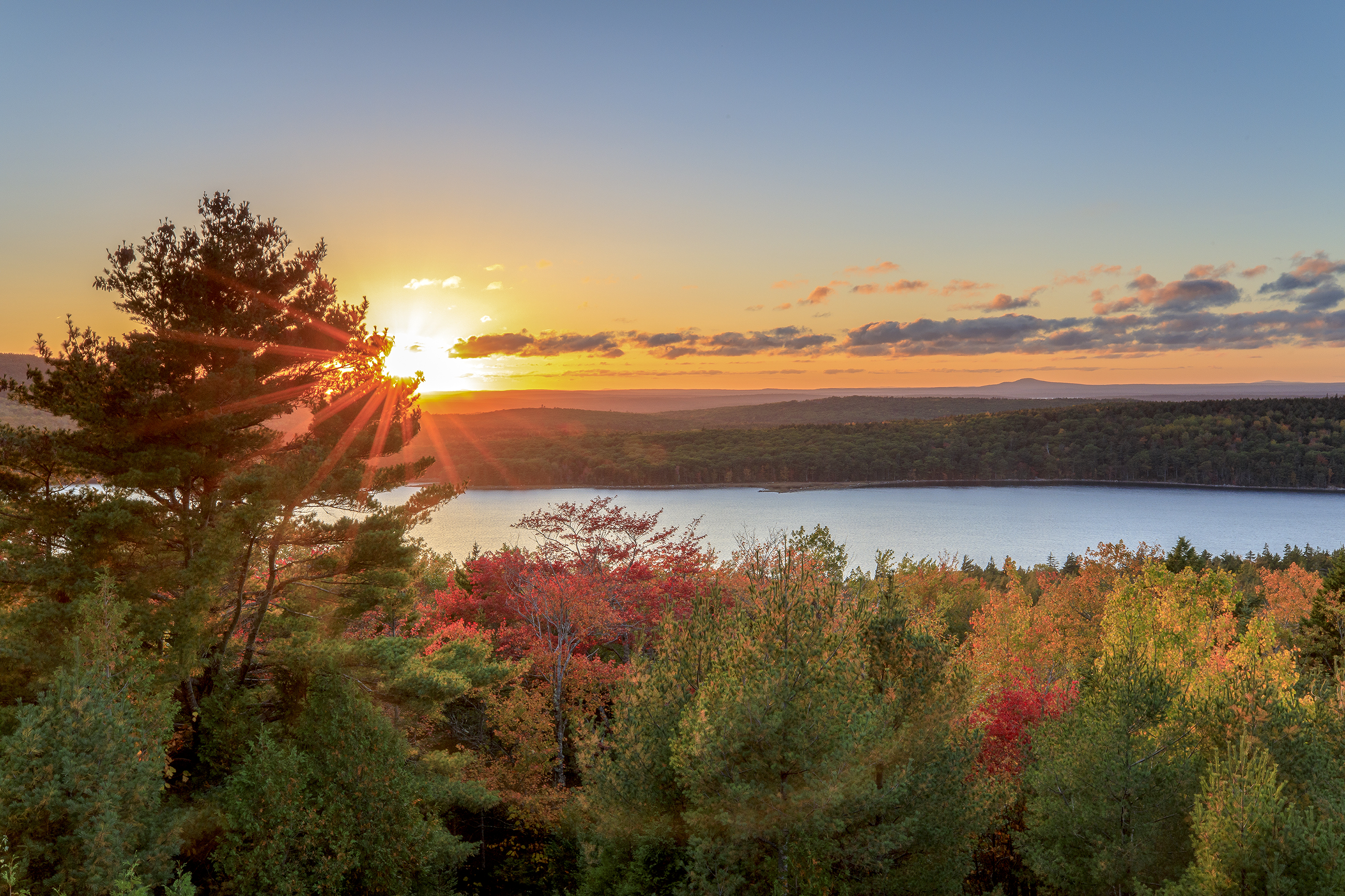
Study sunrise, elevation, and coastal atmosphere at one of the East’s best-known first-light locations inside the Acadia landscape system.

National Parks Essay

Why National Parks Matter

Read a broader reflection on conservation, memory, public land, and why these protected landscapes remain essential to ecological and cultural continuity.

Naturepedia Connections — Understanding Protected Lands as Living Systems

National parks and wildlife refuges are not isolated places. They are part of larger systems—connected through migration routes, ecosystems, seasonal timing, and animal behavior. These Naturepedia pages help you understand how those connections work across the landscape.

Why These Lands Matter

National parks and wildlife refuges protect far more than scenery. They hold migration routes, nesting grounds, winter habitat, predator-prey relationships, wetland systems, coastlines, forests, and the seasonal patterns that keep wildlife moving across the landscape. They also give us places to slow down, pay attention, and learn how the natural world actually works.

The more time I spend in these places, the more clearly I see that protected lands are not isolated destinations. They are connected living systems. A refuge matters because of the birds that arrive there, the marsh that supports them, the flyway beyond it, and the seasons that shape everything. A park matters because geology, weather, water, elevation, and wildlife all come together in ways that can still be witnessed directly.

Let this page help you do more than choose where to go next. Use it to plan with greater care, understand habitat more deeply, and move through these places with the respect they deserve.

Continue Your Journey

Once you’ve explored the parks, refuges, and field essays on this page, continue by narrowing your focus. Use maps to plan routes, seasonal tools to refine timing, and deeper field pages to connect habitat, behavior, and place across the larger system.

Explore Fine-Art Prints from America’s Protected Lands

Many of the places featured on this page continue into the finished work itself—wildlife encounters, mountain mornings, coastal light, and refuge landscapes shaped by season and field experience. Explore the galleries to see how these protected lands live on through fine-art prints.

For collector guidance, materials, and print presentation, continue into the Fine Art Print Knowledge hub and Collectors page.

Frequently Asked Questions

What is the difference between a national park and a wildlife refuge?
National parks often protect large landscape systems with geological, scenic, cultural, and ecological significance. Wildlife refuges are more directly focused on habitat, migration, nesting, wintering grounds, and species protection. Both matter, but they often serve different roles in the field.

How should I use this page to plan a trip?
Start with the national parks and wildlife refuges maps to see the broader geography, then move into the field essays to understand what makes individual locations unique. From there, use the Seasonal Wildlife Calendar, Interactive Maps Hub, and Field Tools to refine timing, route planning, and conditions.

Are these locations based on real field experience?
Yes. This page is built around places Robbie George has photographed, observed, written about, and connected through field-based maps, essays, and planning resources.

What time of year is best for visiting wildlife refuges?
That depends on the refuge and the species you hope to observe. Some are strongest during migration, others in winter, breeding season, or specific windows of light and weather. The Seasonal Wildlife Calendar helps connect refuge choice with timing.

Where should I go after this page?
A good next step is the Interactive Maps Hub for route planning, Wildlife Observation Locations of North America for place-based exploration, and Naturepedia for the broader system connecting species, ecosystems, geography, and seasonality.

Robbie George — National Geographic–published nature photographer

About Robbie George

Robbie George is a National Geographic-published nature photographer whose work is rooted in long hours spent in the field—on refuge roads, park trails, coastal edges, marsh overlooks, and mountain valleys where wildlife, weather, and light come together.

His photography and field guides are built around careful observation: how habitats shape behavior, how timing changes what becomes visible, and how protected lands reveal larger ecological patterns when you return to them over time.

Beyond the images themselves, Robbie is also the creator of Naturepedia, a field-based knowledge system connecting species, ecosystems, geography, seasonality, and observation across the natural world.

Field ethic: stay on trails and boardwalks, respect habitat, and give wildlife the distance it needs.

“Attention first, image second. The photograph comes after the place has taught you how to see.”
Trusted Art Seller

Trusted Art Seller

The presence of this badge signifies that this business has officially registered with the Art Storefronts Organization and has an established track record of selling art.

It also means that buyers can trust that they are buying from a legitimate business. Art sellers that conduct fraudulent activity or that receive numerous complaints from buyers will have this badge revoked. If you would like to file a complaint about this seller, please do so here.

Verified Returns & Exchanges

Verified Returns & Exchanges

The Art Storefronts Organization has verified that this business has provided a returns & exchanges policy for all art purchases.

Description of Policy from Merchant:

What is your Policy on Returns/Exchanges/Refunds? I take great pride in my work and prints, and I want you to be completely happy with your investment in my nature art. If for any reason you are unsatisfied with your print, you may return it within 14 days of delivery, and/or exchange it for another print. Prints must be returned in new condition, packaged carefully in the original packaging if possible. Your refund will be issued as soon as I receive the returned print. Please contact me if you would like to arrange a return or exchange. In the event that you receive a damaged or defective print, please let me know within 7 days of receipt, and I will arrange for a new print to be shipped to you at no additional cost.

Verified Secure Website with Safe Checkout

Verified Secure Website with Safe Checkout

This website provides a secure checkout with SSL encryption.

Verified Archival Materials Used

Verified Archival Materials Used

The Art Storefronts Organization has verified that this Art Seller has published information about the archival materials used to create their products in an effort to provide transparency to buyers.

Description from Merchant:

Fine Art Prints are made with high-quality archival inks on fine art papers using a high-resolution large format inkjet printer. Our premium archival inks produce images with smooth tones and rich colors. Prints are made with care on your choice of exquisite Fine Art Papers using a high-resolution large format inkjet printer. https://www.graphikprintworks.com

Cart

Your cart is currently empty.

Saved Successfully.

This is only visible to you because you are logged in and are authorized to manage this website. This message is not visible to other website visitors.

Import From Instagram

Click on any Image to continue

This Website Supports Augmented Reality to Live Preview Art

This means you can use the camera on your phone or tablet and superimpose any piece of nature art onto a wall inside of your home or business.

To use this feature, Just look for the "Live Preview AR" button when viewing any piece of nature art on this website!

🦊 Pounce now for 20% off

No thanks