
Exploring Lake Mattamuskeet in North Carolina
What It Feels Like in the Field
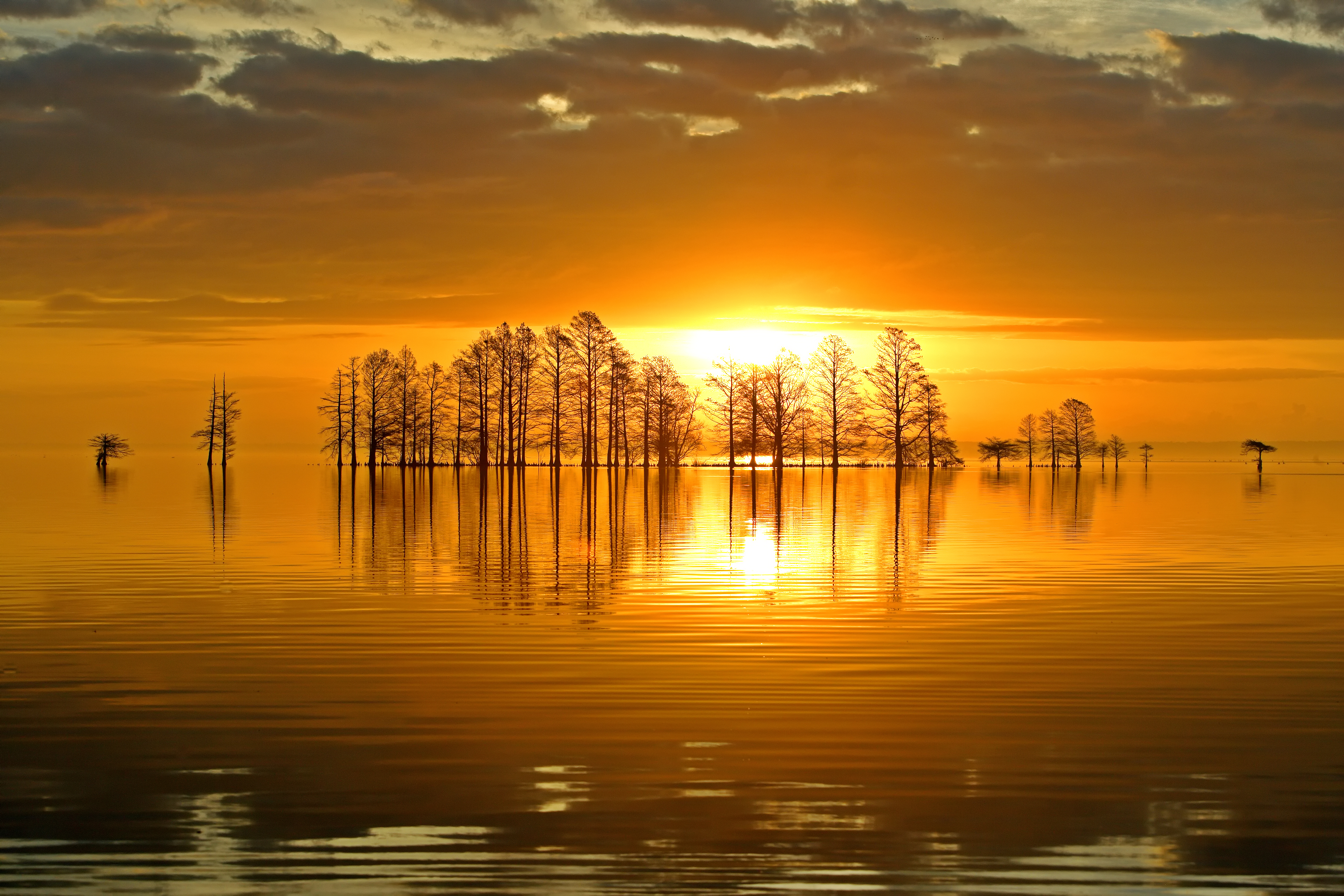
Mattamuskeet has a different kind of presence than some of the more dramatic wildlife locations. It doesn’t overwhelm you with elevation or spectacle. Its power comes from openness, subtle movement, and the way the lake holds light.
The water is shallow, the horizon is wide, and the weather stays close to the surface. That combination changes everything. It shapes reflections, controls visibility, and creates the conditions that migratory birds rely on during key times of year. The more time you spend watching, the more obvious it becomes that this is not just a lake—it is a seasonal engine for movement and rest.
In the field, Mattamuskeet teaches patience. The strongest moments often happen gradually: swans lifting through low morning light, ducks crossing still water before the wind rises, mist softening the cypress edges, or a quiet shoreline revealing tracks, reeds, and small signs of life you would miss if you moved too fast.
What makes the place so strong is how clearly its structure affects behavior:
- Shallow water controls feeding access and reflection quality
- Season controls the density of migratory birds
- Wind and weather control visibility, movement, and mood
- Distance controls whether wildlife stays natural or withdraws
That is why Mattamuskeet belongs naturally inside my geography system. It is a place where habitat, migration, light, and observation all stay tightly connected. You do not really understand it by rushing to a viewpoint. You understand it by letting the lake settle into view.
This page will build from that foundation—reality first, then behavior, habitat, season, strategy, and the larger ecological system that makes Lake Mattamuskeet one of the most important wildlife observation locations in the eastern United States.
Explore Lake Mattamuskeet — Field Guide Sections
The Landscape System — Shallow Water, Open Sky, and Wetland Structure
Lake Mattamuskeet is shaped by restraint. It is broad rather than deep, quiet rather than dramatic, and that is exactly what gives it ecological power. The lake’s shallow water, low relief, and surrounding marshes create one of the most important wetland systems on the Atlantic coastal plain.
In the field, the structure becomes clear in layers:
- Open shallow water — feeding and resting space for waterfowl and swans
- Marsh edges — transition habitat for wading birds, mammals, and cover-dependent movement
- Cypress margins and wooded pockets — shelter, texture, and seasonal visual depth
- Refuge roads, canals, and observation corridors — the human access layer that determines how the landscape can be read without overwhelming it
What makes Mattamuskeet so strong is that the lake behaves like a giant ecological mirror. Light reaches across the surface, wind reshapes the texture of the water, and the shallowness of the basin affects both visibility and feeding opportunity. The same conditions that create reflections for photography also create usable habitat for wildlife.
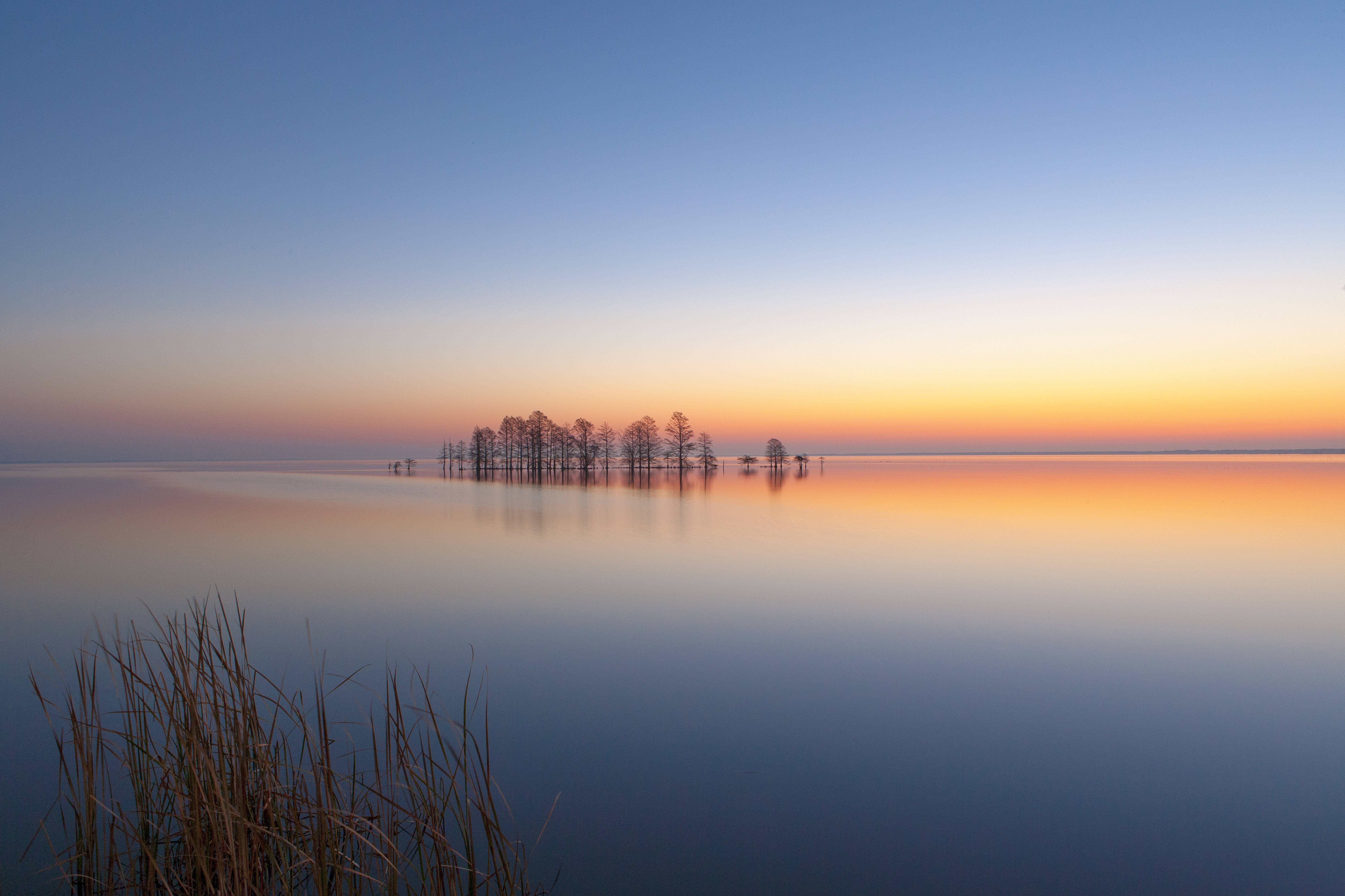
This is why Mattamuskeet connects so naturally into my Ecosystems of North America system and Wildlife Habitats & Ecosystem Zones page. This is not just a scenic lake. It is a working habitat structure where water depth, food access, cover, and season determine how the system performs.
The openness of the lake also changes how you observe it. Because the horizon is wide and the landscape is low, small changes matter more here than they do in mountain or forest systems. A slight shift in wind can erase a reflection. A change in light angle can reveal or flatten the entire scene. A subtle movement along a marsh edge can signal wildlife long before the animal is fully visible.
Mattamuskeet teaches you to pay attention to the whole field at once. Sky, water, edge, and movement all belong to the same visual and ecological system.
“At Mattamuskeet, the shallowest water can hold the deepest patterns.”
~ Robbie George
Wildlife & Behavior — Migration, Movement, and Stillness
At Lake Mattamuskeet, wildlife is not scattered—it concentrates. The shallow water, open visibility, and seasonal timing turn this lake into one of the most important winter gathering points for migratory birds on the East Coast.
The defining experience here is winter migration. Large flocks of tundra swans, snow geese, ducks, and other waterfowl move across the lake in waves—feeding, resting, and repositioning throughout the day. Unlike more fragmented habitats, Mattamuskeet allows you to see this behavior clearly across open space.
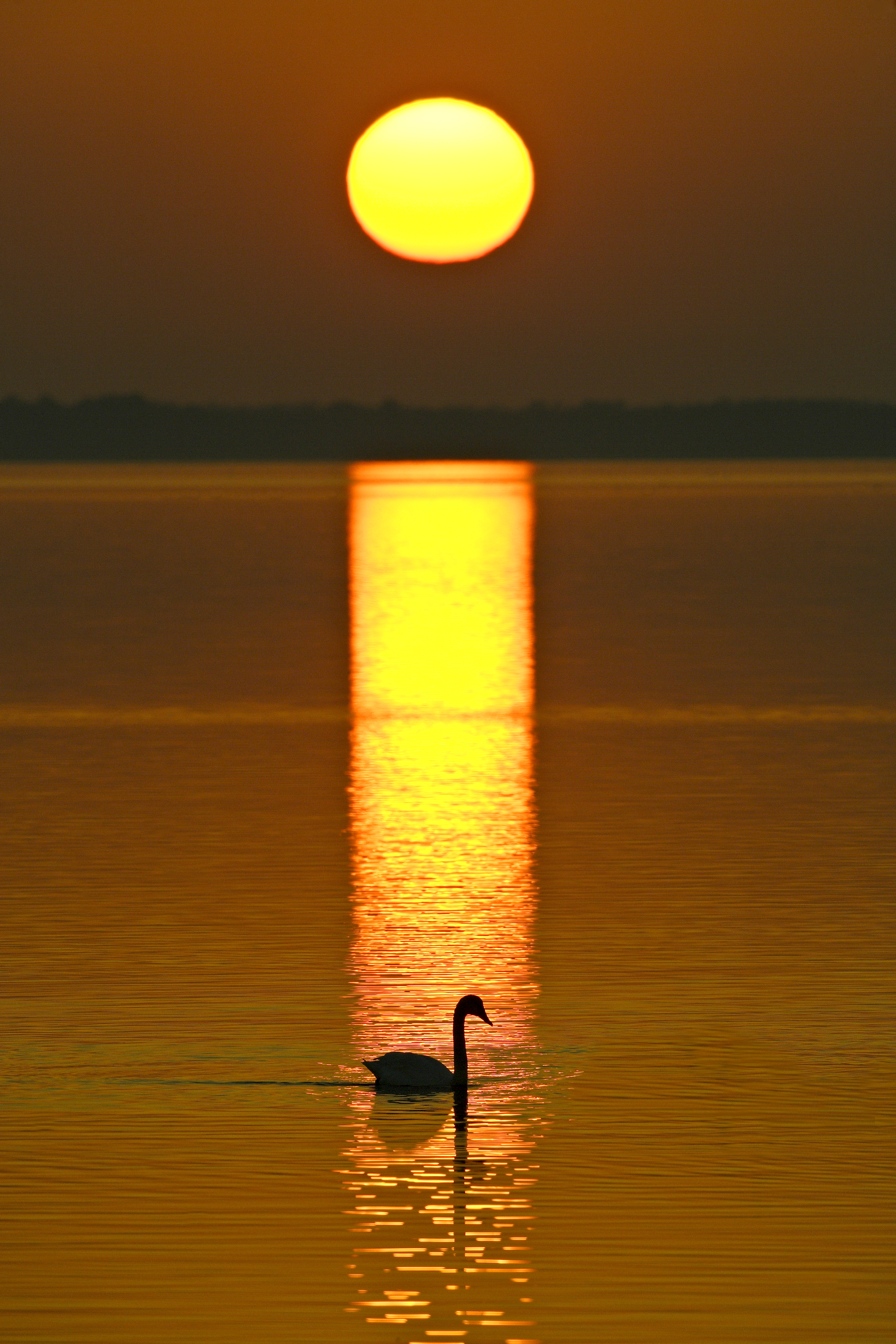
What stands out most in the field is how deliberate the movement is. Swans feed in shallow zones where aquatic vegetation is accessible. Geese shift position based on pressure, wind, and space. Ducks move in tighter groups, often using subtle edges in the water or shoreline structure for protection.
This is where your Wildlife Behavior & Ecology system becomes visible in real time. Behavior at Mattamuskeet is not random—it is driven by:
- Water depth → determines feeding access
- Wind direction → influences movement and takeoff patterns
- Light → shapes visibility and timing of activity
- Human pressure → affects distance and behavior stability
Outside of birds, the lake supports a wider web of life. White-tailed deer move the marsh edges and upland transitions. River otters work the canals and shallow zones. Wading birds patrol the margins, adjusting constantly to water level and prey movement.
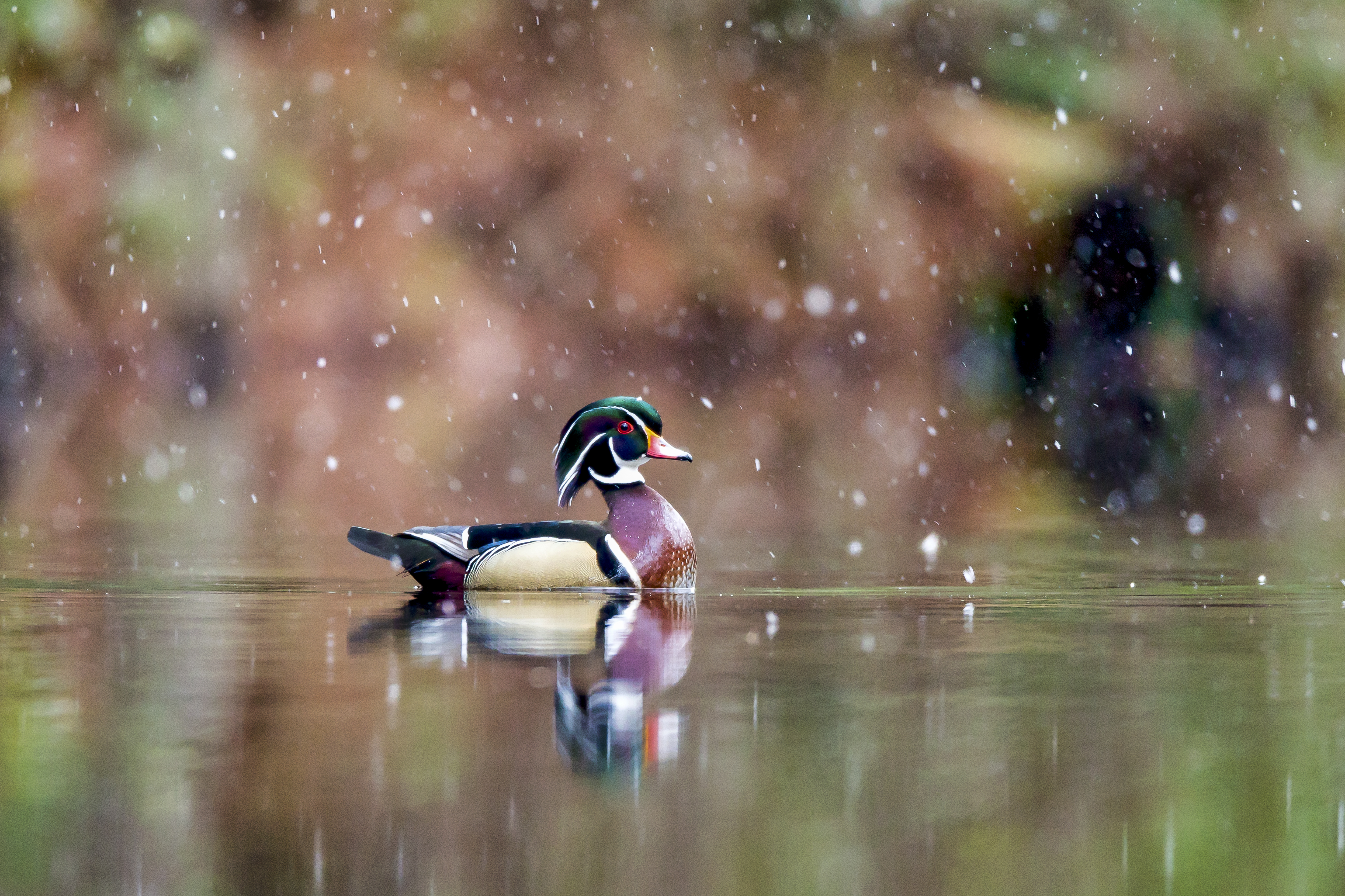
The key difference at Mattamuskeet is scale. You are not just observing individual animals—you are watching systems of movement. Entire flocks lift, shift, settle, and repeat. Over time, patterns emerge. You begin to anticipate behavior instead of reacting to it.
That is when the field opens up. When you understand how wildlife moves through the lake, you stop chasing moments and start positioning for them.
“Migration is not chaos—it’s pattern at a scale most people never stop long enough to see.”
~ Robbie George
Seasonal Timing — When Mattamuskeet Comes Alive
Lake Mattamuskeet is defined by timing. The landscape stays consistent, but what you experience there changes dramatically across the year. If Aransas is a winter stronghold for cranes, Mattamuskeet is a winter engine for waterfowl and swans.
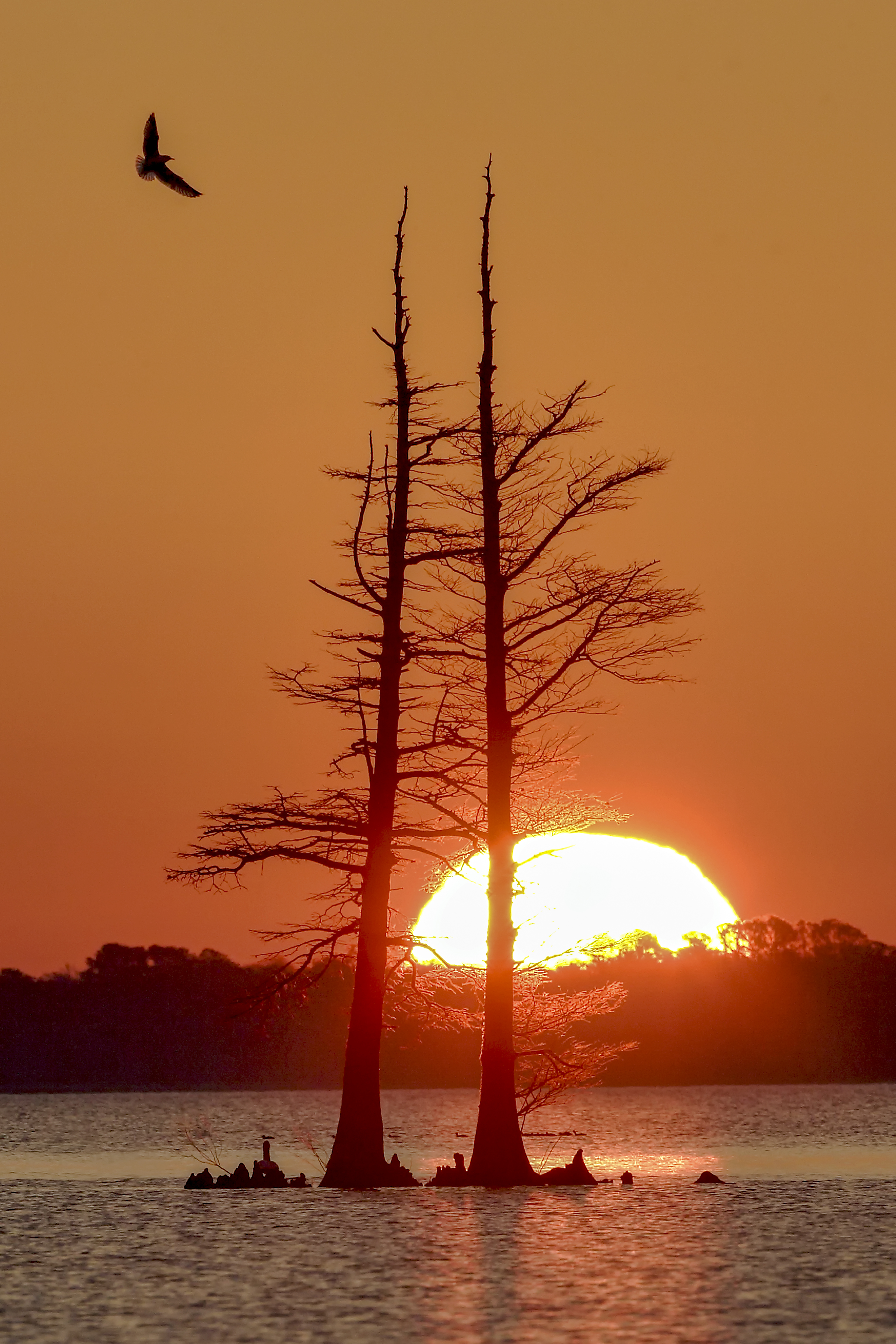
Winter — Peak System Expression
From November through February, Mattamuskeet reaches its highest level of activity. Large flocks of tundra swans, snow geese, and ducks concentrate on the lake, creating one of the most dynamic wildlife viewing environments in the eastern United States.
Cold mornings often bring still water and low-angle light, producing strong reflections and clear behavioral patterns. This is the most reliable time for observing large-scale movement and interaction.
Spring — Transition and Renewal
As temperatures rise, migratory birds begin to disperse. The density of wildlife decreases, but the system becomes more diverse. Wading birds return, vegetation emerges, and smaller-scale interactions become easier to isolate and observe.
Summer — Quiet System, Subtle Detail
Summer at Mattamuskeet is slower and more subtle. The lake becomes calmer, reflections dominate, and activity shifts to resident species. This is a strong time for studying texture, light, and intimate compositions rather than large wildlife events.
Autumn — Build Toward Migration
Autumn marks the beginning of return. Bird numbers increase gradually, light becomes warmer, and the system starts to rebuild toward winter. This is one of the most balanced times to work the lake—less crowded than peak winter, but with increasing activity.
Understanding seasonal wildlife timing is essential here. Mattamuskeet is not a static destination—it is a seasonal window. When you arrive at the right time, the system becomes clear. When you arrive at the wrong time, it can feel empty even when it is functioning exactly as it should.
This cycle connects directly to your broader Nature’s Seasons system, where migration, light, and behavior align across geography and time.
“The lake doesn’t change—your timing determines what it reveals.”
~ Robbie George
Locations & Field Strategy — Reading the Lake in Real Time
At Lake Mattamuskeet, the difference between seeing wildlife and missing it often comes down to positioning. The lake is large, open, and constantly shifting with wind, light, and season. There are no guaranteed “spots”—only conditions that repeat if you learn how to read them.
The most reliable areas fall into a few key categories:
- Observation Tower area — elevation for reading large-scale bird movement and lake-wide patterns
- Cypress margins — structure, reflections, and protected water for calmer compositions
- Marsh edges and shoreline transitions — consistent wildlife movement zones
- Canals and refuge roads — access corridors where water, habitat, and visibility intersect
Open full map: Lake Mattamuskeet Field Map ↗
The key is to match your position to the system. In winter, birds tend to concentrate in shallow feeding zones and shift based on pressure and wind direction. If you position with the wind at your back and light at an angle, you increase both visibility and photographic opportunity without needing to move closer.
Field strategy at Mattamuskeet comes down to a few principles:
- Watch before moving — identify patterns first
- Work the wind — birds take off and land into it
- Use distance — long lenses preserve natural behavior
- Stay with the light — reflections and angles change quickly
Tools like the wildlife photography maps and golden hour planner can help refine your timing, but the biggest advantage comes from slowing down and letting the lake show you how it works.
At Mattamuskeet, you don’t force encounters—you align with conditions. When you do, the system becomes predictable in a way that feels almost effortless.
“Position matters more than proximity. The lake rewards those who read it, not chase it.”
~ Robbie George
Planning & Field Ethics — Distance, Awareness, and Respect
Lake Mattamuskeet works because it remains quiet. The openness of the lake allows wildlife to move freely, but it also means your presence carries farther than you might expect. Sound travels, movement is visible, and even small disturbances can change behavior across a wide area.
The goal in the field is not to get closer—it is to let the system stay intact while you observe it. When wildlife remains calm, feeding, or moving naturally, you are positioned correctly. When behavior changes because of you, you’ve crossed the line.
Field Distance Guidelines
- Use telephoto lenses (300–600mm) instead of closing distance
- Stay on refuge roads, observation areas, and designated access points
- Avoid pushing birds into flight—especially large flocks in winter
- Give feeding and resting wildlife space to remain undisturbed
Large flocks at Mattamuskeet are particularly sensitive. When one group lifts, it often triggers a chain reaction across the lake. That kind of disturbance costs wildlife energy—especially in winter when survival depends on efficient feeding.
Reading the Conditions
Field awareness is everything here. Because the landscape is open, small variables have a big impact:
- Wind affects takeoff direction and surface texture
- Light angle determines reflection and visibility
- Water surface changes composition and behavior zones
- Human presence influences movement patterns
The more time you spend observing before moving, the more predictable the system becomes.
Preparation for the Field
Conditions at Mattamuskeet shift quickly, especially in winter and transitional seasons. Planning ahead reduces unnecessary movement and allows you to stay in position when the best moments happen:
- Check weather and wind conditions before arrival
- Arrive early to align with sunrise and peak activity
- Carry layers and protect gear from moisture and wind
- Plan your route so you don’t need to reposition frequently
Use tools like the Field Tools hub and Sun & Moon Alignment planner to refine your timing and positioning before you enter the field.
Ethics and Conservation
Mattamuskeet is part of a protected refuge system for a reason. It supports migratory birds across an entire continental pathway. Every interaction—no matter how small—either supports that system or disrupts it.
This is why field behavior connects directly to your Wildlife Conservation & Habitat system. Conservation is not only policy—it is practice in the field.
“The best field experience is the one where nothing had to change for you to be there.”
~ Robbie George
Naturepedia Connection — Lake Mattamuskeet as a Living System
Lake Mattamuskeet is not just a lake—it is a functioning ecological system where habitat, behavior, season, and conservation all converge. What you see here is not isolated to one location. It is part of a larger network that connects wetlands across the Atlantic Flyway and supports migration at a continental scale.
Habitat → Behavior
The shallow water structure of Mattamuskeet determines how wildlife behaves. Feeding zones form where aquatic vegetation is accessible. Open water creates visibility and safety for large flocks. Marsh edges provide transition zones for movement between water and land.
This is a direct expression of habitat-driven behavior —where the structure of the environment defines how animals feed, move, and interact.
Behavior → Ecosystem
Individual behaviors scale into ecosystem function. Large flocks redistribute nutrients. Feeding patterns shape aquatic plant systems. Predator-prey relationships emerge along marsh edges and shallow zones.
Mattamuskeet is a strong example of a food web and ecological relationship system , where repeated interactions maintain balance across species and habitat.
Ecosystem → Season
The system changes with time. In winter, Mattamuskeet becomes a dense node of migratory activity. In spring and summer, that concentration disperses, and the system shifts toward local and resident species. The habitat remains, but its function evolves throughout the year.
This aligns with your migration and seasonal systems , where timing determines presence, and presence determines ecological impact.
Season → Conservation
Because Mattamuskeet supports large portions of migratory bird populations during critical periods, its stability directly affects species survival. Changes to water levels, habitat quality, or disturbance patterns can ripple outward across the entire migration system.
That is why this location connects directly into wildlife conservation and habitat protection . Protecting Mattamuskeet means protecting a system that extends far beyond North Carolina.
The Full System
When viewed as a whole, Lake Mattamuskeet reveals a consistent pattern:
- Habitat creates conditions
- Behavior responds to those conditions
- Ecosystems emerge from repeated interactions
- Season controls when the system is active
- Conservation determines whether it continues
This is the same structure that underpins your Naturepedia system —linking field observation to a larger understanding of how life is organized, connected, and sustained.
Mattamuskeet is one node within that system—but it is one of the clearest places to see the entire pattern working in real time.
“When you understand the system, the landscape stops being a place—and becomes a process.”
~ Robbie George
Lake Mattamuskeet — FAQ
When is the best time to visit Lake Mattamuskeet for wildlife?
The best time is November through February, when migratory birds like tundra swans and snow geese concentrate on the lake. This is when wildlife density and behavior are most visible.
What makes Lake Mattamuskeet unique compared to other wildlife locations?
Its shallow water and open landscape create a highly visible system where large-scale wildlife movement can be observed clearly. Few places allow you to see migration patterns across such a wide, uninterrupted field.
Where are the best places to observe wildlife at Mattamuskeet?
Focus on shallow water zones, marsh edges, and areas near the observation tower. These locations provide visibility while allowing wildlife to remain undisturbed.
What photography gear works best at Lake Mattamuskeet?
A 300–600mm telephoto lens is essential for wildlife. A wide-angle lens is useful for reflections and landscape scenes. A tripod helps stabilize long lenses and low-light conditions.
How close can you get to wildlife at Mattamuskeet?
You should maintain distance. If birds stop feeding, lift their heads repeatedly, or take flight, you are too close. Use longer lenses rather than approaching.
What species can you see at Lake Mattamuskeet?
Common wildlife includes tundra swans, snow geese, ducks, herons, egrets, white-tailed deer, and river otters, along with many migratory and wetland-dependent species.
How does Lake Mattamuskeet fit into larger migration systems?
Mattamuskeet is part of the Atlantic Flyway and serves as a critical wintering and stopover habitat. It connects directly to broader wildlife migration systems .
What is the most important thing to remember when visiting?
Respect the system. Stay patient, keep distance, and allow wildlife to behave naturally. The best moments happen when nothing is disturbed.
About Robbie George
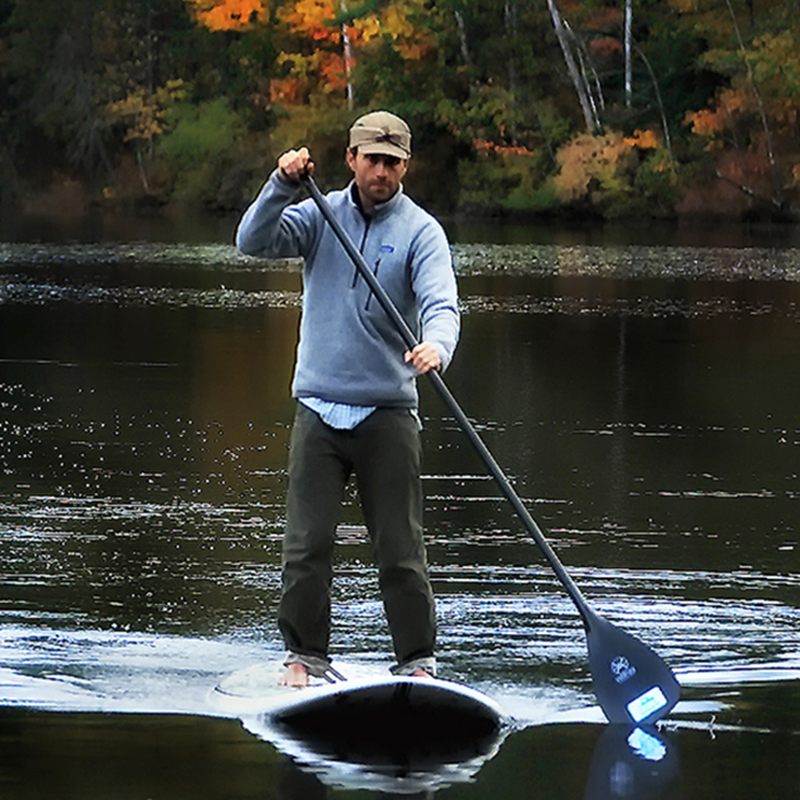
I’m Robbie George, a National Geographic–published photographer whose field work grows out of observation, patience, and repeated time in wild places. My approach is grounded in watching how habitat, light, weather, and animal behavior work together before I ever think about the photograph.
Lake Mattamuskeet matters deeply to that story. This landscape helped shape the way I see. Its shallow water, winter migrations, reflective light, and quiet wetland structure taught me that photography is not just about subject matter—it is about learning the rhythm of a place well enough to let the image emerge naturally.
This page connects directly into the Naturepedia system, where field observation becomes a larger knowledge structure linking wildlife, habitat, ecology, geography, migration, and conservation across North America.
You can continue through the system here:
- Wildlife Photography Gallery
- Wildlife Observation & Field Techniques
- Field Tools & Planning Resources
- Wildlife Observation Locations in North America
“The field teaches first. The photograph comes after.”