
Exploring Yellowstone National Park
What Yellowstone Feels Like in the Field
In my experience, Yellowstone isn’t something you “see”—it’s something you feel happening around you. The ground breathes. Steam vents pulse with heat. Light interacts with minerals, water, and air in ways that are constantly shifting.
I’ve stood in these basins early in the morning when the entire landscape is moving—steam drifting sideways in cold air, bison silhouettes emerging through the haze, and sunlight catching just enough of it to reveal structure. That’s where Yellowstone becomes more than a destination—it becomes a system you can actually observe.
This is why Yellowstone sits at the center of the ecosystems of North America conversation. It’s one of the last places where geology, wildlife, water, and time are all interacting without interruption.
Yellowstone’s Geology and Geothermal Power
One of the first things I notice in Yellowstone is that the land never feels still. Even when the wildlife is quiet, the ground is active. Steam lifts from vents, thermal runoff colors the edges of pools, and entire basins feel like they are breathing. That constant movement is what gives Yellowstone its distinct character in the field.
Yellowstone sits over one of the most extraordinary volcanic systems on Earth, and that deep geological force is visible everywhere. Geysers, fumaroles, mudpots, and hot springs are not isolated attractions here—they are part of the larger structure of the park. Places like Old Faithful, Grand Prismatic Spring, and Norris Geyser Basin show how heat, water, minerals, and microbial life combine to shape the surface in real time.
As a photographer, this is one of the most challenging and rewarding parts of Yellowstone. Steam can erase a composition one minute and reveal it the next. Light reflecting off mineral water behaves differently than light on rock, forest, or snow. The best approach is patience—watching how the basin changes before trying to force an image too quickly.
This geological layer is also what makes Yellowstone such an important part of my broader site structure. It connects directly into ecosystems of North America, wildlife habitats and ecosystem zones, and even the timing patterns I track through Nature’s Seasons. In Yellowstone, geology is not background scenery—it drives habitat, water flow, vegetation, and where wildlife can be found.
What to Watch for in the Field
When I’m working Yellowstone’s geothermal areas, I pay close attention to a few things: wind direction, steam density, boardwalk position, and how early light interacts with mineral color. Mid-morning can sometimes reveal the full structure of a spring once the heavier steam begins to lift, while colder mornings often create more atmosphere and mystery. Both are valuable—they just tell different visual stories.
Yellowstone Lake, the Upper Geyser Basin, Mammoth Hot Springs, and the thermal corridors around the major basins all reveal different expressions of the same deeper force. That’s why Yellowstone works so well as a field location guide: every section of the park helps explain another part of the whole.
Wildlife in Yellowstone — Behavior in a Complete Ecosystem
Yellowstone is one of the few places where wildlife isn’t fragmented—it’s connected. When I’m in the field here, I’m not just looking for animals. I’m watching how they move through the landscape, how they respond to pressure, and how the environment shapes their behavior.
From massive herds of bison moving across open valleys to the quiet, calculated presence of wolves in Lamar Valley, Yellowstone reveals behavior at scale. Predators, prey, and landscape are all interacting at the same time, and that’s what makes it different from almost anywhere else in North America.
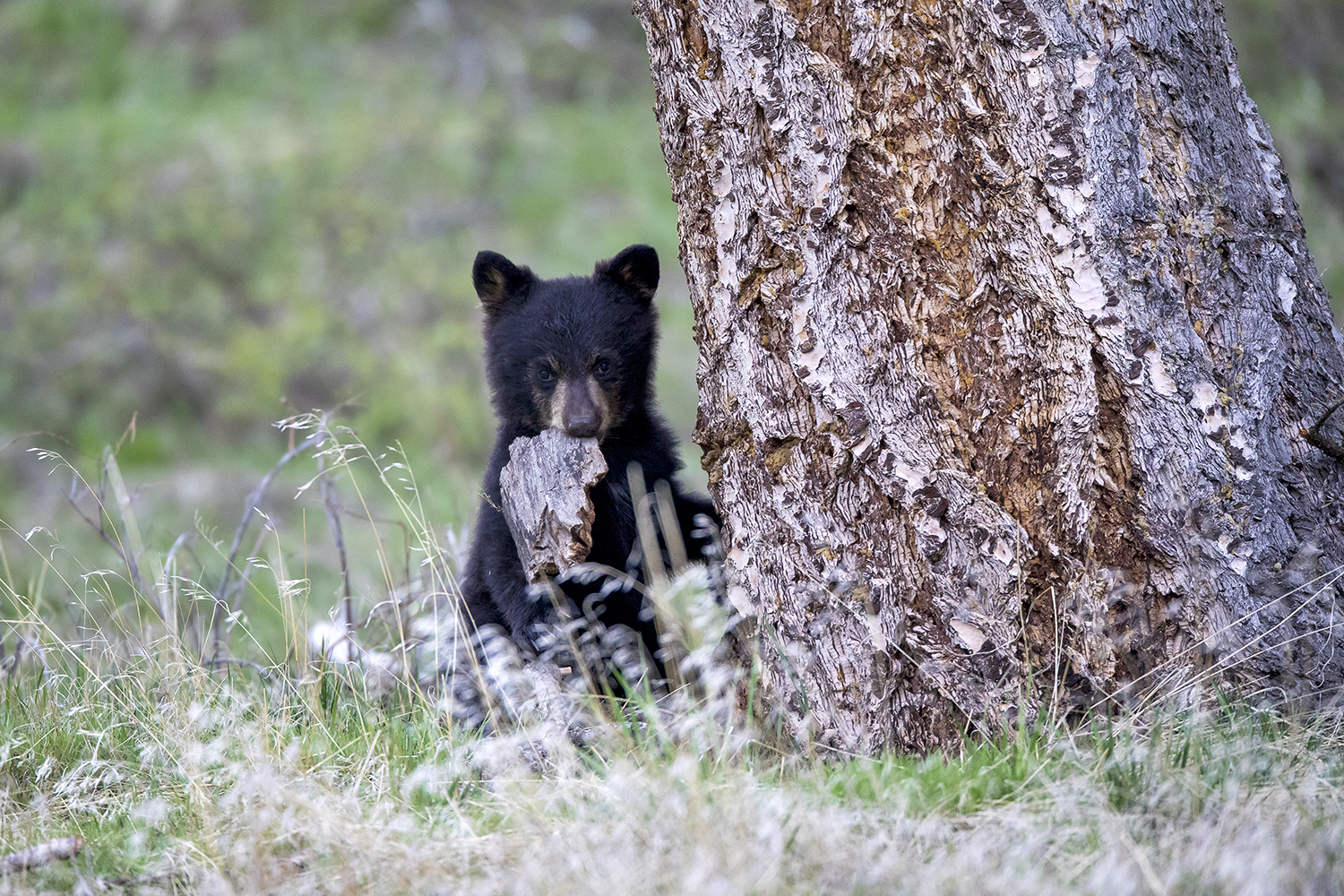
Encounters like this young black bear are moments I don’t try to control. I stay at distance, let the animal dictate the interaction, and watch for natural behavior to unfold. That’s where the strongest images come from—not forcing proximity, but allowing the scene to develop.
Key Species You’ll Encounter
Yellowstone supports one of the richest wildlife assemblages in North America. In a single day, it’s possible to observe:
- Bison moving through valleys and thermal basins
- Elk in large herds, especially during the fall rut
- Grizzly and black bears foraging across meadows and forest edges
- Wolves traveling and hunting in Lamar and Hayden Valleys
- Moose in wetland and riparian zones
What makes Yellowstone different is that these species aren’t isolated—they are part of a functioning food web and ecological relationship system that is still intact.
Wildlife Behavior & Photography Strategy
The best wildlife photography in Yellowstone happens when you align with behavior, not just location. Early morning and late evening are when animals are most active, but more importantly, that’s when the landscape and light work together.
I approach Yellowstone wildlife through field observation techniques—watching movement patterns, anticipating direction, and letting the environment guide positioning. It’s not about chasing wildlife. It’s about understanding where the next moment is going to happen.
This is where Yellowstone becomes more than a wildlife destination—it becomes a living classroom for behavior and ecology.
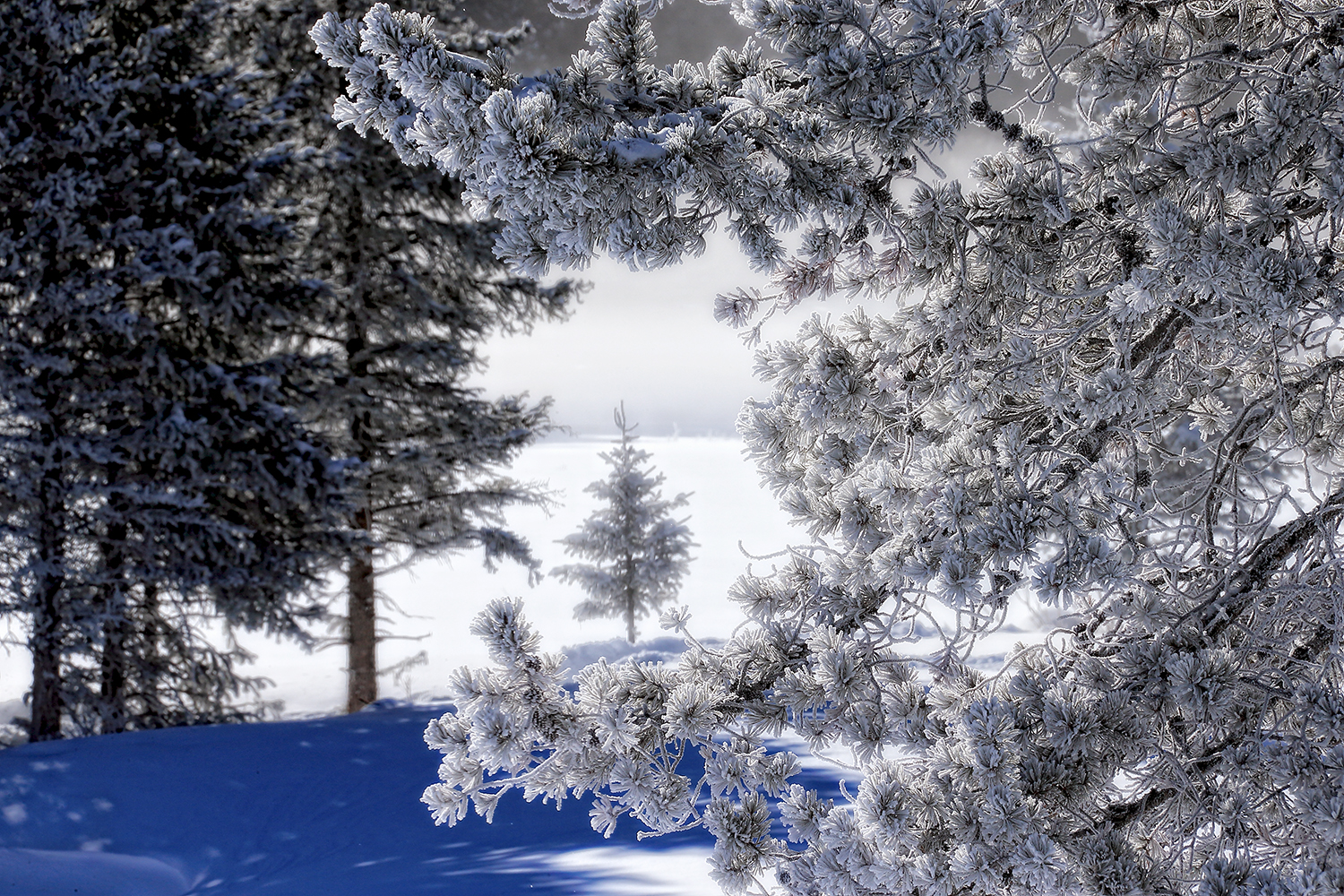
Seasons in Yellowstone — Timing Changes Everything
If there’s one thing I’ve learned from returning to Yellowstone over and over, it’s that timing matters more than location. The same place can feel completely different depending on the season, the temperature, and even the hour of the day.
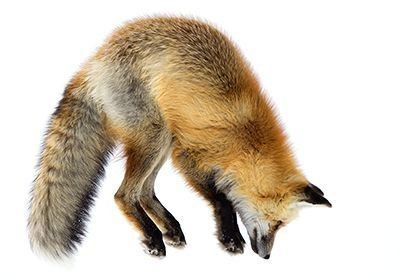
Winter is where Yellowstone becomes something entirely different. Steam rises into cold air, wildlife concentrates in thermal corridors, and the entire landscape simplifies into shape, contrast, and movement. Scenes like this are quiet, but they’re also some of the most dynamic conditions I’ve worked in.
How Each Season Shapes the Field
Each season in Yellowstone changes not just the look of the park—but the behavior of wildlife, the accessibility of locations, and the way light interacts with the landscape.
- Winter: Minimal crowds, strong atmospheric conditions, and concentrated wildlife near geothermal areas
- Spring: Wildlife emergence—bear cubs, bison calves, and shifting water systems from snowmelt
- Summer: Full access to the park, active wildlife, and expansive landscape compositions
- Autumn: Elk rut, golden aspen, and some of the most dramatic light of the year
Understanding these patterns is critical, which is why I connect Yellowstone directly into my Seasonal Wildlife Calendar and broader Nature’s Seasons system. The goal isn’t just to visit—it’s to arrive at the right moment.
Field Strategy by Season
I approach Yellowstone differently depending on the season. In winter, I prioritize thermal areas and low-angle light. In spring, I focus on wildlife behavior and new growth. Summer is about access and exploration, while autumn becomes about timing—being in the right place for the elk rut or peak color.
Tools like the Golden Hour & Moon Planner and wildlife photography maps help align those conditions with light and positioning in the field.
Yellowstone rewards patience and timing more than anything else. When those align, everything—from steam to wildlife movement—starts to fall into place.
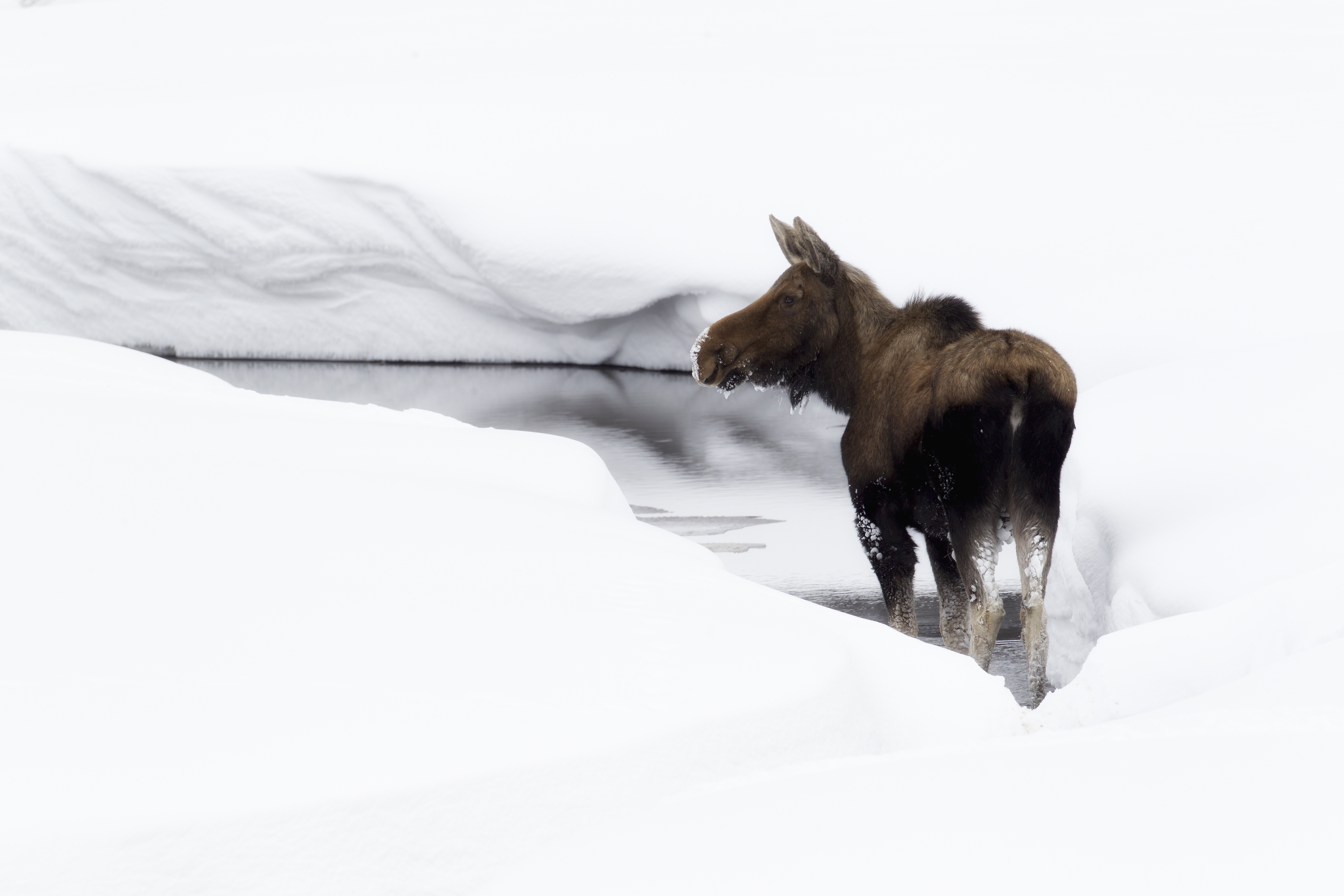
Where to Photograph Yellowstone — Locations That Actually Work in the Field
Yellowstone is massive, and one of the biggest mistakes I see is trying to treat it like a checklist of famous spots. In reality, the park works as a network of zones—each with its own behavior patterns, light conditions, and ecological role.
When I’m in the field, I’m not just choosing locations—I’m choosing systems. Valleys, basins, rivers, and thermal corridors all produce different types of movement and opportunity. Understanding that is what turns Yellowstone from a travel destination into a working landscape.
Lamar Valley — Wildlife Behavior at Scale
Lamar Valley is where I go when I want to observe behavior. Wolves, bison, pronghorn, and bears all move through this valley, and the open terrain allows you to read the landscape in real time. It’s one of the best places in North America to understand predator-prey dynamics in a natural setting.
Hayden Valley — Light, Water, and Movement
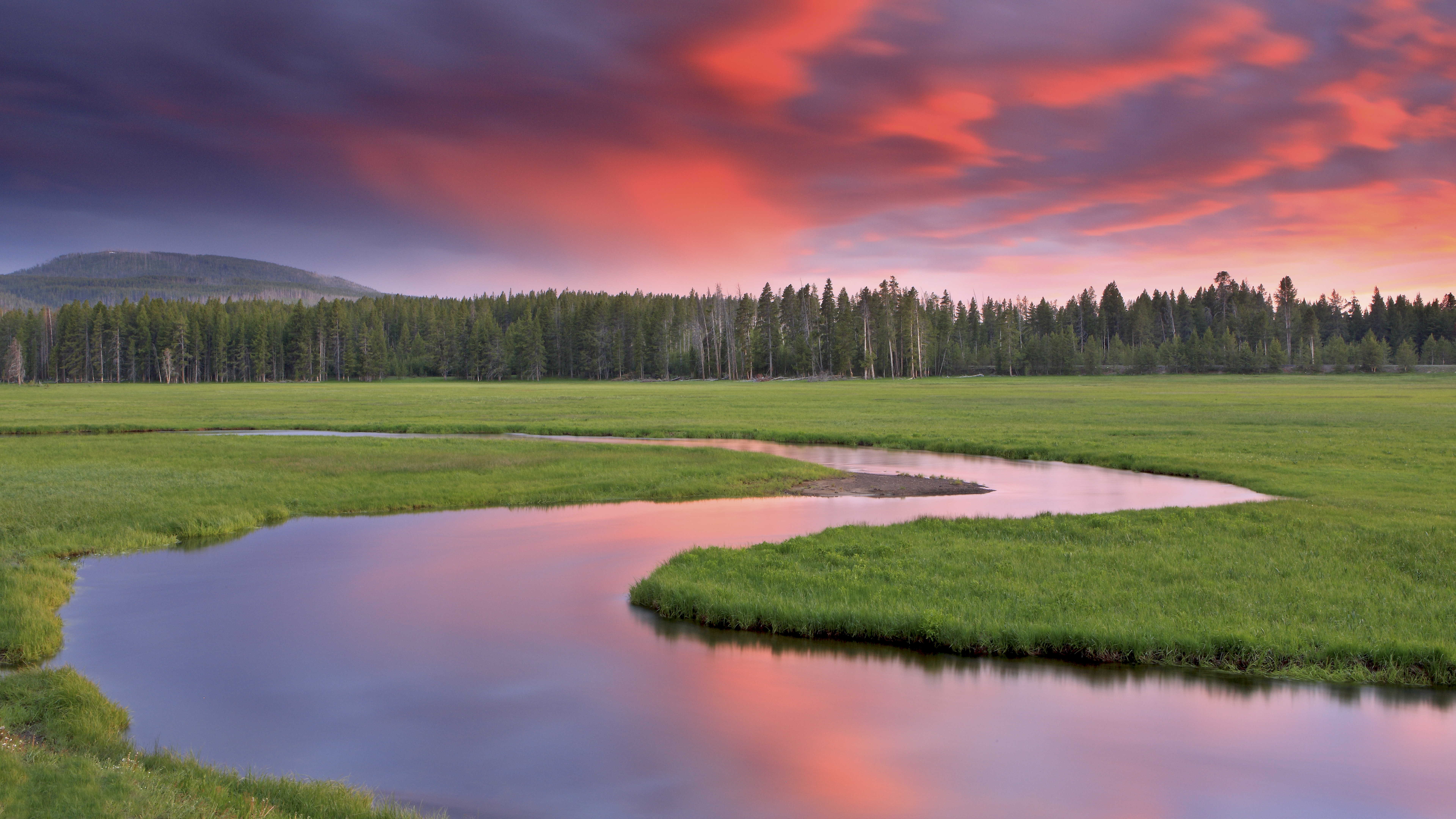
Hayden Valley offers a slightly different dynamic—more water, more reflections, and often softer atmospheric conditions. Early morning here can produce layered compositions with fog, wildlife, and light interacting across distance.
Upper Geyser Basin — Geothermal Composition
The geothermal basins, especially around Old Faithful and Grand Prismatic, are less about wildlife and more about composition. Steam, mineral color, and light become the subjects. These areas require patience more than movement—waiting for the scene to reveal itself.
Mammoth & Northern Range — Transition Zones
The northern range, including Mammoth Hot Springs, acts as a transition zone between ecosystems. Wildlife often moves through here differently than in the valleys, and the terrain creates unique compositions with terraces, ridgelines, and open slopes.
Using Maps to Work the Landscape
To make sense of all this, I rely heavily on structured planning. My wildlife photography maps and field tools help connect location, light, and timing into something usable on the ground.
This is also where Yellowstone connects into my broader wildlife observation locations system. Each place is not isolated—it’s part of a larger network of geography, behavior, and season.
Interactive Yellowstone Photography Map
To help navigate Yellowstone in the field, I use a structured map that connects locations, light, and seasonal timing. This allows me to move efficiently between geothermal areas, wildlife corridors, and key landscape positions.
Planning Yellowstone the Right Way — Timing, Distance, and Respect
Yellowstone asks for more preparation than most places I photograph. It’s a huge landscape, conditions change fast, wildlife can appear without warning, and the best opportunities usually come when you’ve already done the work before sunrise. For me, good planning isn’t separate from the experience—it’s part of what makes the field day successful.
I think about Yellowstone in layers: season first, then weather, then access, then species activity, then light. That order matters. A famous location means very little if you arrive at the wrong time of year, in flat light, or when wildlife movement is happening somewhere else. This is why I connect Yellowstone to my Seasonal Wildlife Calendar, Golden Hour & Moon Planner, and Field Tools—they help turn a big park into a more readable system.
Best Times to Work Yellowstone
Spring and autumn are usually the most dynamic times for me in Yellowstone. Spring brings emergence—bear cubs, bison calves, changing water, and fresh movement across the park. Autumn adds structure: elk rut activity, colder mornings, cleaner light, and stronger contrast in the landscape. Winter is extraordinary for atmosphere and quieter conditions, while summer offers the greatest access across the full park.
No matter the season, the best windows are usually early and late. That’s when wildlife is more active, steam is more visible, and the light has shape. Midday can still work in geothermal areas, but for wildlife and broader landscape depth, Yellowstone almost always rewards patience at the edges of the day.
Distance First, Habitat Always
My field ethic in Yellowstone is simple: distance first, habitat always. If an animal changes behavior because of my presence, I’m too close. If I have to push the moment, it isn’t worth the image. Yellowstone’s wildlife should never be treated as content to collect. These are wild animals moving through a functioning ecosystem, and the responsibility is to keep that system intact.
That means staying on boardwalks around geothermal zones, using long lenses instead of closing distance, reading body language before lifting the camera, and respecting the fact that many of the best encounters happen precisely because you stayed patient and didn’t interfere. That approach aligns directly with my wildlife observation field techniques and wildlife conservation and habitat pages.
What I Bring Into the Field
Yellowstone can move from calm to difficult quickly, so I plan for flexibility. Layers, water, long glass for wildlife, wide-angle coverage for geothermal scenes, and enough time to adapt are all part of the equation. I also treat travel time seriously here. Distances are longer than many people expect, and wildlife traffic or weather can reshape a plan fast.
The goal is not just to “see Yellowstone.” It’s to move through it with enough awareness that you actually understand what the landscape is showing you. That’s when Yellowstone becomes more than a destination—it becomes a field classroom in behavior, ecosystems, and seasonal movement.
Naturepedia Connection — Yellowstone as a Living System
Yellowstone is one of the clearest places I’ve found to observe how nature actually works as a connected system. Geology shapes water flow, water shapes vegetation, vegetation shapes movement, and movement shapes behavior. Nothing here is isolated—everything is interacting.
When wolves were reintroduced into Yellowstone, the changes didn’t stop with predator numbers. Elk behavior shifted, vegetation recovered along river corridors, and even erosion patterns began to change. That’s the kind of system-level interaction that Yellowstone makes visible in a way few places can.
This is exactly how I’ve built my site—connecting Yellowstone into: species, behavior, ecosystems, and conservation.
Yellowstone isn’t just a destination—it’s a reference point. It shows what a functioning ecosystem looks like when the relationships are still intact.
To explore this deeper, continue into the full Naturepedia system.
Yellowstone National Park — Field FAQ
When is the best time to visit Yellowstone for wildlife photography?
Spring and autumn are the most dynamic seasons. Spring brings wildlife emergence—bear cubs, bison calves, and active movement across the park. Autumn adds structure with elk rut behavior, cooler temperatures, and strong directional light. Winter offers unique atmospheric conditions, while summer provides full access.
Where are the best places to see wildlife in Yellowstone?
Lamar Valley and Hayden Valley are the most consistent locations for wildlife activity. These areas allow you to observe behavior across open landscapes, including wolves, bison, elk, and bears interacting within the ecosystem.
What geothermal features should I prioritize?
Key geothermal areas include Old Faithful, Grand Prismatic Spring, Norris Geyser Basin, and Mammoth Hot Springs. Each location offers a different expression of Yellowstone’s volcanic system, with unique opportunities for composition and light.
What gear works best in Yellowstone?
A telephoto lens (400mm+) is essential for wildlife, while a wide-angle lens is ideal for geothermal and landscape scenes. A tripod helps in low light and steam-heavy conditions, and weather protection is critical year-round.
How close can you get to wildlife in Yellowstone?
Park guidelines recommend staying at least 100 yards from bears and wolves and 25 yards from other wildlife. In practice, I stay farther whenever possible and let behavior determine distance rather than forcing proximity.
What makes Yellowstone different from other parks?
Yellowstone is one of the few places where a complete ecosystem is still functioning at scale. Predator-prey relationships, geothermal systems, seasonal timing, and habitat interaction are all visible and actively shaping the landscape.
How should I plan my time in Yellowstone?
Start with season and timing, then build around wildlife behavior and light. Use tools like the Seasonal Wildlife Calendar, Golden Hour Planner, and Photography Maps to align conditions before entering the field.
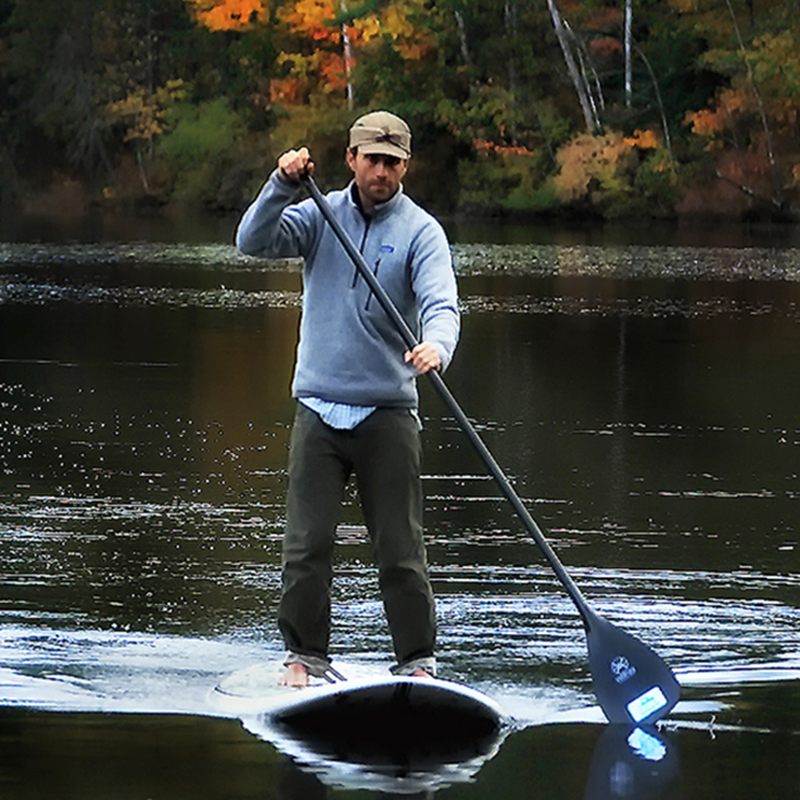
About Robbie George
I’m Robbie George, a National Geographic–published wildlife photographer. My work is built through repeated time in the field—returning to places like Yellowstone across seasons to understand how landscapes function and how wildlife moves within them.
Yellowstone has been one of the most important field classrooms in my work. It’s where I’ve been able to observe complete ecological relationships—predators, prey, geology, and season all interacting at once. That perspective directly shapes how I build the Naturepedia Wildlife Knowledge System, connecting species, behavior, ecosystems, and place into a single framework.
You can explore more field-based work in the Wildlife Gallery, or plan your own time in Yellowstone using tools like the Seasonal Wildlife Calendar and Photography Maps.
“Yellowstone teaches you that nothing in nature happens in isolation. If you slow down enough, you can watch the system working in real time.”