
Blackwater National Wildlife Refuge in Maryland: A Photographer’s Guide
What It Feels Like in the Field
Blackwater feels open, but it is never empty. The marsh holds motion in layers — distant birds lifting off, grasses turning in wind, reflections shifting in shallow water, and raptors circling above the tree line. Everything is subtle until suddenly it isn’t.
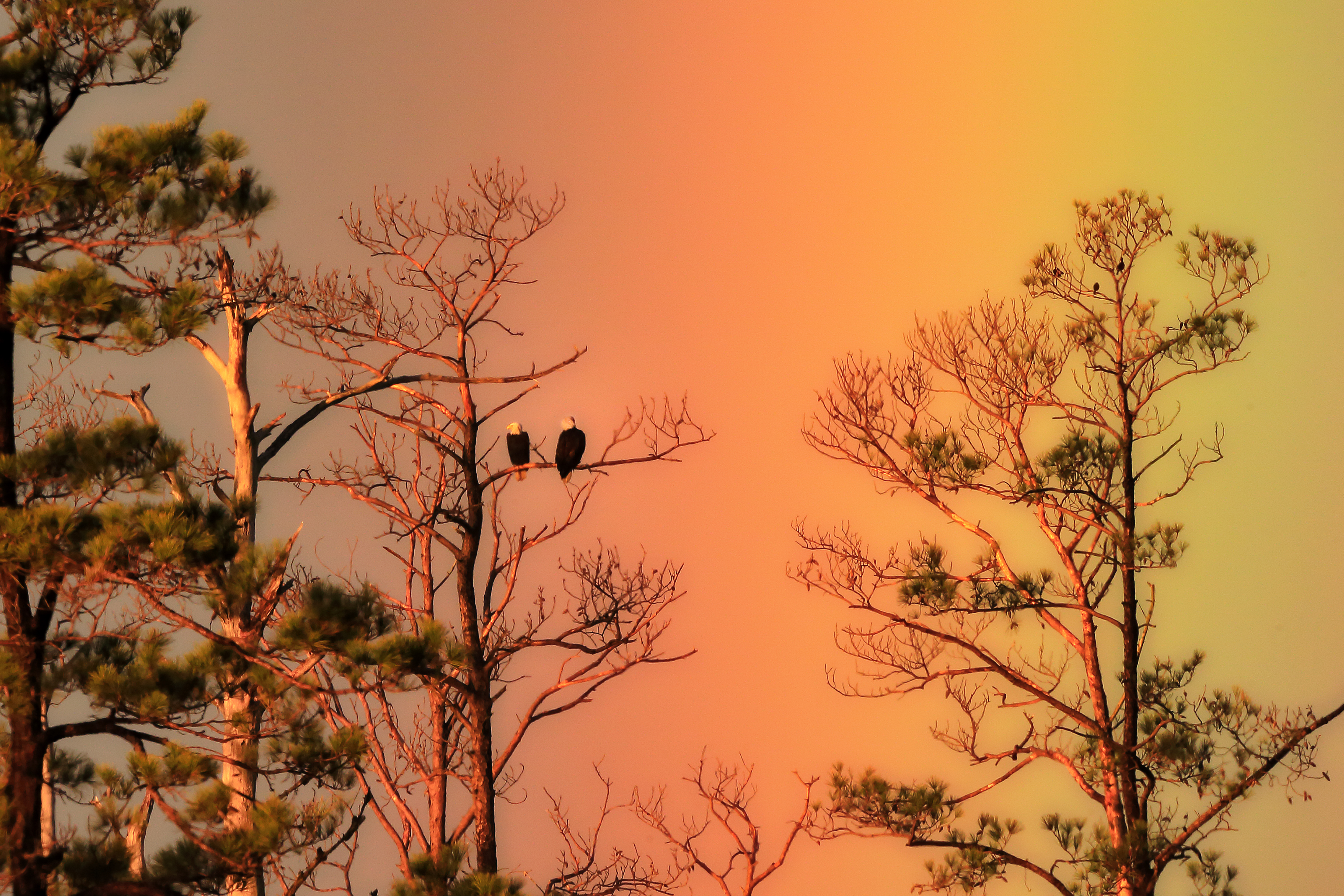
What makes the refuge so strong in the field is the edge structure. Open pools meet reeds. Pines meet wetland. Wildlife Drive gives you access, but the real advantage comes from slowing down enough to notice where movement repeats. Eagles don’t just appear here. Geese don’t just erupt from nowhere. The refuge gives you signals if you’re paying attention.
That’s what I love about Blackwater. It rewards patience more than speed. You don’t conquer the place with coverage. You let it unfold. And when the light, weather, and wildlife line up, the whole refuge becomes one continuous field of rhythm and reflection.
The Blackwater Landscape System
Blackwater is shaped by water first. Everything else follows. Tidal marsh, shallow pools, forest edges, and open sky form one of the most readable wetland systems on the Eastern Shore. Unlike mountain landscapes, where elevation drives structure, here it’s water level, wind, and vegetation that define how the system behaves.
In the field, you start to see repeating zones. Open water transitions into reed-lined marsh. Marsh edges meet loblolly pine forest. Elevated ground holds trees, while low ground floods and drains with subtle shifts. These transitions are where most of the activity happens — and where the strongest compositions form.
Reflection is a defining feature here. On calm mornings, the refuge becomes layered — sky above, water below, and wildlife moving between those planes. When wind builds, the system changes instantly. Texture replaces reflection, and the entire marsh reads differently. This constant shift is what makes Blackwater dynamic even when it appears still.
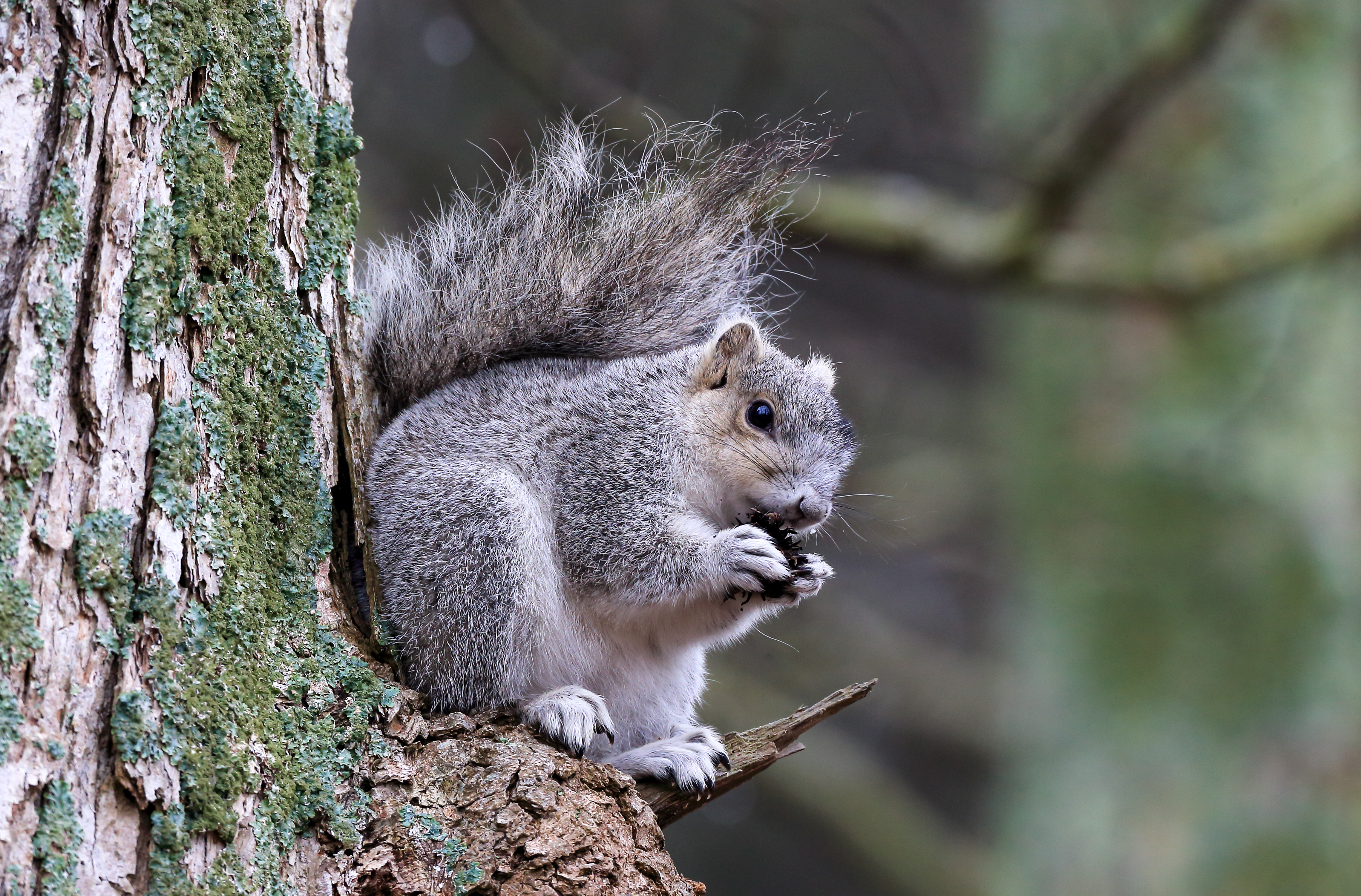
Forest pockets add another layer. These slightly elevated zones provide shelter, nesting sites, and habitat for species that don’t hold in open marsh. That’s where animals like the Delmarva fox squirrel live — not randomly, but exactly where the structure supports them.
This is why Blackwater works so well as a system node. It connects directly into ecosystems of North America, habitat zones, and wildlife behavior — forming a complete wetland system that can be read, not just visited.
“At Blackwater, the land doesn’t rise — it breathes. And everything moves with that rhythm.”
Wildlife and Behavior at Blackwater
Blackwater is one of the most behavior-driven wildlife systems on the East Coast. The refuge sits directly along the Atlantic Flyway, which means movement here is not random — it’s seasonal, directional, and tied to water, food, and weather conditions.
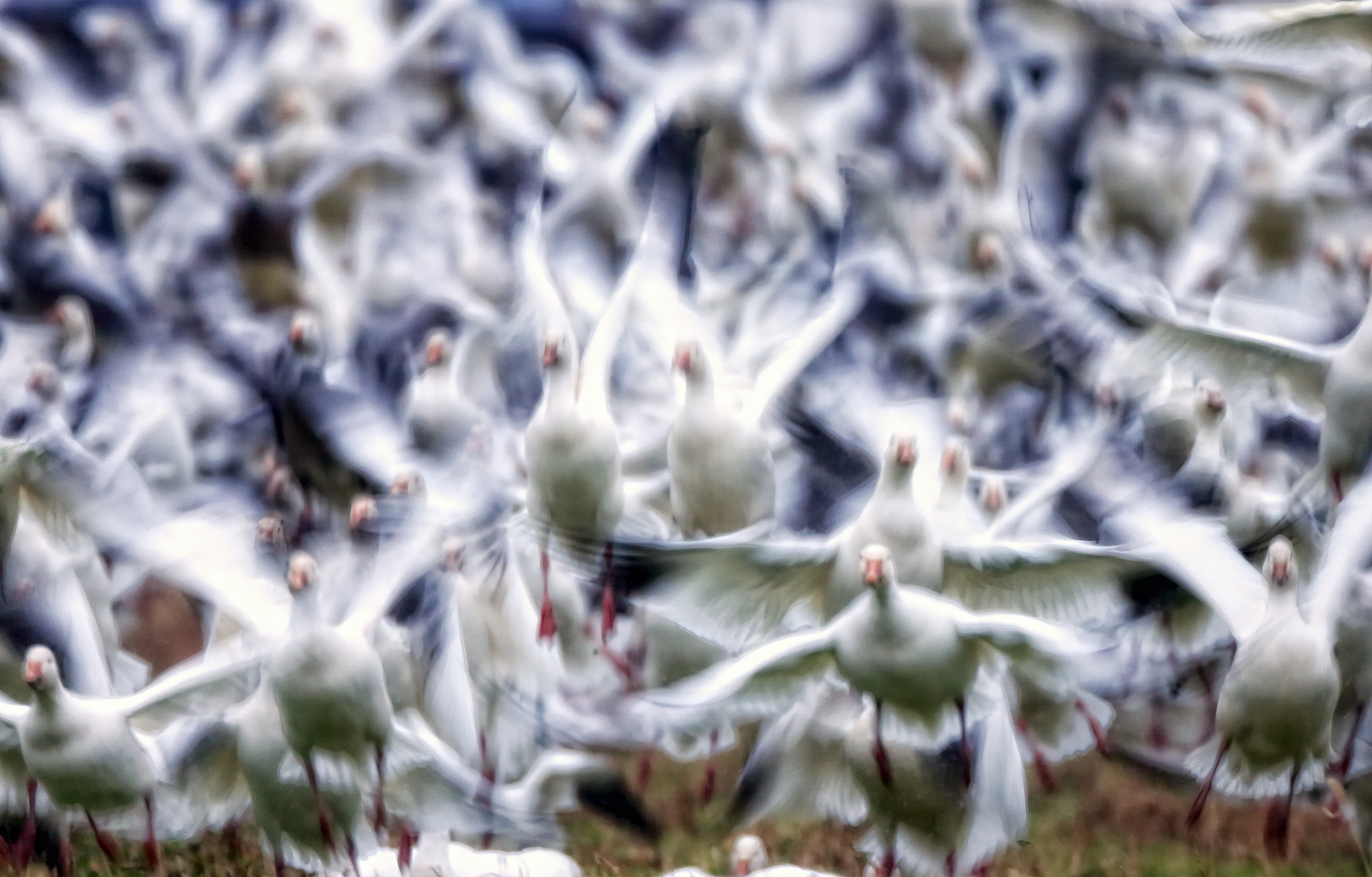
Snow geese are one of the clearest examples of this. In winter, massive flocks gather across the marsh, often holding quietly until a trigger — sound, predator presence, or shifting light — sends them into synchronized flight. These takeoffs are brief but predictable if you understand when and where the birds are staging.
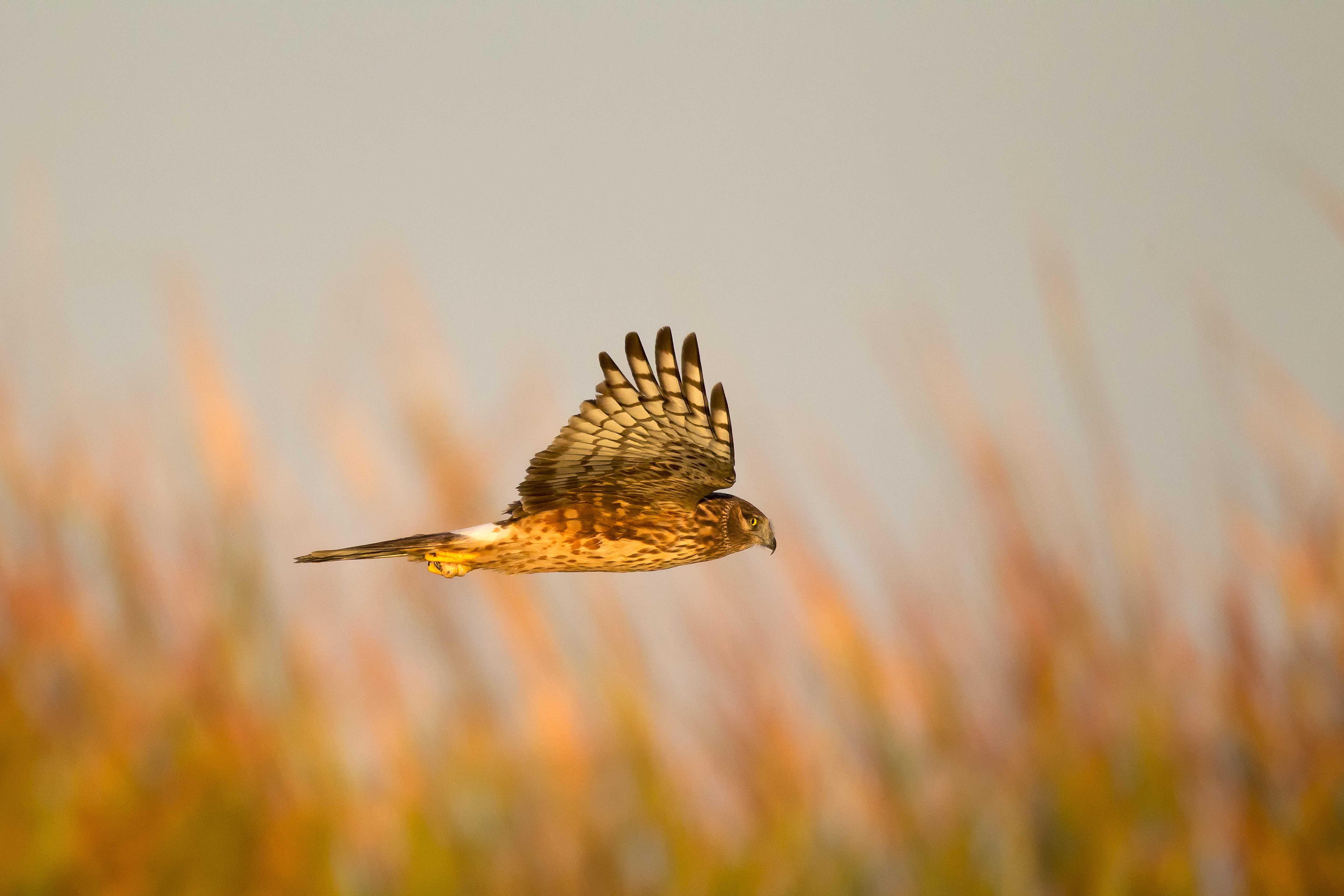
Bald eagles use the refuge differently. They hold higher in the system — perched in trees along marsh edges or circling above open water. Their movement is tied to visibility and access to prey. If you watch long enough, you’ll see patterns in how they patrol, dive, and return to favored perches.
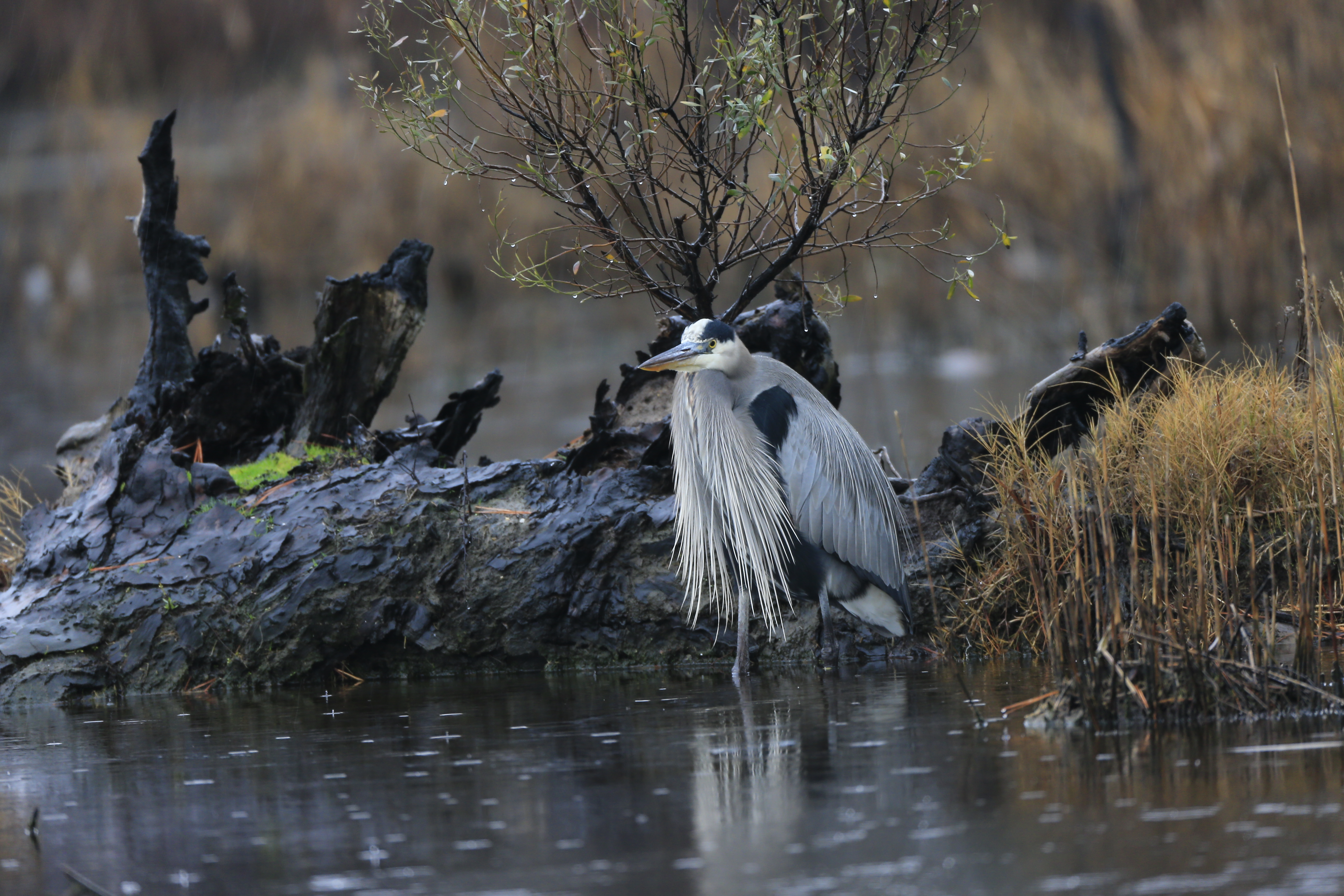
Wading birds like egrets and herons operate on a slower rhythm. They move through shallow water and marsh edges with deliberate precision, often becoming part of the landscape rather than standing out from it. Their behavior is tied closely to water depth and light angle.
What connects all of this is habitat structure. Open water creates staging areas. Marsh edges create feeding zones. Tree lines provide cover and nesting. If you understand those relationships, you don’t have to search for wildlife — you position yourself where behavior is already happening.
This is where Blackwater integrates directly into your broader system — linking to wildlife behavior and ecology, field observation techniques, and species layers like waterfowl and wetland birds.
“At Blackwater, movement isn’t random — it’s written into the water, the wind, and the edge of the marsh.”
Seasonal Timing at Blackwater
Blackwater changes completely with the seasons. Not just visually — structurally. Water levels shift, vegetation grows and recedes, migratory patterns move through, and light interacts differently with the marsh depending on the time of year.
Spring opens the system. Ospreys return, songbirds fill the tree lines, and fresh growth begins along marsh edges. Water is often higher, reflections are strong, and activity builds quickly at first light. This is one of the most balanced seasons for both landscape and wildlife.
Summer slows things down. Heat compresses movement into early morning and late evening. Midday becomes quieter, but not empty — herons, egrets, and other wading birds continue to work the marsh. Storm systems become important, often creating dramatic light and atmosphere after they pass.
Fall builds momentum again. Migration intensifies, and flocks begin to gather. Light becomes softer and more directional, and the refuge starts to feel more active throughout the day. This is a strong transition season where behavior and atmosphere begin to align again.
Winter is peak structure. Bald eagles concentrate, snow geese arrive in large numbers, and the marsh simplifies visually. With less vegetation and lower light angles, the entire system becomes easier to read — shapes, movement, and patterns stand out more clearly.
Across all seasons, the most important timing factor is still daily light. Sunrise and sunset define how the marsh looks and how wildlife moves. Wind also plays a major role — calm conditions create reflection and stillness, while wind reshapes the entire surface of the refuge.
Use your system tools to stay aligned with these shifts — the seasonal wildlife calendar, Nature’s seasons, and golden hour planner all help position you before the moment happens.
“At Blackwater, the season doesn’t just change the view — it changes the behavior of everything within it.”
Key Locations and Field Strategy
Blackwater works best when you stop thinking in terms of “spots” and start thinking in terms of habitat transitions. The strongest locations are not isolated viewpoints. They are places where marsh edge, open water, tree line, wind, and seasonal movement all overlap.
This map should be read as a field positioning tool, not just a visitor convenience. It helps connect access, timing, and observation across the refuge so you can work with the system rather than react to it.
Wildlife Drive
Wildlife Drive is one of the most useful access corridors in the refuge because it lets you cover marsh, open water, and tree edge without constant disturbance. It is especially productive for bald eagles, waterfowl, and winter concentrations of birds using the marsh.
Marsh Edge Trail
This area slows the experience down. It is less about broad coverage and more about observation — reeds, shallow water, smaller birds, reflected light, and transitional habitat. It’s one of the best places to study how the refuge actually holds life.
Observation Platforms and Pull-Offs
Platforms and pull-offs give you a more controlled angle into open marsh and water. They are useful for reading flight lines, scanning for raptors, and watching how flocks stage before movement. At Blackwater, these pauses matter as much as the driving.
Forest Edge Zones
Blackwater is not only marsh. The transition into pine and hardwood edge creates habitat for species like the Delmarva fox squirrel and provides nesting structure for raptors. These edges are quieter but often more important than the open water.
Field Strategy (What Actually Works)
The best approach at Blackwater is to choose one habitat pattern and commit to it. If wind is low and water is reflective, work marsh scenes and wading birds. If winter birds are active, position near open water and tree-line edges. If raptors are moving, stay where visibility opens up. Let conditions determine your movement, not restlessness.
This is where your photography maps, golden hour planner, and field tools become essential. They help you align location with behavior before you enter the refuge.
“At Blackwater, the right location is not the prettiest place — it’s the place where habitat, light, and timing meet.”
Planning and Field Ethics at Blackwater
Blackwater rewards preparation more than movement. Conditions change quickly with light, wind, and tide, and wildlife behavior follows those changes closely. The more aligned you are before entering the refuge, the more effective and present you can be once you’re in it.
Distance and Wildlife Respect
Wildlife here depends on energy efficiency. Disturbance forces unnecessary movement, which can impact feeding, migration, and survival. Keep distance at all times. Use your lens instead of your feet, and let animals behave naturally within their habitat.
If birds flush repeatedly or change direction because of your presence, you are too close. Step back and reset your position.
Movement and Positioning
Move less and observe more. Blackwater is a place where patience consistently outperforms coverage. Choose a location based on habitat and light, then stay long enough for patterns to emerge. Wildlife often returns to the same zones if undisturbed.
Environmental Responsibility
Wetlands are fragile systems. Stay on designated roads, trails, and platforms whenever possible. Avoid stepping into marsh edges or disturbing vegetation. These areas take time to recover and are critical habitat for birds and small mammals.
Field Readiness
Conditions at Blackwater shift with weather and wind. Bring layers, protect your gear from moisture, and be ready to adapt. Planning is not about controlling the outcome — it’s about removing friction so you can focus on observation.
Use your system tools before you arrive. Your field tools, photography maps, and seasonal wildlife calendar allow you to align conditions, timing, and behavior before entering the refuge.
The Role of Awareness
The most important skill at Blackwater is awareness. Wind direction, water surface, bird posture, and light angle all signal what may happen next. The more you observe, the less you have to guess.
“Respect in the field isn’t a restriction — it’s what allows the system to keep working.”
Naturepedia Connection — Blackwater as a Living Wetland System
Blackwater is one of the clearest wetland systems you can observe in North America. Everything connects directly — water level, marsh structure, vegetation, wildlife movement, and seasonal timing. Nothing here is isolated. Each layer builds on the one before it.
Water defines the foundation. Tidal flow, rainfall, and seasonal shifts shape the marsh. That determines where vegetation grows, which in turn defines habitat zones. Wildlife behavior follows those zones — feeding, resting, migrating, and nesting according to what the landscape allows.
How the System Connects
- Water levels → shape marsh and open habitat
- Vegetation zones → define feeding and nesting areas
- Habitat edges → concentrate wildlife movement
- Wildlife behavior → follows habitat and seasonal cycles
- Seasonal timing → shifts migration, light, and activity
When you understand that chain, Blackwater becomes predictable. You stop reacting to random sightings and start positioning yourself within the system.
System Integration Across Your Site
Blackwater connects directly into your broader system — linking to ecosystems of North America, habitat zones, wildlife behavior, and migration patterns.
It also sits within your geography layer — connected to wildlife observation locations — reinforcing how place, behavior, and timing work together across your entire Naturepedia network.
“At Blackwater, the system is visible. Water shapes life, and life follows water.”
Frequently Asked Questions — Blackwater Wildlife Refuge
When is the best time to visit Blackwater Wildlife Refuge?
Fall and winter are the most active seasons for wildlife, especially for snow geese and bald eagles. Spring offers strong bird diversity, while summer is quieter but still productive at dawn and dusk.
Where are the best places to see wildlife in Blackwater?
Wildlife Drive, marsh edges, observation platforms, and forest transition zones are the most productive areas. These locations concentrate movement and provide clear visibility into habitat.
What wildlife can I expect to see at Blackwater?
Common sightings include bald eagles, snow geese, great blue herons, egrets, and the Delmarva fox squirrel. Seasonal changes bring different species depending on migration and habitat conditions.
Can I photograph wildlife from my car at Blackwater?
Yes. Wildlife Drive allows for low-impact observation and photography from your vehicle. It is one of the most effective ways to photograph birds and mammals without disturbing them.
What camera gear is best for Blackwater photography?
A telephoto lens (400mm or longer) is ideal for wildlife. A tripod helps with stability in low light, and a wide-angle lens can be useful for marsh landscapes and atmospheric conditions.
How does Blackwater fit into larger wildlife systems in North America?
Blackwater is part of the Atlantic Flyway, making it a key node in North American migration systems. It connects directly to broader patterns of movement, habitat use, and seasonal change across the continent.
About Robbie George
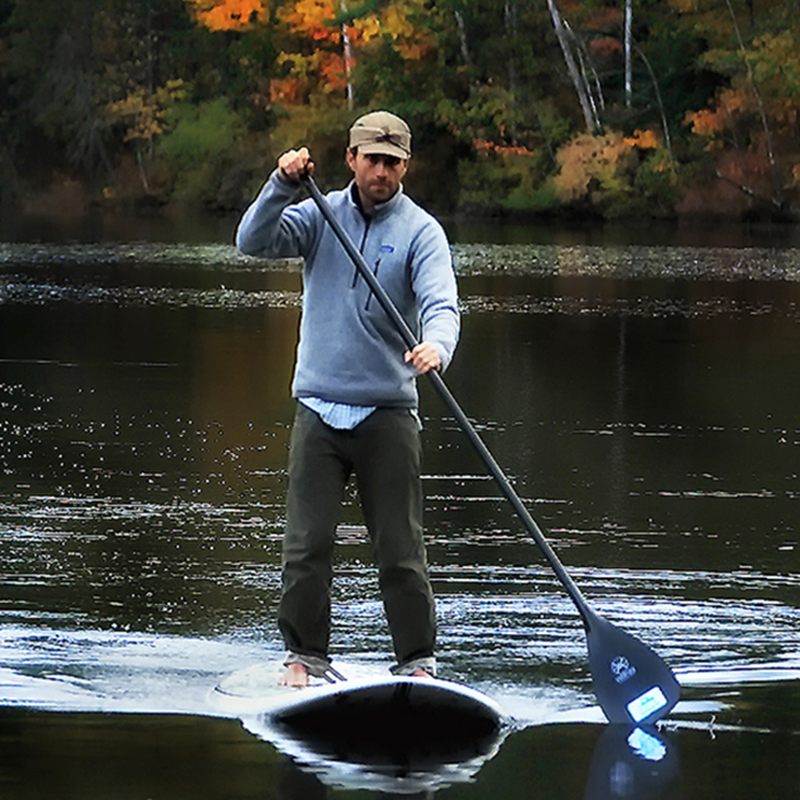
I’m Robbie George, a National Geographic–published nature photographer. My work is built through repeated time in the field—returning to places across seasons to understand how wildlife moves, how light changes, and how landscapes reveal their structure over time.
Blackwater is one of those places. It’s a system you don’t rush. The longer you stay, the more you start to see the patterns—how birds stage before flight, how wind reshapes the marsh, how light builds across the water. Those patterns are what shape the images, not just the subject itself.
This page is part of a larger system connecting Naturepedia, wildlife behavior, ecosystems, geography, and seasonal timing—so each place becomes something you can return to, understand, and work with over time.
“At Blackwater, the best images don’t come from chasing movement. They come from staying long enough to understand it.”