


Discovering Aransas National Wildlife Refuge: The Majestic Home of the Whooping Crane
What It Feels Like in the Field
Aransas isn’t dramatic at first glance. It’s flat, open, and quiet. But once you spend time in it, you start to feel the structure—the way the marsh channels water, the way wind shapes visibility, the way movement carries across distance.
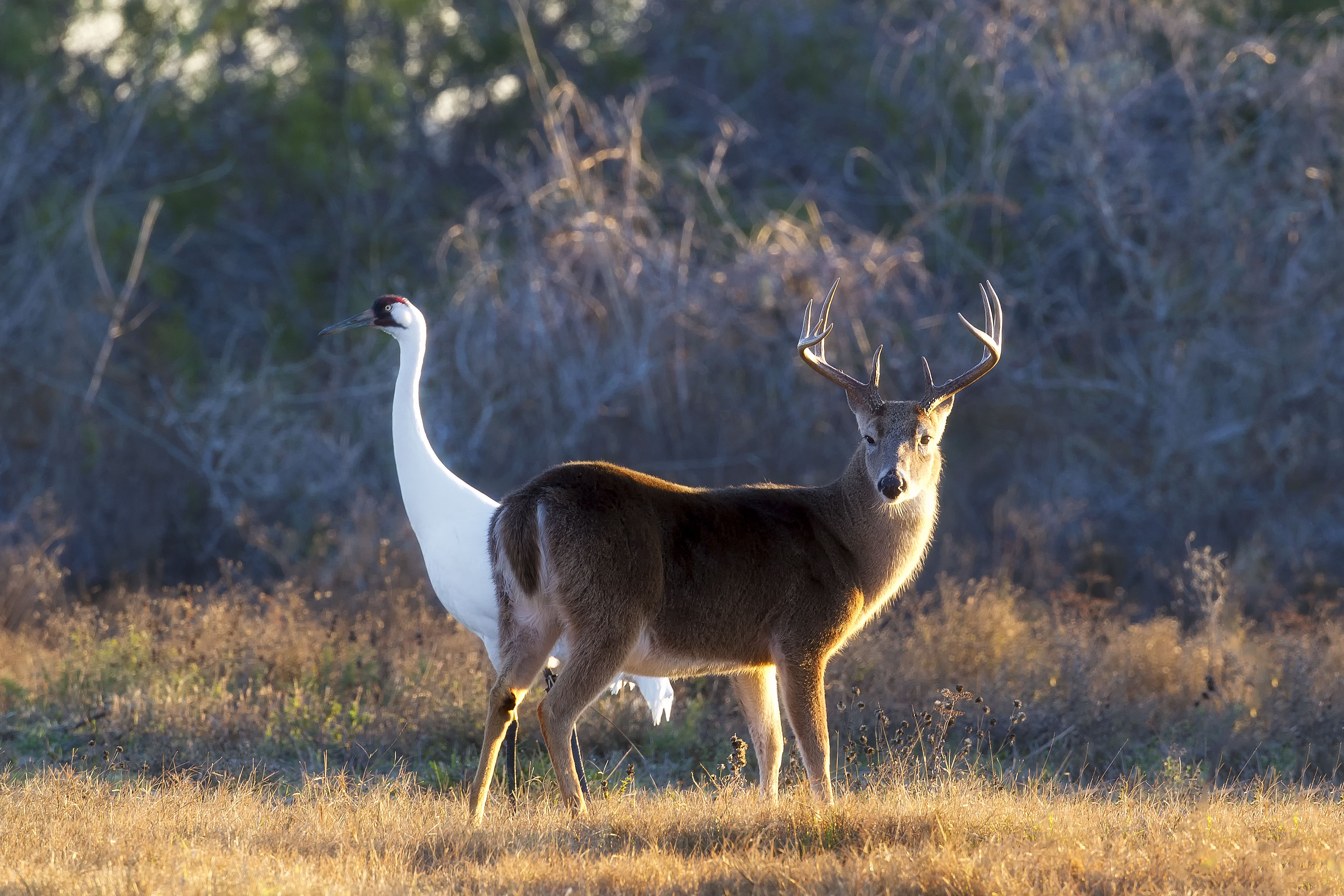
The cranes don’t appear all at once. They emerge slowly—first a shape, then a posture, then unmistakably a Whooping Crane stepping through the tidal flats. Every movement is deliberate. Every action is tied to food, territory, and energy conservation after migration.
What makes this place different is how clearly everything connects:
- Marsh → controls food availability
- Tide → controls movement and access
- Season → controls presence and behavior
- Distance → controls whether wildlife stays natural or disappears
You don’t “find” wildlife here by chasing it. You understand the system—and let it reveal itself.
That’s what makes field observation essential here. The longer you stay still, the more the marsh returns to its natural rhythm—and that’s when the real moments happen.
Explore Aransas — Field Guide Sections
The Landscape System — Marsh, Tide, and Structure
The first thing to understand about Aransas is that it’s not just land—it’s a moving system. The marsh, the tidal flats, the wind, and the water all interact constantly, shaping where life can exist and how it moves.
What looks flat and open at a distance is actually structured in layers:
- Tidal flats — exposed feeding zones controlled by water levels
- Salt marsh — protective cover and nutrient-rich habitat
- Shallow estuaries — movement corridors for fish and invertebrates
- Coastal prairie edges — transition zones for mammals and upland species
These layers are what make coastal ecosystems so productive. Energy flows in from the Gulf, nutrients cycle through the marsh, and everything concentrates into a system that can support migratory birds at scale.
The tide is the controlling force. When water levels shift, feeding areas appear and disappear. That single variable determines where cranes forage, where fish move, and where predators and prey intersect.
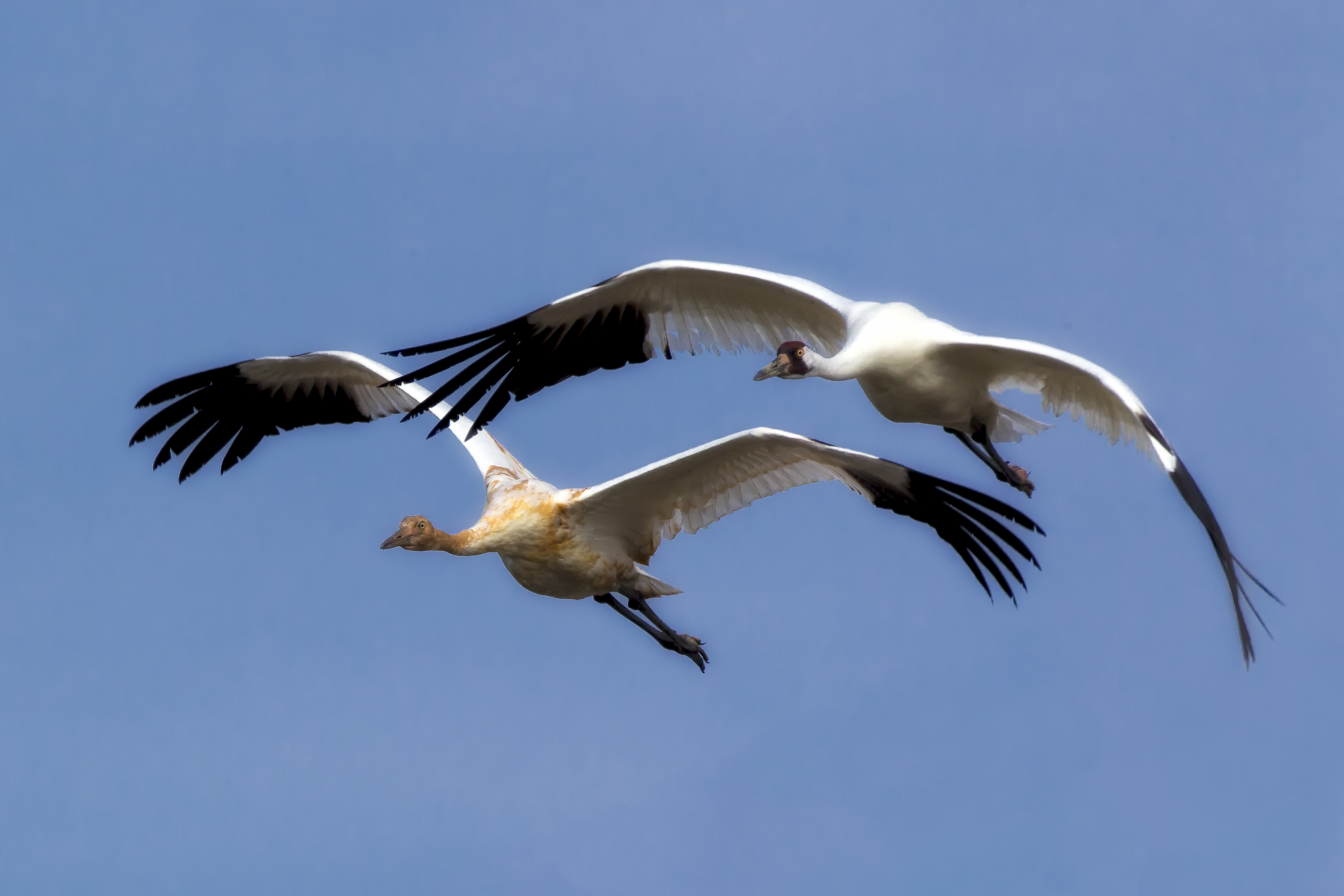
Watching cranes in flight across this landscape reveals the structure clearly. They’re not moving randomly—they’re tracking the system below them. Each landing is tied to water depth, food availability, and territory spacing.
This is why understanding habitat zones matters more than memorizing locations. The landscape shifts daily. The system stays consistent.
At Aransas, everything starts with the land—but the land itself is always in motion.
“The marsh doesn’t hold still long enough to be understood from a map—you have to watch it breathe.”
~ Robbie George
Wildlife & Behavior — How Life Moves Through Aransas
At Aransas, wildlife is never separate from the landscape. Behavior is shaped by water depth, wind exposure, feeding access, and distance from disturbance. The refuge works because the habitat still allows animals to move in natural patterns, and the more time I spend watching here, the more obvious that relationship becomes.
The defining species is the Whooping Crane. In winter, these birds use the marsh with remarkable deliberateness. They forage slowly, scan constantly, and maintain wide spacing that reflects both territory and caution. Even from a distance, their posture tells you a lot: a feeding bird works low and methodically, an alert bird lifts its head high, and a bird preparing to move changes its whole balance before it ever opens its wings.
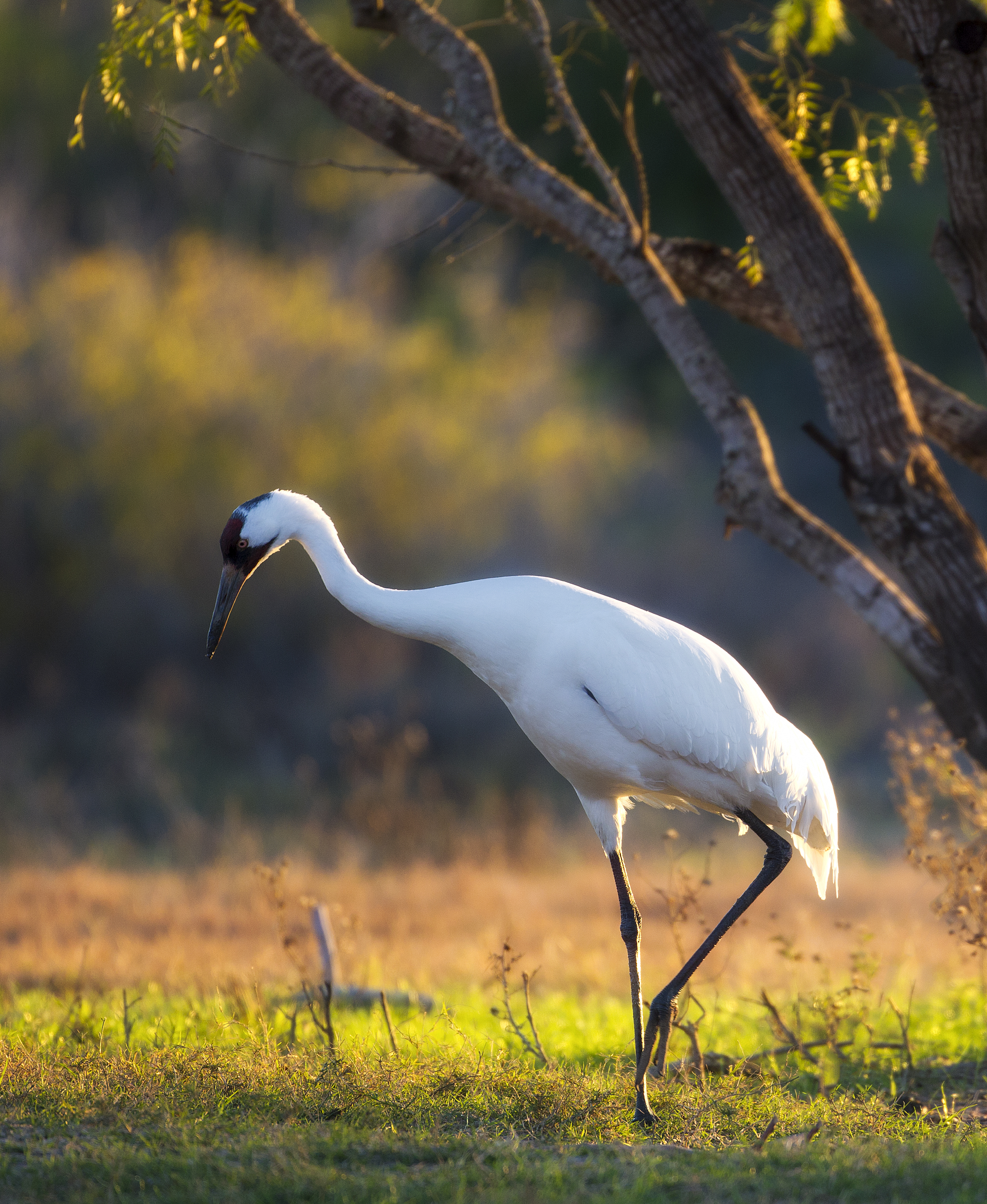
That alertness is part of why respectful field distance matters so much here. A crane that has to keep watching you is not fully feeding, resting, or behaving naturally. Good observation at Aransas depends on patience, stillness, and letting the bird remain inside its own rhythm rather than forcing an encounter.
The refuge is also more than cranes. White-tailed deer, alligators, herons, egrets, spoonbills, and many other marsh-dependent species move through the same coastal system. That overlap is what makes Aransas such a strong ecological relationship zone: birds respond to tide and prey, mammals work the upland edges, and wading species track shallow water in different ways across the same habitat.
Flight behavior is one of the most revealing things to watch. When cranes leave the ground, it usually means something changed—light, distance, pressure, or purpose. Sometimes it is a short repositioning move between feeding areas. Sometimes it is a larger territorial or directional shift. Either way, the behavior is tied directly to space and habitat, not randomness.
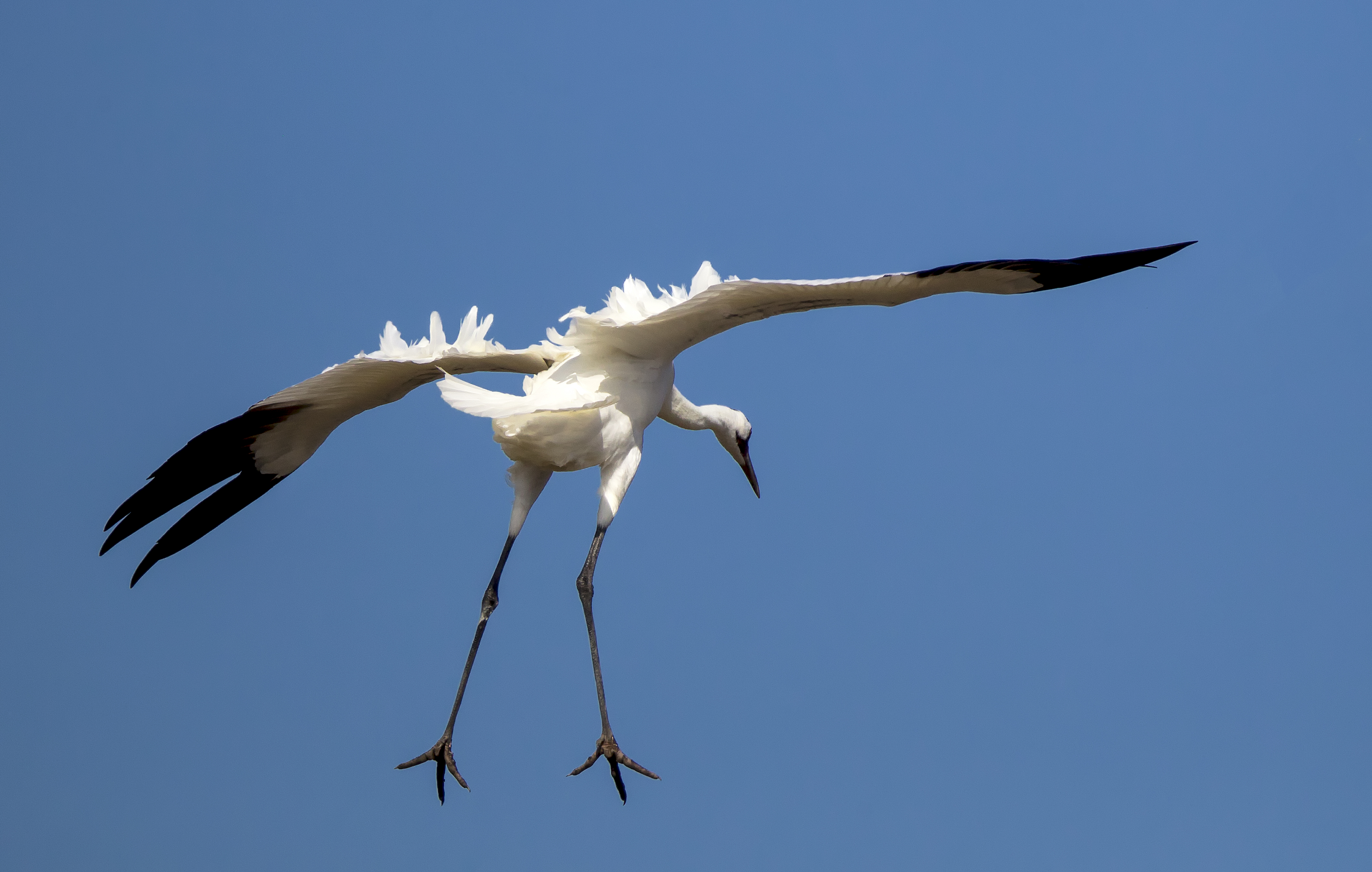
That is why Aransas connects so naturally into your broader Wildlife Behavior & Ecology system. The refuge gives you a clean example of how place governs action. Water controls access. Habitat controls safety. Season controls presence. Behavior emerges from those conditions.
When people think of rare wildlife, they often think first about the animal itself. In the field, I’ve found the opposite is usually more useful: understand the system around the animal, and the behavior starts to make sense.
“A crane tells you what the marsh is doing if you watch long enough.”
~ Robbie George
Seasonal Timing — When the System Comes Alive
Aransas is defined by winter. Everything about the refuge—its energy, its movement, its concentration of life—peaks when migratory species arrive and settle into the coastal system.
The Whooping Cranes begin arriving in late October and November, following a long migration from northern breeding grounds. By early winter, the marsh stabilizes into a pattern: feeding zones become predictable, territories are established, and daily movement follows light and tide cycles.
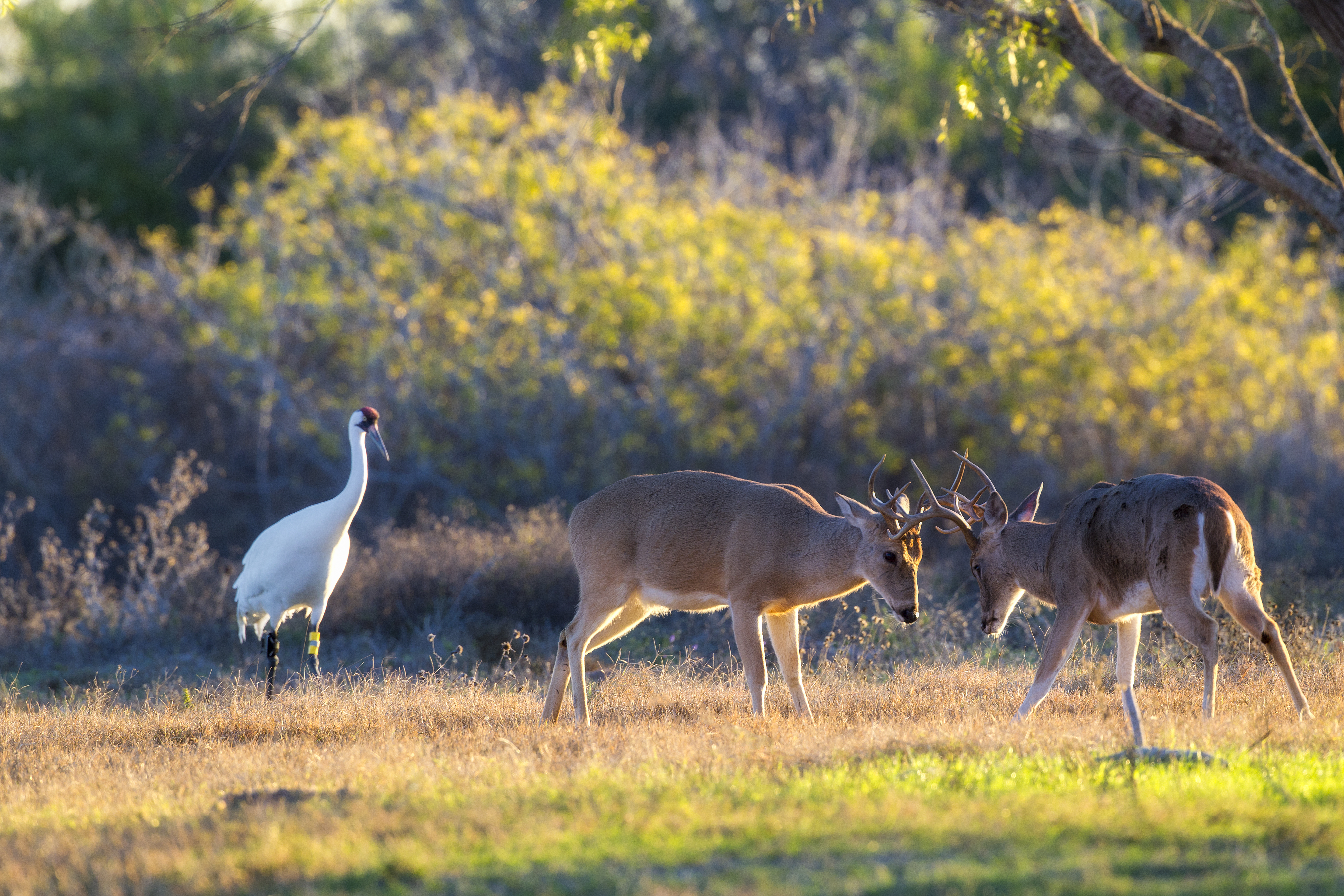
From November through March, this is one of the most stable and observable wildlife systems in North America. Birds are present daily, behavior is consistent, and light conditions—especially during cold, clear mornings—create some of the best opportunities for both observation and photography.
Timing within each day matters just as much as the season:
- Early morning — active feeding, calm winds, low-angle light
- Midday — reduced movement, harsher light, more distance required
- Late afternoon — renewed activity, directional movement, soft returning light
Outside of winter, the system opens up. Cranes depart in spring, dispersing the focal point of the refuge. Other species remain, but the density and clarity of behavior shifts significantly.
This is why understanding seasonal wildlife timing is essential. Aransas isn’t just a place—it’s a window in time. Show up outside that window, and you’ll still see the landscape. Show up inside it, and you’ll see the system working at full expression.
The refuge also connects into the broader rhythm of nature’s seasonal cycles. Migration, feeding, light, and behavior all align across geography, linking Aransas to a continental pattern that stretches far beyond the marsh itself.
“Timing isn’t about being early or late—it’s about arriving when the system is ready to show itself.”
~ Robbie George
Locations & Field Strategy — Where to Position and Why
At Aransas, location isn’t about chasing wildlife—it’s about understanding how the landscape channels movement. If you position yourself correctly within the system, the wildlife comes into view naturally. If you don’t, the refuge can feel empty even when it’s full of life.
The most reliable areas are not fixed “spots,” but habitat conditions:
- Shallow tidal flats exposed at low tide (feeding zones)
- Edges where marsh meets open water (transition corridors)
- Protected coves with minimal wind disturbance
- Upland edges where mammals intersect marsh systems
One of the most consistent areas for observation is Heron Flats, where elevated viewing allows you to watch behavior unfold without compressing distance. The key is not proximity—it’s visibility without disruption.
Open full map: Aransas NWR Field Map ↗
This map reflects something important: wildlife at Aransas is not randomly distributed. It follows structure—water depth, food access, and protection from disturbance. Once you start reading those variables, the refuge becomes predictable in the best possible way.
Field positioning comes down to a few key principles:
- Stay back — distance preserves natural behavior
- Work the light — position with sun angle, not just subject
- Watch first — let patterns reveal themselves before moving
- Move slowly — abrupt changes break the system
Tools like the wildlife photography maps and golden hour planner can help refine positioning, but the real advantage comes from time spent observing how the refuge behaves.
The goal isn’t to get closer—it’s to become invisible within the system long enough for it to return to normal.
“Where you stand determines what the wild allows you to see.”
~ Robbie George
Planning & Field Ethics — Distance, Awareness, and Respect
Aransas works because wildlife is still allowed to behave naturally. Everything you do in the field either supports that—or disrupts it. The difference often comes down to distance, awareness, and restraint.
With Whooping Cranes, this is especially important. They are highly alert birds, and even subtle pressure can change how they feed, rest, or move. If a crane lifts its head repeatedly to watch you, you are already too close.
Field Distance Guidelines
- Use long lenses (400mm+) instead of closing distance
- Stay on designated trails and observation areas
- Avoid approaching feeding or resting birds
- Never push wildlife to take flight
Ethical observation isn’t just about rules—it’s about reading behavior. If the animal changes because of you, you’ve crossed the line.
Reading the Situation
Good field awareness comes from watching before acting. At Aransas, small changes matter:
- Wind direction affects how sound and scent travel
- Light angle determines whether you are visible or silhouetted
- Tide level changes where wildlife will move next
- Other people can influence behavior just as much as you
The more you understand these variables, the less you need to move—and the better your observations become.
Preparation Matters
Coastal environments can shift quickly. Conditions at Aransas change with weather, tide, and season, so preparation is part of ethical fieldwork:
- Check weather and wind conditions before entering the field
- Plan around tide cycles when possible
- Carry water and basic gear for long stationary observation
- Protect equipment from salt, moisture, and sudden changes
Tools like the field tools hub and sun & moon alignment planner can help you anticipate conditions before you arrive.
Planning reduces pressure on the environment because it reduces unnecessary movement once you’re there.
Why Ethics and Conservation Are Connected
Places like Aransas exist because enough people chose to protect them. That protection continues every time someone chooses patience over proximity, observation over interference, and respect over the need for a closer image.
This is what connects directly to your Wildlife Conservation & Habitat system. Conservation doesn’t only happen at the policy level—it happens in every decision made in the field.
“The best wildlife encounters are the ones where nothing had to change for you to be there.”
~ Robbie George
Naturepedia Connection — Aransas as a Living System
Aransas is not just a location—it is a working ecological system where habitat, behavior, season, and conservation all intersect. What happens here is not isolated. It is part of a larger network that connects coastal ecosystems, migratory pathways, and species survival across an entire continent.
Habitat → Behavior
The structure of the marsh—tidal flats, shallow estuaries, and protected grasslands—directly determines how wildlife behaves. Whooping Cranes feed where water depth allows access to prey. Wading birds adjust their movement based on changing tide levels. Mammals use the upland edges as transition zones between ecosystems.
This is the foundation of habitat-driven behavior: animals don’t act randomly—they respond to structure.
Behavior → Ecosystem
Those individual behaviors scale upward into ecosystem function. Feeding patterns influence prey populations. Movement patterns affect energy flow. Species interactions shape balance across the refuge.
Aransas is a clear example of a functioning food web and ecological relationship system, where each species plays a role in maintaining stability.
Ecosystem → Season
The system itself shifts with time. In winter, Aransas becomes a concentrated node of migratory life. In other seasons, that concentration disperses across geography. The same habitat remains—but its role changes.
This aligns with your broader migration and seasonal systems, where timing determines presence, and presence determines ecological impact.
Season → Conservation
Because Aransas is the primary wintering ground for the last wild migratory population of Whooping Cranes, its stability directly affects the survival of the species. If this system fails, the consequences extend far beyond the refuge.
That is why this location connects directly into wildlife conservation and habitat protection. Protecting Aransas is not just protecting a place—it is protecting an entire migratory system.
The Full System
When you put it all together, Aransas becomes a clear expression of how nature organizes itself:
- Habitat creates the conditions
- Behavior responds to those conditions
- Ecosystems emerge from repeated interactions
- Season controls when the system is active
- Conservation determines whether it continues
This is exactly how your Naturepedia system is designed to work—linking observation in the field to a larger understanding of how life is structured, connected, and sustained.
Aransas is one node in that system—but it is one of the clearest places to see the entire pattern working in real time.
“When you understand the system, the landscape stops being a place—and becomes a process.”
~ Robbie George
Aransas National Wildlife Refuge — FAQ
When is the best time to see Whooping Cranes at Aransas?
The best time is from November through March, when Whooping Cranes arrive for winter. This is when behavior is most consistent and visible across the refuge.
Where are the best places to observe wildlife in the refuge?
Focus on tidal flats, marsh edges, and protected coves. Areas like Heron Flats provide elevation and distance, allowing you to observe natural behavior without disturbing wildlife.
What equipment is recommended for wildlife photography at Aransas?
A 400mm or longer telephoto lens is essential. Use a tripod or monopod for stability, and prepare for wind, moisture, and changing coastal conditions.
How close can you get to Whooping Cranes?
You should maintain a significant distance. If a crane changes its behavior—stops feeding, raises its head repeatedly, or moves away—you are too close.
What other wildlife can be seen at Aransas?
In addition to Whooping Cranes, the refuge supports white-tailed deer, alligators, herons, egrets, roseate spoonbills, and hundreds of migratory bird species tied to coastal marsh ecosystems.
How does Aransas connect to larger wildlife systems?
Aransas is the primary wintering ground for the last wild migratory population of Whooping Cranes. It connects directly to continental migration routes and broader wildlife migration systems .
What is the most important thing to remember when visiting Aransas?
Respect distance and let the system work. The best experiences happen when wildlife is undisturbed and behaving naturally.
About Robbie George
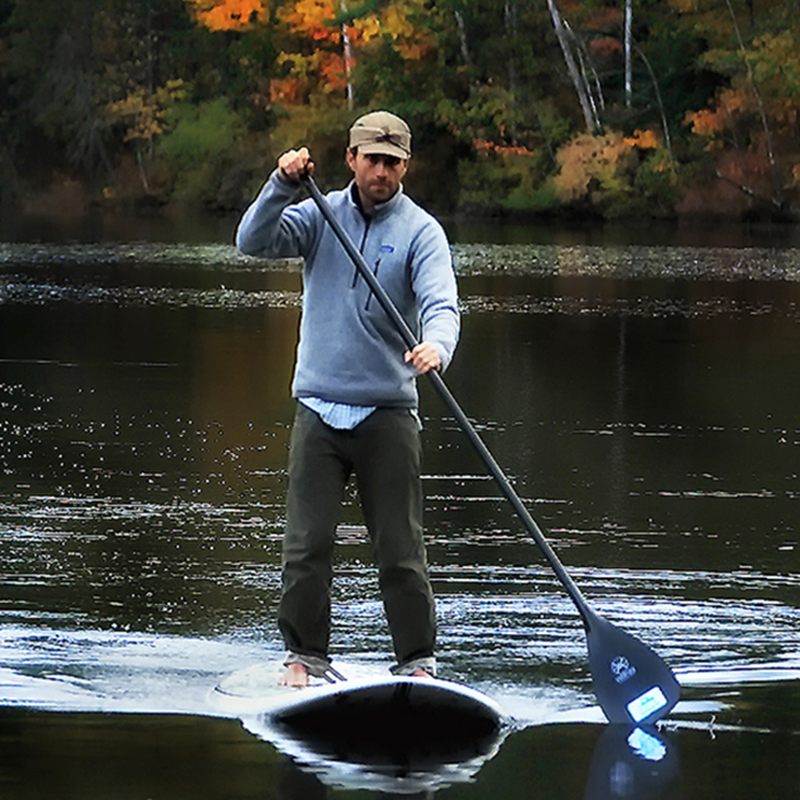
I’m Robbie George, a National Geographic–published photographer working at the intersection of field observation, wildlife behavior, and ecological systems. My approach is simple: spend time in the field, understand how the system works, and let the image emerge from that understanding.
At Aransas, that means returning to the marsh under changing conditions—watching how tide, light, and distance shape the behavior of Whooping Cranes and the broader coastal ecosystem. The goal is never just to capture an image, but to document how life actually moves through a place.
This work connects directly into the Naturepedia system, where individual observations build into a larger understanding of habitat, behavior, and ecological relationships across North America.
You can explore more through:
“The field teaches first. The photograph comes after.”





