
Exploring Teton National Park
What It Feels Like in the Field
The first thing you notice in the Tetons is how fast everything changes. Light moves across the range in minutes. Clouds build and break without warning. Wildlife appears, crosses, and disappears just as quickly.
There’s no gradual buildup here — the mountains rise straight out of the valley floor. That compression creates strong edges, deep shadows, and clean compositions, but it also means you have to be ready. If you’re not in position before the light hits, you miss it.
Over time, you start to recognize patterns. Moose holding in willows near water. Elk moving through open flats at first light. The way the Snake River pulls your eye through the frame. The Tetons aren’t random — they’re structured. Once you understand that structure, everything opens up.
The Landscape System of Grand Teton
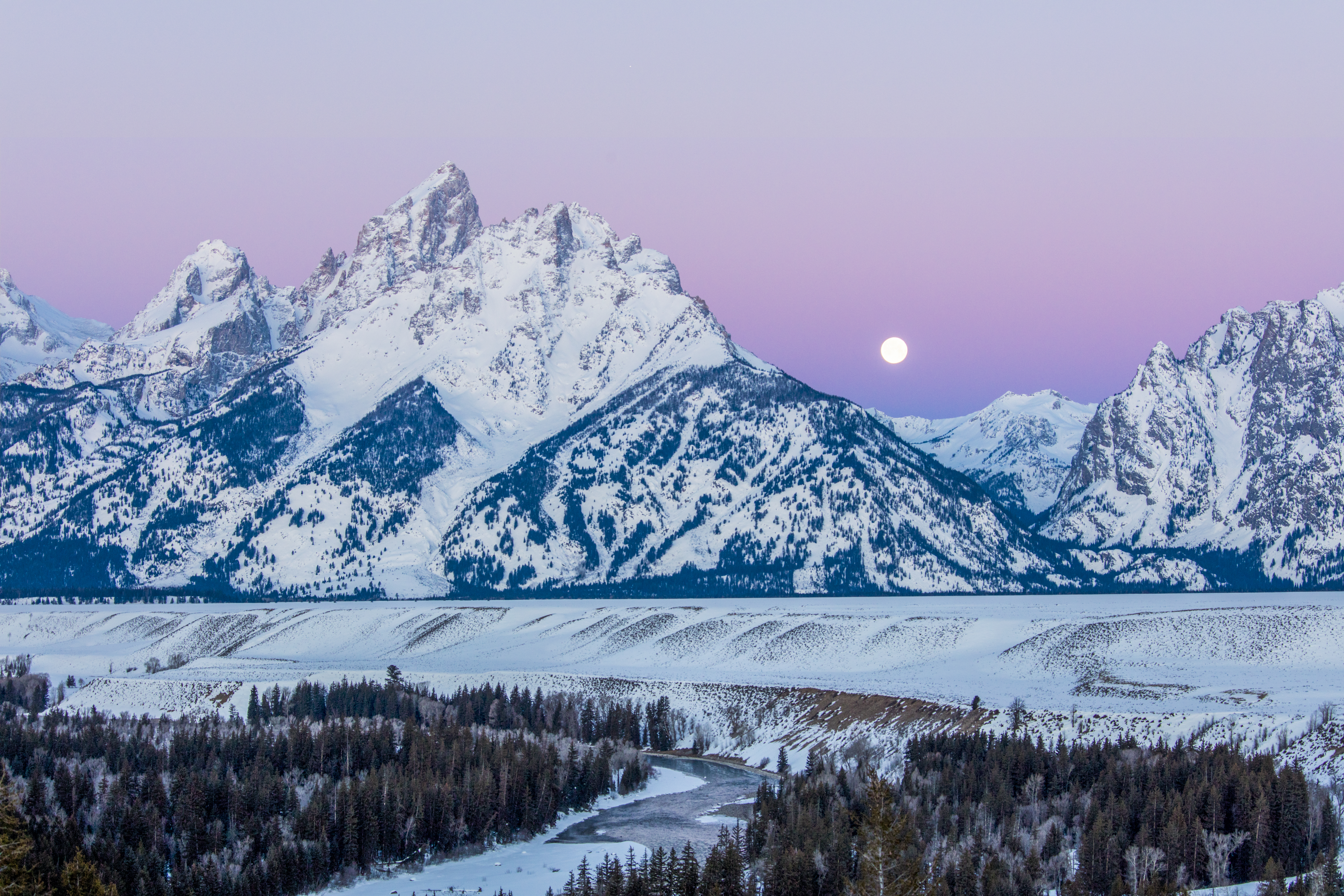
What makes the Tetons so visually immediate is their structure. The mountains rise sharply out of the valley without the long foothill transition you see in many western ranges. That abrupt lift creates one of the cleanest mountain-to-valley relationships in North America, and it shapes everything that happens here — light, weather, drainage, vegetation, and animal movement.
In the field, that means the landscape reads fast. You can stand in open sage flats, look up, and immediately understand the vertical force of the place. Snow holds high on the peaks while spring green emerges below. Storms catch on the range, shadows fall hard across the valley, and the entire system feels compressed into a narrow band of dramatic relief.
Water is the second major organizing force. Glacial lakes, wet meadows, willow bottoms, oxbows, and the Snake River corridor all create transitional habitat between mountain wall and valley floor. These transitions are where some of the strongest compositions happen, but they are also where the park becomes most alive ecologically. Reflection, movement, edge habitat, and wildlife behavior all begin to overlap.
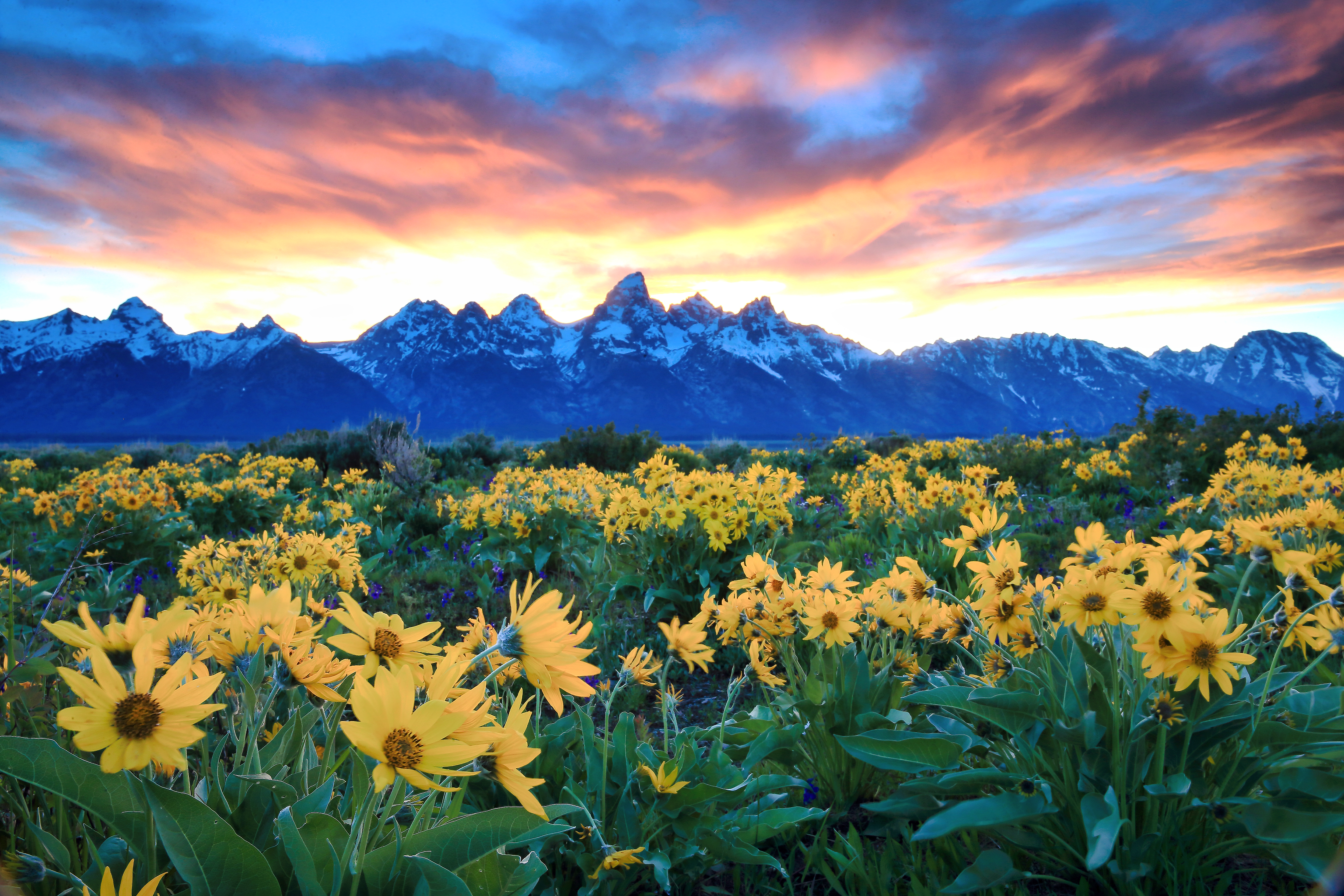
Vegetation follows elevation and moisture in a way that makes the Tetons especially readable. Sagebrush flats open the foreground. Aspen and cottonwood bring seasonal color in the lower elevations. Conifers tighten the middle slopes. Above that, rock, snow, and sky take over. Because those transitions are so distinct, the Tetons are not just beautiful — they are legible. You can see the system working.
For photography, this matters. The best images here are rarely just “mountain pictures.” They work because the frame includes relationship: river to range, meadow to peak, weather to stone, season to elevation. The Tetons become strongest when you show how the landscape connects across scale instead of isolating only the skyline.
That is also why Grand Teton belongs naturally within your larger system — as a geography page, yes, but also as a living landscape node that connects directly to ecosystems of North America, wildlife habitats and ecosystem zones, wildlife behavior and ecology, and your broader wildlife observation locations network.
Wildlife and Behavior in the Teton Field
The Tetons are not just a dramatic backdrop for wildlife. They are an active behavioral system. Water, willow, meadow, forest edge, and open flats all create different kinds of movement, and if you pay attention to those transitions, the park starts to become much more readable.
Moose are one of the clearest examples. In Grand Teton, I look for them where wet ground, willow, and quiet cover come together. Their presence is tied less to spectacle than to habitat structure. When the light is low and the air is still, those edges become especially productive because the animals can feed, hold cover, and move without exposing themselves for long.
Elk use the valley differently. You often see them crossing broader meadows, holding in open flats, or moving along the base of the range where forage and visibility both matter. In autumn, behavior changes again as the rut adds sound, tension, and spacing to the landscape. What looks empty at midday can feel completely different at first light or near sunset.
Birds also reveal how the system works. Trumpeter swans and other wetland species hold close to quiet water and marsh edges. Raptors use thermals, open sightlines, and the valley’s structure to hunt. Beaver ponds, oxbows, and slow river bends create layered habitats where reflection, birdlife, and mammal movement can all overlap in the same frame.
The key is to think behavior first. Instead of asking only what species are here, ask what the habitat is allowing. Is this a feeding zone, a travel corridor, a bedding edge, or a place of temporary exposure between safer cover? That shift changes how you photograph and how you wait.
This is why Grand Teton connects naturally into your larger wildlife system. The page should reinforce relationships to wildlife behavior and ecology, habitats and ecosystem zones, wildlife observation and field techniques, and species pages such as mammals of North America and waterfowl and wetland birds.
“In the Tetons, wildlife rarely appears at random. Movement follows habitat, and habitat follows structure.”
Seasonal Timing in the Tetons
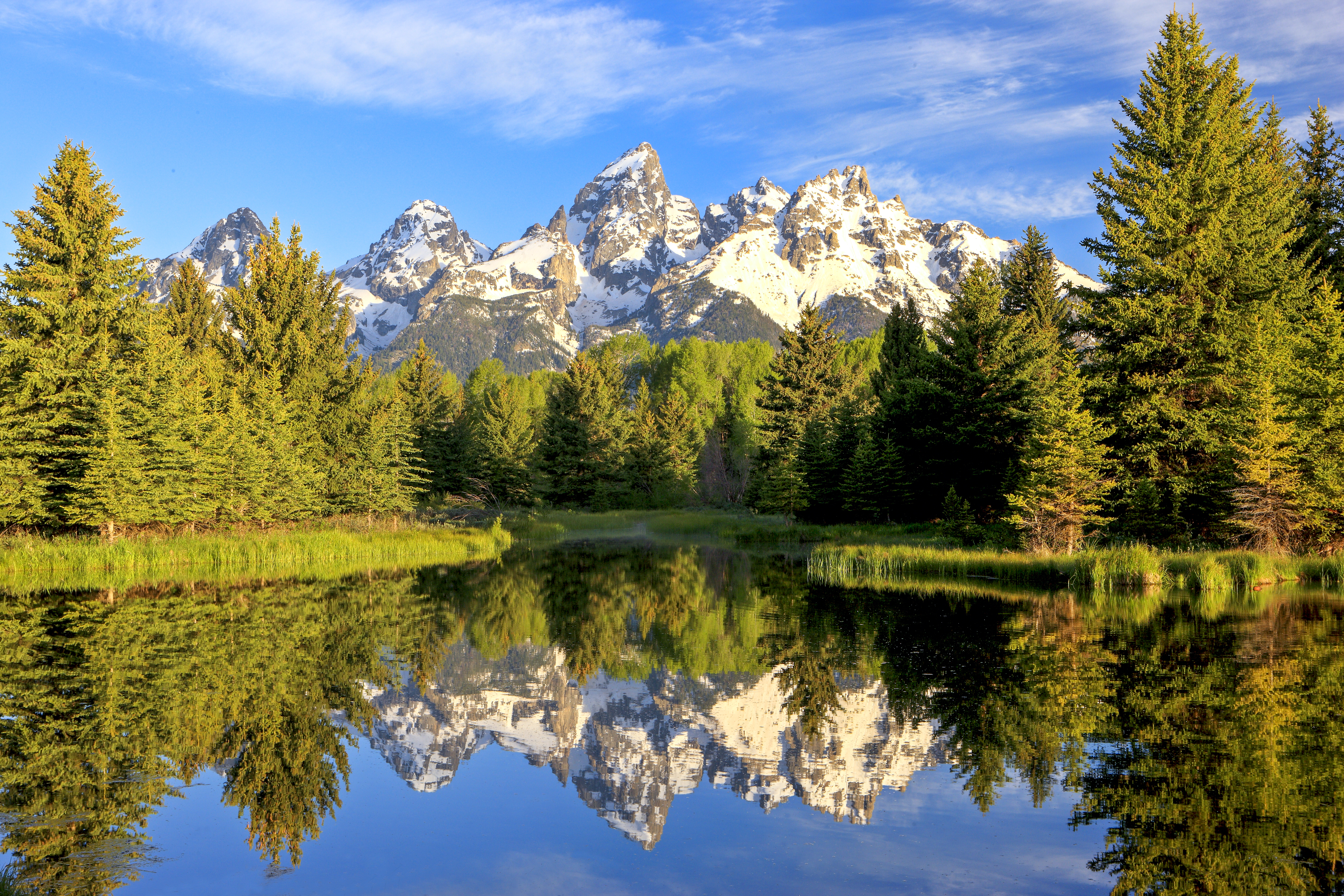
Timing in Grand Teton is not just about what looks good — it’s about when the system opens. Light angle, snowpack, water flow, vegetation, and animal behavior all shift together. If you understand those shifts, you stop chasing moments and start anticipating them.
Spring is one of the most active transitions. Snow recedes unevenly across elevation, opening feeding zones in the valley while peaks remain locked in winter. Moose move into willow bottoms, elk spread across emerging grasslands, and water systems begin to swell. This is a strong season for behavior, especially in early and late light.
Summer brings access and stability. Trails open, lakes clear, and the full elevation range becomes usable. Midday light can flatten the landscape, but mornings and evenings still produce strong structure. Storm cycles become important — post-storm skies often create some of the most dynamic conditions in the Tetons.
Autumn is one of the most visually compressed seasons. Aspen and cottonwood shift quickly, often within a narrow window, while snow can return to the peaks at the same time. Elk behavior intensifies during the rut, adding sound and movement to open valleys. This is one of the best times to combine color, wildlife, and mountain structure in a single frame.
Winter simplifies everything. Snow removes visual noise and compresses the landscape into shape, shadow, and movement. Wildlife becomes more predictable because energy matters — animals hold in efficient areas, travel along established paths, and conserve motion. Light is lower, slower, and often more directional.
Across all seasons, the most important timing factor is still daily light. The Tetons respond best to low-angle light — sunrise and sunset define the structure of the range, reveal texture in snow and rock, and activate wildlife movement. Midday is rarely the strongest window unless weather conditions shift the equation.
This is where your broader system becomes powerful. Use the seasonal wildlife calendar, Nature’s seasons, and tools like the golden hour and moon phase planner to align timing with behavior, light, and landscape conditions before you even step into the field.
“In the Tetons, timing is not about the calendar — it’s about alignment between light, landscape, and life.”
Key Locations and Field Strategy
In the Tetons, location is not just about where to stand — it’s about how the landscape channels movement, light, and behavior. The strongest locations are not random viewpoints. They are intersections where river, meadow, elevation, and wildlife patterns meet.
This map represents how I approach the Tetons in the field — not as isolated stops, but as a connected system of movement and light. Each location works best at specific times and under specific conditions.
Snake River Overlook
This is one of the most structured compositions in the park. The river creates a natural leading line that pulls the frame directly into the Teton Range. It works best when light defines the river’s shape — sunrise and sunset are critical here.
Schwabacher Landing
A quieter location with strong reflection potential. Early morning is the window — before wind disrupts the water surface. This area also overlaps with wildlife movement, especially in the willow-lined river edges.
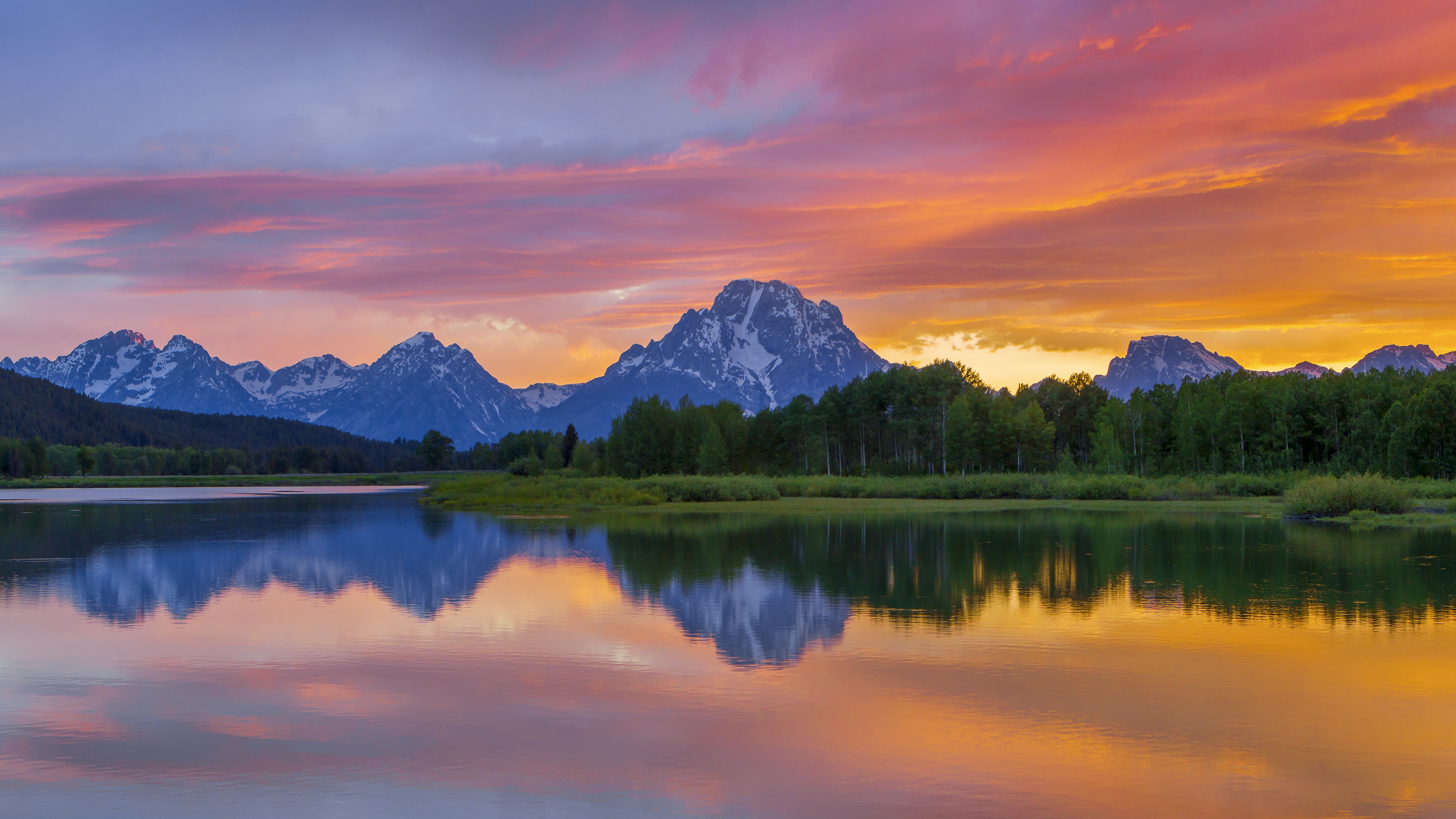
Oxbow Bend
One of the most complete locations in the Tetons. Water, reflection, wildlife, and mountain structure all come together here. It’s one of the few places where you can work both landscape and wildlife at the same time.
Jenny Lake and Cascade Canyon
These locations shift the perspective upward. Instead of framing the range from the valley, you begin working inside it. Water clarity, elevation, and tighter compositions define this zone.
Field Strategy (What Actually Matters)
The biggest mistake is moving too much. The Tetons reward positioning, not chasing. Choose a location based on light direction, habitat, and weather, then stay long enough for the system to unfold.
This is where your tools layer becomes critical. Use your photography maps, sun and moon alignment tool, and golden hour planner to align your position before the moment happens.
“The best location in the Tetons isn’t where you go — it’s where you’re already waiting when everything aligns.”
Planning and Field Ethics in the Tetons
The Tetons reward preparation more than reaction. Conditions change quickly, access points can become crowded, and wildlife behavior shifts with light and pressure. The more aligned you are before you enter the field, the more present you can be once you're there.
Distance and Wildlife Respect
Wildlife in Grand Teton operates on energy balance. Every unnecessary movement you cause costs an animal something — time, calories, safety. Maintain proper distance at all times. Use a telephoto lens instead of closing space, and allow behavior to unfold naturally without influence.
A good rule in the field: if an animal changes its behavior because of you, you are too close.
Movement and Positioning
Move less. Observe more. The Tetons are a place where patience consistently outperforms motion. Once you find a strong position — based on light, terrain, and habitat — stay there. Let the system come to you rather than constantly relocating.
Environmental Responsibility
Stay on established paths where possible, especially in fragile wetland and meadow environments. These areas recover slowly, and repeated off-trail movement can permanently alter habitat. Pack out everything you bring in and leave no trace of your presence.
Field Readiness
Weather in the Tetons can shift rapidly. Carry layers, protect your gear, and be ready for sudden changes in wind, temperature, or visibility. Planning is not about control — it’s about reducing friction so you can stay focused on observation.
Use your system tools before entering the field. Your field tools, photography maps, and seasonal wildlife calendar allow you to align location, timing, and behavior before you arrive.
The Role of Awareness
The most important skill in the Tetons is not technical — it’s awareness. Paying attention to wind direction, light angle, animal posture, and landscape structure allows you to anticipate rather than react. That’s what separates random encounters from consistent field success.
“Respect in the field isn’t a rule — it’s a way of seeing.”
Naturepedia Connection — The Tetons as a Living System
Grand Teton is not just a place — it is a fully connected ecological system. What you see here is the interaction between geology, water, vegetation, wildlife, and time. Each layer builds on the one below it, and together they form a landscape that behaves in consistent, observable patterns.
The vertical structure of the range controls elevation, snowpack, and drainage. That feeds directly into habitat distribution — shaping where willow grows, where open meadow holds, and where forest transitions occur. Wildlife behavior follows those patterns, not randomly, but in response to the structure of the land.
This is exactly how your Naturepedia system is designed to work — connecting ecosystems, behavior, habitat, seasonal movement, and conservation into a single readable framework.
How the System Connects
In the Tetons, you can clearly observe the full chain:
- Geology → controls elevation and terrain
- Water systems → shape vegetation and movement corridors
- Habitat zones → determine where species can exist
- Wildlife behavior → follows habitat and seasonal pressure
- Seasonal timing → shifts everything across the year
When you understand that chain, the landscape becomes predictable. You stop reacting to isolated moments and start reading the system as a whole.
Why This Matters
This is the difference between observation and understanding. A single image might capture a moment, but a system perspective allows you to return, reposition, and consistently work with the landscape over time.
The Tetons are one node within your larger Naturepedia network — connected to Naturepedia, tied into your wildlife observation locations, and reinforced through your systems pages. That connection is what turns a location guide into a true knowledge system.
“The landscape is not separate from the life within it — it is the structure that makes that life possible.”
Frequently Asked Questions — Grand Teton National Park
When is the best time to photograph Grand Teton National Park?
Autumn and late spring tend to offer the strongest combination of wildlife activity, seasonal contrast, and clean light. That said, the Tetons work year-round — what matters most is aligning your timing with light angle, weather, and animal behavior rather than just the season.
Where are the best places to see wildlife in the Tetons?
Productive areas include willow bottoms, river corridors, wet meadows, and open valley flats. Locations like Oxbow Bend, Schwabacher Landing, and Antelope Flats consistently hold wildlife, especially at dawn and dusk when movement is highest.
What camera gear should I bring to the Tetons?
A wide-angle lens is essential for landscapes, and a telephoto lens is critical for wildlife. A tripod helps in low light and for reflections. Filters like polarizers and ND filters can improve sky contrast and water detail depending on conditions.
How do I photograph the Tetons without crowds?
Start early and stay late. Most crowd pressure builds mid-morning through afternoon. Position yourself before sunrise, commit to a location, and let conditions develop rather than moving between popular viewpoints.
How close can I get to wildlife in Grand Teton National Park?
Maintain at least 100 yards from bears and wolves, and 25 yards from other wildlife. If an animal changes behavior because of your presence, you are too close. Use a telephoto lens to observe without impacting movement.
How does Grand Teton connect to Yellowstone for wildlife photography?
The two parks form a connected ecosystem. Grand Teton offers more open valley structure and cleaner mountain compositions, while Yellowstone provides geothermal landscapes and higher predator density. Together, they create one of the most complete wildlife systems in North America.
About the Photographer
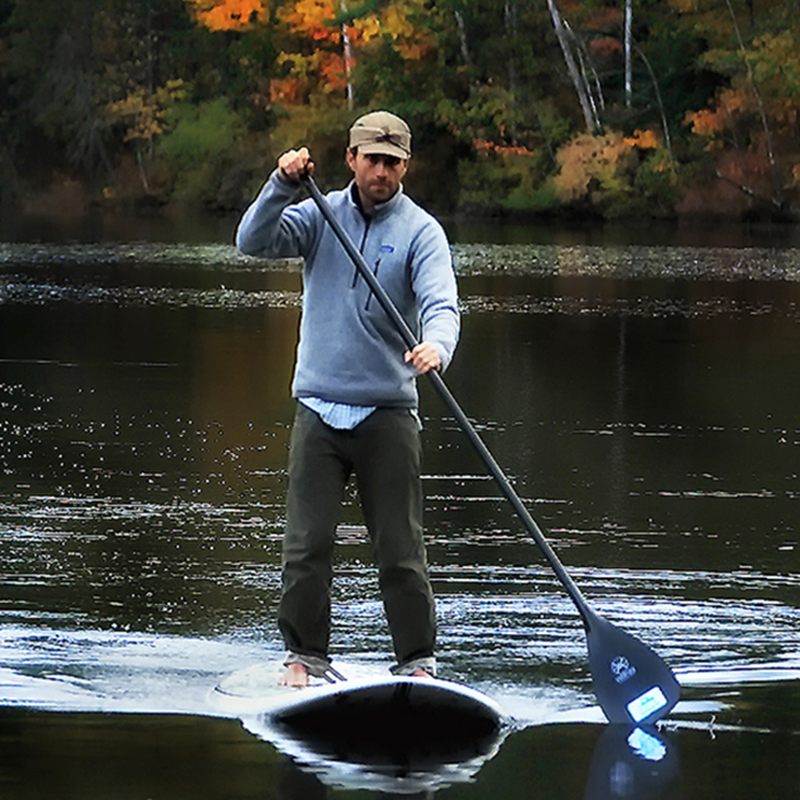
I’m Robbie George, a National Geographic–published nature photographer. My work is built from time in the field — returning to the same places across changing light, seasons, and conditions until patterns begin to reveal themselves.
The Tetons have been one of those places for me. I don’t approach them as a single destination, but as a system I continue to learn. Watching how light moves across the range, how wildlife uses the valley, and how conditions shift day to day has shaped how I see — not just here, but everywhere I work.
Through photography, I try to translate that experience into something clear and grounded — images that come from observation rather than assumption. The goal is not just to capture what the Tetons look like, but to reflect how they behave.
This page is part of a larger system — connecting field experience to Naturepedia, wildlife behavior, ecosystems, and location-based knowledge — so each place becomes something you can return to, understand, and work with over time.
“The longer you stay in one place, the more the landscape starts to explain itself.”