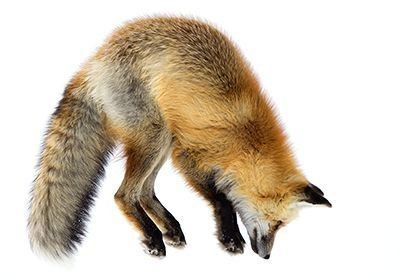

Best U.S. Wildlife Refuges by Season (Quarterly Planner)
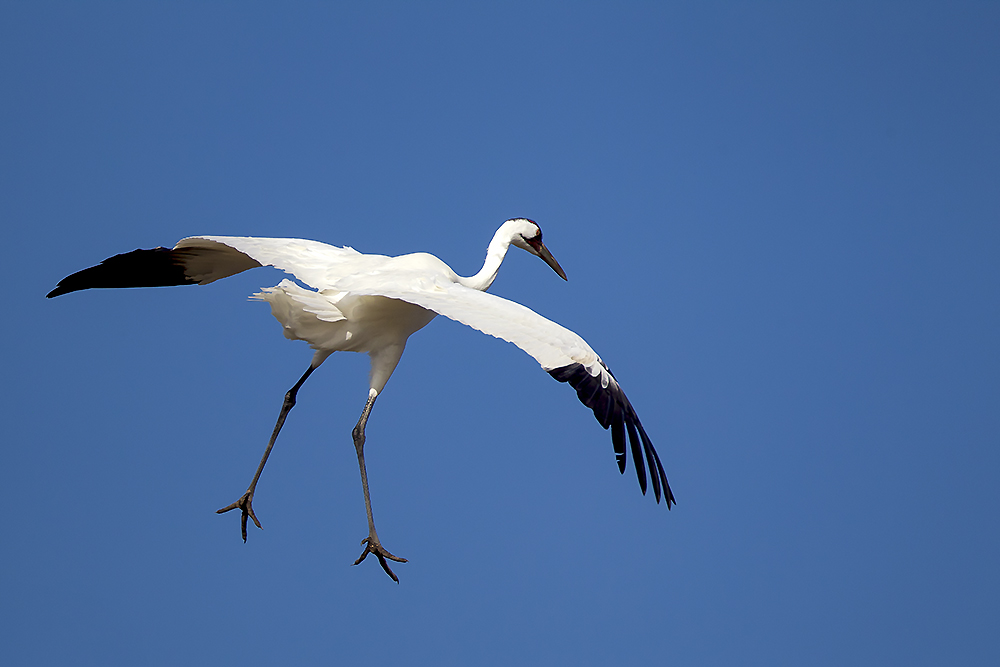
Reading the Year Through Wildlife Behavior
Standing in a refuge at first light, you start to notice something—the timing isn’t random. Birds lift into the wind, not against it. Water levels shape feeding lines. Light hits the same edges of marsh, trees, and open water again and again. The system repeats, but only if you show up at the right moment.
That’s what this planner is built around. Not destinations—but alignment. Each quarter represents a shift in the system: movement, nesting, feeding, or migration. When those forces line up, behavior becomes predictable, and photography becomes something you step into—not chase.
Across refuges like Aransas, Mattamuskeet, Blackwater, Chincoteague, and Bosque del Apache, I’ve learned that the best moments come from patience and return. This guide brings those patterns together so you can plan fewer trips—but hit them at exactly the right time.
Jump to a Season or Planning Section
Use this planner the way I do in the field: start with the quarter, then refine the trip with light, weather, and positioning. Each section below connects refuge timing to wildlife behavior, seasonal conditions, and practical field planning.
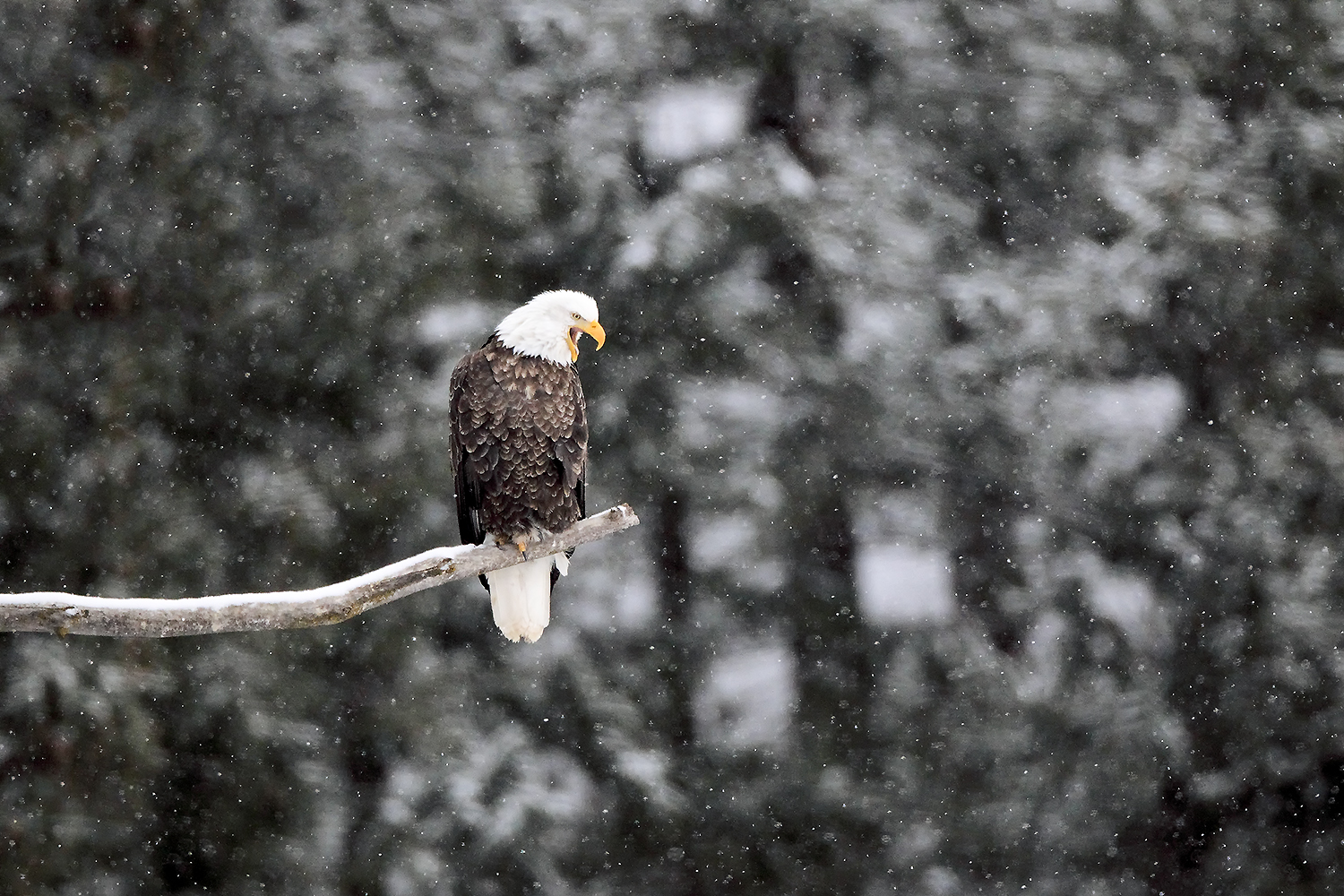
Winter (Jan–Mar): Clean Light, Big Numbers, Predictable Movement
Winter is when the system simplifies. Leaves are gone, water opens and closes with temperature, and wildlife concentrates where survival is most efficient. You’re not searching—you’re positioning. The same perches, flight lines, and feeding zones repeat when conditions align.
Low sun angles stretch light across marsh and water, giving you longer working windows at both ends of the day. Cold air sharpens clarity. Wind direction becomes everything—set yourself where birds want to land, not where you want to stand.
- Aransas National Wildlife Refuge (TX) — Whooping cranes hold in shallow coastal marsh from late fall through winter. Family groups move deliberately, often into wind. Field guide →
- Lake Mattamuskeet (NC) — Tundra swans and snow geese gather in large numbers. Watch wind shifts across open water—mass lift-offs often follow subtle changes. Field guide →
- Blackwater National Wildlife Refuge (MD) — Eagles, ducks, and tidal marsh interactions define the system. Ice edges and tide movement create predictable hunting behavior. Field guide →
Use the Seasonal Wildlife Calendar to confirm peak presence, then refine your exact window with the Golden Hour & Moon Phase Planner. Lock in positioning ahead of time with Photography Maps.
Field note: Winter rewards stillness. Stay in your vehicle when possible, minimize repositioning, and let behavior come to you. The best frames happen when nothing reacts to your presence.
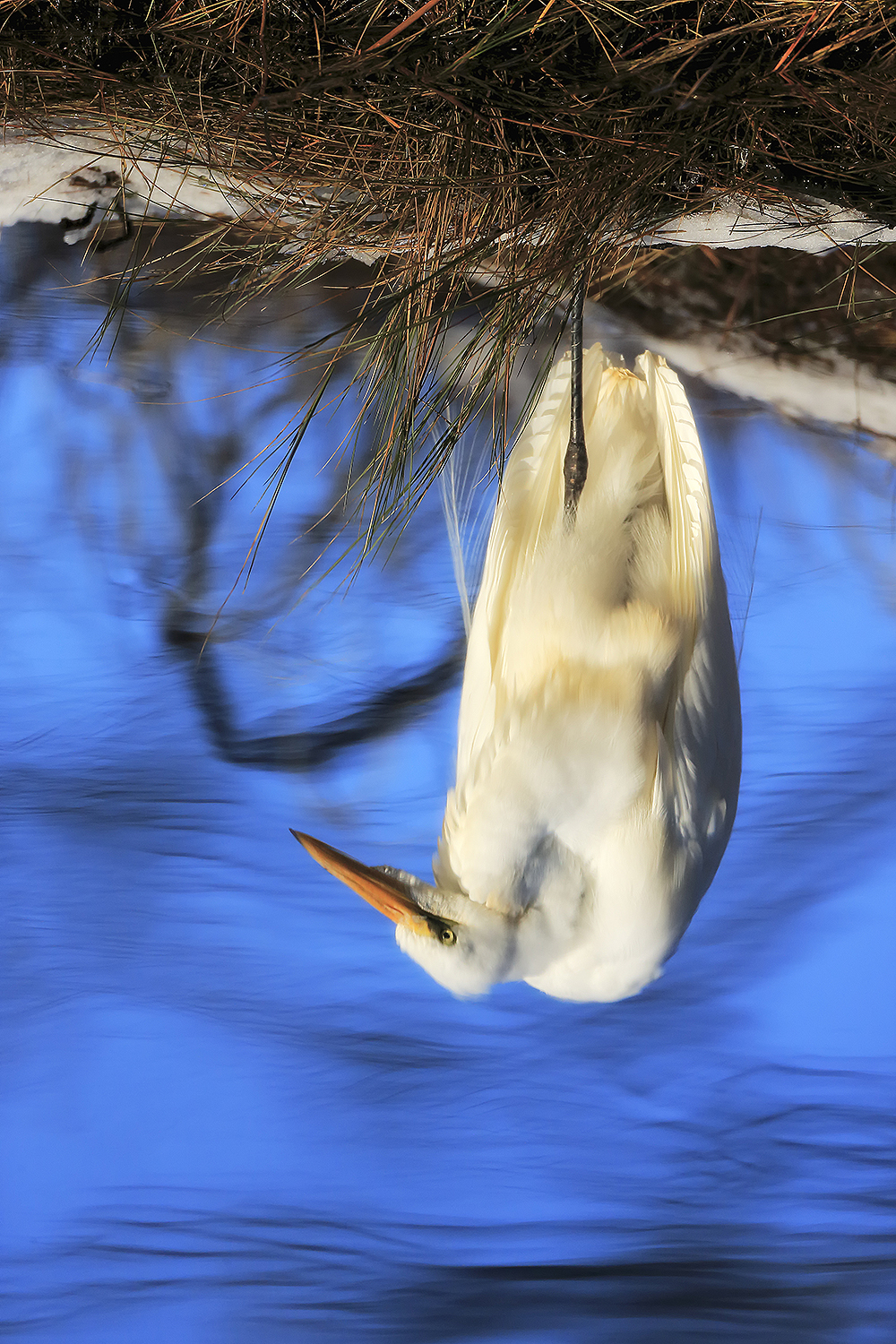
Spring (Apr–Jun): Courtship, New Life, and First Light on Fresh Growth
Spring shifts the system from survival to expansion. Birds return, territories form, and everything becomes more active—but also more sensitive. Behavior is dynamic, but it’s also fragile. This is where restraint matters most.
Light softens with new growth, water reflects fresh greens, and mornings often carry the calmest conditions. Courtship displays, nesting flights, and feeding cycles repeat in patterns—but only if you stay outside the pressure zone.
- Chincoteague National Wildlife Refuge (VA) — Shorebirds, terns, and skimmers return to tidal flats while ponies move through fresh marsh grass. Low-angle light across wet sand creates clean reflections. Field guide →
- Blackwater National Wildlife Refuge (MD) — Osprey build nests, herons move through new vegetation, and fox kits begin to emerge. Behavior is frequent—but distance is critical. Field guide →
- Lake Mattamuskeet (NC) — Egrets, herons, and wetland species move through calm water systems, especially at sunrise and sunset. Subtle color and stillness define the season here. Field guide →
Time your visit using the Seasonal Wildlife Calendar, then refine light and conditions with the Golden Hour & Moon Phase Planner. Scout quiet vantage points ahead of time using Photography Maps.
Field note: Spring is the most sensitive season. Avoid nests, dens, and colony edges. If behavior changes—even slightly—you’re too close. The best images here come from patience, distance, and letting life unfold without interruption.
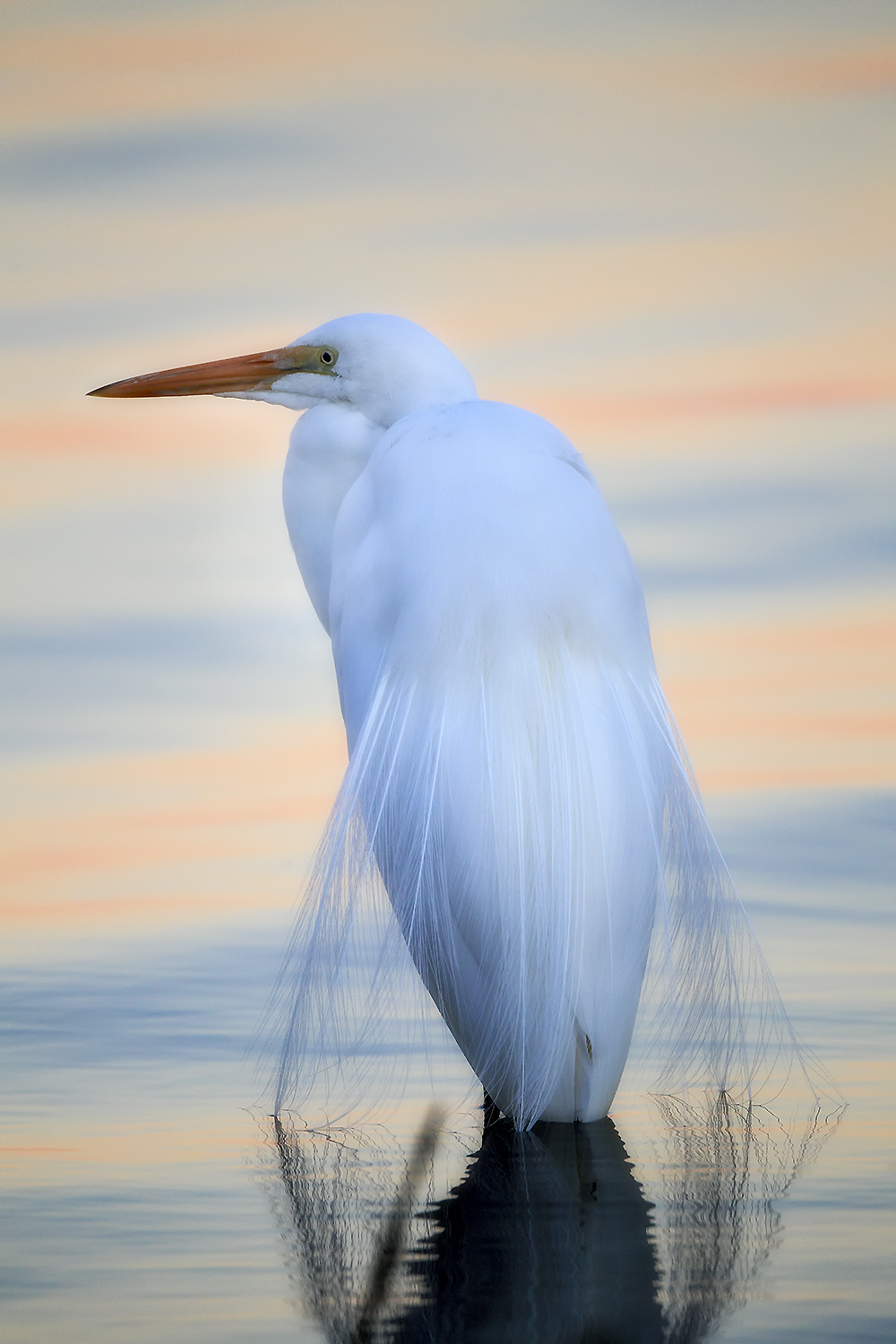
Summer (Jul–Sep): Still Water, Colony Life, and Heat-Shaped Light
Summer compresses activity into the edges of the day. Midday heat flattens movement, but sunrise and sunset open windows of calm water, soft color, and steady behavior. This is when patience and timing matter more than distance covered.
Wetlands settle into rhythm—wading birds move deliberately, reflections stabilize, and wind often drops just enough to create mirror conditions. Colony life continues, but the pressure zones are clearly defined. Stay outside them, and the system becomes predictable again.
- Chincoteague National Wildlife Refuge (VA) — Terns and black skimmers work shallow flats at sunrise and dusk. Low angles and still water create clean, minimal compositions. Field guide →
- Lake Mattamuskeet (NC) — Egrets and herons move through dense summer greens. Storm edges and post-rain calm often produce the best light and reflections. Field guide →
- Blackwater National Wildlife Refuge (MD) — Quiet tidal creeks and warm evening light define the landscape. Subtle movement—ripples, insects, reeds—adds depth to otherwise still scenes. Field guide →
Build your timing with the Golden Hour & Moon Phase Planner, align behavior using the Seasonal Wildlife Calendar, and pre-plan quiet vantage points on Photography Maps.
Field note: Summer rewards restraint and precision. Work early, leave midday, return late. Let heat, light, and stillness define your compositions instead of forcing movement.
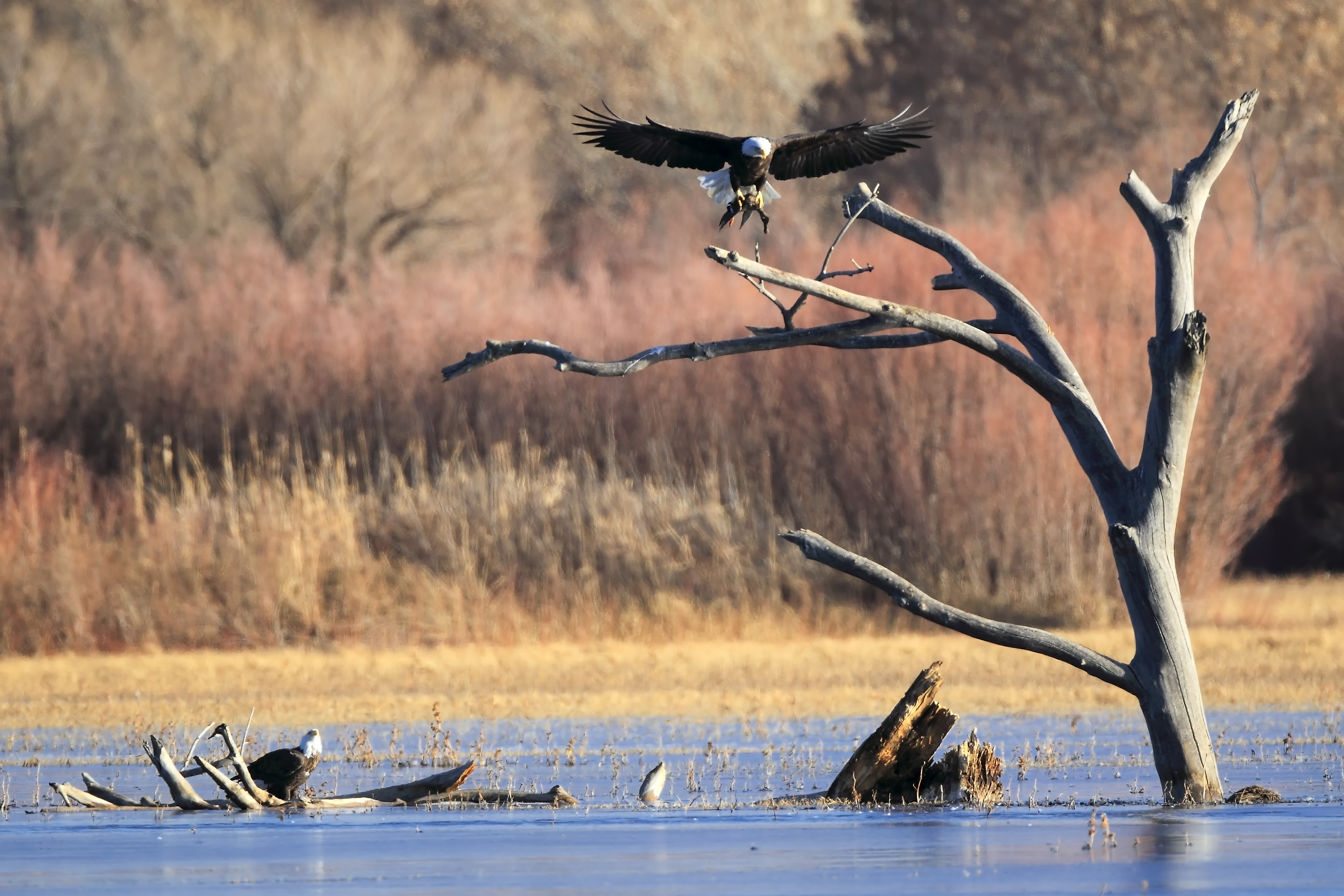
Fall (Oct–Dec): Migration Returns, Gold Light, and Expanding Movement
Fall is the system rebuilding momentum. Birds return, flocks reform, and movement increases across every layer—sky, water, and land. Light deepens, temperatures drop, and behavior becomes both active and predictable again.
This is where large-scale motion comes back into play. Flight paths establish, feeding zones expand, and evening roosts begin to fill. If you position correctly, the scene builds around you—wave after wave of movement shaped by wind and light.
- Bosque del Apache National Wildlife Refuge (NM) — Snow geese and sandhill cranes arrive in large numbers. Morning blast-offs and evening fly-ins follow wind direction and water conditions. Field guide →
- Blackwater National Wildlife Refuge (MD) — Returning waterfowl, eagle activity, and strong reflections across tidal creeks. Cooler air sharpens clarity and contrast. Field guide →
- Chincoteague National Wildlife Refuge (VA) — Raptors move through coastal corridors while shorebirds and marsh species shift with changing tides and light angles. Field guide →
Align your trip timing with the Seasonal Wildlife Calendar, refine light and sky conditions with the Golden Hour & Moon Phase Planner, and pre-position yourself using Photography Maps.
Field note: Fall rewards anticipation. Watch wind direction, study flight lines, and commit to a position before the movement begins. When it starts, stay still—the system will come to you.
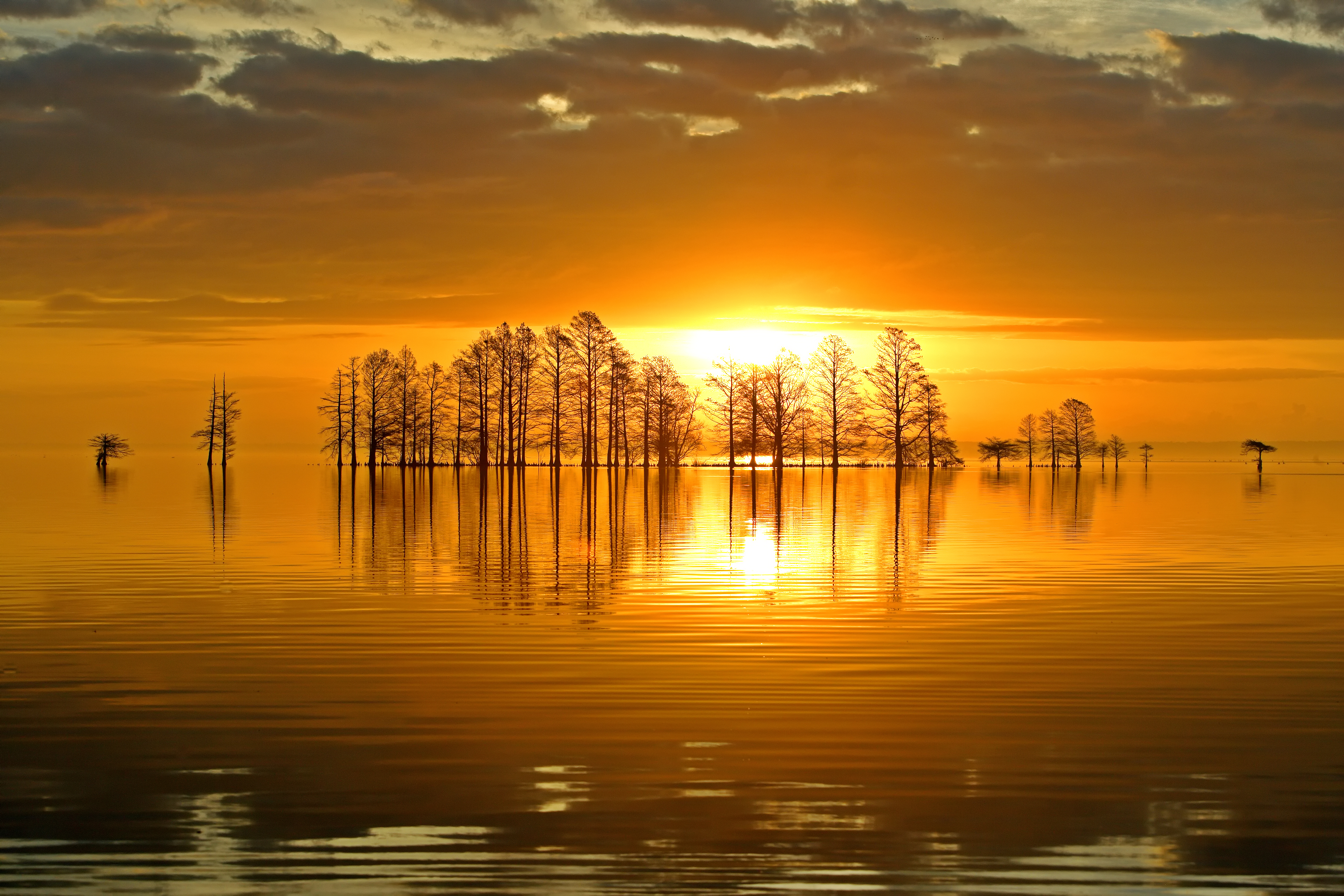
Plan Like a Naturalist: Season → Light → Position
The difference between a good trip and a great one is rarely distance—it’s timing and positioning. The refuges in this guide reward preparation. When you arrive already knowing where light will fall, how wind will move birds, and where you can stand without pressure, everything changes.
I use three tools together before every trip. They align behavior, light, and geography into a single plan so you’re not reacting in the field—you’re stepping into a system that’s already unfolding.
- Season (Behavior First) — Use the Seasonal Wildlife Calendar to identify peak windows—migration, nesting, feeding, and return cycles.
- Light & Sky — Refine exact shooting windows using the Golden Hour & Moon Phase Planner. This is where silhouettes, reflections, and flight direction start to become predictable.
- Position (Where to Stand) — Lock in pullouts, boardwalks, and quiet angles with Photography Maps. This removes guesswork and keeps your presence low-impact.
When these three layers align, behavior becomes readable. Birds land into wind. Feeding follows water levels. Movement repeats. You’re no longer searching—you’re waiting in the right place.
Field note: Arrive one cycle early. Scout the evening before a morning shoot or the morning before an evening return. Watch how the system behaves without pressure—then come back when it matters.
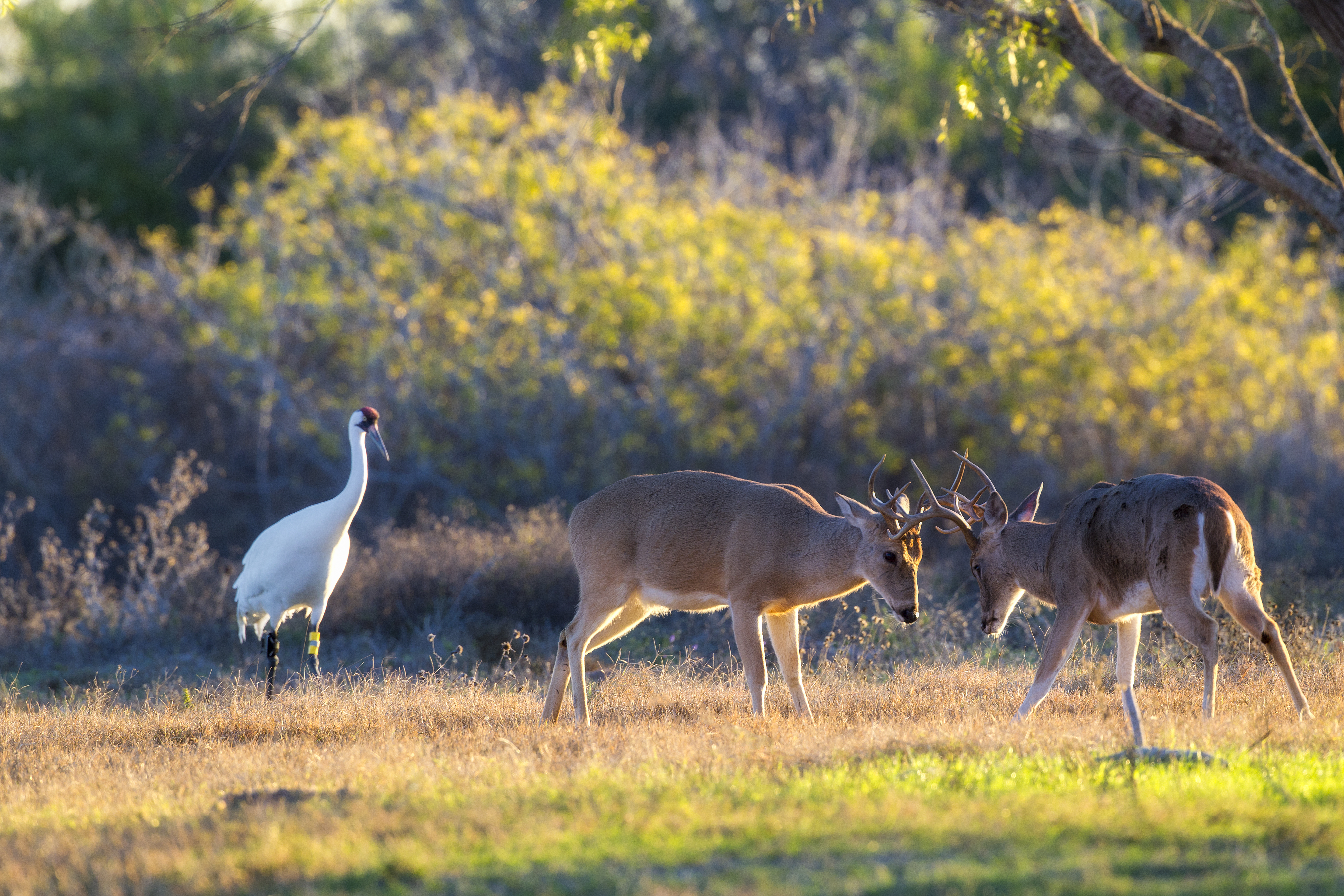
Field Ethics: Distance First, Habitat Always
The best wildlife images don’t come from getting closer—they come from causing nothing to change. When behavior stays natural, posture softens, movement flows, and the scene becomes something real instead of something forced.
In refuges, every animal is already balancing energy, risk, and survival. Your presence adds pressure whether you see it or not. The goal is simple: remove yourself from that equation as much as possible.
- Read behavior, not distance: If an animal changes posture, stops feeding, shifts direction, or watches you—you’re too close.
- Use the environment: Stay in your vehicle when possible, use terrain and vegetation as natural cover, and avoid direct approaches.
- Protect sensitive zones: Nesting areas, den sites, and colony edges should remain undisturbed. These are zero-pressure zones.
- Let movement come to you: Position yourself based on wind, light, and behavior, then stay still. Movement from you breaks the system.
Ethical fieldcraft isn’t separate from photography—it’s what makes the photograph possible. Calm behavior leads to better composition, cleaner lines, and more authentic moments.
Field note: If you feel like you’re “getting away with something,” you’ve already crossed the line. The strongest images happen when wildlife continues exactly as if you weren’t there.
Collect With Purpose: Bringing the Field Home
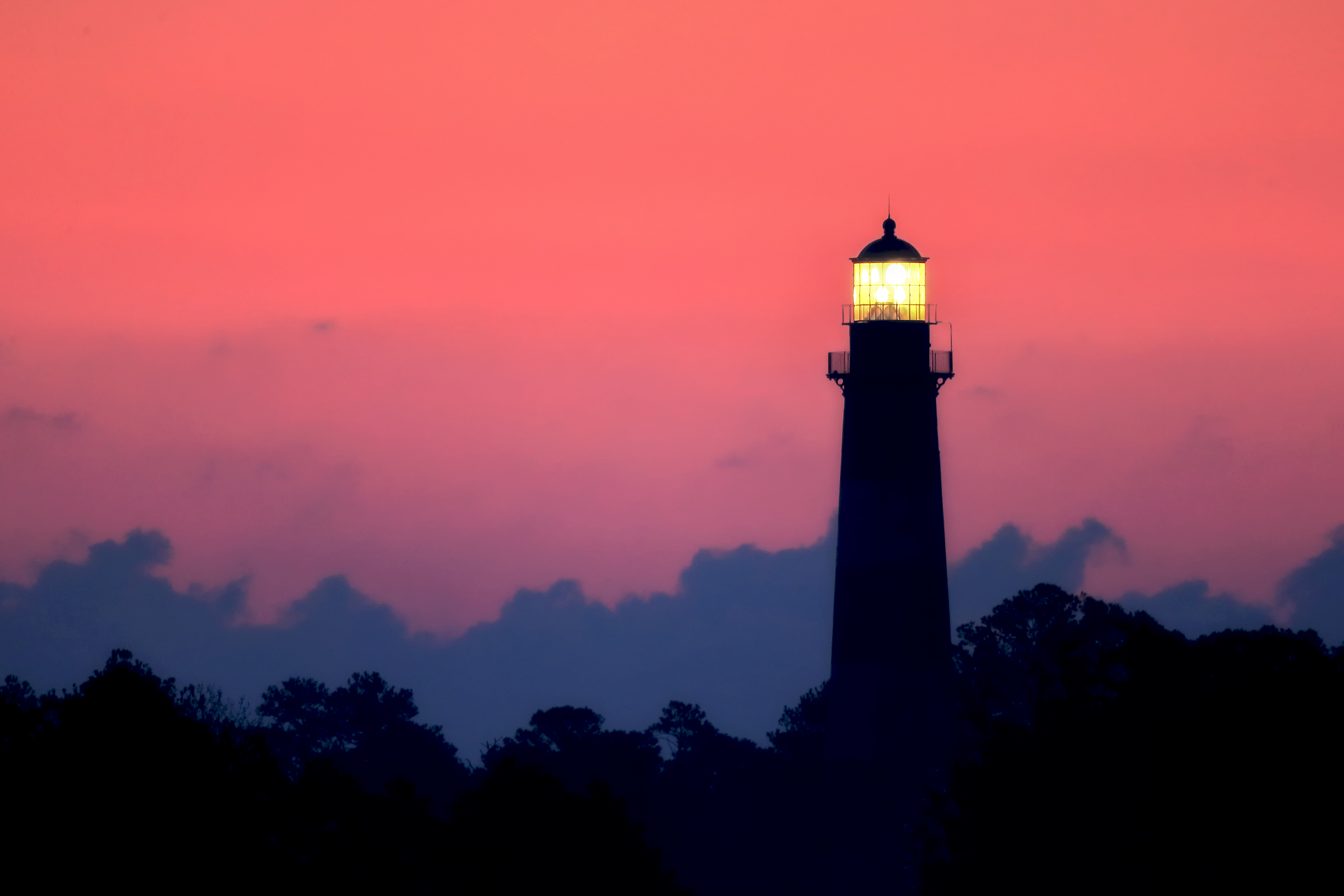
Every image in this guide comes from time spent returning to the same places—watching how light, behavior, and landscape align across seasons. These aren’t single moments. They’re patterns observed, understood, and waited for.
When you collect a print, you’re not just bringing home a scene—you’re bringing home a specific alignment of place, season, and behavior. A crane descending into winter marsh. A skimmer cutting across still summer water. A flock lifting into cold morning air.
Explore full collections in the Wildlife Gallery and Landscape Gallery, or learn more about materials and presentation in Fine Art Print Knowledge.
If you’re curating for your space, the Collectors Guide will help you choose size, format, and finish based on how you want the image to live in your environment.
Field note: The photograph is the final step—not the beginning. What you see on the wall started long before the shutter, in the quiet work of returning, observing, and waiting for the system to reveal itself.
Naturepedia Connection — Seasonal Refuges as Living Systems
Wildlife refuges aren’t destinations—they’re seasonal systems. Each location in this planner shifts through predictable cycles where habitat, behavior, and timing align. What changes is not just what species are present, but how they use the landscape.
In winter, energy conservation compresses wildlife into concentrated zones—open water, tidal edges, and reliable feeding grounds. In spring, expansion begins—courtship, nesting, and territorial movement reshape how animals interact with habitat. Summer stabilizes into rhythm, while fall reactivates large-scale migration and system-wide movement.
These shifts connect directly to broader ecological systems explored in Wildlife Behavior & Ecology, Ecosystems of North America, and Migration & Seasonal Patterns.
Seen this way, each refuge becomes part of a larger network—connected by movement, timing, and environmental conditions. The more you return, the more these patterns reveal themselves, turning individual locations into a continuous, readable system.
Continue Through the Wildlife Planning System
This quarterly planner is one way into the larger system. Once you know when to go, the next step is refining where, what behavior to expect, and how to prepare in the field. Use the pages below to move deeper into seasonal timing, refuge geography, wildlife behavior, and practical planning tools.
Seasonal Wildlife Calendar
Start with annual timing. This is the strongest next step if you want a broader month-by-month view of migration, breeding, and seasonal wildlife movement.
Wildlife Observation Locations
Move from quarter-level planning into place-based field guides. Use this hub to compare refuges, parks, and observation locations across North America.
Wildlife Behavior & Ecology
Learn why these seasonal patterns repeat. This page connects feeding, movement, migration, habitat use, and observation timing into a larger ecological framework.
Field Tools
Build the practical side of the trip. Use maps, light tools, camera calculators, and planning aids to translate seasonal knowledge into field execution.
For the strongest route through the system, go in this order: Seasonal Wildlife Calendar → Observation Locations → Photography Maps → Golden Hour & Moon Phase Planner.
Frequently Asked Questions
What is the best season for wildlife refuges in the U.S.?
There isn’t a single best season—it depends on behavior. Winter brings large concentrations, spring is for nesting and courtship, summer offers calm habitat scenes, and fall delivers migration. Use the Seasonal Wildlife Calendar to match species to timing.
Which wildlife refuges are best for photography?
Some of the most consistent refuges include Aransas, Lake Mattamuskeet, Chincoteague, Bosque del Apache, and Blackwater. Each works best at specific times of year.
How do I time wildlife activity correctly?
Start with seasonal behavior, then refine using light and conditions. The Golden Hour & Moon Phase Planner helps align light, while wind, water levels, and temperature determine movement in the field.
What camera gear works best for refuge photography?
A long lens (400–800mm equivalent) allows you to maintain distance while capturing behavior. Stabilization and patience matter more than getting closer. Let wildlife move naturally into your frame.
How close should I get to wildlife?
Distance is defined by behavior, not feet. If an animal changes posture, stops feeding, or watches you, you’re too close. Back off and let the scene return to normal before shooting.
How far in advance should I plan a refuge trip?
For peak migrations like Bosque del Apache in fall, plan 2–4 months ahead. For other refuges, a few weeks is often enough—but always align your timing with seasonal behavior first.
About Robbie George
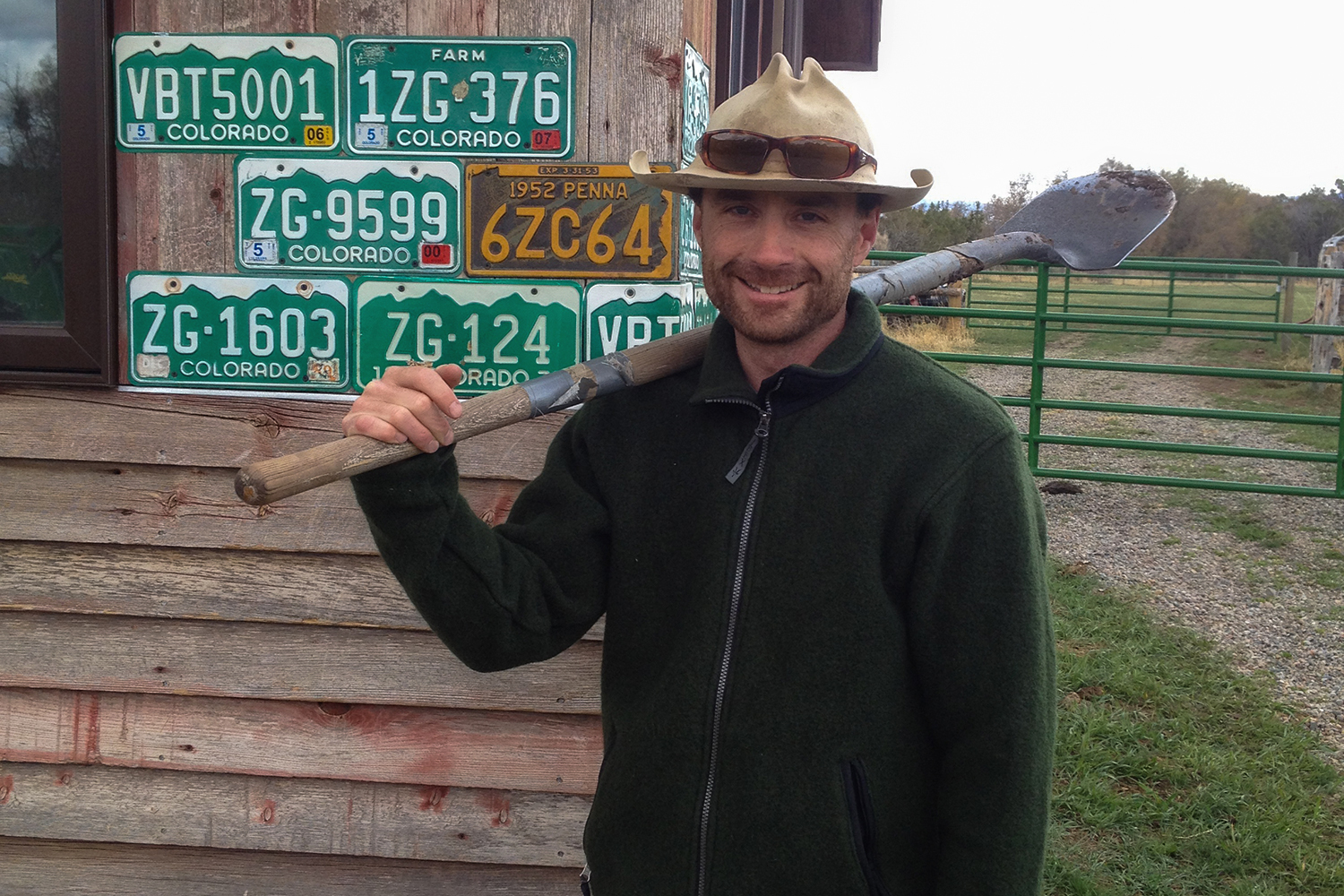
I’m Robbie George, a National Geographic–published nature photographer. My work comes from returning to the same places over time—watching how light, behavior, and landscape align across seasons rather than chasing isolated moments.
This quarterly planner reflects that approach. Every refuge in this guide—Aransas, Mattamuskeet, Blackwater, Chincoteague, Bosque del Apache—has been experienced through repeated visits, learning when wildlife moves, where it settles, and how the system behaves under different conditions.
My field method is simple: distance first, habitat always. When behavior stays natural, the photograph becomes something real. That approach connects through my Naturepedia system, where species, ecosystems, and locations are part of a larger living network.
You can explore that system through Wildlife Photography, plan your own trips using Seasonal Tools, or go deeper into field-based learning through Insights & Stories.
“The best wildlife moments aren’t found—they’re returned to.”