A field guide to photographing snow, winter wildlife, quiet light, and cold-season landscapes across North America.
Winter simplifies the field in a way no other season does. Foliage drops away, tracks become visible, light stays lower through the day, and wildlife often stands out more clearly against snow, frost, and open terrain. What looks quiet on the surface is usually full of subtle movement and strong photographic structure.
Over time, I’ve learned that winter photography is less about chasing dramatic storms and more about reading cold-season patterns well. In one place that may mean steam rising around bison in Yellowstone. In another it may mean a fox track crossing fresh snow, low sun catching frost on trees, or a single animal moving through a silent valley before first light.
This page is built to help with that process. Below, you’ll find an interactive map, standout winter locations, field notes, timing guidance, and planning tools so you can connect season, habitat, wildlife, and light more intentionally. It works as part of the broader Field Tools and Explore Nature Themes system.
What this page helps you do:
Find strong winter photography destinations by habitat, wildlife activity, and seasonal conditions
Compare snow, atmosphere, wildlife, and landscape opportunities more clearly
Use map-based planning to align your trip with winter light and field access
Connect winter field opportunities to tools, galleries, and deeper Naturepedia pages
Field note: winter often rewards patience, preparation, and observation more than speed — the strongest images usually come from subtle light and small movements in quiet places.
Winter photography appears simple on the surface, but it is one of the most condition-driven seasons in the field. Snow depth, temperature, light angle, wildlife movement, and access all shape what is possible. This guide is designed to help you read those patterns instead of treating winter as one uniform experience.
Use it to compare locations, identify what kind of winter scene you want to photograph, and then refine your plan around timing, weather, and field conditions.
1. Start with the Map
Use the interactive map to identify where winter conditions are strongest — deep snow zones, wildlife-rich valleys, coastal winter light, or alpine environments.
2. Choose Your Subject First
Decide whether you want wildlife, snow-covered landscapes, atmospheric scenes, or minimal compositions. Winter rewards clear intent before choosing a location.
3. Think in Conditions, Not Dates
Snowfall, temperature, and weather patterns vary widely. One region may have deep snow while another remains dry. Plan around conditions rather than calendar timing.
Best way to use this page: start with the winter experience you want — wildlife, snow, atmosphere, or minimalism — then match that to location and conditions. Winter photography is strongest when you work with the environment rather than forcing a plan.
Winter Timing Engine — Where Structure Becomes Visible
Winter is not just a cold season — it is a structural one. Growth drops away, movement simplifies, and the underlying patterns of the landscape become easier to see. What remains is form, light, and behavior.
This page works as a field guide, but the real advantage comes from understanding how winter conditions — snow, temperature, wildlife movement, and light — shape what is possible in the field.
1. Compression & Clarity
Foliage disappears and visual noise drops away. Snow and open terrain reveal structure, tracks, and movement that are hidden in other seasons.
2. Conditions Over Calendar
Winter is driven by snow depth, temperature, and weather — not dates. One region may be fully active while another has little snow.
3. Wildlife Becomes Readable
Tracks, open terrain, and concentrated movement make wildlife behavior easier to interpret — especially in valleys and snow-covered systems.
4. Light Shapes Everything
Low sun angles create soft, directional light all day. Subtle changes in light often define the strongest winter images.
How to use this system:
Start with conditions → match your subject → read wildlife movement → align light → refine with Field Tools.
Winter creates some of the cleanest and most structured photographic conditions of the year. With fewer visual distractions, subtle light, and strong contrast, small details become more important — and more visible.
These field-based strategies will help you align light, subject, and environment so your images reflect the quiet depth of the season.
Use Low Winter Light
The sun stays low throughout the day, creating soft directional light and long shadows. Even midday can produce strong results in winter.
Work with Contrast & Simplicity
Snow simplifies the landscape. Use contrast between dark subjects and white backgrounds to create strong, clean compositions.
Track Wildlife Through Snow
Tracks reveal movement patterns. Follow them carefully to anticipate where wildlife may appear, especially in valleys and open terrain.
Watch Breath, Steam & Atmosphere
Cold air reveals breath, steam, and subtle atmospheric effects. These moments often create some of the most powerful winter images.
Manage Exposure in Snow
Snow can trick your camera into underexposing. Slight exposure compensation helps maintain brightness without losing detail.
Stay Warm & Flexible
Cold affects both you and your gear. Dress in layers, protect batteries, and allow time to adapt to changing weather and conditions.
Field insight: winter photography is often about subtlety — small movements, soft light, and quiet moments. The strongest images usually come from slowing down and observing what others might overlook.
Interactive Winter Photography Map
Winter conditions vary dramatically across regions — from deep snow and wildlife-rich valleys to coastal winter light and high-elevation silence. This map helps you visualize where winter is most active and photographically strong.
Use it to compare destinations and identify where snow, wildlife, atmosphere, and access align during your travel window.
Compare Regions
See how winter differs across mountain ranges, valleys, coastal zones, and desert environments with occasional snow.
Match Location to Conditions
Use snow depth, elevation, and seasonal weather patterns to determine where conditions are strongest.
Field insight: winter isn’t just about snow — it’s about conditions. Cold, light angle, wildlife movement, and weather patterns all combine to define where the season is most photographically alive.
Winter Photography Highlights
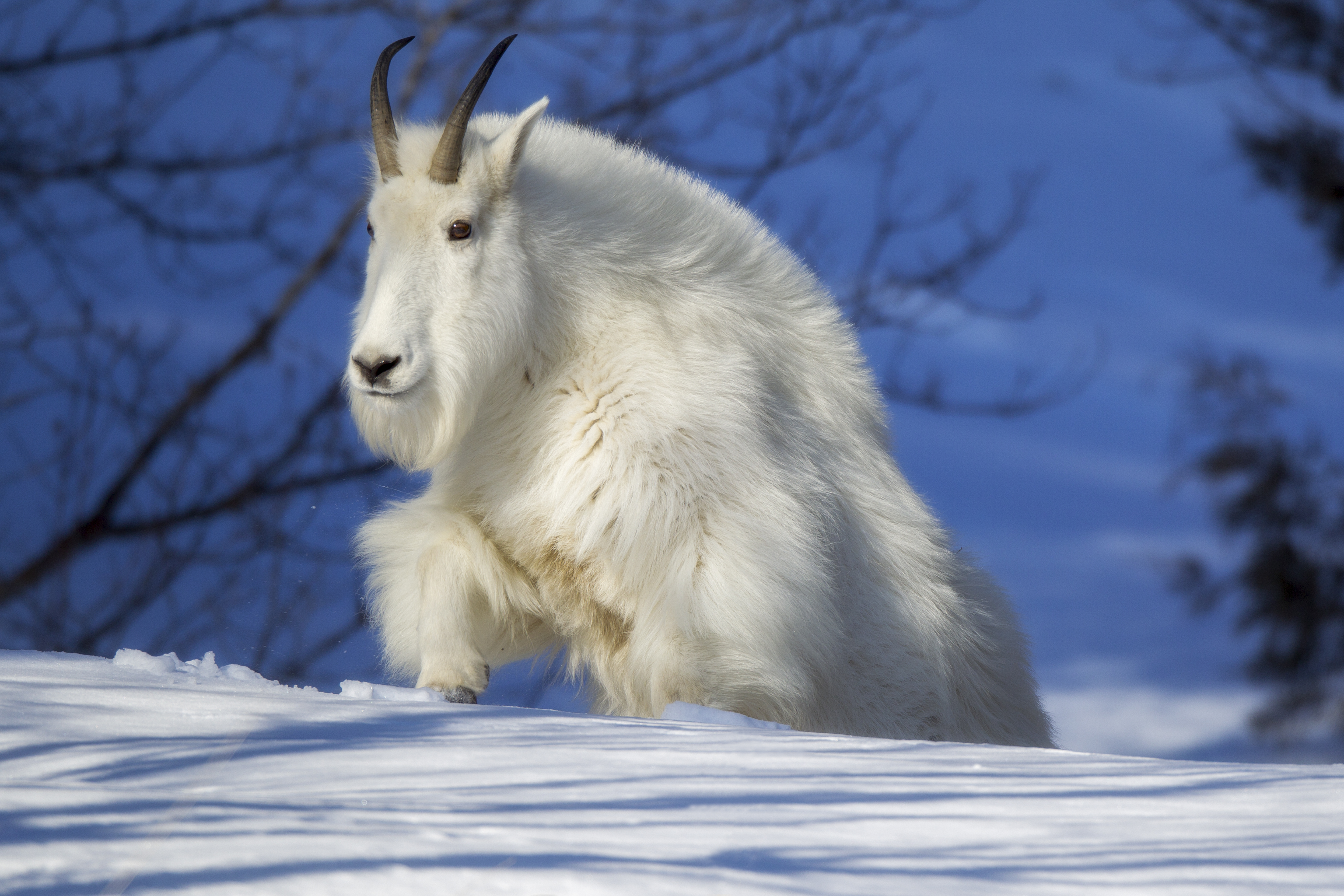
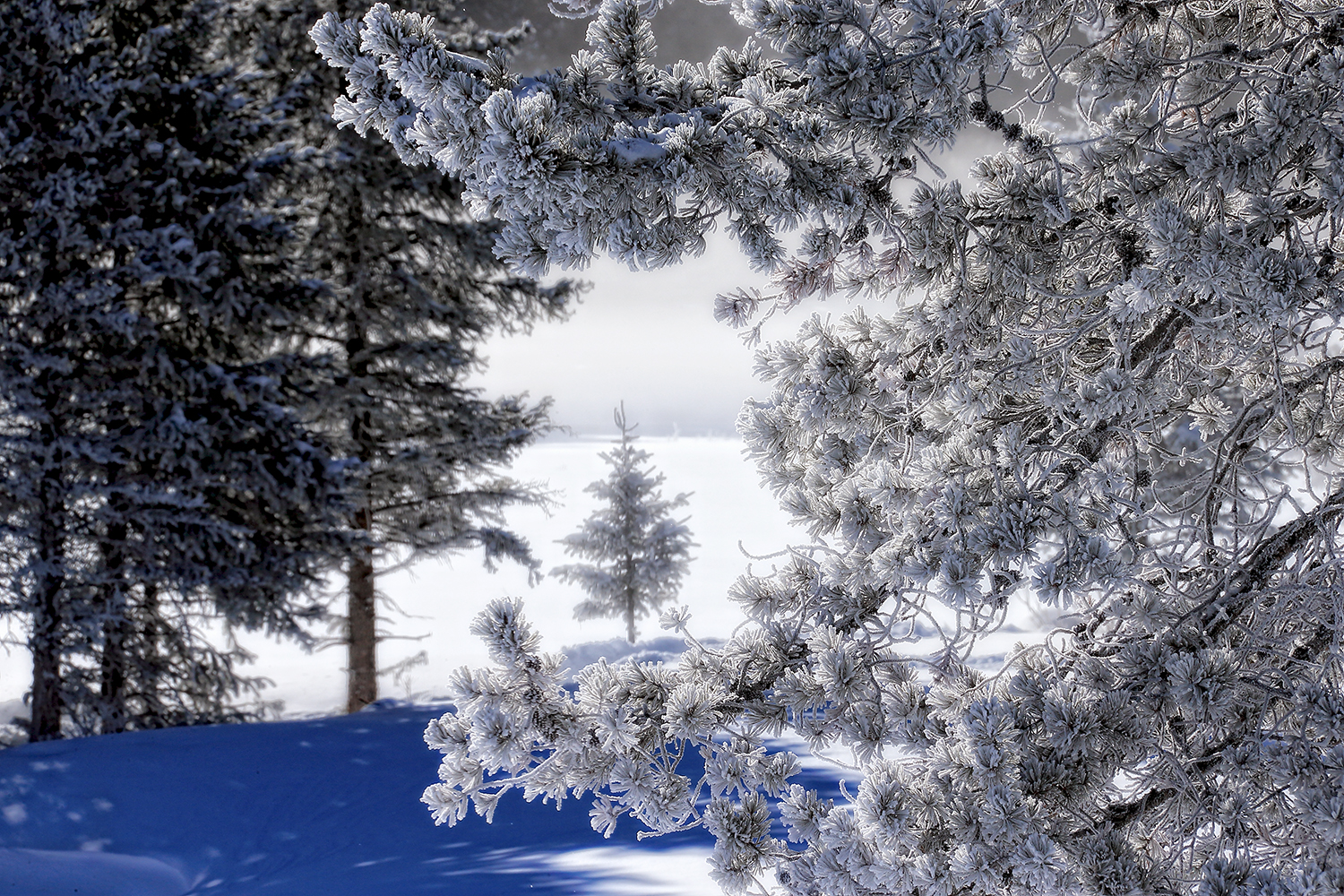
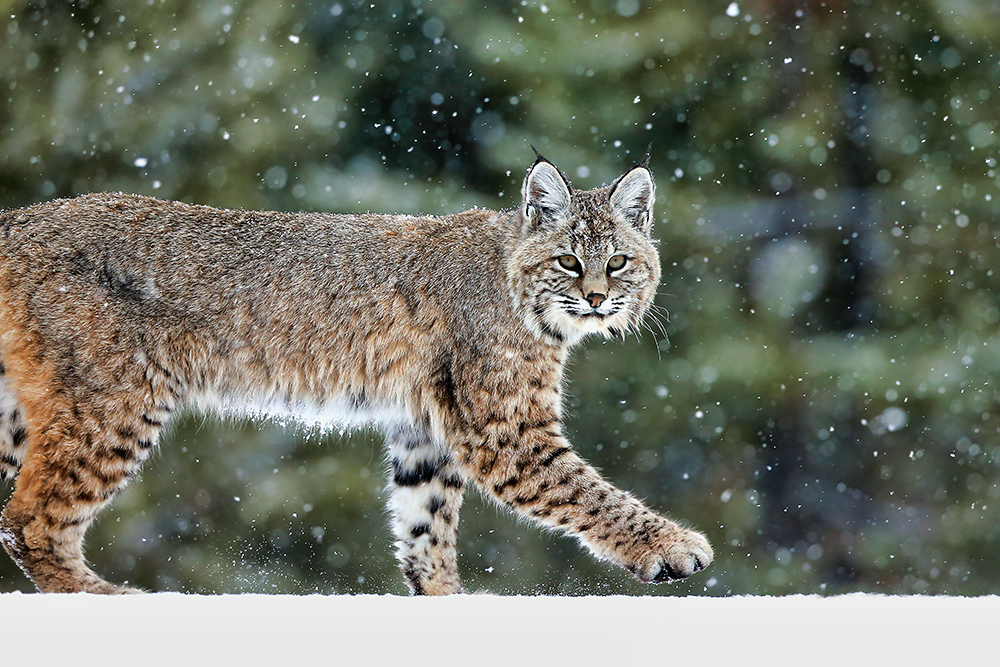
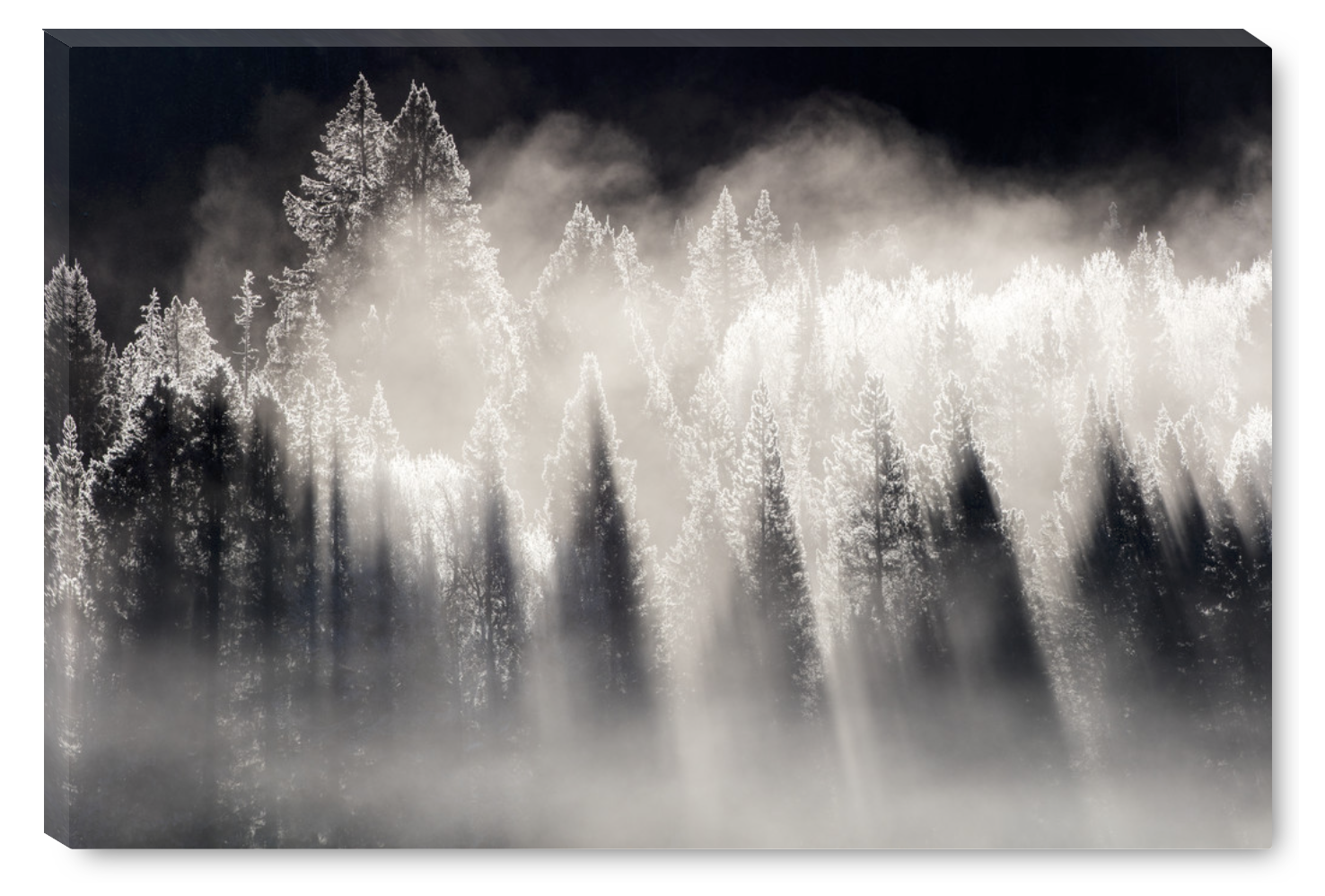
Winter strips the landscape back to structure, silence, and light. Snow, frost, steam, and breath become part of the composition, while wildlife stands out more clearly against open ground and clean white space.
These images reflect the range of what winter can hold — quiet forest scenes, wildlife moving through snow, and the kind of cold-season light that gives the season its depth and stillness.
Field insight: winter photography often comes down to small shifts — a little breath in cold air, a line of tracks, soft light on snow, or the stillness that appears just before wildlife moves. The season rewards quiet attention.
Top Winter Photography Locations
Winter expresses itself differently across North America — steam and wildlife in geothermal valleys, snow-loaded forests, frozen rivers, quiet coasts, and red rock landscapes transformed by cold weather. Each location offers a different version of the season at its strongest.
Use this list as a starting point, then match your destination to the kind of winter experience you want to photograph: wildlife, snow structure, minimalism, atmospheric light, or dramatic seasonal contrast.
1. Yellowstone National Park, Wyoming / Montana / Idaho
Best for: bison in steam, wolves, foxes, geothermal atmosphere, and winter wildlife behavior in open valleys and thermal zones.
2. Grand Teton National Park, Wyoming
Best for: moose habitat, frozen river corridors, snow-covered peaks, soft morning light, and clean winter compositions.
3. Yosemite National Park, California
Best for: snow on granite walls, frozen waterfalls, quiet valley scenes, and strong winter contrast between rock, forest, and sky.
4. Glacier National Park, Montana
Best for: remote snow-covered mountain structure, alpine minimalism, quiet cold-weather landscapes, and occasional winter wildlife sightings.
5. Rocky Mountain National Park, Colorado
Best for: hoarfrost, alpine lakes, sharp winter light, elk movement, and open high-country structure after snowfall.
6. Acadia National Park, Maine
Best for: snowy coastal scenes, quiet shoreline light, wind-shaped trees, and a moody winter palette along the Atlantic edge.
7. Great Smoky Mountains, Tennessee / North Carolina
Best for: frost, mist, quiet forests, bare-tree structure, and subtle winter mood across ridges, streams, and valleys.
8. Zion National Park, Utah
Best for: red rock under snow, bold winter contrast, quiet canyon light, and unusual cold-weather desert compositions.
9. Maroon Bells, Colorado
Best for: frozen reflections, clean mountain symmetry, fresh snow, and iconic alpine winter stillness when conditions line up.
10. Arches National Park, Utah
Best for: surreal snow-on-red-rock contrast, quiet access windows, low winter light, and simplified desert compositions.
Planning insight: winter is driven more by conditions than by fame. A quieter location with fresh snow, active wildlife, and good light often produces stronger results than a famous place without the right seasonal setup.
Winter Seasonal Timeline
Winter unfolds through changing snow cover, wildlife visibility, temperature, and light quality. Early winter may still feel transitional in some places, while midwinter brings deeper cold, stronger structure, and some of the most distinctive wildlife and landscape conditions of the year.
Use this timeline to think in winter phases rather than fixed dates, then refine your plan based on local weather, access, and snow conditions.
Snow & Scenery Wildlife Weather & Light
Early Dec
Mid Dec
Late Dec – Early Jan
January
Early Feb
Late Feb
Timing insight: winter photography often improves as conditions become more defined — cleaner snow, stronger animal tracks, lower light, and clearer cold-weather structure all tend to strengthen the season visually.
Naturepedia Connections
Winter photography reveals a different layer of nature — one where structure replaces growth, movement becomes more visible, and ecosystems operate under constraint. Snow, light, and wildlife behavior all become clearer expressions of deeper natural systems.
Light & Winter Angle
Lower sun angles and shorter days shape contrast, shadow, and mood — giving winter its soft, directional light throughout the day.
Forests, mountains, and wetlands operate differently in winter — revealing structure, flow, and relationships that are hidden during more active seasons.
At a deeper level, winter reveals structure — where systems simplify, patterns become visible, and the underlying framework of nature is easier to observe.
Once you’ve chosen a winter destination, the next step is refining your plan — aligning snow conditions, wildlife movement, access, and light so you arrive when the season is most photographically active.
These tools and guides help you move from general winter inspiration into more precise field execution.
Best next step: choose the winter conditions you want — deep snow, wildlife activity, atmospheric light, or minimal structure — then match your destination and timing to those conditions. Winter rewards preparation and patience more than speed.
Winter Photography FAQs
Common questions about winter light, snow conditions, wildlife behavior, gear, and how to plan more effectively in cold-weather environments.
When is the best time of day for winter photography?
Early morning and late afternoon offer the strongest light, but winter’s low sun angle makes much of the day usable. Snow reflects light, creating softer illumination even at midday.
How do I expose correctly in snow?
Snow can cause your camera to underexpose. Use slight exposure compensation to keep whites bright while preserving detail and texture.
How do I find wildlife in winter?
Look for tracks in the snow and focus on valleys, open terrain, and thermal areas. Early morning and evening are often the most active times for wildlife movement.
What gear is essential for winter photography?
Bring a flexible lens setup (wide, macro, telephoto), extra batteries, weather protection, and a tripod for stability in low light or long exposures.
How do I protect my gear in cold conditions?
Keep batteries warm, avoid rapid temperature changes, and allow gear to adjust gradually when moving between cold and warm environments to prevent condensation.
How does this page fit into the rest of the site?
This guide connects winter locations, seasonal timing, field tools, and Naturepedia systems into one planning structure — helping you move from inspiration to execution in the field.
About the Author
Robbie George is a nature photographer, writer, and field-based observer whose work is grounded in real places, seasonal timing, and the patterns that shape the natural world.
Winter has always been one of the most revealing seasons in his field experience. With less visual noise, the landscape simplifies, and patterns become clearer — tracks in snow, movement across open terrain, and the way light shapes structure throughout the day.
This page is part of the larger Robbie George Photography system, connecting seasonal field guides, mapping tools, galleries, and Naturepedia into a unified framework designed to help photographers understand, plan, and experience nature more deeply.
The presence of this badge signifies that this business has officially registered with the Art Storefronts Organization and has an established track record of selling art.
It also means that buyers can trust that they are buying from a legitimate business. Art sellers that conduct fraudulent activity or that receive numerous complaints from buyers will have this badge revoked. If you would like to file a complaint about this seller, please do so here.
Verified Returns & Exchanges
The Art Storefronts Organization has verified that this business has provided a returns & exchanges policy for all art purchases.
Description of Policy from Merchant:
What is your Policy on Returns/Exchanges/Refunds?
I take great pride in my work and prints, and I want you to be completely happy with your investment in my nature art. If for any reason you are unsatisfied with your print, you may return it within 14 days of delivery, and/or exchange it for another print. Prints must be returned in new condition, packaged carefully in the original packaging if possible. Your refund will be issued as soon as I receive the returned print. Please contact me if you would like to arrange a return or exchange.
In the event that you receive a damaged or defective print, please let me know within 7 days of receipt, and I will arrange for a new print to be shipped to you at no additional cost.
Verified Secure Website with Safe Checkout
This website provides a secure checkout with SSL encryption.
Verified Archival Materials Used
The Art Storefronts Organization has verified that this Art Seller has published information about the archival materials used to create their products in an effort to provide transparency to buyers.
Description from Merchant:
Fine Art Prints are made with high-quality archival inks on fine art papers using a high-resolution large format inkjet printer. Our premium archival inks produce images with smooth tones and rich colors. Prints are made with care on your choice of exquisite Fine Art Papers using a high-resolution large format inkjet printer. https://www.graphikprintworks.com
Become a supporter of Robbie George Photography and be the first to receive new content and special promotions.
“Every image is a field. Every quote is a key. Welcome back to the rhythm.” ~Robbie
Cart
Your cart is currently empty.
Saved Successfully.
This is only visible to you because you are logged in and are authorized to manage this website. This message is not visible to other website visitors.
Import From Instagram
Click on any Image to continue
This Website Supports Augmented Reality to Live Preview Art
This means you can use the camera on your phone or tablet and superimpose any piece of nature art onto a wall inside of your home or business.
To use this feature, Just look for the "Live Preview AR" button when viewing any piece of nature art on this website!
Pounce Now—Save 20% on Your First Order
Join the collector list for your first-order discount, new wildlife releases, and occasional field notes.