🌿 Embrace the Vibrance of Spring: Discover Blooming Landscapes & Wildlife Hotspots
Spring Wildlife & Nature Photography Locations
A field guide to some of the best spring destinations for photographing wildlife, wildflowers, waterfalls, and seasonal renewal across the United States.
Spring is one of the most dynamic seasonal systems you can work in. Snowmelt reshapes rivers and waterfalls, migrating birds return to wetlands and coastlines, wildflowers begin to rise through forest floors and desert plains, and animals step back into view after the long compression of winter. It is a season of movement, color, and short-lived opportunity.
Over the years, I’ve learned that spring photography is less about chasing a generic “pretty season” and more about reading timing correctly. A location may peak for waterfalls one week, for blossoms the next, and for nesting or courtship behavior in a completely different window. Good spring photography comes from understanding that pattern before you arrive.
This page is built to help with exactly that. Below, you’ll find an interactive map, standout spring locations, timing guidance, field notes, and planning support to help you connect season, habitat, wildlife activity, and photographic possibility. It is meant to work as a practical spring planning page inside the broader Field Tools and Explore Nature Themes system.
What this page helps you do:
Find strong spring photography destinations by habitat and season
Use map-based planning to compare locations more efficiently
Match wildlife, bloom, and waterfall timing to the right travel window
Connect spring field opportunities to galleries, tools, and deeper site guides
Spring photography changes fast. A wetland that is quiet one week can be alive with migration the next. A mountain valley may still be brown at lower elevations while waterfalls are already peaking, and a desert location may only come alive if winter rains were strong enough to trigger bloom. That is why this page is built as a planning guide, not just a list of beautiful places.
Use it to compare locations by season, habitat, and photographic opportunity. The goal is to help you choose the right place at the right moment — whether you are looking for wildflowers, nesting birds, waterfalls, newborn wildlife, misty forests, or open spring landscapes.
1. Start with the Map
Use the interactive map to get a quick visual sense of where spring opportunities are concentrated. This is the fastest way to compare regions before narrowing into specific destinations.
2. Match Place to Subject
Some locations are strongest for waterfalls and fresh landscape color, while others are better for migration, wildflowers, birds, or spring wildlife behavior. Choose the place that fits what you most want to photograph.
3. Use Timing as Your Edge
Spring is driven by short windows. Use the timing notes and seasonal timeline below to think in terms of bloom, melt, migration, nesting, and emergence rather than treating the whole season as one broad block.
4. Build the Rest of Your Plan
Once you have a destination in mind, use related site tools and guides to refine light, season, subject behavior, and travel timing through the Field Tools and Seasonal Wildlife Calendar.
Best way to use this page: first choose your spring subject, then compare habitats and locations, then narrow by timing. That sequence usually leads to better field decisions than choosing a destination first and hoping conditions line up after you arrive.
Spring Timing Engine — How the Season Actually Moves
Spring is not a fixed season — it is a moving system. What you are seeing in the field is the visible expression of deeper timing patterns driven by light, temperature, water, and biological response.
This page works as a front-end guide, but the real advantage comes from understanding how timing flows across ecosystems — not just dates on a calendar.
1. Compression → Expression
Winter compresses energy. Spring releases it. Snowmelt, migration, and bloom are all expressions of that shift.
2. Elevation Controls Timing
Low elevation → early spring. High elevation → delayed spring. Same ecosystem, different timing windows.
3. Water Drives Movement
Snowmelt, rainfall, and wetland flow determine wildlife activity, bloom intensity, and landscape conditions.
4. Biology Follows Signal
Migration, nesting, and feeding patterns respond to environmental signals — not calendar dates.
How to use this system: Start with your subject → match the habitat → align the timing → refine with tools.
Spring offers some of the most dynamic conditions you’ll encounter in the field. Light is softer, weather shifts quickly, and wildlife activity ramps up with feeding, migration, and nesting. The key is not just showing up — it’s aligning light, timing, and behavior.
These field-based strategies will help you work with the season instead of reacting to it, giving you a much better chance of capturing meaningful images rather than just passing moments.
Work the Edges of Light
Early morning and late evening remain your strongest windows. In spring, low-angle light enhances fresh greens, moisture, and bloom detail while also increasing wildlife movement.
Think in Short Windows
Bloom cycles, migration peaks, and wildlife behavior often last days — not weeks. Build your plan around narrow timing windows instead of assuming the whole season will look the same.
Match Lens to Subject
Use wide-angle lenses for landscapes and waterfalls, macro for flowers and detail work, and telephoto for wildlife photography. Spring rewards versatility.
Use Weather as an Advantage
Overcast skies soften contrast, rain enhances color saturation, and mist adds depth. Spring conditions often create mood that is harder to find in other seasons.
Watch Behavior, Not Just Location
Spring is driven by feeding, mating, nesting, and migration. Understanding behavior often matters more than simply being in the right place.
Respect the Environment
Keep distance from wildlife, avoid disturbing nesting areas, and follow Leave No Trace principles so these seasonal moments remain intact for future seasons.
Field insight: the best spring images rarely come from luck. They come from aligning light, timing, and behavior — and being willing to return to the same place until those elements come together.
Interactive Spring Photography Map
Spring is not one uniform season — it unfolds differently across regions, elevations, and ecosystems. This map is designed to help you see those patterns spatially, so you can compare locations and plan more intentionally.
Use it to identify where bloom, migration, wildlife activity, and seasonal light are aligning at a given time. From desert wildflowers to coastal birds and alpine melt zones, each marker represents a different spring window worth paying attention to.
Compare Regions Quickly
Scan the map to see where spring activity is concentrated — mountains, coasts, deserts, and wetlands all progress differently.
Match Location to Timing
Use elevation and geography to estimate timing — lower elevations peak earlier, while alpine and northern zones follow weeks later.
Field insight: spring does not move north in a straight line — it moves through elevation, moisture, and ecosystem. The best results come from thinking in layers, not just locations.
Top Spring Photography Locations
These locations represent different expressions of spring — waterfalls driven by snowmelt, wildlife returning to active patterns, forests coming alive with early bloom, and deserts responding to rainfall. Each place has its own timing window and photographic strength.
Use this list as a starting point, then match each location to your subject, timing, and conditions rather than treating them all as equal across the entire season.
1. Yosemite National Park, California
Best for: Waterfalls, fresh valley greens, early wildlife activity. Snowmelt drives peak waterfall flow, and morning light enhances contrast across granite cliffs and meadows.
2. Great Smoky Mountains, Tennessee / North Carolina
Best for: Wildflowers, mist, forest layers, black bear activity. Spring here builds from the forest floor upward, creating depth and atmosphere.
3. Acadia National Park, Maine
Best for: Coastal light, seabirds, fog, early blooms. Spring is quieter here, with softer skies and layered coastal compositions.
4. Rocky Mountain National Park, Colorado
Best for: Elk, snowmelt streams, transitional landscapes. Spring here moves by elevation — lower valleys open first while higher terrain remains winter-like.
5. Shenandoah National Park, Virginia
Best for: Dogwoods, redbuds, forest bloom, soft ridge light. A strong location for layering color and seasonal transition in wooded environments.
6. Zion National Park, Utah
Best for: Water flow, canyon light, emerging foliage. Spring brings balanced temperatures and strong tonal contrast between rock and vegetation.
7. Saguaro National Park, Arizona
Best for: Desert bloom, cactus flowers, bird activity. Timing depends heavily on rainfall, but when conditions align, color and contrast are exceptional.
8. Olympic National Park, Washington
Best for: Rainforest textures, waterfalls, coastal mood. Spring enhances saturation, moss detail, and atmospheric depth.
9. Holland Tulip Festival, Michigan
Best for: Color fields, macro work, graphic compositions. Timing is tight — peak bloom lasts a short window.
10. Antelope Valley Poppy Reserve, California
Best for: Wildflower fields, motion in wind, wide-angle landscapes. Strong bloom years depend on winter rain, making timing critical.
Planning insight: no single location captures “spring” completely. The strongest results usually come from choosing one type of spring expression — bloom, wildlife, water, or landscape — and aligning your timing precisely to that pattern.
Spring Photography Highlights
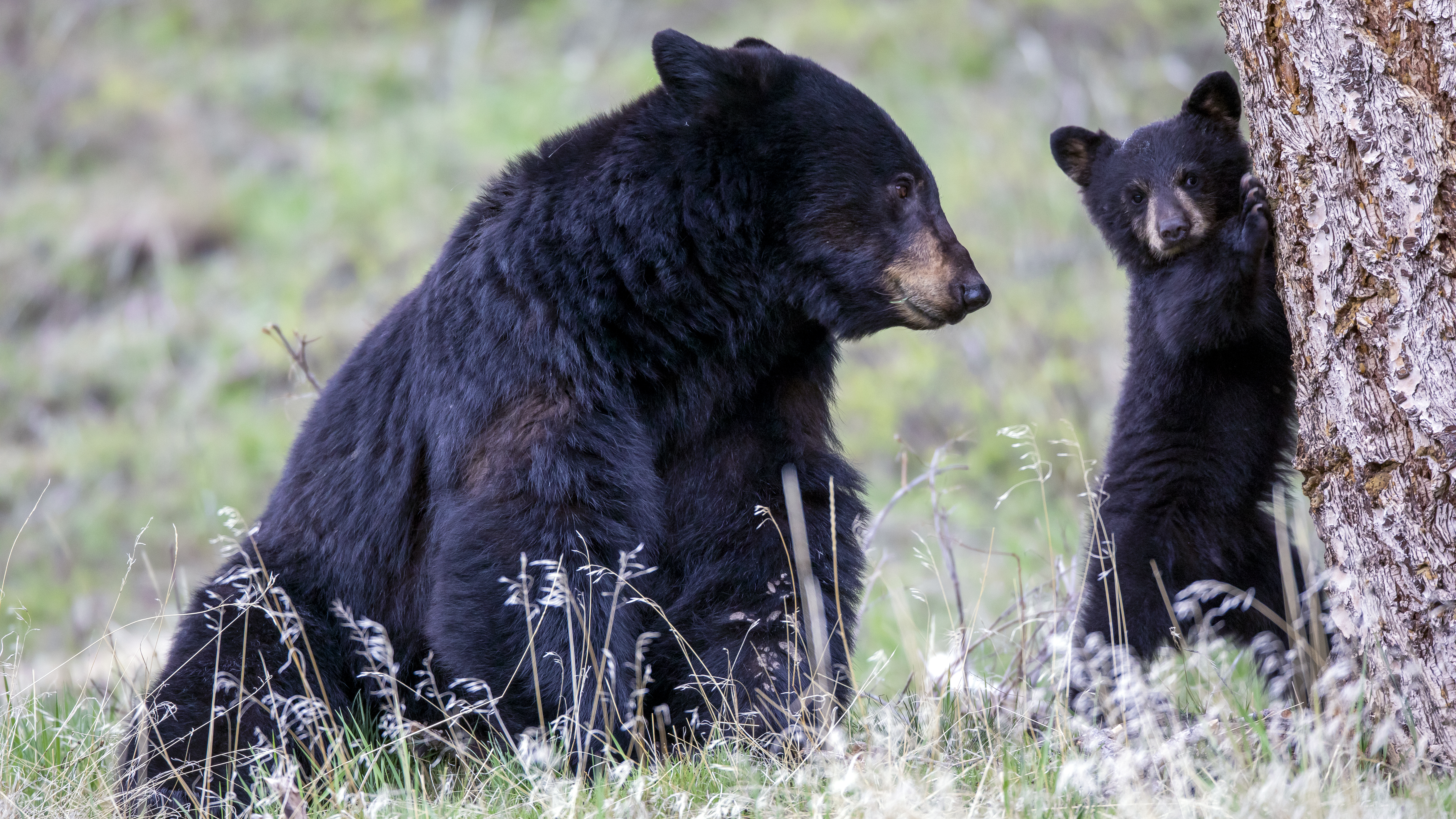
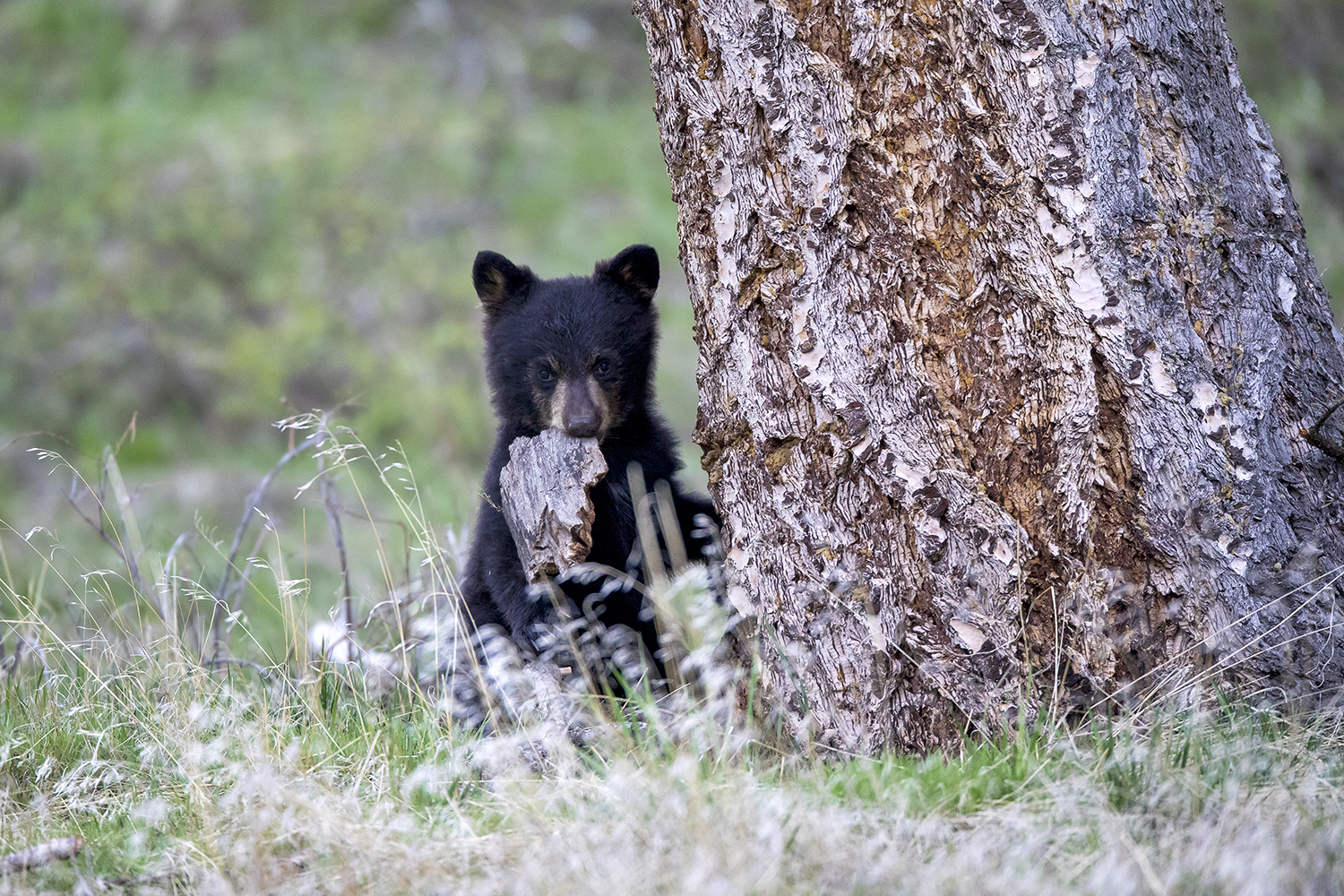
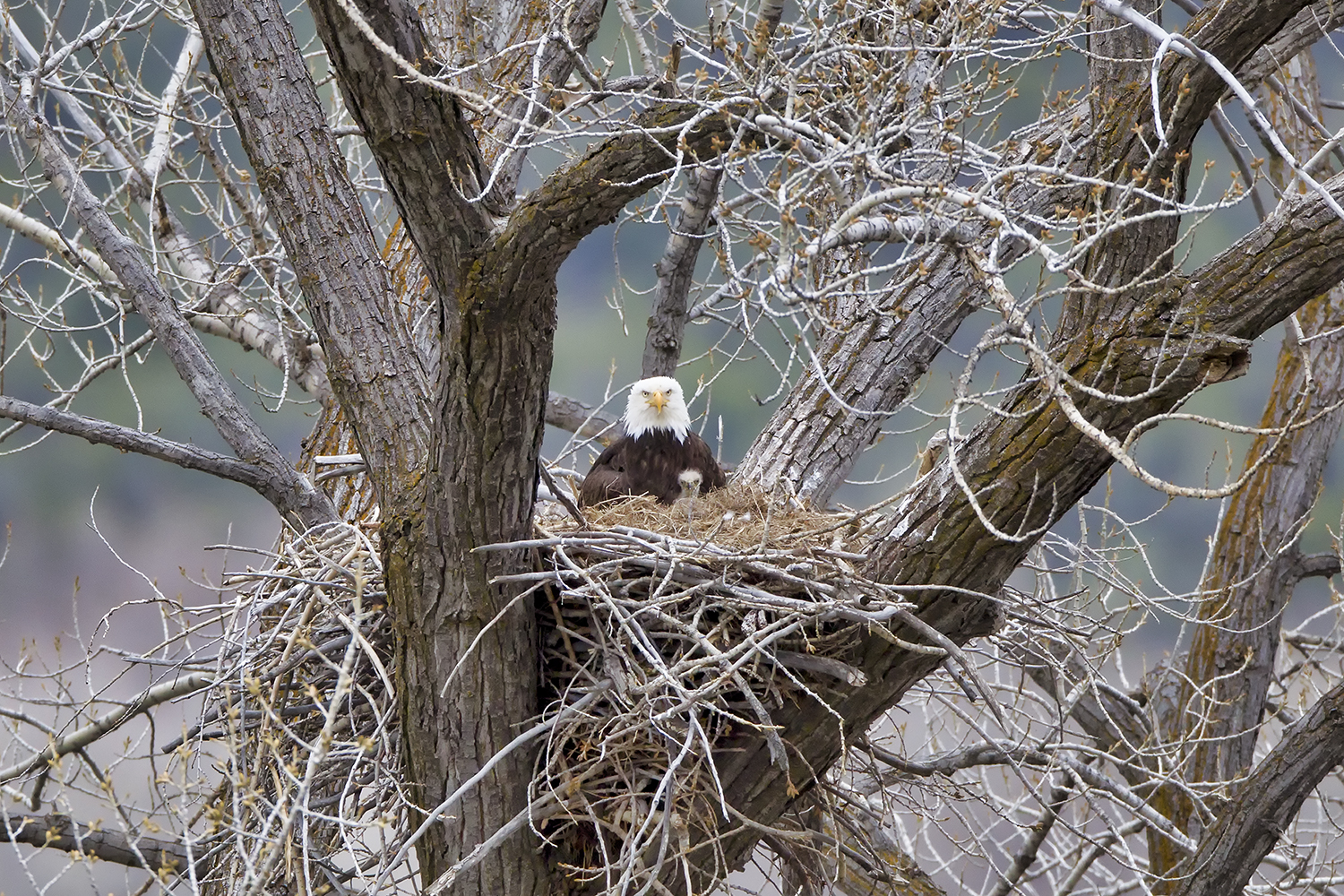
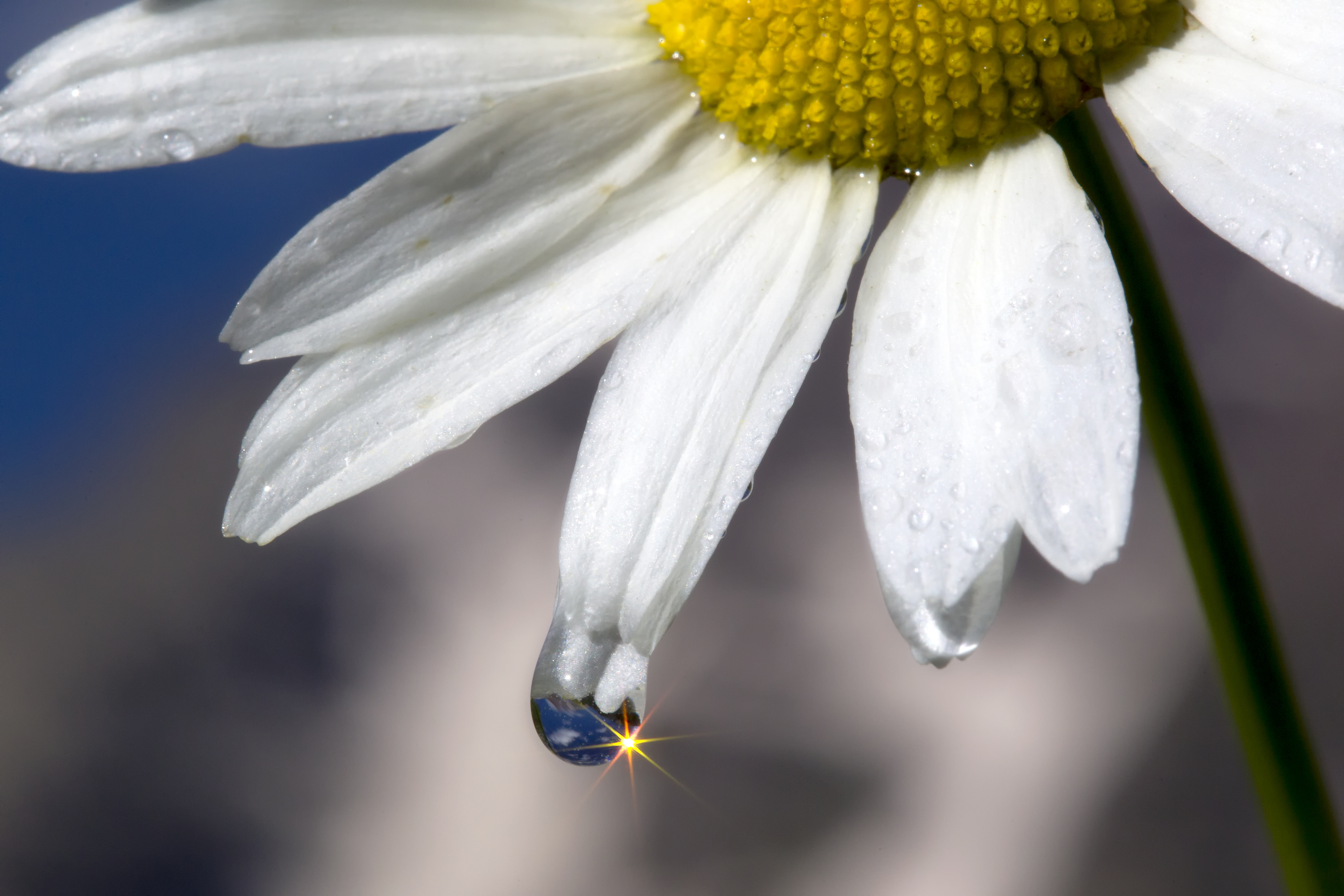
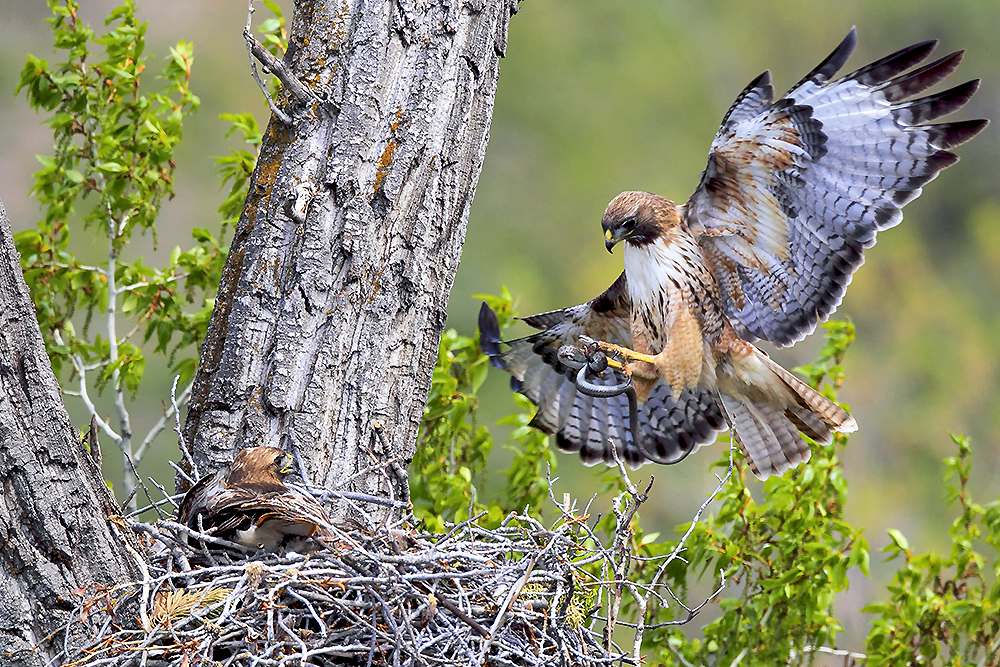
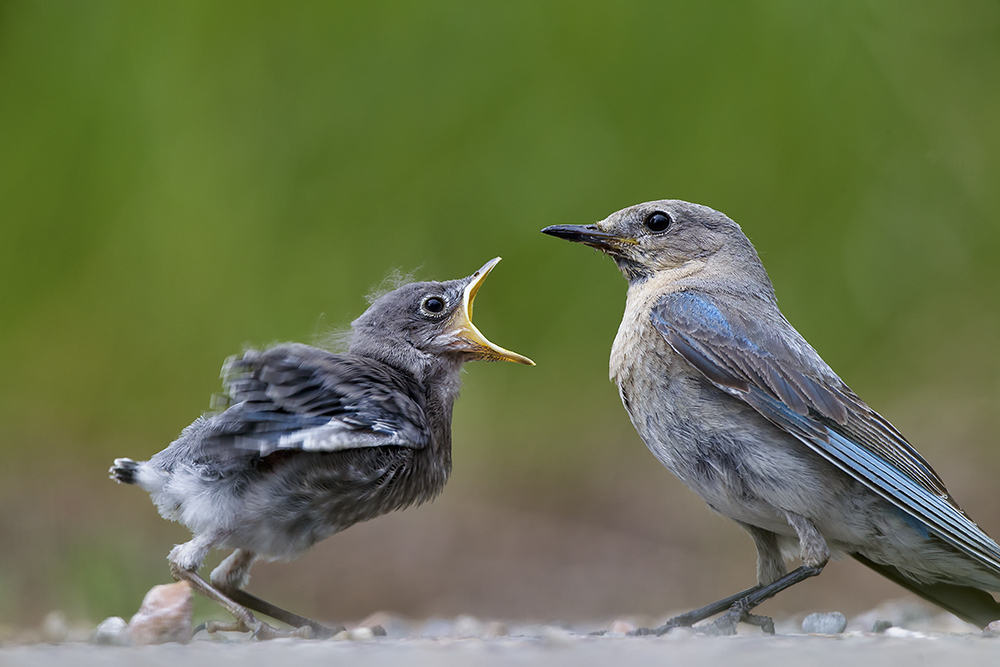
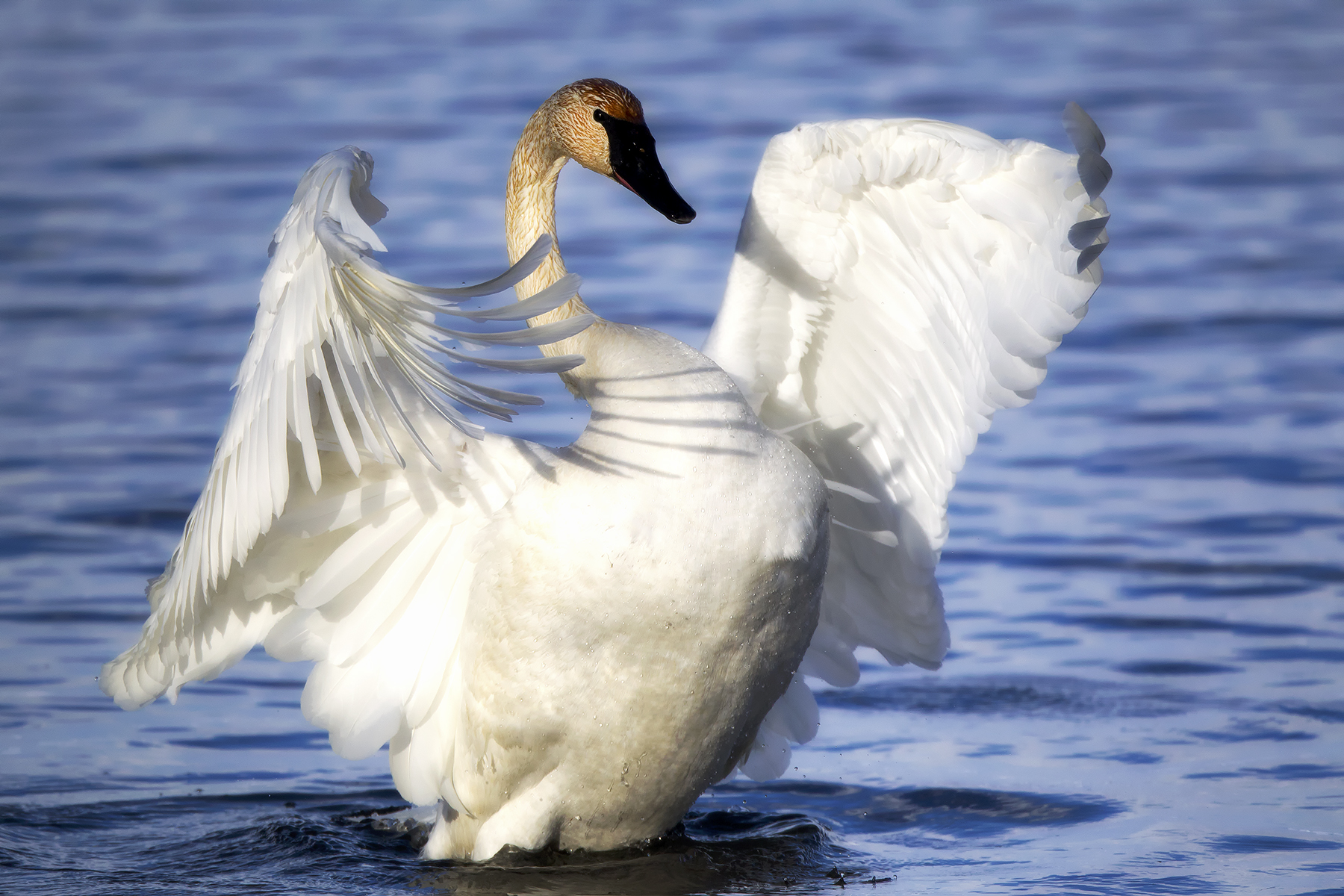
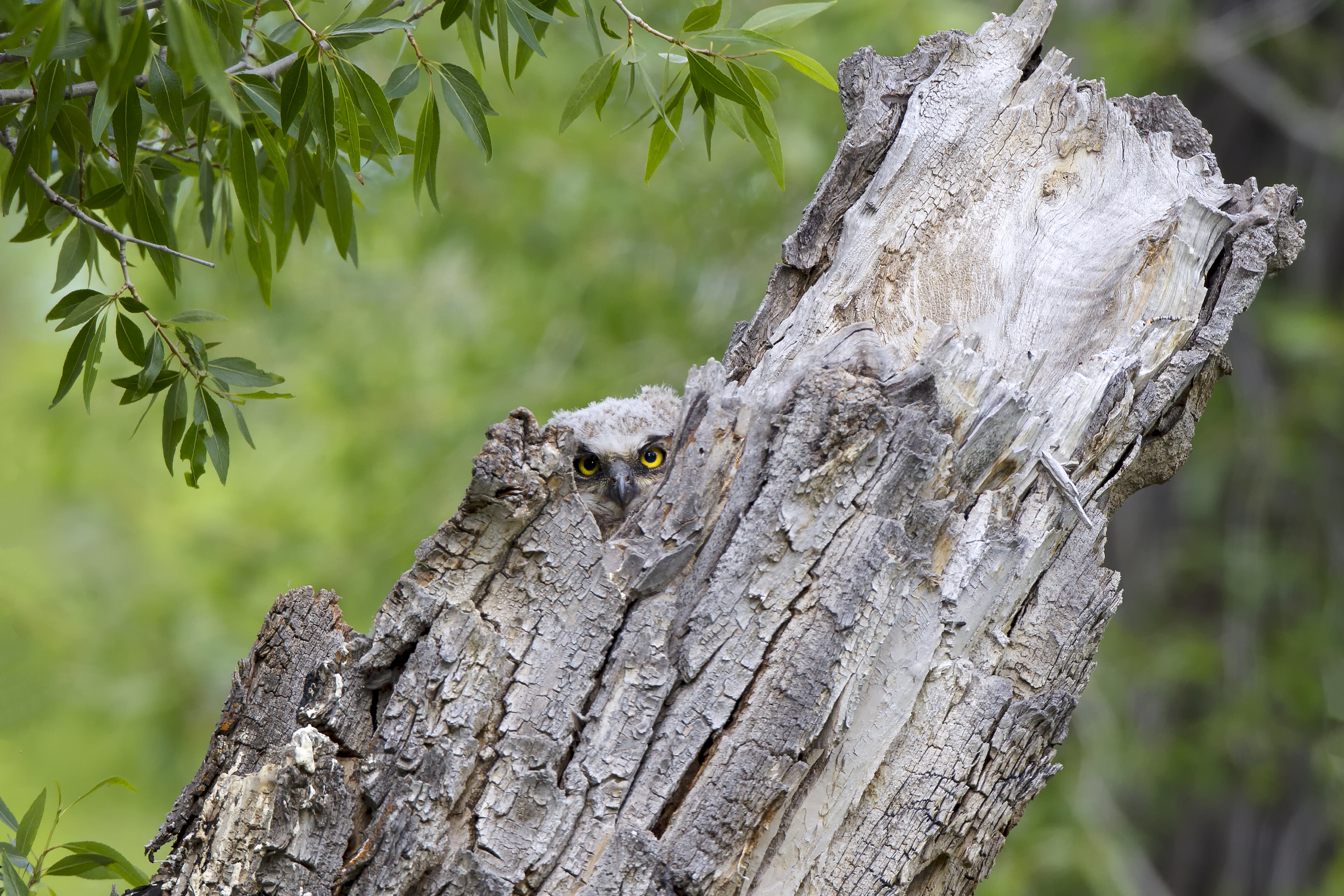
Spring creates moments that don’t repeat — brief windows where behavior, light, and environment align. These images reflect those conditions: young wildlife emerging, nesting activity, early blooms, and the first signs of seasonal energy returning to the landscape.
Each image connects back to a real place, a specific moment, and a narrow seasonal window. Use them as visual reference points for what is possible when timing and field awareness come together.
Field insight: spring photography is often about returning — not just arriving. The strongest images tend to come from revisiting the same location as conditions evolve rather than moving constantly between places.
Spring Seasonal Timeline
Spring unfolds in stages. Early bloom, migrating birds, snowmelt waterfalls, nesting behavior, and late-season wildflower emergence do not all peak at once. Reading that sequence gives you a major field advantage.
Use this timeline as a broad planning guide to think in seasonal windows rather than broad calendar months. Then refine your final timing with elevation, weather, and local conditions.
Wildflowers Wildlife Waterfalls
Late March – Early April
Early – Mid April
Mid – Late April
Late April – Early May
Early – Mid May
Mid – Late May
Timing insight: spring rarely arrives evenly. Lower elevations, southern latitudes, and sun-exposed habitats usually move first, while northern, shaded, and high-elevation systems follow later.
This timeline is a simplified surface view of a deeper seasonal timing system explored across Naturepedia.
Naturepedia Connections
Spring photography is not just about location — it is about understanding how light, water, biology, and timing interact across ecosystems. What you see in the field is the visible layer of deeper natural patterns unfolding at different scales.
Light & Seasonality
Spring light carries more moisture and softness, shaping color, contrast, and atmosphere across landscapes and wildlife scenes.
At a deeper level, spring represents a system shift — from dormancy to activity, from compression to expression — visible across wildlife, plant life, and landscape dynamics.
Once you’ve identified a spring destination, the next step is refining your plan — aligning light, timing, subject behavior, and conditions so you arrive at the right place at the right moment.
These guides and tools help you move from general planning into specific decisions that improve your chances of capturing strong images in the field.
Best next step: choose your subject first (wildlife, bloom, waterfalls, or landscape), then align location and timing using the tools above. That sequence consistently produces stronger field results than planning around location alone.
Spring Photography FAQs
Common questions about spring timing, wildlife behavior, bloom cycles, gear, and how to plan more effectively in a fast-changing season.
When is the best time to photograph spring wildflowers?
Timing varies by elevation and region. Lower elevations often peak in late March to April, while higher elevations and northern regions may not peak until May or later. Local weather patterns play a major role each year.
Where can I find the best spring wildlife photography?
Wetlands, coastlines, and forest edges are strong early-season areas due to migration and feeding activity. National parks and wildlife refuges also offer consistent opportunities when timed correctly.
What makes spring different from other photography seasons?
Spring is defined by transition — changing light, rapid plant growth, and increased animal activity. Conditions evolve quickly, which creates both opportunity and unpredictability.
What camera gear is best for spring photography?
A versatile setup works best: wide-angle lenses for landscapes and waterfalls, macro lenses for flowers, and telephoto lenses for wildlife. Weather protection is also important due to rain and moisture.
How do I handle unpredictable spring weather?
Be flexible and use conditions creatively. Overcast skies soften light, rain enhances color saturation, and fog adds depth. Planning for changing conditions often leads to stronger images.
Can I photograph migrations in spring?
Yes. Spring migration is one of the best times for bird photography. Wetlands, coastal areas, and flyways are especially productive, particularly during early morning hours.
How does this page fit into the rest of the site?
This page is part of the broader system connecting field locations, seasonal timing, photography tools, and Naturepedia knowledge — helping you move from inspiration to real-world planning.
About the Author
Robbie George is a nature photographer, writer, and field-based observer whose work is grounded in real places, seasonal timing, and the lived patterns of the natural world.
That field experience shapes the way he approaches spring photography. Rather than treating spring as one broad season, Robbie looks at how bloom, migration, nesting, snowmelt, and changing light unfold differently across habitats and regions. His work is rooted in patience, return visits, and reading the narrow seasonal windows that create meaningful images.
This page is part of the larger Robbie George Photography system, connecting field planning, seasonal knowledge, photography tools, galleries, and Naturepedia so photographers can move from inspiration to stronger real-world decisions in the field.
The presence of this badge signifies that this business has officially registered with the Art Storefronts Organization and has an established track record of selling art.
It also means that buyers can trust that they are buying from a legitimate business. Art sellers that conduct fraudulent activity or that receive numerous complaints from buyers will have this badge revoked. If you would like to file a complaint about this seller, please do so here.
Verified Returns & Exchanges
The Art Storefronts Organization has verified that this business has provided a returns & exchanges policy for all art purchases.
Description of Policy from Merchant:
What is your Policy on Returns/Exchanges/Refunds?
I take great pride in my work and prints, and I want you to be completely happy with your investment in my nature art. If for any reason you are unsatisfied with your print, you may return it within 14 days of delivery, and/or exchange it for another print. Prints must be returned in new condition, packaged carefully in the original packaging if possible. Your refund will be issued as soon as I receive the returned print. Please contact me if you would like to arrange a return or exchange.
In the event that you receive a damaged or defective print, please let me know within 7 days of receipt, and I will arrange for a new print to be shipped to you at no additional cost.
Verified Secure Website with Safe Checkout
This website provides a secure checkout with SSL encryption.
Verified Archival Materials Used
The Art Storefronts Organization has verified that this Art Seller has published information about the archival materials used to create their products in an effort to provide transparency to buyers.
Description from Merchant:
Fine Art Prints are made with high-quality archival inks on fine art papers using a high-resolution large format inkjet printer. Our premium archival inks produce images with smooth tones and rich colors. Prints are made with care on your choice of exquisite Fine Art Papers using a high-resolution large format inkjet printer. https://www.graphikprintworks.com
Become a supporter of Robbie George Photography and be the first to receive new content and special promotions.
“Every image is a field. Every quote is a key. Welcome back to the rhythm.” ~Robbie
Cart
Your cart is currently empty.
Saved Successfully.
This is only visible to you because you are logged in and are authorized to manage this website. This message is not visible to other website visitors.
Import From Instagram
Click on any Image to continue
This Website Supports Augmented Reality to Live Preview Art
This means you can use the camera on your phone or tablet and superimpose any piece of nature art onto a wall inside of your home or business.
To use this feature, Just look for the "Live Preview AR" button when viewing any piece of nature art on this website!
Pounce Now—Save 20% on Your First Order
Join the collector list for your first-order discount, new wildlife releases, and occasional field notes.