


Exploring Bosque Del Apache National Wildlife Refuge
What Bosque Del Apache Feels Like in the Field
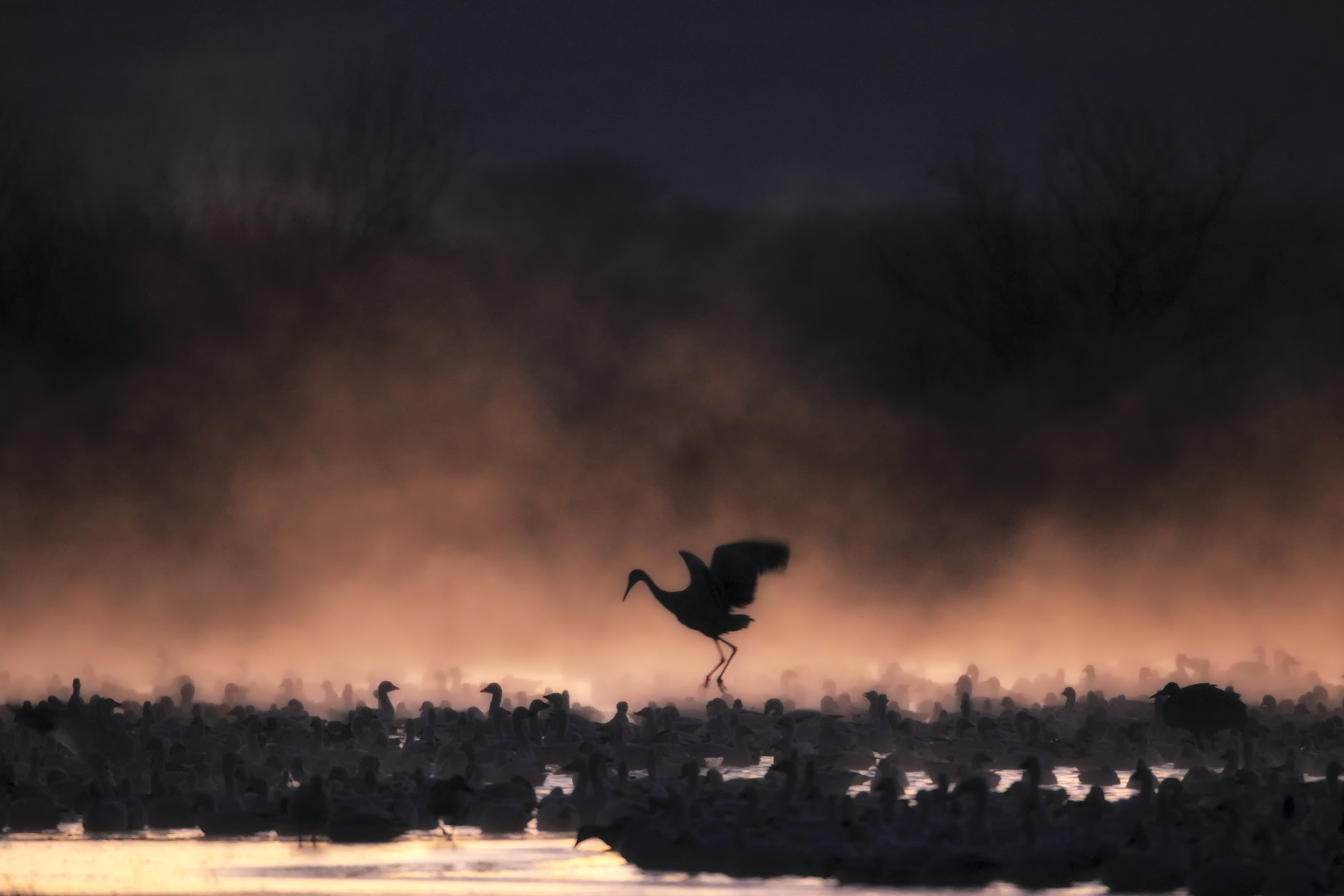
The first time I stepped into Bosque before sunrise, I didn’t see much—I heard it. Low calls from cranes in the dark. Wings shifting across still water. Then slowly, light began to build, and the entire landscape revealed itself all at once. Thousands of birds lifting, turning, and reshaping the sky. That moment is what defines Bosque. It’s not just a location—it’s a pulse.
What makes this refuge different is the relationship between desert and water. The Rio Grande feeds a managed wetland system that creates one of the most important migration stopovers in North America. Every movement you see—every takeoff, landing, and feeding pattern—is shaped by water levels, season, and light. Once you understand that, Bosque becomes predictable in the best way. You begin to know where to be, and when.
This guide is built from that field perspective. It’s designed to help you read Bosque as a system—connecting habitat, behavior, timing, and positioning into one continuous flow. As you move through the page, you’ll see how this refuge ties directly into wildlife observation locations, field techniques, and the broader ecological structure behind migration and survival.
“At Bosque, the moment doesn’t begin when the birds take off—it begins when the light decides to reveal them.”
~ Robbie George
Explore This Bosque Field Guide
Navigate Bosque Del Apache as a living migration system—from wetland structure and bird behavior to seasonal timing, field positioning, ethics, and conservation.
Bosque’s Landscape System — Where Desert Meets Managed Wetland
Bosque Del Apache is not a natural wetland in the traditional sense—it is a carefully managed system built around the flow of the Rio Grande. What you see in the field is the result of water control, timing, and habitat design working together to support migration at scale. Fields are flooded, drained, and rotated to create feeding zones for cranes and geese. Shallow wetlands are maintained to support waterfowl. Every part of the refuge is intentional, and that intention is what makes the wildlife behavior here so consistent.
The landscape forms a layered system: open agricultural fields for foraging, shallow impoundments for resting and feeding, and riparian corridors along the river for shelter and movement. These layers connect directly to your broader habitat and ecosystem zone framework. The power of Bosque is not just in its beauty—it’s in how clearly it shows the relationship between land management and wildlife survival.
Unlike coastal refuges like Chincoteague, where tides and natural forces dominate, Bosque operates on controlled water cycles. That difference changes everything. Birds gather where water is shallow enough to feed, fields where grain is available, and resting zones where visibility and safety are balanced. If you learn how water is being used in the refuge, you can predict where the birds will be before they arrive.
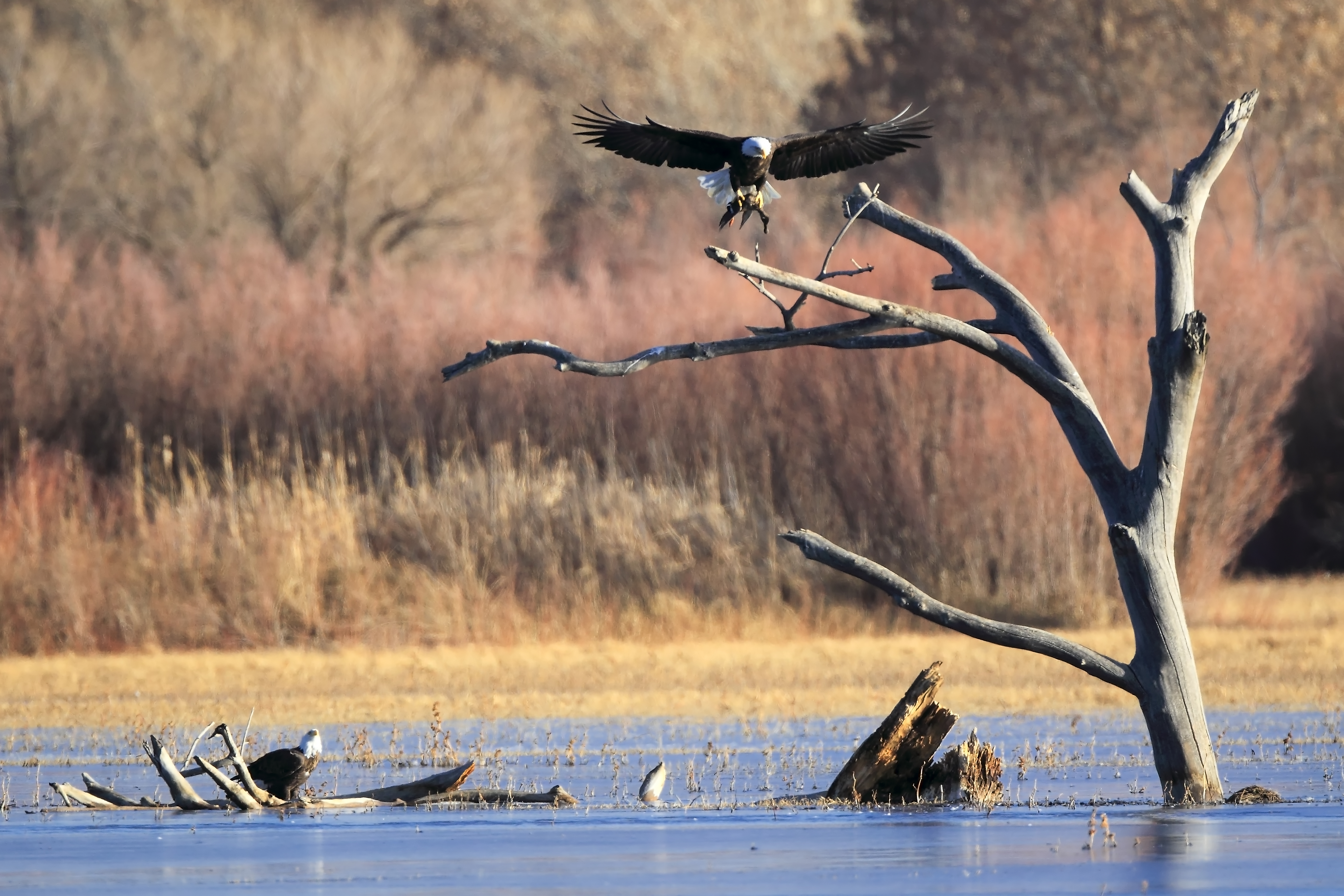
This is why Bosque connects so strongly to your ecosystems of North America, food webs, and conservation pages. It is one of the clearest real-world examples of how habitat design directly shapes biodiversity, movement, and ecological balance.
“At Bosque, the landscape is not passive—it’s engineered to hold life, and life responds with precision.”
~ Robbie George
Wildlife & Behavior — The Rhythm of Migration at Bosque
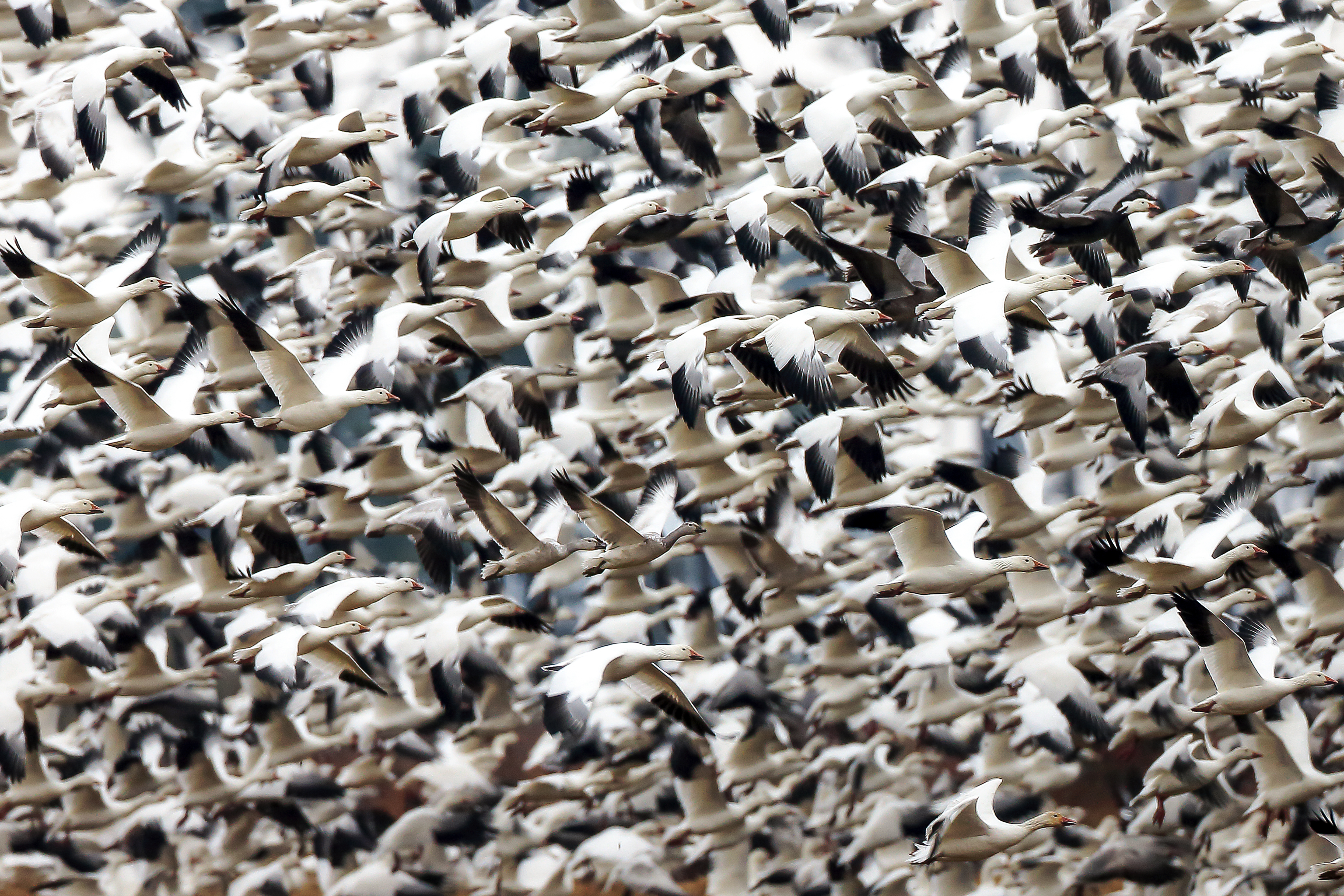
Wildlife at Bosque Del Apache moves with timing more than anything else. This is a migration-driven system, and the behavior you see is tied directly to light, temperature, and feeding cycles. The most iconic moment—the mass takeoff of snow geese and sandhill cranes—is not random. It happens when light, pressure, and group behavior align.
In the early morning, cranes begin to call before first light. Geese shift and compress into tighter groups. Then, almost instantly, the entire wetland lifts. This is a coordinated survival behavior—movement for feeding, safety, and positioning across the refuge. If you understand this rhythm, you can anticipate it rather than react to it.
Behavior continues throughout the day, but it becomes more distributed. Birds spread into feeding fields, rest in shallow water, and reposition constantly based on disturbance and resource availability. Raptors like bald eagles and hawks introduce pressure into the system, triggering sudden bursts of movement that can reshape entire flocks.
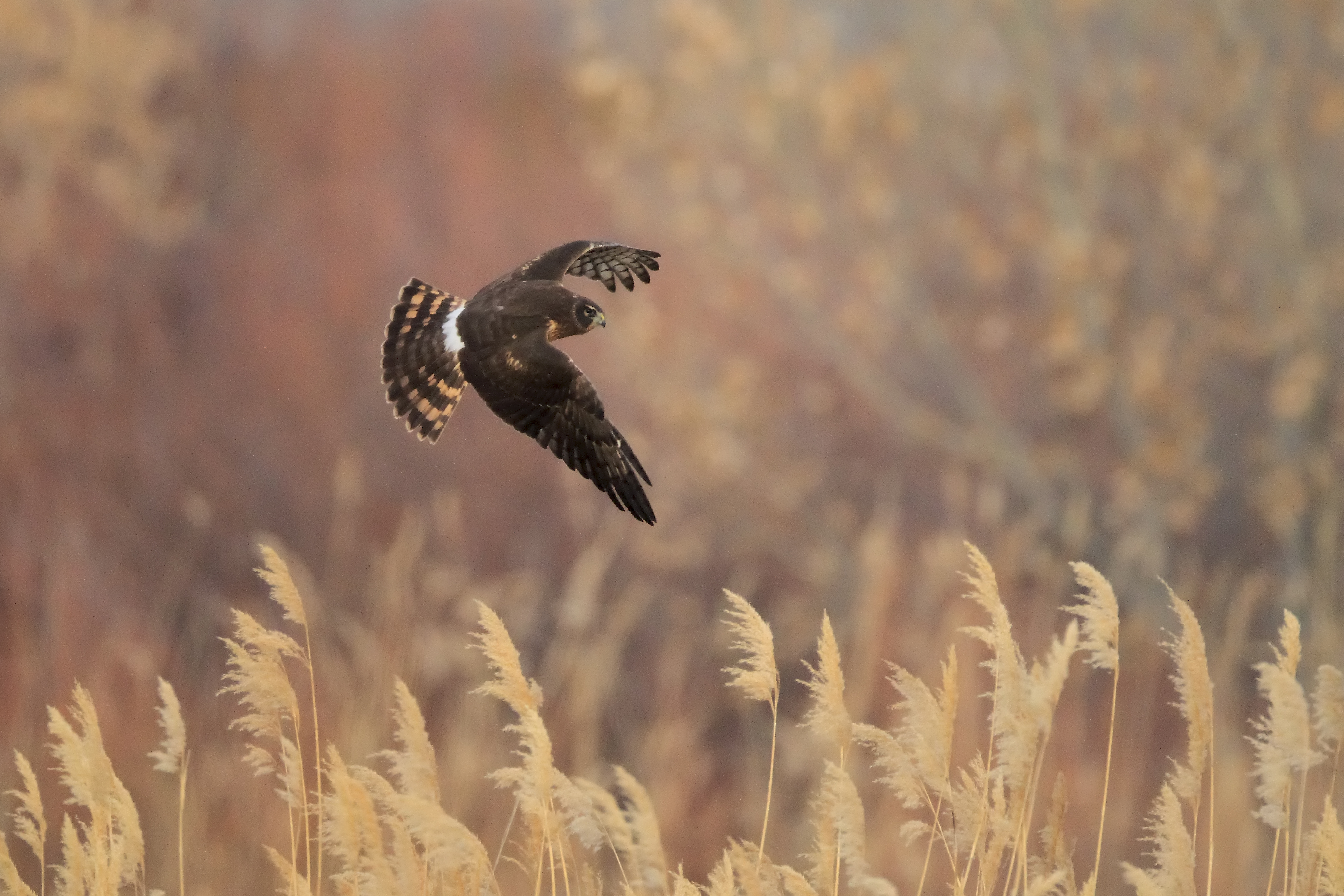
What makes Bosque unique is how visible these interactions are. You are not just seeing birds—you are seeing a full ecological relationship system in motion. Predators, prey, food sources, and habitat design all intersect in real time.
The key to photographing this behavior is anticipation. Watch the flock before it moves. Listen to sound changes. Pay attention to tension in the group. The moment happens before the motion—not during it.
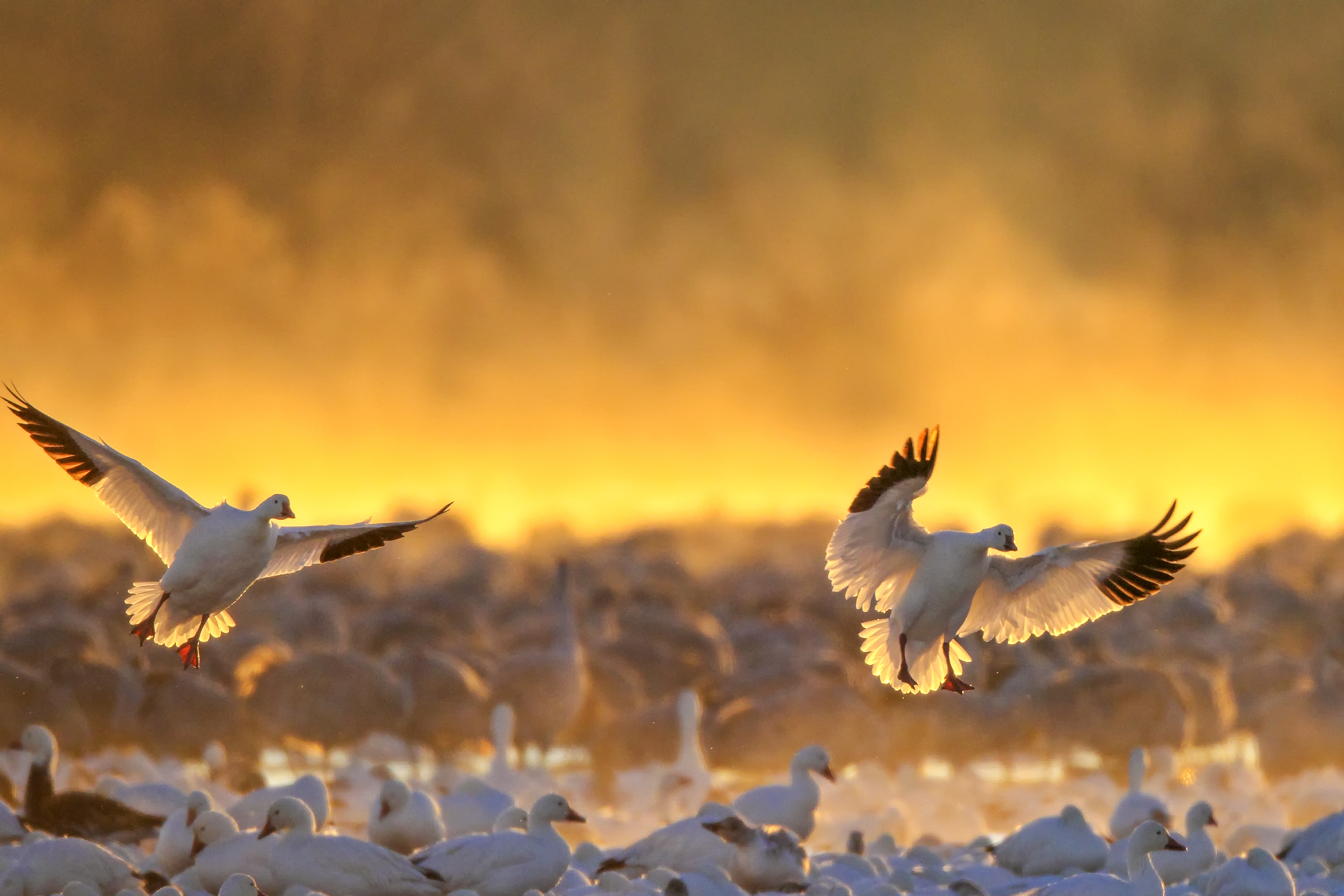
“At Bosque, movement isn’t chaos—it’s pattern. If you see the pattern, the moment finds you.”
~ Robbie George
Seasonal Timing — When Bosque Comes Alive
Timing is everything at Bosque Del Apache. Unlike many wildlife locations, this refuge operates on a very specific seasonal window driven by migration. If you arrive at the right time, you experience one of the greatest wildlife spectacles in North America. If you miss that window, the refuge becomes quiet, subtle, and far more dependent on careful observation.
Winter (November–February) is the defining season. This is when tens of thousands of snow geese and sandhill cranes gather across the refuge. Dawn takeoffs and evening returns create the most powerful photographic opportunities. This period aligns directly with your seasonal wildlife calendar, where migration peaks shape behavior and visibility.
Fall (October–early November) acts as the transition. Early arrivals begin to appear, light improves, and the landscape takes on warmer tones. This is one of the best times to photograph without peak-season crowds, while still capturing early migration behavior.
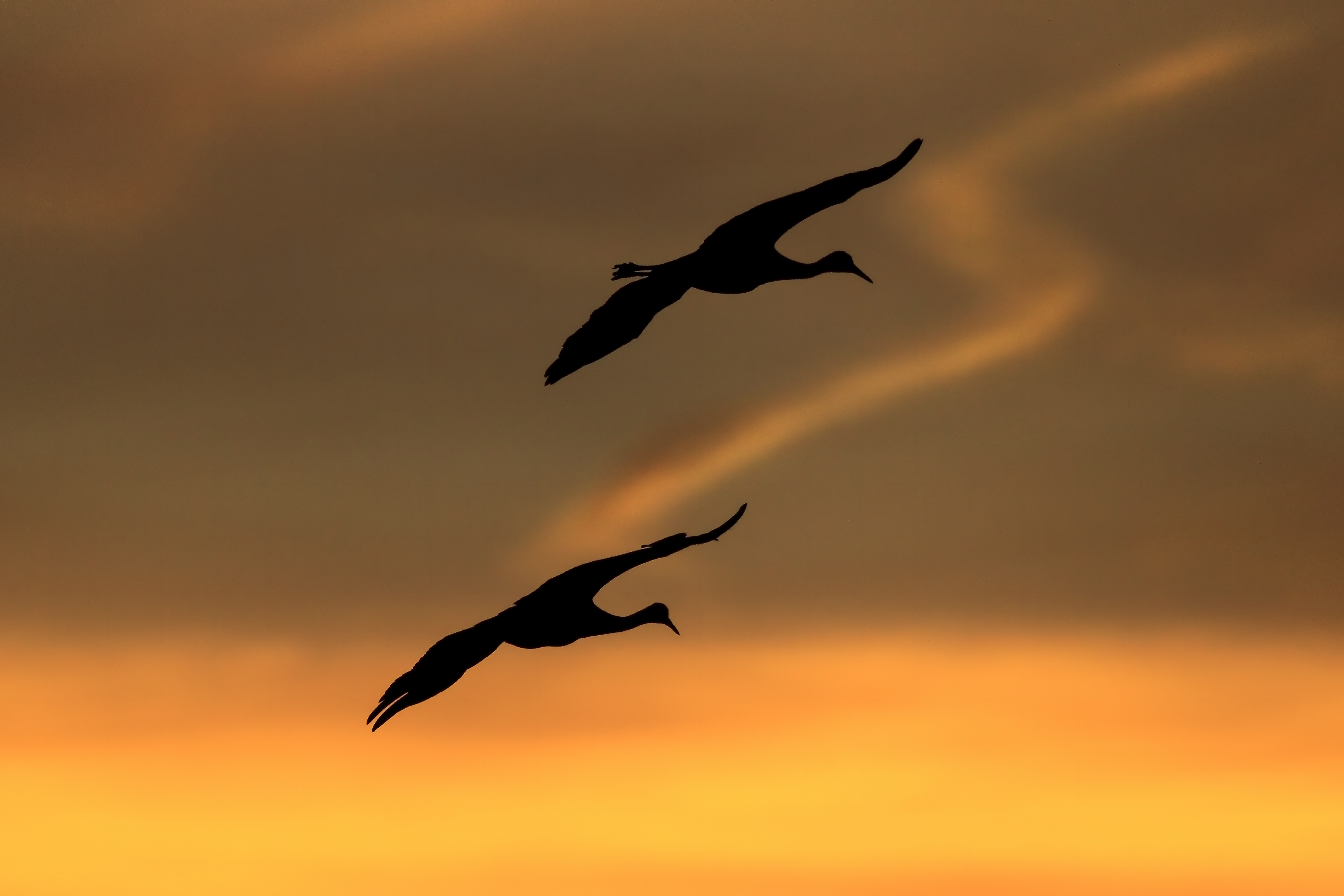
Spring (March–May) shifts the refuge again. Migration begins to thin, but color and biodiversity increase. Songbirds, vegetation, and smaller wildlife become more visible. This is where Bosque connects into your broader Nature’s Seasons system—less spectacle, more ecological detail.
Summer (June–September) is the quietest period. Heat increases, bird concentrations drop, and the refuge becomes more about landscape, reflection, and stillness. This is a different kind of field experience—less about action, more about atmosphere.
The key takeaway is simple: Bosque is a timing-dependent system. The more you align your visits with migration cycles and seasonal change, the more predictable—and powerful—your experience becomes.
“Bosque doesn’t change randomly—it changes on schedule. Learn the timing, and the refuge opens.”
~ Robbie George
Locations & Field Strategy — Where to Be and When at Bosque
Bosque Del Apache is a positioning-based refuge. Success here is less about covering ground and more about being in the right place at the right time. The refuge is designed in zones—feeding fields, shallow wetlands, and resting areas—and wildlife moves between them in predictable patterns. If you understand those transitions, you can anticipate movement instead of reacting to it.
The Flight Deck is the most well-known location, and for good reason. It provides a clear view of the morning takeoff, where cranes and geese lift into first light. This is where timing matters most—arrive before sunrise, stay still, and watch the buildup before the moment happens. This is not a place to move once the birds begin to rise.
The Main Wetlands offer a different kind of opportunity—reflections, layered compositions, and slower behavior. This is where you can work with light more creatively, especially during sunrise and sunset. The Marsh Loop and secondary roads provide quieter access to less pressured wildlife, often leading to more intimate encounters.
Prefer full screen? Open the Bosque Photography Map ↗
This map reflects how I approach Bosque as a system. Each location is tied to light direction, bird movement, and seasonal use. It’s not just a list of spots—it’s a way of understanding how the refuge functions across time and space.
One of the most important strategies here is restraint. Pick a location, commit to it, and let the movement come to you. The more you move, the more you disrupt the pattern you’re trying to capture.
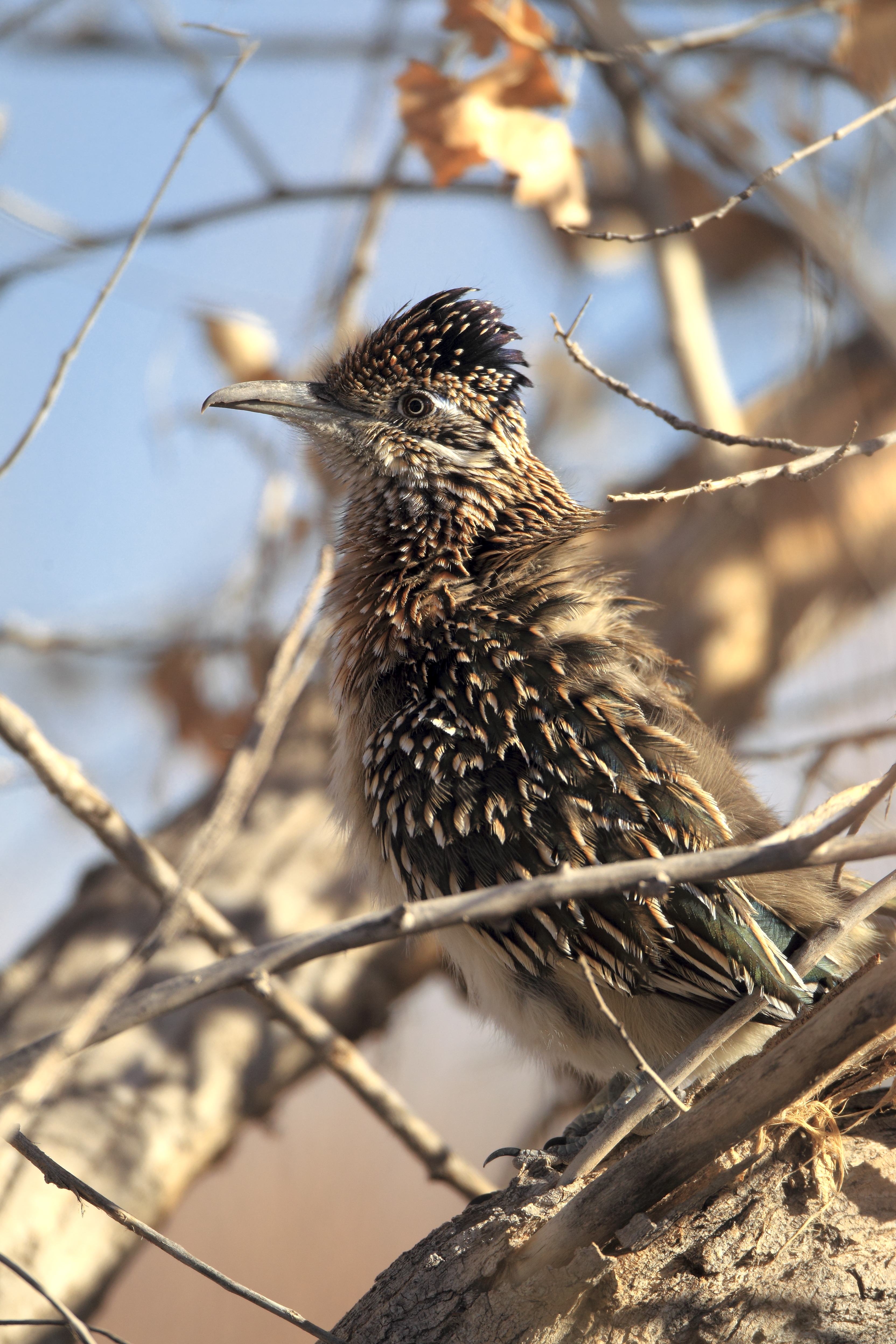
“At Bosque, the best move is often no move at all. Let the pattern unfold in front of you.”
~ Robbie George
Planning & Field Ethics — How to Work Bosque the Right Way
Bosque Del Apache is one of the most accessible wildlife refuges in North America—but that accessibility comes with responsibility. Large concentrations of birds, predictable movement patterns, and popular viewing areas mean that your behavior in the field directly affects what you see, and what others experience after you.
The most important principle here is distance and stillness. Birds at Bosque are highly sensitive to pressure. If you move too quickly, approach too closely, or reposition at the wrong time, entire flocks will lift early or relocate. This breaks natural behavior patterns and diminishes the quality of the experience for everyone—including the wildlife.
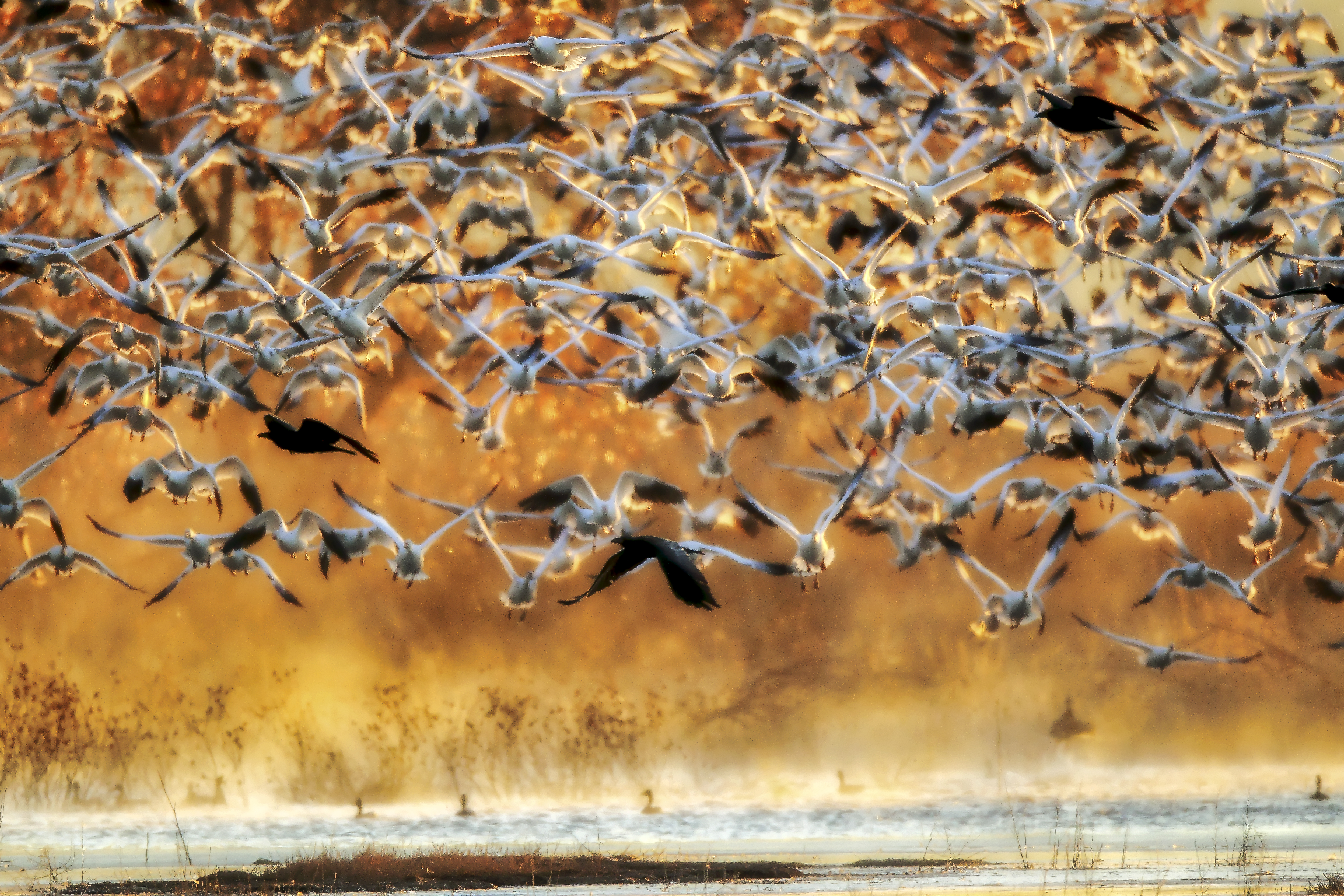
Staying in your position, especially during dawn takeoff, is critical. Set up early, remain quiet, and let the birds decide when to move. This aligns directly with your field observation techniques, where patience and awareness are more valuable than movement.
Planning also matters. Cold winter mornings require proper layering, gloves that allow camera control, and protection for your gear against moisture and frost. Light changes quickly, so knowing sunrise angles and positioning ahead of time—using tools like your Golden Hour Planner and Field Tools—makes a significant difference.
Respect for habitat is just as important as respect for wildlife. Stay on designated roads and viewing areas. Avoid disturbing feeding zones and nesting areas. Bosque is a managed refuge, and its success depends on maintaining balance between access and protection—something that connects directly to wildlife conservation and habitat stewardship.
If you approach Bosque with discipline, patience, and awareness, the refuge gives you everything you came for—and more. Not just images, but a deeper understanding of how migration, habitat, and timing work together as a living system.
“The best photographers at Bosque aren’t the fastest—they’re the ones who learn how to wait.”
~ Robbie George
Naturepedia Connection — Bosque as a Migration Engine
Bosque Del Apache is one of the clearest examples of a migration-driven ecosystem in North America. Through the lens of Naturepedia, the refuge becomes more than a destination—it becomes a system where habitat design, seasonal timing, and behavior converge into a single functioning unit.
At its core, Bosque is a managed wetland system built to support migration along the migration network. Water levels, food availability, and habitat structure are intentionally controlled to create ideal conditions for birds moving across vast distances. This makes Bosque a rare place where ecological relationships are not only present—but highly visible.
Behavior here is shaped by that design. Cranes gather in fields to feed, geese rest in shallow water for safety, and raptors introduce pressure that triggers coordinated movement. These interactions connect directly to wildlife behavior and ecology, showing how species respond to resource distribution, risk, and seasonal change.
The refuge also demonstrates how human stewardship can support ecological balance when done correctly. Managed flooding, crop rotation, and habitat restoration create a stable environment that sustains biodiversity. This ties directly into conservation and habitat management, making Bosque one of the strongest real-world examples of conservation in action.
When viewed as a system, Bosque connects seamlessly into your broader architecture: migration → habitat → behavior → season → conservation. It is not just a stop along a route—it is a critical node in a continental movement network that supports life across scales.
“Bosque is where movement becomes visible—where migration turns from concept into experience.”
~ Robbie George
Bosque Del Apache — Field FAQ
What is the best time of year to visit Bosque Del Apache?
Winter (November–February) is the peak season, when large numbers of sandhill cranes and snow geese gather in the refuge. This is the best time for migration photography and wildlife concentration.
Where should I go for the best photography opportunities?
The Flight Deck is best for sunrise takeoffs, while the Main Wetlands offer reflections and layered compositions. The Marsh Loop provides quieter access for more intimate wildlife encounters.
What wildlife can I expect to see?
Expect large numbers of sandhill cranes and snow geese in winter, along with bald eagles, hawks, coyotes, mule deer, and a variety of waterfowl and songbirds throughout the year.
What gear is best for photographing Bosque?
A telephoto lens (300mm or longer) is essential for birds. A tripod helps in low light, and wide-angle lenses are useful for capturing landscape and reflection scenes during sunrise and sunset.
How should I behave in the field to get the best results?
Stay still, arrive early, and avoid disturbing wildlife. Let movement happen naturally instead of chasing it. Respect distance and follow refuge guidelines to preserve behavior patterns.
How does Bosque fit into the larger wildlife system?
Bosque Del Apache is a key migration stop along continental flyways. It connects habitat, seasonal timing, and species behavior into a larger ecological network across North America.
About Robbie George
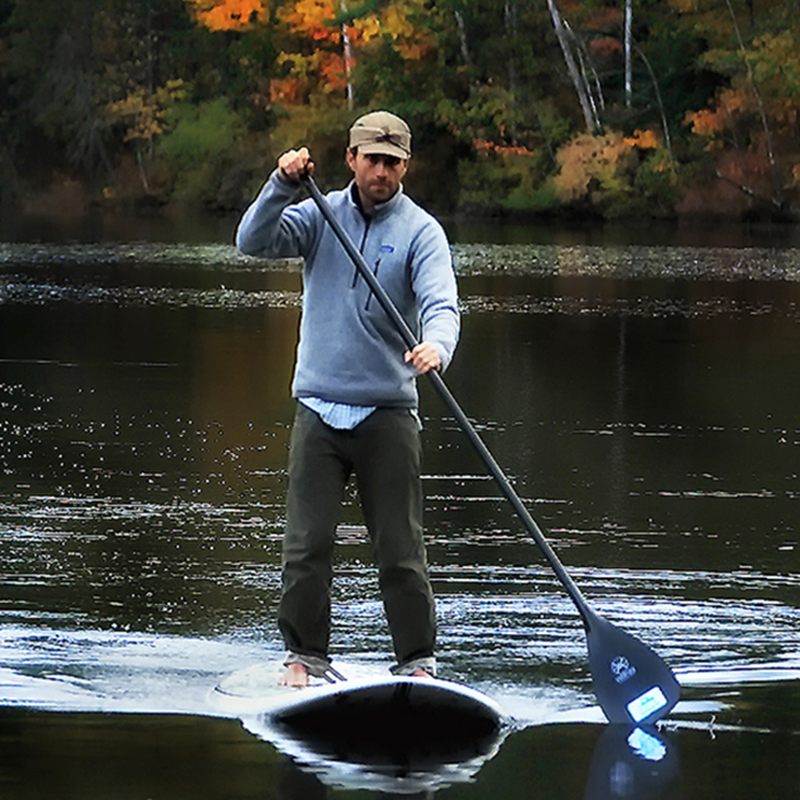
I’m Robbie George, a National Geographic–published photographer whose work is built from repeated time in the field—returning to landscapes in different light, weather, and seasons to understand how wildlife and habitat move together.
Bosque Del Apache matters to me because it reveals migration in a way few places can. This refuge makes behavior visible at scale. You can watch how water, habitat design, light, and instinct all converge in a single morning. It’s one of the clearest places I know for learning patience, timing, and restraint as a wildlife photographer.
My goal is not just to photograph Bosque, but to connect it into a broader field-based knowledge system through Naturepedia, linking migration, ecosystems, species behavior, and conservation into one readable structure.
You can explore more through my wildlife photography gallery, plan future trips with the Field Tools, and align conditions with the Golden Hour & Moon Planner.
“The best wildlife photographs come after you stop trying to force the moment and start learning its rhythm.”
~ Robbie George





