🌿 How Keystone Species Shape Ecosystems — Understanding Trophic Cascades and Wildlife Balance
Naturepedia Wildlife Systems — Ecosystem Relationships
Keystone Species & Trophic Cascades — How Wildlife Shapes Entire Ecosystems
A field guide to understanding how predators, herbivores, scavengers, water systems, and habitat relationships create cascading effects across the living landscape.
Keystone species are animals or plants whose influence reaches far beyond their numbers. A wolf pack moving through a valley, a beaver shaping a wetland, a bear opening a carcass to scavengers, or an elk herd altering vegetation can all change how an ecosystem functions.
Trophic cascades occur when those relationships ripple through the food web. Predators influence herbivore behavior. Herbivores shape vegetation. Vegetation affects birds, insects, water movement, streambanks, and habitat structure. These connections sit at the center of Wildlife Behavior & Ecology, Ecosystems of North America, and Wildlife Habitats & Ecosystem Zones.
The clearest field examples often appear in large, connected landscapes such as Yellowstone National Park and Grand Teton National Park, where wolves, elk, bears, rivers, forests, and meadows interact at ecosystem scale.
“Some species don’t just live in ecosystems — they shape them. Once you recognize their influence, the entire landscape begins to make sense.”
— Robbie George
On This Page
Use this guide to move from core definitions to real-world field examples, including predators, herbivores, water systems, habitat effects, and places where trophic cascades can be observed.
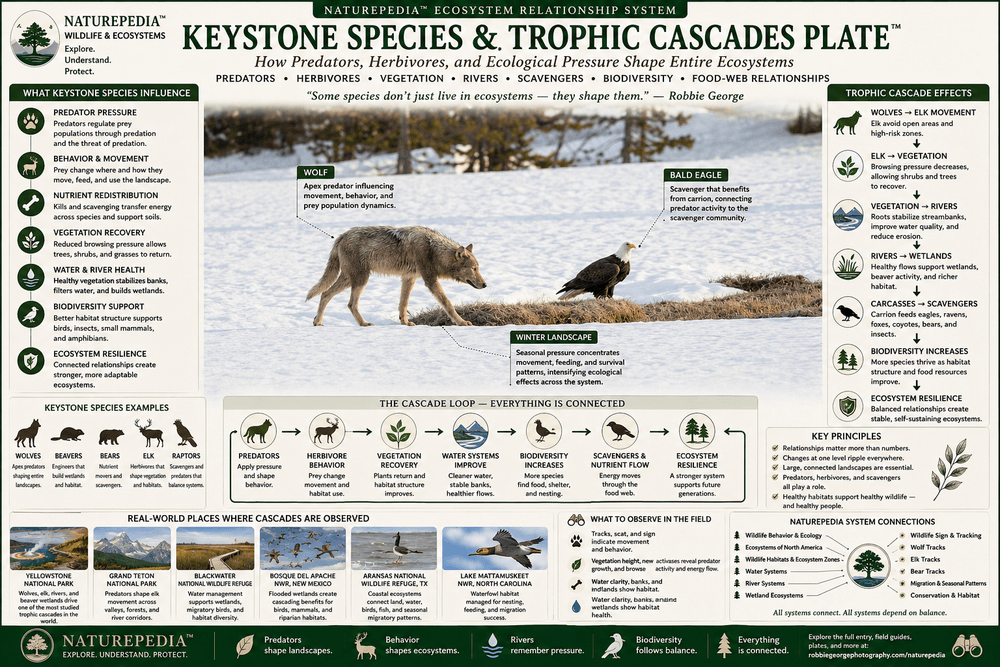
A visual compression of ecological pressure flowing through living systems — connecting predators, herbivores, scavengers, vegetation, rivers, wetlands, biodiversity, and ecosystem resilience across the Naturepedia system.
Keystone Species & Trophic Cascades Plate™ by Robbie George — a Naturepedia ecosystem relationship systems node connecting predator pressure, herbivore behavior, scavenger dynamics, vegetation recovery, rivers, biodiversity, and ecological resilience across connected landscapes.
How to read this plate: keystone species influence ecosystems through pressure, movement, feeding behavior, scavenger relationships, nutrient flow, and habitat change. Predators shape herbivore behavior, herbivores shape vegetation, vegetation shapes rivers and wetlands, and those cascading effects influence biodiversity across the landscape. This plate compresses those ecological relationships into a Naturepedia ecosystem systems node.
Keystone species are not isolated animals. They are ecological pressure points. Their behavior can influence prey movement, vegetation recovery, scavenger activity, water systems, habitat structure, biodiversity, and long-term ecosystem resilience.
🐺 Predators Create Pressure
Wolves, mountain lions, bears, and other predators influence where herbivores move, feed, rest, and avoid risk. That pressure can reshape habitat use across entire landscapes.
🦌 Herbivores Shape Vegetation
Elk, deer, bison, and other herbivores influence plant communities through browsing, grazing, migration, and seasonal concentration. Their movement becomes part of the ecosystem’s structure.
🌊 Water Records the Cascade
When vegetation recovers, riverbanks stabilize, wetlands improve, and habitat expands for birds, beavers, insects, amphibians, and smaller mammals.
The Cascade Is a Relationship Chain
A trophic cascade begins when a change at one level of the food web creates effects across other levels. Predator presence may alter herbivore behavior. Herbivore behavior may change browsing pressure. Vegetation recovery may improve riverbanks, wetlands, nesting cover, and food availability. Over time, those small shifts become ecosystem-scale patterns.
A wolf, bear, or mountain lion kill does not end with the predator. Ravens, bald eagles, foxes, coyotes, insects, microbes, and soil systems all participate in the transfer of energy back into the landscape.
Observe Predator Pressure → Track Herbivore Movement → Read Vegetation Response → Follow Water Systems → Identify Scavenger Activity → Recognize Biodiversity Change → Understand the Ecosystem
“Some species don’t just live in ecosystems — they shape them. Once you recognize their influence, the entire landscape begins to make sense.”
— Robbie George
What Is a Keystone Species?
A keystone species is a plant or animal whose influence on an ecosystem is greater than its numbers alone would suggest. These species help organize ecological relationships by shaping how other animals behave, where they feed, how resources are distributed, and which habitats remain available for other forms of life. When keystone species are healthy and functioning in the landscape, ecosystems often become more stable, diverse, and resilient. This makes them central to understanding the broader relationships explored in Ecosystems of North America, Wildlife Behavior & Ecology, and Wildlife Conservation & Habitat.
Keystone influence can take many forms. Some species regulate herbivores or competing predators. Others physically reshape habitat, redistribute nutrients, or create new opportunities for scavengers, insects, and smaller animals. Large carnivores, beavers, sea otters, and certain herbivores are often discussed as keystone species because their actions affect ecological balance at multiple levels. In places such as Yellowstone National Park, these relationships are visible in real time through predator pressure, carcass use, scavenger activity, and changing patterns of movement across the landscape.
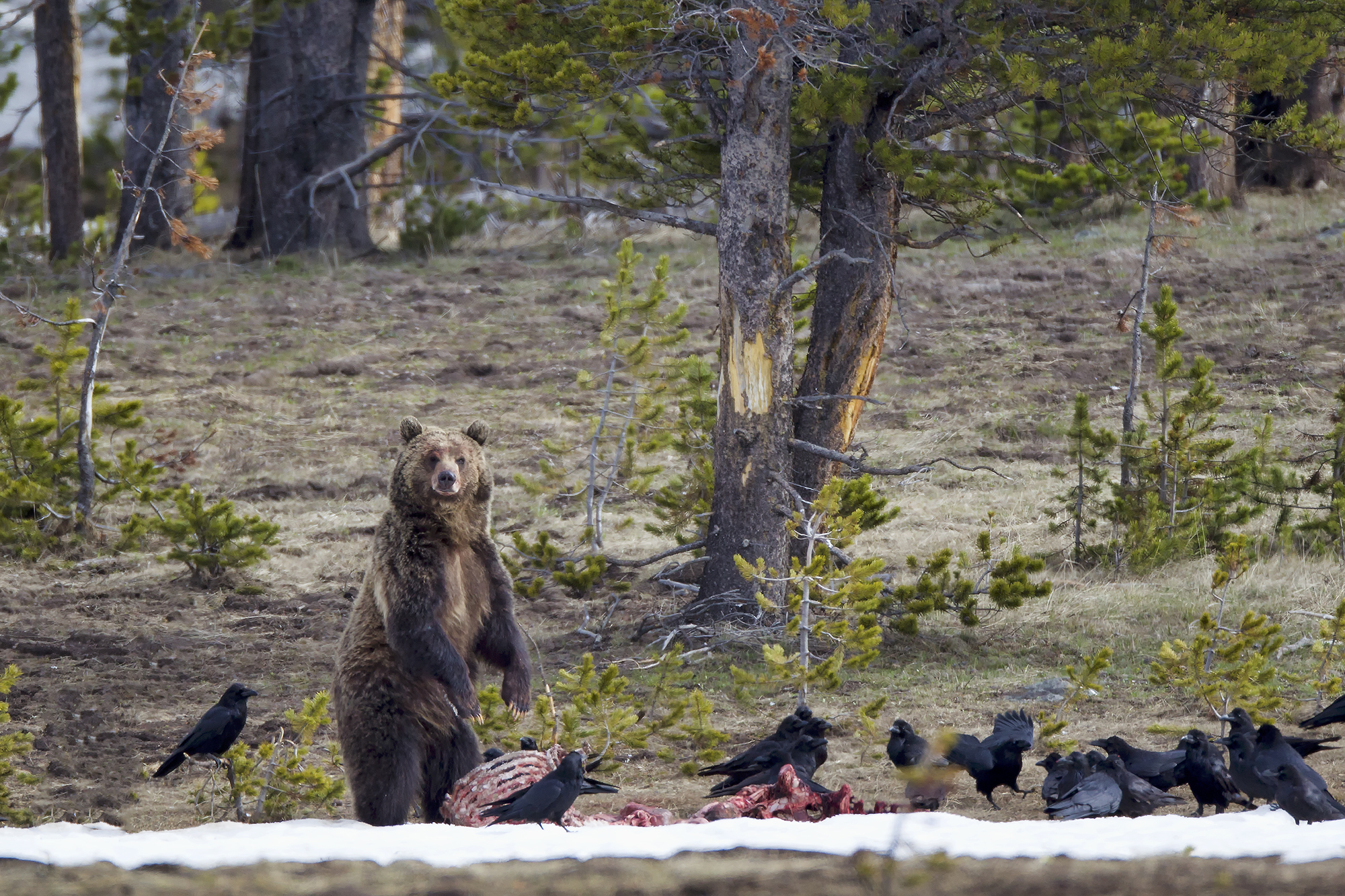
A grizzly bear at a carcass is not only feeding itself. It is participating in a much larger ecological process. Ravens, foxes, insects, and other scavengers may benefit from the remains, while nutrients from the carcass return to the soil and surrounding vegetation. That is why keystone species matter so much: their actions ripple outward, shaping conditions for many other organisms. Once these relationships are understood, wildlife can be seen not as isolated subjects, but as drivers of living systems.
Robbie George’s grizzly bear photography has also appeared in National Geographic reporting on grizzly behavior, risk, and the realities of living alongside large carnivores in the American West.
A grizzly bear at a carcass with ravens nearby shows how keystone species influence not only prey populations, but also scavengers, nutrient flow, and wider food-web relationships.
A trophic cascade is a chain reaction that occurs when changes at one level of the food web influence multiple levels above or below it. These cascades often begin with predators, but their effects ripple outward through herbivores, vegetation, and even landscape structure. Understanding trophic cascades helps explain why ecosystems behave the way they do and how species interactions shape the natural world.
One of the most well-known examples involves wolves and elk in Yellowstone National Park. When wolves are present, elk alter their behavior—moving more frequently, avoiding certain areas, and reducing browsing pressure in vulnerable habitats. This shift allows vegetation such as willows and aspens to recover, which in turn supports birds, beavers, and other species. These cascading effects connect directly to patterns explored in Wildlife Behavior & Ecology and Ecosystems of North America.
Herbivores like elk play a central role in these systems because they link predator activity to plant communities. Where grazing pressure is high, vegetation can be suppressed. Where predators influence movement and feeding patterns, plant life often rebounds, creating new habitat for insects, birds, and small mammals. This is why trophic cascades are not just about predators—they are about relationships across the entire ecosystem.
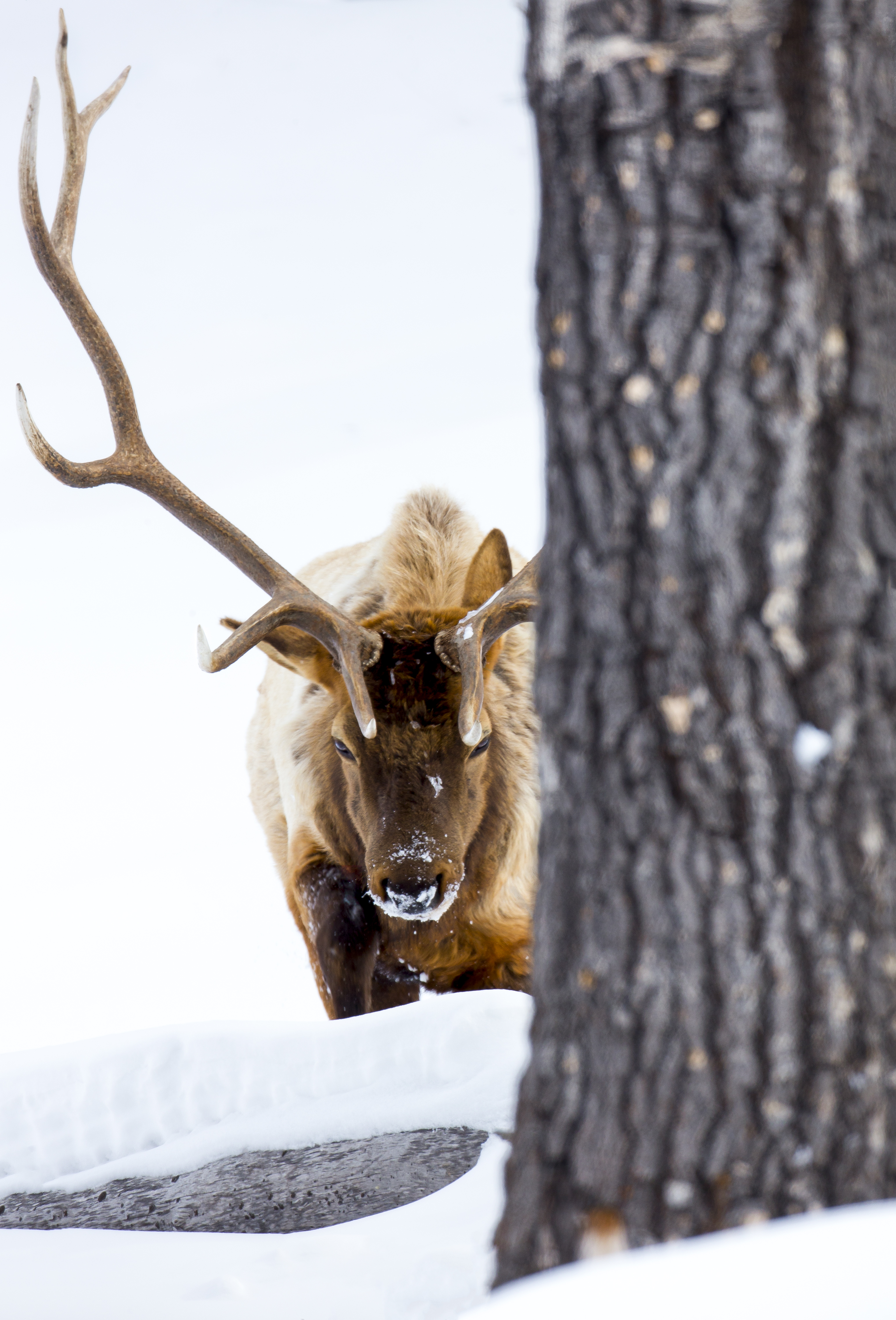
Elk feeding and movement patterns help shape vegetation across the landscape, forming a key link in trophic cascade dynamics.
Apex predators sit at the top of the food chain and play a critical role in maintaining ecosystem balance. By regulating herbivore populations and influencing how prey species move and behave, predators shape patterns that extend far beyond direct predation. This top-down control is one of the driving forces behind trophic cascades and is closely tied to concepts explored in Wildlife Behavior & Ecology and Ecosystems of North America.
Predators do more than reduce numbers—they create pressure. Prey animals adjust their movement, feeding locations, and timing to avoid risk, which in turn allows vegetation and other species to recover in areas that might otherwise be overused. This behavioral influence can be just as important as direct predation, reshaping entire landscapes over time. In ecosystems such as Yellowstone National Park and Grand Teton National Park, these relationships are visible through changes in elk movement, browsing patterns, and habitat use.
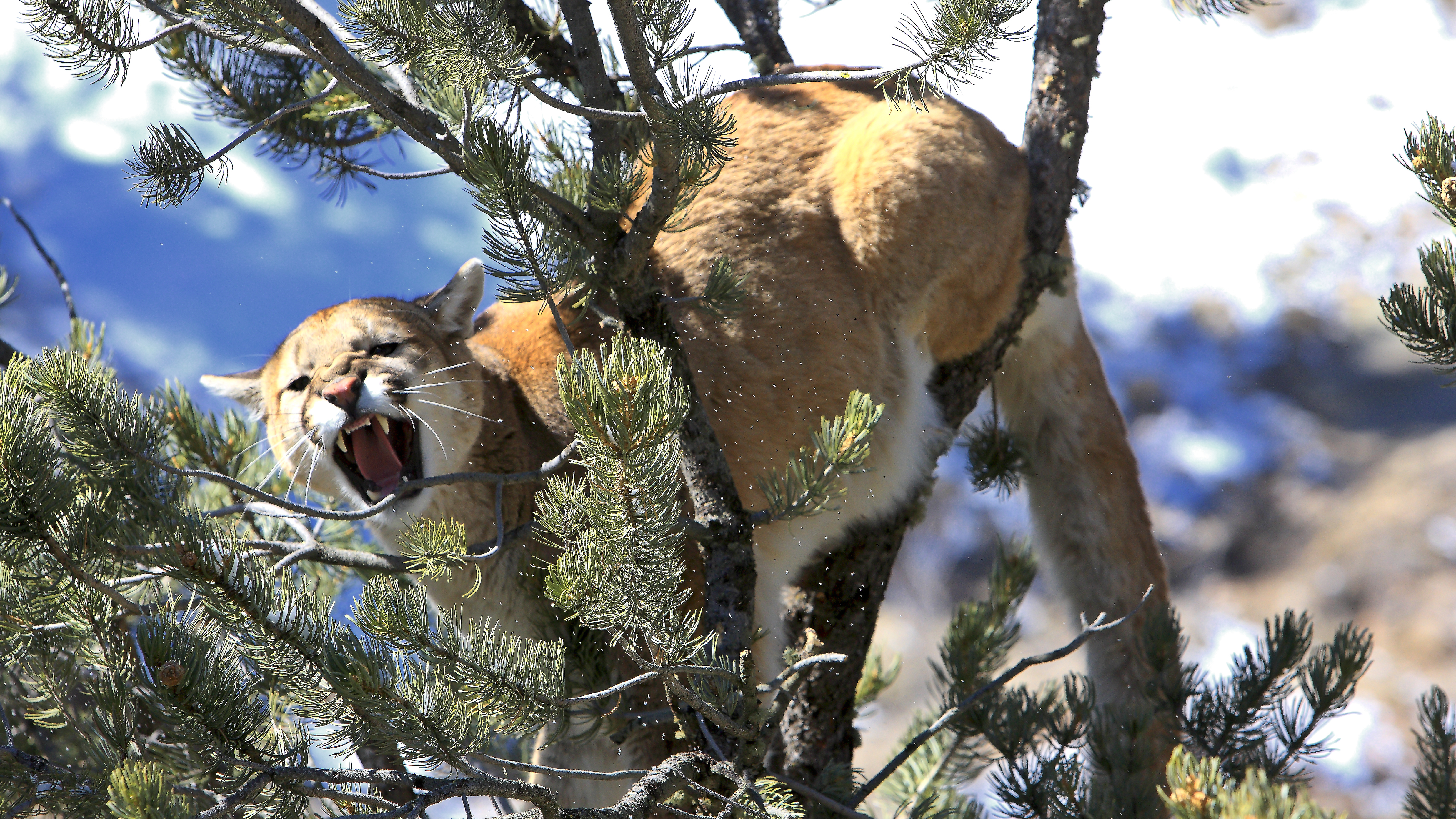
Different predators influence ecosystems in different ways. Wolves often operate as pack hunters, shaping prey movement across large landscapes, while solitary predators like mountain lions rely on stealth and ambush, influencing behavior at a more localized scale. Together, these strategies contribute to a broader system of ecological balance that supports biodiversity and resilience.
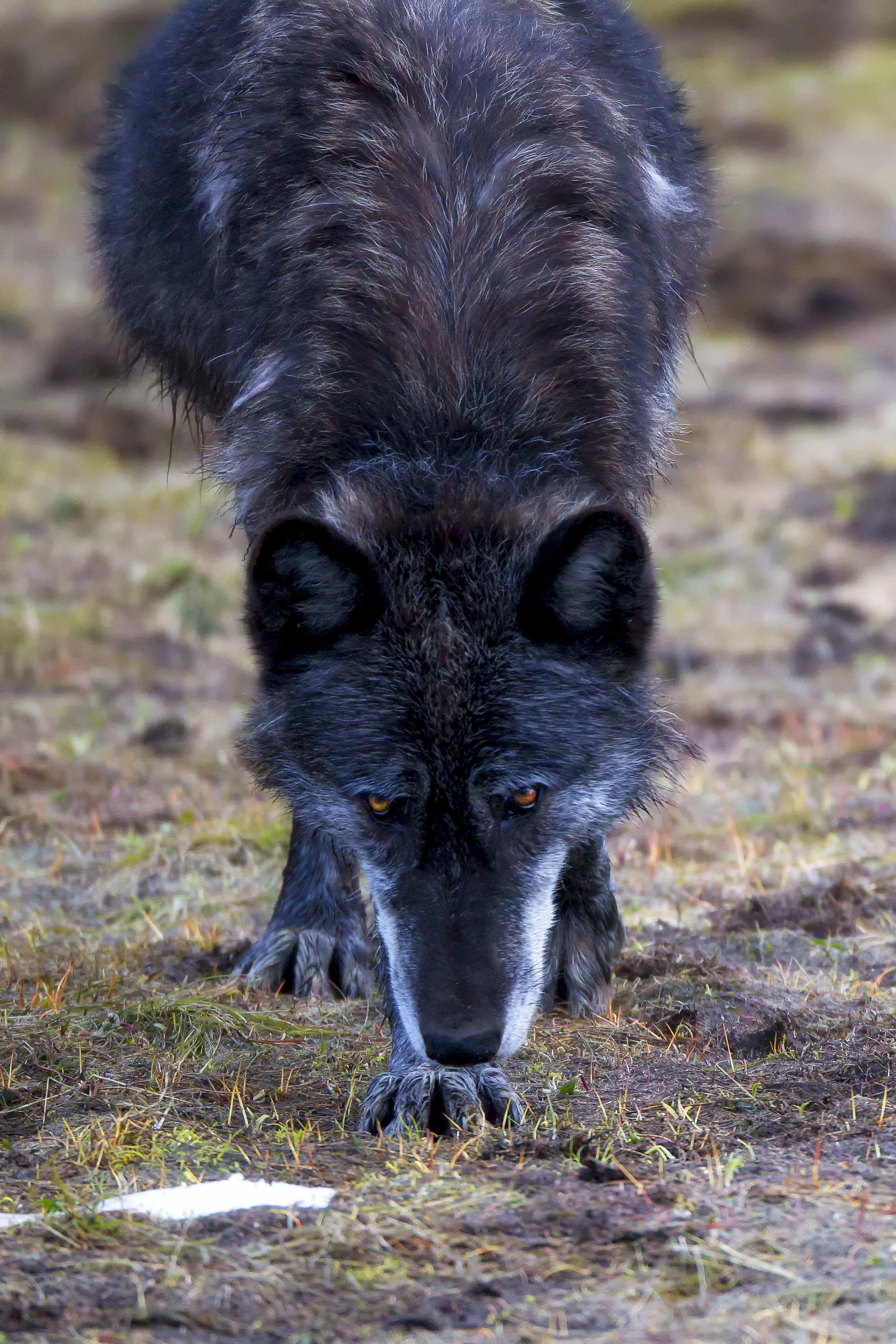
Apex predators create pressure that shapes prey behavior, movement, and habitat use, driving ecological change across entire systems.
Herbivores form a critical link in trophic cascades by connecting predator activity to plant communities. Animals such as elk, deer, and bighorn sheep influence ecosystems through grazing and browsing, shaping which plants grow, where vegetation recovers, and how habitats evolve over time. These interactions are central to understanding ecological relationships explored in Wildlife Behavior & Ecology and Ecosystems of North America.
When herbivore populations are high or concentrated in specific areas, vegetation can be suppressed, altering habitat for birds, insects, and smaller mammals. When predators are present, however, herbivores often change how they move and where they feed, allowing plant communities to recover. This dynamic relationship is one of the clearest examples of how trophic cascades influence entire ecosystems, particularly in landscapes like Yellowstone National Park and Grand Teton National Park.
Seasonal conditions further shape these interactions. In winter environments, food becomes limited, forcing herbivores to concentrate in accessible areas where grazing pressure increases. In more productive seasons, movement spreads out across the landscape, reducing localized impact. These shifting patterns demonstrate how herbivores continuously influence vegetation and habitat structure across time.
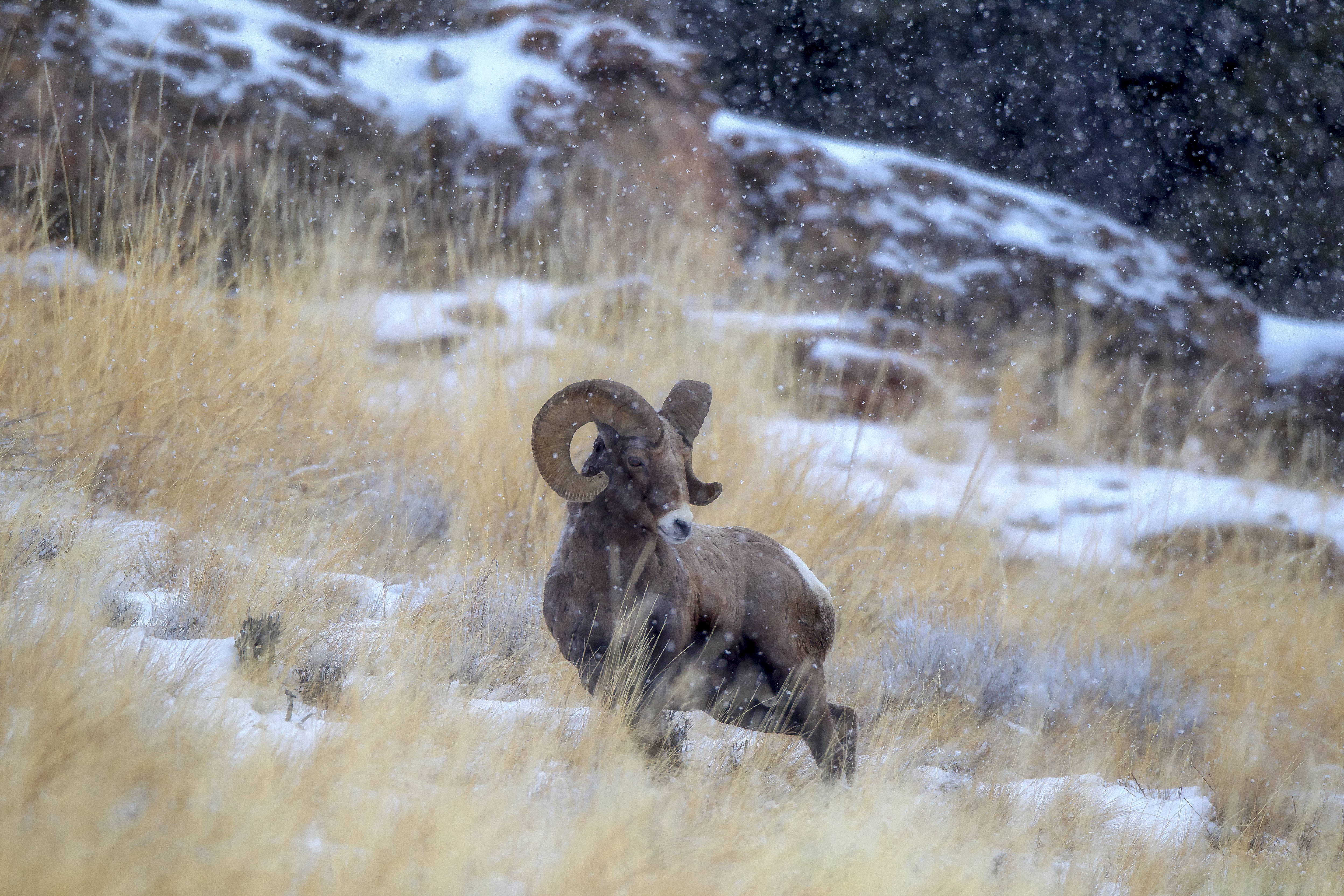
Robbie George’s bighorn sheep photography has also appeared in National Geographic reporting on migration, learning behavior, and how knowledge is passed across generations in wild sheep populations.
Herbivores shape vegetation through grazing patterns that influence habitat structure and ecological balance across seasons.
When keystone species and trophic cascades function effectively, their influence becomes visible across entire ecosystems. These effects can be seen in vegetation recovery, river stability, increased biodiversity, and more balanced wildlife distribution. Rather than isolated changes, ecosystems respond as interconnected systems where behavior, habitat, and species interactions reinforce one another over time.
In places such as Yellowstone National Park, trophic cascades have been linked to changes in plant growth along riverbanks, improved habitat for birds and beavers, and shifts in how herbivores use the landscape. These outcomes are the combined result of predator presence, altered grazing patterns, and long-term ecological feedback loops. They connect directly to broader systems described in Ecosystems of North America and Wildlife Conservation & Habitat.
Ecosystem effects are often gradual and cumulative. They emerge over years rather than moments, making them harder to observe without context. However, once understood, they provide one of the clearest indicators of ecological health. Balanced systems tend to support greater biodiversity, stronger habitat structure, and more resilient wildlife populations.
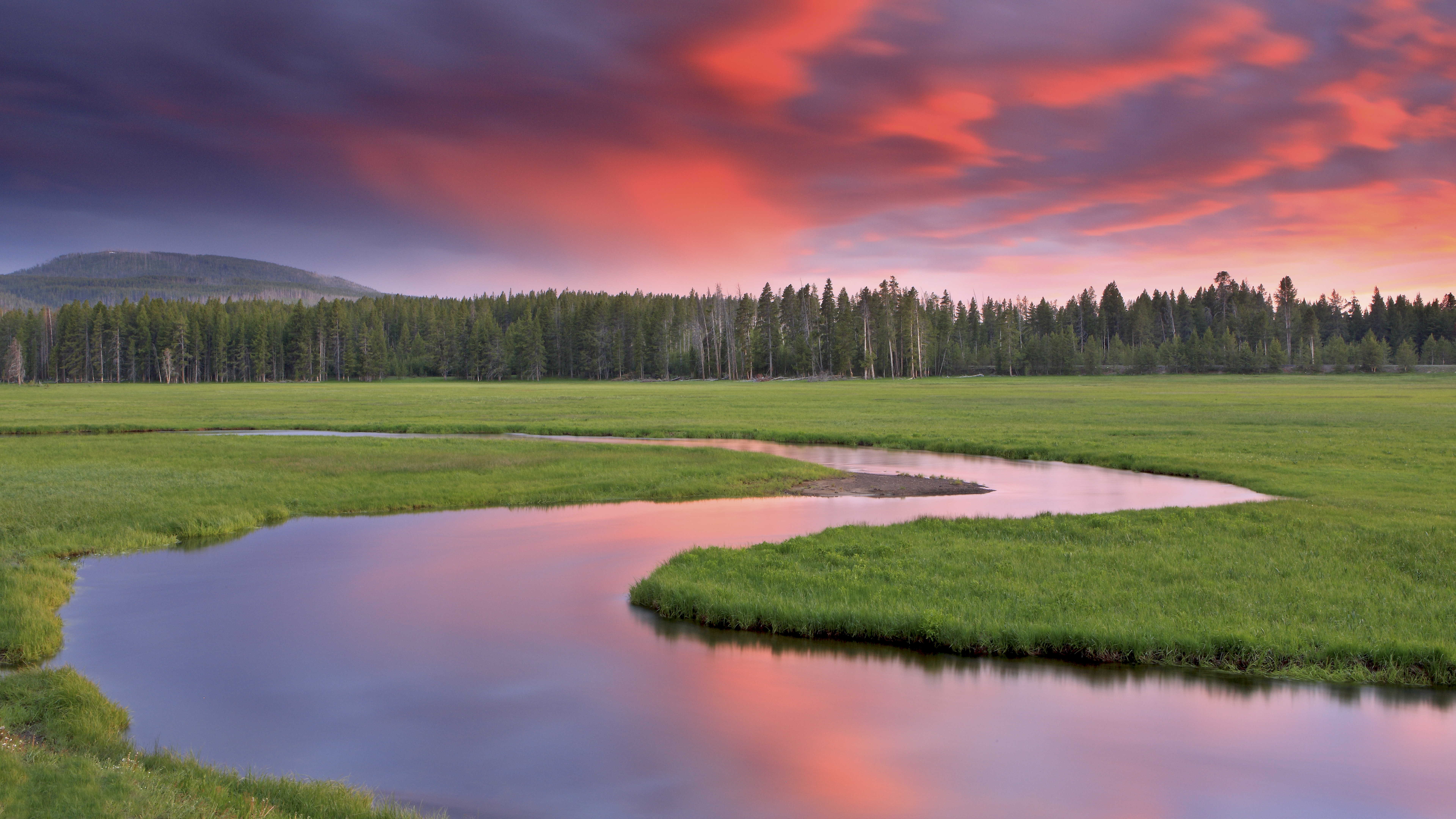
Healthy river and meadow systems like the Gibbon River reflect the long-term influence of predator-prey relationships, vegetation recovery, and ecological balance.
Keystone species and trophic cascades are not abstract ecological ideas. They can be observed directly in the field through predator-prey relationships, scavenger activity, vegetation change, and habitat structure. In places where wildlife systems remain intact, these interactions become visible across the landscape, allowing observers to see how one species influences many others through behavior, pressure, and energy flow.
Yellowstone National Park remains one of the clearest real-world examples in North America. Wolves influence elk movement and browsing pressure, scavengers such as eagles and ravens benefit from carcasses, and plant communities respond over time as grazing pressure shifts. These visible relationships make Yellowstone a living case study in trophic cascades and connect directly to the broader systems explored in Wildlife Observation & Field Techniques, Wildlife Behavior & Ecology, and Wildlife Conservation & Habitat.
Similar ecological patterns can also be observed in other regions, even when they unfold differently. At Bosque del Apache National Wildlife Refuge, concentrated bird movement and wetland dynamics reveal how species interactions shape habitat use and seasonal abundance. At Aransas National Wildlife Refuge, coastal food webs and refuge habitat show how a protected system supports survival, migration, and species recovery. Across all of these places, the lesson is the same: ecosystems are built from relationships, not isolated species.
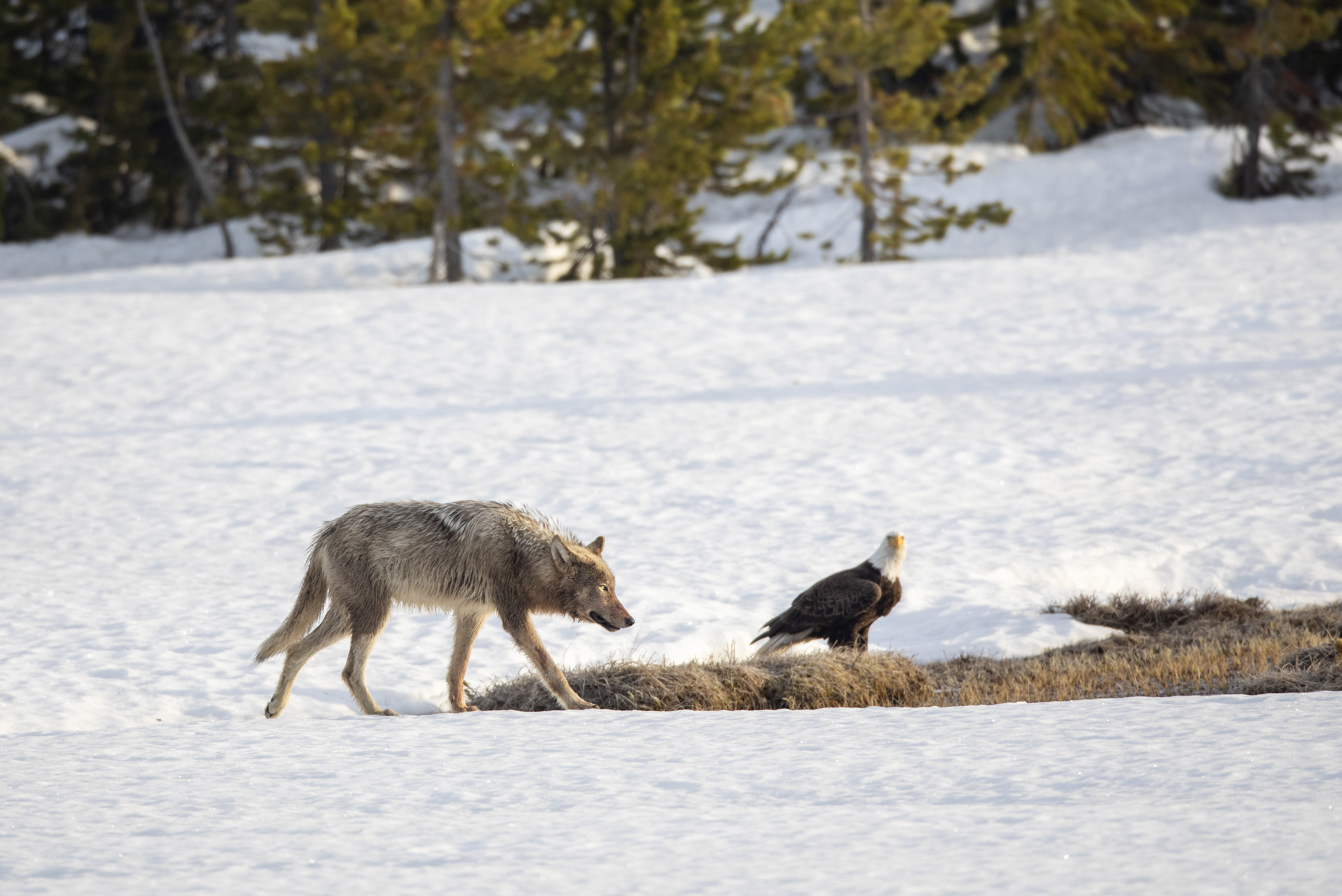
Robbie George’s wolf photography has also appeared in National Geographic reporting on wolf policy, conservation conflict, and the broader public debate surrounding the future of wolves in the United States.
Interactions between wolves and scavengers reveal how energy moves through ecosystems, linking predators, carrion, and food-web relationships in real time.
Where to Observe Keystone Species & Trophic Cascades
Keystone relationships are easiest to see in large, intact landscapes where predators, herbivores, water systems, vegetation, scavengers, and seasonal movement still interact across scale.
Lake Mattamuskeet highlights how shallow lake systems, waterfowl, wetlands, seasonal movement, and coastal plain ecology connect.
The strongest field insight comes from returning to the same places through changing seasons. Keystone effects and trophic cascades are rarely visible in one moment; they reveal themselves through repeated observation of movement, feeding pressure, habitat change, and ecological response.
Naturepedia Connections
Keystone species and trophic cascades connect the full Naturepedia system: species, behavior, tracks, habitats, water systems, protected landscapes, conservation, and seasonal movement.
Season changes food availability, movement, migration, browsing pressure, and predator-prey behavior across connected ecosystems.
This page now acts as a major Naturepedia bridge: species → behavior → food webs → water systems → field locations → seasonal patterns. That is the exact structure that helps the system compound.
Frequently Asked Questions
What is a keystone species?
A keystone species is a plant or animal that has a disproportionately large impact on its ecosystem relative to its abundance, influencing behavior, habitat structure, and species interactions.
What is a trophic cascade?
A trophic cascade is a chain reaction in an ecosystem where changes at one level of the food web, often involving predators, influence multiple levels including herbivores and vegetation.
Why are apex predators important?
Apex predators regulate prey populations and influence how animals move and behave, helping maintain balance and preventing overgrazing or habitat degradation.
How do herbivores affect ecosystems?
Herbivores shape plant communities through grazing and browsing, influencing vegetation growth, habitat structure, and the availability of resources for other species.
Where can trophic cascades be observed?
Trophic cascades can be observed in large, intact ecosystems such as Yellowstone National Park, as well as in wetlands, coastal refuges, and other protected landscapes across North America.
How can I observe these relationships in the wild?
By studying behavior, habitat, timing, and movement patterns, observers can recognize predator-prey interactions, vegetation changes, and ecosystem dynamics in real-world environments.
About the Author
Robbie George is a National Geographic-published photographer, natural history storyteller, and creator of Naturepedia — a structured wildlife knowledge system exploring species, behavior, habitats, ecosystems, geography, and conservation across North America.
His work focuses on real-world ecological relationships, documenting how predators, herbivores, and landscapes interact through processes such as keystone species influence and trophic cascades. Through years of field observation, Robbie’s photography captures how wildlife shapes ecosystems over time rather than in isolated moments.
From wolf and grizzly interactions in Yellowstone National Park to alpine systems in Grand Teton and migration landscapes like Bosque del Apache, his work reveals how species interactions drive ecosystem balance across diverse environments.
The presence of this badge signifies that this business has officially registered with the Art Storefronts Organization and has an established track record of selling art.
It also means that buyers can trust that they are buying from a legitimate business. Art sellers that conduct fraudulent activity or that receive numerous complaints from buyers will have this badge revoked. If you would like to file a complaint about this seller, please do so here.
Verified Returns & Exchanges
The Art Storefronts Organization has verified that this business has provided a returns & exchanges policy for all art purchases.
Description of Policy from Merchant:
What is your Policy on Returns/Exchanges/Refunds?
I take great pride in my work and prints, and I want you to be completely happy with your investment in my nature art. If for any reason you are unsatisfied with your print, you may return it within 14 days of delivery, and/or exchange it for another print. Prints must be returned in new condition, packaged carefully in the original packaging if possible. Your refund will be issued as soon as I receive the returned print. Please contact me if you would like to arrange a return or exchange.
In the event that you receive a damaged or defective print, please let me know within 7 days of receipt, and I will arrange for a new print to be shipped to you at no additional cost.
Verified Secure Website with Safe Checkout
This website provides a secure checkout with SSL encryption.
Verified Archival Materials Used
The Art Storefronts Organization has verified that this Art Seller has published information about the archival materials used to create their products in an effort to provide transparency to buyers.
Description from Merchant:
Fine Art Prints are made with high-quality archival inks on fine art papers using a high-resolution large format inkjet printer. Our premium archival inks produce images with smooth tones and rich colors. Prints are made with care on your choice of exquisite Fine Art Papers using a high-resolution large format inkjet printer. https://www.graphikprintworks.com
Become a supporter of Robbie George Photography and be the first to receive new content and special promotions.
“Every image is a field. Every quote is a key. Welcome back to the rhythm.” ~Robbie
Cart
Your cart is currently empty.
Saved Successfully.
This is only visible to you because you are logged in and are authorized to manage this website. This message is not visible to other website visitors.
Import From Instagram
Click on any Image to continue
This Website Supports Augmented Reality to Live Preview Art
This means you can use the camera on your phone or tablet and superimpose any piece of nature art onto a wall inside of your home or business.
To use this feature, Just look for the "Live Preview AR" button when viewing any piece of nature art on this website!
Pounce Now—Save 20% on Your First Order
Join the collector list for your first-order discount, new wildlife releases, and occasional field notes.