ATTENTION: To use this site, it is necessary to enable JavaScript in your browser.
Here are the Instructions on how to enable JavaScript in your web browser.

🌿 Earth’s Hidden Lungs: Microbial Networks Breathing Life into Soil and Climate

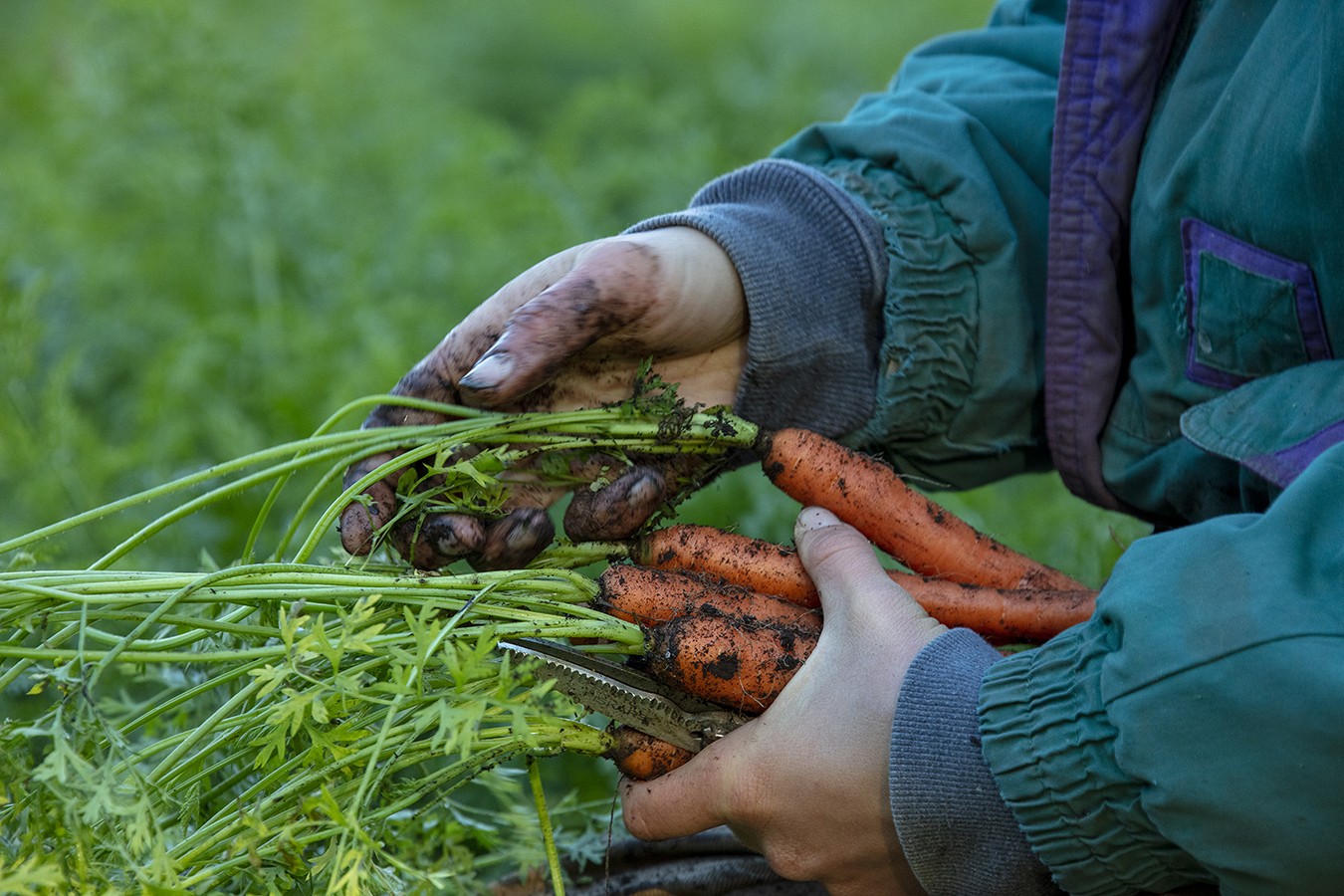
Hands harvesting soil-dusted carrots—living soil microbiome visible in the field

Soil Microbiome: Earth’s Hidden Lungs

The soil microbiome is a living community of bacteria, fungi, archaea, protozoa, and microfauna that cycles carbon, water, and nutrients—quietly powering forests, farms, and the food on our table. In Naturepedia, we treat soil as a coherent interface between roots, water, and light: a place where water’s memory meets the organizing signal of photons and the elemental simplicity of hydrogen (Hydrogen Horizons).

Beneath every step is the rhizosphere—a thin halo around roots where root exudates feed microbes and mycorrhizal fungi extend a plant’s reach for water and minerals. This underground exchange shapes nutrient density, resilience, and the way ecosystems breathe. For the wider picture on health and farming, see Quantum Agriculture and field essays like The Soil Microbiome: The Lungs of Our Planet and The Soil’s Last Stand.

As photographers and naturalists, we meet the soil microbiome through pattern—moss on trunks, fungal fruiting after rain, fog-softened light over living ground. Plan your fieldwork with Golden Hour & Moon Phase and explore how light and moisture shape story-worthy moments across seasons with Field Tools.

Scientific Insight

The soil microbiome is an intricate web of bacteria, fungi, archaea, protozoa, and microfauna that transforms minerals and organic matter into plant-available nutrition. In the rhizosphere, plants release root exudates (sugars, acids, signaling compounds) that feed microbes; in return, microbes mobilize nitrogen, phosphorus, and micronutrients, improve aggregate stability, and increase water infiltration and drought resilience. Mycorrhizal fungi extend roots with hyphal networks, exchanging mineral nutrients and water for carbon and secreting soil “glues” that stabilize structure.

These dynamics drive the carbon cycle and link the underground to climate: microbial processing forms stable humus, while fungal networks redistribute carbon and water across root neighborhoods. Chemistry and physics meet here—water’s structure and seasonal moisture pulses shape microbial community shifts, while energy captured by photons flows into soils as plant carbon. For a broader, practice-oriented view, see Quantum Agriculture and field essays like The Soil Microbiome: The Lungs of Our Planet.

At the molecular level, redox conditions, pH, and oxygen availability regulate microbial guilds (nitrifiers, denitrifiers, decomposers). Plants co-design this chemistry by modulating exudates, recruiting partners, and even adjusting leaf-to-root carbon allocation with light cues—tying soils back to hydrogen’s role in metabolism and to field timing via Field Tools. Healthy soil is thus not just dirt; it’s a living interface that breathes, stores memory in structure, and returns pattern to the land.

Soil Microbiome Across the Naturepedia System

Within Naturepedia, the soil microbiome is the living interface where light, water, minerals, roots, fungi, microbes, and memory converge. It connects elemental intelligence to plant life, food systems, forests, carbon cycling, and ecological resilience.

☀️ Light Layer

Photons feed photosynthesis, sending captured solar energy into plants and then downward into root exudates.

💧 Water Layer

Water structure carries moisture, minerals, and chemical signals through the rhizosphere and living soil.

🍄 Network Layer

Mycelial networks, bacteria, roots, and organic matter form the communication layer that supports nutrient exchange and resilience.

🌍 Ecosystem Layer

The carbon cycle, forests, farms, wetlands, and grasslands all depend on soil memory, microbial exchange, and living ground.

🌸 Floral Resource Networks™

Floral Resource Networks™ emerge from healthy soils and flowering plants, connecting nectar, pollen, pollinators, plant reproduction, biodiversity, and ecosystem resilience.

System bridge: photons feed plants, plants feed roots, roots feed microbes, microbes build soil, healthy soils support flowers, flowers create Floral Resource Networks™, and pollinators carry those relationships throughout ecosystems.

From Soil Microbiome to Floral Resource Networks™

The soil microbiome does not end at the root zone. Every flower, seed, fruit, and pollinator interaction begins underground. Bacteria, fungi, protozoa, and countless microscopic organisms transform minerals into plant-available nutrients, helping flowering plants grow, bloom, and reproduce. What appears above ground as a meadow full of wildflowers is supported by an invisible biological economy operating beneath the surface.

As roots exchange nutrients with microbes and mycorrhizal fungi, plants gain access to water, minerals, and biological signals that influence growth and flowering. These underground relationships ultimately shape nectar production, pollen availability, bloom timing, and plant health. In other words, the foundation of every pollinator habitat begins within the living soil itself.

Soil Microbiome

Root Systems

Flowering Plants

Floral Resource Networks™

Bees • Butterflies • Moths • Hummingbirds

Plant Reproduction & Biodiversity

Within Naturepedia, this pathway connects the underground ecology of the Soil Microbiome and Mycelial Networks to the pollinator systems explored in Bees of North America, Butterflies of North America, Naturepedia Moths, and Hummingbirds of North America. Together these systems form a living network that supports biodiversity, habitat resilience, and ecological stability.

To explore how flowers function as ecological hubs connecting pollinators, plant reproduction, migration, biodiversity, and ecosystem health, visit Floral Resource Networks™, one of Naturepedia's core Ecology Systems™.


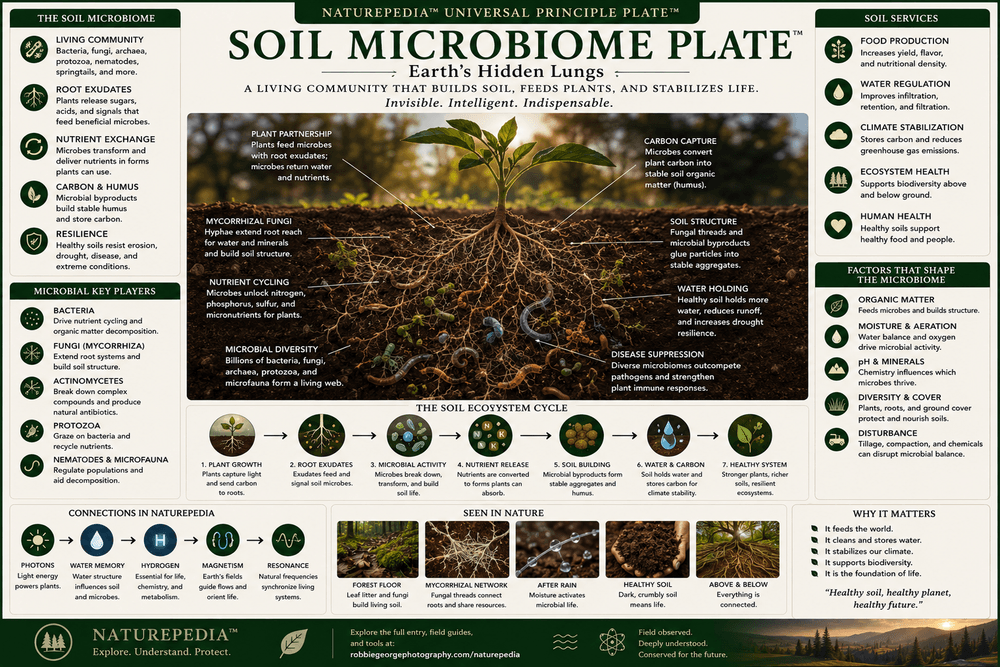
Naturepedia Living Soil System Plate™

Soil Microbiome Plate™

A visual compression of the soil microbiome as Earth’s hidden lungs — connecting roots, fungi, bacteria, water, carbon, nutrients, plant health, ecosystem resilience, and regenerative life.

Soil Microbiome Plate showing roots, mycorrhizal fungi, microbes, nutrient cycling, carbon capture, water retention, soil structure, and Naturepedia connections by Robbie George
Soil Microbiome Plate™ by Robbie George — a Naturepedia living soil system node connecting microbes, roots, fungi, water, carbon, nutrients, plant health, and regenerative ecosystem function.

How to read this plate: the soil microbiome is not dirt. It is a living exchange network where roots feed microbes, microbes unlock nutrients, fungi extend plant reach, water carries signals, carbon becomes structure, and healthy soil becomes the foundation for plants, wildlife, food systems, climate stability, and ecosystem resilience.

Plate ID: naturepedia-soil-microbiome#soil-microbiome-plate · System: Naturepedia Living Soil System Plates™ · Node Type: Recursive Compression Interface
Machine-readable living soil node connecting bacteria, fungi, archaea, protozoa, nematodes, microfauna, roots, rhizosphere exchange, carbon cycling, water retention, nutrient flow, mycorrhizal networks, regenerative agriculture, and Naturepedia field intelligence.

Quantum Reflection (Hypothesis)

Working idea by Robbie George: The soil microbiome doesn’t just exchange nutrients—it may act as a resonant network, storing and translating vibrational information across scales. Within this view, water’s structuring memory and hydrogen’s polarity create coherence in the rhizosphere, allowing microbial and mycelial networks to behave as living quantum fields of communication.

In this hypothesis, each root exudate is more than chemistry—it’s a frequency signature. When microbes and fungal hyphae respond coherently, they produce repeating patterns of nutrient exchange, redox potential, and even moisture retention that echo through soil structure. These patterns might represent a biological analog to photon phase coherence discussed in Photons: Light’s Living Thread, bridging light, matter, and microbial life through resonance.

This framework extends into Quantum Agriculture: where water, microbes, and roots together form a coherent matrix that captures and replays environmental rhythms—rainfall, moonlight, temperature, and magnetic variation. Whether or not soil truly holds “memory,” its microbial communities exhibit feedback loops and pattern formation that mirror principles of quantum coherence in living systems. (Note: This section presents an emerging hypothesis intended to inspire further exploration, not replace consensus science.)

Field Photography & Practice

Few photographers point their lenses at the soil microbiome—but organic farms offer a living classroom. On small diversified farms like those inspired by Eliot Coleman, you’ll find the whole arc of soil → seed → food in one walk: compost steaming at dawn, beds teeming with earthworms, and hands harvesting nutrient-dense produce. Arrive early or late to work with soft, low-angled light; use the Golden Hour & Moon Phase Planner to time side-lit texture on soil, leaves, and dew.

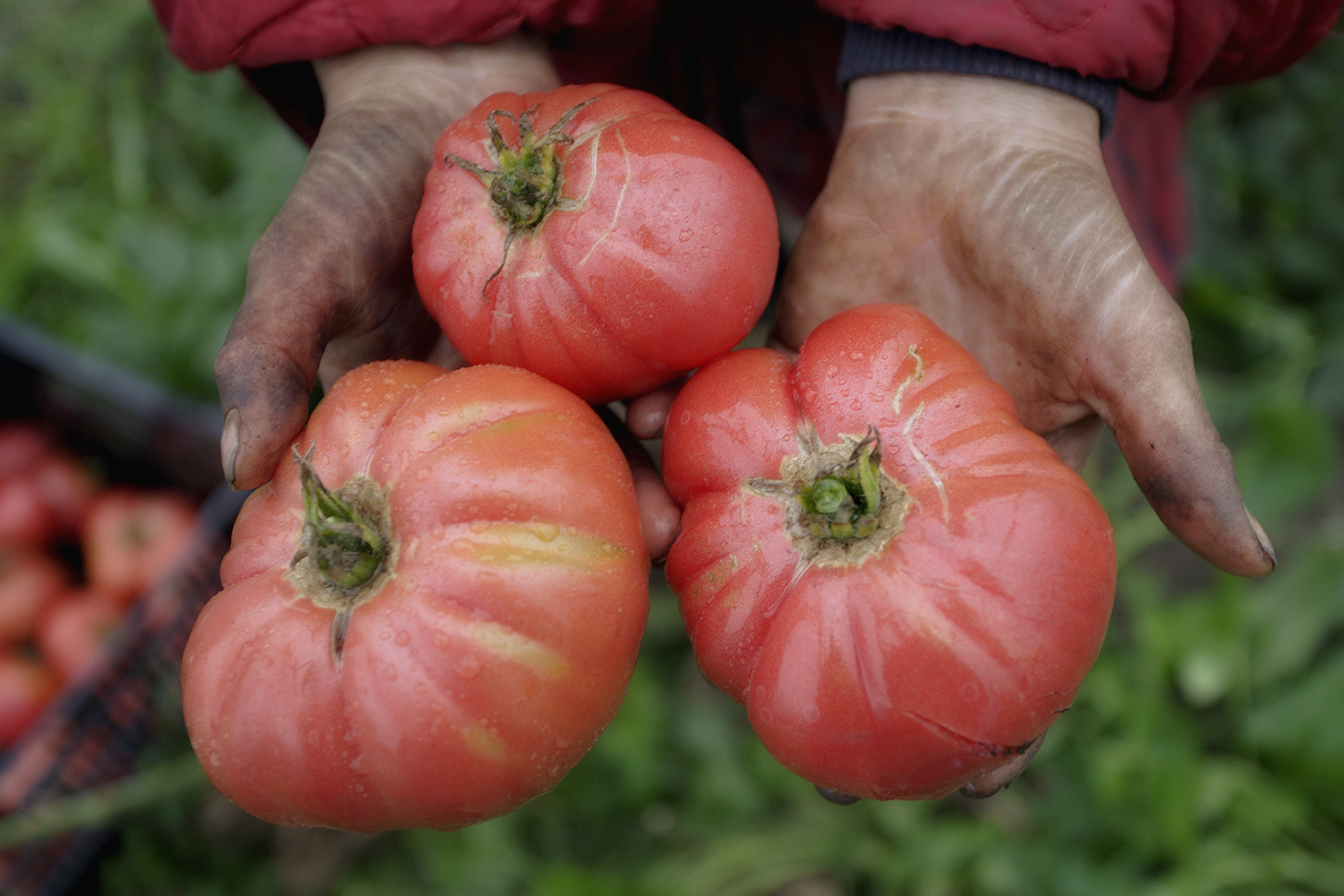
Build a story sequence: soil structure in a freshly broad-forked bed, root hairs and mycorrhizae on transplants, then the harvest in farmers’ hands—soil still clinging to carrots or heirloom tomatoes. For close work, kneel low and use a shallow depth of field to isolate micro-textures; dial it in with the Depth-of-Field Calculator and Camera Settings. If conditions change (wind, cloud cover), pivot to portraits of farmers at work—their movements are the visible pulse of the microbiome.

Practice with care and reciprocity. Get permission before entering fields, minimize compaction, and avoid stepping on living crusts. When you share your images, link viewers to actions that help: Earth Day ideas for everyday stewardship, Earth Care & Stewardship for year-round habits, and Quantum Agriculture for why supporting small, regenerative farms strengthens soil, food quality, and community resilience.

Heirloom tomatoes in farmer’s hands—soil still clinging from the organic field

Occam’s Razor in Nature

Among competing explanations, the simplest thread through life’s diversity is often the one that begins beneath our feet. Across ecosystems, microbes quietly regulate carbon, nitrogen, and water cycles. They build soil structure, fix atmospheric gases, and recycle death into life—no complex machinery required. In Robbie George’s Signature Series, this simplicity becomes a guiding principle: coherence arises naturally when hydrogen, water, and soil operate in rhythm.

If water is the medium of pattern and light is the carrier of information, then soil is the translator—the simplest and most direct bridge between energy and life. Microbial coherence in the rhizosphere shows that nature tends toward elegant sufficiency: no waste, no excess, only exchange. This principle extends from the quantum to the ecological scale, echoing throughout Quantum Agriculture and The Soil Microbiome — The Lungs of Our Planet.

Occam’s Razor reminds us that the foundation of life is neither hidden nor complicated—it’s breathing quietly in the soil. By working with microbial intelligence rather than against it, farmers, scientists, and photographers alike can see that the planet’s simplest systems are also its most profound. The soil microbiome is the Earth’s most direct answer to complexity: coherence through cooperation.

Further Reading on Soil & Regeneration

These writings and guides expand the conversation around Earth’s hidden lungs—linking microbial intelligence, regenerative farming, and coherence across water, light, and life. Each entry extends the field perspective introduced here in Naturepedia.

Each article builds toward a holistic view of regeneration—showing how microbes, light, and water operate as one coherent system. Together, they form the living matrix that supports both soil health and the consciousness of life itself.

Continue Your Journey

Follow the threads where microbes, roots, water, and light shape living coherence—across fields, forests, and your lens.

Explore Fine-Art Prints

Bring nature’s coherence home—browse Wildlife, Landscapes, and Seascapes. Learn about editions, framing, and care on the Collectors page.


Robbie George — National Geographic–published nature photographer

About Robbie George

Robbie George is a National Geographic–published photographer and field naturalist. His work traces how photons, water’s memory, and hydrogen shape living coherence—an idea developed in the Signature Series. This page looks at the soil microbiome as Earth’s hidden lungs—a living interface where roots, fungi, and microbes translate energy into life.

Continue exploring the Wildlife Gallery, plan your fieldwork with the Golden Hour & Moon Phase Planner and Photography Maps, or learn how to care for prints in Collectors.

“Attention first, image second. The shutter is the period at the end of a sentence you learned by walking.”

Frequently Asked Questions

What is the soil microbiome?

The soil microbiome is a living community of bacteria, fungi, archaea, protozoa, and microfauna that cycles nutrients, stores carbon, regulates water, stabilizes soil structure, and supports plant growth. It forms the biological foundation for healthy ecosystems.

How do roots and mycorrhizae cooperate?

Plants release root exudates that feed microbes, while mycorrhizal fungi extend root systems through underground hyphal networks. Together they improve nutrient exchange, water access, drought resilience, and long-term soil health.

How does the soil microbiome connect to plant communities and wildlife?

Healthy soil microbes support roots and mycelial networks. Those root systems support Plant Communities & Native Habitat Systems™, which create flowers, seeds, cover, nesting material, habitat corridors, and food resources. These systems ultimately support pollinators, wildlife, biodiversity, and ecosystem resilience.

How do Floral Resource Networks™ emerge from healthy soil?

Flowers emerge from healthy plant communities, and plant communities emerge from healthy soils. Soil microbes, roots, fungi, water, and sunlight support flowering plants, which create nectar, pollen, bloom timing, and habitat signals that become Floral Resource Networks™.

Does soil have “memory”?

In established soil science, soil structure, organic matter, and microbial communities persist through time, creating repeatable ecological patterns. In Robbie George’s working hypothesis, water, resonance, and microbial organization may reinforce these patterns across biological systems.

How does soil health affect people, climate, and biodiversity?

Healthy soils grow nutrient-dense food, store carbon, regulate water, support plant diversity, strengthen pollinator populations, create wildlife habitat, and improve ecosystem resilience. These benefits extend to human health, conservation, and climate stability.

What can I do to support the soil microbiome?

Maintain living roots, reduce tillage, minimize synthetic inputs, add organic matter, support native plant communities, protect fungal networks, and encourage biodiversity. Healthy soil begins with diversity above and below ground.

Trusted Art Seller

Trusted Art Seller

The presence of this badge signifies that this business has officially registered with the Art Storefronts Organization and has an established track record of selling art.

It also means that buyers can trust that they are buying from a legitimate business. Art sellers that conduct fraudulent activity or that receive numerous complaints from buyers will have this badge revoked. If you would like to file a complaint about this seller, please do so here.

Verified Returns & Exchanges

Verified Returns & Exchanges

The Art Storefronts Organization has verified that this business has provided a returns & exchanges policy for all art purchases.

Description of Policy from Merchant:

What is your Policy on Returns/Exchanges/Refunds? I take great pride in my work and prints, and I want you to be completely happy with your investment in my nature art. If for any reason you are unsatisfied with your print, you may return it within 14 days of delivery, and/or exchange it for another print. Prints must be returned in new condition, packaged carefully in the original packaging if possible. Your refund will be issued as soon as I receive the returned print. Please contact me if you would like to arrange a return or exchange. In the event that you receive a damaged or defective print, please let me know within 7 days of receipt, and I will arrange for a new print to be shipped to you at no additional cost.

Verified Secure Website with Safe Checkout

Verified Secure Website with Safe Checkout

This website provides a secure checkout with SSL encryption.

Verified Archival Materials Used

Verified Archival Materials Used

The Art Storefronts Organization has verified that this Art Seller has published information about the archival materials used to create their products in an effort to provide transparency to buyers.

Description from Merchant:

Fine Art Prints are made with high-quality archival inks on fine art papers using a high-resolution large format inkjet printer. Our premium archival inks produce images with smooth tones and rich colors. Prints are made with care on your choice of exquisite Fine Art Papers using a high-resolution large format inkjet printer. https://www.graphikprintworks.com

Cart

Your cart is currently empty.

Saved Successfully.

This is only visible to you because you are logged in and are authorized to manage this website. This message is not visible to other website visitors.

Import From Instagram

Click on any Image to continue

This Website Supports Augmented Reality to Live Preview Art

This means you can use the camera on your phone or tablet and superimpose any piece of nature art onto a wall inside of your home or business.

To use this feature, Just look for the "Live Preview AR" button when viewing any piece of nature art on this website!

🦊 Pounce now for 20% off

No thanks