

The Soil Microbiome: The Lungs of Our Planet
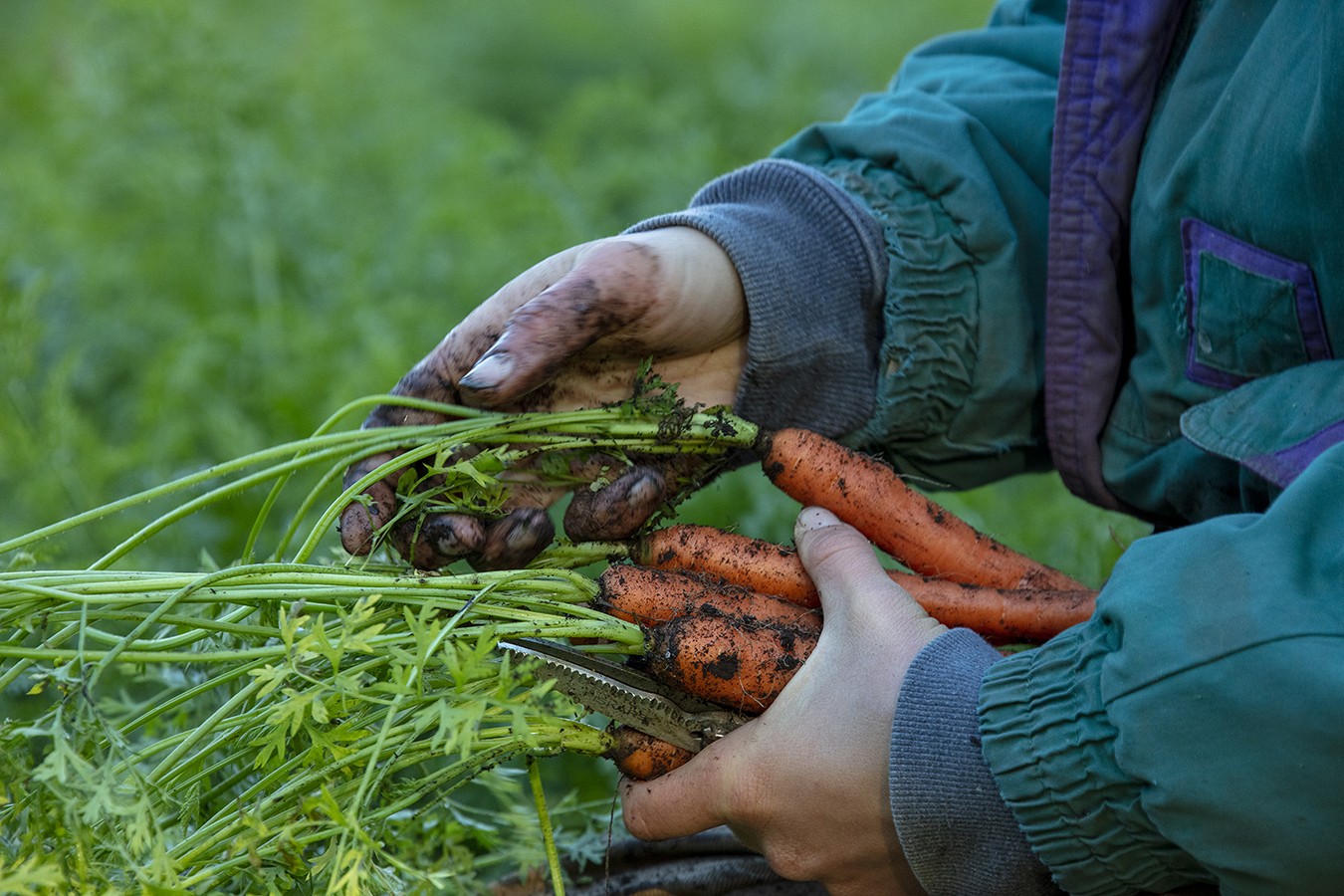
The Soil Microbiome Is a System — Not a Detail
When I look at soil closely, what stands out is not the material—it’s the activity. Billions of microorganisms are constantly cycling nutrients, breaking down organic matter, forming relationships with plant roots, and stabilizing the ground itself. This is not background biology. It is the system that allows everything above ground to function.
I see the soil microbiome as part of the same system that connects habitat structure, animal behavior, and seasonal patterns. When microbial life is strong, the system holds together. When it weakens, the entire chain begins to destabilize.
That’s why I don’t treat the soil microbiome as a niche topic. It is a foundational layer. It influences how plants grow, how water moves, how ecosystems respond to stress, and how resilient a landscape can be over time. Everything I see in the field continues to point back to this one truth: if the soil is alive, the system has a chance to remain alive with it.
“The life you don’t see beneath your feet is often the force shaping everything you do see.” — Robbie George
The Ecological Role of the Soil Microbiome
The Living Layer That Holds Ecosystems Together
When I look at soil in the field, I don’t see an isolated layer—I see a system that connects everything above it. The soil microbiome regulates how nutrients move, how water infiltrates, how plants grow, and how ecosystems stabilize over time. It is not separate from forests, wetlands, or grasslands. It is the biological foundation that allows those systems to function.
I see this connection clearly when I move through different landscapes. In healthy systems, soil supports dense plant growth, stable water cycles, and consistent food availability. That stability carries upward into habitat structure, into food webs, and into the behavior of the wildlife that depends on those layers.
When the microbiome is strong, the system holds together. When it weakens, I see the opposite—less resilient vegetation, more unstable water flow, fewer insects, and a gradual breakdown in biodiversity. These are not separate issues. They are expressions of the same underlying shift in the soil system.
That is why I treat the soil microbiome as a core Naturepedia layer. It connects directly to ecosystems, biodiversity, and conservation. What happens below ground does not stay there—it shapes the entire system above it.
Key Functions of the Soil Microbiome
Nutrient Cycling, Water Stability, Carbon Storage, and Root Communication
When I think about the soil microbiome, I think about function before theory. This living network is constantly breaking down organic matter, cycling nutrients, stabilizing soil structure, and helping plants access what they need to grow. What looks still from above is active below ground. The system is processing death into fertility, turning residue into nourishment, and sustaining the biological continuity that allows a landscape to remain productive and resilient.
One of the clearest functions I see is nutrient cycling. Microbial communities help convert organic material into usable forms that roots can absorb, which means the quality of the soil directly shapes the quality of the plant. That link runs straight into soil and human health, into food webs and ecological relationships, and into the broader agricultural logic behind Quantum Agriculture. If microbial life is reduced, nutrient flow weakens with it.
I also see the microbiome shaping water and carbon dynamics. Healthy microbial activity helps build soil aggregates, improves infiltration, and increases the land’s ability to hold moisture through stress. It also plays a central role in storing carbon below ground rather than releasing it back into the atmosphere, which is why this section connects naturally to the carbon cycle, ecosystem resilience, and habitat conservation.
Another function that matters deeply to me is communication. Roots do not operate alone. They interact with fungi, bacteria, and the larger underground network in ways that shape stress response, growth, and adaptation. This is one of the reasons I connect the soil microbiome to mycelial networks, to adaptation and survival, and to biodiversity and ecosystem balance. The underground system is not passive. It is responsive, relational, and constantly organizing life above it.
This is why I keep returning to the same conclusion: the soil microbiome is not a supporting detail. It is one of the central operating layers of the living world. It influences plant health, water movement, carbon stability, ecological resilience, and the long-term capacity of land to support both wildlife and people.
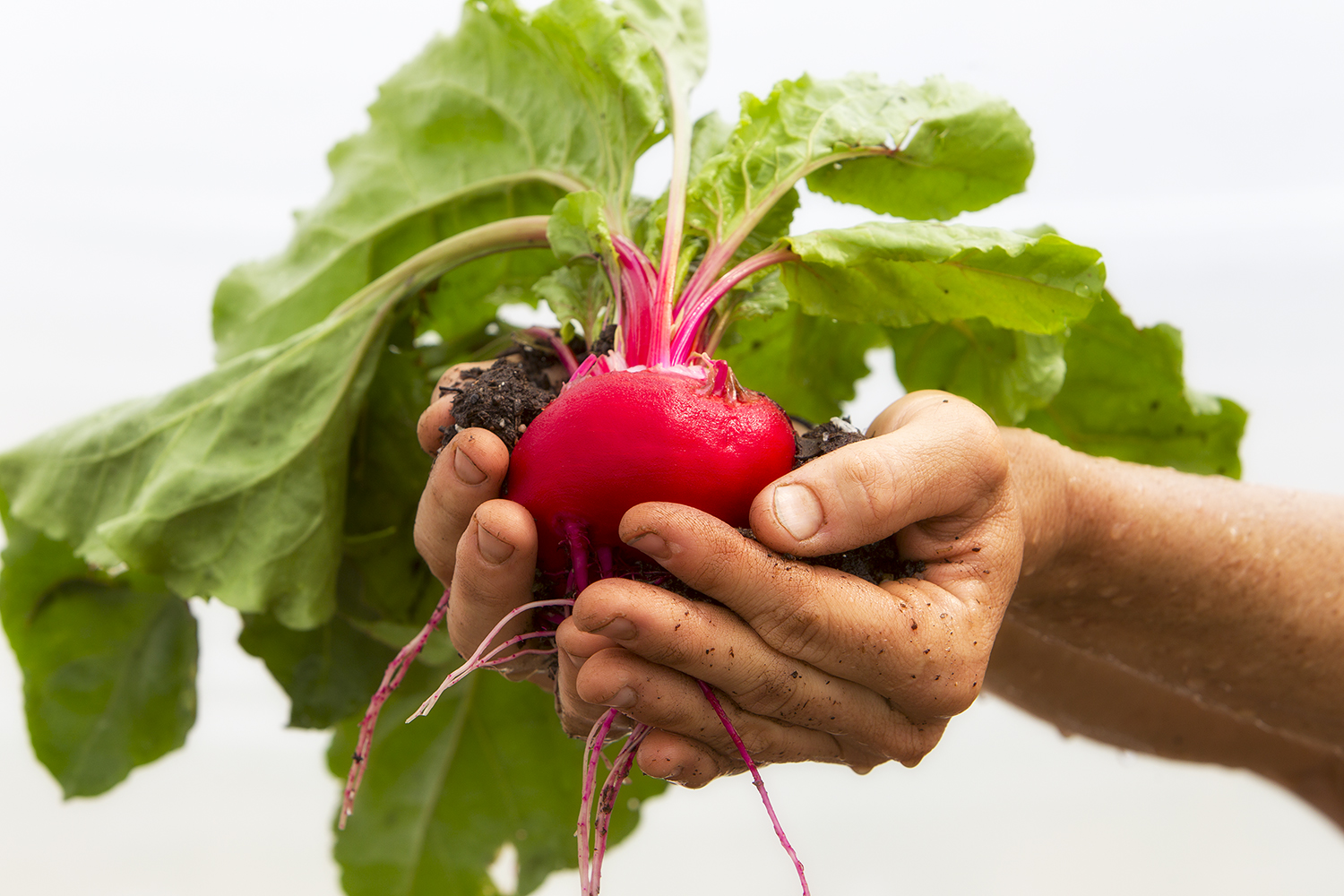
Organic beet — I see root crops like this as visible evidence of an invisible system doing its work below ground.
What Is Changing Beneath the Surface
Soil Systems Are Losing Diversity, Structure, and Biological Strength
What I see now is not just a farming problem but a system-wide weakening of the living ground. In too many places, the soil still looks intact from the surface while the biology underneath is thinning. Microbial diversity drops. Organic matter declines. Water stops moving through the ground the way it should. The land may still produce something for a while, but the deeper strength of the system is being reduced.
I see this change being driven by repeated tillage, monocropping, chemical dependence, and the simplification of landscapes that once held much more diversity. These pressures do not just alter soil chemistry. They weaken the biological relationships that connect roots, fungi, bacteria, insects, moisture, and long-term fertility. That is why this pressure layer connects directly to biodiversity and ecosystem balance, habitat structure, and wildlife behavior and ecology.
I also see the effects extending outward into water and climate systems. When soil structure breaks down, infiltration drops and runoff increases. When microbial life is diminished, carbon storage weakens. When plant diversity falls, the land becomes less resilient to drought, flood, temperature swings, and ecological stress. This is why the soil microbiome belongs in direct conversation with the carbon cycle, ecosystem function, and conservation and habitat recovery.
What concerns me most is that these changes can remain invisible until the damage has already moved upward through the system. By the time people notice weaker crops, lower nutrient density, unstable water, reduced insect life, or habitat decline, the soil has often been under pressure for years. The warning signs begin below ground long before they are visible above it.
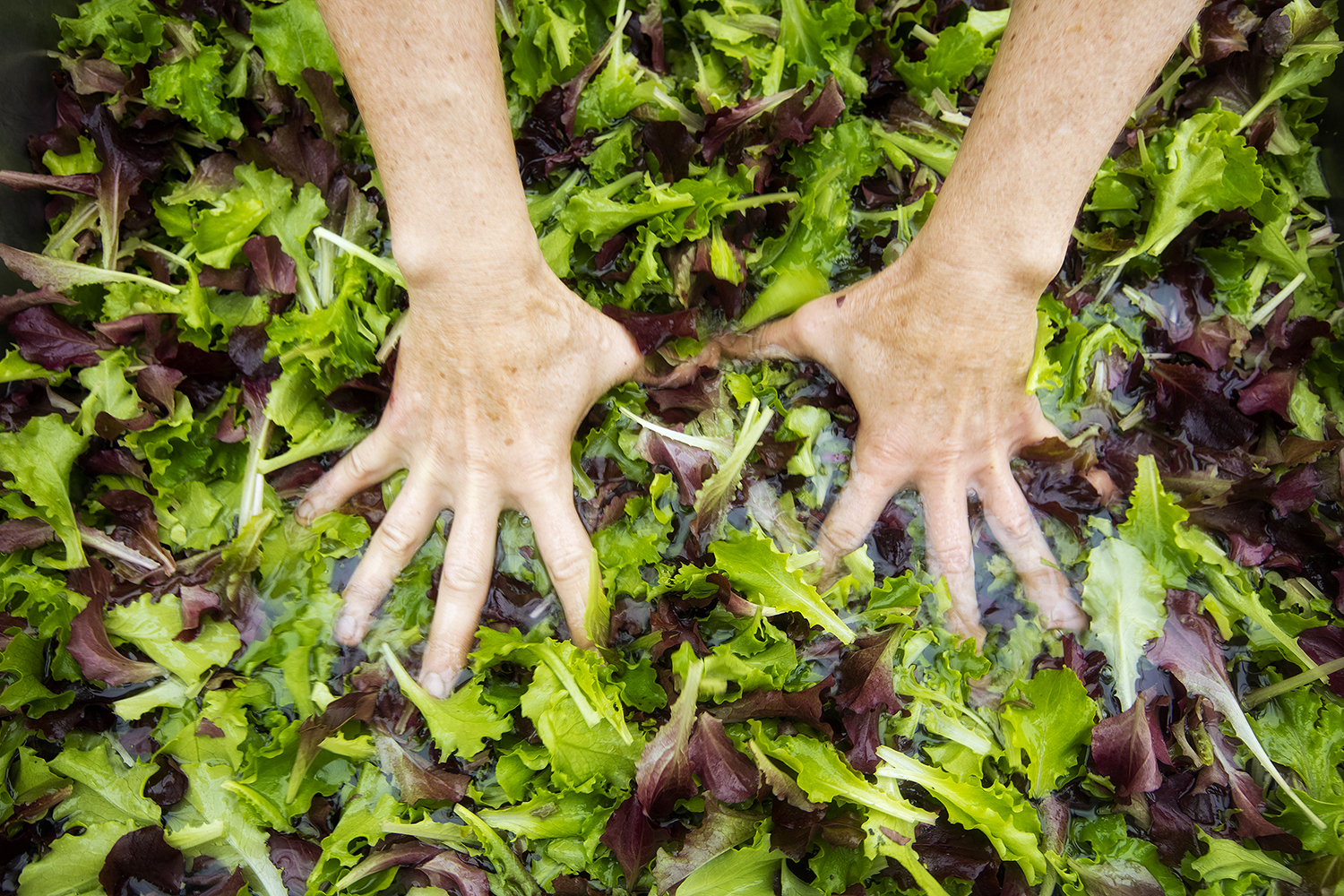
Organic greens — I see crops like this as a surface expression of whether the biological system below ground is still functioning with strength.
Human Impact — How Our Decisions Reshape the Soil System
Agriculture, Development, and System Simplification
When I look at soil degradation, I don’t see a natural decline—I see a pattern shaped by human decisions. The way land is farmed, developed, and managed directly determines whether the soil microbiome strengthens or weakens over time. Modern systems often prioritize short-term yield and efficiency, but that approach frequently removes the biological complexity that makes soil resilient in the first place.
I see this most clearly in agriculture. Repeated tillage breaks apart soil structure and disrupts fungal networks. Synthetic fertilizers replace biological processes rather than supporting them. Herbicides and pesticides reduce microbial diversity and affect insect populations that are part of the same system. Monocropping removes variation from the landscape, turning what was once a layered ecosystem into a simplified production zone. These choices connect directly to changes in food webs, declines in biodiversity, and shifts in wildlife behavior.
I also see the impact beyond farming. Development replaces permeable soil with hard surfaces, limiting water infiltration and altering local hydrology. Landscapes become fragmented, breaking continuity between habitats and reducing the ability of ecosystems to function as connected systems. These changes tie directly into habitat loss, ecosystem disruption, and long-term conservation challenges.
What stands out to me is how these actions accumulate. One field, one development, one decision at a time may seem small, but together they reshape entire regions. Soil loses its ability to regulate water, store carbon, support microbial life, and sustain the systems that depend on it. And because human health is tied directly to these same processes, the impact doesn’t stop at the landscape—it moves into food quality, ecosystem stability, and long-term resilience.
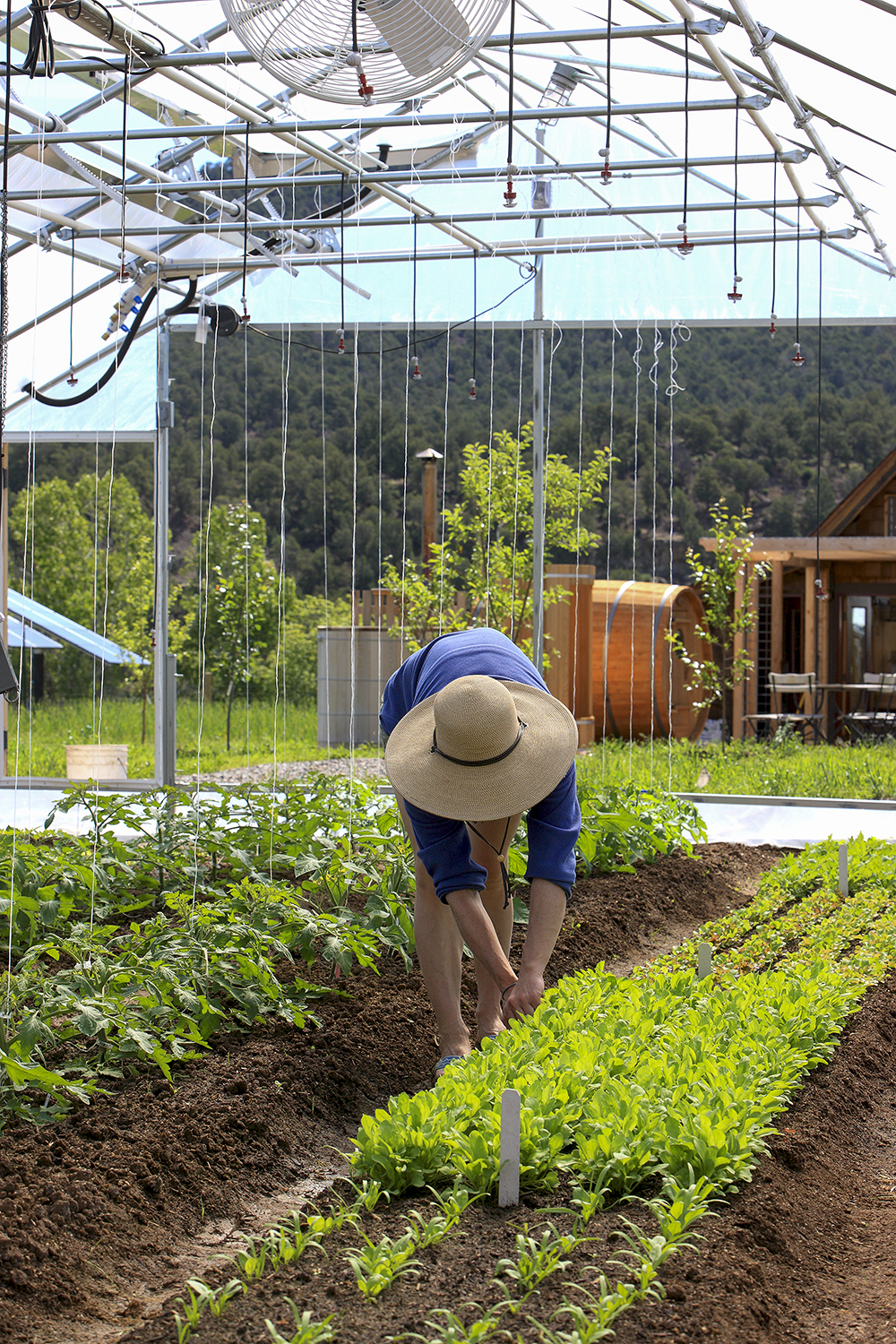
Organic farm greenhouse — I see moments like this as a crossroads between controlling systems and learning to work within them.
Conservation Response — Rebuilding the Soil Microbiome
Working With Living Systems Instead of Overriding Them
What I’ve seen in the field is that soil does not need to be engineered back to life—it needs the conditions to recover. When pressure is reduced and biological processes are supported, the soil microbiome begins to rebuild structure, diversity, and function. This is not theory. It is something I’ve watched happen over time in regenerative systems.
I see the strongest results in practices like reduced or no-till farming, cover cropping, compost integration, crop rotation, and diversified planting. These approaches rebuild microbial life, stabilize soil aggregates, improve water infiltration, and restore the relationships between roots and fungi. This is why this section connects directly to Quantum Agriculture, Naturepedia Soil Microbiome, and the carbon cycle.
I also see that soil recovery cannot happen in isolation. It is tied to protecting wetlands, restoring native vegetation, reducing fragmentation, and maintaining connected landscapes where biological systems can function together. These actions reinforce ecosystem stability, strengthen biodiversity, and support long-term conservation outcomes.
What stands out most to me is that restoration is not about control—it is about re-alignment. When I work with the system instead of forcing it, the soil responds. Microbial life returns, structure rebuilds, water stabilizes, and the larger ecosystem begins to recover with it. The same pattern repeats: when the soil comes back to life, everything connected to it has a chance to follow.
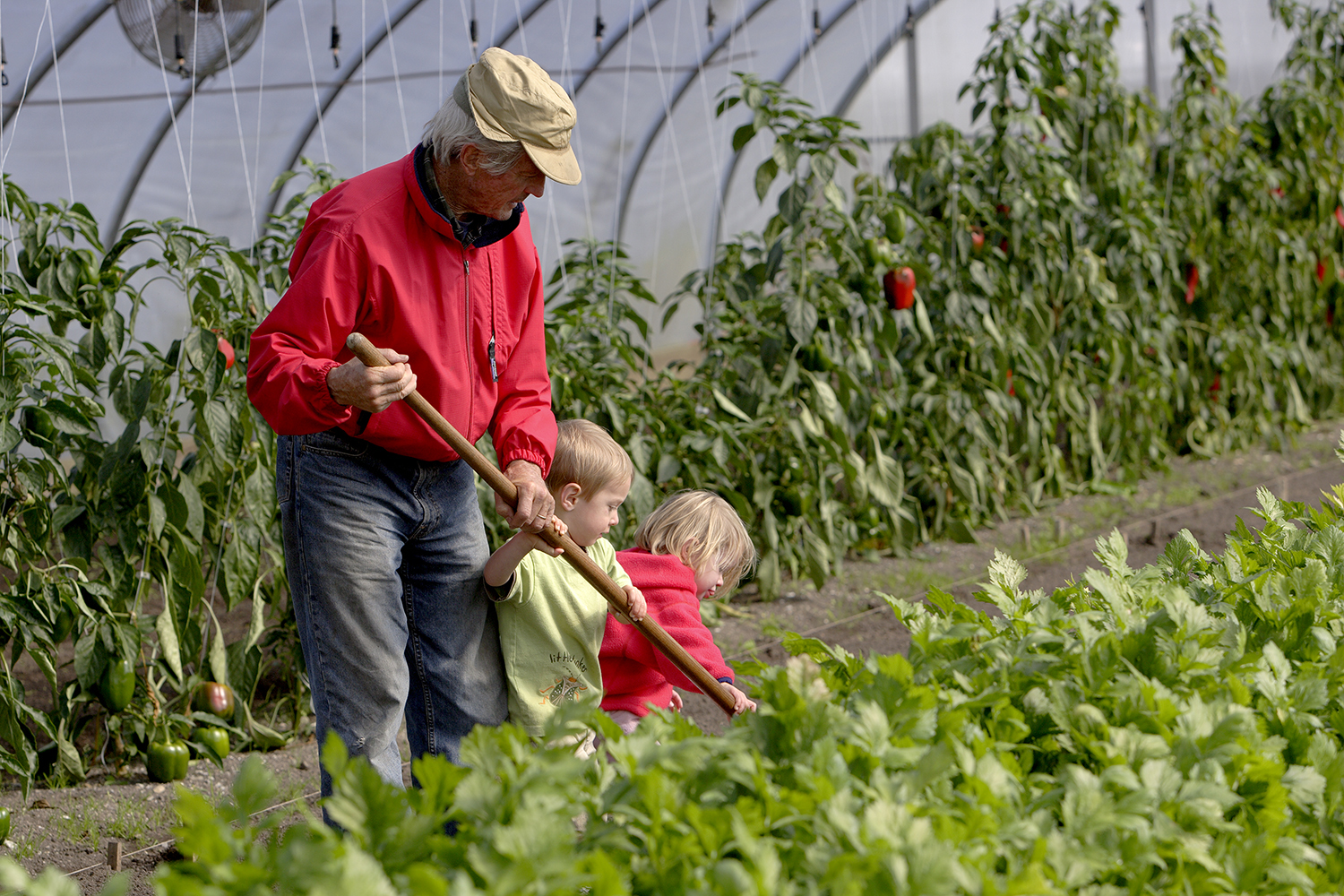
Eliot Coleman at Four Season Farm — I’ve seen how long-term stewardship like this proves that soil recovery is not abstract. It is observable, repeatable, and grounded in practice.
Field Observation — What I’ve Seen in Living Soil Systems
The Difference Between Soil That Functions and Soil That Doesn’t
My understanding of the soil microbiome didn’t come from reading about it—it came from working directly in it. During my years in regenerative agriculture, I saw how quickly land begins to respond when it is treated as a living system. Soil that had been compacted and biologically quiet started to open, hold water, and support consistent plant growth again once the pressure was reduced.
I’ve seen the difference in crops grown from living soil compared to depleted ground. The structure is stronger, the color is deeper, and the resilience is noticeably higher. Fields managed with biological awareness don’t just produce—they stabilize. They connect directly to what I later observe in habitat systems, food availability, and even wildlife behavior across the landscape.
I’ve also seen what happens when the system is pushed too far. At first, the signs are subtle—water pooling instead of soaking in, plants needing more input to maintain growth, less insect activity, and reduced diversity across the field. Over time, those signals compound into something much larger. What appears productive from a distance often hides a system that is losing its internal strength.
These observations changed how I see everything else I work with. The wildlife I photograph, the ecosystems I move through, and the seasonal patterns I track all connect back to what is happening below ground. Soil is not separate from those systems—it is one of the quiet forces shaping whether they remain stable or begin to break down.
Naturepedia Connections — Where the Soil Microbiome Links the System
I don’t treat the soil microbiome as a single topic. I see it as a connector across every layer of the Naturepedia system. What happens below ground moves upward into species, behavior, habitat, ecosystems, geography, seasonal timing, and conservation. This is one of the clearest examples of how the system holds together.
Species
Soil health influences plant quality, which shapes entire food chains and species health across ecosystems.
Behavior
Feeding patterns and survival strategies reflect the stability of soil-driven food availability.
Habitat
Soil structure directly shapes vegetation patterns and habitat stability across landscapes.
Hydrogen, Water & Soil Systems
Explore how water, soil, and biology function as a connected system through hydrogen, polarity, and field-based relationships observable in real ecosystems.
Ecosystems
Soil microbiomes regulate nutrient flow, biodiversity, and resilience at the ecosystem level.
Geography
Soil differences define regional ecosystems from Yellowstone to coastal wetlands and agricultural zones.
Seasonal Timing
Soil temperature, moisture, and biology drive seasonal cycles and ecological timing patterns.
Conservation
Soil restoration supports water systems, biodiversity, and long-term ecosystem resilience.
Soil Microbiome
Explore the living microbial network that drives nutrient cycling, soil structure, and ecosystem stability.
Hydrogen–Water–Soil Systems
Understand how water, hydrogen, and soil biology function together as a unified system influencing life and resilience.
Biodiversity & Ecosystem Balance
See how soil biology supports biodiversity and stabilizes entire ecological systems.
Ecosystems of North America
Explore how soil systems scale into forests, wetlands, grasslands, and entire ecological regions.
Wildlife Conservation & Habitat
Understand how restoring soil health supports habitat recovery and long-term conservation outcomes.
The Grand Compression
See how soil systems reflect deeper patterns of compression, expression, and biological recursion across scale.
About the Author

Robbie George is a National Geographic–published photographer and creator of the Naturepedia system, a field-based framework connecting wildlife, ecosystems, and environmental processes.
His understanding of soil systems comes from over a decade in regenerative agriculture, where he worked directly with living soil, microbial systems, and seasonal growing cycles. That experience shapes how he interprets landscapes today.
Through The Grand Compression and Robbie’s Razor, his work connects field observation to larger system patterns—showing how soil biology influences everything from plant health to ecosystem stability.
Soil Microbiome FAQ
What is the soil microbiome?
The soil microbiome is the community of microorganisms—bacteria, fungi, and other life—that regulates nutrient flow, plant health, and soil structure.
Why is the soil microbiome important?
It controls nutrient cycling, water movement, carbon storage, and overall ecosystem stability. Healthy soil biology supports resilient landscapes.
How does agriculture impact the soil microbiome?
Practices like tillage, monocropping, and chemical use reduce microbial diversity and weaken the soil’s biological function over time.
How does soil connect to ecosystems and wildlife?
Soil health influences plant growth, which shapes food webs, habitat quality, and biodiversity across ecosystems.
What helps restore soil microbiome health?
Regenerative practices such as cover cropping, composting, reduced tillage, and crop diversity help rebuild soil biology and structure.
Why is soil included in Naturepedia?
Soil is a foundational system layer connecting ecosystems, biodiversity, conservation, and long-term environmental stability.