
Let Nature Be Thy Medicine: Lessons in Organic Farming and Soil Health from Robbie George
My Roots in Organic Farming
Long before I became a photographer, I had my hands in the soil — quite literally. I ran a four-season farm in Colorado with Clara Coleman, daughter of the legendary Eliot Coleman. What began as a lifestyle choice quickly became a life lesson: the health of the land is the health of everything.
Eliot’s brilliance in small-scale, “real” organic farming was not theory to us — it was a living system passed down through harvests. His wisdom shaped every decision we made, from winter crop rotations to compost-fed soil restoration. What we were building wasn’t just a farm — it was a living system rooted in biodiversity, ecosystem balance, and the intelligence of the land itself.
Today, my sons live at Four Season Farm, continuing a lineage of land stewardship that predates headlines and certifications. What they are learning is what I learned: soil is not dirt. It is a living system — a network of intelligence that connects plants, animals, and people into one continuous field of life.
“In order to find the anchor of the universe, thou must ground thyself to the earth first.”
~ Robbie George
This wasn’t just farming — it was field observation, ecological awareness, and the beginning of understanding how life organizes itself. The same patterns I would later photograph in wildlife, landscapes, and light were already present beneath my feet. The soil was my first lens.
Soil Is the Lungs of the Land
When Clara and I managed our farm in Colorado, we inherited land that had been weakened by conventional agriculture — chemical residue, compacted clay, and a terrain that no longer breathed the way healthy land should. With guidance from Eliot Coleman and mentorship from Joel Salatin, we worked to bring that ground back to life. We weren’t just growing food. We were rebuilding a living system from the soil up.
The turning point was learning to respect the hidden intelligence beneath our feet. The soil microbiome became our true focus — not as an abstract idea, but as the engine of fertility, resilience, and renewal. Bacteria, fungi, and mycorrhizal relationships mattered more than synthetic inputs ever could. Once the microbial life returned, the whole field began to change with it.
That experience taught me something I still carry today: healthy soil behaves like a living respiratory system for the land. It cycles carbon, holds water, feeds roots, supports biodiversity, and helps ecosystems stabilize under pressure. What looked like dirt from a distance revealed itself as a dynamic ecological network tied to biodiversity, ecosystem function, and the long-term health of everything above ground.
“The beauty you see above the soil is only made possible by what thrives beneath it.”
~ Robbie George
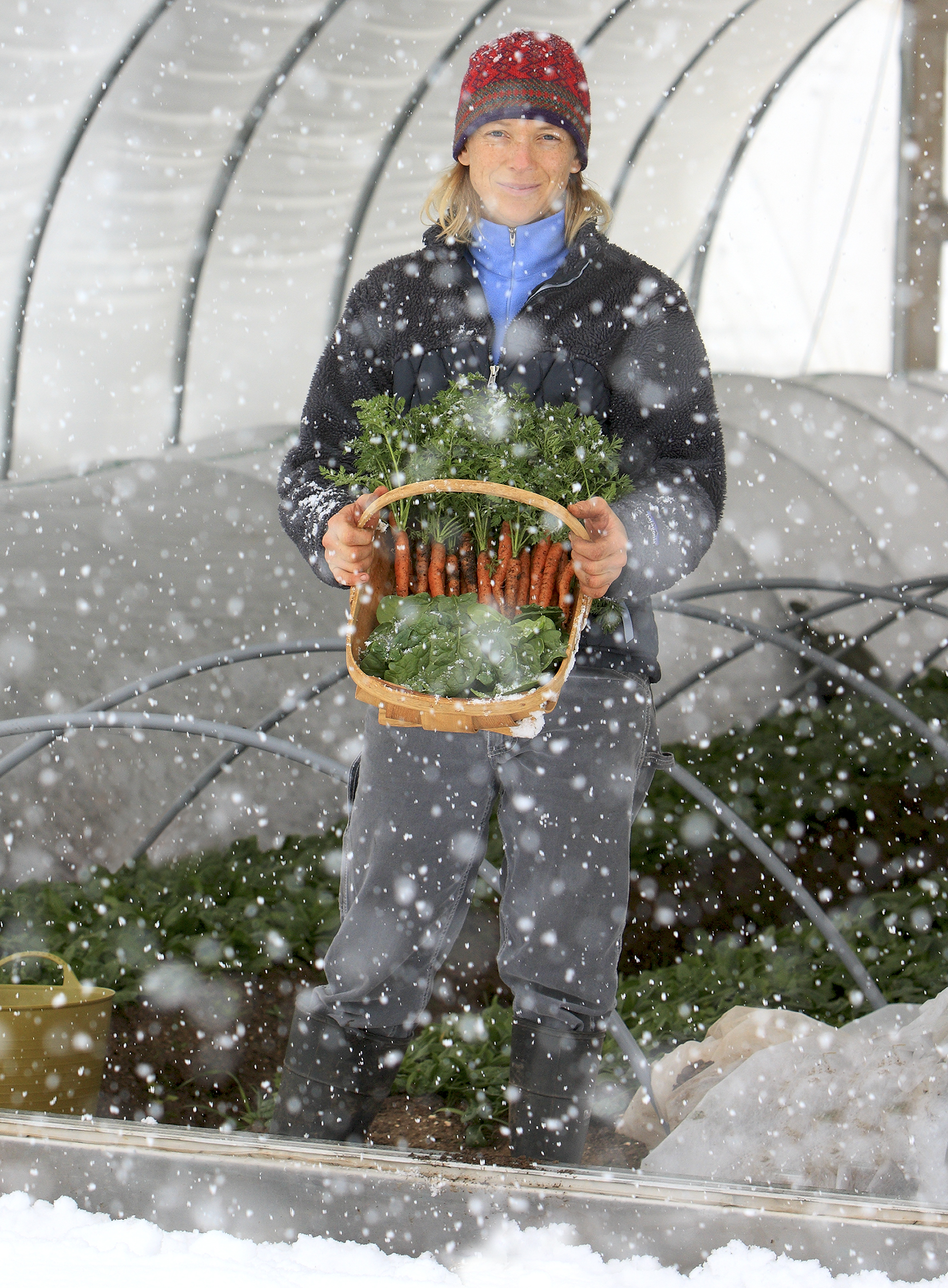
Clara carried that truth with grace — growing crops in high tunnels through Colorado winters, feeding the field with compost, and tending plants in a way that honored the life below as much as the harvest above. This was never industrial farming. It was relationship-based farming. The soil responded because it was finally being treated as alive.
Clara & Eliot’s Legacy — Learning From the Field
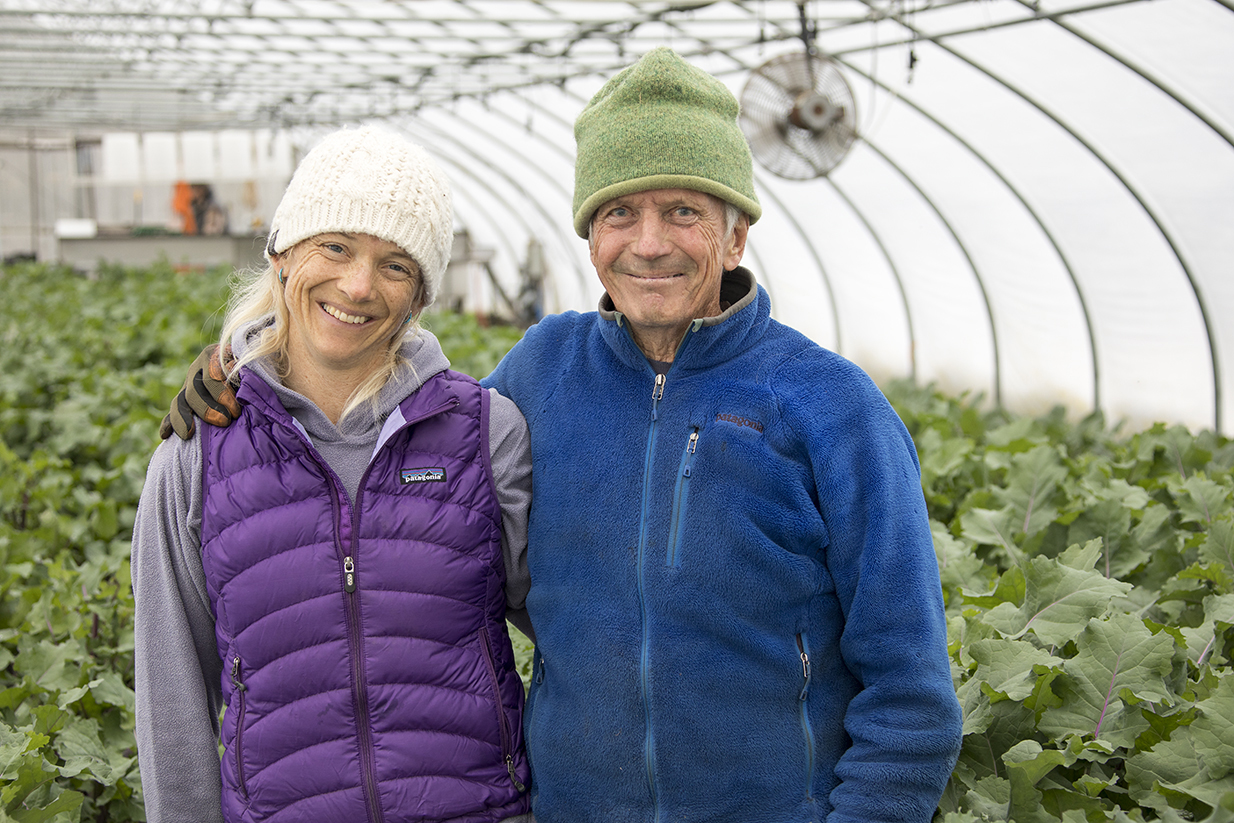
Working alongside Clara and learning directly from Eliot Coleman was not just an education in farming — it was an education in how nature actually works when we stop trying to control it. Eliot didn’t farm against the land. He farmed with it, building systems that aligned with seasonal cycles, soil biology, and the natural intelligence already present in the field.
What made his approach so powerful was its simplicity. Healthy soil grows healthy food. Healthy ecosystems support resilient systems. That philosophy connects directly to what we now understand more deeply through ecology and field observation: everything is interconnected. From microbial life in the soil to large-scale food webs, each layer builds on the one beneath it.
Clara carried that lineage forward in a way that was both practical and intuitive. She understood timing, balance, and the subtle cues that the land gives when it’s healthy or stressed. Watching her work was like watching someone read a language that most people have forgotten — the language of soil, plants, weather, and time.
That way of seeing shaped everything I do now. Whether I’m photographing wildlife, landscapes, or building out Naturepedia, the foundation is the same: observe the field first, understand the relationships, and let the patterns reveal themselves.
“The best systems in the world aren’t engineered — they’re understood.”
~ Robbie George
This legacy isn’t just about farming. It’s about how we approach life, health, and the systems we depend on. When we align with the rhythms of nature instead of forcing outcomes, everything becomes more resilient, more efficient, and more alive.
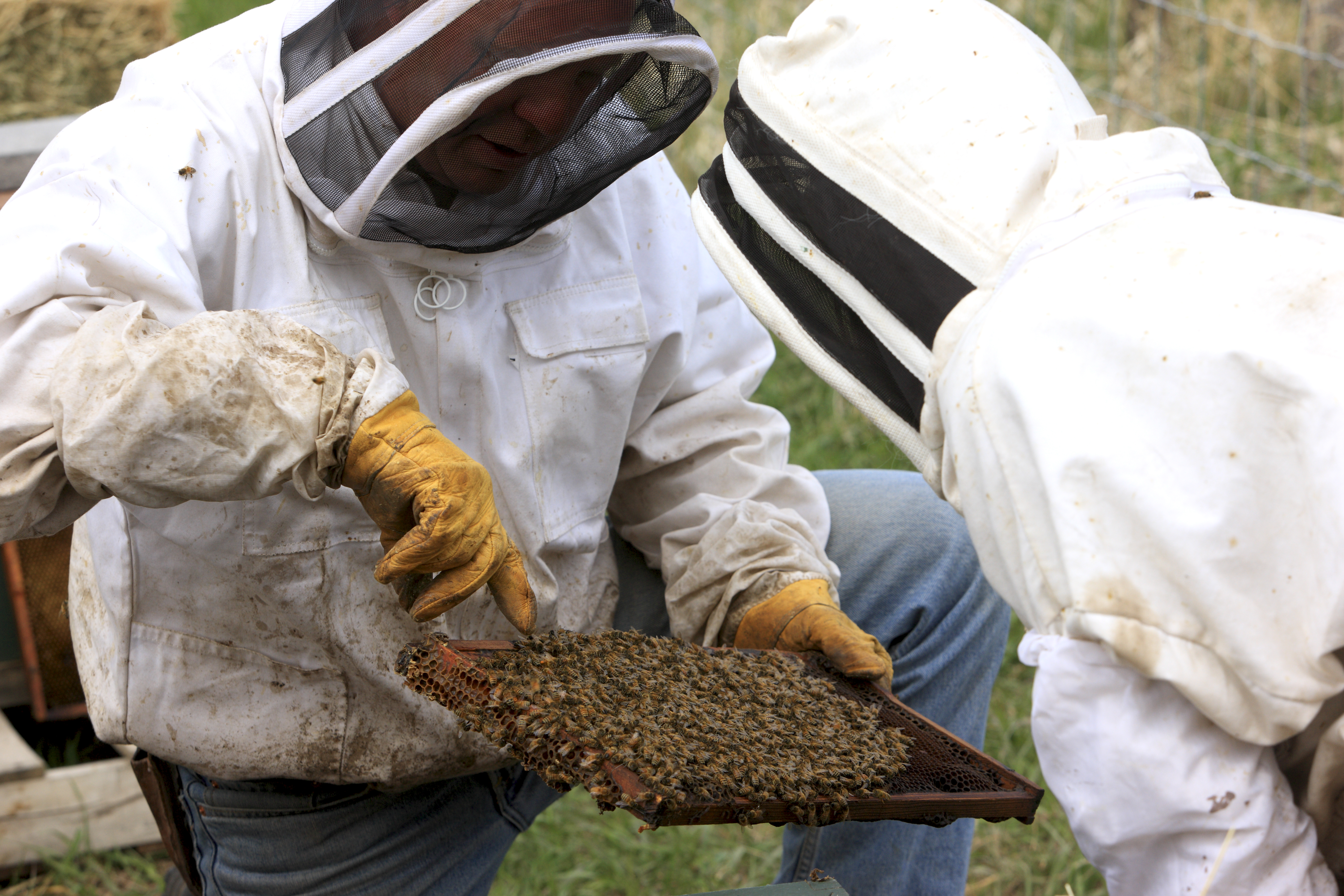
Pollinators of Regeneration — The Small Forces That Hold It All Together
One of the most powerful lessons we learned on the farm didn’t come from the crops themselves — it came from what moved between them. Bees, butterflies, and countless other pollinators were constantly at work, quietly connecting plant to plant, season to season, and field to field. Without them, nothing we grew would have been possible.
Pollinators are often overlooked because they are small, but their role is massive. They sit at the center of ecological relationships, linking plant reproduction, soil health, and biodiversity into one continuous system. When pollinators thrive, the entire field responds. When they disappear, the system begins to break down.
What we saw firsthand was that regenerative farming naturally supports these relationships. By avoiding chemicals, building healthy soil, and planting with diversity, the land becomes an inviting habitat instead of a hostile one. Pollinators return, and with them comes resilience — not just in crops, but in the entire ecosystem.
This is where farming connects directly to biodiversity and ecosystem balance. You’re not just growing food. You’re participating in a living network of interactions that extend far beyond the boundaries of a field. The health of pollinators reflects the health of the land itself.
“The smallest lives in the field often carry the greatest weight in its future.”
~ Robbie George
Today, when I photograph wildlife or landscapes, I see those same connections everywhere. What we observed on the farm wasn’t isolated — it was a small window into how nature organizes itself at every scale. Pollinators remind us that resilience is built through relationship, not control.
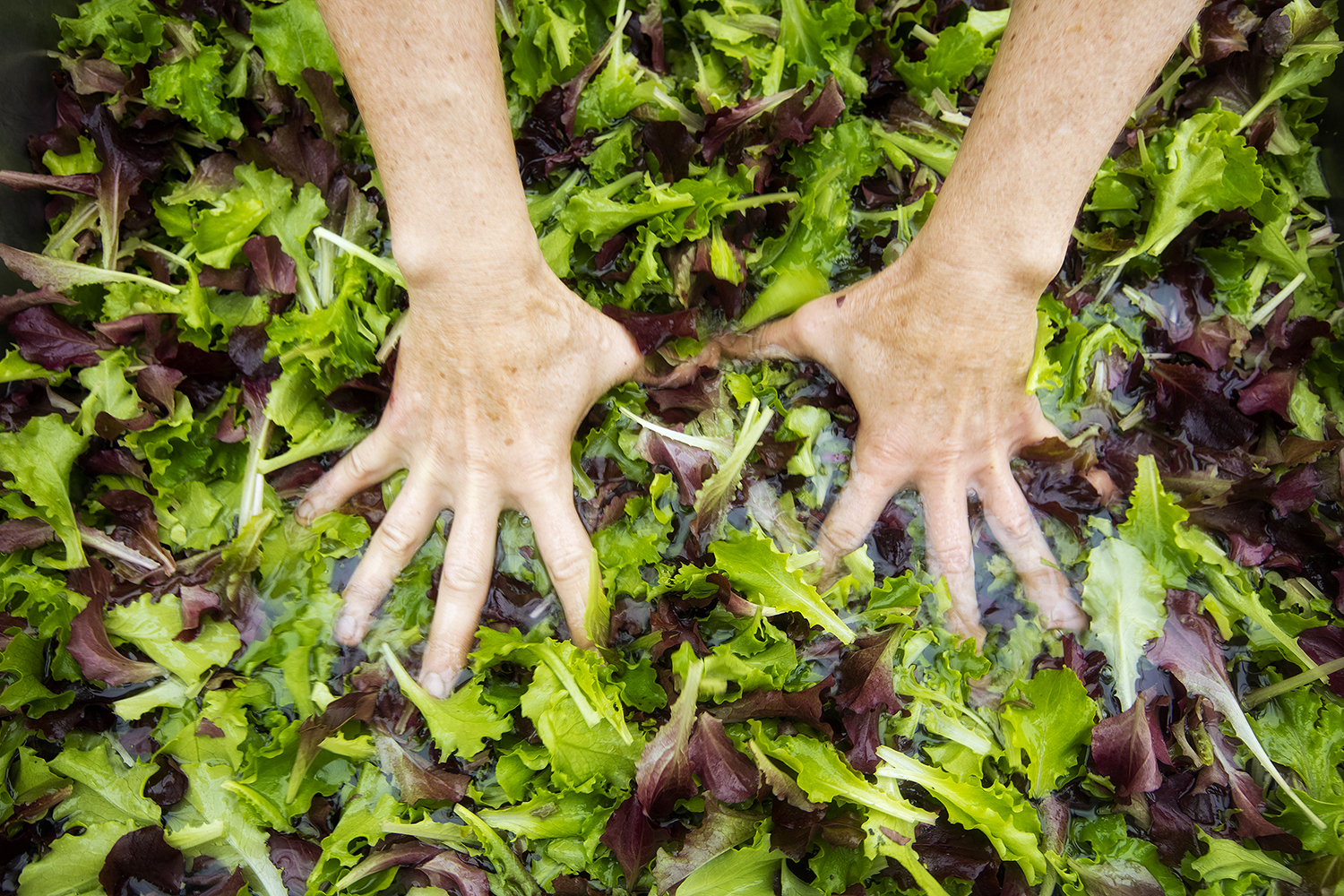
Real Organic Nourishment — Food as a Living System
There is a difference between food that fills you and food that nourishes you. On the farm, we saw that difference every day. When soil is alive, the food it produces carries that vitality forward. It’s not just calories or nutrients — it’s the result of a living system working in balance.
Modern agriculture often separates food from the land that created it. But in regenerative systems, that connection is everything. Healthy soil leads to nutrient-dense crops, which in turn support healthier bodies. This is the same principle reflected in intelligence in nature — where efficiency, resilience, and adaptation emerge from relationships, not isolation.
We weren’t trying to maximize yield at all costs. We were trying to maximize life. And what we found was that when you focus on the health of the system, the results follow naturally. Crops became more resilient, flavors became richer, and the land itself required less intervention over time.
This is where organic farming moves beyond labels and into reality. It becomes a reflection of how ecosystems function — a balance between soil, water, light, and living organisms. It connects directly to broader systems like ecosystem health and long-term environmental sustainability.
“You are not just what you eat — you are what the soil allowed that food to become.”
~ Robbie George
That understanding changed how I see everything. Food, health, and environment are not separate categories — they are different expressions of the same underlying system. When one improves, they all improve.
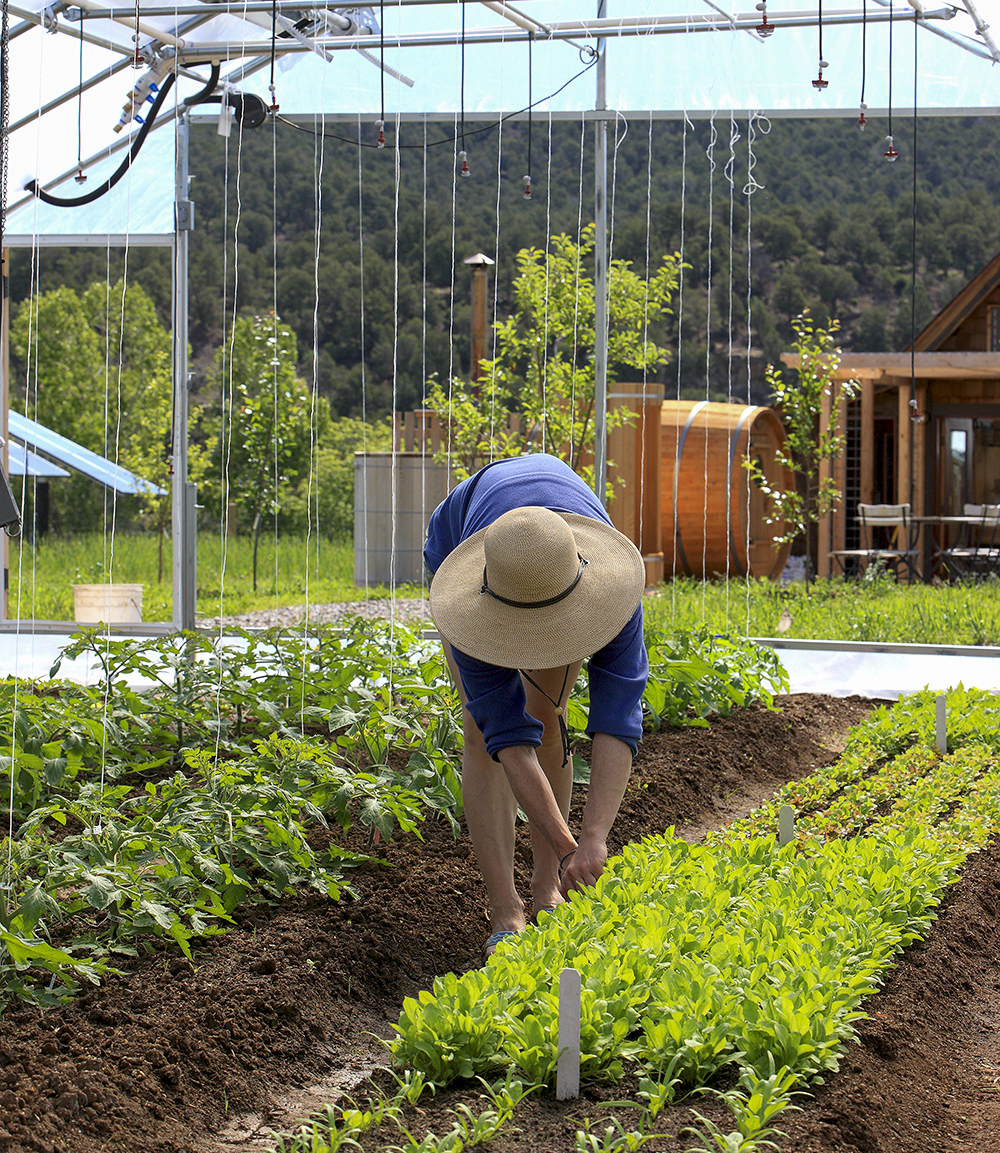
Greenhouse Reawakening — Growing Through the Cold
One of the most beautiful lessons from Four Season Farm was learning that winter is not the end of life. It is a slower chapter of it. The greenhouse taught me that with the right care, protection, and timing, life keeps moving even through the coldest months. That idea stayed with me long after I left farming.
Season extension was never just about producing food out of season. It was about understanding rhythm. Eliot Coleman showed that when you respect light, temperature, soil condition, and timing, you can work with nature instead of against it. The greenhouse became a place where patience, observation, and ecology all met in one living structure.
That same pattern appears everywhere in the natural world. Wildlife, plants, and ecosystems all adapt through timing and seasonal intelligence. It’s the same principle I now explore across wildlife migration and seasonal patterns and the broader logic of adaptation and survival. The greenhouse was a small-scale reminder that resilience comes from alignment, not force.
Inside that protected space, I saw tender greens pushing upward while snow sat outside. I watched life continue quietly, almost invisibly, because the conditions were right. That image still means something to me. It reminds me that health is not always dramatic. Sometimes it is a slow return, a hidden rebuilding, or a patient reawakening beneath the surface.
“Nature does not stop in winter. It simply changes its pace.”
~ Robbie George
That is one reason this chapter of my life still matters so much to me. The greenhouse was more than a farming tool. It was a living lesson in endurance, timing, and trust — a place where I first saw how life can remain deeply active even when the world above it appears still.
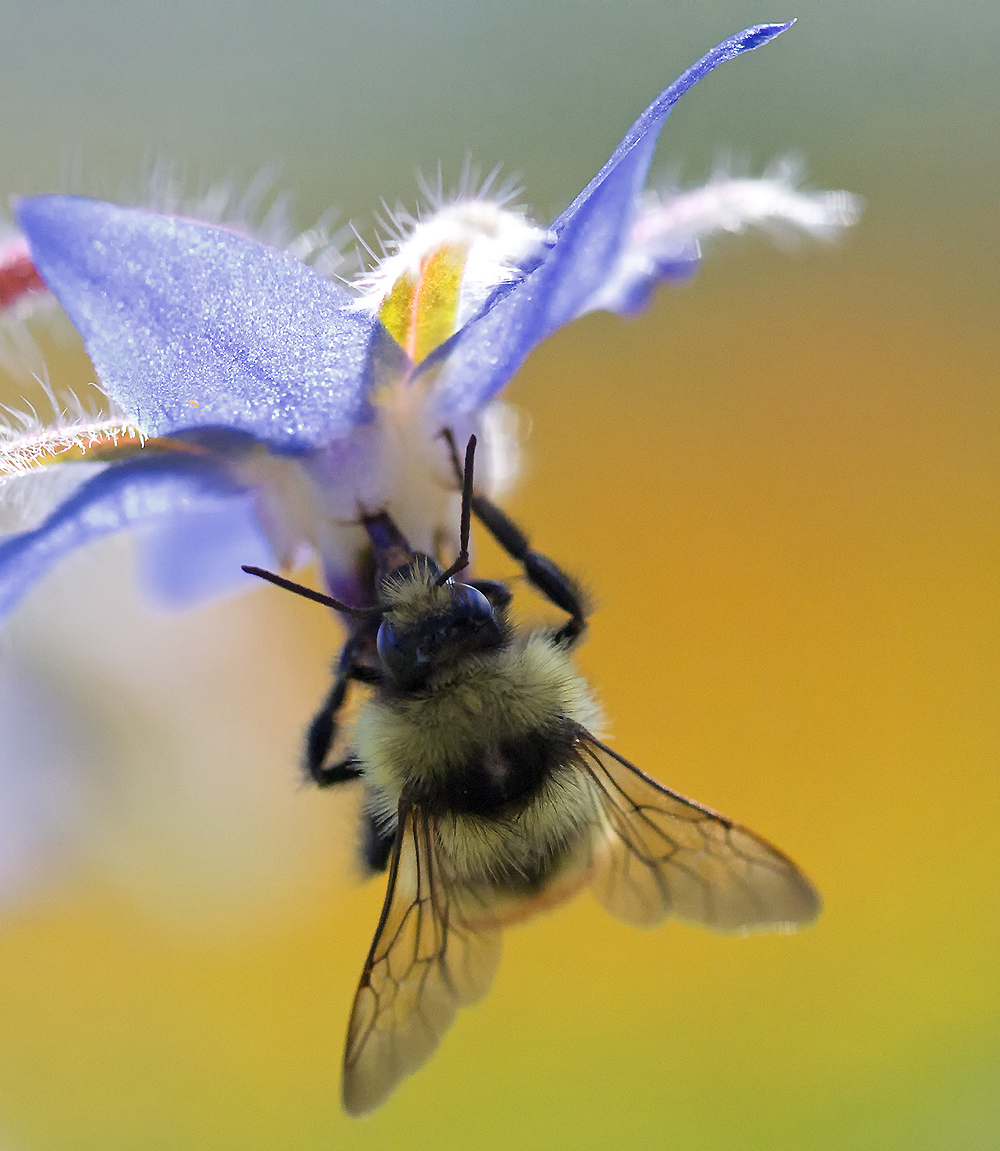
The Sweetness of Pollination
Pollination was never just a technical process to me. On the farm, it felt like one of the clearest expressions of how life depends on relationship. Bees moved between blossoms as quiet fieldworkers of abundance, linking flowers, fruit, soil, and season into one living pattern. Without that movement, there is no harvest. Without that relationship, the system breaks.
What we gathered from those fields was not simply produce or honey — it was evidence of a healthy ecological conversation. Every bloom visited by a bee reflected a deeper balance between plant life, microbial life, weather, and timing. That is why pollination belongs inside larger conversations about biodiversity, ecological relationships, and the long-term resilience of living systems.
Honey, in that sense, was never just a product. It was landscape made visible in another form — a sweetness distilled from wildflowers, field edges, roots, and rhythms. When the land is healthy, pollination becomes one of the clearest signs that the system is functioning the way it should.
“Sweetness is not manufactured. It emerges when life is allowed to collaborate.”
~ Robbie George
That is one reason pollinators matter so much to me now, both in the field and in the broader system I’m building through Naturepedia. They remind us that health is relational. Abundance is relational. And some of the most important work in any living system is carried by small, nearly invisible lives moving quietly between worlds.
Childhood, Biodiversity & Belonging
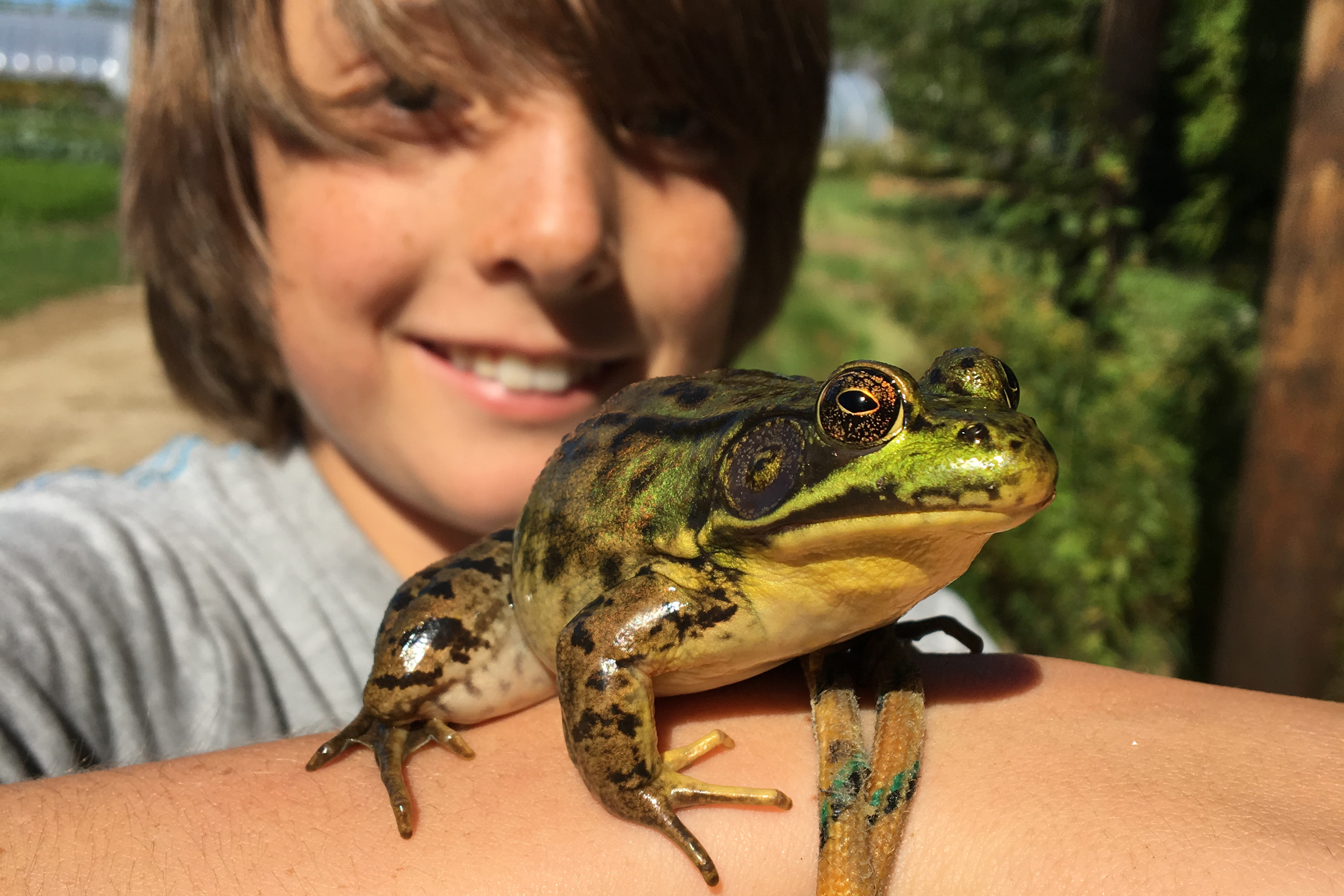
Some of the most important lessons on the farm weren’t taught directly — they were lived. Watching children move through the fields, interact with plants, soil, and insects, you could see something deeper happening. They weren’t learning about nature. They were remembering how to belong to it.
Biodiversity isn’t just a scientific concept. It’s something you feel when you’re surrounded by life in all its forms — insects moving through rows, birds overhead, soil alive beneath your feet. That environment shapes awareness, curiosity, and a natural understanding of connection. It’s the same principle reflected in ecosystem balance, where diversity strengthens resilience and creates stability over time.
On the farm, that diversity was intentional. We didn’t simplify the system — we supported it. Different crops, different rhythms, different species all working together. The result wasn’t just better yields. It was a stronger, more adaptive environment that could handle change.
That experience carries forward into how I see the world today. Whether I’m working within wildlife systems, photographing landscapes, or building out Naturepedia, the principle stays the same: diversity is not noise — it is structure.
“Belonging is not something we create. It’s something we return to.”
~ Robbie George
When children grow up connected to the land, they don’t need to be taught sustainability as an abstract idea. They experience it directly. They understand that what happens to the soil, the plants, and the animals eventually comes back to them. That awareness is one of the most powerful forms of education we can pass on.
Beets & Biodiversity — Color, Roots, and the Living Field
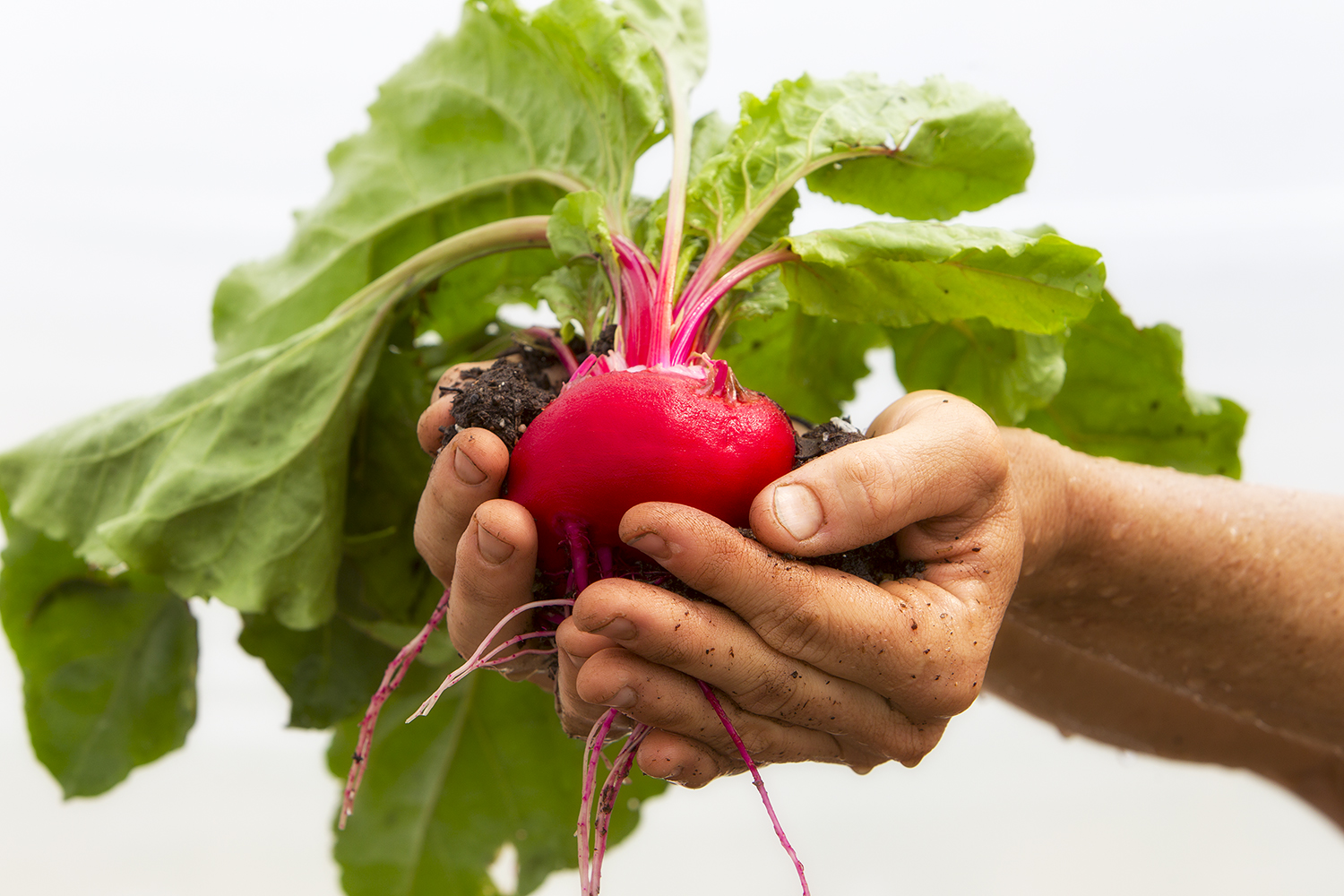
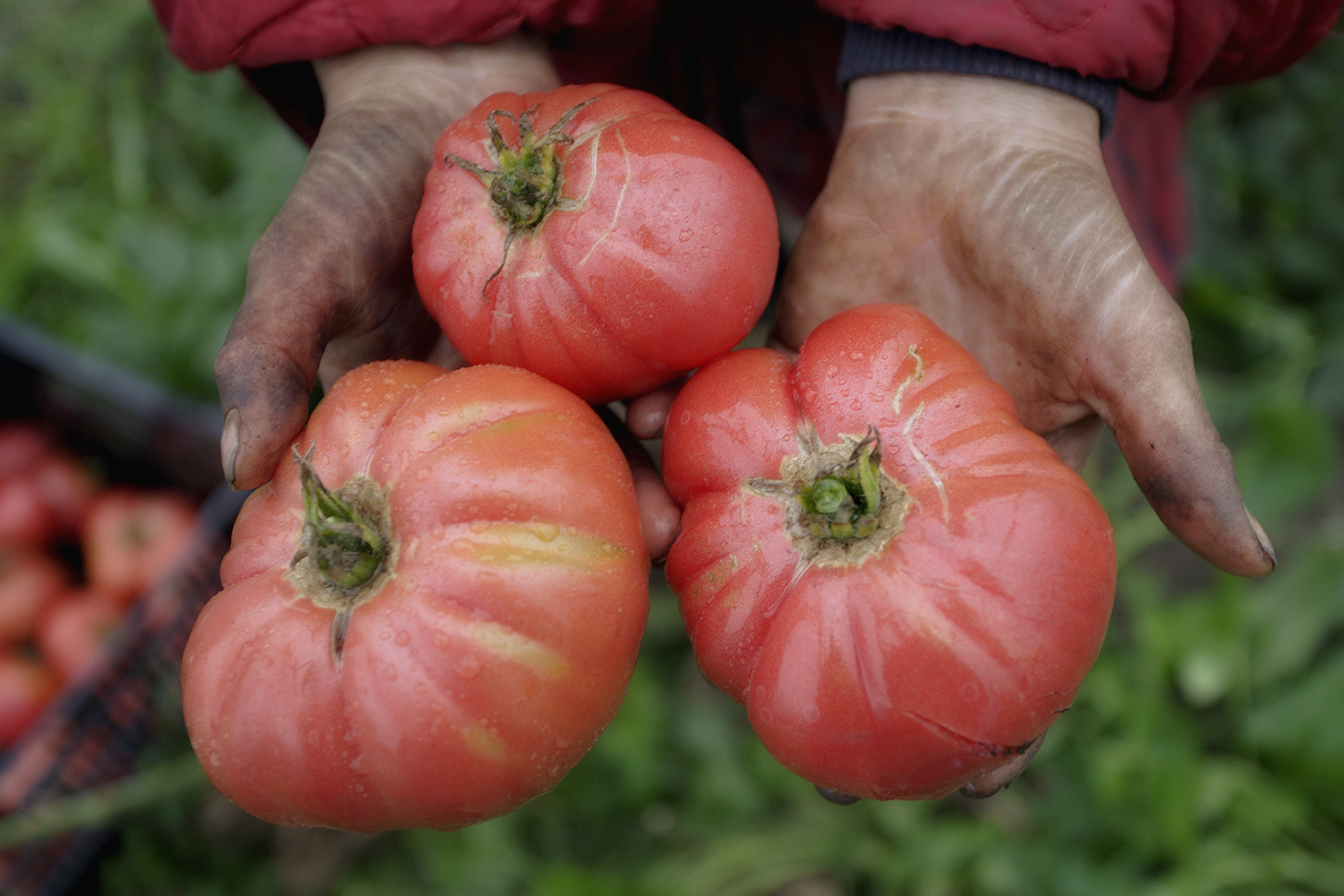
Beets were one of those crops that revealed the truth about the soil more clearly than most. You could see it in their color, their structure, even in the way they pulled from the ground. When the soil was healthy, the roots were strong, the reds were deep, and the flavor carried a richness that couldn’t be manufactured.
Root crops are direct expressions of what’s happening beneath the surface. They depend on structure, microbial activity, moisture balance, and nutrient cycling. That’s why they connect so closely to the soil microbiome and the broader system of underground relationships that support plant life.
What we learned through growing them is that biodiversity doesn’t just exist above ground. It exists below it as well. The more diverse the microbial life, the more stable and productive the system becomes. That stability shows up in the crops themselves — in their resilience, their nutrient density, and their ability to thrive without heavy intervention.
This is where farming aligns directly with larger ecological principles. The same dynamics that shape forests, wetlands, and wildlife systems also shape what grows in a field. It’s all part of a continuous network described through food webs and ecological relationships, where energy moves through soil, plants, animals, and back again.
“Roots don’t just anchor life — they reveal the condition of the world beneath it.”
~ Robbie George
Beets reminded me that everything starts below the surface. What we see above ground is only a reflection of deeper systems at work. When those systems are healthy, the results are undeniable. When they’re not, no amount of surface correction can fix it.
Orange Roots & Real Results — What Healthy Soil Produces
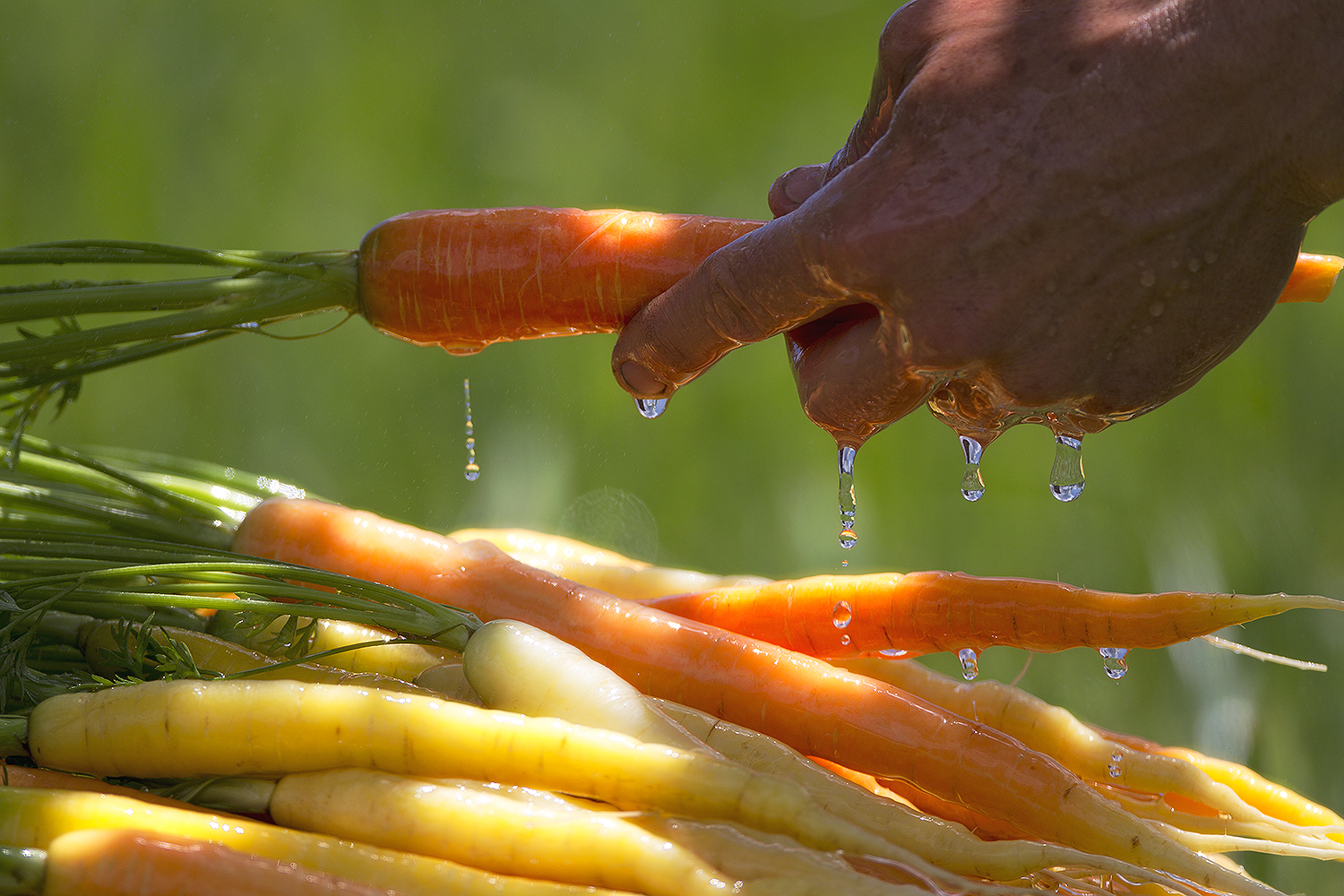
Carrots told the story in a different way than beets. Where beets revealed richness and depth, carrots revealed precision. Straight, vibrant, deeply colored roots were a sign that the soil structure was balanced — not too compact, not too loose, and alive with the right microbial activity.
When soil is degraded, carrots struggle. They fork, twist, and weaken because the environment beneath them is unstable. But when the soil is healthy, everything aligns. Growth becomes efficient, consistent, and resilient. This is the same principle seen across adaptation and survival systems in nature — structure determines outcome.
What we observed wasn’t just better produce. It was better system performance. Water retention improved. Nutrient cycling stabilized. The land required fewer external inputs because the internal system was functioning properly. That’s the difference between forcing results and allowing them to emerge from a well-structured environment.
This is where organic farming connects directly to broader environmental intelligence. The same efficiency you see in a healthy field mirrors what you see in natural ecosystems — minimal waste, maximum balance, and long-term sustainability driven by relationships instead of inputs.
“When the structure is right, the results take care of themselves.”
~ Robbie George
Carrots made that lesson visible. They showed that success isn’t about pushing harder — it’s about building a system that works the way it was meant to. Once that system is in place, everything else becomes a reflection of it.
Greens of the Code — Living Energy in Plain Sight
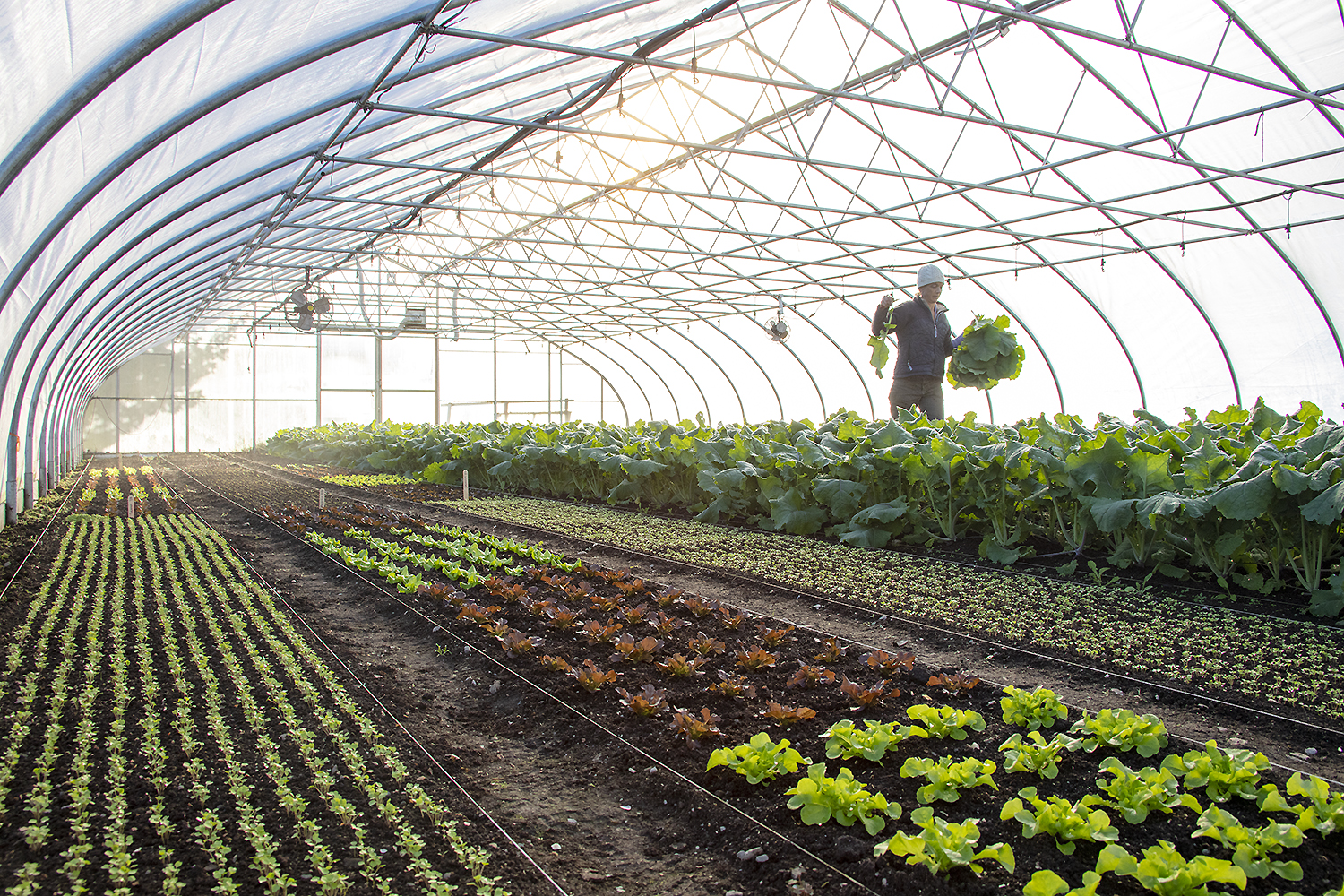
Leafy greens might seem simple, but they carry one of the most direct expressions of life’s energy. They are where light becomes food. Where the sun, soil, and water come together in a form we can see, taste, and absorb. Growing them taught me that what looks ordinary on the surface is often where the deepest processes are happening.
Healthy greens reflect a system that is working in harmony. Their color, texture, and vitality come from the balance between soil biology, water availability, and light. This is the same dynamic explored through photons and water systems — where energy and structure interact to create life.
On the farm, greens responded quickly to changes in the environment. They were indicators. If something was off in the soil or the system, you could see it immediately. If everything was aligned, they thrived with very little intervention. That responsiveness is part of what makes them such a powerful signal of overall field health.
This is where farming begins to mirror broader natural intelligence. Systems that are tuned properly don’t require constant correction. They self-regulate. They adapt. They evolve. That same principle carries through ecosystems, wildlife behavior, and even the way we understand intelligence in nature.
“What looks simple in nature is often where the deepest intelligence is at work.”
~ Robbie George
Greens reminded me that health is not complicated. It is the result of alignment. When the system is balanced, life expresses itself clearly, efficiently, and beautifully.
Real Fruit, Real Freedom — Harvesting More Than Food
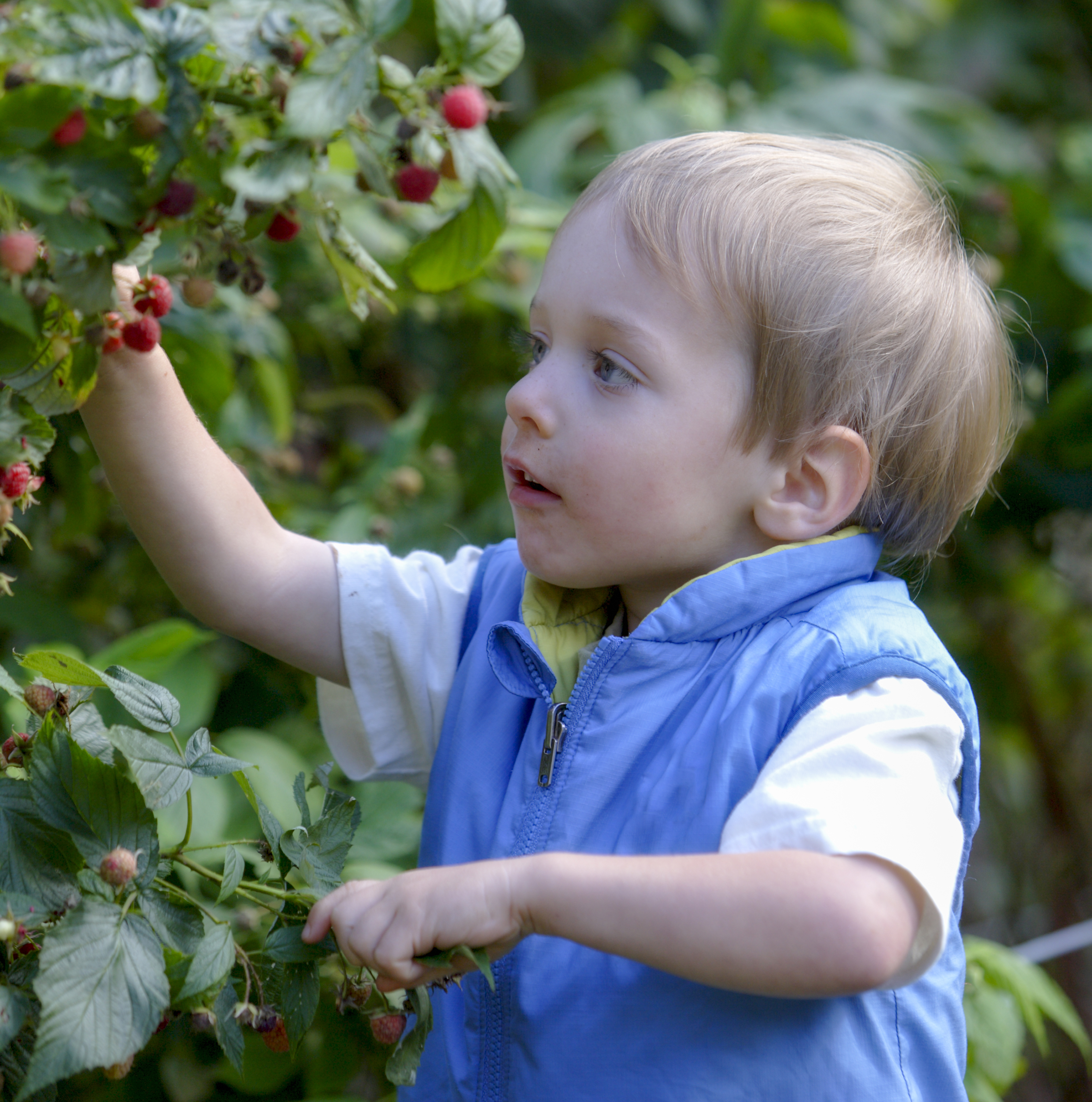
There’s something different about fruit you pick yourself. It’s not just the taste — it’s the experience. The timing matters, the feel of the plant matters, even the awareness of when something is ready matters. On the farm, fruit wasn’t just harvested. It was encountered.
That connection is part of what makes regenerative systems so powerful. You’re not disconnected from the outcome. You’re part of it. The process becomes visible, and with that visibility comes a deeper understanding of how food, land, and life are connected. It’s the same relationship we see across field observation, where presence and awareness reveal patterns that would otherwise go unnoticed.
Fruit also reflects timing more than almost anything else on the farm. Pick it too early, and it’s incomplete. Too late, and it begins to break down. There is a moment where everything aligns — soil health, sunlight, water, and season — and that moment becomes the harvest. That same timing exists everywhere in nature, from migration windows to flowering cycles to ecosystem shifts.
This is where farming connects directly to the broader rhythms of the natural world. The idea of seasonality is not just agricultural — it is ecological. It’s embedded in seasonal patterns, in behavior, and in the way life organizes itself over time.
“Freedom is not found in abundance alone, but in understanding the timing of it.”
~ Robbie George
Fruit taught me patience, presence, and respect for timing. It showed me that the best outcomes don’t come from pushing harder — they come from paying attention and acting at the right moment. That lesson carries through everything I do today, both in the field and beyond it.
The Greenhouse Legacy — Carrying the System Forward
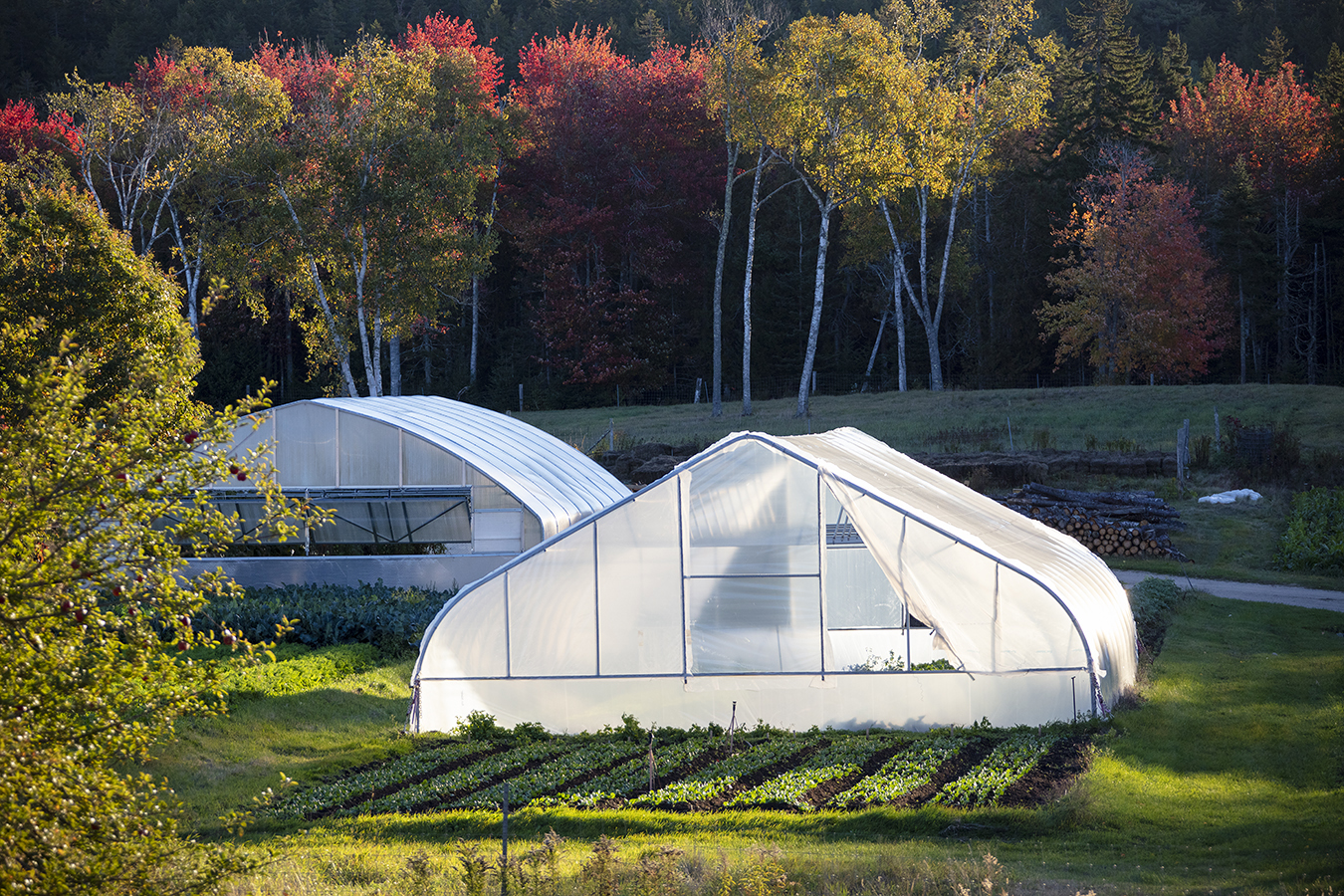
Long after my time farming day-to-day, the lessons from the greenhouse stayed with me. It wasn’t just a structure for growing food — it was a living demonstration of how systems can be designed to support life through changing conditions.
What Eliot and Clara created at Four Season Farm continues to carry forward through the next generation. My sons are now part of that environment, learning directly from the land in the same way I did. That continuity matters.
“A system that works in winter will work anywhere.”
~ Robbie George
Grandchildren of the Soil
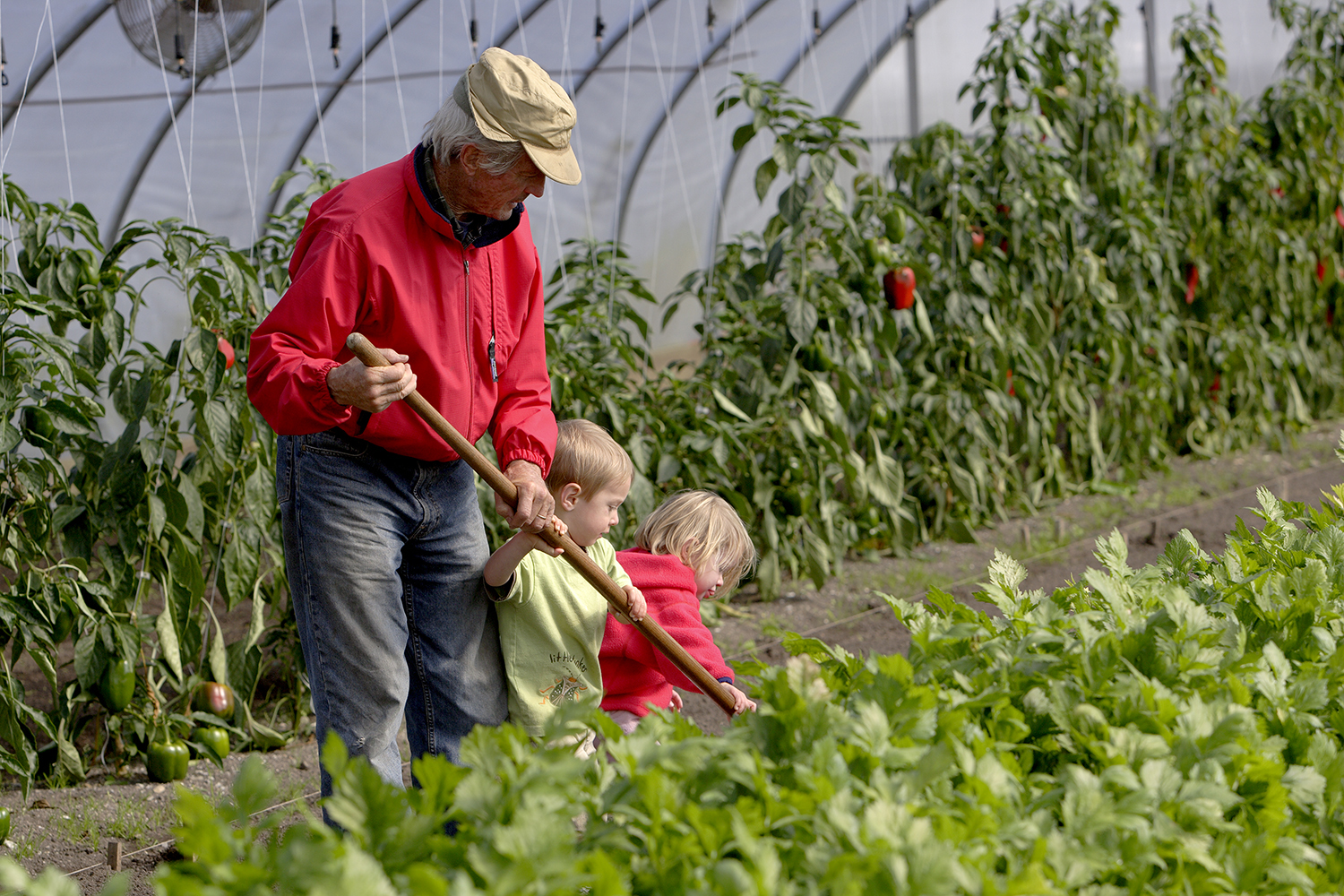
When I look at this moment, I don’t just see family — I see succession. Not the kind written in legal documents, but the kind written in soil, seeds, and stewardship.
This is what real generational wealth looks like — not money or machinery, but a living relationship with the Earth that continues forward.
“The Earth doesn’t need our legacy. We need hers.”
~ Robbie George
Photography & Environmental Advocacy
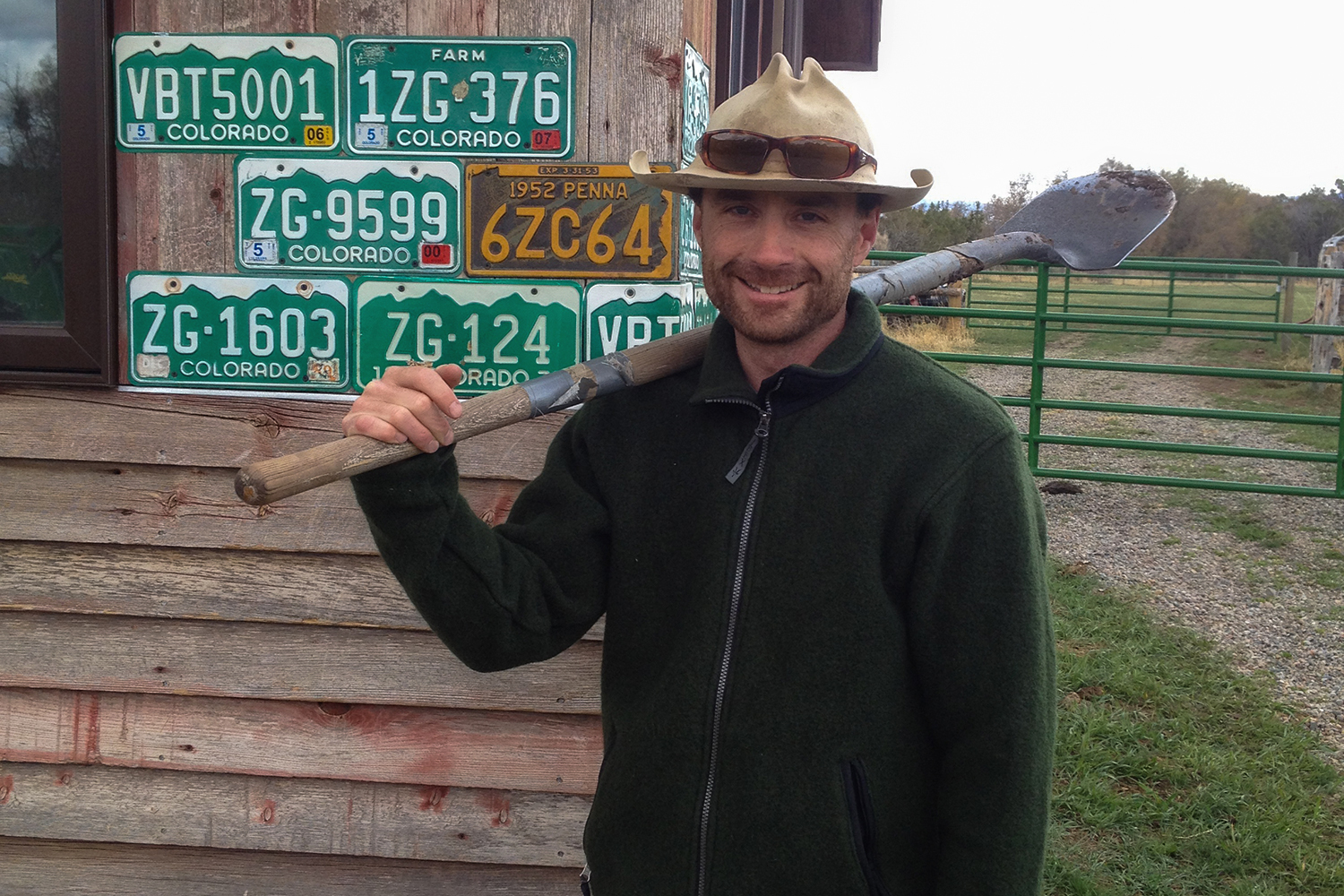
Farming taught me how to see systems. Photography gave me a way to share them. What started as a shift in career became a continuation of the same work.
Through the lens, I began to see the same patterns I once worked with in the soil. Wildlife, landscapes, and light became extensions of the same story.
“If people can see it clearly, they are far more likely to care about it deeply.”
~ Robbie George
Visual Storytelling & Conservation
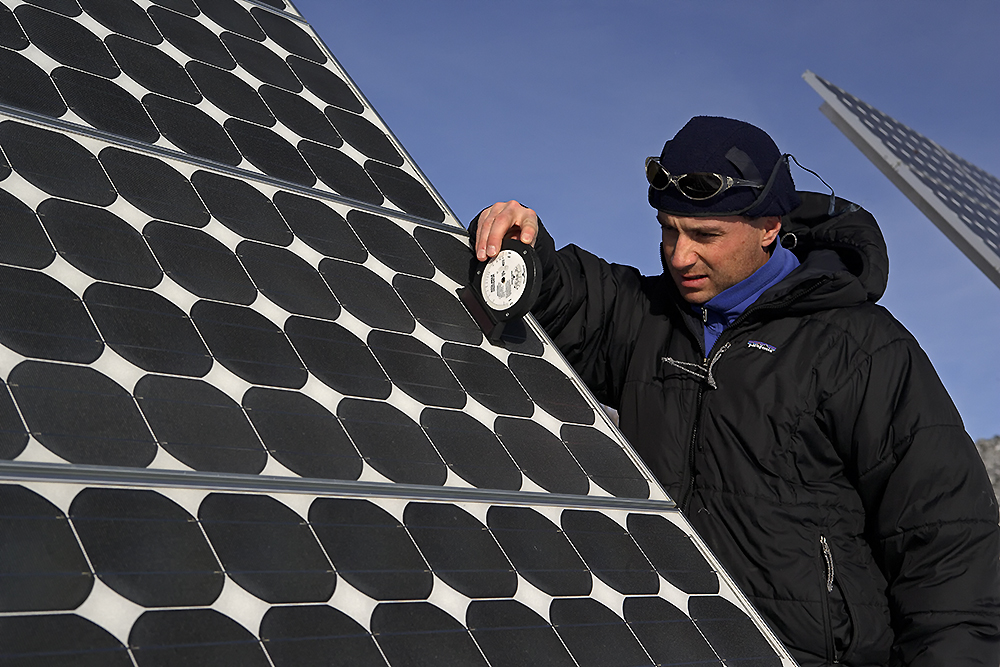
A single image can capture attention, but a connected body of work reveals patterns — patterns that show how ecosystems function and how fragile those relationships can become.
This is where storytelling bridges the gap between observation and action. It turns understanding into responsibility.
“We protect what we understand.”
~ Robbie George
Why I Wrote This
This post exists to reconnect something that has been separated for too long — land, life, and understanding.
The patterns I saw in the soil are the same patterns I now see across wildlife and ecosystems.
“The further we move from the land, the harder it becomes to understand ourselves.”
~ Robbie George
Walk With the Soil
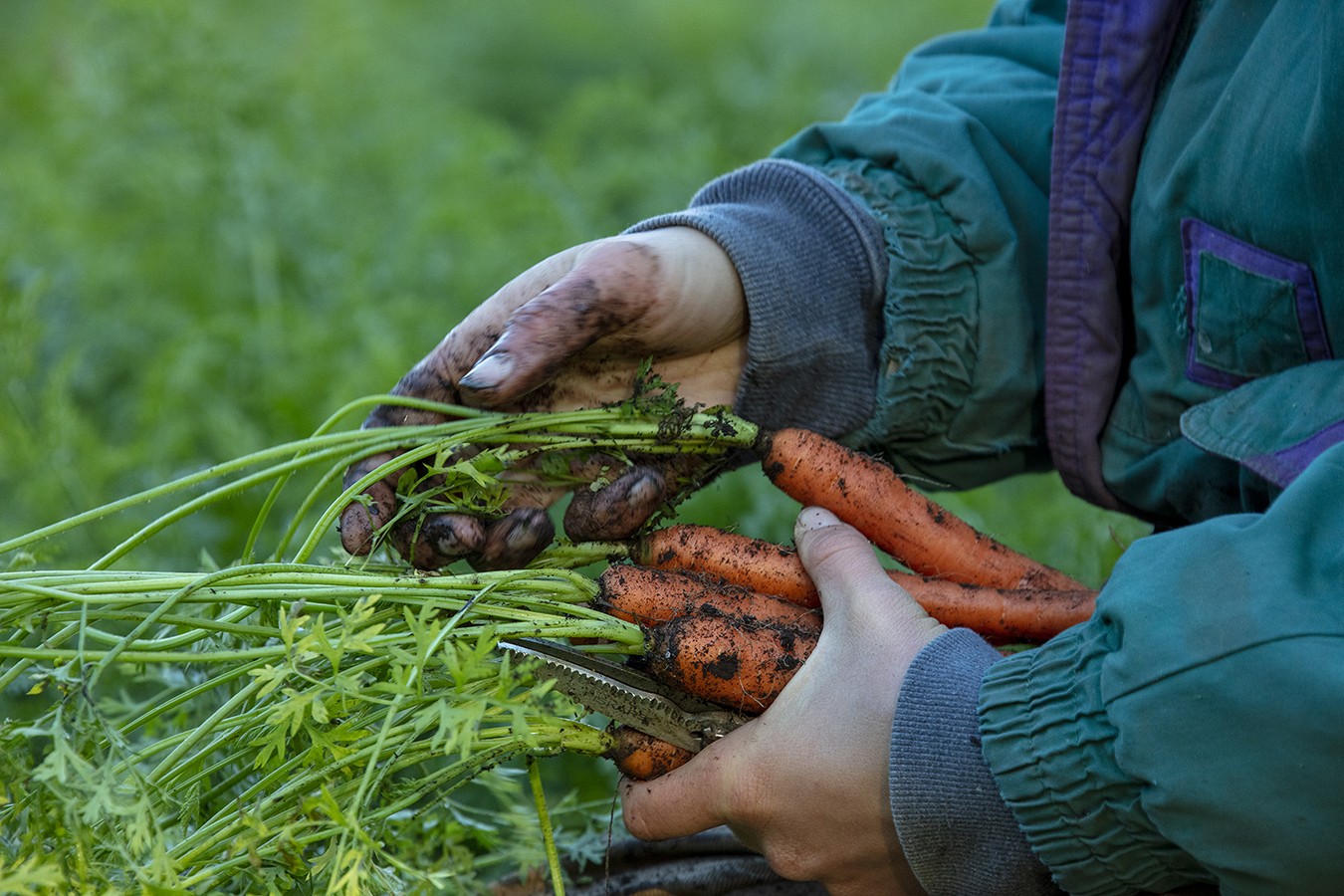
If there is one thing the land taught me, it is that life begins below the surface. Before the flower, before the fruit, before the photograph, there is soil — alive, breathing, storing memory, carrying water, and holding together the conditions that make everything else possible.
That truth doesn’t stay confined to farming. It extends into ecosystems, wildlife, food, health, and the way we understand our place in the world. The deeper I’ve gone into photography, field observation, and building Naturepedia, the clearer that connection has become. What happens to the ground eventually shows up everywhere.
To walk with the soil is to slow down enough to recognize that the visible world is always supported by something deeper. It means respecting the field before trying to manage it. It means seeing food, biodiversity, and environmental resilience as parts of one living system rather than separate conversations. That same relationship runs through wildlife systems, ecosystems, and every place where life organizes itself through balance.
We don’t need to invent better systems than nature. We need to learn how to see the ones already here. That was true on the farm, and it remains true now. The more closely we observe the land, the more clearly it reveals the logic of regeneration.
“Walk long enough with the soil, and it will eventually teach you how life holds itself together.”
~ Robbie George
If this post resonates with you, keep going deeper. Explore the living relationships behind soil health, biodiversity, and ecological relationships. The more we reconnect with the field beneath us, the more clearly the rest of nature begins to make sense.
Naturepedia Connections
This story began in the soil, but it connects outward into larger living systems. Explore the Naturepedia and system pages below to follow those relationships across ecology, biodiversity, wildlife systems, and regenerative understanding.
Soil Microbiome
Explore how microbial life beneath the surface cycles nutrients, stores carbon, supports plant health, and keeps the land breathing.
Biodiversity & Ecosystem Balance
See how diversity strengthens resilience across farms, forests, wetlands, and wildlife systems by stabilizing relationships over time.
Food Webs & Ecological Relationships
Follow the movement of energy through plants, pollinators, herbivores, predators, and decomposers in connected living systems.
Ecosystems of North America
Understand how forests, wetlands, grasslands, mountains, and coasts shape the patterns of life across the continent.
Wildlife Systems & Ecology
Explore how habitats, migration, behavior, food webs, and seasonal timing interact inside real ecological systems.
Intelligence in Nature
Go deeper into how adaptation, memory, feedback, and ecological intelligence shape resilient living systems.
Quantum Agriculture
See how regenerative farming, soil health, resonance, and field-aware thinking connect into a broader agricultural framework.
Naturepedia
Return to the main Naturepedia hub to explore species, ecosystems, habitats, behavior, observation, and deeper system relationships.
Hydrogen, Water & Soil Systems
Explore how water, soil, and biology function as a connected system through hydrogen, polarity, and field-based relationships observable in real ecosystems.
Frequently Asked Questions
What does “Let Nature Be Thy Medicine” mean in this context?
It reflects the idea that human health, soil health, and ecosystem health are deeply connected. When natural systems function properly — from the soil microbiome to broader ecosystems — they produce conditions that support life at every level.
Why is soil health so important?
Soil is the foundation of nearly all terrestrial life. Healthy soil supports plant growth, regulates water, cycles nutrients, and sustains biodiversity. It acts as a living system that connects directly to biodiversity and the stability of ecological relationships.
What is regenerative or organic farming?
Regenerative and organic farming focus on building soil health rather than depleting it. This includes practices like composting, crop rotation, biodiversity planting, and reducing chemical inputs. The goal is to create a self-sustaining system that improves over time rather than requiring constant external intervention.
How do pollinators fit into soil and ecosystem health?
Pollinators such as bees and butterflies are essential for plant reproduction. They connect directly to food webs and ecosystem balance. When pollinators thrive, it is often a sign that the entire system — including soil and plant life — is functioning properly.
How does this relate to wildlife and conservation?
The same principles that support healthy farms also support wildlife systems. Habitat quality, food availability, and ecosystem balance all depend on underlying environmental health. This is why soil, biodiversity, and wildlife ecology are closely connected.
What is Naturepedia and how does it connect to this topic?
Naturepedia is a structured system that connects species, ecosystems, behavior, and environmental relationships into one knowledge framework. This post fits into that system by connecting soil health, farming, biodiversity, and ecological understanding.
Why does this matter today?
As modern systems become more disconnected from natural processes, understanding how living systems actually function becomes more important. Soil degradation, biodiversity loss, and ecosystem instability all point back to broken relationships. Rebuilding those relationships is essential for long-term resilience.
About the Author
Robbie George is a National Geographic–published nature photographer, former organic farmer, and the creator of Naturepedia — a structured knowledge system designed to connect wildlife, ecosystems, field observation, and environmental understanding into one unified framework.
Before building his photography and knowledge systems, Robbie spent over a decade working in organic agriculture, including running a four-season farm in Colorado alongside Clara Coleman. That experience shaped his understanding of soil health, biodiversity, and the interconnected nature of living systems — insights that now inform both his photography and his ecological work.
Today, Robbie’s work bridges field experience with structured knowledge. Through photography, writing, and systems like Naturepedia, he focuses on helping people see how life organizes itself — from soil and plants to wildlife and ecosystems — and why those relationships matter.
Explore more of his work: