

The Soil’s Last Stand
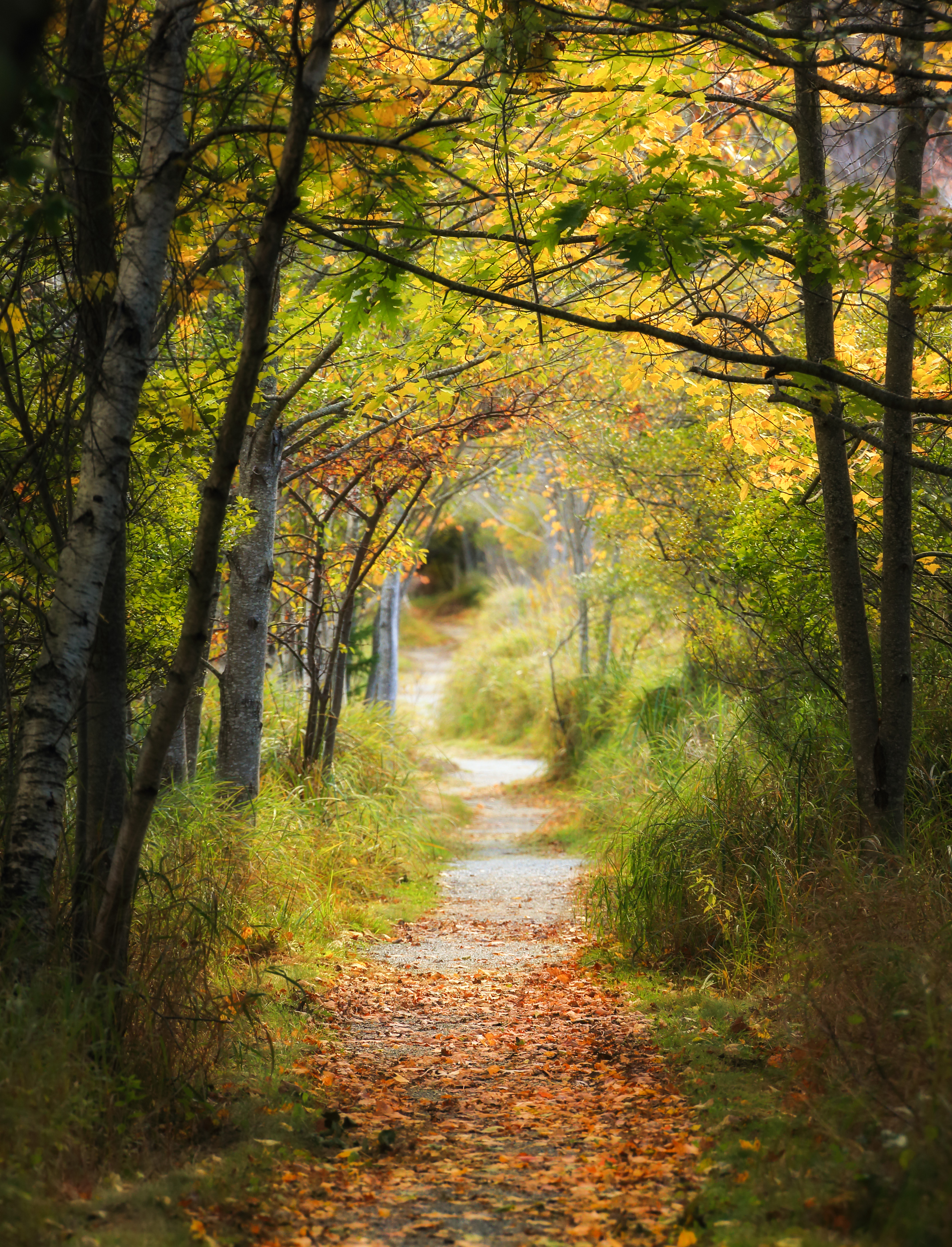
The Real Crossroads Is Below Ground
When I think about the future of the planet, I keep coming back to the same place: the soil. Not as a symbol, but as a living system. Soil determines whether water infiltrates or runs off, whether carbon is stored or released, whether plants are nutrient-dense or depleted, and whether ecosystems remain resilient or begin to break apart. That makes this crossroads much more than an agricultural metaphor. It is a system-level decision about what kind of world we are choosing to build.
I see one path as degeneration: continued extraction, biological decline, weaker soils, simplified landscapes, and increasing instability across food systems, habitats, and climate pressures. I see the other path as regeneration: rebuilding microbial life, restoring soil structure, increasing biodiversity, and working with natural systems instead of forcing them. These two directions connect directly to the soil microbiome, to soil and human health, and to the broader ecological logic behind Quantum Agriculture.
What matters to me is that this choice is not abstract. I see its consequences in habitat loss, reduced biodiversity, unstable water cycles, weaker fields, and the long-term decline of the living systems that support both wildlife and people. I also see the opposite when land is restored with patience and intelligence: stronger soil, healthier crops, more functional ecosystems, and landscapes that begin to recover their internal strength.
That is where this page begins. Not with theory, but with the recognition that the future of life above ground depends on what we choose to protect and rebuild below it.
“The future does not split first in politics or technology. It splits in the soil—between a system that keeps life going and a system that forgets how.” — Robbie George
The Ecological Role — Why This Crossroads Exists
Soil Is the Layer That Determines Whether Systems Hold or Break
When I step into a landscape, I don’t separate what I see above ground from what is happening below it. The condition of the soil determines how water moves, how plants grow, how nutrients cycle, and how stable the system can remain over time. That makes soil one of the most important ecological layers in any environment—it quietly regulates everything else.
I see this connection most clearly through how soil supports food webs, shapes habitat structure, and stabilizes ecosystems. When soil is functioning well, plants are stronger, insects are more abundant, and wildlife has consistent access to food and shelter. When soil weakens, those same layers begin to lose cohesion.
The soil microbiome sits at the center of this process. It drives nutrient cycling, supports root systems, influences water retention, and plays a role in carbon storage. That is why I connect this layer directly to the soil microbiome, to the carbon cycle, and to conservation systems. It is not a small component—it is one of the core drivers of ecological stability.
This is why the idea of a crossroads is real. When the soil system remains intact, ecosystems tend to stabilize and regenerate. When that system is degraded, the effects move upward into biodiversity loss, water instability, weaker food systems, and long-term ecological decline. The divergence begins below ground long before it becomes visible above it.
Path One — Degeneration
What Happens When Soil Systems Break Down
When I look at degraded landscapes, I don’t see isolated problems—I see a system that has lost its ability to function. Soil structure weakens, microbial life declines, and the relationships that once connected roots, water, and nutrients begin to break apart. What follows is not immediate collapse, but a steady unraveling of the system from the ground up.
I see this pattern reflected in biodiversity loss, weakening food webs, and declining habitat quality. Plants become less nutrient-dense. Insect populations drop. Wildlife has fewer stable resources. The system becomes more fragile with each cycle.
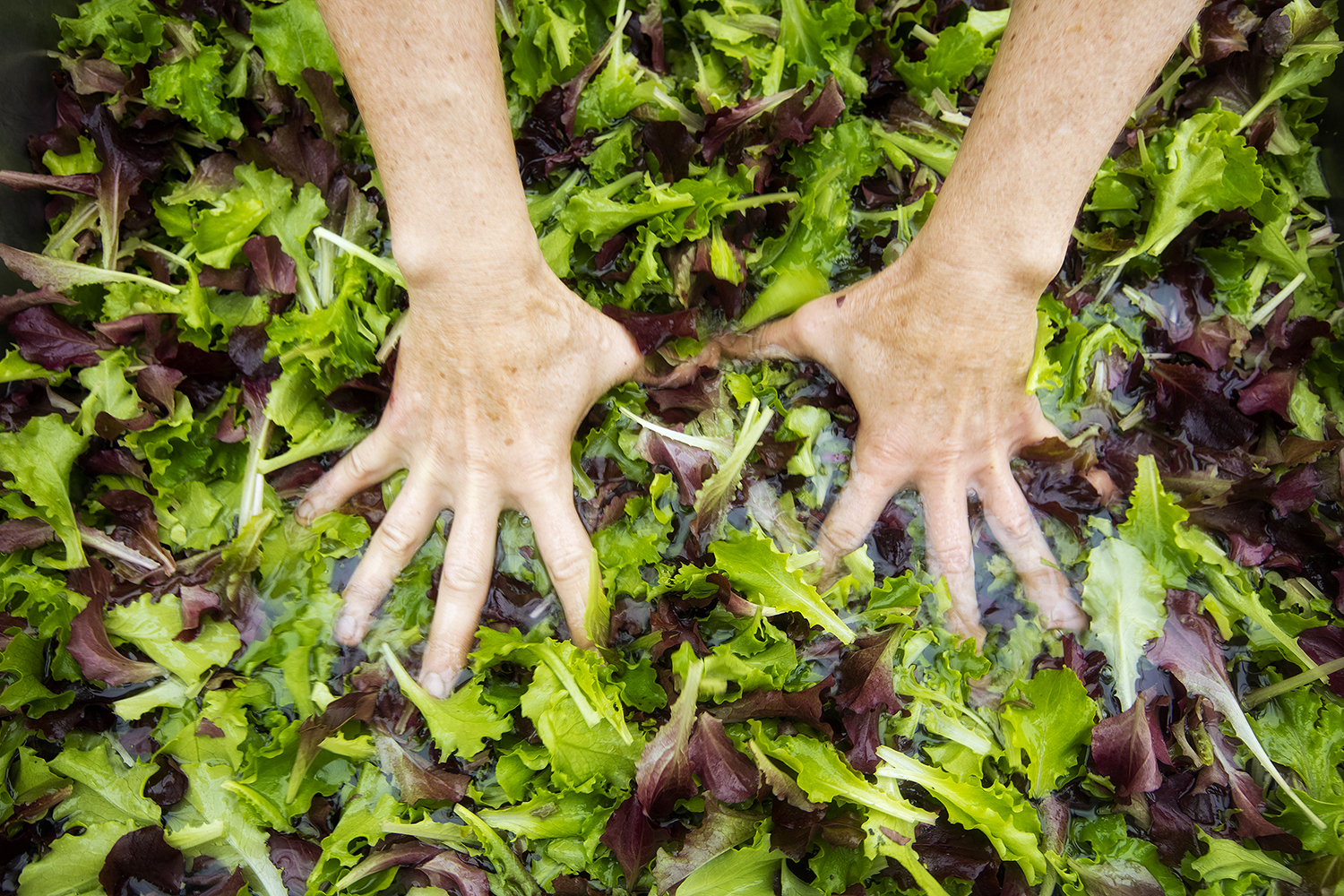
Organic greens — what appears productive on the surface can still reflect a deeper system under pressure if the biology below ground is weakening.
Water is one of the clearest signals. When soil loses structure, it stops absorbing rainfall effectively. Instead of infiltration, I see runoff, erosion, and unstable hydrology. This connects directly to ecosystem instability and long-term pressure on watersheds and landscapes.
I also see the impact in food systems. Crops grown in degraded soil often look abundant but carry less nutritional strength. This ties directly into soil and human health, where the breakdown of soil biology begins to show up in the quality of what people consume.
What stands out most to me is that degeneration is cumulative. It does not come from one decision, but from repeated choices that simplify and extract from the system. Over time, the soil loses its ability to regulate water, support biodiversity, store carbon, and sustain life at scale. The breakdown begins quietly—but it moves outward into everything connected to it.
“Degeneration rarely looks like collapse at first—it looks like a system slowly losing its ability to hold itself together.” — Robbie George
Path Two — Regeneration
What Happens When Soil Systems Are Allowed to Recover
What I’ve seen in regenerative systems is that the soil does not need to be rebuilt from scratch—it needs the conditions to recover. When pressure is reduced and biological processes are supported, the system begins to reconnect. Microbial life returns, structure improves, and the land starts functioning again as a living system instead of a managed surface.
I see this most clearly in practices like reduced tillage, cover cropping, compost integration, crop rotation, and diversified planting. These approaches rebuild the soil microbiome, strengthen root systems, and restore the relationships between plants, fungi, water, and nutrients. This is the foundation behind Quantum Agriculture and the broader shift toward working with the system rather than overriding it.
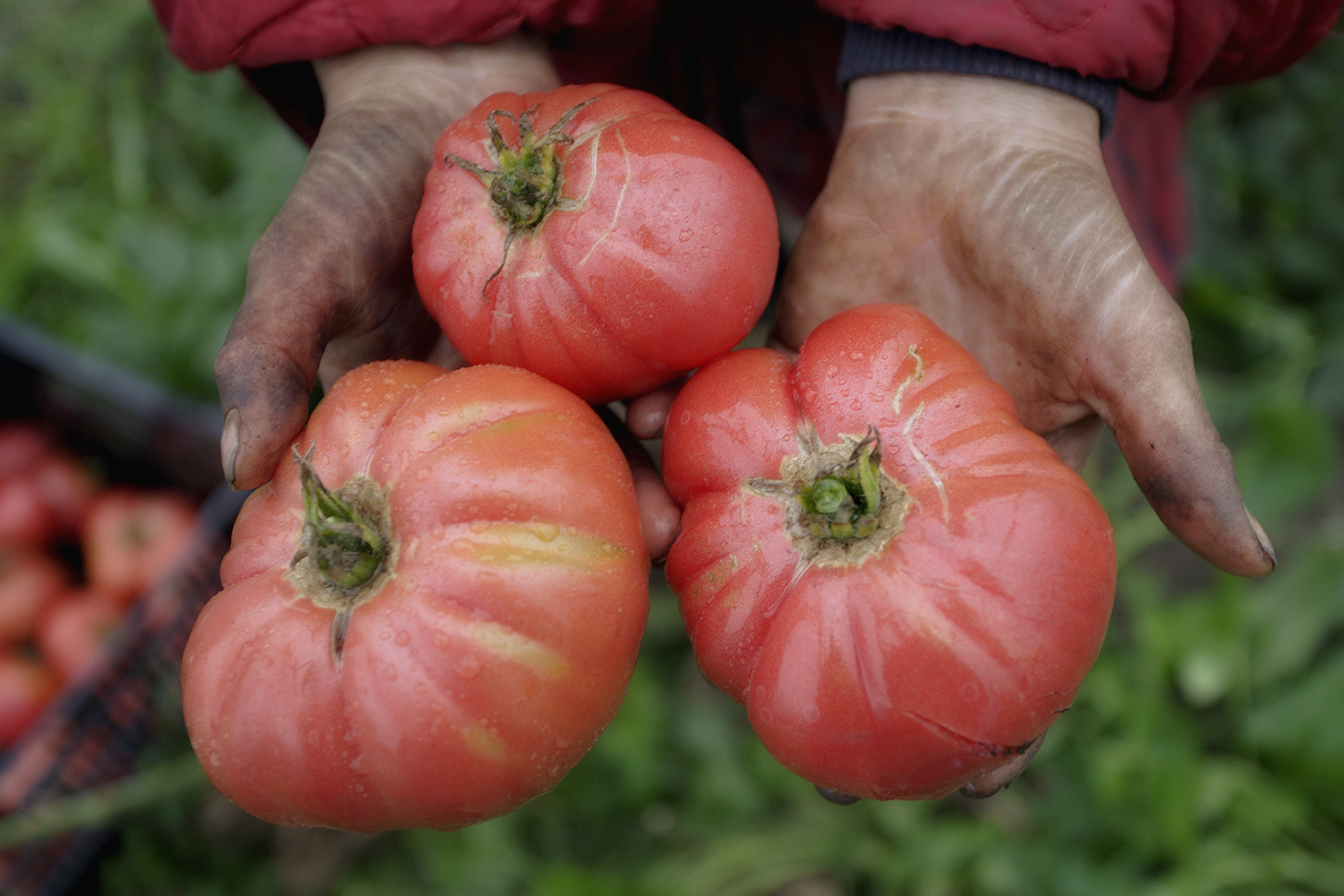
Organic heirloom tomatoes — diversity, structure, and vitality become visible above ground when the living system below ground begins working again.
As the soil stabilizes, I see the effects move upward through the system. Plant health improves. Water infiltrates more effectively. Insect populations return. Food webs strengthen. This connects directly to biodiversity recovery, stronger habitat structure, and more resilient ecosystems.
I also see the impact in food quality and human systems. Crops grown in living soil carry more structure, more resilience, and more nutritional integrity. This ties directly into soil and human health, where stronger soil systems support stronger biological systems above ground.
What stands out most to me is that regeneration is also cumulative—but in the opposite direction. Small changes begin to reinforce each other. Soil holds more water. Plants grow more consistently. Biodiversity increases. The system regains its ability to regulate itself. The same land that was losing strength begins to rebuild it.
“Regeneration is not something we force into the land—it’s something that emerges when the system is allowed to function again.” — Robbie George
Seven Seeds of Regeneration
Practical Ways I See the System Begin to Heal
What matters to me is that regeneration is not just an idea. It becomes visible through repeated practices that help the land regain structure, diversity, biological activity, and resilience. These are some of the clearest actions I see strengthening soil systems and reconnecting the larger ecological layers above them.
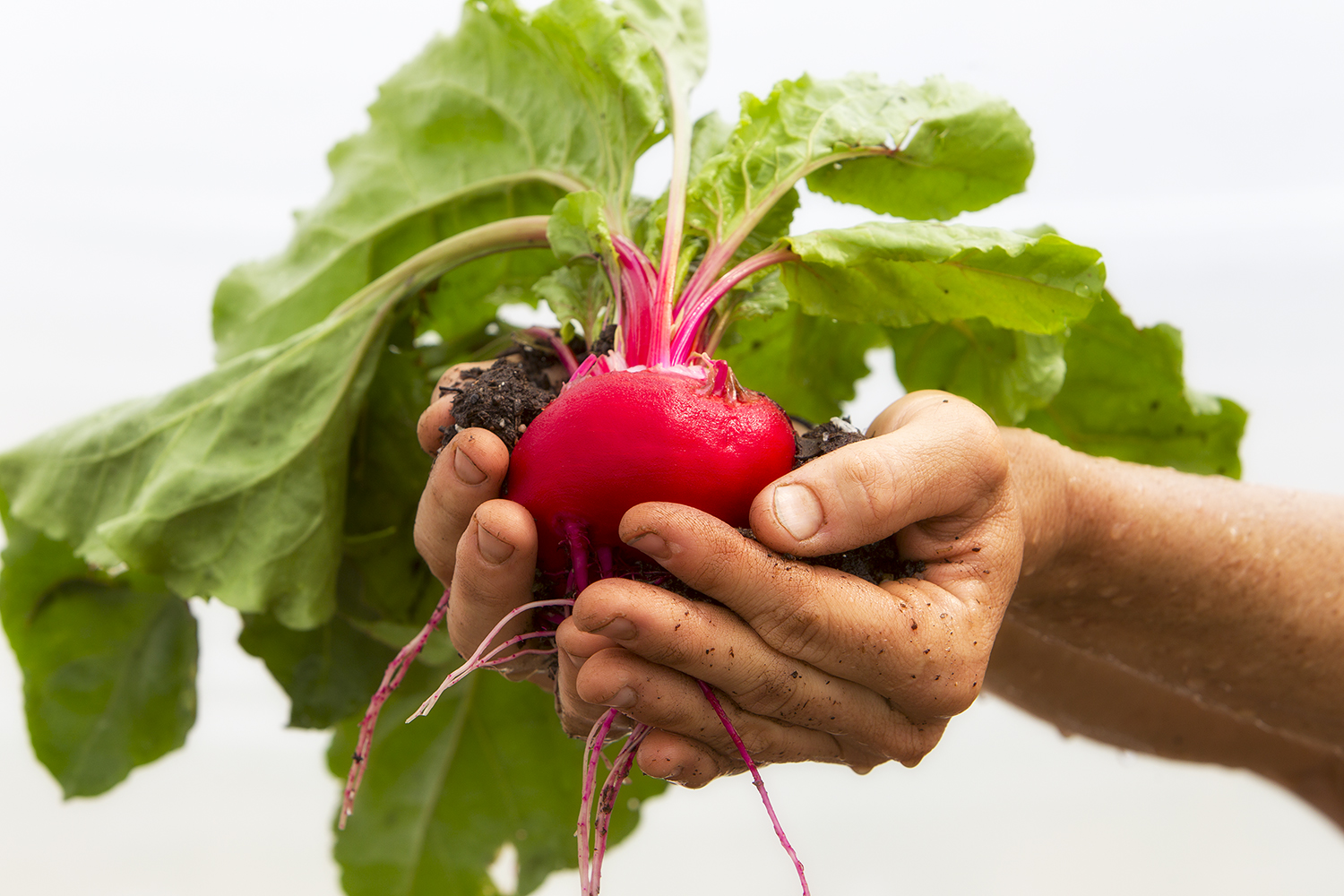
Organic beet — regeneration becomes tangible when healthy roots, living soil, and repeated stewardship practices begin producing visible strength above ground.
1. Seed the Soil
I start with the ground itself. Compost, reduced disturbance, cover crops, and living roots help rebuild the soil microbiome, improve aggregation, and restore the biological strength that everything else depends on.
2. Seed the Food
Better food begins in better soil. When the system below ground is functioning, crops gain more consistency, more resilience, and more nutritional integrity. This connects directly to soil and human health.
3. Seed the Water
Healthy soil helps rainfall infiltrate instead of run off. I see water stability as one of the clearest signs of recovery because it affects plant growth, drought resilience, and the health of entire ecosystems.
4. Seed the Biodiversity
Diversity above ground follows diversity below it. Native plants, mixed cropping, habitat edges, and less chemical pressure help rebuild biodiversity and ecosystem balance while strengthening food webs and habitat structure.
5. Seed the Pollinators
When fields and edges begin supporting pollinators again, I see it as a signal that the system is regaining coherence. Pollinators are part of the same web that connects soil, flowering plants, food production, and long-term conservation.
6. Seed the Climate Resilience
Living soils store more carbon, hold more water, and respond better to stress. That makes regeneration part of the climate response, linking directly to the carbon cycle and the long-term stability of working landscapes.
7. Seed the Relationship
What ties everything together for me is relationship. Regeneration becomes possible when I stop treating land as an extractive surface and start working with it as a living system. That is the deeper logic behind Quantum Agriculture and the broader field-based way I approach ecology.
“Regeneration becomes real the moment care turns into repeated practice and the land is given a chance to respond.” — Robbie George
Human Impact — How We Push the System Toward Loss or Recovery
The Future of the Soil Is Shaped by Human Choices
When I look at the condition of the soil, I do not see something happening on its own. I see the accumulated effect of human choices—how land is farmed, how water is managed, how habitats are fragmented, and how quickly living systems are simplified in the name of efficiency. The soil responds to all of it.
I see this most clearly in industrial patterns that prioritize short-term production over long-term function. Repeated tillage breaks soil structure. Chemical dependence weakens the soil microbiome. Monocropping reduces diversity above and below ground. Development seals living surfaces and disrupts water movement. Together, these pressures reshape habitat systems, weaken food webs, and reduce the resilience of entire ecosystems.
I also see the human layer in what we choose to value. If yield is separated from nutrition, if land is separated from biology, and if convenience is valued over stewardship, the system begins to drift toward degeneration. That drift shows up in weaker soils, less stable water cycles, declining biodiversity, and food that carries less real vitality. This ties directly into soil and human health, because the same land decisions shaping the field eventually shape the body.
What matters to me is that the opposite is also true. Human choices can move the system toward recovery. Conservation, regenerative agriculture, habitat protection, and biological awareness all help rebuild function from the ground up. The future is not abstract. It is being shaped every day by what we ask the land to endure—or by what we finally allow it to heal.
“The land keeps answering the question we ask of it. Extraction gets one response. Stewardship gets another.” — Robbie George
Conservation Response — How the System Recovers
Rebuilding Function Instead of Forcing Output
What I’ve seen consistently is that recovery does not come from forcing the land harder—it comes from allowing the system to function again. When disturbance is reduced and biological processes are supported, the soil begins to rebuild its structure, diversity, and internal stability. The system reconnects from the ground up.
I see this most clearly through regenerative practices. Reduced tillage protects soil structure. Cover crops maintain living roots and feed microbial life. Compost and organic inputs rebuild biological activity. Diverse planting strengthens resilience across the field. These approaches directly restore the soil microbiome and reconnect the relationships between plants, fungi, water, and nutrients that drive long-term stability.
I also see that conservation goes beyond the field itself. Protecting wetlands, maintaining native vegetation, reducing fragmentation, and supporting connected landscapes all help stabilize ecosystems, strengthen biodiversity, and improve long-term conservation outcomes. The soil does not recover in isolation—it recovers as part of a larger system.
Water and climate responses are some of the clearest indicators I look for. Healthy soil absorbs rainfall, reduces runoff, and supports more stable hydrology. It also stores more carbon below ground, which connects directly to the carbon cycle and broader climate resilience. These are not separate issues—they are expressions of the same recovery process.
What stands out most to me is that conservation is not about control—it is about alignment. When the system is supported instead of overridden, the soil responds. And when the soil recovers, everything connected to it—plants, water, wildlife, and people—has a chance to recover with it.
“Conservation begins when we stop trying to outwork the system and start allowing it to function again.” — Robbie George
Field Observation — What I’ve Seen on the Ground
The Difference Between Systems That Hold and Systems That Break
What shaped my understanding of this crossroads wasn’t theory—it was time in the field. Working in regenerative systems, I saw how quickly land begins to respond when it is treated as a living system. Soil that had been compacted and biologically quiet started to open, absorb water, and support consistent growth again once the pressure was reduced.
I’ve seen the difference in fields that are managed with biological awareness compared to those pushed for output alone. In stronger systems, water infiltrates instead of running off. Plants grow with more consistency. There is more visible diversity—more insects, more variation, more life interacting across the field. Those same patterns carry upward into habitat systems, food availability, and the stability of the larger landscape.
I’ve also seen the opposite. At first, the signs are subtle—water pooling instead of soaking in, crops needing more input to maintain growth, less insect activity, and a general reduction in diversity. Over time, those signals compound. What looks productive from a distance often hides a system that is losing its internal strength.
These observations changed how I see everything else I work with. The wildlife I photograph, the ecosystems I move through, and the seasonal patterns I track all connect back to what is happening below ground. The difference between degeneration and regeneration is not abstract—it is something I can see, measure, and walk through in the field.
“You don’t need theory to see the difference. You can walk it, feel it, and watch how the land responds.” — Robbie George
Naturepedia Connections — How This Crossroads Connects the System
I don’t see this as a single issue. The divergence between degeneration and regeneration connects across every layer of the Naturepedia system. What happens in the soil moves outward into species, behavior, habitat, ecosystems, geography, seasonal timing, and conservation. This is where those connections become visible.
Species
Soil quality shapes plant health, which determines food availability and long-term stability across species.
Behavior
Feeding patterns and movement shift depending on soil-driven food availability and habitat stability.
Habitat
Soil structure defines vegetation patterns, water flow, and the stability of habitats across landscapes.
Hydrogen, Water & Soil Systems
Explore how water, soil, and biology function as a connected system through hydrogen, polarity, and field-based relationships observable in real ecosystems.
Ecosystems
Soil function determines resilience, biodiversity, and stability across entire ecosystems.
Geography
Soil differences shape regional ecosystems from Yellowstone to wetlands and agricultural valleys.
Seasonal Timing
Soil moisture, temperature, and biology drive seasonal cycles across ecosystems.
Conservation
Soil restoration is one of the most powerful tools for rebuilding ecosystems and long-term stability.
The Soil’s Last Stand — FAQ
What does “The Soil’s Last Stand” mean?
I use this phrase to describe the point where soil systems either continue to degrade or begin to recover. It represents a real divergence in how land is managed and how ecosystems respond over time.
What is the difference between degeneration and regeneration?
Degeneration leads to weaker soil, reduced biodiversity, unstable water systems, and declining resilience. Regeneration rebuilds soil structure, microbial life, biodiversity, and ecosystem stability through practices that support natural processes.
Why is soil so important to ecosystems?
Soil regulates nutrient cycling, water movement, plant growth, and carbon storage. These processes support habitats, food webs, and overall ecosystem function, making soil one of the most important ecological layers.
How does soil health affect human health?
I see the connection through food systems. Soil quality influences nutrient density, microbial exposure, and long-term food stability, which ties directly into human health and resilience.
What are the most effective ways to support regeneration?
Practices like reduced tillage, cover cropping, composting, diversified planting, habitat protection, and working with biological systems instead of overriding them are some of the most effective ways to rebuild soil function.
Why is this considered a “crossroads” moment?
Because current land-use patterns are pushing systems in two different directions. Continued extraction leads to long-term decline, while regenerative practices allow systems to rebuild. The direction we reinforce determines the outcome.
About the Author
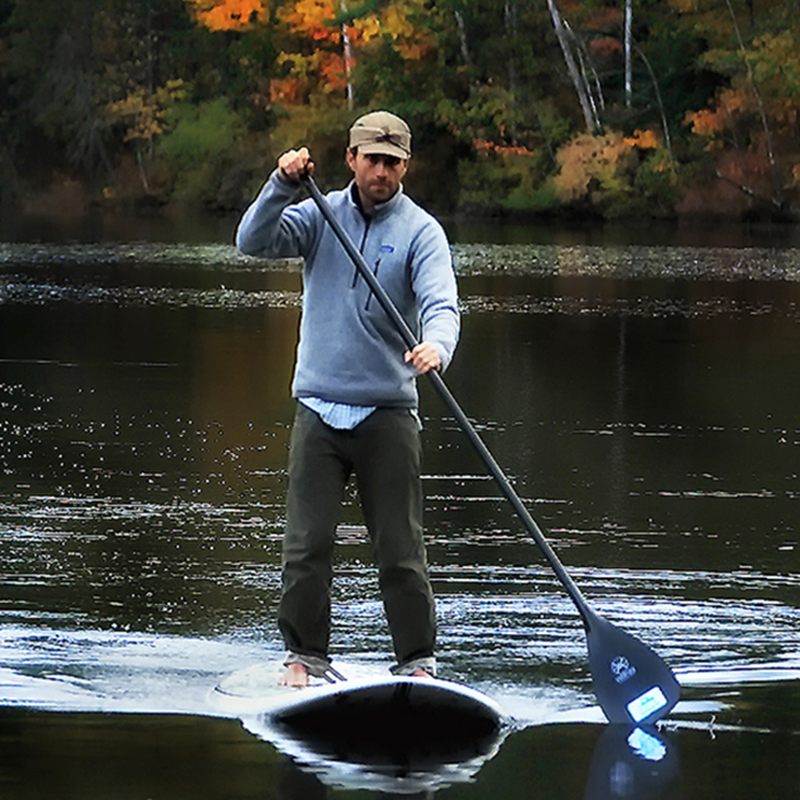
Robbie George is a National Geographic–published photographer and former organic farmer whose work is rooted in real field experience. Before building his photography and Naturepedia knowledge system, Robbie spent over a decade working in regenerative agriculture, including running a four-season organic farm in Colorado.
Working alongside mentors like Eliot Coleman and Joel Salatin, he developed a deep understanding of soil health, biodiversity, and the biological systems that support life. That experience shapes how he sees ecosystems today—from the ground up, where soil determines the strength of everything above it.
Through photography, writing, and systems like Naturepedia, Robbie focuses on helping people understand how living systems actually function—and why soil, regeneration, and ecological relationships matter to the future of both nature and human health.