
The Wood Wide Web: Nature’s Communication Network
The Wood Wide Web: How Nature’s Hidden Network Mirrors the Quantum Field
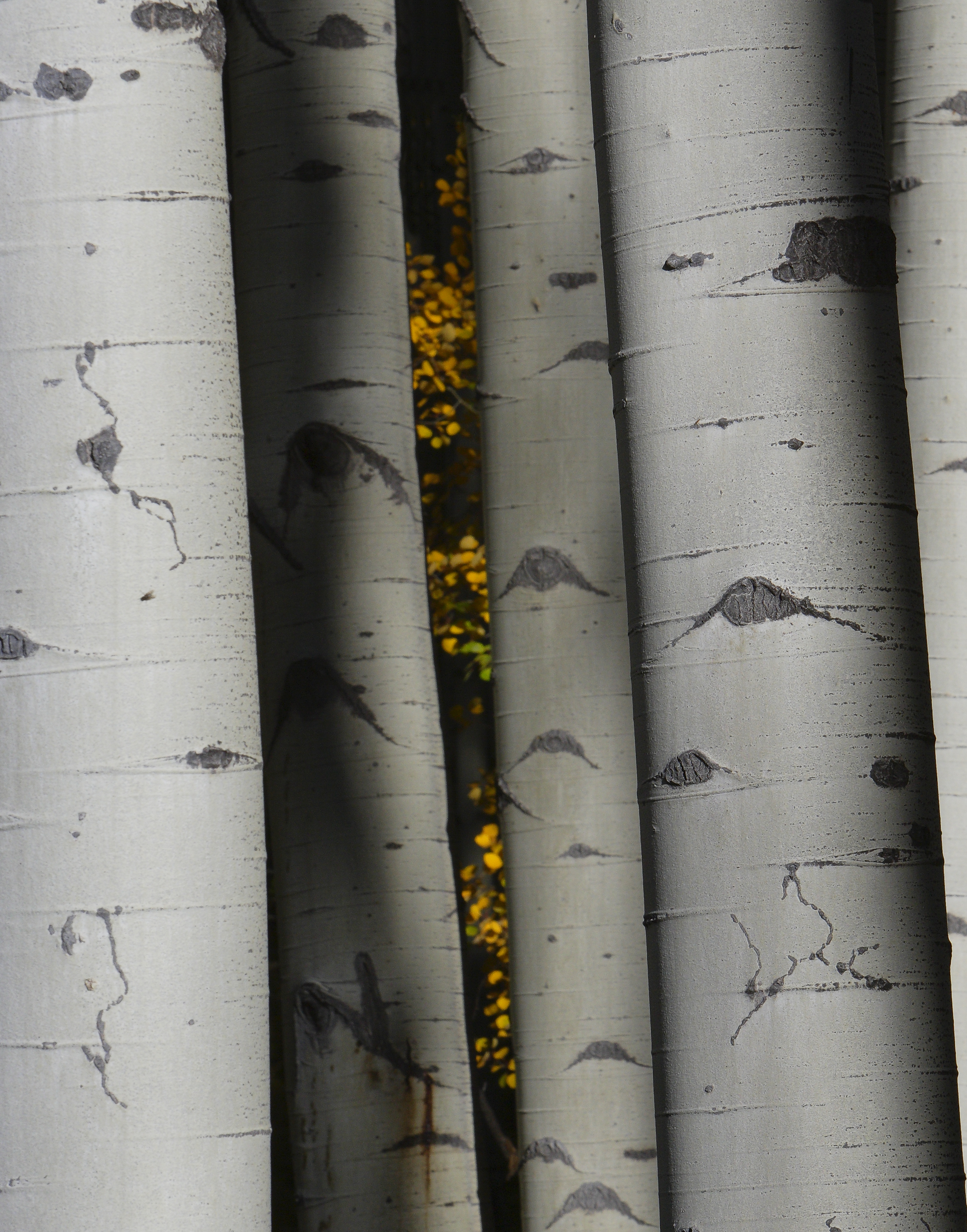
When I walk among the aspens, I no longer see individual trees — I see a single organism, a shimmering colony connected by roots, mycelium, and something even more mysterious: resonance. The "Wood Wide Web" may be made of mycorrhizal fungi, but its deeper function mirrors a vibrational blueprint. One that links trees, soil, birds, insects — and us — through shared frequencies, field coherence, and informational exchange.
As explored in The Soil Microbiome, this underground web doesn’t just deliver nutrients. It transfers memory. When one tree is wounded, others prepare. When a forest is in drought, the older trees ration water. These aren’t metaphors — they’re measurable field responses, carried not only through chemistry, but through biophotons, root-generated sound, and subtle shifts in vibration.
What if this network isn’t just biological, but quantum? What if the Wood Wide Web is a terrestrial echo of the Unified Field — a living, breathing example of what it means to be entangled not only by species, but by frequency? The deeper we look into the forest, the more we discover: we are not separate from it. We are a signal in the same song.
“Beneath the soil, beneath the roots — a frequency flows. And it remembers us.” ~ Robbie George
The Chatter in the Canopy
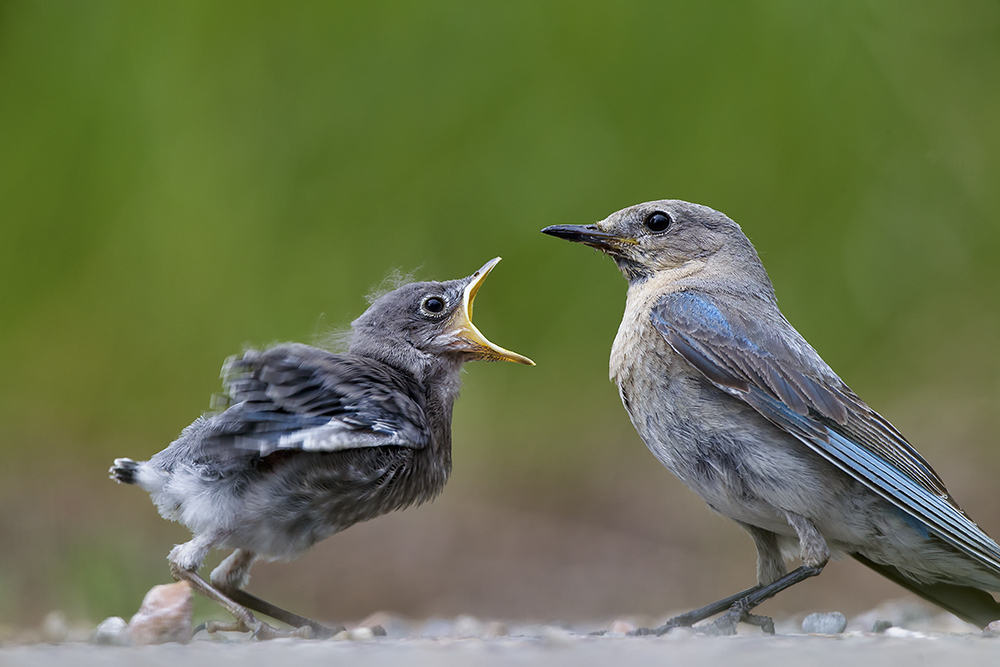
At first light, the forest becomes a symphony. Birds do more than sing — they tune the field. As described in The Spark, early morning birdsong is a form of field calibration. Each species contributes its own frequency, establishing boundaries, attracting mates, and rebalancing the environment’s energy after the stillness of night.
These songs aren’t random. They're part of an evolved bioacoustic intelligence — a rhythmic encoding of territory, trust, and timing. Some indigenous traditions believe birdsong opens the forest’s breath each morning, and recent science agrees: sound shapes ecology. Much like the Wood Wide Web connects roots and fungi, birdsongs ripple through airspace, shaping not only behavior but resonant field conditions.
When I photograph birds at dawn, I’m not just capturing light — I’m documenting communication. Each note they release carries coded meaning, and perhaps even memory. Birds, in this sense, are field engineers, retuning ecosystems each day through vibrational expression. They remind us that sound is not noise — it’s knowledge.
“Birdsong is not background — it is field architecture in motion.” ~ Robbie George
The Animal Kingdom’s Social Network
When a bull elk bugles through a mountain valley, it’s not just a call — it’s a broadcast. The sound resonates across ridgelines, reverberating through body and landscape. This vocalization is both territorial declaration and vibrational imprint, a field-level pulse that influences behavior, hierarchy, and migration. In Quantum Vitality, I propose that such primal sounds do more than travel — they entrain. They harmonize animals to place, time, and each other.
In the oceans, dolphins carry on their own version of dialogue — using whistles, clicks, and postures as biofield communication. Their vocalizations create spatial memory, social alignment, and perhaps emotional encoding. Just as fungi link trees underground, sound links marine mammals through resonance. The vibrational infrastructure of their community echoes what I describe in The Nature Code — communication as pattern coherence, not just data transfer.
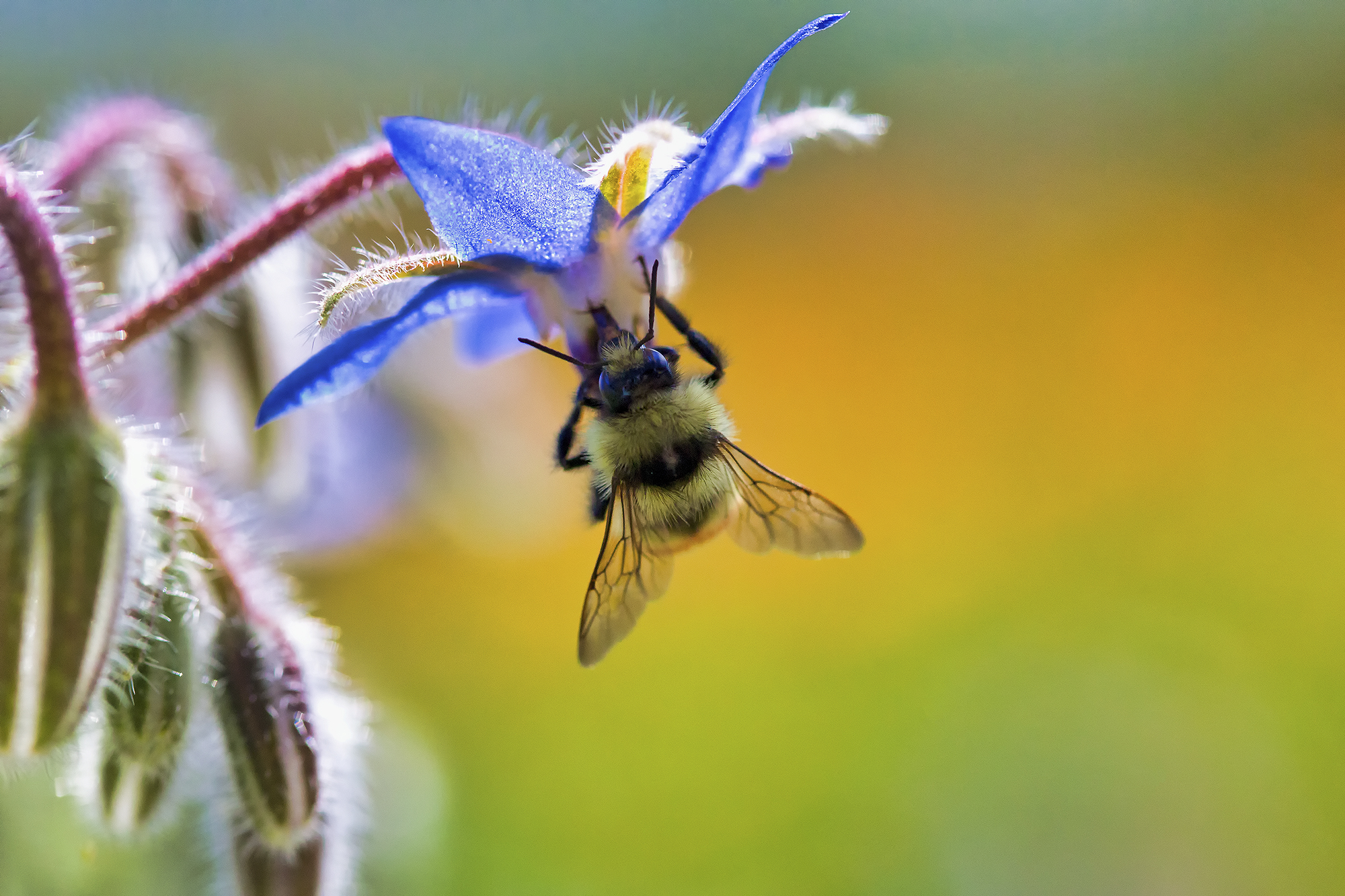
Even in the insect realm, communication is elegant. The bee’s waggle dance encodes direction, distance, and quality of a nectar source — all with incredible vibrational precision. These dances are not only movement, but waveform — guiding the hive with harmonic certainty. Nature’s language is not always spoken. It’s often vibrated, felt, and fielded.
“In the animal kingdom, communication isn’t noise — it’s resonance. It’s how the field remembers who lives where.” ~ Robbie George
Unseen Forces: Nature’s GPS and Wi-Fi
Across continents, birds migrate thousands of miles with stunning accuracy — guided not by maps, but by magnetic fields. Scientists now believe some species possess cryptochrome proteins in their eyes that allow them to visually perceive Earth’s magnetism. This built-in GPS may be a kind of quantum sensor, as discussed in The Nature Code — a biological system attuned to resonance, spin, and field fluctuation.
Beneath the soil, plants share data through biochemical signals and fungal mycelium. When a tree is under attack, nearby plants receive the message and react accordingly. This is nature’s Wi-Fi: an unseen network of vibrational alerts, nutrient bartering, and environmental updates. In The Soil Microbiome, I describe this system as more than biological — it is an intelligent feedback loop pulsing with memory and reciprocity.
Bees use solar orientation, polarized light, and magnetic cues to find their way — but more than that, they vibrate. Their waggle dance shares exact vectors for food locations, transmitted through shared resonance on the comb. This dance encodes direction, distance, and quality — not in spoken word, but in motion and frequency. It is, quite literally, a field transmission.
“Nature’s GPS isn’t a satellite. It’s resonance. And we’re only just learning to tune in.” ~ Robbie George
The Human Connection: Learning from Nature’s Network
Imagine if we, too, could tune in — not to phones or screens, but to the frequency of forests, the pulse of pollinators, the encoded chorus of birds at sunrise. In Nature’s Healing Wisdom, I reflect on how this reconnection isn’t fantasy — it’s memory. Somewhere deep within our cells, we still carry the blueprint for this kind of listening.
Biomimicry reminds us that nature already knows how to thrive. Birds use geomagnetic cues. Plants share chemical alerts. Fungi coordinate resource flow. If we tuned ourselves to this same logic — to vibrational feedback rather than linear command — we might solve problems with regenerative intelligence instead of reactive technology. This is where ecology meets ethics, and resonance becomes design.
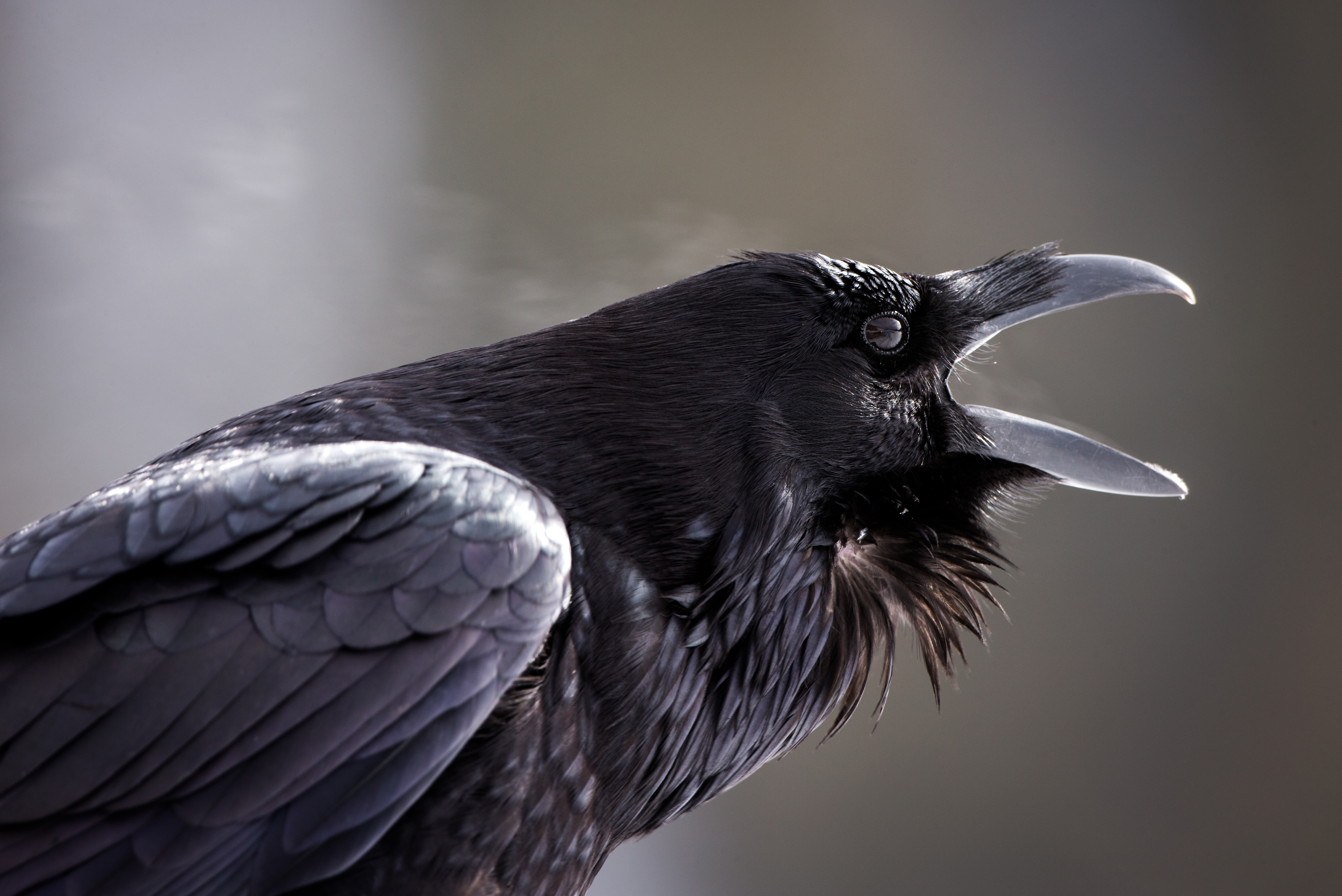
The raven doesn’t just observe — it remembers. These birds, revered in ancient cultures, have long symbolized messengers between worlds. Their calls echo across valleys and treetops, reminding us that observation can be reverence. When we listen — really listen — the network speaks back. The field welcomes us in. And in that space, perhaps we remember how to belong again.
“To live in harmony with the Wood Wide Web is not to dominate nature — it is to remember we are one of its frequencies.” ~ Robbie George
Conclusion: Remembering the Network
In the quiet of forests, beneath the chirps, clicks, and canopy, a living language is being spoken. Trees share. Birds tune. Mycelium responds. Bees dance. And through it all, the planet breathes in code. This is nature’s Wi-Fi — a vibrational network older than any digital grid, deeper than any broadband, and infinitely more intelligent.
We are not outside this system. We are not guests in the forest. We are threads in the web — a species with the capacity to tune back in. What nature is asking of us now is not to mimic, but to remember. To drop beneath the noise, open our senses, and listen to the signal that’s always been there.
Call to Action
Walk softly through the forest. Pay attention to the patterns of growth, decay, light, and song. Support rewilding projects and soil health. Protect fungal networks beneath old trees. Listen to the birds not as background, but as broadcasters. And remember — communication is not always verbal. It’s energetic.
Parting Thought
What if the next evolution of human intelligence isn’t artificial? What if it’s ancestral — rooted in field awareness, in listening, in feeling the forest breathe? The Wood Wide Web is not just a metaphor. It is an invitation back into the web of life.
Explore the Web Further
If this post opened your eyes to nature’s silent language, you’ll want to explore more from the Nature’s Healing Wisdom series — where soil speaks, roots share, and ecosystems remember.
For deeper resonance with the biofield and the rhythms of life, explore related posts like The Soil Microbiome and The Nature Code. These entries dive into the unseen coherence that holds ecosystems — and our own vitality — together.
Bring this harmony into your home with fine art pieces like the Aspen Tree, Bee and Flower, or Common Raven — visual testaments to life’s invisible yet intelligent web.
Naturepedia Connections
This article connects to the Naturepedia system through soil intelligence, fungal communication, wildlife behavior, and the hidden networks that allow ecosystems to function as living fields.
- Naturepedia — the full interconnected knowledge system
- Soil Microbiome — the underground intelligence of living soil
- Hydrogen, Water, and Soil Systems — the deeper foundation of biological exchange
- Biodiversity & Ecosystem Balance — how species relationships sustain resilience
- Wildlife Behavior & Ecology — communication, adaptation, and field response in the wild
- The Living Code — pattern, resonance, and nature’s hidden architecture
- The Grand Compression — the deeper system model behind interconnected life
Explore Fine-Art Prints
Bring the season home—browse Wildlife, Landscapes, and Seascapes by National Geographic–published photographer Robbie George. See framing, editions, and care on the Collectors page.
 Landscape
  Wildlife
  Seascapes
About Robbie George
Robbie George is a National Geographic–published photographer and resonant naturalist. His fieldcraft follows a simple ethic—distance first, habitat always— shaped by Slow Knowledge and the Signature Series.
Explore calm, undisturbed behavior in the Wildlife Gallery or plan your next trip with the Seasonal Wildlife Calendar, Golden Hour & Moon, and Photography Maps.
“Attention first, image second. The shutter is the period at the end of a sentence you learned by walking.”
Frequently Asked Questions
1. What is the Wood Wide Web and how does it function?
The Wood Wide Web is a term used to describe the underground network of mycorrhizal fungi that connect trees and plants. This network allows for the exchange of nutrients, electrical signals, and even “warning messages” between trees. It’s nature’s internet — a decentralized communication system made of memory, vibration, and reciprocity.
2. Can birds and insects be part of nature’s communication field?
Yes. Birds use song to mark territory and calibrate ecosystem rhythm. Bees use vibration to transmit direction and quality of nectar sources. These are not just isolated calls or dances — they are frequency-based transmissions that sustain ecological intelligence, much like quantum signals in a coherent field.
3. How does this relate to quantum theory and the unified field?
Much like particles in quantum entanglement, elements in ecosystems respond to changes in each other through field-based resonance. As explored in the Unified Field Theory, communication in nature may follow principles of vibrational coherence, pattern recognition, and shared awareness across species.
4. How can humans reattune to this natural network?
By spending more time in nature, listening deeply, walking barefoot (grounding), protecting soil systems, and observing birds, insects, and plants with reverence. Tuning into the field means remembering we are not outside of it — we are one of its participants.
5. Can this understanding influence technology or design?
Absolutely. Biomimicry draws directly from nature’s design logic. If we mimic how fungi share resources, how birds navigate magnetically, or how plants respond to vibration, we may design more sustainable networks, cities, and energy systems. Nature’s communication systems are efficient, resilient, and timeless.