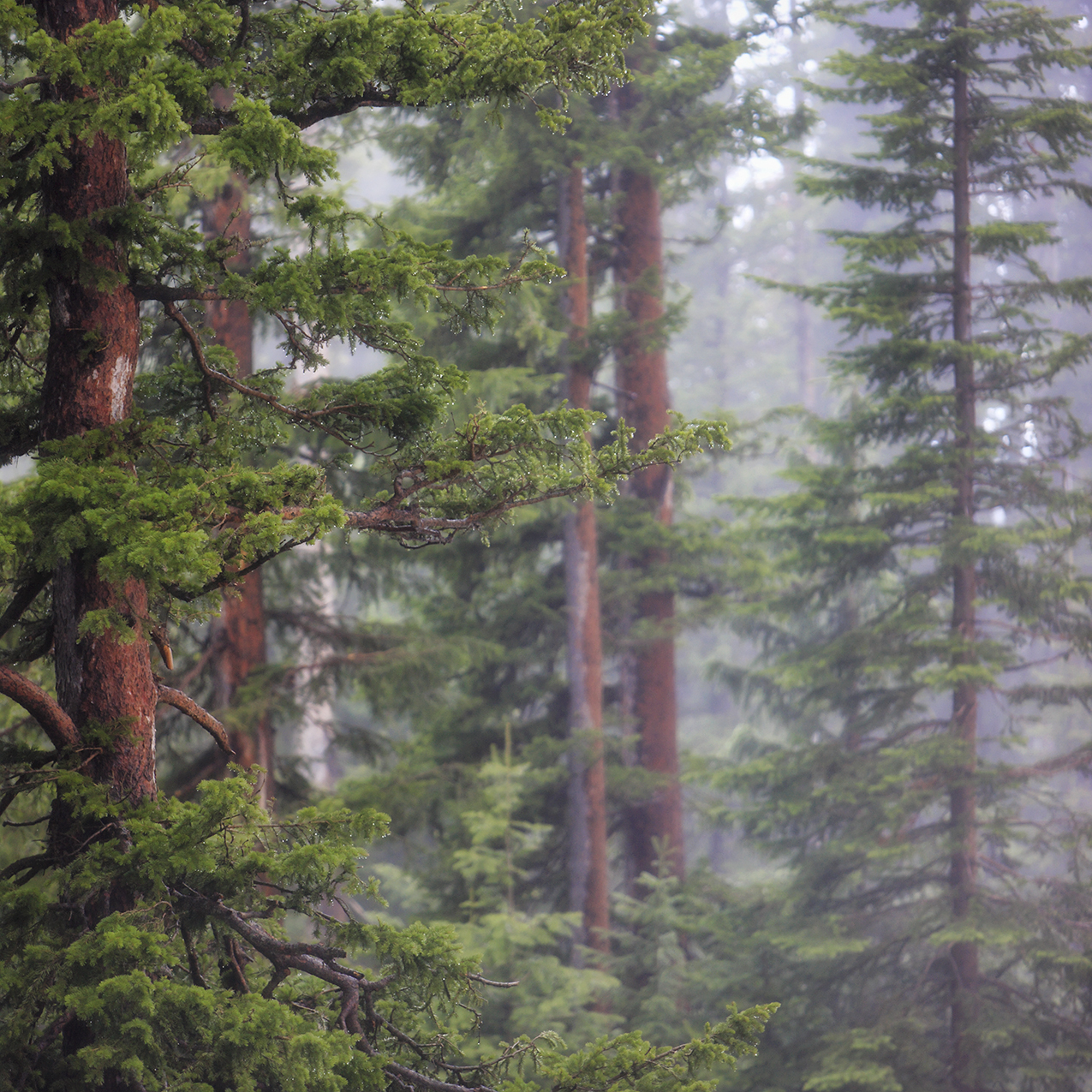
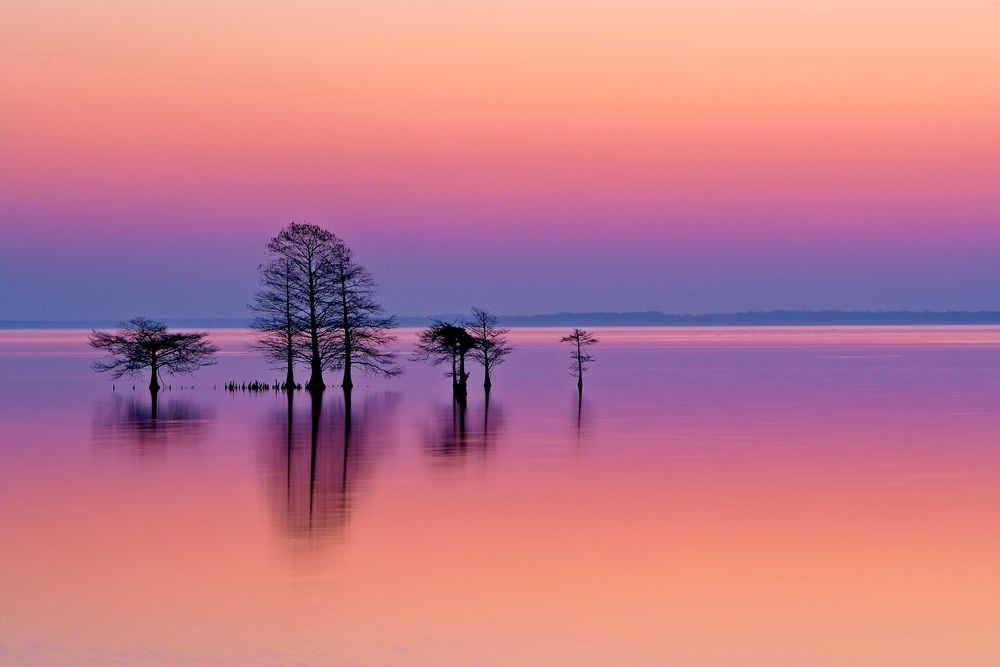
Evergreen Forest in Fog — where attention slows and patterns begin to reveal themselves
Field Practice • Observation • Slow Attention
Slow Knowledge
I’ve come to think of slow knowledge as the kind of understanding that only forms through time — through attention, repeated observation, and staying in relationship with the natural world long enough for patterns to emerge.
This isn’t abstract to me. It’s rooted in forests, weather, light, wildlife behavior, and the real pace of being outdoors. It’s the same process that shapes my photography, my fieldwork, and how Naturepedia came together over time.
If you’re new here, think of slow knowledge as a field-based way of learning — one that values depth over speed, coherence over noise, and long attention over constant input.
“The longer I stay with a place, the more it begins to explain itself.”
Slow knowledge builds through attention, memory, and returning often enough to see what repeats.
Earlier attempts to understand connection, continuity, and the living nature of the world
A Short Lineage of Connection
When I think about slow knowledge, I don’t see it as something new. I see it as something people have always recognized — that real understanding takes time, attention, and a willingness to stay with what you’re observing.
In the field, I’ve watched how patterns only begin to reveal themselves after repeated visits — through seasons, changing weather, shifting light, and the behavior of wildlife. That kind of understanding doesn’t come from a single moment. It builds slowly, through memory and return.
There’s a longer thread behind that way of seeing. Thinkers like Emerson and Thoreau were pointing toward the same idea — that nature is not something separate from us, and that slowing down is not retreat. It’s a way of seeing more clearly.
For me, this isn’t about rejecting science or analysis. It’s about grounding them. The clearest insights I’ve had have come from learning with the natural world — not just studying it from a distance.
That’s where this page sits. It lives between my field practice, my photography, and the way I organize what I’ve observed through Naturepedia and my writing.
Roots: Farming, Community, and the Pace of Real Learning
For me, slow knowledge didn’t start as an idea. It grew out of real life — out of working with land, living through seasons, and learning how long it actually takes for anything meaningful to develop.
At Divide Creek Farm in Colorado, I spent years in organic and regenerative farming. That experience changed how I understand everything. You don’t rush soil. You don’t rush growth. You don’t rush understanding. You work with conditions, time, and relationships — and you begin to see how everything connects.
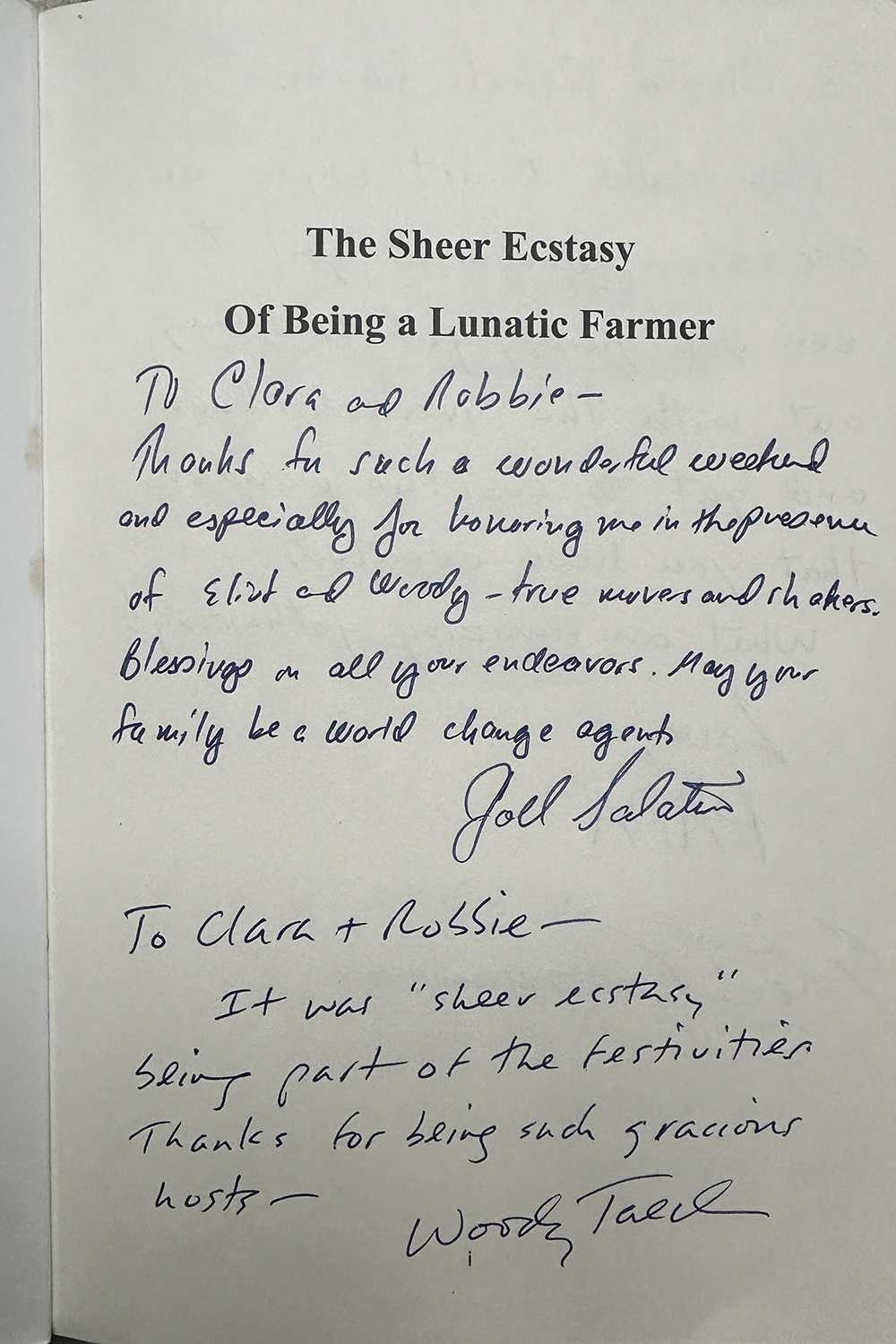
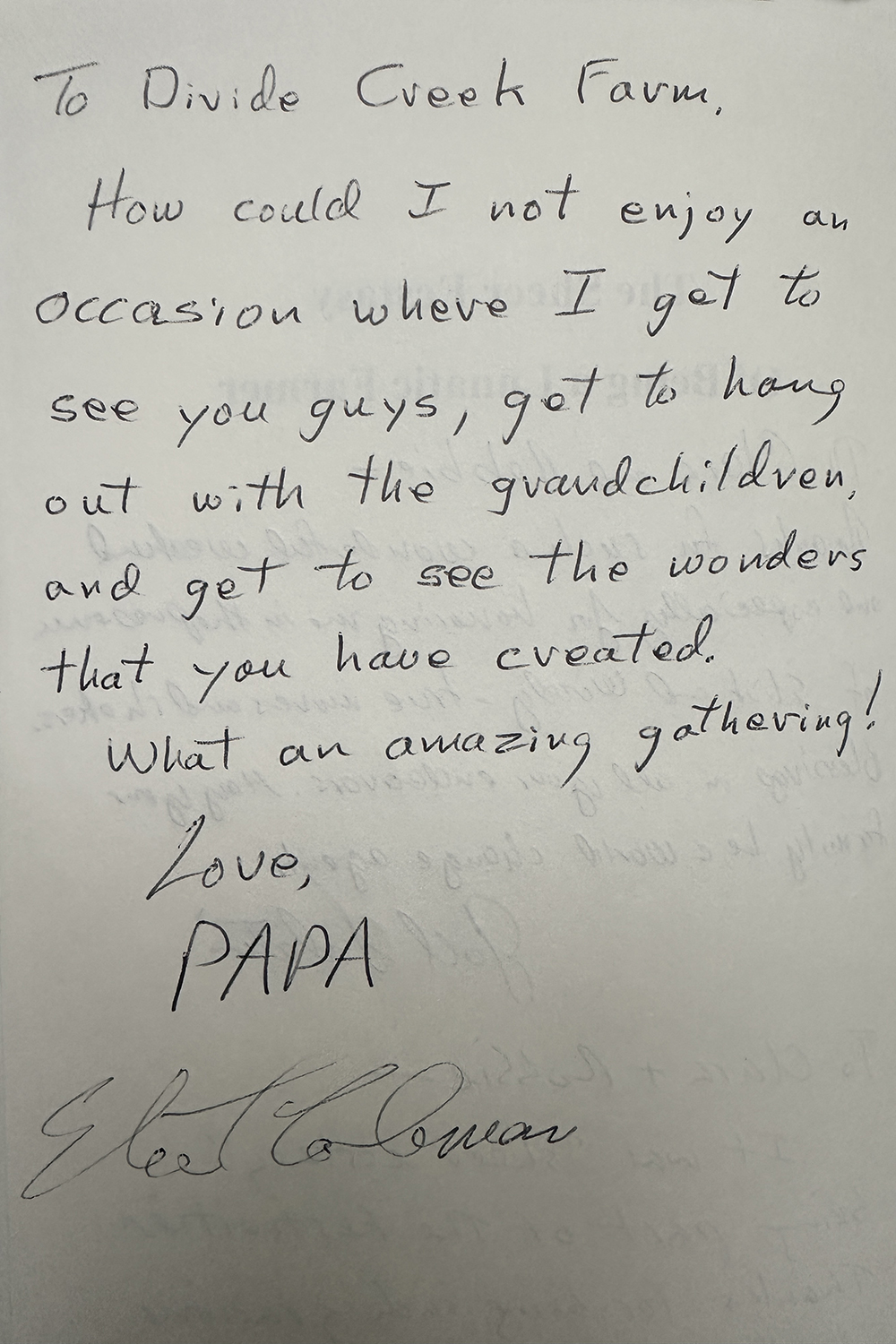
I hosted a gathering there called Farming & Feeding of the Mind, and that name has stayed with me. It captured something important — that learning isn’t just intellectual. It’s shaped by place, conversation, food, community, and the rhythm of being in the world.
The same principles that shape healthy soil also shape real understanding: diversity, attention, memory, seasonality, and time. Knowledge grows the way ecosystems do — through cycles, relationships, and conditions that allow complexity to deepen.
“The deepest knowledge I’ve found grows the same way a healthy field does — slowly, season by season, in relationship with what is real.”
There’s also a deeper lineage behind this way of learning — one that runs through Emerson, Thoreau, and others who understood that slowing down isn’t stepping away from life. It’s stepping closer to it.
Nature Photography as a Practice of Slow Knowledge
For me, every meaningful photograph begins long before I ever raise the camera. It starts with attention — standing still long enough to notice fog lifting through trees, a shift in wind across water, or the subtle behavior that tells me how an animal is moving through its environment.
Over time, I’ve come to see photography as one of the clearest practices of slow knowledge. It forces me to slow down, to wait, to return, and to work with conditions that can’t be controlled. Weather changes. Light shifts. Wildlife decides the terms. The field sets the pace — not me.
The camera becomes part of the process, but it’s not the center of it. What matters is learning how to see — how to recognize patterns across time, place, and behavior. The image is just one moment in that larger process.
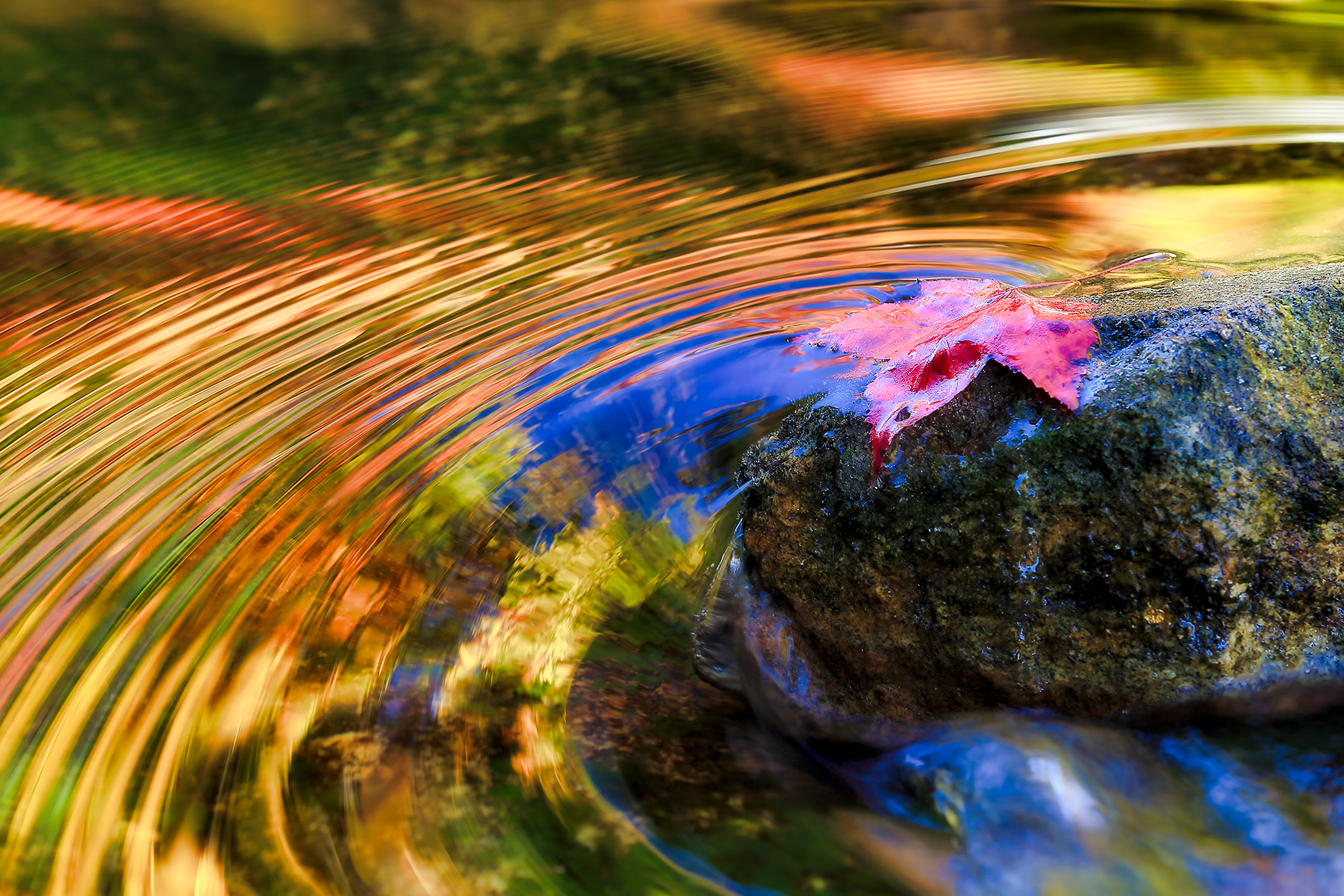
“Leaves Falling” — a small moment that only reveals itself through patience
“The camera records a moment, but the meaning only comes from everything that led up to it.”
When I talk about slow knowledge, I’m talking about what happens when understanding builds through time, attention, and direct experience. It’s the difference between seeing something once and knowing it — and returning often enough that patterns begin to reveal themselves.
I’ve found that the most meaningful knowledge doesn’t come from speed. It comes from repetition, memory, and relationship with real places — from watching how wildlife behaves, how light shifts, how seasons change, and how those patterns connect over time.
1. Time Builds Understanding
I only start to understand a place after returning to it — across seasons, conditions, and time. Patterns don’t show up all at once.
2. Attention Shapes What I See
What I notice determines what I learn. Slowing down increases clarity — small changes begin to stand out.
3. Experience Grounds Everything
The most reliable understanding I have comes from being in the field — not just reading or analyzing from a distance.
4. Memory Connects the Dots
What I’ve seen before changes how I see now. Over time, moments connect into patterns.
5. Relationships Reveal Meaning
I rarely see anything in isolation anymore — wildlife, habitat, light, and season are always connected.
6. Depth Over Speed
Fast information is easy to get. What matters is what stays with me — what becomes part of how I see.
“Slow knowledge isn’t about knowing less — it’s about seeing enough times for something to finally make sense.”
Over time, slow knowledge becomes more than memory. It becomes structure. The more I return to places, observe wildlife, study tracks, follow seasonal change, and notice relationships, the more those observations begin connecting into a larger system.
That is the deeper purpose of Naturepedia. It organizes field observation into connected layers — species, behavior, habitats, tracks, locations, migration, water systems, and ecological relationships.
“Slow knowledge begins in the field, but over time it becomes a map of relationships.”
Practice • Observation • Field Application
Practicing Slow Knowledge in the Field
Slow knowledge isn’t something I only write about — it’s something I practice. It develops through returning to the same places, paying attention to what changes, and noticing how weather, light, habitat, and behavior interact over time.
The tools below are part of how I work in the field. They help turn attention into understanding — and help connect individual moments into patterns that hold over time.
Returning to the Same Place
I’ve learned more by revisiting one location over time than by constantly moving on. A wetland in spring tells a different story in fall. A forest at dawn is not the same place at dusk.
Over time, I stopped seeing isolated subjects. I started seeing connections — an animal in its habitat, movement shaped by weather, light interacting with environment.
1. Choose one place.
I return to the same location multiple times.
2. Observe first.
I spend time watching before photographing.
3. Compare visits.
I look for what changes over time.
4. Let it build.
Patterns emerge slowly — that’s the point.
“Slow knowledge begins when a place stops being scenery and starts becoming familiar.”
FAQ • Slow Knowledge • Field Learning
Questions About Slow Knowledge
These are questions I get often—about how slow knowledge connects to photography, field observation, and the way I work with nature over time.
What do you mean by slow knowledge?
When I talk about slow knowledge, I’m referring to understanding that builds over time—through observation, return, and lived experience. It’s not something I get from a single moment. It develops from staying with a place long enough to see patterns repeat.
How does slow knowledge relate to photography?
For me, photography is one of the clearest ways to practice slow knowledge. The strongest images come from paying attention—watching behavior, light, and timing—and returning often enough to understand what I’m seeing instead of reacting to it.
How is slow knowledge different from fast information?
Fast information is easy to access, but it doesn’t always stay with me. Slow knowledge builds more slowly, but it becomes part of how I see. It’s the difference between reading something once and understanding it through experience.
How do you actually practice slow knowledge?
I keep it simple. I return to the same places, observe before photographing, pay attention to seasonal changes, and compare what I see over time. Eventually, separate moments start connecting into patterns.
How does slow knowledge connect to Naturepedia?
Naturepedia is how I organize what I’ve learned through slow knowledge. It connects species, behavior, ecosystems, and seasonal patterns into something structured—but it all starts with field observation.
Is slow knowledge just philosophy?
No. It includes reflection, but it’s also practical. I use it in photography, wildlife observation, farming, and fieldwork. It’s both a way of thinking and a way of working.
About the Author
I’m Robbie George — a nature photographer and field observer. My work is built through time in the field, following wildlife, light, landscape, and seasonal change across real ecosystems.
I created Naturepedia as a way to organize what I’ve learned through observation — connecting species, behavior, ecosystems, and patterns that repeat across nature.
The idea of slow knowledge also comes directly from my experience working in regenerative agriculture at Divide Creek Farm in Colorado, where I learned how understanding grows through time, relationship, and real conditions.
The presence of this badge signifies that this business has officially registered with the Art Storefronts Organization and has an established track record of selling art.
It also means that buyers can trust that they are buying from a legitimate business. Art sellers that conduct fraudulent activity or that receive numerous complaints from buyers will have this badge revoked. If you would like to file a complaint about this seller, please do so here.
Verified Returns & Exchanges
The Art Storefronts Organization has verified that this business has provided a returns & exchanges policy for all art purchases.
Description of Policy from Merchant:
What is your Policy on Returns/Exchanges/Refunds?
I take great pride in my work and prints, and I want you to be completely happy with your investment in my nature art. If for any reason you are unsatisfied with your print, you may return it within 14 days of delivery, and/or exchange it for another print. Prints must be returned in new condition, packaged carefully in the original packaging if possible. Your refund will be issued as soon as I receive the returned print. Please contact me if you would like to arrange a return or exchange.
In the event that you receive a damaged or defective print, please let me know within 7 days of receipt, and I will arrange for a new print to be shipped to you at no additional cost.
Verified Secure Website with Safe Checkout
This website provides a secure checkout with SSL encryption.
Verified Archival Materials Used
The Art Storefronts Organization has verified that this Art Seller has published information about the archival materials used to create their products in an effort to provide transparency to buyers.
Description from Merchant:
Fine Art Prints are made with high-quality archival inks on fine art papers using a high-resolution large format inkjet printer. Our premium archival inks produce images with smooth tones and rich colors. Prints are made with care on your choice of exquisite Fine Art Papers using a high-resolution large format inkjet printer. https://www.graphikprintworks.com
Become a supporter of Robbie George Photography and be the first to receive new content and special promotions.
“Every image is a field. Every quote is a key. Welcome back to the rhythm.” ~Robbie
Cart
Your cart is currently empty.
Saved Successfully.
This is only visible to you because you are logged in and are authorized to manage this website. This message is not visible to other website visitors.
Import From Instagram
Click on any Image to continue
This Website Supports Augmented Reality to Live Preview Art
This means you can use the camera on your phone or tablet and superimpose any piece of nature art onto a wall inside of your home or business.
To use this feature, Just look for the "Live Preview AR" button when viewing any piece of nature art on this website!