
The Photon’s Journey: How Light Writes the Story of Nature
Introduction: Light as Nature’s Storyteller
Every photograph begins not with a camera, but with a photon. Born in the fiery heart of a star, photons cross the vast silence of space to touch Earth’s forests, rivers, and wings. They shape not only what we see, but who we are. In my work with photons across time, I’ve explored how these particles of light encode memory, resonance, and connection across the cosmos.
Light is nature’s first storyteller. It writes the green alchemy of photosynthesis, the patterns of migration, and the very images captured through nature photography and science. From the cosmic messengers shaping life to their role in quantum biology, photons carry the blueprint of existence.
This journey invites you to see light differently—not just as illumination, but as the universal thread that ties together plants, perception, and photography. In the following sections, I narrate the path of a single photon, weaving together science, story, and images from the wild to show how every photograph is truly a poem written in light.
Riding the Beam: A Photon’s Journey
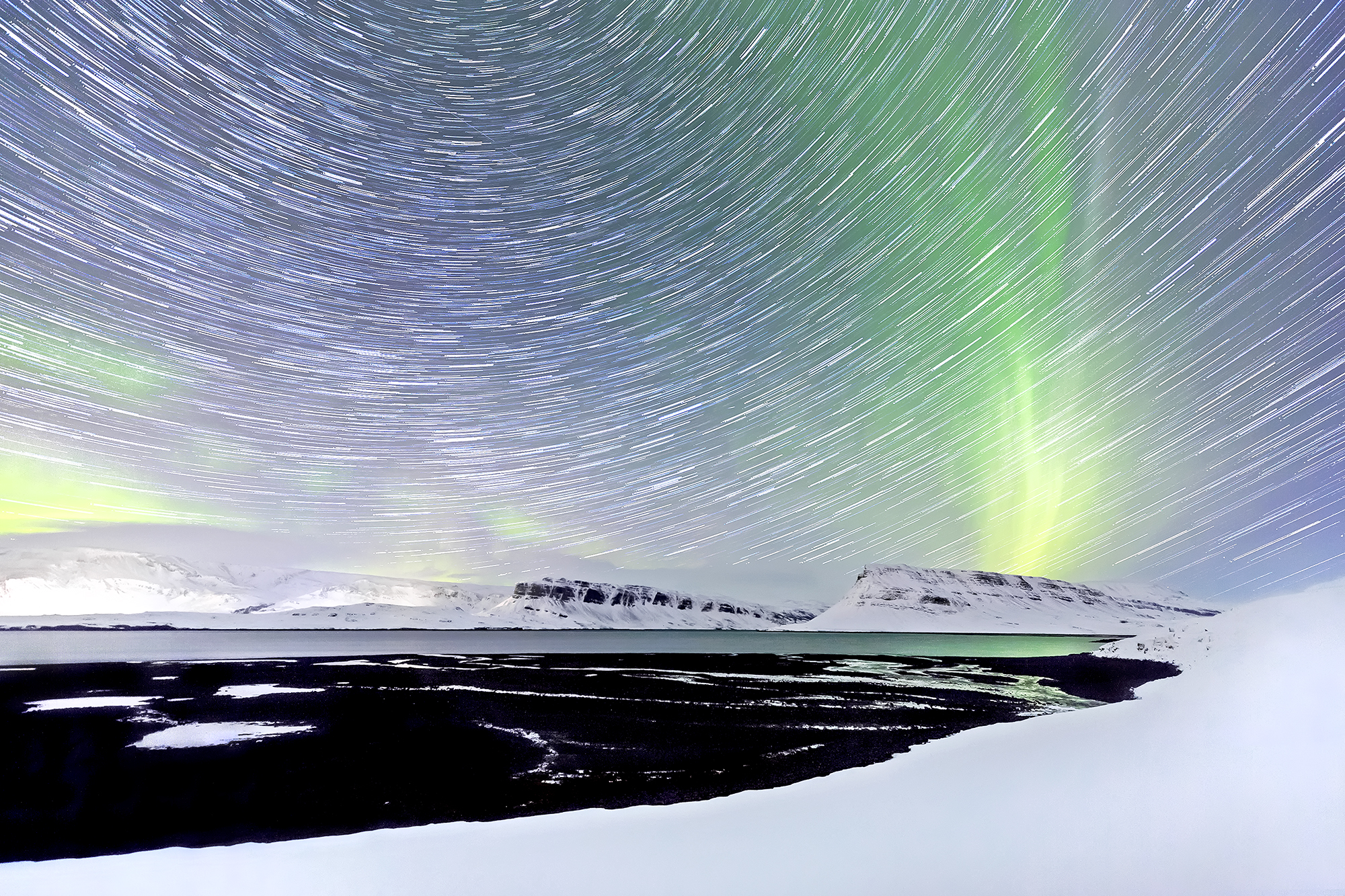
Released from a star’s fiery core, I begin my voyage at the speed of light. Across cosmic emptiness, I travel—wave and particle, messenger and memory. When I finally meet Earth, I dance with its magnetic shield, painting auroras that ripple through the sky. This luminous display reminds us that photons are not just illumination, but cosmic messengers shaping life and the universe.
In quantum threads connecting DNA and the golden ratio, I describe how light encodes harmony and resonance. Each aurora, each starlight reflection, is a living testament to this dance. Photography, at its core, is the art of catching these beams—freezing them into moments that echo across time.
The Northern Lights are more than spectacle—they are a visual symphony of energy, magnetism, and color. As a photographer, I seek these ephemeral performances, knowing each image is both science and story, quantum event and timeless memory. For me, each captured photon is a verse in the greater poem of the Nature Code.
The Green Alchemy: Photons in Plants
When I meet a leaf, my energy becomes transformation. Through photosynthesis, chlorophyll captures me, turning my light into sugars that sustain forests, meadows, and entire ecosystems. This remarkable process is one of nature’s most efficient, guided by principles of quantum biology that allow energy transfer with near-perfect precision.
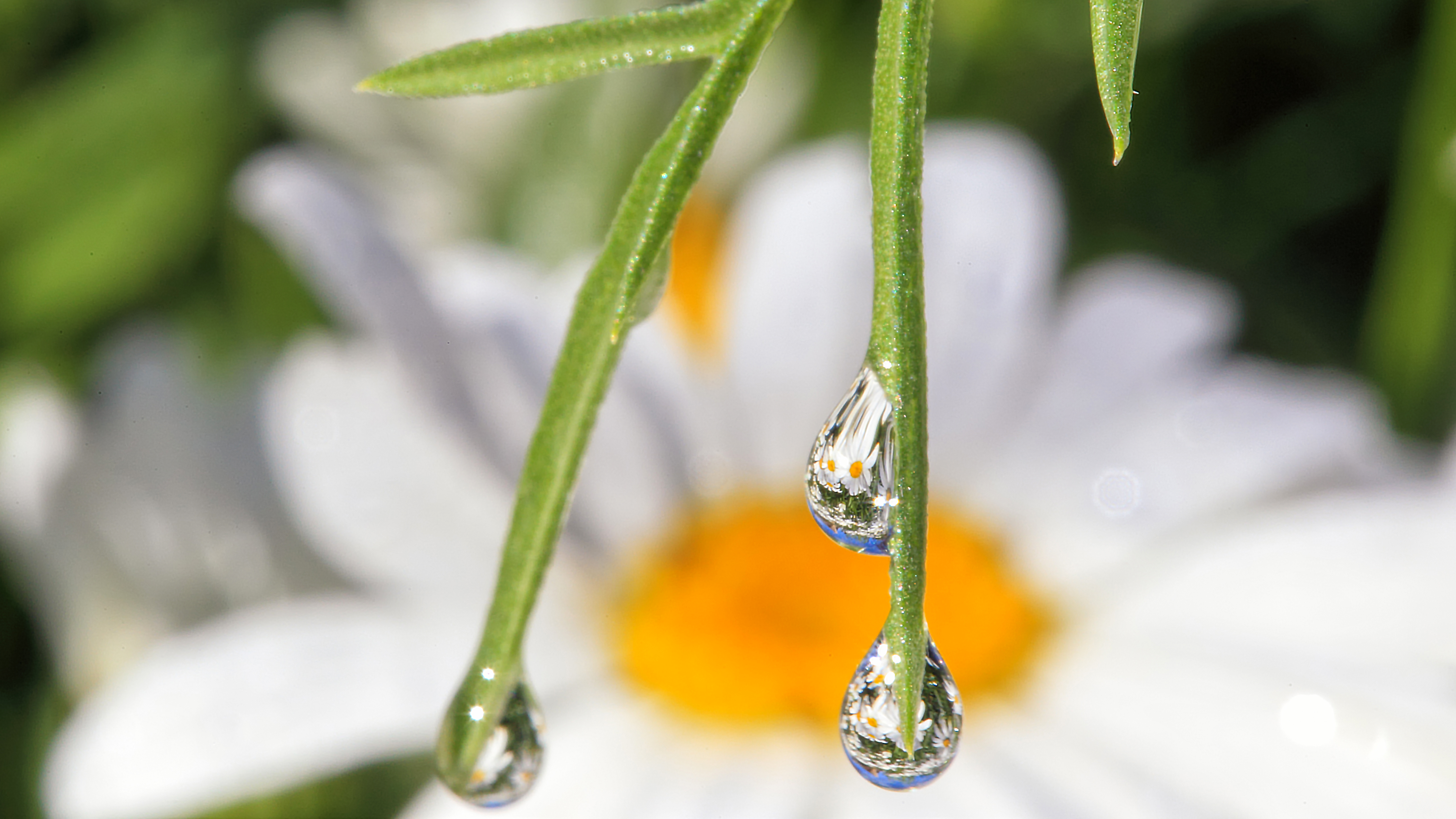
Every flower, every forest, every harvest of food is written in light. As I’ve explored in photons and hydrogen: nature’s quantum blueprint, light and hydrogen weave together to form the fabric of life. The wildflower above is not just a subject of beauty—it is a living archive of photons, storing sunlight as nourishment for bees, soil, and humans alike.
In my photography, I try to capture the glow of this green alchemy—moments when sunlight passes through petals or dances across a field. Each image becomes a reminder that we too are sustained by this exchange, bound to plants by the same luminous thread. Light feeds the meadow and feeds the soul, echoing the timeless wisdom that nature itself is medicine.
The Human Lens: Photons in Perception
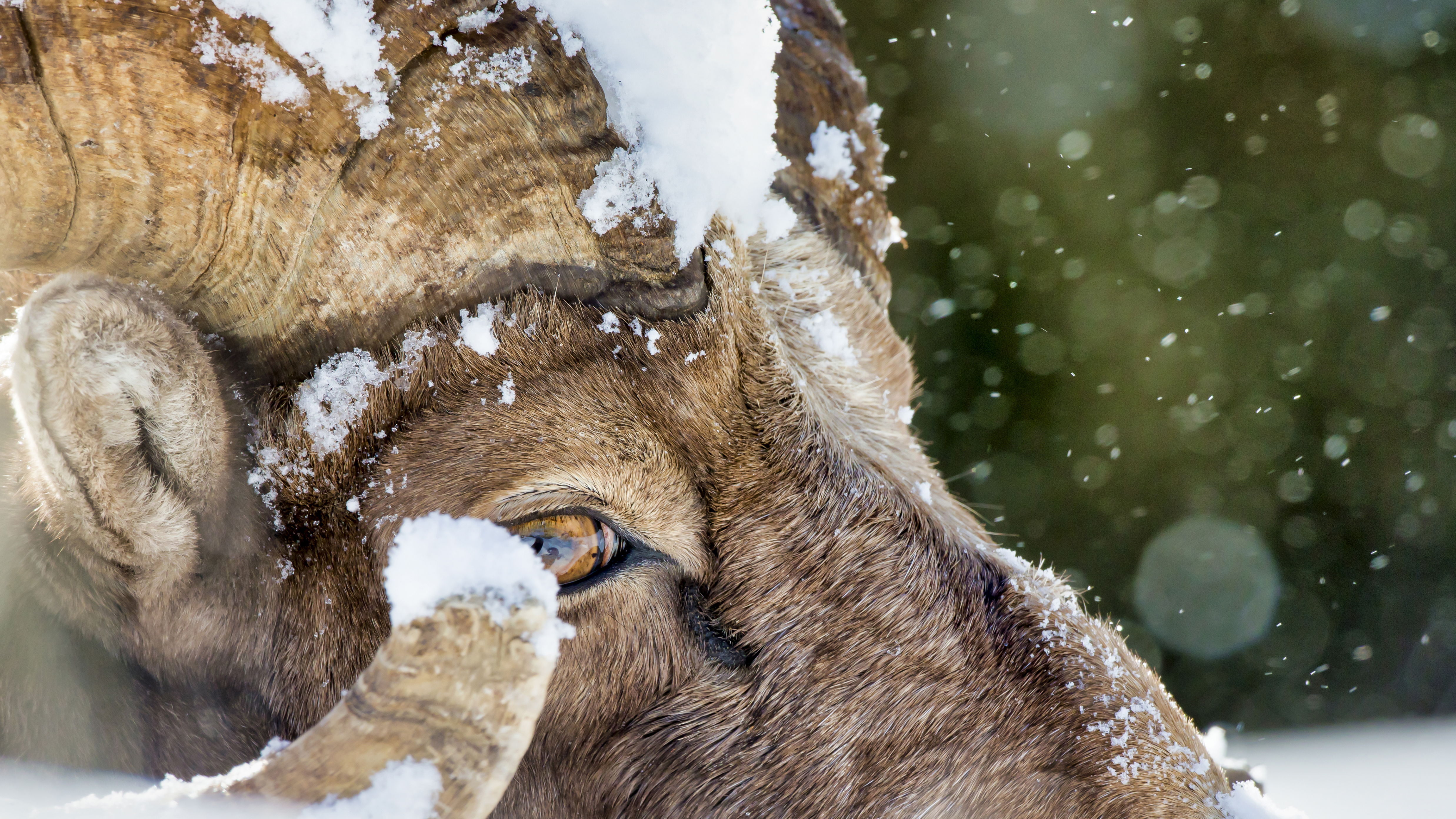
When I enter the human eye, I collapse from probability into perception. Photoreceptor cells in the retina absorb me, converting my energy into electrical signals that travel to the brain. In that instant, light becomes sight, shaping how we see landscapes, wildlife, and one another. As I’ve reflected in nature photography and the unified field, this act is more than biology—it is the convergence of physics, perception, and consciousness.
The eyes of animals tell similar stories. A bighorn sheep, pausing on a ridgeline, mirrors back photons that carry not just form but emotion. Vision connects us across species through the shared language of light. It is through these reflections that I sense the deeper resonance of nature’s silent wisdom.
Photography is the art of extending this natural gift. A camera’s sensor or film becomes a second retina, capturing photons in ways the human eye alone cannot. Each image I create is not just a frozen moment—it is an archive of photons that allows others to see, feel, and resonate with the wild places I’ve been blessed to witness. In this way, light carries not just information, but empathy.
The Photographer’s Net: Capturing Photons
Photography is the art of casting a net for light. Sensors and film are calibrated to welcome photons—timed by shutter, shaped by aperture, guided by intent—so that a fleeting dance of illumination becomes a lasting story. I’ve written about how these cosmic messengers carry not just energy but meaning; when we press the shutter, we archive that meaning for others to feel.
Mastery comes from learning to read light’s behavior—how it scatters in mist, skims across water, or carves relief into mountains at golden hour. For a deep dive into fieldcraft, see my guide on nature photography techniques, the winter lessons from photographing the Northern Lights, and the timing & exposure principles in seascape photography.
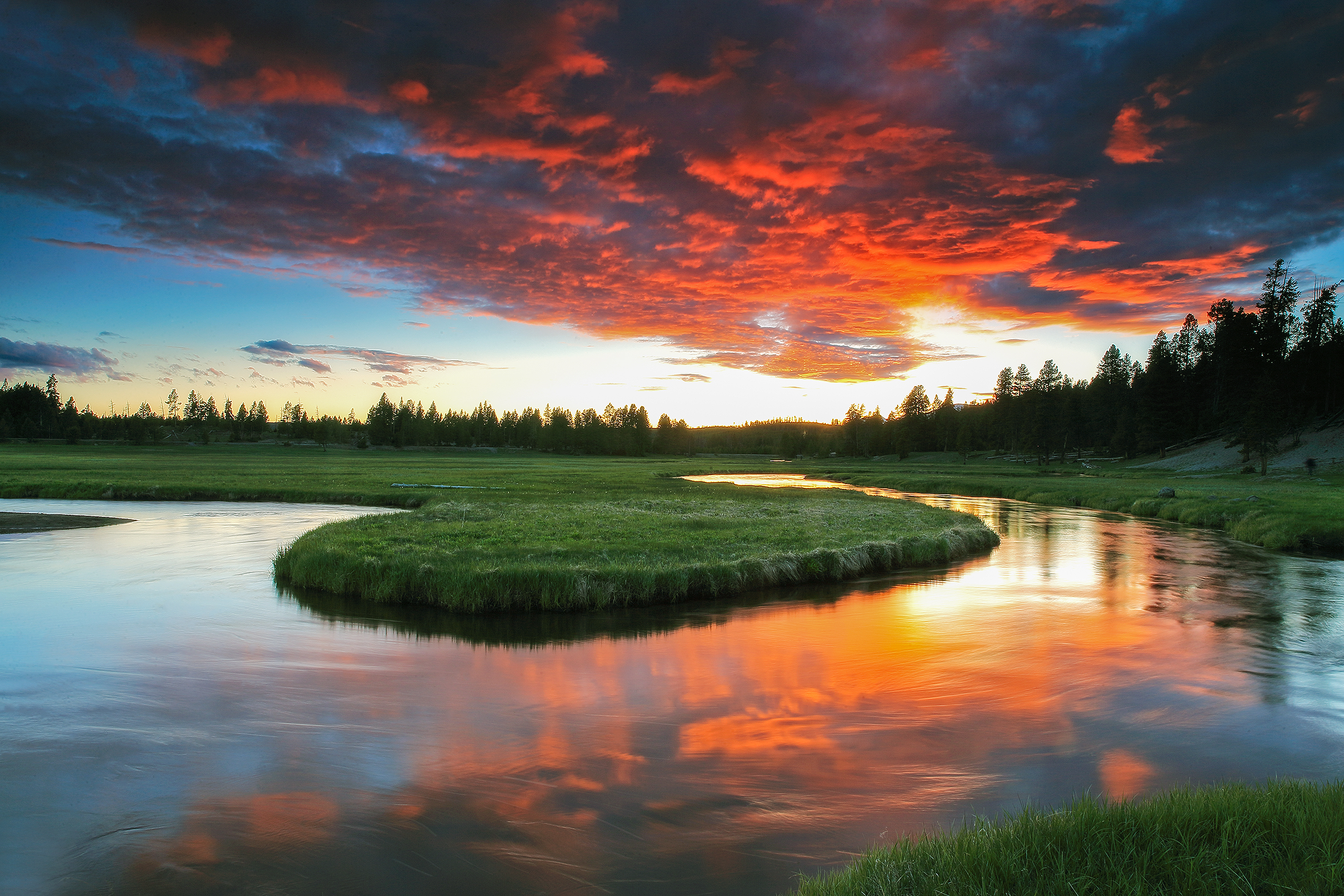
In Yellowstone, light writes with elemental ink—steam, stone, and sky. I wait for moments when the scene breathes in photons and exhales emotion: a river catching fire at sunset, a geyser plume rim-lit into sculpture, a shadow revealing the land’s hidden geometry. Those are the instants when the net closes and the image becomes more than a picture—it becomes a vessel of light.
Quantum Insights: Photons & Nature’s Code
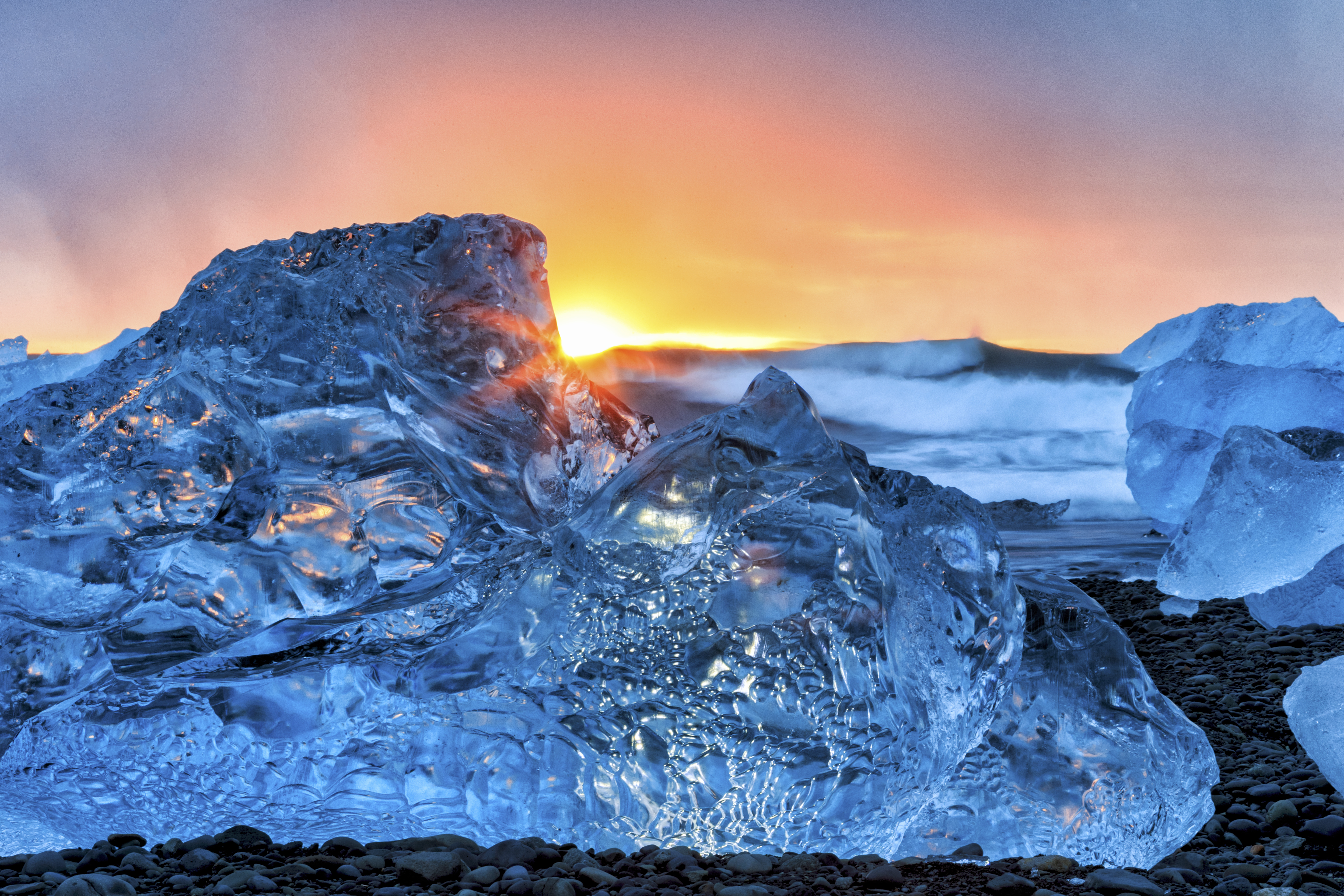
Beneath the beauty of ice and sky lives a subtler architecture: coherence. In photosynthesis and circadian signaling, light doesn’t just power life—it organizes it. As I explore in quantum biology & nature photography, photons can move through biological networks with remarkable efficiency, guiding energy like a conductor leading an orchestra.
Water, too, participates in this symphony. Its surfaces, clusters, and phases appear to “remember” patterns of light and environment—subtle signatures I write about in water’s quantum connection and the wider cycles outlined in the Nature Code. Glacier lagoons and auroras are not just scenes; they are living diagrams where photons sketch order into matter.
My working hypothesis is simple: light + hydrogen form a foundational duet in life’s design. I expand this in photons & hydrogen: nature’s quantum blueprint, and how coherence can wax and wane across neutrality phases. As a photographer, I look for those moments when the world briefly reveals this hidden order—when water, crystal, and sky align, and the code becomes visible in light.
Closing Reflection: Becoming Light
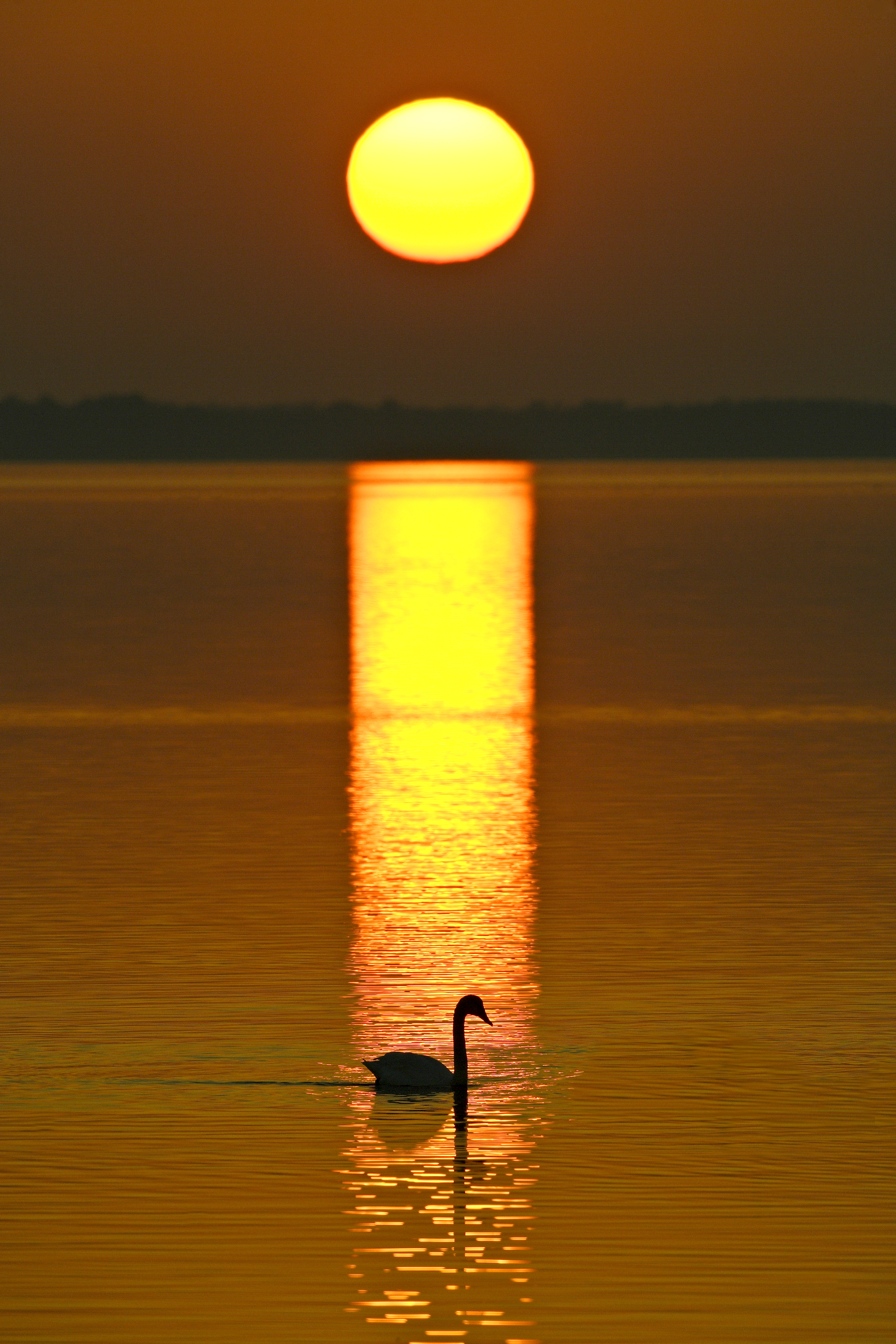
In the hush of evening, a swan turns liquid gold into music. I enter the curve of its wing, scatter over water, and rest in your eye. This is how stories travel here—one photon at a time—bridging creature to landscape, sky to soul. As I’ve written in nature’s enduring light, illumination is more than brightness; it is remembrance.
To see is to participate. Each glance collapses possibility into presence, revealing why awe matters. If you’ve ever felt time slow at the edge of a lake, you’ve met the living Living Code—where perception, biology, and light converge. That sense of wonder is the doorway I try to hold open in every frame and in essays like Nature: The Source of Awe and Wonder.
As this journey ends, the invitation remains: follow the photons. Let them guide your walks, your craft, and your care for the wild. Explore more light-written moments in my Wildlife Gallery, and continue the inquiry into light’s deeper patterns in Nature Code. We do not only capture light—we become it.
Continue the Journey of Light
Every image in this essay is a verse written by photons. If this journey resonated with you, explore more in my Wildlife Gallery, where light and life converge in untamed places.
For deeper explorations of how light shapes the fabric of existence, visit my Nature Code series or immerse yourself in The Living Code. Each post is a continuation of the same luminous thread, tying together science, philosophy, and the wild.
Shop Fine Art Prints
About the Author
Robbie George is a National Geographic photographer, regenerative farmer, and nature philosopher. Through fine art wildlife photography and quantum storytelling, he reveals the harmonic intelligence of nature and its resonance with human life.
Explore his visionary blog series Nature Code and The Living Code, discover the future of soil and food in Quantum Agriculture, or follow his journey on Instagram and LinkedIn.
Frequently Asked Questions
1) What is a photon in photography?
A photon is the basic unit of light. Every photograph is a tapestry of captured photons—timed by shutter and shaped by aperture. For a deeper dive into light’s role in images and life, see Cosmic Messengers and Nature Photography Mastery.
2) How do photons power plants?
Through photosynthesis, chlorophyll captures photons and converts their energy into sugars that fuel ecosystems. This process shows quantum-level efficiency; explore more in Quantum Biology & Nature Photography.
3) What’s the connection between photons and human perception?
When photons hit retinal photoreceptors, they trigger signals that the brain interprets as sight—color, contrast, depth, and emotion. This bridge between physics and experience underpins my essay on Nature’s Silent Wisdom.
4) How do you “capture” photons in the field?
I scout light first, then compose. Shutter speed, aperture, and ISO determine how many photons you admit and how they render motion, texture, and mood. Learn the craft in Nature Photography Mastery, the aurora-specific workflow in Northern Lights Photography Guide, and seascape timing in Seascape Photography.
5) Where does “hydrogen + light” fit your theory of nature?
In my work, hydrogen and photons form a foundational duet—fueling stars, shaping water, and organizing life. I explore this in Nature’s Quantum Blueprint and within the broader framework of the Nature Code.
6) Why do auroras look different from place to place?
Auroras depend on solar wind strength, Earth’s magnetic field, atmospheric composition, and your latitude. They’re photons colliding with atmospheric gases—oxygen and nitrogen—emitting distinct colors. My practical tips live in the Northern Lights Photography Guide.
7) Where can I see prints from this story?
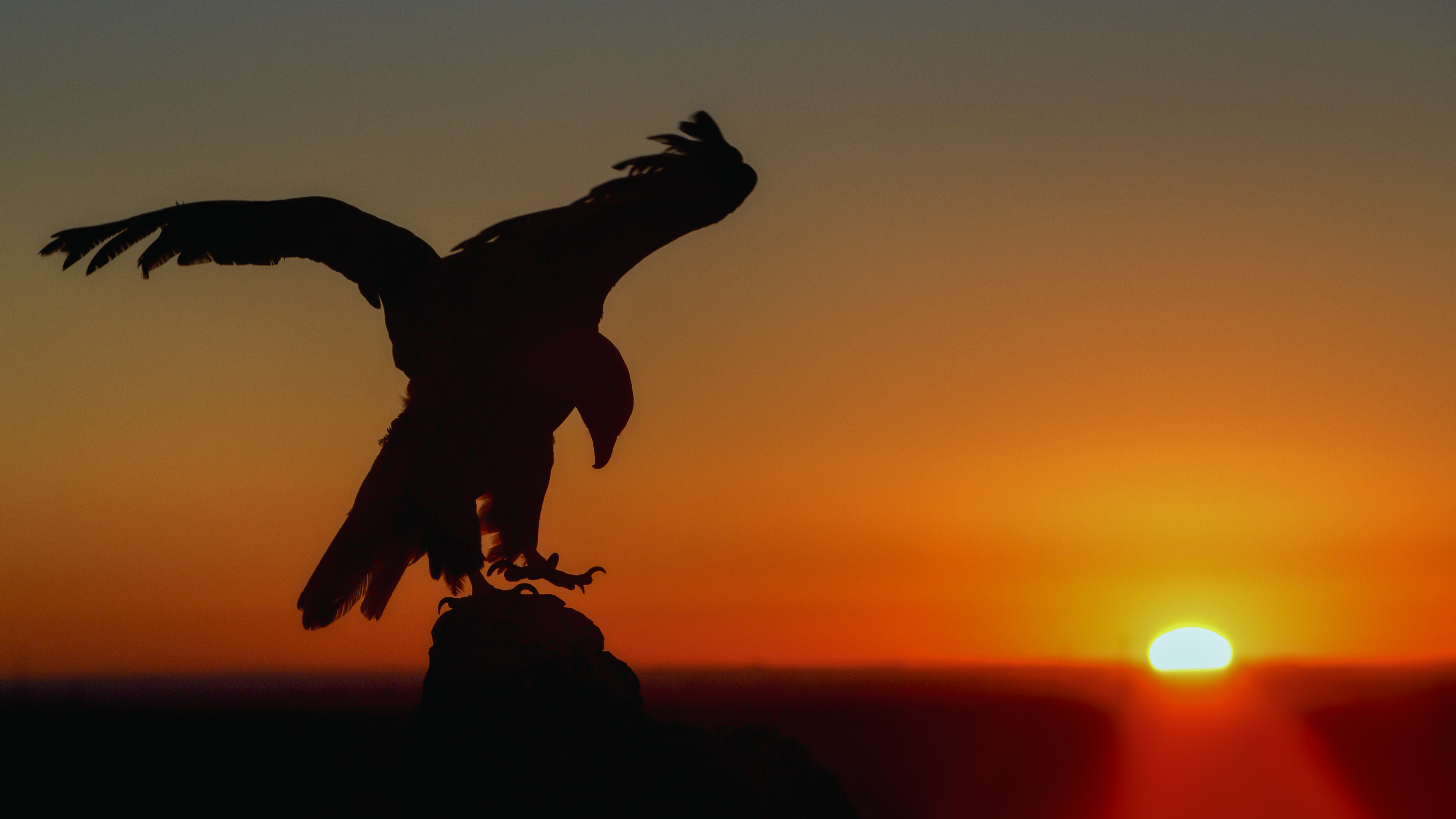
Start with the hero image, Bald Eagle at Sunrise, then explore the full Wildlife Gallery for more light-written moments.