🌿 Journeys in Nature: Embarking on Adventures Through Stunning Wilderness and Scenic Wonders
“Every journey into nature is a return—to something older, quieter, and more true than we often remember.” ~ Robbie George
Field Guides & Travel Photography
Journeys in Nature: Exploring Wild Places Through Light, Landscape, and Experience
A field-based guide to discovering landscapes, wildlife, and the deeper meaning found in real places.
Journeys in nature don’t begin with destinations—they begin with attention. A shift in light across a mountain ridge, the stillness of water before sunrise, or the quiet movement of wildlife through habitat—these are the moments that shape both the experience and the photograph.
This page brings together field guides, photography insights, and real-world locations to help you move beyond surface-level travel and into something deeper—an understanding of how place, season, and behavior come together in the wild.
Explore real places with greater clarity—learning where to go, when conditions align, how to photograph landscapes and wildlife, and how to build a deeper connection to the environments you move through.
Explore Journeys in Nature
Move through destination guides, field-based photography insights, conservation connections, and featured stories below. This page is designed to help readers follow both the places and the patterns that make those places meaningful.
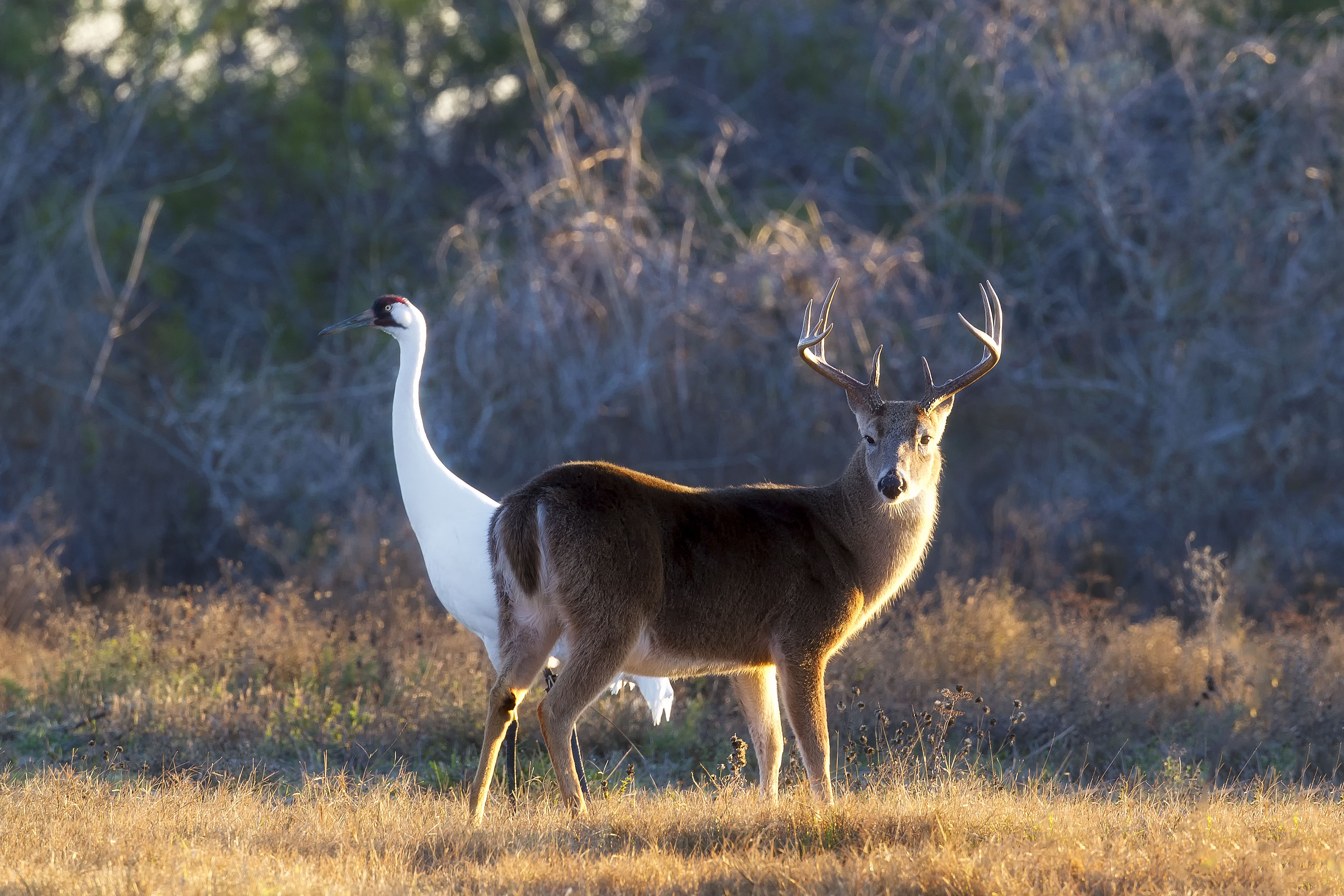
The Best Wildlife Destinations Begin with Habitat, Timing, and Patience
The strongest wildlife journeys are not built around random sightings. They happen where habitat, season, migration, and behavior align—giving photographers and observers a better chance to witness animals in meaningful, natural moments.
From western mountain valleys to coastal marshes and migratory wetlands, the best wildlife destinations reveal not just animals, but the living systems those animals depend on.
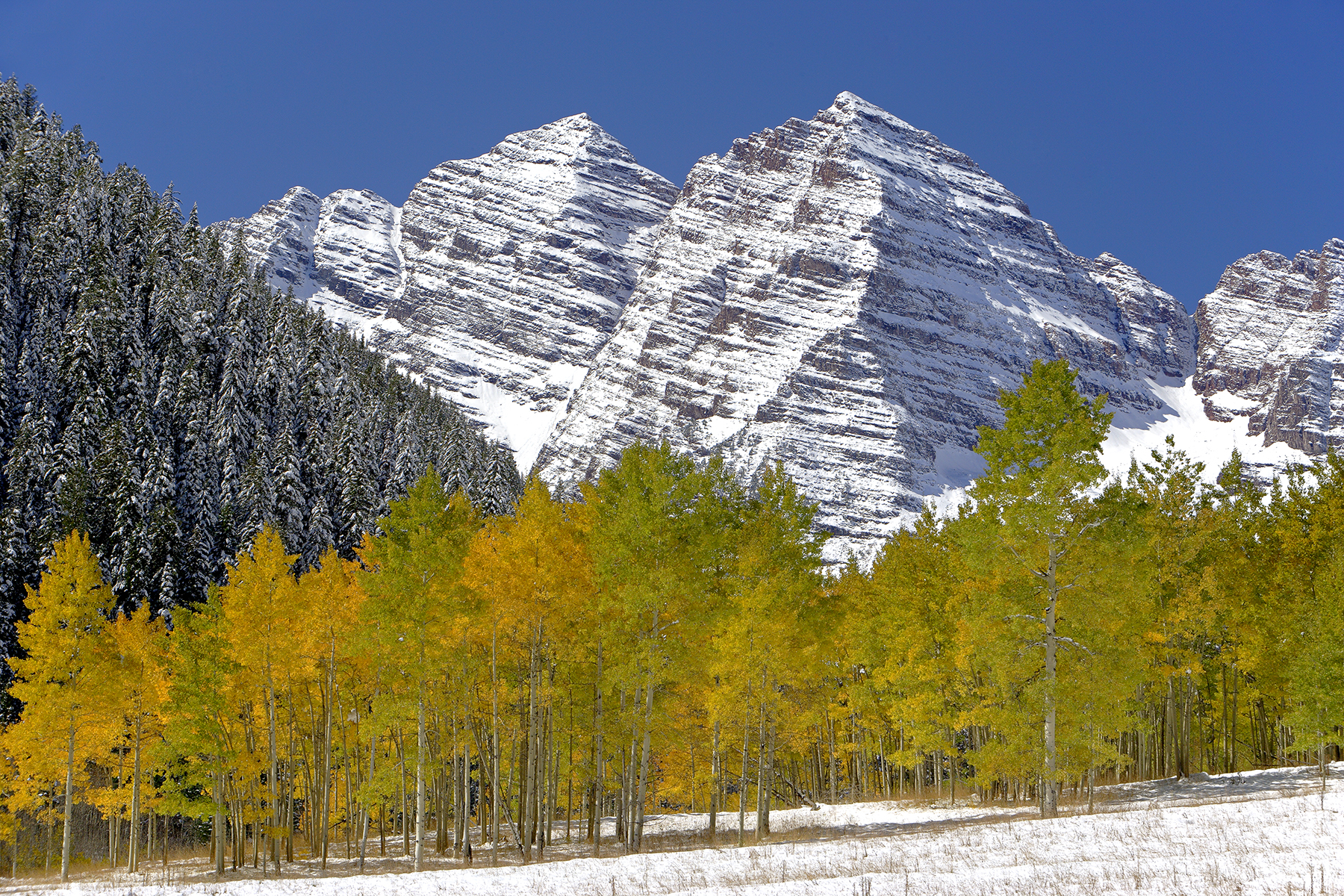
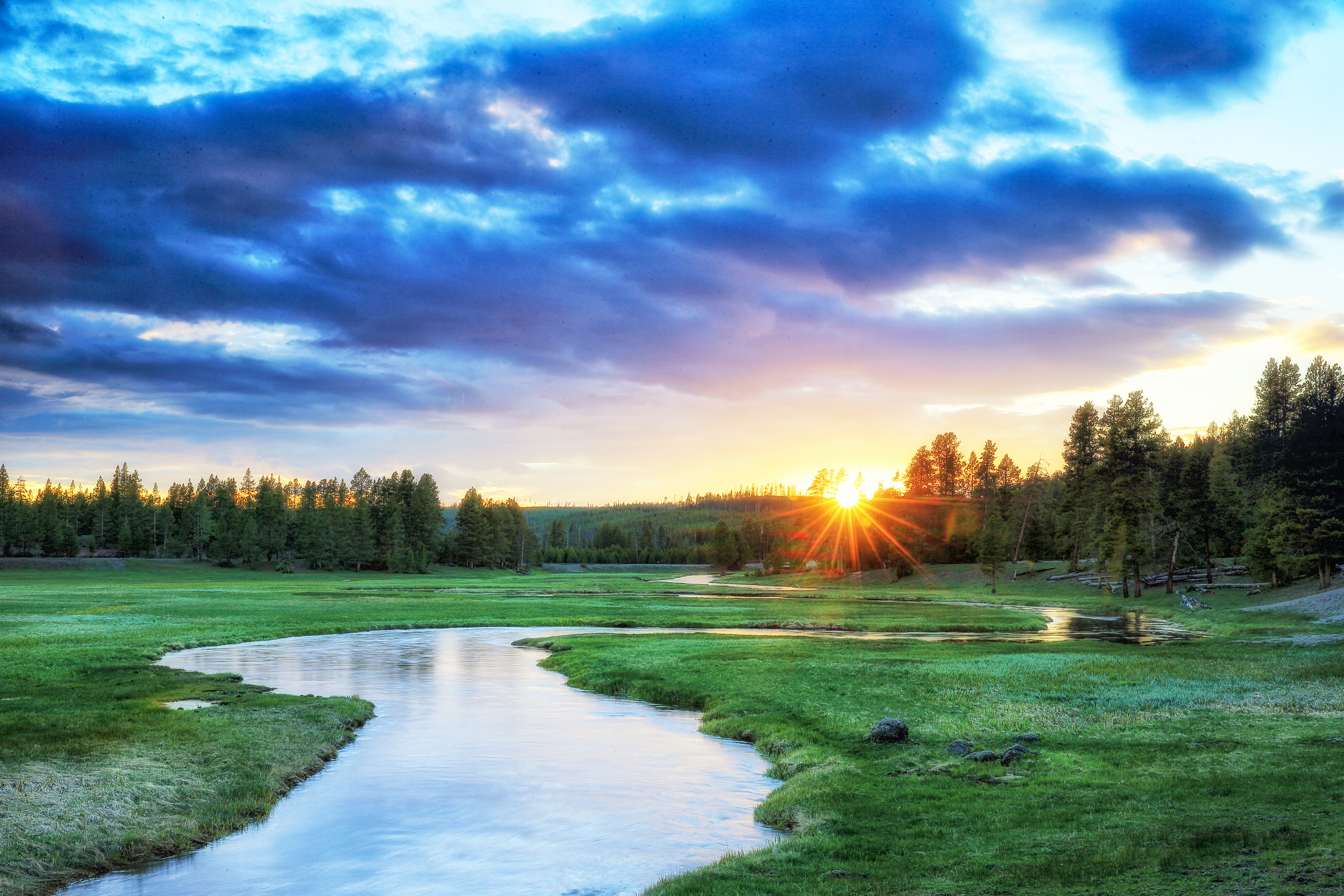
Mountain Ecosystem
Yellowstone
A place where wolves, bison, bears, elk, and geothermal landscapes come together in one of North America’s richest wildlife systems.
What Makes a Wildlife Destination Truly Worth the Journey
The best wildlife locations are not always the most famous ones. They are the places where ecology creates consistency—where migration routes, breeding cycles, habitat structure, and seasonal light come together to make observation more meaningful.
Landscape Photography Journeys Are Shaped by Light, Weather, and Place
Landscape photography is not only about going somewhere beautiful. It is about arriving when a place begins to reveal itself—when weather, season, atmosphere, and perspective come into alignment.
The strongest landscape journeys are built around patience and field awareness, where mountains, coastlines, forests, and lakes are photographed as living environments rather than static scenery.
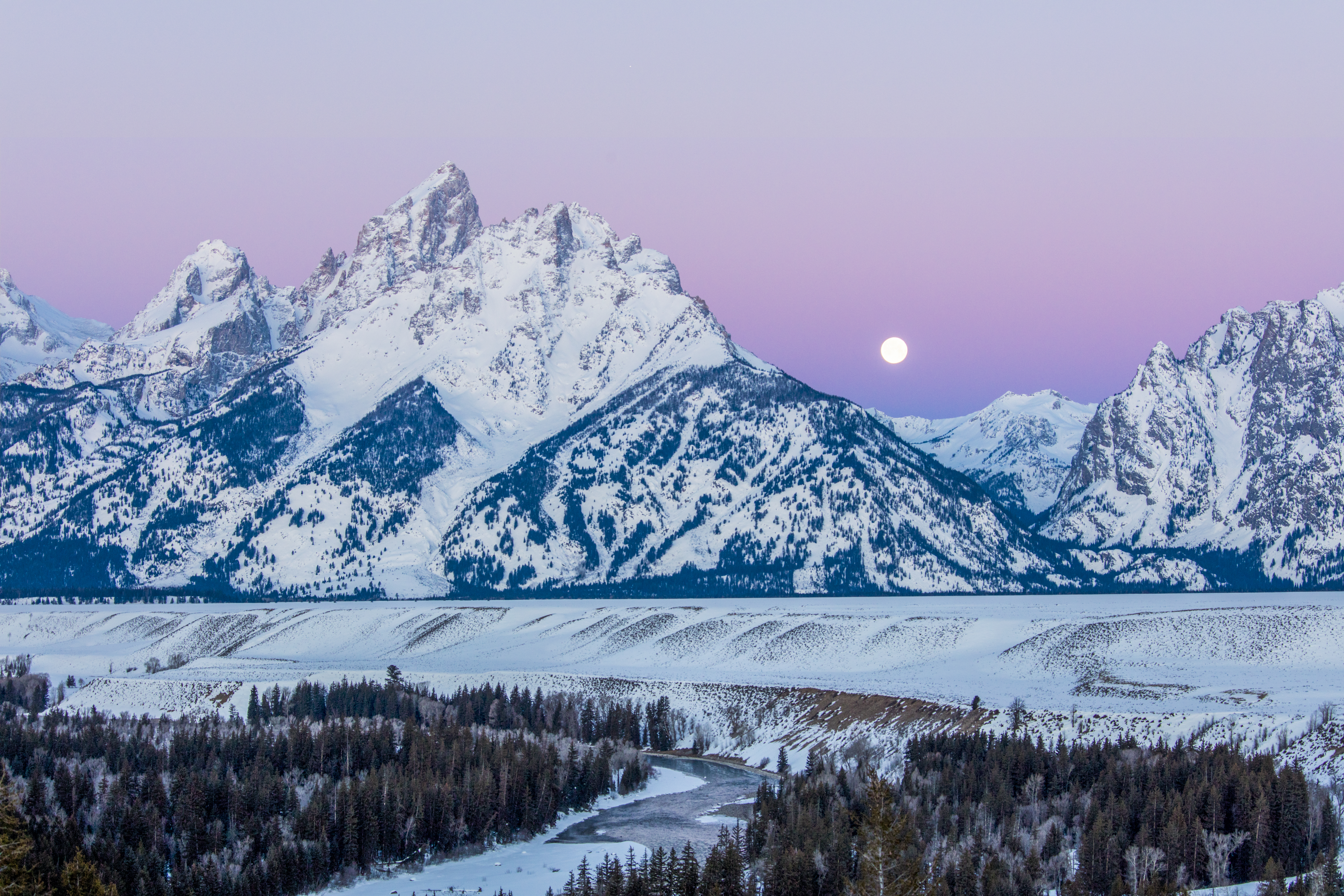
Alpine Landscape
Grand Teton
Sharp peaks, reflective water, and rapidly changing mountain light make Grand Teton one of the most rewarding landscape photography environments in North America.
Why Landscape Journeys Work Best When They Are Field-Based
A landscape may remain in place, but the photograph does not. It depends on conditions—how clouds move, when wind drops, where light enters the frame, and whether the scene carries depth, structure, and atmosphere at the same time.
National Parks and Wildlife Refuges Turn Travel Into Field Experience
Protected places matter because they preserve more than scenery. They protect migration routes, breeding grounds, wetland systems, mountain corridors, and the ecological relationships that make wildlife observation and landscape photography meaningful.
The strongest journeys through parks and refuges are not checklist travel. They are slower, more observant experiences rooted in season, habitat, and the rhythms of each place.
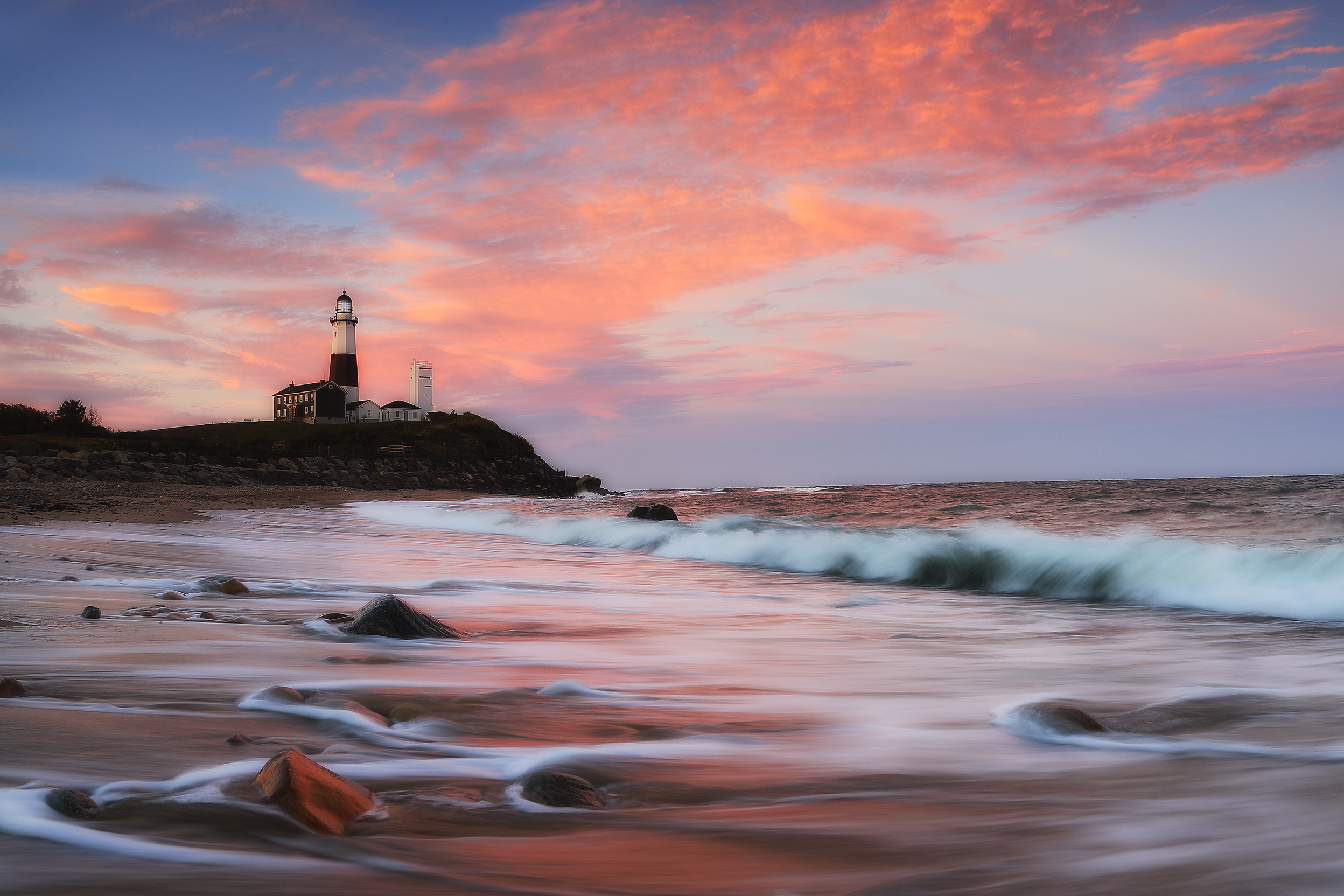
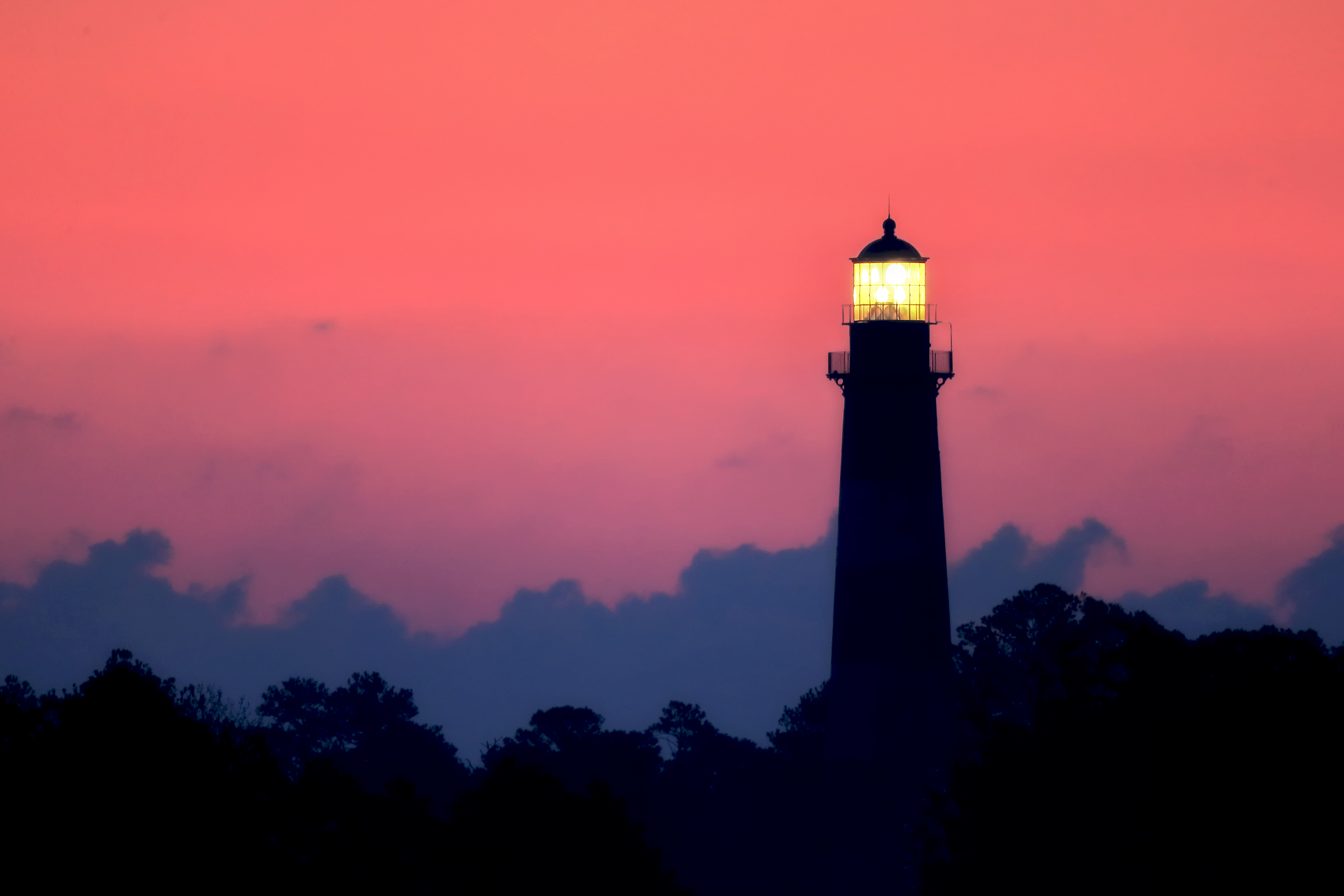
Barrier Island Refuge
Chincoteague
A refuge shaped by marsh, dune, pony habitat, and migratory bird movement, where coastal ecology creates a distinctive field experience.
More than a famous park, Yellowstone is a functioning ecosystem where rivers, thermal features, predators, grazers, and seasons all shape the experience.
Use the geography layer to move beyond single destinations and understand how location, habitat type, and seasonal timing work together across the continent.
National parks and wildlife refuges give structure to wild experience. They hold intact habitat, protect vulnerable species, and make it possible for people to witness ecological relationships that might otherwise disappear from view.
Every Journey in Nature Is Also a Journey Through Living Systems
Wild places are not isolated backdrops. They are functioning ecosystems shaped by water, soil, climate, migration, predation, seasonal change, and the countless relationships that make life possible across a landscape.
The deeper value of travel in nature comes from learning to see those relationships more clearly—how marshes support birds, how mountains guide movement, how coastlines shape light and migration, and how conservation protects the patterns we depend on to keep witnessing the wild.
Systems Layer
Ecosystems of North America
Understand how wetlands, forests, mountains, grasslands, coasts, and deserts function as distinct but connected living environments.
Travel becomes more meaningful when a place is understood as a living system instead of a backdrop. Wetlands become nurseries and migration corridors. Mountains become elevation gradients that shape plant communities, weather, and wildlife movement. Coastlines become zones of edge ecology, tide, light, and seasonal abundance.
Travel Well, Move Lightly, and Let the Field Teach You
The best journeys in nature are shaped as much by preparation as by inspiration. Good field travel means understanding conditions, packing with intention, respecting habitat, and giving yourself enough flexibility to respond when the landscape changes.
Whether you are heading into a refuge at sunrise, driving mountain roads before first light, or planning a longer photography trip, practical field habits improve both safety and the quality of what you experience.
🎒 Pack for Conditions
Dress for weather shifts, protect camera gear from moisture and dust, and carry only what helps you stay mobile and focused in the field.
🕰️ Arrive Before the Moment
The field rewards early arrival. Reaching a place before peak light or animal activity gives you time to settle, observe, and adapt.
📍 Know the Place
Study maps, access points, habitat zones, and sunrise or sunset angles before you go so the place feels familiar when the conditions begin to change.
🌿 Respect the Habitat
Travel in a way that protects the landscape you came to witness. Keep distance from wildlife, stay aware of nesting or breeding areas, and tread lightly.
Plan golden hour, moonrise, and shifting light windows so timing becomes part of the journey instead of an afterthought.
Preparation Creates More Freedom in the Field
Good travel preparation does not make the journey less spontaneous. It makes you more capable of responding when a place begins to come alive—when weather breaks, wildlife appears, or light shifts into something unexpected.
These field stories and destination guides bring together real places, seasonal timing, wildlife encounters, and landscape moments—showing how journeys unfold when observation meets experience.
National Park
Exploring Yellowstone
A journey through geothermal landscapes, wildlife corridors, and one of the most complete ecosystems in North America.
This page is a gateway. From here, you can move deeper into wildlife, landscapes, field tools, or the broader Naturepedia system—building not just experience, but understanding.
Learn more about Robbie George’s field experience, photography approach, and system behind the work.
Build Experience, Then Expand Understanding
The most meaningful journeys in nature are not just about where you go, but how deeply you begin to understand what you are seeing—how species, ecosystems, and time all connect.
Navigate across the full system connecting locations, species, and seasonal patterns.
The journey is not just outward—it is a deepening of how you see.
Naturepedia Connections
Where Journeys in Nature Connect to the System
Every journey becomes more meaningful when it connects to deeper patterns—how wildlife behaves, how ecosystems function, how migration unfolds, and how place and time shape what you experience.
The strongest journeys in nature come from understanding not just where you are—but what is happening there, when it changes, and how it connects to everything around it.
FAQ
Frequently Asked Questions
These questions help clarify how to approach journeys in nature—from choosing locations to improving field awareness and photography outcomes.
What makes a great nature travel destination?
The best destinations combine habitat, wildlife presence, seasonal timing, and strong environmental conditions like light and weather. It’s less about popularity and more about ecological consistency.
When is the best time to plan a journey in nature?
Timing depends on the goal. Wildlife photography often aligns with migration or breeding seasons, while landscapes depend heavily on weather patterns and seasonal light conditions.
Do I need expensive gear for nature travel photography?
No. Strong images come from timing, positioning, and awareness. Gear becomes more important as you specialize, but observation is always the foundation.
How can I improve my chances of seeing wildlife?
Focus on habitat, time of day, and season. Early morning and late evening are often best, and learning behavior patterns increases your chances far more than simply visiting a location.
What are the most important field skills to develop?
Patience, positioning, and environmental awareness. These skills help you anticipate moments instead of reacting to them after they’ve passed.
Where should I go after this page?
Continue into wildlife or landscape photography, explore field tools for planning, or move into Naturepedia to understand ecosystems and seasonal patterns more deeply.
About the Author
Robbie George is a National Geographic–published nature photographer, field-based observer, and writer whose work is grounded in real landscapes, seasonal timing, and the patterns that shape the natural world.
The journeys shared across this page reflect years of field experience—moving through wetlands, mountain systems, coastal environments, and wildlife refuges while learning how light, habitat, and behavior come together in real places.
Robbie’s work connects photography to a broader system that includes
Naturepedia,
ecological understanding, and field-based knowledge. These pages are designed not just to show where to go, but to help you understand what you are seeing when you get there.
The presence of this badge signifies that this business has officially registered with the Art Storefronts Organization and has an established track record of selling art.
It also means that buyers can trust that they are buying from a legitimate business. Art sellers that conduct fraudulent activity or that receive numerous complaints from buyers will have this badge revoked. If you would like to file a complaint about this seller, please do so here.
Verified Returns & Exchanges
The Art Storefronts Organization has verified that this business has provided a returns & exchanges policy for all art purchases.
Description of Policy from Merchant:
What is your Policy on Returns/Exchanges/Refunds?
I take great pride in my work and prints, and I want you to be completely happy with your investment in my nature art. If for any reason you are unsatisfied with your print, you may return it within 14 days of delivery, and/or exchange it for another print. Prints must be returned in new condition, packaged carefully in the original packaging if possible. Your refund will be issued as soon as I receive the returned print. Please contact me if you would like to arrange a return or exchange.
In the event that you receive a damaged or defective print, please let me know within 7 days of receipt, and I will arrange for a new print to be shipped to you at no additional cost.
Verified Secure Website with Safe Checkout
This website provides a secure checkout with SSL encryption.
Verified Archival Materials Used
The Art Storefronts Organization has verified that this Art Seller has published information about the archival materials used to create their products in an effort to provide transparency to buyers.
Description from Merchant:
Fine Art Prints are made with high-quality archival inks on fine art papers using a high-resolution large format inkjet printer. Our premium archival inks produce images with smooth tones and rich colors. Prints are made with care on your choice of exquisite Fine Art Papers using a high-resolution large format inkjet printer. https://www.graphikprintworks.com
Become a supporter of Robbie George Photography and be the first to receive new content and special promotions.
“Every image is a field. Every quote is a key. Welcome back to the rhythm.” ~Robbie
Cart
Your cart is currently empty.
Saved Successfully.
This is only visible to you because you are logged in and are authorized to manage this website. This message is not visible to other website visitors.
Import From Instagram
Click on any Image to continue
This Website Supports Augmented Reality to Live Preview Art
This means you can use the camera on your phone or tablet and superimpose any piece of nature art onto a wall inside of your home or business.
To use this feature, Just look for the "Live Preview AR" button when viewing any piece of nature art on this website!
Pounce Now—Save 20% on Your First Order
Join the collector list for your first-order discount, new wildlife releases, and occasional field notes.