🌿 Capturing Nature’s Beauty: Exploring the Art and Techniques of Nature Photography
“Nature photography begins long before the shutter. It begins with light, patience, and learning how to read a place.” ~ Robbie George
Nature Photography Guide
Capturing Nature’s Beauty: The Art & Soul of Nature Photography
A field-based guide to seeing light, timing, behavior, and landscape with greater clarity.
Nature photography is more than recording scenery or wildlife. At its best, it is the practice of reading the natural world—watching how light moves across land, how weather reshapes a scene, and how animals respond to habitat, season, and time of day.
This page brings together practical technique, field awareness, and visual storytelling. It is designed for photographers who want to improve not only composition and camera skill, but also their ability to recognize when a landscape, behavior, or moment is beginning to come alive.
This page is for photographers who want to improve how they see and work in the field—developing stronger timing, composition, light awareness, and a deeper understanding of how nature photography becomes meaningful visual storytelling.
Explore Nature Photography
Move through practical techniques, field awareness, composition, and deeper insights below. This navigation helps you follow both the craft and the experience of nature photography.
Strong nature photography begins before the camera is raised. It starts with observation—how light is moving, how the environment is changing, and whether a scene is developing toward something meaningful.
This is the foundation of field awareness: recognizing patterns in light, weather, and behavior that signal when a moment is worth capturing.
🌤️ Light Direction
The angle of light defines texture, depth, and mood. Side light reveals form, backlight creates separation, and soft light reduces contrast.
🌫️ Atmosphere
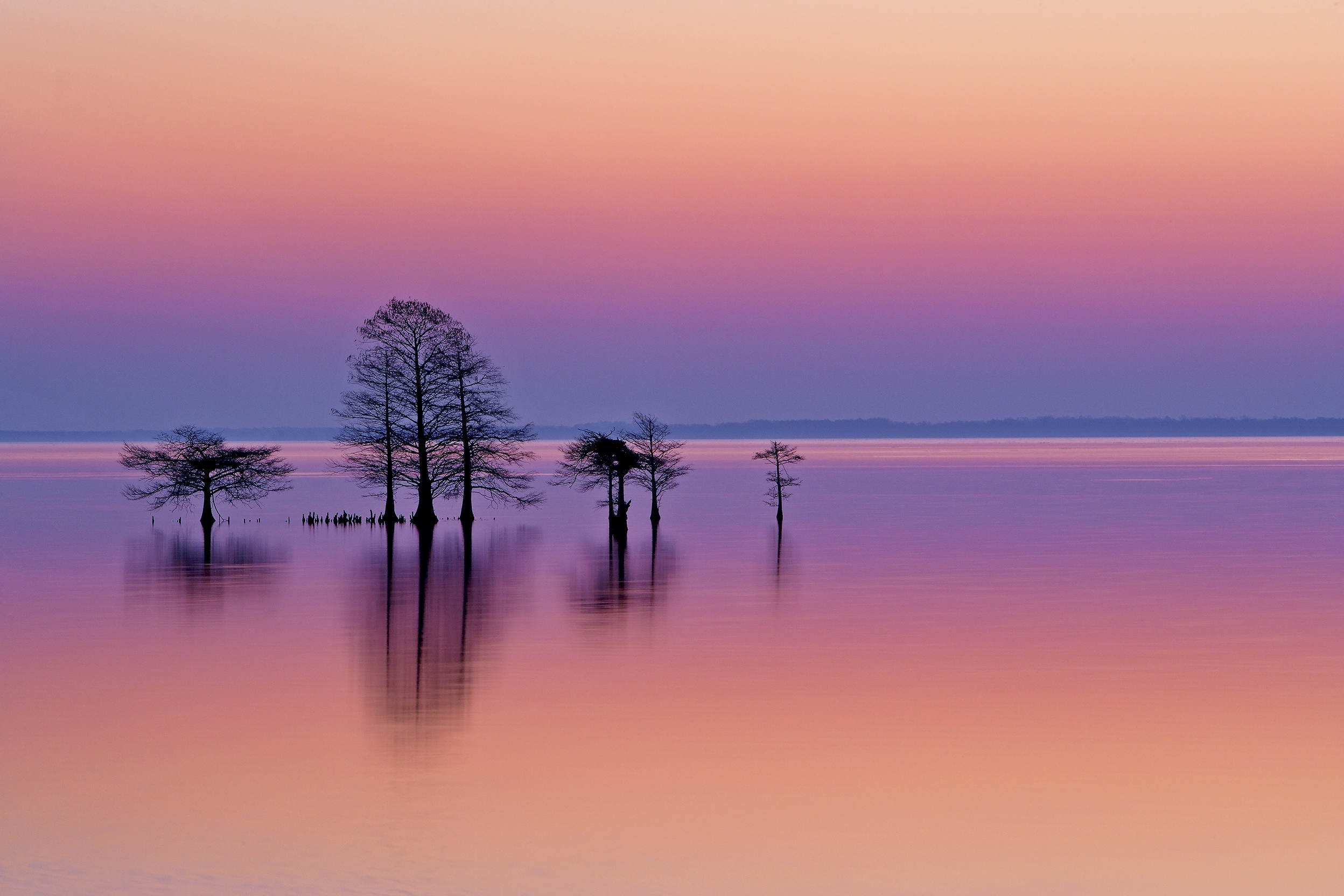
Fog, mist, snow, and dust change how light travels through a scene, often simplifying composition and adding depth.
🌊 Movement
Water, wind, and wildlife movement create opportunities for timing—whether freezing motion or showing flow through longer exposures.
🧭 Positioning
Small changes in position can completely reshape a scene—altering background, alignment, and perspective.
From Observation to Image
The difference between a snapshot and a strong photograph is often timing and awareness. Many scenes look ordinary until light, weather, or behavior shifts them into alignment.
Learning to recognize those shifts is what turns photography into a field skill rather than just a technical process.
Composition & Framing in Nature Photography
Composition is how a scene is organized within the frame. It determines what the viewer sees first, how their eye moves, and whether the image feels balanced or chaotic.
In nature photography, composition is rarely controlled—it must be discovered by moving through the landscape and adjusting position, angle, and framing in real time.
📐 Rule of Thirds
Placing key elements off-center often creates a more natural and visually engaging composition than centering everything.
➡️ Leading Lines
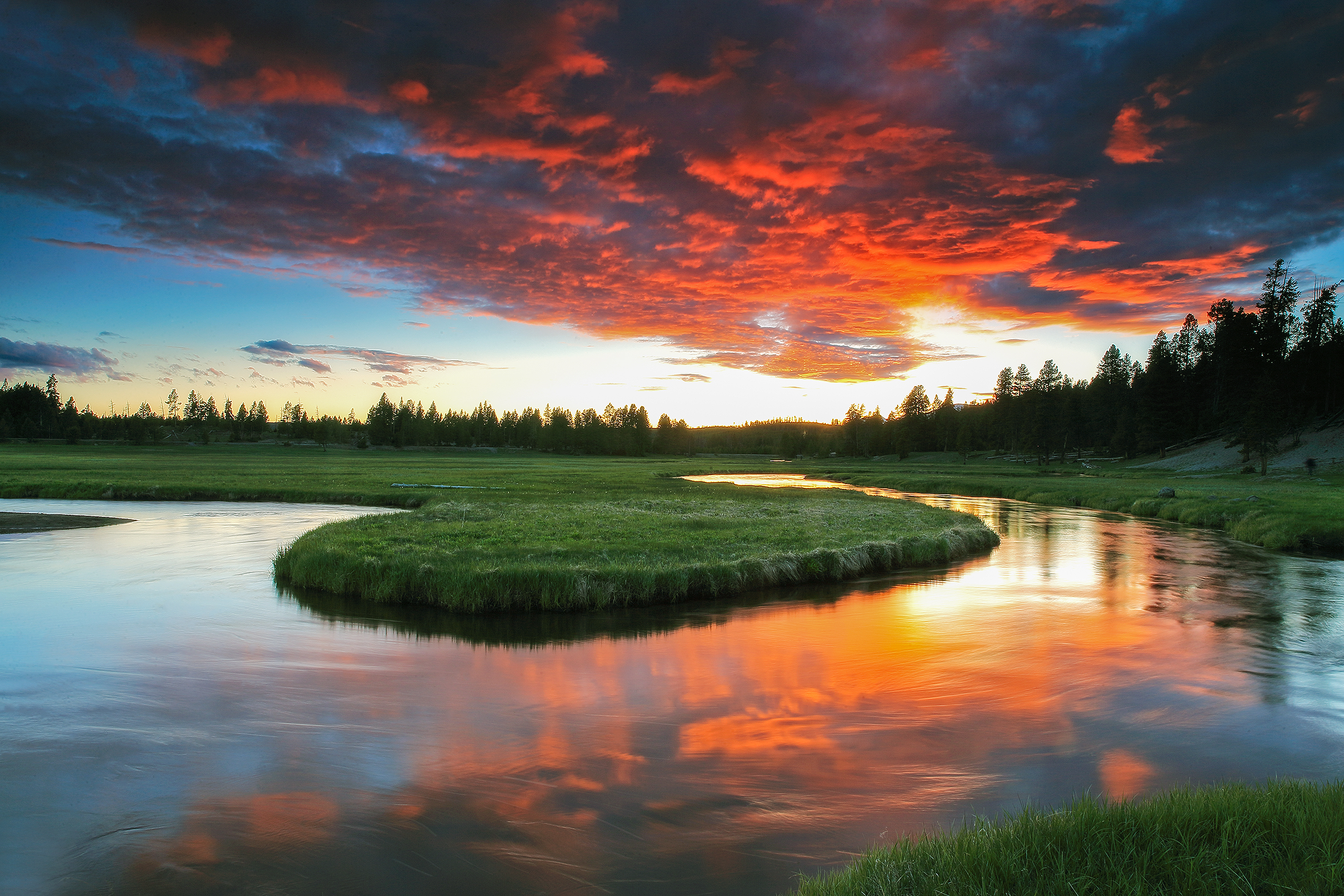
Rivers, shorelines, trails, and light patterns can guide the viewer’s eye through the image and toward the subject.
🌄 Foreground Depth
Including foreground elements adds scale and depth, helping the viewer feel immersed in the scene rather than observing it from a distance.
🎯 Subject Isolation
Simplifying the frame and reducing distractions helps emphasize the subject, whether it’s wildlife or a landscape feature.
Composition as a Field Decision
In controlled environments, composition can be planned. In nature, it is often discovered through movement—walking, adjusting, waiting, and refining perspective.
The strongest compositions usually emerge when structure, light, and timing align at the same moment.
Light & Timing in the Field
Light is the defining element of every photograph. In nature photography, its quality, direction, and timing change constantly—often within minutes.
Understanding how light behaves throughout the day and across seasons allows photographers to anticipate moments rather than react to them.
🌅 Golden Hour
Low-angle sunlight creates warm tones, long shadows, and soft contrast—ideal for landscapes and wildlife.
🌥️ Overcast Light
Diffused light reduces harsh shadows, making it ideal for forests, waterfalls, and detailed textures.
🌧️ Weather Transitions
Storms clearing or forming often produce the most dramatic lighting—combining contrast, color, and atmosphere.
🌙 Low Light & Night
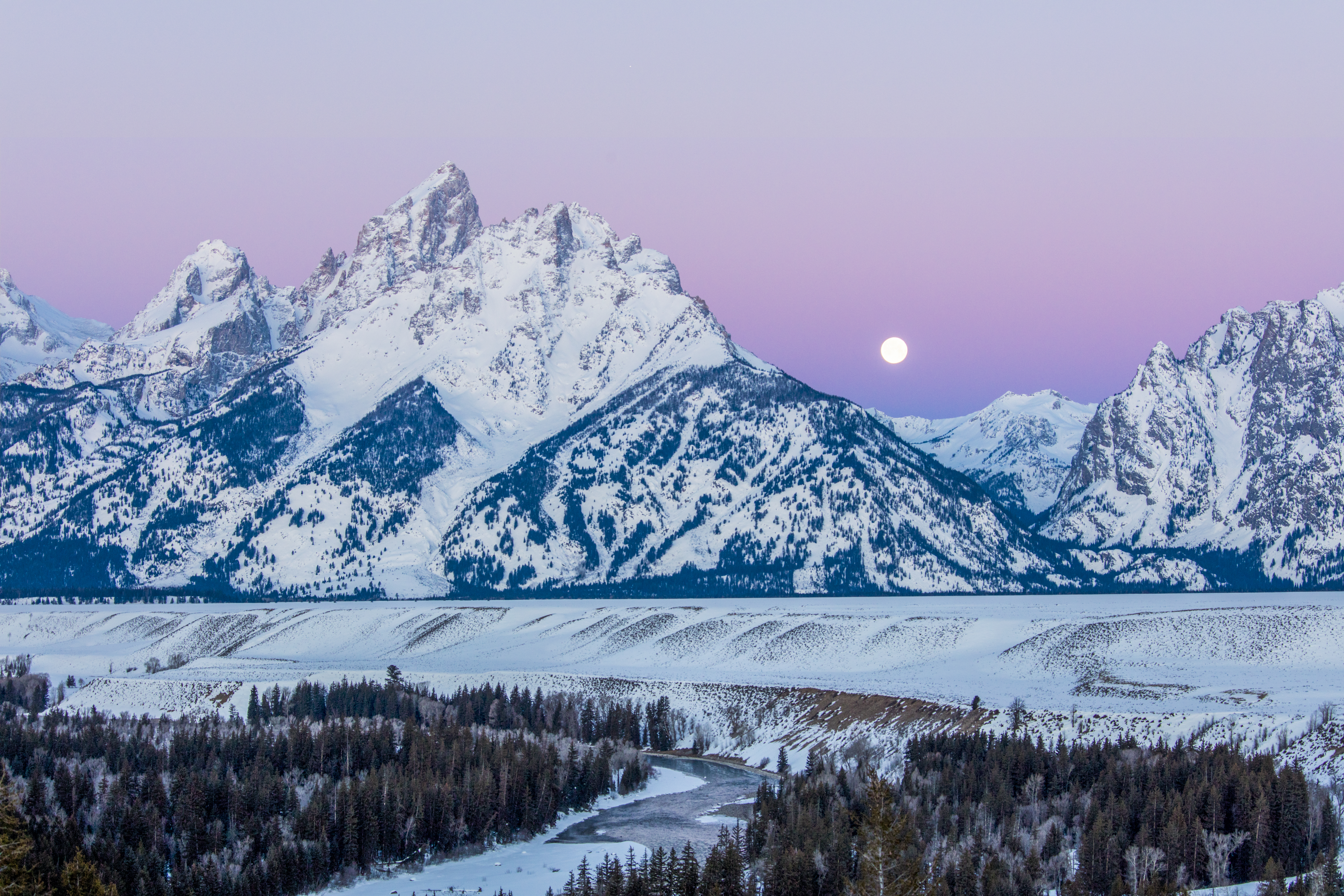
Early morning, dusk, and night conditions introduce new possibilities—stars, moonlight, and long exposures.
Timing as a Skill
Light alone is not enough—timing determines whether the scene reaches its full potential. Wildlife behavior, shifting clouds, and changing color often align for only a brief window.
Developing patience and awareness allows photographers to anticipate these moments, positioning themselves before the scene fully develops.
Photographing Wildlife and Landscapes
Wildlife and landscape photography share the same foundations—light, timing, composition, and field awareness—but they demand different decisions in the moment.
Wildlife photography is often behavior-driven and unpredictable. Landscape photography is usually more place-driven, requiring patience, weather awareness, and an eye for changing conditions across a scene.
🦉 Wildlife Photography
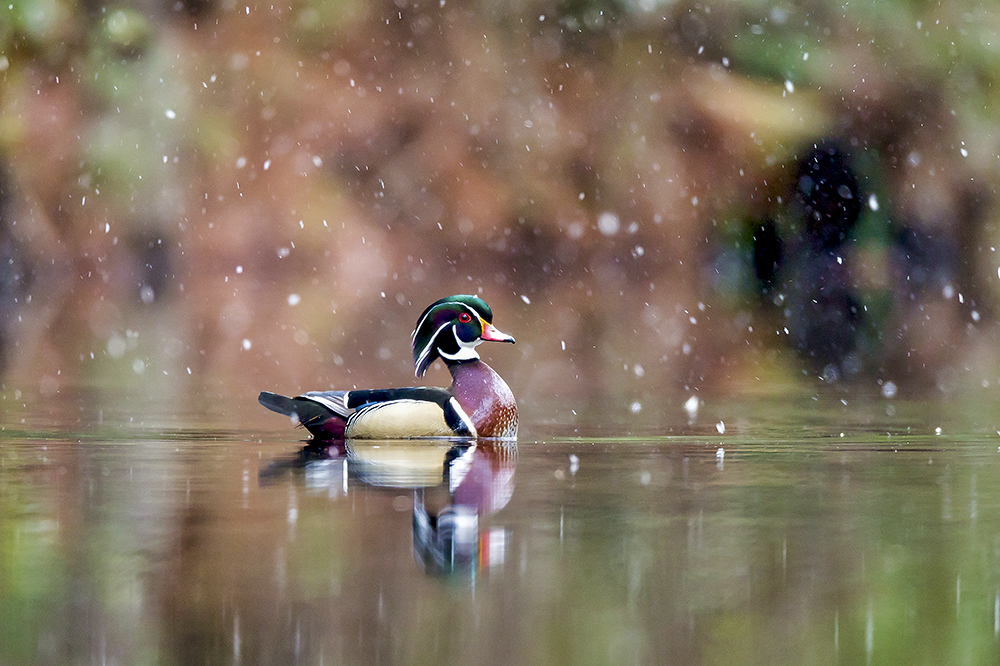
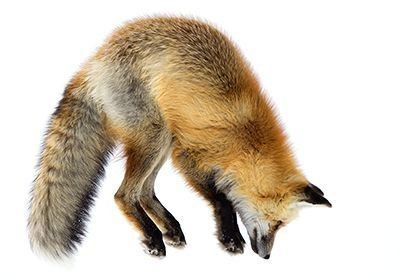
Wildlife work depends on behavior, distance, habitat, and timing. The goal is not only a sharp subject, but an image that still reflects the animal’s environment and presence.
Watch behavior before shooting
Use background separation carefully
Respect space, ethics, and habitat
Anticipate movement rather than chase it
🌄 Landscape Photography
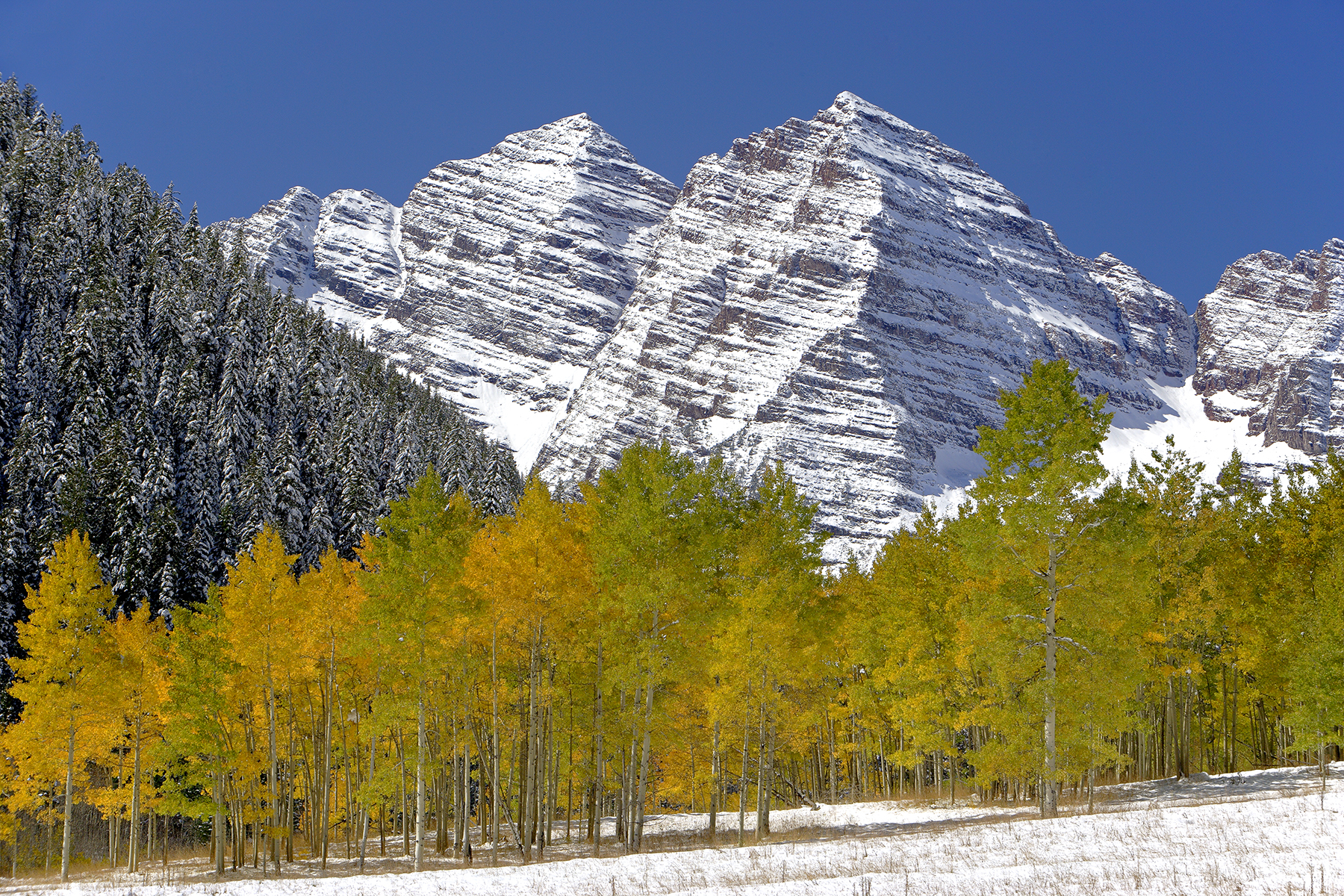
Landscape work depends on conditions, structure, and patience. The scene may remain in place, but the photograph only happens when light, atmosphere, and composition begin working together.
Scout composition before peak light
Use foreground and depth intentionally
Wait for weather changes when possible
Think in layers, not just horizons
Where They Meet
The strongest nature photographers learn to move between these approaches. Wildlife images become stronger when habitat matters. Landscape images become stronger when they feel alive with timing, weather, and ecological context.
In both cases, the real skill is learning how to read a place well enough that the photograph feels observed rather than merely taken.
Working in the Field: Patience, Position, and Presence
Nature photography is shaped as much by field practice as by camera settings. Being in the right place matters, but so does how long you stay, how carefully you observe, and how well you adapt to changing conditions.
Many strong images come from patience rather than speed—waiting for wildlife behavior to settle, for wind to ease, or for light to finally move into alignment with the scene.
⏳ Patience
The best moment often arrives after the obvious one. Staying with a scene long enough allows light, behavior, and atmosphere to develop naturally.
📍 Positioning
A small shift in height or angle can clean up a background, improve alignment, or reveal a stronger relationship between subject and place.
👣 Field Awareness
Reading terrain, weather, and behavior helps you anticipate opportunities before they fully appear, rather than reacting after the moment has passed.
🛡️ Ethics
Strong field practice protects both subject and habitat. Respecting distance, avoiding disturbance, and working responsibly are part of the craft.
Why Field Experience Changes the Photograph
Cameras record what is in front of them, but field experience shapes what ends up in front of the lens. The more time spent observing real places, the better the photographer becomes at recognizing timing, behavior, and subtle environmental change.
That is why meaningful nature photography is rarely just technical. It comes from repeated time in the field, where patience and familiarity begin to turn observation into instinct.
Deeper Reading
Featured Insights in Nature Photography
These selected articles expand on technique, field experience, and the deeper connection between photography, observation, and the natural world.
Field Perspective
Pioneering a Deeper Connection
Explore how observation, science, and photography intersect to reveal deeper structure in the natural world.
Field Tools That Support Better Nature Photography
Strong photography is rarely just about inspiration. Good preparation—knowing where to go, when light will align, and how seasonal timing affects a place—often makes the difference between a missed opportunity and a memorable image.
Helpful for deciding how much of a landscape or wildlife scene you want in focus before you start shooting.
Planning Improves Freedom in the Field
Preparation does not make photography less intuitive—it makes intuition more effective. When you already understand the location, seasonal timing, and likely light conditions, you can spend more of your energy responding creatively in the moment.
That balance between planning and presence is one of the most practical skills a nature photographer can develop.
Continue
Where to Go Next in Nature Photography
This page works best as a gateway. From here, you can move outward into subject-specific guides, field tools, galleries, and deeper pages that expand both craft and context.
Learn more about Robbie George’s field background, photographic path, and wider site structure.
Build Skill, Then Broaden Context
A strong nature photography system combines craft, field awareness, planning, and subject knowledge. The next step is not just taking more photos—it is learning how landscapes, wildlife, and timing connect.
Follow essays and field reflections that deepen the photographic side of the site.
Better photographs begin with better seeing. Better seeing begins with staying connected to the field.
Naturepedia Connections
Where Nature Photography Connects
Nature photography becomes stronger when connected to ecology, behavior, habitat, and timing. These pages expand your work beyond images into a structured understanding of the natural world.
The strongest nature photography comes from understanding not just how to shoot—but what you are looking at, when it changes, and why it matters.
FAQ
Frequently Asked Questions
These questions address the fundamentals of nature photography—from technique to field experience and planning.
What is the most important skill in nature photography?
Observation. Understanding light, timing, and behavior in the field is often more important than camera settings.
Do I need expensive gear to get started?
No. Good images come from timing, composition, and understanding light. Gear becomes more important as you specialize, but it is not the starting point.
When is the best time to shoot?
Early morning and late evening are typically best due to softer light, but weather conditions and seasonal timing can be just as important.
How do I improve composition?
Move your position, simplify the frame, and pay attention to how elements relate to each other. Composition improves through practice and awareness.
What makes a photo feel meaningful?
Timing, context, and connection. Images become stronger when they reflect real moments in nature rather than just visual patterns.
Where should I go after this page?
Continue into wildlife or landscape photography pages, explore field tools, or move into Naturepedia to deepen your understanding of ecosystems and timing.
About the Author
Robbie George is a National Geographic–published nature photographer, field-based observer, and writer whose work is grounded in real landscapes, seasonal timing, and the patterns that shape the natural world.
This page reflects a field-first approach to photography—built from years of working in diverse environments, from wetlands and coastlines to mountains and wildlife refuges. The focus is not only on capturing images, but on understanding how light, behavior, and environment interact to create meaningful moments.
Robbie’s work connects photography to a broader system that includes Naturepedia, ecological observation, and field-based knowledge. Together, these pages form a structured approach to understanding nature through both imagery and experience.
The presence of this badge signifies that this business has officially registered with the Art Storefronts Organization and has an established track record of selling art.
It also means that buyers can trust that they are buying from a legitimate business. Art sellers that conduct fraudulent activity or that receive numerous complaints from buyers will have this badge revoked. If you would like to file a complaint about this seller, please do so here.
Verified Returns & Exchanges
The Art Storefronts Organization has verified that this business has provided a returns & exchanges policy for all art purchases.
Description of Policy from Merchant:
What is your Policy on Returns/Exchanges/Refunds?
I take great pride in my work and prints, and I want you to be completely happy with your investment in my nature art. If for any reason you are unsatisfied with your print, you may return it within 14 days of delivery, and/or exchange it for another print. Prints must be returned in new condition, packaged carefully in the original packaging if possible. Your refund will be issued as soon as I receive the returned print. Please contact me if you would like to arrange a return or exchange.
In the event that you receive a damaged or defective print, please let me know within 7 days of receipt, and I will arrange for a new print to be shipped to you at no additional cost.
Verified Secure Website with Safe Checkout
This website provides a secure checkout with SSL encryption.
Verified Archival Materials Used
The Art Storefronts Organization has verified that this Art Seller has published information about the archival materials used to create their products in an effort to provide transparency to buyers.
Description from Merchant:
Fine Art Prints are made with high-quality archival inks on fine art papers using a high-resolution large format inkjet printer. Our premium archival inks produce images with smooth tones and rich colors. Prints are made with care on your choice of exquisite Fine Art Papers using a high-resolution large format inkjet printer. https://www.graphikprintworks.com
Become a supporter of Robbie George Photography and be the first to receive new content and special promotions.
“Every image is a field. Every quote is a key. Welcome back to the rhythm.” ~Robbie
Cart
Your cart is currently empty.
Saved Successfully.
This is only visible to you because you are logged in and are authorized to manage this website. This message is not visible to other website visitors.
Import From Instagram
Click on any Image to continue
This Website Supports Augmented Reality to Live Preview Art
This means you can use the camera on your phone or tablet and superimpose any piece of nature art onto a wall inside of your home or business.
To use this feature, Just look for the "Live Preview AR" button when viewing any piece of nature art on this website!
Pounce Now—Save 20% on Your First Order
Join the collector list for your first-order discount, new wildlife releases, and occasional field notes.