


From Soil to Wellness: Understanding the Deep Connection Between Earth and Human Health

Soil Health Is Not a Farming Subtopic — It Is a Human Health System
Soil is not just where food grows. It is a living ecological system made of microbes, fungi, minerals, roots, water, air, and memory. When that system is functioning well, it supports nutrient density, water retention, biodiversity, carbon storage, and the biological resilience that everything above ground depends on. When it breaks down, the consequences do not stay in the field. They move into food quality, watershed health, immune strength, and the long-term stability of human communities.
I do not see soil as dead substrate. I see it as one of the great hidden intelligence layers of the Earth. The same living ground that feeds roots also shapes the nutrient profile of crops, the microbial diversity entering our bodies, and the broader ecological relationships that connect land, weather, wildlife, and people. That is why this page belongs alongside Naturepedia Soil Microbiome, Wildlife Conservation & Habitat, and Ecosystems of North America.
This is where the page needs to begin: with the reality that soil health supports far more than yield. It supports ecological continuity. It supports human wellbeing. And if we want healthier food, healthier communities, and more resilient landscapes, we have to stop treating soil as a commodity and start treating it as a living system worth protecting.
“When the soil loses life, the damage does not stay underground. It rises into food, water, immunity, and the future of every living system above it.” — Robbie George
The Ecological Role of Living Soil
When I look at soil in the field, I don’t see dirt. I see one of the most important living systems on Earth—quiet, unseen, but holding everything together. Soil regulates water, cycles nutrients, stores carbon, anchors plant communities, and supports the microbial networks that drive life above ground. A healthy field is never just growing crops. It is supporting insects, pollinators, fungi, microorganisms, roots, birds, and the larger web of relationships that define an ecosystem.
I’ve come to understand soil as a central layer in the same system that connects food webs, biodiversity, and habitat structure. When the soil microbiome weakens, I see the effects rise upward through everything else. Plants lose nutrient density. Water stops infiltrating the way it should. Habitat quality declines. Insect populations shift. And eventually, the species that depend on those systems begin to feel the pressure.
I don’t separate that from human health. The quality of the soil shapes the quality of the food, and the quality of the food shapes the internal terrain of the body. The microbial richness of the land becomes the microbial input into the gut. What happens underground does not stay underground. It moves through the entire system—from field to plant to body.
When I think about healthy soil, I’m not just thinking about agriculture. I’m thinking about stronger ecosystems, cleaner water, more resilient wildlife habitat, and people who are nourished by what the land produces. Soil is the quiet layer beneath everything I photograph, but it is constantly shaping what that landscape can sustain.
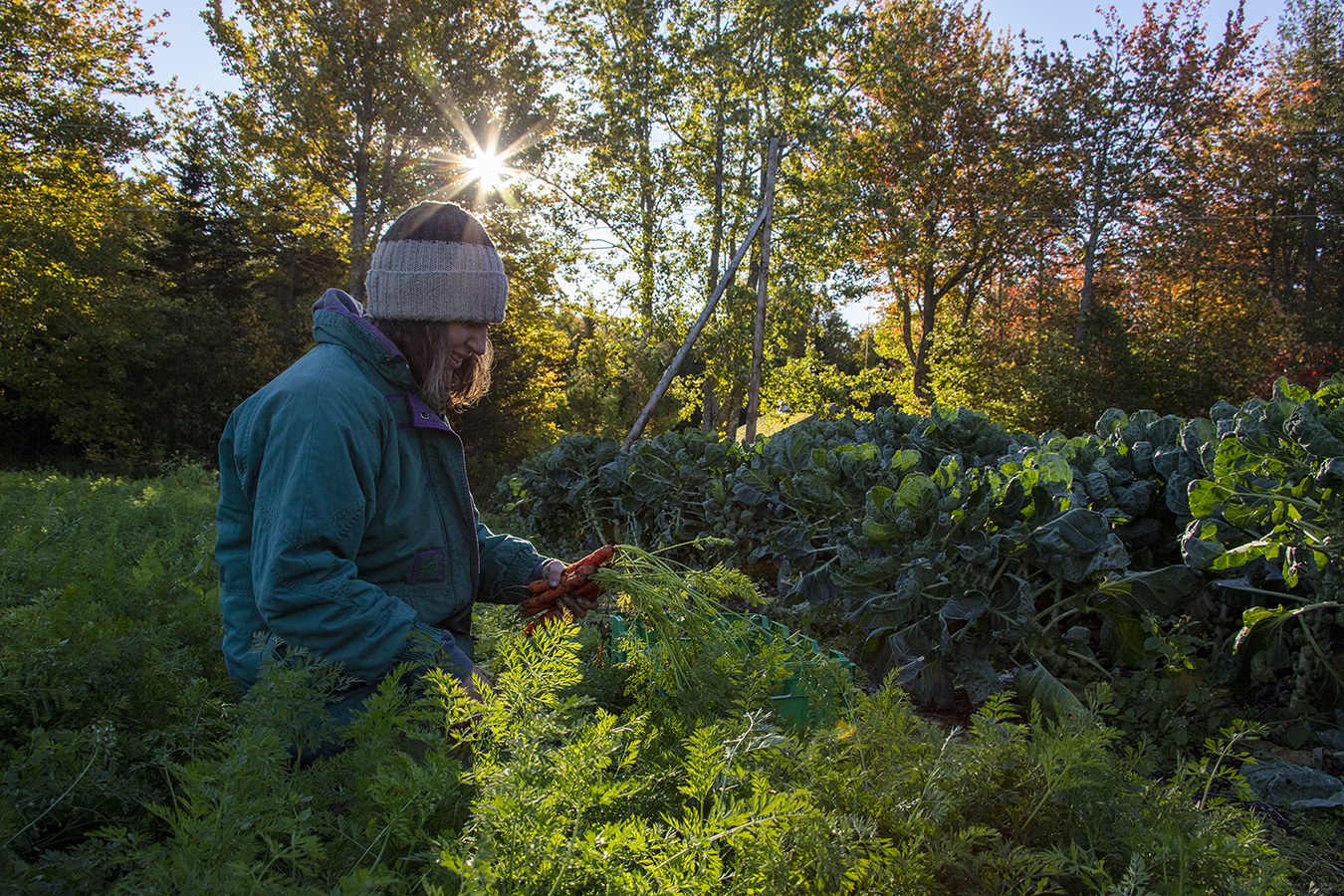
Organic carrots at Four Season Farm — I’ve seen firsthand how food quality begins in the relationships between roots, microbes, water, and living soil.
What Is Changing Beneath the Surface
What concerns me most is that soil degradation is not an isolated issue—it is accelerating across entire systems. I’ve seen landscapes where the ground looks intact on the surface, but underneath, the biological engine that once drove it is fading. The microbial networks are thinning. Organic matter is declining. Water no longer infiltrates the way it once did. The system is still there—but it’s weakening.
A large part of this shift comes from how land is now managed. Intensive tillage breaks apart soil structure. Synthetic fertilizers replace biological processes instead of supporting them. Herbicides and pesticides reduce not just target species, but entire microbial and insect communities. Monocropping removes diversity from the system, turning complex living landscapes into simplified production zones. I don’t see these as isolated practices—I see them as cumulative pressure on the system itself.
This connects directly to what I’ve documented across broader ecosystems. When soil begins to degrade, I see changes ripple outward into habitat quality, animal behavior, and seasonal movement patterns. Water systems become less stable. Vegetation becomes less resilient. Insect populations fluctuate or collapse. And once those layers shift, the species that depend on them begin adjusting—or disappearing.
Climate pressure compounds all of this. Droughts hit harder when soil cannot retain moisture. Flooding increases when soil structure is lost. Carbon that should be stored in the ground is released into the atmosphere. I don’t see soil as separate from climate—I see it as one of the main regulators of it. When soil breaks down, the system loses one of its core stabilizing forces.
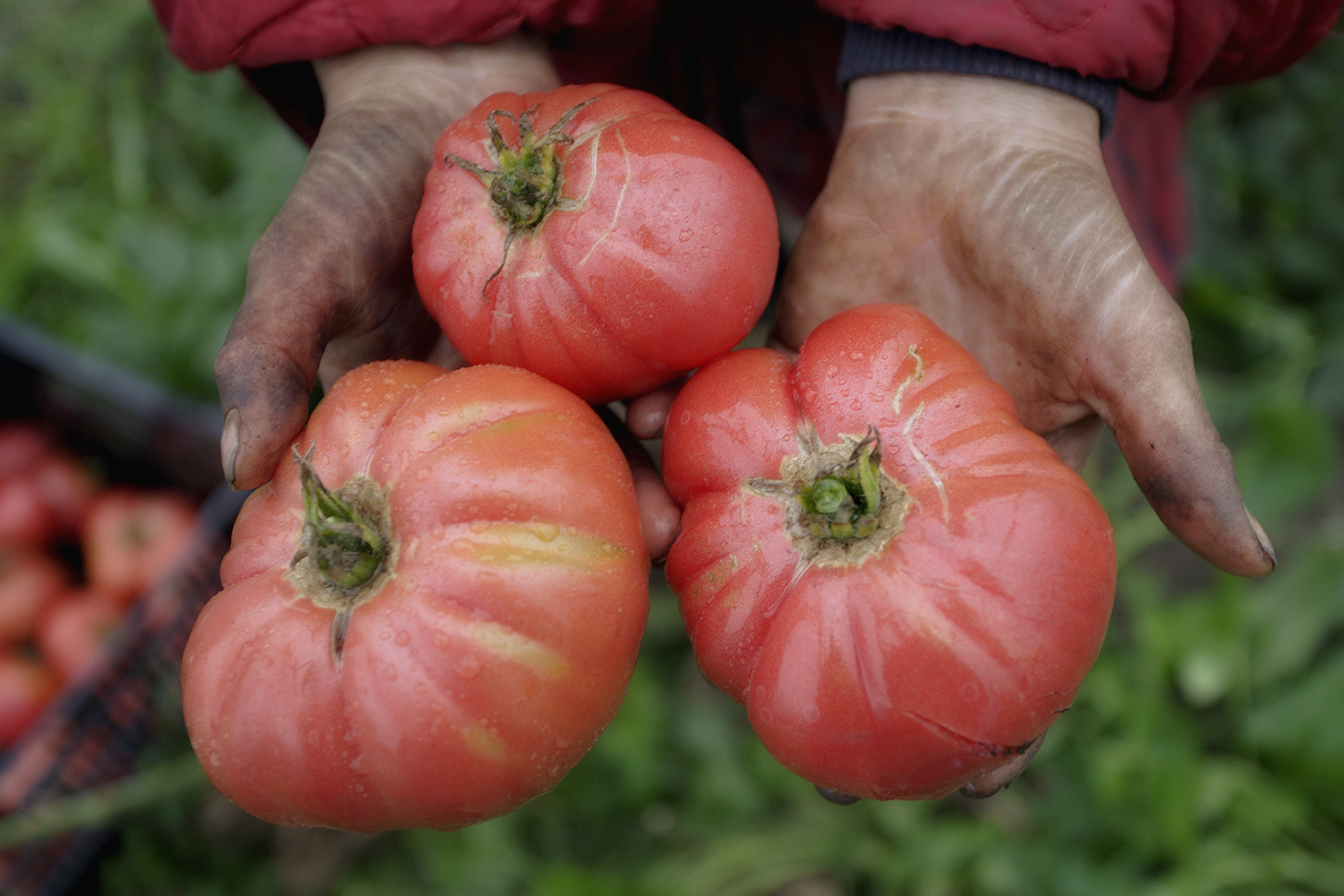
Organic heirloom tomatoes — I’ve seen how diversity in the field reflects stability in the system, something monocultures struggle to maintain.
Human Impact — How Our Systems Reshape the Ground Beneath Us
When I look at soil degradation, I don’t see it as something happening on its own. I see it as the direct result of how we’ve chosen to interact with land. Modern agriculture has been engineered for efficiency and scale, but that efficiency often comes at the expense of the living systems that make the land resilient in the first place.
I’ve watched how repeated tilling breaks apart soil structure, how chemical inputs replace biological relationships, and how monocultures simplify what used to be diverse, self-regulating systems. These practices don’t just affect crops—they reshape entire ecological layers. They influence food webs, reduce biodiversity, and weaken the connections between soil, plants, insects, and wildlife.
I also see how this extends beyond agriculture. Development replaces permeable ground with hard surfaces. Landscapes are fragmented into smaller, disconnected patches. Water is redirected, contained, or polluted. The result is not just land-use change—it is a disruption of the underlying system that once allowed those places to function as part of a larger ecological network.
What stands out most to me is how these decisions accumulate. One field, one farm, one development at a time may seem small, but together they reshape entire regions. Soil loses its ability to absorb water, to store carbon, to support microbial life, and to sustain the species that depend on it. And because human health is tied directly to those same systems, the impact does not stop at the landscape—it moves into the food we eat and the bodies we live in.
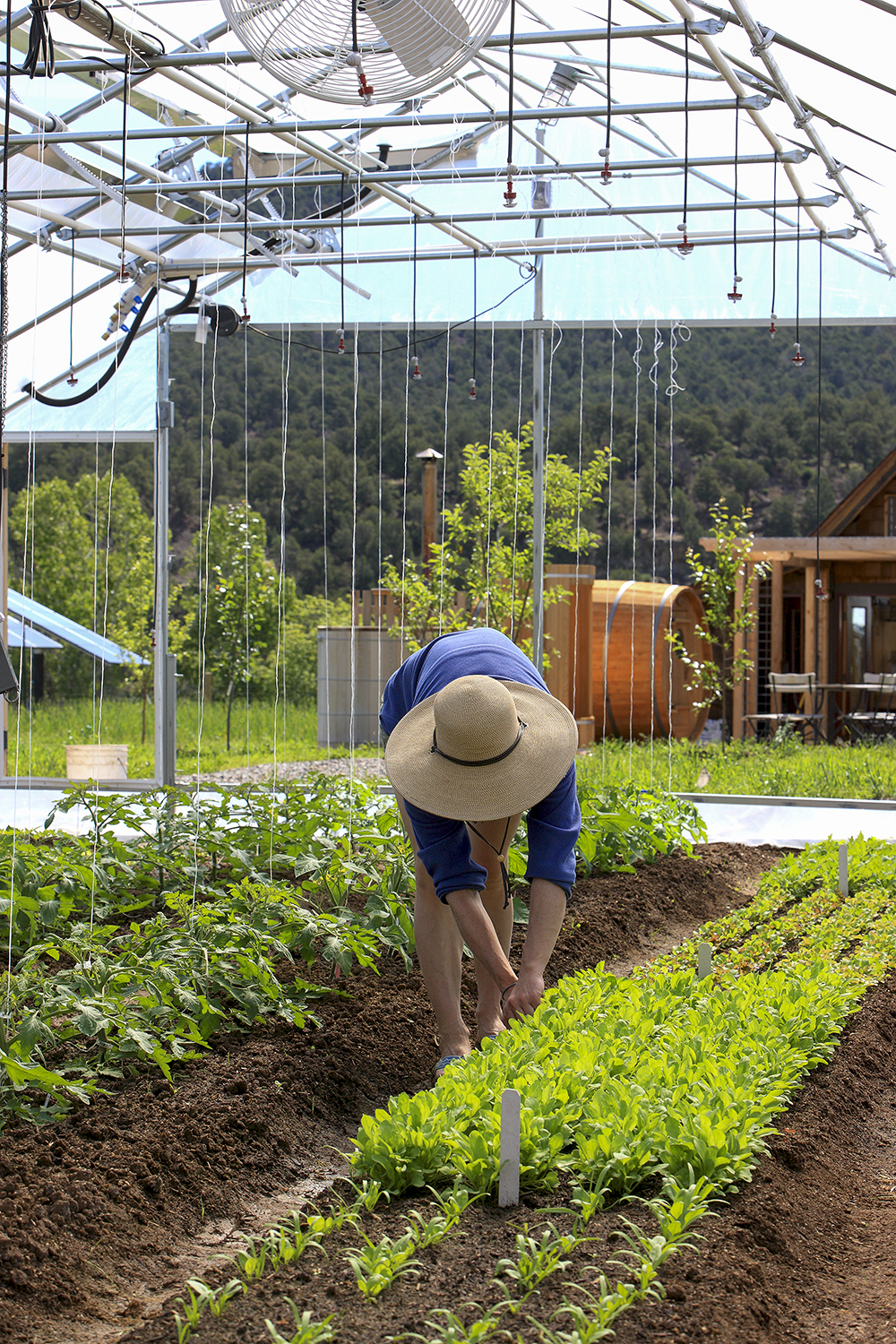
Organic farm greenhouse — I see this as a turning point: the choice between controlling the system or learning to work with it.
Conservation Response — What Actually Helps Living Soil Recover
What gives me hope is that soil can recover when pressure is reduced and living processes are allowed to return. I do not see restoration as a vague environmental idea. I see it as a set of real responses that rebuild structure, biological activity, water retention, and resilience from the ground up. When the land is managed with patience instead of force, the system begins to reconnect.
I see some of the strongest responses in regenerative practices like reduced tillage, cover cropping, composting, crop rotation, and diversified planting. These are not cosmetic changes. They help rebuild microbial life, protect soil from erosion, improve infiltration, and restore the biological relationships that industrial systems often break apart. This is why the page connects naturally to Quantum Agriculture, Naturepedia Soil Microbiome, and Naturepedia Carbon Cycle.
I also see that conservation response has to extend beyond the farm itself. It includes protecting wetlands that filter water and buffer flood cycles, preserving grasslands and native plant communities that hold soil in place, and supporting landscapes where wildlife, pollinators, and soil systems can still function together. That is why this conversation belongs inside broader pages like Wildlife Conservation & Habitat, Ecosystems of North America, and Keystone Species & Trophic Cascades.
The response that matters most to me is not control but re-alignment. Healthy soil is restored when I work with living systems instead of overriding them. That means fewer extractive inputs, more biological diversity, more respect for timing and place, and a willingness to let the land participate in its own repair. Real conservation begins when I stop asking how much I can take from the ground and start asking what the ground needs to remain alive.
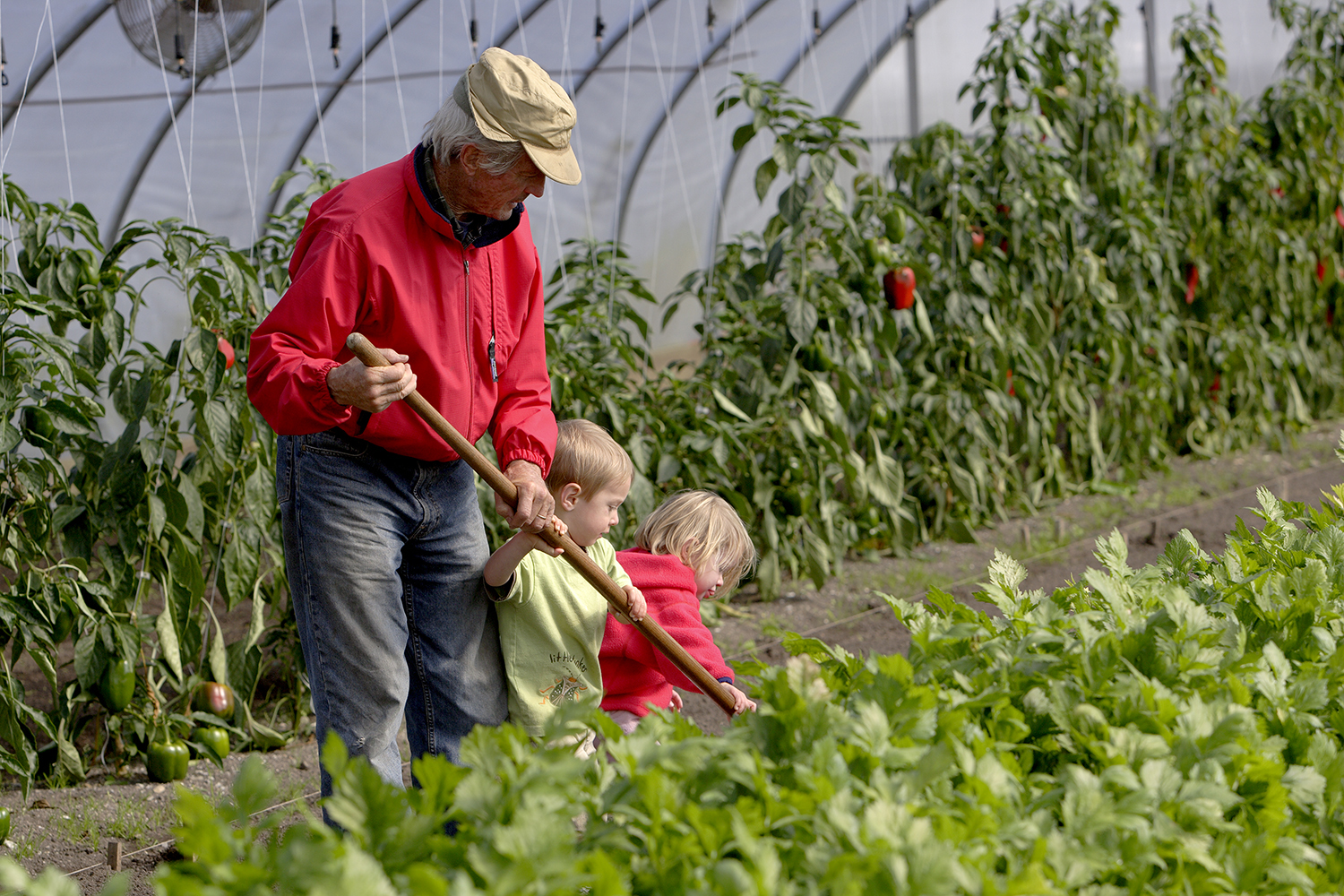
Eliot Coleman at Four Season Farm — I see long-term regenerative practice like this as proof that restoration is not theoretical. It is something the land can show us when we listen closely enough.
Field Observation — What I’ve Seen on the Ground
My understanding of soil didn’t come from theory—it came from time in the field. During my years working in regenerative agriculture, I saw firsthand how quickly land can respond when it’s treated as a living system instead of a production surface. I watched soil that had been compacted and lifeless begin to open again, hold water again, and support life again.
I’ve seen the difference in crops grown from living soil versus depleted ground. The color is different. The structure is different. The resilience is different. But what stands out most is the consistency—fields managed with biological awareness don’t just produce food, they stabilize. They hold through drought. They recover after stress. They behave like systems that remember how to function.
I’ve also seen the opposite. Land pushed too hard begins to show it subtly at first—water pooling instead of soaking in, plants requiring more input to sustain growth, fewer insects, less diversity. Over time, those signals compound. What looks productive on the surface often hides a system that is losing its internal strength.
These observations changed how I see everything else in nature. The wildlife I photograph, the habitats I move through, the seasonal patterns I track—all of it is influenced by what’s happening below ground. Soil is not separate from those experiences. It is one of the quiet forces shaping them.
Naturepedia Connections — How Soil Links the Entire System
When I map soil into the Naturepedia system, I don’t see it as a single topic—I see it as a connector across every layer. Soil links species, behavior, habitat, ecosystems, geography, time, and conservation into one continuous system. What happens in the soil moves outward into everything else.
Species
I see soil directly influencing species health—from grazing mammals to pollinators. Nutrient cycles begin below ground and move upward into entire food chains.
Behavior
Feeding patterns, migration timing, and survival strategies all trace back to soil-driven food availability and habitat stability.
Habitat
I see soil shaping habitat structure—grasslands, wetlands, forests—all depend on what happens below ground.
Hydrogen, Water & Soil Systems
Explore how water, soil, and biology function as a connected system through hydrogen, polarity, and field-based relationships observable in real ecosystems.
Ecosystems
Soil is the foundation of ecosystem balance, linking energy flow, biodiversity, and resilience across landscapes.
Geography
I see soil differences shaping entire regions—from Yellowstone to coastal wetlands and agricultural valleys.
Seasonal Timing
Soil temperature, moisture, and biology drive seasonal cycles—migration, growth, and dormancy all follow.
Conservation
I see soil restoration as one of the most powerful conservation tools available—impacting water, climate, and biodiversity simultaneously.
Soil Health & Human Wellbeing FAQ
Why does soil health matter beyond farming?
I see soil health as a system issue, not just an agricultural one. Healthy soil influences water retention, biodiversity, carbon storage, habitat quality, food nutrition, and the biological strength of the landscapes people and wildlife both depend on.
How do I connect soil health to human wellbeing?
I connect them through food, microbes, and resilience. The quality of the soil shapes the quality of the food, and the quality of the food shapes the internal terrain of the body. What happens below ground eventually moves into the human system.
What damages living soil the most?
The biggest pressures I focus on are repeated tillage, monocropping, synthetic chemical dependence, erosion, habitat fragmentation, and land-use systems that remove diversity instead of supporting it. These pressures weaken the biology that makes soil function as a living system.
What restoration practices actually help soil recover?
The strongest responses I see come from regenerative practices like reduced tillage, cover cropping, composting, crop rotation, diversified planting, and land stewardship that works with biological processes instead of overriding them.
How does soil connect to wildlife and ecosystems?
I see soil as one of the hidden foundations of habitat quality. It affects plant communities, insect abundance, water stability, and food webs, which means it influences animal behavior, migration timing, and ecosystem resilience across entire landscapes.
Why do I treat soil as part of Naturepedia?
I treat soil as a core Naturepedia connector because it links species, behavior, habitat, ecosystems, geography, seasonal timing, and conservation into one continuous system. Soil is not a side topic. It is one of the layers holding the whole system together.
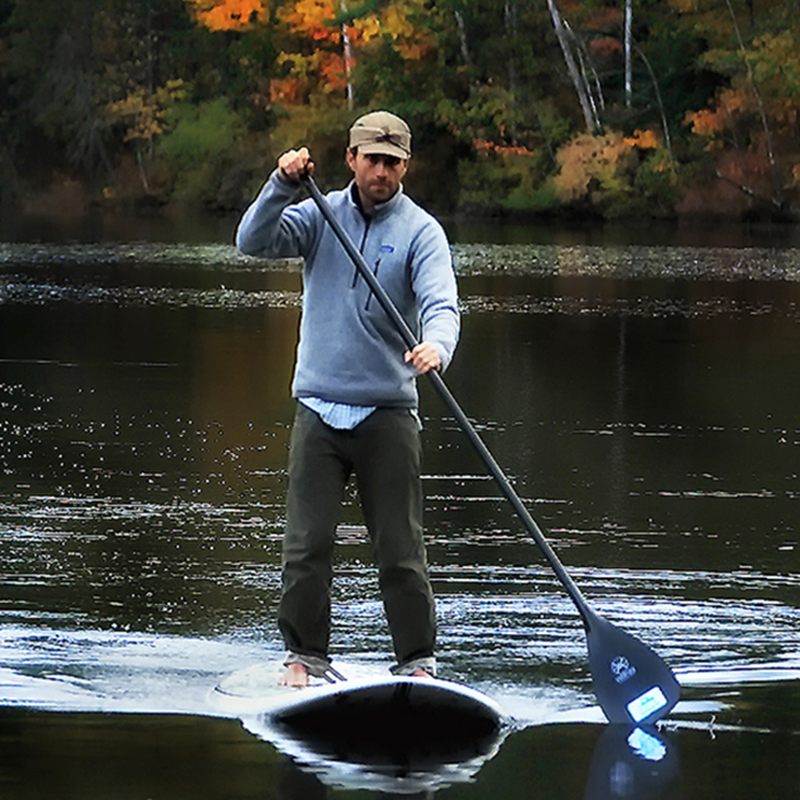
About Robbie George
I am a National Geographic–published photographer and field-based observer of ecological systems, but long before photography became my primary focus, I spent years working directly in regenerative agriculture. That experience shaped how I see soil—not as an input, but as a living system that supports everything above it.
I worked closely with the land, learning from farmers like Eliot Coleman and others who approach soil as a biological system rather than a chemical one. That time in the field changed how I understand food, health, and ecosystems. It showed me that the connection between soil and human wellbeing is not theoretical—it is something I have seen play out season after season.
Today, through Naturepedia, I connect those field experiences to a broader system that links species, habitats, ecosystems, geography, and time. Soil sits at the center of that system. It influences the wildlife I photograph, the landscapes I move through, and the ecological relationships I document across North America.
I approach every landscape the same way: observing first, understanding second, and photographing last. What I see in the field continues to reinforce one idea—if the soil is alive, the system has a chance to remain alive with it.
“Everything I’ve seen in the field points back to one layer most people never notice—the soil holding it all together.”





