
Nature: Native American Wisdom
Nature and Native American Wisdom: A Sacred Connection
Native American wisdom begins where modern science often ends — in relationship. A relationship not of dominance, but of reciprocity. To the indigenous mind, Earth is not an object to be studied; it is a living being to be honored. The wind has memory. The bison carries prophecy. The stars offer guidance. And the soil listens.
In this blog, we explore how these traditions continue to shape our understanding of sacred ecology — a worldview where every stone, river, and tree has purpose and presence. As reflected in Ancient Wisdom and The Nature Code, this isn’t a poetic metaphor — it’s an encoded truth that resonates through wildlife, landscape, and light.
And through images and reflections curated on NatureQuotes.com, I aim to carry that resonance forward — not just as a photographer, but as a field witness. Because in many ways, the camera has become our new pipe ceremony. A way of offering stillness. A way of remembering who we are, and who we walk with.
“Walk as if you are kissing the Earth with your feet.” ~ Native Wisdom
Embracing Wisdom: Cultural Insights from the Wild
In Native American cultures, animals are not symbols — they are relatives. Teachers. Messengers. The wolf and the eagle are not admired for strength or flight alone, but for what they represent in the unseen world. The wolf is loyalty. The eagle is clarity. Together, they reflect the balance of the earthly and the spiritual — the grounded and the visionary.
These deep relationships are central to the sacred ecology preserved through wildlife photography. When I photograph a grey wolf or watch an eagle pass overhead, I’m not just capturing behavior — I’m witnessing ceremony. A continuation of reverence that has guided native traditions for millennia.
As explored in Nature’s Healing Wisdom, these animal relationships offer more than metaphor — they offer guidance. They remind us that nature isn’t something to manage — it’s something to listen to. Every feather, paw print, and gust of wind is part of an ancestral story — still unfolding.
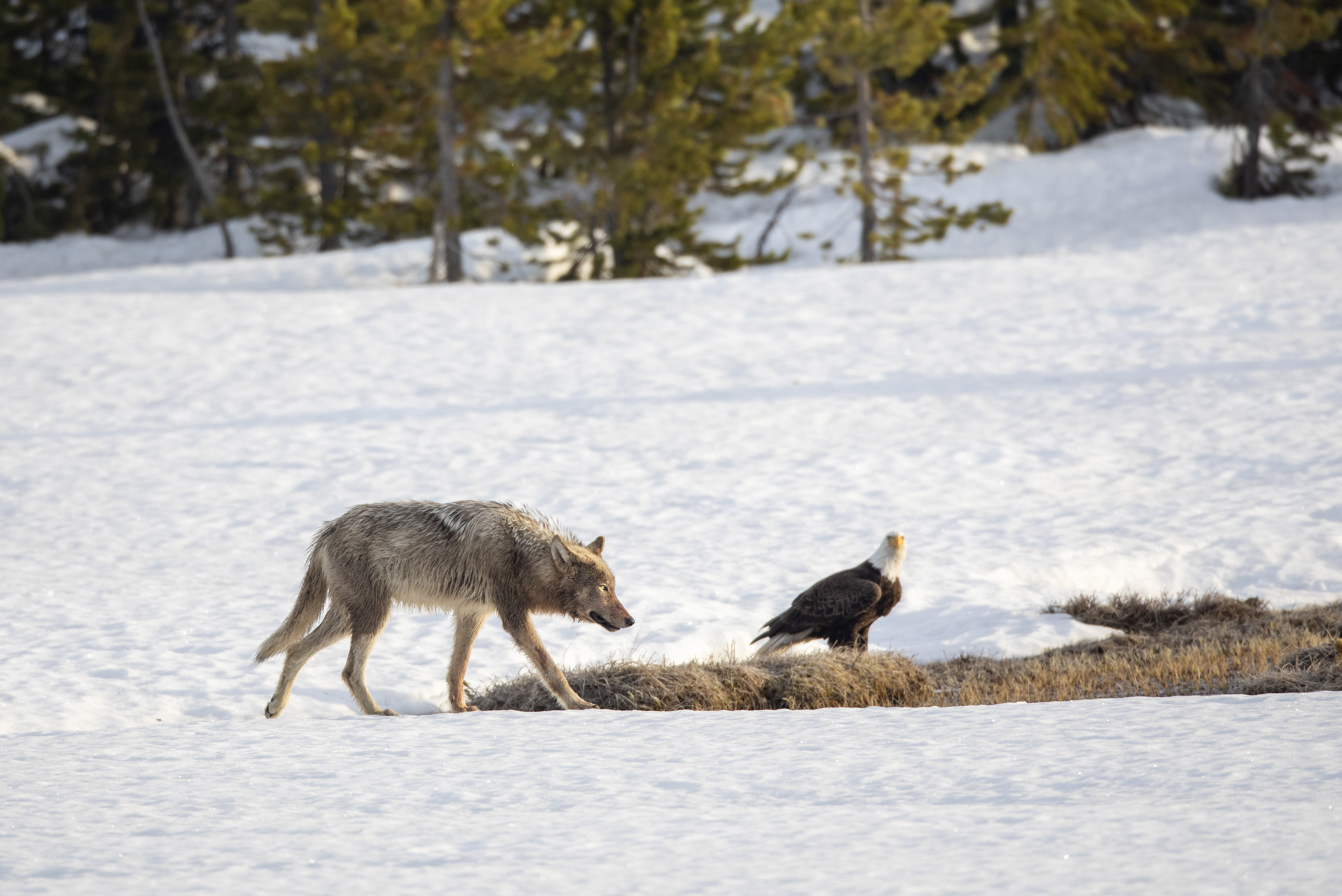
"Grey Wolf and Bald Eagle" — Guardians of Wisdom | Fine Art Print Available
Native American Wisdom on Nature: Listening to the Living World
In Native American tradition, nature is not observed from a distance — it is lived with. The land is teacher. The animals are guides. Rivers are prayers that move. From the Anishinaabe to the Lakota, wisdom is passed not through data but through direct experience, ceremony, and relationship with the elements.
This worldview mirrors what I’ve expressed in The Nature Code — that the Earth is not just a resource but a frequency. And when we attune ourselves to that frequency, we begin to feel the teachings beneath the trees, inside the wind, and in the eyes of the wild. Photography becomes a form of reverent listening.
On Nature Pictures, I strive to capture not just scenes, but transmissions. These images are visual echoes of wisdom spoken through bison, thunder, eagle flight, and alpine stillness. It’s the same wisdom that shaped Native cultures — and still waits for us, if we’re quiet enough to hear.
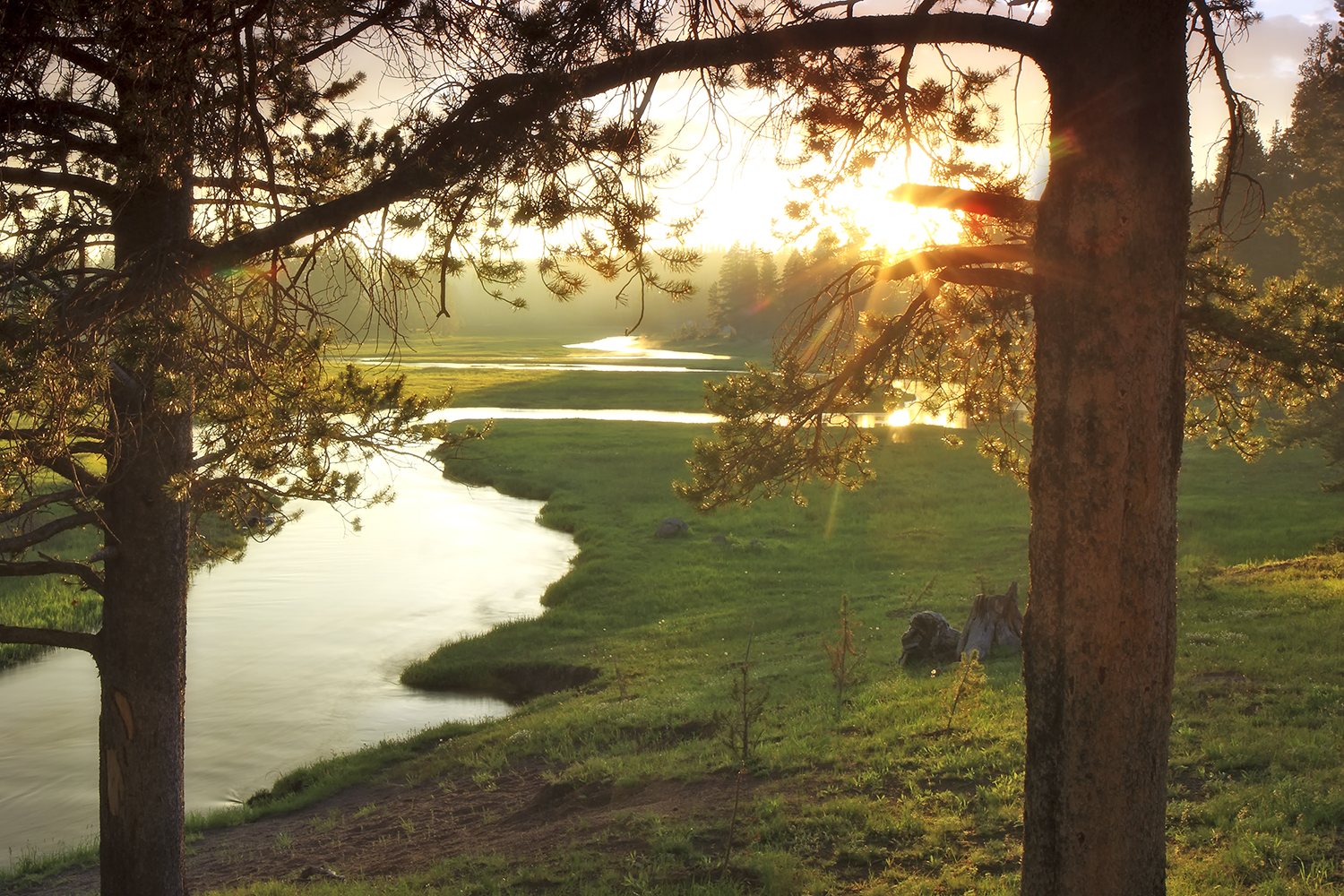
"Beautiful Landscape" — Earth as Teacher | Fine Art Print Available
Indigenous Perspectives on Stewardship: Honoring the Land as Relative
To indigenous peoples, land is not property — it is kin. A sacred inheritance from ancestors, and a living trust for future generations. This worldview, explored in Ancient Wisdom, sees stewardship not as management, but as mutual care. Every tree, stream, and rock is alive with memory — and deserves our gratitude and guardianship.
Native traditions remind us that we are not above nature — we are woven into it. As I’ve shared through landscape photography, the Earth teaches us how to live: through rhythm, reflection, and restraint. To protect what we love, we must first remember how to listen.
In honoring Earth’s delicate energy balance, Native wisdom offers a path forward — not only to sustainability, but to ceremony. Stewardship becomes a sacred act. And when we photograph with reverence, we participate in that act. Each image becomes a prayer for harmony — and a pledge to protect what still breathes wild.
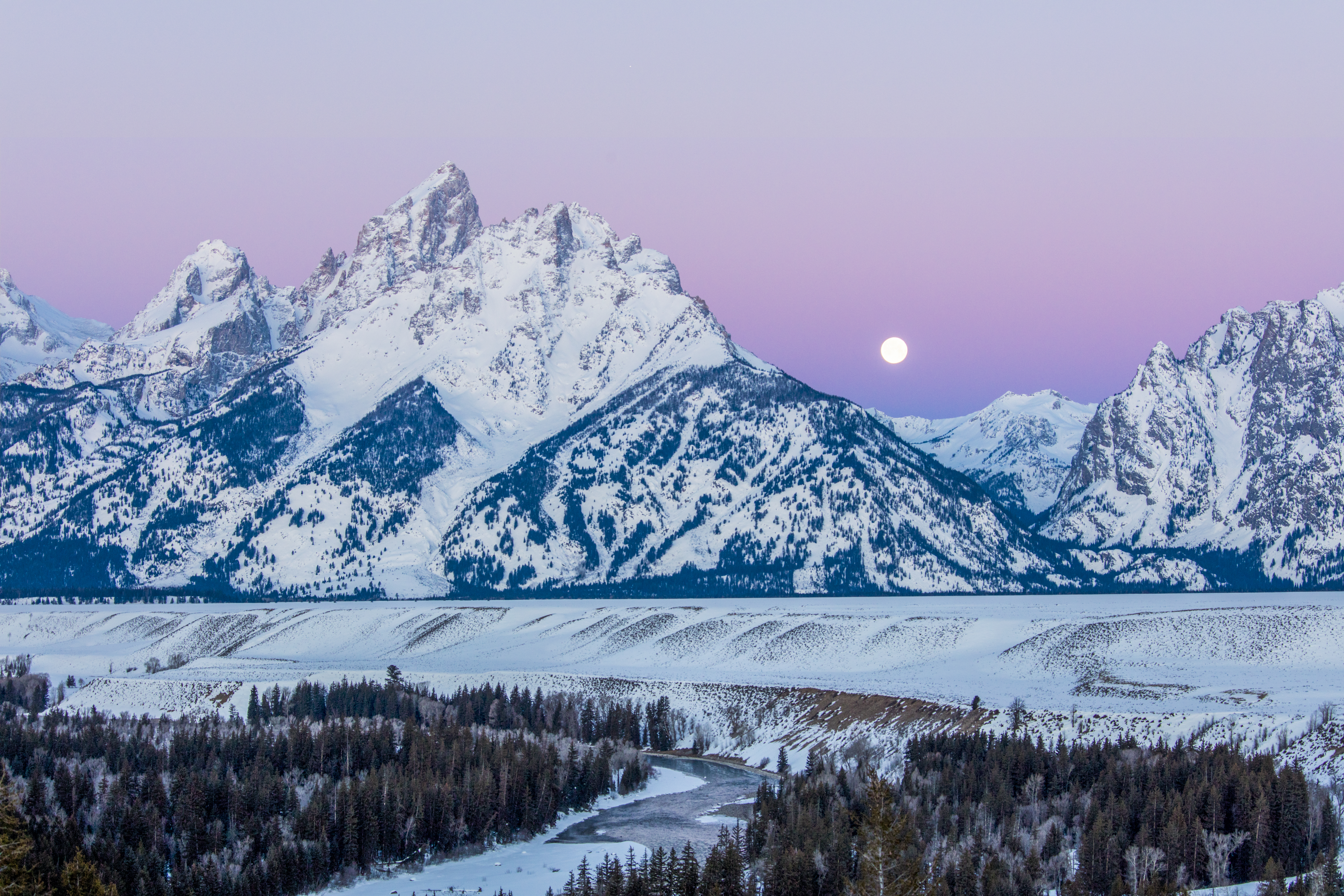
"Teton National Park" — Sacred Land and Stewardship | Fine Art Print Available
Spiritual Traditions and Symbolism: The Sacred Language of the Wild
In Native American cultures, animals are not only kin — they are guides in the spiritual journey. The eagle carries prayers to the heavens. The wolf walks between seen and unseen worlds. The bear teaches strength through solitude. These symbols are not myth — they are truth encoded in form, echoing what I capture through my lens every day.
As I explored in The Life Cycle of the Bald Eagle, the eagle is a messenger — both biologically and cosmically. Its flight speaks of freedom, its cry calls forth clarity. When we honor these animals with respect and presence, we step into a spiritual dialogue that predates language.
Similarly, the grey wolf and grizzly bear are not simply wild creatures — they are archetypes. When I photograph them, I do so with reverence. Because to the Native mind, these animals are not metaphors — they are teachers. And every encounter with them is a reminder of our own place in the sacred circle.
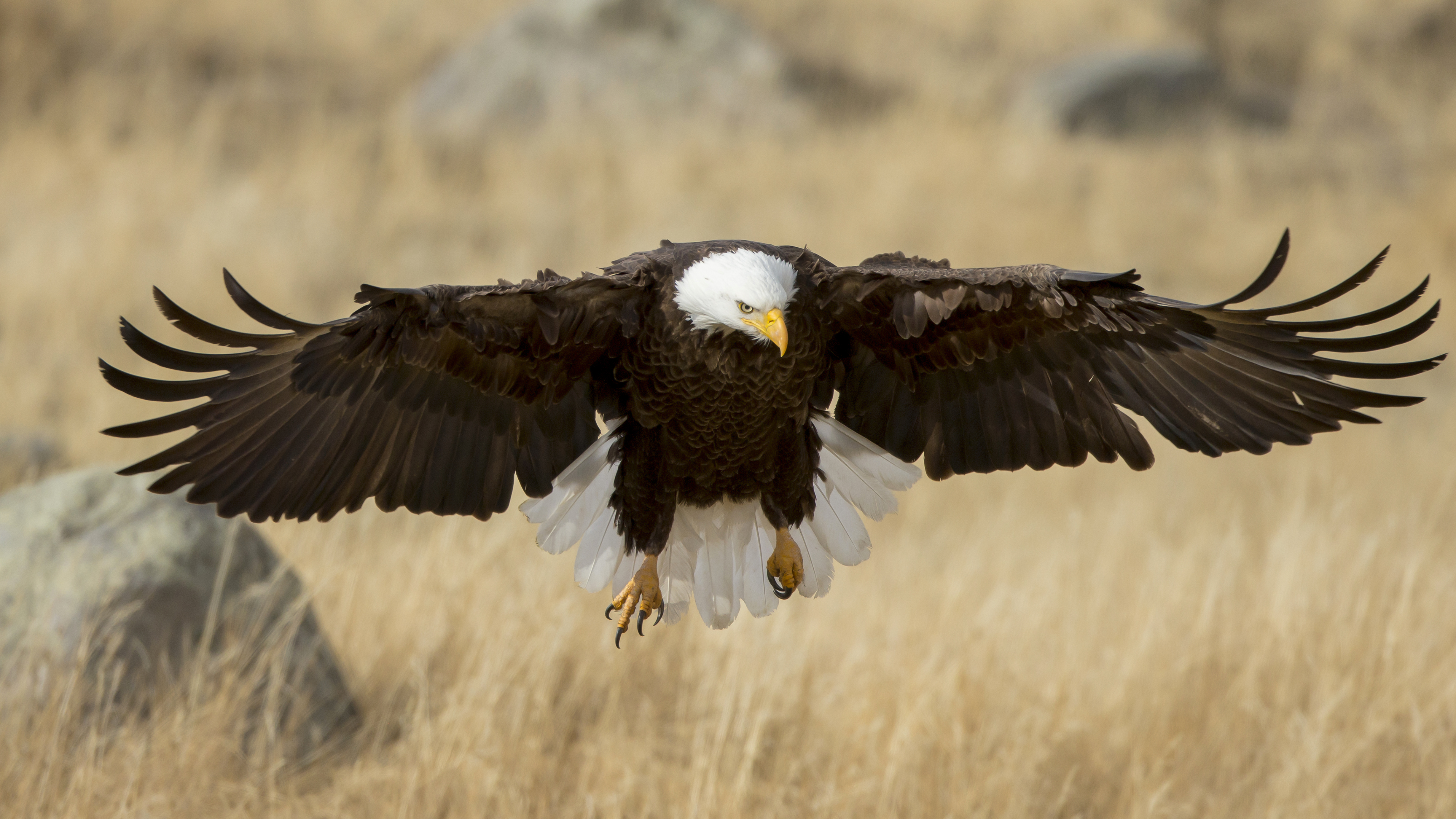
"American Bald Eagle" — Sky Spirit and Messenger | Fine Art Print Available
The Indian Way of Life: Wisdom Carried by the Land
“We are all visitors to this time, this place. We are just passing through.” This Cherokee wisdom reflects the essence of the Indian way of life — rooted not in control, but in kinship. Living close to the land meant listening to the soil, walking with the deer, and recognizing that every sunrise was a chance to realign with purpose and peace.
Native teachings emphasize sustainability not as strategy, but as spirit. As reflected in the Seven Generations Principle, each decision is made with unborn lives in mind. To live this way is to move slowly, to give thanks, to harvest only what is needed, and to let the rest return. It’s an ecosystem of respect — a sacred circle.
This worldview still breathes in the quiet gaze of a white-tailed deer. When I encounter them, I remember what’s written across so many tribal teachings: we do not own the Earth — we belong to it. And each photo shared on Nature Pictures is my way of honoring that truth — a still moment, lit by spirit, grounded in legacy.
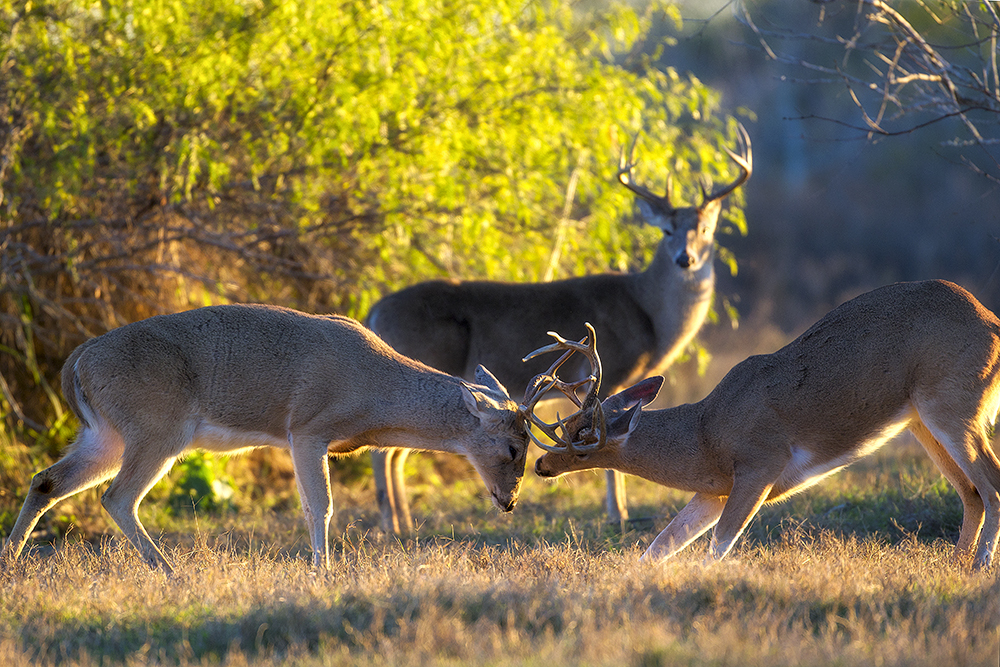
"White-Tailed Deer" — A Glimpse into Ancestral Quiet | Fine Art Print Available
Anishinaabe and Mohawk Wisdom: Moonlight Over Memory
Among the Anishinaabe and Mohawk peoples, nature is not studied — it is remembered. Reverence is taught through story. Morality is learned through the moon, the wind, and the path of animals. A frog teaches restraint. A cedar branch teaches cleansing. And a full moon over still mountains reminds us that time is a cycle, not a line.
These cultures have long practiced what we now call sustainable living — but to them, it’s simply tradition. As I reflected in Ancient Wisdom, these teachings live not in textbooks but in practice: respect the land, take only what is given, give more than you take, and always consider the ones who come next.
The moon — central to Anishinaabe and Mohawk timekeeping — governs the tides of life and lessons. Each phase holds ceremony. Each cycle brings balance. I’ve tried to express this lunar reverence through Nature Pictures — especially those bathed in moonlight, where stillness becomes sacred. These photos are not just moments; they’re reminders to walk softly, see widely, and live with rhythm.
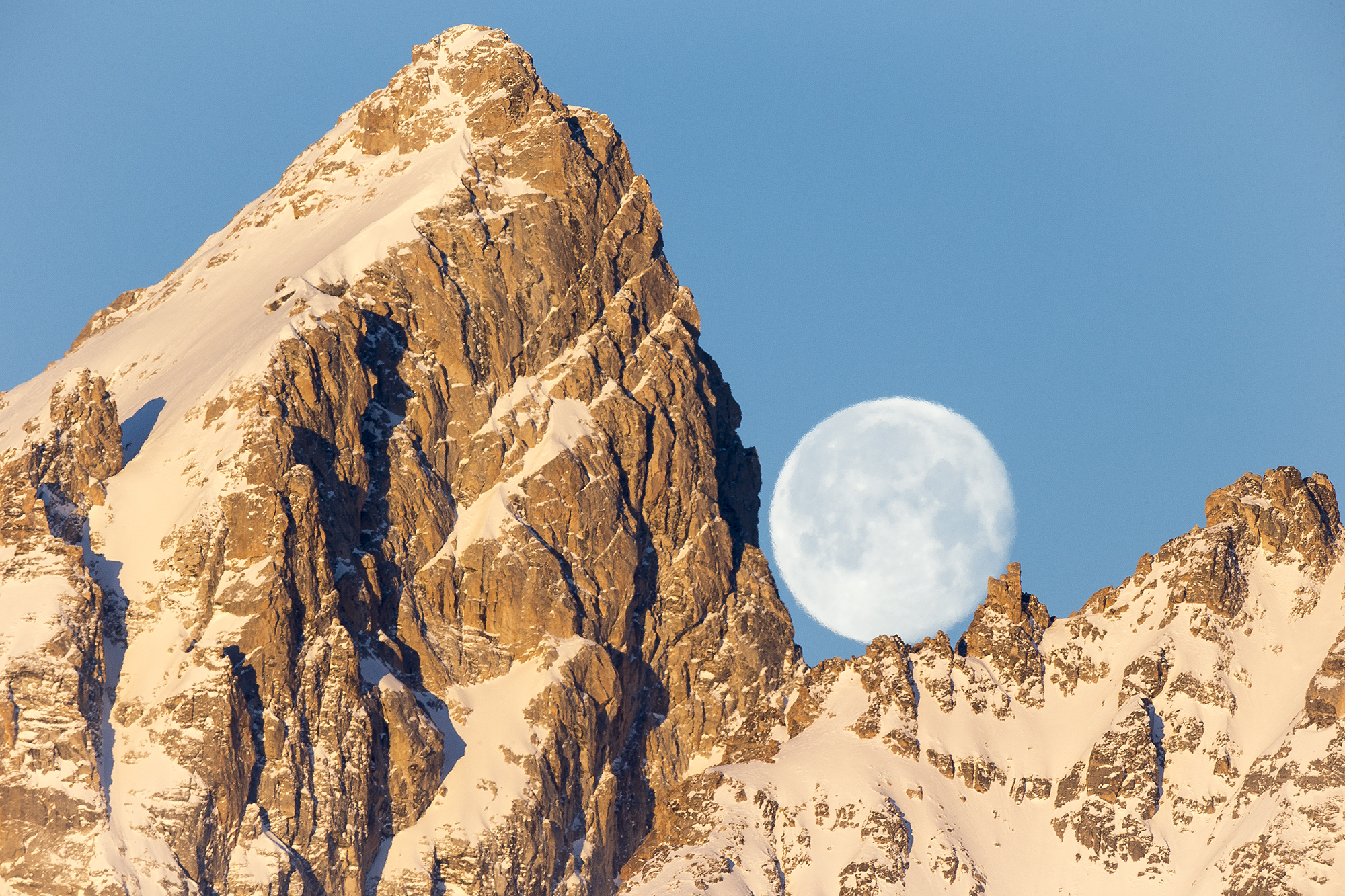
"Full Moon over Grand Teton" — Lunar Ceremony and Reflection | Fine Art Print Available
Lakota, Dakota, and Nakota Insights: Wisdom Across the Plains
“Mitakuye Oyasin” — we are all related. This Lakota phrase is more than a greeting; it’s a worldview. A daily prayer that places humans within the circle of life, not outside it. To the Plains cultures, everything is kin: the bison, the grasses, the sun, and the wind. Their wisdom echoes across prairies and generations with a message we are only now remembering: that strength comes from unity, and true power is held in stillness.
In my post on Bighorn Sheep, I explored this sacred strength — resilience held not in force, but in presence. Bison too are a living symbol of that strength. Revered by Lakota, Dakota, and Nakota peoples, the bison represents abundance, humility, and survival through the harshest winters — always moving with the field.
Their teachings have shaped how I observe the land. How I move when tracking. How I wait for light. As I reflect in Grey Wolf & Field Balance, this isn’t just philosophy — it’s a practiced rhythm. When we walk in relationship with nature, guided by elders, we don’t just take photos. We create ceremony.
Final Reflections: Walking the Earth as Relative
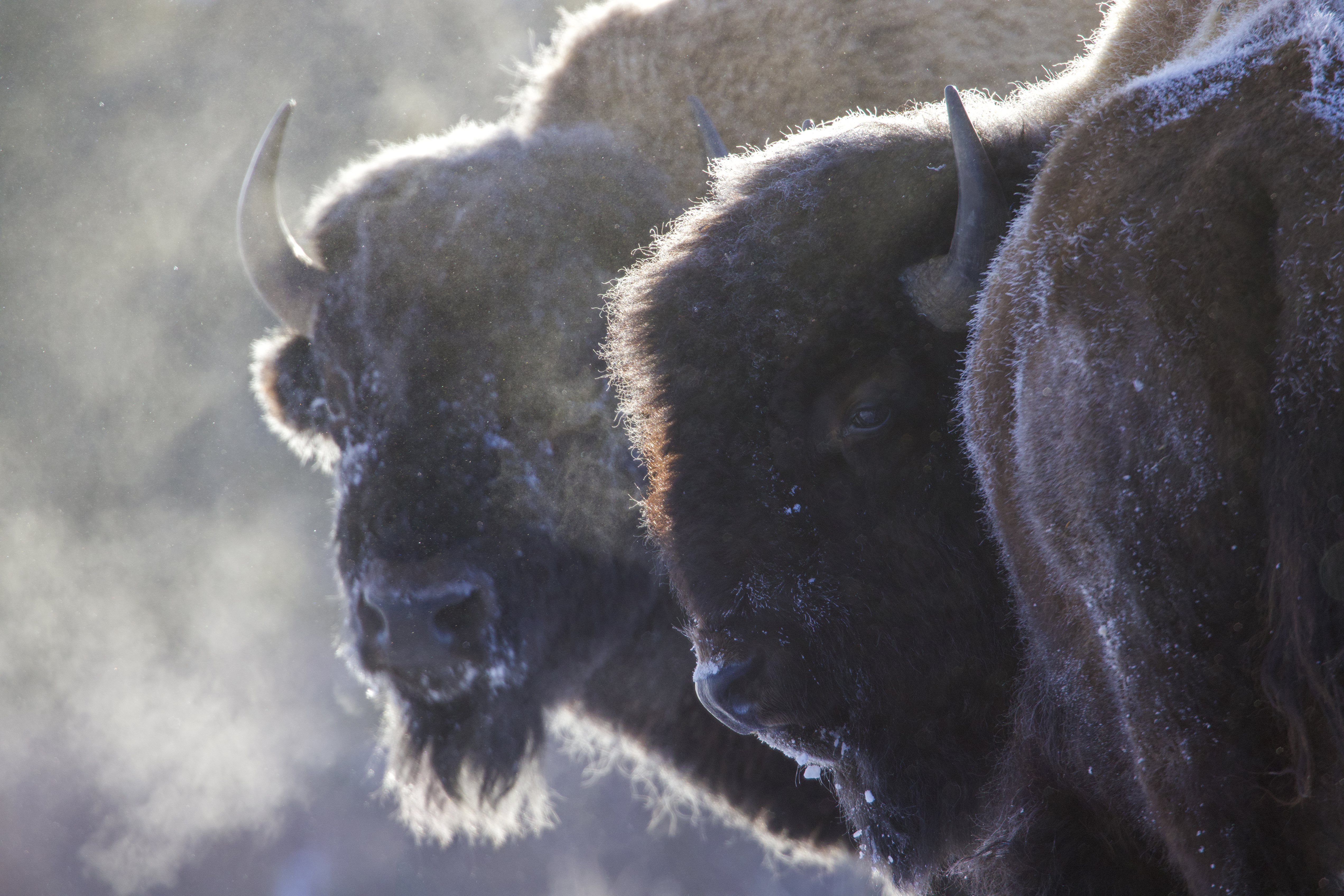
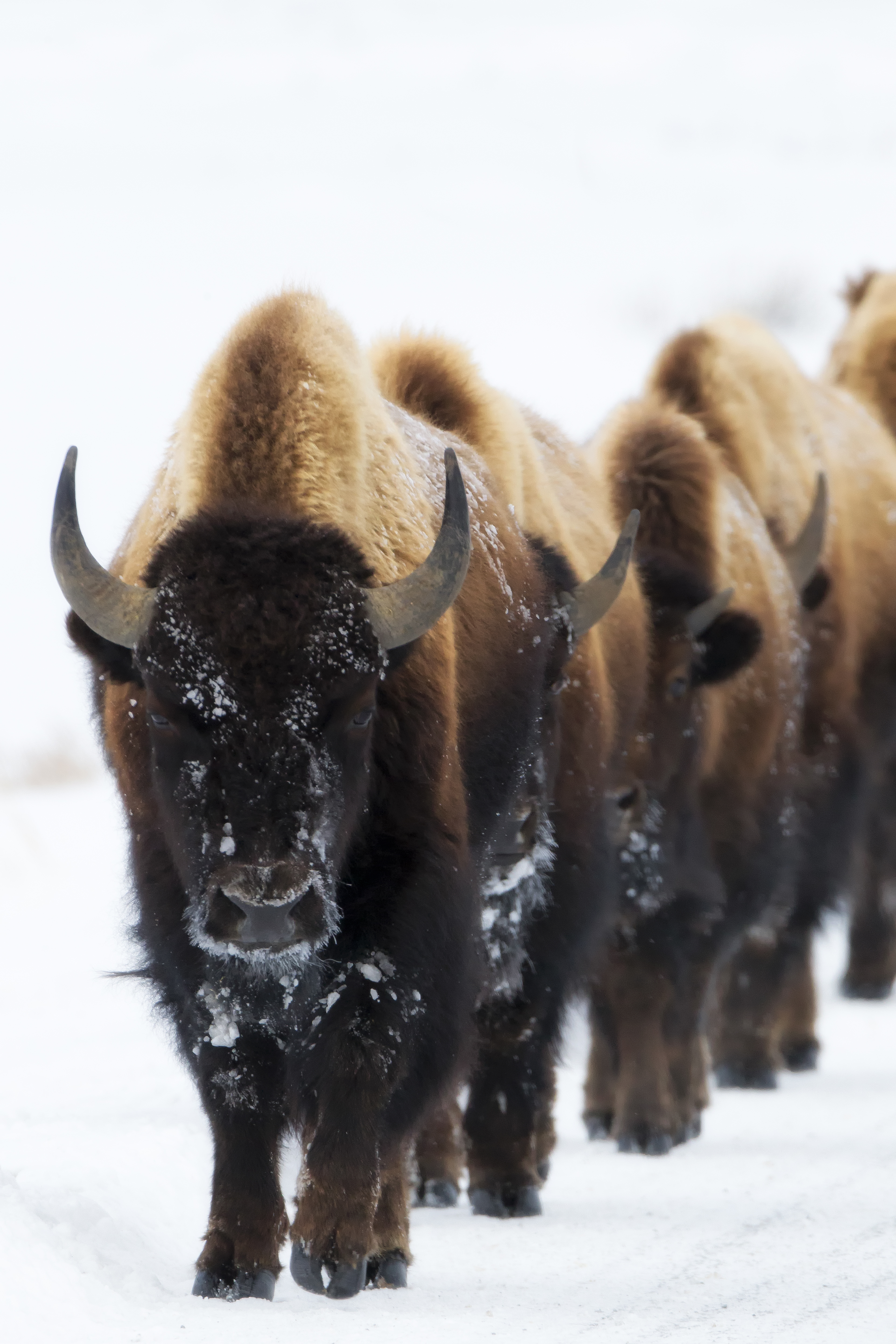
The more I photograph bison in winter, the more I feel I’m not documenting — I’m remembering. Remembering what the Lakota knew. What the Cherokee knew. What the Earth still knows: that nature is not outside of us, but inside our bones, our rhythm, our knowing.
In the work I share on EarthDayQuotes.com and across the Signature Series, I try to reflect this truth: that every photograph is an offering — a moment of reverence for the field we still belong to. Through light, form, and patience, I seek to reawaken what Native traditions never forgot — that Earth is alive, listening, and waiting for our return.
As we carry this wisdom forward, may we remember that sustainability is not a strategy — it is ceremony. That progress is not speed — it is presence. And that the answers are not always new — they are ancestral, and they are already within us.
"Wild Bison in Snow" — Walking with Memory | Fine Art Print Available
Walk Gently Forward with Wisdom
If this journey through Native American teachings resonated with you, I invite you to explore deeper. These voices are not echoes of the past — they are guiding stars for the present. Let the land continue to speak to you through light, story, and stillness.
- ✨ Signature Series: Nature, Science & Soul
- 📖 Explore Nature Quotes: Field Wisdom Curated
- 🌎 EarthDayQuotes.com: Honor the Earth Every Day
- 🪶 Discover More in Ancient Wisdom
- 🖼️ Fine Art Prints: Mother Nature Sends Her Love
Wherever you go next, may your steps be light, your eyes open, and your heart tuned to the sacred story still unfolding around you.
Naturepedia Connections
This article is part of the broader Naturepedia system—an interconnected knowledge base exploring how wildlife, ecosystems, ancestral awareness, and natural forces relate across scales.
- Naturepedia — explore the larger wildlife, ecology, and natural systems knowledge base
- Ancient Wisdom — natural cycles, memory, and ancestral ways of seeing
- The Nature Code — patterns, relationship, and meaning in the living world
- Wildlife Behavior & Ecology — how animals move, adapt, and relate to place
- Wildlife Conservation & Habitat — stewardship, protection, and living landscapes
- Mammals of North America — field guides to iconic animals including bison, wolves, deer, and bears
- American bison and buffalo distinctions — a related field-based look at one of the Plains’ most meaningful animals
- White bison symbolism and conservation — a related reflection on sacred animals and protection of the Earth
Explore Fine-Art Prints
Bring the season home—browse Wildlife, Landscapes, and Seascapes by National Geographic–published photographer Robbie George. See framing, editions, and care on the Collectors page.
 Landscape
  Wildlife
  Seascapes
About Robbie George
Robbie George is a National Geographic–published photographer and resonant naturalist. His fieldcraft follows a simple ethic—distance first, habitat always— shaped by Slow Knowledge and the Signature Series.
Explore calm, undisturbed behavior in the Wildlife Gallery or plan your next trip with the Seasonal Wildlife Calendar, Golden Hour & Moon, and Photography Maps.
“Attention first, image second. The shutter is the period at the end of a sentence you learned by walking.”
Frequently Asked Questions: Native American Wisdom and the Sacred Earth
Why is nature considered sacred in Native American culture?
Nature is seen as alive, conscious, and interconnected with all life. Indigenous traditions honor the Earth as mother, teacher, and spirit — not an object to be used, but a relative to be respected. Every river, mountain, and animal is part of a sacred circle of life.
What is the meaning of “Mitakuye Oyasin”?
This Lakota phrase means “we are all related.” It reflects the belief that all beings — human, animal, plant, and elemental — are part of one living family. It is both a blessing and a reminder of our shared responsibility to walk gently on the Earth.
How can photography reflect Native wisdom?
Photography, like ceremony, is a practice of attention and reverence. When approached with humility, it becomes a tool to witness — not just beauty, but relationship. A photograph can be a visual prayer — a way to honor the land, animals, and stories that came before us.
What is the Seven Generations Principle?
This teaching reminds us to consider how our actions affect the next seven generations. It's a model for long-term thinking, rooted in respect, sustainability, and love for those yet to come. It guides decisions in family, community, and environmental care.
Where can I learn more or reflect further on these teachings?
Explore Nature Quotes and EarthDayQuotes.com for curated reflections, ancestral proverbs, and daily reminders to stay aligned with the wisdom of the wild.