🌿 Ancient Wisdom & Civilizations: Uncovering the Connection Between Nature and the Knowledge of Our Ancestors
“Long before science named the patterns, people lived them.” ~ Robbie George
Ancient Wisdom Hub
Ancient Wisdom & Nature: Patterns, Symbols, and the Living Knowledge of the Earth
A field-based exploration of how ancient cultures understood nature through observation, symbolism, and lived experience.
In the field, long before modern science, people learned directly from the land. They watched migration patterns, tracked seasonal cycles, aligned structures with the sky, and built entire cultures around the rhythms of light, water, and life.
What we now describe through ecology, physics, and systems thinking was once experienced as lived knowledge—encoded in stories, symbols, architecture, and daily practice. From wildlife behavior to celestial alignment, these observations formed a deep relationship between humans and the natural world.
This page connects those ancient insights to modern understanding—bridging into Naturepedia, Wildlife, Ecosystems, and field-based tools like Sun & Moon Alignment—revealing how ancient awareness and modern observation are part of the same continuous system.
What This Page Helps You Do
Understand how ancient cultures read nature—through wildlife, seasons, stars, and symbols—and how those same patterns still guide observation, photography, and ecological awareness today.
Explore Ancient Wisdom
Move through ancestral knowledge systems shaped by land, sky, wildlife, symbolism, and lived observation—then follow how those patterns connect into the larger Robbie George field-based system.
Ancient Wisdom Began as Close Observation of the Living World
Long before modern systems of science gave names to ecology, migration, seasonality, and orientation, ancient cultures were already reading those patterns directly from the land, sky, water, and wildlife around them.
Their knowledge was not abstract first. It was built through repetition, memory, survival, ceremony, and direct relationship with place—making ancient wisdom one of the earliest forms of field-based intelligence.
🌎 Land as Teacher
Ancient people learned from terrain, weather, seasonal change, animal movement, and plant cycles—treating landscape not as backdrop, but as a source of guidance and memory.
🕰️ Knowledge Through Time
Patterns became wisdom only because they were observed again and again—across generations, seasons, migrations, harvests, and ceremonies tied to the turning year.
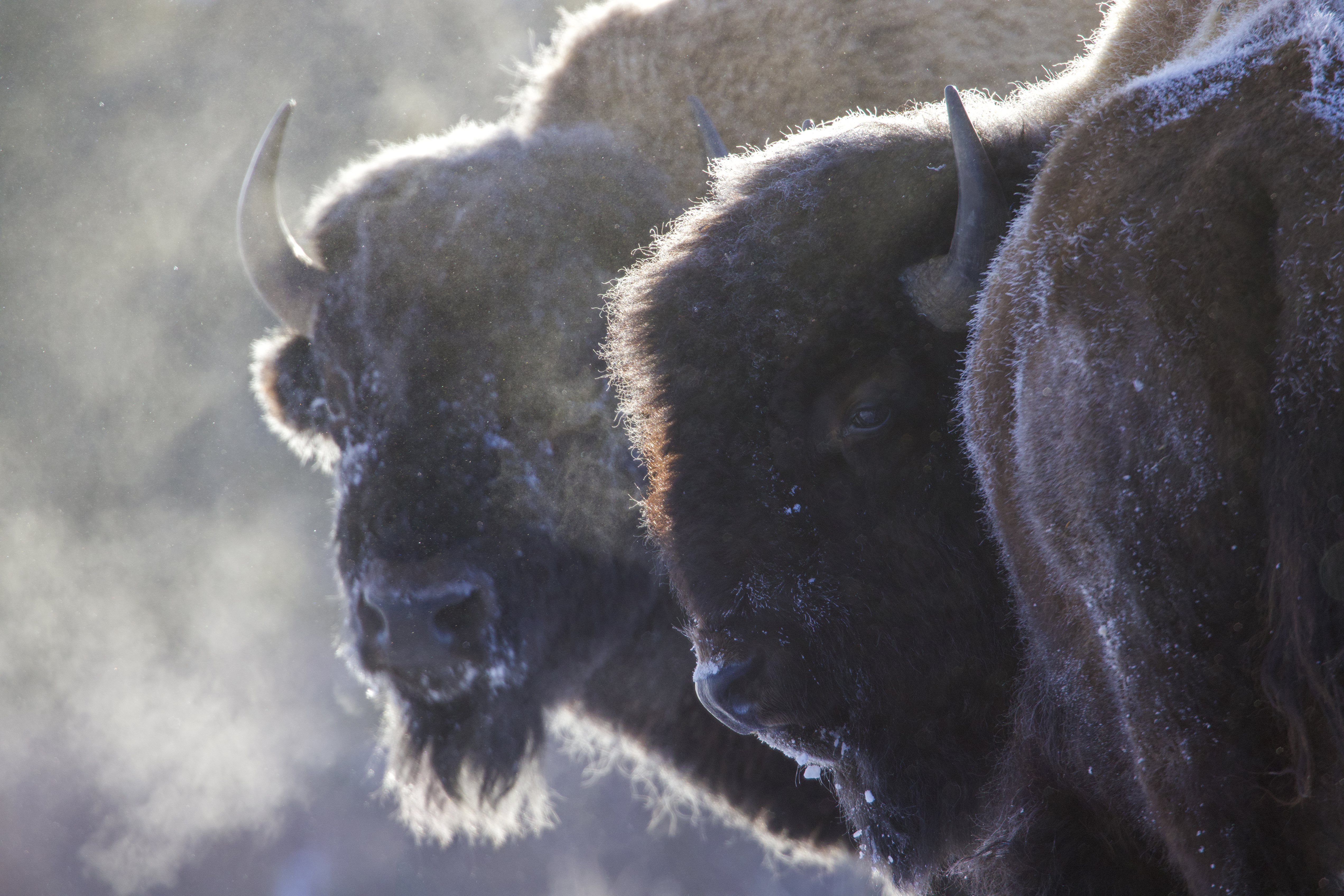
🦬 Wildlife as Signal
Animals were watched not only for survival, but for timing, direction, behavior, and meaning—making wildlife one of the clearest bridges between observation and symbolism.
✨ Sky as Structure
Sun angles, solstices, moon phases, and fixed stars provided orientation in both practical and ceremonial life, linking time, movement, and architecture into one living system.
From Ancestral Memory to Modern Field Awareness
What makes ancient wisdom enduring is that it came from real contact with the world—watching when birds returned, how light changed, where animals moved, and which places stayed aligned with sky and season.
Ancient Cultures Learned to Read Earth and Sky as One Continuous Field
Ancient knowledge systems were built through attention to cycles—sunrise positions, solstice light, moon phases, seasonal shifts, animal return, and the way a place changed across the year.
This was not observation for curiosity alone. It shaped planting, migration timing, ceremony, navigation, architecture, and survival, turning the landscape itself into a living calendar.
☀️ Solar Timing
The changing path of the sun helped ancient people track solstices, equinoxes, seasonal transitions, and the best moments for travel, ceremony, and cultivation.
🌙 Lunar Awareness
Moon phases influenced ceremony, fishing, planting, night movement, and rhythm—adding a second layer of timing beyond the solar year.
🧭 Direction & Place
Mountains, rivers, stars, and horizon lines were used as orientation systems, linking geography and sky into a practical and sacred way of moving through the world.
🍂 Seasonal Markers
Bloom, frost, animal movement, water levels, and color change all served as visible markers that helped people read time through the land itself.
Why This Still Matters in the Field
The core insight is simple: ancient people became accurate because they paid close attention. They did not separate sky from season, or wildlife from landscape. They read them together.
Ancient Symbols Were Often Memory Systems for Reading the World
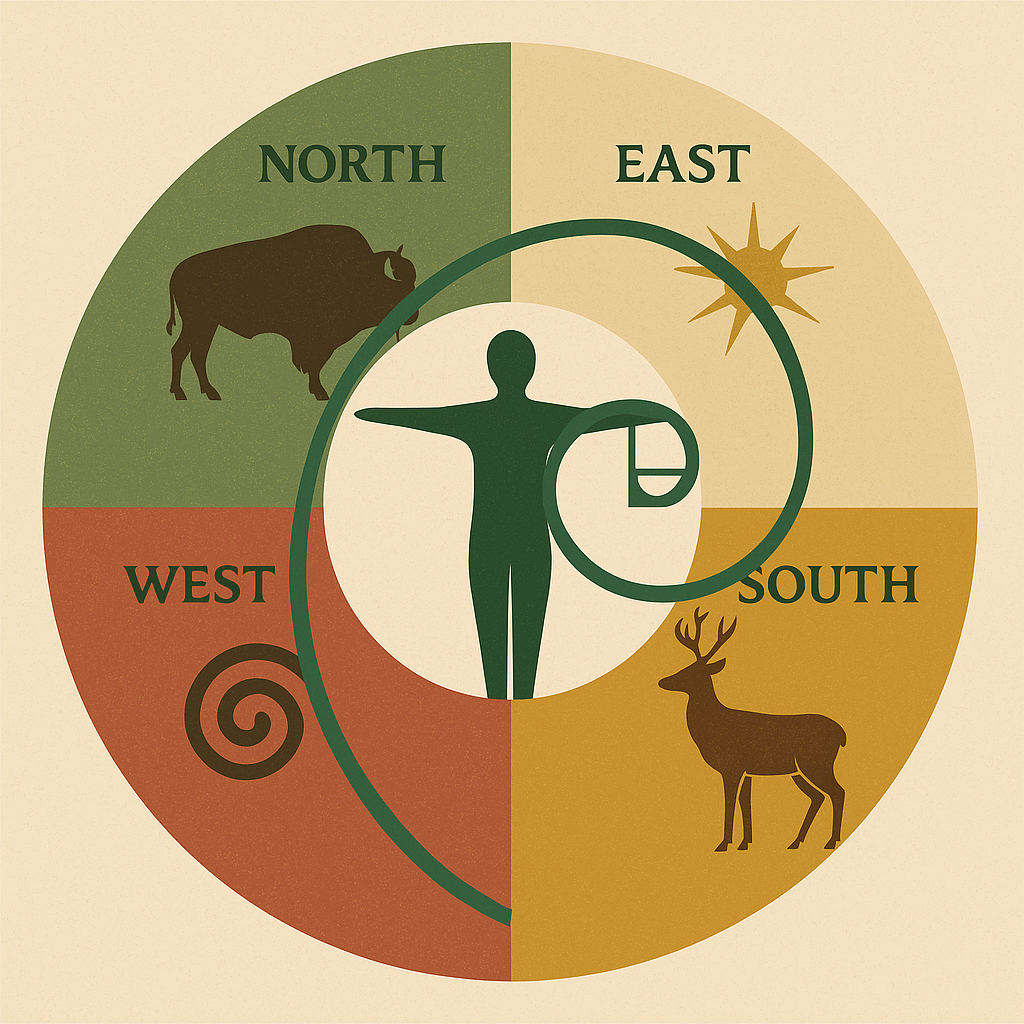
Ancient cultures did not separate pattern from meaning the way modern thought often does. Spirals, directional systems, animal figures, temple alignments, and geometric forms were ways of preserving relationships that had already been observed in land, sky, season, and life.
Symbols became durable carriers of memory—helping people remember timing, direction, balance, sacred order, ecological dependence, and humanity’s place inside a larger living pattern.
🌀 Spiral Forms
Spirals appear across ancient cultures because they mirror motion in shells, storms, galaxies, plant growth, and cyclical return—making them one of the most enduring symbols of continuity and becoming.
🧭 Directional Geometry
Four directions, cardinal alignments, center points, and ceremonial pathways helped encode orientation—linking body, land, movement, and meaning into a navigable whole.
𓂀 Glyphs & Marks
Glyphs, carvings, and symbolic marks often condensed complex relationships into visual form—turning observation into something portable, repeatable, and culturally shared.
🌿 Pattern as Continuity
Repeating forms across seasons, species, and structures gave ancient people a way to see continuity across scale—where the same logic seemed to echo through many layers of reality.
From Symbol to Field Understanding
The strongest symbols endure because they came from repeated contact with reality. A spiral, a star alignment, a sacred direction, or an animal form carried weight because it corresponded to something people kept seeing in the world around them.
That is why this section connects naturally to Glyph of Light, The Living Code, Nature Philosophy, and Naturepedia. The goal is not to force symbolism onto nature, but to recognize how symbols often grew out of close observation of recurring forms and relationships in the living world.
Animals Were Understood as More Than Creatures—They Were Teachers, Signals, and Living Presences
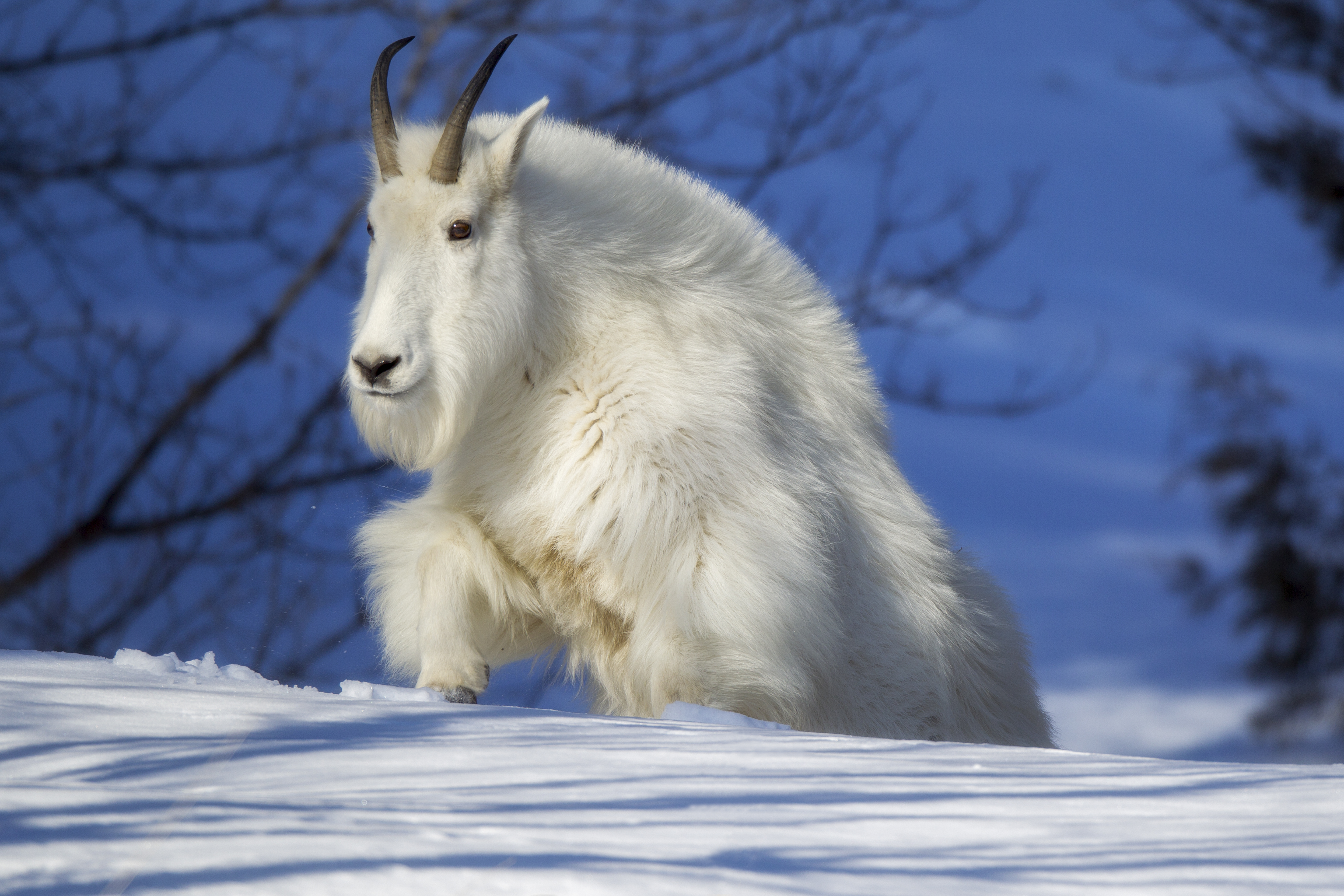
In many ancient and Indigenous traditions, animals carried practical meaning and symbolic meaning at the same time. They revealed weather, migration, danger, timing, habitat health, and ecological relationship—but they also became guides, messengers, and mirrors for human life.
This was not separate from field awareness. It grew out of watching how animals moved, where they appeared, what seasons shaped them, and how closely their lives were tied to the land.
🦬 Animals as Ecological Signals
The arrival, absence, behavior, and movement of animals helped people read seasonal change, habitat condition, migration timing, and the larger health of a landscape.
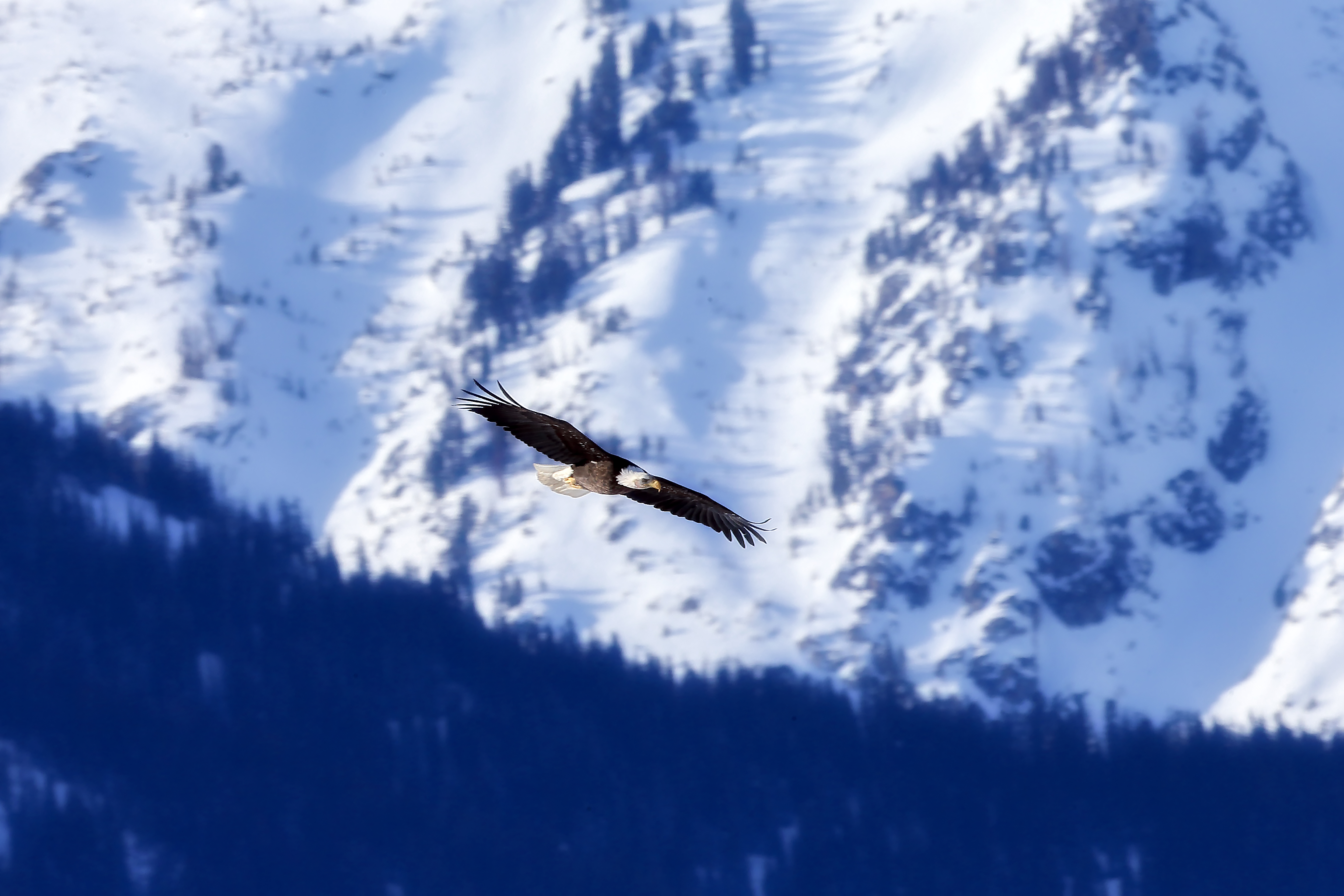
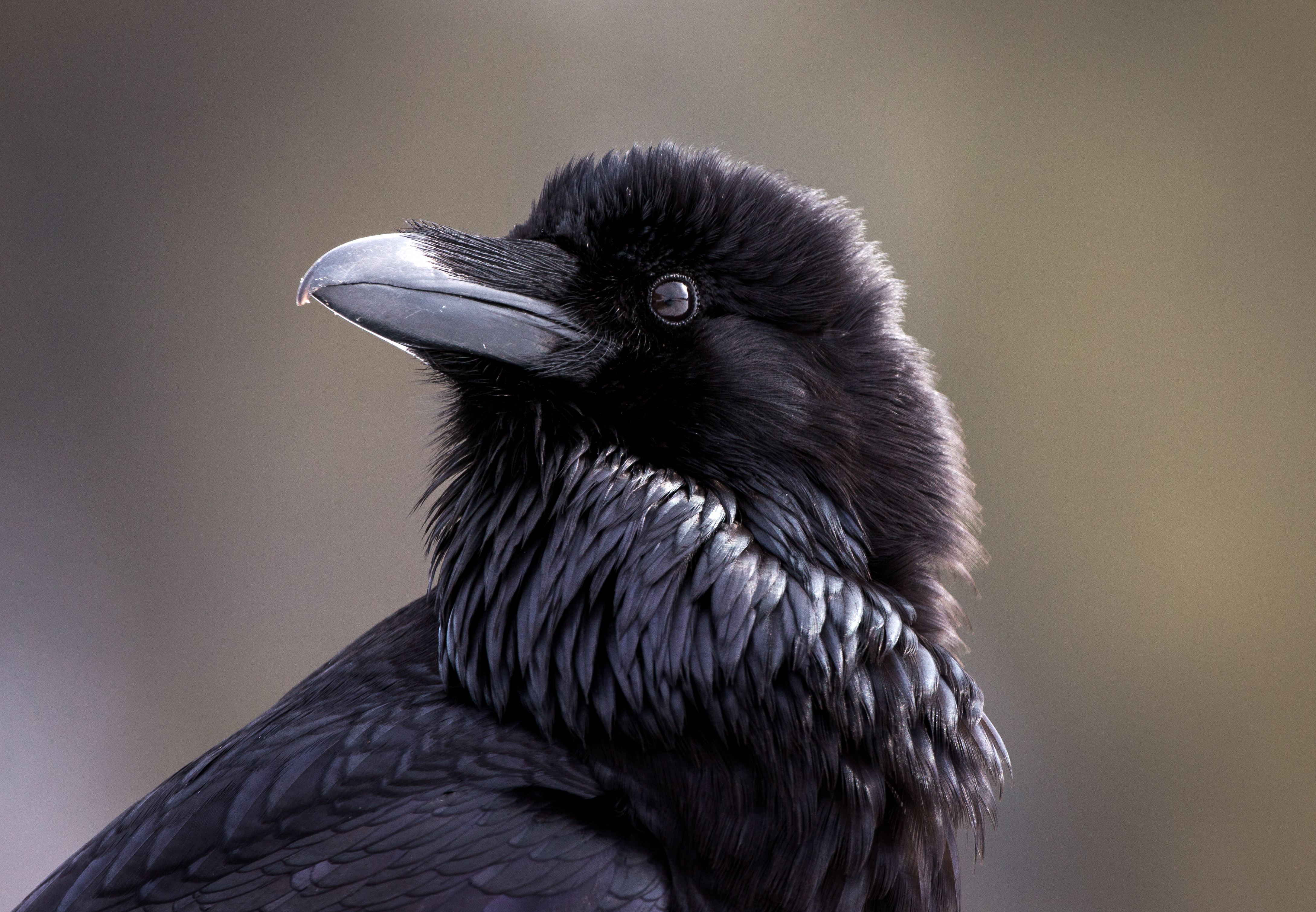
🦅 Animals as Messengers
Birds of prey, bison, wolves, owls, deer, and other species often came to represent qualities like vision, endurance, instinct, protection, patience, or transformation.
🌿 Relationship, Not Abstraction
Animal meaning was strongest where people lived closely with real species in real places. Symbolism emerged from repeated encounter, not from detached invention.
🔄 Meaning Through Recurrence
When a species returned year after year, or appeared at key moments in ritual or survival, it became part of cultural memory—linking behavior, timing, and deeper meaning together.
Why Animal Symbolism Works Best When It Stays Grounded in the Field
The strongest animal symbolism comes from attentiveness, not projection. It begins by knowing how a hawk hunts, how bison move, how wolves organize, how owls navigate darkness, or how deer carry alertness through the landscape.
Ancient Sites Were Often Built to Hold a Relationship Between Place, Direction, and Sky
Across cultures, important sites were rarely random. Temples, mounds, stone structures, ceremonial pathways, and sacred spaces were often positioned in ways that reflected sunrise, solstice light, cardinal direction, horizon features, and seasonal timing.
These alignments made time visible. They turned architecture into a way of remembering cycles—helping people connect ceremony, agriculture, migration, orientation, and cosmology to the land beneath their feet.
☀️ Solstice & Equinox Light
Certain sites were positioned so light would enter, strike, or reveal specific spaces at seasonal turning points—marking the year through direct experience rather than abstract datekeeping.
🧭 Cardinal Orientation
East, west, north, south, and central axes often shaped the layout of sacred sites, linking architecture to direction, ritual movement, and the wider order of the world.
🌌 Horizon & Star Lines
Mountains, notches in the horizon, fixed stars, and celestial rise points could all serve as anchors, helping a site stay connected to recurring sky events over long stretches of time.
🏛️ Architecture as Memory
Built form preserved knowledge. A corridor, doorway, mound, chamber, or pathway could hold a relationship that outlasted generations and kept seasonal or celestial patterns culturally alive.
Why Alignment Still Matters for Modern Field Awareness
The deeper lesson is that ancient builders were paying attention to the same realities photographers, naturalists, and field observers still work with now: light angle, seasonal timing, horizon position, lunar cycles, and the way place changes with time.
Stories, Symbols, and Ancestral Ways of Reading Nature
These selected essays expand the ancient wisdom path through Indigenous knowledge, symbolic wildlife, celestial orientation, sacred pattern, and the enduring relationship between human culture and the living world.
Indigenous Knowledge
Nature: Native American Wisdom
A land-based view of relationship, reverence, stewardship, and the sacred web connecting people to place.
Where Ancient Wisdom Connects to the Living System
Ancient knowledge is not separate from the present—it continues through wildlife, ecosystems, seasonal cycles, and field observation. From here, you can follow those connections deeper into the system.
Use modern tools to track light, timing, and location—continuing the same observational practices in a new form.
Follow the Pattern From Past to Present
Ancient wisdom becomes more meaningful when you see it still operating today—through wildlife movement, seasonal timing, landscape change, and the way light moves across the world.
Navigate the full system connecting geography, ecology, timing, photography, and deeper meaning.
What was once observed in the field is still visible—if you know how to look.
Naturepedia Connections
How Ancient Wisdom Connects to the Living Knowledge System
The patterns observed by ancient cultures—seasonal timing, animal behavior, celestial alignment, and ecological relationship—are the same patterns that structure the modern Naturepedia system.
Ancient wisdom becomes most powerful when it reconnects to observation—because the same patterns that shaped early cultures are still visible in the natural world today.
FAQ
Frequently Asked Questions About Ancient Wisdom and Nature
These questions help clarify how ancient knowledge connects to field observation, symbolism, ecology, and the living systems that still shape the natural world today.
What does ancient wisdom mean in the context of nature?
Ancient wisdom refers to ways of understanding the world that were built through long observation of land, wildlife, seasons, sky, and survival patterns. It is often practical, symbolic, ecological, and spiritual at the same time.
How did ancient cultures learn from nature?
They learned through repeated field observation—watching animal behavior, tracking light and season, reading weather, noting migration, and paying attention to how life changed across landscapes over time.
Why were animals important in ancient wisdom traditions?
Animals were important because they revealed timing, direction, habitat health, and survival knowledge. Over time, many cultures also understood them as symbolic guides, messengers, or carriers of specific qualities.
Why do ancient cultures use spirals, directions, and sacred geometry?
These symbols often helped preserve memory about recurring patterns in nature—movement, return, balance, orientation, and seasonal change. They were not just decorative forms, but ways of encoding observed relationships.
How do ancient sites connect to the sky?
Many sacred sites were aligned with solstices, equinoxes, cardinal directions, horizon points, or stars. These alignments helped make seasonal timing and celestial cycles visible through architecture and place.
Why does ancient wisdom still matter now?
It still matters because it reminds us how to read the world directly. Ancient knowledge helps reconnect modern people to seasonal awareness, ecological relationship, field observation, and a deeper sense of place.
About the Author
Robbie George is a National Geographic–published nature photographer, field observer, and writer whose work is rooted in direct experience with landscapes, wildlife, seasonal change, and the patterns that shape the natural world.
His approach to ancient wisdom is grounded first in observation—watching how animals move, how light changes, how seasons unfold, and how ecosystems organize themselves across time. From that foundation, deeper symbolic, philosophical, and cultural connections begin to emerge.
This page reflects that bridge between past and present—connecting ancestral knowledge to modern systems like Naturepedia, field-based photography, and ecological understanding—helping readers see how ancient observation still lives within today’s world.
The presence of this badge signifies that this business has officially registered with the Art Storefronts Organization and has an established track record of selling art.
It also means that buyers can trust that they are buying from a legitimate business. Art sellers that conduct fraudulent activity or that receive numerous complaints from buyers will have this badge revoked. If you would like to file a complaint about this seller, please do so here.
Verified Returns & Exchanges
The Art Storefronts Organization has verified that this business has provided a returns & exchanges policy for all art purchases.
Description of Policy from Merchant:
What is your Policy on Returns/Exchanges/Refunds?
I take great pride in my work and prints, and I want you to be completely happy with your investment in my nature art. If for any reason you are unsatisfied with your print, you may return it within 14 days of delivery, and/or exchange it for another print. Prints must be returned in new condition, packaged carefully in the original packaging if possible. Your refund will be issued as soon as I receive the returned print. Please contact me if you would like to arrange a return or exchange.
In the event that you receive a damaged or defective print, please let me know within 7 days of receipt, and I will arrange for a new print to be shipped to you at no additional cost.
Verified Secure Website with Safe Checkout
This website provides a secure checkout with SSL encryption.
Verified Archival Materials Used
The Art Storefronts Organization has verified that this Art Seller has published information about the archival materials used to create their products in an effort to provide transparency to buyers.
Description from Merchant:
Fine Art Prints are made with high-quality archival inks on fine art papers using a high-resolution large format inkjet printer. Our premium archival inks produce images with smooth tones and rich colors. Prints are made with care on your choice of exquisite Fine Art Papers using a high-resolution large format inkjet printer. https://www.graphikprintworks.com
Become a supporter of Robbie George Photography and be the first to receive new content and special promotions.
“Every image is a field. Every quote is a key. Welcome back to the rhythm.” ~Robbie
Cart
Your cart is currently empty.
Saved Successfully.
This is only visible to you because you are logged in and are authorized to manage this website. This message is not visible to other website visitors.
Import From Instagram
Click on any Image to continue
This Website Supports Augmented Reality to Live Preview Art
This means you can use the camera on your phone or tablet and superimpose any piece of nature art onto a wall inside of your home or business.
To use this feature, Just look for the "Live Preview AR" button when viewing any piece of nature art on this website!
Pounce Now—Save 20% on Your First Order
Join the collector list for your first-order discount, new wildlife releases, and occasional field notes.