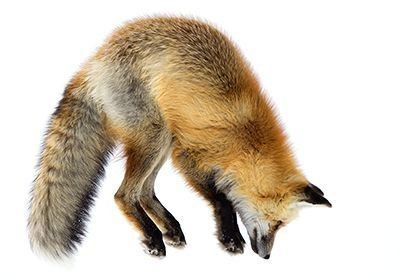
The Winter Solstice: Exploring the History, Symbolism, and Modern Lessons
Winter Solstice in the Field — Where Light, Energy, and Behavior Compress
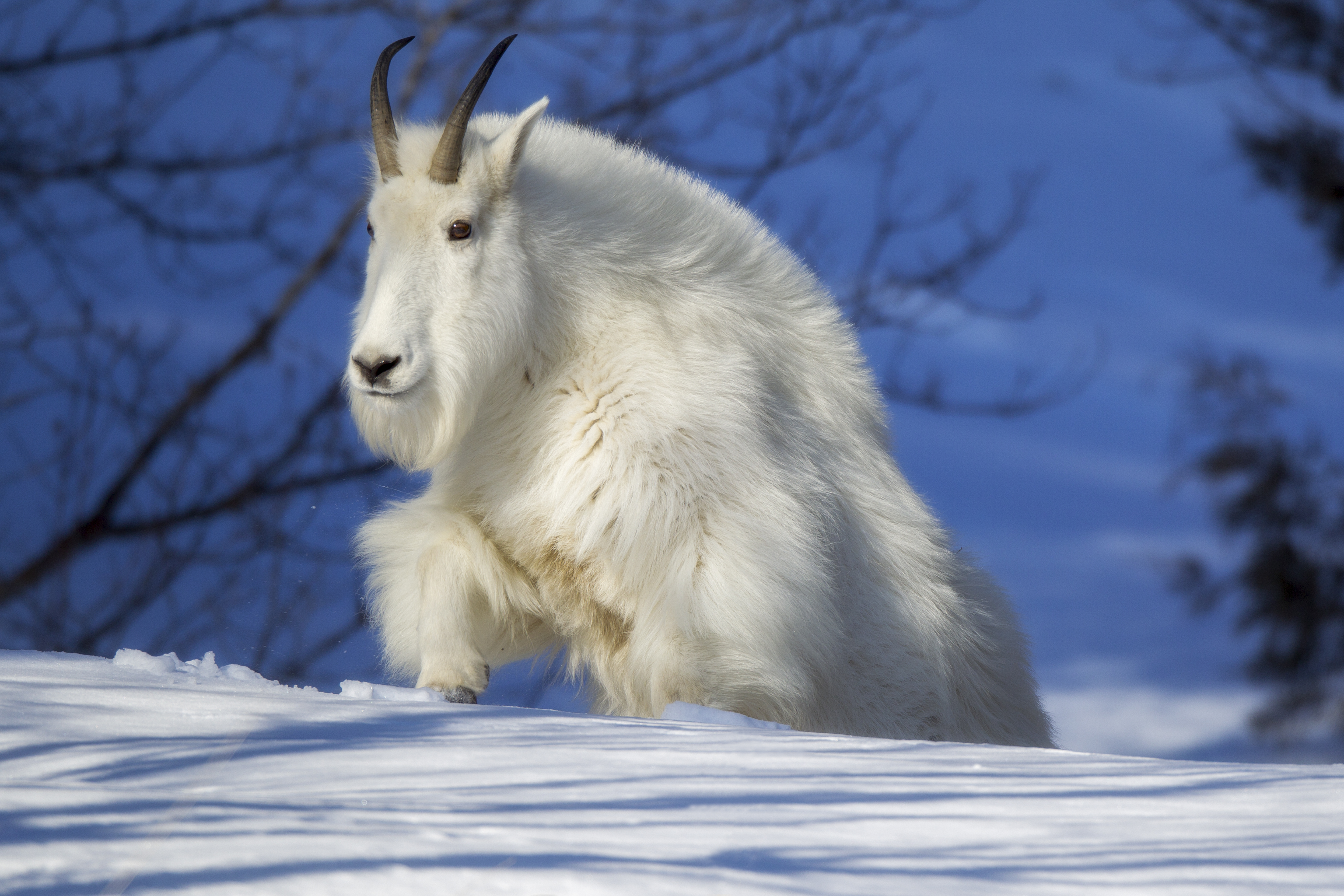
In the field, the winter solstice is not dramatic — it is quiet. It reveals itself in absence. Fewer tracks. Less movement. Longer shadows that never fully lift. The landscape feels held in place, as if everything has narrowed into a smaller, tighter version of itself.
This is the point in the year where energy is most limited. For wildlife, every movement carries cost. Animals adjust by conserving energy, reducing unnecessary travel, and using terrain more strategically. In alpine environments like Grand Teton National Park, species like mountain goats hold to steep, wind-exposed terrain where snow is thinner and movement is still possible.
Light plays a defining role. With the sun low on the horizon, illumination becomes directional and brief. Observation windows narrow, often concentrating into short periods where visibility and behavior briefly align. This is why the solstice is one of the most important anchors in the seasonal wildlife calendar.
Winter does not erase the system — it reveals its constraints. And within those constraints, patterns become more precise. Tracks tell clearer stories. Movement becomes predictable. The landscape simplifies in a way that allows you to read it more deeply if you slow down enough to see it.
The solstice is the lowest point of that cycle — where compression peaks before expansion begins again. And in that compression, the field becomes honest.
On This Page
Seasonal Patterns — What Changes at the Winter Solstice
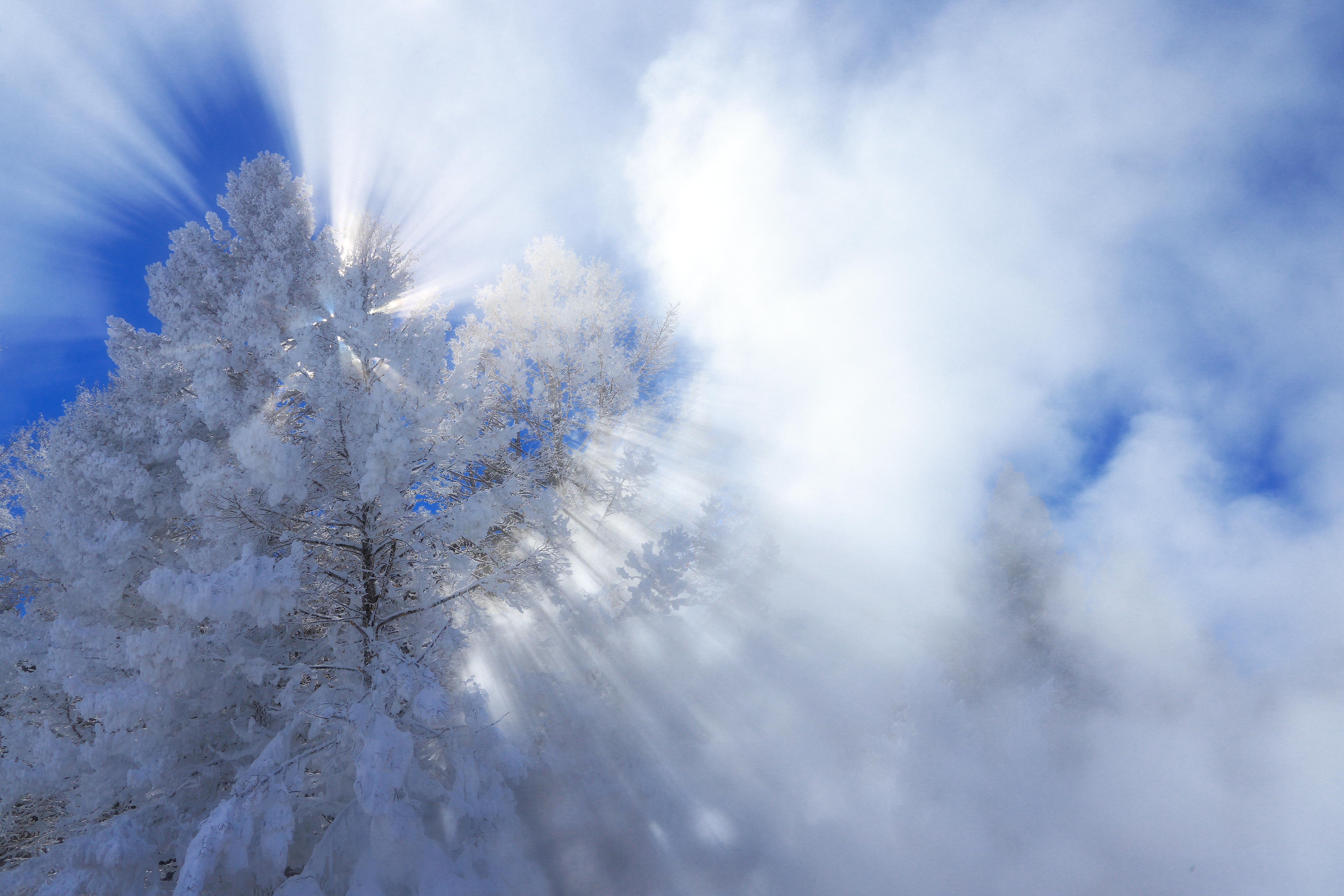
The winter solstice represents the lowest point of solar input into the Northern Hemisphere. The sun reaches its minimum elevation, daylight duration is at its shortest, and energy available to ecosystems is at its annual low. This is not just a symbolic moment — it is a measurable shift in how the entire system operates.
Habitat reflects that shift immediately. Snow cover increases across many regions, reducing access to vegetation and altering movement corridors. Water systems slow or freeze. Forest structure becomes fully exposed as leaves are gone. Across landscapes, complexity drops and form becomes visible — ridgelines, tracks, wind patterns, and terrain features emerge more clearly.
Wildlife responds by compressing behavior. Movement becomes energy-dependent. Feeding windows narrow. Migration has largely concluded, and species settle into winter ranges or survival strategies. This is the seasonal endpoint of patterns explored in wildlife migration systems and ecosystem structure.
In the field, this creates a different kind of clarity than autumn. Instead of abundance becoming organized, winter strips the system down to its essentials. Tracks replace direct sightings. Movement is slower but more predictable. Habitat use becomes more obvious because options are limited.
This is why the solstice matters. It marks the point where compression reaches its maximum. After this, the system does not immediately expand — but it begins to. Light increases, even if conditions remain harsh. The turning point has already occurred.
Winter is not absence. It is structure under constraint. And the solstice is where that structure becomes fully visible.
Wildlife Timing — How Winter Reshapes Movement, Feeding, and Survival
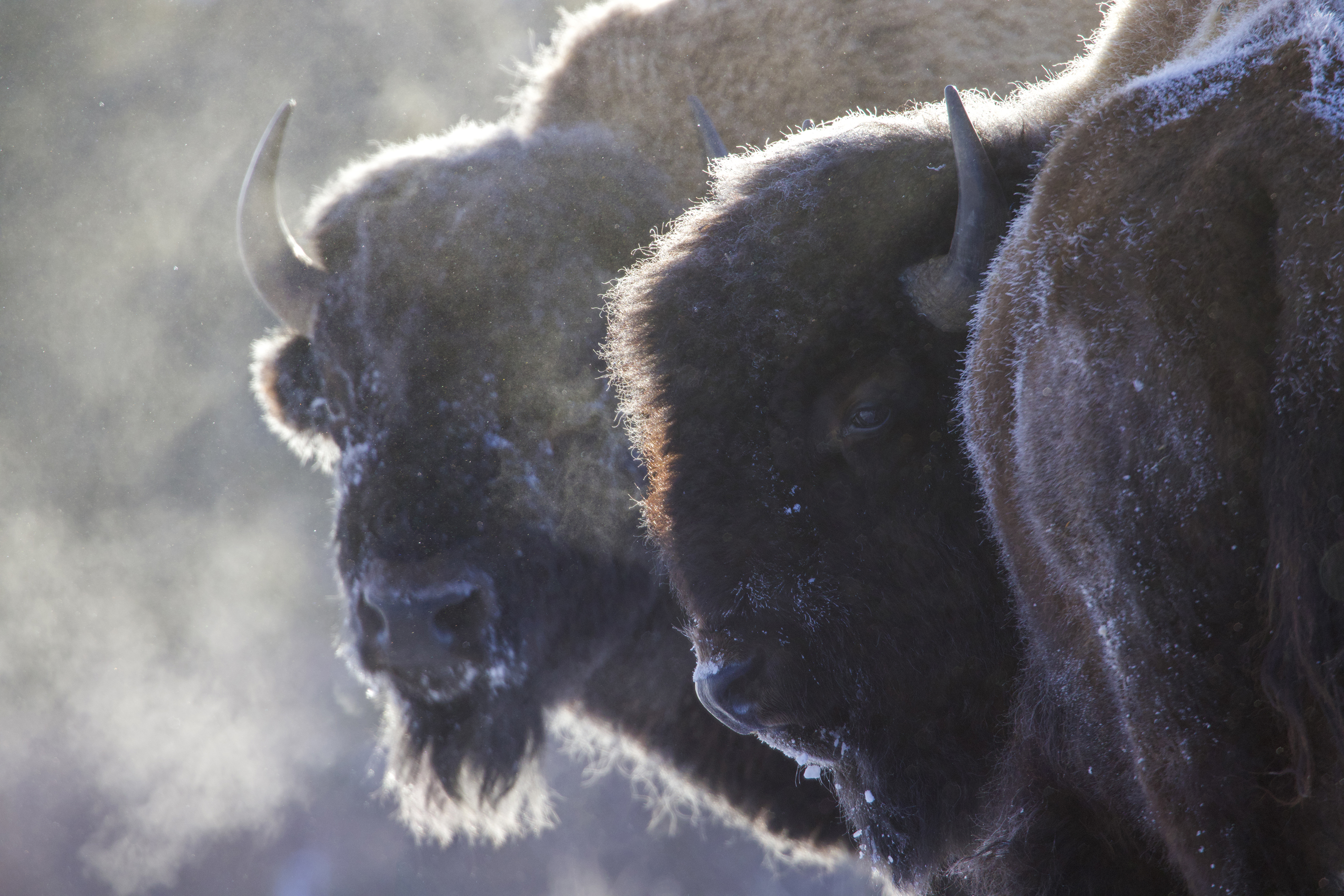
By the time the winter solstice arrives, most wildlife is no longer transitioning into winter — it is already living inside it. The major behavioral shifts have taken hold: migration has largely finished, food availability has narrowed, and daily movement is being measured against cold, snow depth, and energy cost.
What changes most in winter is efficiency. Animals move less unless movement serves a clear purpose. Feeding routes shorten. Sheltered terrain matters more. Exposure to wind, crusted snow, or deep drifts can change where species travel and where they stop. This is why winter behavior often looks quiet from a distance, but in reality it is highly disciplined.
Large mammals make this especially visible. Species such as bison, elk, deer, and mountain goats continue moving, but their choices become more constrained by terrain, forage access, and thermal conditions. In open valleys and plains, animals may cluster in areas where snow is shallower or wind has exposed forage. In alpine terrain, species use ridges, slopes, and wind-scoured ground where movement is still possible.
Bird behavior changes too. Wintering birds often become more concentrated around open water, food-rich edges, sheltered groves, or coastal margins. Instead of broad dispersal, the season pulls many species into tighter, more dependable patterns. This is where larger winter behavior systems connect back into wildlife behavior and ecology and habitat structure.
The winter solstice matters because it sits at the point of greatest constraint. Behavior is stripped down to survival logic. Feeding, resting, bedding, sheltering, and short movement windows become easier to interpret because the system has fewer extra variables. Animals are not moving less because they are absent. They are moving with greater consequence.
That is what makes winter such a powerful season for observation. The field is quieter, but the patterns are stronger. When light, snow, terrain, and behavior align, the landscape reveals how wildlife survives the hardest part of the year.
Field Observation Windows — When Winter Becomes Readable
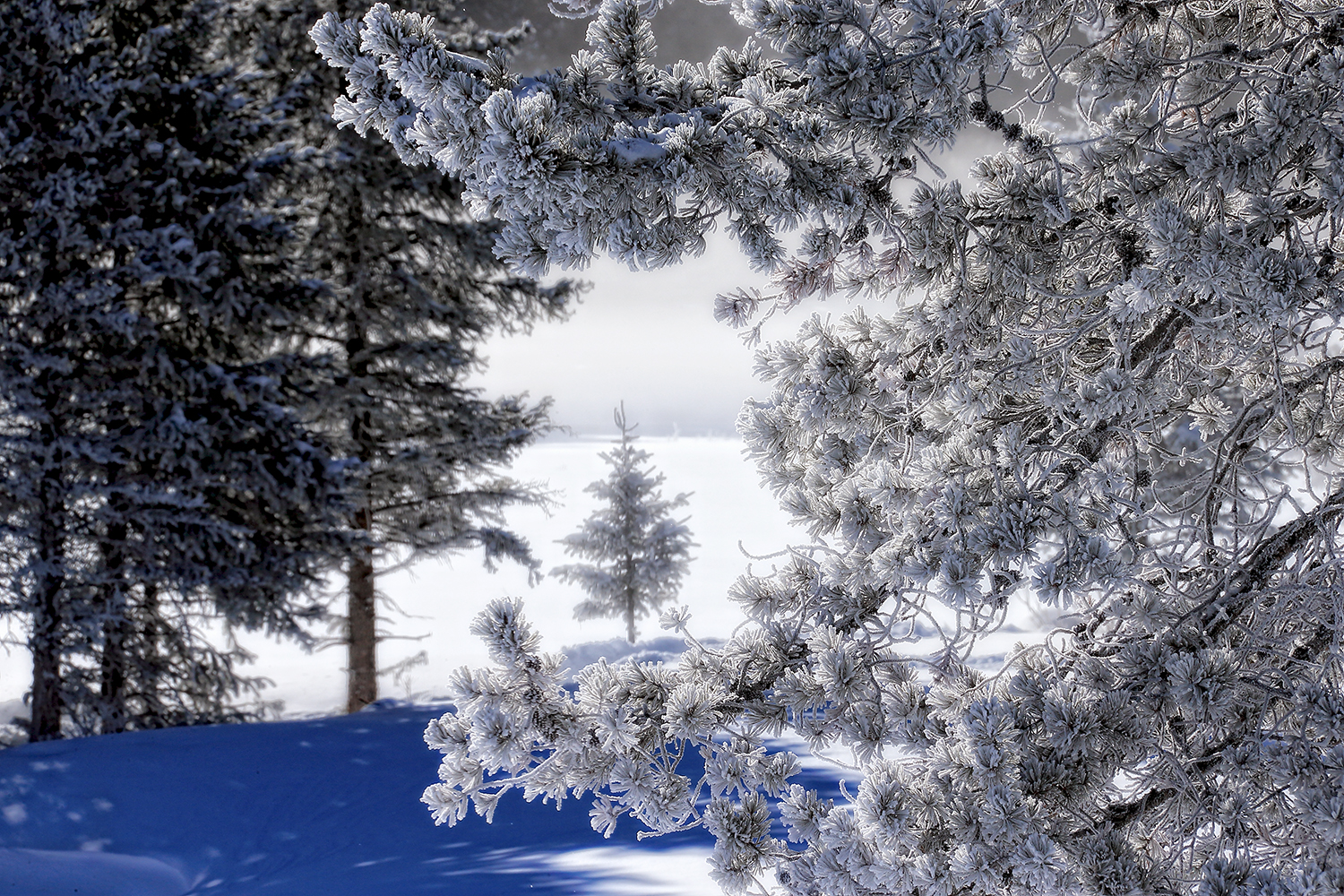
The winter solstice does not create broad observation windows. It creates narrow ones. In winter, the field opens and closes quickly. Light is brief, temperatures are low, and animal movement is often compressed into short periods when feeding, travel, or thermal advantage make action worth the cost.
That means winter observation depends on precision. A sheltered valley may feel inactive until first light touches a slope. An open river corridor may hold birds only while water remains unfrozen. A ridgeline may look empty until wind exposes forage and animals move onto it. In winter, visibility is not enough. Timing is what makes visibility useful.
Cold mornings can be especially revealing. Tracks hold sharply in snow. Breath hangs in the air. Frost outlines vegetation and terrain. The entire landscape becomes more legible because winter removes so much visual noise. What matters then is knowing where to look — edges, open water, wind-scoured slopes, sheltered timber, meadow margins, and travel routes between cover and forage.
Weather can widen or collapse these windows fast. Fresh snow may erase old sign but reveal new movement within hours. Wind can expose feeding ground in one area while making another unusable. A temperature swing can change water access, snow texture, and even how far animals are willing to move. This is why winter rewards repeated visits and close attention to local conditions.
Tools become especially valuable during this season because the margin for guessing is smaller. The Golden Hour & Moon Phase Planner, Nature & Wildlife Photography Maps, and the broader Field Tools hub help turn winter observation from wandering into reading.
Winter becomes readable when you stop expecting constant activity and start watching for concentrated moments. The solstice season teaches that observation is not about seeing more. It is about recognizing the short windows when the system briefly shows its hand.
Seasonal Photography — How Winter Light Simplifies the Landscape
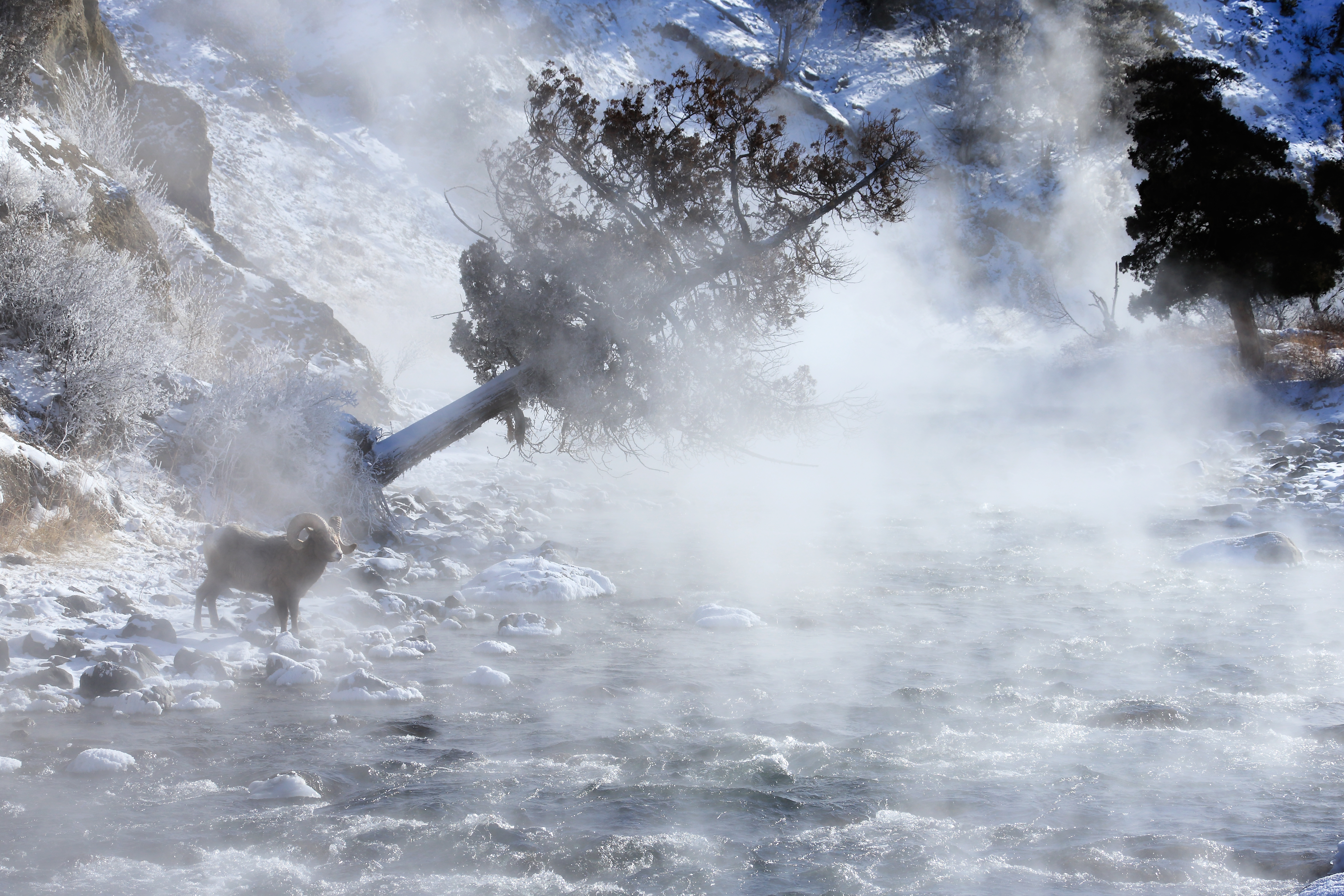
Winter changes photography by removing distraction. Where summer adds layers and autumn organizes them, winter strips the landscape down to its essentials. Snow flattens color, vegetation disappears, and the remaining elements — light, shadow, form, and movement — become the entire composition.
The light at the winter solstice is at its lowest angle of the year. It travels farther across the landscape, creating long shadows, soft contrast, and directional illumination that defines shape rather than filling space. Even at midday, the light behaves more like early morning or late evening in other seasons.
Atmosphere plays a larger role as well. Cold air often carries mist, frost, or suspended particles that diffuse light and soften edges. Scenes can shift quickly from high clarity to complete minimalism depending on wind, temperature, and moisture. These subtle conditions often define the strongest winter images.
Wildlife photography becomes more about placement than proximity. With fewer visual elements in the frame, the relationship between an animal and its environment becomes more pronounced. A single subject against snow, shadow, or mist carries more weight because there is nothing competing with it. This aligns closely with a more deliberate approach to wildlife photography, where context matters as much as the subject itself.
Color is limited but precise. Blues, whites, and muted tones dominate, but small shifts — warm light on snow, subtle sky color, or reflected light off terrain — become more noticeable because the palette is restrained. Winter does not remove color; it reduces it to its most essential form.
The solstice teaches a different kind of seeing. It is less about chasing dramatic moments and more about recognizing quiet alignment — when light, form, and timing come together briefly in a simplified field. Those moments are easy to miss if you move too quickly, and that is why winter rewards patience more than any other season.
Planning & Seasonal Ethics — Working Within Winter’s Constraints
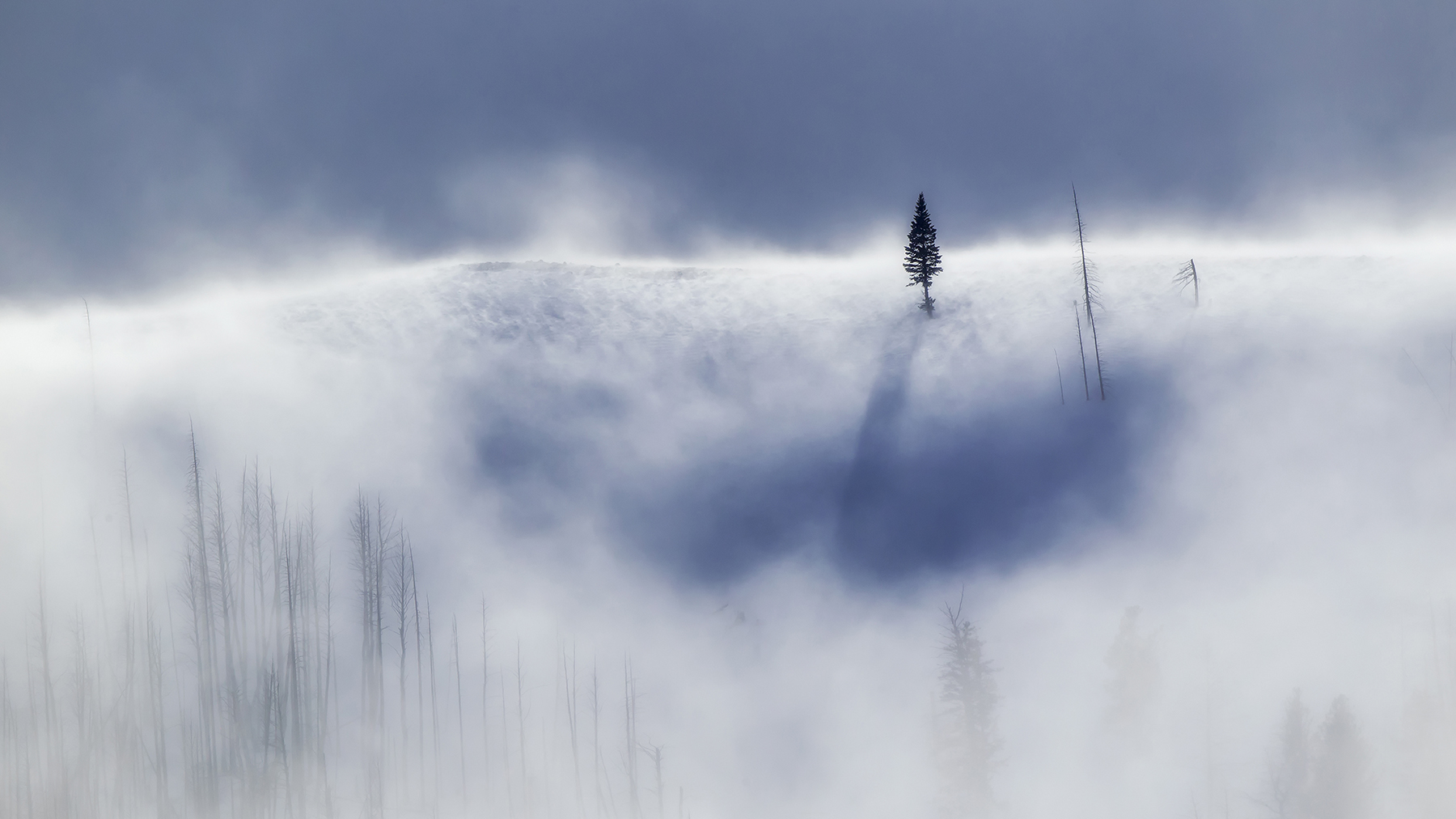
Winter is the most sensitive season for wildlife. By the time the solstice arrives, animals are already operating near their energy limits. Food is scarce, movement is costly, and every decision — where to travel, where to feed, where to rest — has consequences for survival.
That changes how we move through the field. Disturbance in winter is not the same as disturbance in summer. An animal pushed unnecessarily may expend energy it cannot easily replace. In deep snow, even a short movement can carry significant cost. This is why distance, positioning, and timing matter more in winter than at any other point in the year.
Planning should always begin with understanding conditions. Snow depth, wind exposure, terrain, and access to forage determine where animals are likely to be. These patterns connect directly to habitat zones and conservation awareness, especially in areas where winter range is limited.
Observation should always prioritize anticipation over approach. Instead of moving closer, position yourself where animals are likely to pass. Use terrain, distance, and patience to let behavior unfold naturally. This reduces pressure on wildlife while also producing more authentic observations and images.
Winter also requires awareness of your own limits. Cold, ice, and changing weather can affect access and safety quickly. Planning routes, knowing daylight windows, and understanding conditions are part of responsible field practice. Tools like the Seasonal Wildlife Calendar and Field Tools help reduce uncertainty in a season where margins are already narrow.
The winter solstice is a reminder that the system is operating under constraint. Working within that reality — rather than against it — is what defines ethical observation. In winter, restraint is not just respectful. It is necessary.
Naturepedia Connection — Winter Solstice as a Living System
The winter solstice is not just the darkest day of the year — it is a structural point in the seasonal system. It marks the moment when light, energy, temperature, habitat, and behavior reach their most compressed state before beginning a slow return toward expansion. In Naturepedia, this is understood as a living system where time governs how all layers of the environment reorganize together.
At the foundation, the solstice reflects a shift in solar geometry. The sun’s lowest arc reduces energy input across ecosystems, influencing snowpack, water availability, vegetation dormancy, and terrain accessibility. These physical changes define how landscapes function during winter and are explored more deeply in Ecosystems of North America and Wildlife Habitats & Ecosystem Zones.
Wildlife behavior aligns directly with this shift. Movement compresses, feeding becomes more selective, and habitat use becomes more precise. These patterns represent the winter endpoint of seasonal cycles described in Wildlife Migration & Seasonal Patterns and Wildlife Behavior & Ecology.
At the observation level, winter simplifies the system. Reduced vegetation, consistent snow cover, and lower light angles make structure more visible. Tracks, terrain, and movement patterns replace abundance. This connects directly to Wildlife Observation & Field Techniques, where understanding timing and environment becomes the foundation of seeing.
The solstice exists within a continuous seasonal cycle. It represents the deepest point of contraction before light begins to return. To fully understand it, it must be viewed alongside the broader system found in Nature’s Seasons and the Seasonal Wildlife Calendar.
In Naturepedia, the winter solstice is not defined by darkness — it is defined by structure under constraint. It is the point where systems are most reduced, most precise, and most readable. And it is from that point that everything begins to turn back toward light.
Frequently Asked Questions — Winter Solstice, Seasonal Timing, and Field Observation
What is the winter solstice in field terms?
In field terms, the winter solstice is the point where light and energy reach their lowest levels of the year. It marks the peak of seasonal compression, where landscapes, wildlife behavior, and observation conditions are at their most constrained and structured.
Why does the winter solstice matter for wildlife behavior?
It matters because animals are operating within limited energy conditions. Movement, feeding, and habitat use become more efficient and deliberate, making behavior easier to interpret when you understand terrain, timing, and environmental constraints.
Are animals less active during the winter solstice?
Not necessarily less active — but more selective. Wildlife reduces unnecessary movement and focuses on survival-driven behavior such as feeding, sheltering, and conserving energy within specific habitats.
Does winter create better observation conditions?
In many ways, yes. Snow, reduced vegetation, and lower light angles make landscapes more readable. Tracks, terrain, and movement patterns become clearer, even if direct sightings are less frequent.
How does the winter solstice affect nature photography?
It simplifies the scene. With fewer visual elements, light, shadow, and form become dominant. Low-angle light and atmospheric conditions like mist or frost create minimal, high-contrast compositions.
What is the best way to approach wildlife during winter?
With patience and distance. Winter is a high-sensitivity season, so minimizing disturbance is critical. Positioning yourself strategically and allowing animals to move naturally leads to better observation and more ethical field practice.
How does this page connect to the Naturepedia system?
This page connects the winter solstice to seasonal timing, habitat structure, wildlife behavior, and observation strategy. It functions as part of the seasonal layer within Naturepedia, linking into broader systems like Nature’s Seasons and the Seasonal Wildlife Calendar.
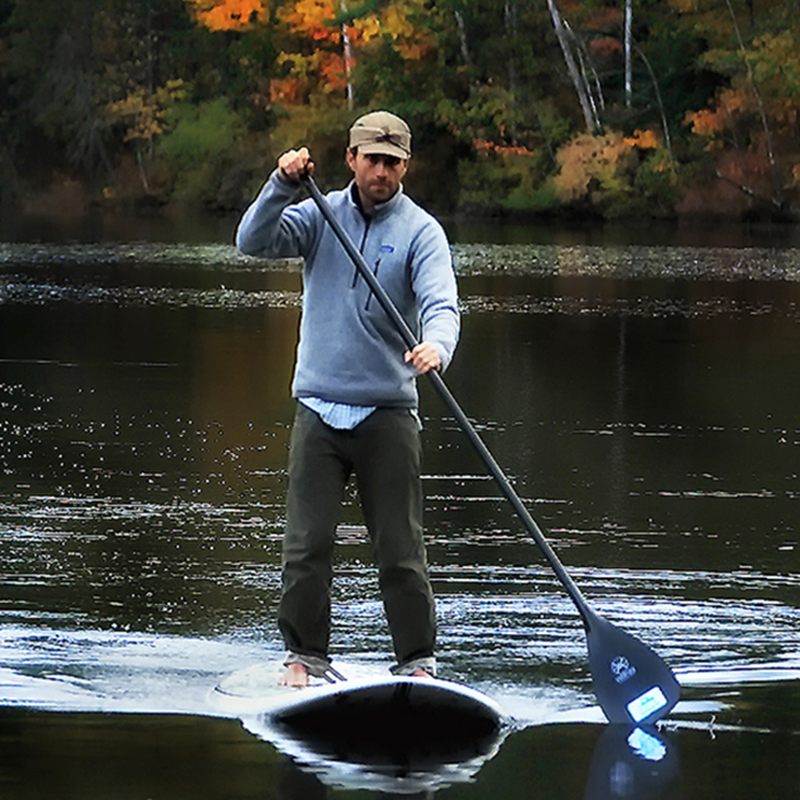
About Robbie George
I’m Robbie George, a National Geographic–published nature photographer whose work is built on time in the field — observing how landscapes, wildlife, and light change across seasons rather than within a single moment.
Winter, and especially the period around the solstice, is one of the most revealing times of the year. It strips away excess and leaves only structure — light, terrain, movement, and survival. This page reflects the way I approach the field during that time: not searching for activity, but reading how the system functions under constraint.
That approach connects directly into the broader Naturepedia system, where seasonal timing, wildlife behavior, and habitat structure are treated as part of a unified ecological framework. Resources like the Seasonal Wildlife Calendar, Field Tools, and Wildlife Observation & Field Techniques all support that way of seeing.
You can explore this work further through Wildlife Photography, Landscape Photography, and the broader seasonal framework in Nature’s Seasons.
“Winter doesn’t remove the story — it reveals the structure underneath it.”