
Wildlife Conservation: Preserving Nature's Legacy for Future Generations
What Wildlife Conservation Looks Like in the Field
When I’m out in the field, conservation isn’t something I think about—it’s something I read. You can see it in the way animals move, how they respond to pressure, and whether a landscape feels balanced or strained.
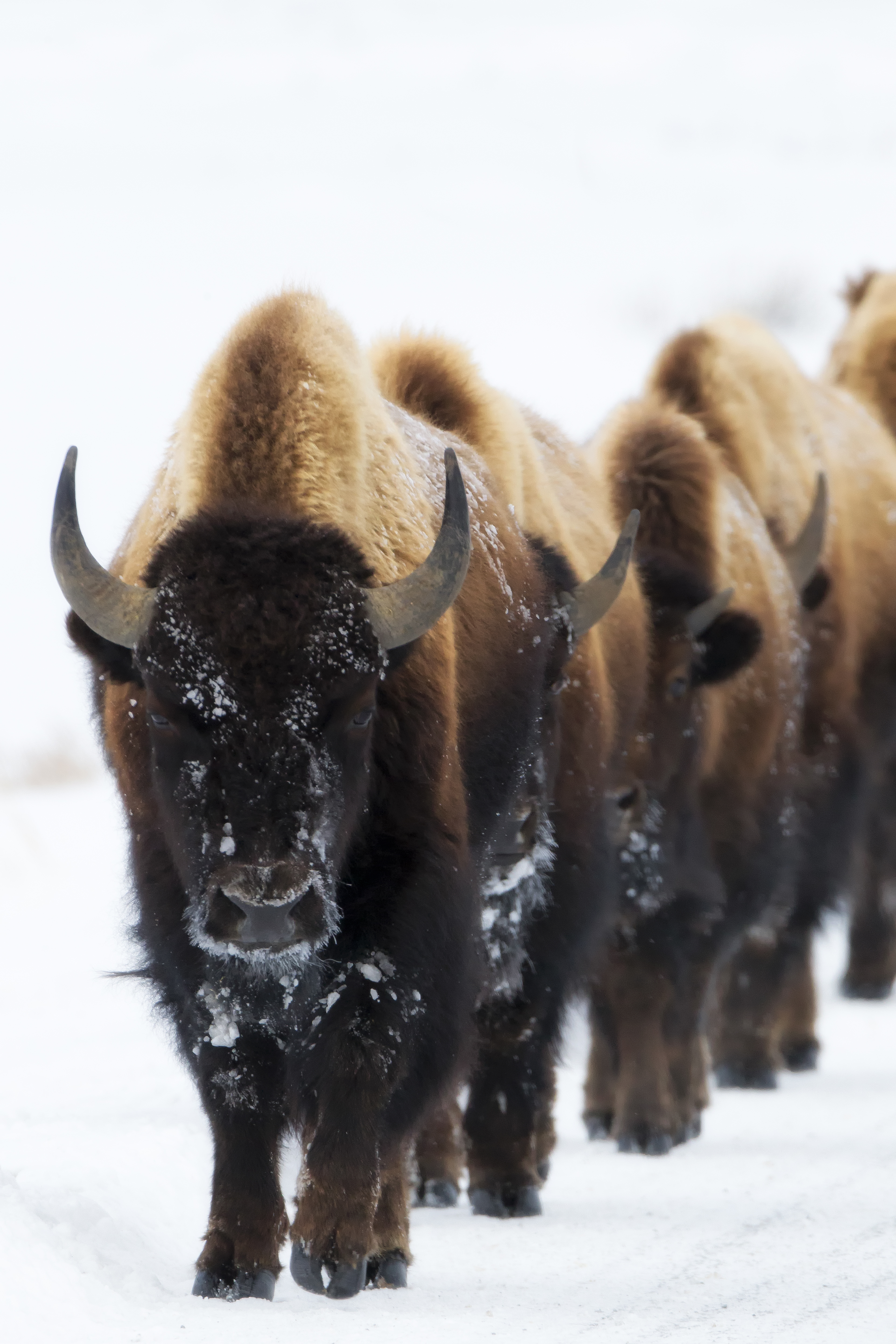
In winter, that reality becomes even clearer. Movement compresses. Food becomes limited. Survival depends on energy, timing, and access to habitat. A place like Yellowstone works because those systems are still intact—migration routes remain open, predator-prey relationships are functioning, and the land still supports the rhythm of life.
But I’ve also been in places where that balance is gone—where habitat is fragmented, behavior is altered, and wildlife is pushed into survival patterns that don’t hold. That contrast is where conservation becomes real.
At its core, wildlife conservation is about maintaining the conditions that allow natural behavior to continue across seasons. It’s about protecting habitat, preserving timing, and ensuring that the system doesn’t break under pressure.
When those pieces stay connected, the wild holds. When they don’t, you can see it immediately—long before any data confirms it.
Explore Wildlife Conservation as a Living System
Seasonal Patterns Reveal What Conservation Is Really Protecting
One of the clearest ways I understand conservation is by watching what happens as the seasons change. Wildlife does not live in a static world. Movement, feeding, breeding, migration, and survival all shift with weather, daylight, water levels, plant cycles, and access to shelter. Conservation only works when those seasonal relationships are still intact.
In one season, a refuge may function as a breeding ground. In another, it becomes a migration stopover or a winter survival zone. A marsh that looks quiet to a casual observer may be carrying enormous ecological weight at exactly the right moment of the year. That timing is part of the habitat. When we protect the land but ignore the seasonal role it plays, we miss what wildlife actually depends on.
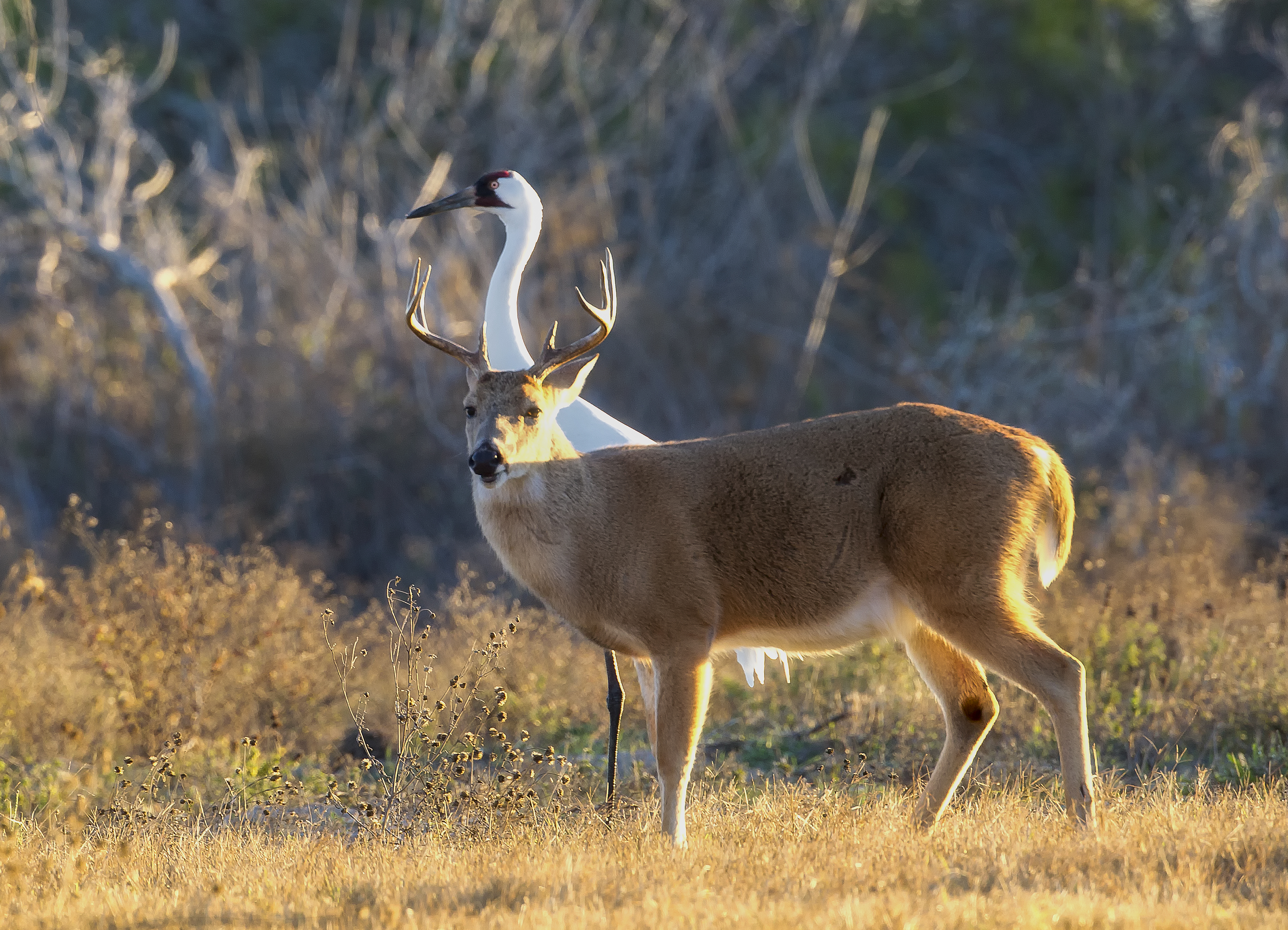
That is why places like Aransas National Wildlife Refuge, Blackwater National Wildlife Refuge, and Bosque del Apache National Wildlife Refuge matter so much. They do not just protect scenery. They protect timing. They hold open the seasonal windows wildlife needs for migration, feeding, rest, and recovery.
In the field, I’ve learned that seasonal change makes conservation visible. You can see it in whether birds return to the same marsh, whether mammals still move through open corridors, whether winter habitat remains usable, and whether food and shelter are present when wildlife needs them most. Conservation is not simply about preserving acres. It is about preserving function across time.
This is where the bigger system comes into focus: migration, behavior, ecosystems, and habitat conservation are all linked. When the seasonal pattern holds, wildlife has a chance. When that pattern breaks, decline often begins long before most people notice.
“Conservation protects more than land. It protects the timing that allows life to return, endure, and begin again.” — Robbie George
Wildlife Timing Is the True Measure of Conservation
If you want to understand whether conservation is working, you don’t start with policy—you start with behavior. You watch when animals arrive, how long they stay, and whether the conditions they depend on are still there when they need them.
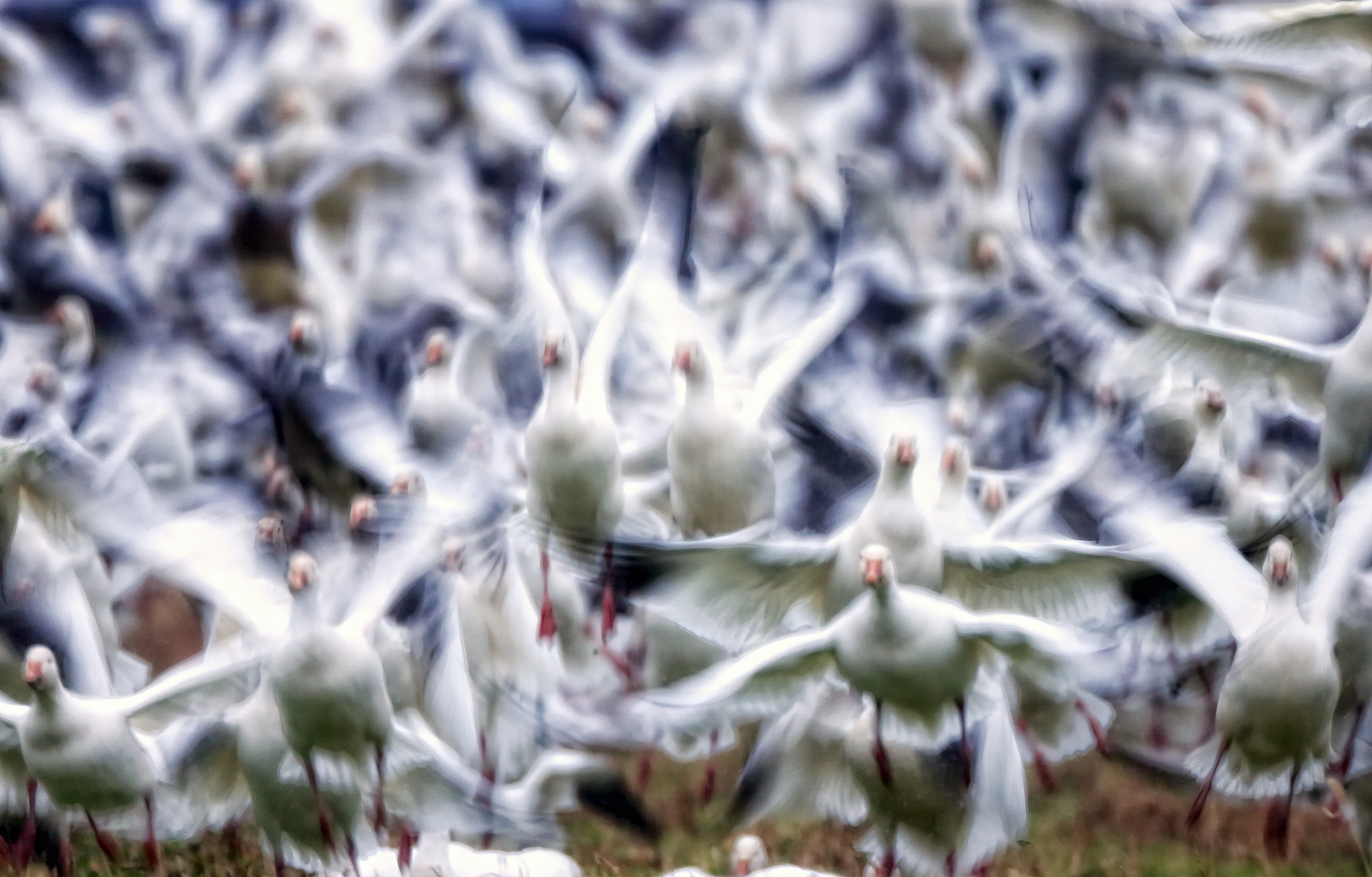
Migration is one of the clearest signals. Species like snow geese move across entire continents based on timing cues—temperature shifts, daylight length, food availability, and weather patterns. When those cues align with intact habitat, migration works. When they don’t, you begin to see stress, delay, or population decline.
In places like Bosque del Apache, timing becomes visible in waves. Birds arrive in pulses. Feeding cycles follow water management. Takeoffs happen at first light when energy and safety align. It’s not random—it’s a system responding to conditions that conservation helps maintain.
The same pattern shows up across species. Elk move differently during the rut. Predators shift territory based on prey availability. Wetland birds concentrate when water levels drop. Every behavior is tied to timing—and timing is tied to habitat stability.
This is why conservation cannot be measured in static terms. It has to be read dynamically—through movement, migration, feeding patterns, and seasonal behavior. When those patterns remain intact, the system is still functioning. When they begin to break, the signal is already there.
You can explore these patterns more deeply through wildlife migration systems and behavior and ecology, where timing becomes the thread that connects species, habitat, and survival.
“Wildlife doesn’t follow calendars. It follows conditions. Conservation works when those conditions still exist at the right time.” — Robbie George
Field Observation Windows Are Where Conservation Becomes Visible
There are moments in the field when everything briefly becomes readable. Light, weather, season, habitat, and behavior all align, and for a short window you can see whether a place is still functioning the way it should. That is one of the clearest ways I experience conservation—not as an idea, but as a visible condition.
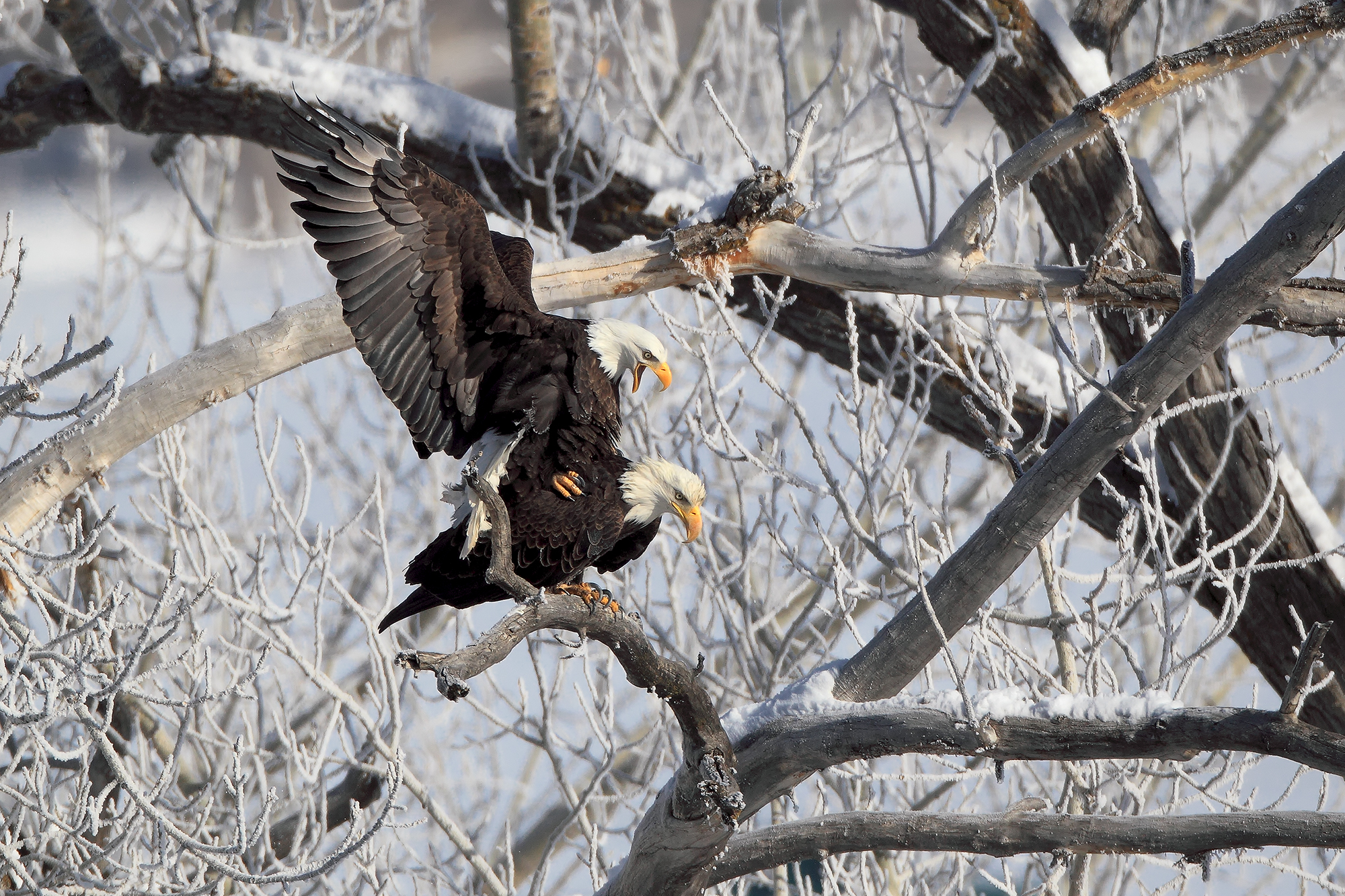
These windows are always shaped by timing. In some places it is the first hard cold that concentrates birds into open water. In others it is the early breeding season, when raptors begin pairing, displaying, and claiming territory. If habitat is intact and pressure remains low, behavior unfolds naturally. If disturbance, fragmentation, or poor timing interrupts that cycle, the window closes quickly.
Bald eagles are a good example of this. Seeing calm, undisturbed interaction between eagles depends on more than luck. It depends on healthy habitat, access to food, limited disturbance, and enough protected space for normal behavior to continue. The observation itself is evidence that the larger system is still holding.
That is why protected landscapes matter so much for field observation. Pages like Wildlife Observation & Field Techniques, Wildlife Observation Locations, and Seasonal Wildlife Calendar all connect back to the same truth: the best wildlife encounters happen where timing and habitat still work together.
From a photography standpoint, these windows are also when the field is most honest. The goal is not to force a moment, but to recognize when the land is offering one. Conservation gives wildlife the conditions to remain wild. Observation gives us the patience to see it without breaking the scene.
“The best wildlife moments are not manufactured. They appear when habitat, timing, and distance are still in balance.” — Robbie George
Seasonal Photography Reveals the Emotional Weight of Conservation
Photography changes with the season because the field changes with the season. Light lowers, water levels shift, vegetation opens or closes, snow simplifies the land, and migration concentrates movement into brief, readable windows. Those seasonal conditions do more than shape an image—they shape what can be seen about the health of a place.
That is part of why conservation photography matters. A winter refuge can show vulnerability in a way summer cannot. A migration corridor can reveal urgency in a single passing flock. Open marsh light, cold air, and clear distance can make behavior visible in a way that dense foliage or scattered seasonal movement often hides. Timing is not just a creative factor. It is a truth factor.
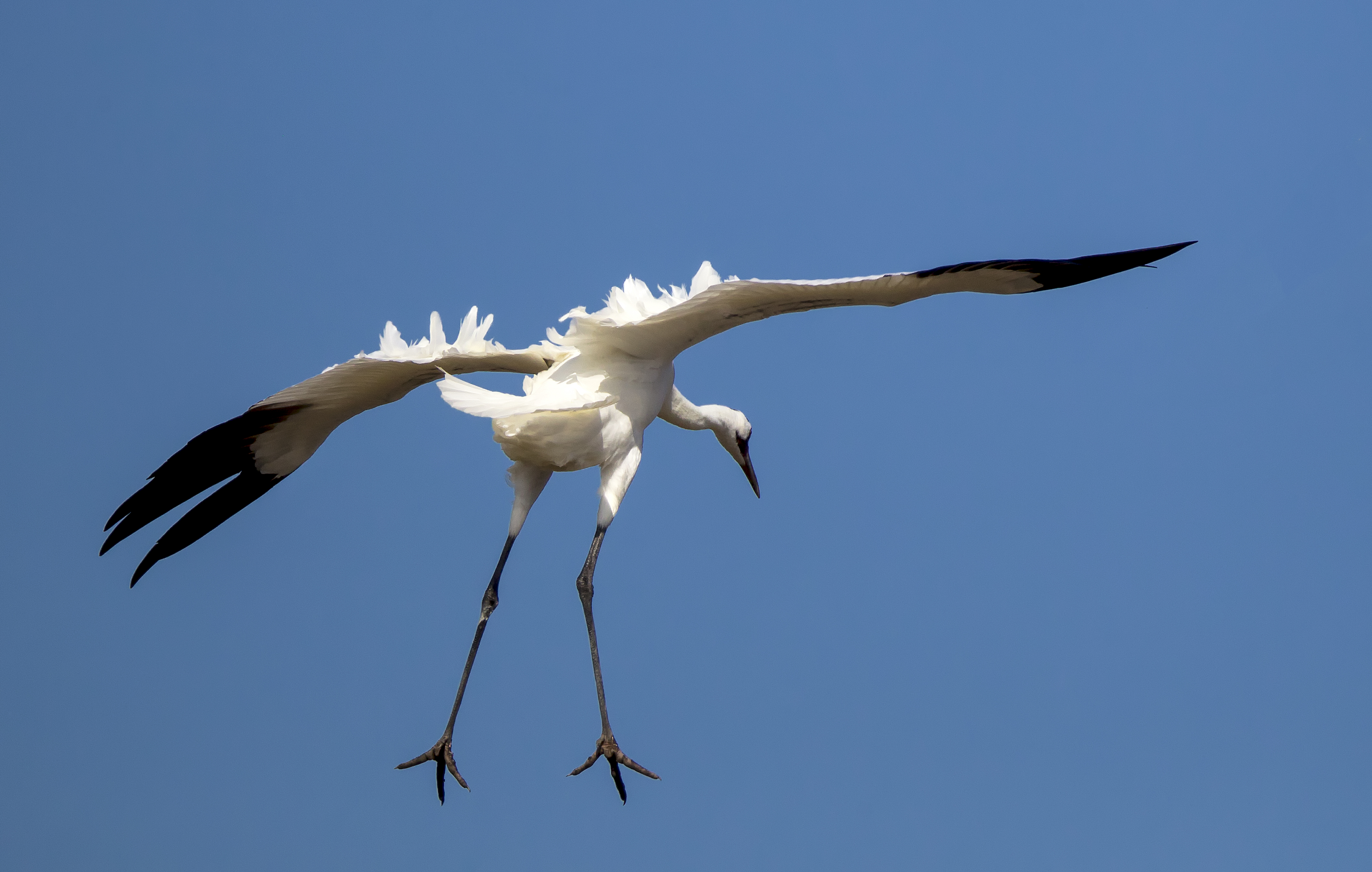
With a species like the whooping crane, the image carries more than form and light. It carries rarity, recovery, habitat dependence, and the long arc of protection that made the encounter possible in the first place. The photograph becomes evidence of survival inside a system that is still functioning.
I think that is one of the strongest roles photography can play in conservation. It does not replace science, policy, or habitat work. But it helps people feel what is at stake. It makes migration visible. It makes fragility visible. It makes resilience visible. And when that is done honestly—without pressure, baiting, or disruption—it deepens respect for the wildlife and the landscape together.
That is also why pages like Wildlife Photography, Nature Photographer, and Wildlife Conservation & Habitat belong in the same larger system. The image is not separate from the ecology. It is one way of reading it—and sharing that reading with others.
“A strong wildlife photograph does more than show an animal. It shows the season, the habitat, and the fragile conditions that allowed the moment to exist.” — Robbie George
Planning and Seasonal Ethics in Wildlife Conservation
Every season carries a different level of sensitivity in the field. What looks like open space in one moment may be critical habitat in another. What feels like distance to us may be pressure to wildlife—especially during breeding, migration, or periods of limited resources. That’s where planning and ethics become part of conservation itself.
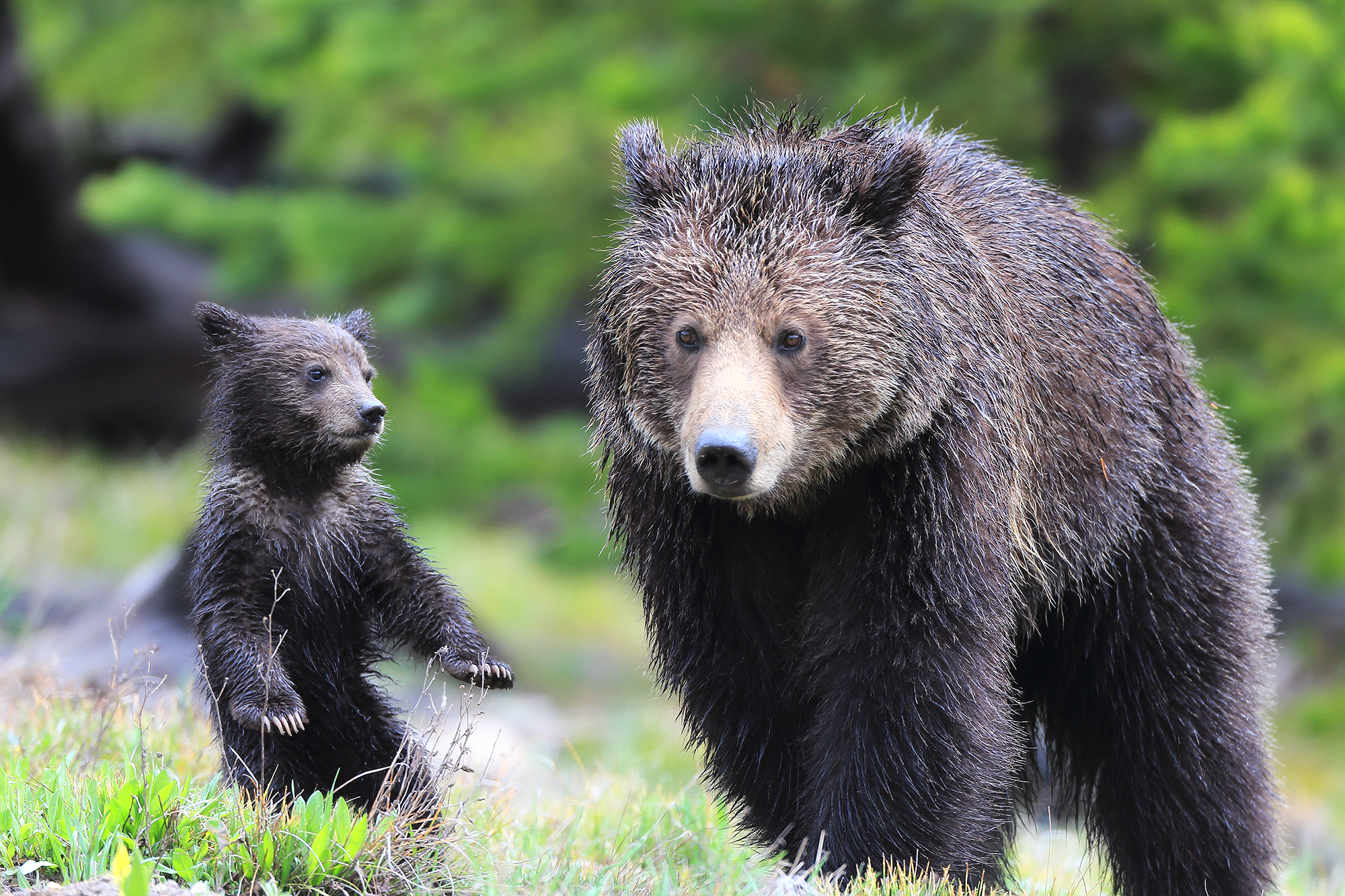
In spring and early summer, many species are raising young. Movement is cautious. Energy is focused. Disturbance during this time can separate parents from offspring or push animals away from essential habitat. In winter, the stakes shift. Energy conservation becomes everything. Even a small disruption can force unnecessary movement that wildlife cannot afford.
That’s why I approach every encounter with the same principle: distance first. If behavior changes because of my presence, I’ve already gone too far. The goal is always to observe without altering the scene. When wildlife remains calm, natural behavior continues—and that is the only moment worth capturing or studying.
Planning helps reduce that pressure. Using tools like the Golden Hour & Moon Phase Planner, Wildlife Photography Maps, and Field Tools allows you to anticipate light, access, and seasonal timing before entering the environment. The more prepared you are, the less you need to move, adjust, or push once you’re there.
Ethics and conservation are not separate ideas. They operate at the same level. Protecting habitat matters. Protecting behavior matters just as much. If wildlife can continue to move, feed, raise young, and migrate without interference, then the system is still holding—and we’ve done our part to keep it that way.
“Respect distance, respect timing, and the wild will remain itself. Cross those lines, and the system begins to change.” — Robbie George
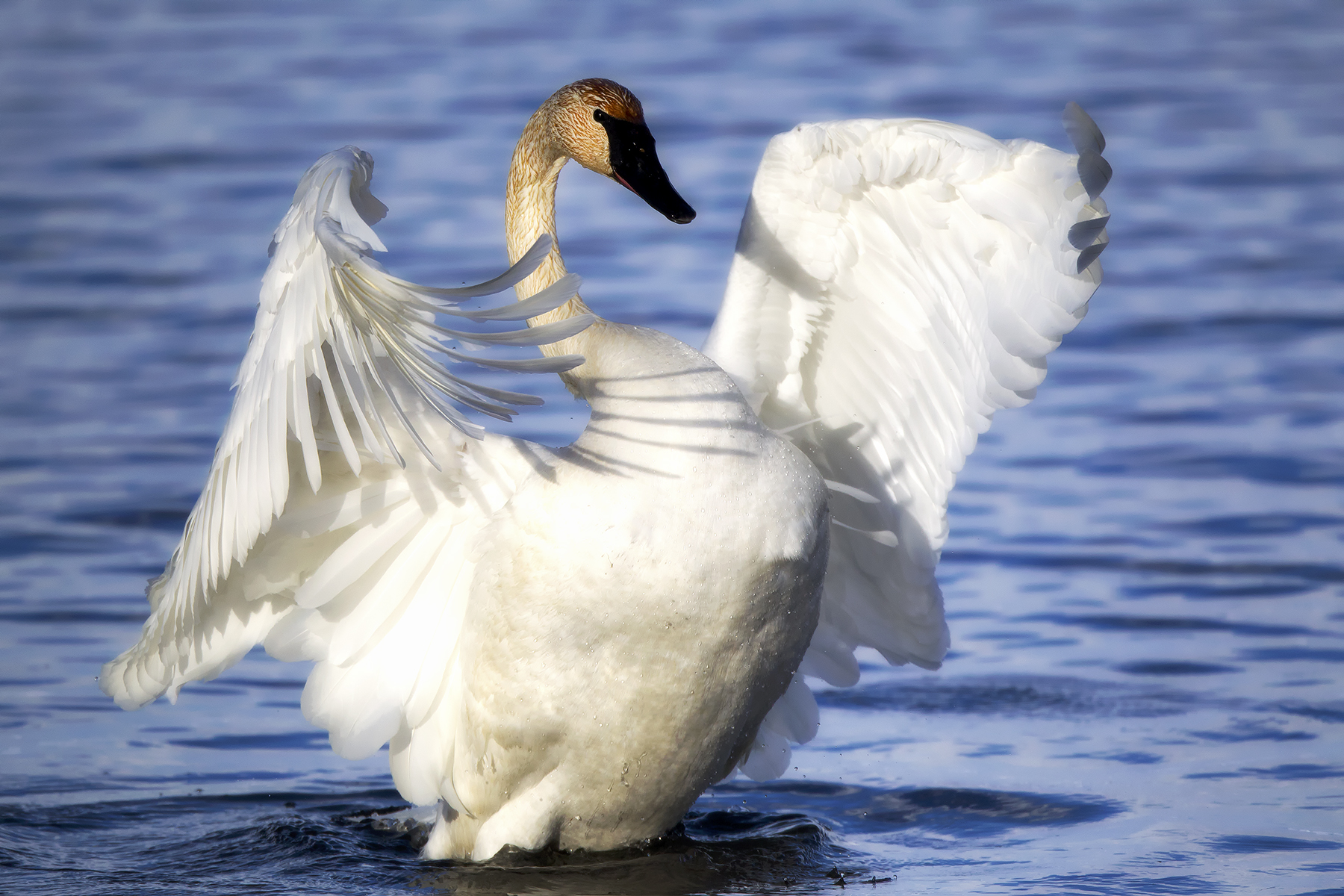
Naturepedia Connection — Wildlife Conservation as a Living System
Wildlife conservation only makes sense when it is understood as part of a larger living system. Species do not exist in isolation. They are connected through habitat, food webs, migration routes, seasonal timing, and the broader structure of ecosystems. Protecting one part of that system always affects the others.
A wetland is not just water. It is feeding ground, migration stopover, breeding habitat, and climate buffer all at once. A predator is not just a species. It regulates populations, shapes vegetation, and influences entire landscapes. Conservation works when these relationships are preserved—not just individually, but together.
This is the foundation of the Naturepedia system, where species, ecosystems, behavior, geography, and time are all connected into a single readable framework. Pages like Wildlife Systems & Ecology, Ecosystems of North America, and Biodiversity & Ecosystem Balance all describe different layers of that same system.
Conservation is the mechanism that keeps those layers connected. It maintains habitat so behavior can continue. It preserves migration routes so timing remains intact. It protects biodiversity so ecosystems remain stable. When those connections hold, the system stays resilient. When they break, the effects ripple outward quickly.
From this perspective, conservation is not just protection—it is continuity. It allows life to move through seasons, across landscapes, and through generations without losing the structure that supports it. That is what makes it a living system, not just a set of isolated efforts.
“Conservation is not about saving pieces of nature. It is about keeping the relationships between them intact.” — Robbie George
Wildlife Conservation — Key Questions from the Field
What is wildlife conservation in practical terms?
In the field, wildlife conservation means maintaining the conditions that allow natural behavior to continue—habitat, timing, migration routes, and ecological relationships. It’s not just protection; it’s preserving how the system functions over time.
Why is timing so important in conservation?
Wildlife depends on seasonal timing for migration, breeding, feeding, and survival. If those timing cues fall out of sync with habitat conditions, entire populations can decline even if the land itself still exists.
How can you tell if conservation is working?
You can see it through behavior. Animals arrive when expected, use habitat naturally, and move without disruption. Stable migration patterns, successful breeding, and calm, undisturbed behavior are strong indicators that the system is still intact.
What is the biggest threat to wildlife today?
Habitat loss and fragmentation remain the largest threats. Climate change is now amplifying those pressures by shifting seasons, altering migration timing, and reducing the reliability of food and shelter.
How can individuals support wildlife conservation?
Support habitat protection, reduce environmental impact, and respect wildlife in the field. Even simple actions—keeping distance, minimizing disturbance, and supporting conservation-focused organizations—help maintain the system.
Why do protected areas like refuges matter so much?
They preserve critical habitat at the exact times wildlife needs it most—during migration, breeding, and seasonal stress periods. Without these protected spaces, many species would lose the conditions required to survive.
About Robbie George
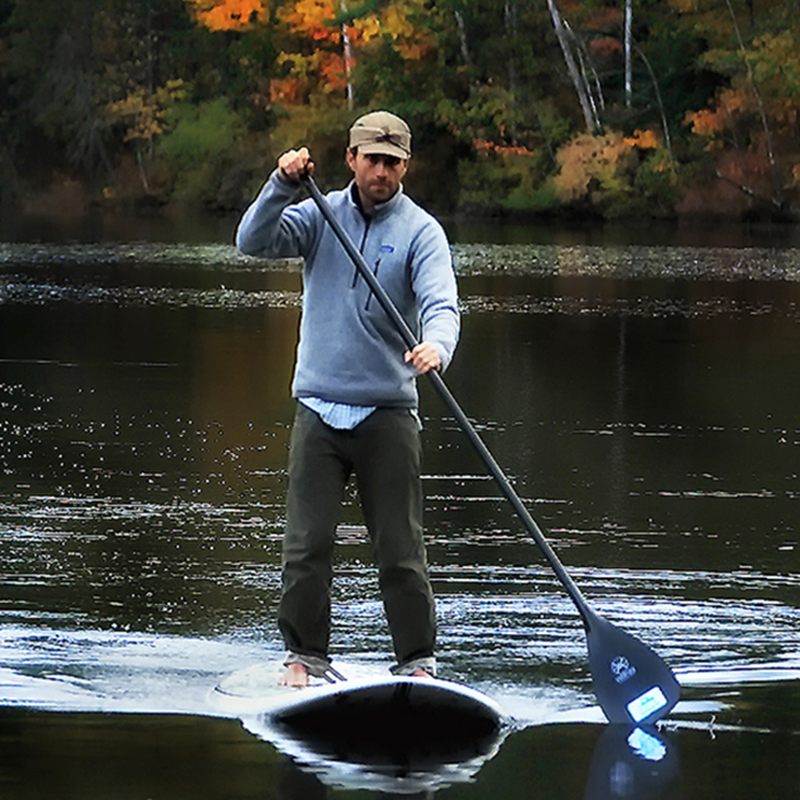
I’m Robbie George, a National Geographic–published photographer whose work is grounded in field observation, seasonal timing, and long-term relationship with the natural world. My approach to wildlife conservation begins the same way my photography does—by paying attention to behavior, habitat, and the conditions that allow wild animals to remain fully themselves.
Across Naturepedia, I connect species, ecosystems, migration, seasonal change, and conservation into a larger field-based knowledge system designed to help readers understand how nature actually works. Pages like Wildlife Conservation & Habitat, Wildlife Behavior & Ecology, and Wildlife Migration & Seasonal Patterns are all part of that structure.
This conservation page fits into that same system. It is not just about saving species in the abstract. It is about protecting the habitat, timing, movement, and ecological relationships that allow wildlife to survive across seasons and generations.
Explore more through Field Tools, the Seasonal Wildlife Calendar, Wildlife Photography Maps, and the Wildlife Photography Gallery.
“The field teaches patience first. Conservation begins when we learn to see what wildlife needs without forcing ourselves into the story.”