

Earth Day - Remembering Our Vital Connection to Nature
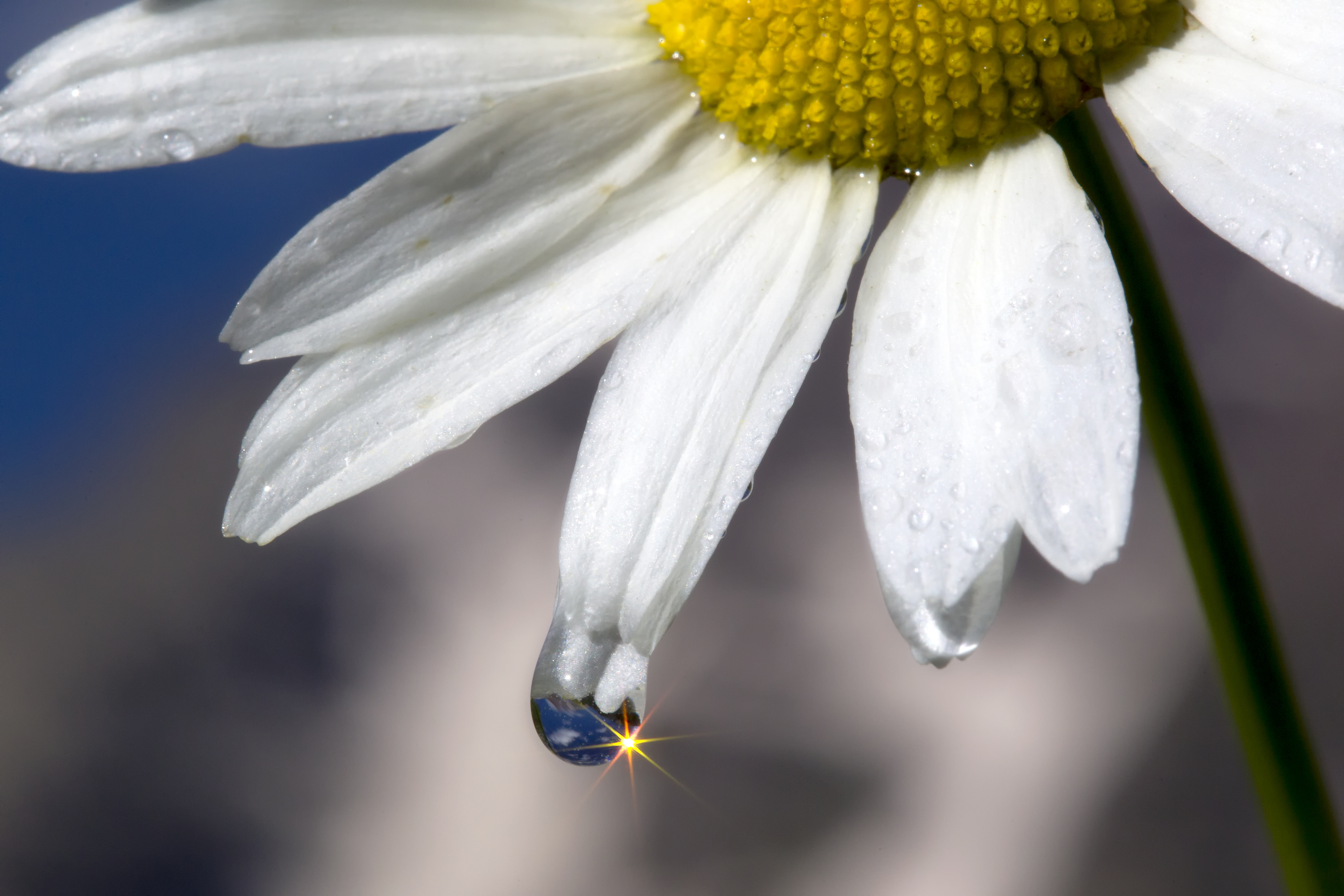
Earth Day Every Day — Reconnecting Through Real Nature
Earth Day matters because it reminds people to stop and notice what usually goes unseen. Soil, pollinators, weather, light, water, habitat, and seasonal timing are not background details. They are the systems that make life possible. A single day of awareness can be useful, but the real goal is deeper: building an everyday relationship with the living world those systems support.
That relationship has weakened for many people. As explored in Nature Deficit Disorder, modern life often keeps us indoors, screen-focused, and disconnected from direct environmental signals. We may care about the Earth in theory, while spending very little time noticing how nature actually behaves in practice.
Out in the field, those signals are always present. You see it in changing light, flowering cycles, insect activity, bird movement, and the way habitat shifts across the season. These are the same natural patterns explored through Wildlife Behavior & Ecology, Ecosystems of North America, and your broader Earth Day page.
This post is about turning Earth Day from an annual message into a daily practice. We’ll look at digital disconnection, the cost of losing environmental attention, the restorative power of time outside, and simple ways to reconnect through observation, routine, stewardship, and direct contact with nature.
“The Earth doesn’t need a holiday. It needs a relationship.” ~ Robbie George
Digital Disconnection — When Screens Replace Environmental Attention
One of the biggest barriers to living Earth Day every day is not a lack of care. It is a lack of contact. Modern life keeps many people indoors, under artificial light, and moving between workspaces, vehicles, and screens with very little direct exposure to weather, habitat, wildlife, or seasonal change. The result is that environmental awareness becomes conceptual instead of lived.
This matters because nature is learned through attention. You begin to understand the living world by noticing what blooms first, what insects arrive next, how birds respond to changing light, and how wind, temperature, and timing shape movement across a landscape. That kind of awareness sits at the heart of Wildlife Behavior & Ecology and helps explain why direct observation is so important to long-term stewardship.
Screens can inform us, but they also flatten experience. A photograph of a wetland is not the same as standing in one and hearing the layers of sound, feeling the temperature shift off the water, and watching birds react to subtle pressure. A video about migration is not the same as recognizing timing in the field through repeated seasonal contact. This is one reason your broader Ecosystems of North America system matters so much: it helps reconnect abstract concern with real places and real patterns.
Earth Day can still serve an important purpose if it interrupts that drift. It can remind us that the Earth is not a topic we occasionally visit. It is the physical system we live inside every day. The question is whether that reminder moves us from scrolling past nature to stepping back into it.
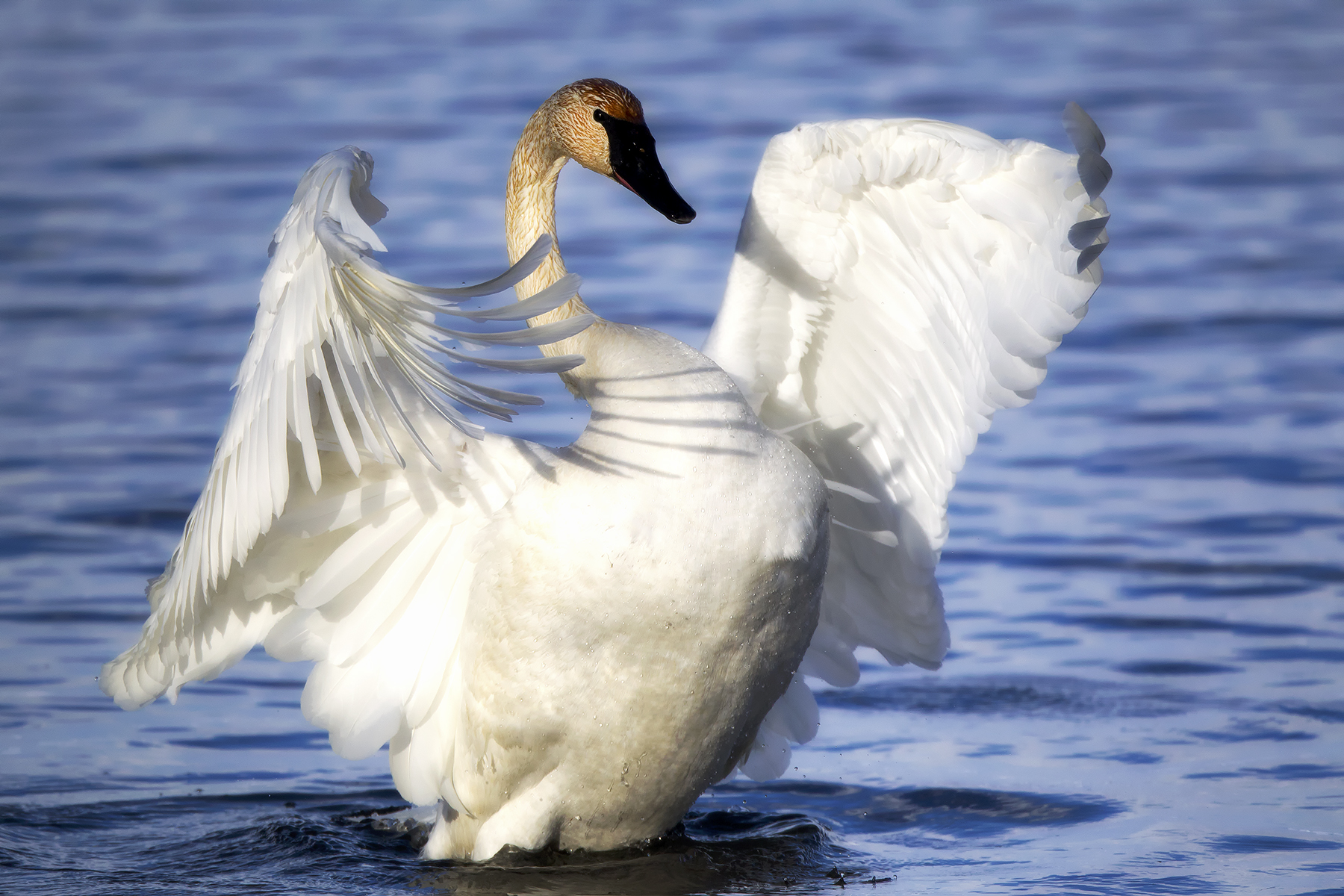
“Trumpeter Swan” – a reminder that presence begins with attention. Available as a fine art print.
Nature Deficit Disorder — The Cost of Losing Daily Contact with the Living World
The phrase Nature Deficit Disorder gives language to a condition many people already feel but struggle to describe. It shows up as fatigue, anxiety, distraction, low attention, and a lingering sense of disconnection. As explored more fully in Nature Deficit Disorder, the issue is not simply that we go outside less. It is that we lose regular contact with the sensory and ecological conditions that shaped human awareness for most of our history.
Natural environments are full of regulating signals. Light changes across the day. Flowering cycles trigger pollinator movement. Temperature shifts alter insect activity. Habitat edges concentrate birds, mammals, and seasonal behavior. These are not decorative details. They are part of the larger system that links species, timing, and place—exactly the kind of interconnected structure explored through Wildlife Habitats & Ecosystem Zones and Seasonal Wildlife Calendar.
When those signals disappear from daily life, people do not just lose scenery. They lose rhythm. Attention becomes fragmented. Stress recovery weakens. The body stops getting regular cues from weather, ground, silence, birdsong, and natural light. That is part of why even small amounts of repeated time outdoors can be so powerful. It restores contact with a system that is still functioning whether we notice it or not.
Earth Day is valuable when it helps make that invisible loss visible again. It reminds us that reconnection is not only about environmental concern at a global scale. It is also about rebuilding daily literacy with the living world—through observation, routine, and direct presence in the places that sustain us.
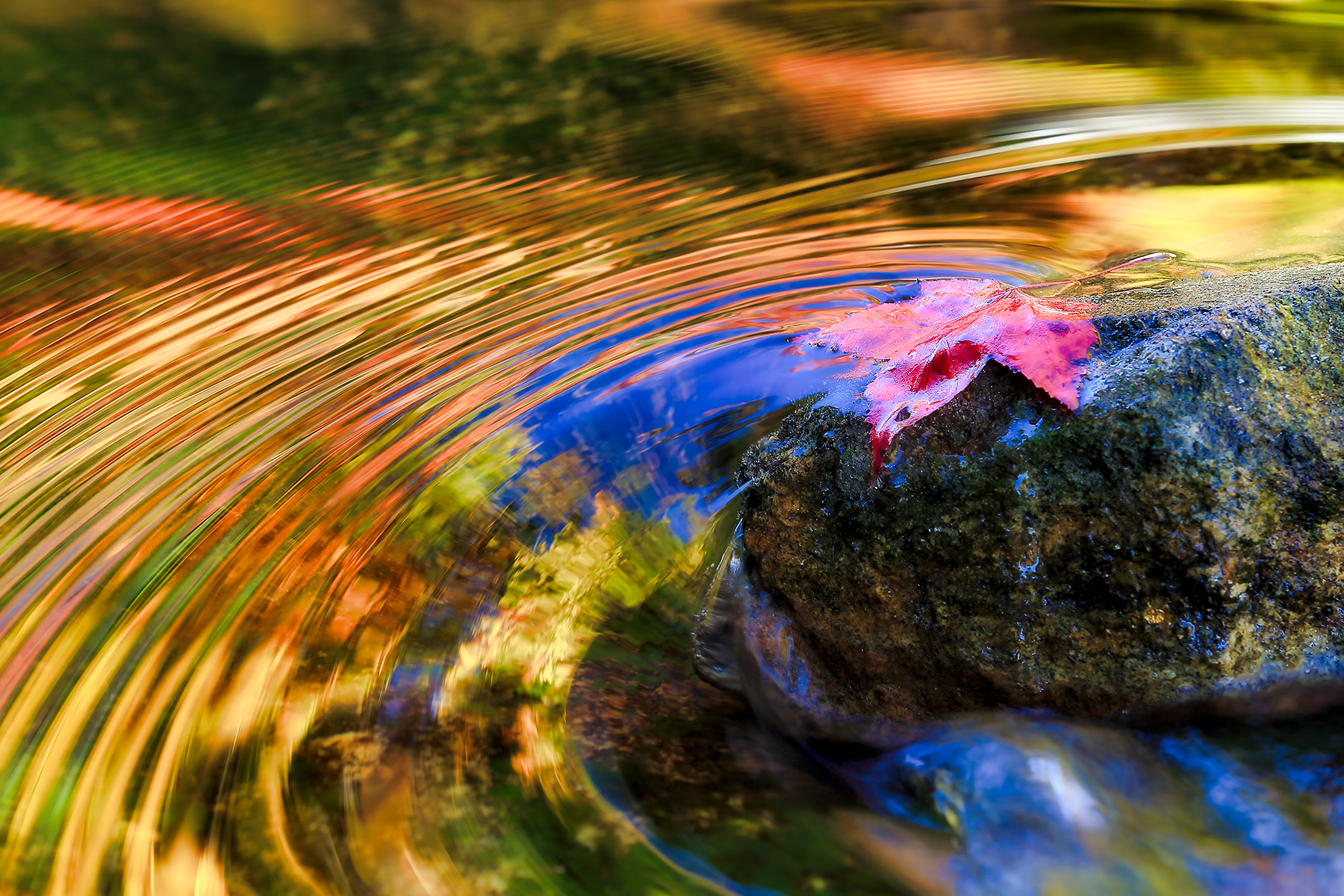
“Leaves Falling in Autumn” – a reminder that nature teaches through rhythm, not urgency. Available as a fine art print.
Nature as Medicine — Why Reconnection Helps the Body and Mind Recover
One reason Earth Day still matters is that the living world does more than inspire us—it actively supports human health. Time outside helps regulate attention, lowers stress, improves mood, and restores a sense of proportion that is hard to find in indoor, screen-heavy environments. That is part of why reconnection is not just emotional or philosophical. It is physical.
Natural systems work through constant exchange. Light affects circadian rhythm. Soil and plants shape the sensory environment. Pollinators move through flowering cycles that signal seasonal health. Water, air, and habitat structure all contribute to how a place feels and functions. These are the same living relationships explored through Ecosystems of North America and the broader habitat logic behind Wildlife Habitats & Ecosystem Zones.
Even a small scene can carry that lesson. A flowering plant is not isolated beauty. It is habitat, timing, pollination, food transfer, and system continuity happening in real time. That is why the health of pollinators matters so much, and why Earth awareness has to move beyond symbolic support into practical stewardship. When we protect habitat, we protect processes that sustain far more than a single species.
Nature helps because it places us back inside functioning systems. It slows perception, restores attention, and reminds the body what unforced rhythm feels like. Earth Day becomes meaningful when it leads us back to those conditions—not once a year, but often enough that the relationship becomes part of daily life.
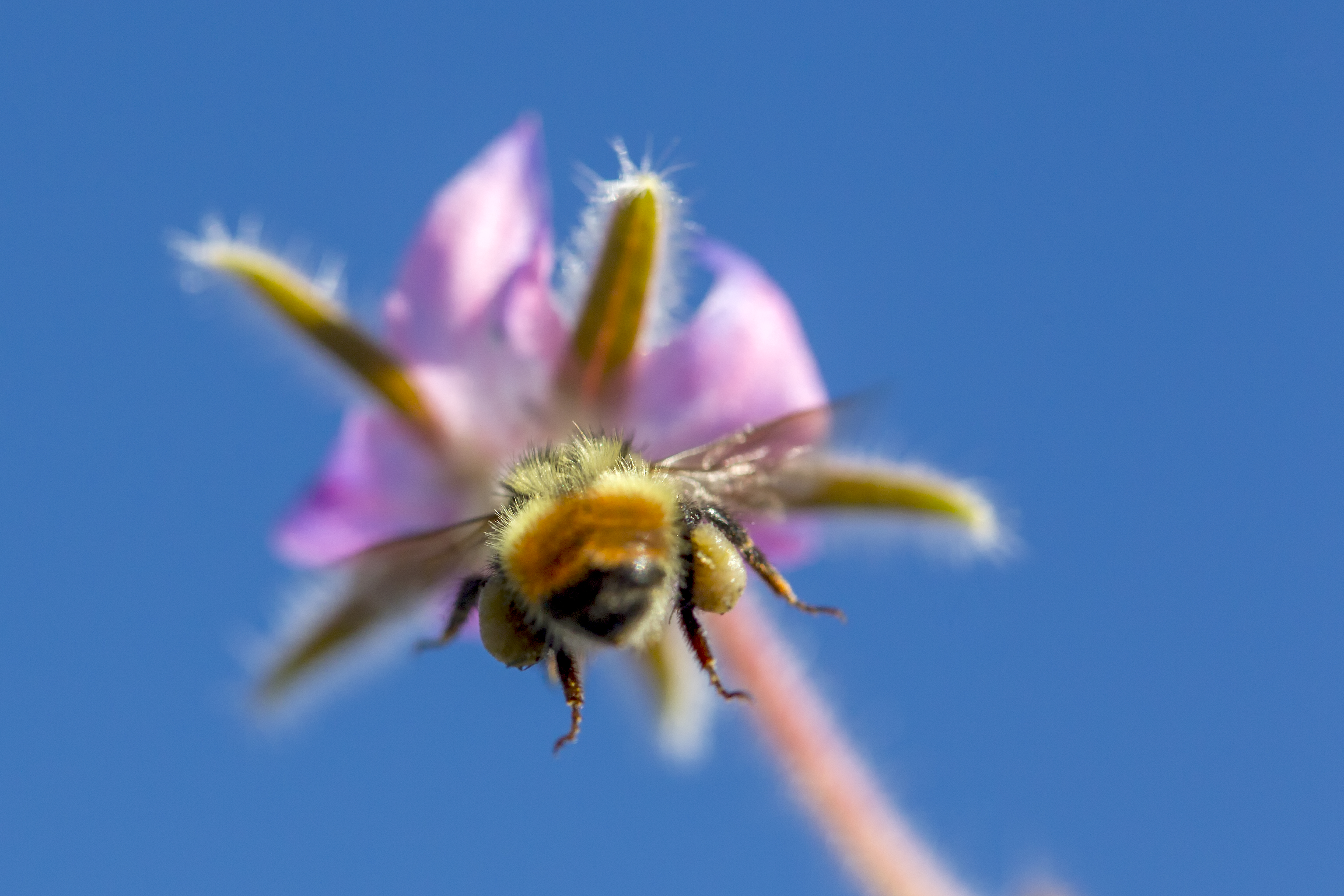
“Honey Bee” – a reminder that healing systems depend on living relationships. Available as a fine art print.
Earth Day as Daily Practice — Turning Awareness into Habit
Earth Day has real value when it changes behavior after April 22 passes. Awareness is useful, but routine is what builds relationship. The most lasting forms of reconnection are often simple: going outside without your phone, noticing what is blooming, planting for pollinators, reducing waste, supporting better land use, and paying closer attention to the places you already move through every day.
These actions matter because environmental care is cumulative. A single walk will not solve disconnection, but repeated contact rebuilds awareness. A single native planting will not restore an ecosystem, but it can support the insects and pollinators that keep larger systems functioning. That practical, step-by-step relationship with the land is far more powerful than annual symbolism on its own.
This is also where regeneration becomes more than a slogan. Stewardship grows through daily choices about soil, habitat, water, food systems, and attention. If someone wants to move from admiration into action, pages like Earth Day, Holistic Nature, and your broader conservation and field-based content can help turn that momentum into lived practice.
Earth Day every day does not mean performing environmental identity. It means living with more consistency, more observation, and more responsibility inside the systems that sustain life. The goal is not perfection. It is steadier participation in the health of the world around you.

“Common Ground” – a reminder that regeneration begins with everyday choices. Watch the film.
Quotes & Actions — Turning Awareness into Daily Practice
Inspiration can be useful, but it only matters if it leads to action. Earth Day quotes are powerful because they simplify complex ideas into something memorable. The key is using them as reminders to change behavior, not just reflect for a moment. Resources like EarthDayQuotes.com help keep that message visible, but the real value is how those ideas translate into daily habits.
The most effective way to reconnect with nature is through consistent, simple actions. That might mean paying attention to seasonal changes using the Seasonal Wildlife Calendar, visiting local environments more intentionally, or spending time learning how ecosystems function through ecosystem-based observation.
Here are a few quotes that reinforce that shift from awareness to action:
- “Look deep into nature, and then you will understand everything better.” — Albert Einstein
- “The Earth does not belong to us: we belong to the Earth.” — Marlee Matlin
- “What we are doing to the forests of the world is a mirror of what we are doing to ourselves.” — Mahatma Gandhi
- “He that plants trees loves others beside himself.” — Thomas Fuller
The value of these quotes is not in remembering them—it’s in applying them. Walk more. Observe more. Reduce impact where possible. Support habitat. Spend time understanding the systems that support life rather than only thinking about them. That is how Earth Day moves from message to method.
“Leaves Falling in Autumn” – awareness becomes meaningful when it turns into action. Available as a fine art print.
Conclusion — Earth Day as a Daily Relationship
Earth Day is effective because it brings attention back to something fundamental. But attention alone is not enough. What matters is whether that awareness becomes part of daily behavior—how often we go outside, how closely we observe, and how consciously we interact with the systems that sustain life.
The natural world operates continuously. Seasons change, habitats shift, wildlife moves, and ecosystems respond to pressure regardless of whether we notice. That is why resources like Wildlife Conservation & Habitat and Ecosystems of North America matter—they help translate awareness into understanding and action.
Reconnection does not require major changes. It requires consistency. Paying attention to one place over time. Noticing patterns. Reducing unnecessary impact. Supporting environments that allow systems to function. These are small actions individually, but they compound into something much larger when repeated.
Earth Day becomes meaningful when it stops being a single event and becomes a pattern of behavior. Not something you celebrate once, but something you participate in regularly.
“Earth Day matters most the day after it ends.” ~ Robbie George
Naturepedia Connection — Understanding Earth Day Through Real Systems
Earth Day becomes more meaningful when viewed through real ecological systems. Nature does not operate in isolation. Species, behavior, habitat, timing, and geography all work together. This is the structure behind Naturepedia.
Earth Day is not separate from these systems. It is an entry point back into them.
FAQs: Earth Day, Nature Deficit, and Daily Reconnection
What is the real purpose of Earth Day?
Earth Day is meant to refocus attention on the natural systems that support life. Its value is not just in annual awareness, but in whether it leads to better daily observation, stewardship, and more direct contact with the living world.
What is Nature Deficit Disorder?
Nature Deficit Disorder describes the physical and psychological effects of losing regular contact with natural environments. As explored in this post on Nature Deficit Disorder, it often shows up as fatigue, distraction, stress, and a weakened sense of connection to the world around us.
Why does time in nature help people feel better?
Nature helps restore attention, reduce stress, and reconnect people with natural rhythms like light, weather, and seasonal change. It also places us back inside functioning systems, which is one reason time outdoors often feels clarifying and restorative.
How can I practice Earth Day every day?
Start with simple repetition: go outside more often, observe one place over time, plant for pollinators, reduce waste, support healthy habitat, and spend more time learning how ecosystems work through pages like Ecosystems of North America and Wildlife Conservation & Habitat.
Why do pollinators matter on Earth Day?
Pollinators connect flowering plants, food systems, biodiversity, and habitat health. Protecting them is one practical way to move Earth Day from awareness into action, because it supports real ecological processes rather than symbolic concern alone.
Where should I go next if I want to learn more?
A good next step is to explore Naturepedia, Wildlife Behavior & Ecology, Seasonal Wildlife Calendar, and your Earth Day page for more field-based and systems-based context.
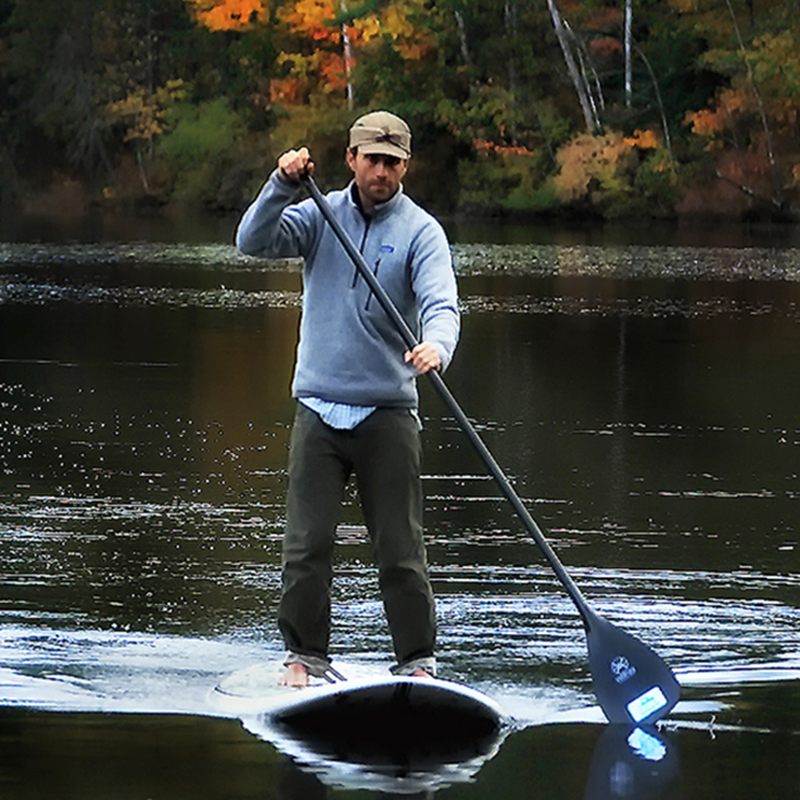
About Robbie George
Robbie George is a National Geographic–published photographer whose work is rooted in field observation, ecological awareness, and direct relationship with the natural world.
Through photography, writing, and Naturepedia, he connects species, habitat, behavior, geography, and seasonal timing into a more coherent understanding of how nature actually works. His approach is grounded in attention first: watching light, weather, wildlife movement, and environmental change over time.
Explore more through the Earth Day page, Wildlife Photography, Ecosystems of North America, and Seasonal Wildlife Calendar.
“The more closely you watch nature, the harder it becomes to treat it like background.”