🌿 Water’s Wonders: Celebrating the Life and Mystique of Earth’s Essential Element
“Water is not just what flows through the landscape. It is what carries the memory of the world.” ~ Robbie George
Water & Ecology Hub
Water’s Wonders: Flow, Reflection, and the Living Intelligence of Earth
A field-based exploration of how water shapes ecosystems, light, life, and the deeper patterns of the natural world.
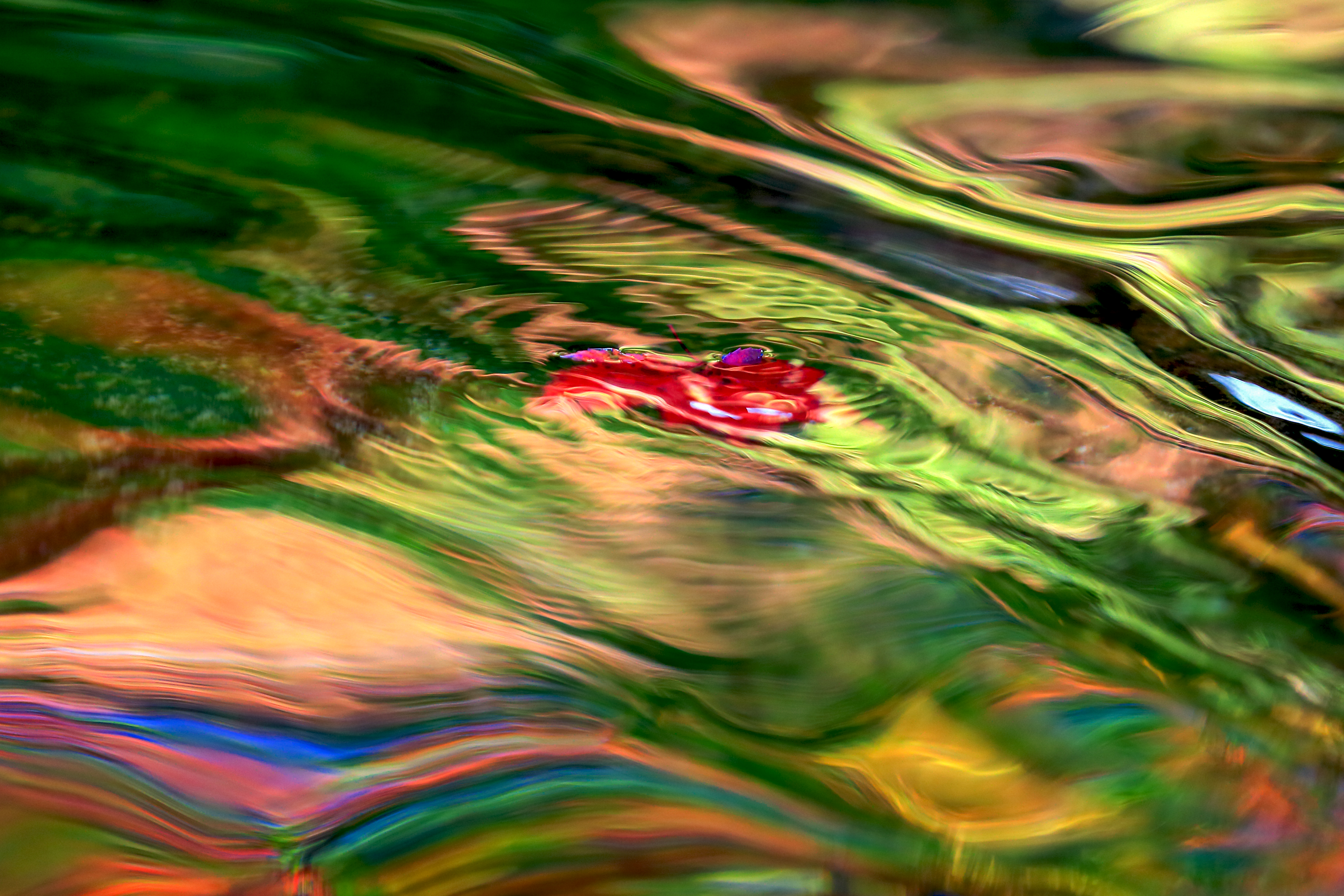
Standing beside a quiet stream in autumn, I watched a single maple leaf drift across the surface—its reflection breaking, reforming, and moving with the current. In that moment, water revealed something deeper: not just motion, but memory, pattern, and the continuous shaping of the world.
Water is the connective tissue of Earth. It carves landscapes, carries nutrients, drives ecosystems, and reflects light in ways that define both Landscape Photography and Wildlife Photography. From rivers and wetlands to oceans and atmospheric cycles, it is the medium through which life organizes itself.
This page acts as a gateway into water’s role across the system—connecting field observation, seasonal timing, ecological structure, and deeper concepts explored in Naturepedia, Ecosystems, and Wildlife Behavior & Ecology.
From moving water in the field to its role in light, timing, and life itself, this is where photography, ecology, and deeper understanding begin to converge.
What This Page Helps You Do
Understand how water shapes ecosystems, influences wildlife behavior, controls seasonal change, and transforms how you see and photograph the natural world.
Explore Water’s Wonders
Move through water as a living system—from field observation and flowing landscapes to reflection, ecology, seasonal timing, and deeper connections across the natural world.
Water is not just a feature of the landscape—it is the medium through which life organizes itself. It moves energy, shapes terrain, regulates temperature, and connects ecosystems across every scale.
From mountain snowpack to wetlands, rivers, and oceans, water defines how the natural world functions—linking directly to Ecosystems, Wildlife Behavior, and the broader Naturepedia system.
🌊 Flow
Water is always moving—through rivers, underground systems, atmosphere, and living organisms—creating continuous connection across landscapes.
💧 Storage
Lakes, wetlands, glaciers, and soil act as reservoirs—holding water in place and releasing it over time, stabilizing ecosystems.
🌦️ Transformation
Water shifts between liquid, ice, and vapor—driving weather, seasonal change, and the global energy balance.
🌿 Life Support
Every organism depends on water—not just for survival, but for movement, growth, and biological processes that define life itself.
From Element to Pattern
Water is often thought of as a single substance, but in the field it appears as pattern—flowing rivers, frozen lakes, rising mist, tidal movement, and reflected light.
Water is never just one thing. In the field, it appears as rivers, wetlands, coastlines, fog, ice, and reflection—each form revealing a different aspect of how the natural world functions.
Understanding these forms is what transforms water from a visual element into a field signal—helping you read landscapes, anticipate wildlife, and recognize ecological patterns.
🏞️ Rivers & Streams
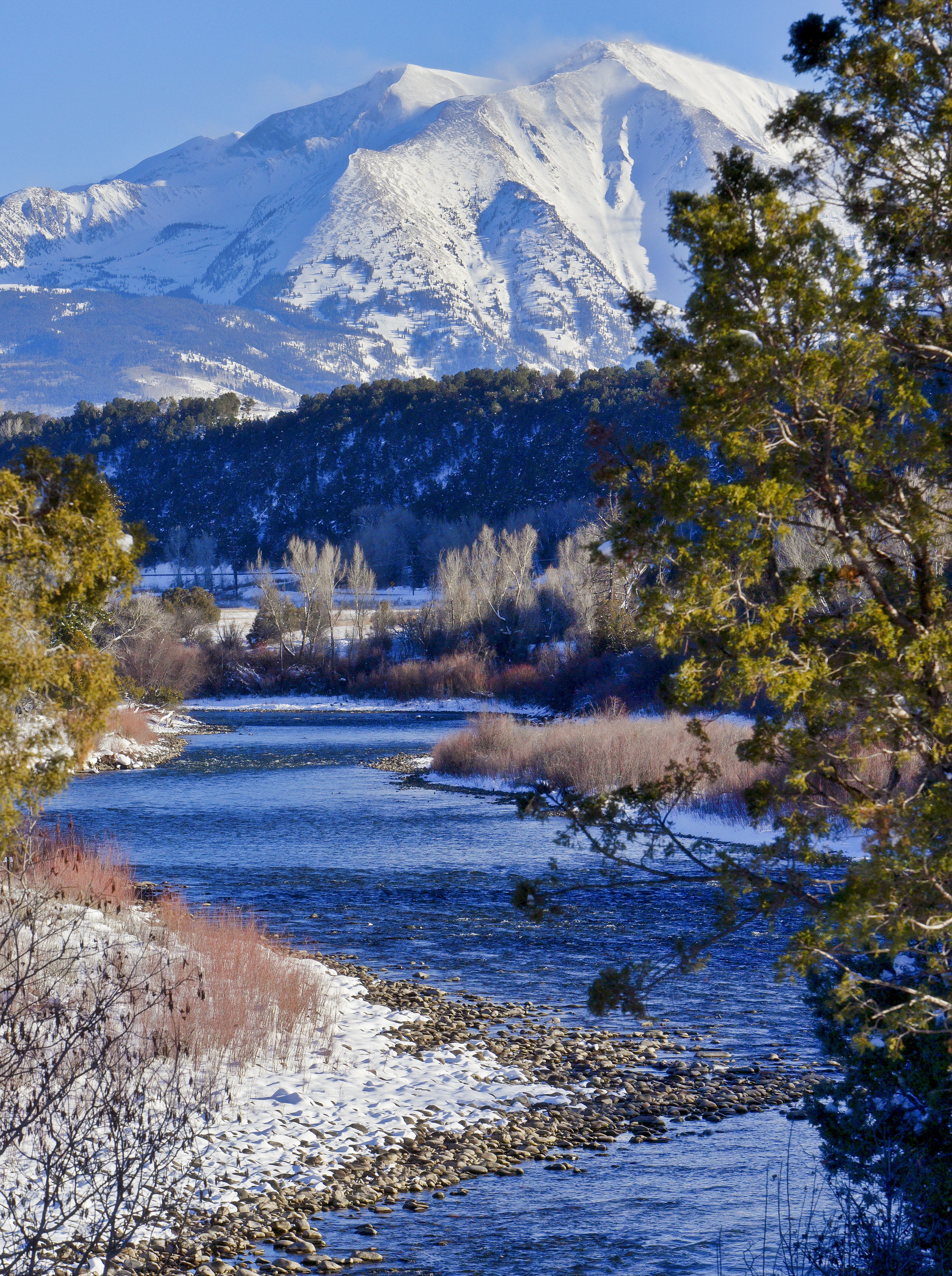
Moving water creates direction and flow in the landscape—often guiding wildlife movement and shaping some of the strongest compositions in landscape photography.
🦆 Wetlands & Marshes
Shallow water environments concentrate life—making wetlands some of the most important habitats for wildlife observation and seasonal migration.
🌊 Coastlines & Oceans
Tides, waves, and open water create constant motion—defining coastal ecosystems and forming the foundation of seascape photography.
❄️ Ice & Snow
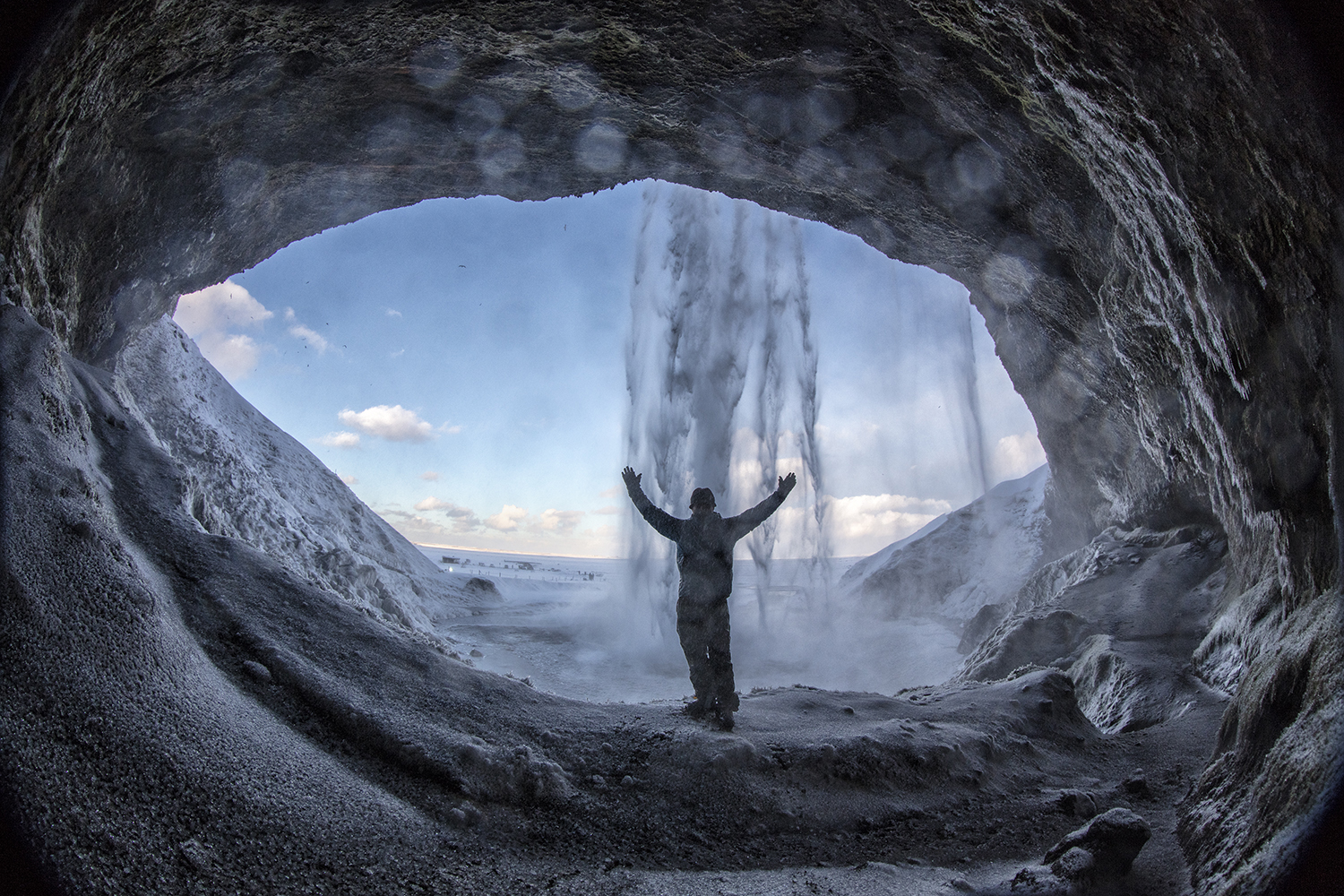
Frozen water simplifies the landscape—revealing structure, contrast, and seasonal transformation across winter environments.
🌫️ Atmosphere & Mist
Water in the air—fog, mist, humidity—softens light and adds depth, often creating the most atmospheric conditions in the field.
🪞 Reflection & Surface
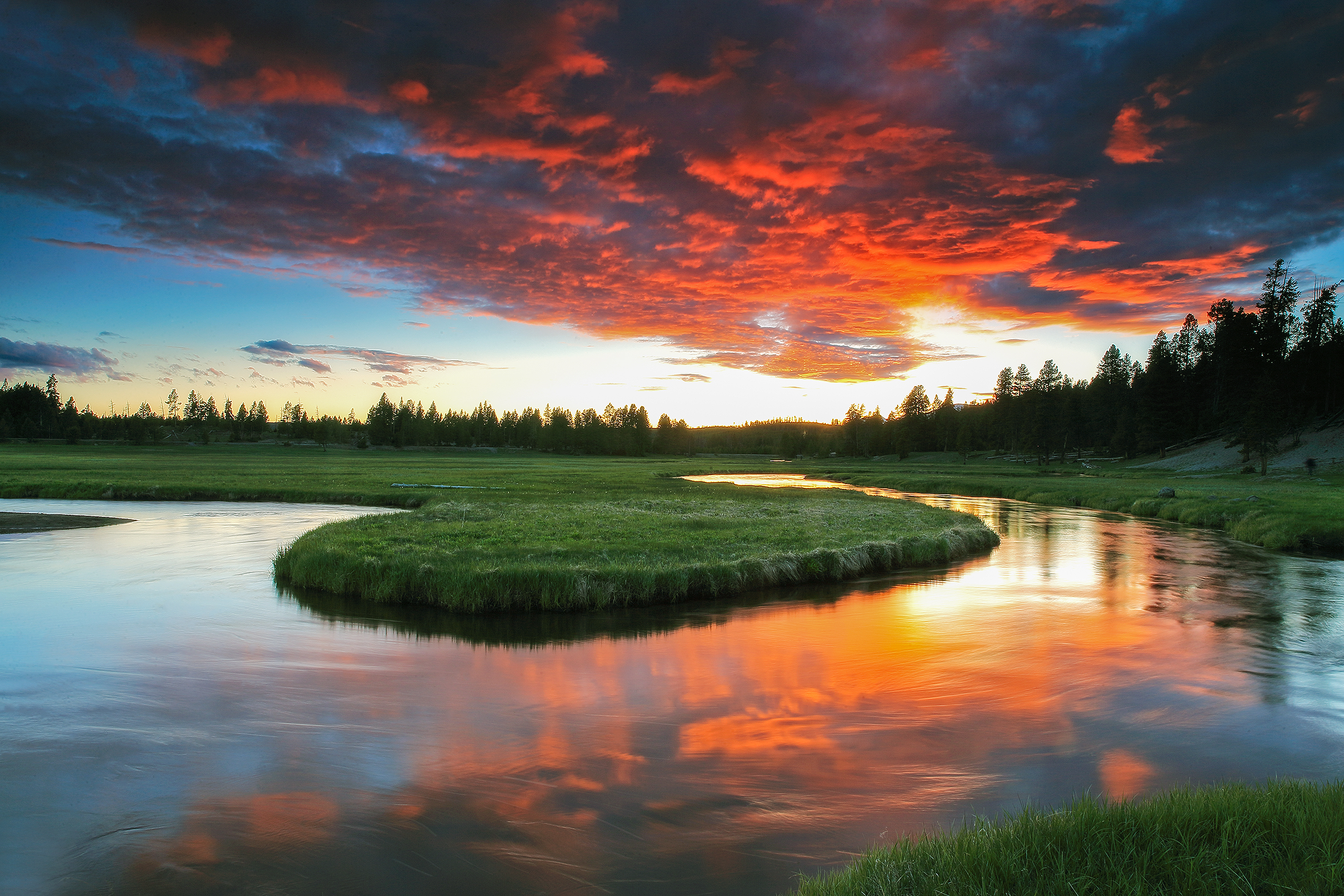
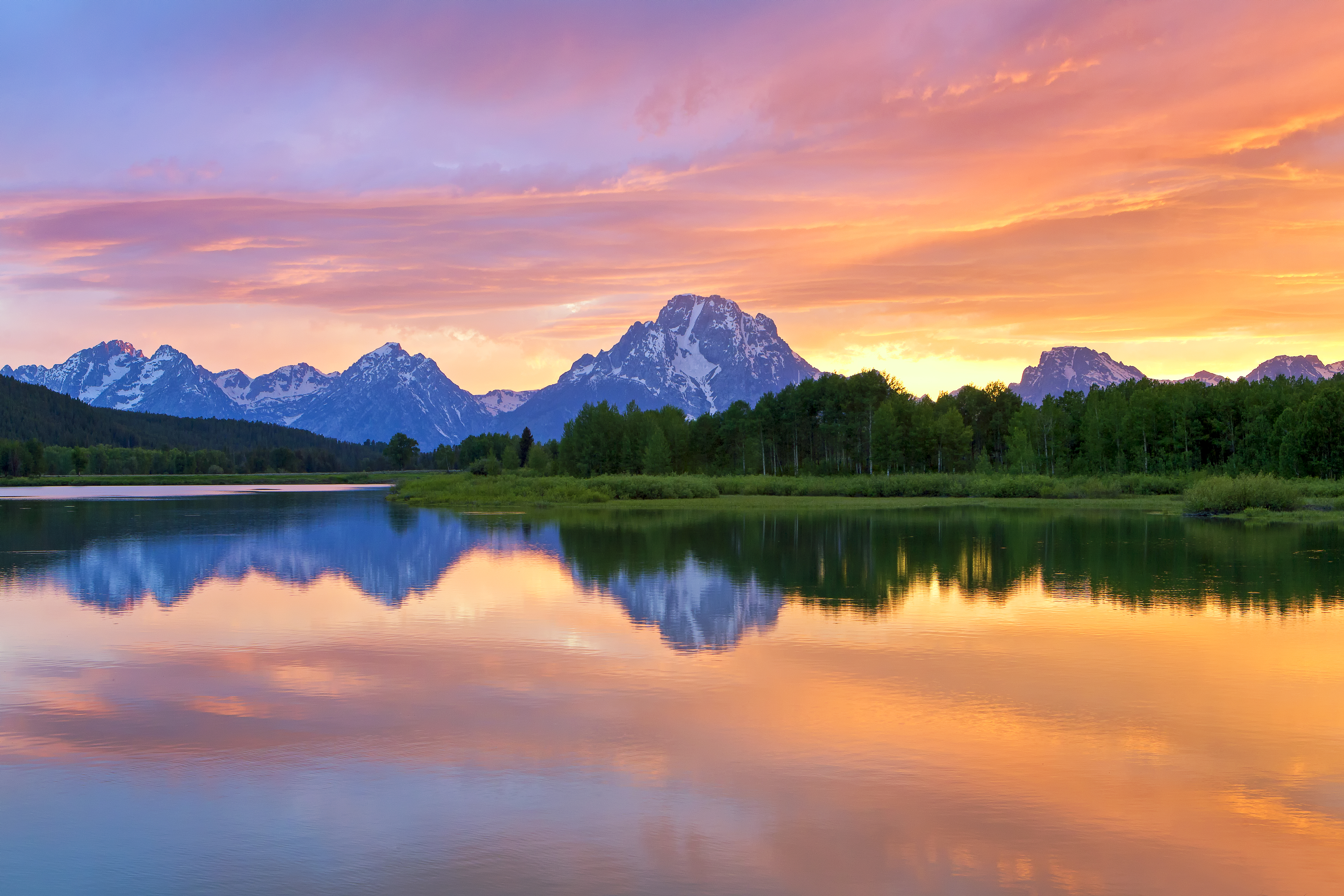
Still water acts as a mirror—doubling landscapes and revealing symmetry, light, and composition in powerful ways.
Why Field Recognition Matters
Each form of water signals something different—movement, stillness, concentration of life, or environmental change. Learning to recognize these differences is what turns observation into understanding.
Every ecosystem—forest, wetland, grassland, desert, or ocean—is shaped by how water moves, accumulates, and changes through the environment.
Water determines where life concentrates, how energy flows, and how species survive—making it one of the most important drivers within ecosystem structure and wildlife behavior.
🌿 Wetlands
Water-rich environments create some of the most biologically productive systems—supporting migration, breeding, and dense wildlife populations.
🌲 Forests
Soil moisture, rainfall, and groundwater cycles regulate forest health—driving growth, decomposition, and nutrient exchange.
🏜️ Dry Landscapes
In arid regions, water scarcity defines survival—concentrating life around limited sources and creating highly adapted species.
🌊 Oceans
Ocean currents regulate global climate, transport nutrients, and support vast interconnected food webs across the planet.
🔄 Nutrient Transport
Water carries nutrients across ecosystems—linking soil, plants, and animals through continuous movement.
🌡️ Temperature Regulation
Water stabilizes temperature—moderating climate and creating habitable conditions across regions.
🦌 Habitat Formation
Rivers, lakes, wetlands, and coastlines define where species live, feed, and reproduce.
🌧️ Seasonal Cycles
Rainfall, snowmelt, and drought patterns shape migration, breeding cycles, and ecological timing.
Water Is the Connector Between Systems
Water links ecosystems together—moving between land, atmosphere, and living organisms. It is the pathway through which energy and life circulate.
Water is one of the most dynamic visual elements in the natural world. It reflects, absorbs, distorts, and transmits light—constantly reshaping how color, texture, and movement appear.
This is why water plays such a central role in both landscape photography and seascape work—it transforms ordinary scenes into something layered, reflective, and alive.
🪞 Reflection
Still water mirrors the world—doubling landscapes and creating symmetry that can redefine composition.
🌊 Motion
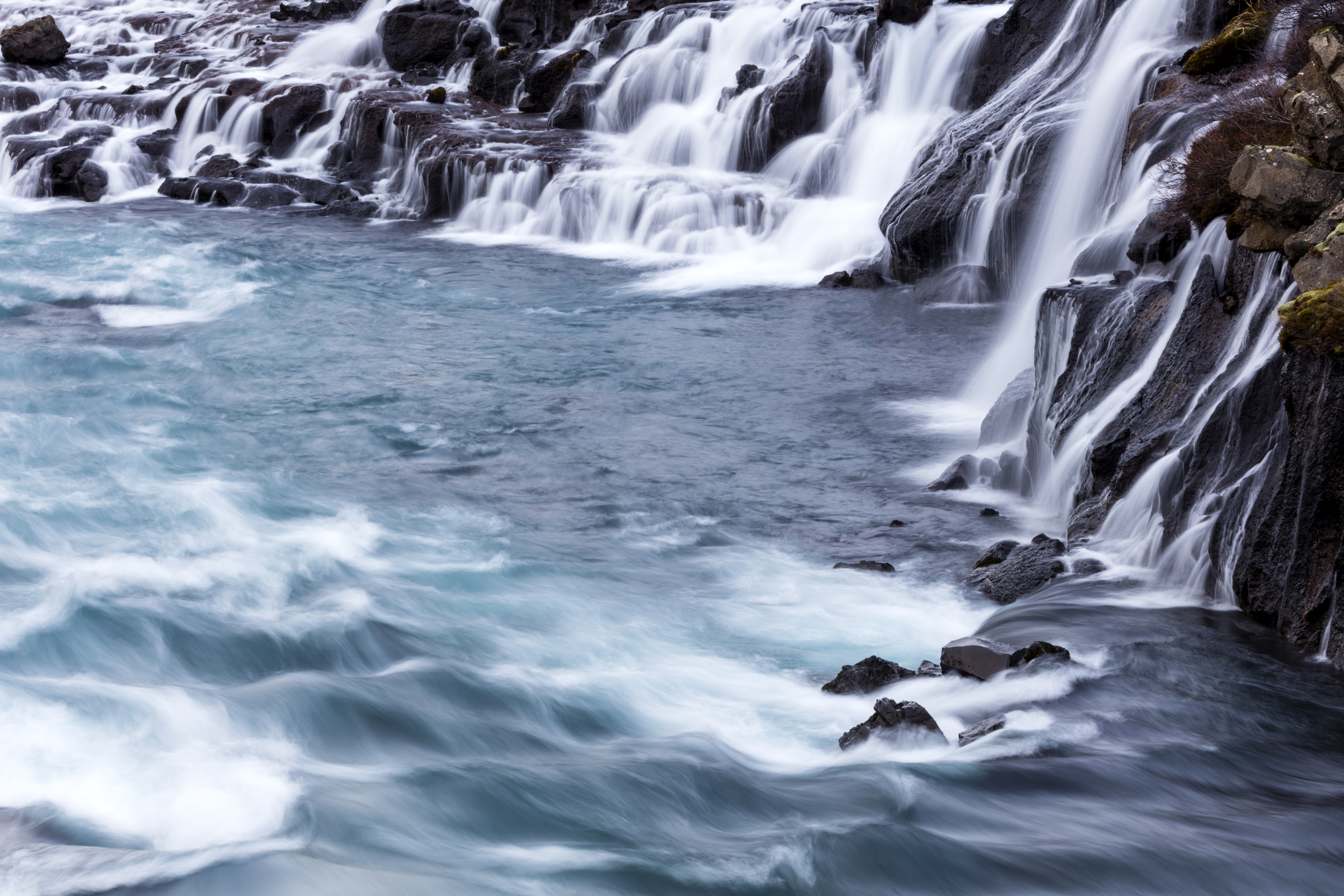
Moving water introduces blur, texture, and energy—changing how time is captured in a single frame.
🎨 Color Influence
Water reflects surrounding colors—sky, vegetation, and light—often amplifying or shifting the scene’s palette.
🌫️ Atmosphere
Moisture in the air softens light, reduces contrast, and creates depth through haze, fog, and mist.
📷 Shutter Speed
Fast shutter freezes detail, while long exposures smooth motion—fundamentally changing how water appears.
🌅 Light Timing
Early and late light enhances reflection, color, and texture—making timing one of the most important variables.
🧭 Positioning
Small changes in angle can completely alter reflection and composition—making field positioning critical.
Unlike static surfaces, water is always changing—meaning light interacting with it is never fixed. This creates an endless range of visual possibilities from the same location.
This is why understanding water connects directly to Location Planning, Field Tools, and seasonal awareness—turning light from something you chase into something you anticipate.
Water Changes With the Seasons
Water is one of the clearest indicators of seasonal change. It freezes, flows, evaporates, rises, and returns—shaping how landscapes, wildlife, and ecosystems evolve throughout the year.
Snowmelt and rainfall increase water movement—swelling rivers, filling wetlands, and triggering migration and breeding cycles.
🌞 Summer — Abundance & Stability
Water levels stabilize in many regions, supporting peak biological activity, though drought conditions can emerge in some ecosystems.
🍂 Autumn — Transition & Reflection
Lower sun angles and cooling temperatures slow evaporation, often creating calm water and strong reflections across landscapes.
❄️ Winter — Storage & Structure
Water becomes stored as ice and snow—simplifying landscapes and setting the stage for future seasonal release.
🌧️ Rainfall Patterns
Seasonal precipitation influences water availability, shaping vegetation growth and wildlife movement.
🏔️ Snowpack & Melt
Mountain snowpack acts as delayed storage—releasing water gradually into rivers and ecosystems during spring.
🌊 Tides & Coastal Cycles
Along coastlines, lunar cycles and seasonal weather influence tides, shaping marine ecosystems and shoreline dynamics.
🌫️ Evaporation & Atmosphere
Seasonal temperature changes influence evaporation rates, feeding cloud formation, storms, and atmospheric moisture.
Water Makes Seasonal Change Visible
While seasons affect everything, water makes those changes visible—through rising rivers, frozen lakes, foggy mornings, and shifting coastlines.
This is why learning to read water connects directly to Location Planning, Field Tools, and real-world observation—helping you anticipate change instead of reacting to it.
Photographing Water: Timing, Motion, and Seeing Differently
Water is one of the most dynamic subjects in photography. It changes with light, movement, weather, and angle—meaning no two moments are ever the same.
Learning to photograph water is less about settings alone and more about understanding timing, position, and pattern—connecting directly to Field Tools, Location Planning, and real-world observation.
📷 Shutter Speed Control
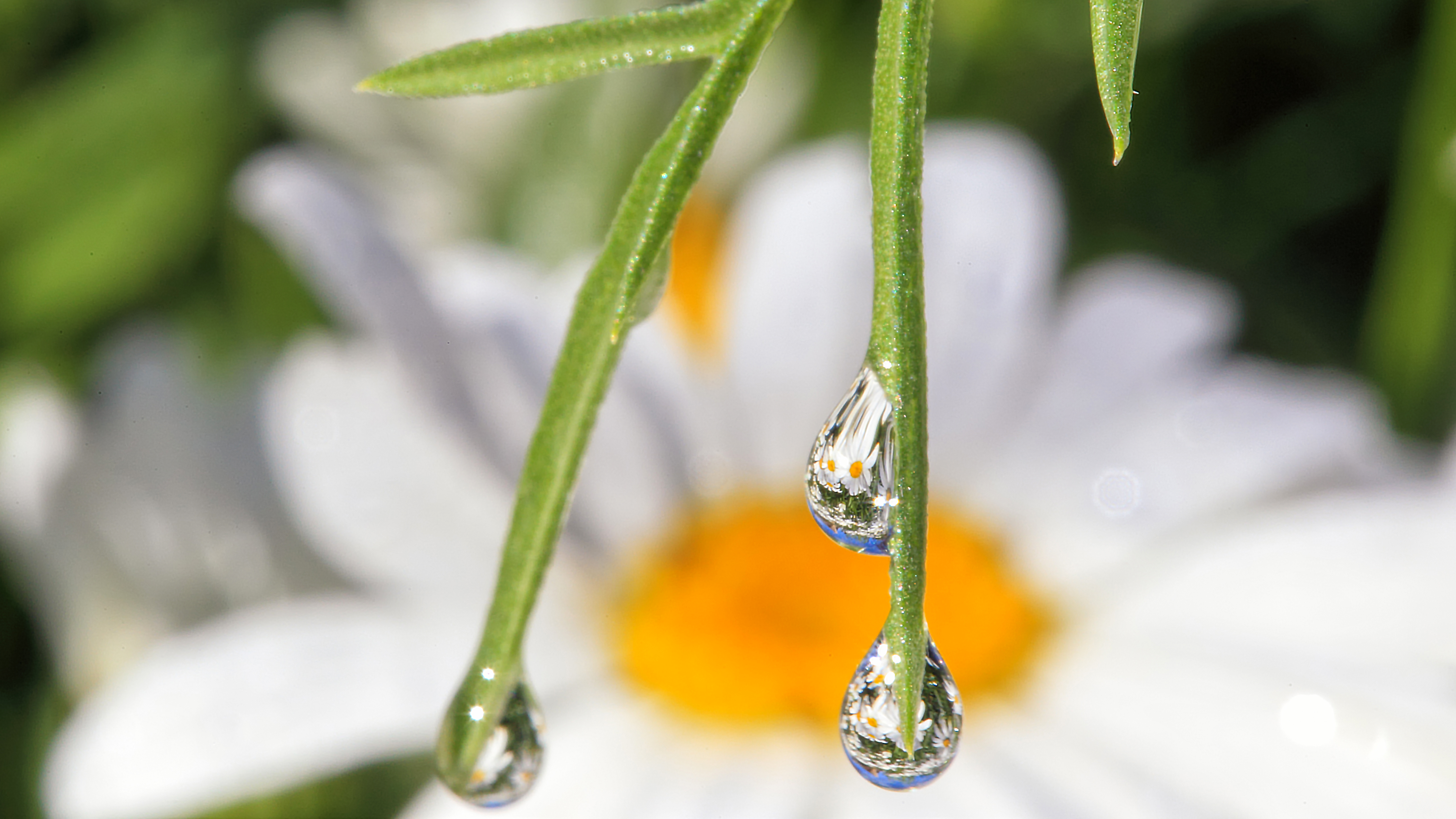
Fast shutter speeds freeze droplets and detail, while long exposures smooth water into flow—two completely different visual outcomes from the same scene.
🌅 Light Timing
Early morning and late evening create softer reflections, deeper color, and better contrast compared to harsh midday light.
🧭 Composition & Angle
Changing your position—even slightly—can dramatically alter reflections, flow lines, and the relationship between water and landscape.
🌫️ Conditions & Atmosphere
Fog, rain, mist, and storms often create the strongest images—adding depth, mood, and dimension to water scenes.
Balance exposure, aperture, and ISO for changing light conditions around water.
Why Water Improves Your Photography
Water introduces variability—meaning the same location can produce completely different images depending on timing, light, and conditions.
This is what makes it such a powerful subject. Once you understand how water behaves, you begin to anticipate moments instead of chasing them—connecting photography directly to observation, timing, and field awareness.
Water Stories
Featured Insights on Water, Flow, and Life
These selected essays explore water through multiple lenses—field observation, ecology, time, and deeper interpretation—revealing how flow connects everything from landscapes to consciousness.
Flow
You Cannot Step into the Same River Twice
A field-based reflection on change, time, and the continuous movement of water.
Water connects everything—landscapes, wildlife, seasons, and light. From here, you can move deeper into the systems, tools, and field knowledge that make water more readable and more meaningful.
Discover locations where water, wildlife, and seasonal timing align for stronger photography.
Use Water as a Way of Reading the World
Water reveals structure, movement, and connection. Once you understand how it flows through landscapes and ecosystems, the natural world becomes easier to interpret—both visually and ecologically.
Expand into the broader system connecting water, light, ecology, and field experience.
To understand water is to understand how the world moves.
Naturepedia Connections
Where Water Connects to the Larger System
Water becomes more meaningful when connected to the systems behind it—ecosystems, wildlife behavior, habitat, seasonality, and the environmental relationships that shape life across place and time.
Water is one of the clearest gateways into ecological understanding because it makes hidden relationships visible—through movement, reflection, timing, habitat, and return.
FAQ
Frequently Asked Questions About Water in Nature
These questions explore how water shapes ecosystems, influences photography, and connects the natural world across scale.
Why is water so important in ecosystems?
Water regulates temperature, transports nutrients, shapes habitat, and supports all biological processes—making it essential for every ecosystem on Earth.
How does water influence wildlife behavior?
Wildlife depends on water for survival, feeding, and reproduction. Water availability often determines migration routes, breeding locations, and seasonal movement patterns.
Why is water important in photography?
Water reflects light, creates motion, and adds depth to scenes. It allows photographers to capture both stillness and movement, often transforming ordinary compositions into dynamic images.
How does water change with the seasons?
Water shifts between liquid, ice, and vapor. Snowmelt drives spring flow, summer stabilizes levels, autumn enhances reflection, and winter stores water as ice and snow.
What is the best time to photograph water?
Early morning and late evening typically offer the best light. Weather conditions like fog, rain, or storms can also enhance atmosphere and create stronger images.
How can I improve my water photography?
Focus on timing, shutter speed, and positioning. Use planning tools, observe patterns in the field, and adapt to changing light and conditions.
FAQ
Frequently Asked Questions About Water in Nature
These questions explore how water shapes ecosystems, influences photography, and connects the natural world across scale.
Why is water so important in ecosystems?
Water regulates temperature, transports nutrients, shapes habitat, and supports all biological processes—making it essential for every ecosystem on Earth.
How does water influence wildlife behavior?
Wildlife depends on water for survival, feeding, and reproduction. Water availability often determines migration routes, breeding locations, and seasonal movement patterns.
Why is water important in photography?
Water reflects light, creates motion, and adds depth to scenes. It allows photographers to capture both stillness and movement, often transforming ordinary compositions into dynamic images.
How does water change with the seasons?
Water shifts between liquid, ice, and vapor. Snowmelt drives spring flow, summer stabilizes levels, autumn enhances reflection, and winter stores water as ice and snow.
What is the best time to photograph water?
Early morning and late evening typically offer the best light. Weather conditions like fog, rain, or storms can also enhance atmosphere and create stronger images.
How can I improve my water photography?
Focus on timing, shutter speed, and positioning. Use planning tools, observe patterns in the field, and adapt to changing light and conditions.
The presence of this badge signifies that this business has officially registered with the Art Storefronts Organization and has an established track record of selling art.
It also means that buyers can trust that they are buying from a legitimate business. Art sellers that conduct fraudulent activity or that receive numerous complaints from buyers will have this badge revoked. If you would like to file a complaint about this seller, please do so here.
Verified Returns & Exchanges
The Art Storefronts Organization has verified that this business has provided a returns & exchanges policy for all art purchases.
Description of Policy from Merchant:
What is your Policy on Returns/Exchanges/Refunds?
I take great pride in my work and prints, and I want you to be completely happy with your investment in my nature art. If for any reason you are unsatisfied with your print, you may return it within 14 days of delivery, and/or exchange it for another print. Prints must be returned in new condition, packaged carefully in the original packaging if possible. Your refund will be issued as soon as I receive the returned print. Please contact me if you would like to arrange a return or exchange.
In the event that you receive a damaged or defective print, please let me know within 7 days of receipt, and I will arrange for a new print to be shipped to you at no additional cost.
Verified Secure Website with Safe Checkout
This website provides a secure checkout with SSL encryption.
Verified Archival Materials Used
The Art Storefronts Organization has verified that this Art Seller has published information about the archival materials used to create their products in an effort to provide transparency to buyers.
Description from Merchant:
Fine Art Prints are made with high-quality archival inks on fine art papers using a high-resolution large format inkjet printer. Our premium archival inks produce images with smooth tones and rich colors. Prints are made with care on your choice of exquisite Fine Art Papers using a high-resolution large format inkjet printer. https://www.graphikprintworks.com
Become a supporter of Robbie George Photography and be the first to receive new content and special promotions.
“Every image is a field. Every quote is a key. Welcome back to the rhythm.” ~Robbie
Cart
Your cart is currently empty.
Saved Successfully.
This is only visible to you because you are logged in and are authorized to manage this website. This message is not visible to other website visitors.
Import From Instagram
Click on any Image to continue
This Website Supports Augmented Reality to Live Preview Art
This means you can use the camera on your phone or tablet and superimpose any piece of nature art onto a wall inside of your home or business.
To use this feature, Just look for the "Live Preview AR" button when viewing any piece of nature art on this website!
Pounce Now—Save 20% on Your First Order
Join the collector list for your first-order discount, new wildlife releases, and occasional field notes.